Contents(9)
- Data Confirms Ecological Changes Since the Establishment of the Chaojing Reserve — Dr. Li Cheng-lu
- First-Ever Reveal of Chaojing's Underwater 3D Map and Underwater Camera Footage — Director Chen Li-shu
- New Technology for Chaojing's Management and Future Challenges for the Reserve — Section Chief Tsai Fu-ning
- 2023 Chaojing Marine Conservation Forum: Exclusive Revelations
- 2023 Image Bay Chaojing Underwater Photography Awards Ceremony
- Special Award — Honorable Mention
- Special Award — Runner-Up
- Wide-Angle Category Winners
- Macro Category Winners
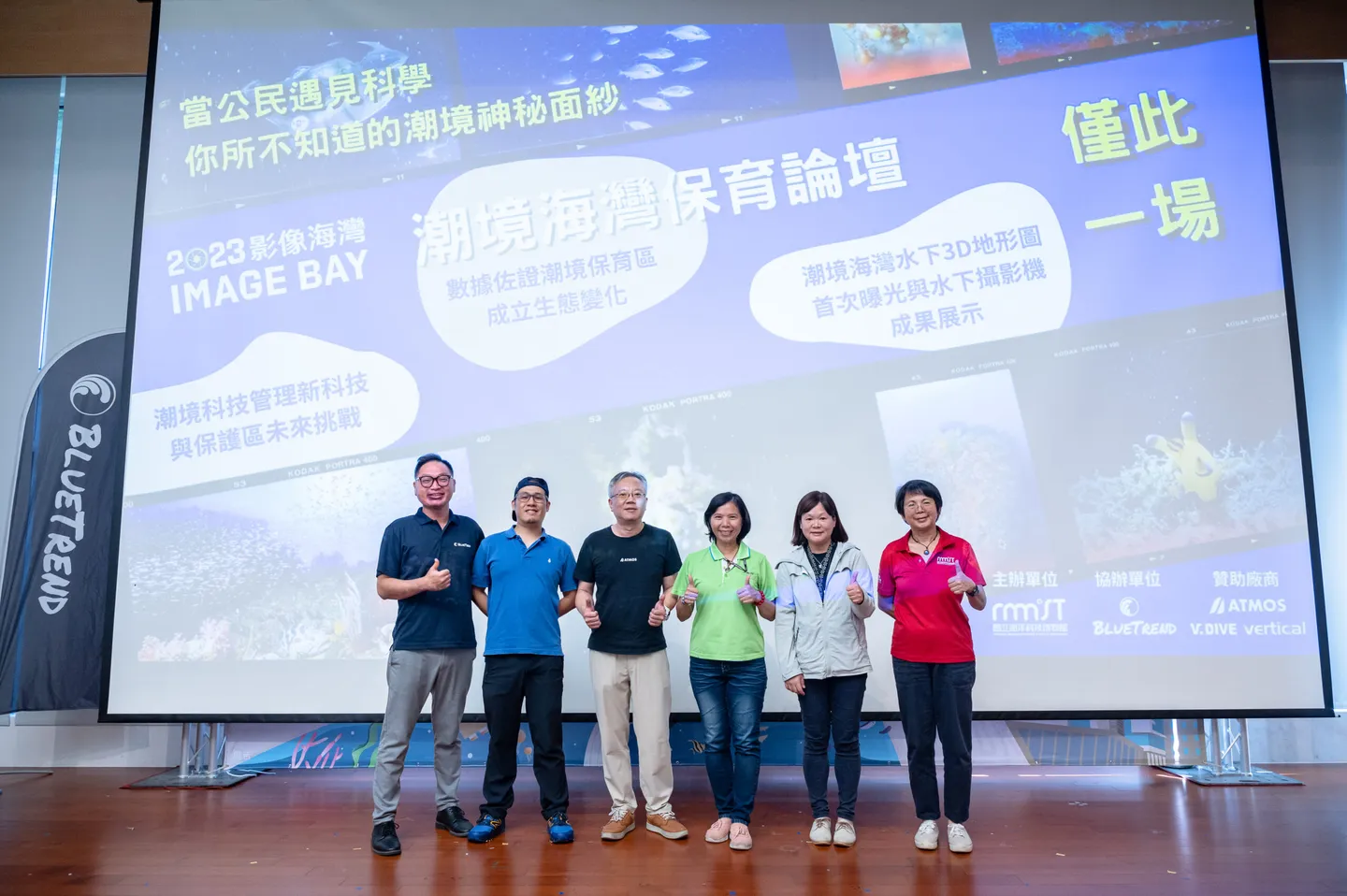
The National Museum of Marine Science and Technology and BlueTrend co-hosted the "2023 Image Bay Chaojing Underwater Photography Competition." On November 4th, the "Unveiling the Mysteries of Chaojing Marine Conservation Forum & 2023 Image Bay Awards Ceremony" was held at the International Conference Hall of the National Museum of Marine Science and Technology.
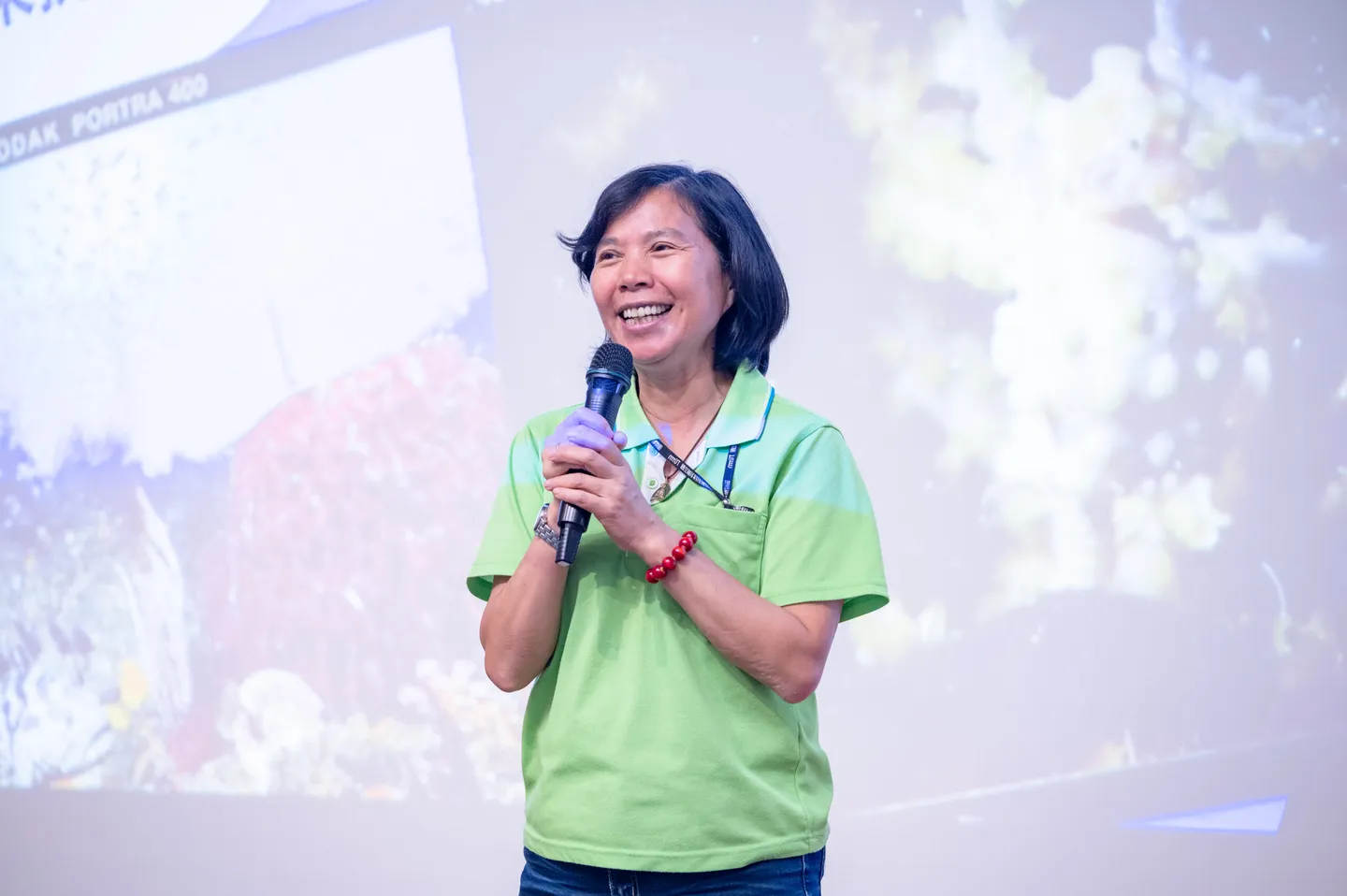
Director Chen Su-fen hopes that, through the photography competition, more photos can be collected to let more people witness the beauty of Chaojing.
In the opening remarks, National Museum of Marine Science and Technology Director Chen Su-fen expressed her hope that everyone would come to appreciate the beauty of Chaojing through the photography competition and, in turn, protect it. BlueTrend founder Spark (Zhao Jian-shun) noted that by uploading photos and data through the underwater photography competition, it becomes easier to understand changes in Chaojing's ecology and to support marine conservation and research. "For instance, this year's winner of the Rare Species Award — Best Species Award Runner-up, Lin Jin-xian, with the work 'The Coral Thief' — captured an ecological photograph of a deep-sea spider crab carrying coral on its back as camouflage. This has never been documented at Chaojing before and is of enormous research value."
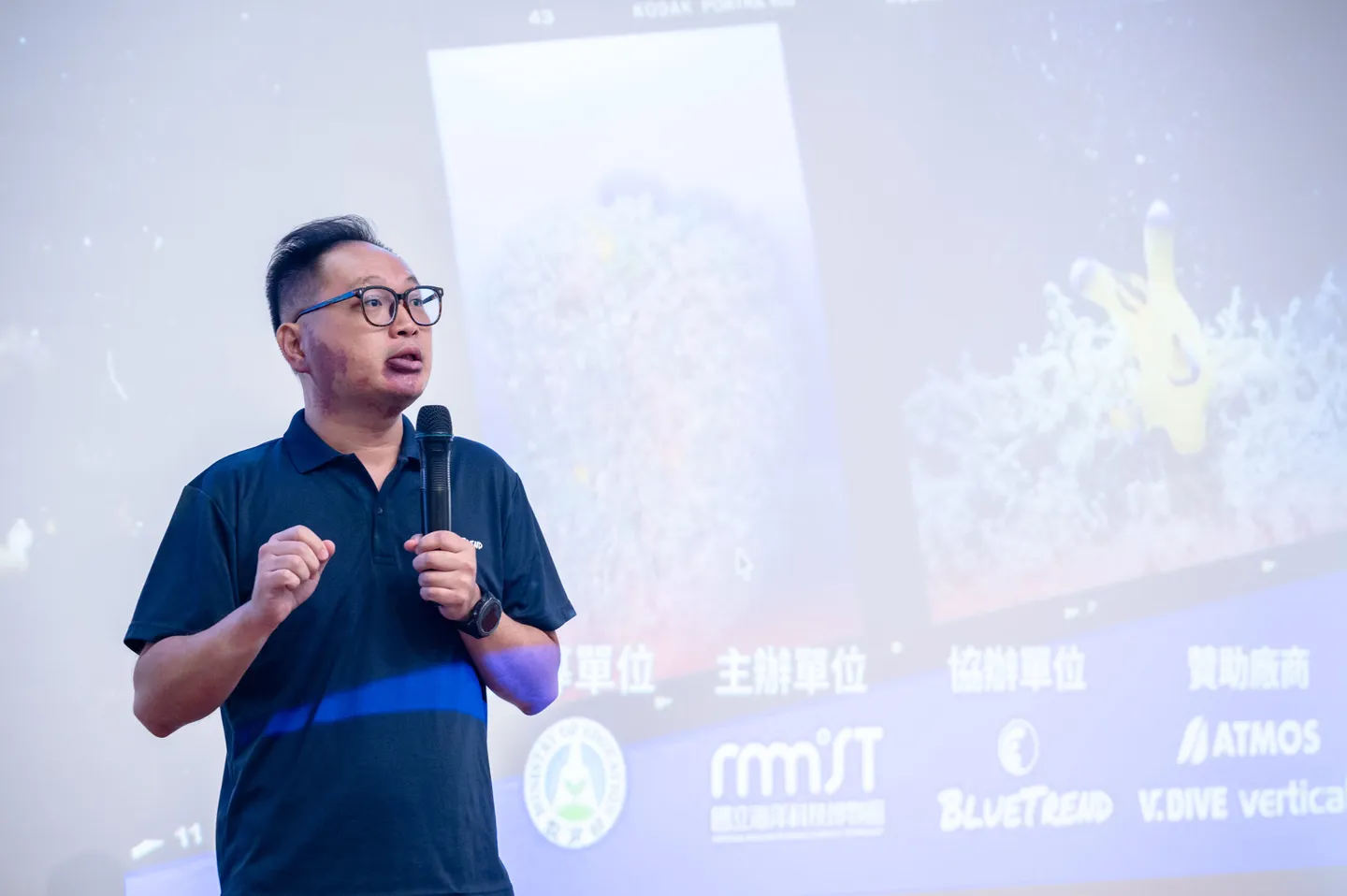
Spark stated: "Pick up a camera, take a photo — anyone can be an underwater citizen scientist."
Data Confirms Ecological Changes Since the Establishment of the Chaojing Reserve — Dr. Li Cheng-lu
Breaking with tradition, this year's awards ceremony was held in conjunction with a marine conservation forum for the first time. Leading off was marine scientist Dr. Li Cheng-lu, who presented "Data Confirms Ecological Changes Since the Establishment of the Chaojing Reserve." Dr. Li noted that between 2022 and 2023, the rigorously enforced Chaojing reserve showed 4.4 to 27.7 times the biomass compared to the neighboring Shen-ao conservation area; and compared to the past, Chaojing's biomass has grown to 18–20 times what it once was. Taken together, this confirms that with strict enforcement of fishing bans and zoning management, fish population growth effects can be seen in a short period of time!
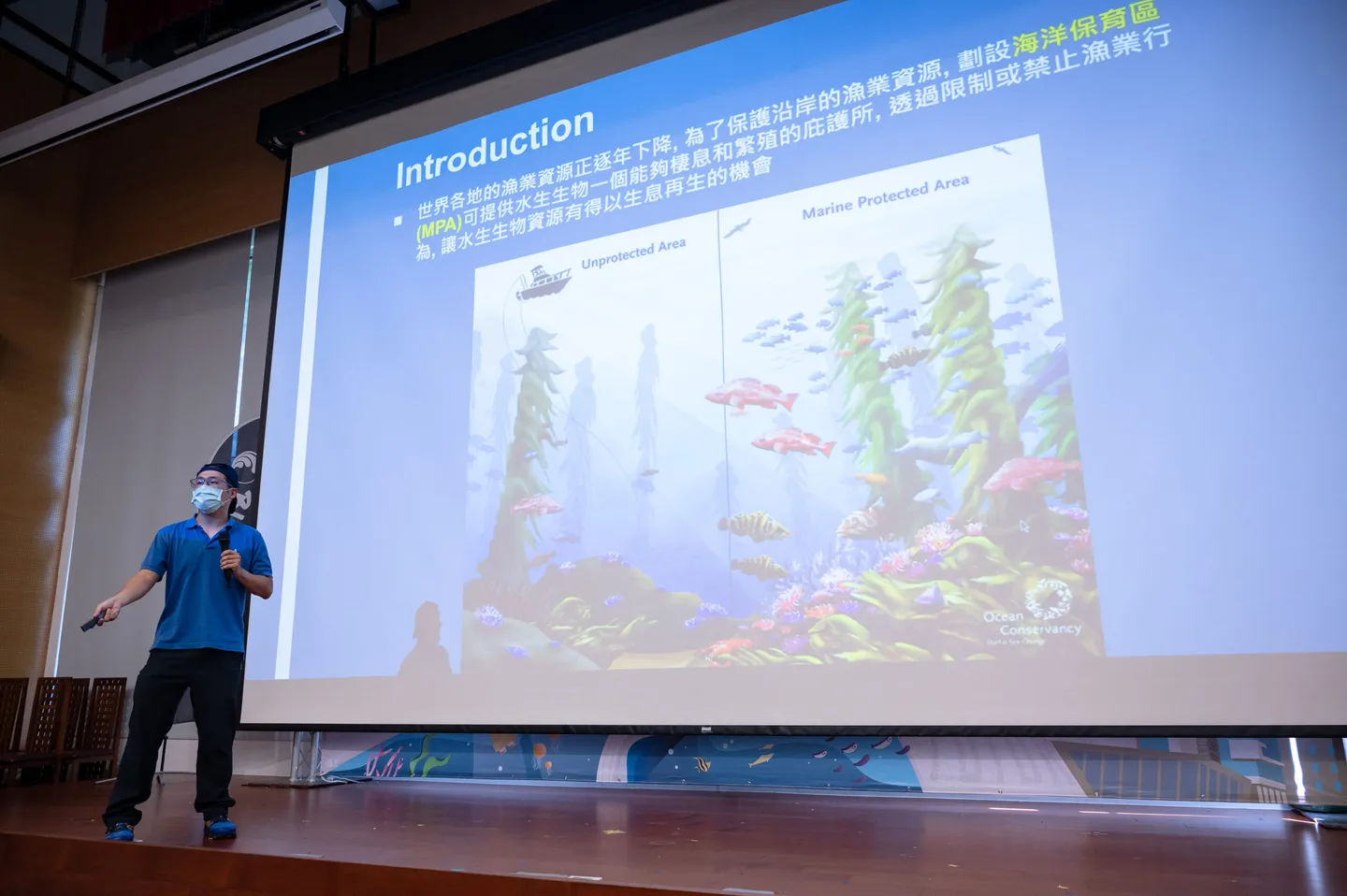
Dr. Li Cheng-lu sharing "Data Confirms Ecological Changes Since the Establishment of the Chaojing Reserve."


First-Ever Reveal of Chaojing's Underwater 3D Map and Underwater Camera Footage — Director Chen Li-shu
The first-ever public unveiling of the "Chaojing Underwater 3D Map" and the presentation of underwater camera footage was led by Chen Li-shu, Director of the Industry-Academia Exchange Division of the National Museum of Marine Science and Technology. She shared the underwater map of Chaojing constructed using sonar and drone technology, revealing to the public for the first time 65 largely unknown shipwrecks hidden within — leading to the discovery that Chaojing is home to one of the densest concentrations of shipwrecks in the world. Director Chen also used footage from Chaojing's underwater cameras to show the audience adorable marine life scenes — including a cornetfish swimming belly-up, and a sea turtle scratching its back on a gorgonian / sea fan. She invited everyone to join the marine conservation effort so these charming creatures can continue to thrive at Chaojing. Director Chen even quipped with a smile: "As long as you don't damage the cameras underwater, you're already doing your part for conservation!"
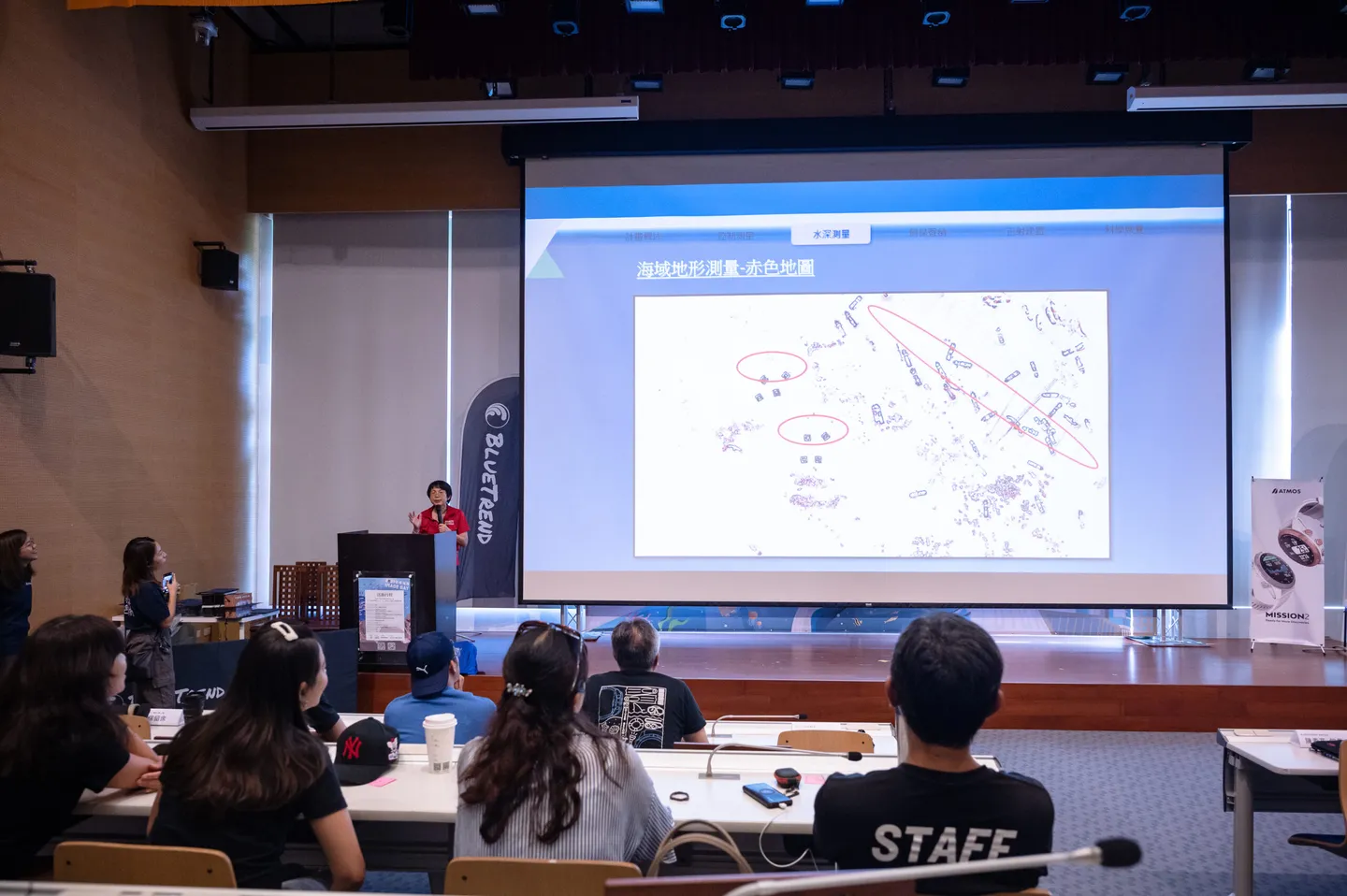
Director Chen Li-shu sharing the distribution map of the 65 shipwrecks in Chaojing.
New Technology for Chaojing's Management and Future Challenges for the Reserve — Section Chief Tsai Fu-ning
"New Technology for Chaojing's Management and Future Challenges for the Reserve" was presented by Tsai Fu-ning, Section Chief of the Ocean, Agriculture and Fisheries Development Section of the Keelung City Industry Development Department. She looked back on her efforts to convince fishermen to support the "Chaojing 1.0 Management Regulations" — which prohibit nets, fishing, and harvesting within the conservation zone — in order to ensure the sustainability of fishery resources. Thanks to these measures, Chaojing's ecosystem has improved, bringing a surge in visitors and tourism benefits.
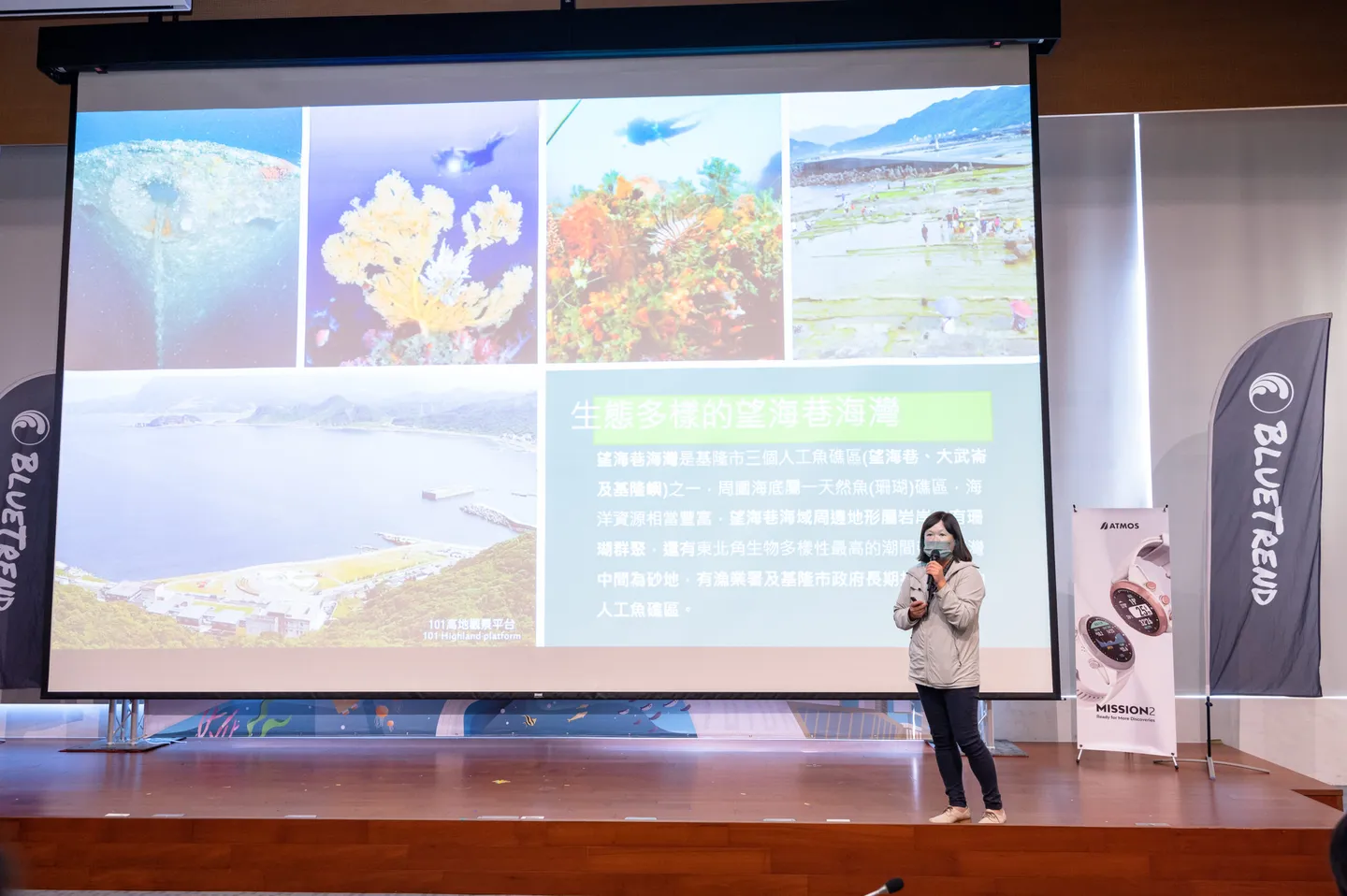
Section Chief Tsai Fu-ning must push for the "Chaojing 2.0 Management Regulations" to implement crowd control for the sake of long-term sustainability.
But as one second-generation fisherman once asked her directly: "Section Chief, is this the kind of Chaojing you wanted?" Chaojing hasn't yet reached the point where fish populations overflow into surrounding areas — but the crowds of people already have, as excessive visitor numbers and recreational activities have begun to undermine the conservation achievements at Chaojing. Therefore, to ensure its long-term sustainability, the "Chaojing 2.0 Management Regulations" must be pushed forward to implement crowd control. Section Chief Tsai asked for the audience's understanding, and at the close of her presentation said: "If you also support the Chaojing 2.0 Management Regulations, could I get a round of applause?" The audience immediately responded with enthusiastic applause in support.
2023 Chaojing Marine Conservation Forum: Exclusive Revelations
In the final segment of the forum, BlueTrend founder Spark served as moderator, inviting the three speakers above as panelists to discuss marine conservation issues at Chaojing. One topic that drew particular concern was the impact of rising sea temperatures on the ecosystem. Director Chen Li-shu noted that Chaojing's water temperature monitoring instruments are tied to buoys and are therefore limited to measuring a fixed depth. Spark added that sea temperature is a topic of global concern, and that in the future, whenever divers dive wearing ATMOS dive computers, the full temperature record of the dive will be uploaded to the cloud — helping researchers and scholars assess whether water temperatures in Taiwan's waters are rising, and what effects this may have on the ecosystem.
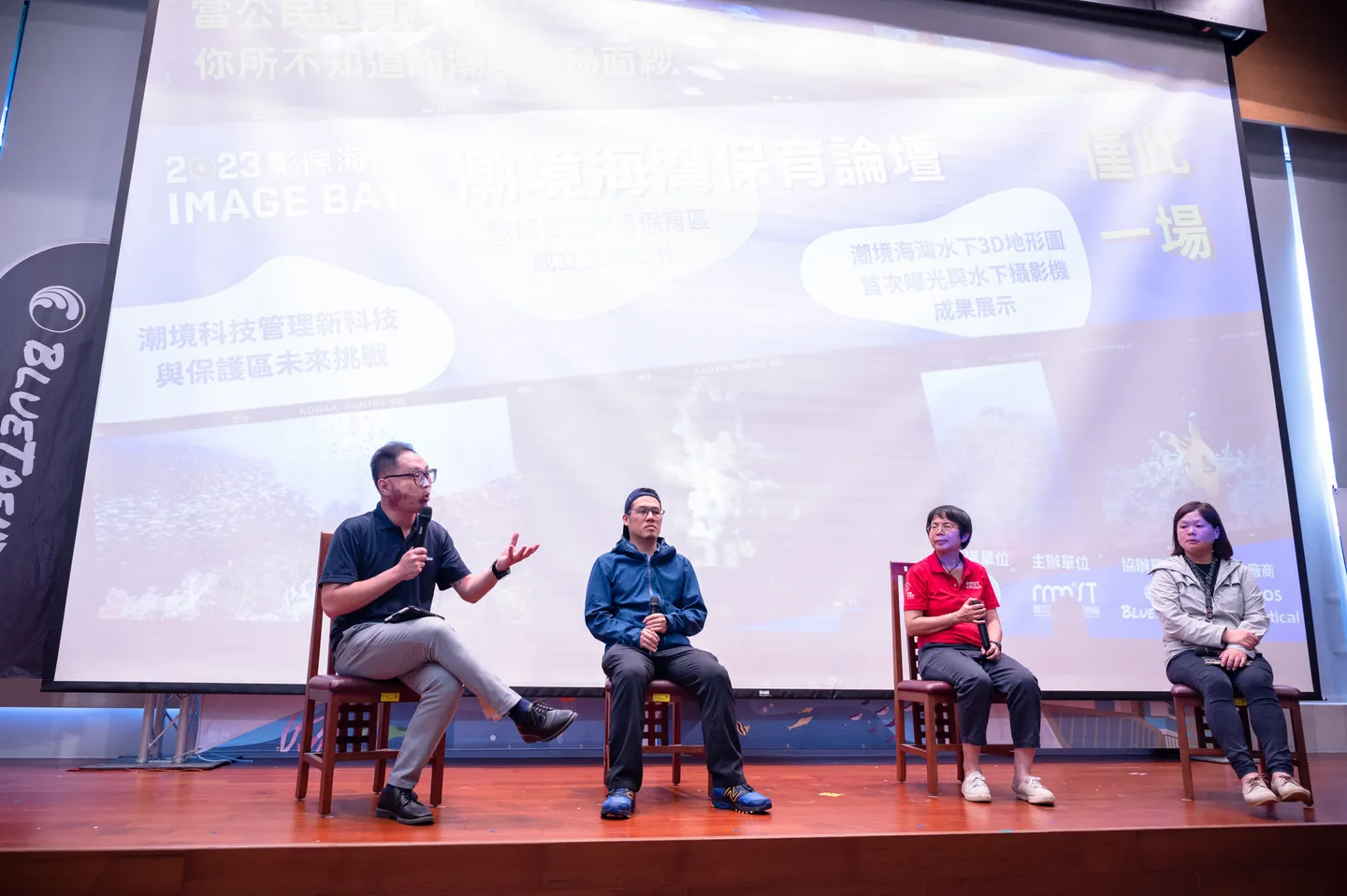
Spark served as moderator, holding a forum with the three speakers to answer the questions on everyone's minds.
During the Q&A session, what the audience was most curious about was whether there was a planned timeline for opening Chaojing to night diving. Section Chief Tsai explained that considering factors of management, safety, and regulations, night diving at Chaojing is currently handled on a case-by-case project basis, restricted to research and survey activities. However, in order to document more of Chaojing's nighttime ecology, the possibility of opening access to citizen scientists for nighttime recording and photography — based on academic research and documentation needs — is currently under consideration.
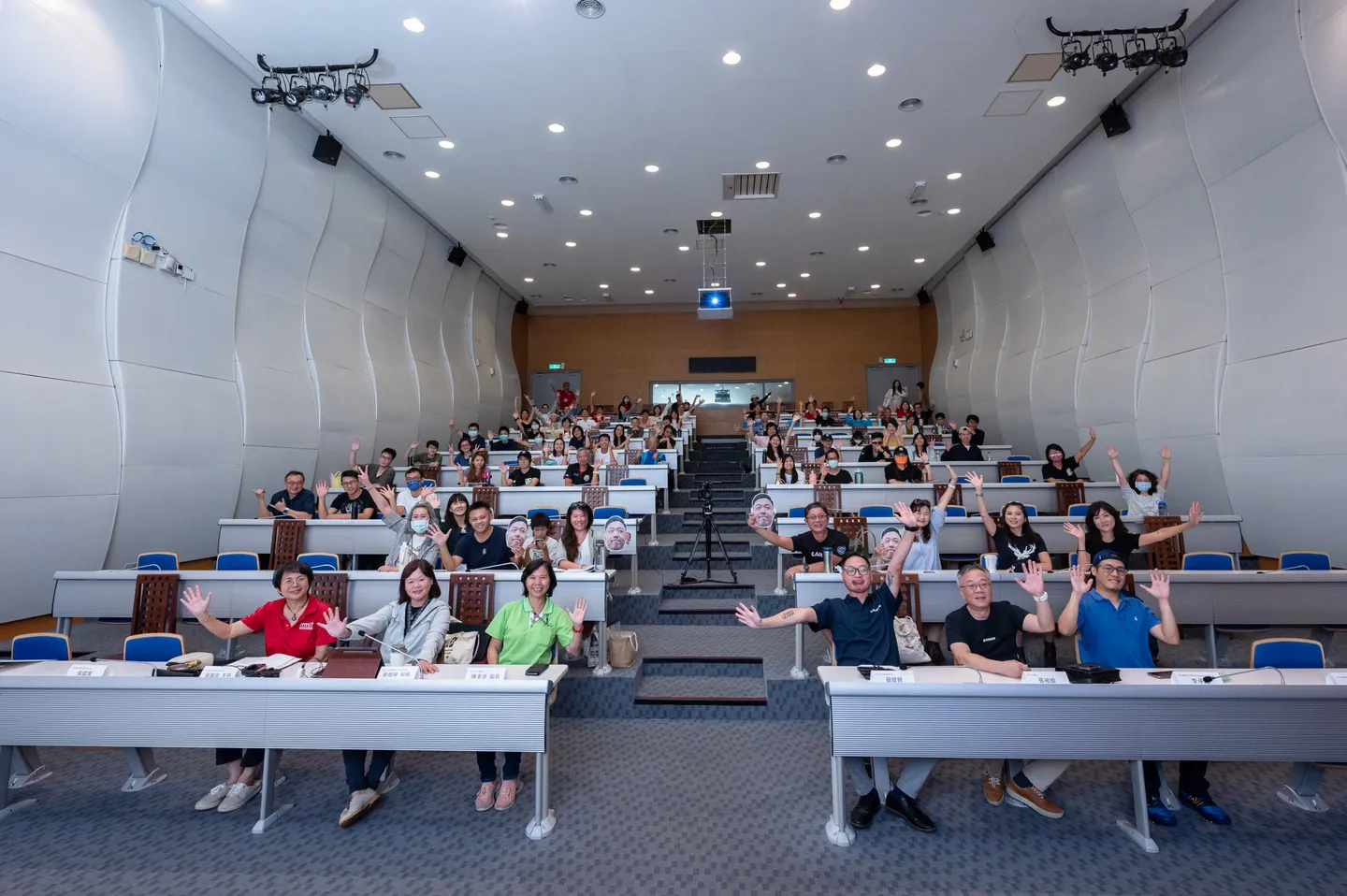
The Chaojing Marine Conservation Forum attracted more than 80 members of the public.
P.S. For those who couldn't attend in person, don't worry — the full forum recording is right here:
2023 Image Bay Chaojing Underwater Photography Awards Ceremony
The ceremony — the highlight of the event — opened with judge Kyotaro noting that this year's entries were intensely competitive, with a total of 394 macro category photos and 254 wide-angle category photos submitted, totaling 648 images, which made the judging discussions especially lively. He also teased that next year's competition format may be adjusted, so stay tuned — and he encouraged everyone to submit as many entries as possible.
The awards ceremony proceeded in an atmosphere of excitement and anticipation. First up was the Popularity Award: in the wide-angle category, Luo Kai-xiu took home the prize with "Tree of Life," while in the macro category, Jin Ying-yue won with "Little Fluffy Ball."
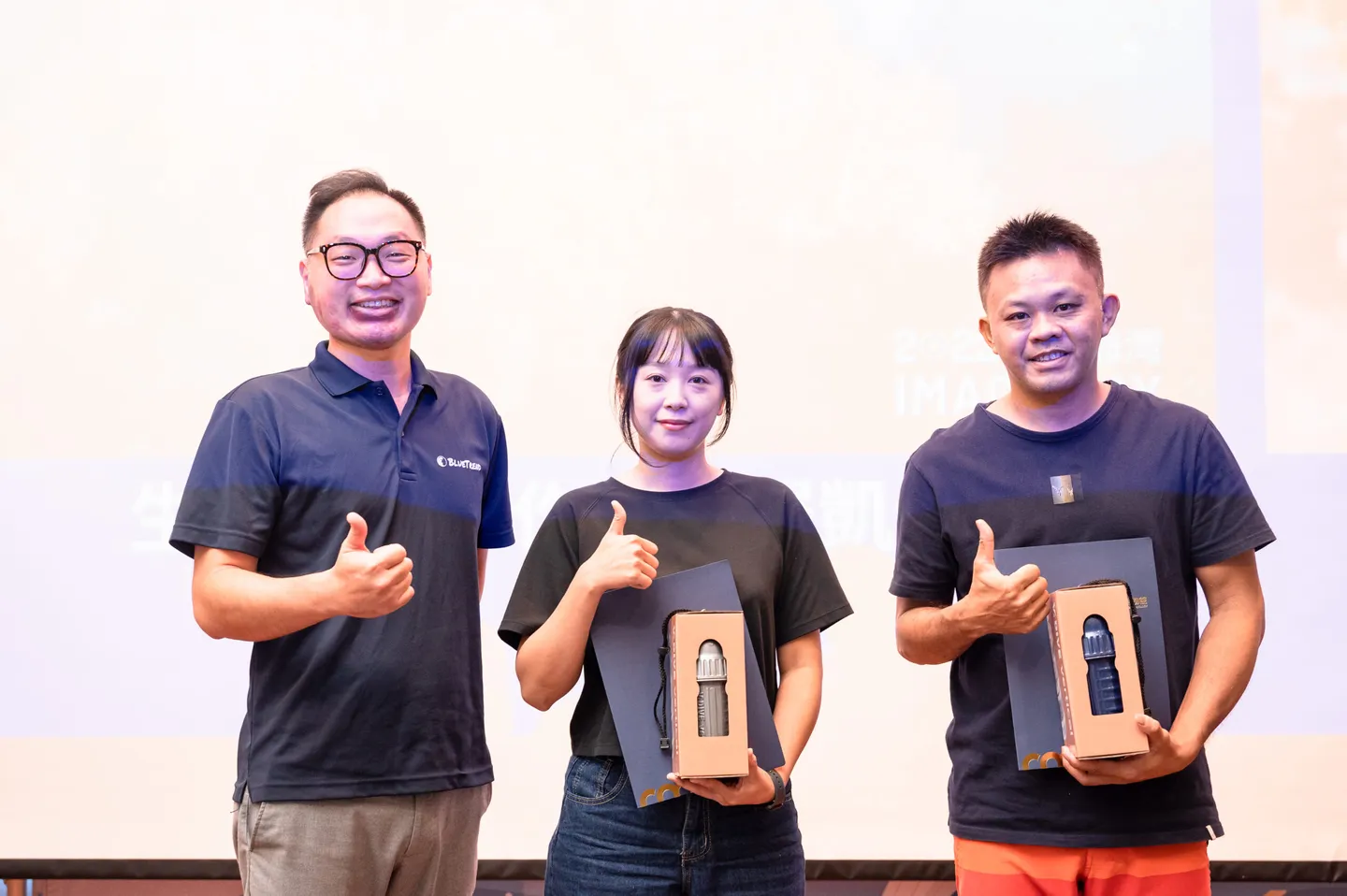
Popularity Award: Jin Ying-yue (center), Luo Kai-xiu (right)
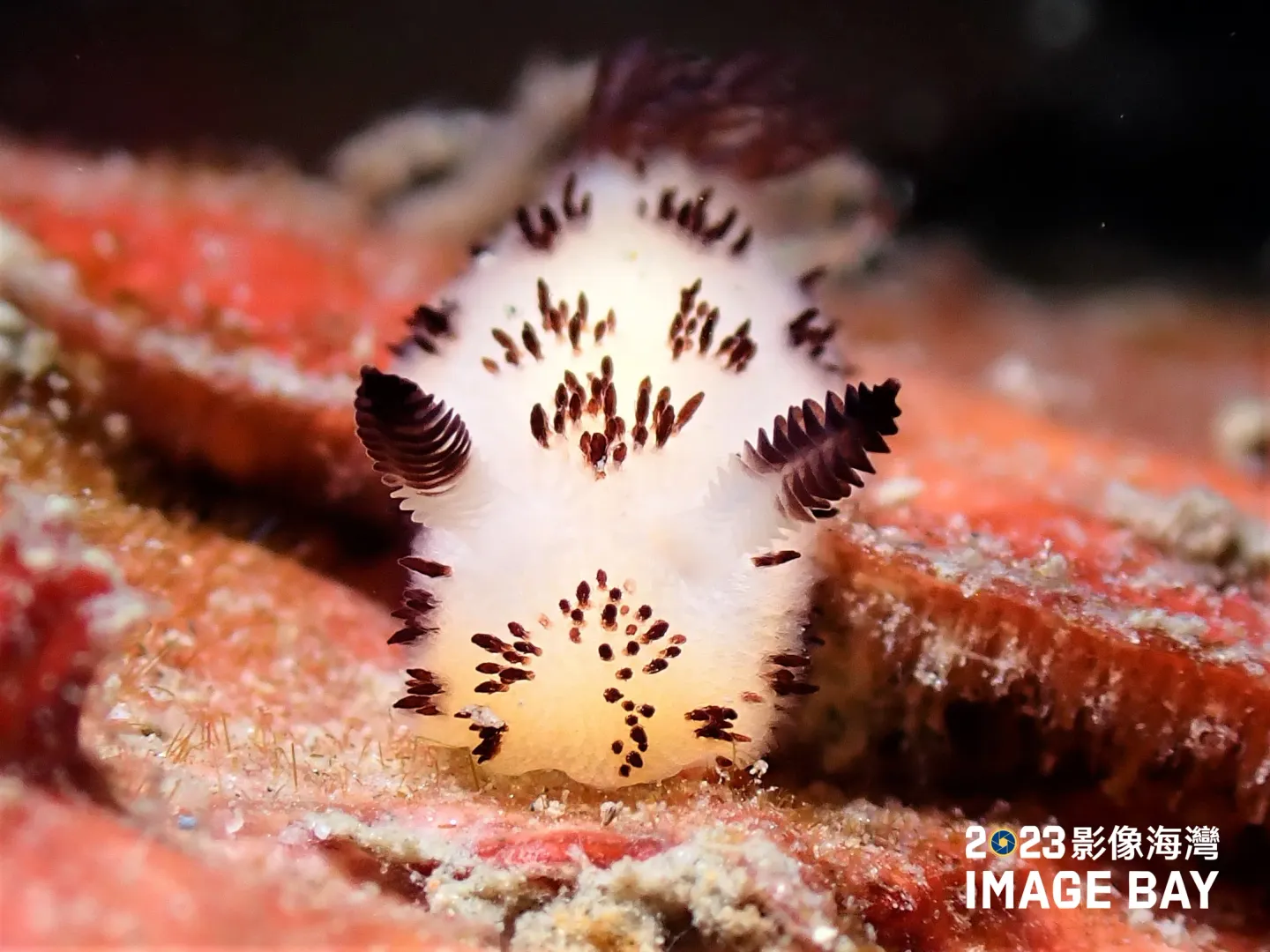
"Little Fluffy Ball" by Jin Ying-yue, winner of the macro category Popularity Award with 309 votes.
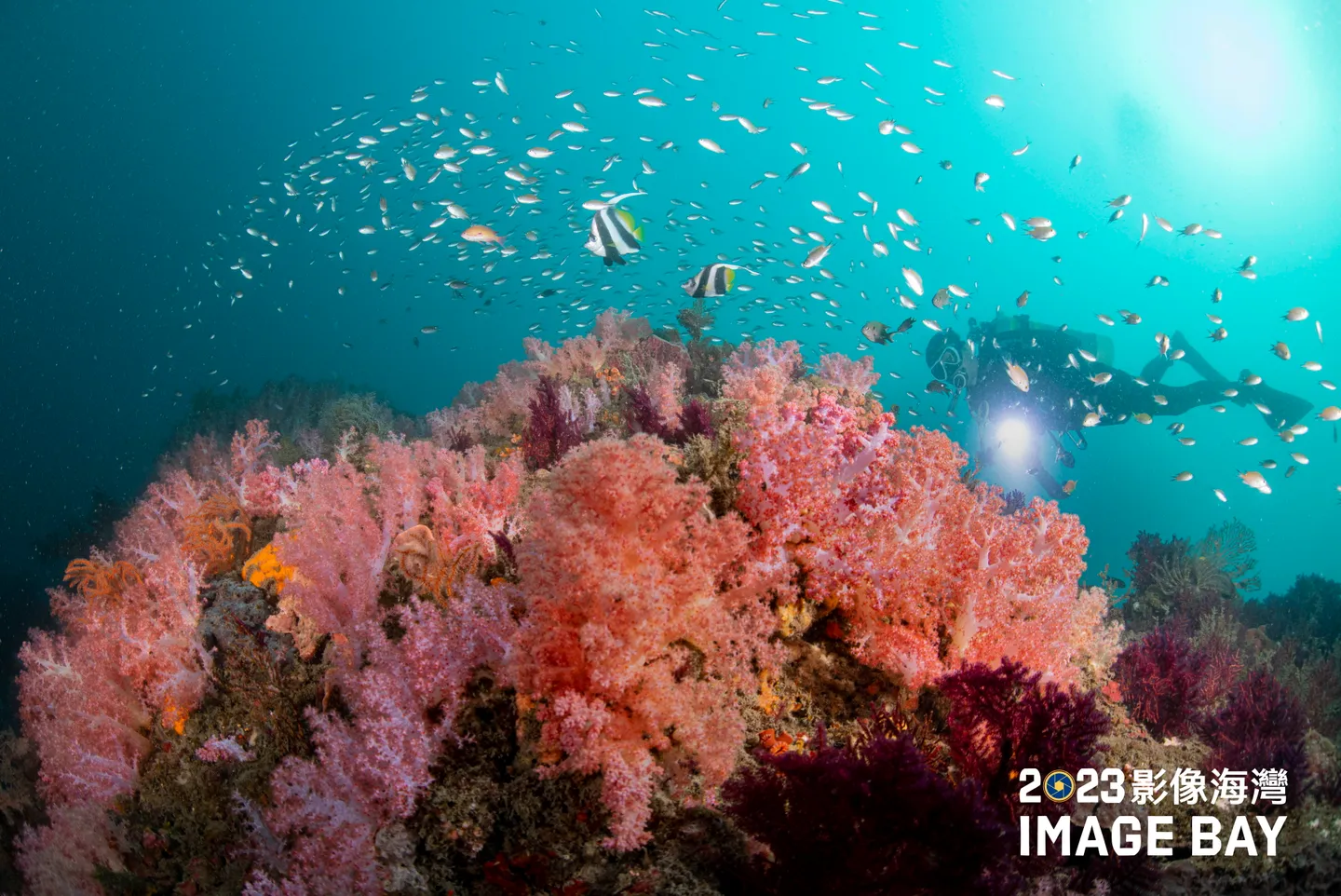
"Tree of Life" by Luo Kai-xiu, winner of the wide-angle category Popularity Award with 168 votes.
To highlight biodiversity at Chaojing and support marine education, four new special awards were introduced this year: Best Unique Animal Behavior, Rare Species Documentation, Best Animal Schooling, and Best Environmental Camouflage — collectively referred to as the Special Category Awards.
Special Award — Honorable Mention
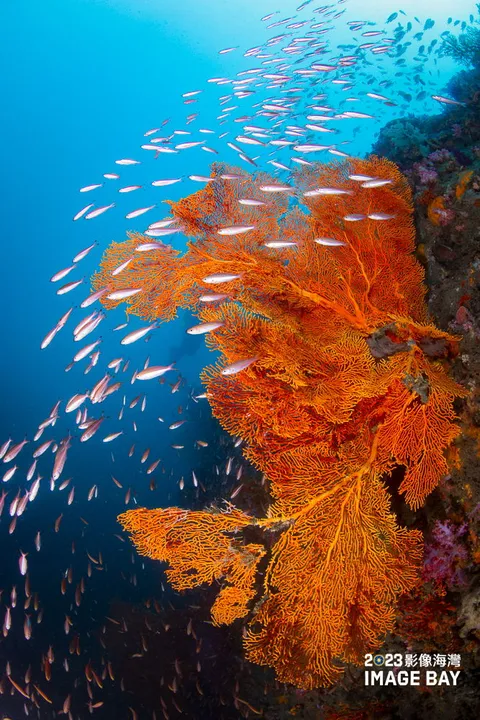
Best Animal Schooling Honorable Mention — "Drifting Through Chaojing", photo credit: Li Yan-yi
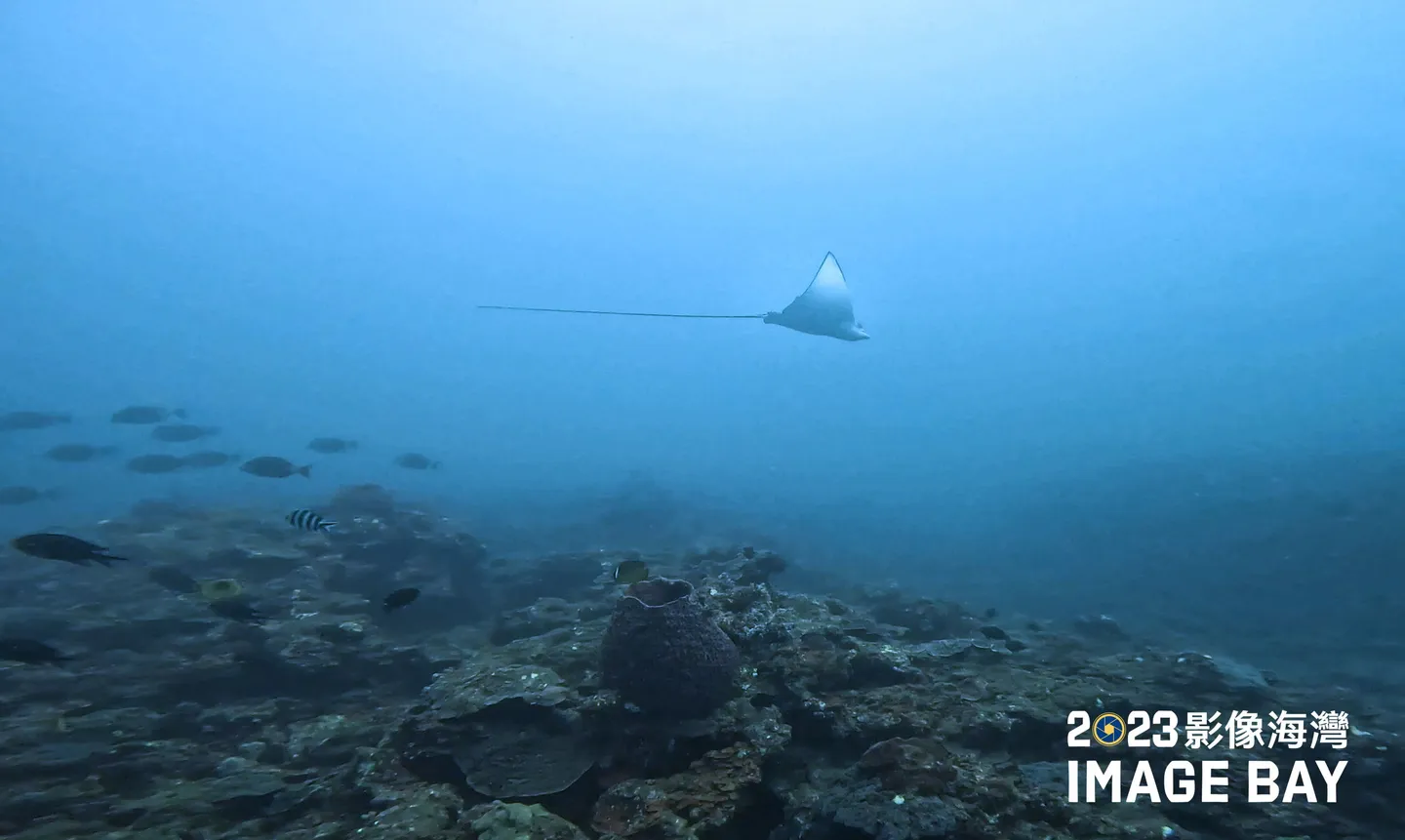
Rare Species Documentation Honorable Mention — "Once in a Lifetime", photo credit: Jian Chen-yu
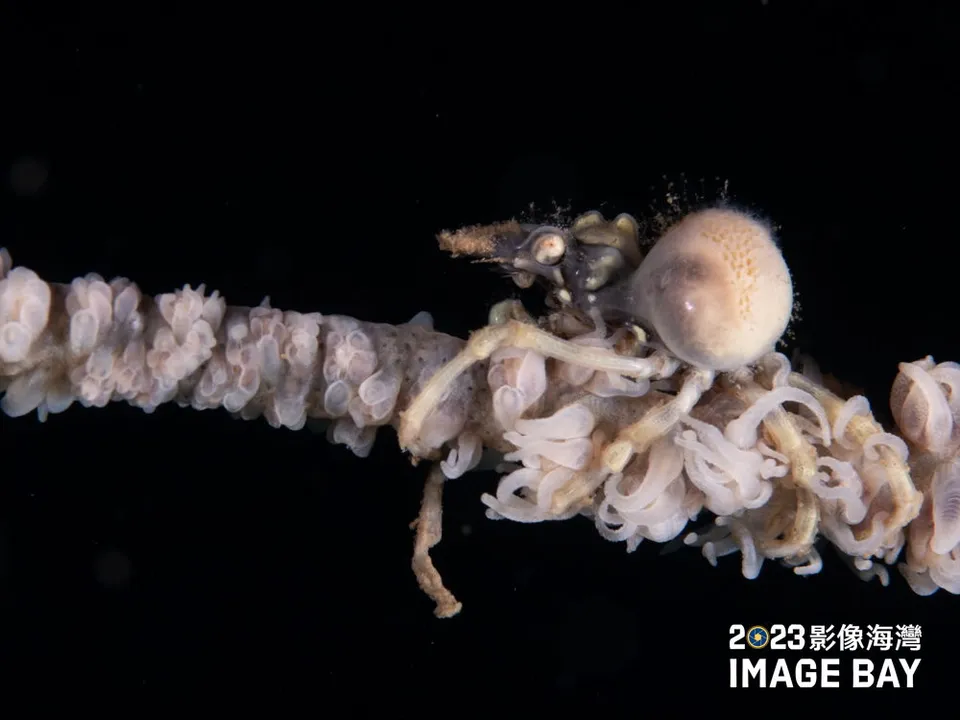
Best Unique Animal Behavior Honorable Mention — "Struggling to Survive: The Wire Coral Shrimp", photo credit: Liu Song-lin
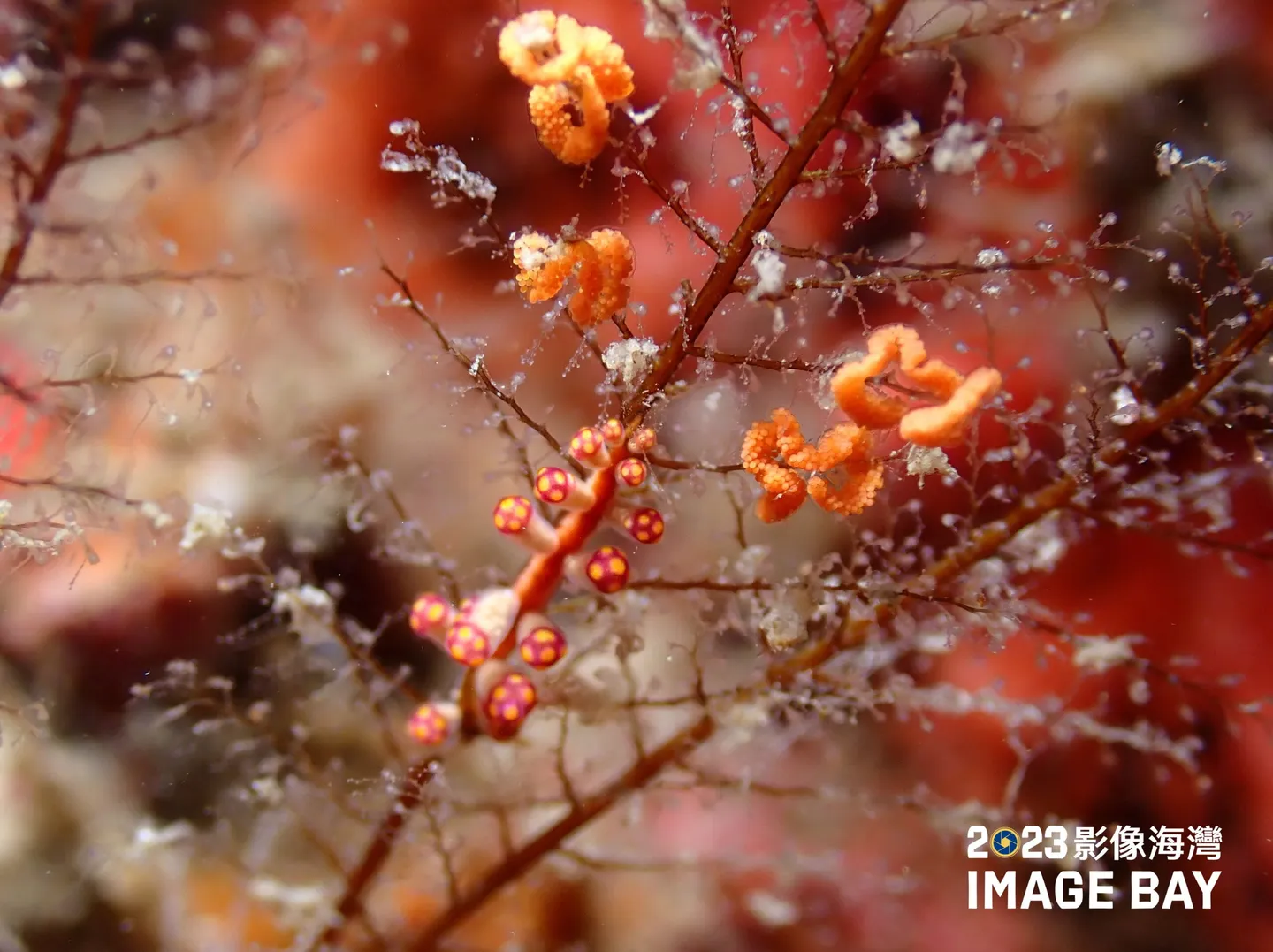
Best Environmental Camouflage Honorable Mention — "NewBorn", photo credit: Jin Ying-yue
Among the winners, Jian Chen-yu was overseas and unable to attend in person, so his friends held up a large photo of his face to accept the award on his behalf — unexpectedly adding a great deal of laughter and cheer to the ceremony.
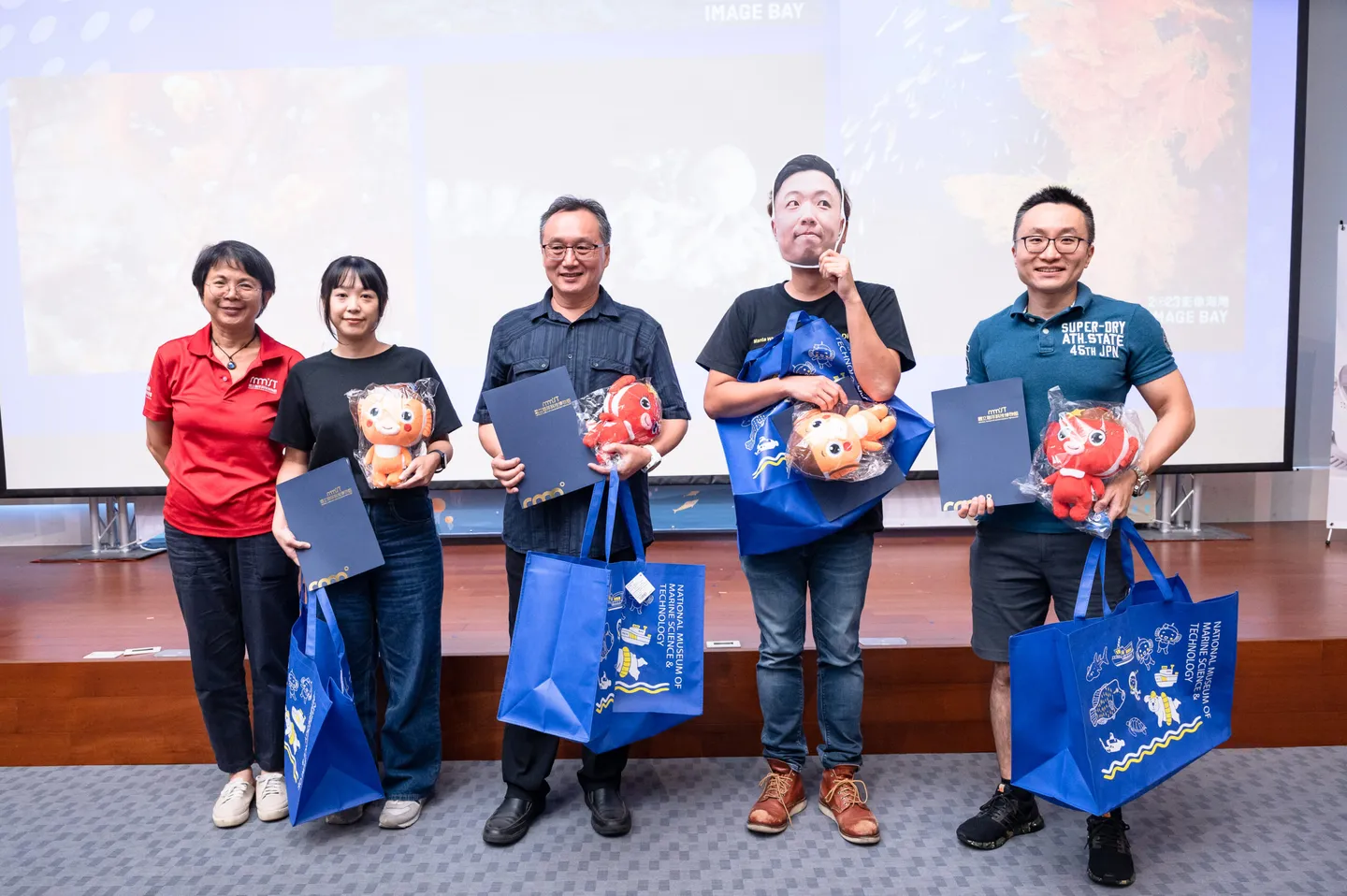
The Special Award Honorable Mentions were presented by Director Chen Li-shu of the National Museum of Marine Science and Technology.
Dr. Li Cheng-lu also added that the species captured by Jian Chen-yu in "Once in a Lifetime" — the ocellated eagle ray (Aetobatus ocellatus) — is a type of Stingray rarely seen in northern Taiwan, and that much about its ecological habits remains unknown. He encouraged everyone to continue observing and documenting it.
Special Award — Runner-Up
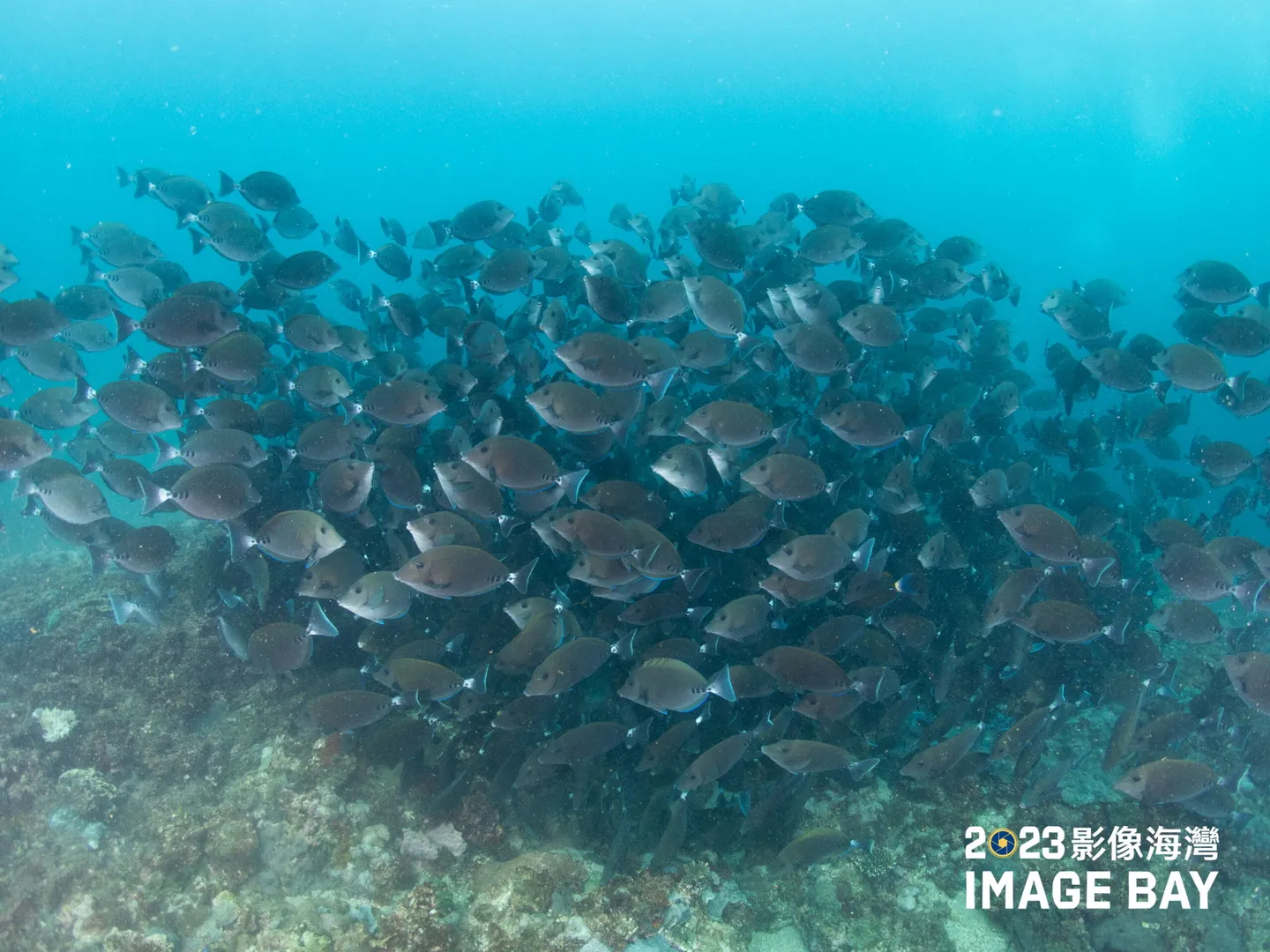
Best Animal Schooling Runner-Up — "Chao-padan", photo credit: Chen Hao-yang
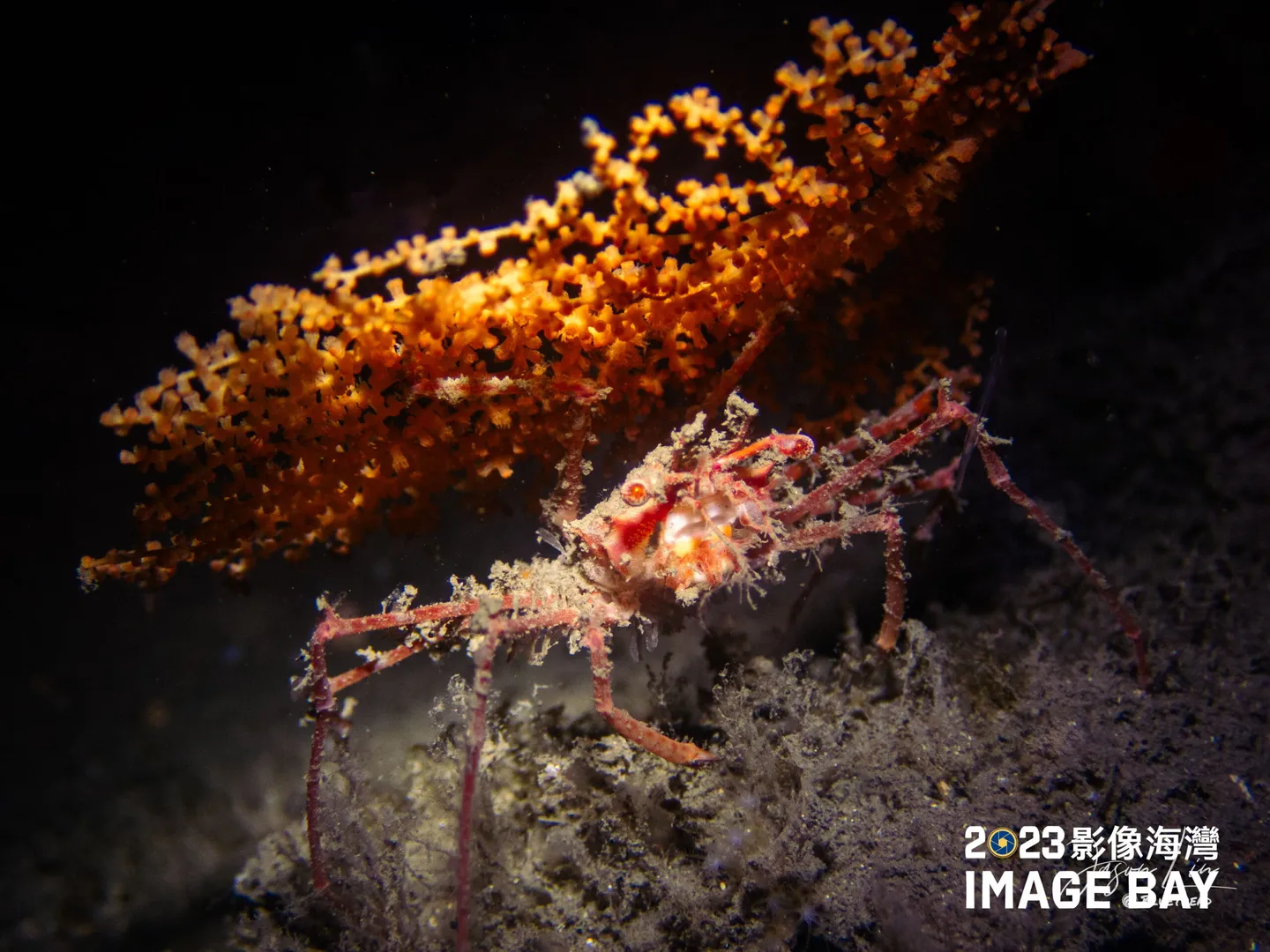
Rare Species Documentation Runner-Up — "The Coral Thief", photo credit: Lin Jin-xian
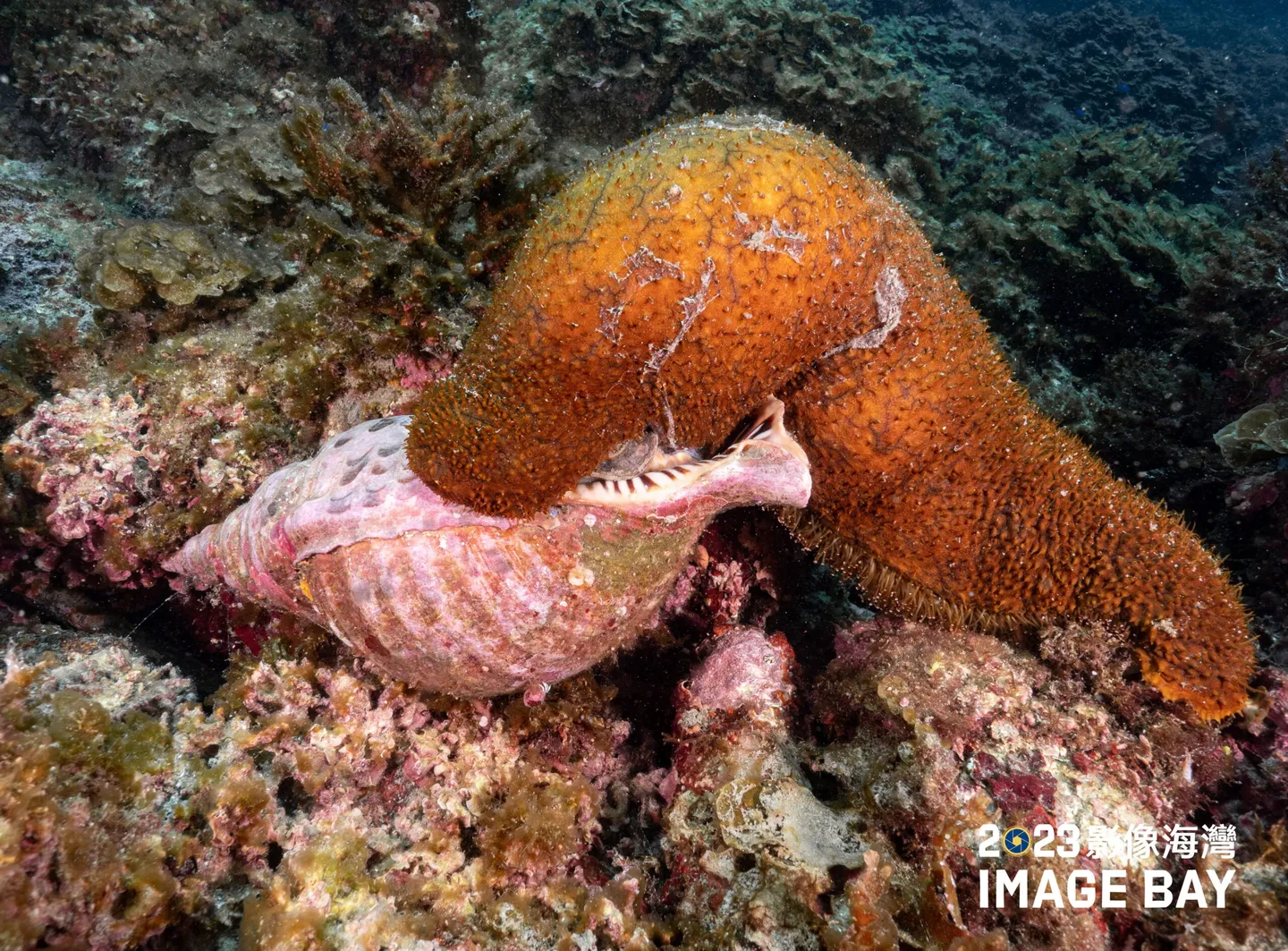
Best Unique Animal Behavior Runner-Up — "Survival of the Fittest", photo credut: Jian Chen-yu
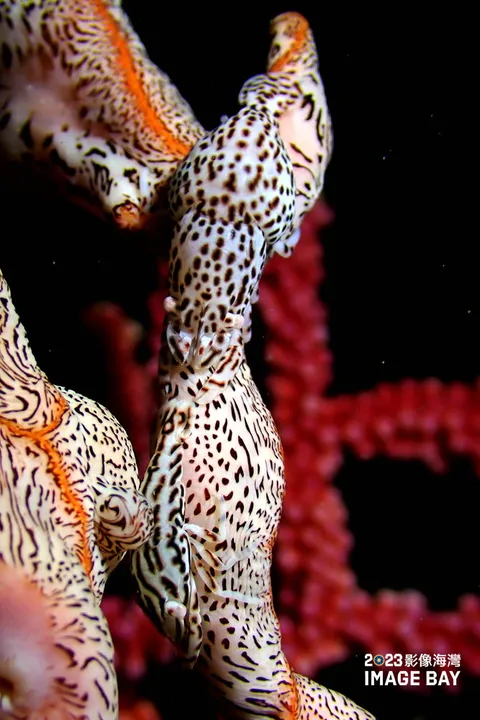
Best Environmental Camouflage Runner-Up — "Leopard Shrimp", photo credit: Chen Zong-wei
Among these, the Rare Species Documentation Runner-Up winner Lin Jin-xian's work "The Coral Thief" captured a deep-sea spider crab at Chaojing — previously undocumented in research — in the act of placing coral onto its back as camouflage. This revelation showed everyone that the gaps and changes in Chaojing's coral are not only caused by typhoons and divers, but may also be the handiwork of other creatures — a finding of significant importance to related marine research.
Wide-Angle Category Winners
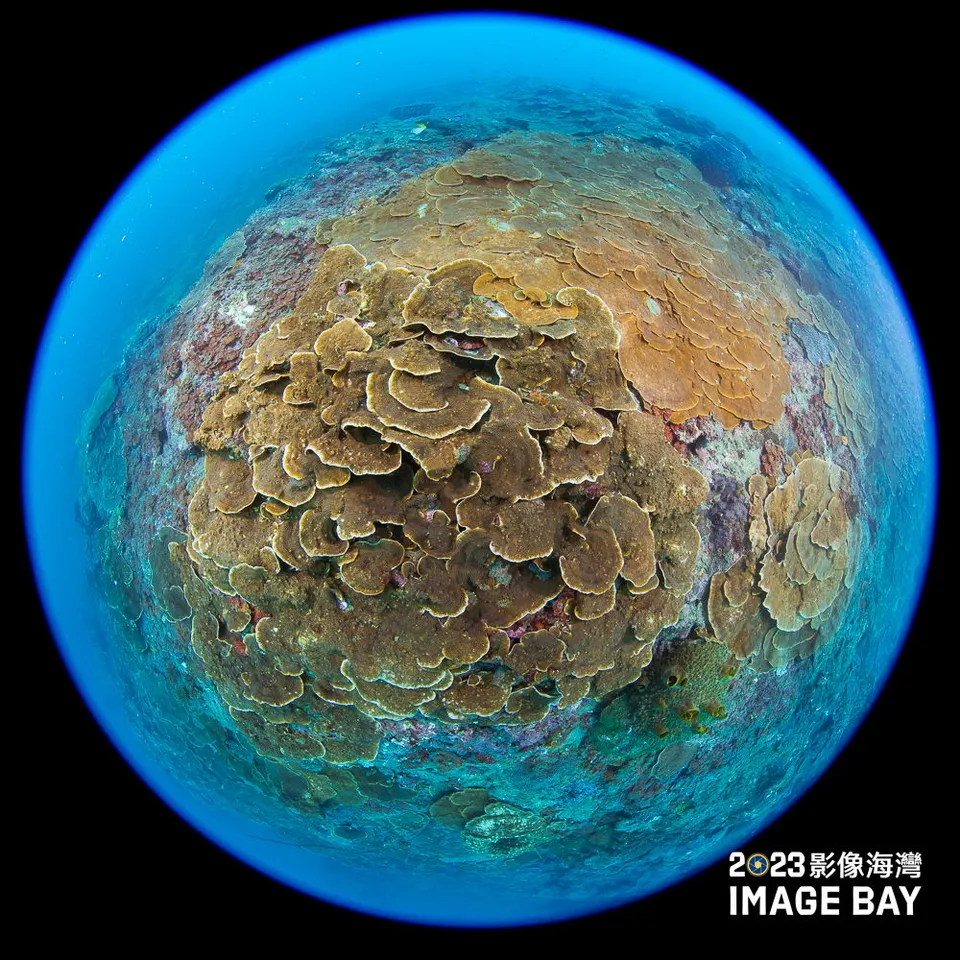
Wide-Angle Category 1st Place — "Coral Planet", photo credit: Li Yan-yi
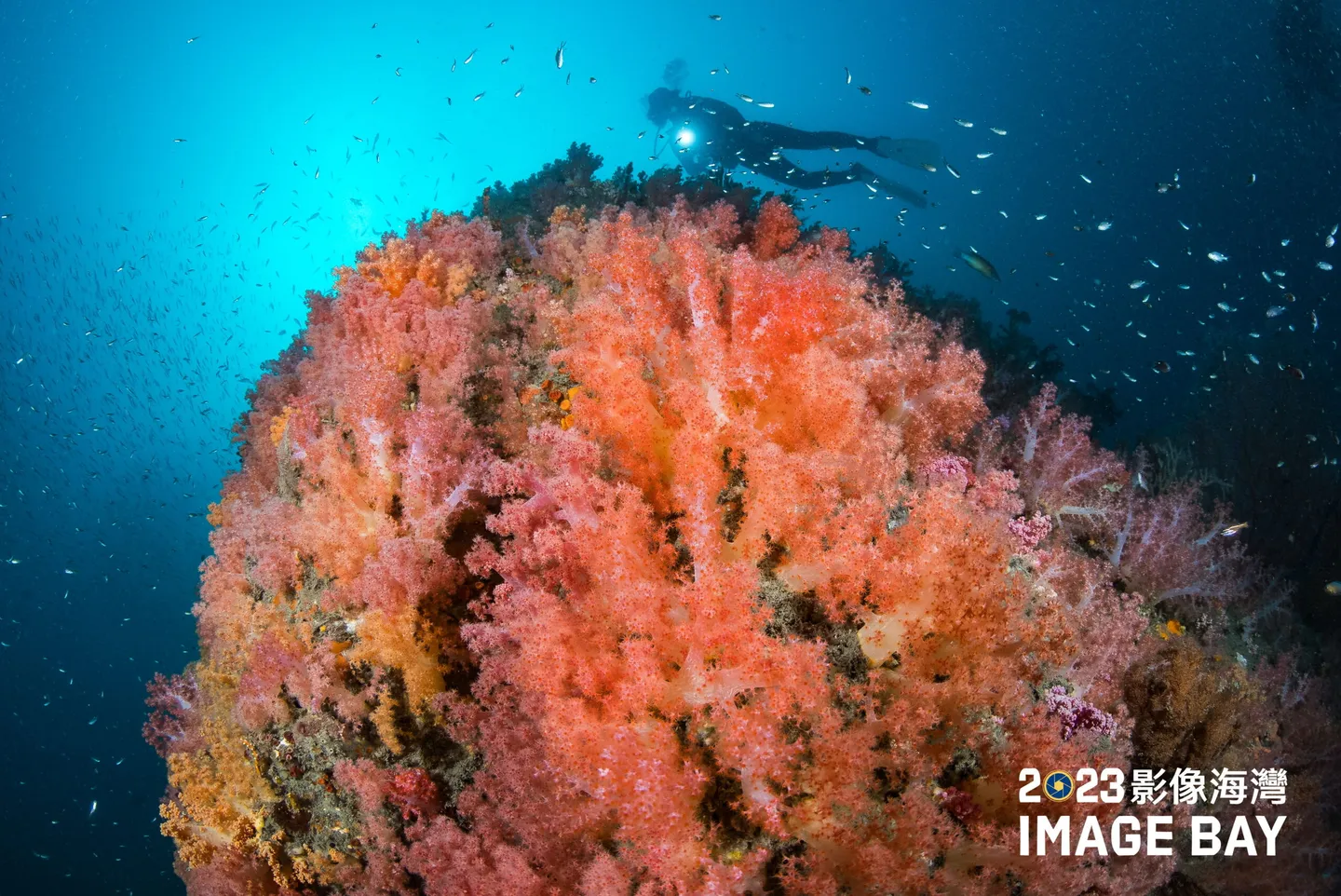
Wide-Angle Category 2nd Place — "Diving to the Summit of Chaojing", photo credit: Chen Jun-hao
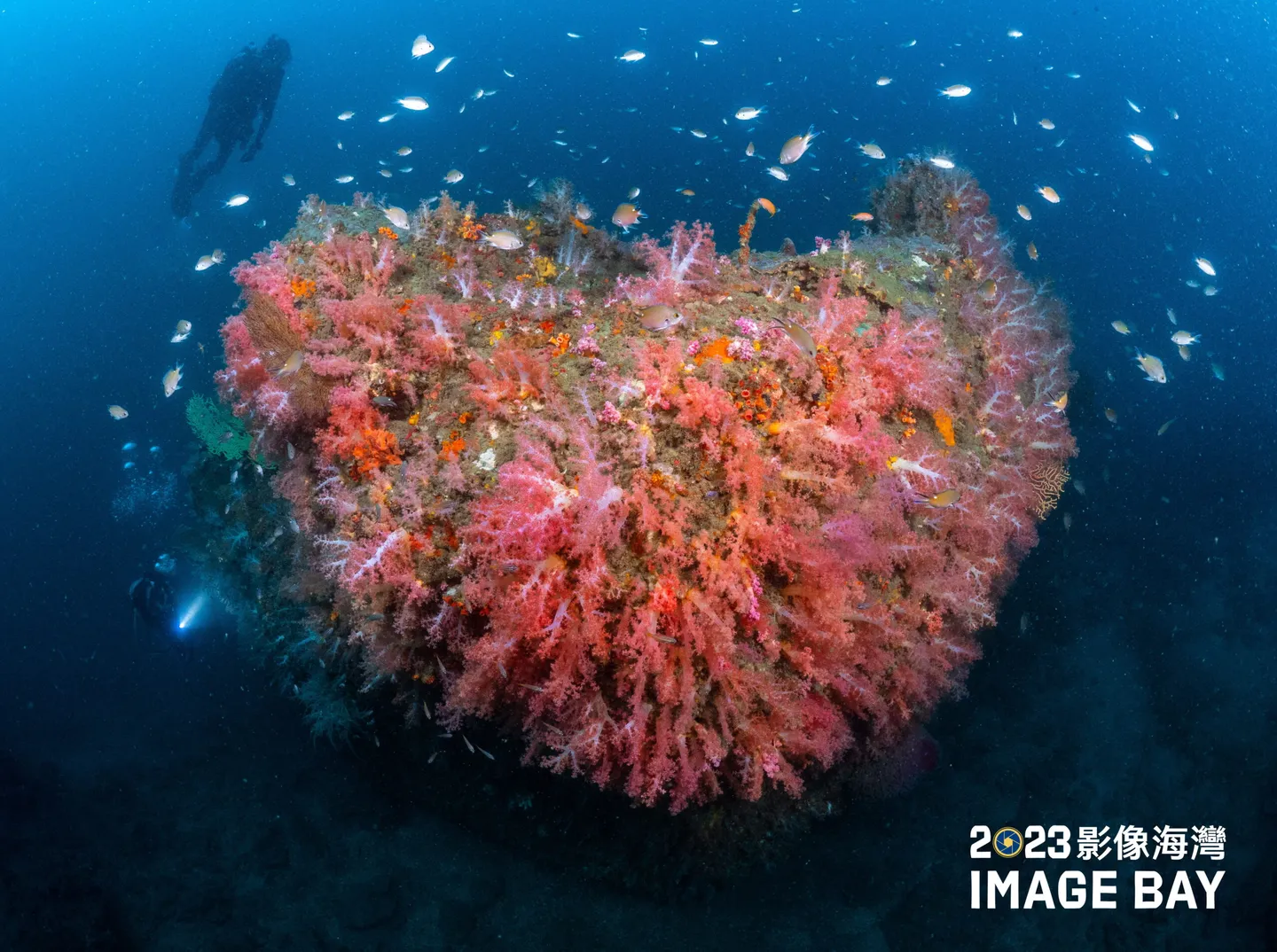
Wide-Angle Category 3rd Place — "Spring in Full Bloom", photo credit: Jian Chen-yu
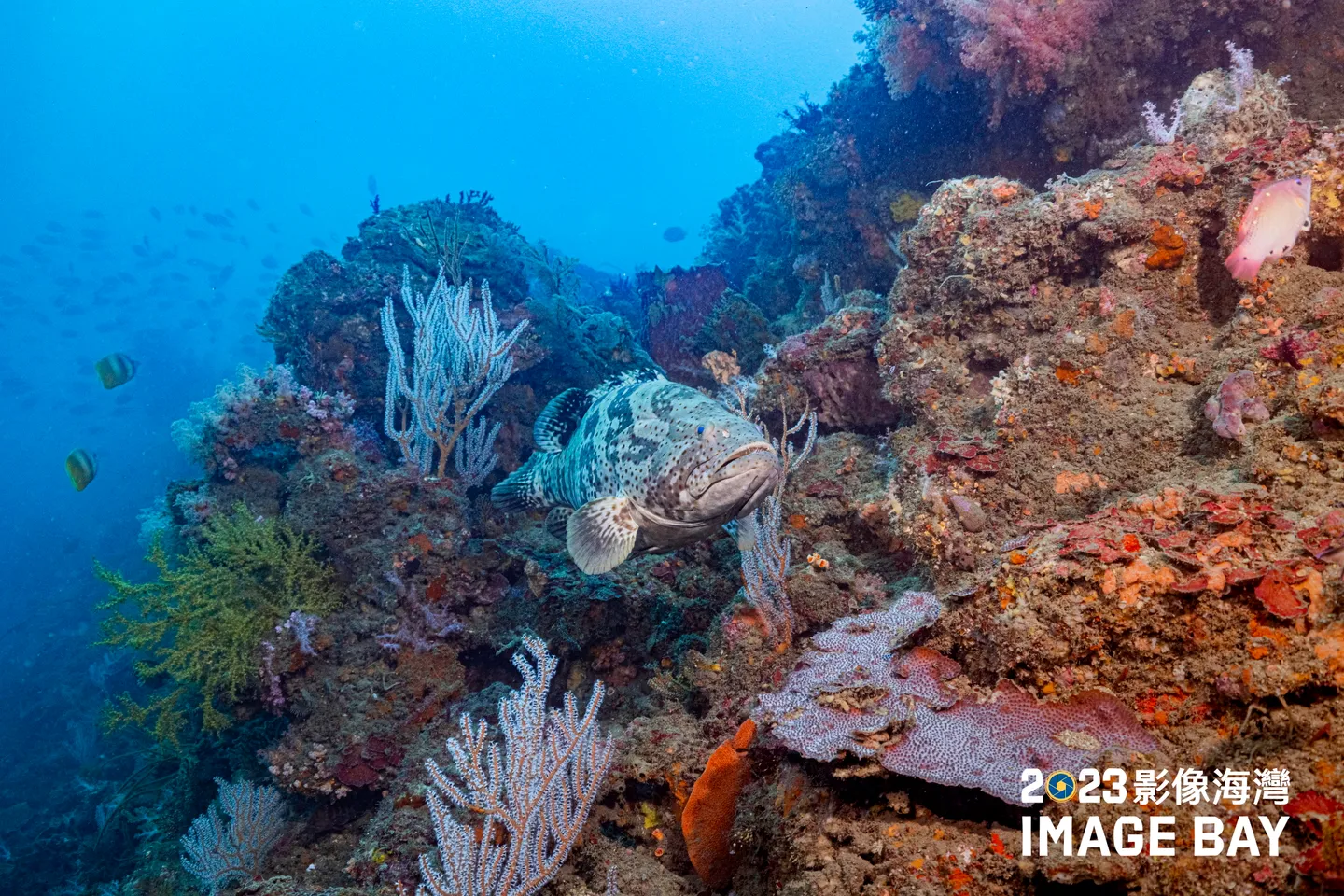
Wide-Angle Category Honorable Mention — "Big Dumb Grouper", photo credit: Zhan Pin-jie
Regarding "Coral Planet," Li Yan-yi said: "There's an area in Chaojing with a vast expanse of hard coral where many freediving enthusiasts dive. But the hard coral patch is so large that even a wide-angle lens can't fit it all in. I'd always had the idea of shooting it with an 8mm full-circle fisheye, but I never got around to it — until one day, on my way back from a dive, I saw that patch of hard coral, and the lens happened to be with me, so I took the shot."
The moderator followed up: "Was it very difficult to shoot?" Yan-yi smiled and said it was simple — as long as you have an 8mm full-circle fisheye lens, you can get the shot. The audience laughed back that it wasn't simple at all — the real difficulty lies in having the vision in the first place.
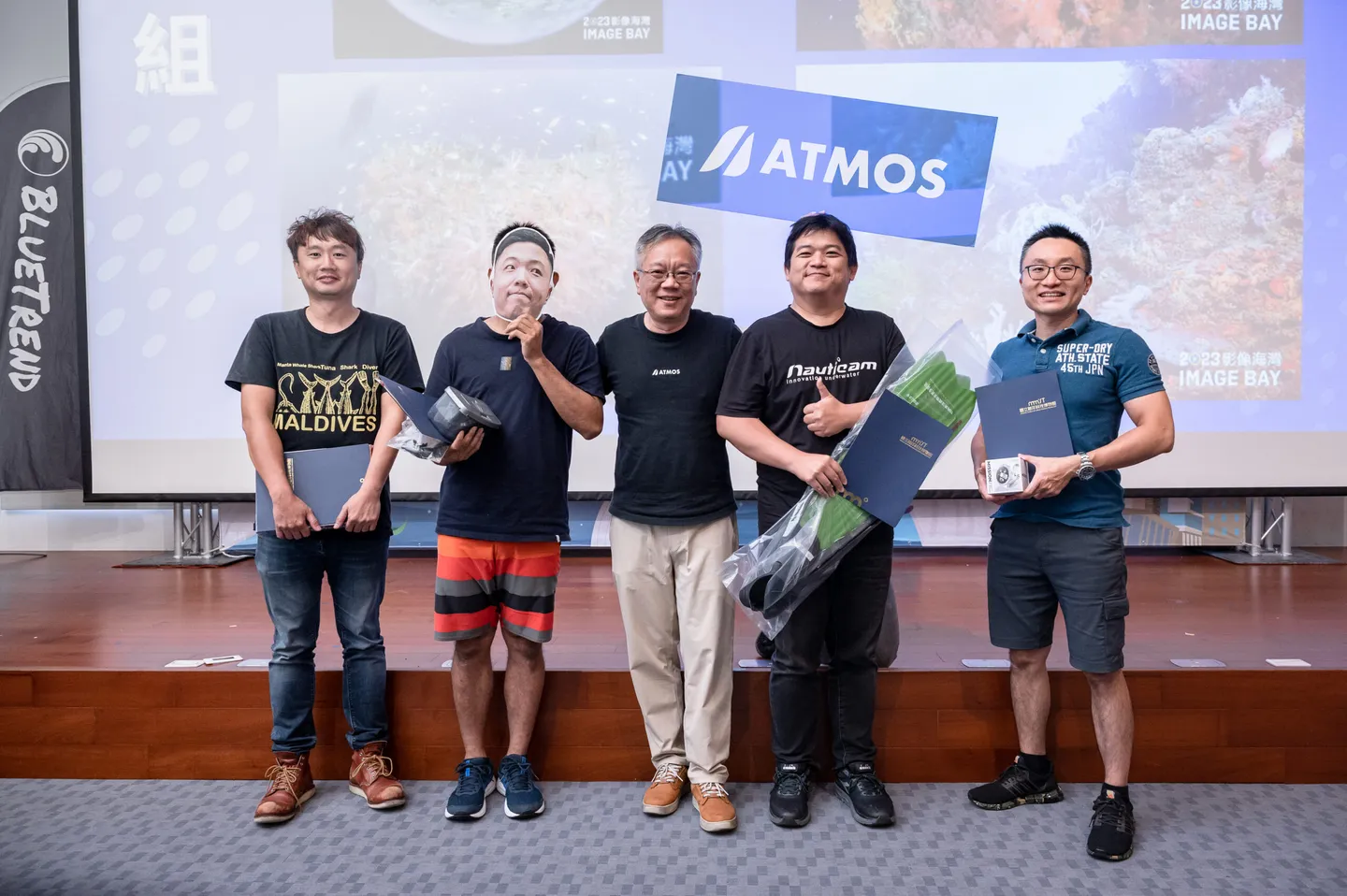
The Wide-Angle Category awards were presented by Mr. Zhang You-yu, head of ATMOS.
Macro Category Winners
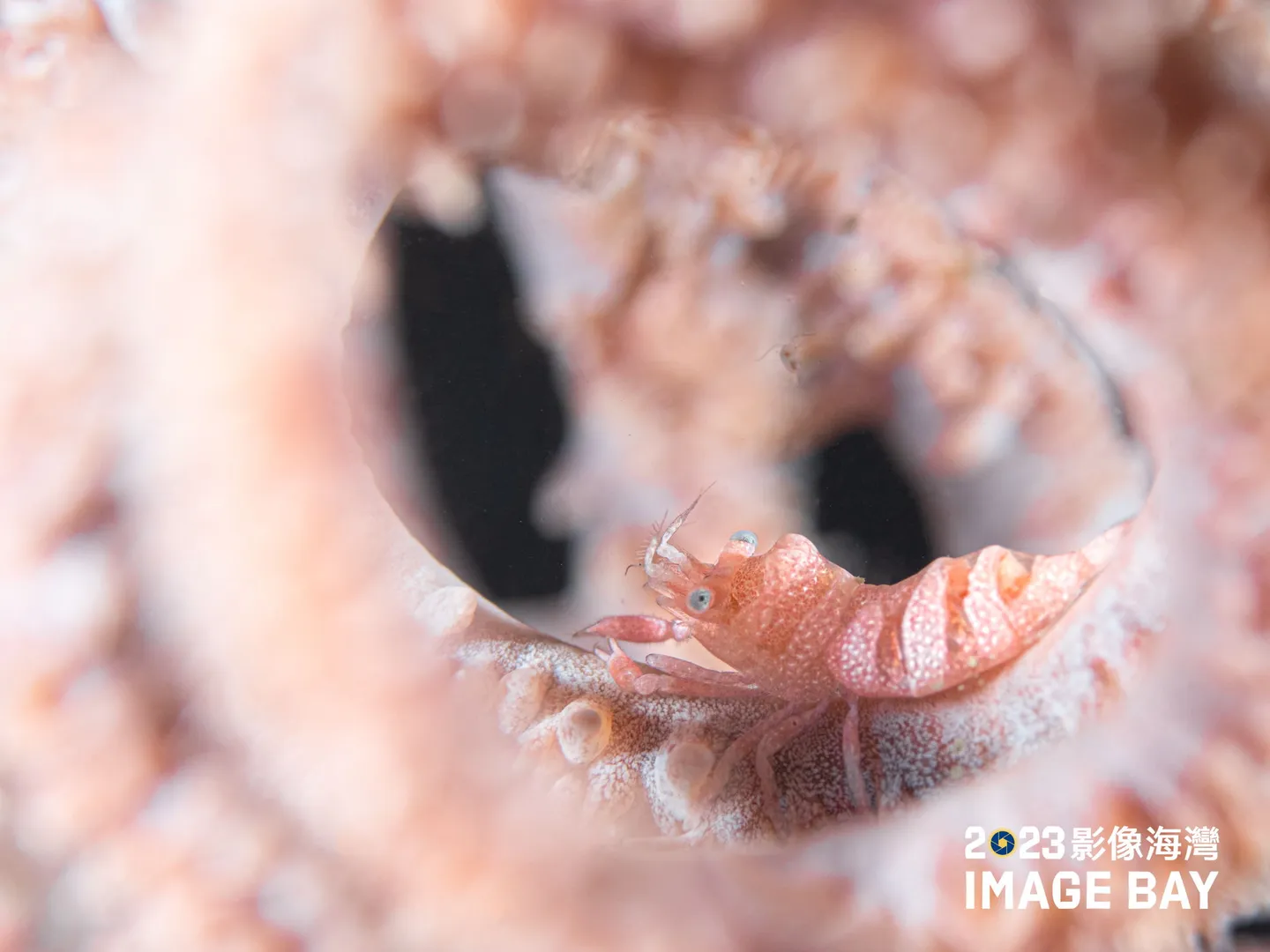
Macro Category 1st Place — "Peering", photo credit: Wang Ting-yin
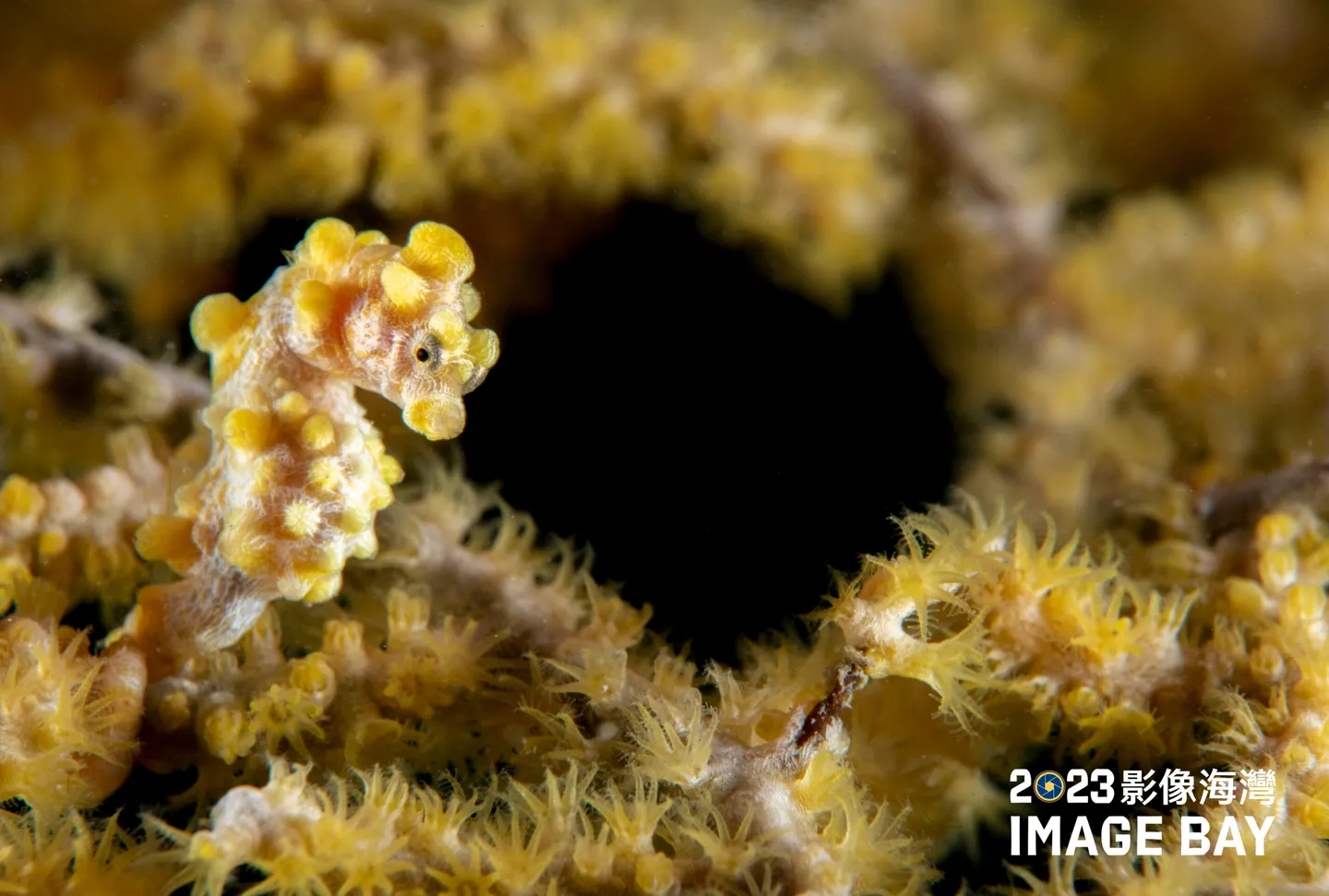
Macro Category 2nd Place — "Longing", photo credit: Luo Kai-xiu
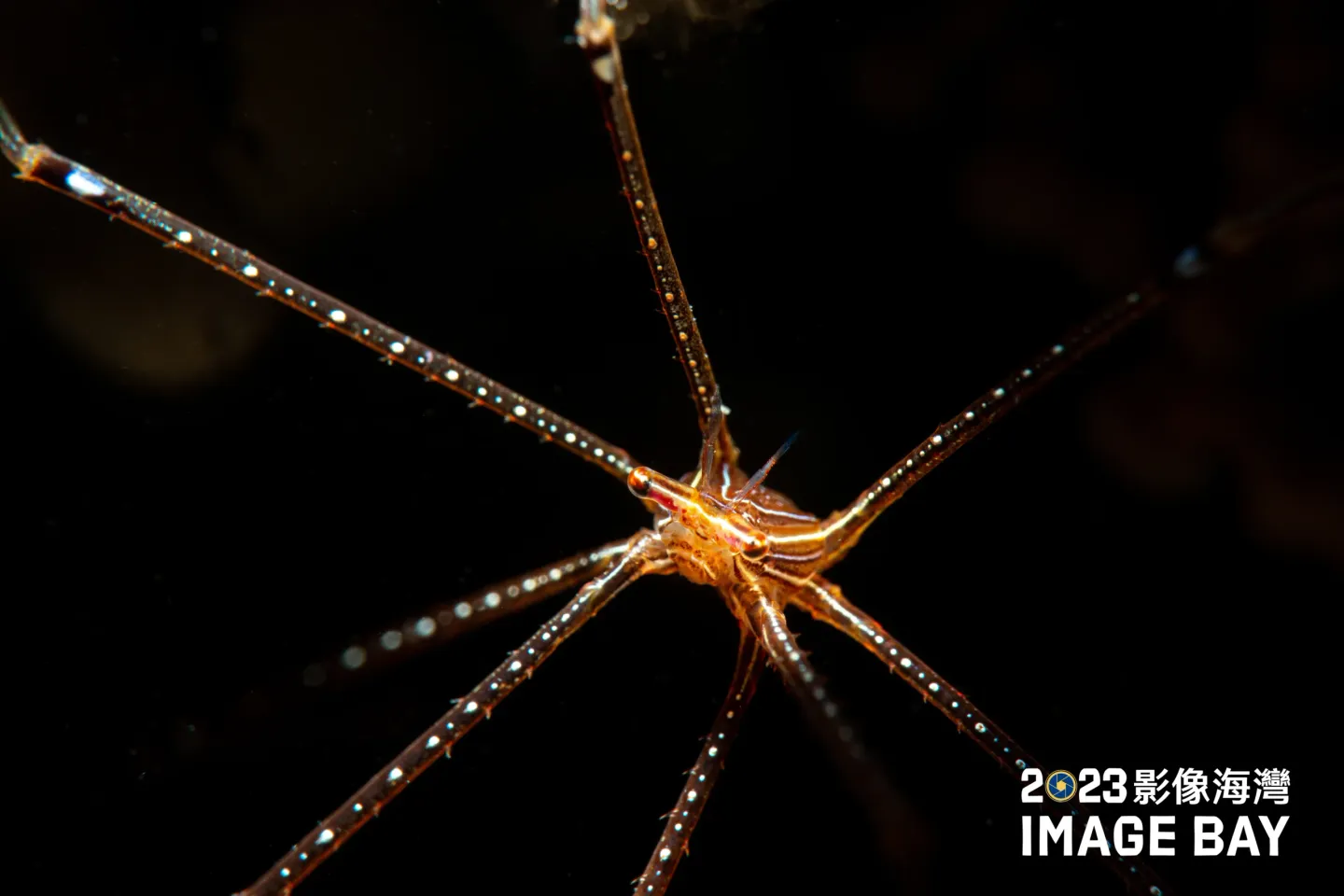
Macro Category 3rd Place — "Spider Crab", photo credit: Lin Zheng-hong
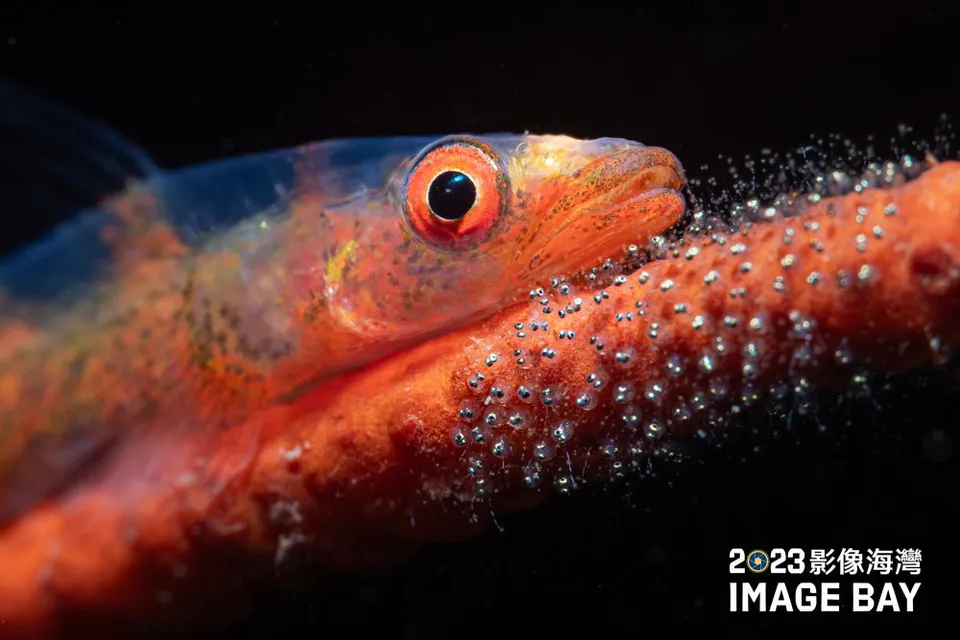
Macro Category Honorable Mention — "Goby Guarding Its Eggs", photo credit: Xu Zhi-liang
The moderator also shared that — contrary to what you might assume — it's not always the mother who guards the eggs; in fact, it's the father goby who takes on that duty, making it something of a model of fish fatherhood. He also asked champion Wang Ting-yin: "About naming the work 'Peering' — is it the wire coral shrimp doing the peering?" First-place macro winner Wang Ting-yin laughed and replied: "It's not the wire coral shrimp doing the peering — it's me peering at it. Actually, many people who dive at Chaojing know there's a curly wire coral there with three wire coral shrimp living on it. I was on a night dive that day for academic research, and I originally wanted to photograph all three, but two of them weren't home — only this one was. But its position was just right, and at night its body has these beautiful star-like speckled patterns, so I took this shot as documentation."
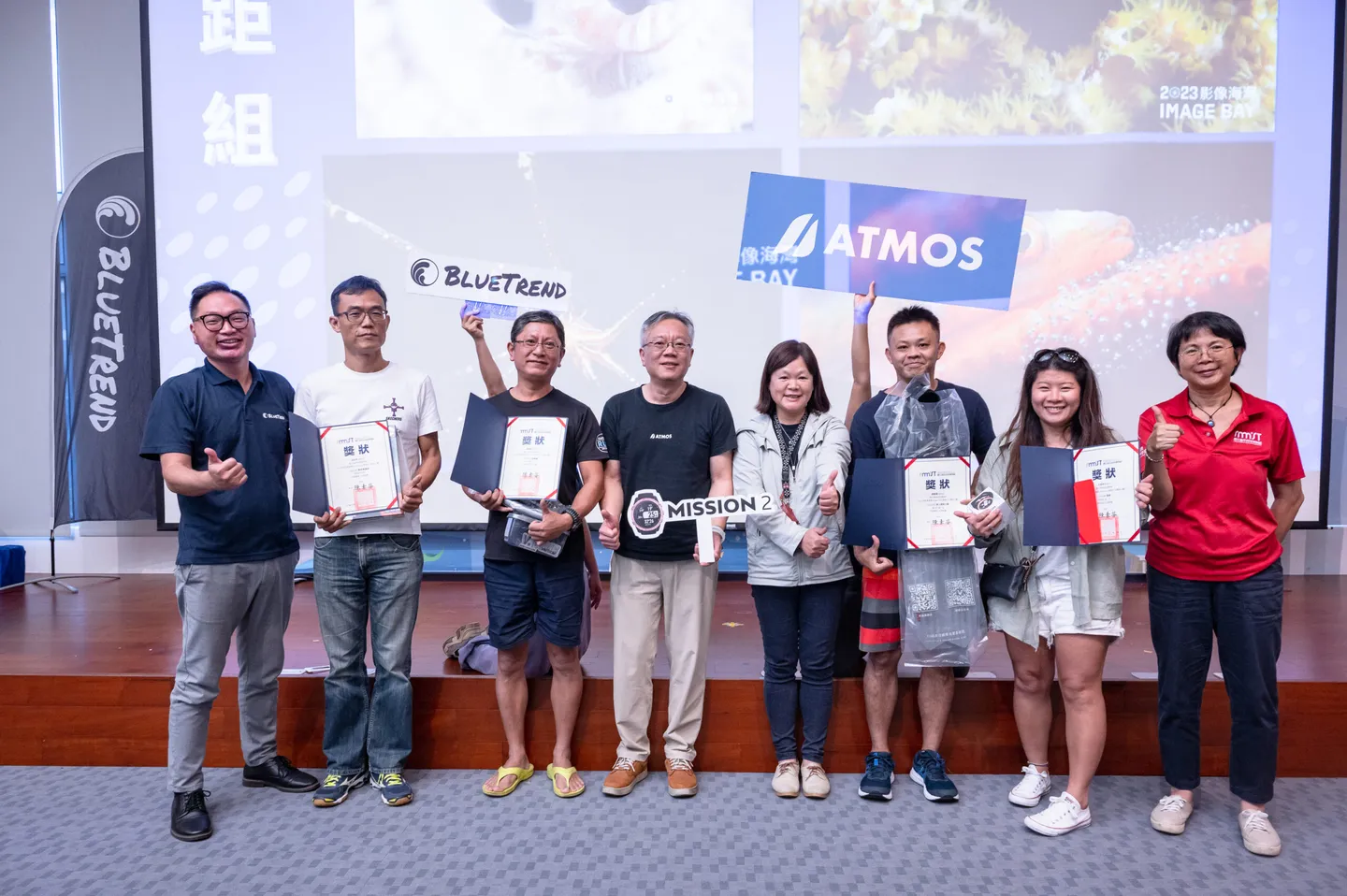
This year's macro category was fiercely competitive, giving the judges quite a mental workout.
Through the stunning award-winning photographs, everyone was once again left in awe of the beauty and diversity of Chaojing's marine life. The raffle prizes generously sponsored by ATMOS, V.DIVE, and BlueTrend created wave after wave of excitement toward the end of the event, with many attendees overjoyed to walk away with gifts. The event closed in a jubilant atmosphere, with everyone looking forward to meeting again at the "2024 Image Bay Chaojing Underwater Photography Competition" — and eagerly anticipating what further wonders Chaojing's ecosystem might bring us under the new "Chaojing 2.0 Management Regulations"!
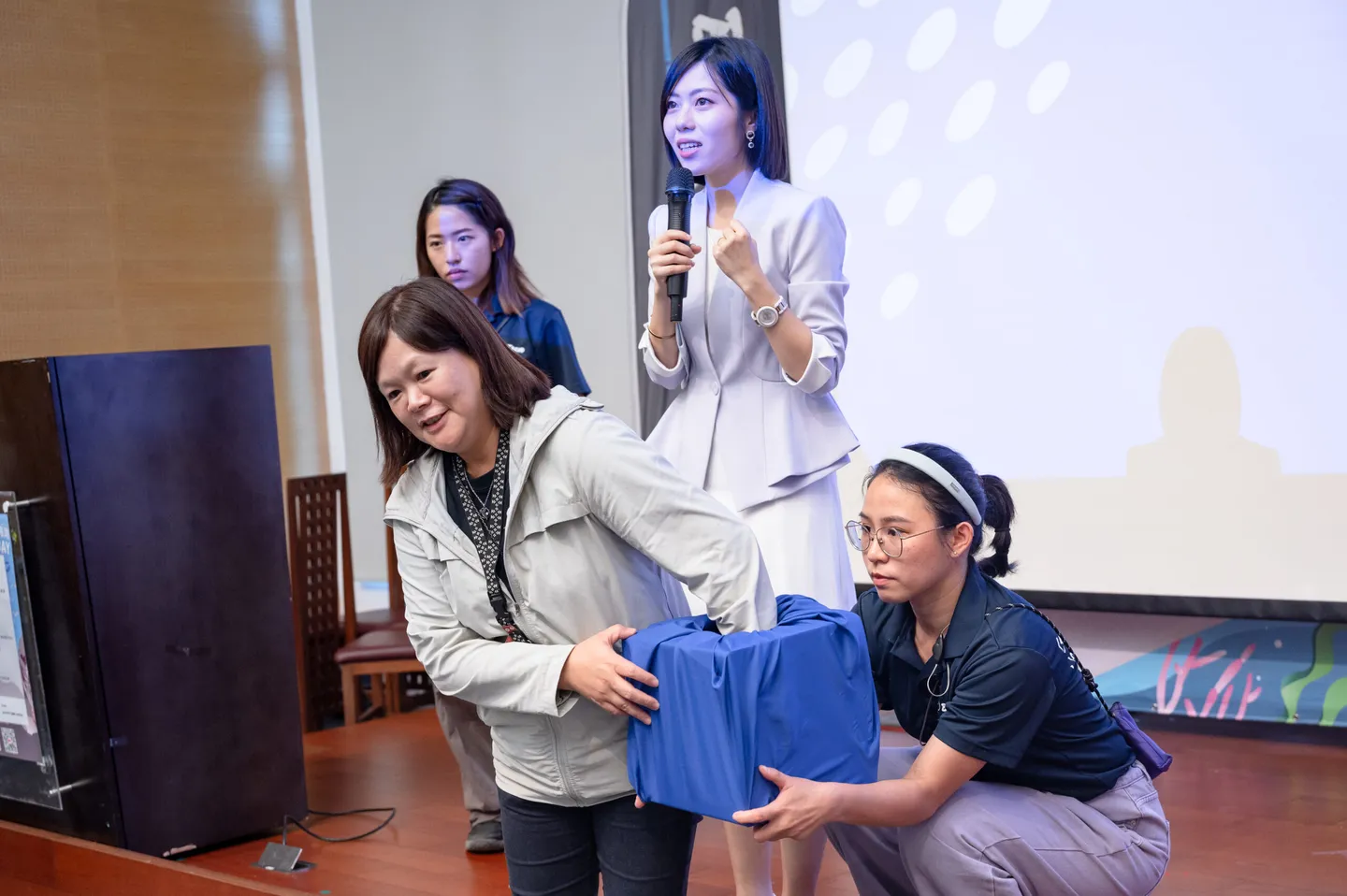
ATMOS and V.DIVE added many prizes, giving every attendee a chance to take home a gift.
If you'd like to see more outstanding works and photography tips, or even become a citizen scientist through underwater photography to help advance marine conservation, feel free to subscribe to BlueTrend's curated articles and videos, or join the official LINE @ for the latest updates!
Supervising agency: Ministry of Education, R.O.C., Organizer: National Museum of Marine Science and Technology, Co-organizer: BlueTrend, Sponsors: ATMOS, V.DIVE
Editor in charge: Jenny Tsai
Further reading:

![[BlueTrend Mini Classroom] Stressed Out and Dropping Limbs? The Sea Star Is the Ocean's Most Dramatic Creature — and Its Biggest Enemy Might Surprise You!](/_astro/004_%E5%B8%83%E9%AD%AF%E5%B0%8F%E6%95%99%E5%AE%A4_vivipic_Z2g4jPr.webp)