Palau Blue Legacy
BlueTrend × Palau Sustainable Dive Travel

Palau Blue Legacy
From Marine Ecosystems to Island Culture

Our editorial team filmed ten in-depth chapters across the Pacific island nation called the "Aquarium of the Gods." From the Palau Pledge to the shark sanctuary, from a matriarchal society to the climate frontline, step into a sustainable dive journey that respects the ocean and celebrates coexistence.

7 World Underwater Wonders
80%+ Marine Protected Area
1st Global Shark Sanctuary
10 In-Depth Episodes
PALAU PLEDGE
Photo by Hector John Periquin on Unsplash
00 PROLOGUE

PALAU PLEDGE A Promise from Every Responsible Traveler

Did you know that every visitor entering Palau gets their passport stamped with a letter written by local children, not an ordinary entry stamp? In this episode we interview the local NGO Friends of the PNMS and the Palau Visitors Authority to unpack the cultural roots of the Palau Pledge, a romantic and moving commitment that invites travelers to explore Palau's beauty while respecting its environmental laws.

Aquarium of the Gods
Photo by NOAA on Unsplash
01 CHAPTER ONE · DIVE SITES

Aquarium of the Gods Blue Corner, Ulong Channel, German Channel

Palau is called the "Aquarium of the Gods" but how do you dive it well and dive it deep? We invited senior local instructors to break down three world-class dive sites: hook-on shark watching at Blue Corner, the drift rush of Ulong Channel, and the ecological wonder of German Channel. Each has its own topography and currents, and this chapter also covers the safety briefings you need before your blue pilgrimage begins.

Marine Icons
Photo by Swanson Chan on Unsplash
02 CHAPTER TWO · MARINE ICONS

Marine Icons Swimming Alongside the Giants

From manta rays and Napoleon wrasse to the shark sanctuary and mass spawning events, Palau is one of the few Pacific destinations where you can witness all four "headline-grade" marine spectacles on the same trip. Across four episodes we introduce these species in detail and demonstrate the "do not disturb" distance every diver should master.

Manta Ray: The Underwater Carpet at the Cleaning Station

Why do mantas always appear at specific cleaning stations? What is the function of the two cephalic fins at the front of the head? This episode explores manta identification, migration purposes, and daily life behind that streamlined shape, while demonstrating the respectful viewing distance divers should maintain — close enough to feel the awe, far enough to avoid disturbing these gentle giants.

Further Reading: How to Swim with Manta Rays the Right Way? Learn Manta Trust's 10-Step Code All at Once
Shark Sanctuary: The Daily Patrol of Reef Royalty

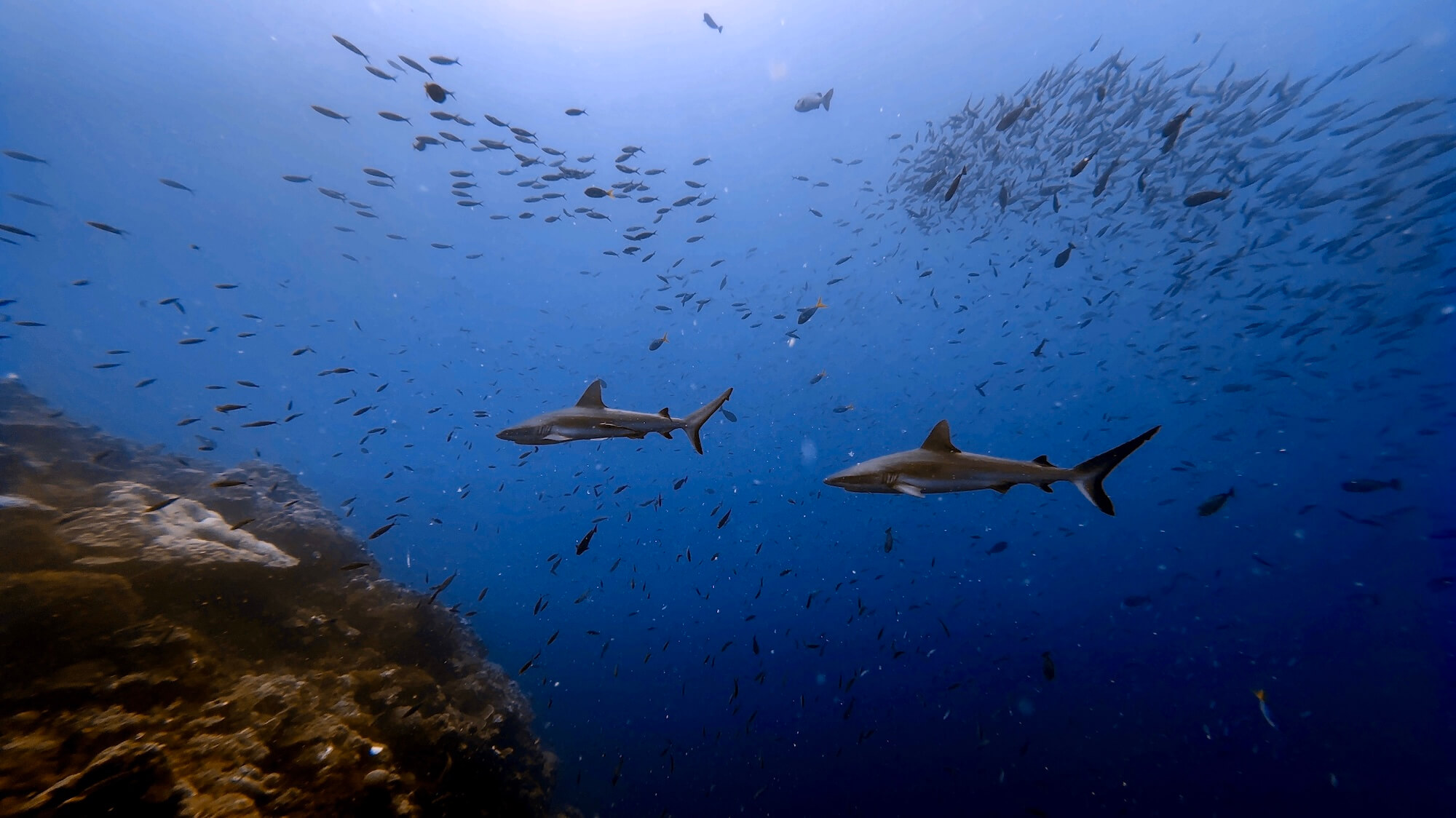
Palau was the first country in the world to declare a shark sanctuary. Bull sharks, leopard sharks, whitetip and blacktip reef sharks are everyday companions for divers here. Why do supposedly solitary sharks sometimes hunt in groups? Who are the smaller fish always tagging along? This episode reveals the lesser-known truths about sharks, along with safe observation and photography techniques.

Napoleon Wrasse: The Reef King After a Sex Change

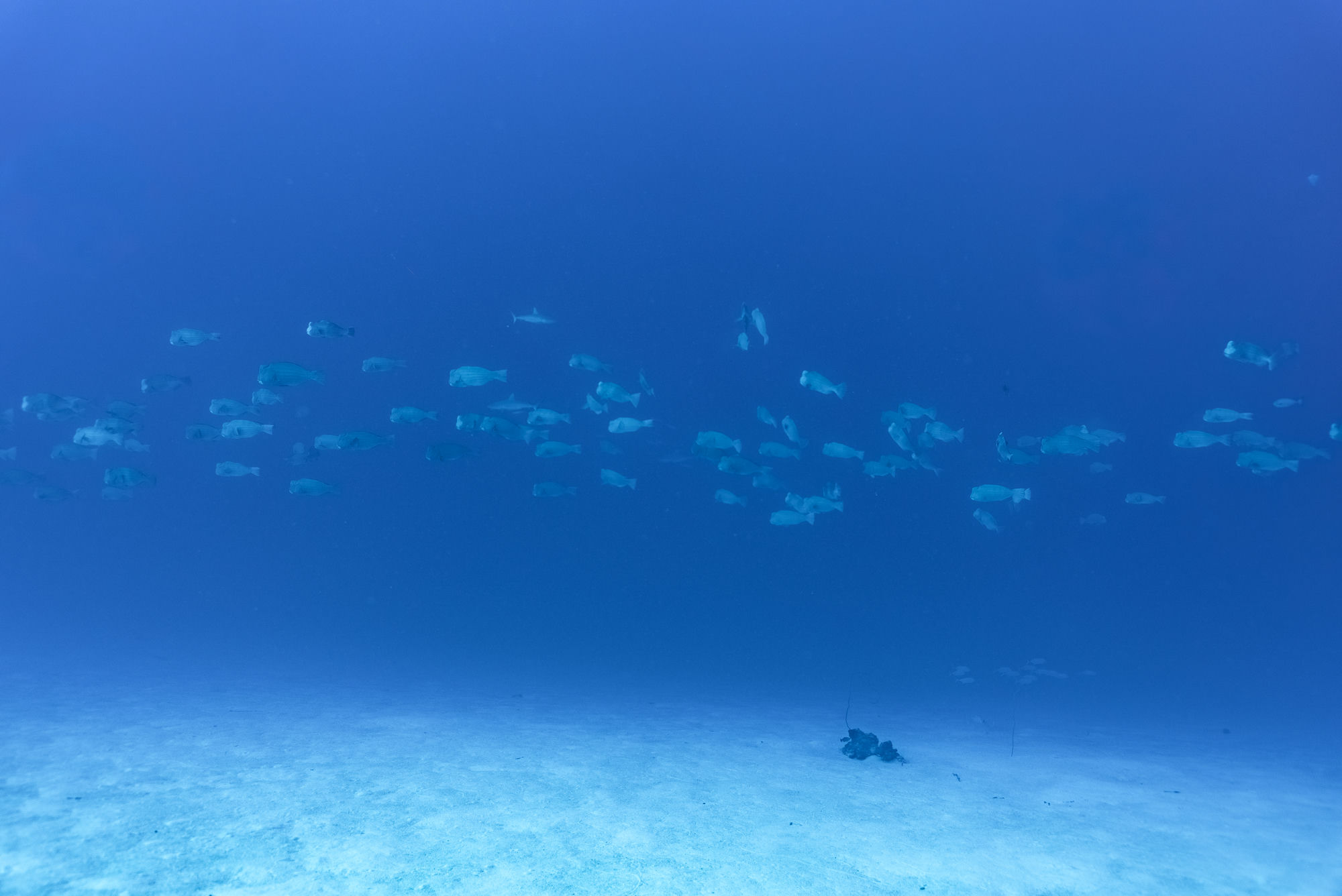
The long-eyelined, hump-headed, gentle Napoleon wrasse you see is actually the male form, transformed from the female phase. This episode shows how to distinguish the sexes by body shape and explains how this puppy-friendly looking fish can crush hard shells, and why this coral reef monarch is facing a survival crisis today.

Full Moon Spawning: When the Moon Triggers Life

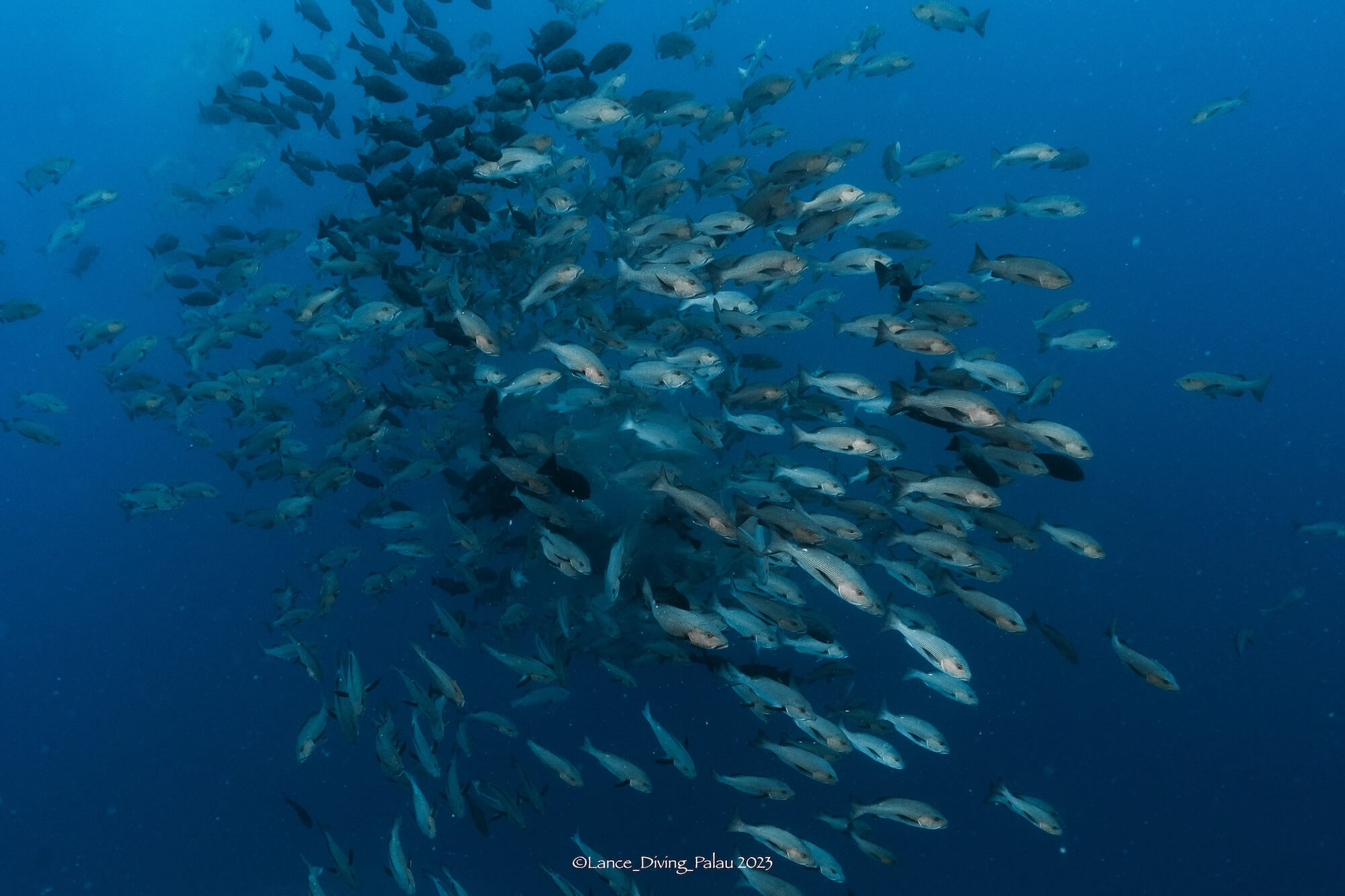
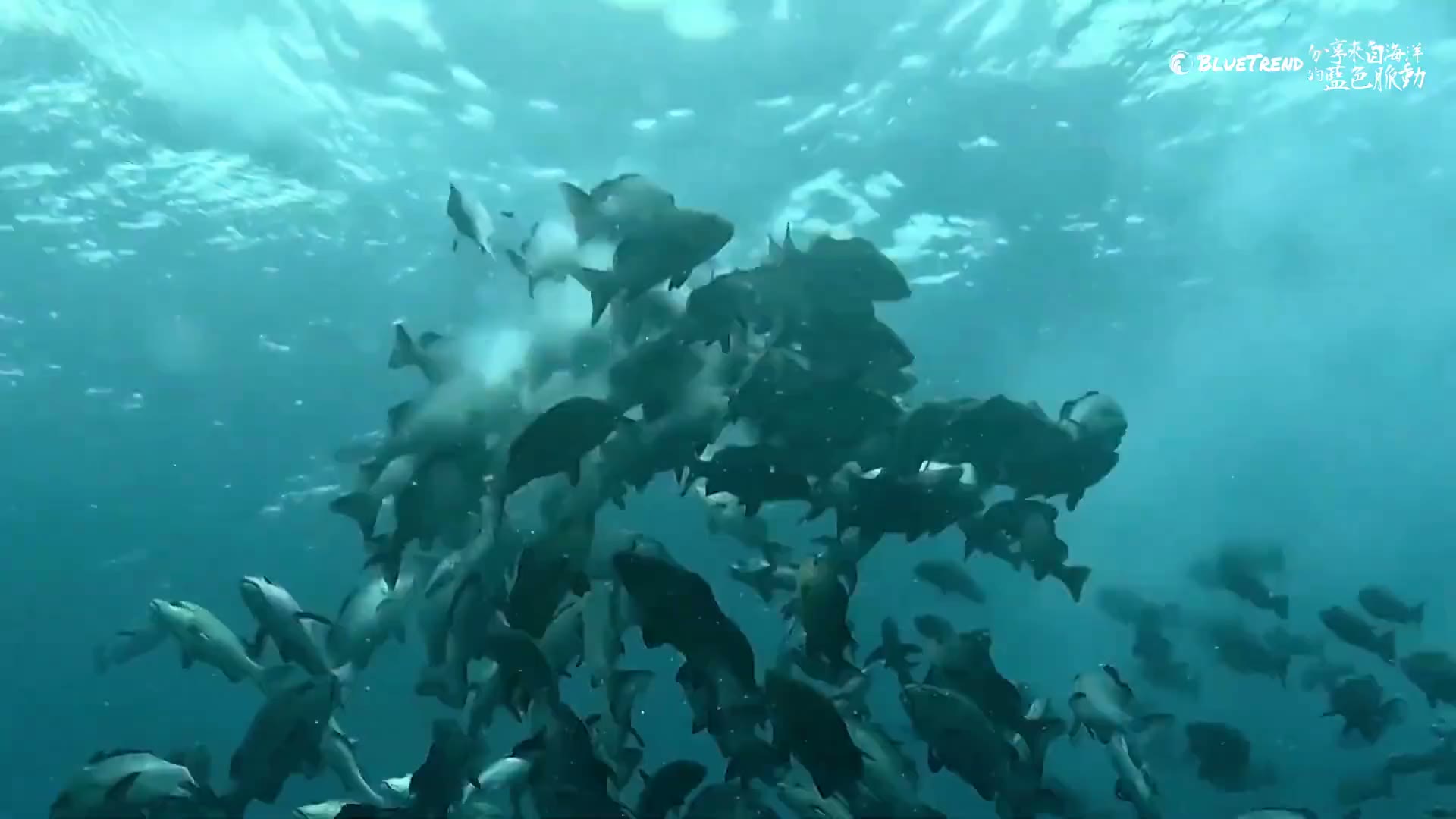
Fish spawning is deeply linked to the lunar cycle. The moon's pull on the tides also dictates when fish gather and spawn. When thousands of fish form a living wall, how should divers stay still and follow the dive guide's lead? This is a dynamic performance of life, and learning the respectful way to observe it lets you witness the most powerful underwater moments.

Further Reading: Palau Red Snapper Spawning: A Sustainable Dive Trip Dancing with the Pulse of Nature
Island Culture & Legends
Photo by Palau Visitors Authority
03 CHAPTER THREE · CULTURE

Island Culture & Legends The Sea is Our Father, the Land is Our Mother

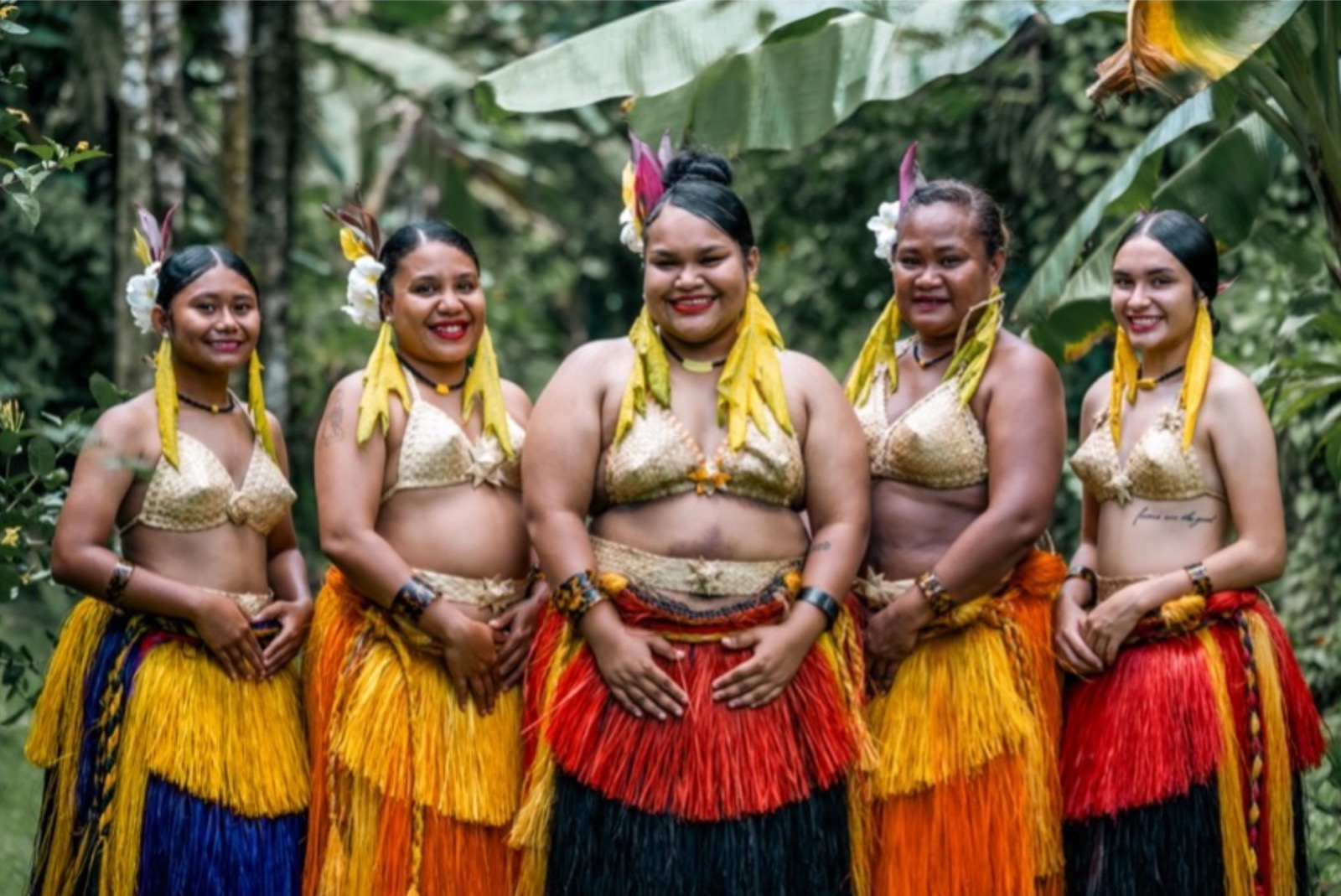
Palau is one of the few remaining matriarchal societies in the modern world. Women hold the keys to family lineage, while male chiefs gather in the BAI (men's meeting house) to discuss tribal affairs. The Palauan language has no written form, with history passed down through oral tradition and storyboard murals. This chapter contains three episodes: the social structure, the traditional BUL regulation, and three marine legends narrated by the director of the National Museum.

Matriarchal Society and the BAI Men's House

Palau retains a rare matriarchal social structure in the modern world. Women hold the key power of family lineage and social division, while tribal men, as chiefs, discuss tribal affairs inside the BAI (men's meeting house). The Palauan language has no script; history is preserved through oral tradition and storyboard murals, generation after generation, carrying the deep belief that "the sea is our father, the land is our mother."

BUL: The Ancient Law of Ocean Sustainability

Palau's ocean abundance is no accident. It is rooted in BUL, an ancient regulation about resource sustainability and coexistence with nature. When you see coconut leaves planted by the roadside, it means the chief is enforcing a BUL ban, letting the ecosystem recover. This episode reveals how Palau has woven this traditional wisdom into modern law, creating a living ocean that astonishes the world.

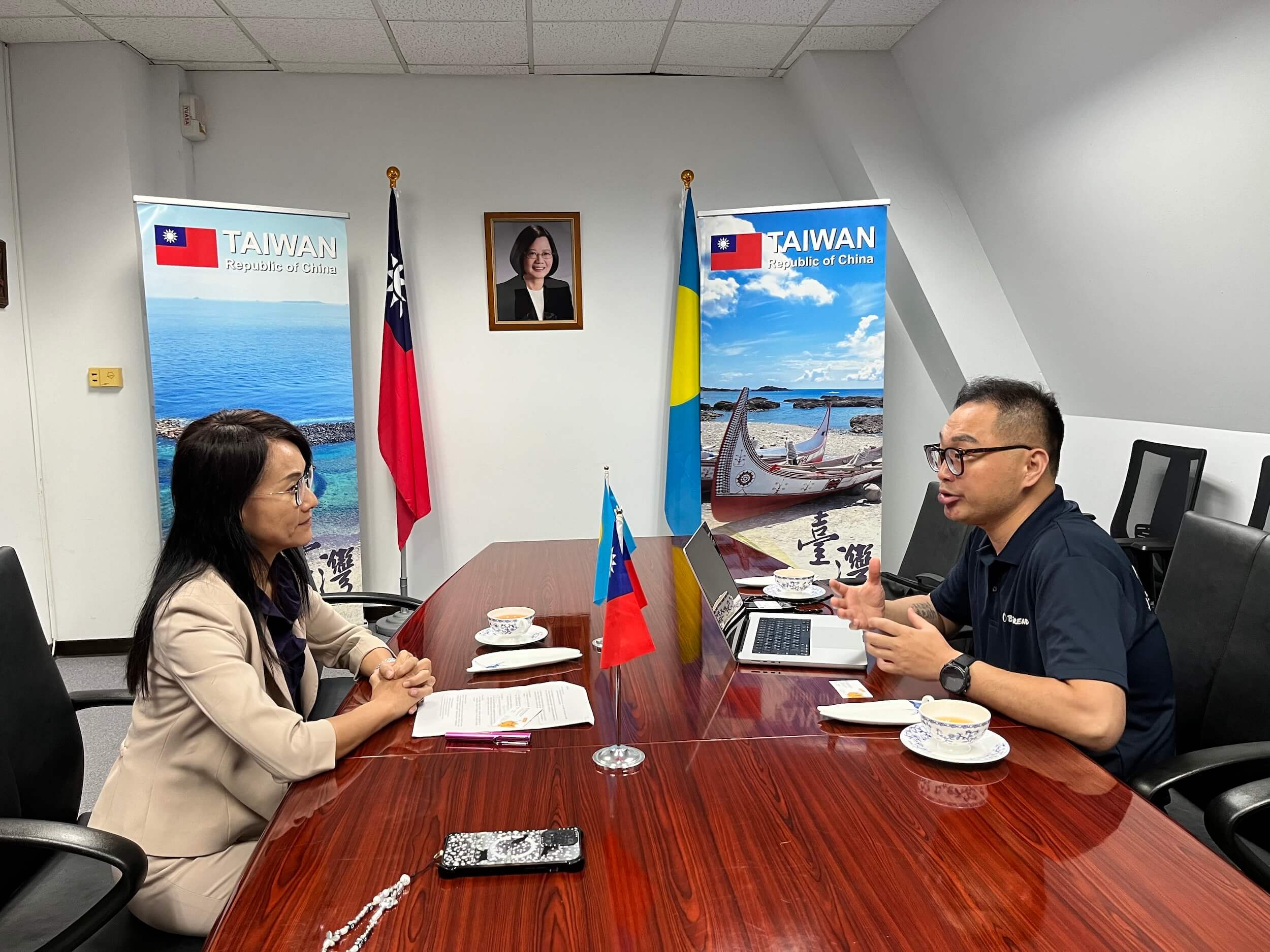
Further Reading: Palau Marine Conservation: From Bul to Global Influence — An Interview with Ambassador Jessica Lee

Marine Legends: Dugongs, Sea Turtles, and Giant Clams

In Palau, totems are not only cultural symbols, they are vessels of history. This episode features the director of the Palau National Museum reading three iconic ocean legends about the dugong, the sea turtle, and the giant clam. These stories carry romantic, bittersweet love and thought-provoking lessons, awakening from within a deep respect for life.

Beyond the Beauty
Photo by Naja Bertolt Jensen on Unsplash
04 CHAPTER FOUR · CLIMATE

Beyond the Beauty Climate Frontline of a Pacific Island Nation

For most of us, climate change is footage on the news. For Palauans, it is an urgent survival crisis. Seawater reaches up to the calves while cooking, cars no longer park at home, taro fields are submerged, fishing is disrupted, and the ocean is eroding the land itself. As travelers, what actions can we take to ease our impact on this place? This is not just about Palau, it is about the shared future of our planet.

Carry the Palau Pledge,
Begin Your Sustainable Dive Journey

From Blue Corner to German Channel, from manta cleaning stations to full-moon spawning walls, this journey is co-curated by BlueTrend and trusted local partners. Every itinerary is operated by legally registered travel providers so every descent is safe, deep, and respectful to the ocean.

Local Instructors Leading Every Dive

Partnered with a licensed Palau dive operator, each dive is led by instructors who know every site's topography, current, and ecology, with smooth communication throughout.

Sustainability First Itinerary Design

Every itinerary incorporates the Palau Pledge, BUL traditions, and protected area rules so every descent becomes an act of care for the ocean.

Licensed Travel Operators

All trips on the tourify.ing platform are provided by legally registered travel operators, with travel industry liability insurance and transparent pricing.