Contents(4)
For the full results, watch the complete video:
Has an unknown deep-sea crab appeared in Chaojing? What new discoveries has the marine reserve's ecological survey uncovered? The Keelung City Government's Bureau of Industry Development held a results exhibition on the 3rd floor of the East Harbor Shopping Center to reveal the findings and help the public learn more about the Chaojing Marine Reserve — sharing the year's key ecological survey discoveries while also showcasing the achievements of trained marine citizen scientists.
Chaojing Marine Reserve Survey Results
The Keelung City Wanghaixiang Chaojing Bay Resource Conservation Area (hereinafter referred to as the Chaojing Marine Reserve) has been established for over 7 years, and the survey confirms that conservation efforts are paying off. Not only has the number of fish species grown compared to last year (2022), but comparing the ecology inside and outside the reserve shows that species diversity is higher within the reserve — and biomass per unit area is 5 to 27 times greater inside the reserve than outside.
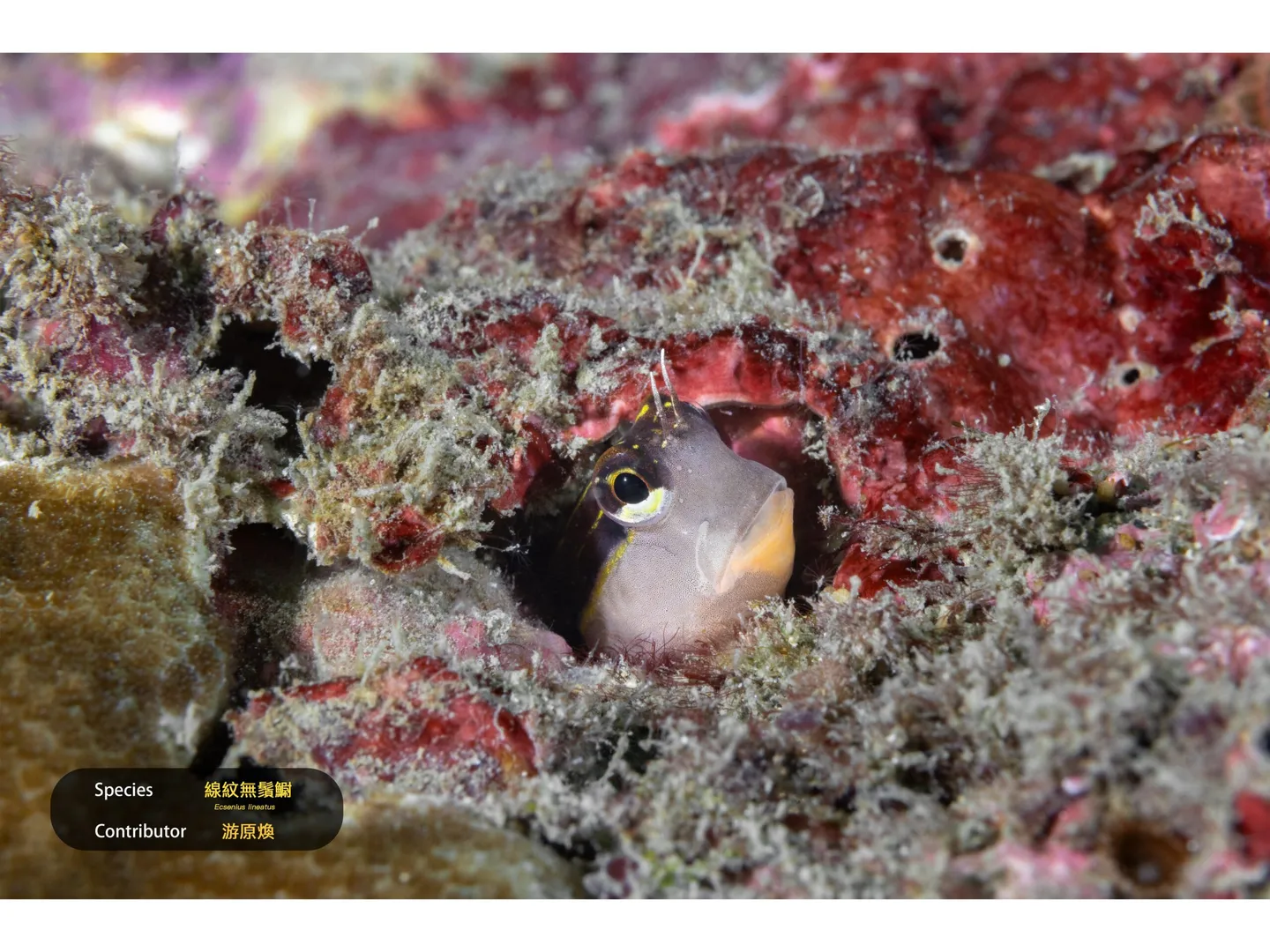
A adorable blenny peeking out at the world, photographed by citizen scientist You Yuan-Huan.
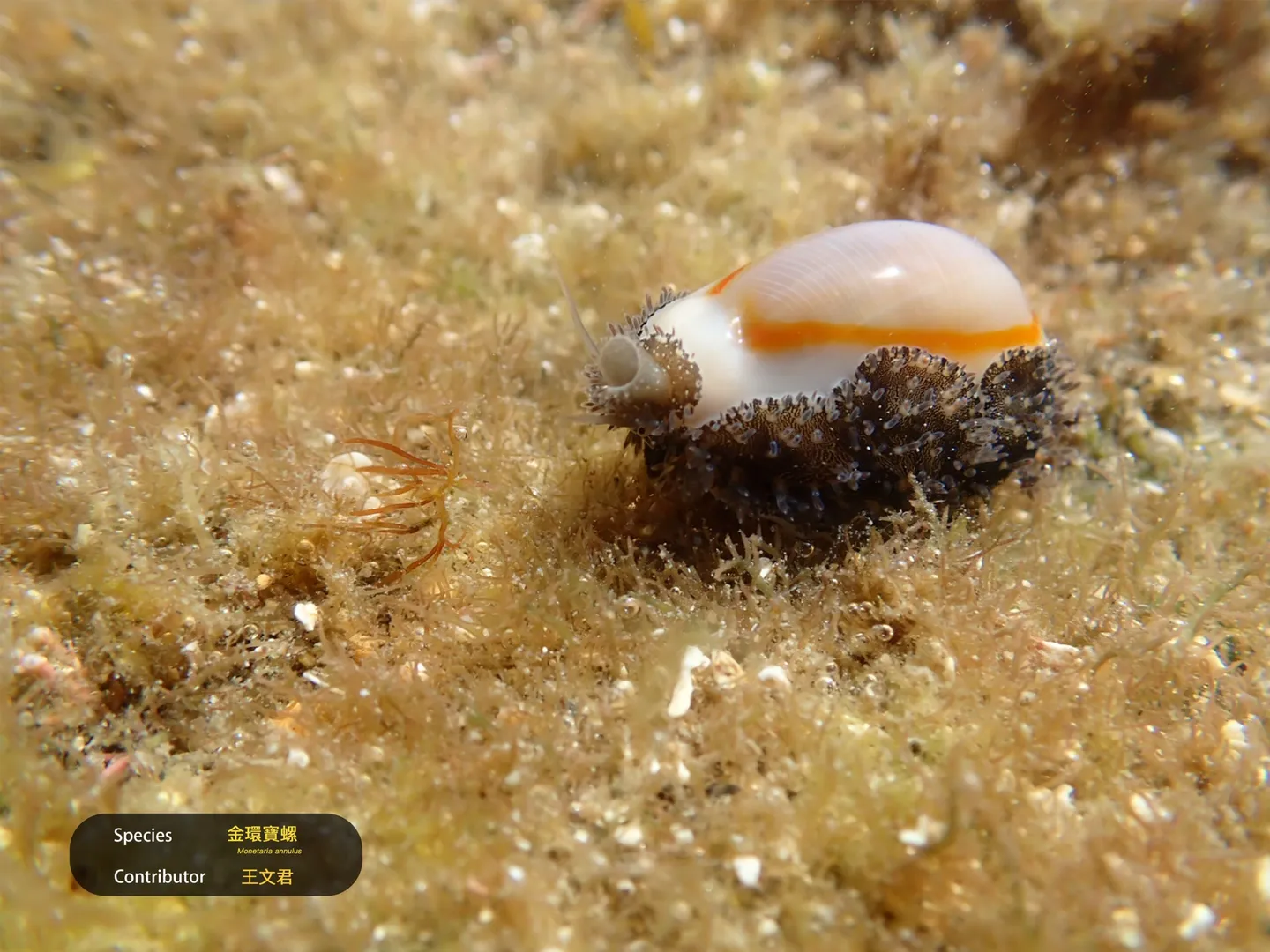
A golden-ringed cowrie discovered by citizen scientist Wang Wen-Jun during an intertidal zone course.
Lin Ding-Chao, Director of the Keelung City Bureau of Industry Development, noted that the Keelung City Government has supported the "Marine Citizen Science Program" for two consecutive years. This year (2023), 95 marine citizen scientists were trained, successfully collecting over 1,200 precious photographs of the Chaojing Marine Reserve. The city also hopes that through regular annual surveys, systematized ecological data can be established as a basis for marine conservation policy. In addition, Keelung City is planning to replicate this research model in other sea areas around Keelung, gradually unveiling the ecological profiles of surrounding waters.
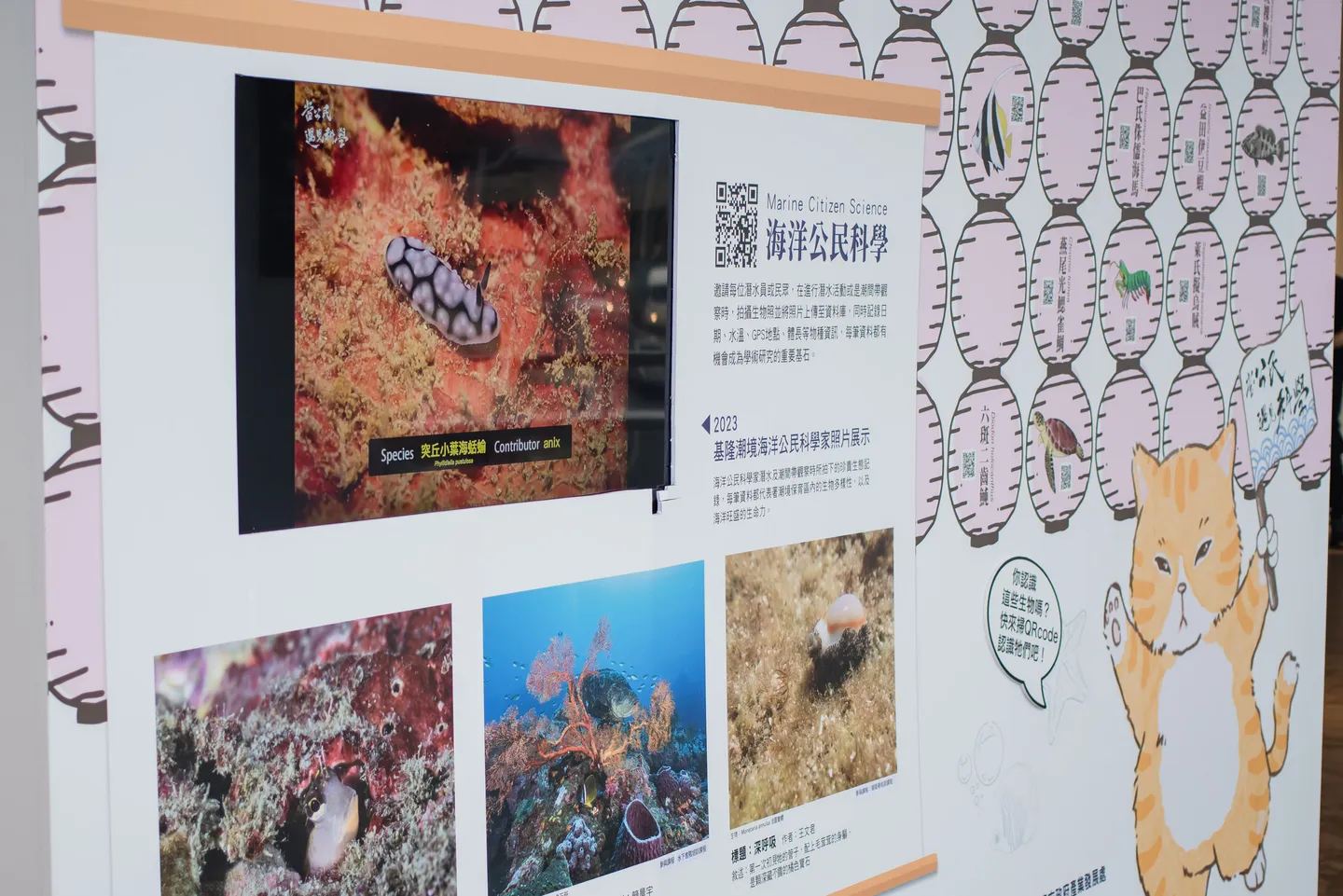
Over 1,200 precious underwater ecological photos were collected this year.
Rigorous quantitative surveys of the Chaojing Marine Reserve have been conducted for two consecutive years, commissioned to and carried out by the BlueTrend team to build up systematic data. This year, a total of 165 fish species across 42 families were recorded inside and outside the Chaojing Marine Reserve, with 151 species found within the reserve — an increase from last year's 139 species — demonstrating the area's rich biodiversity.
The survey found that individual biomass within the Chaojing Marine Reserve has increased, with many large fish exceeding 40 cm in body length recorded, including Grouper, parrotfish, sawtail surgeonfish, moray eel, and sweetlips. Biomass per unit area inside the reserve is 5 to 27 times greater than outside.
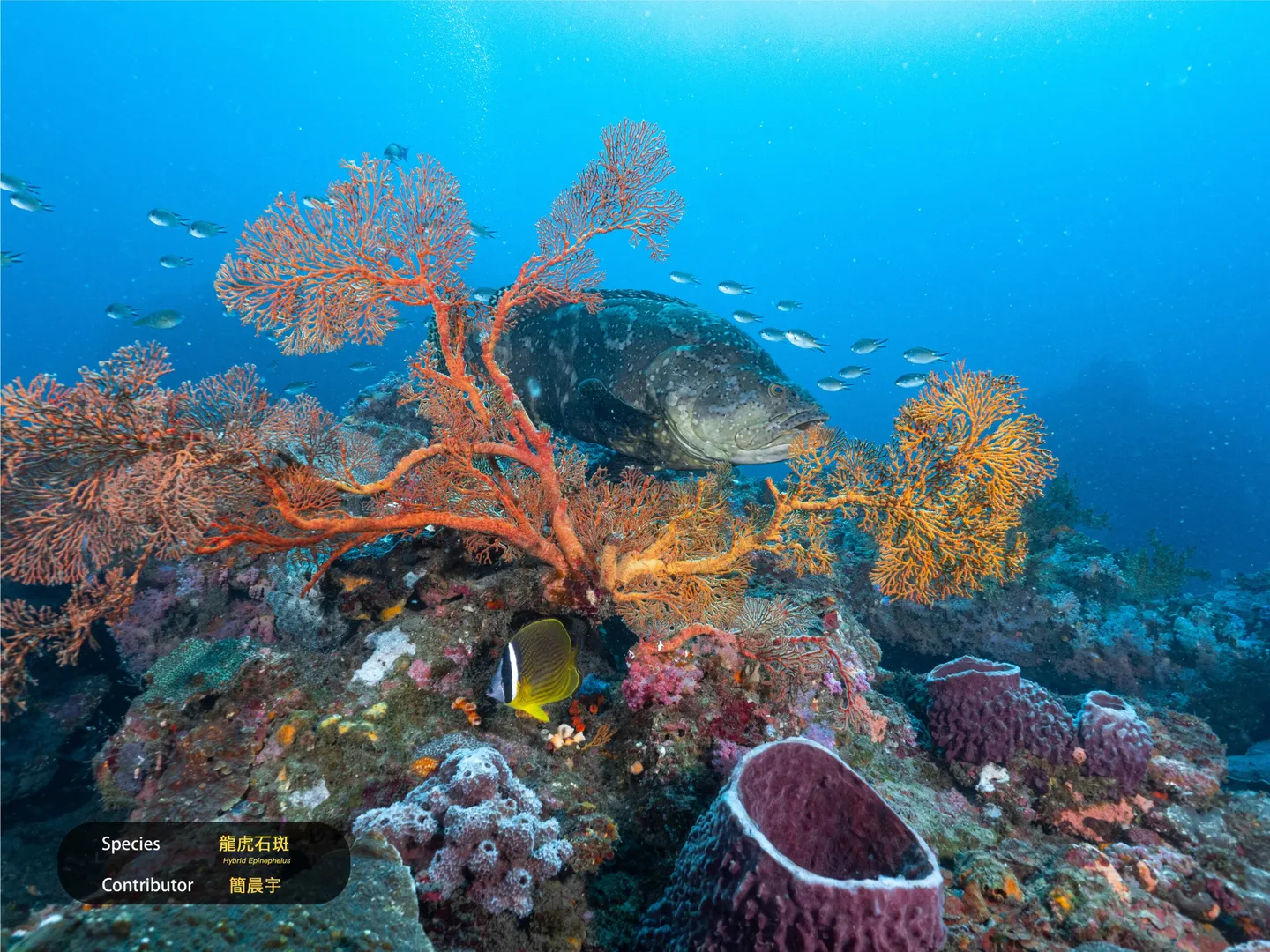
Chaojing's star resident, a Grouper, making its rounds to check in on the underwater ecosystem. Photographed by marine citizen scientist Jian Chen-Yu.
In addition, algal coverage within the Chaojing Marine Reserve is relatively low while coral coverage is comparatively good. This is likely because herbivorous fish such as parrotfish and surgeonfish are more abundant inside the reserve, helping to suppress excessive algae growth and allowing coral and other reef-building organisms room to grow.
The survey also found that the number of individual fish per unit area decreased both inside and outside the reserve compared to last year. Referencing biological database records, summer water temperatures this year were 0.5–1°C lower than in previous years; it is estimated that the lower water temperatures may have suppressed fish growth and reproduction, leading to a decline in individual counts. The team will continue to monitor whether other factors — such as excessive human activity — are affecting population numbers, making rolling adjustments as necessary.
This demonstrates that the database not only provides biological information, but the accumulated volume of image data also helps objectively document environmental changes. Through long-term monitoring of various marine environmental indicators — including ongoing updates to baseline environmental data and biodiversity databases — the results can serve as an important basis for evaluating marine conservation effectiveness or adjusting conservation strategies.
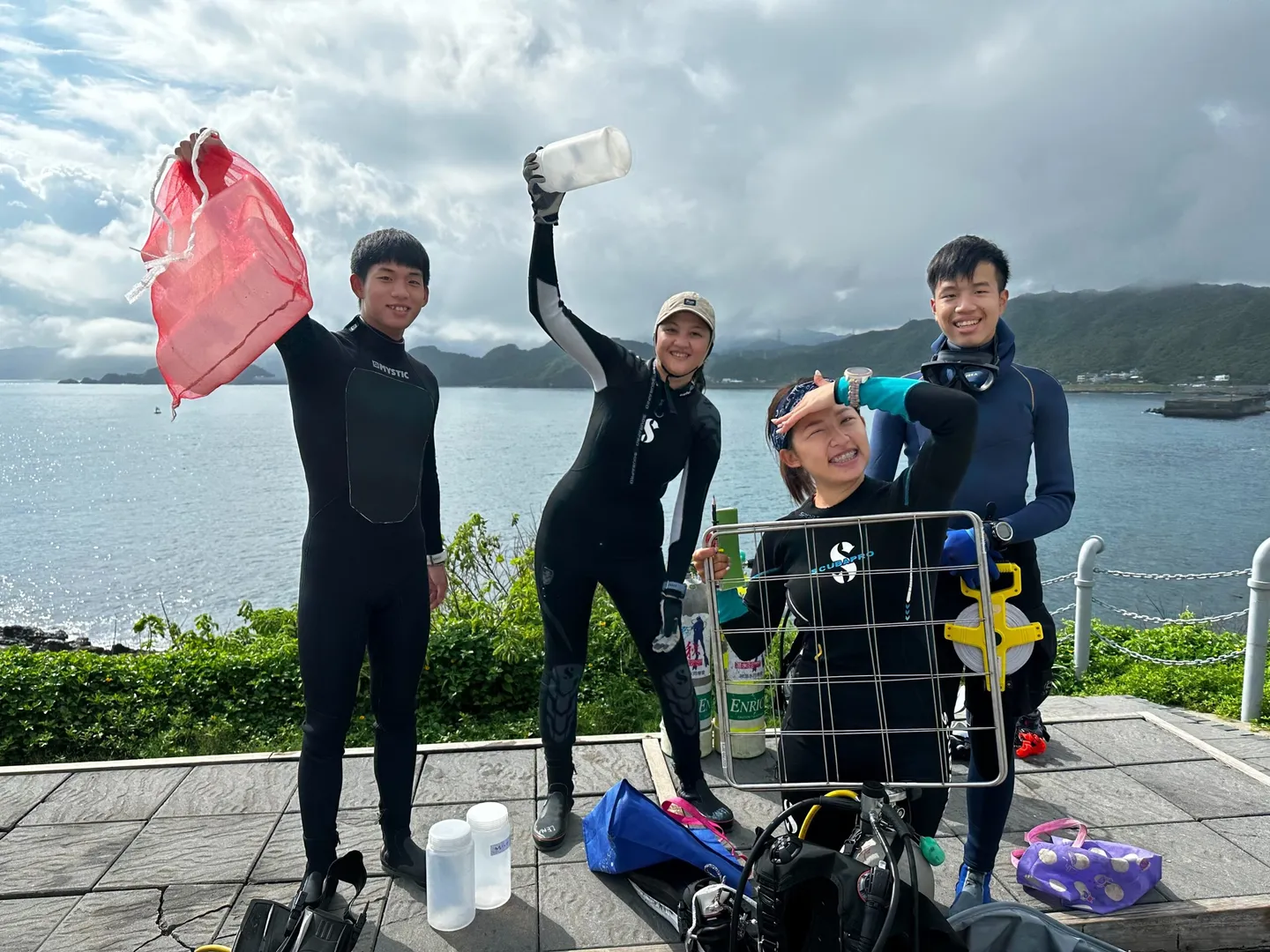
The team regularly conducts rigorous quantitative surveys.


A Previously Unstudied "Deep-Sea Crab" Discovered in Chaojing
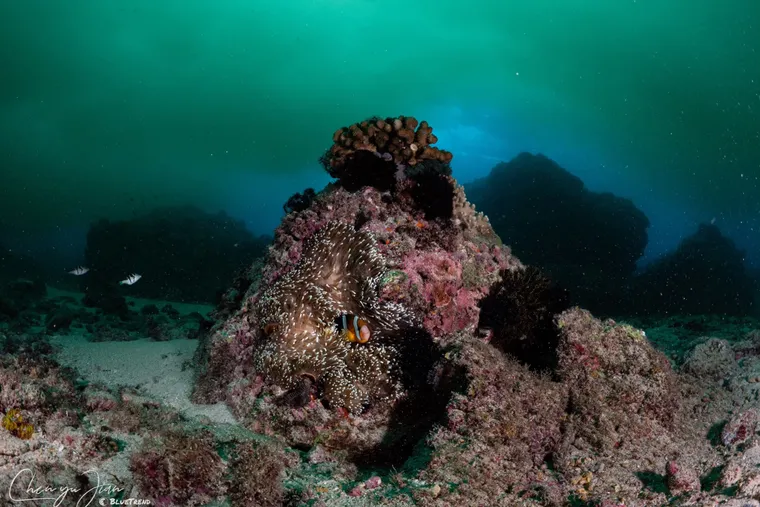
Through the lenses of marine citizen scientists, a species of "deep-sea crab" that has never been studied before was recorded in the Chaojing Marine Reserve this year. This crab clips pieces of coral onto its body as camouflage. Scholars and experts are still searching for related information to help with identification. The discovery not only adds to the mystique of the Chaojing Marine Reserve, but also highlights the boundless potential of marine citizen scientists.
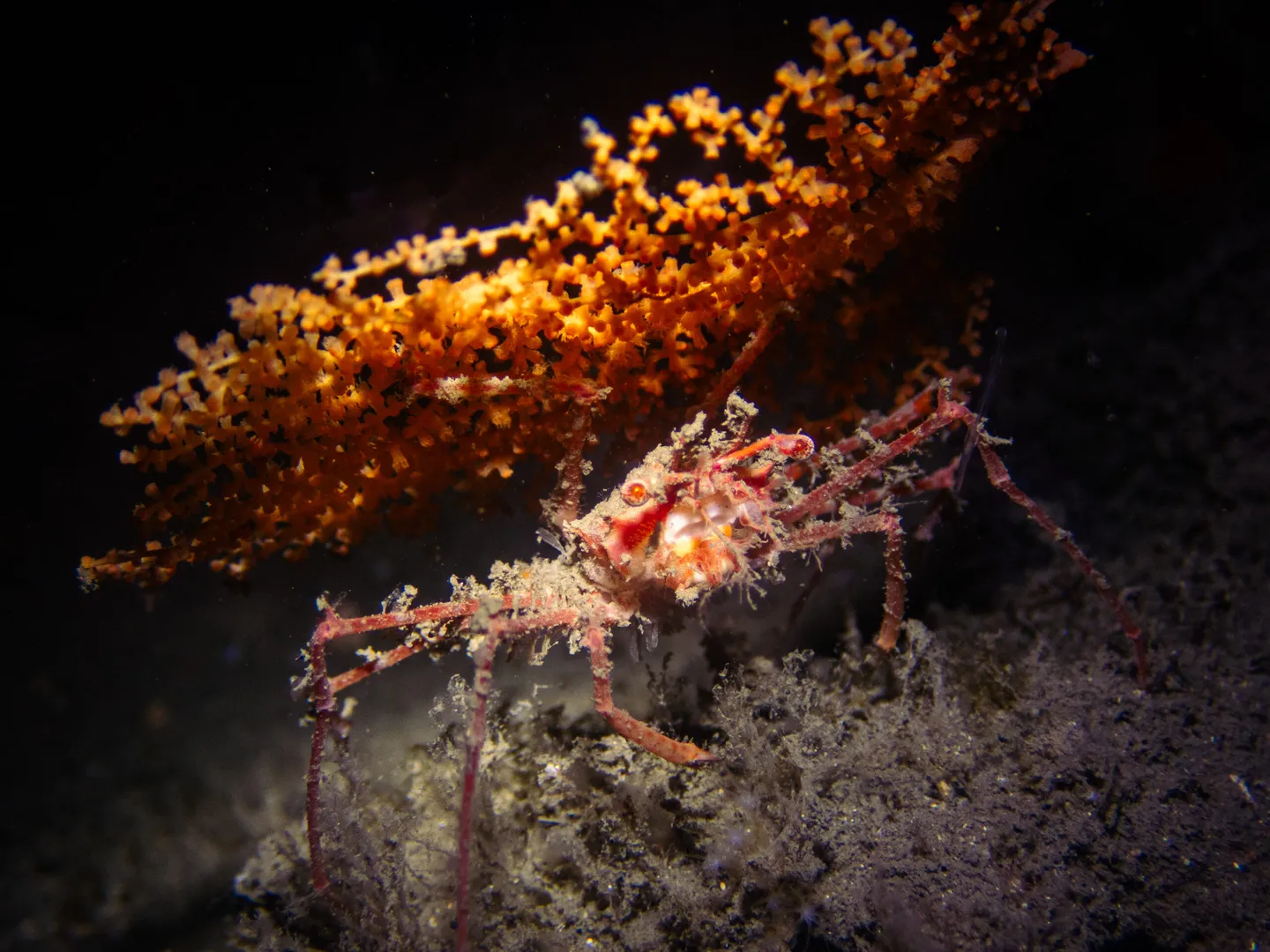
The mysterious deep-sea crab, never before recorded, captured on camera by a citizen scientist. Photo: Jason Lin.
Keelung Chaojing Marine Citizen Scientist Training Program
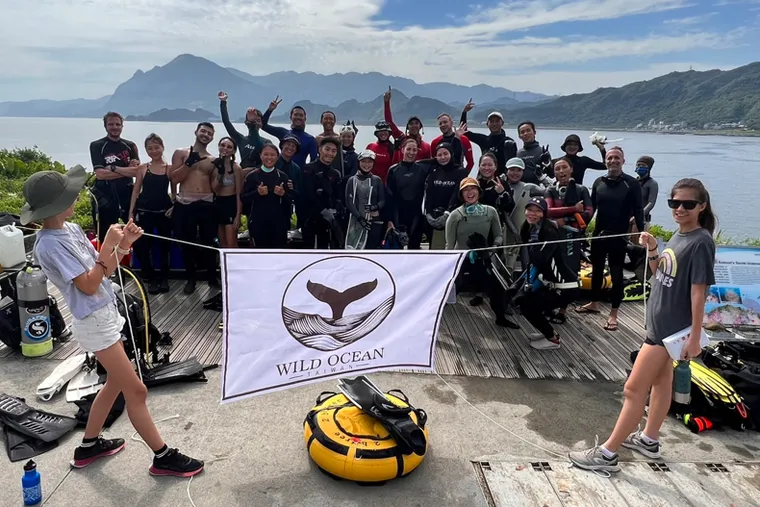
This year's program expanded significantly, extending from foundational courses to advanced courses and intertidal zone courses, continually deepening and broadening civic participation.
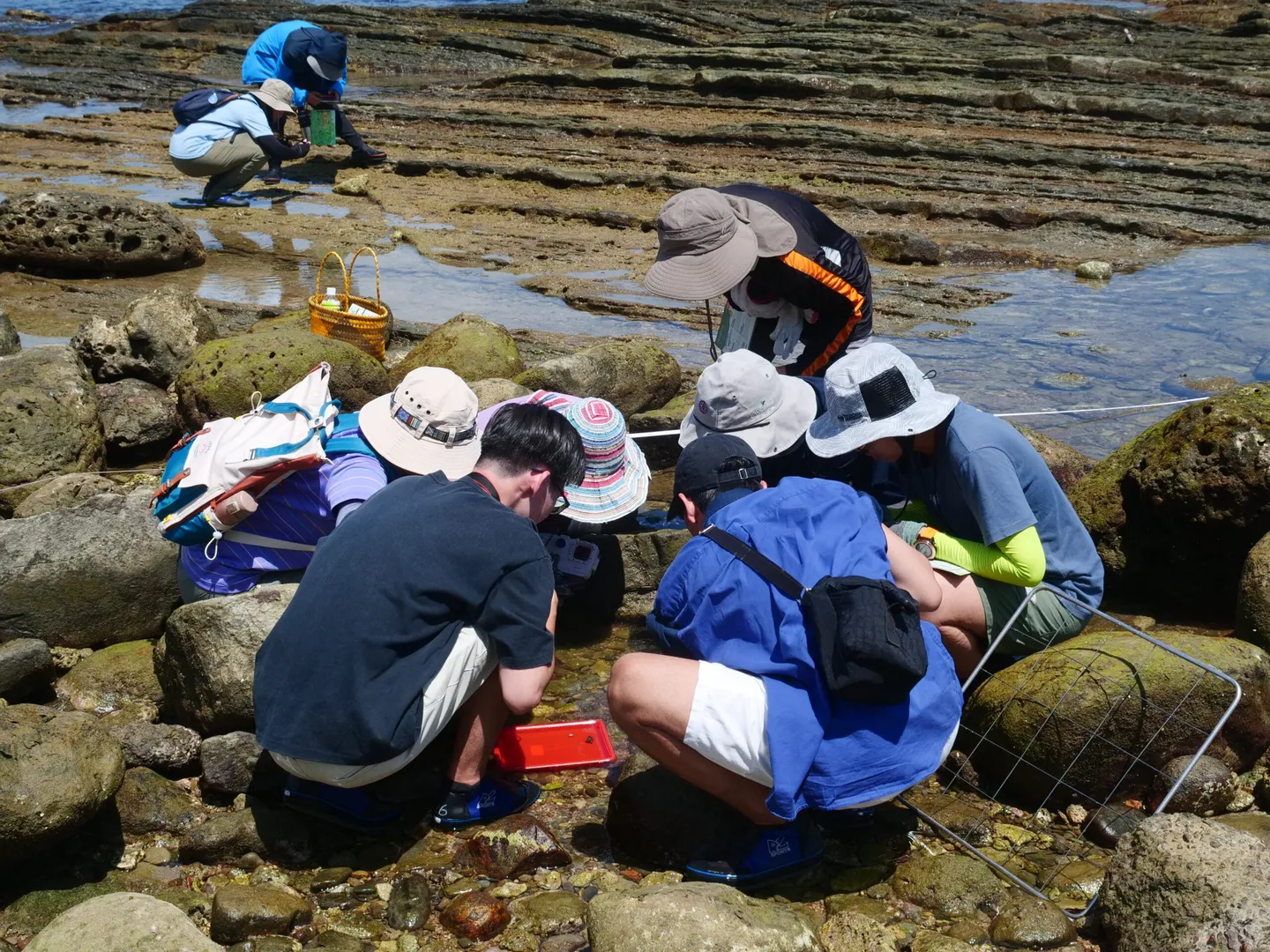
Leading participants out to the intertidal zone to conduct hands-on surveys.
Advanced course participant Jin Ying-Yue remarked that transect surveys are rarely accessible to the general public: "Having learned all this, I'm not just a recreational diver anymore — I now have the chance to contribute something to science. I think that's wonderful, and I hope the courses continue." Participant Xia Feng-Jun shared that she used to hear people say "the ecology here is great," but it was only through taking the course that she learned what "indicator species" to look for and why they serve as indicators.
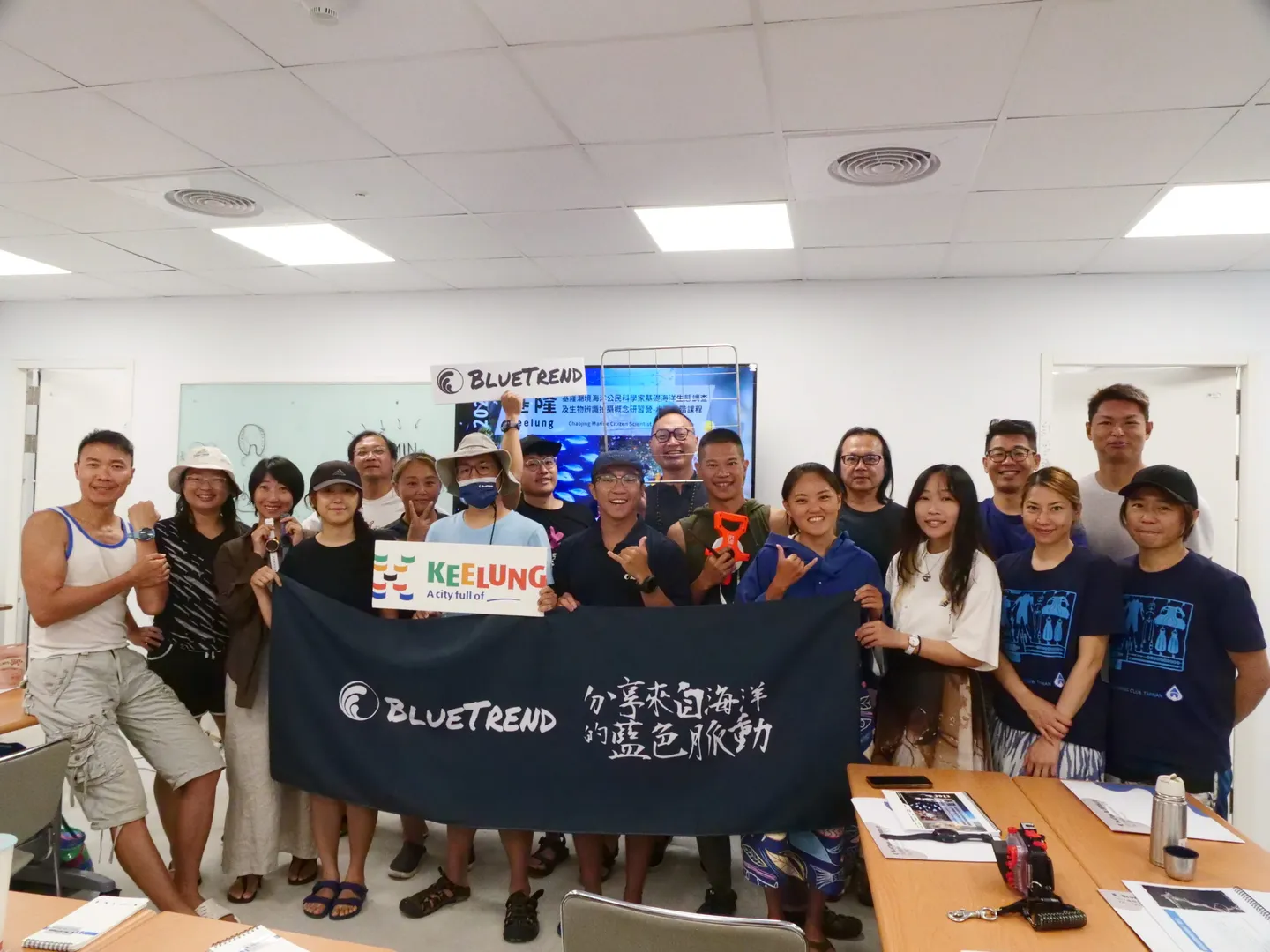
This year's advanced course brought participants underwater to conduct transect surveys firsthand.
The Chaojing Marine Reserve is hailed as a "model student" among marine protected areas. Beyond strict zoning controls and ecological surveys, it continues to expand civic participation. This year's "Marine Citizen Science Program" also received support from internationally renowned brand GARMIN, which provided dive computers for participants to use. This allowed divers to immediately monitor depth changes and no-decompression limit (NDL) alerts while focused on sampling and photography, making every survey dive and course session safer.
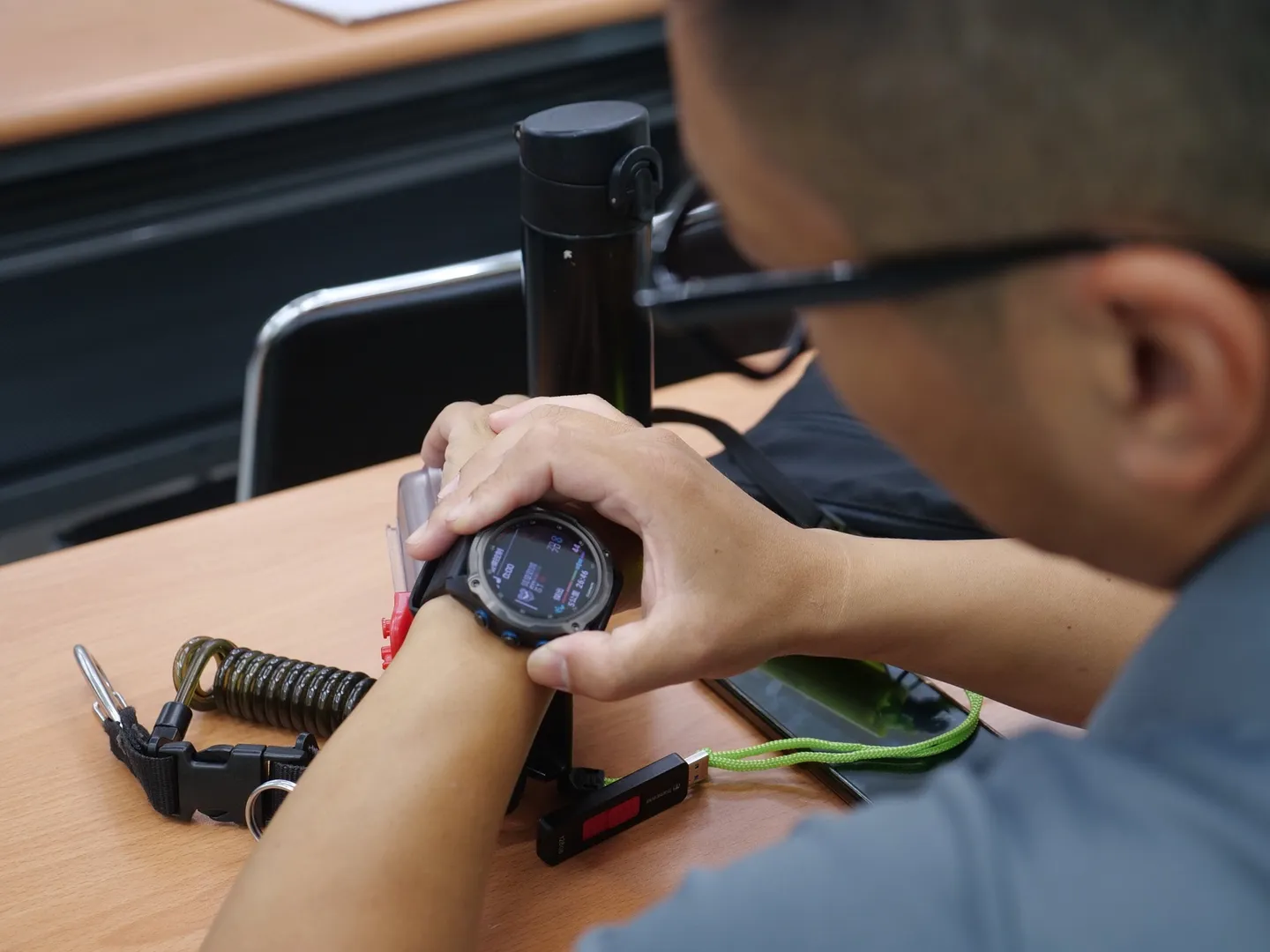
Divers can immediately monitor depth changes and no-decompression limit alerts even while focused on sampling and photography.
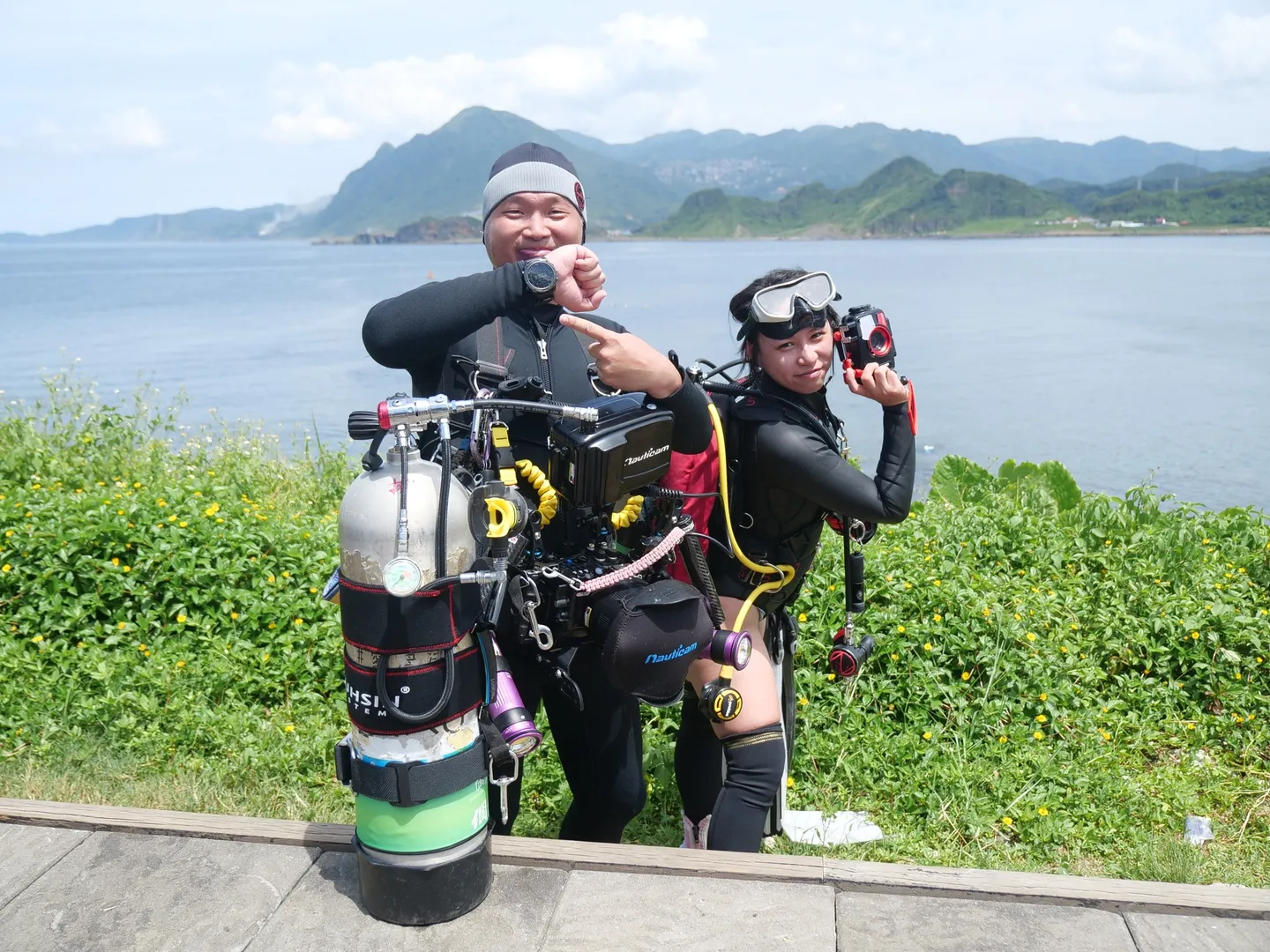
GARMIN provided dive computers for participants to use underwater, making every survey dive safer.
Witness the Keelung Chaojing Results Exhibition — Ocean Market

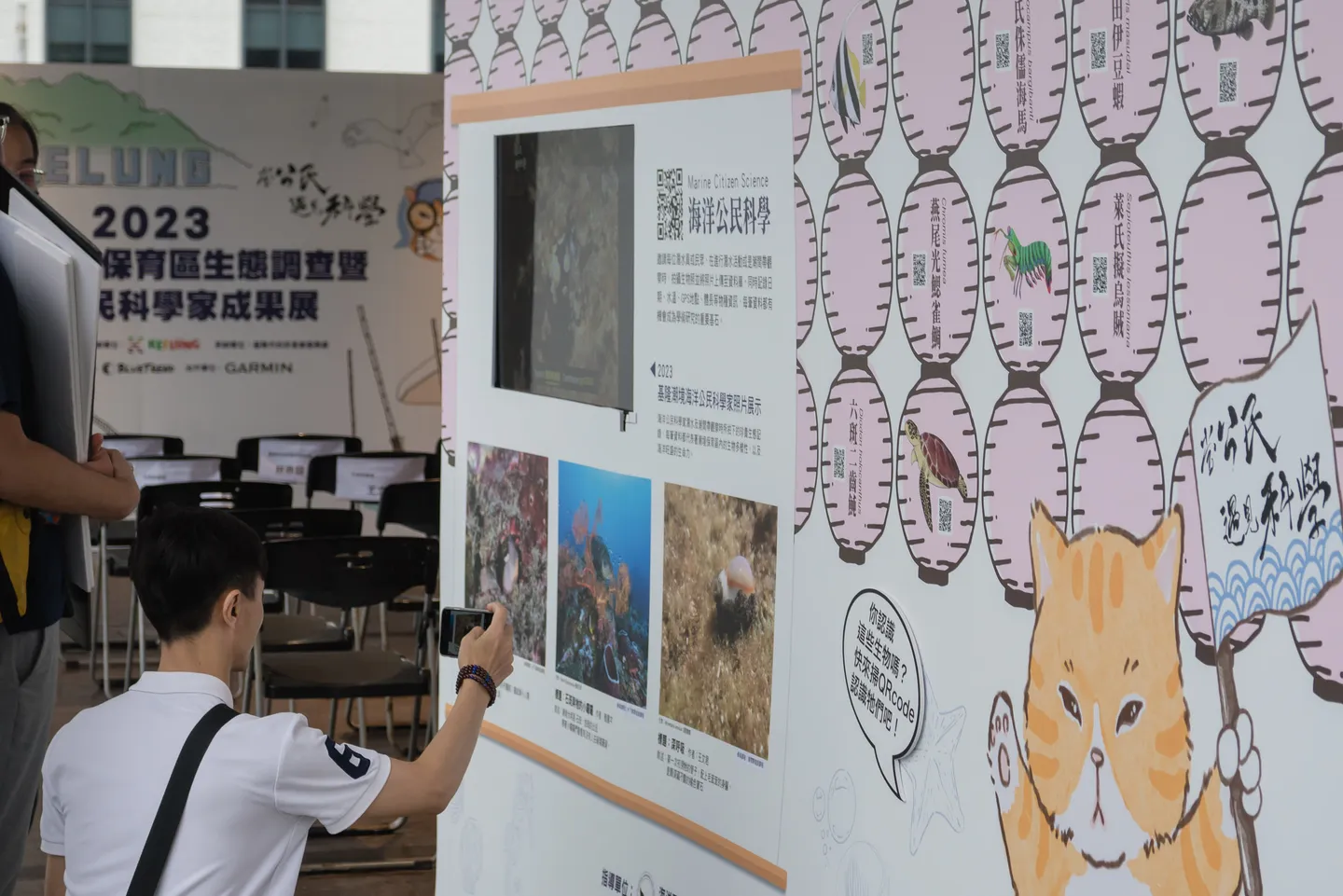
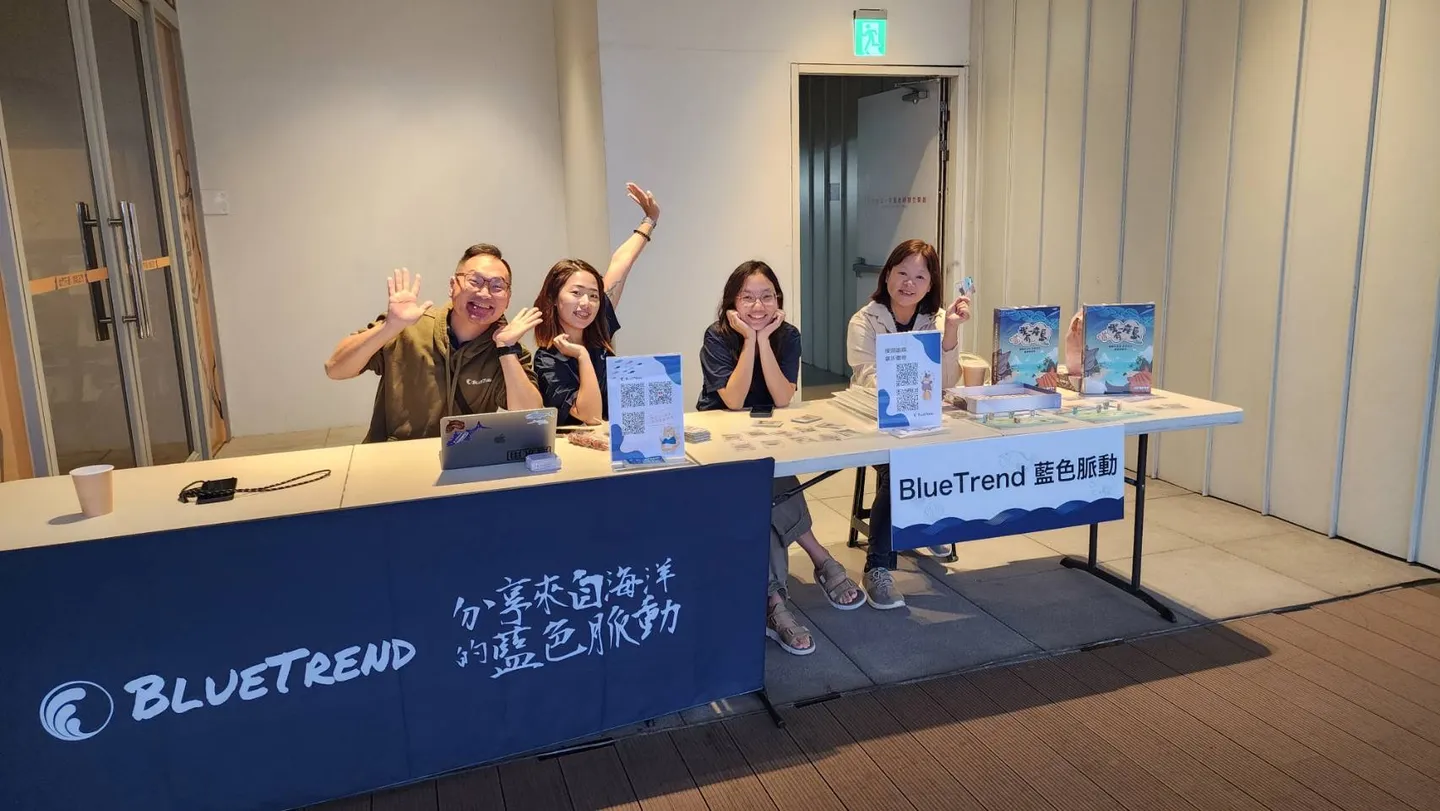
The Ocean Market on October 21 and 22 was a lively success!
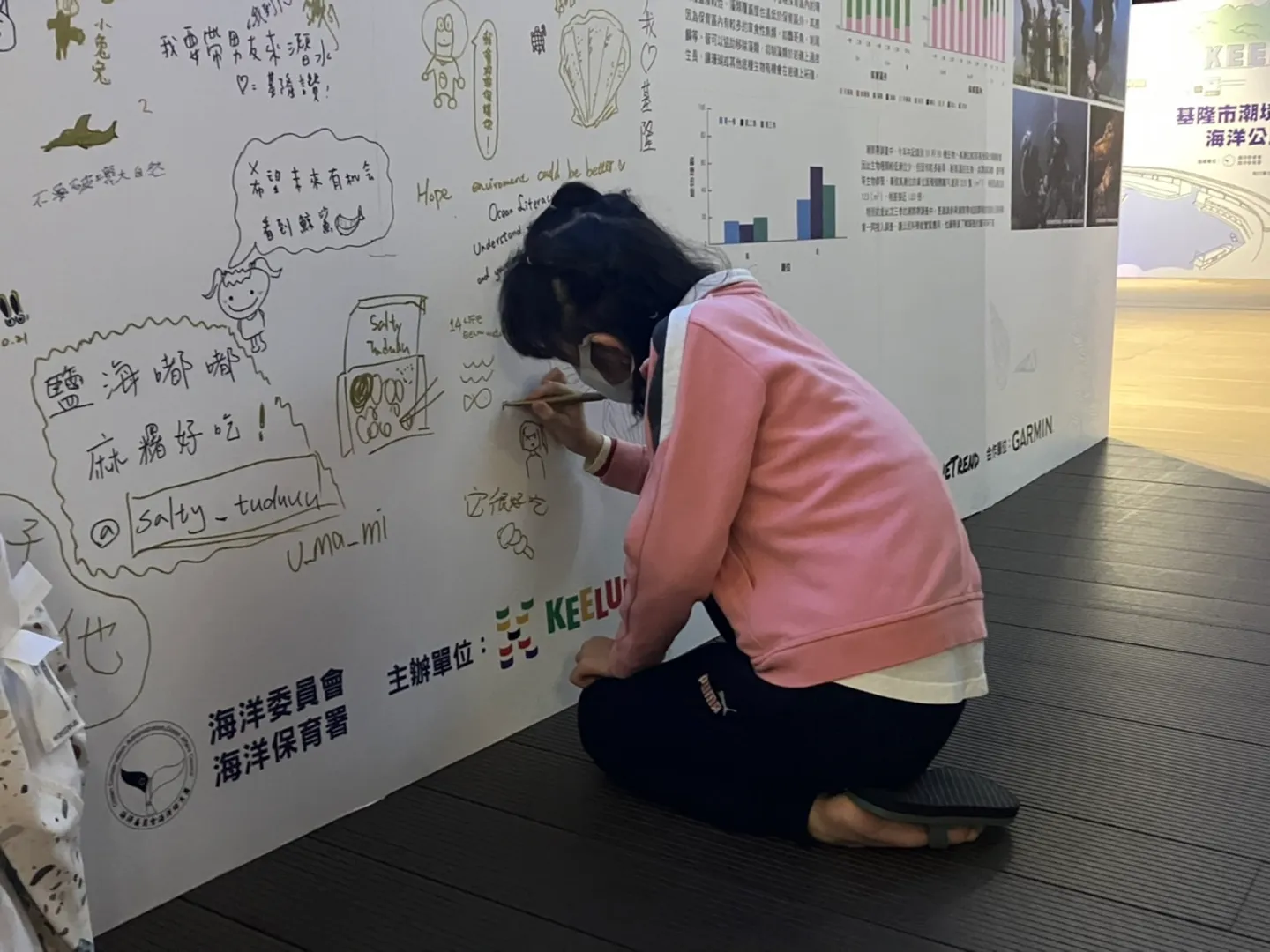
An open message board: what do you want to say to the ocean? Just write it down.
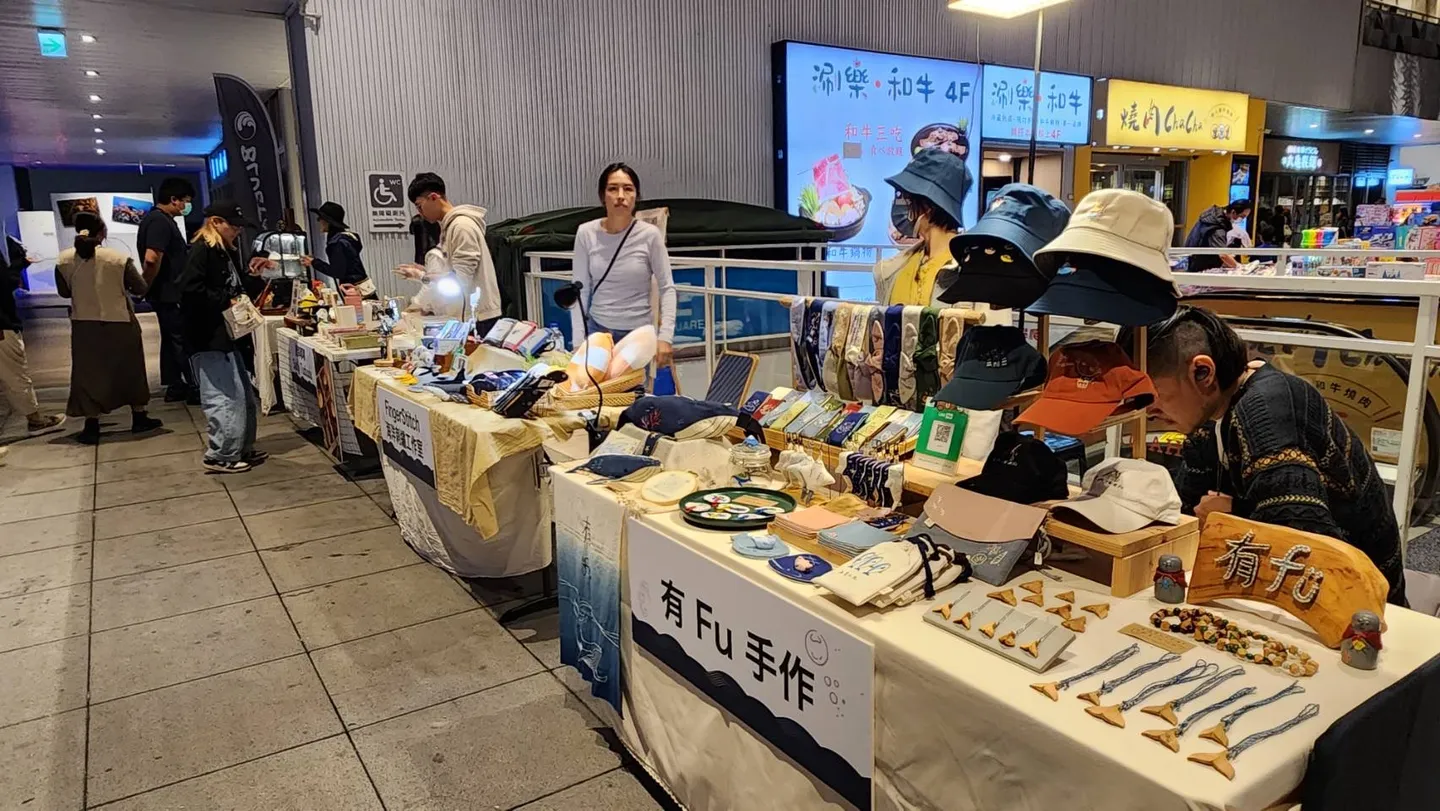
The Ocean Market invited ocean-themed creative vendors to set up stalls.
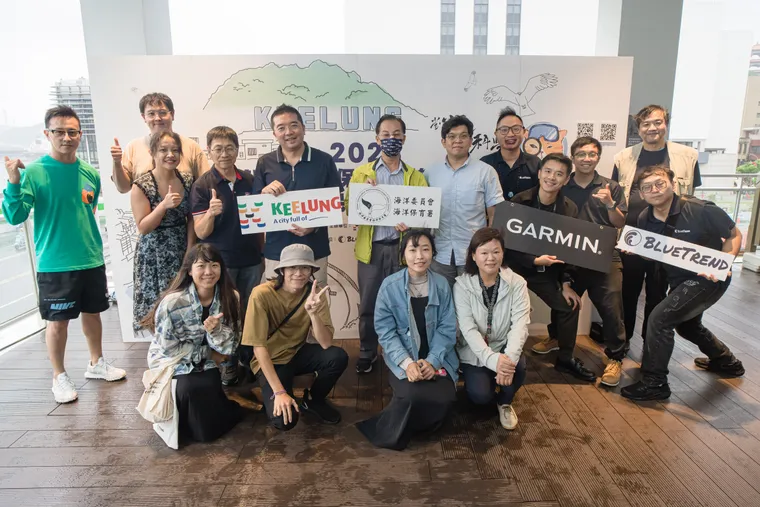
The BlueTrend team with Section Chief Tsai Fu-Ning of the Keelung City Bureau of Industry Development.
Further reading: