Contents(3)
This year (2023), the Keelung City Government has continued its Marine Protected Area Operation and Management Maintenance Plan — subsidized by the Ocean Conservation Administration — steadily accumulating baseline ecological survey data for the "Wanghaixiang Chaojing Bay Resource Conservation Zone" (hereafter referred to as the Chaojing Conservation Zone). Building on last year's Marine Citizen Scientist Training Camp, the program was expanded this year to include advanced aquatic courses and land-based intertidal courses, enabling more members of the public to participate in marine citizen scientist training and jointly document the conservation outcomes of the Chaojing Conservation Zone. The ecological survey results and an exhibition of achievements will be on display from October 16 to October 29 at the third floor of Keelung East Wharf Plaza. Everyone is welcome to come and explore the beauty of this ocean!
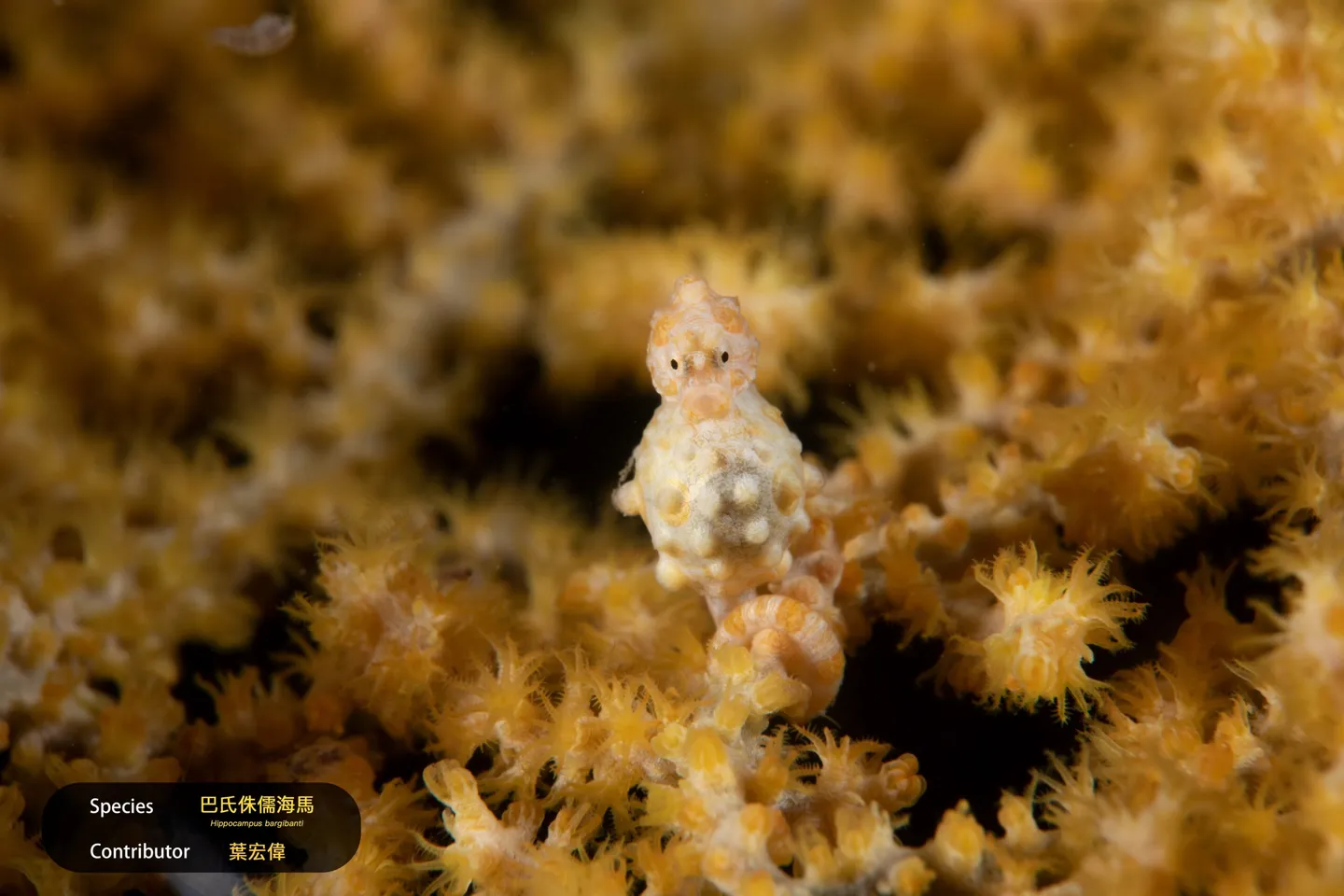
The signature photo of Chaojing this year — the hottest star of the season, the adorable pygmy seahorse. Photo: Ye Hongwei.
Chaojing Conservation Zone
More than seven years have passed since the Chaojing Conservation Zone was established. Surveys conducted this year in Chaojing Bay revealed that the total number of fish species has grown compared to last year (2022). Looking at the entire Wanghaixiang Bay, a total of 165 fish species were recorded, of which 151 were documented within the Chaojing Conservation Zone itself — meaning that nearly 90% of this year's fish survey records came from inside the conservation zone. A greater number of large fish with body lengths exceeding 40 cm were also recorded. During the summer, the total biomass inside the Chaojing Conservation Zone was 27 times higher than outside it, clearly demonstrating the zone's remarkably rich biodiversity.
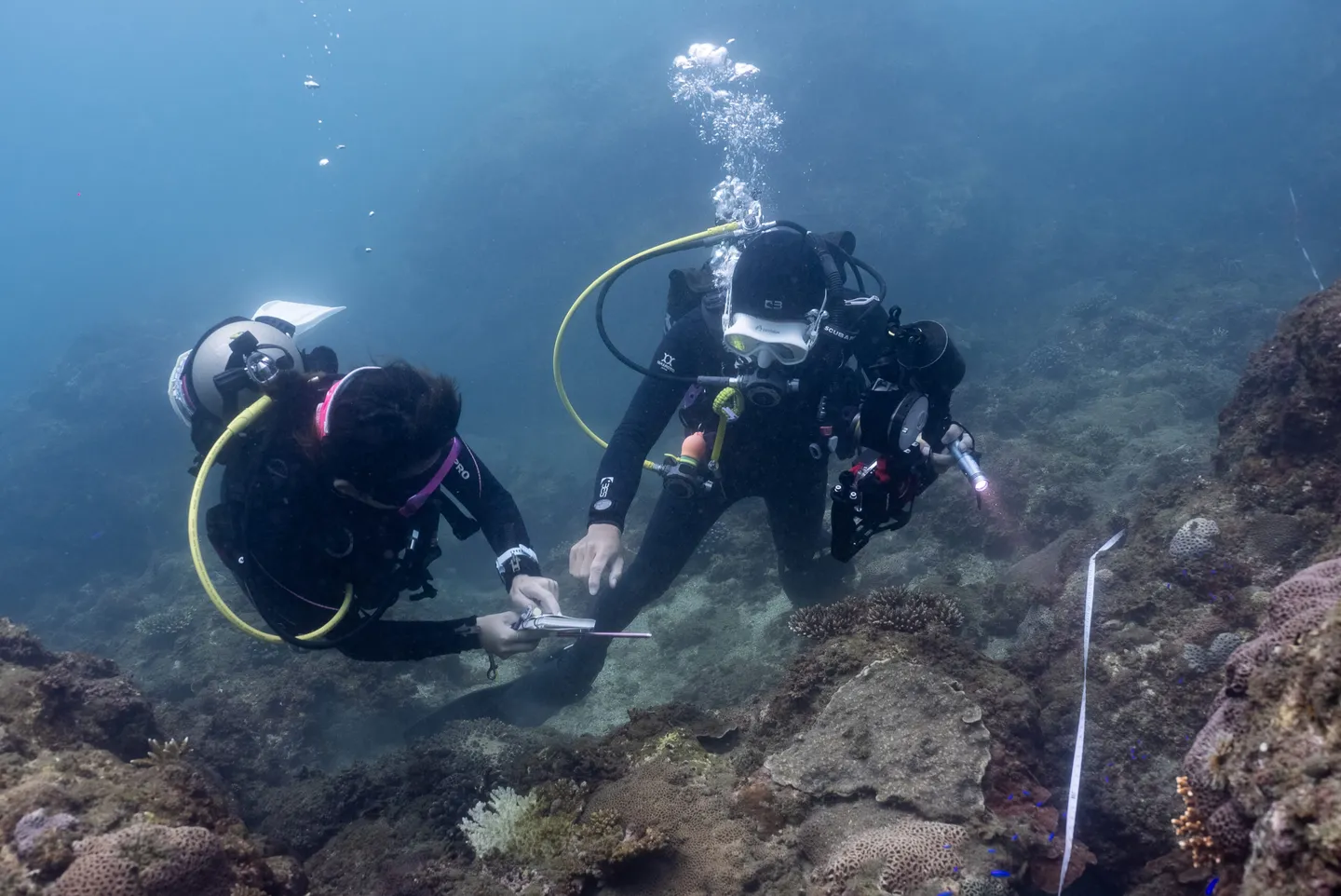
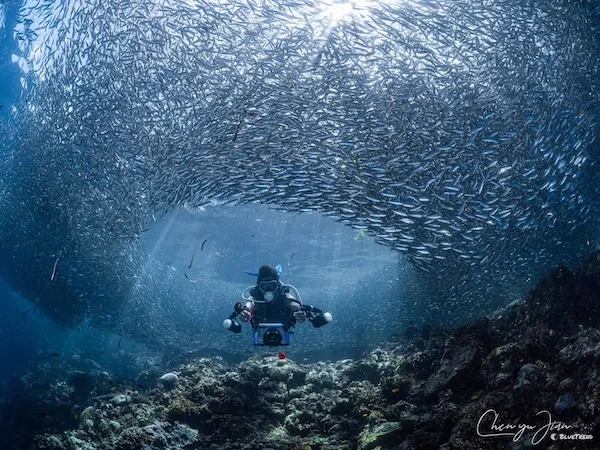
The team dives each quarter to conduct surveys and build systematic ecological data.
Lin Dingchao, Director of the Keelung City Department of Industrial Development, stated that assessing the effectiveness of a conservation zone requires ongoing periodic surveys to build systematic ecological data, continuously tracking the various factors that influence species populations and providing a basis for the rolling adjustment of marine conservation policies. Harnessing the power of citizen scientists makes ecological surveys broader in scope and richer in content. Furthermore, in the interest of sustainable management, the Keelung City Government has developed a 2.0 regulatory framework for the Chaojing Conservation Zone. In the future, the zone will be divided into a core area and a sustainable use area, with zoning controls, total quota management, and qualification reviews established to protect the ecological resources of the marine protected area. This framework has already been approved by the Ministry of Agriculture and is expected to be officially announced and implemented in the first quarter of next year (2024).
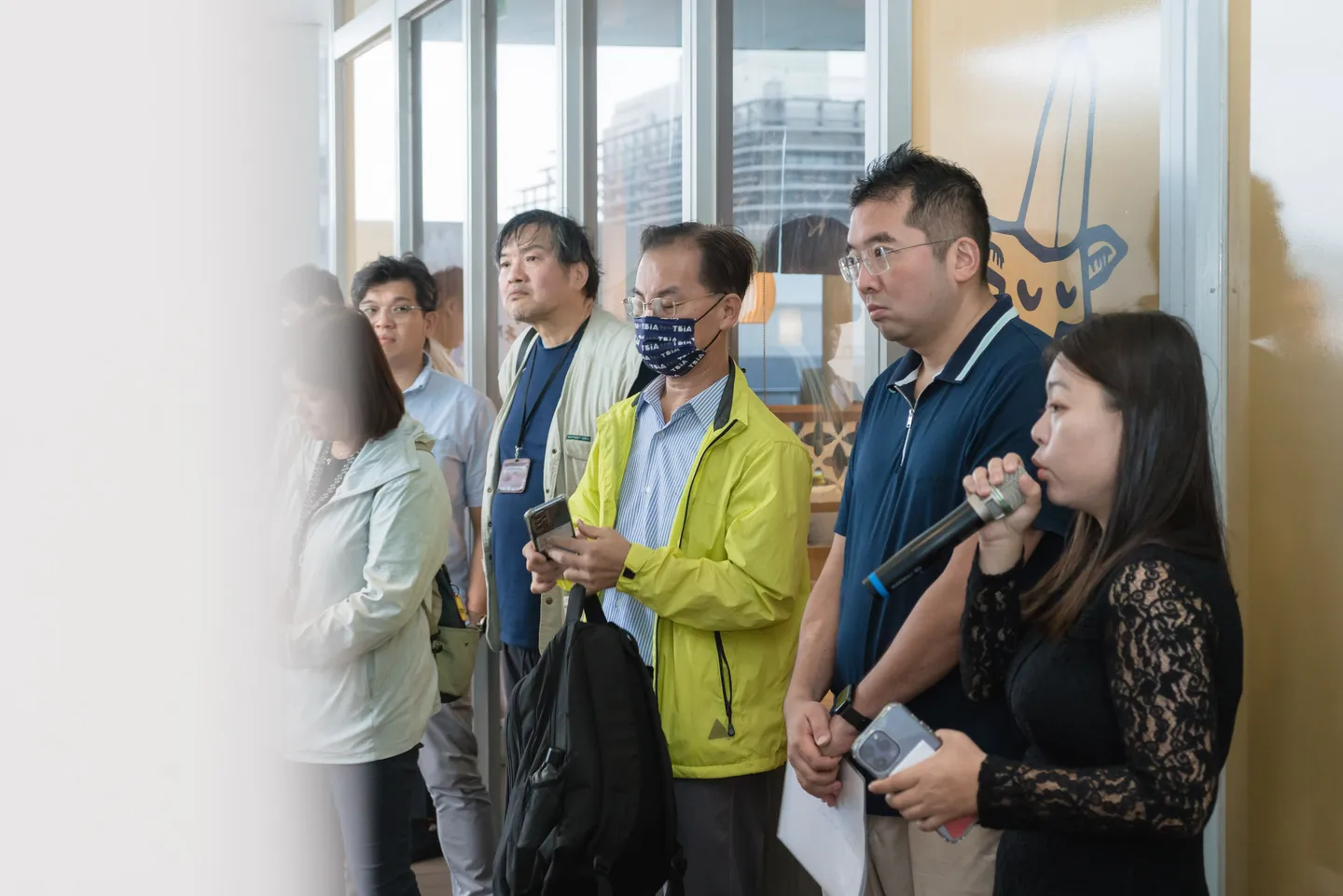
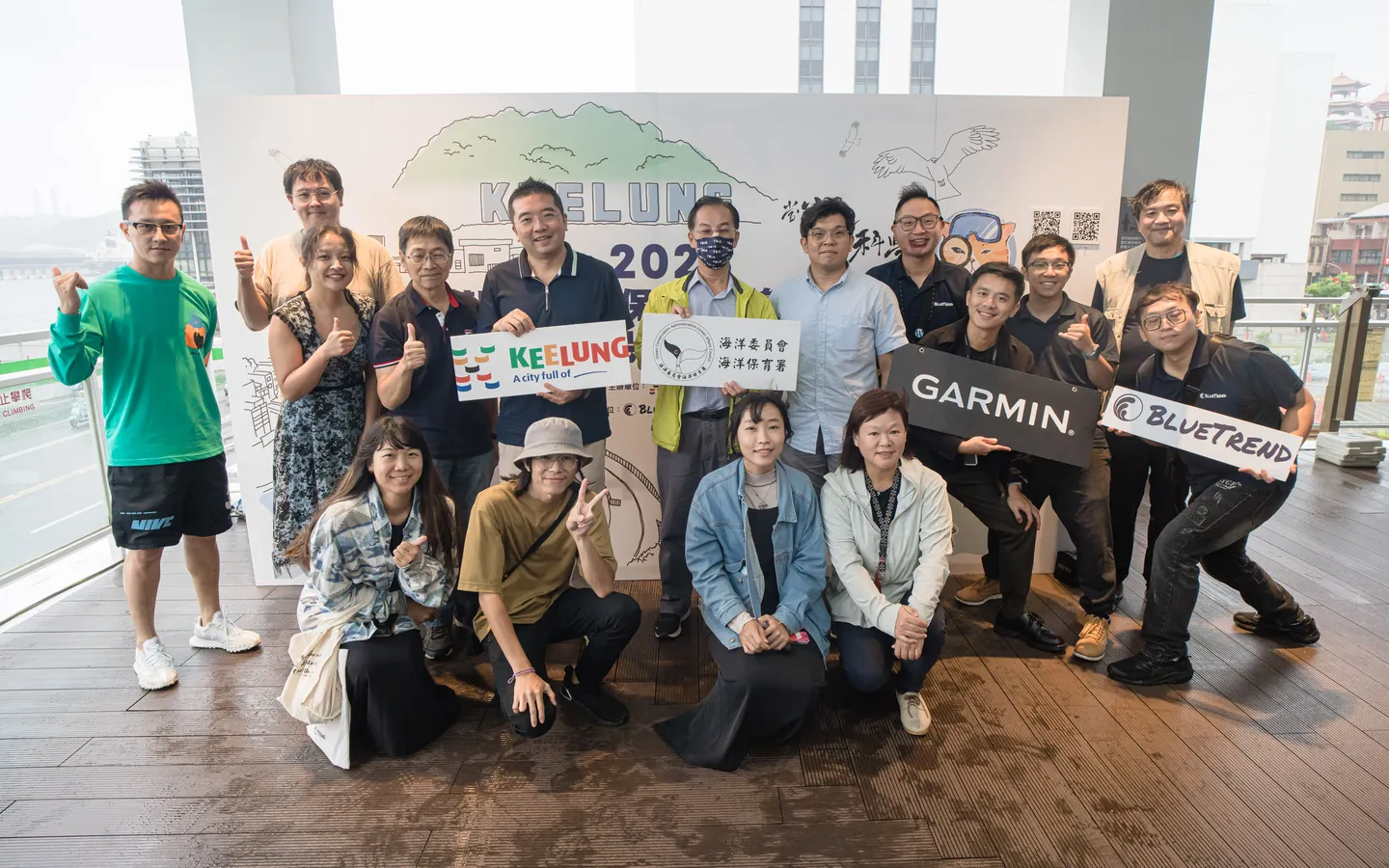
Director Lin and guests in attendance admire this year's achievement exhibition.


Anyone Can Be a Marine Citizen Scientist
Luo Jinming, Section Chief of the Ocean Conservation Administration, noted that conducting surveys is not the exclusive domain of scientists. As long as each person has a simple camera or recording tool in hand, anyone can become a marine citizen scientist. Through everyone's efforts, precious ecological records can be captured not only in Keelung but across intertidal zones and underwater environments throughout Taiwan — making this initiative an excellent form of civic engagement and helping to embed the concept of marine conservation in everyone's hearts.
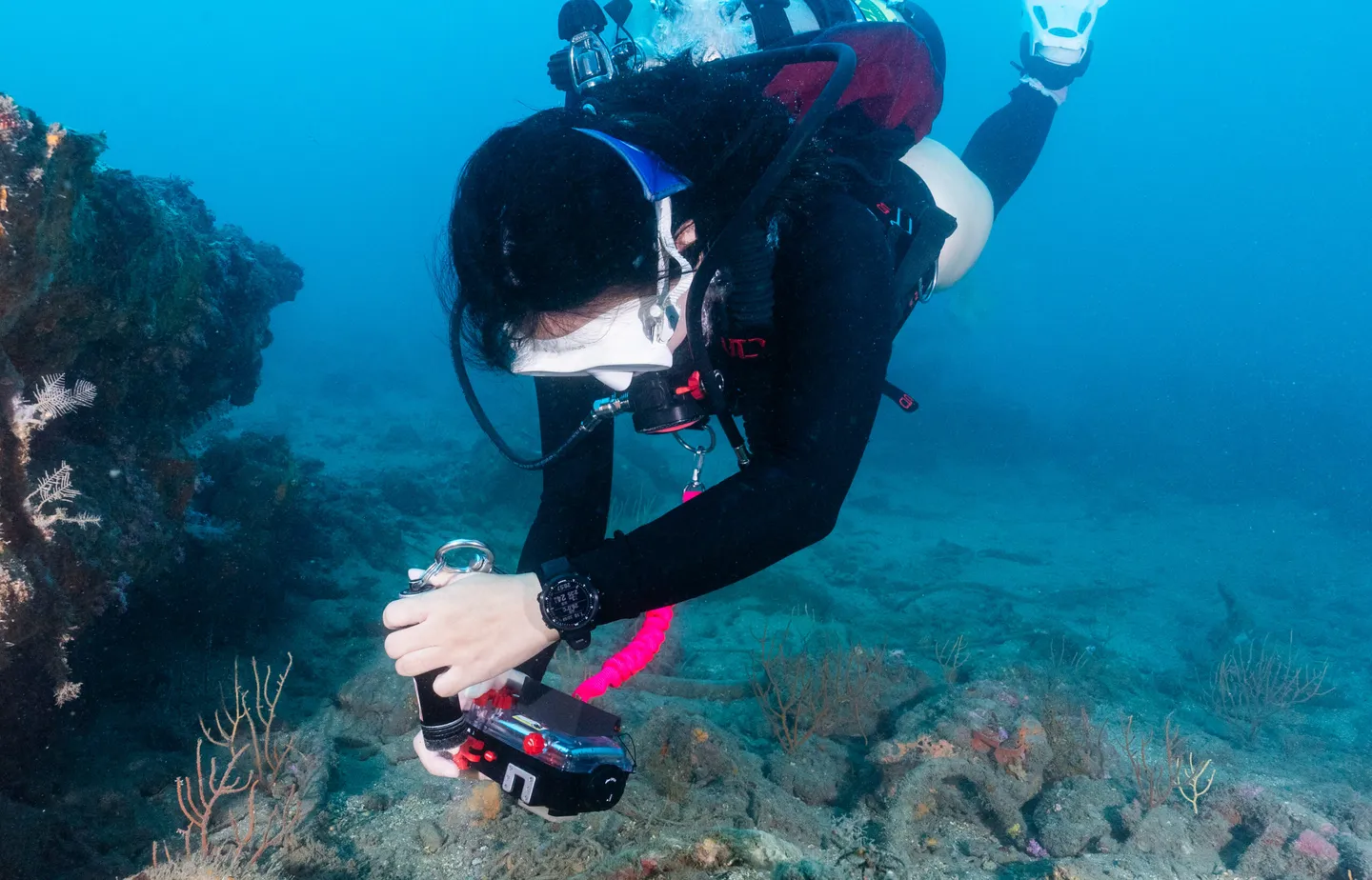
Pick up a camera and start documenting — you too can be a marine citizen scientist!
Marine Citizen Scientist Training Courses
Through six different types of marine citizen scientist training camps held this year — including the well-received basic aquatic course, as well as the newly expanded advanced aquatic course and land-based intertidal course — participants not only learned marine life identification and underwater photography techniques, but also received instruction in data collection. This gives future participants the opportunity to take part in actual ecological surveys, helping to monitor conditions within the conservation zone and build up the Chaojing Conservation Zone's biological database with both qualitative and quantitative survey data. This year, a total of 95 marine citizen scientists were trained, and over 1,200 precious photographs of the Chaojing Conservation Zone were successfully collected. Among them, through the lenses of these marine citizen scientists, a remarkable camouflage behavior was documented in the conservation zone — performed by a "deep-sea crab" that clips coral onto its body as a disguise. Scholars and experts are still searching for relevant information to help identify the species. This record not only adds a touch of mystery to the Chaojing Conservation Zone but also highlights the limitless possibilities of marine citizen science.
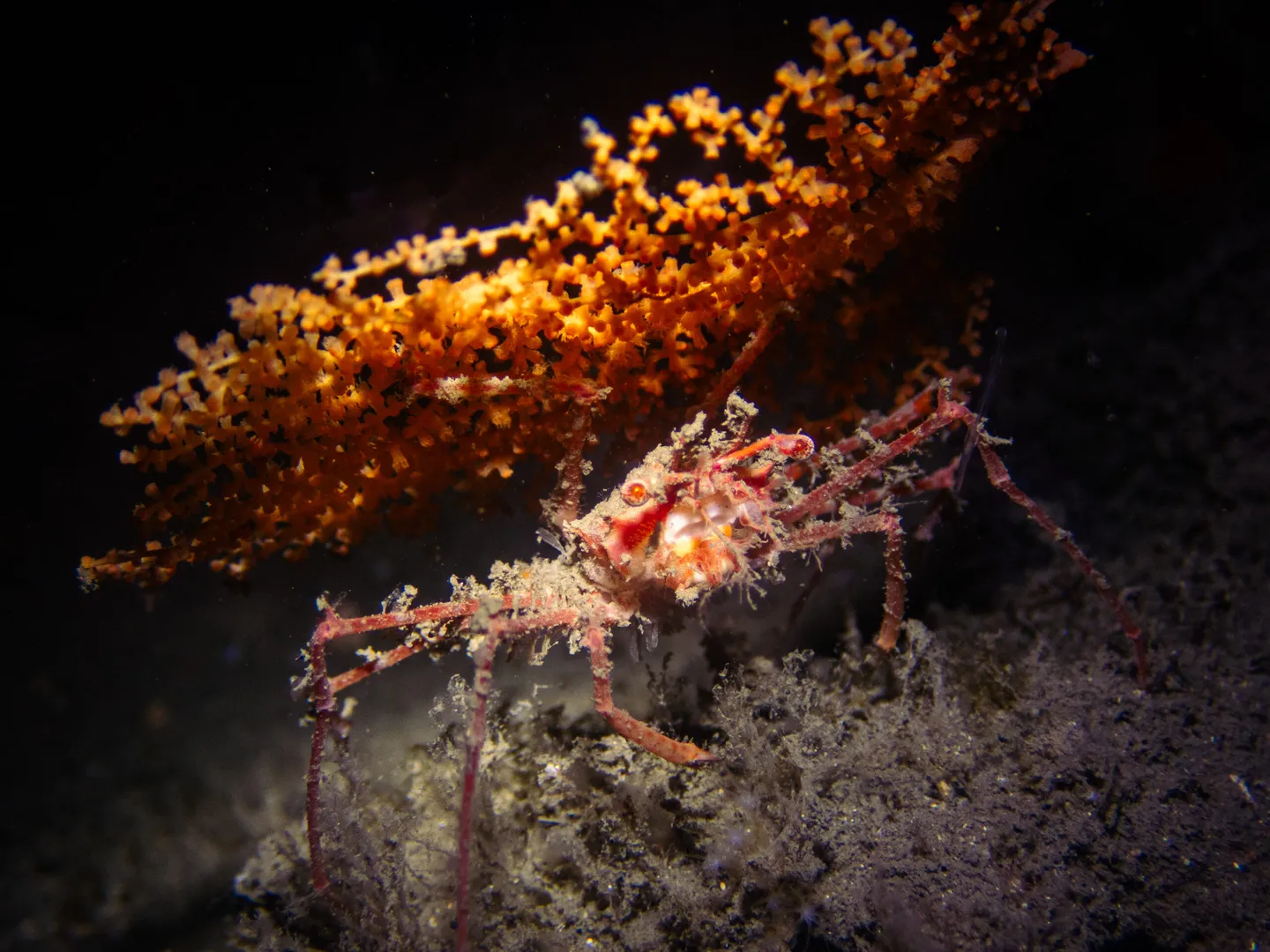
A mysterious deep-sea crab never before recorded. Photo: Jason Lin.
Jin Yingyue, a participant in the advanced course, shared that transect surveys are rarely accessible to the general public. "Having learned these skills, I'm not just a recreational diver anymore — I now have the chance to contribute something to science. I think that's wonderful, and I hope the courses will keep running." Huang Baopei, a participant in the intertidal course, said: "Thanks to what I learned in the course, I can now confidently tell the difference between various snails and shellfish when I visit the intertidal zone."
The Department of Industrial Development noted that the Chaojing Conservation Zone has in recent years been lauded as a "model" marine protected area. This is attributed not only to the Keelung City Government's strict enforcement of regulations and continuous ecological surveys, but also to the enthusiastic participation of citizen scientists. It is hoped that through greater civic involvement, more people will contribute to marine conservation. Next year, the Keelung City Government will continue to offer related courses and expand them to the western coastal waters of Keelung, enabling more citizens to participate in and understand the importance of ocean protection. Participants will be able to use big data analysis to more clearly observe trends in marine resources and make more targeted contributions to their protection — joining together to safeguard our precious ocean resources.
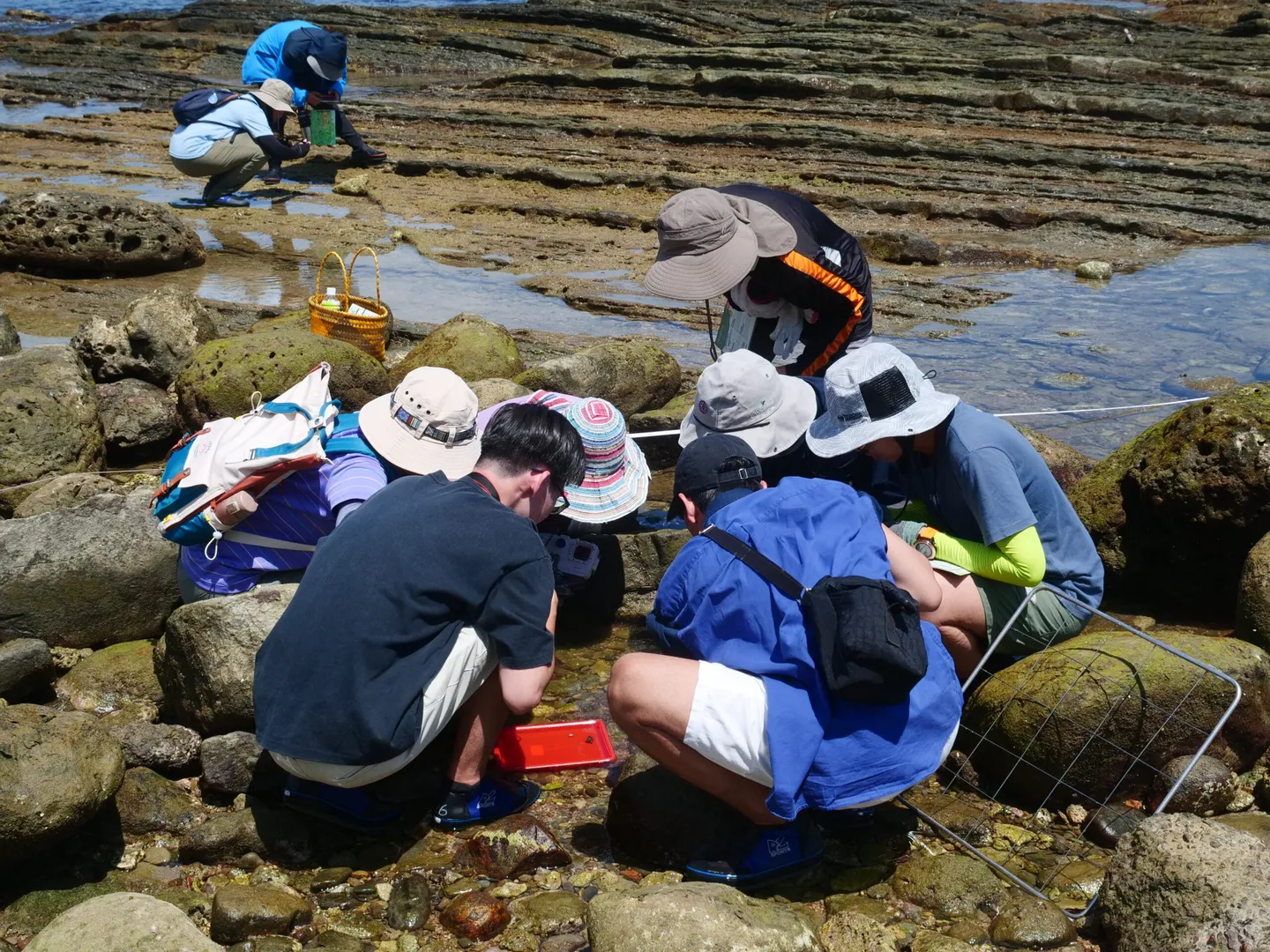
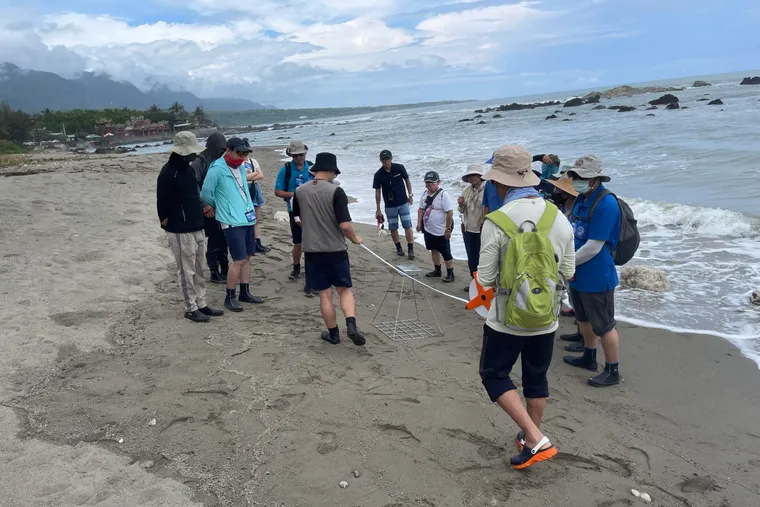
Leading intertidal course participants on an actual field survey at the intertidal zone.
The annual results of the Keelung Chaojing Conservation Zone Ecological Survey and Marine Citizen Science Plan will be on display from Monday, October 16 to Sunday, October 29 on the third floor of Keelung East Wharf Mall. During the event, a lively ocean market will also be held on the weekends of October 21 and October 22, from 2:00 p.m. to 8:00 p.m. The public is warmly invited to visit.
Further Reading: