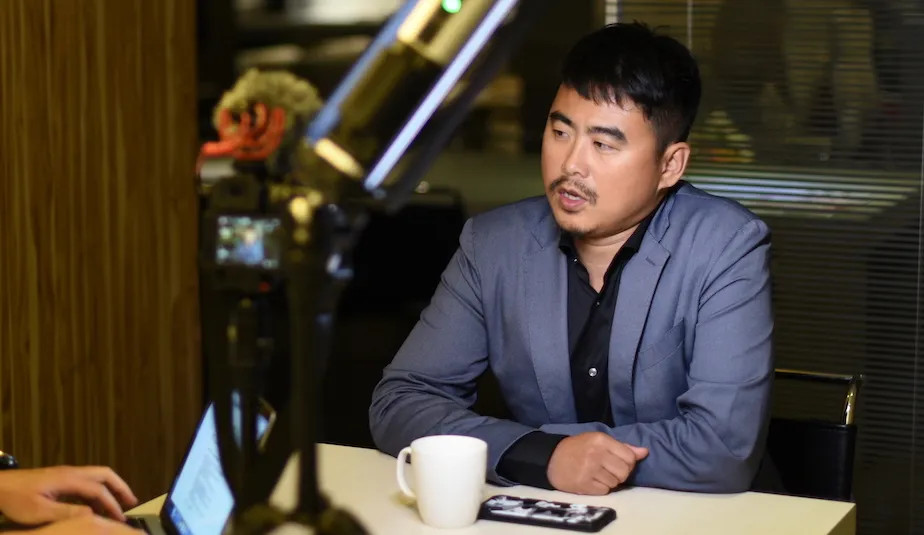


In early 2019, the biggest event to rock the underwater photography world was undoubtedly Wu Yung-Sen's (hereafter referred to as "Sen") capture of the 2019 Sony World Photography Awards Taiwan First Prize with an underwater image of migrating salmon. The wave of attention that followed drew coverage from major Taiwanese media outlets including Apple Daily and Economic Daily News, and even landed Sen a feature interview with host Huang Guang-Qin on the Taiwanese radio programme POP 搶先報. All of this made clear that Sen's photographic skill had earned international recognition — and that he had successfully used his lens to bring the magnificent, mysterious underwater world to audiences who have never dived a day in their lives. In fact, Sen has only been diving for around seven years, and has been shooting underwater photography for just six. By the standards of the underwater photography community, he is far from a veteran. So how did he break through the beginner's plateau and go on to become a consistent award-winner? And what life goals does he hope to achieve through underwater photography? Those are the questions this article sets out to explore.
Wu Yung-Sen: Underwater photography is about perseverance. Make a plan, work hard to see it through, and no matter how many obstacles you face or how long it takes, only by persisting will you ever have the chance to capture a fleeting moment of wonder with a single press of the shutter.
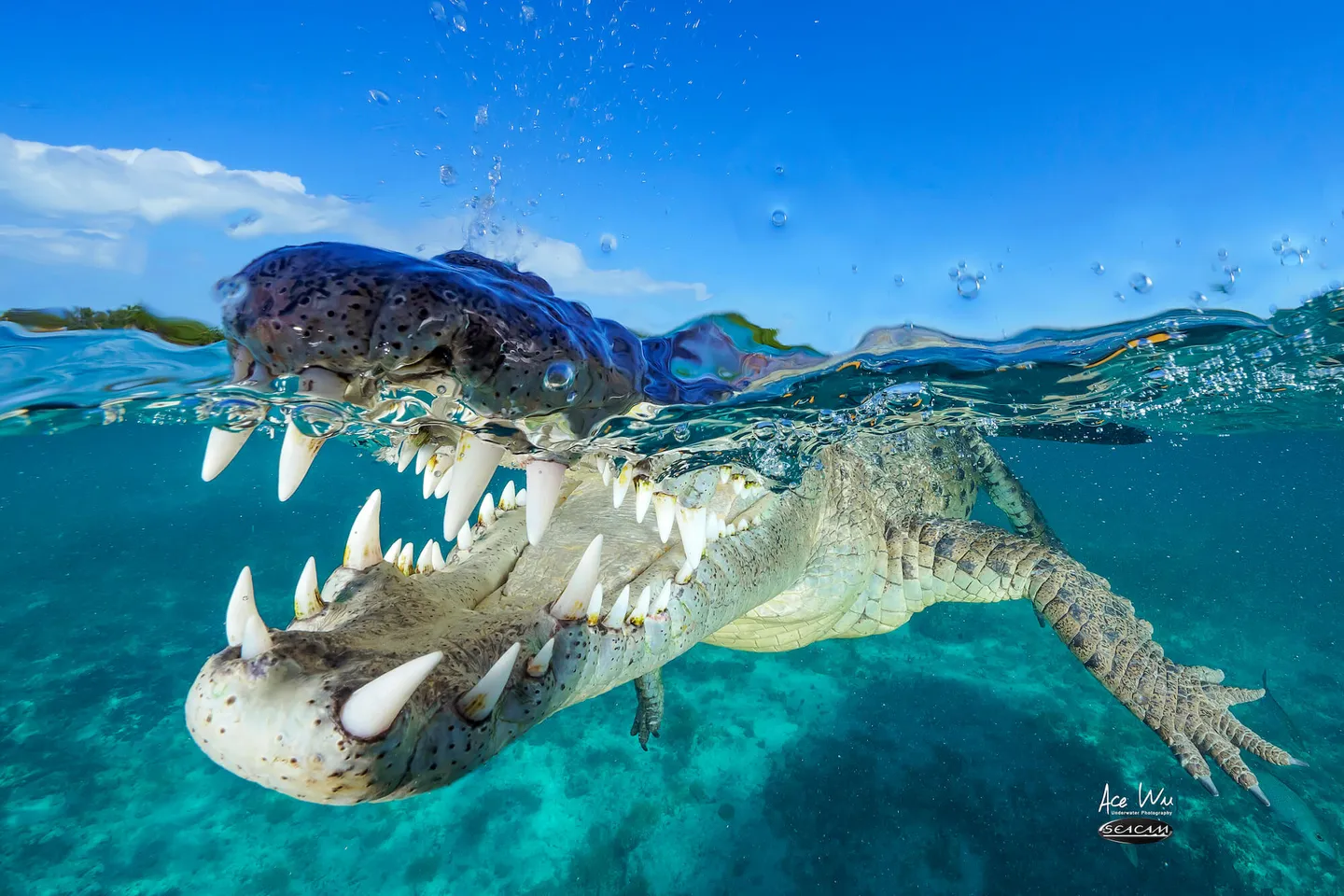
Perseverance — the one true key to success
Highlights from the Sen Interview
After watching the video above, you may be surprised to learn that Sen's path into diving was anything but conventional. In 2012, he stumbled into scuba diving purely to pass the time, wandering into a dive shop in Thailand's Phi Phi Islands that happened to be run by a friend and doing a try-dive. During that period, no one taught him how to use a regulator, what decompression meant, how to clear his mask, or any of the physics that govern the underwater environment — yet he kept going, logging over 500 tank dives through experience alone. Then one day, Sen came across a liveaboard advertisement on Facebook. Captivated by the idea of such a dive trip, he called the overseas dive shop directly — and was promptly surprised to learn that diving actually requires a certification. He returned to Taiwan's Northeast Coast and earned his entry-level dive certification.
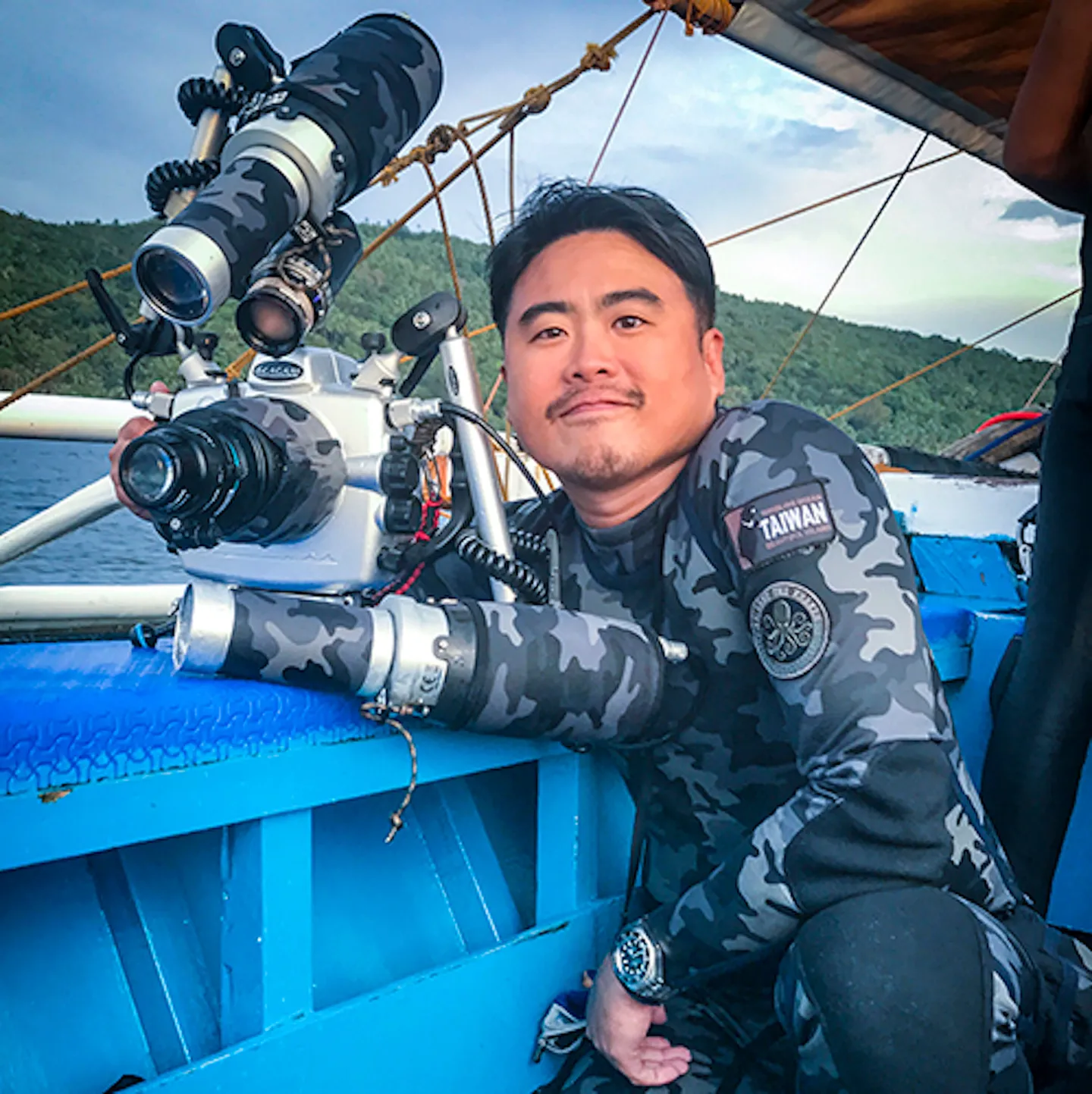
Sen believes that underwater photography is a journey of perseverance
The certification process itself was equally remarkable. In the classroom portion, Sen was fascinated by the physics of water — that was when he finally understood why fish appear magnified underwater, and why ascending too quickly carries the risk of decompression sickness (DCS). He soaked up the knowledge like a sponge, and his instructor reportedly praised him as one of the rare students in recent memory who didn't doze off during the instructional videos.
His entry into underwater photography was equally accidental. Sen was based in Vietnam at the time, but after taking up diving he was constantly flying off to Thailand and destinations around the world. His wife grew curious about where all the money was going, so in 2013 he bought a SONY RX100 camera to photograph his dives and share them with her. It was his very first camera — and at that moment, he had absolutely no idea that one day he would become a world-renowned underwater photographer.
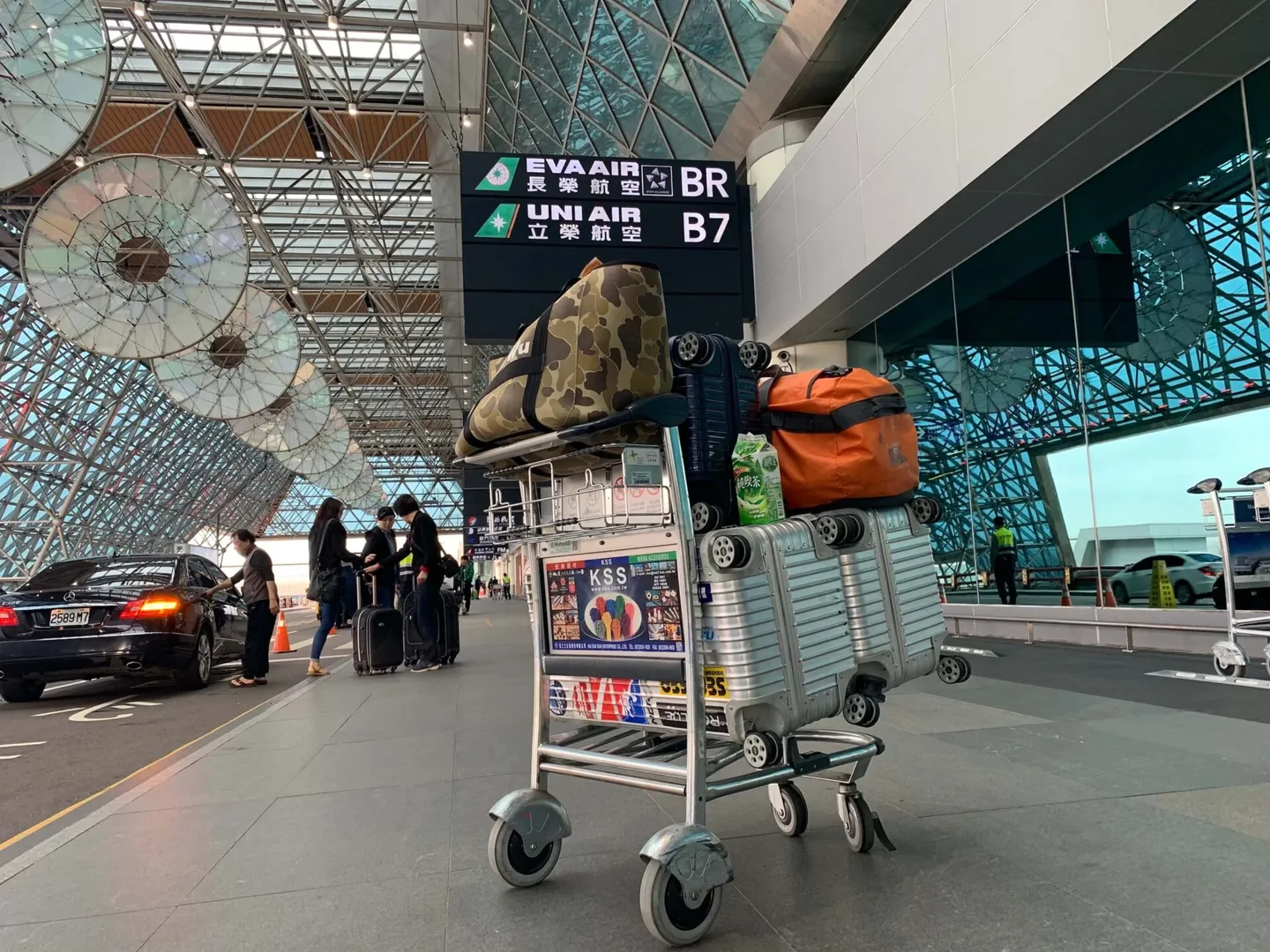
The combined weight of dive gear and camera equipment tests every underwater photographer's resolve
Underwater Photography Level One: Hitting the Beginner's Wall
The biggest source of frustration in his early days of underwater photography turned out to be surprisingly simple: his wife could barely tell what he was trying to photograph. Having no background in land-based photography, he had zero understanding of the three fundamentals of exposure — aperture, shutter speed, and ISO. On top of that, the internet wasn't particularly developed at the time, and he had to rely on foreign-language books for all his reference material. So he sat down and drew up a battle plan, mapping out Option A, Option B, and more — covering strobe placement, camera settings, and everything in between — then took to the water again and again to test them. At his peak, he was doing 8 tank dives in a single day, all in pursuit of the shot he had in his mind.
Wu Yung-Sen: My advice to beginners is to start with macro. Compared to wide-angle, macro requires simpler, more affordable gear — easier on the wallet. More importantly, it's less demoralising. The biggest danger in underwater photography is losing confidence from poor results and giving up.
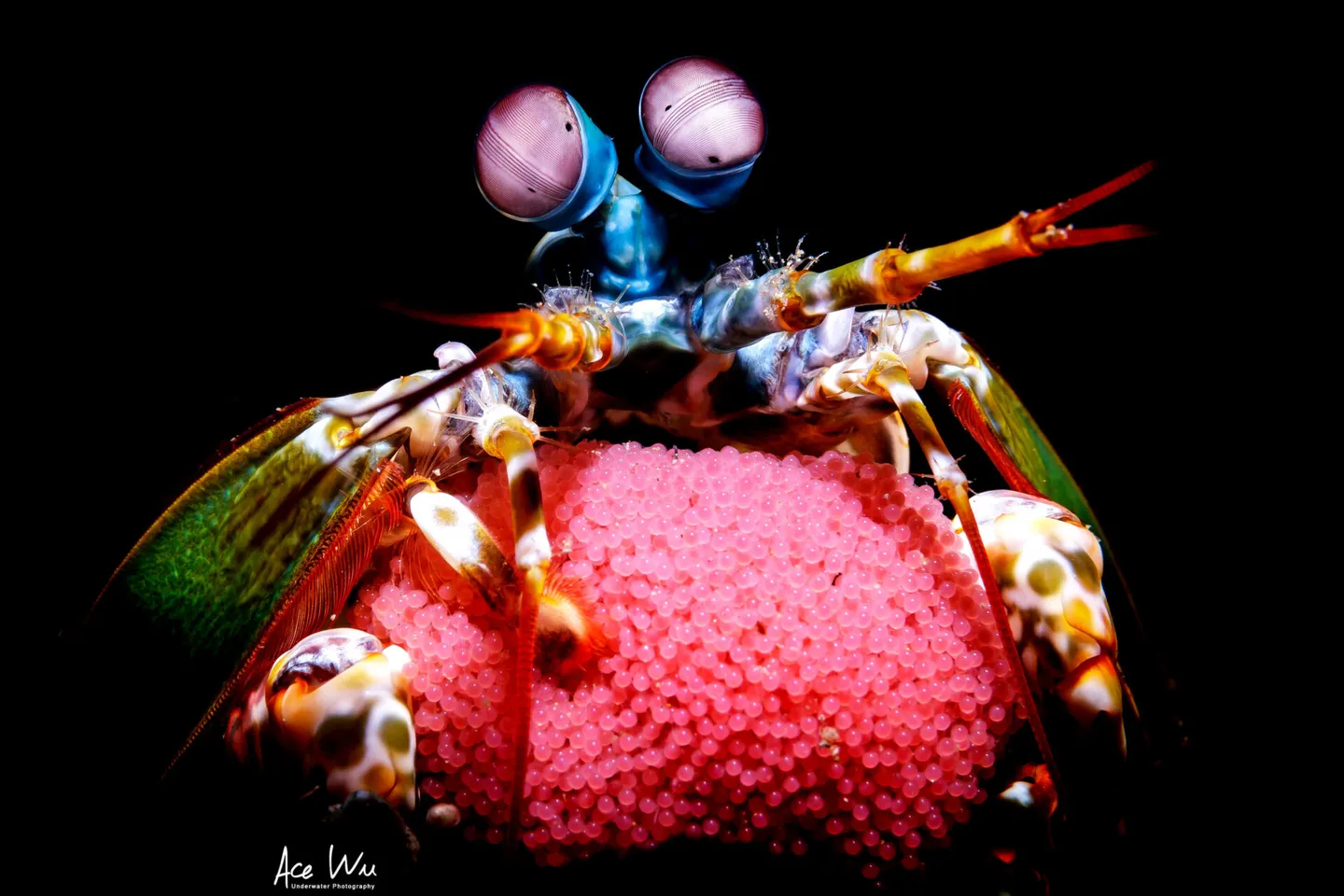
Shooting macro is less discouraging for beginners and helps build confidence
Underwater Photography Level Two: Photos Are Meant to Be Seen by Others
About a year into shooting, Sen met fellow underwater photographer Jim (related article: The Underwater Photography Dream Couple and Their Second-Act Resort Life — Jim & Lynn). Jim suggested that Sen try entering competitions, so from 2014 to 2015 he submitted photo after photo — and won absolutely nothing. Not a single award, not even a shortlist mention.
The beginner's frustration came flooding back. It was only after guidance from a close friend that the penny finally dropped: if you're taking photos just for yourself, all that matters is that you understand them. But if your goal is to share them with the world, you have to make sure others can understand them too — and feel the emotion and intention behind the image. To this day, whether shooting for competitions or commercial clients, Sen presses the shutter with exactly that belief in mind.
Wu Yung-Sen: I hope my photos allow friends who don't dive to feel the beauty of the underwater world. And precisely because it is so beautiful, it is also fragile — which is why we need to protect it.
Photography should move people — Sen wants to use his images to share the ocean's beauty with a wider audience
Perseverance — All to Capture a Fleeting Moment of Wonder
The photograph that took home the 2019 Sony World Photography Awards Taiwan First Prize depicts what has been called "the greatest traveller on Earth" — the Sockeye Salmon (Oncorhynchus nerka) — battling upstream in Canada's Adams River to spawn the next generation. While salmon can be photographed in many places around the world, the Sockeye is unique: as it makes its spawning run, its body undergoes a dramatic transformation from the blue-green colouration it carries in the ocean to a vivid red body with a pale green head. The salmon run peaks every four years; according to official figures, approximately 7 million Sockeye Salmon completed their epic, bittersweet life cycle in 2018.
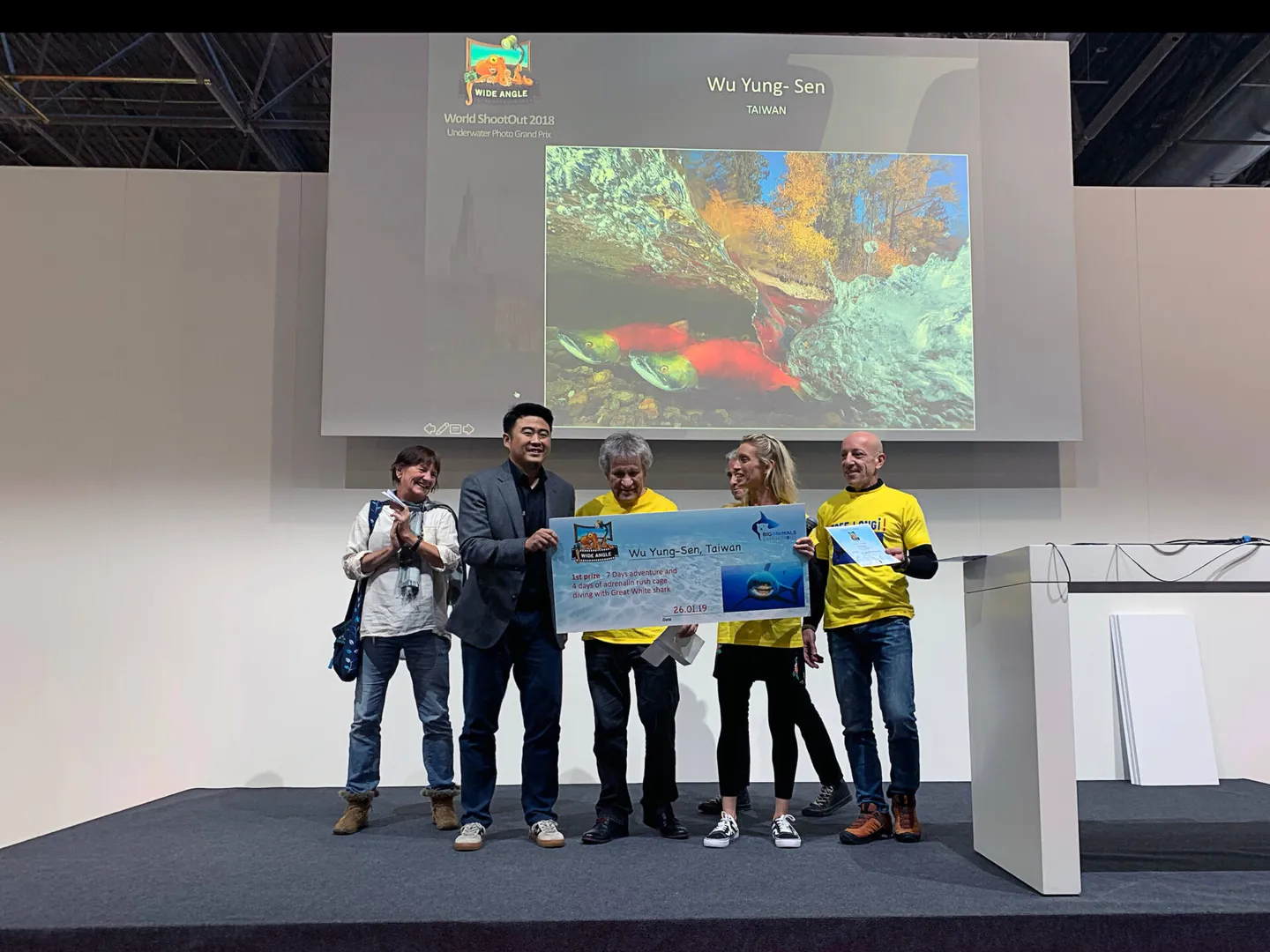
This photo also took First Prize at the World Shoot Out 2018
As everyone knows, the Sockeye Salmon pours every last bit of its strength into the upstream journey to spawn, and dies once its mission is complete. In the final weeks of autumn, as the salmon run draws to a close, the river becomes blanketed with the carcasses of Sockeye Salmon — but those bodies become the primary source of nutrition for other wildlife to survive the cold winter, and will in turn nourish the salmon fry that hatch in early spring the following year, feeding them as they grow and readying them for the next turn of the life cycle.
Adams River is roughly a 5-hour drive from Vancouver. On land, autumn temperatures hover around 2–8°C, and the average water temperature is just 6°C, making a drysuit essential. The shooting location also requires a 30-minute hike from the car park, meaning every day began with suiting up in a drysuit and lugging camera equipment through rugged terrain just to reach the spot. But the real challenge came once they were in the water. Sockeye Salmon are highly sensitive to shadows cast from the riverbank — the same shadows that betray the presence of their natural predator, the grizzly bear — so photographers had to be acutely aware of which direction their shadow fell. Wedged into a hollow in the riverbed, Sen also had to invest time simply acclimatising the salmon to his presence, allowing them to grow comfortable around this strange creature clutching a large black box. And while his focus remained fixed on what was happening underwater, the national park ranger accompanying the group kept reminding them to regularly scan the riverbank: if the birds on shore suddenly went quiet, it was time to watch for a grizzly appearing behind you.
The river current was ferociously strong. The moment you spotted a promising shot and swung your camera into position, the next second the powerful flow would send your strobe spinning away. You'd have to turn 90 degrees, reposition the strobe with the current, then brace sideways and fight back to keep shooting. Beyond the punishing demand it placed on core strength, being swept away by the current was routine — and every time it happened, you had to start the whole process over: find a new hollow in the riverbed, rebuild the salmon's trust, and repeat the cycle. Thirty minutes gone, irreplaceable in the course of a day's already-limited shooting window.
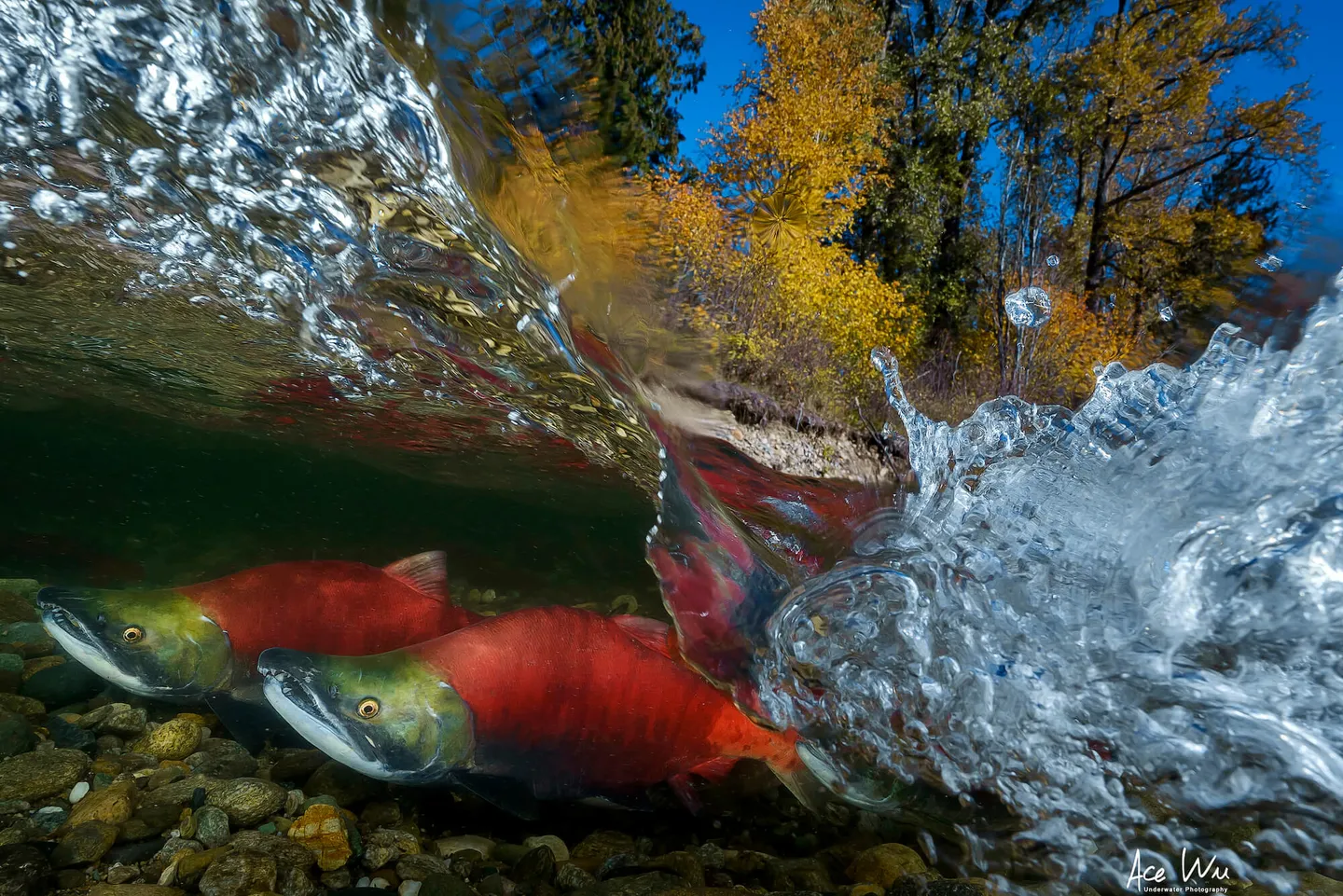
The award-winning photograph — Sockeye Salmon
Sen shot for five days in total on that trip. In the final hour, the sky finally cleared — and he managed to capture the half-underwater split shot he had envisioned: blue sky, green trees, flowing water, and salmon all in a single frame. Every evening back at the hotel, the thought of giving up crossed his mind. Yet strangely, each morning his body would rise of its own accord and begin assembling his camera gear — as though the perseverance had been written into his muscle memory.
Nature Photography Is Tough. Underwater Photography Is Tougher.
Sen once gave a lecture at a museum in mainland China to an audience of some 200 people, and someone asked him a question that gave him real pause: "If I wanted to do what you do, how much money would I need? What would my income look like?" After a long moment's thought, Sen answered: nature photographers are either already wealthy, or they're broke. Making a living purely from selling photographs is extremely hard — compared to other commercial photography fields like wedding or product photography, the nature photography market is small, and relatively few clients are willing to pay a premium for nature images. The market for underwater photography is even smaller.
The underwater photography industry is more developed in Europe and North America, with a relatively more established ecosystem. Photographers hoping to build a career in the field might consider using social media or competition entries to grow their profile, then develop photography-led destination travel experiences as a way of extending their value — that may well be a market worth cultivating in the future.
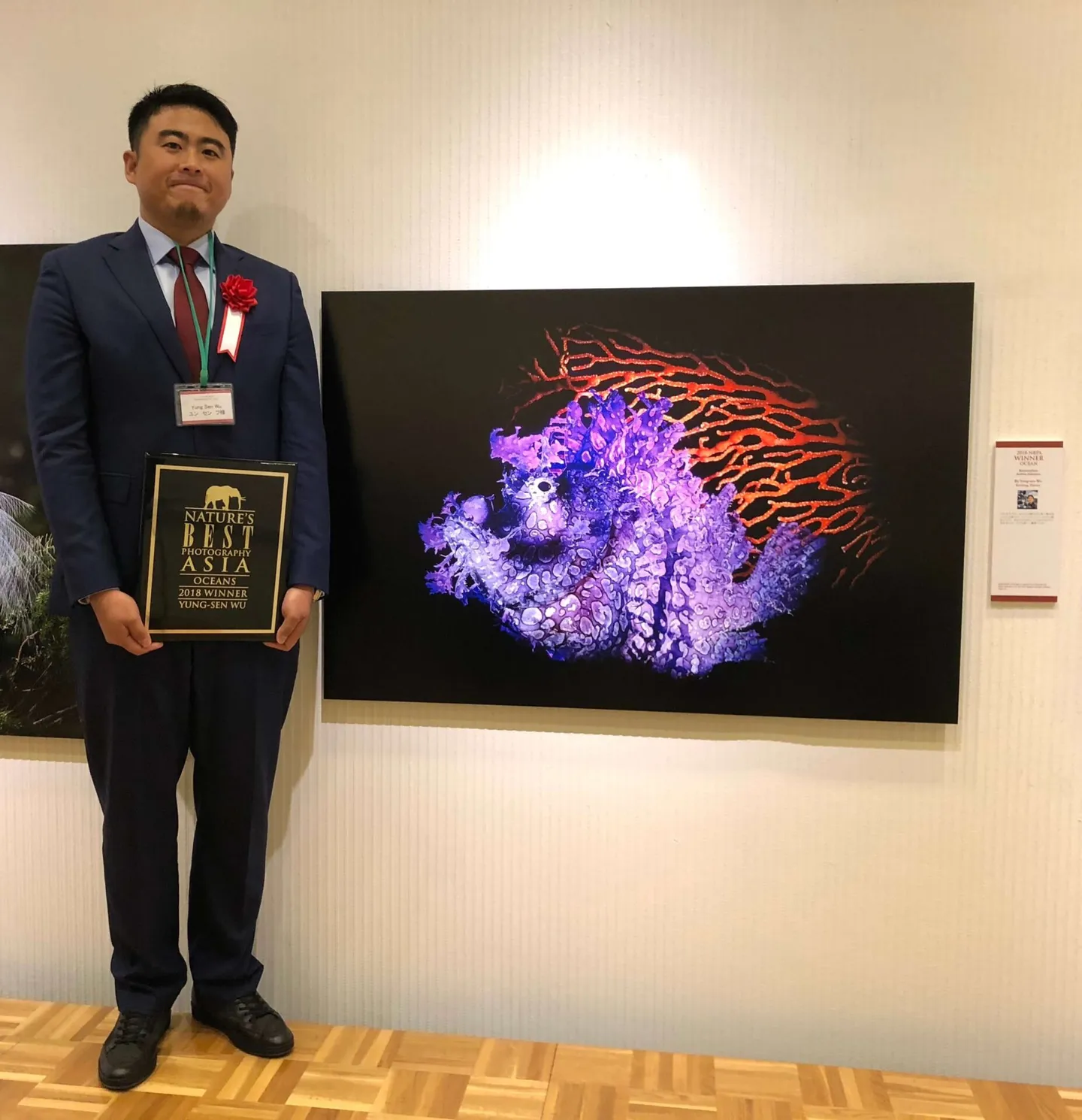
Entering underwater photography competitions helps propel you towards a professional level
What Does Diving and Underwater Photography Mean to You?
Through diving, Sen has met many high-earners — pilots, doctors, lawyers. For a judge, every gavel strike carries the weight of someone's life; for a doctor, a misdiagnosis can lead to a medical dispute. They turn to diving to decompress from the pressures of daily life:
-
In the water, you lose your sense of time (with no reference points — no sun position, no tree shadows)
-
You lose your sense of direction (no zebra crossings, no lane of traffic to follow)
-
Your phone has no signal and no one can reach you
In those 45 minutes beneath the surface, you belong entirely to yourself. You listen to the sound of your own breathing. Camera in hand, you pour your focus into a single thing through the viewfinder — the one thing you feel most sure of: underwater photography.
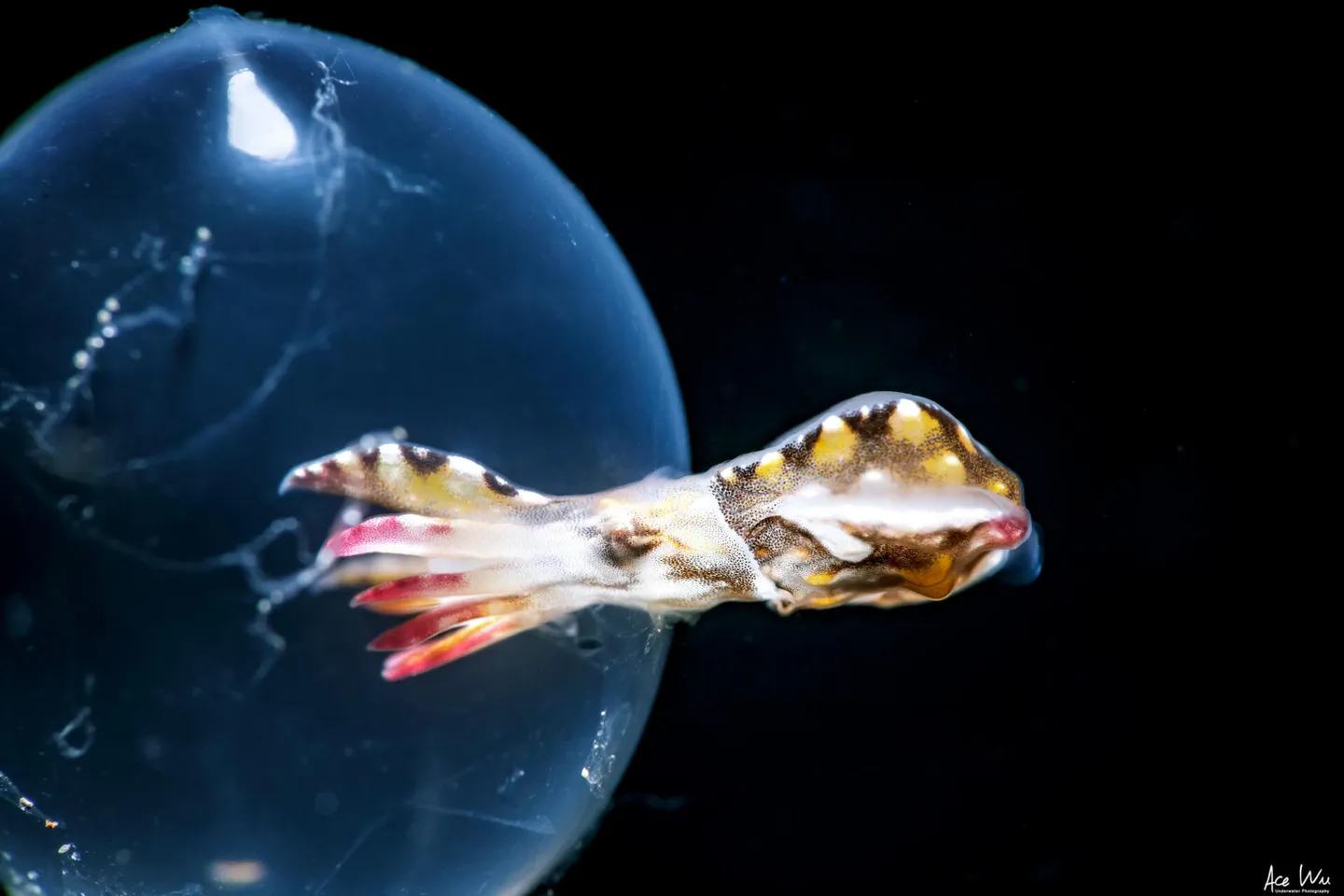
Countless moments of perseverance from Sen, all to capture a single eternal instant — a flamboyant cuttlefish hatching from its egg
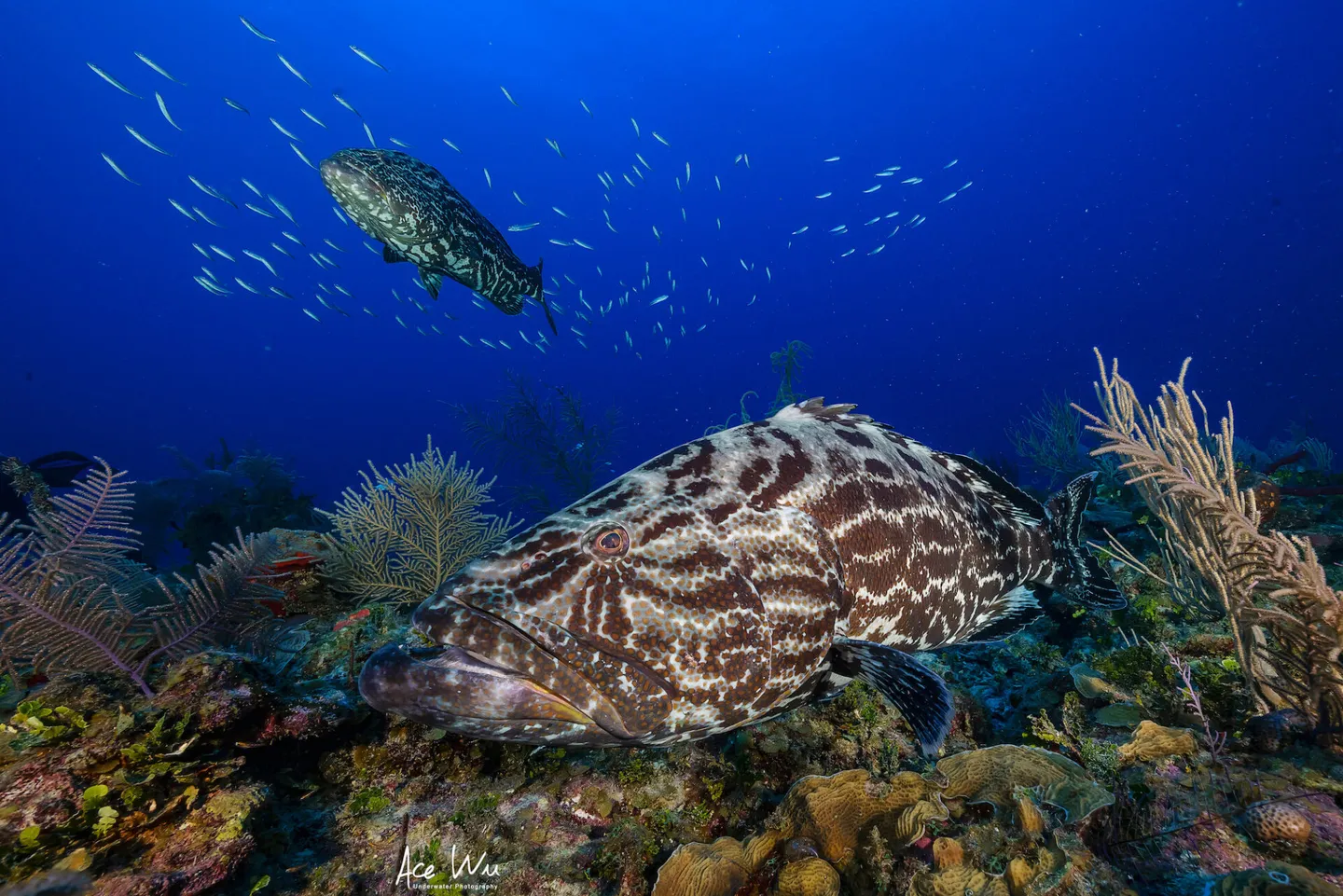
The beautiful underwater world teaches us how to coexist with nature
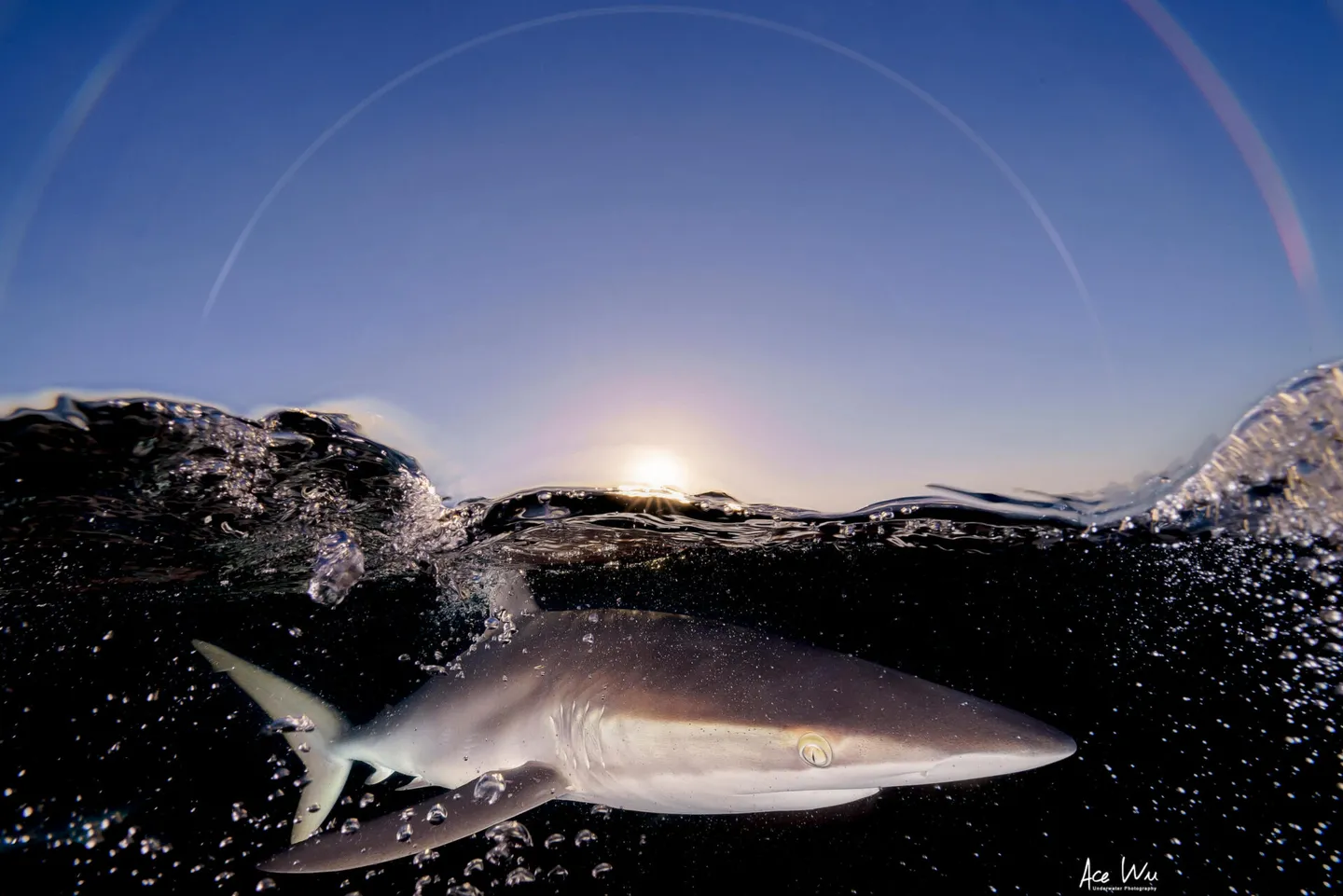
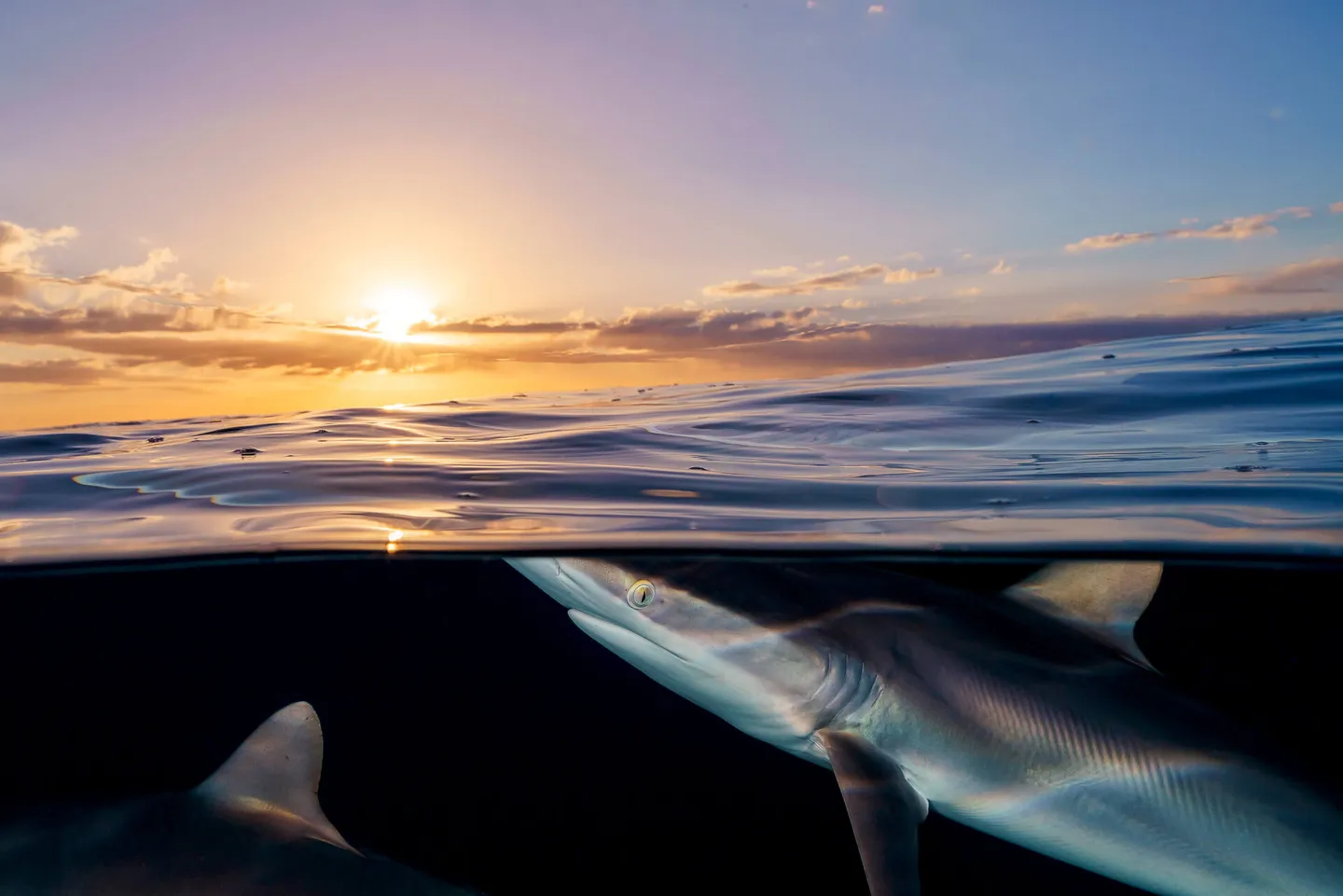
Sen believes sharks are creatures that have long been unfairly vilified by humans — he hopes to keep capturing their beauty on camera
Related links: