

![[Animal Planet] Sperm Whales Are Masters of Time Management! They Sleep Only 1.7 Hours a Day?! The "How Much Do You Know About Marine Animals?" Quiz Takes You on a Journey into the Incredible Ocean Universe](/_images/e5b32aaf4efd-1440w.webp)
The ocean covers more than two-thirds of Earth's surface and is home to 700,000 to one million species — from the world's largest mammal, the blue whale, to the tiniest microorganisms, all thriving in an endless cycle of life. With World Oceans Day on June 8 just around the corner, and in response to the United Nations' 2020 World Oceans Day theme — "Innovation for a Sustainable Ocean" — Animal Planet is airing a special World Oceans Day programming block, plunging viewers into the unfathomable blue to witness rare marine animal behaviors and the rich biodiversity of the ocean floor. Do sperm whales barely sleep? Do orcas eavesdrop on each other? Could jellyfish hold the secret to immortality? Starting June 15, every Monday at 8 PM, join Animal Planet's brand-new series Ocean Universe and explore the incredible world beneath the waves!
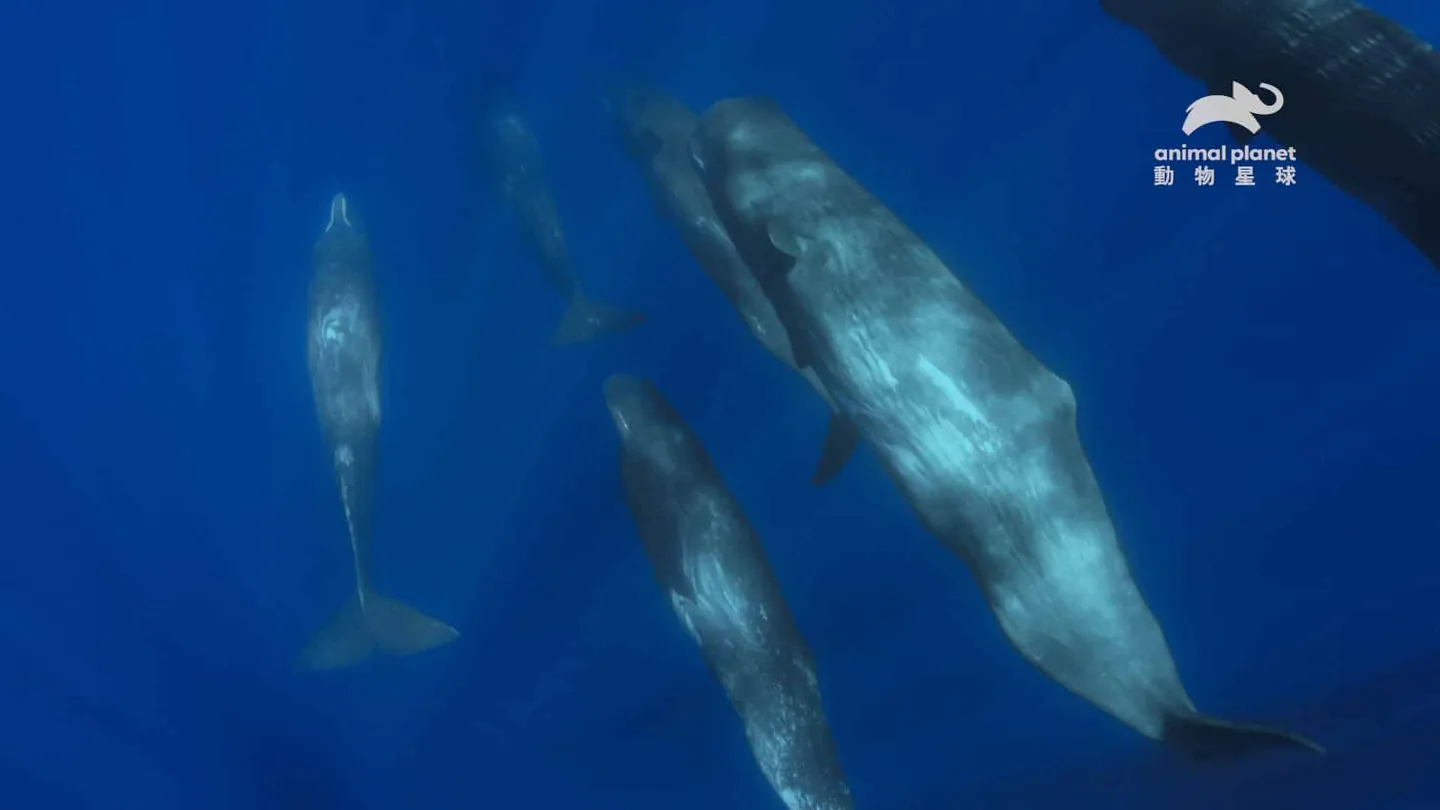
Sperm whales perceive the world through sound — arguably the noisiest creatures on Earth. They communicate using "clicks" that can travel hundreds of kilometres.
Sperm Whales Are the "Loudest Creatures on Earth"! Sea Otters Crowned "Miniature Eating Champions"?!
The sperm whale is the world's largest toothed whale, spending only 7% of its day — roughly 1.7 hours — asleep, less than any other mammal. Unlike humans, sperm whales perceive the world through sound, making them arguably the noisiest creatures on Earth. They communicate using "clicks" that can carry information hundreds of kilometres away. These clicks are emitted from the tip of their nose, bounce off objects, and return as echoes — a process of echolocation that not only allows them to communicate with one another but also to locate their favourite food: squid. It's a messaging system that doubles as a dinner-finding tool — truly the best of both worlds.
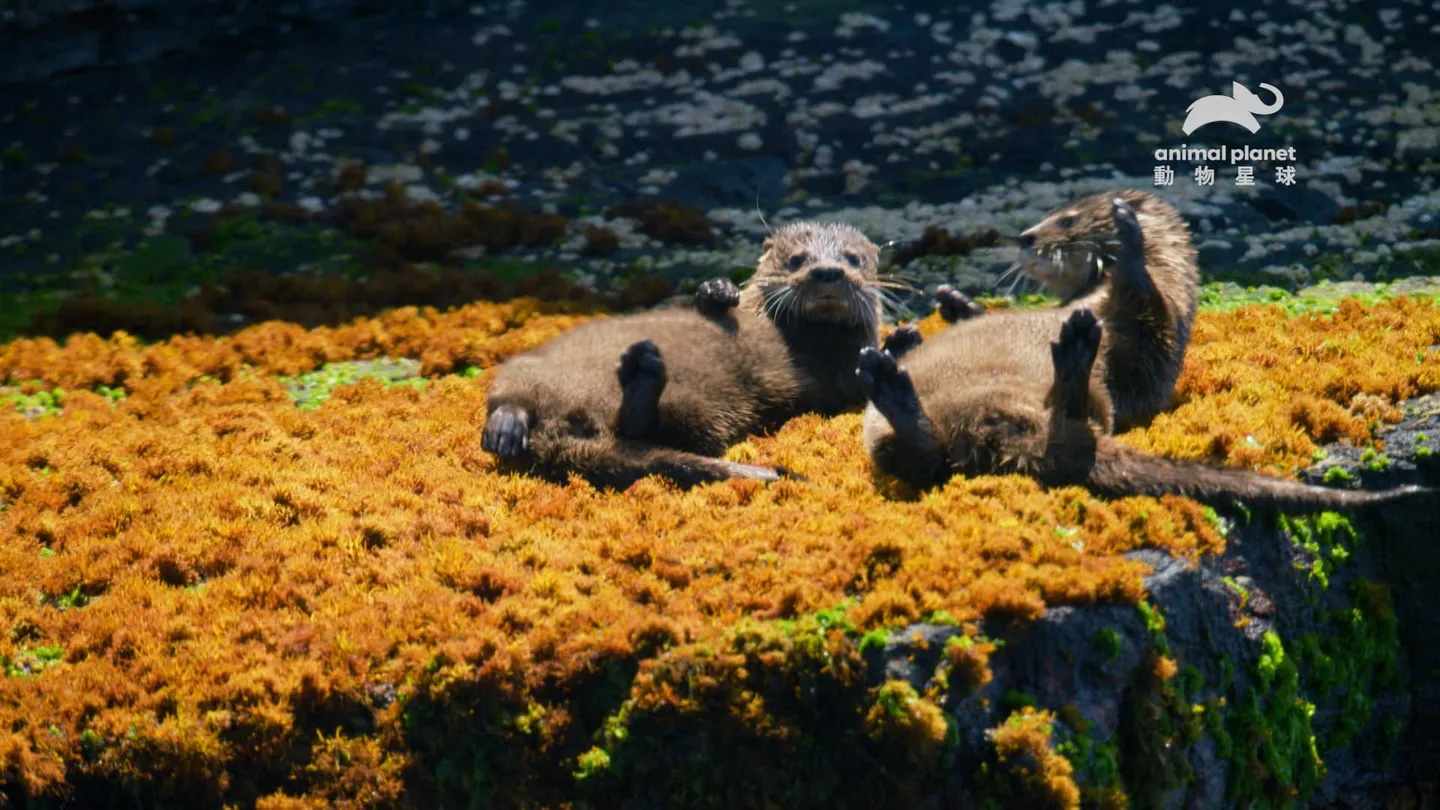
Sea otters eat up to 30% of their body weight in food each day — the equivalent of a 50 kg man consuming 15 kg of food in a single day.
Beyond the ocean's giants, the underwater world is also home to the world's smallest marine mammal — the sea otter, weighing just 4.5 kg and measuring 1 m in length. Sea otters have an incredibly fast metabolism and must continuously take in calories to stay warm. With very little body fat, they need to hunt more than 7 times a day just to survive in the cold waters of the southern Pacific. Most remarkably, they eat up to 30% of their body weight in food each day — the equivalent of a 50 kg man eating 15 kg of food in a single day. Never judge a book by its cover!
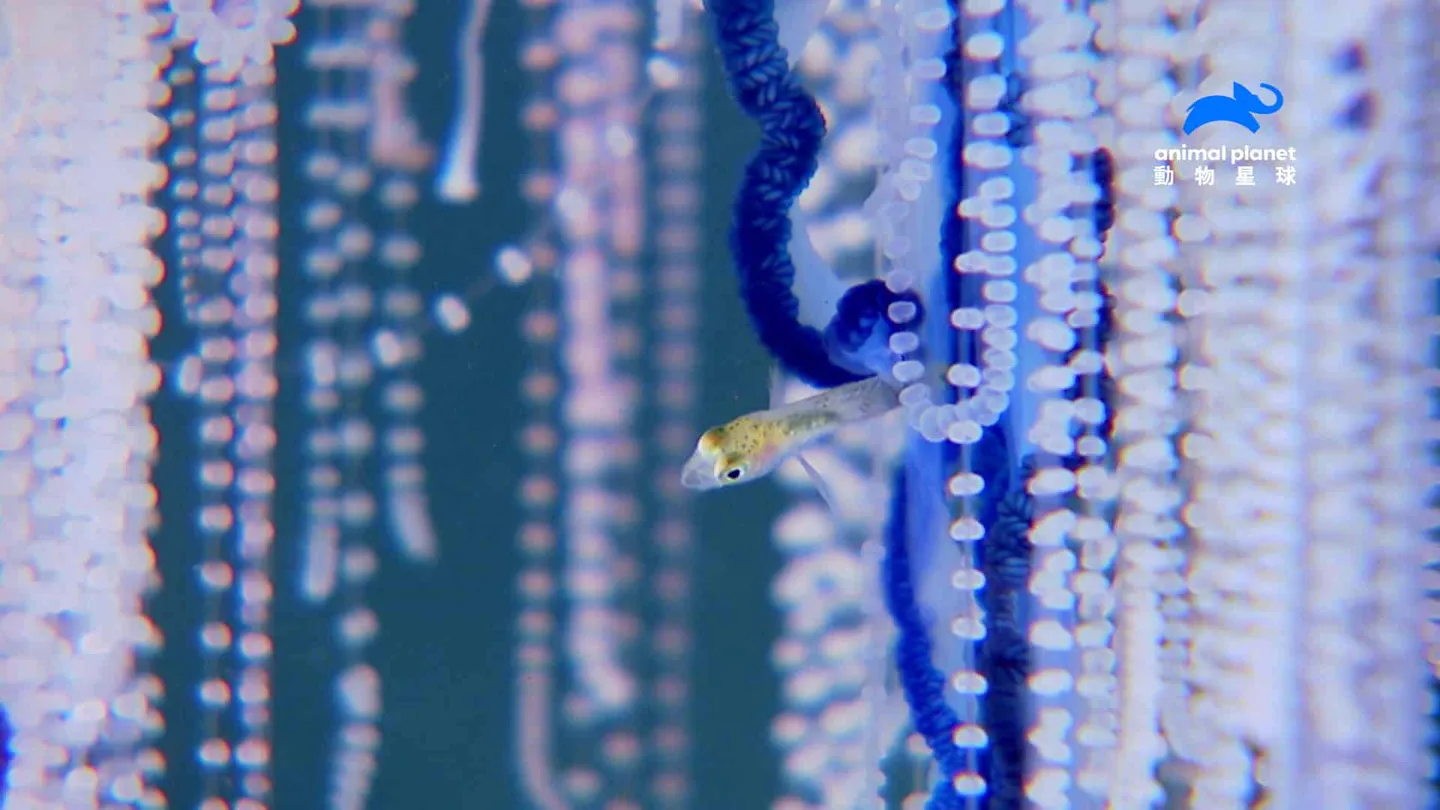
The tentacles of a box jellyfish are covered in nematocysts — any contact triggers a firing response, and once the stingers penetrate skin and inject venom, the result can be paralysis or even death.


The Immortal Jellyfish Can Literally Live Forever?! Box Jellyfish Venom Is Potent Enough to Kill 60 People!
Humans have long fantasised about unlocking the secret to immortality — and Animal Planet has the answer: become a jellyfish! Like most living things, jellyfish do die, but there is one remarkable exception that skips that step entirely: the so-called immortal jellyfish, Turritopsis dohrnii! Not only does it never die, it actually grows younger over time, cycling endlessly from juvenile to adult and back again. Its rejuvenation process involves collapsing into a soft, gelatinous cyst that sinks to the seafloor and transforms into a polyp colony. That colony then produces hundreds of genetically identical baby jellyfish — perfect replicas of the original adult — and in as little as 30 days, the rejuvenated jellyfish starts the entire cycle all over again. Feeling envious?
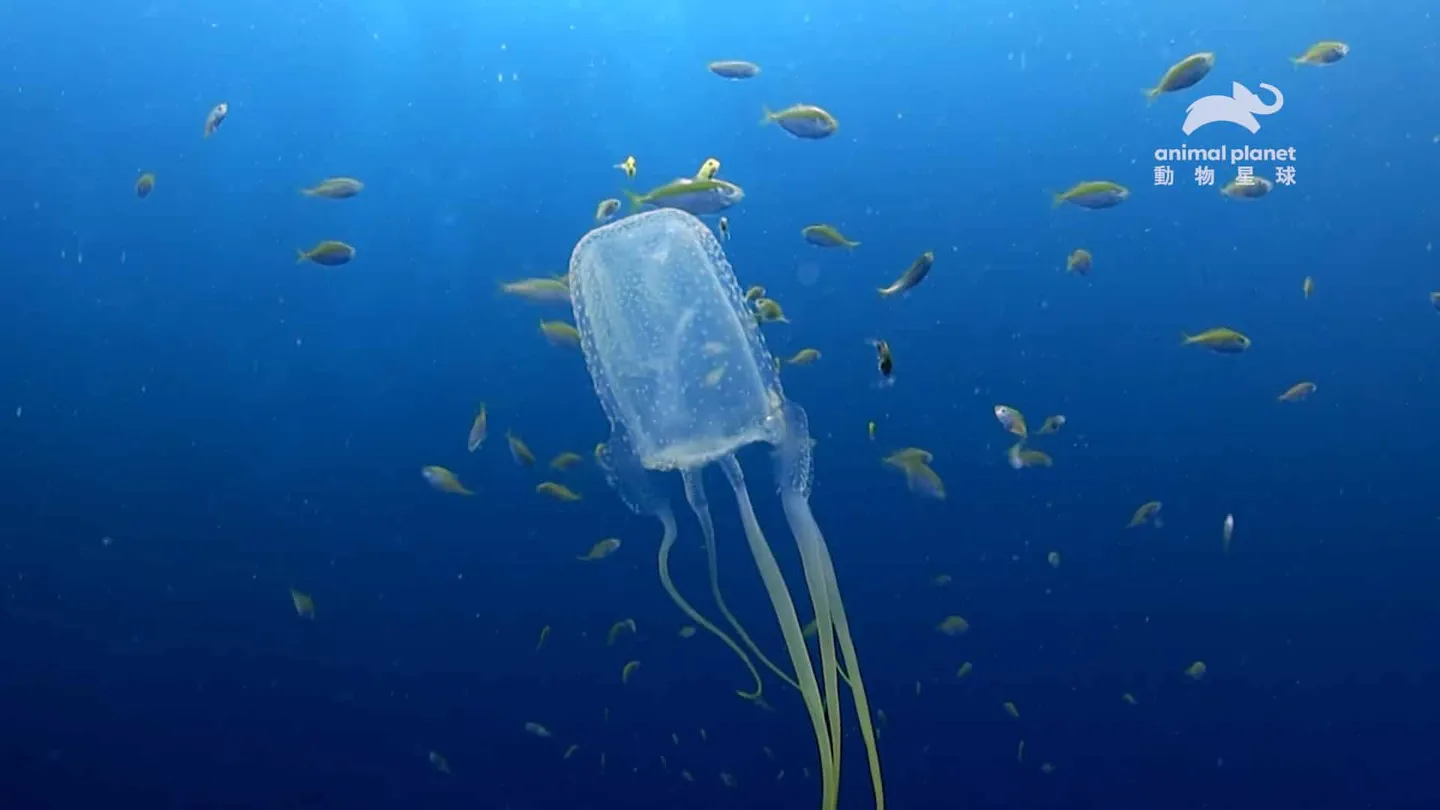
The box jellyfish is arguably the most terrifying creature in the sea — it can be as small as a fingernail or longer than an entire elephant.
Then there is the box jellyfish — arguably the most terrifying creature in the sea. It can be as small as a fingernail or longer than an entire elephant. Like other jellyfish, its body is 95% water and it has no brain, heart, eyes, or teeth. But what makes it truly extraordinary is that the venom of a single box jellyfish is potent enough to kill 60 people — 100 times more toxic than a cobra's. Its tentacles are covered in nematocysts, each cell a trap ready to fire a stinger. The moment anything brushes against one, the alarm is triggered and the stinger fires in one-millionth of a second — faster than a bullet leaving a gun barrel. Once the stingers pierce the skin and inject venom into the body, paralysis — or even death — can follow. It's the ultimate "admire from a distance" creature.
The ocean is teeming with creatures, each harbouring secrets unknown to us. Animal Planet's "Animal Quiz" has launched a special World Oceans Day campaign: "How Much Do You Know About Marine Animals?" From June 8 to June 21, log in to answer questions and share for two consecutive weeks for a chance to win eco-friendly straw sets, Discovery tote bags, and even ocean-themed soaps handmade by underwater goddess Li Pei-yu (Da Pei)! Join the Animal Quiz now and open up a whole new world of knowledge!
Related links:
-
Animal Quiz website: http://bit.ly/2QMHHzQ


![[NCCU Diving Club] Reflections on a Beach Cleanup: A Little Inconvenience for Us, Infinite Opportunities for the Ocean](/_astro/94387669_2786902881408514_3988714893476888576_o_mQFSh.webp)