Contents(4)
As the number of dives on my logbook keeps climbing, my experience in the water has grown alongside an ever-increasing eye for gear. Just as underwater photographers chase strobe lumen output and color rendering index (CRI), or obsess over high-ISO noise performance in a camera, we scrutinize our dive gear just as rigorously — which fins deliver the best propulsion efficiency, which BCD makes it easiest to achieve a proper trim, and so on. All of this is in pursuit of a more enjoyable dive experience through a perfect match between diver and equipment. And when it comes to the dive computer — one of the most essential pieces of scuba gear — that standard should be no different.
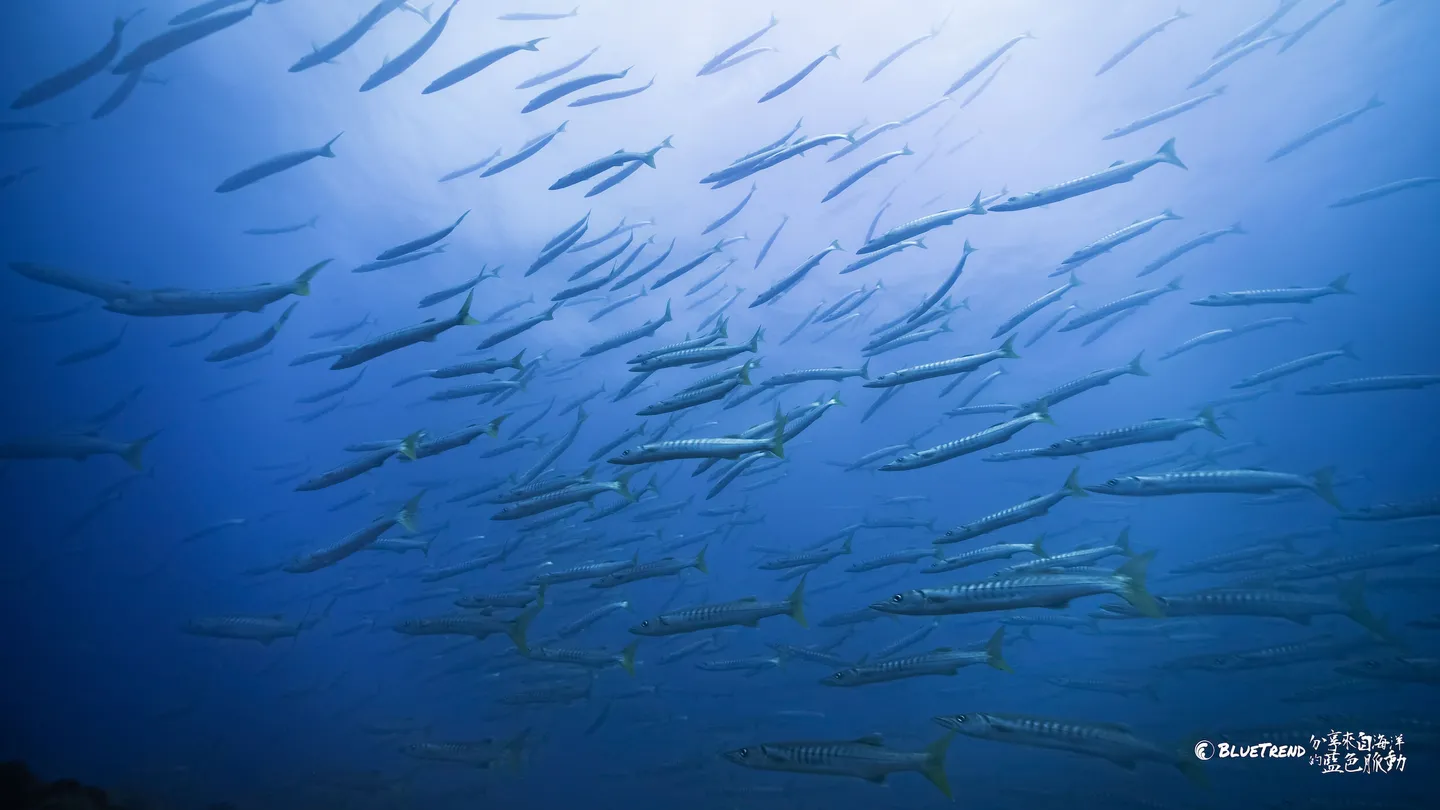
When facing strong currents, what kind of dive computer is best suited for a diver?
Today's dive computer market is nothing short of a battleground, with an enormous range of products spanning different price points and target audiences. Yet each model has its own character and draws its own loyal following. ATMOS products, starting with the MISSION ONE, have consistently appeared on the recommended lists that instructors hand to beginners and underwater photographers alike. In this article, we take the perspective of a diving newcomer and an underwater photography enthusiast to see whether ATMOS's latest dive computer, the MISSION2, can continue to win hearts.
Make the Dive Simple! — the design philosophy behind every ATMOS product
A simple, easy-to-read, and intuitive interface that elevates every dive experience
Carrying Forward the Legacy of the Previous Dive Computer: A Large Display Face
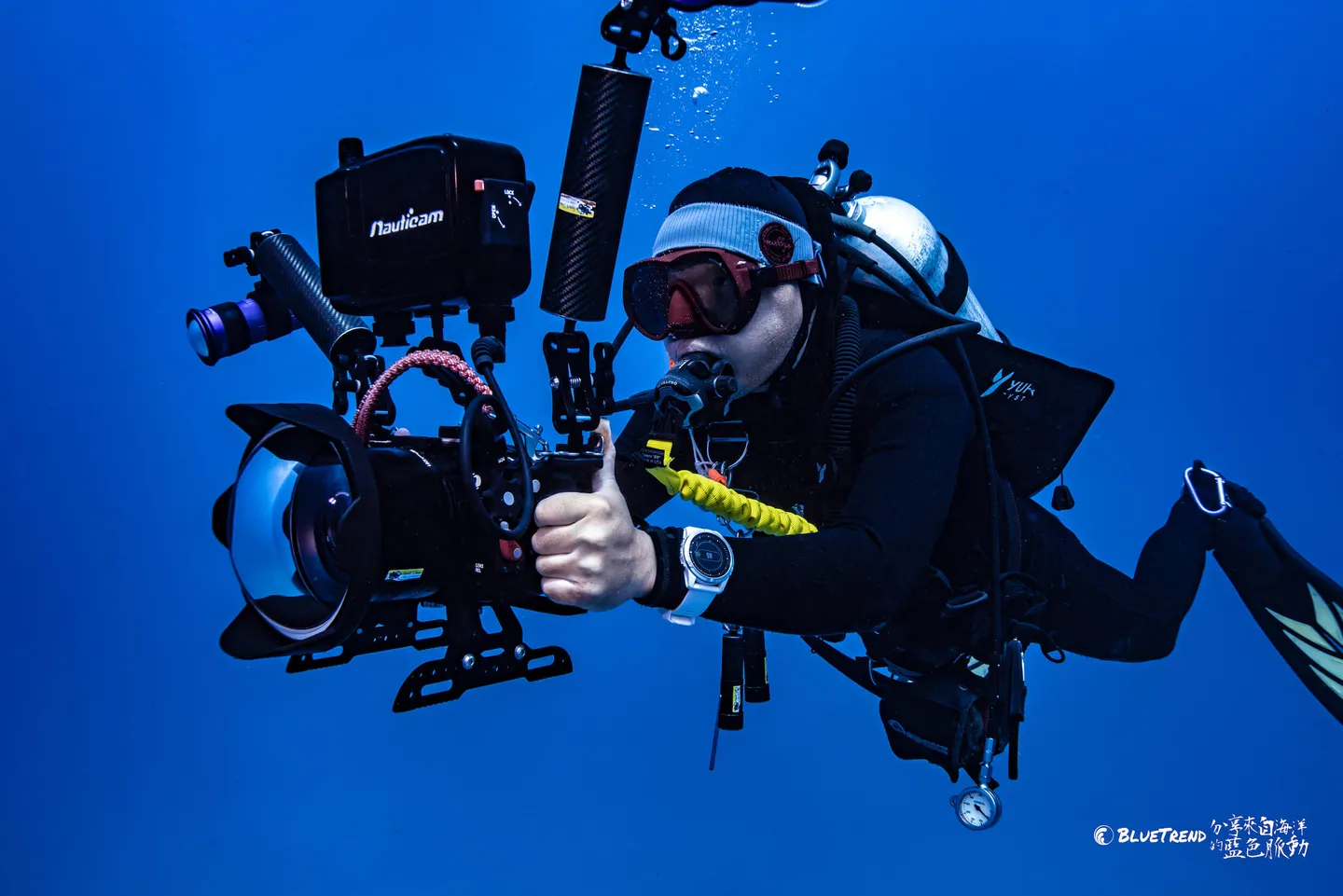
From the moment the ATMOS MISSION ONE launched, it captured the attention of divers everywhere — primarily thanks to its clean, clear UI design. The MISSION2 naturally inherits that same design philosophy. Unlike many other dive computers, ATMOS champions a simple, accessible approach that avoids cramming too much information onto a single screen during a dive. While information-dense displays and feature-packed menus certainly serve specific users in specific situations, underwater photographers who need to keep their eyes on their camera viewfinder really just need simplicity.
When shooting underwater or working to remove ghost nets, a simple and easy-to-read display becomes absolutely critical
Take the electronic compass as an example: on some brands' dive computers, you have to navigate to a dedicated screen to check your heading. The MISSION2, by contrast, lets you pre-set your bearing and then return to the main dive screen — where all the essential information you need is displayed at a glance, including heading, NDL, dive time, and depth. This is especially practical for newcomers to the sport. When you're already flustered by a strong current underwater, the last thing you want is to mentally rehearse a complex sequence of button presses just to find the data you need. Sometimes, simplicity really is a strength.


Safety Stop and Decompression Stop, Crystal Clear at a Glance
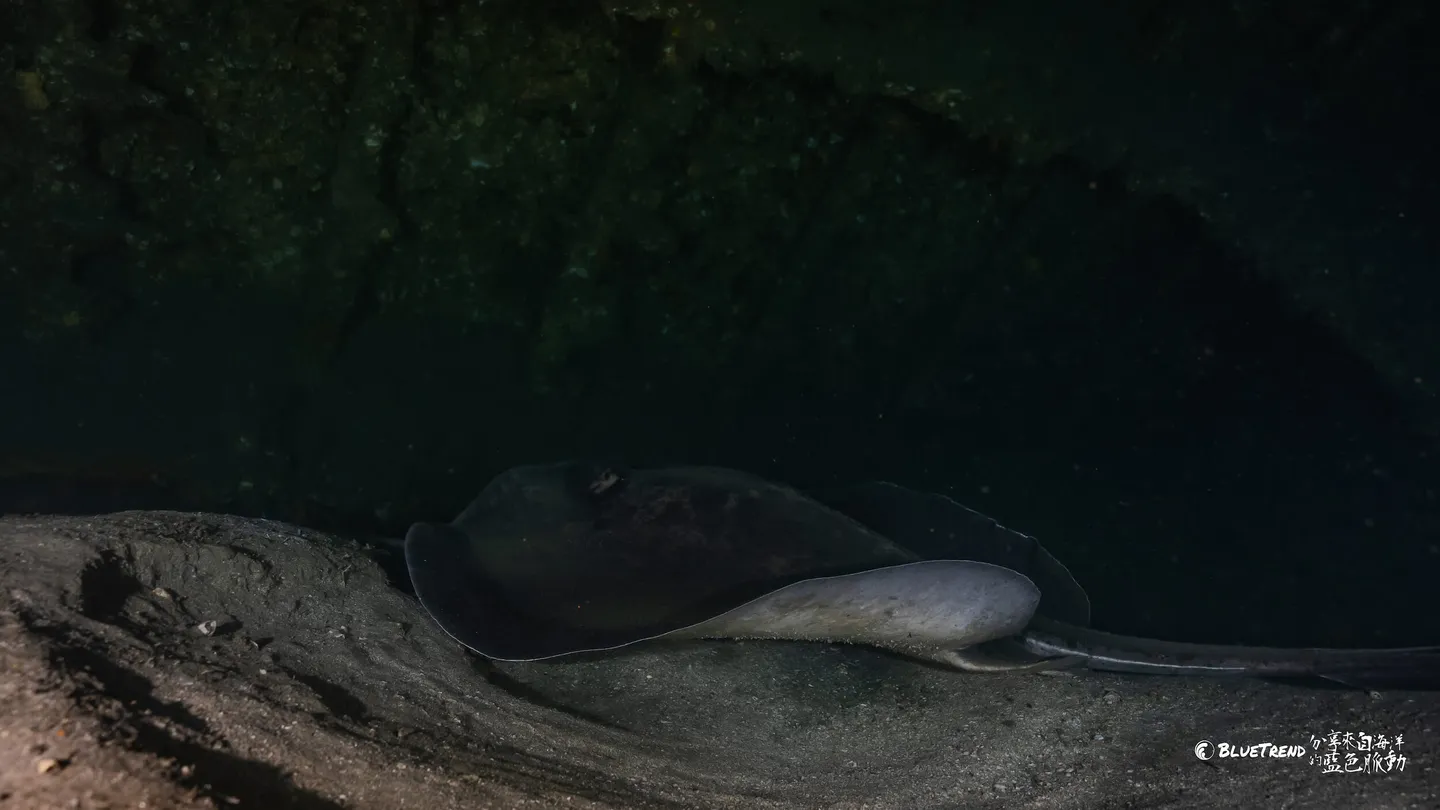
A bluespotted ribbontail ray at the bottom of the Lingyun wreck in Qimei, Penghu — resting on the seabed at 30m, it's easy to drift into a decompression obligation while shooting here
Whether you've chased your dream composition into deeper water or spent too long belly-down on the sand waiting for a frogfish to open its mouth, accidentally entering a decompression obligation is something that can happen to any diver. When it does, having a clear and immediately understandable decompression stop display becomes critically important. During dive briefings or underwater, it's not unusual to hear someone raise their hand and ask how to read their computer — a sure sign that either the shop that sold it skipped the basics, or the brand's interface design needs some work.
Fortunately, the ATMOS MISSION2's generously sized display does more than just show the seconds remaining for a safety stop or decompression stop. It also uses plain on-screen text to prompt the user with messages such as maintaining depth or abort stop notifications. Thoughtfulness — that's a genuine strength.
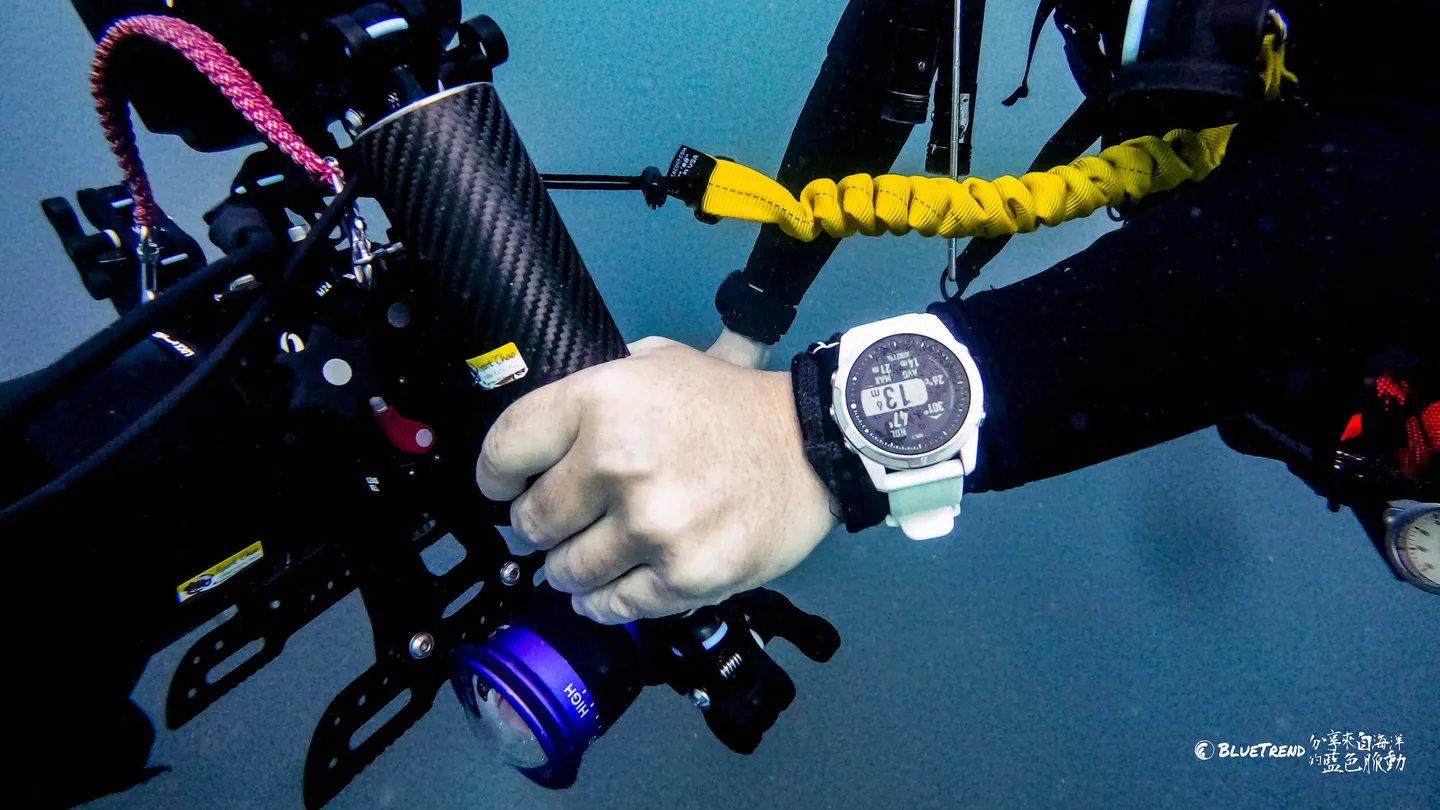
The ATMOS MISSION2 lets you keep complete command of your dive information on a single screen — no switching required
Customizable Watch Faces — Dive with Your Own Style
As a smartwatch, keeping up with the trend of customizable watch faces is a must. Photographers can set their own shots as the background, while instructors and dive shops can swap in their own logo or assign a serial number to each watch for easy identification at the surface. We'd love to see ATMOS expand the personalization options further in the future — think custom hand colors or different gauge display styles.
Custom watch faces let every diver express their own unique style
Beyond that, tank pressure monitoring during a dive has traditionally relied on the leading instructor or dive guide. The ATMOS MISSION2 addresses this with multiple configurable alert settings — including time alerts and depth alerts — that can be tailored to your individual needs. If you and your dive buddy have agreed to a 40-minute photography dive, you can set a 40-minute alert so you don't get so absorbed in shooting that you lose track of time. Likewise, a leading instructor can set a 30-minute dive time reminder to prompt themselves to check in on their students. This kind of customizable alert system not only makes beginner divers safer underwater, but also lets underwater photographers configure the watch to match different shooting plans — significantly raising the safety margin for every session.
All of the above makes the ATMOS MISSION2 a natural entry on the shortlist for both diving newcomers and underwater photographers. Many underwater photographers already mount a secondary backup watch on their camera rig for precisely this reason: so they don't have to break their shooting angle to glance at their wrist. A dive computer with a 1.2" display that's this easy to read at a glance — the ATMOS MISSION2 — is perfectly suited for exactly that role.
Adding Value Beyond the Dive: Multi-Sport Features
With the arrival of the ATMOS MISSION2, ATMOS has officially stepped onto the smartwatch battlefield. The MISSION2 supports swimming, running, cycling, skiing, and heart rate monitoring, placing it squarely in competition with established players across this price bracket and product category. We hope ATMOS will continue to hold true to its founding philosophy of Make the Dive Simple, delivering an ever more seamless dive experience for divers everywhere.
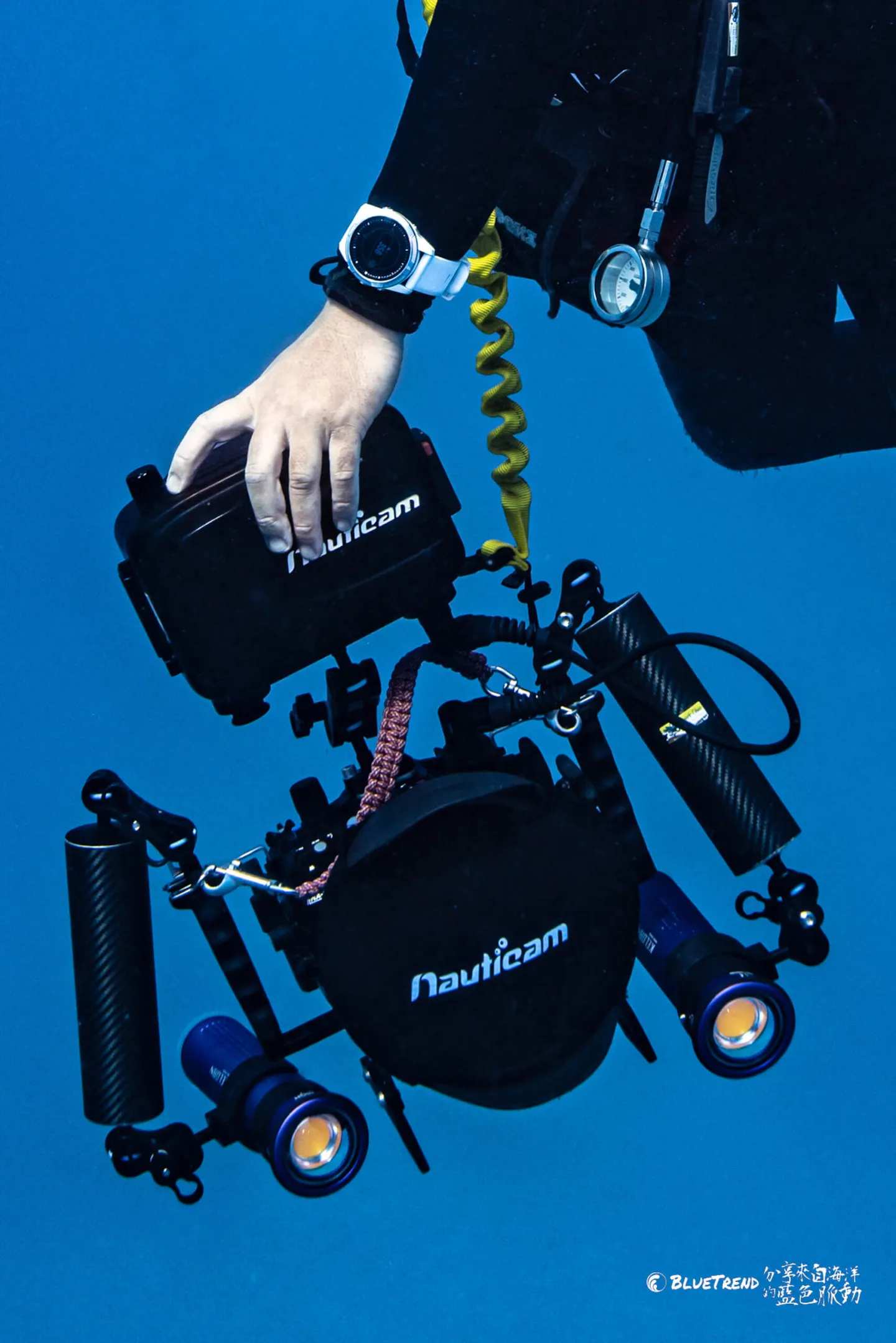
A size comparison between the ATMOS MISSION2 and the GARMIN MK2i dive computer
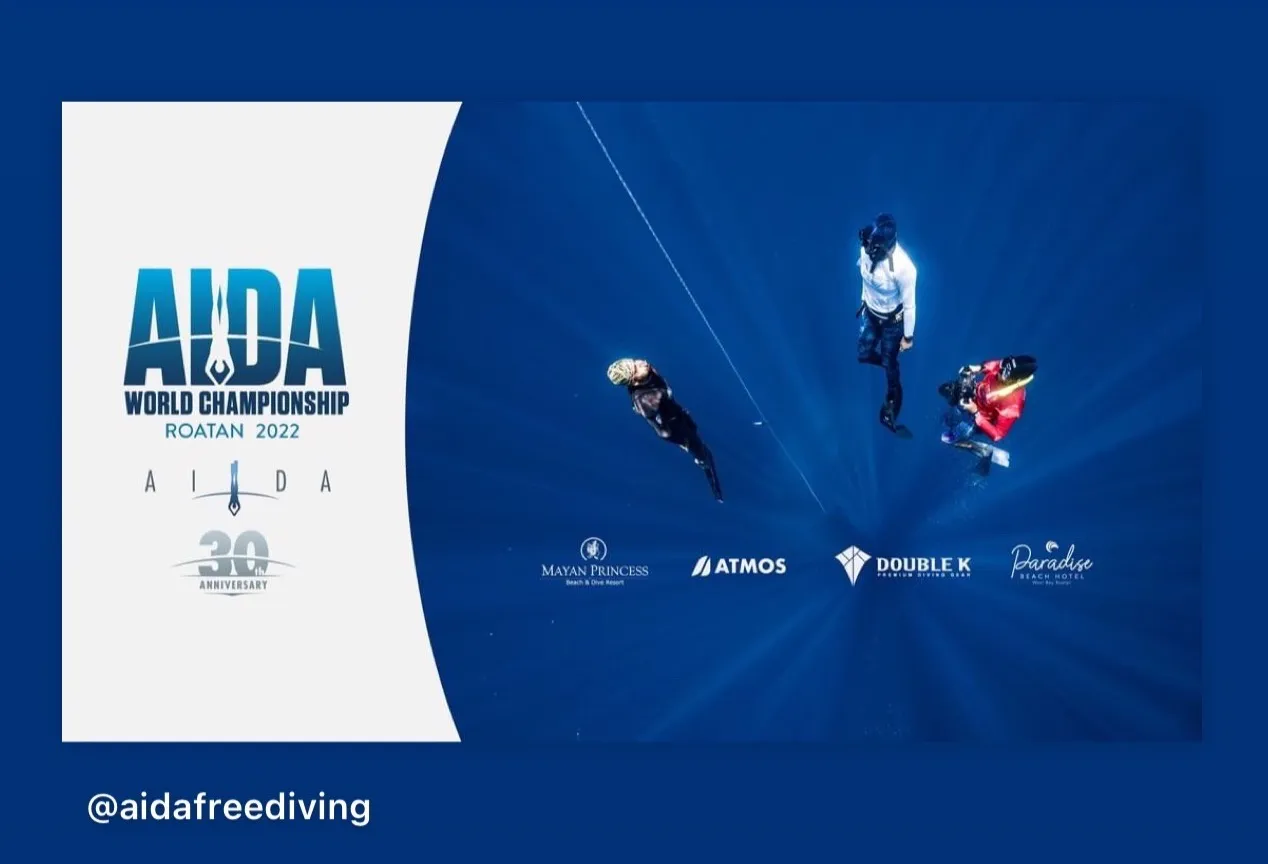
Beyond being a top pick for beginners and underwater photographers, the ATMOS MISSION2 has also been steadily adopted by freedivers as a training tool — and has even served as an official competition watch at international events, including the 2022 AIDA WORLD CHAMPIONSHIP ROATAN, where it was designated as the Official Watch & Sponsor. We look forward to seeing the MISSION2 grow into even more diverse use cases in the future, bringing a sense of MIT pride to everyone who loves sport and the ocean.
Related links:

![[What's This Gear?] Simple, But Far From Basic — The GARMIN Descent G1 Solar GPS Dive Computer, First Look at DRT SHOW 2022!](/_astro/DSC00360_Z4v0e2.webp)