Contents(10)
- AUA Underwater Dance Photography Director — Ji Shu
- What Sparked the Idea to Film Underwater Dance?
- What Makes Performing Dance Underwater So Special?
- What Is the Hardest Part of Underwater Dance for the Performers?
- The Fusion of Dancer and Water
- Water Sense
- What Are the Challenges for Photographers and Directors?
- Group Shoots
- Post-Production Editing
- A Large Production Team
The Editor says: Have you ever seen dance and diving fused together? This time, BlueTrend attended an underwater dance imagery production exchange event hosted by Waterman Freediving, which invited the AUA underwater arts team from mainland China to share the ins and outs of filming underwater dance. Did you think it was as simple as jumping in the water, dancing, and snapping a few photos? After hearing the presentation, BlueTrend also got to interview AUA's underwater director, Ji Shu, who shared the journey that brought him to where he is today. Let's take a look!
AUA Underwater Dance Photography Director — Ji Shu
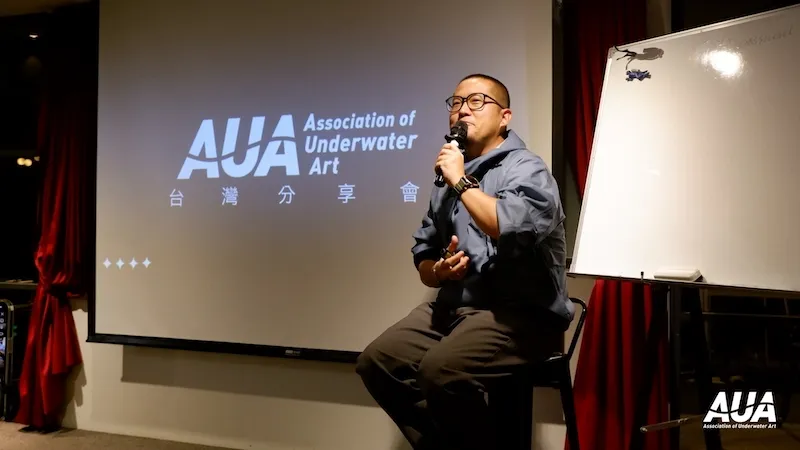
Photo credit: Provided by the AUA team
Known as a multi-hyphenate, Ji Shu skis, does photography, and dives. Before becoming an underwater photographer, he was a landscape architect working at a public institution — nine to six every day, the same routine repeated over and over, until he gradually grew weary of it. So in 2018, he made the decision to quit and began devoting himself wholeheartedly to "playing."
Ji Shu's hope for himself was to carve out his own niche through "play" and make a living from his passions. Along the way, he continuously honed his skills — earning a dive instructor certification, attending workshops to sharpen his photography techniques — and eventually became a travel photographer.


What Sparked the Idea to Film Underwater Dance?
The sudden outbreak of the pandemic in 2020 grounded Ji Shu, who had previously been flying all over the place, and kept him at home. One day, he came across the underwater dance work Ama by French underwater artist Julie Gautier, and it left a deep impression on him. It sparked something in him: if he could capture this kind of underwater content, perhaps his own underwater work could take on a uniquely different dimension.
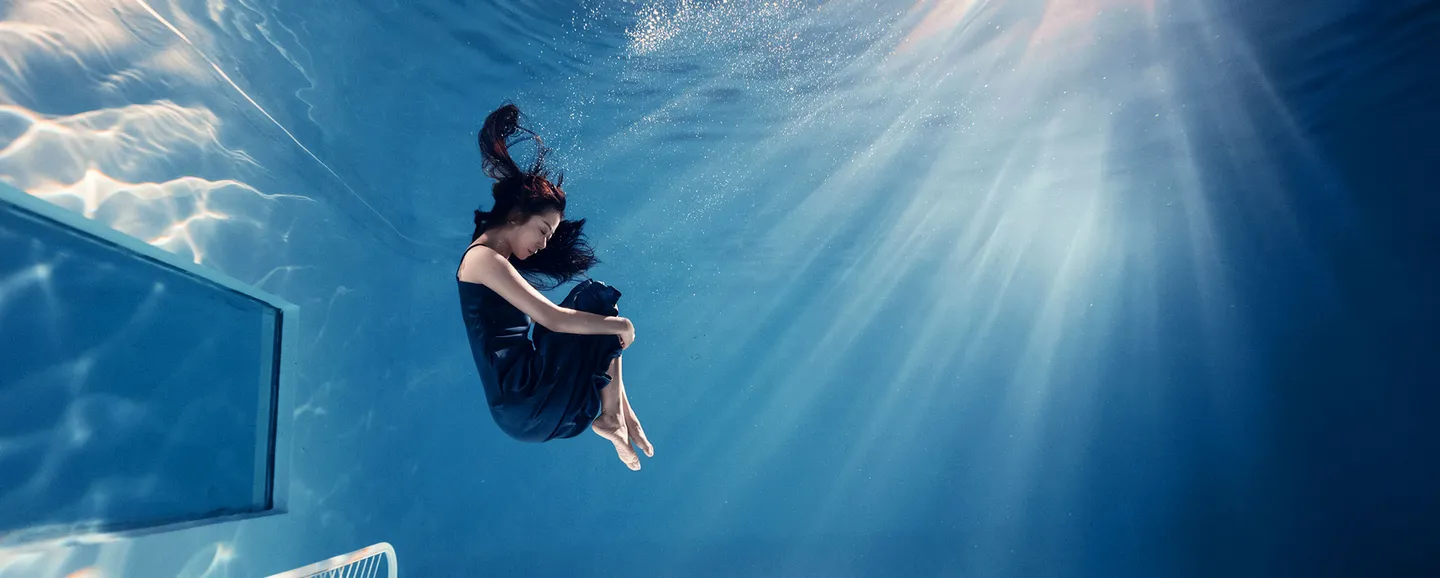
Photo credit: AUA Official Website
What Makes Performing Dance Underwater So Special?
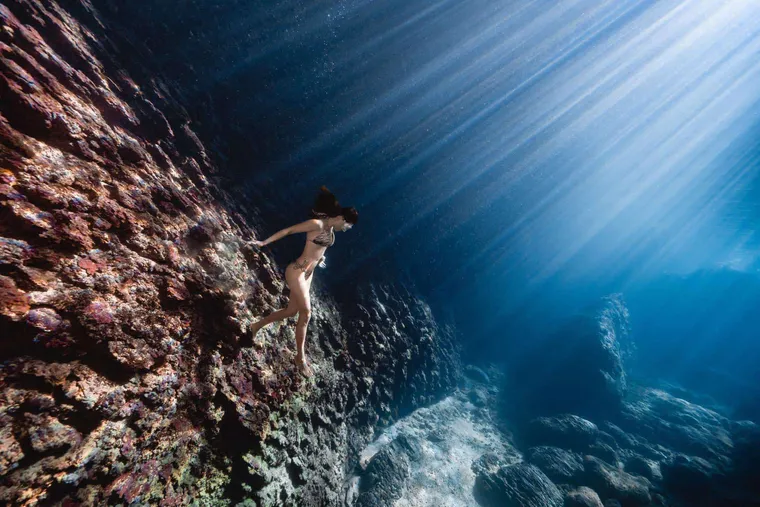
Dance performances can be filmed on land — so why go to all the trouble of shooting underwater? Ji Shu believes the most unique element is the use of vertical space. With buoyancy on your side beneath the surface, the vertical dimension opens up in a way that allows the frame to extend endlessly, making movements and compositions far more three-dimensional. Before each underwater shoot, Ji Shu also asks himself: why shoot underwater? What does the water add and contribute? If he can't answer even these basic questions, then there's no point in getting in the water at all.
What Is the Hardest Part of Underwater Dance for the Performers?
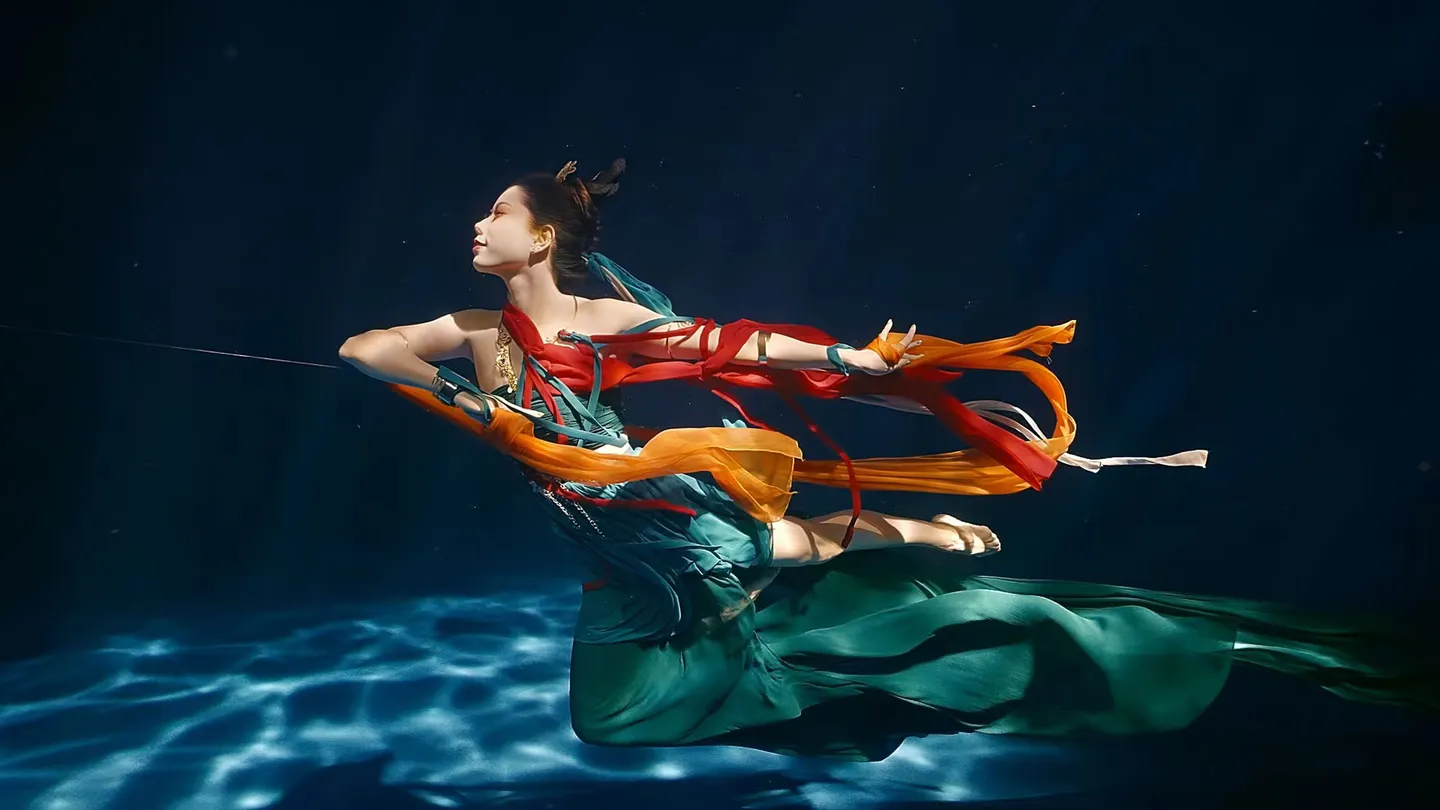
Photo credit: AUA Official Website
The Fusion of Dancer and Water
Knowing how to dance and knowing how to dive are, in a sense, two completely different things. Combining these two disciplines in a way that feels natural rather than awkward requires relentless practice — only through that repetition can the two be seamlessly merged.
Water Sense
The term sounds abstract, but it essentially means becoming deeply familiar with how the underwater environment feels. Before entering the water, a performer must sense the space, perceive the positional relationships underwater, and tune into the connection between their body and that space. By mentally mapping this out beforehand, once they're in the water they won't feel lost — in fact, the sensations the water offers become unusually vivid and clear.
What Are the Challenges for Photographers and Directors?
Group Shoots
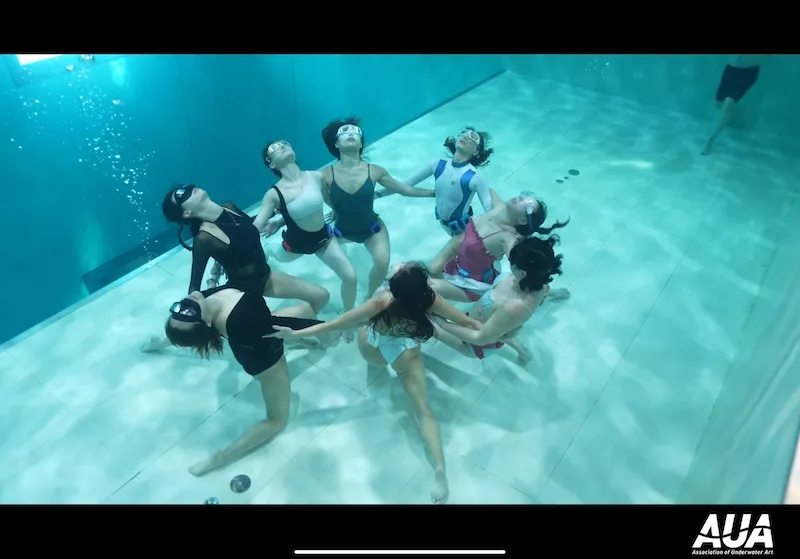
Filming a single performer underwater is relatively straightforward, but shooting two or more requires a much higher level of coordination and chemistry to keep the choreography synchronized. In such cases, an assistant is stationed underwater holding rhythm sticks to tap out a beat, giving the dancers a pulse to follow.
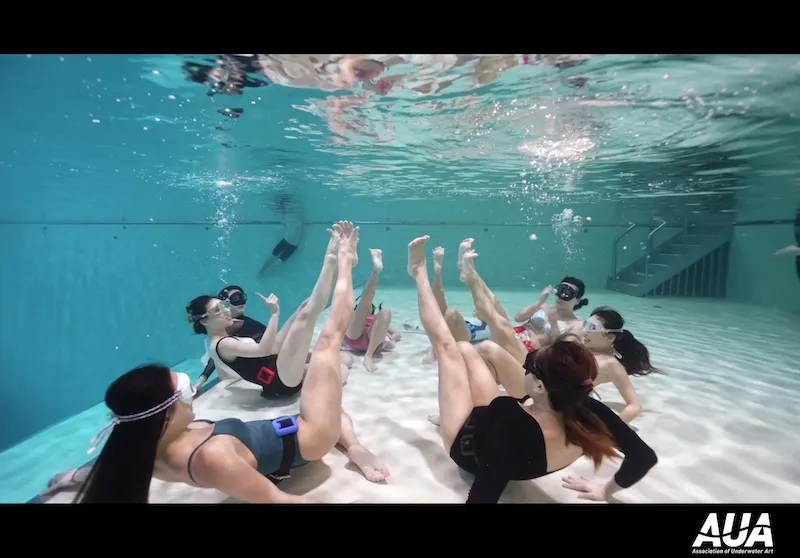
Photo credit: Provided by the AUA team
Post-Production Editing
During an underwater film shoot, the footage is captured in many short clips — dictated by the dancers' and actors' breath-hold capacity — and complete takes with a natural narrative arc from beginning to end are rare. Assembling all of these fragments into a cohesive finished work depends entirely on the editing that follows.
A Large Production Team
Presenting a complete underwater work requires far more than just performers and a photographer. Hair, makeup, and movement direction are all essential on the creative side, while in the water, multiple safety divers are needed to monitor the well-being of both the cast and the camera crew. In fact, the team required is often even larger than what a comparable land-based production would need.
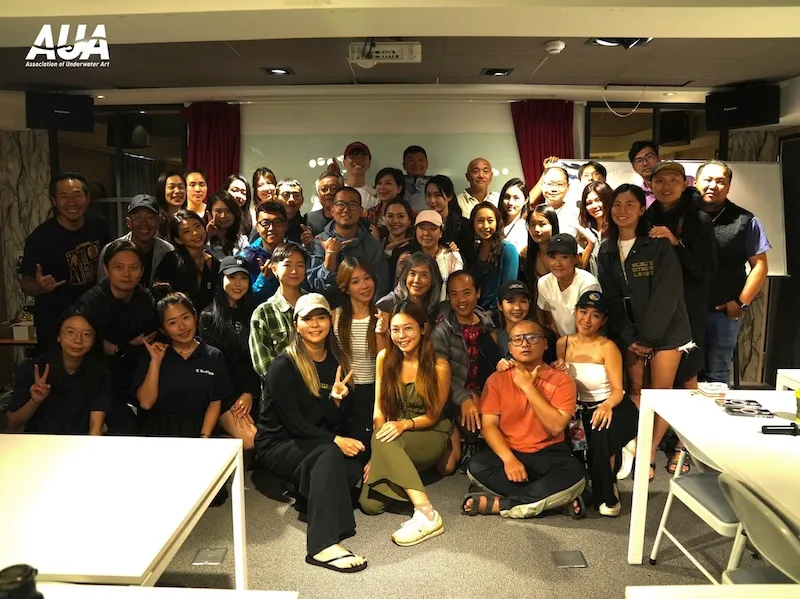
Photo credit: Provided by the AUA team
Although underwater dance has only begun to gain traction in recent years, more and more people are willing to take that step and give it a try. You don't have to be a professional dancer to be a worthy performer — as long as you're willing to let go and embrace the experience, you are your own queen!
Further Reading: