

![[BlueTrend Mini Lesson] Garden Eels and Clownfish Are So Cute! Don't Let Your Desire to Watch Them Turn You Into an Ignorant Killer — Part 1](/_images/81a12b0f14c5-1440w.webp)
The Editor says: In recent years, scuba diving has become increasingly popular. Not only can divers enjoy the weightless sensation of inner space, they can also observe all kinds of marine life up close. However, we occasionally discover species in certain waters that don't belong there — such as garden eels and Clownfish and other ornamental aquarium species. In this article, we take a more serious look at the issue and invite Wox, author of Marine Natural History, to share how to avoid becoming an ignorant releaser of marine life! (Full text reprinted from Wox's Facebook page)
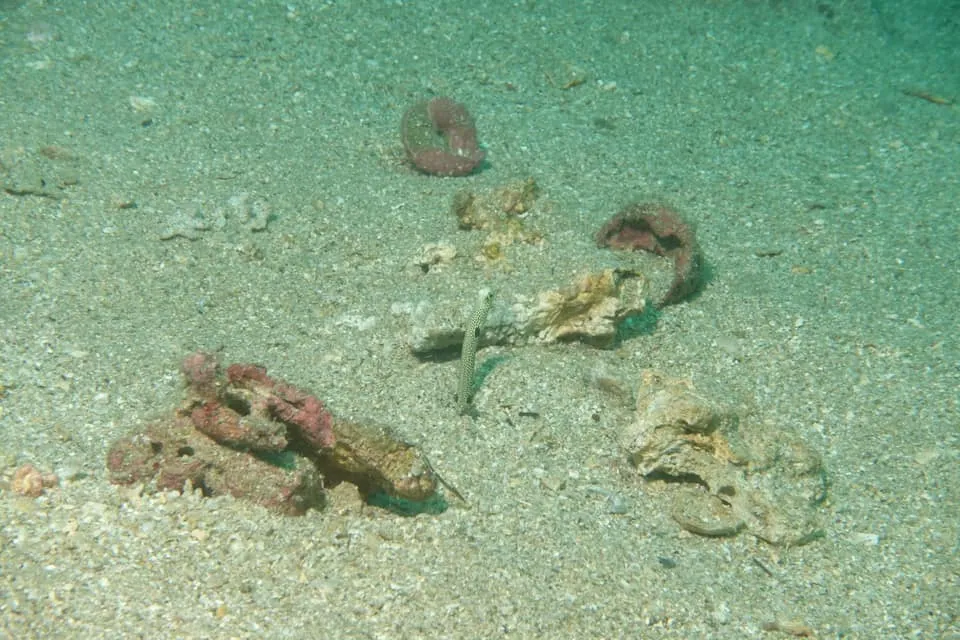
Photo source: Underwater Species Identification Group — Photography by Xu Qingtang (not the person who released the animal)
This weekend, quite a few people sent me photos of this garden eel, but I'm 87% certain it was released from an aquarium. The Northeast Coast is not a primary habitat for the Spotted Garden Eel (Heteroconger hassi). Most hassi in Taiwan are distributed in the warmer, coarser-grained sandy bottoms of the southern coral reef areas, and they are generally more common in waters with stronger tidal flow.
The Longdong area where this one was found has a silty-sandy bottom typical of the Northeast Coast, which is not suitable for their survival. The inner-bay environment is also not their natural habitat. They typically live in groups and rarely exist alone. On top of that, rocks had been placed in a circle around it as a marker — all of which points to a very high probability of deliberate release. Under such unnatural conditions… it may not survive!!
Don't Release Aquarium Fish Indiscriminately into Taiwan's Ocean
Many areas along the Northeast Coast already have a history of tropical fish releases. In the past, people have photographed at Longdong species native only to Southeast Asia, such as spine-cheeked anemonefish, as well as the Indonesian saddleback angelfish, and even damselfish from the Indian Ocean. Chaojing (Chaoching) was previously flooded with a batch of tropical Clownfish (Nemo) and carpet sea anemones — which died within a single day, unable to withstand the cold waters of the Northeast Coast. We urge once again: do not release aquarium fish indiscriminately into Taiwan's ocean!
You don't know whether they might become the next terrifying non-native species, nor do you know whether they carry foreign pathogens.
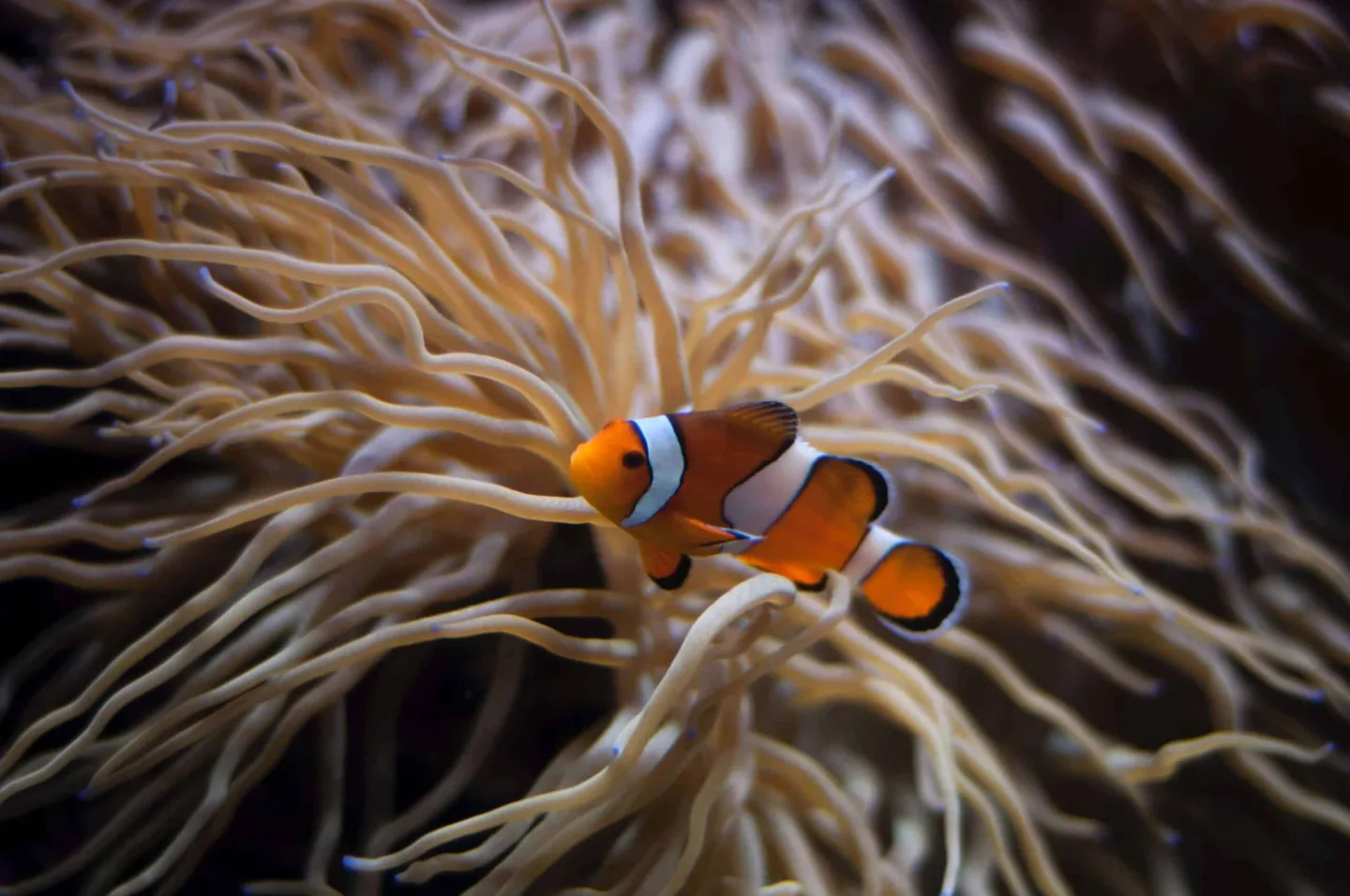
Photo by Zheng Wei Lim on Unsplash
Yes… just like freshwater fish, saltwater fish should not be released casually either. Your good intentions may actually become a death sentence for them!


Clownfish Need to Be Near Sea Anemones From a Young Age
For example, there have been many Clownfish release events held in various places recently. But some people may not know that Clownfish need to be near sea anemones from a young age — contact with anemone tentacles stimulates the growth of the protective mucus layer that shields them from the anemone's stinging cells. However, many captive-bred Clownfish have never had a chance to interact with a sea anemone, and have only ever eaten pellet food. When these pampered little fish are released into the wild, they are completely unable to adapt to natural competition and cannot seek refuge inside a sea anemone (going in would simply make them the anemone's next meal) — the inevitable result is total mortality!
Anemones and Clownfish cannot simply be paired at random either. Many Clownfish species are highly specific about which sea anemones they associate with. For instance, the Clark's anemonefish commonly seen along the Northeast Coast can adapt to a wide variety of sea anemones; the tomato clownfish mostly associates with the bubble-tip sea anemone (commonly called the "nipple" anemone); and the Ocellaris Clownfish (known as Nemo) uses large sea anemones of the family Stichodactylidae — not just any sea anemone will do!
Furthermore, apart from the Clark's anemonefish, which is hardy enough to tolerate the cold water masses of the Northeast Coast, most Clownfish are coral reef species adapted to tropical environments. In October of last year (2020), someone released a batch of Ocellaris Clownfish at Chaojing — and the next day, every single one had died from the inability to adapt to the cold water. It was pure killing.
The point of these examples is to urge everyone not to release saltwater fish indiscriminately. Even when releasing native species, proper research must be done first — you can't just toss them into the ocean. Doing so is no different from those "merit-release" groups that effectively release animals to their deaths. If you truly want to observe these creatures, learning to dive and seeing them in their natural environment is a far better choice!
Please take care of our ocean — start by getting to know it and understanding it. Thank you all!
Cover photo: Photo by Maksim Shutov on Unsplash
Further reading:
![[Blu's Classroom] Marine Conservation Animals Get an Upgrade! Can You Identify These 3 Common Giant Clam Species in Taiwan?](/_astro/%E7%A1%A8%E7%A3%B2%E8%B2%9D%E8%BE%A8%E8%AD%98_ZblJt0.webp)