Contents(4)
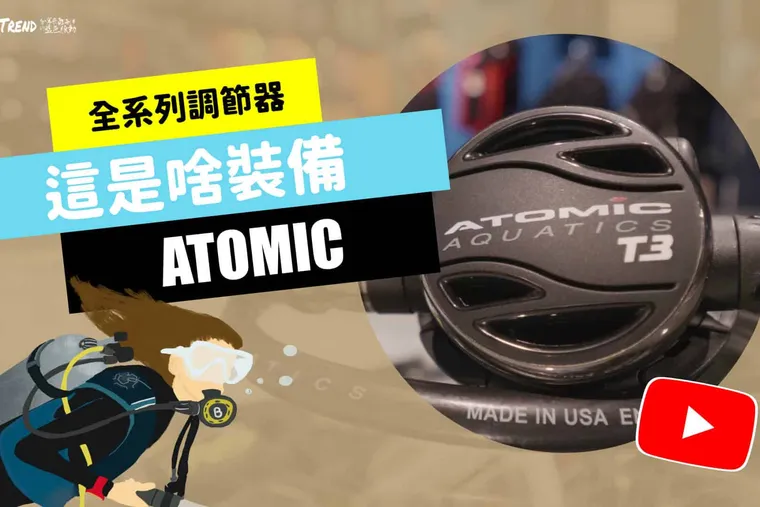
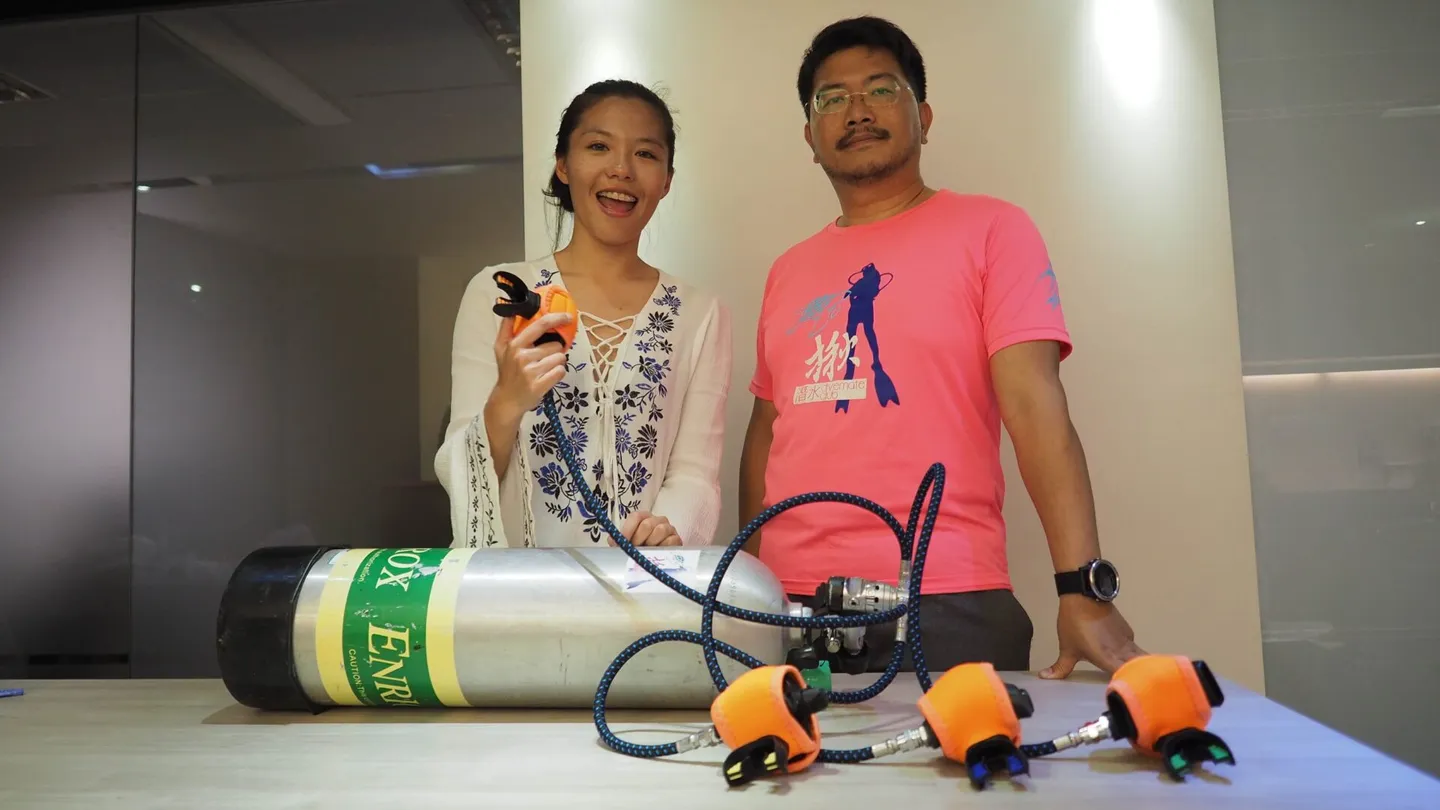
The Editor says: For this special feature, we spared no expense travelling all the way to Kenting and Xiaoliuqiu to conduct a blind test of scuba regulators. We also invited Coach Lin Yu-ping from Divingmate to share his professional insights on the results. What qualities should a good regulator have? Do foreign brands really blow Taiwanese brands out of the water? And how do you choose a regulator that's right for you? Let's walk through all of these ideas together in this fun video!
What Makes a Good Scuba Regulator?
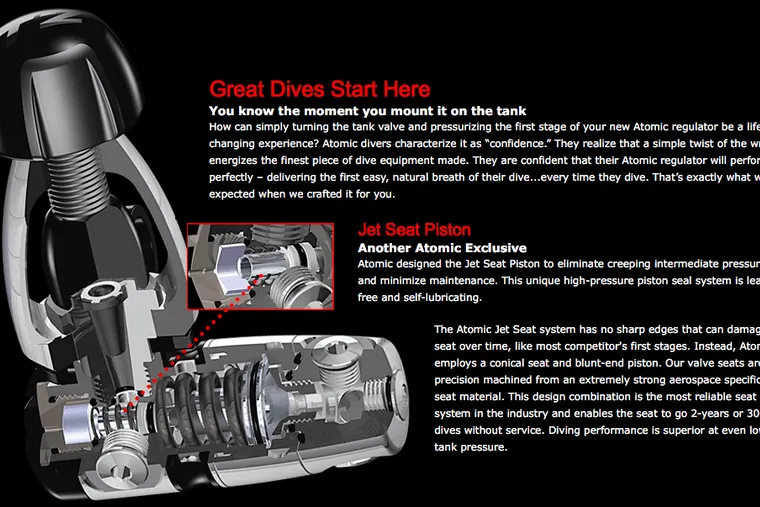
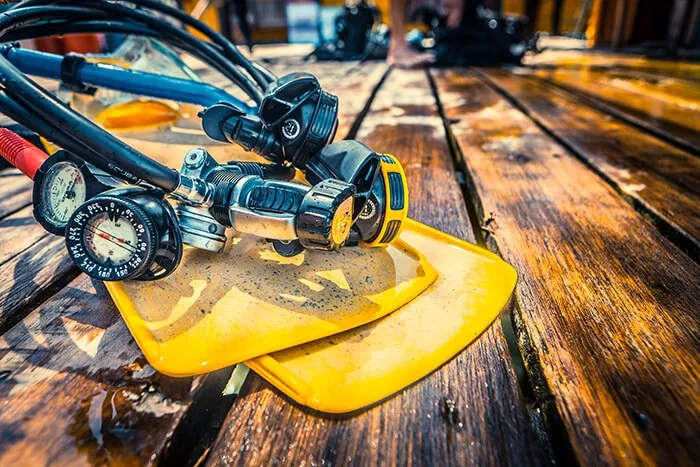
A good regulator actually involves many factors — stable intermediate pressure output, consistent breathing resistance, and durable components that resist wear over time (especially the metal springs inside the first and second stages). Every brand has its own proprietary designs and material quality standards. Before making a purchase, be sure to consult friends or a professional dive instructor, and do your own research as well. We've also put together a few articles here to get you up to speed quickly.
- Introduction to Regulators — First Stage Regulator
- Introduction to Regulators — Second Stage Regulator
- Tips for Everyday Regulator Maintenance
- How Well Do You Know Your Regulator?


The Brand Myth Around Regulators
Many divers harbour an almost inexplicable admiration for certain brands or specific regulator models, believing that purchasing one will guarantee a worry-free, high-quality dive experience. But in the eyes of a professional regulator technician, there is no such thing as a regulator that is guaranteed to breathe perfectly.
Take a high-end imported regulator, for example. From the moment it leaves the factory, sits in storage, gets shipped, placed on a shelf, and eventually purchased and used by a consumer — how much time has passed? The intermediate pressure seat, O-rings, and other internal components all degrade over time. The factory settings may well have drifted from their original values by then. And honestly, how many retailers take the time to re-tune the regulator with proper instruments before handing it over to the customer?
Lin Yu-ping: I've tuned an inexpensive domestic regulator to breathe better than a high-end imported one. It takes a lot of time and patience, but it can be done — careful calibration is what matters most!
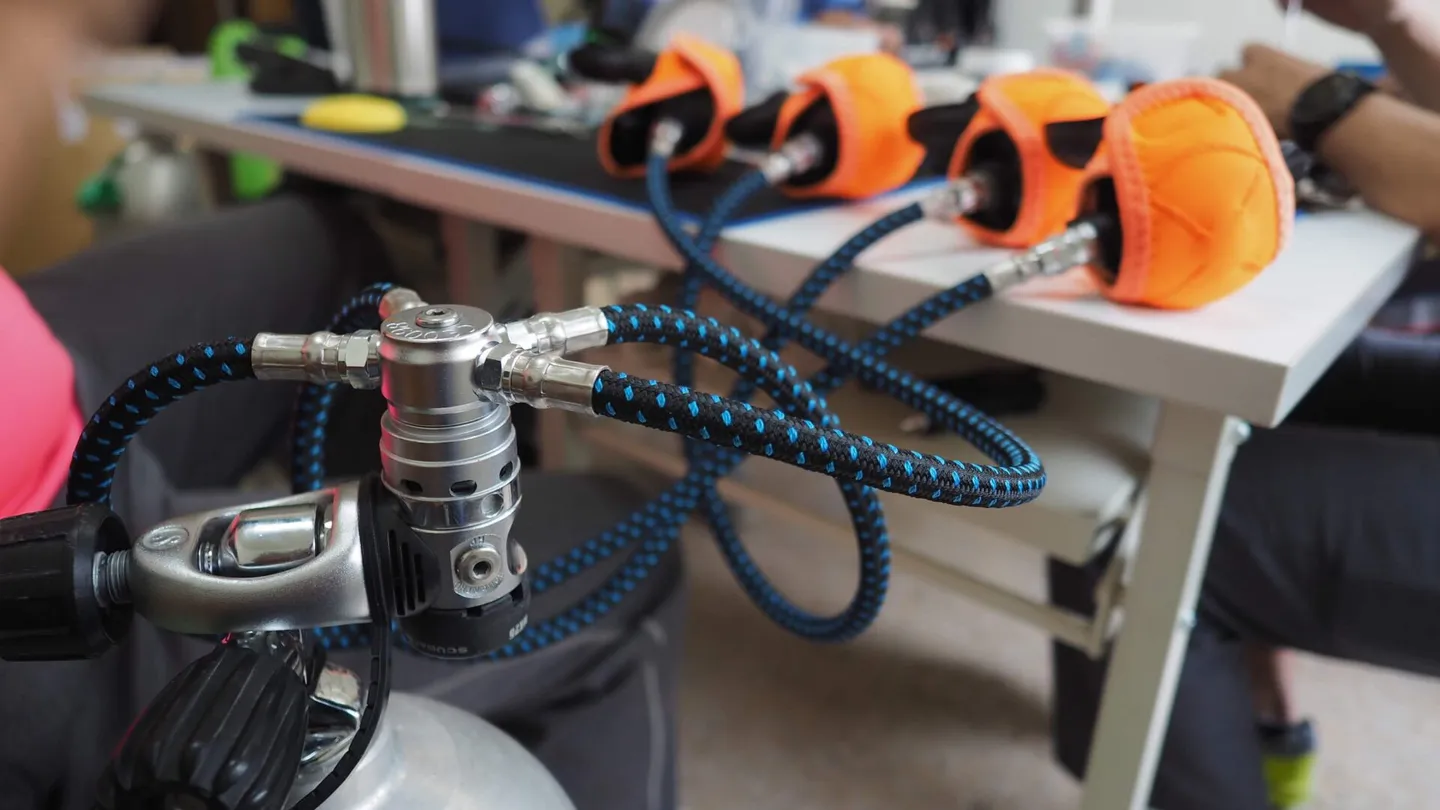
Of course, to be practical about it: when certain brands cut costs, the materials used for some internal components do differ, and this can affect how quickly overall performance degrades over time and how often servicing is needed. That said, if you carefully weigh the upfront purchase price against long-term maintenance costs, you may well find a regulator that delivers excellent value for money!
How Do You Choose the Right Regulator for You?
From a data standpoint, as long as a regulator delivers a stable air supply without the output fluctuating in response to changing scuba tank / cylinder pressure, it can generally be considered a "good" regulator. In practice, however, everyone has a different definition of what feels good to breathe through. There was once a diver who had been using a regulator with extremely high breathing resistance for years — one that required a strong inhale to trigger the second stage lever and release air. When handed a regulator with objectively superior performance metrics, they found the airflow too strong and difficult to control. The reason? They had simply adapted to what they were used to.
When buying, we recommend borrowing a dive buddy's regulator to try it out underwater for real. As the video demonstrates, how a regulator feels on the surface and how it feels underwater can be quite different — and you'll notice differences between shallow and deeper depths too. The best way to evaluate a regulator is simply to take it diving!

When Should You Service Your Regulator?
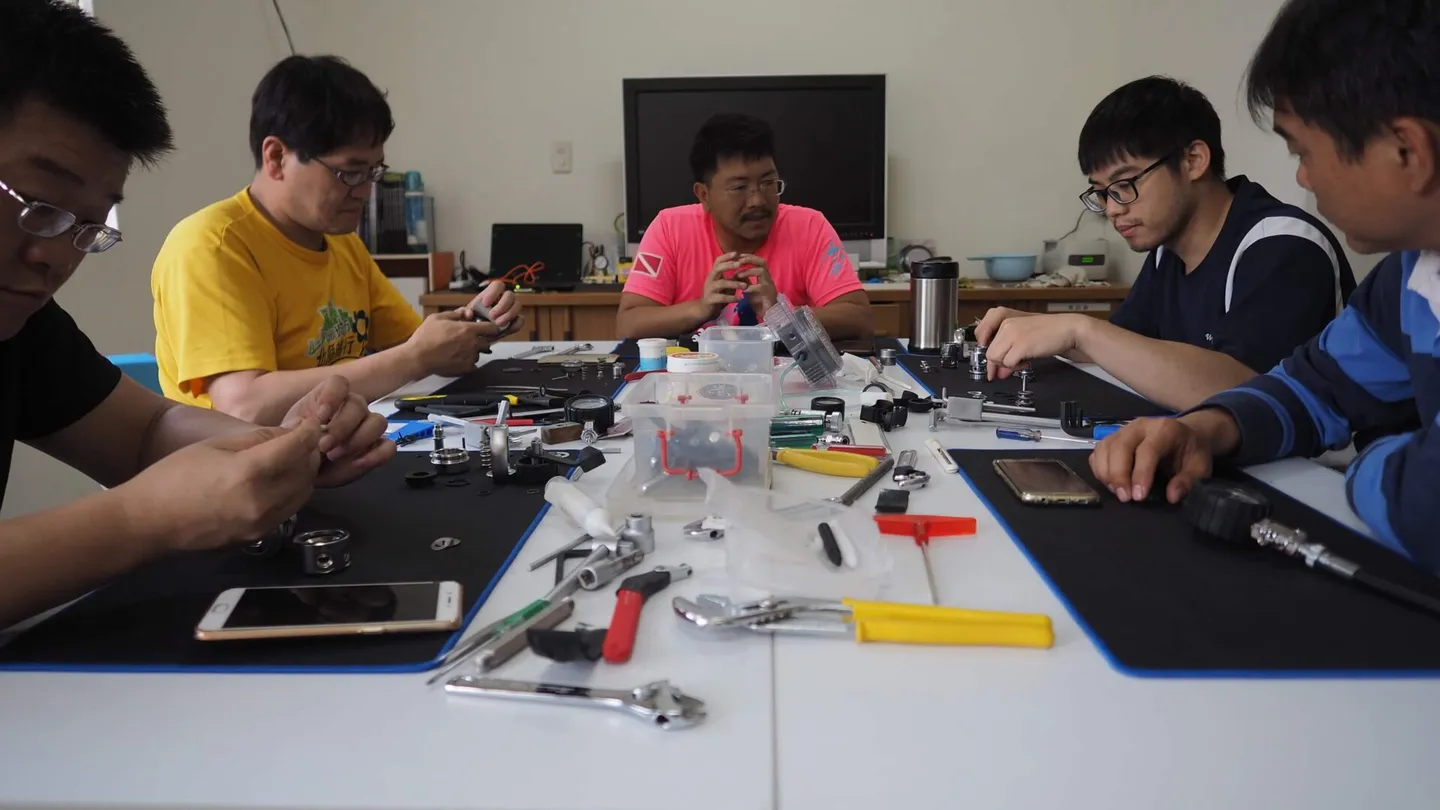
Refer to the servicing recommendations from your regulator's manufacturer. Generally speaking, servicing is recommended after one year of use (or after 100 cylinders). Always choose a reputable, conscientious service team. Some shops will simply replace the O-rings or run the body through an ultrasonic cleaner and claim the service is complete — but a proper full service requires careful adjustment of all key performance parameters using calibrated instruments.
Regulator servicing isn't just about disassembly — it's a series of careful adjustments to find the perfect breathing sweet spot for every individual regulator.
Did this article help you understand regulators better? Share it with others so more people can learn!
Related links: