

Contents(3)
A sea turtle with a straw lodged in its nostril! A whale washes ashore dead, and when autopsied, its stomach is found stuffed full of plastic bags! These shocking images are surely burned into your memory. It has been less than a century since plastic was invented and began to be widely used in everyday life. Humanity welcomed the arrival of the chemical age with high hopes, believing life would be improved for the better. Yet, ironically, what began as a well-intentioned invention has since brought about a deeply alarming ecological disaster — because humanity simply does not have the capacity to deal with this waste.
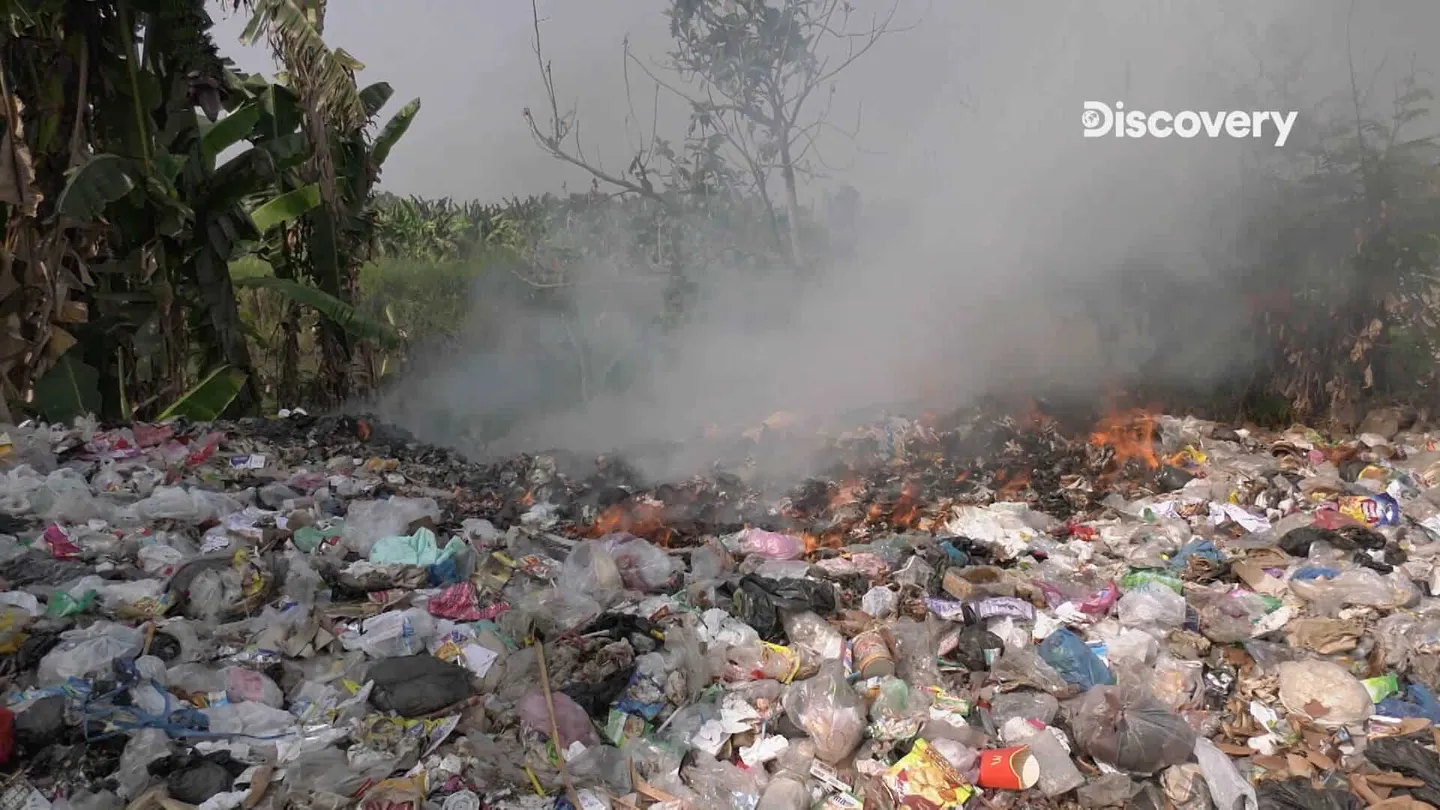
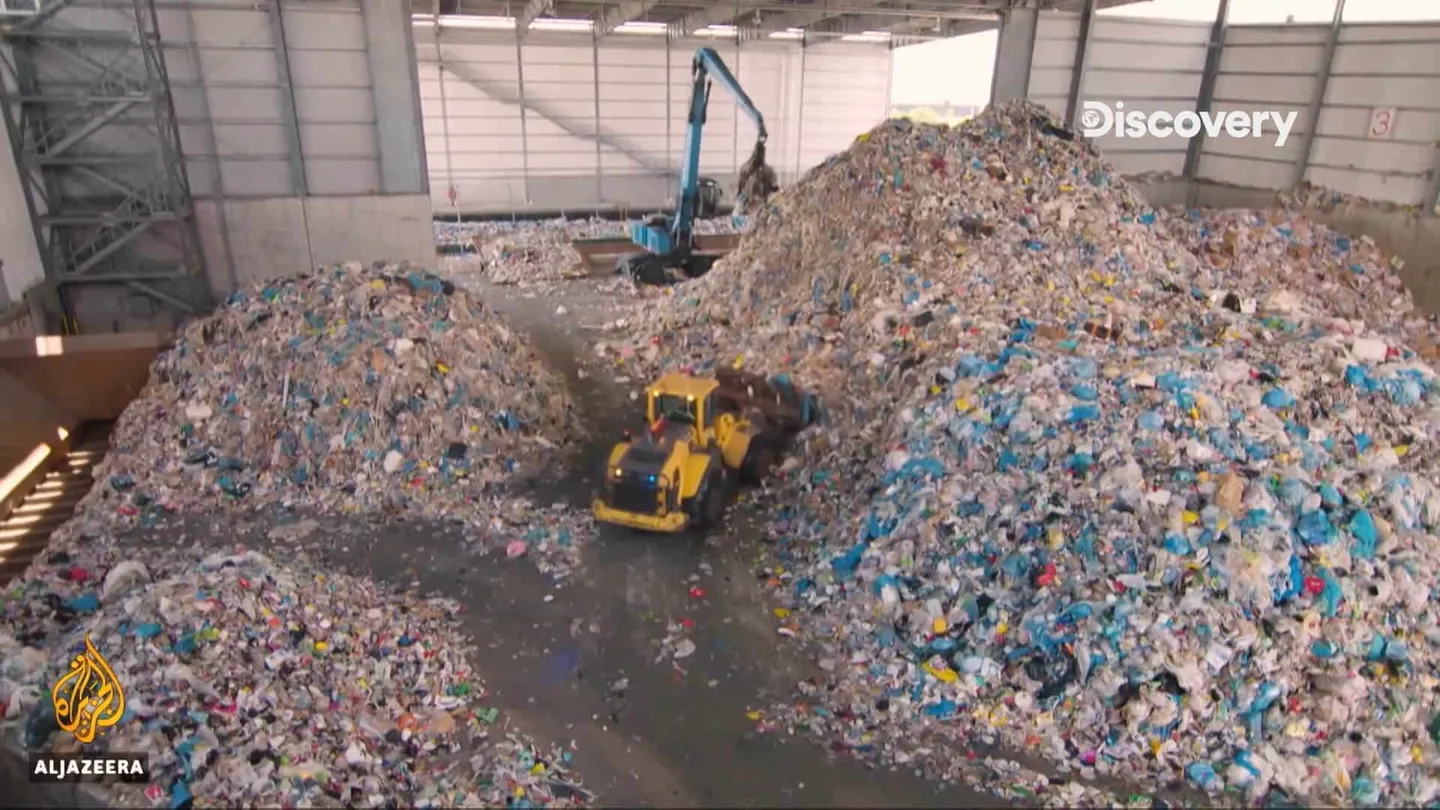
Wastewater generated from washing waste plastic, and toxic substances produced from incineration, both cause significant harm to the environment and to human health.
June 8 is World Oceans Day. The ocean is the lungs of the Earth — the majority of the oxygen we breathe is provided by the sea. This year, the United Nations has set the theme for World Oceans Day as "Innovation for a Sustainable Ocean." Yet, ironically, despite growing environmental awareness and governments around the world rolling out plastic reduction policies and campaigns, and consumers becoming ever more diligent about recycling, the wastewater generated from washing waste plastic and the toxic substances produced from incineration continue to cause significant harm to both the environment and human health. And by 2050, there will actually be more plastic in the ocean than fish.
Discovery Channel's World Oceans Day special will take you inside The Plastic Truth, exploring this environmental issue and asking who should be held responsible for this string of ecological tragedies putting the planet's health on red alert. Are governments around the world still at a loss when it comes to environmental issues like this? Tune in to Discovery Channel's World Oceans Day special, The Plastic Truth, on Monday, June 8 at 10 p.m. — join us as we go back to the beginning and uncover the full extent of the disaster caused by the plastic deluge.
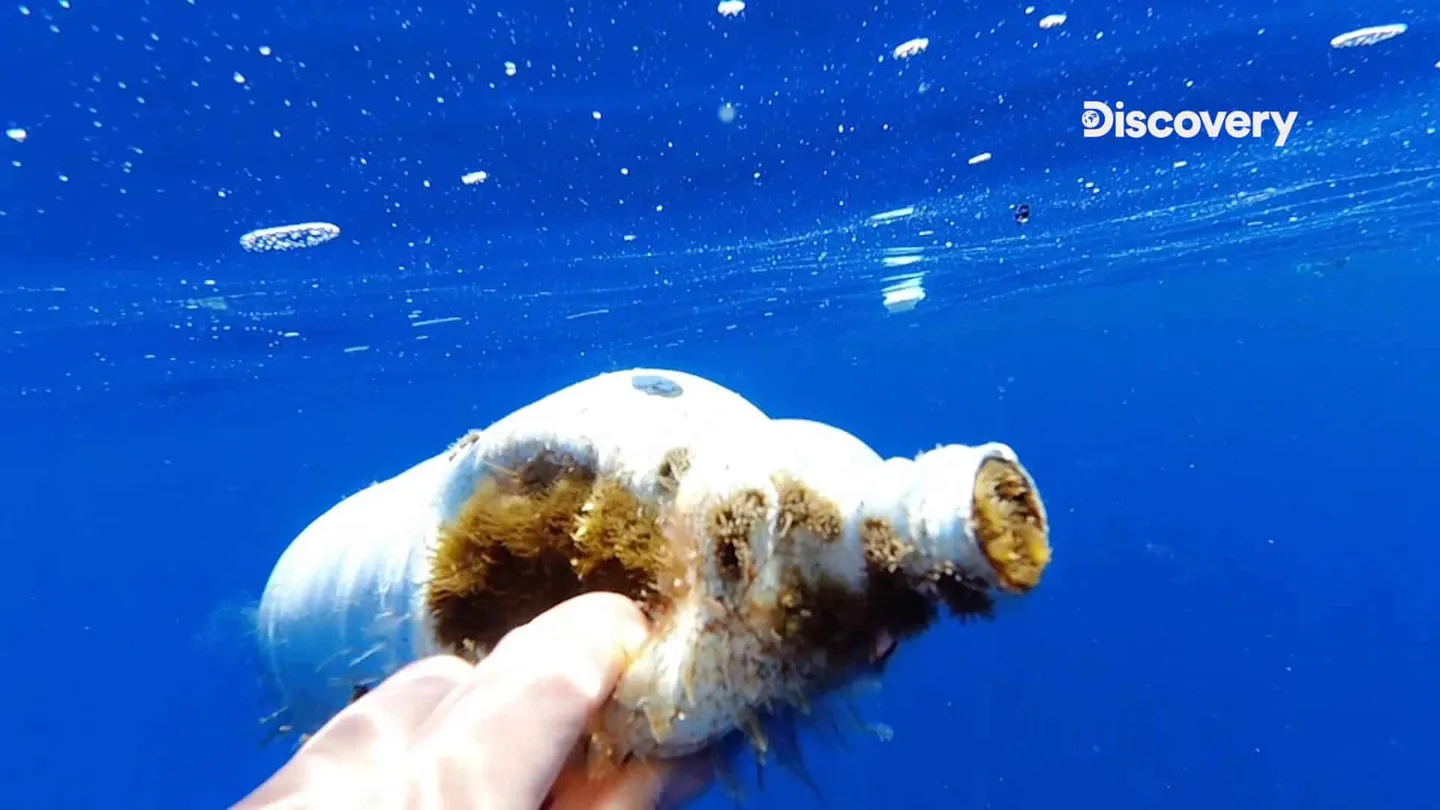
Up to 40% of what Filipino fishermen catch is plastic debris. Scientists grimly predict that by 2050, the amount of plastic in the ocean will exceed the amount of fish.
Garbage Shortening Human Lifespans by 20 Years? More Plastic Than Fish in the Ocean by 2050? Who Is Responsible for the Ocean's Lament?
After the global hardships of the Great Depression and World War II, consumerism surged and the plastics industry flourished. Touted as "the greatest invention of the modern age" for its toughness and durability, plastic's very "strengths" are precisely what make it an environmental killer. More than 90% of plastic is derived from fossil fuels — meaning the oil companies we all know are simultaneously major plastic producers. In Delhi, India, a city of over 15 million people, the Ghazipur landfill is expected to absorb nearly half of the entire city's waste, with devastating consequences for the environment. Research shows that residents in the surrounding area have had their average life expectancy reduced by 15 to 20 years. Local residents say helplessly that the only legacy plastic products have left behind is mountains of garbage. Seafood and fish are a crucial part of Filipino food culture. One fisherman from Manila Bay mentioned that up to 40% of what he catches is plastic debris. When researchers examine conditions across the world's oceans, they find plastic content far exceeding scientific expectations — marine plastic debris increases by 8 million metric tons per year, the equivalent of one truckload of plastic waste being dumped into the ocean every minute, day after day. Scientific literature grimly predicts that by 2050, the amount of plastic in the ocean will surpass the amount of fish. Plastic is truly everywhere in our lives: the latest research sampling has found that 83% of tap water and 93% of bottled water worldwide contain plastic particles.
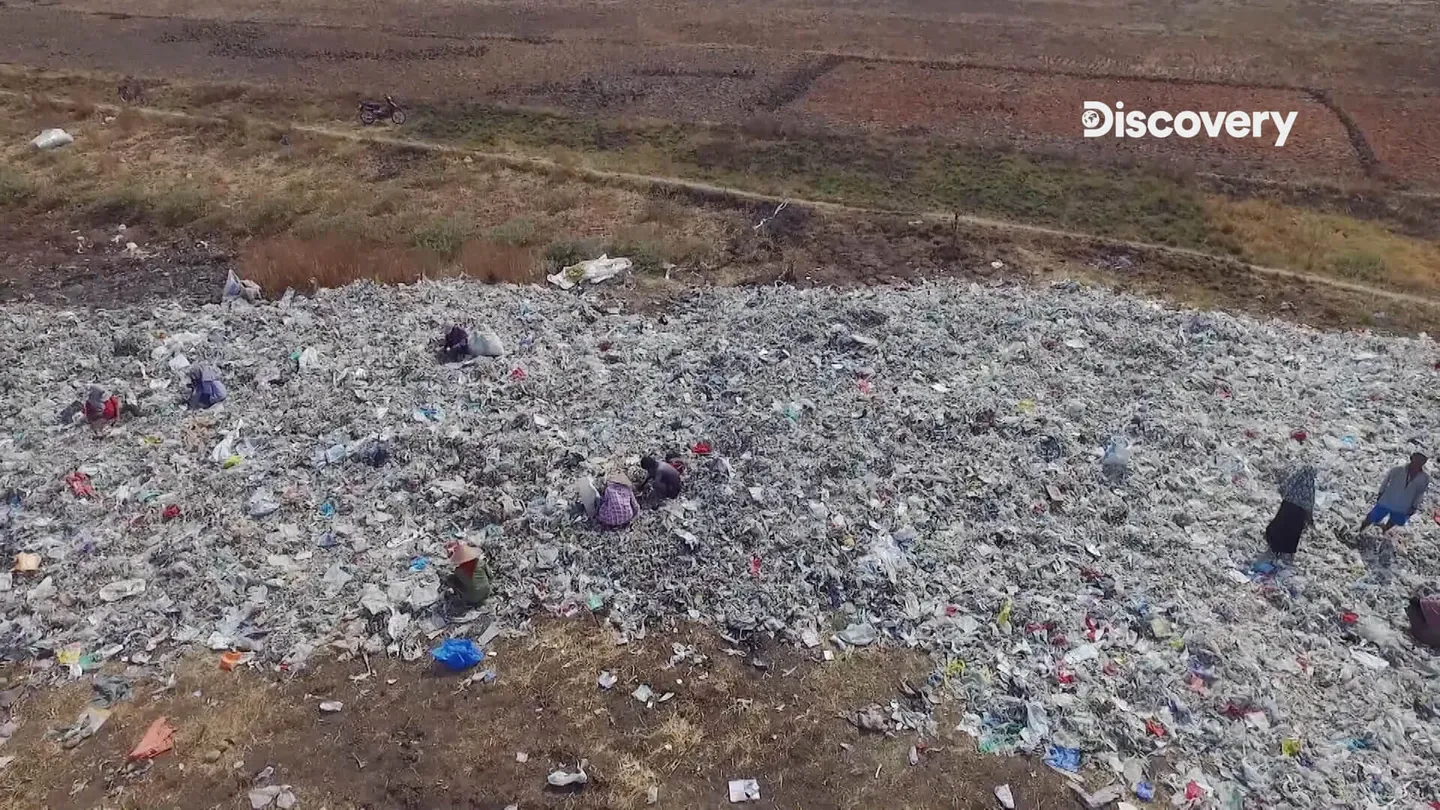
Third World countries, lacking complete infrastructure for waste management and collection systems, are destined to face a natural disaster of plastic pollution that their people simply cannot bear.


The Plastic Crisis in Third World Countries — Regulating Multinational Corporations Is the Only Cure!
Before plastic products were widely used in everyday life, people were accustomed to storing food in reusable containers like glass jars, and the public was used to eating fresh, unprocessed ingredients rather than fast food wrapped in layer upon layer of plastic packaging. But when multinational corporations began selling their products in Third World countries using non-recyclable multilayer packaging, plastic waste accumulated at an ever-increasing rate. With incomplete infrastructure for waste management and collection systems, these countries are destined to face a natural disaster of plastic pollution that their people simply cannot bear.
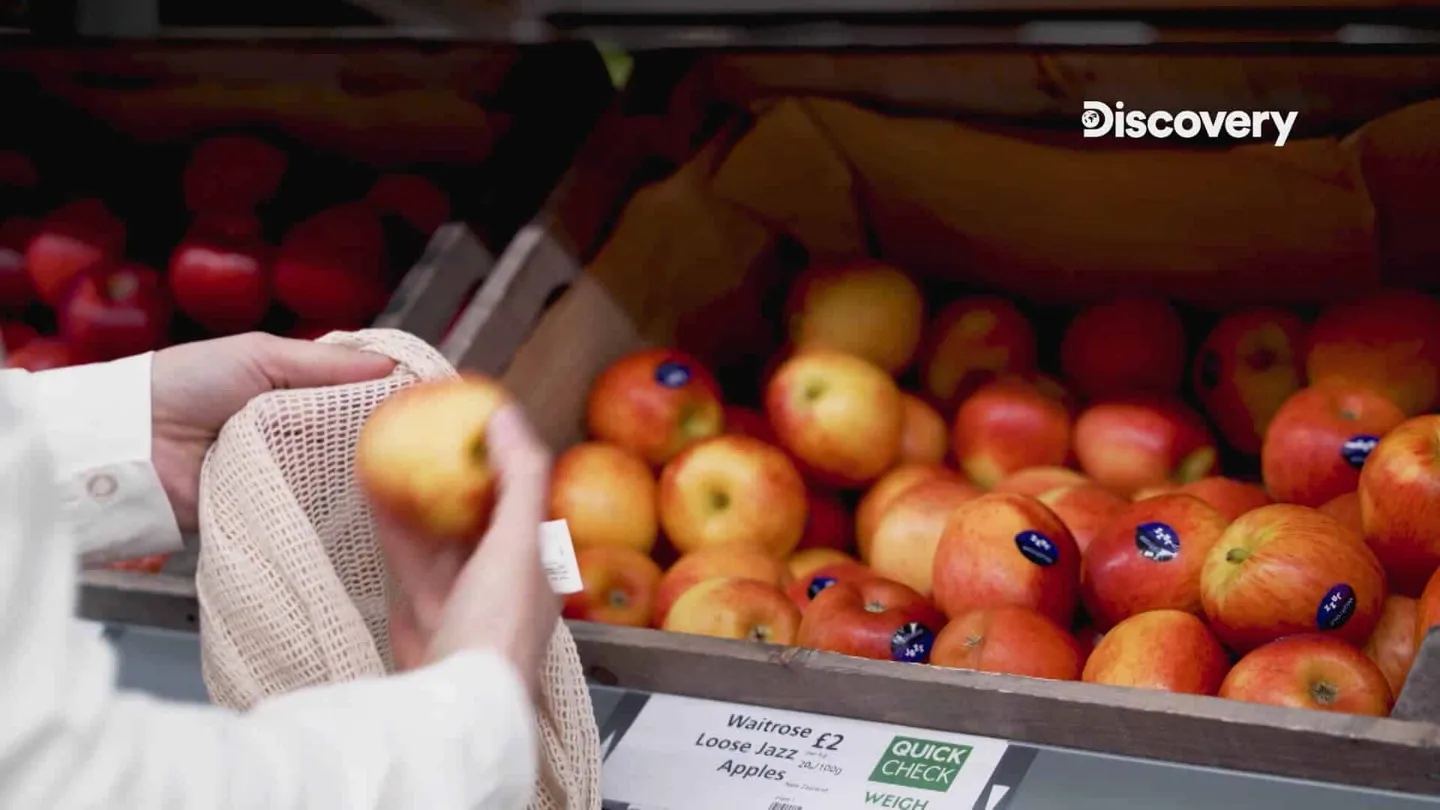
Ending the production of single-use plastic products and seeking alternative materials to replace existing plastics is the only way to truly solve the plastic problem once and for all.
In the past, Western nations frequently bundled their waste and shipped it by container to China, selling it to Chinese recyclers. However, after China launched its "National Sword" policy and banned waste imports, it was a wake-up call that forced Western countries to finally confront this indestructible enemy — plastic — and to think about reducing plastic from the point of production. After all, those who tie the knot must untie it. The truly definitive solution to the plastic problem, therefore, is to hold manufacturers accountable, end the production of single-use plastics, and seek alternative materials to replace existing plastic products. Discovery Channel's The Plastic Truth premieres on June 8 at 10 p.m. — join Discovery as it traces the issue back to its roots, uncovers the secrets hidden behind plastic, and compels us all to confront the necessity of living with less plastic.

Touted as "the greatest invention of the modern age" for its toughness and durability, plastic's very "strengths" are precisely what make it an environmental killer.
Discovery Channel
Discovery Channel is the flagship television channel of the Discovery Communications Group, dedicated to producing the world's highest-quality factual programming and one of the most dynamic television channels in existence. Launched in 1985, Discovery Channel currently reaches 220 million households across the Asia-Pacific region. Discovery Channel offers viewers the richest and most diverse selection of high-quality factual entertainment, spanning classic wildlife documentaries, science and engineering, history and civilisation, culture, and adventure. To learn more about Discovery Channel, visit www.discoverychannel.com.tw or search "Discovery 頻道" on Facebook.
Further reading:

![[Animal Planet] Sperm Whales Are Masters of Time Management! They Sleep Only 1.7 Hours a Day?! The "How Much Do You Know About Marine Animals?" Quiz Takes You on a Journey into the Incredible Ocean Universe](https://pub-7117f6d00fe54a2fb80f641ab6cb850d.r2.dev/posts/2020-06-04-animal-planet-taiwan/images/抹香鯨是世界上最大的齒鯨,牠一天只花-7_的時間在睡覺,睡眠時間比其他哺乳類都還要少。.jpg)
![[NCCU Diving Club] Reflections on a Beach Cleanup: A Little Inconvenience for Us, Infinite Opportunities for the Ocean](/_astro/94387669_2786902881408514_3988714893476888576_o_mQFSh.webp)
