Contents(7)
Melbourne is a city beloved by many backpackers visiting Australia. Beyond its stunning cityscape, it offers an abundance of artsy cafés, street art — graffiti murals and buskers performing on every corner — and an incredibly convenient public transport system. The first time I walked through the streets of Melbourne, I felt like I was back in Singapore: people of every nationality from around the world, with a significant Chinese community among them. Most well-researched backpackers already know all of this — but did you know you can also go scuba diving in Melbourne?
Getting There & Geography


Melbourne Dive Sites
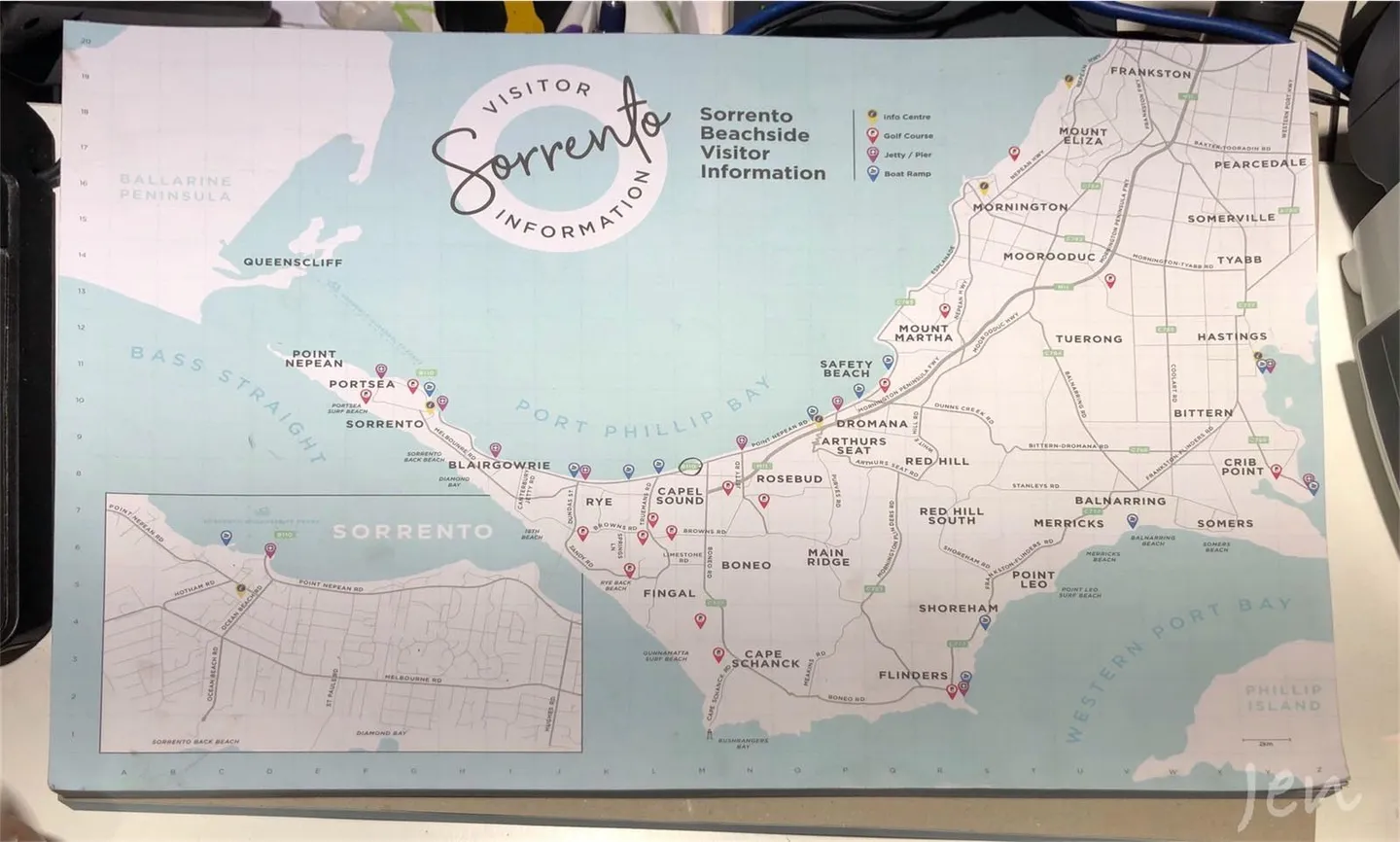
Along the southern edge of Melbourne, in the Sorrento Beachside area — including Portsea, Blairgowrie, Rye, and Flinders — you can do shore dives at a number of spots. If you've dived in northern Taiwan, you've probably experienced renting a scuba tank, gearing up, and jumping in with friends — shore diving here works exactly the same way! In addition to shore diving, there are also boat dive operators offering trips you can book.
Although these spots are technically in the greater Melbourne area, they're still a fair distance from the city centre. I'd strongly recommend gathering a group of friends to rent a car, since you can also make a stop at the famous colourful beach huts along the way. Driving from the city takes just over an hour, whereas taking public transport requires two transfers and at least three hours. On this trip, I'd connected with someone online to drive out together, but we didn't coordinate a return journey — which meant I had no way to get to the pier the next day for the boat dive or the night dive. A real shame.
During this trip, I stayed at the dive company's diver cabin. It was very comfortable and had a dedicated area for drying gear. The downside was that it was a bit too far to walk to either the boat dive or shore dive sites. On the plus side, staying at the cabin is a great way to meet fellow divers — one of the most rewarding parts of any dive trip. Over my two nights there, I got to know George, the person responsible for PADI Asia-Pacific instructor examinations. Sharing my own experience of becoming an instructor and discussing teaching philosophies with someone of his stature was genuinely exciting. I later found out that George was there to teach a technical diving instructor training course — yet another eye-opening revelation.
Gear
If you're in Australia without your own gear and want to dive here, the boat operators won't kit you out — but you can rent equipment from local dive shops. (If you have your own gear but no weights, don't forget to rent those too!)
The following two shops are recommended by the boat operator:
Extreme Watersports
Address: 1621-1623 Point Nepean Rd, Capel Sound VIC 3940
Phone: 03 59823432
Scuba Doctor Dive Shop
Address: 1/49 Peninsula, Rye VIC 3941
Phone: 03 59851700
Both shops fill tanks to a very high pressure, which is why the boat company recommends them. That said, if you're fine with around 200 bar, you can also try the shop below. For shore diving only, this one is actually quite convenient since it's very close to one of the shore dive sites — though gear rental does seem to be slightly more expensive there.
Bayplay
Address: 3755 Point Nepean Road, Portsea VIC 3944
Phone: 0359840888
The person I dived with didn't have their own gear, so we rented equipment from Extreme Watersports and filled our tanks at Bayplay. One important thing to note: shops in Australia generally close early, so make sure you're aware of the return times.
Shore Diving
On this trip, my dive buddy and I did two shore dives in a single day. When you rent a tank from the dive shop, they usually have a map of the Sorrento area showing all the shore dive entry points (typically the jetties of small piers in the area). It's worth asking the shop staff for a quick briefing on where to go once you're in the water. If you're not confident in your diving skills, you can also hire a dive guide — though personally, I think it's fine to just follow the shop's guidance.
If you have your own gear, the only shore dive expense is the tank rental fee of AU$20–25.
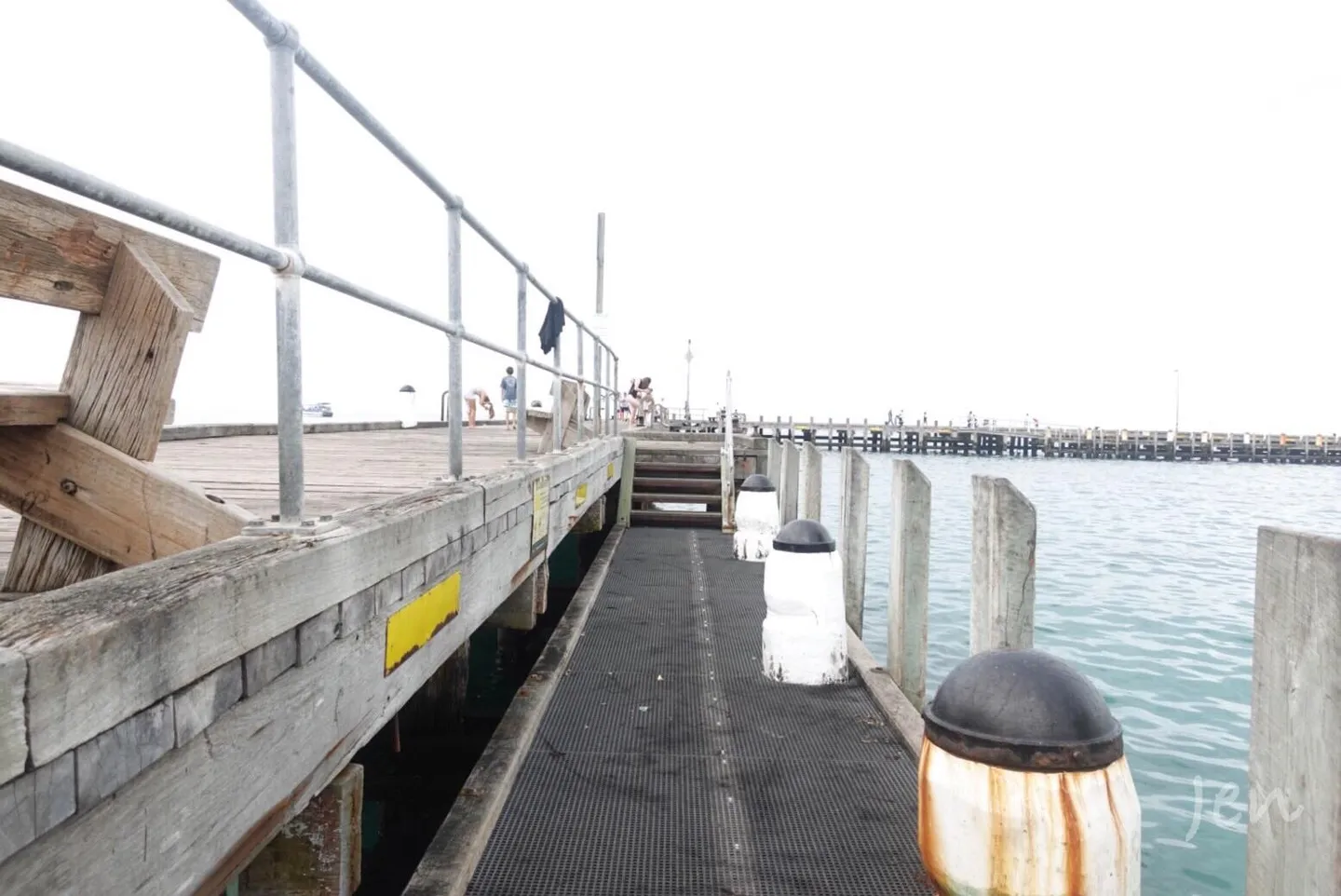
Entry point for the shore dive
For our first dive, we entered the water at Portsea Pier using a giant stride entry from the jetty. After descending, we followed the pier to the left — the right side is used by boats coming and going. This dive lasted 80 minutes! Because the shore dive depth was only around 5 m, I still had about 110 bar left after 80 minutes, so I'd recommend booking a 12 L tank for shore dives here.
This site is famous for one particular celebrity creature: the Weedy pipefish! Early in the dive I only found a few sea slugs, but near the corner at the end of the pier I spotted one pipefish, and the three of us immediately got excited and followed it. Pipefish don't swim particularly fast, and they occasionally spin gracefully — absolutely beautiful. Near the far end of the pier, there was also a smaller individual. Having recently bought a camera, I chased them around for ages trying to get the shot. Beyond pipefish, anyone who loves underwater photography — especially macro — will absolutely love this site. Compared to dive sites around Cairns, there are far more shrimp, crabs, and nudibranchs to photograph here, making it a fantastic practice ground for underwater photography beginners like me.
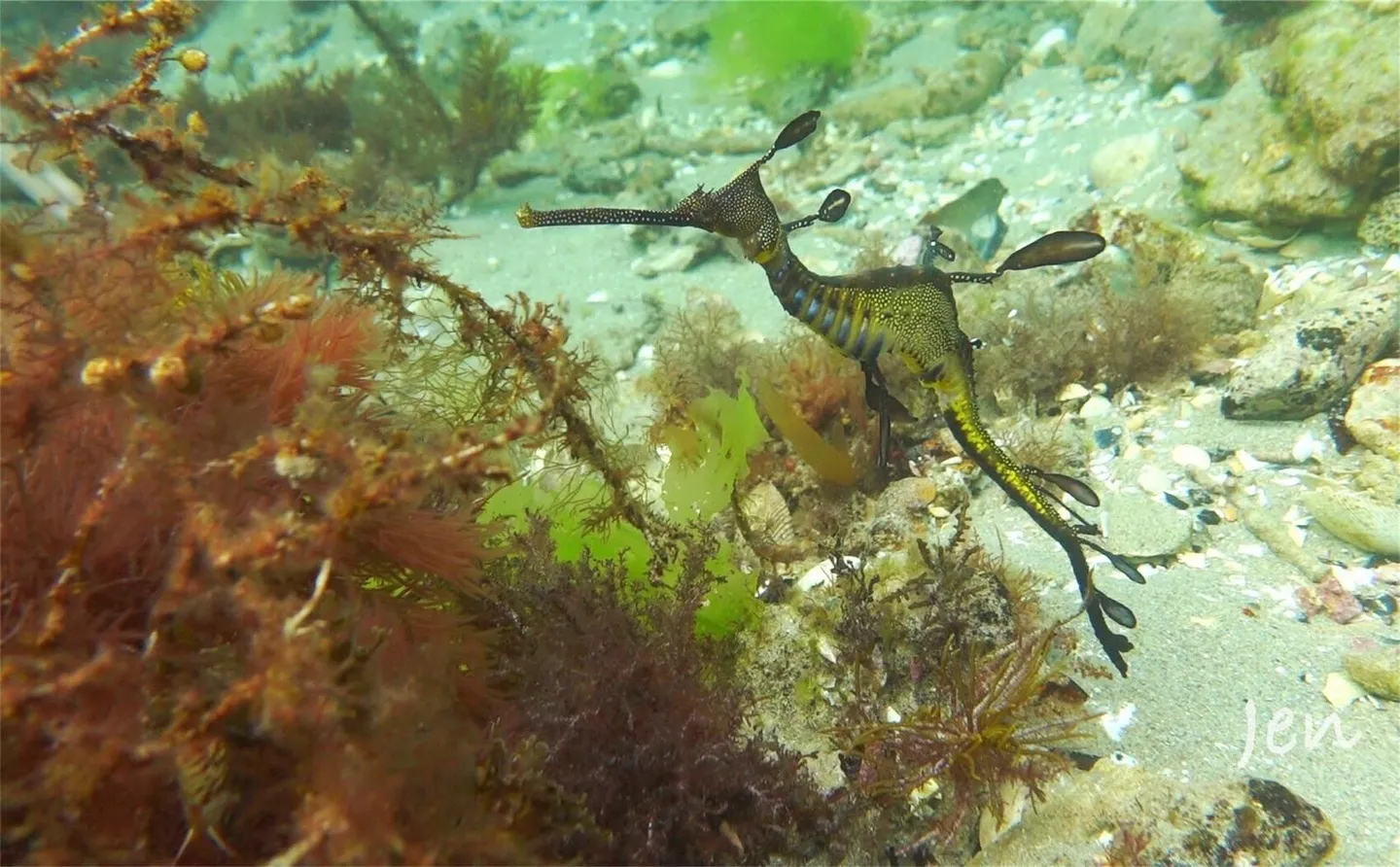
澳洲墨爾本潛水 大堡礁 潛水 海豹 海龍
For our second dive, we refilled our tanks at Bayplay and headed to Blairgowrie Pier. There is one very important rule at this site: do not swim out beyond the underside of the pier, as passing boats could seriously injure you. That might make the accessible area sound small, but there's actually plenty to discover!
I found a wide variety of shrimp, spotted a Cowfish, a Spider Crab, two different species of seahorse, and even watched a massive Small-eyed Ray glide past! The only thing that drove us out of the water was the cold — the water temperature was around 17–20°C — otherwise I would have happily stayed longer. The people who live here are so lucky. I saw parents taking their whole family in together, and photographers heading down alone in search of treasures.
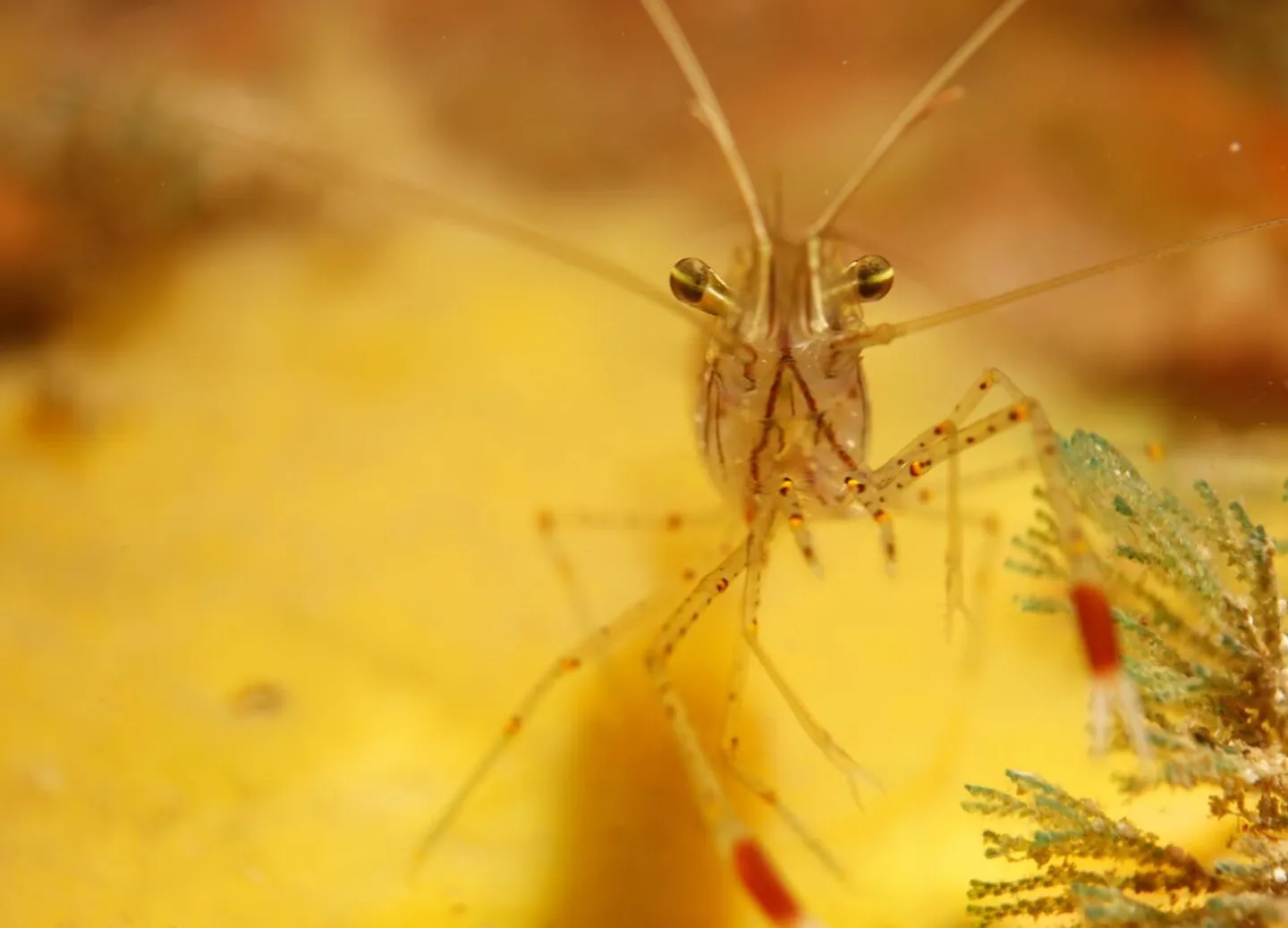
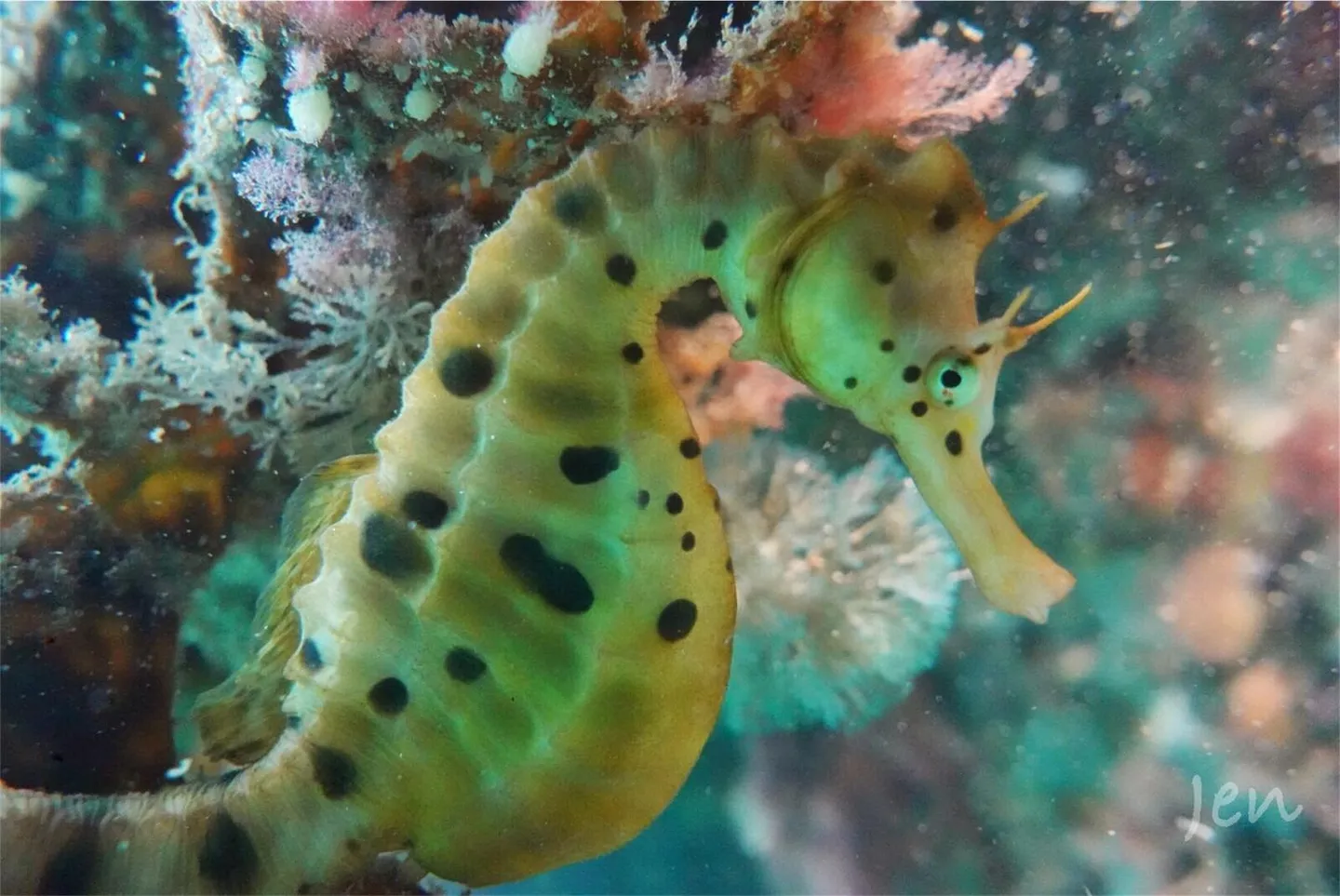
澳洲墨爾本潛水 大堡礁 潛水 海豹 海龍
It's currently summer in Australia, and the water temperature for both shore dives was around 18–20°C. I wore a 5 mm Forth Element semi-dry wetsuit and only called it on both dives when I started feeling genuinely cold near the end. I'd strongly recommend going with a 7 mm wetsuit and a hood.
Boat Diving
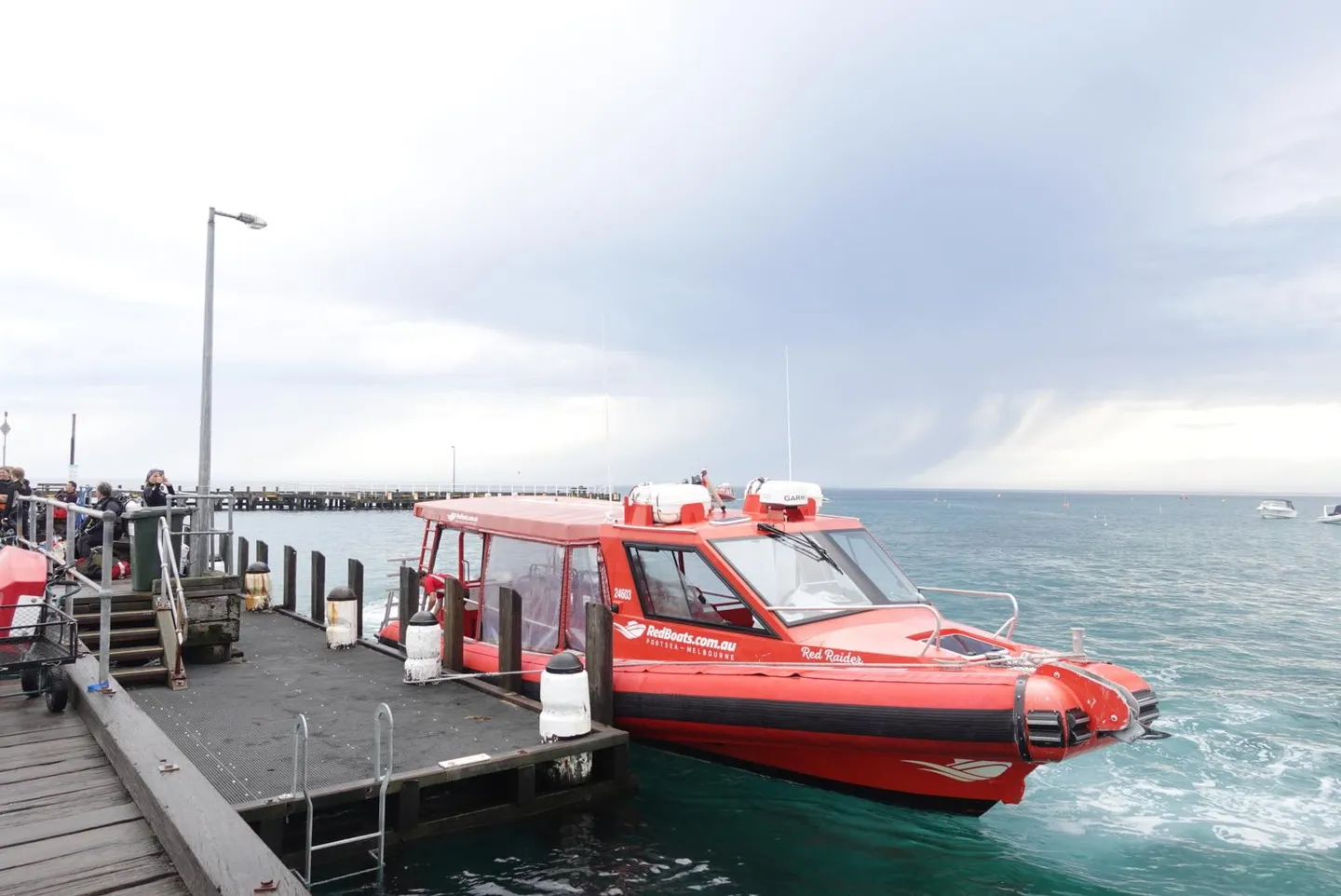
Redboat's vessel
This boat dive company was recommended to me by a Korean instructor (the same one who dived the S.S. Yongala with me). Local Melbourne divers I know also highly recommended them, so my friend and I decided to book two boat dives.
Redboat
Address: Portsea Pier, Portsea VIC 3944
Phone: 0400068627
This boat company is locally run, and I have to admit I was a bit confused about how to make a booking when I first went. So let me walk you through it in detail. Note that nobody there speaks Mandarin, which may be a challenge if your English isn't strong — if you have any questions about booking, feel free to DM me on Instagram and I'll do my best to reply! (No sponsorship involved — I just want to save you from the confusion I caused the owner, and maybe make it up to him a little.)
The owner is an Australian named Luke. Through his involvement in technical diving, he discovered that the seabed near his hometown is littered with decommissioned ships and submarines. Luke told me there are over 50 wrecks in the Victoria region alone, including no fewer than seven submarines! After World War II ended, Britain decided to gift all seven submarines to Australia. The Australian government was thrilled and named them J1 through J7, feeling like they'd struck gold — until they discovered that J6 was completely broken, and the other six had various problems too. Even the functional ones were too expensive to operate, so the Australian government simply sent all seven submarines to the bottom of the ocean. "It sounds a bit funny in hindsight, but this is probably the only place in the world where you can find this many submarines in one go!" Luke told me with a laugh.
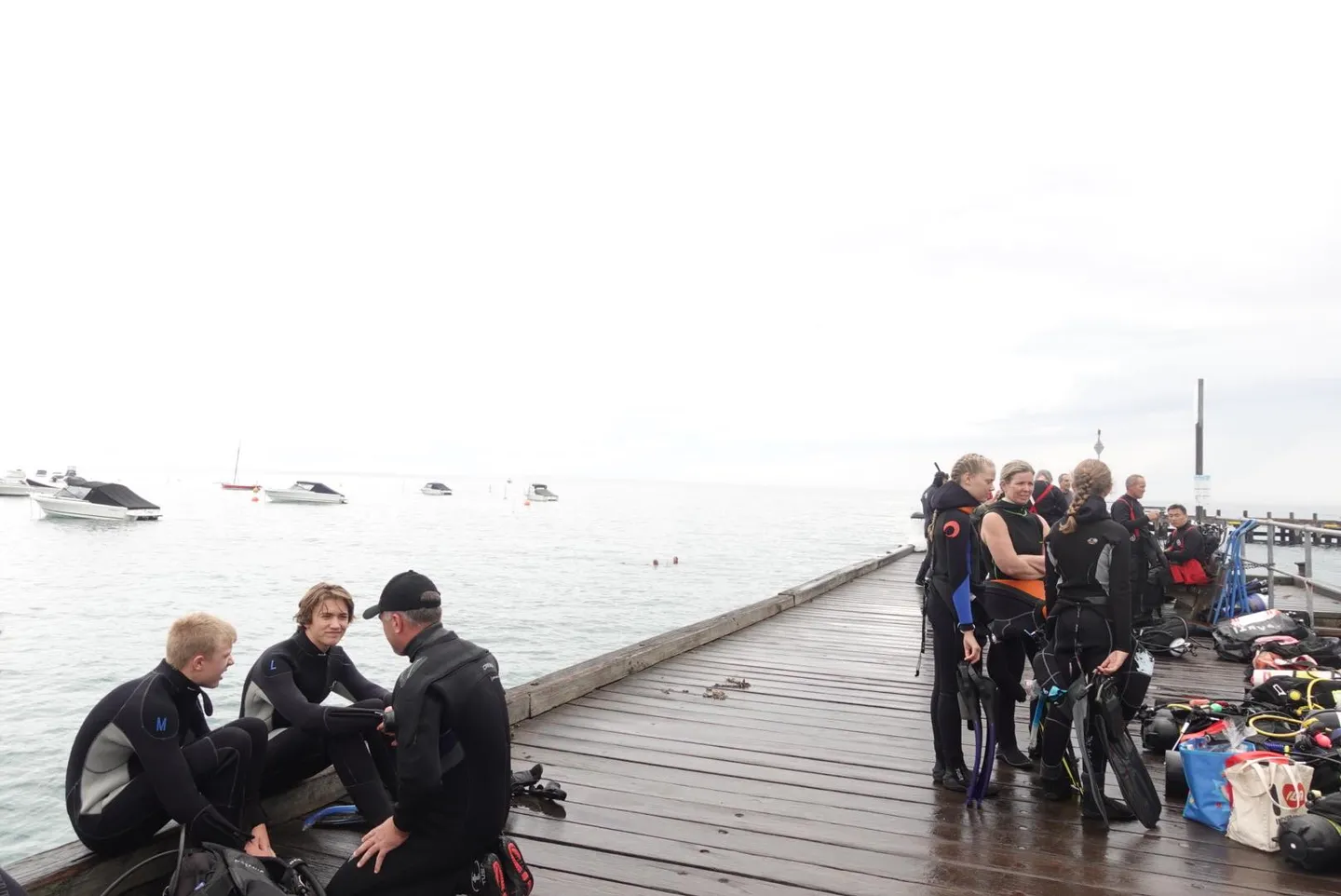
Booking Your Trip
Typically, two boats go out each day — one mainly for recreational divers and one primarily for technical divers. Some passengers are there to snorkel, some to dive, and others are on board to go spearfishing! Before booking, you need to confirm that you have all your gear, including weights. If you don't have weights, let Luke know in advance. Then head to the schedule on the official website and book whichever boat dive you'd like to join. After each dive, the boat returns to pick up a new group — so if you find that the dive site you want is on a different boat, as long as the times don't clash, go ahead and book it. If you're unsure which site suits your level, you can also message the Redboat Facebook page before booking; they're very friendly and will get back to you. Boat dives are AU$65 per dive, except for HMAS Canberra which is AU$75. Tank rental is an additional AU$25 and is paid separately. All payments are made online by card. It's not cheap, but I think it's absolutely worth it.
For our first dive, we joined the technical diving masters at a more advanced site. Our group of four teamed up with a sidemount diver — a very cool guy who was heading down to catch lobster. In Victoria, spearfishing and catch-diving with scuba is permitted, but you must hold a licence and are subject to catch limits.
The boat dive format here is simple: crew members brief you on the entry procedure, and then you follow your dive plan from there. During the briefing for our first dive at Spectacular Reef, I kept hearing "turn around when the current changes direction" — there was no mention of tank pressure as a turn-around point at all. Why would you turn around based on current direction?
At first I assumed I'd misheard, and I kept checking with my friend and with Luke. "The current will change before you hit 120 bar," they told me confidently. Sure enough, once we were actually underwater, we descended against a slight current and found a large meadow of seagrass at around 17 m. We then swam northeast to the wall we were targeting, drifted along with the current for a while, and then — the current genuinely reversed direction. We rode it all the way back, and the whole experience was amazing. You could feel the shift in the current so clearly. The marine ecosystem here was completely different from anywhere I'd dived before: entirely different species of fish and coral, almost none of which I'd ever seen, with particularly vivid and colourful sponges.
For our second dive, we headed to Pope's Eye — a small bay (I'm not entirely sure how to describe it) that was built from stone during wartime as a tiny fortification. Apparently it's also Australia's smallest marine protected area (MPA). The rocks were absolutely covered in birds, and the crew told us these birds can dive down to 13 m — so if you spot something during your dive that looks suspiciously like a bird, trust your eyes. It is a bird!
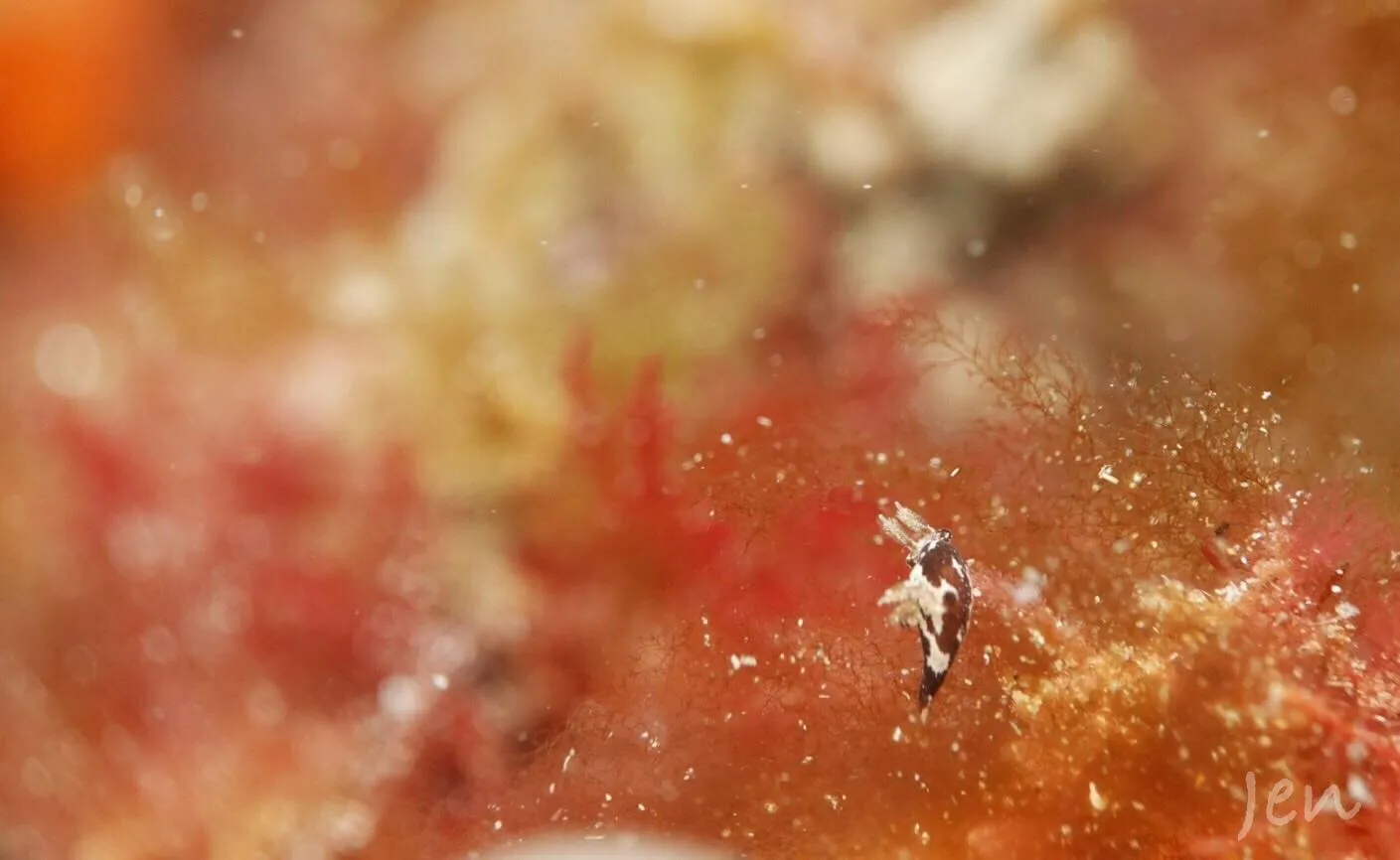
This site is much more accessible than the first and is popular with visitors. Local Open Water Diver (PADI/SSI cert) courses use it for their open water training dives. There were incredible numbers of nudibranchs less than half a centimetre long. About 40 minutes into the second dive, I was shaking from the cold and signalled to my dive buddy that I was heading up to warm up. About 10 minutes later, everyone else surfaced and climbed back onto the boat.
Think that's where the day ends?
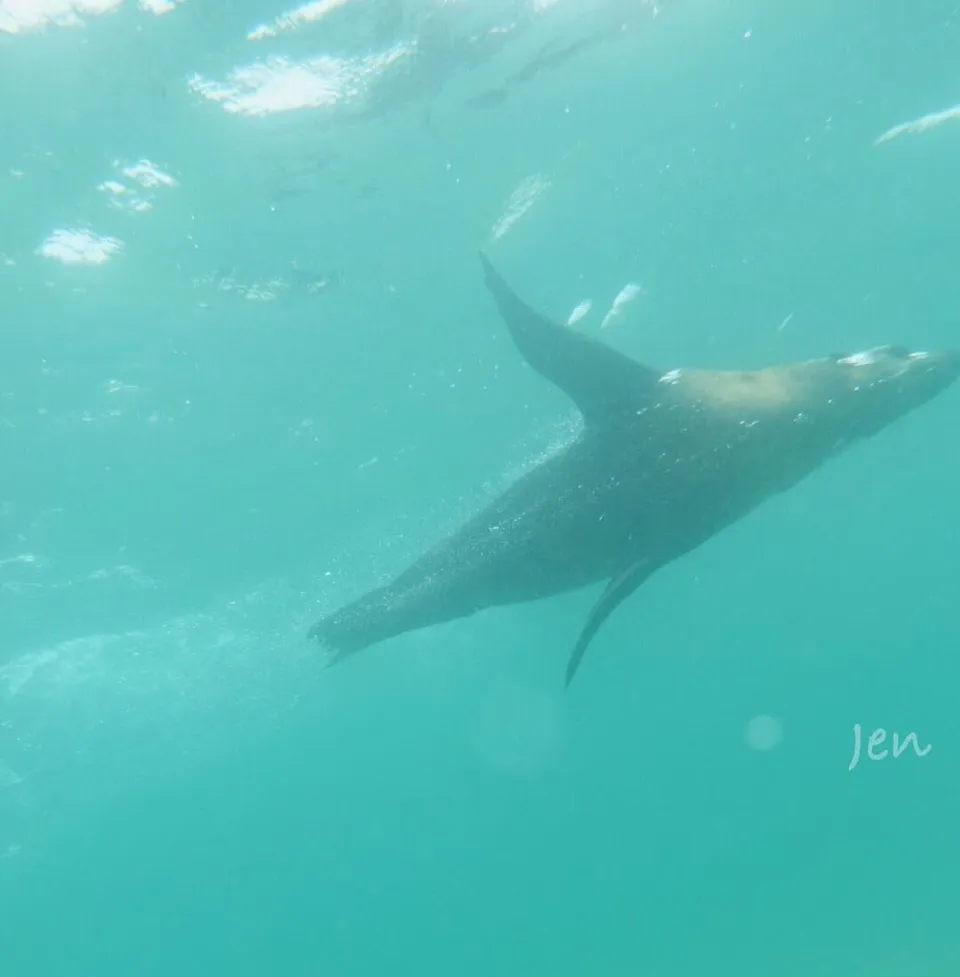
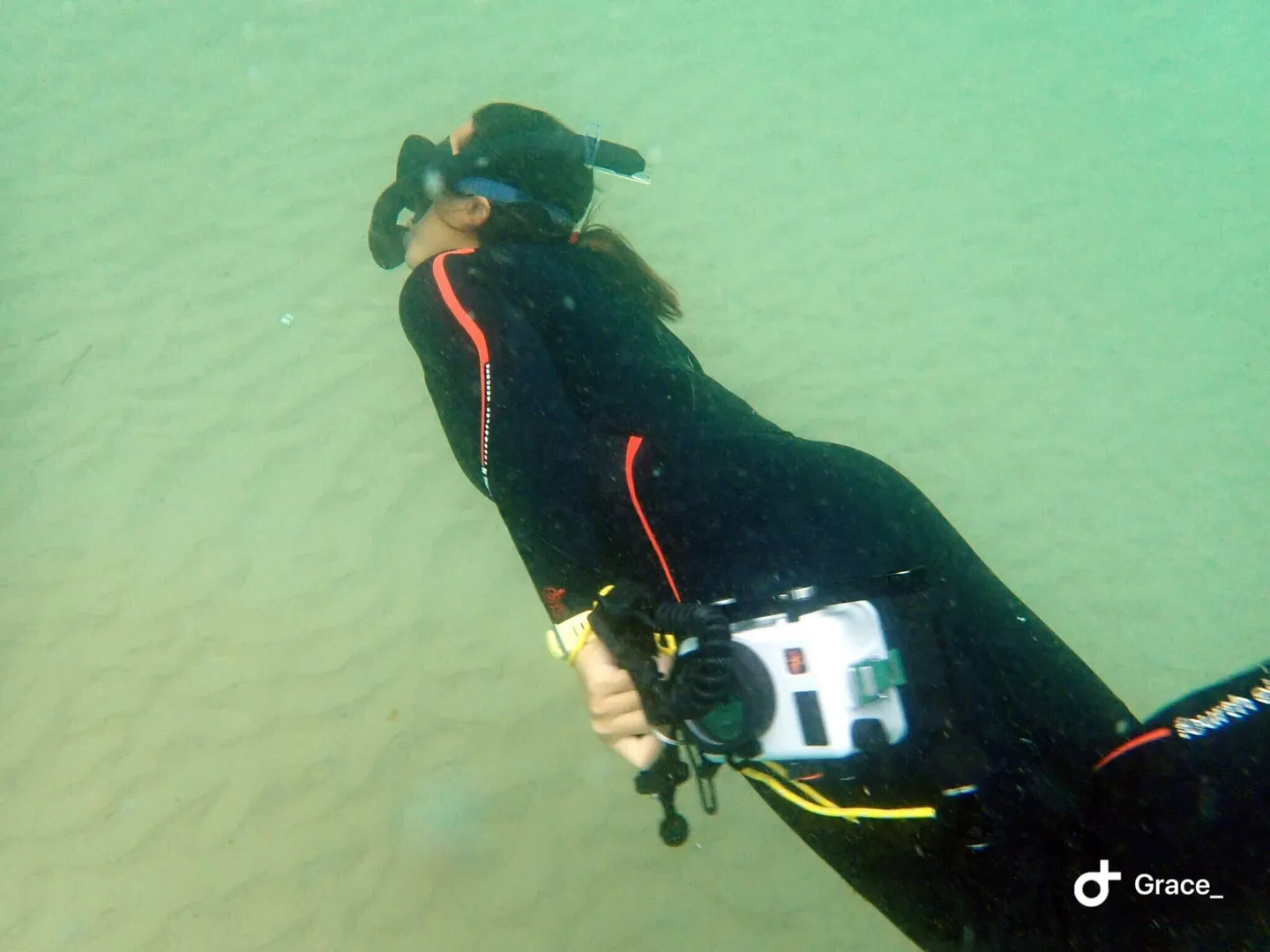
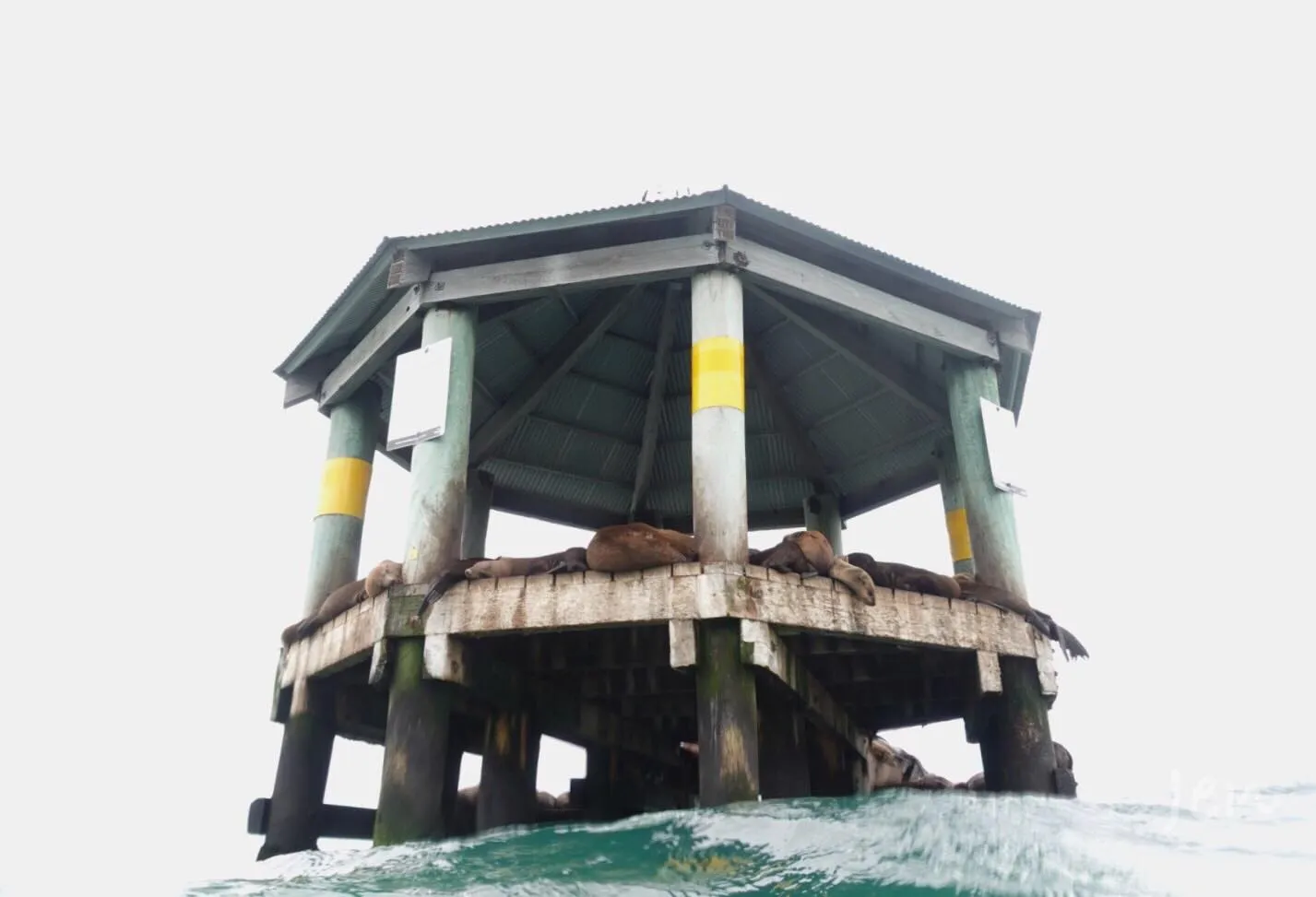
After the dives were done, the boat headed to Chinaman's Hat and dropped everyone in to snorkel! At this spot, at least 30–40 seals were lounging on a rocky platform, with a few jumping into the water for a swim — and that's when everyone got to swim alongside them! We were also lucky enough to spot a Marbled Ray about 1.5 m across hunting crabs.
Afterword
Perhaps because I met so many incredible people on this trip — especially after chatting with George and that group of soon-to-be technical diving instructors — I came away with a deep sense of how much more there is to learn in the world of diving. One of the divers worked at an aquarium and shared all sorts of fascinating stories. A few others recounted their own encounters with Great White Sharks. But above all, this trip made up my mind: before I leave Australia, I'm going to learn drysuit diving. I'll share that experience when the time comes!
Also, these articles take me several hours to write. If you enjoyed this one, please feel free to share it — just include a link back to the original source. Thank you all!
Related links:
-
Exploring Australia's Mysterious Shipwreck in Strong Currents — S.S. Yongala
-
Looking for Direction in Life? Try an Unforgettable Dive-and-Work Experience in Australia!
-
Swimming with Minke Whales on the Great Barrier Reef — A Dream Australian Voyage
-
Diving Safety is Non-Negotiable — Meet the Diver's Guardian: the Lookout
Frequently Asked Questions
How is a BlueTrend dive trip different from an unknown, no-name dive group?
Choosing us means full peace-of-mind protection and a smooth experience from start to finish. Every trip we run holds to three things.
First, full legal protection and a professional dive leader: we strictly follow Taiwan's travel regulations and provide complete travel-agency liability insurance, travel insurance, trip-inconvenience insurance and dive insurance. Every group is accompanied by a certified, foreign-language dive leader who joins you on both the dives and the land itinerary, liaising seamlessly with local dive shops and operators on your behalf to keep things running smoothly — the person our travellers trust most.
Second, fully licensed with secure payments: every payment goes into a licensed travel agency's account, with multiple safe payment channels (bank transfer, credit card and more) and a legal collect-and-remit receipt, so every transaction is open, transparent and protected, avoiding the fraud and dispute risks of transferring money privately to an individual.
Third, hand-picked quality we vet in person: every trip, dive site and partner shop is scouted on the ground by our own team, from the guides' professionalism and safety standards to the food, lodging, environment and service details on land, all vetted by us so you don't get caught out.
I want to sign up for a dive trip. Are there certification-level or logged-dive requirements?
Each dive site is different, so the entry bar varies. 'Bali Tulamben', for instance, is relatively beginner-friendly. 'Malapascua in the Philippines' is also beginner-friendly, but since thresher sharks tend to cruise between 20 and 30 metres, we recommend AOW certification with 20+ logged dives to enjoy this trip comfortably. For 'the Maldives' or 'Palau', we suggest AOW with 50+ logged dives for a more relaxed experience. If you're not sure whether your experience fits the trip you want, message us and our dive editors will assess it and help you find the trip you'll feel safest on.
Can I join if I'm signing up alone? How are rooms arranged?
Plenty of our travellers sign up solo! For rooms and beds, we prioritise pairing you with a same-gender traveller, and if you'd rather have your own space you can pay the difference to upgrade to a single room. For the diving, our professional leader will pair you with a suitable buddy, and with the happy vibe on our trips you'll quickly make a great group of dive friends. Many people sign up alone, make new friends, and end up organising the next trip together!
Does the trip fee include dive insurance, gear rental, taxes and instructor tips?
It depends on the trip, the destination's regulations and the local operators. Every BlueTrend dive trip has a detailed web page with a clear 'included / not included' list, transparent and with no hidden charges. All payments are collected by a licensed travel agency, with a standard-form contract for your protection.
I'm a new diver / haven't dived in a long time — will I fall behind the group?
Before you complete your booking, our team assesses a suitable trip based on your certification level and experience. Before departure, we strongly recommend taking time to refresh in Taiwan with an instructor, or a fun dive to get your feel back. On the trip itself, our professional dive leader groups and pairs everyone by experience, keeps a close eye underwater on travellers who need extra care, and steps in to help right away.
Will the photos and videos taken during the trip be shared with us?
During the dives, 'safety' is always the leader's top priority, so whenever it's suitable and safe the leader will capture great shots and record the best moments. During or after the trip, we compile a cloud album for all travellers to download, so you go home loaded with memories!
Besides your scheduled trips, can you arrange a private group charter or independent travel for me and my friends?
Absolutely! Besides group trips, we also arrange private group charters and independent travel. We can communicate, enquire and coordinate services with local operators based on your needs, saving you time and effort and taking the language barrier off your plate, to tailor the smoothest, most reassuring dive trip just for you. Contact our LINE support and our editors will arrange it for you!