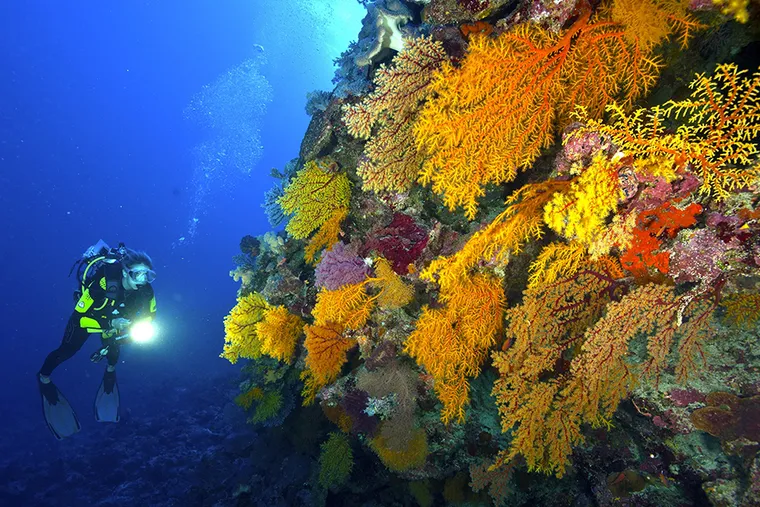
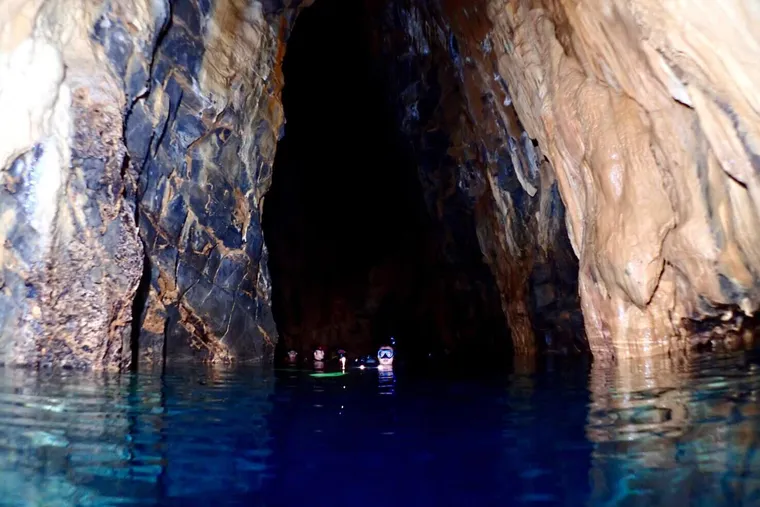
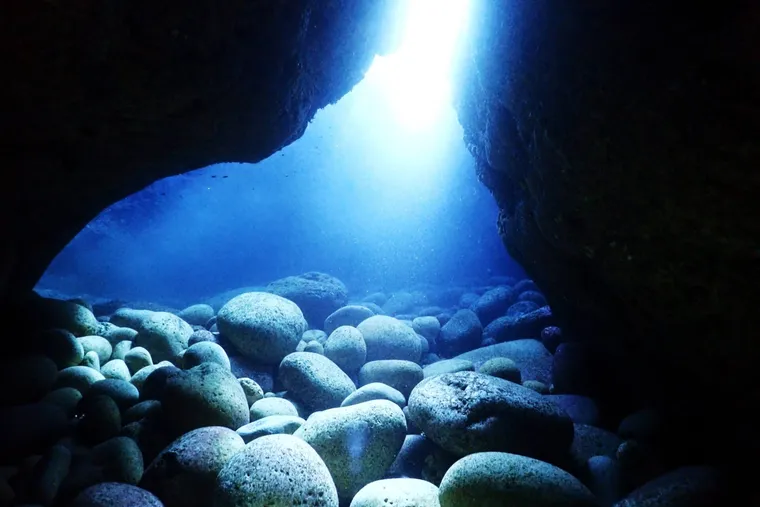
Contents(12)
- The Great Barrier Reef, Painted in Living Coral
- The Great Barrier Reef's Revival Plan
- The Incredible Biodiversity of the Great Barrier Reef
- Diving the Great Barrier Reef
- Norman Reef
- Saxon Reef
- Hastings Reef
- Agincourt Reef
- Ribbon Reef
- Osprey Reef
- How to Explore the Great Barrier Reef
- Diving Season at the Great Barrier Reef
Here lies a coral reef system so vast it can be seen from space.
[caption id="" align="aligncenter" width="1280" class="snax-figure"]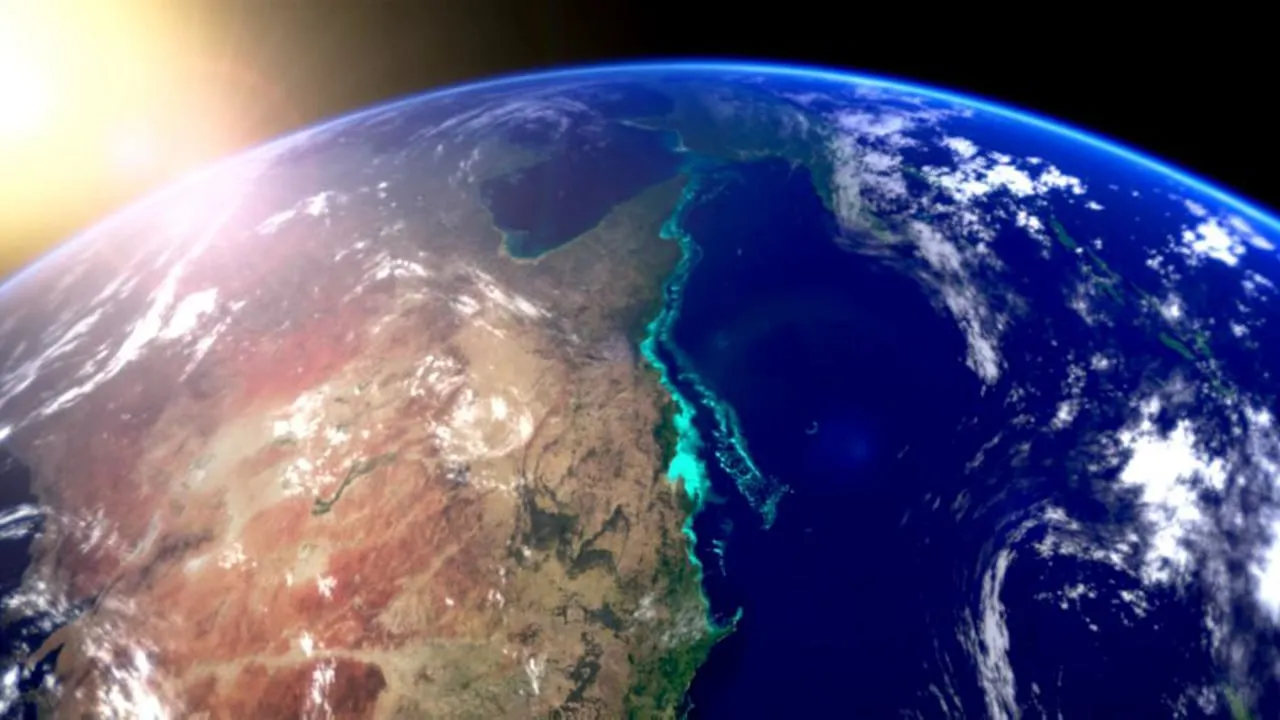 https://www.bbc.com/news[/caption]
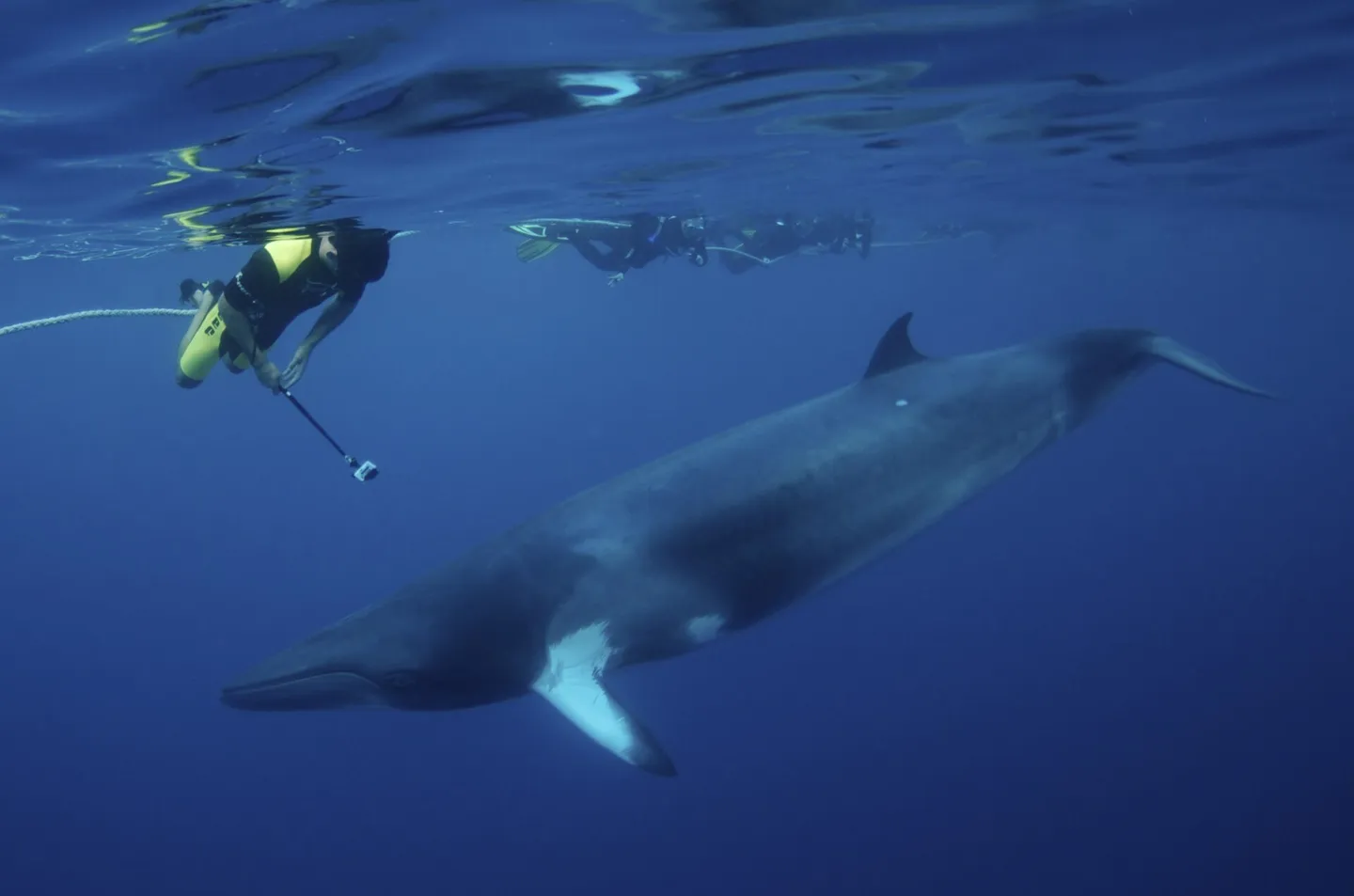
This is the world's only place where you can dive alongside dwarf minke whales.
Related article: Swimming with Minke Whales on the Great Barrier Reef — Australia's Dream Voyage of a Lifetime
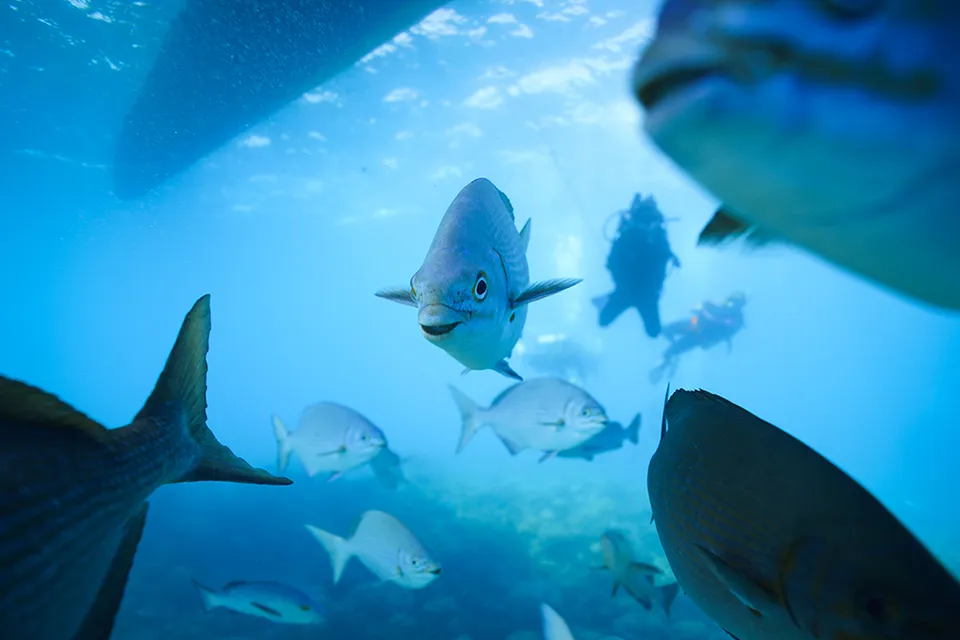
Here you'll find shipwrecks teeming with diverse marine life.
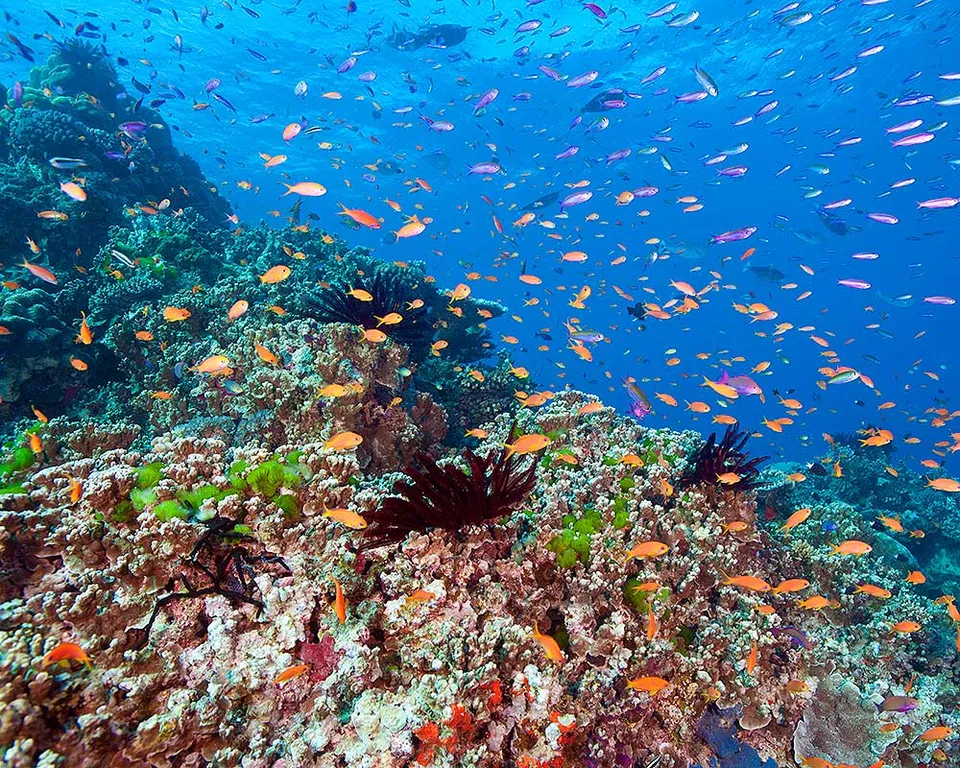
Here, 1,625 species of fish call this place home.
And here lives the very coral that inspired the Colour of the Year — "Living Coral."
In 2019, the world's most renowned colour authority, PANTONE, named "Living Coral" (shade 16-1546) its Colour of the Year, using the choice to express the company's concern over global climate change and its environmental impact.
[caption id="" align="aligncenter" width="940" class="snax-figure"]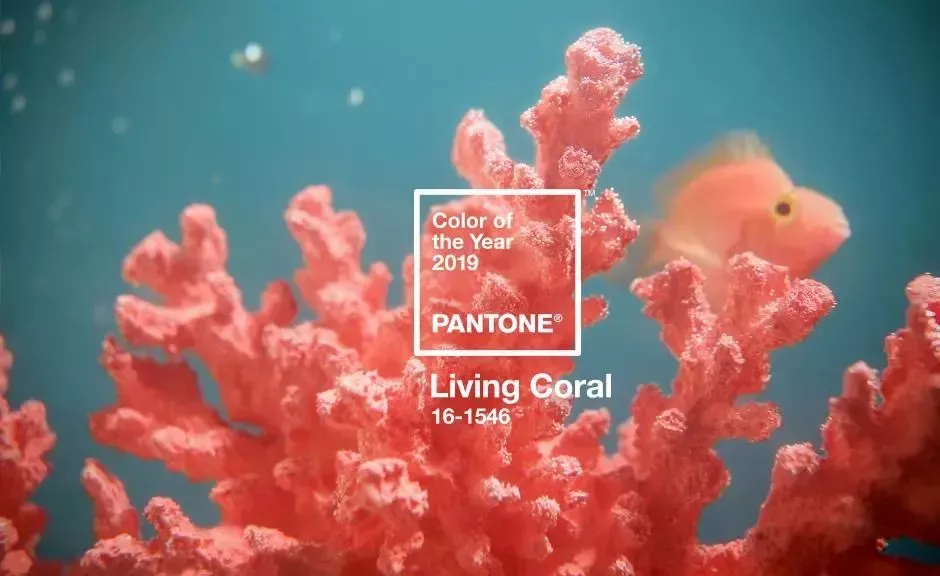 https://www.pantone.com/color-intelligence/color-of-the-year/color-of-the-year-2019[/caption]
And the one place draped head to toe in that Colour of the Year is, without question, Australia's Great Barrier Reef. Built by billions of tiny coral polyps, the Great Barrier Reef is the largest structure ever created by living organisms — visible even from outer space. It covers an area larger than the combined states of Tasmania and Victoria, roughly the size of Japan, and accounts for one-tenth of all the world's coral!
The Great Barrier Reef, Painted in Living Coral
When most people hear "Great Barrier Reef" nowadays, their first thought might be: hasn't all the coral there bleached?!
But is that really the whole story?
In 2016, a devastating heatwave destroyed vast swathes of coral and caused serious damage to the Great Barrier Reef — nearly a third of its coral showed signs of bleaching. What many people don't know, however, is that beyond global warming, the unchecked proliferation of the Crown of Thorns Starfish (also known as the devil starfish) has also been taking a toll on coral growth.
[caption id="" align="aligncenter" width="800" class="snax-figure"]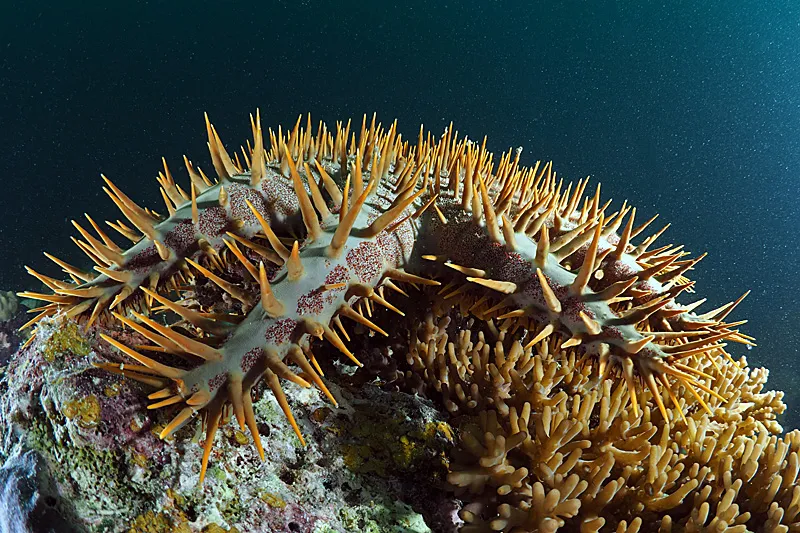 https://www.livingoceansfoundation.org/[/caption]
The Crown of Thorns Starfish has six to eight arms covered in venomous spines and lives in shallow reef waters. Because it feeds on coral and reproduces at an alarming rate, it has earned the nickname "coral killer." The battle against this species isn't limited to Australia — the Philippines, Indonesia, the United States, and other Pacific nations are all working to eradicate it in order to protect their reefs.


The Great Barrier Reef's Revival Plan
Did you think coral was a plant? Think again — coral is actually an animal.
Coral is a symbiotic organism formed by coral polyps and the algae living within them. Healthy coral typically displays a vivid range of colours — red, yellow, green, blue, purple — all of which come from the algae inside. When coral bleaches, it expels those algae, leaving behind a stark white skeleton.
But coral bleaching doesn't necessarily mean death. As long as ocean temperatures return to a range suitable for coral growth, the algae can re-enter the coral, allowing it to bloom once again in all its colours!
Researchers at the Great Barrier Reef Marine Park Authority have been working tirelessly on coral recovery and restoration. They developed a conservation programme called Reef 2050, with progress reports published every two years. The plan has now been running for over two years, and many reefs destroyed by storms have begun to regenerate — with new coral growth even appearing in areas that previously had none.
While the global outlook for coral remains worrying and large-scale bleaching events could certainly recur, we must also believe in the remarkable resilience of nature.
And especially when it comes to the Great Barrier Reef — don't forget, this is a living organism that can be seen from space 👇
[caption id="" align="aligncenter" width="732" class="snax-figure"]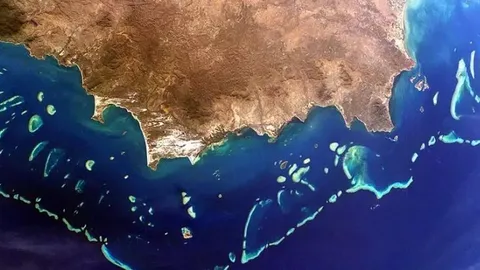 https://www.snopes.com/[/caption]
The Incredible Biodiversity of the Great Barrier Reef
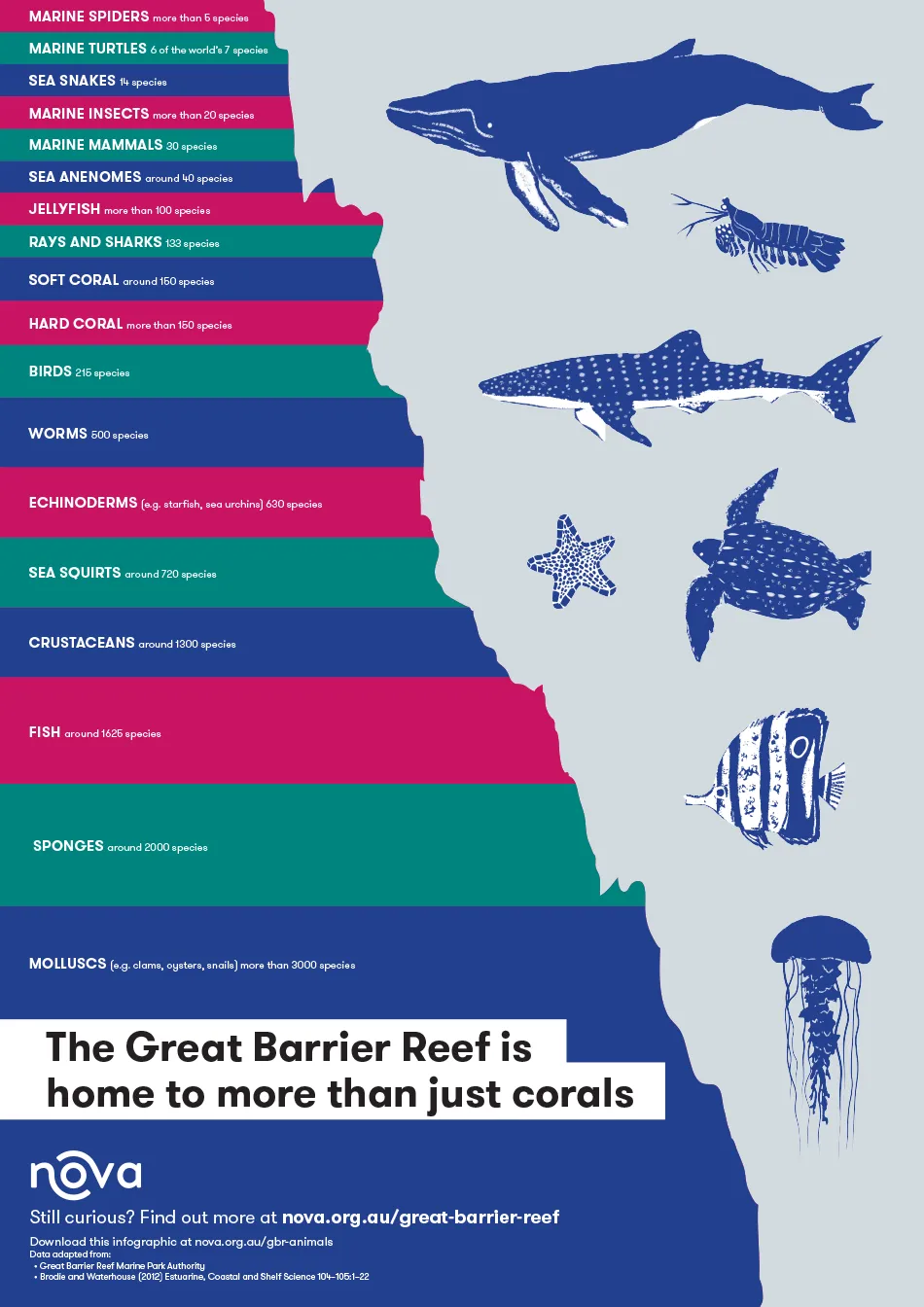
What makes the Great Barrier Reef one of the world's premier diving destinations goes far beyond its coral — it is also home to an unrivalled diversity of marine life, arguably the richest on the planet. Six of the world's seven sea turtle species live here. Beyond that, the reef is inhabited by 1,625 species of fish, including:
3,000 species of molluscs, 630 species of sea stars and sea urchins, 300 species of coral, 133 species of sharks and rays, 30 species of whales and dolphins, 14 species of sea snakes…
Because of its breathtaking biodiversity, the Great Barrier Reef was incorporated into Australia's national park system in 1975, inscribed on the UNESCO World Natural Heritage List in 1981, and named one of CNN's Seven Natural Wonders of the World.
Diving the Great Barrier Reef
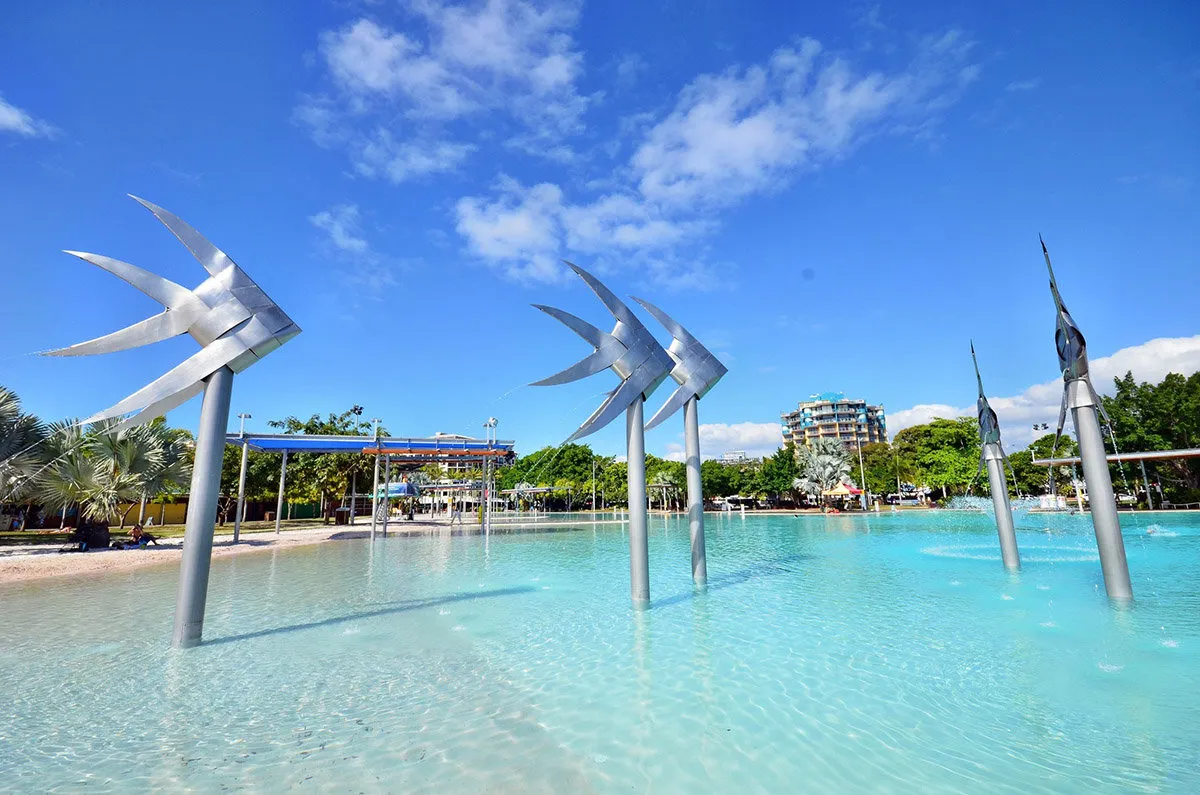
If you're planning a diving trip to the Great Barrier Reef, it's worth exploring the various cities along the Queensland coast. But the most popular and most accessible gateway is, of course, the legendary Cairns. Cairns is a city in far north Queensland, and beyond being the main entry point to the Great Barrier Reef, it is also home to the world's oldest rainforest and a rich Indigenous culture. There's no shortage of outdoor adventures waiting for you here.
Cairns enjoys year-round temperatures in the low-to-mid 20s°C, a pleasant climate, and a compact city centre ringed with cafés and bustling markets — a city bursting with everyday vitality. Travelling here, even the pace of life feels refreshingly easy.
To attract even more visitors, Queensland Tourism recently partnered with Uber to create a "scUber" submarine, allowing non-divers to descend 30 metres into the ocean and witness the stunning underwater world firsthand.
For certified divers, the Great Barrier Reef offers even more ways to explore!
Beyond daytime dives, you can join a liveaboard and come face to face with sharks after dark, or plunge into the deep with a specially designed Torch and experience an otherworldly bioluminescent night dive straight out of a fantasy.
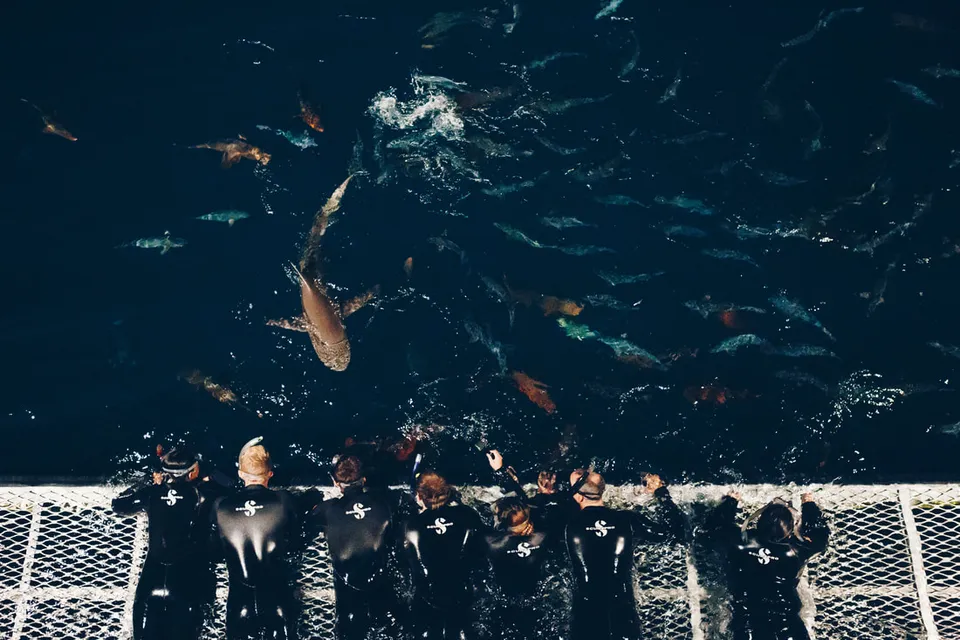
Coming to the Great Barrier Reef without diving its most iconic reef systems would be a real shame — so let's take a closer look at each one. They are:
Norman Reef, Saxon Reef, Hastings Reef, Agincourt Reef
And the world's only place to encounter dwarf minke whales — Ribbon Reef
And the remote, kilometre-deep coral wall of Osprey Reef
These reefs aren't just stunning to look at — what's equally important is that the boats heading there are purpose-built for diving.
While there are many ways to do a Great Barrier Reef day trip, the floating snorkel platforms can take up to 400 visitors a day, compared to a maximum of just 80 on a dedicated dive boat — making the latter a far superior diving experience by almost every measure.
Also, when choosing your itinerary, be sure to understand the difference between inner reef and outer reef. The inner reef refers to the coral formations and islands closer to the mainland, generally reachable within 30 minutes from Cairns. The outer reef, on the other hand, requires 1.5 hours or more to reach.
All the dive sites introduced below are located on the outer reef of the Great Barrier Reef — where the coral is less affected by pollution and the conditions are far more suited to scuba diving!
Let's explore each of these reefs in turn~
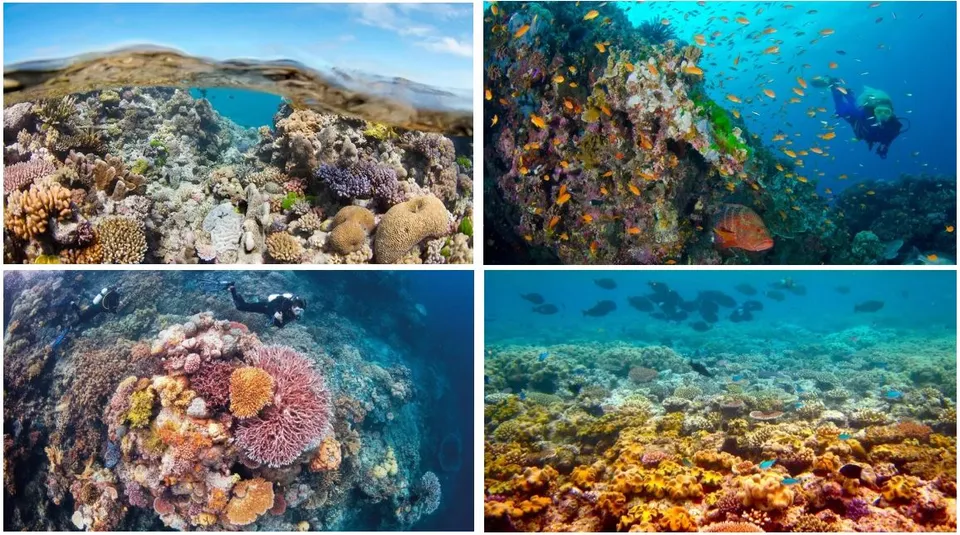
Norman Reef
Norman Reef is the westernmost coral reef in the Great Barrier Reef system, and it congregates an astonishing number of fish species. Snorkelling or scuba diving here, you're likely to encounter sweetlips, batfish, red bass, trevally, and barracuda, among many others. But the undisputed crowd favourite is a Maori wrasse known as Wally — dubbed "the friendliest resident of the Great Barrier Reef." Your chances of running into Wally while diving at Norman Reef are very high indeed!
The dive sites spread across the western side of Norman Reef each have their own character, offering beautiful soft coral gardens and coral canyons to explore. Depths range from 10 to 20 metres, making these sites ideal spots to encounter reef sharks, Stingray, moray eels, cuttlefish, and sea turtles.
Norman Reef dive sites: Bob's Bommie / Wild Side Clipper / Shark Mountain / Plate Top / Turtle Bay / Playgroud / Wild Side East & West / Clipper & Supercat / Toppo's / Sandra's / Caves
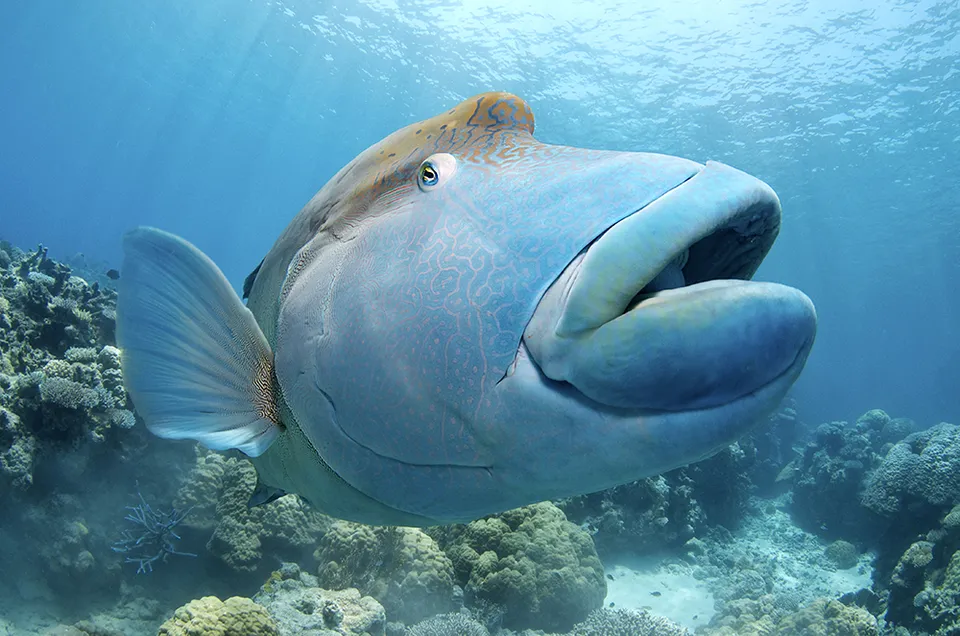
Saxon Reef
Saxon Reef sits between Norman Reef and Hastings Reef, and is a thriving hub of marine life and diverse coral communities. Relatively compact at just 1.9 square kilometres, it is visited infrequently by other dive operators, making it a pristine, unspoiled diving paradise.
At Saxon Reef you can snorkel over the shallow reef flats — accessible even to complete beginners. The reef boasts an impressive variety of sea anemones, and you can swim among the coral up close, observing tiny shrimp and a wealth of soft coral. Depending on the current, this site also offers more challenging dives along the reef edge, venturing into untouched areas where you may spot humpback whales, large trevally, and schools of batfish.
Saxon Reef dive sites — 5 in total: Sandra's / Twin Peaks / Clipper & Super Cat / Coral Garden / Reef Magic
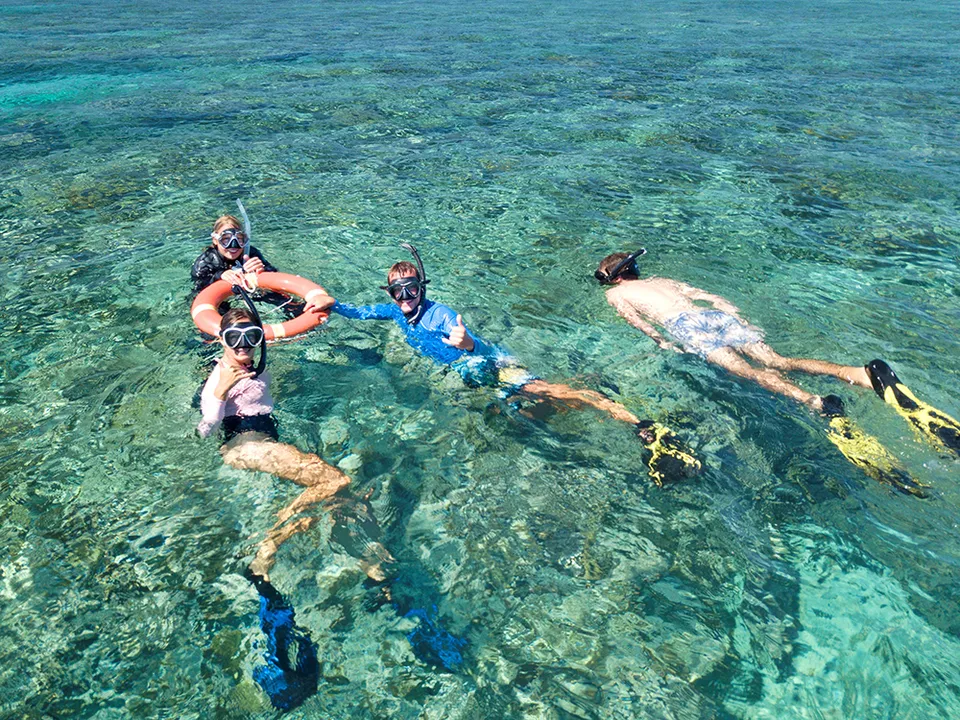
Hastings Reef
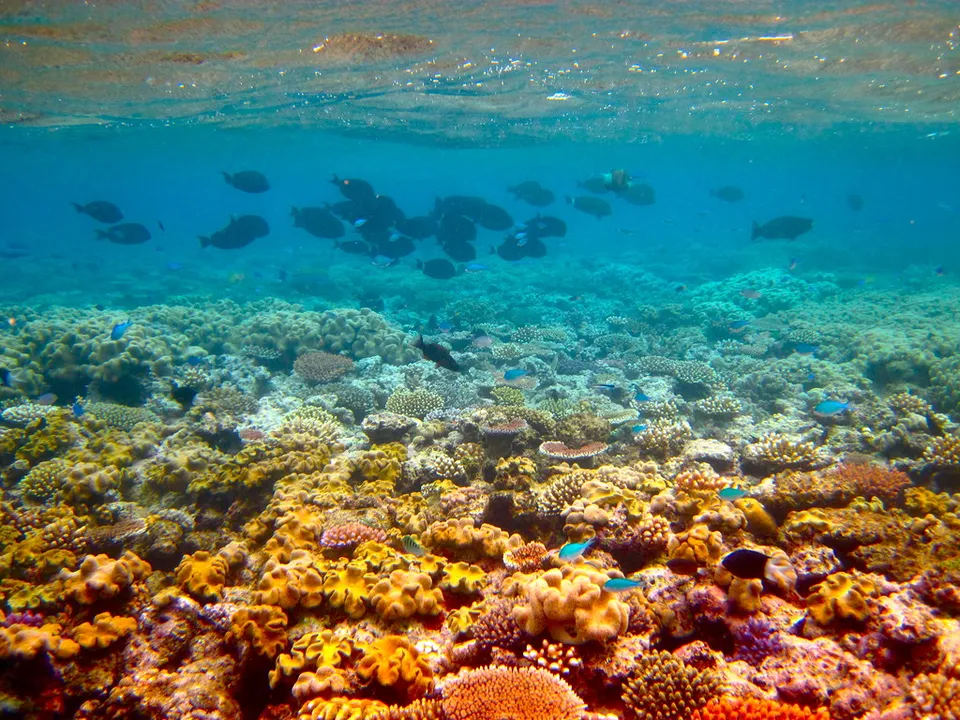
Hastings Reef lies on the outer edge of the Great Barrier Reef, approximately 30 nautical miles from Cairns. This is where the Great Barrier Reef began to grow more than 15,000 years ago, at what was then the edge of Australia's coastline. Today, Hastings Reef is a vivid tapestry of colour, a favoured home for countless coral species, thanks to its distance from the coast and the currents that flow nearby.
This is arguably one of the most thriving stretches of the Great Barrier Reef, offering an extraordinary variety of marine life and dynamic underwater scenery. We stop at 3 dive sites at Hastings Reef: Tustar / Turtle Bommie / Jorgie's Patch
Agincourt Reef
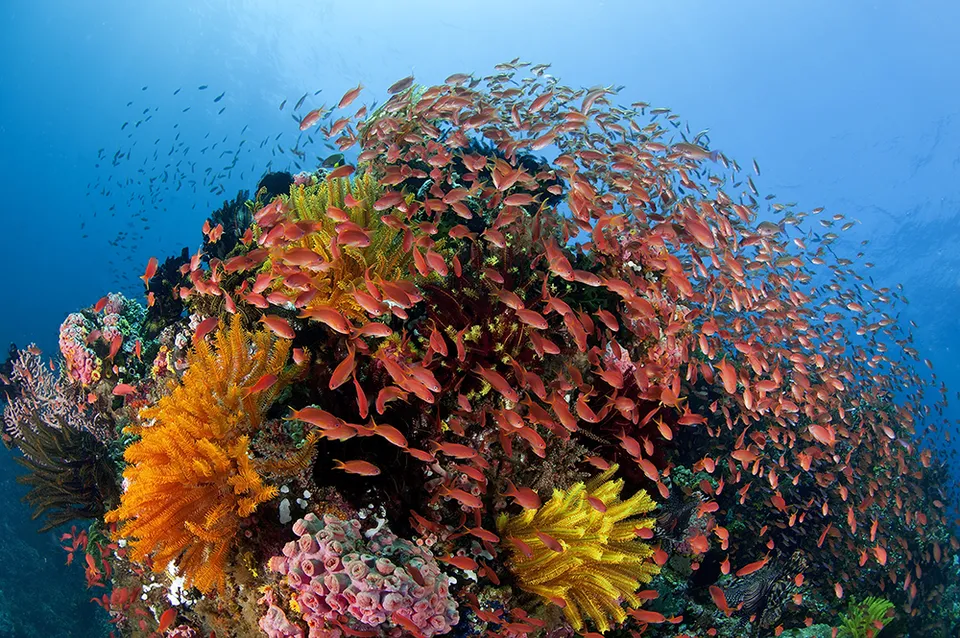
Agincourt Reef is an expansive ribbon reef made up of hundreds of smaller individual reefs, sitting right on Australia's continental shelf approximately 70 kilometres from Port Douglas. It also forms part of the Ribbon Reef system.
Agincourt Reef is arguably the most legitimately "outer reef" destination available on a Great Barrier Reef day trip. It offers divers at least 16 different dive sites to explore — from reef gardens famed for their exceptionally abundant and vividly coloured reef fish, to family-friendly snorkelling spots and cave diving adventures.
Agincourt Reef dive sites: North Bay, Blue Lagoon, Neptune, Where's Wally, Underground World, and Mermaids. Depending on daily sea conditions, we also visit St. Crispin Reef and Jewel Reef, where you'll have a chance to spot sea anemones, parrotfish, sharks, and schools of sea turtles.
Depending on daily sea conditions, we may also head to St. Crispin Reef and Jewel Reef — reef systems equally rich in marine species, waiting to be explored by adventurous divers.
Ribbon Reef
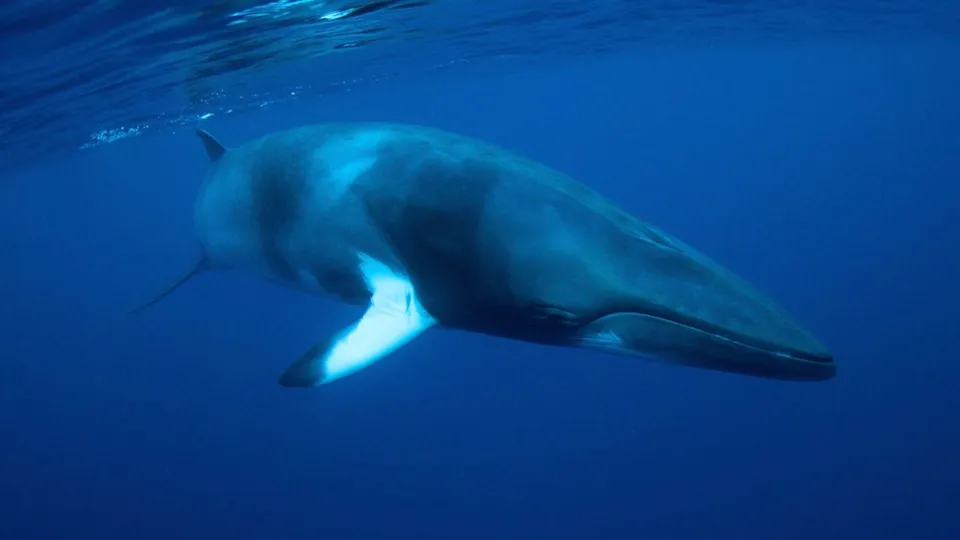
Stretching north from Cairns all the way to the eastern side of Lizard Island, Ribbon Reef is a captivating diving treasure comprising 10 individual reefs. This 200-kilometre-long reef system sits on the edge of the continental shelf, and its relative isolation means only a handful of liveaboards can reach it. From giant clams to the elusive leafy scorpionfish, the biodiversity here is staggering — an eye-opening experience for any diver.
Dwarf minke whale liveaboard expeditions typically run in June and July. If you're lucky, you might spot the minke whales every single day, swimming and playing with them from dawn until dusk. Some divers have jumped in only to be immediately surrounded by ten minke whales at once — just imagining it is enough to make you smile! Divers Den's OceanQuest vessel organises special liveaboard trips, bringing together divers from around the world and a team of local marine biologists to Ribbon Reef — 220 kilometres from Cairns — for up-close interaction with and research on the dwarf minke whales.
Osprey Reef
Osprey Reef is currently the most remote commercially dived reef in the Great Barrier Reef system. Vessels departing from Cairns need more than 10 hours of sailing — in good weather — to reach this awe-inspiring dive site that has left countless divers worldwide utterly speechless.
Osprey Reef is an ancient volcanic atoll, renowned for its crystal-clear waters with visibility ranging from 30 to 100 metres. Here you'll come face to face with an array of gorgonians, sea fans, and brilliantly coloured soft coral, growing upward from the deep to form a coral wall thousands of metres tall.
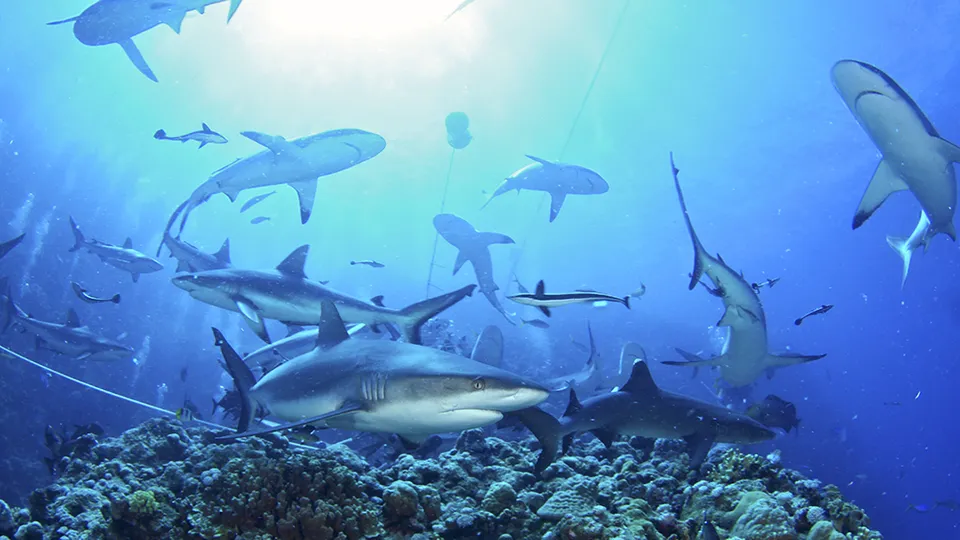
If fortune favours you, you could spend two full days diving here, visiting sites including Half Way Wall, Admiralty, False Entrance, and Castle. Further north lies North Horn, home to the famous Shark Reef, where you'll encounter enormous grey reef sharks in an unforgettable close-encounter dive. There's also a chance to come across huge schools of manta rays at a site called Around The Bend.
How to Explore the Great Barrier Reef
Now that we've covered the dive sites in detail, let's talk about how to make the most of your trip!
For Norman Reef, Saxon Reef, and Hastings Reef, you can choose either a day dive trip or a liveaboard. Agincourt Reef currently doesn't offer liveaboard options, but daily departures are available, with up to 3 dives possible in a single day.
Divers Den, established in 1974, offers diving trips to all of these reefs — including day trips from Cairns (aboard the Explorer), liveaboards from Cairns (aboard the OceanQuest), and day trips departing from Port Douglas (aboard the Poseidon).
A typical dive boat will move to 1–2 different sites throughout the day, allowing you to tick off multiple Great Barrier Reef highlights in one outing. These decisions are made by the captain based on the day's weather and current conditions, and before each dive the Divemaster will brief everyone with a detailed diagram on the whiteboard — outlining the underwater terrain and the marine life you're likely to encounter.
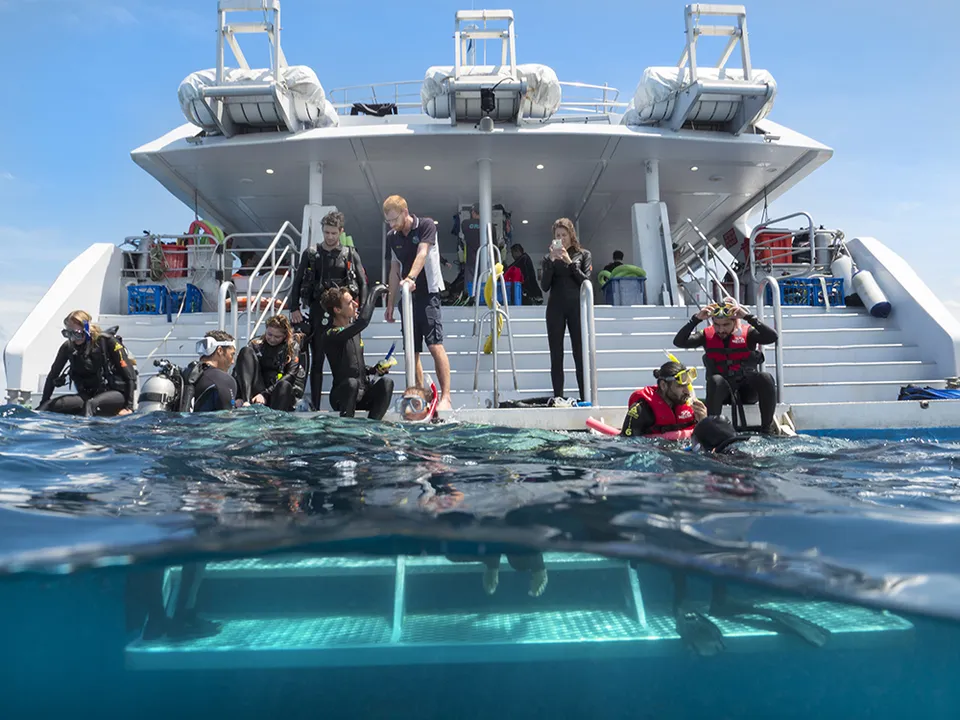
For those interested in a liveaboard, the Divers Den OceanQuest is permanently moored at the outer reef year-round, with guests transferred to and from the vessel by tender boat. Whether you'd like to stay 1 night, 2 nights, or even 5 nights, the schedule can be flexibly arranged around your itinerary.
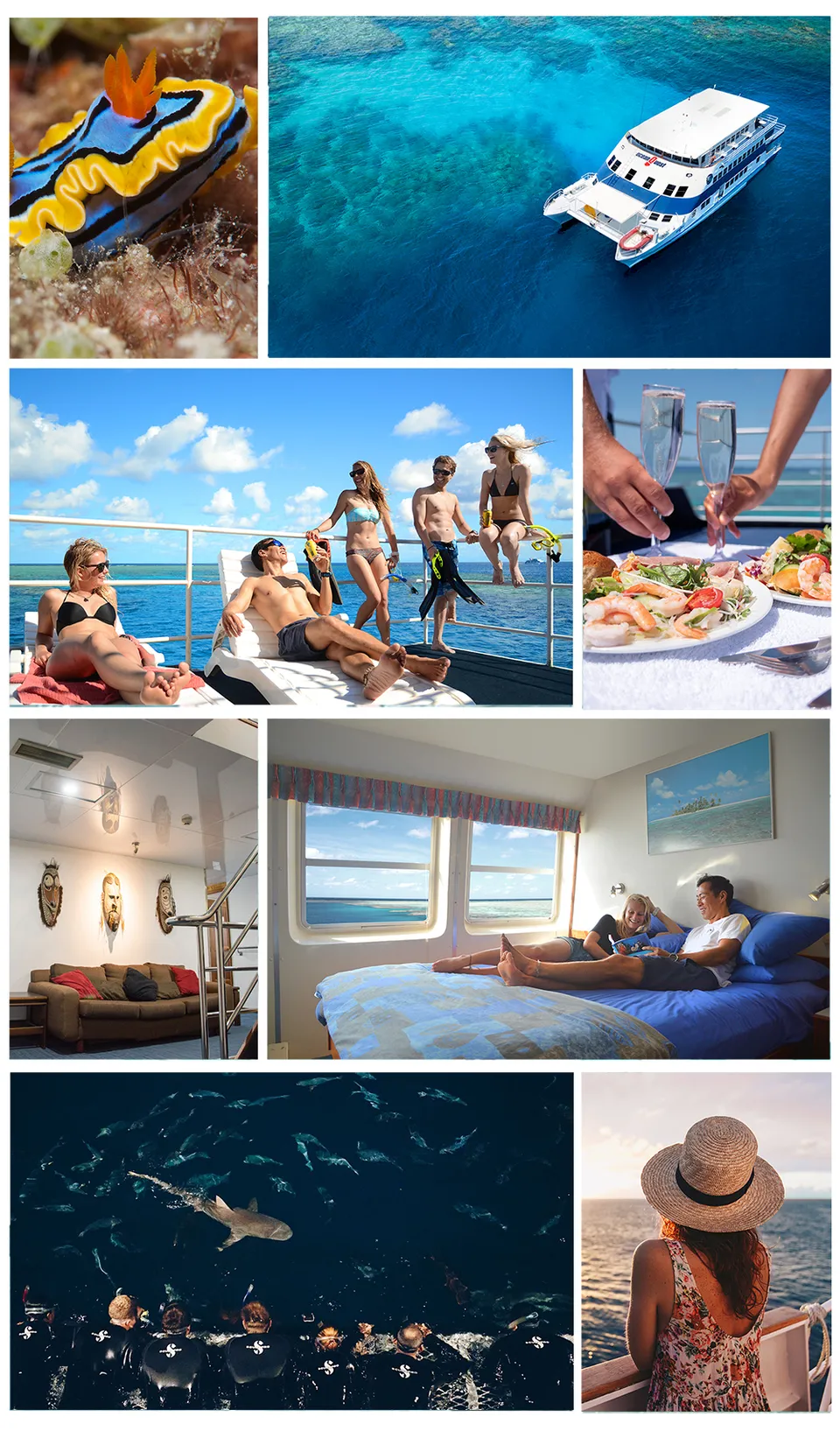
On a 2-day, 1-night liveaboard, you can enjoy up to 5 dives per day — making it an immersive ocean adventure, even for those who are new to diving. Activities available aboard the OceanQuest include:
1. Night Shark Dive Whether snorkelling or scuba diving, everyone on board has the chance to experience this adrenaline-pumping activity completely free of charge!
2. Mysterious Fluorescent Night Dive Armed with specially designed Torches, witness first-hand a fantastical world of glowing coral reefs unlike anything you've ever seen.
3. PADI Certification Complete the open water dives for your Open Water Diver (PADI/SSI cert) certification on board, or upgrade to your Advanced Open Water Diver (PADI cert).
Diving Season at the Great Barrier Reef
Dive season: The Great Barrier Reef can be dived year-round, with September to November generally considered the prime time.
Water temperature: 22–25°C in winter (June–August), rising to around 30°C in summer.
Visibility: Most dive sites offer 15–20 metres of visibility, with some sites reaching up to 30 metres.
Difficulty level: The majority of reef dive sites fall within a depth range of 10 to 30 metres, though the northern reaches of the Great Barrier Reef can have stronger currents and more complex topography. That said, the reef is well suited to both beginners and experienced divers alike.
Currents are generally mild to moderate, and are rarely strong enough for drift diving. It's worth noting that in Australia, dive guides are not typically provided (though you can request one) — so even at the more straightforward sites, divers should stay alert and dive attentively.
That's your comprehensive guide to the Great Barrier Reef.
So — are you tempted?
Frequently Asked Questions
How is a BlueTrend dive trip different from an unknown, no-name dive group?
Choosing us means full peace-of-mind protection and a smooth experience from start to finish. Every trip we run holds to three things.
First, full legal protection and a professional dive leader: we strictly follow Taiwan's travel regulations and provide complete travel-agency liability insurance, travel insurance, trip-inconvenience insurance and dive insurance. Every group is accompanied by a certified, foreign-language dive leader who joins you on both the dives and the land itinerary, liaising seamlessly with local dive shops and operators on your behalf to keep things running smoothly — the person our travellers trust most.
Second, fully licensed with secure payments: every payment goes into a licensed travel agency's account, with multiple safe payment channels (bank transfer, credit card and more) and a legal collect-and-remit receipt, so every transaction is open, transparent and protected, avoiding the fraud and dispute risks of transferring money privately to an individual.
Third, hand-picked quality we vet in person: every trip, dive site and partner shop is scouted on the ground by our own team, from the guides' professionalism and safety standards to the food, lodging, environment and service details on land, all vetted by us so you don't get caught out.
I want to sign up for a dive trip. Are there certification-level or logged-dive requirements?
Each dive site is different, so the entry bar varies. 'Bali Tulamben', for instance, is relatively beginner-friendly. 'Malapascua in the Philippines' is also beginner-friendly, but since thresher sharks tend to cruise between 20 and 30 metres, we recommend AOW certification with 20+ logged dives to enjoy this trip comfortably. For 'the Maldives' or 'Palau', we suggest AOW with 50+ logged dives for a more relaxed experience. If you're not sure whether your experience fits the trip you want, message us and our dive editors will assess it and help you find the trip you'll feel safest on.
Can I join if I'm signing up alone? How are rooms arranged?
Plenty of our travellers sign up solo! For rooms and beds, we prioritise pairing you with a same-gender traveller, and if you'd rather have your own space you can pay the difference to upgrade to a single room. For the diving, our professional leader will pair you with a suitable buddy, and with the happy vibe on our trips you'll quickly make a great group of dive friends. Many people sign up alone, make new friends, and end up organising the next trip together!
Does the trip fee include dive insurance, gear rental, taxes and instructor tips?
It depends on the trip, the destination's regulations and the local operators. Every BlueTrend dive trip has a detailed web page with a clear 'included / not included' list, transparent and with no hidden charges. All payments are collected by a licensed travel agency, with a standard-form contract for your protection.
I'm a new diver / haven't dived in a long time — will I fall behind the group?
Before you complete your booking, our team assesses a suitable trip based on your certification level and experience. Before departure, we strongly recommend taking time to refresh in Taiwan with an instructor, or a fun dive to get your feel back. On the trip itself, our professional dive leader groups and pairs everyone by experience, keeps a close eye underwater on travellers who need extra care, and steps in to help right away.
Will the photos and videos taken during the trip be shared with us?
During the dives, 'safety' is always the leader's top priority, so whenever it's suitable and safe the leader will capture great shots and record the best moments. During or after the trip, we compile a cloud album for all travellers to download, so you go home loaded with memories!
Besides your scheduled trips, can you arrange a private group charter or independent travel for me and my friends?
Absolutely! Besides group trips, we also arrange private group charters and independent travel. We can communicate, enquire and coordinate services with local operators based on your needs, saving you time and effort and taking the language barrier off your plate, to tailor the smoothest, most reassuring dive trip just for you. Contact our LINE support and our editors will arrange it for you!