Contents(5)
How Did the DPV (Diver Propulsion Vehicle) Become the New Must-Have?
As an experienced diver, do you still remember the excitement and passion you felt when you first discovered the underwater world? As your dive count grows and experience accumulates, has that enthusiasm for diving gradually begun to fade? Some divers pick up a camera and channel their passion through a lens. Others, however, level up their gear — and yes, we're talking about the Diver Propulsion Vehicle (DPV, also known as an underwater scooter; referred to below simply as "DPV").
In recent years, DPV prices have become far more accessible. Combined with the fact that COVID travel restrictions kept divers at home with money to spare, many took the plunge and purchased a DPV, hoping to cover more ground underwater within the same single-tank dive time.
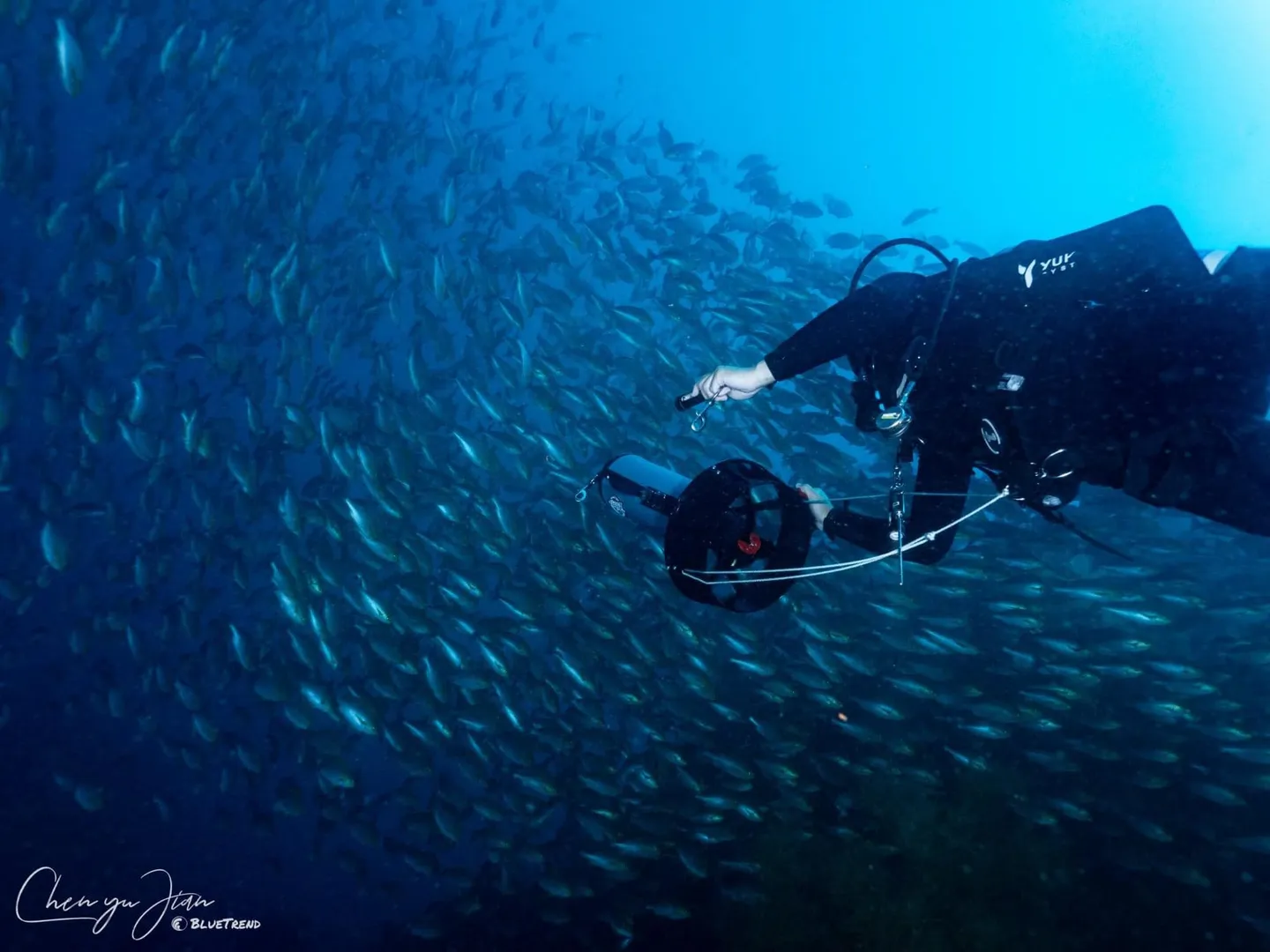
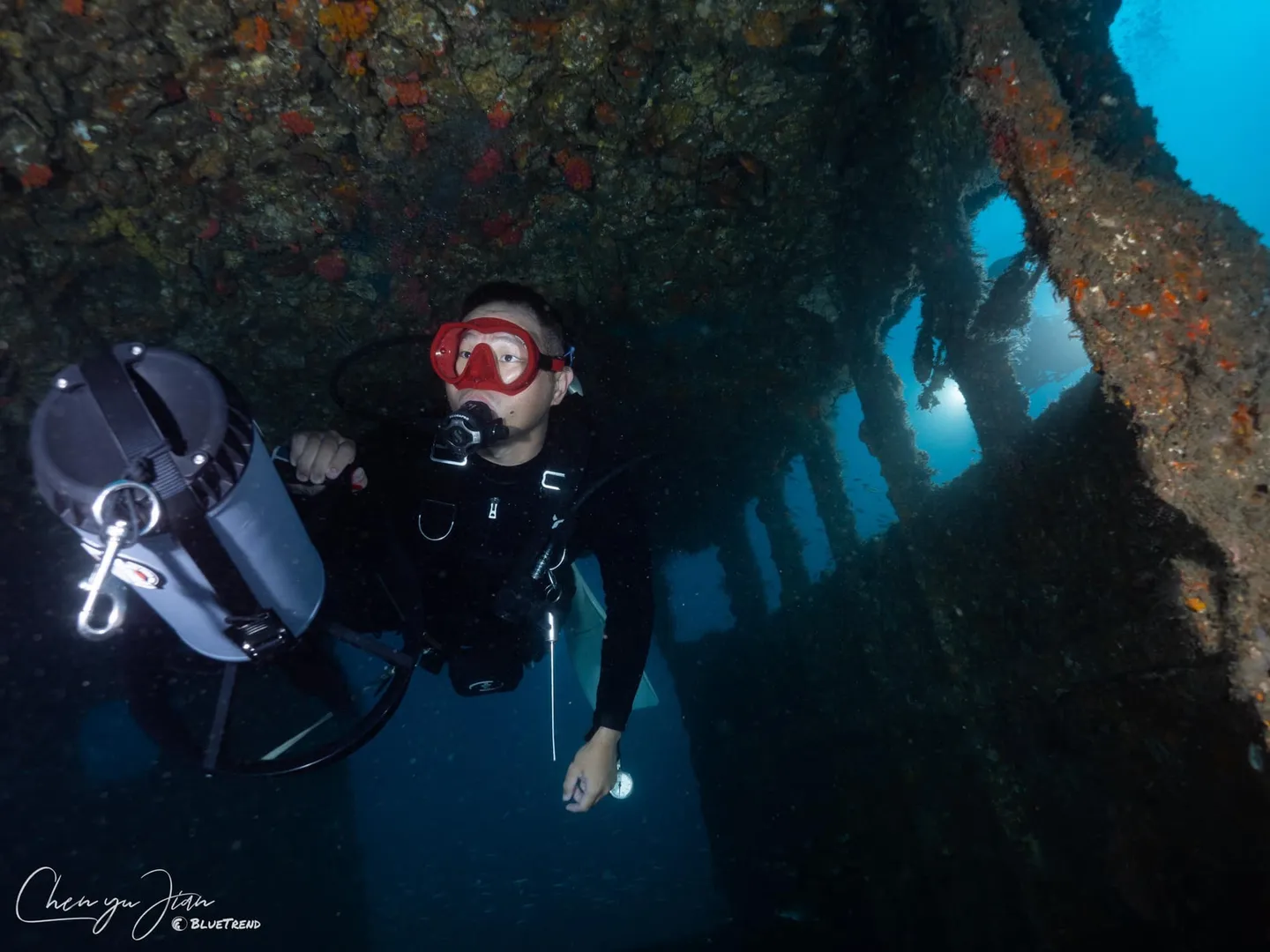
A DPV allows us to expand the range of our underwater exploration. Photo Credit 大頭教練


What Makes DPVs So Appealing?
The thrust provided by a DPV reduces the physical effort you'd otherwise spend kicking your fins to move forward, which in turn conserves both energy and air consumption. On top of that, a DPV lets divers cover greater distances on the same tank, meaning more varied terrain and marine life to discover. The Editor once found herself caught in a strong current mid-dive with no choice but to fight it head-on — hugging the reef wall for shelter while kicking hard with both legs at full intensity. By the time she reached the dive site, she was already winded and nearly out of air, leaving only a few precious minutes to glance around before the dive guide checked the pressure gauge and signaled the return.
Back on the surface, the Editor felt as though she'd just run an underwater marathon — and the whole experience left a pretty sour taste. Then there are those dreamy, picture-perfect dive sites that are only reachable by boat dive, which tends to be pricier, logistically dependent on a dive shop running a trip, and all too easy to miss if the season slips by while you're waiting. The DPV changes all of that, making diving far more efficient while dramatically increasing a diver's independence and mobility.
Combining boat dives with a DPV gradually unveils the mysteries of waters that were once out of reach
Do You Need to Take a Course to Use a DPV?
Within the SDI/TDI (certification agency) system, the DPV is one of the available specialty courses (for other agencies, please check their respective websites or ask your instructor). This means that to earn a DPV certification, you must first hold at least an Open Water Diver (PADI/SSI cert) qualification. That said, given the risks and complexity involved in operating a DPV, the Editor recommends obtaining your Advanced Open Water Diver (PADI cert) certification and developing the ability to handle all emergency situations independently before pursuing this specialty.
Instructor Cao Andong of Now Diving Center states that a comprehensive and systematic DPV certification course is the baseline requirement for getting back to shore safely
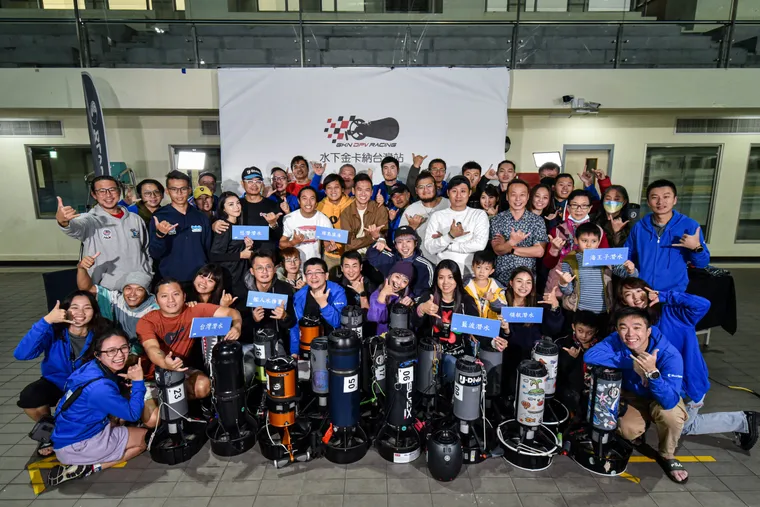
The DPV specialty course covers an understanding of DPV mechanics, foundational DPV theory, underwater operation techniques, and post-dive maintenance. Through the instructor's firsthand experience, you gain a vivid understanding of the advantages of DPV use and real-world lessons on how to avoid risks down the line. Beyond teaching you how to operate a DPV correctly, the course also introduces you to a community of fellow DPV enthusiasts — an invaluable source of tips and insider knowledge.
Here's a general overview of what earning a DPV certification involves. One important note: you do not need to own a DPV to take the course — just as you don't need to own a car to get a driver's license. The certification course is a great way to learn about DPVs and try one out before committing to a purchase.
The Academic Component of DPV Training Really Matters!
The Editor enrolled in the DPV course offered by the SDI/TDI (certification agency) system at 鬧潛水Now Diving Center/SUP立槳/獨木舟. Here's a look at what the learning experience was like. The DPV specialty course is divided into academic (classroom) and practical (in-water) components. The academic portion runs approximately one and a half hours and covers topics including: DPV introduction, buoyancy adjustment, precautions, safety guidelines, battery management, dive planning, emergency procedures, and maintenance.
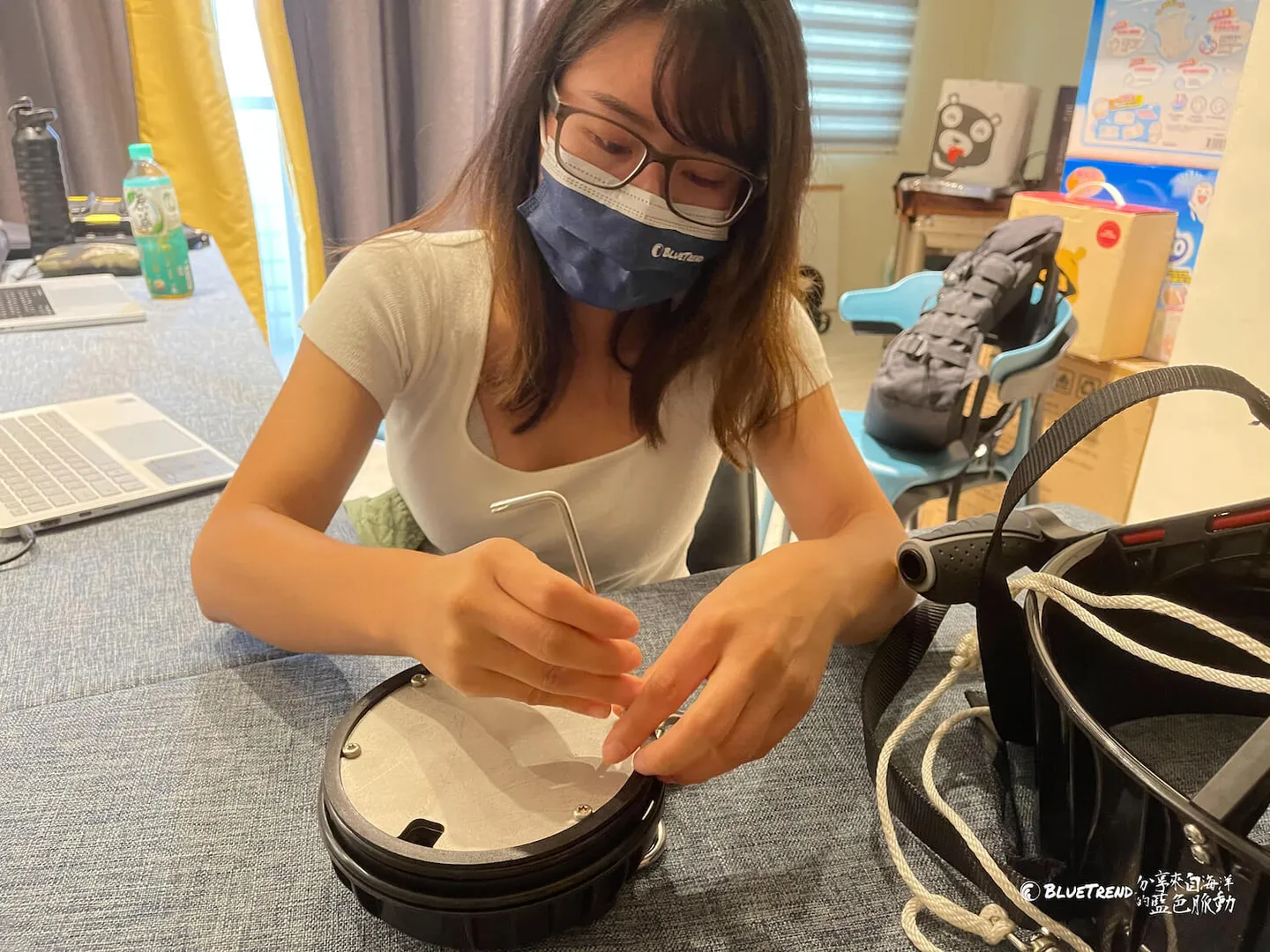
In the classroom, you'll learn the correct concept of neutral buoyancy with a DPV and how to adjust your weights
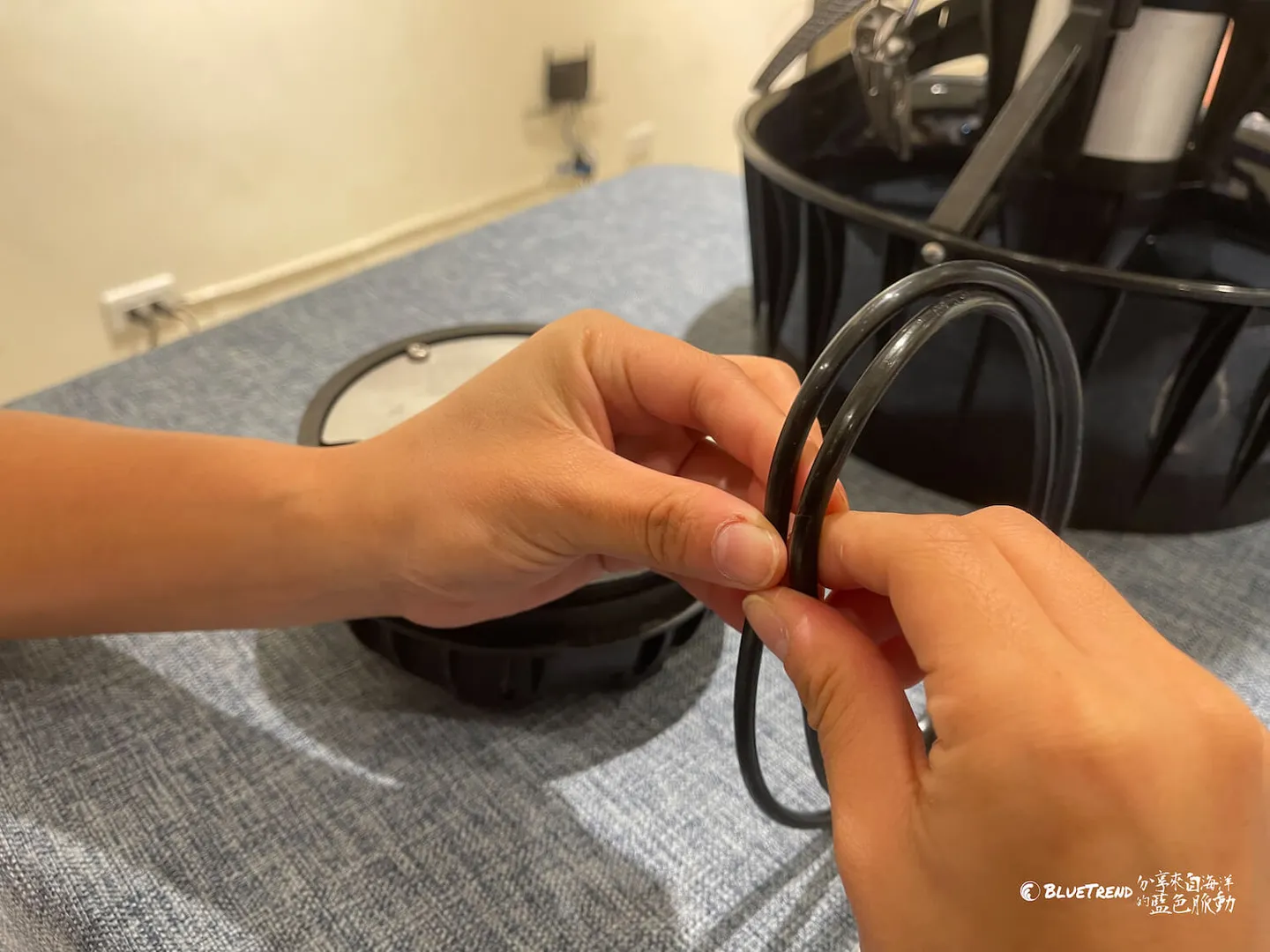
Maintenance is a fundamental DPV skill you absolutely cannot miss in the classroom
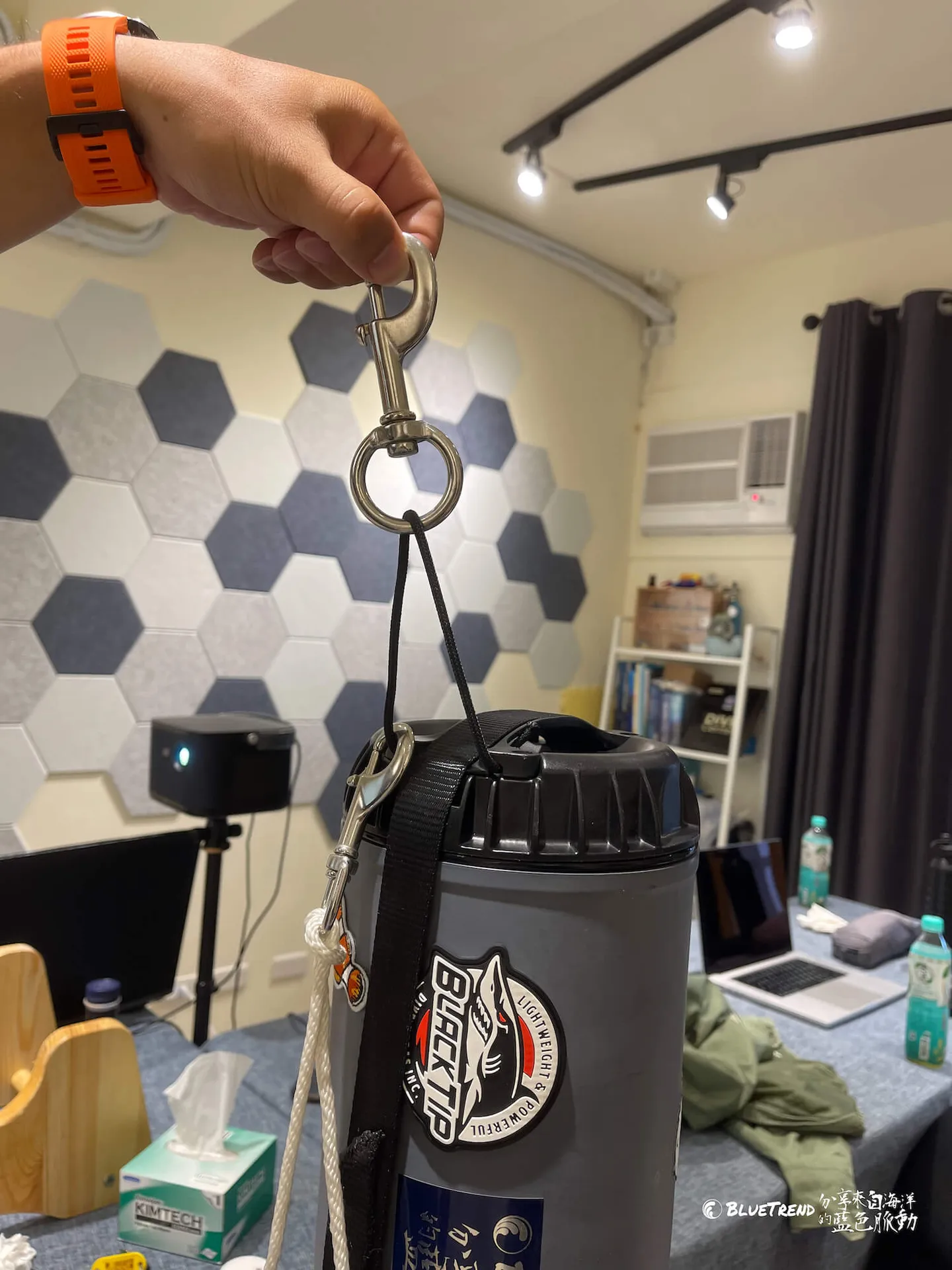
The position of every clip and the way each tether is rigged directly affects both comfort and safety
The practical component involves the instructor taking the DPV into the water for hands-on teaching: how to adjust tow line length correctly, energy-efficient riding posture, achieving neutral buoyancy on a DPV, how to communicate with your dive buddy while operating a DPV, and in-water situation debriefs.
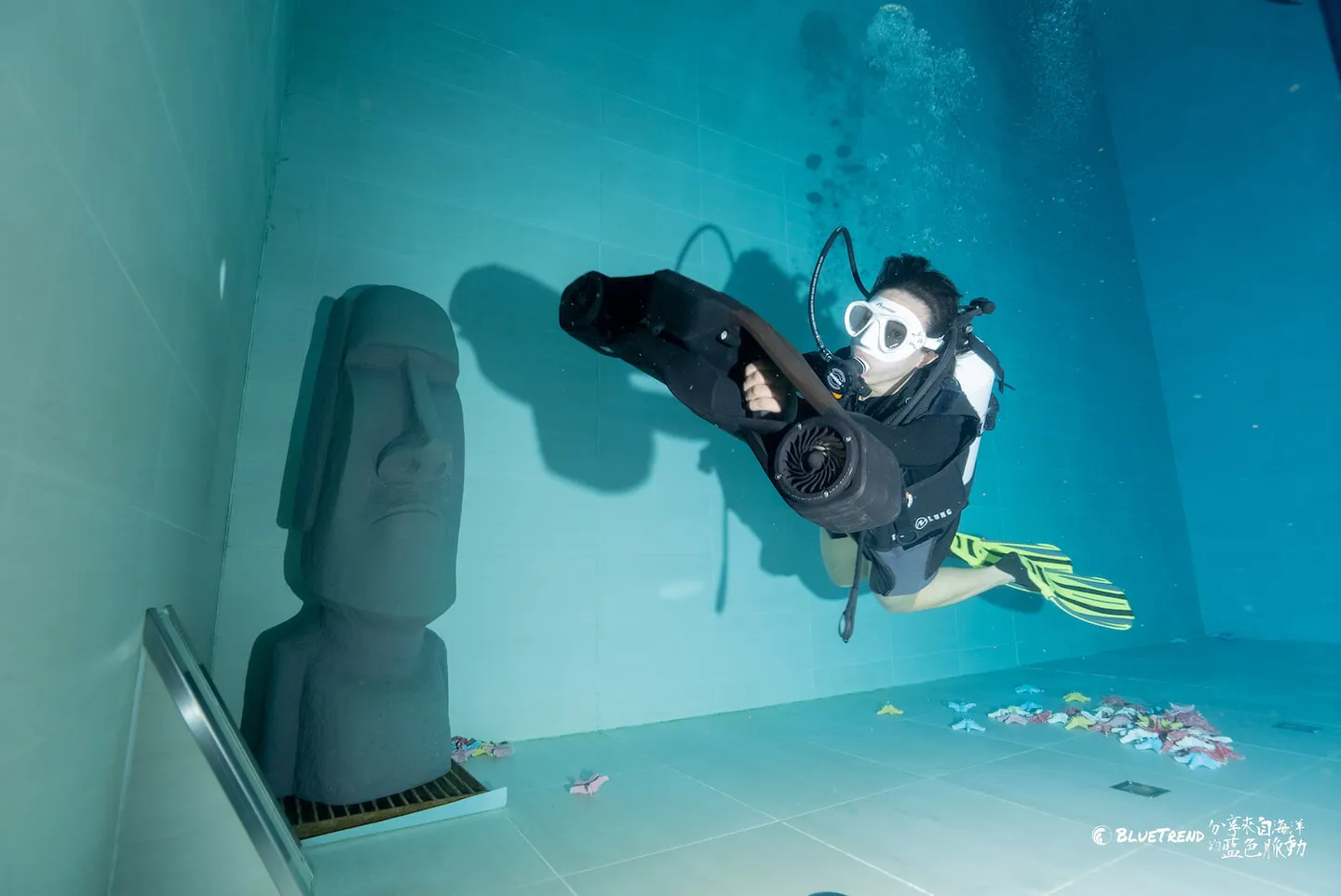
Through the course, you'll get to experience the characteristics of different DPV models (As the Northeast Coast dive season had ended at the time of writing, scenario photos were taken at Taichung Dive Cube instead)
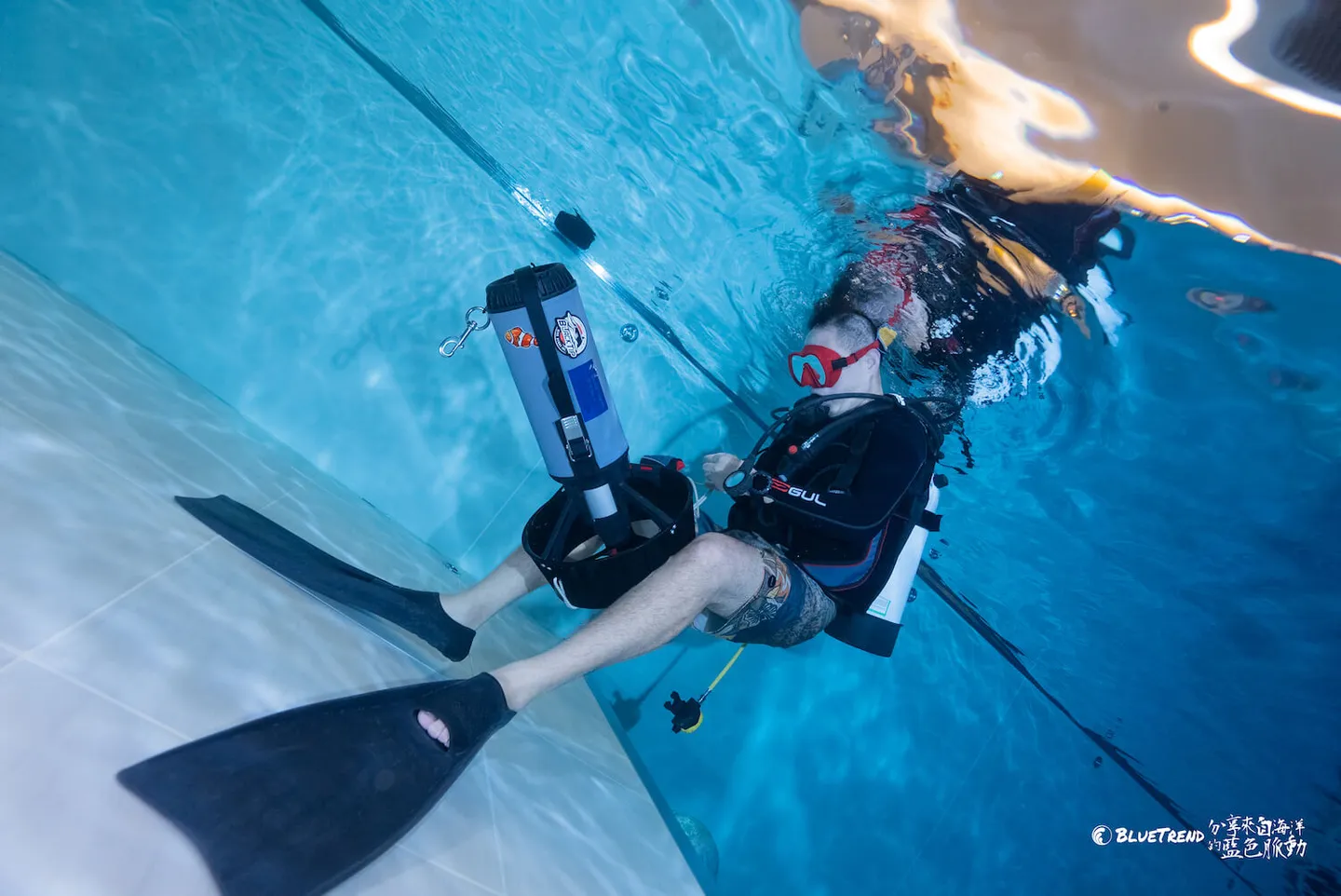
Adjusting the tow line length is critically important (As the Northeast Coast dive season had ended at the time of writing, scenario photos were taken at Taichung Dive Cube; Dive Cube does not permit the use of personal BCDs, so backplate-style crotch straps were unavailable)
The Editor strongly recommends that anyone thinking of purchasing a DPV obtain their specialty certification first. As with any water recreational activity, "try-dives" and casual sessions are easy enough to jump into — but the moment you take a DPV underwater, your thinking needs to go beyond "where do I want to explore?" You must also be asking yourself: "If something goes wrong, how do I get safely back to the surface?"
In class, the instructor posed this question to us: "If your DPV malfunctions underwater and keeps thrusting forward with no way to shut it off, how do you return to the surface — and still recover the DPV?" That question made us all stop and think. Diving with a DPV isn't just about the thrill of speed or the adventure of exploring uncharted waters. Sound safety awareness needs to be built into every diver's mindset as a non-negotiable foundation.
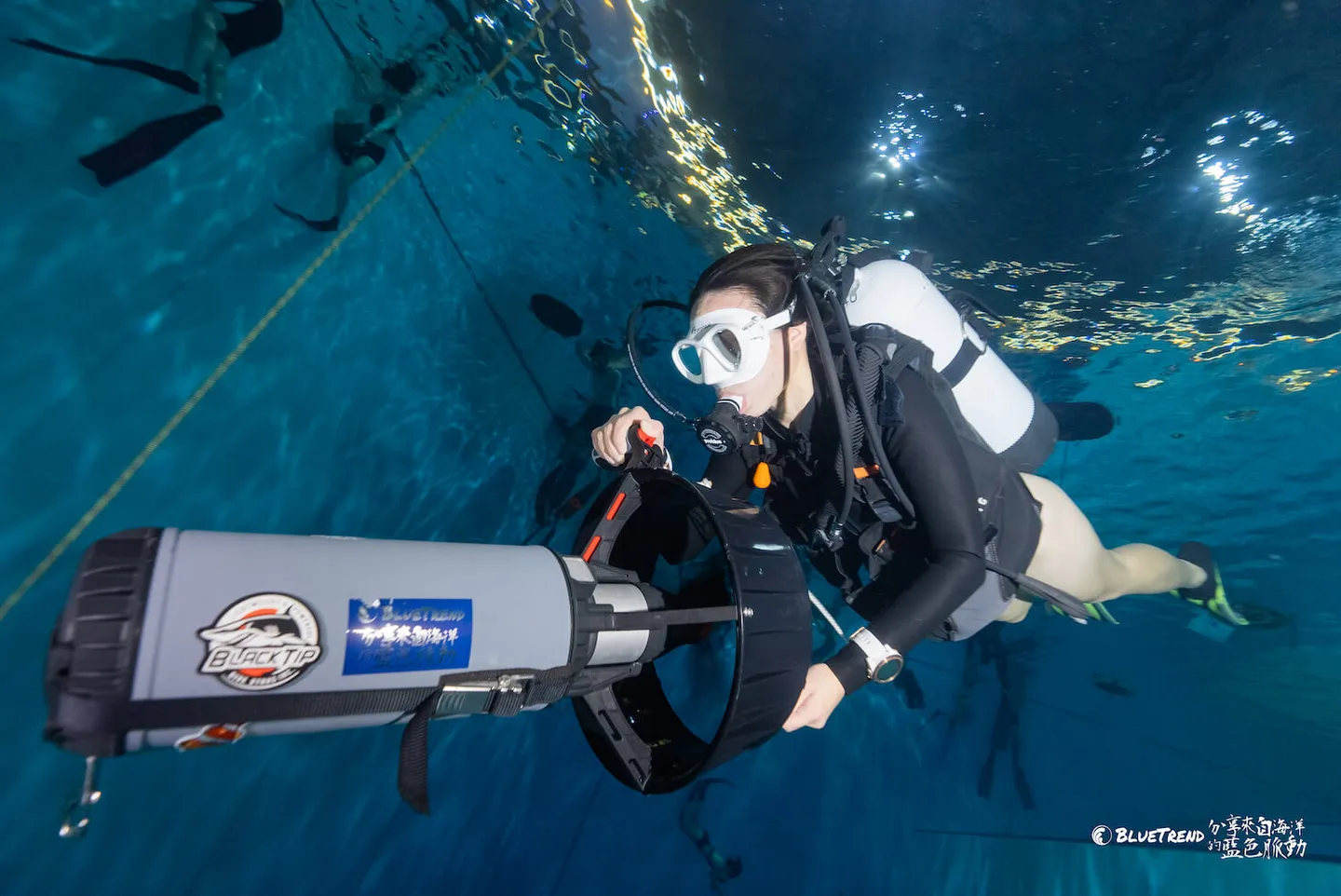
Having a deep-rooted understanding of how to use a DPV safely is the key to minimising risk (As the Northeast Coast dive season had ended at the time of writing, scenario photos were taken at Taichung Dive Cube; Dive Cube does not permit the use of personal BCDs, so backplate-style crotch straps were unavailable)
Through the academic instruction and hands-on practice, you'll gain a much clearer understanding of the differences between various DPV brands and models, as well as their internal construction — knowledge that is invaluable for ongoing maintenance. A friend of the Editor's bought a DPV (the Black Tip Shark model) and tried to figure out underwater operation entirely on their own. Without a solid foundational understanding of DPVs, they didn't know how to adjust buoyancy underwater or how to properly maintain the unit after a dive. The result: when they went to use it on a particular occasion, they discovered the battery had been fully drained for some time, requiring thousands of NT$ in repairs — and because the moving parts hadn't been regularly serviced, the DPV had nearly flooded, which could have caused far more serious damage.
The Instructors' Firsthand Experience Is One of the Most Valuable Parts of a DPV Course
Earning your certification also means getting to hear instructors share their personal DPV experiences underwater — absorbing real-world accounts of what can happen and how to respond correctly to sudden situations, such as: a DPV suddenly surging forward uncontrollably, the battery dying mid-dive, how to communicate while riding, or what to do if you descend too quickly because of the DPV. While all of this is covered in the course materials, encountering it in reality is an entirely different matter.
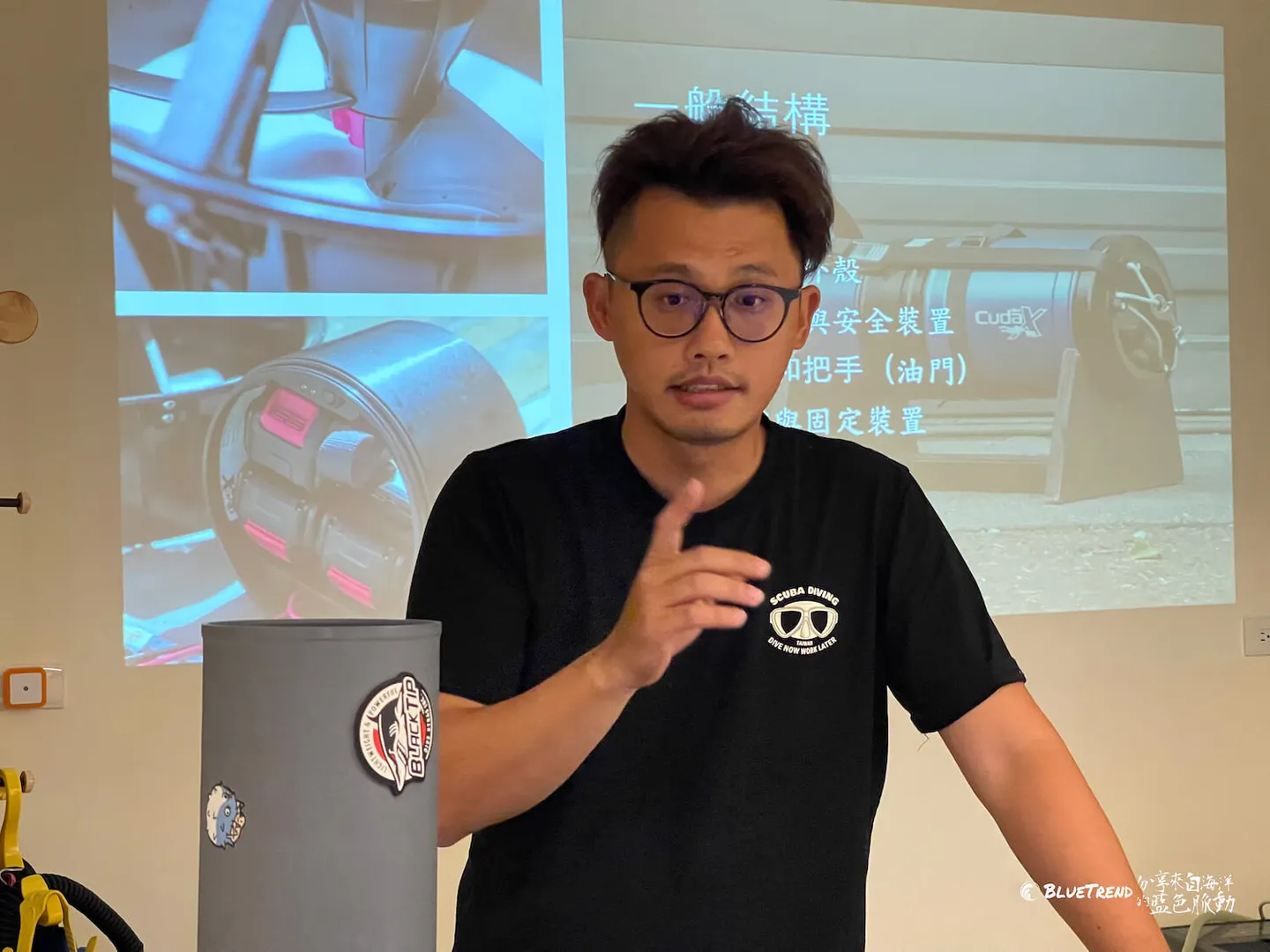
An instructor's invaluable experience helps us operate a DPV more safely
As DPV prices have become increasingly affordable, many clubs or groups of dive buddies are pooling resources to buy one together and explore new waters as a team. However, without a proper understanding of DPVs, the consequences range from minor — the DPV breaking down after a dive due to improper maintenance — to serious, including risks that can arise mid-dive: rapid descents that cause nitrogen partial pressure to spike and increase the risk of nitrogen narcosis, rapid ascents leading to decompression sickness (DCS), or a malfunctioning DPV that can't be efficiently towed back to shore.
These risk management concepts need to be ingrained in every diver's muscle memory before they ever take a DPV into the water, so that when an unexpected situation arises, they can resolve it quickly and decisively. A comprehensive and systematic DPV certification course is, therefore, the baseline requirement for getting back to shore safely.
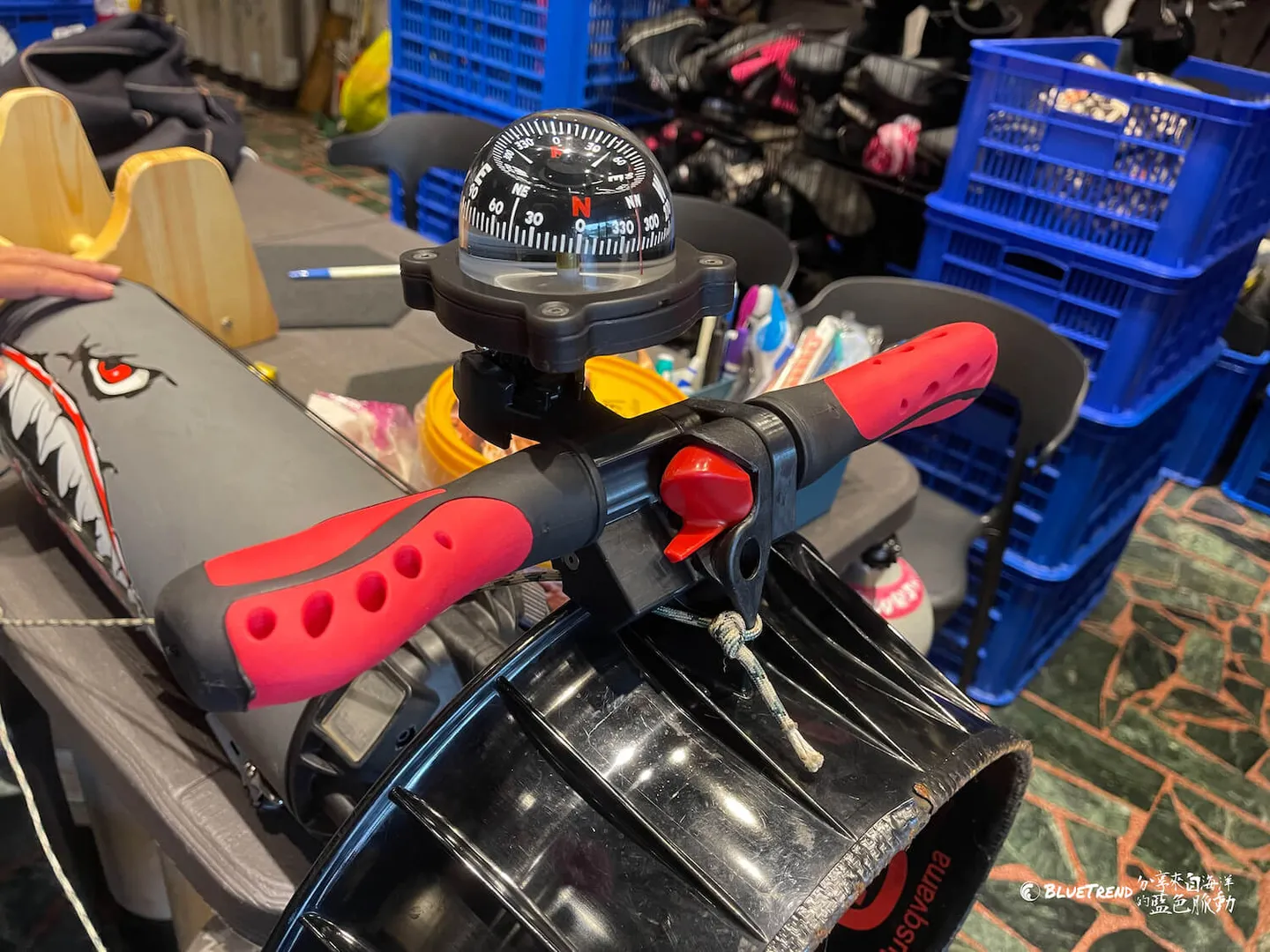
Don't forget — DIY modifications to your DPV are a whole other source of fun!
Related links: