Contents(9)
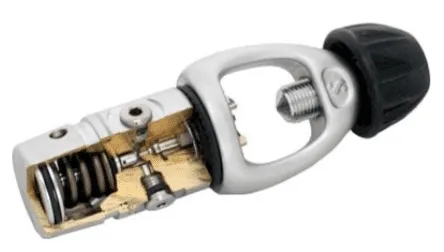
Before reading this article, if you don't yet have a general understanding of regulator structure, click here to get started: Regulator Types Introduction – First Stage Regulator and Regulator Types Introduction – Second Stage Regulator
Daily Care and Maintenance
After each use, never use your scuba tank / cylinder to blow into the inlet port — saltwater that has entered the first stage regulator will cause corrosion. Instead, simply wipe the dust cap dry with a clean towel and replace it.
After diving, thoroughly rinse/soak your regulator in fresh water to prevent corrosion of the metal components in both the internal and external systems.
There are differing opinions on whether the first stage regulator should be soaked, because the cap attached to the first stage is a dust cap rather than a waterproof cap. When you cannot confirm that the dust cap will not allow water to seep in during soaking, rinsing instead of soaking is the most conservative approach. When cleaning, make sure the dust cap is properly in place to prevent water from entering the working components of the regulator.
If fresh water does accidentally enter the first stage regulator, bring the regulator to a technician who can remove the hoses, attach a scuba tank / cylinder, and blow it dry. (If saltwater has entered, the regulator must be disassembled and cleaned.)
Also, when rinsing the second stage regulator, do not press the purge button. Doing so will allow water to enter the low-pressure hose. If you accidentally press it, attach the regulator to a scuba tank / cylinder and press the purge button to expel the water from the hose.
Another commonly overlooked item is the mouthpiece of the second stage regulator. A worn mouthpiece can allow water to leak into your mouth. To replace the mouthpiece, cut off the old cable tie and fit a new one.
Remember, never attempt to service your first or second stage regulator yourself. You may cause it to malfunction and potentially void the warranty.


Storage
Make sure your first and second stage regulators are completely dry, then loosely coil the hoses (in a circular fashion) and place them in a protective regulator bag. Avoid bending or kinking the hoses to extend their service life.
Ozone and sunlight are two of the most destructive forces for rubber products. To protect your rubber hoses, always store your regulator in a cool, shaded location away from direct light, and avoid placing it near motors that generate ozone.
Annual Maintenance and Servicing
Even with today's regulator manufacturing materials and technology, no truly maintenance-free product has yet been created. Regular disassembly, cleaning, rust removal, lubrication, and adjustment are necessary to keep your regulator in optimal working condition. Internal contamination of a regulator can come from several sources:
Dust, oil, and rust water from inside the scuba tank / cylinder: A poorly maintained scuba tank / cylinder may already have developed internal rust, and a compressor with an inadequate filtration system can introduce oil and moisture into the tank. When the mixture of these three contaminants adheres to the interior of the regulator, it will impede airflow and degrade breathing quality. In severe cases, it can cause internal components to malfunction.
Saltwater: Saltwater that accidentally enters through the inlet port — for example, when a tank valve has been contaminated with saltwater and is not cleaned before changing tanks, or when a drop accidentally falls in during a tank change — will enter the interior of the regulator along with the high-pressure air once the tank valve is opened. Saltwater causes internal components to corrode, impedes airflow, and degrades breathing quality. In severe cases, it can cause internal components to malfunction.
Air: Acidic substances in the air can, under the high-pressure conditions inside the regulator, react chemically with metal surfaces, silicone oil, or O-rings. If a regulator that has not been oxygen-cleaned is used with enriched air nitrox (EANx), the internal components may undergo accelerated oxidation.
Maintenance Procedures
Visual inspection: Check hoses and mouthpieces for cracks or damage — when inspecting, flex and bend the hoses or fold the mouthpiece to check thoroughly. Any such issues require immediate replacement. Also inspect the external metal parts for signs of corrosion.
(The following procedures must be carried out by qualified personnel.)
Disassembly
Using specialized tools, disassemble the regulator in detail to avoid components becoming completely seized due to corrosion. Metal parts, plastic components, and O-rings are fully separated.
Regulator disassembly tools
Cleaning
Use an ultrasonic cleaner and specialized cleaning solution to remove corrosion and oil from the internal components of the regulator, and to strip away any residual silicone oil.
Cleaning the regulator
The interior of the second stage regulator also needs to be disassembled and cleaned.
Second stage regulator
Rust Removal
Use an ultrasonic cleaner and specialized cleaning solution to remove corrosion from both the inside and outside of the hose fittings. Because the cleaning solution is acidic, O-rings must be removed beforehand; after cleaning is complete, apply silicone oil before reinstalling them.
Regulator hose rust removal
Lubrication
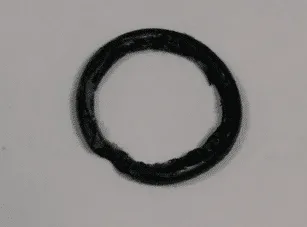
Apply regulator-specific silicone oil (non-toxic, oxygen-compatible, high-adhesion, water-resistant, low-temperature-resistant, highly lubricating, and highly sealing) to the O-rings inside the regulator. Using the wrong silicone oil can degrade the O-rings and shorten their lifespan. Manufacturers recommend replacing O-rings and gaskets with new ones each time the regulator is disassembled. However, when replacement parts are not available, properly lubricating the existing O-rings — as long as they are not cracked or deformed — can still extend their service life without affecting performance. Conversely, if an O-ring is cracked or deformed, it must be replaced immediately.
Adjustment
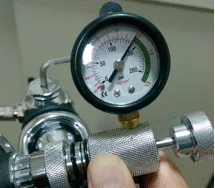
After disassembly, lubrication, and reassembly, a gauge must be used to adjust the intermediate pressure output of the first stage regulator back to the factory default value — typically an intermediate pressure range of 9.0–9.8 bar as specified by the manufacturer. In addition, the valve gap of the second stage regulator must also be adjusted to the optimal clearance.
The standard interval for annual servicing, as recommended by manufacturers, is once a year or every 100 scuba tanks / cylinders, but no longer than two years or 300 scuba tanks / cylinders. Gradual wear such as spring fatigue, silicone oil depletion, O-ring hardening and degradation, and metal corrosion are occurring at all times — regular servicing helps maintain good breathing quality and safer underwater activity.
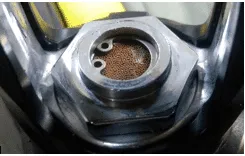
Even if a full annual service is not possible, it is still recommended to visually inspect the hoses and inlet port filter every year (if corrosion is present on the filter, saltwater may have entered the interior as well), and to have a qualified technician measure and adjust the intermediate pressure.
The regulator is a diver's most critical underwater life-support device. A poorly functioning regulator can cause fatigue, shortness of breath, inadequate ventilation, and headaches. When choosing a good regulator, in addition to basic certification standards, the manufacturer's reputation is also an important reference — a reputable manufacturer will never produce a faulty product and expose themselves to legal liability. Furthermore, when making a purchase, you must also consider future maintenance needs. After all, a regulator is not a disposable product; any product that cannot offer ongoing servicing support should be removed from your shopping list.
Now that you've read this article on regulator maintenance, you should have a deeper understanding of regulators. Be sure to check out our regulator soaking myths article as well!