Contents(8)
Introduction to Green Island's Environment
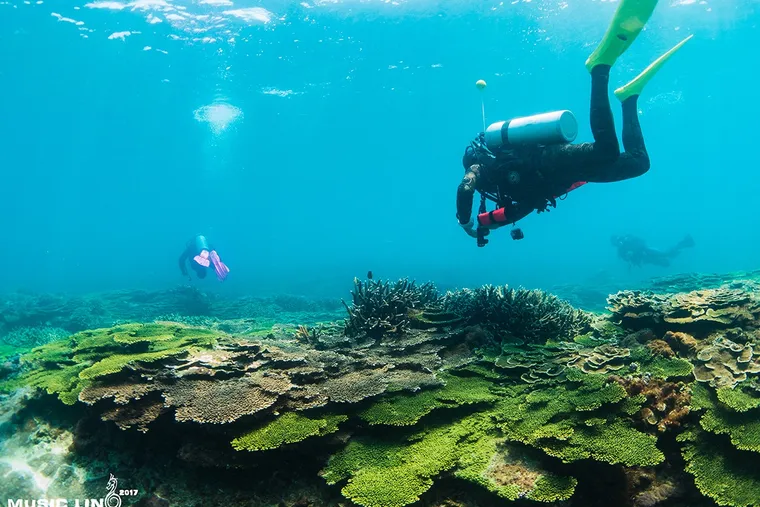
Green Island lies in the Pacific Ocean to the southeast of Taiwan. The island has an irregular quadrilateral shape, covers approximately 16 square kilometres, and is Taiwan's fourth-largest island. Coral reef formations encircle the entire island, supporting a rich underwater ecosystem. Because it sits within the path of the Kuroshio Current, water temperatures remain above 20°C year-round — dropping to a winter low of around 22°C and climbing to a summer high of 30°C, with an annual average of about 25°C. These warm temperatures are ideal for coral growth. The island's remote location — accessible only by boat or plane — minimises human disturbance, and visibility in the surrounding waters typically ranges from 30 to 40 m, making it an outstanding destination for dive travel.
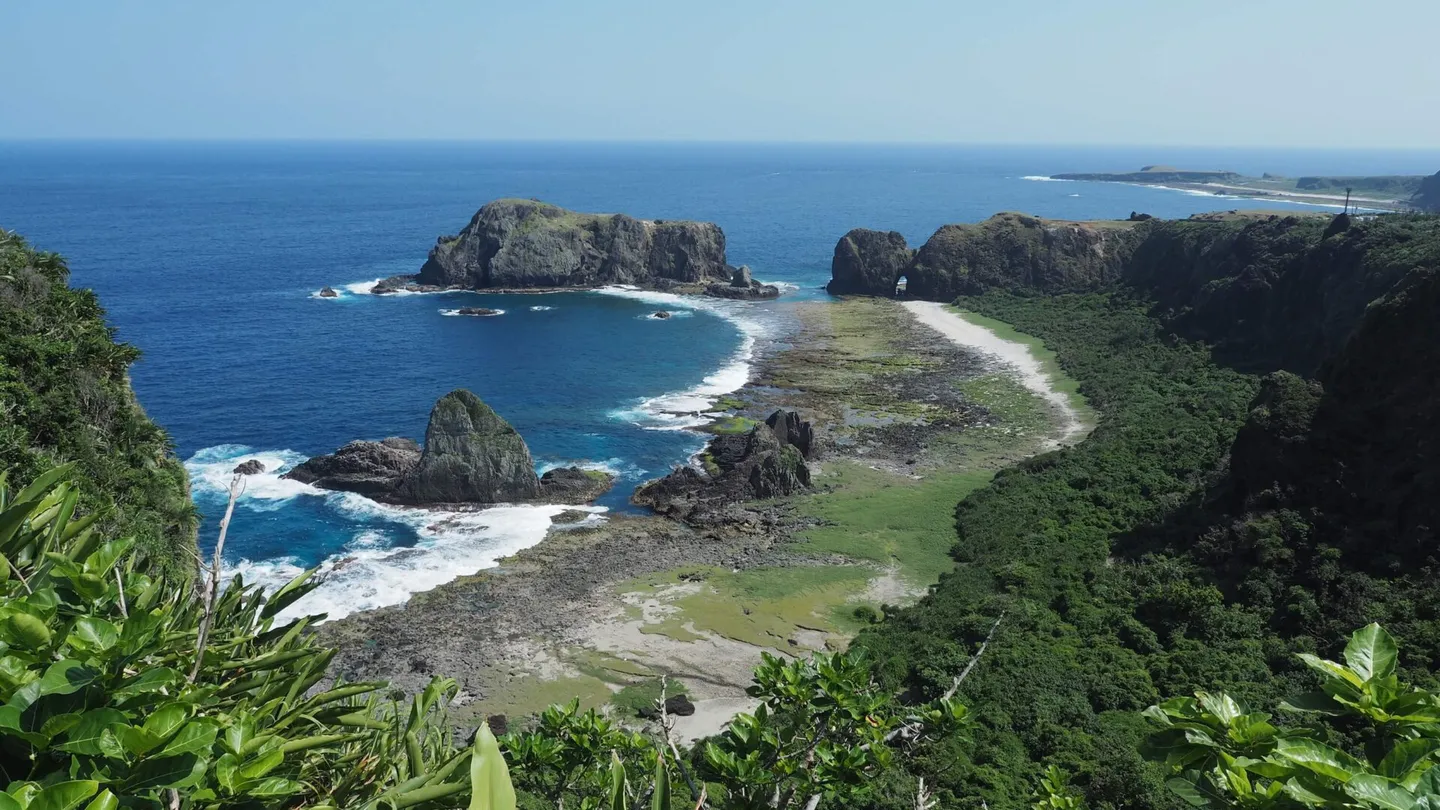
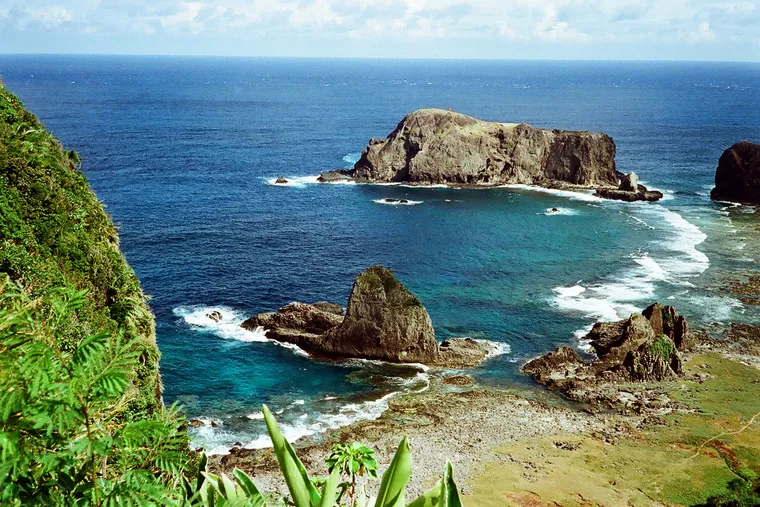
Green Island is a unique islet shaped by volcanic eruptions and marine erosion


How Do You Get to Green Island?
Like Orchid Island, getting to Green Island is not particularly convenient. Below are a few recommended ways to reach it — choose whichever best suits your itinerary.
- Budget route: Take the Taiwan Railways to Taitung Station, then transfer by taxi to Fugang Fishing Harbor and board a speedboat to Green Island. The crossing takes about 50 minutes.
- Time-saving route: Fly into Taitung Airport, then time your connecting flight to land at Green Island Airport.
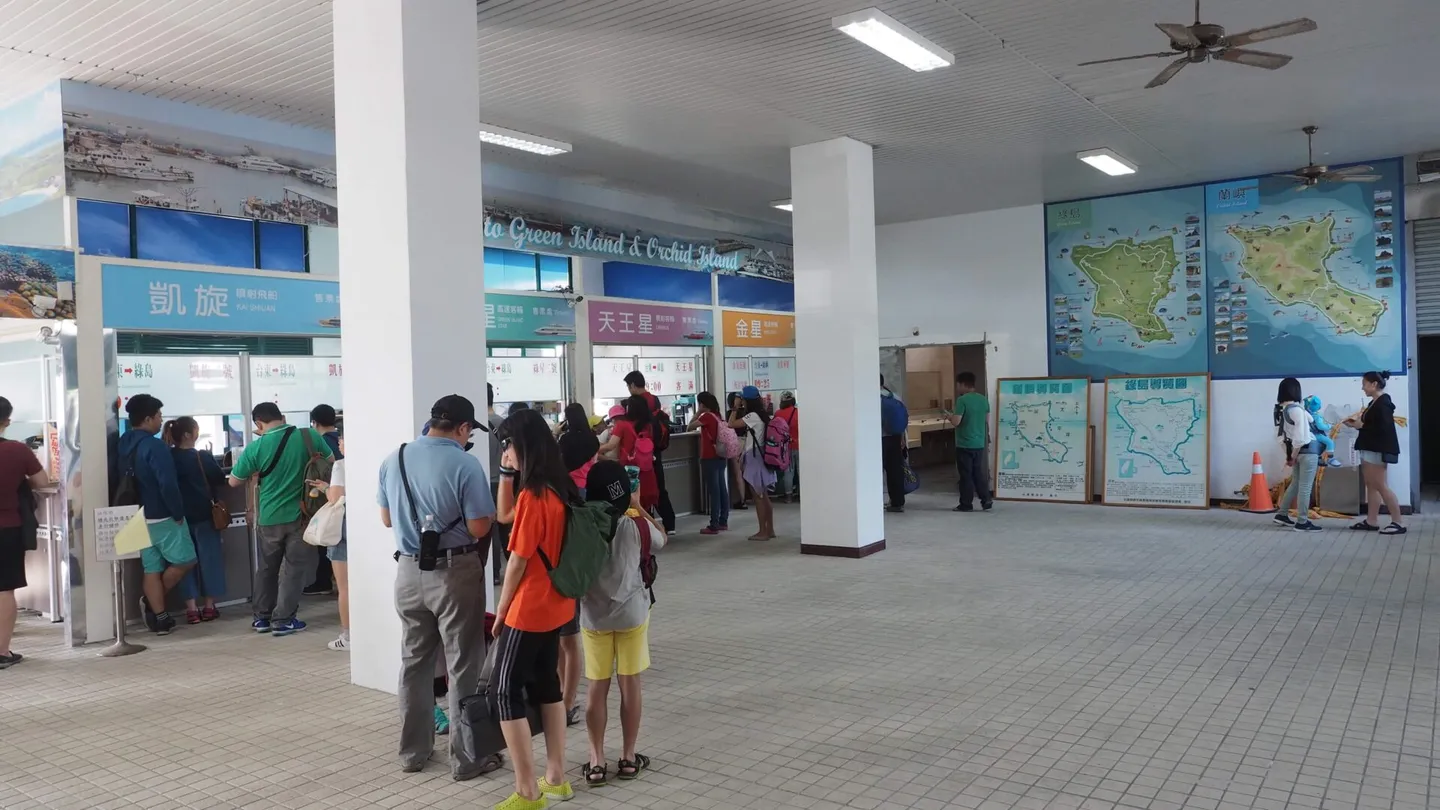
The ticketing office at Fugang Fishing Harbor, Taitung
One important thing to note: although the ferries to Green Island are reasonably large vessels, the route passes through turbulent waters. If you are unsure whether you are prone to seasickness, it is recommended that you take motion-sickness medication at least 30 minutes before boarding to avoid having your trip ruined. In addition, once typhoon season begins in summer, boat services are frequently suspended before and after typhoons. If you have onward travel plans after Green Island, be sure to factor this risk into your itinerary. But if you do happen to get stranded on the island, try to embrace the experience — being "marooned" on a remote island is a travel story all its own.
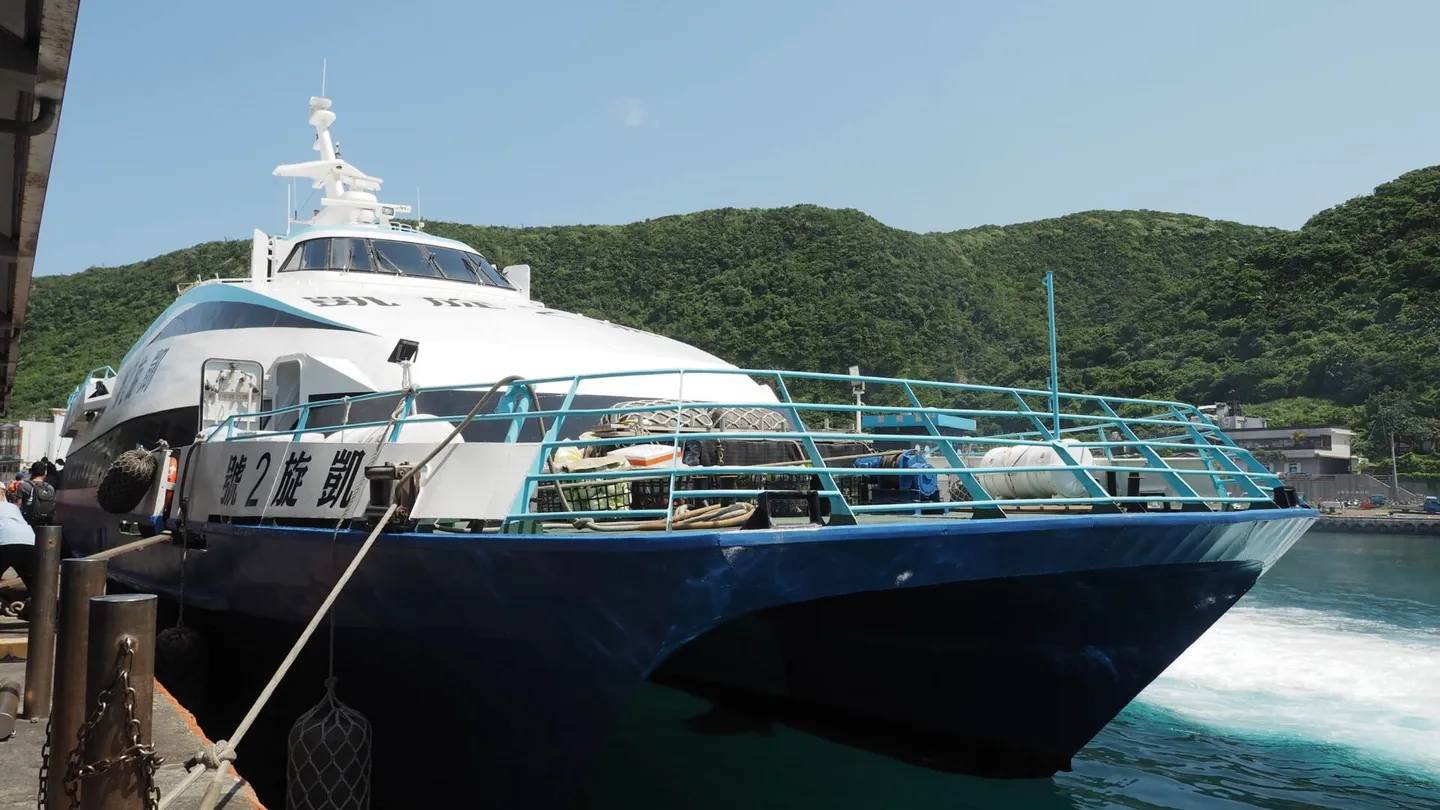
The ferry connecting Taitung and Green Island
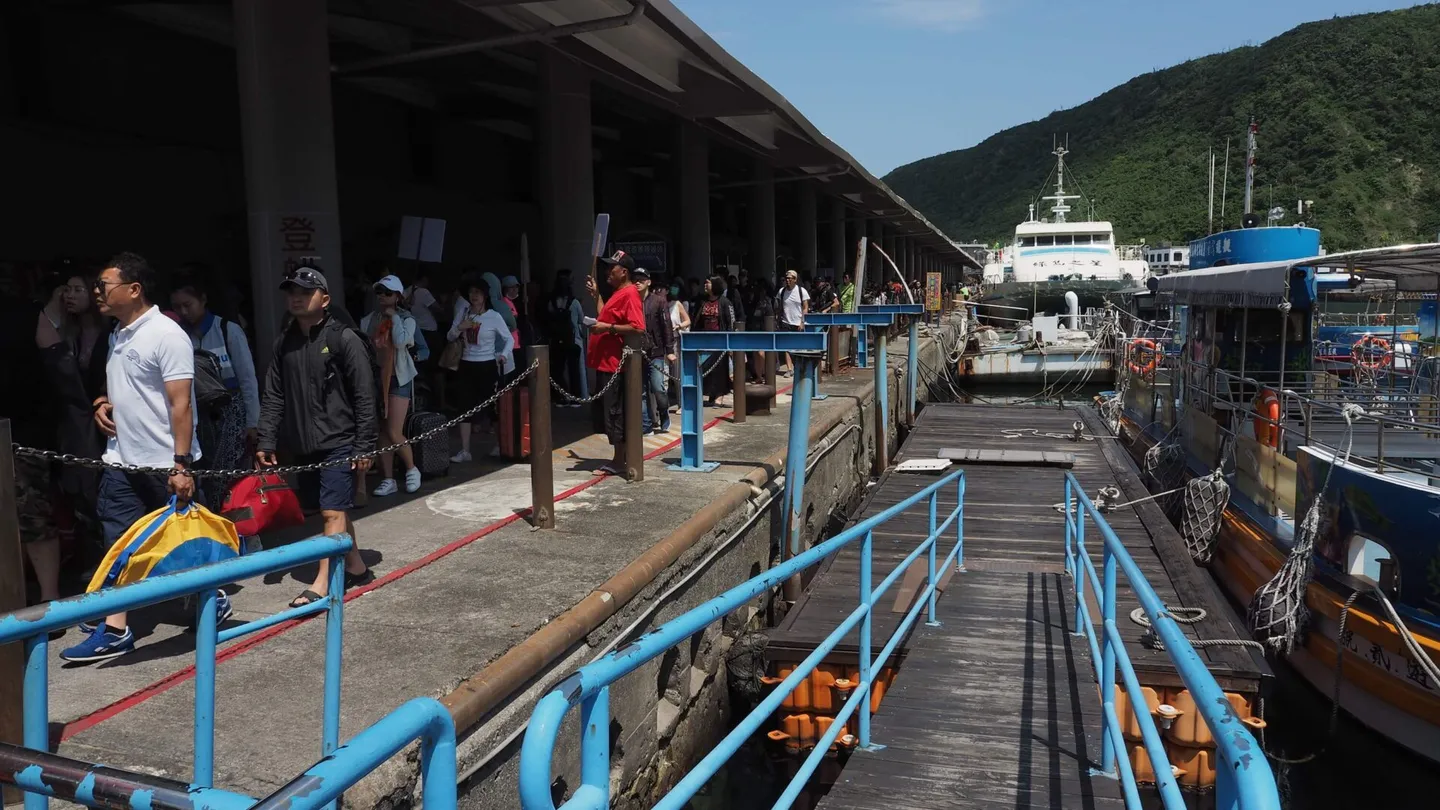
After disembarking, accommodation hosts will be waiting along the pier with name signs to pick up their guests
Getting around the island is just like other outlying islands of Taiwan — scooters are the main mode of transport. If you are a foreign visitor, remember to carry an international driving permit, or alternatively rent an electric scooter that requires no licence. A full loop of the island takes about 40 minutes; simply follow the circumferential road and you will have no trouble finding your destination.
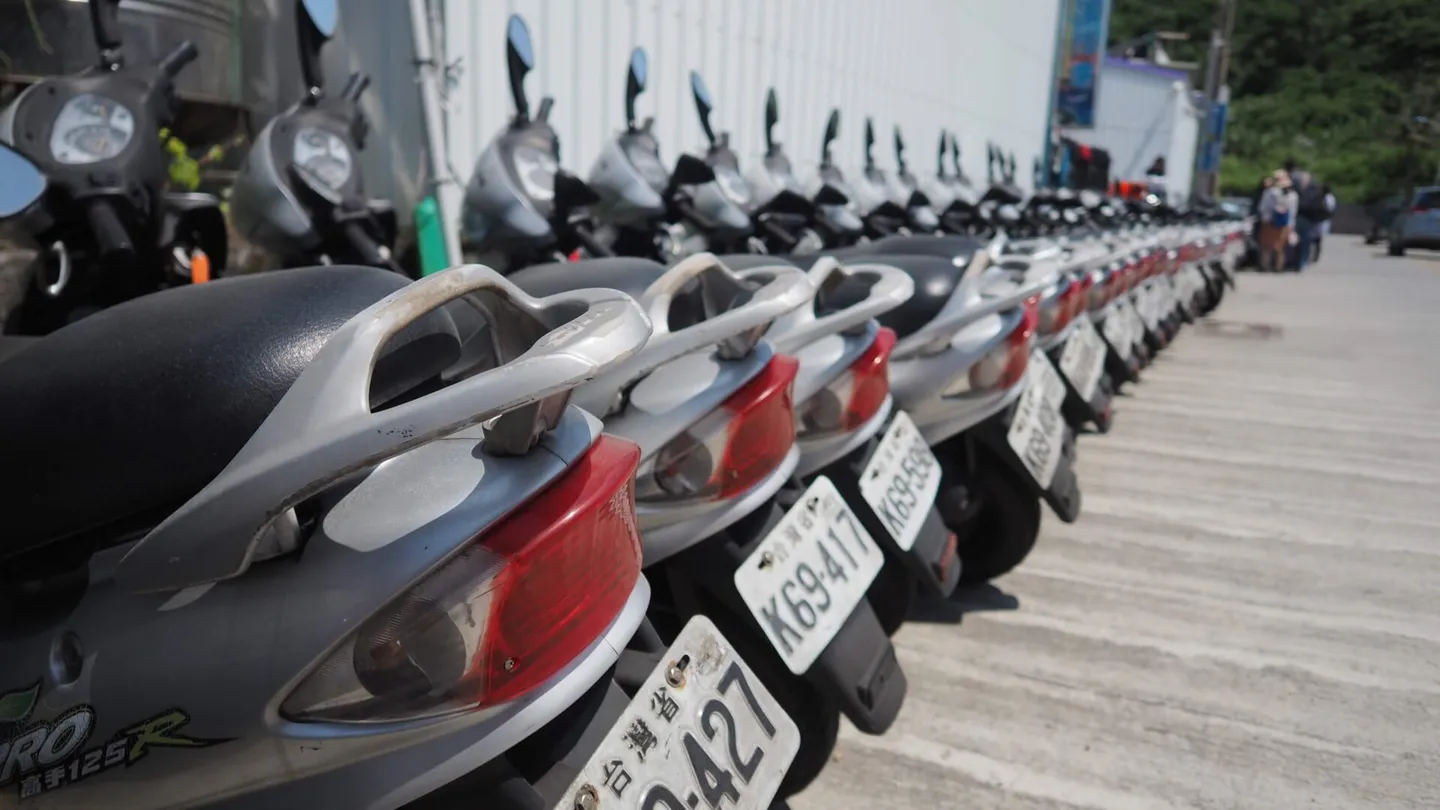
Rows of scooters lined up along the roadside, ready for rental
Things to Do on Green Island
The moment you arrive on Green Island, you will be captivated by the deep blue of the surrounding sea. But beyond the highly recommended diving activities, what other attractions and must-do experiences does Green Island offer?
- Cliff jumping for the adventurous: Once on Green Island, find an abandoned harbor with no boat traffic, raise your GoPro high, and leap into the water with your friends. It's the kind of daring, carefree activity that young adventurers simply have to try!
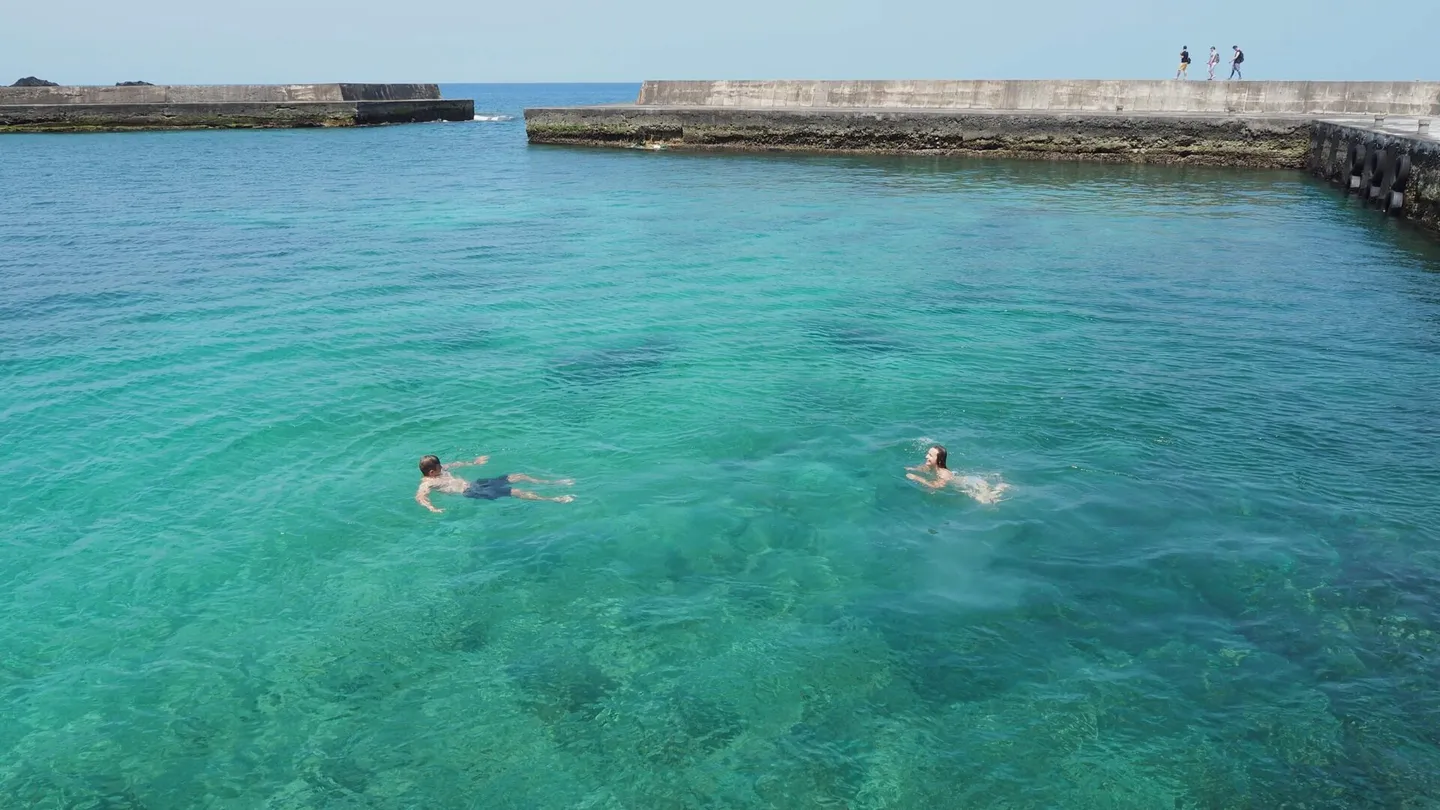
Chance encounter with foreign visitors from Eastern Europe trying their hand at cliff jumping
- A prison story: Green Island still serves as a detention facility for serious offenders in Taiwan. As far back as the Japanese colonial era, the island's isolated location was identified as ideal for a "Fire-Burning Island Vagrant Shelter." After the Nationalist government relocated to Taiwan, during the White Terror period, the prison expanded to occupy the entire southeastern side of the island, becoming the largest political prison in Taiwan. After martial law was lifted, the former prison site was transformed into a human rights park, comprising three sections: the Xinsheng Indoctrination Camp, the Green Oasis Villa, and the Human Rights Memorial. At its peak, the island housed nearly 3,000 people — guards and prisoners combined — roughly equal to the entire local civilian population. The sprawling prison infrastructure built to accommodate this population has now been repurposed as a series of tourist attractions. It is well worth taking the time to learn about the tragedies of that era.
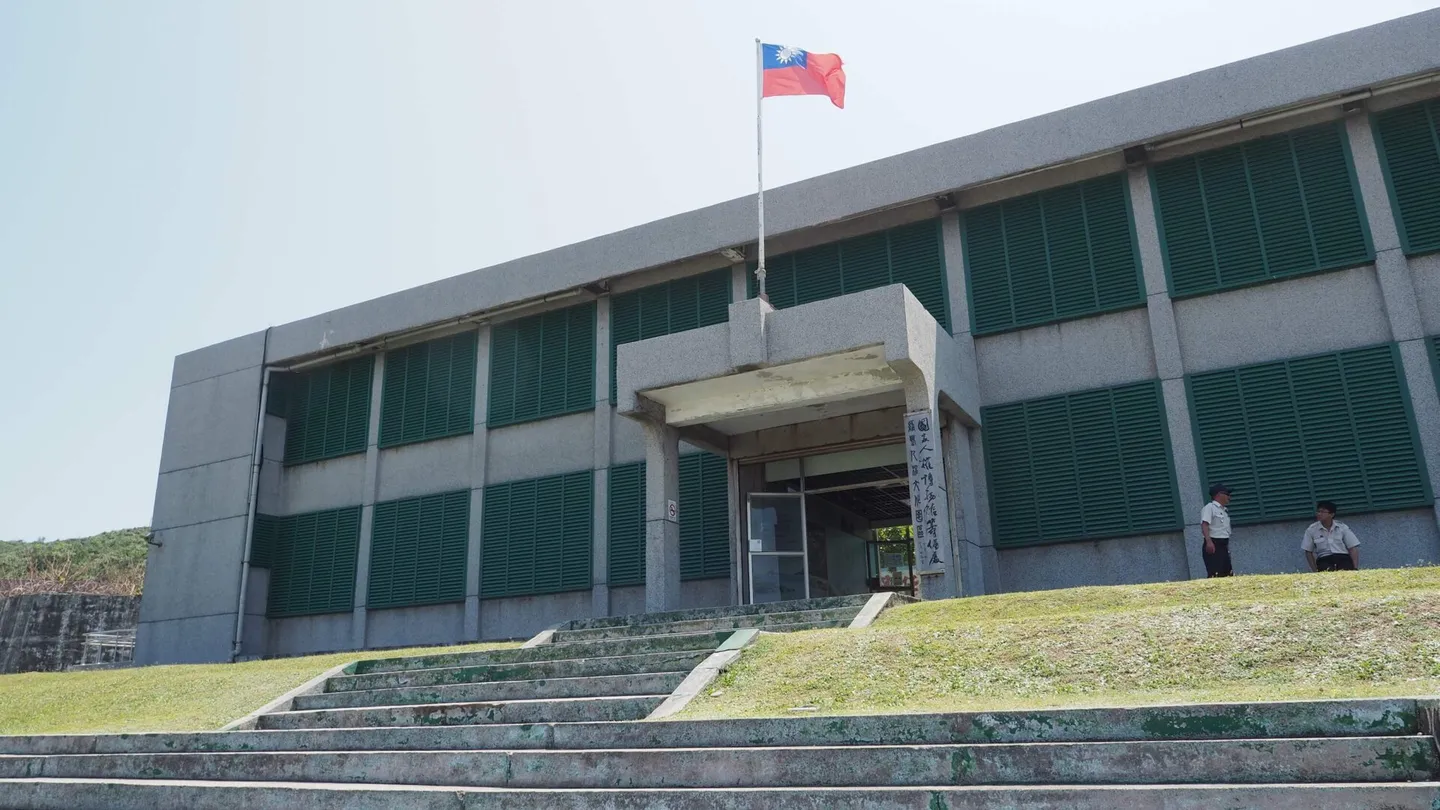
The Preparatory Office of the National Human Rights Museum
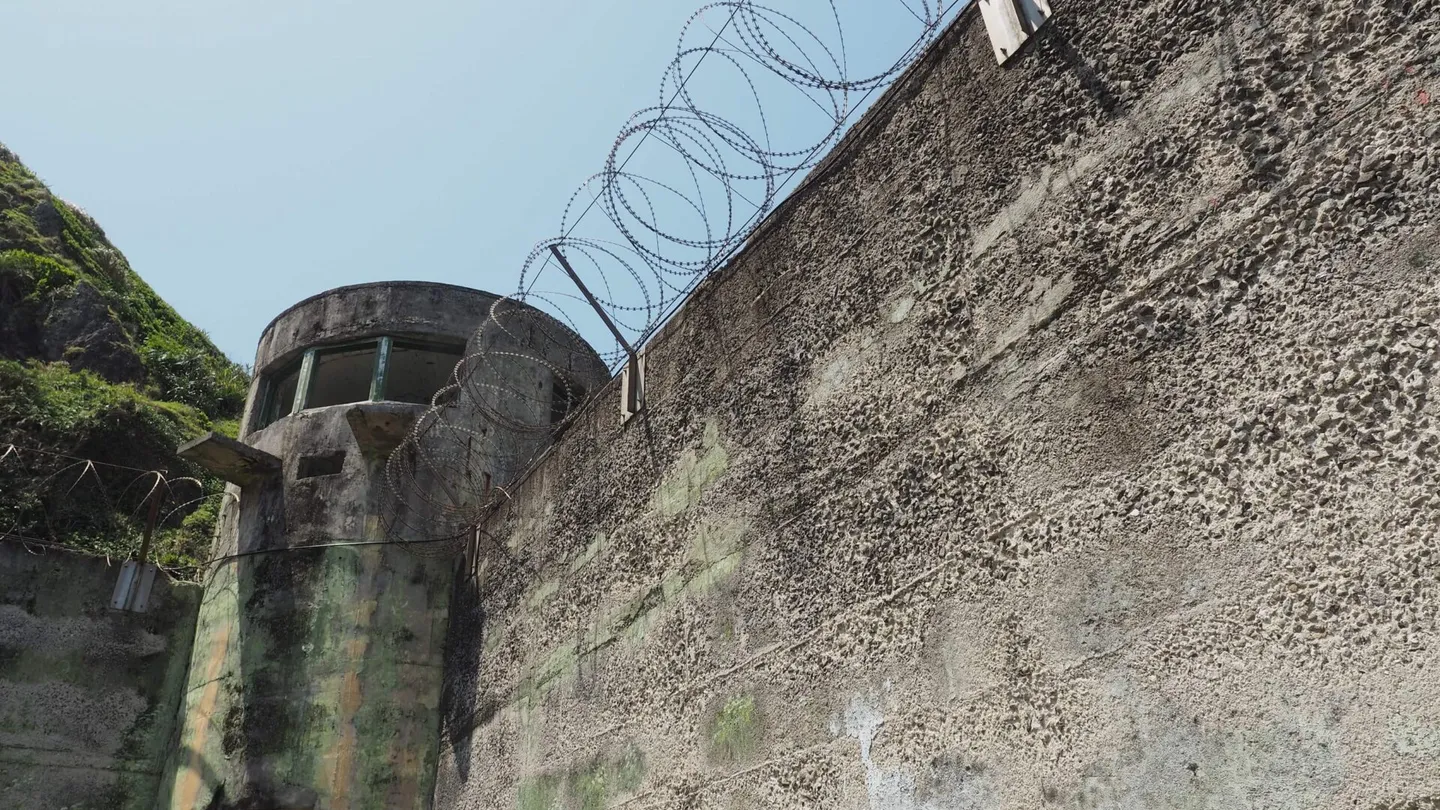
The prison's towering walls and barbed wire speak of a longing for freedom beneath the open sky
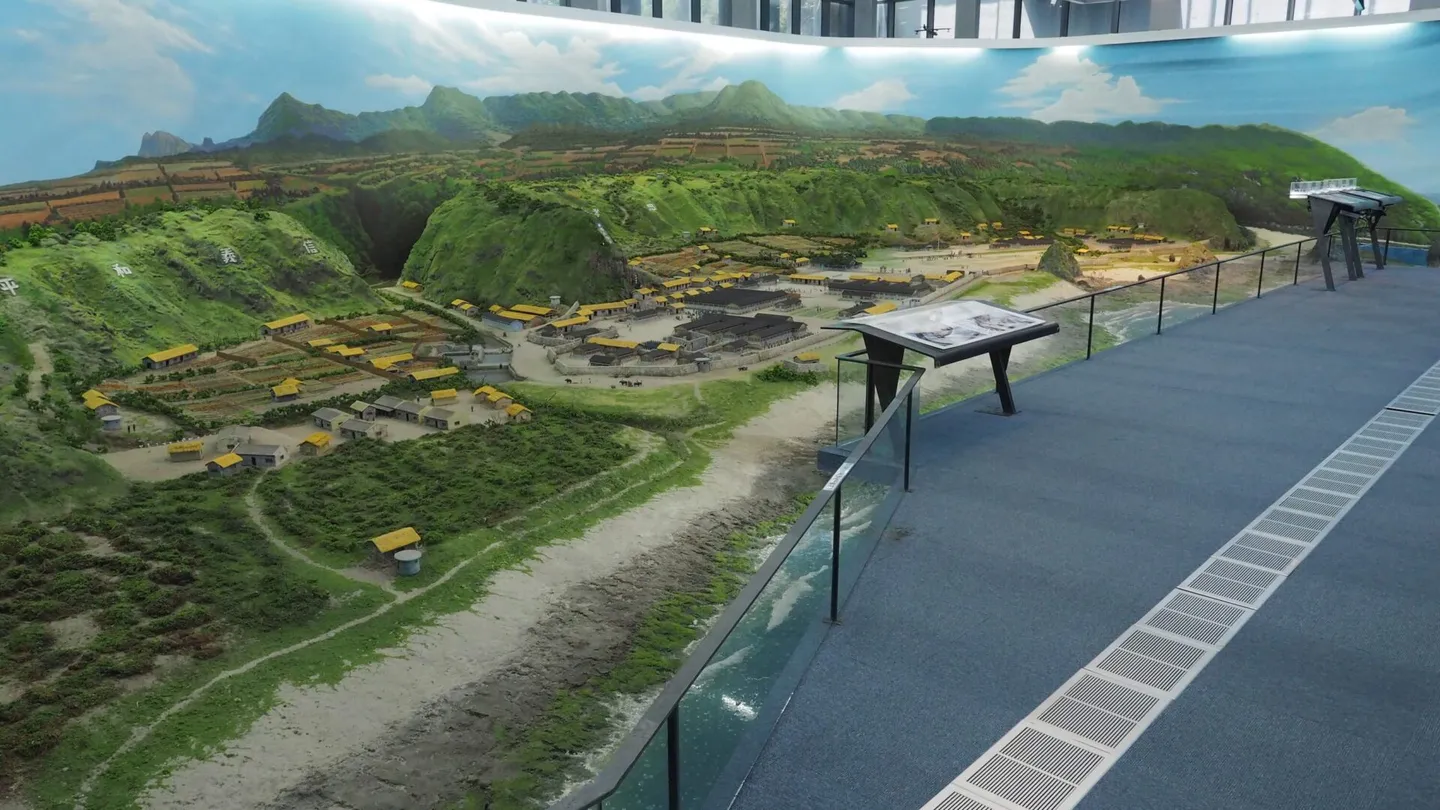
Scale models inside the museum reveal just how vast the prison complex once was
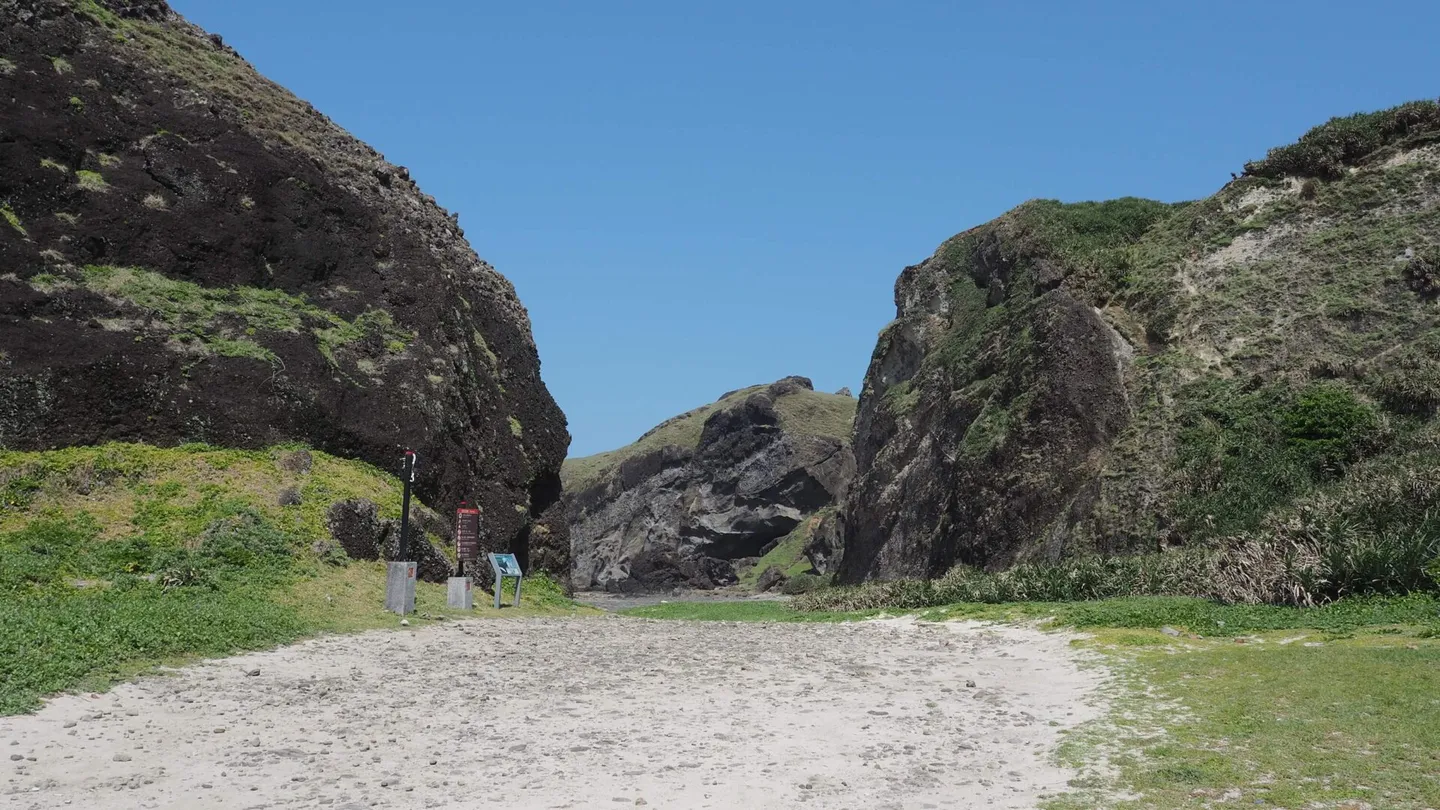
The Swallow's Cave and the 13th Squadron — places locals advise against visiting — are reminders of the era's tragedies
The prison on Green Island originally had only 12 squads. Prisoners who died under confinement and whose remains went unclaimed by family were buried collectively on this hillside. In tribute to their spirits, the site came to be known as the "13th Squadron."
- Green Island's dramatic landscapes: Green Island was formed by volcanic activity, and centuries of wave erosion have sculpted a striking array of rock formations along its coastline. When riding around the island by scooter, don't forget to stop and take in the extraordinary work of nature.
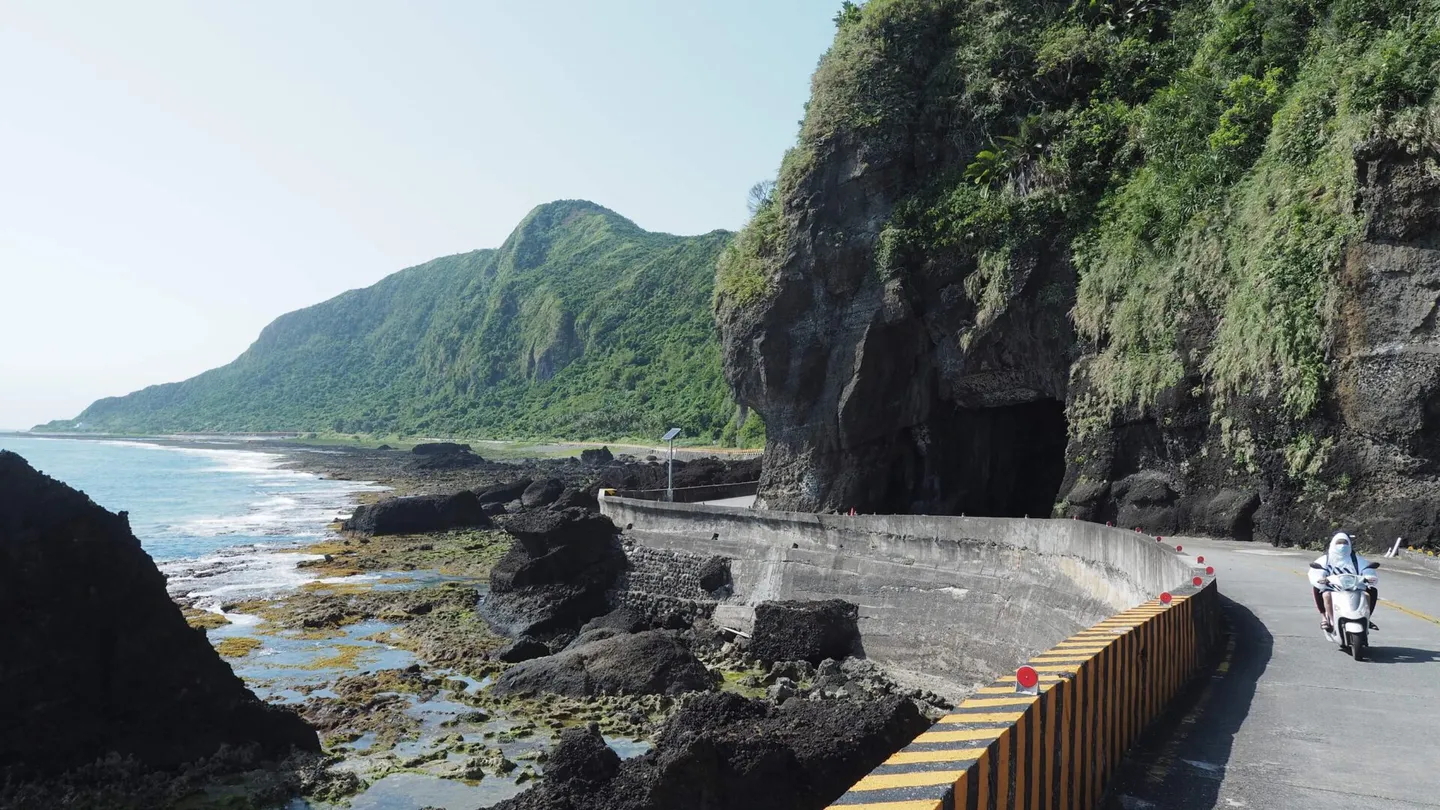
The circumferential road offers breathtaking views where sea meets sky at every turn
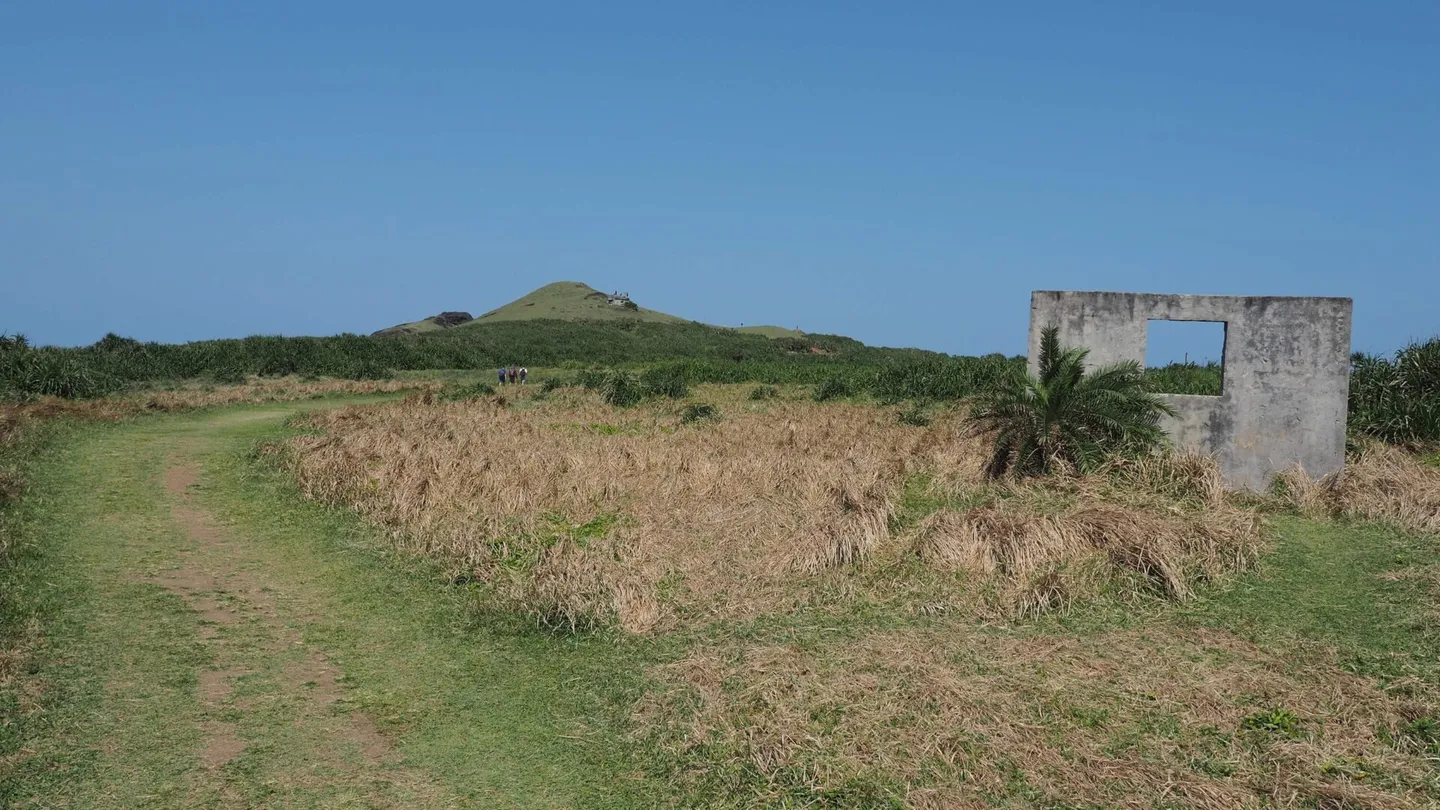
The grasslands of Niutou Mountain, Green Island
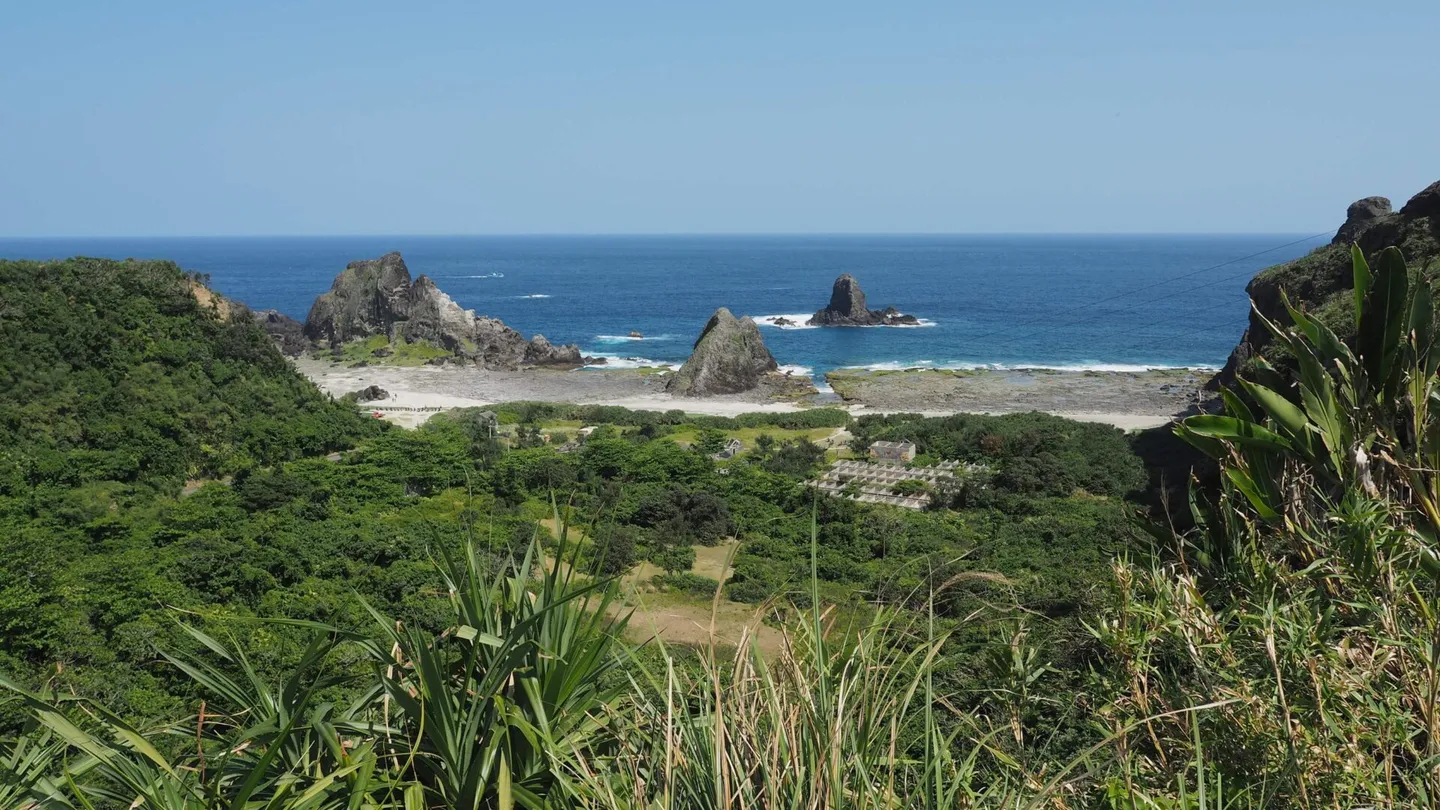
Ruins of the ancient settlement at Youzi Lake
Diving at Green Island
When the southwest monsoon prevails in summer, the waters on the island's southwestern side are more significantly affected. During the northeast monsoon in winter, diving on the northeastern side is largely inadvisable. Extra caution is also needed during typhoon season in summer — not only does visibility deteriorate after a typhoon passes, but driftwood accumulating in the harbor can lead to the island being closed off for up to a week. Keep these factors in mind when planning a dive trip.
In 2018, the Taitung County Government collaborated with Chunghwa Post to install an underwater mailbox 1.8 m tall in the Shilang snorkeling area. Designed in the likeness of the pygmy seahorse — one of Green Island's most iconic marine creatures — it is a must-see on any visit. Don't forget to mail yourself a one-of-a-kind underwater postcard!
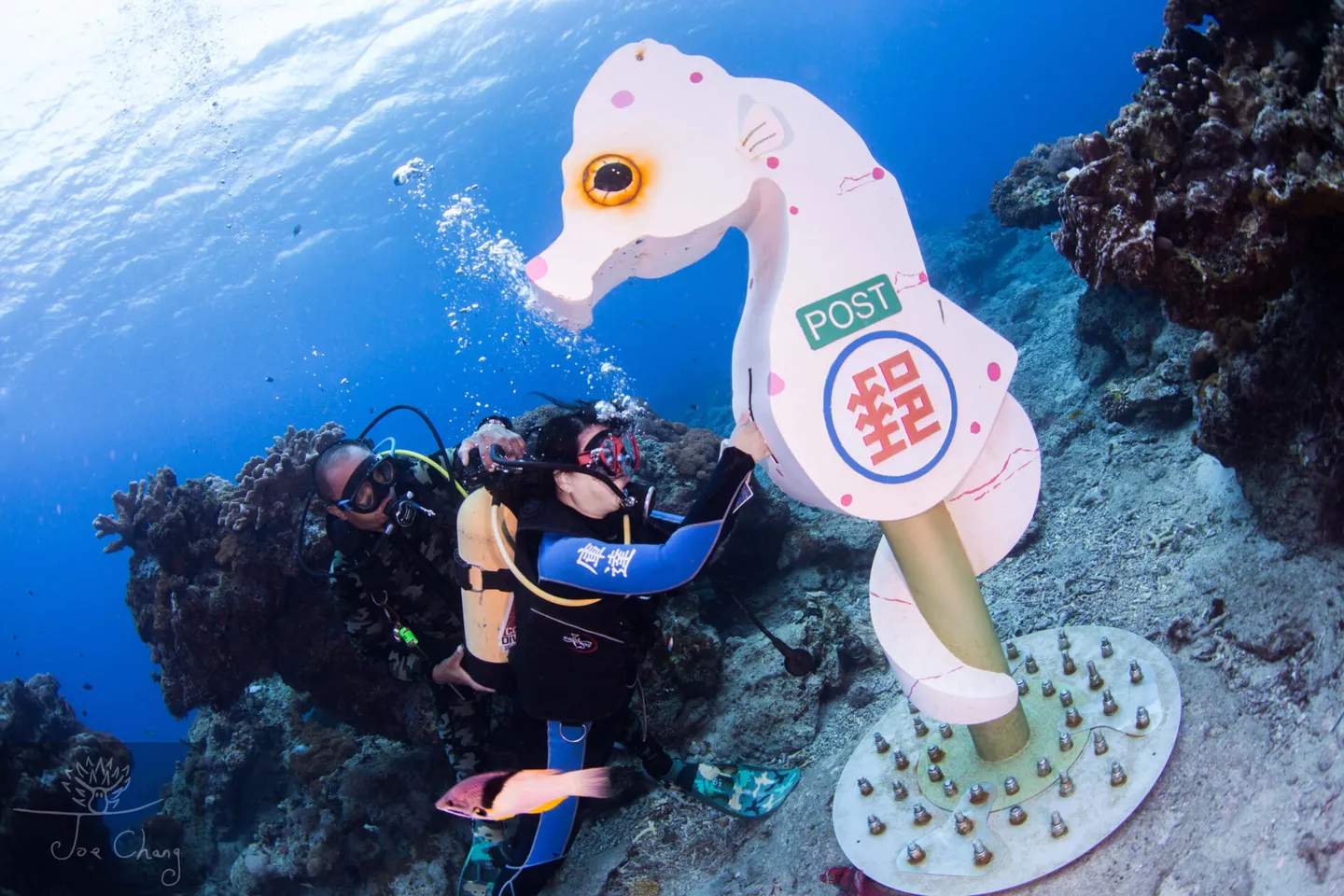
The adorable pygmy seahorse-themed underwater mailbox — photo credit Bubblescuba/AOI exclusive photographer Joe Chang
Tidal variation around Green Island is generally small, but ocean currents are complex due to the interplay between the island's shape, coastal currents, and the Kuroshio. Always listen carefully to your dive guide's briefing before entering the water. Pay close attention to tidal changes throughout the dive, as the temperature difference between high and low tide can reach as much as 5°C at certain sites, and current speed can vary significantly by season. When diving at sites with dramatic drop-off topography — such as the Grand Canyon or the Crack — be alert to sudden downwellings or upwellings, and maintain neutral buoyancy at all times to hold your target depth.
Since the average annual water temperature is 25°C, and the island's Huoshao Mountain and Amei Mountain provide shelter from monsoon winds, each season offers suitable dive sites. It is recommended that you consult your dive shop to arrange a dive trip based on current sea conditions and seasonal weather. The dive zones below are organised by geographic location.
Nanliao
From Guiwan Nose northward to just south of the airport, the central section of this zone is the Shilang Ecological Reserve, where coral coverage reaches 50%. This is the heart of Green Island's snorkeling and ecotourism scene. Southwest winds in summer can whip up waves, so extra care is required when entering and exiting the water. Within the Shilang Reserve, the "Giant Mushroom" is a must-see dive site — it is currently recognised as the world's largest known massive Porites coral, estimated to be 1,000 years old and home to a wide array of marine life.
Notable dive sites: Airport Fault, West Tooth Reef, Shilang Reserve, Giant Mushroom, Utility Pole Reef, Six-Meter Reef, Clownfish Island.
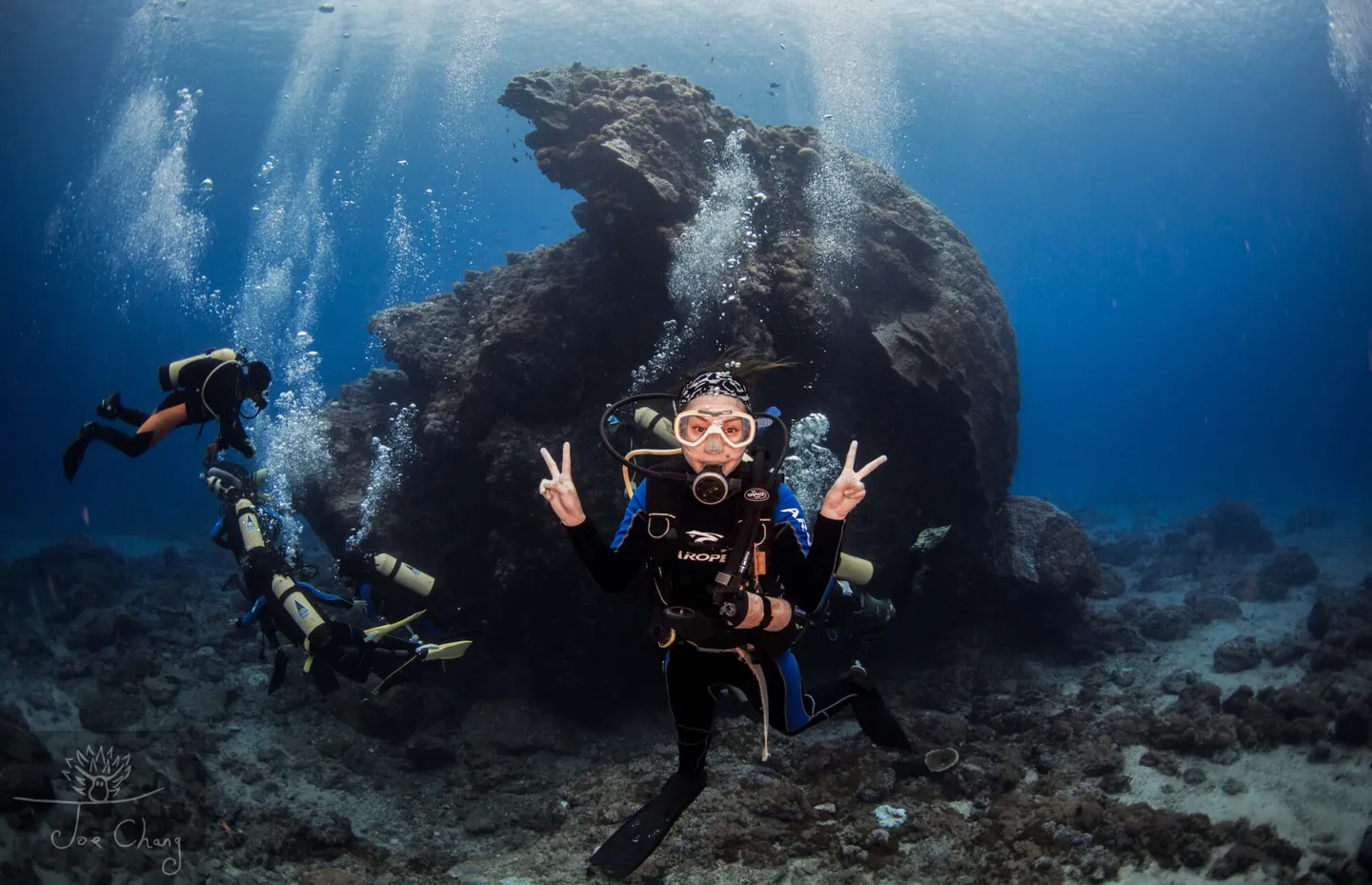
Green Island is renowned for its exceptional water clarity
Zhongliao
From just north of the airport to west of Guanquan Nose, the Chaikou Ecological Reserve within this zone is famous for its dense aggregations of hard coral, with coverage reaching 75%. Guanquan Nose holds the island's record for nudibranch diversity. This zone is almost entirely unsuitable for diving in winter, so bear this in mind when arranging accommodation and itineraries. Although Zhongliao Harbor is a disused fishing port, its calm and safe waters make it a natural daytime training pool for scuba diving. After dark, the small harbor harbors an astonishing variety of marine life, making it an excellent site for macro photography dives.
Notable dive sites: Suiyang Shipwreck Reef, Zhongliao Harbor, Chaikou Reserve, Yanglao Reef, Fazi Reef, Guanquan Nose.
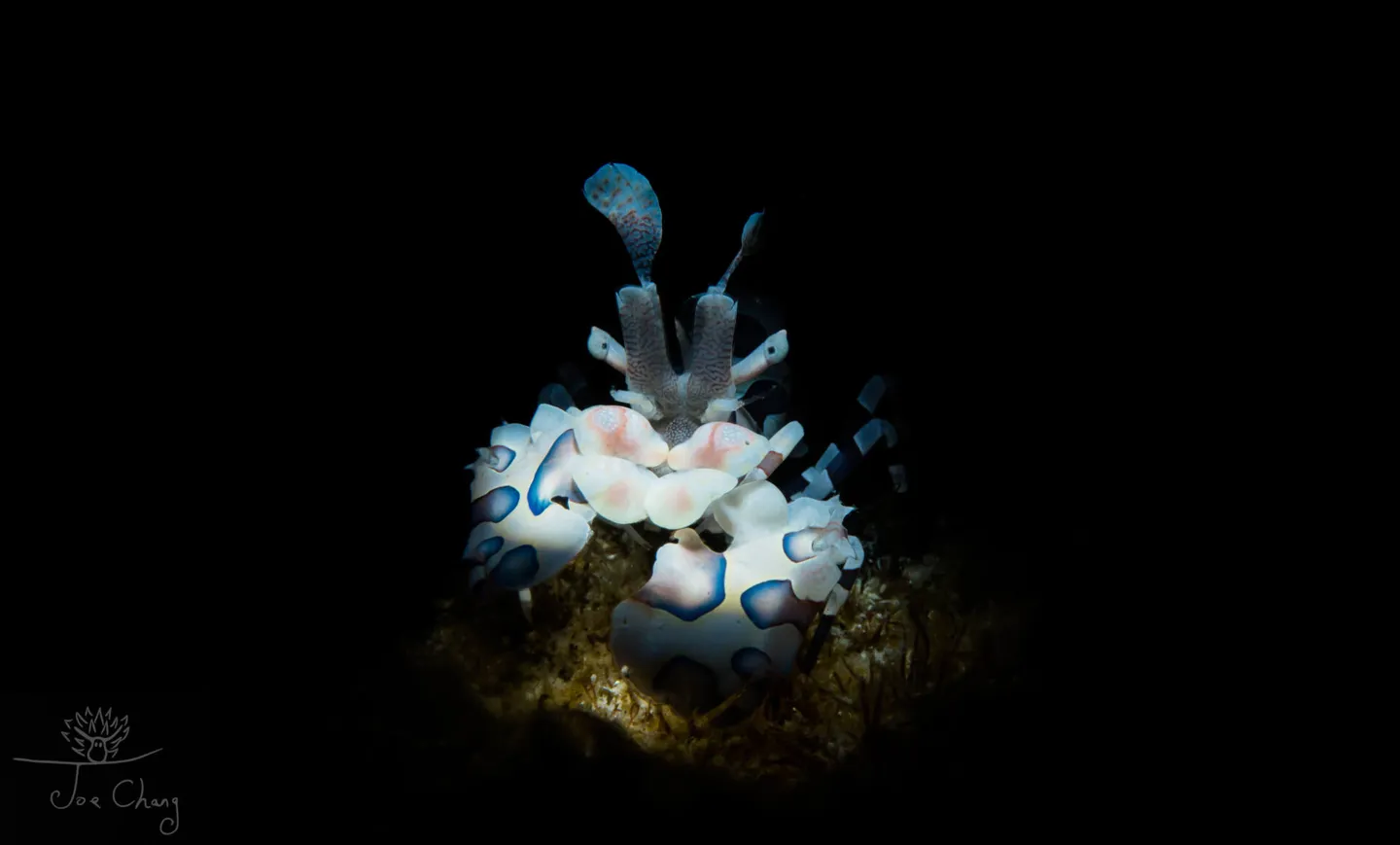
Green Island is also a paradise for macro photographers — photo credit Bubblescuba/AOI exclusive photographer Joe Chang
Guanquan
From Guanquan Nose eastward to south of Guibi Bay, this zone is characterised by a mix of clustered reefs and gravel beaches, with well-developed igneous rock formations and unique marine erosion features sculpted by the sea. Diving is not recommended in this area when the northeast monsoon picks up. Gunshui Nose is one of Green Island's most mysterious dive sites: every spring, a school of Hammerhead Sharks passes through here, riding the Kuroshio Current. However, the currents are as fierce as the name suggests, and very few dive shops or boat operators on Green Island are willing to take divers there — adding to its legendary mystique.
Notable dive sites: Guanquan Outer Reef, General Rock, the Crack, Grand Canyon, Three Rocks, Loumen Rock Outer Reef, Nanzi Lake Outer Reef, Youzi Lake, Blue Cave, Gunshui Nose, Pegasus Wreck, Hot Spring Tower, Purple Slope Outer Reef, and more.
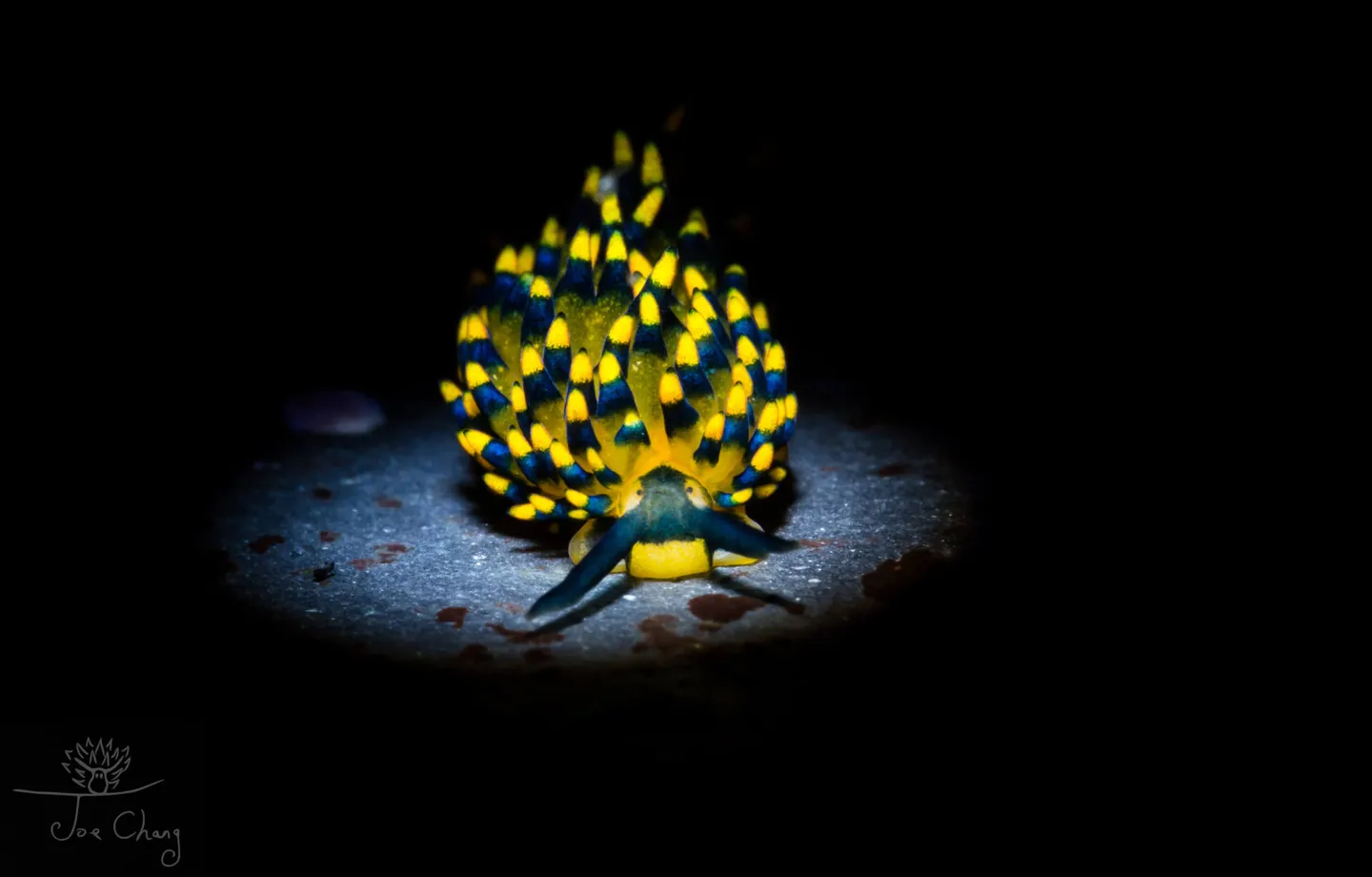
Reportedly up to 430 species of nudibranch have been recorded at Green Island — a treasure trove waiting to be discovered — photo credit Bubblescuba/AOI exclusive photographer Joe Chang
Guiwan
From north of the Dabai Sand dive trail to south of the northern entrance of the Big Brother Tunnel, this sub-zone has a relatively short coastline but is the most frequently visited diving area on the entire island. The large sea fan zone at the isolated Dabai Sand reef is one of the area's signature attractions. The Steel Reef here is considered one of Green Island's must-visit dive sites: batfish begin lazily circling the dive boat before it has even finished anchoring, and the goatfish sheltering within the steel structure attract wide-angle photographers from far and wide. Paired with the exceptional visibility, it is easy to see why this is Green Island's top diving destination.
Dive sites in this zone: Guiwan White Whip Forest, Chicken Reef, Horseshoe Bridge, Cathedral, Steel Reef, Dabai Sand Isolated Reef.
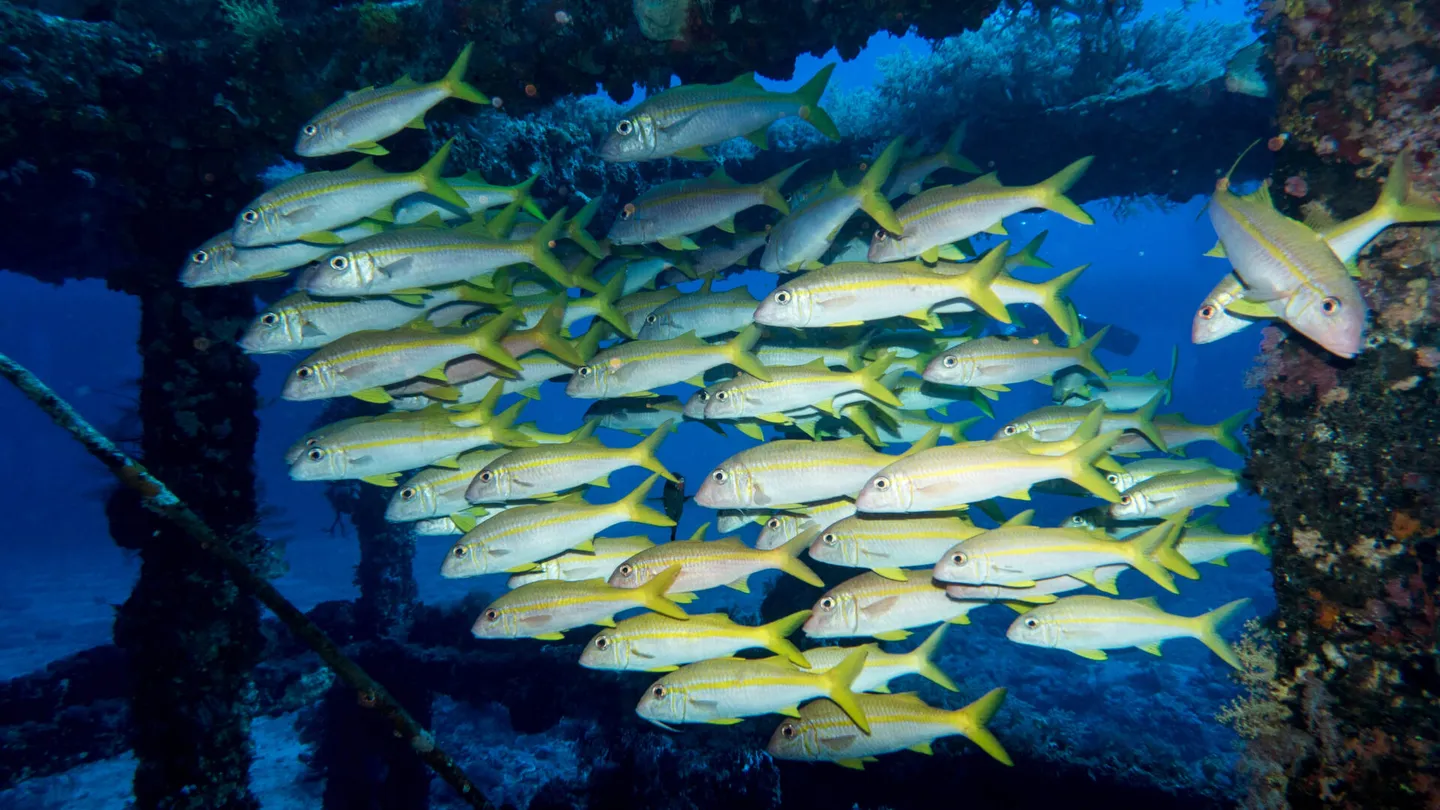
The batfish and goatfish at Steel Reef are a must-see
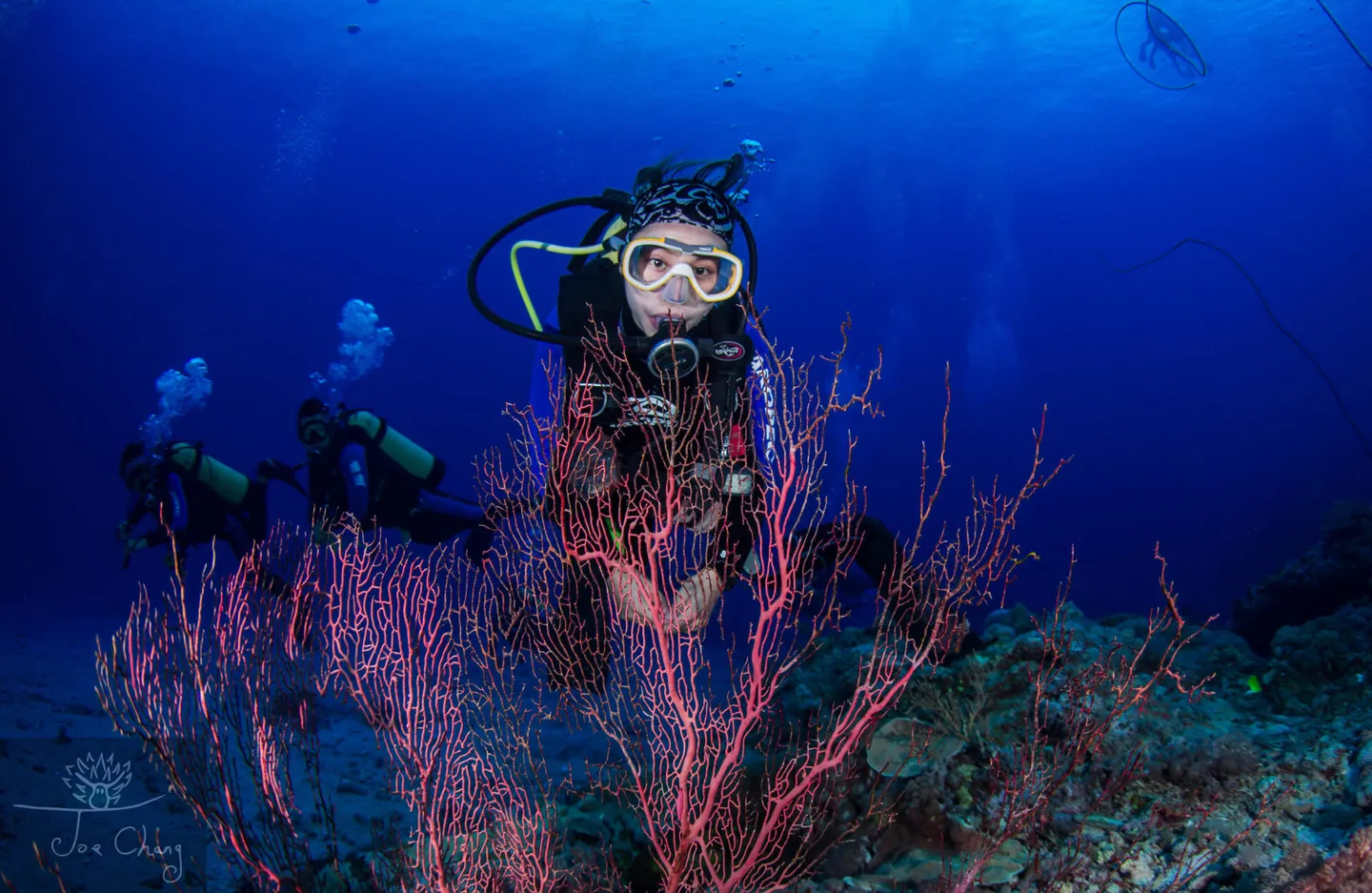
The superb visibility makes Green Island ideal for wide-angle photography — photo credit Bubblescuba/AOI exclusive photographer Joe Chang
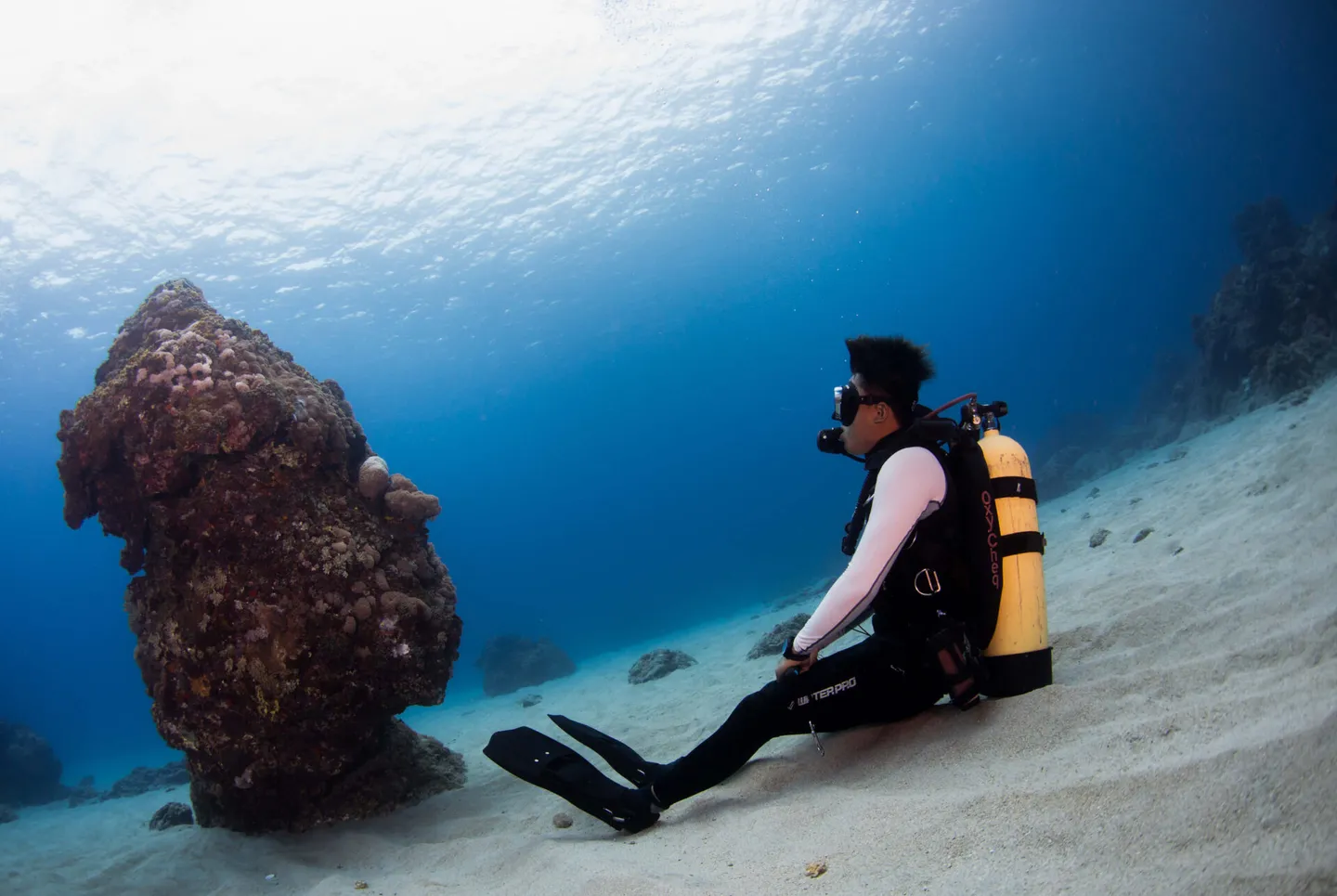
Strange and wonderful rock formations — their shapes are limited only by your imagination — photo credit Bubblescuba/AOI exclusive photographer Joe Chang
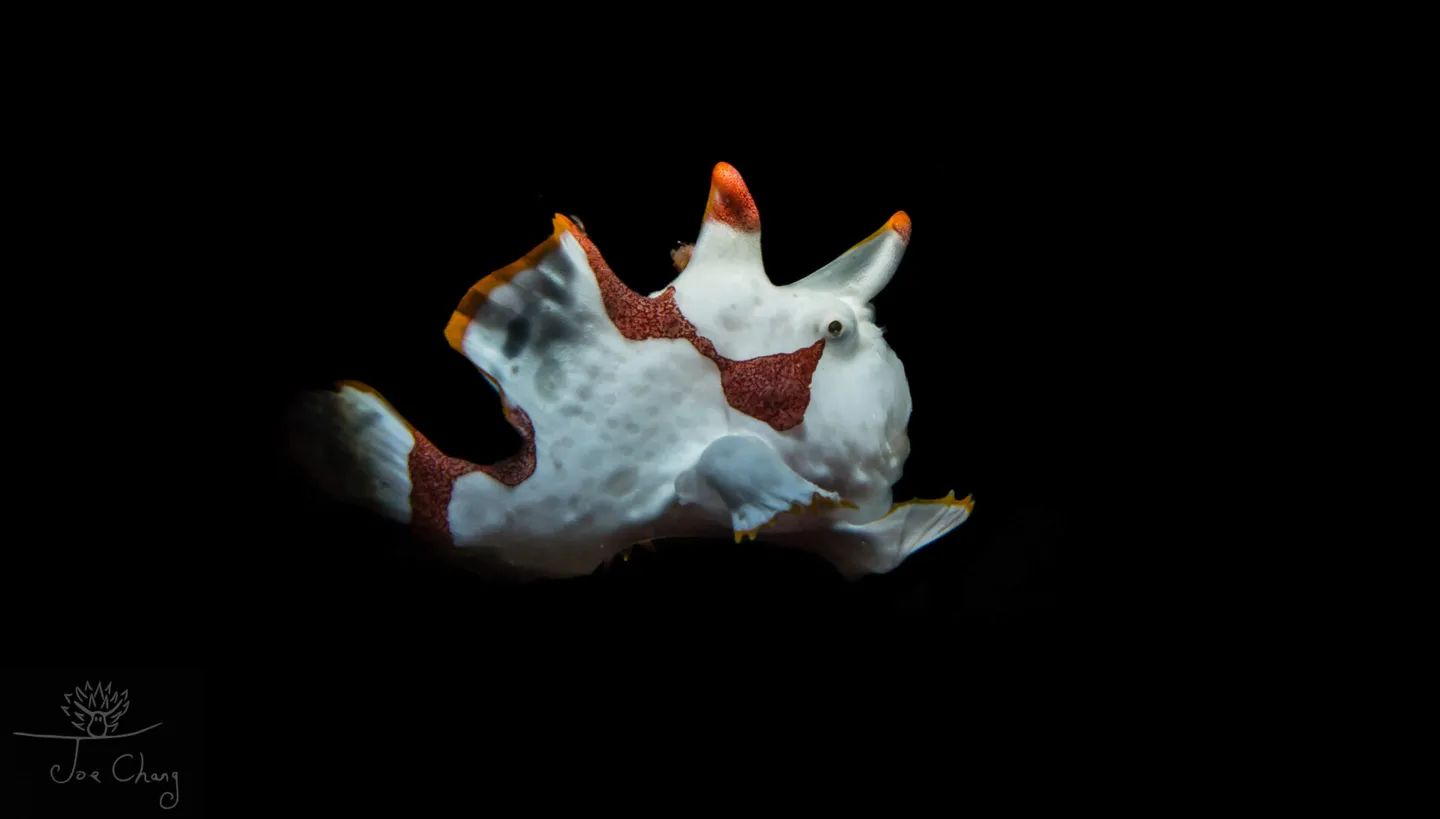
With luck, you just might stumble upon something truly extraordinary! — photo credit Bubblescuba/AOI exclusive photographer Joe Chang
Further reading:
Frequently Asked Questions
How is a BlueTrend dive trip different from an unknown, no-name dive group?
Choosing us means full peace-of-mind protection and a smooth experience from start to finish. Every trip we run holds to three things.
First, full legal protection and a professional dive leader: we strictly follow Taiwan's travel regulations and provide complete travel-agency liability insurance, travel insurance, trip-inconvenience insurance and dive insurance. Every group is accompanied by a certified, foreign-language dive leader who joins you on both the dives and the land itinerary, liaising seamlessly with local dive shops and operators on your behalf to keep things running smoothly — the person our travellers trust most.
Second, fully licensed with secure payments: every payment goes into a licensed travel agency's account, with multiple safe payment channels (bank transfer, credit card and more) and a legal collect-and-remit receipt, so every transaction is open, transparent and protected, avoiding the fraud and dispute risks of transferring money privately to an individual.
Third, hand-picked quality we vet in person: every trip, dive site and partner shop is scouted on the ground by our own team, from the guides' professionalism and safety standards to the food, lodging, environment and service details on land, all vetted by us so you don't get caught out.
I want to sign up for a dive trip. Are there certification-level or logged-dive requirements?
Each dive site is different, so the entry bar varies. 'Bali Tulamben', for instance, is relatively beginner-friendly. 'Malapascua in the Philippines' is also beginner-friendly, but since thresher sharks tend to cruise between 20 and 30 metres, we recommend AOW certification with 20+ logged dives to enjoy this trip comfortably. For 'the Maldives' or 'Palau', we suggest AOW with 50+ logged dives for a more relaxed experience. If you're not sure whether your experience fits the trip you want, message us and our dive editors will assess it and help you find the trip you'll feel safest on.
Can I join if I'm signing up alone? How are rooms arranged?
Plenty of our travellers sign up solo! For rooms and beds, we prioritise pairing you with a same-gender traveller, and if you'd rather have your own space you can pay the difference to upgrade to a single room. For the diving, our professional leader will pair you with a suitable buddy, and with the happy vibe on our trips you'll quickly make a great group of dive friends. Many people sign up alone, make new friends, and end up organising the next trip together!
Does the trip fee include dive insurance, gear rental, taxes and instructor tips?
It depends on the trip, the destination's regulations and the local operators. Every BlueTrend dive trip has a detailed web page with a clear 'included / not included' list, transparent and with no hidden charges. All payments are collected by a licensed travel agency, with a standard-form contract for your protection.
I'm a new diver / haven't dived in a long time — will I fall behind the group?
Before you complete your booking, our team assesses a suitable trip based on your certification level and experience. Before departure, we strongly recommend taking time to refresh in Taiwan with an instructor, or a fun dive to get your feel back. On the trip itself, our professional dive leader groups and pairs everyone by experience, keeps a close eye underwater on travellers who need extra care, and steps in to help right away.
Will the photos and videos taken during the trip be shared with us?
During the dives, 'safety' is always the leader's top priority, so whenever it's suitable and safe the leader will capture great shots and record the best moments. During or after the trip, we compile a cloud album for all travellers to download, so you go home loaded with memories!
Besides your scheduled trips, can you arrange a private group charter or independent travel for me and my friends?
Absolutely! Besides group trips, we also arrange private group charters and independent travel. We can communicate, enquire and coordinate services with local operators based on your needs, saving you time and effort and taking the language barrier off your plate, to tailor the smoothest, most reassuring dive trip just for you. Contact our LINE support and our editors will arrange it for you!