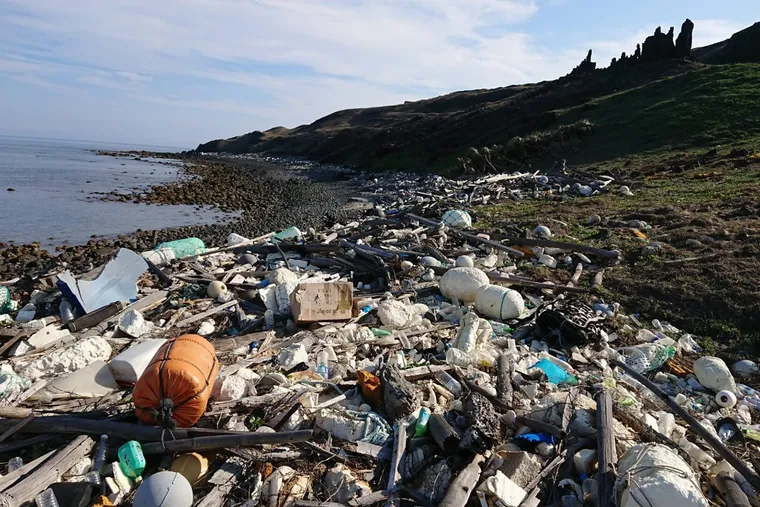
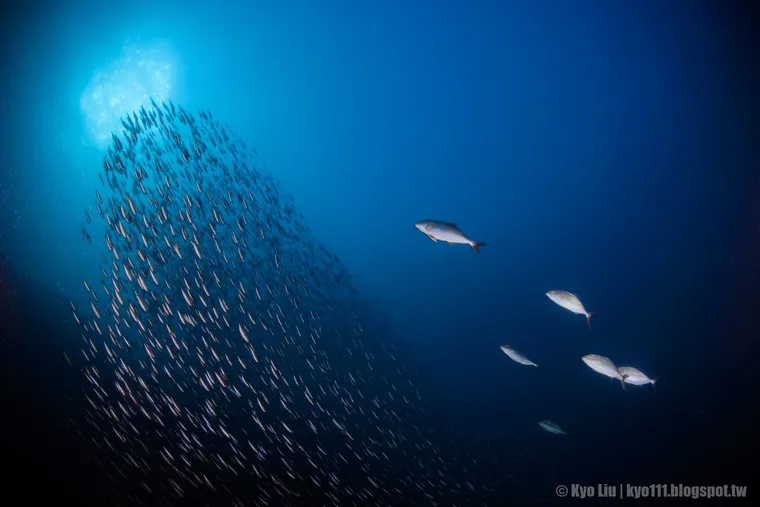
The Editor says: The recent news about Taiwan's ban on plastic straws in four major venue types has been causing quite a stir, leaving many people confused. In the meantime, let's look at a positive example: how Hawaii — an economy driven by tourism — has legislated a ban on sunscreens containing chemicals that cause coral bleaching. Editor-in-charge: Ingrid Wang
Hawaii's Sunscreen Ban
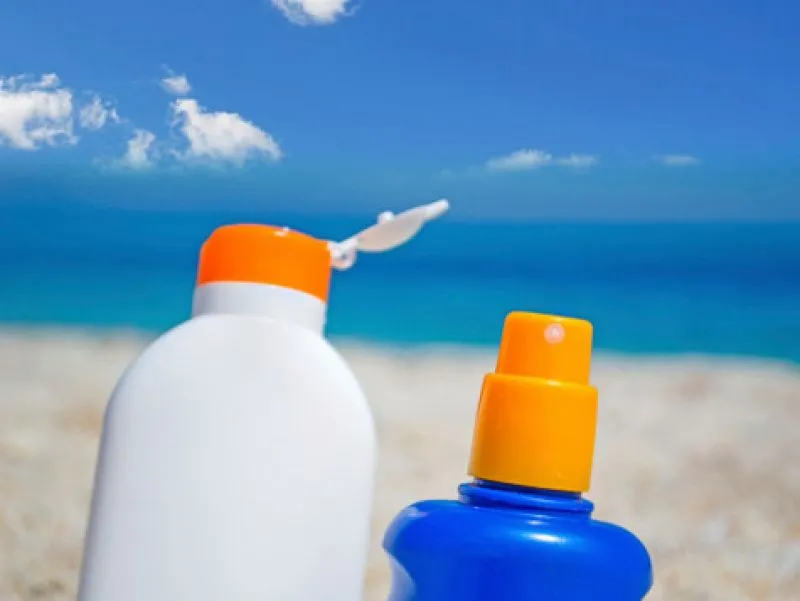
Hawaii became the first U.S. state to legislate a ban on the sale and distribution of sunscreens containing ingredients harmful to coral — specifically oxybenzone and octinoxate — in order to prevent further chemical damage to Hawaii's coral reefs.
Hawaii is a major tourism destination: sunshine, beaches, bikinis, and scuba diving. Every year, the islands welcome approximately 4 million visitors from around the world — along with the sunscreen they wear.
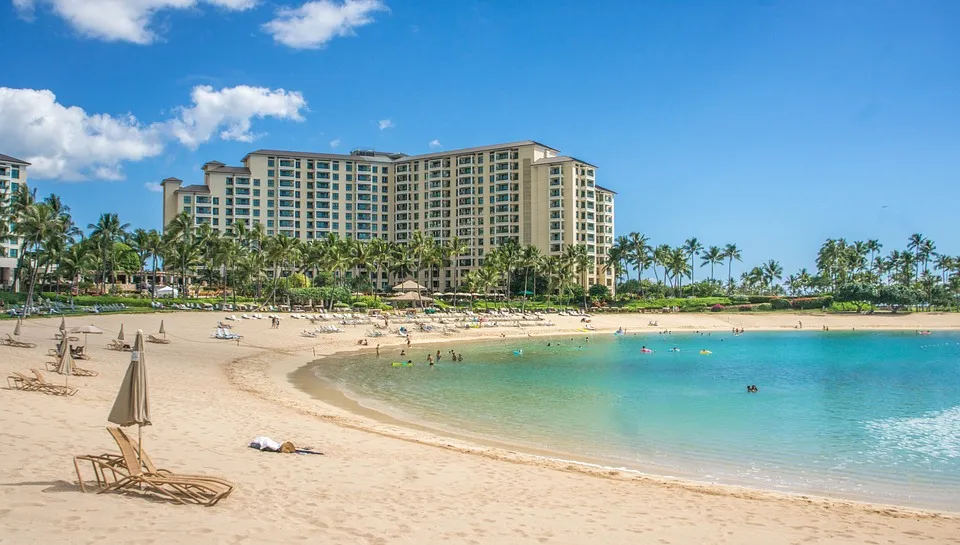
Researchers in Hawaii found high concentrations of oxybenzone and octinoxate on the state's most popular beaches — such as those on Oahu and Maui — and in the surrounding coral reefs. Whether washed off by swimmers or discharged through wastewater treatment plants, these chemicals ultimately make their way back into the ocean.
A 2015 study found that these chemicals affect marine ecosystems through a variety of pathways. They can cause coral bleaching and death, alter the sex of fish, and even increase the incidence of reproductive diseases in fish and mammals; they may also lead to neurological damage in fish.
A single drop of oxybenzone is toxic enough to affect water in 6.5 Olympic-sized swimming pools. It is therefore not hard to imagine the impact on coral ecosystems when humans pour more than 15,000 tonnes of sunscreen into the ocean every year.
There are many coral-friendly sunscreens available on the market, and the purpose of Hawaii's ban is not to stop people from using sun protection. Rather, it is a reminder that we must — and have a responsibility to — use coral-friendly products while enjoying nature, and that Hawaii's action should be seen as a model for the rest of the world.


Reflections on Taiwan's Plastic Restrictions
Turning back to Taiwan's Environmental Protection Administration plastic reduction policy: this regulation does not stop anyone from drinking bubble tea through a straw or scooping up tapioca pearls with a spoon. Behind this law lies a deeper call for reflection — as inhabitants of this planet, we are responsible for our use of single-use products, responsible to the Earth, and responsible to future generations. Humanity should tread lightly upon this world.
Original article: Hawaii Bans Sale of Sunscreens that Harm Coral, sourced from ScubaDiverLIfe
Further reading: