Contents(11)
- Diving in Palau Is Pricey! Interview Recording EP1
- First Steps Toward Legal, Compliant Diving in Palau
- Is the Operator You're Booking With Legitimate?
- Is the Instructor You're Diving With Qualified?
- Diving in Palau Is Pricey! Interview Recording EP2
- Various Taxes Drive Up the Cost of Diving in Palau
- Prices Are Like an Ex Who's Moved On — There's No Going Back
- The Road Is Full of Thorns — So Why Did LT Dive Open Anyway?
- Related Links
- More Great Content on Palau
- Further Reading
Palau is recognized by marine scientists as the world's number-one underwater wonder, and its vibrant, life-filled underwater ecosystem draws a steady stream of visitors from around the globe every year to this sparkling jewel of the Pacific. Palau is a fascinating country — bordering the Philippines and carrying the laid-back rhythms of Austronesian culture, yet using the US dollar as its official currency. Prices there appear to track American price levels directly, largely because goods must be imported. Add to that relatively strict immigration policies and foreign investment laws, and foreign operators who venture to Palau to open a business face a whole series of challenges.
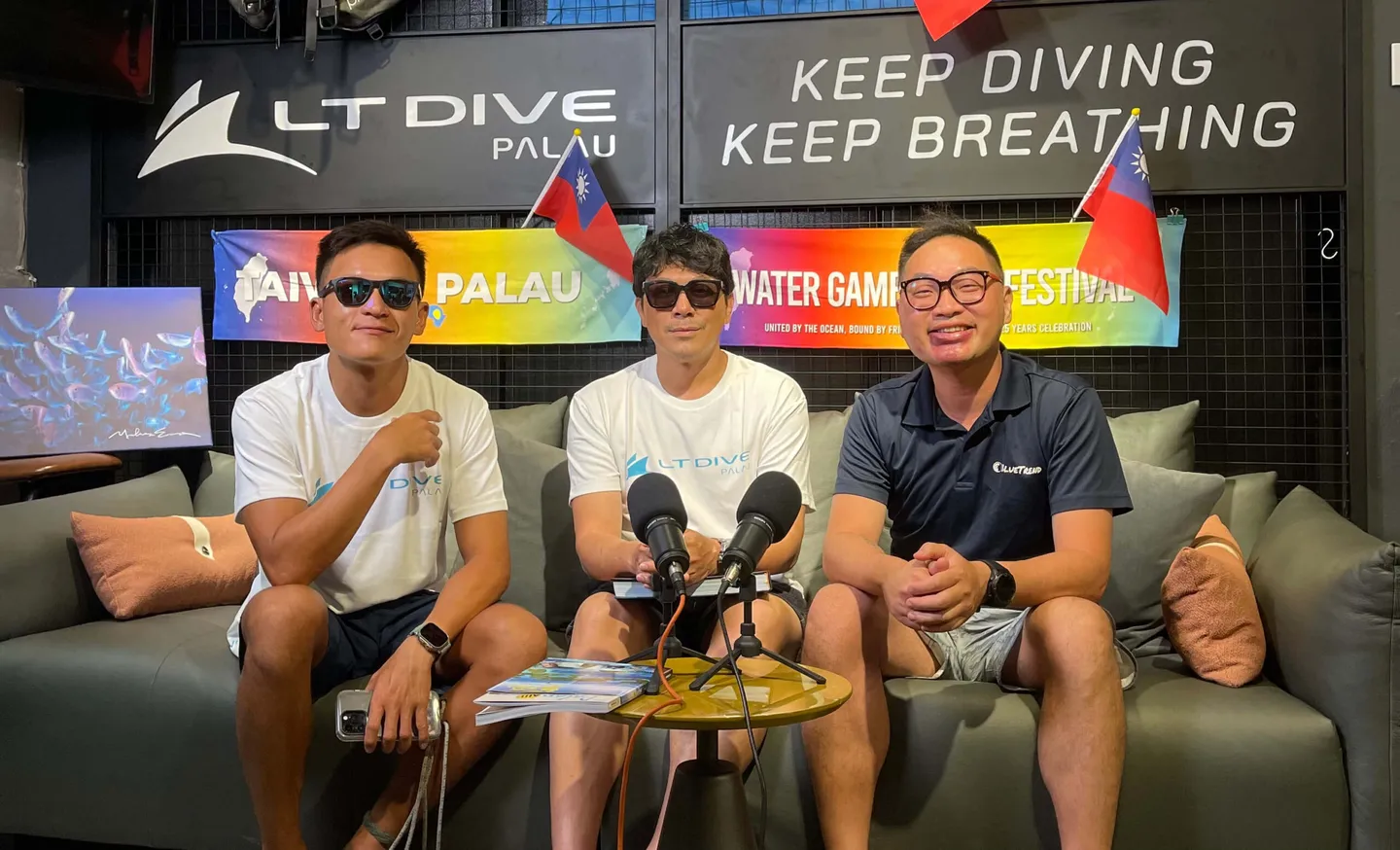
This episode of the BlueTrend Lounge invites not only Lance from LT Dive — a fully licensed professional water-sports operator in Palau — but also the internationally acclaimed underwater photographer Yorko Summer, affectionately nicknamed "the Sunglasses Uncle," to share the behind-the-scenes stories of running a dive shop in Palau.
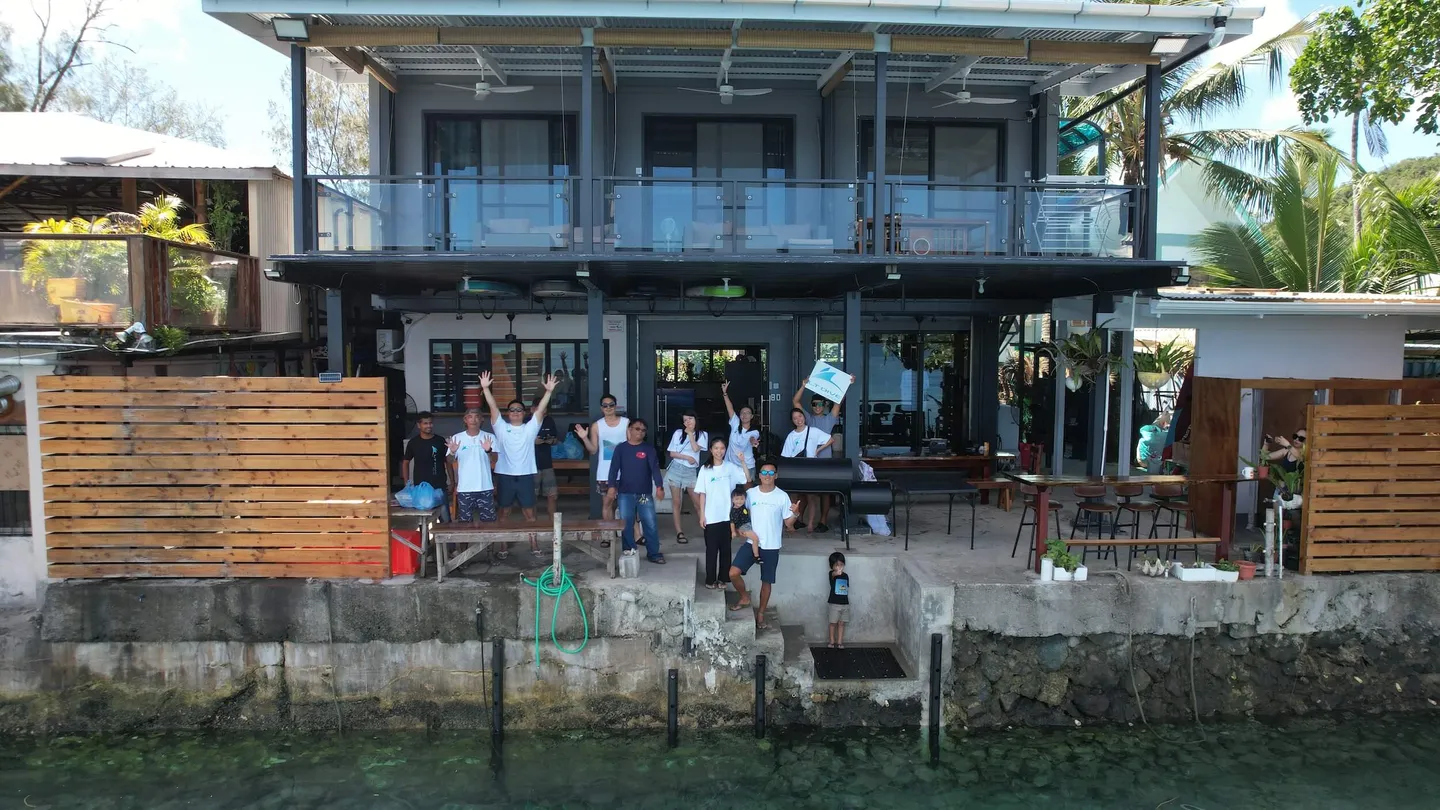
The LT Dive team shares with us the hardships of running a shop in Palau
Diving in Palau Is Pricey! Interview Recording EP1
First Steps Toward Legal, Compliant Diving in Palau
Is the Operator You're Booking With Legitimate?
It's easy to find Palau diving operators on Facebook or Instagram with a quick search, but the Editor urges you: don't be immediately swept away by the beautiful photos they post and sign up on the spot. You can ask the operator to provide their official Palau business registration permit to verify whether they hold a legitimate, government-issued licence to operate in Palau. Failing to do so, at best you're fuelling a race to the bottom that squeezes out compliant operators who pay their dues, and at worst you risk having no legal recourse if an accident occurs.
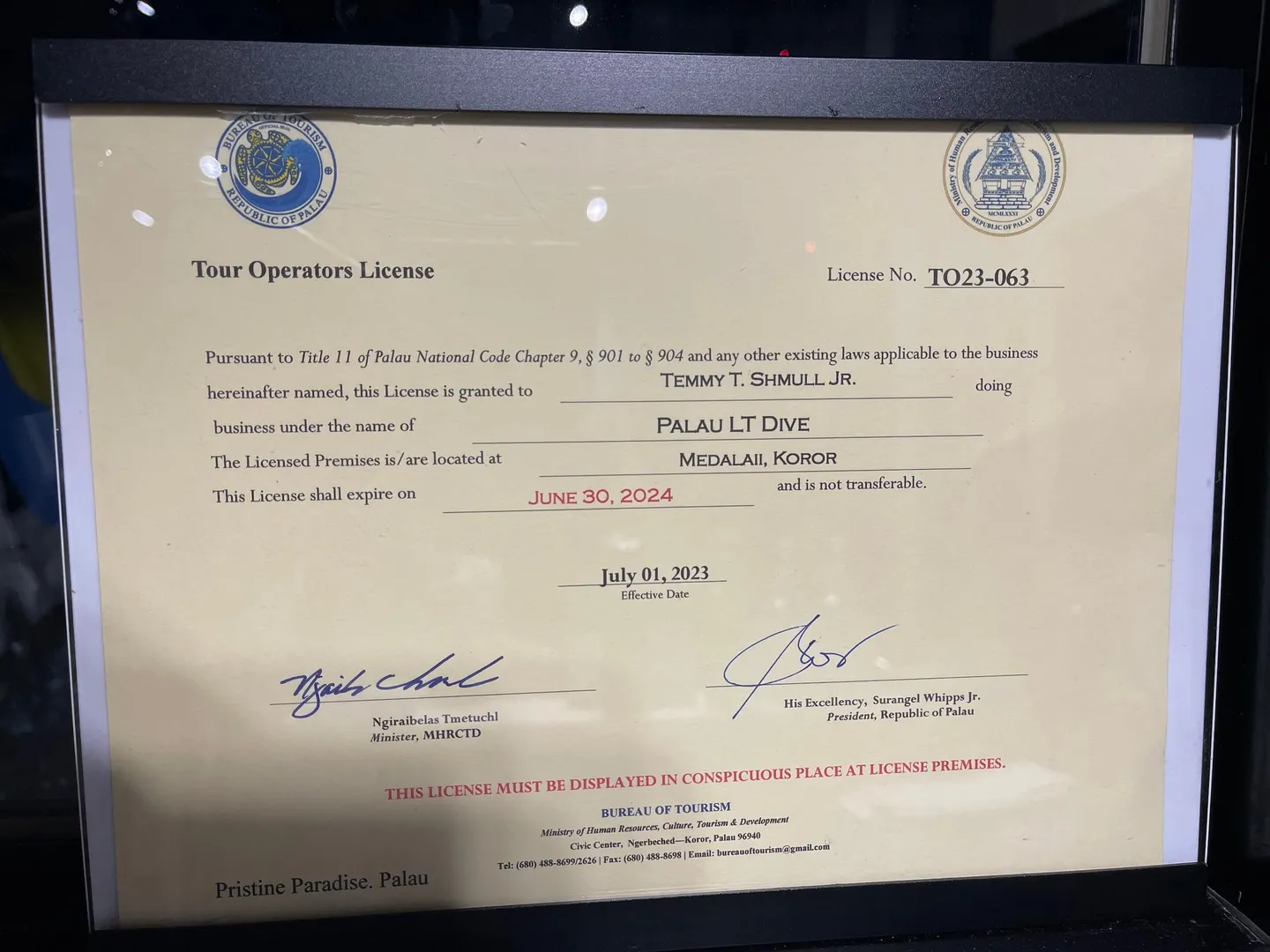
LT DIVE Tourism Operator Permit
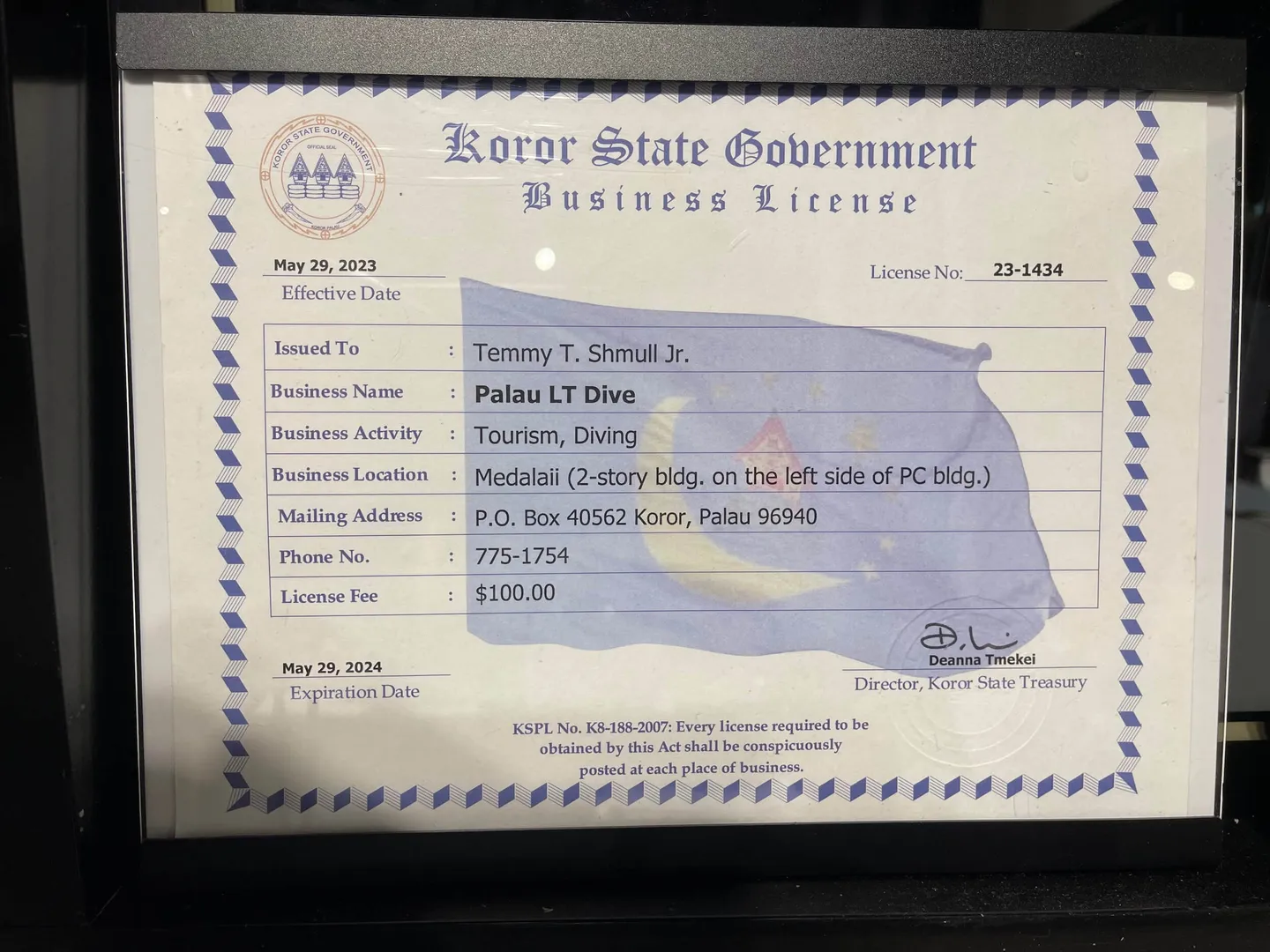
LT Dive Business Registration
As with other island nations in Southeast Asia, operating a compliant and legitimate dive tourism business in Palau requires operators to complete a range of business registrations, including basic business registration, a dive shop permit, a tourism operator permit, and a guesthouse licence. Only after obtaining this full suite of permits can an operator be said to have fulfilled its fundamental obligations as a legitimate, tax-paying business.
Unfortunately, as in other countries' diving industries, you will find that some unscrupulous operators in Palau solicit clients online under a personal identity, then partner with local boat operators once bookings come in. These individuals bear no shop operating costs and evade tax obligations in both Taiwan and Palau. Should an incident occur, cross-border legal action can easily leave victims with no avenue for compensation.
Furthermore, to protect the competitiveness of local residents, the Palau government requires that — unless the investment is of a major-conglomerate scale — general business operators must partner with a local Palauan. Certain specific occupations can only be run by Palauans. As a result, most small-scale foreign investors open under a "front business" arrangement, with a local national serving as the nominal owner. These hidden communication and legal costs invisibly raise the cost of entry for small foreign investors opening a business in Palau.
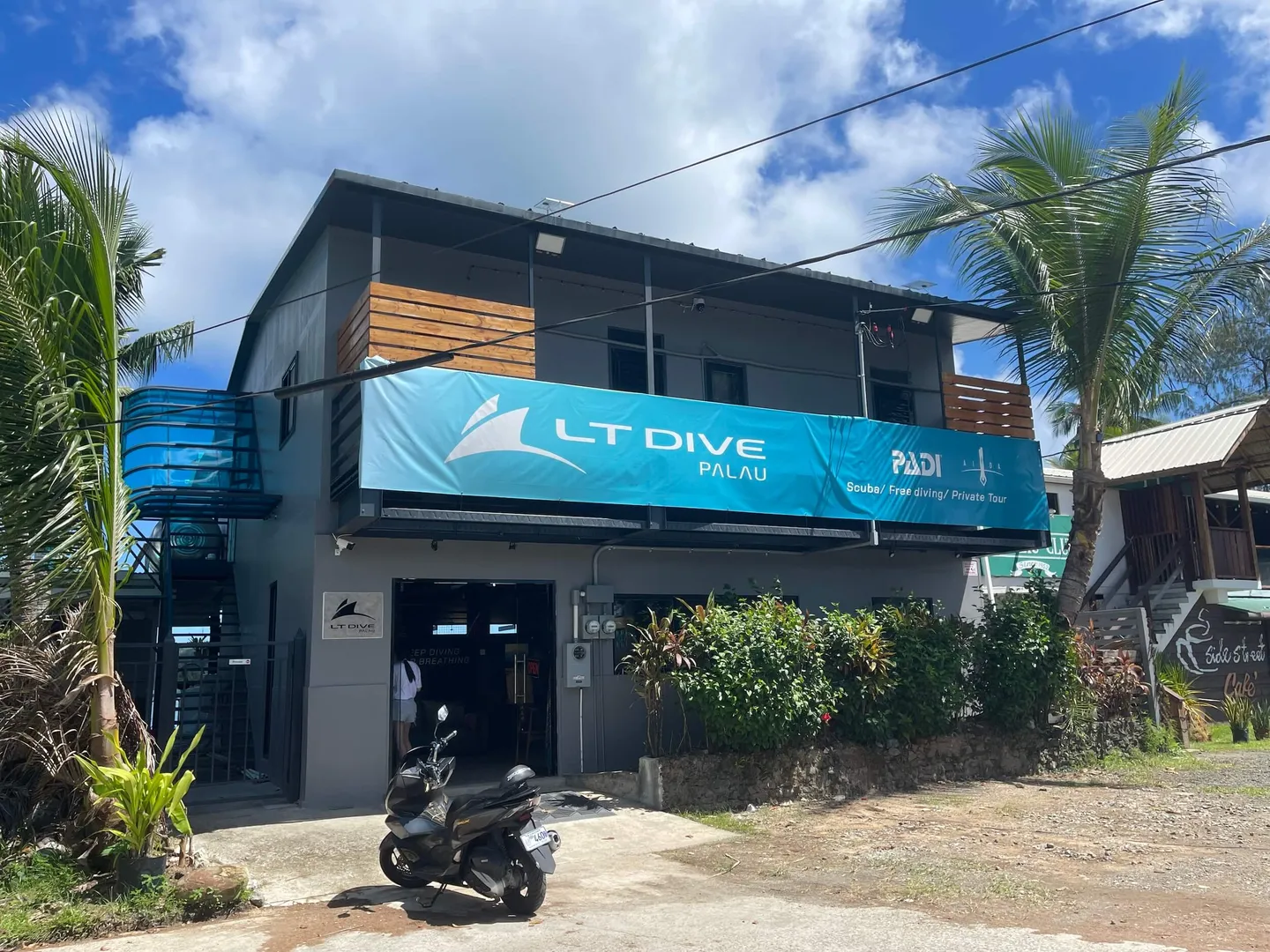
Choosing operators with a physical storefront offers greater peace of mind for travellers
Is the Instructor You're Diving With Qualified?
When you catch sight of Palau's stunning waters and excitedly leap in, do you ever stop to think about whether the dive guide beside you is actually qualified? As in any other country, those who operate in the diving industry should hold credentials that meet local regulations, and should be thoroughly familiar with local currents and topography so that everyone returns home safely.
As freediving grows increasingly popular, more and more people are planning trips to Palau specifically for freediving. Be sure to confirm with your operator that the guide accompanying you holds a freediving instructor qualification or an equivalent level of competency.
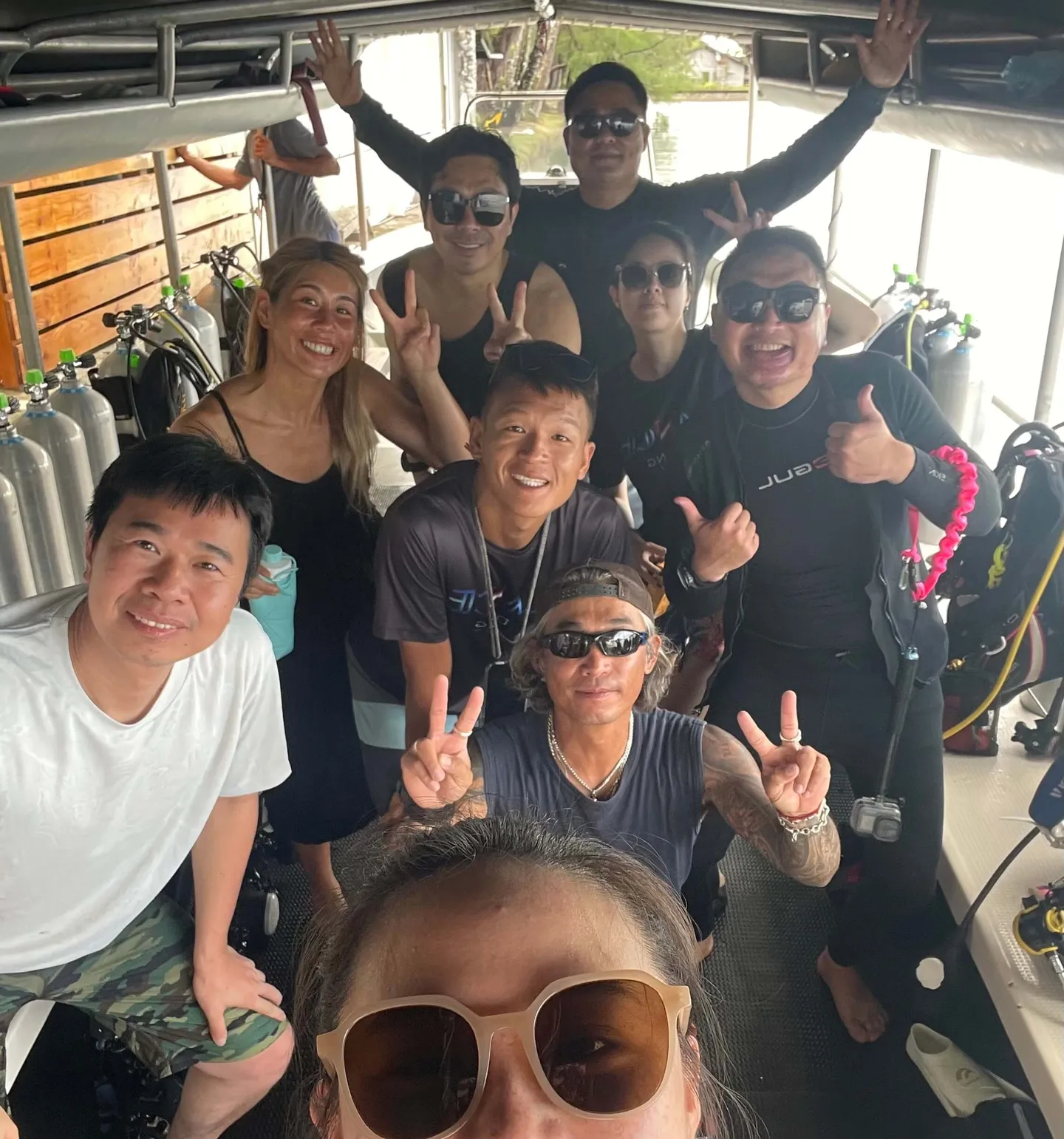
Every guide on our team is either a scuba diving instructor or a freediving instructor. We want everyone to experience Palau with safety as the foundation.
LT Dive Lance
Beyond qualifications, legal status is also a key factor. To work legally in Palau, you must obtain a work visa — a process that is not only complex and cumbersome, but also requires meeting certain eligibility criteria. If you are considering heading to Palau to work surrounded by the ocean, be sure to clarify the question of work status with your employer.
Diving in Palau Is Pricey! Interview Recording EP2


Various Taxes Drive Up the Cost of Diving in Palau
Because of Palau's fishing ban policy, the "fishing access fees" previously paid by international fishing vessels have dropped sharply. To plug the resulting budget gap, Palau has correspondingly introduced or increased a range of environmental taxes. (Related article: Palau Marine Conservation: From Bul to Global Influence — Interview with Ambassador Jessica Lee)
To arrange water activities in Koror State today, visitors must pay a US$50 marine entry permit. If you have a Jellyfish Lake excursion on your itinerary, an additional US$50 fee applies. And if you plan to conduct water activities in the waters of Peleliu State, a separate local marine entry permit is also required.
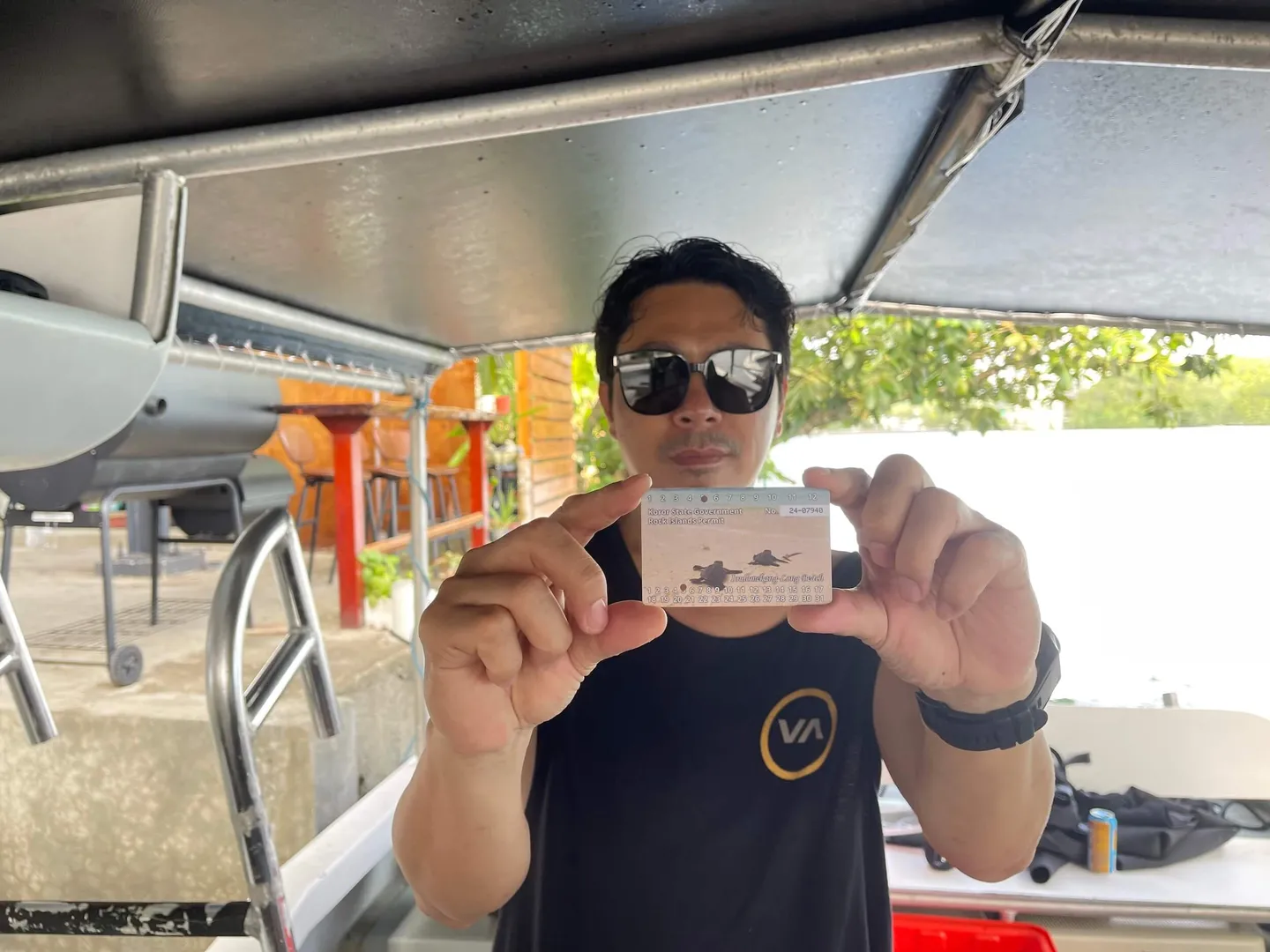
Yorko Summer holding the Koror State marine entry permit
From what I vaguely remember, the Koror State marine fee was around US$10 twenty years ago. By 2024 it had reached US$100. The cost of diving in Palau is truly staggering.
Internationally acclaimed underwater photographer Yorko Summer
Many visitors don't know that from 1 January 2018 onwards, a Pristine Paradise Environmental Fee (PPEF) of US$100 is charged directly through your airline ticket. This fee was also raised that same year from US$50 to US$100.
In other words, the moment you set foot in Palau, you should be prepared to pay around US$200 in environmental protection fees to the Palauan authorities. As the US dollar continues to strengthen, this sum has become an added burden for travellers planning their itineraries.
Prices Are Like an Ex Who's Moved On — There's No Going Back
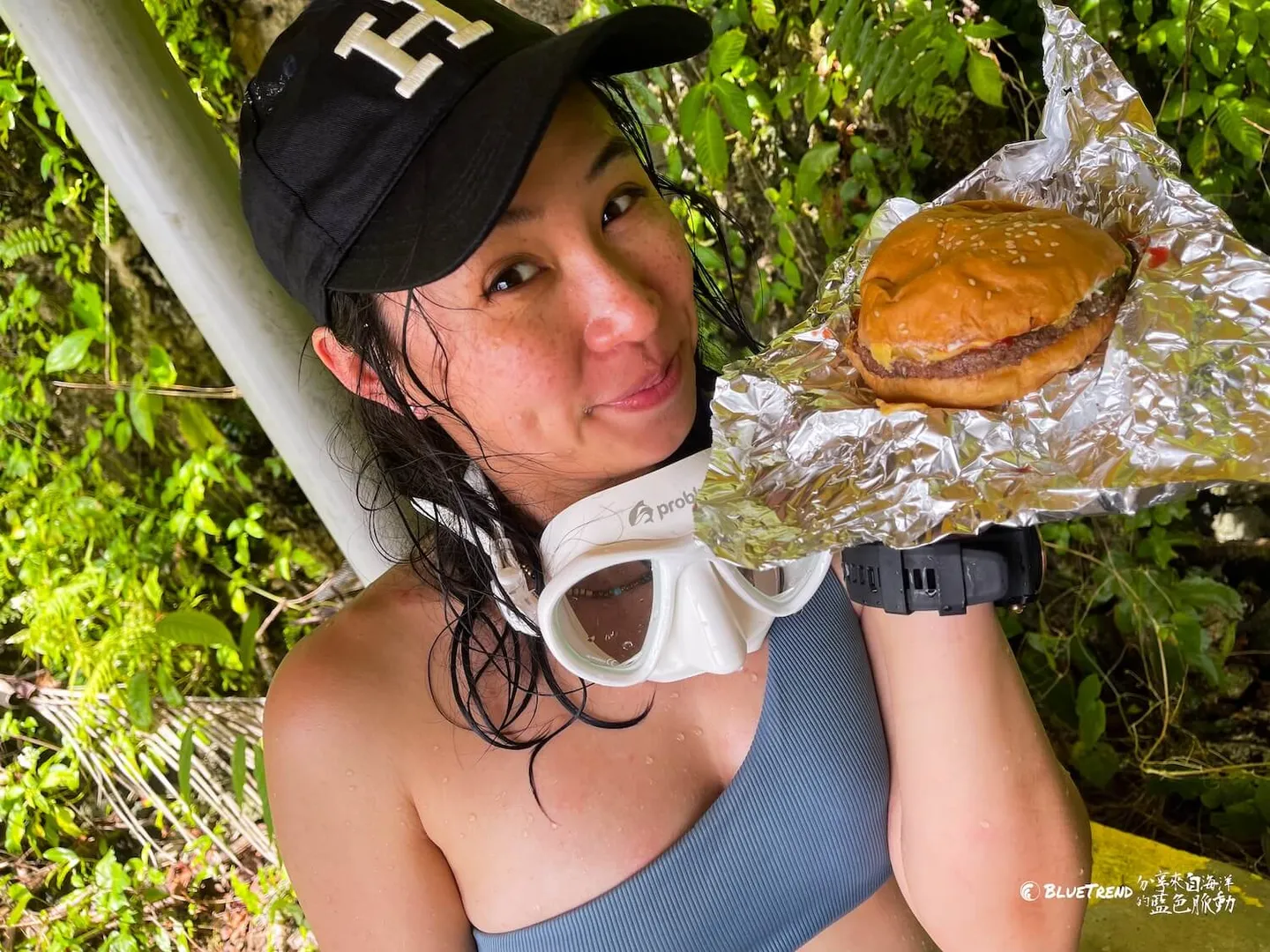
The flame-grilled mega burger has seen dramatic price hikes in recent years, a symbol of how steeply prices have climbed
Soaring prices in Palau must be a sore point for every operator who has set up shop there. Take the flame-grilled mega burger that Yorko Summer recommends as an example: twenty years ago, one burger cost around US$2.75; when LT Dive's Lance visited seven years ago, it was about US$5.50; on this trip in 2024, that same burger has reached a staggering US$7.25 — a truly remarkable rate of inflation.
Beyond the impact of global inflation in recent years, Palau uses the US dollar as its currency, and the strong appreciation of the dollar has made the inflation feel even more acute for visitors arriving from non-US-dollar countries.
To keep costs down, I even obtained an importer's licence so I can source goods directly from Taiwan or other countries myself. Otherwise the pressure would be overwhelming.
LT Dive Lance
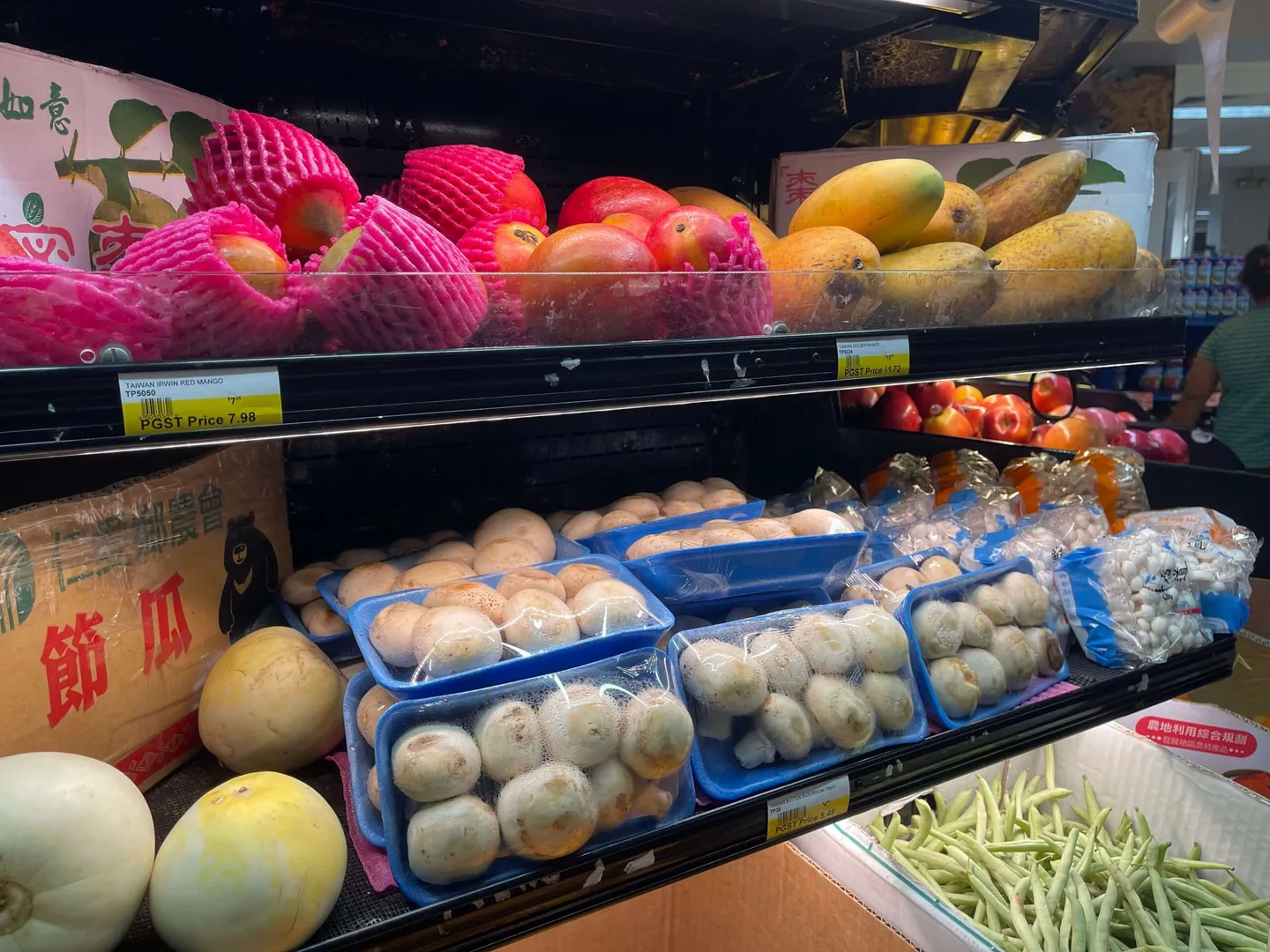
The Taiwanese produce section in a Palau supermarket — prices are 3 to 4 times higher than in Taiwan
Another reason prices in Palau remain stubbornly high is that Palau has no manufacturing sector of its own; virtually all produce and consumer goods rely on imports. In local supermarkets you can find a dedicated Taiwanese produce section, with prices roughly 3 to 4 times what you'd pay in Taiwan — a major driver of imported inflation.
It was precisely for this reason that when Lance was planning the construction of LT Dive, he went so far as to obtain an importer's licence to make it easier to import the required building materials directly from Taiwan or other countries. Lance said with a laugh: "Don't you think the cola you're drinking is a bit special? The cola you drink every day out on the water was also imported from overseas with a luxury tax on top."
The Road Is Full of Thorns — So Why Did LT Dive Open Anyway?
During the interview, we casually asked Lance: "With all these difficulties, why did you still choose to come back to Palau and open a shop?"
There is a dream in my heart that has yet to be fulfilled. Because of a seed that Yorko Summer unknowingly planted 15 years ago, I should let it take root, sprout, and grow — right here in Palau.
LT Dive Lance
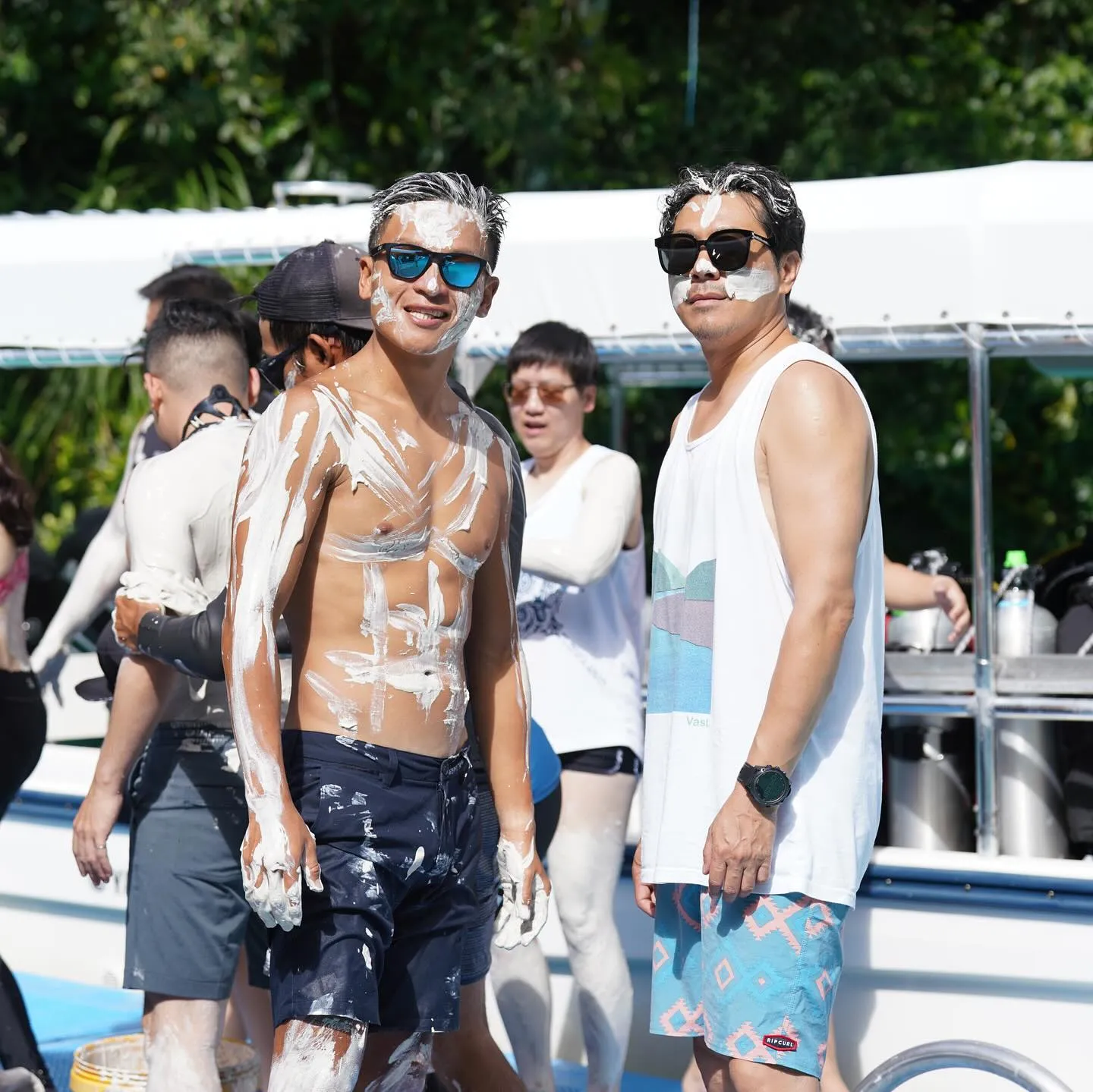
Lance and Yorko Summer — a bond forged by Palau
Fifteen years ago, Lance fell deeply in love with Palau through Yorko Summer's book Alii! Palau: The Azure Sea Forgotten by the Tides of Time. As time passed, Lance progressed from a complete beginner all the way to dive instructor, working as an instructor across Taiwan's five major dive areas, the Great Barrier Reef in Australia, and the Maldives, while also scouting dive sites across Southeast Asian waters — yet he ultimately chose to come back and put down roots in Palau. As Lance put it: "Palau's soil has a way of clinging to you — as if some magical force just keeps you here."
Twenty years ago, Yorko Summer was one of the early Taiwanese pioneers in Palau. Twenty years on, Lance has let the seed planted in his heart quietly begin to germinate — right here on this land called Palau, slowly, gently taking root.
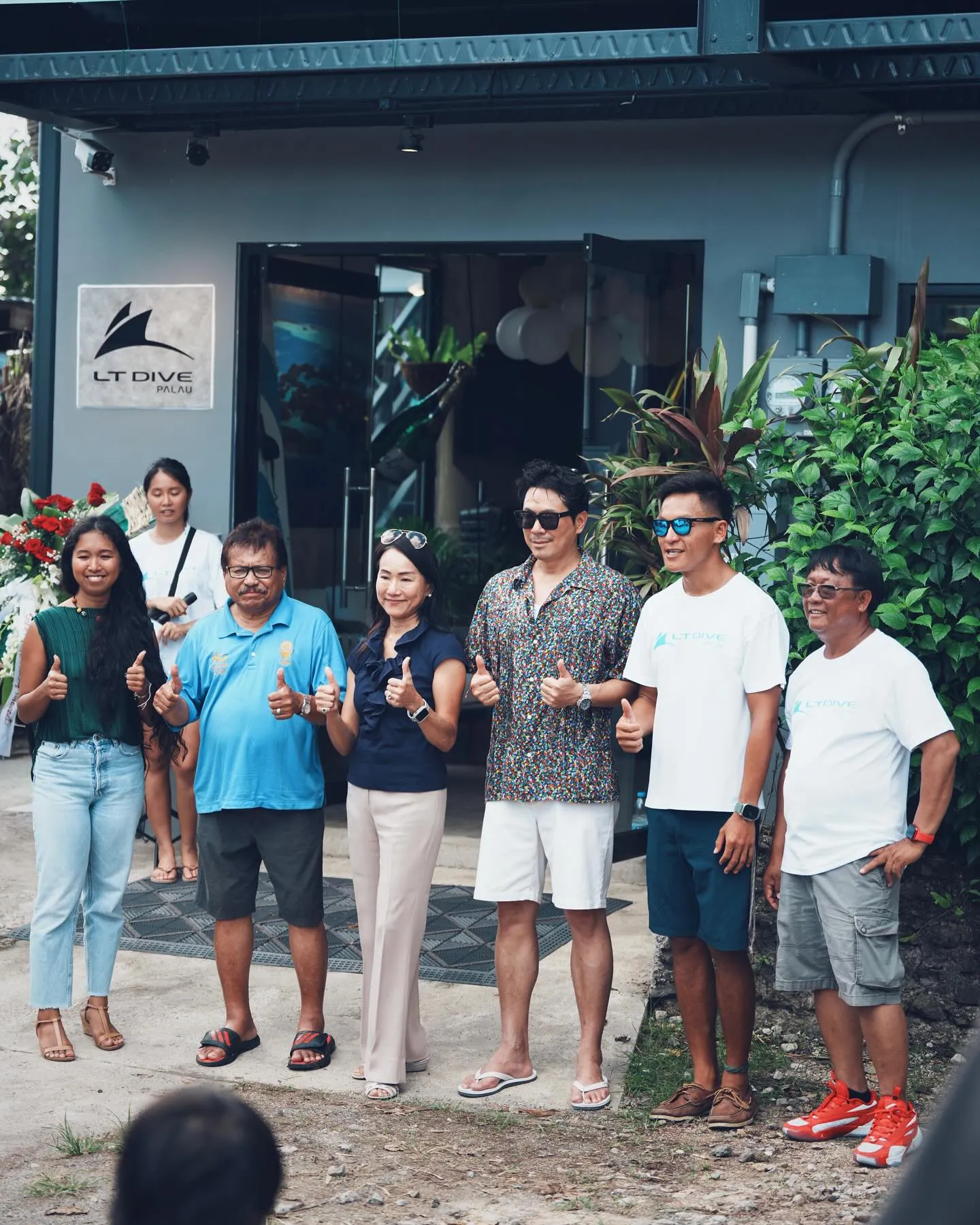
ROC Ambassador to Palau Jessica Lee (centre) attending the LT Dive opening ceremony
References:
- Ministry of Economic Affairs, ROC — Overseas Investment Series: Investment Environment Overview of the Republic of Palau
- Embassy of the Republic of China (Taiwan) in Palau
Related Links
More Great Content on Palau
Further Reading
Frequently Asked Questions
How is a BlueTrend dive trip different from an unknown, no-name dive group?
Choosing us means full peace-of-mind protection and a smooth experience from start to finish. Every trip we run holds to three things.
First, full legal protection and a professional dive leader: we strictly follow Taiwan's travel regulations and provide complete travel-agency liability insurance, travel insurance, trip-inconvenience insurance and dive insurance. Every group is accompanied by a certified, foreign-language dive leader who joins you on both the dives and the land itinerary, liaising seamlessly with local dive shops and operators on your behalf to keep things running smoothly — the person our travellers trust most.
Second, fully licensed with secure payments: every payment goes into a licensed travel agency's account, with multiple safe payment channels (bank transfer, credit card and more) and a legal collect-and-remit receipt, so every transaction is open, transparent and protected, avoiding the fraud and dispute risks of transferring money privately to an individual.
Third, hand-picked quality we vet in person: every trip, dive site and partner shop is scouted on the ground by our own team, from the guides' professionalism and safety standards to the food, lodging, environment and service details on land, all vetted by us so you don't get caught out.
I want to sign up for a dive trip. Are there certification-level or logged-dive requirements?
Each dive site is different, so the entry bar varies. 'Bali Tulamben', for instance, is relatively beginner-friendly. 'Malapascua in the Philippines' is also beginner-friendly, but since thresher sharks tend to cruise between 20 and 30 metres, we recommend AOW certification with 20+ logged dives to enjoy this trip comfortably. For 'the Maldives' or 'Palau', we suggest AOW with 50+ logged dives for a more relaxed experience. If you're not sure whether your experience fits the trip you want, message us and our dive editors will assess it and help you find the trip you'll feel safest on.
Can I join if I'm signing up alone? How are rooms arranged?
Plenty of our travellers sign up solo! For rooms and beds, we prioritise pairing you with a same-gender traveller, and if you'd rather have your own space you can pay the difference to upgrade to a single room. For the diving, our professional leader will pair you with a suitable buddy, and with the happy vibe on our trips you'll quickly make a great group of dive friends. Many people sign up alone, make new friends, and end up organising the next trip together!
Does the trip fee include dive insurance, gear rental, taxes and instructor tips?
It depends on the trip, the destination's regulations and the local operators. Every BlueTrend dive trip has a detailed web page with a clear 'included / not included' list, transparent and with no hidden charges. All payments are collected by a licensed travel agency, with a standard-form contract for your protection.
I'm a new diver / haven't dived in a long time — will I fall behind the group?
Before you complete your booking, our team assesses a suitable trip based on your certification level and experience. Before departure, we strongly recommend taking time to refresh in Taiwan with an instructor, or a fun dive to get your feel back. On the trip itself, our professional dive leader groups and pairs everyone by experience, keeps a close eye underwater on travellers who need extra care, and steps in to help right away.
Will the photos and videos taken during the trip be shared with us?
During the dives, 'safety' is always the leader's top priority, so whenever it's suitable and safe the leader will capture great shots and record the best moments. During or after the trip, we compile a cloud album for all travellers to download, so you go home loaded with memories!
Besides your scheduled trips, can you arrange a private group charter or independent travel for me and my friends?
Absolutely! Besides group trips, we also arrange private group charters and independent travel. We can communicate, enquire and coordinate services with local operators based on your needs, saving you time and effort and taking the language barrier off your plate, to tailor the smoothest, most reassuring dive trip just for you. Contact our LINE support and our editors will arrange it for you!

![[Palau] First Dive in Palau — 3 Must-Dive Sites: Blue Hole, Blue Corner & German Channel, Warming Up for Spawn Diving](/_astro/DSC09052_Z1Gbc8g.webp)