

![[Must-Read for Divers] Always Getting Turned Away When Joining Group Dives? How to Become a Self-Sufficient Diver](/_images/1cceb6208c0c-1440w.webp)


The Editor's note: Not long ago, we interviewed instructor 京太郎 and published a well-received article, Kyo Liu Teaches You How Not to Be a Disgraceful Diver in Japan. It suddenly occurred to the Editor that 京太郎 had previously shared a post about what it means to be a self-sufficient diver. We're featuring that post here in full, hoping that every diver can reflect after each dive on whether they've unknowingly become the kind of diver described below — one who can't take care of themselves!
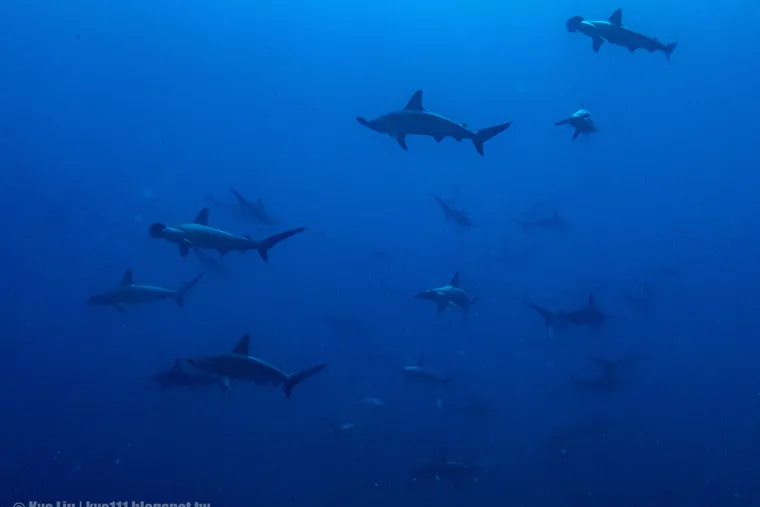
In early August, I took a few friends to Kōzushima's Mikomoto to see Hammerhead Sharks — a route that relatively few Taiwanese instructors had led before. I'd like to share some observations for instructors and divers who are planning to make the trip. Today I want to talk about diver competency, which — besides the Hammerhead Sharks underwater — was the other thing that truly shocked me. I strongly feel that divers who come here need to have a solid level of "self-sufficiency."
[caption id="attachment_7168" align="aligncenter" width="2000"]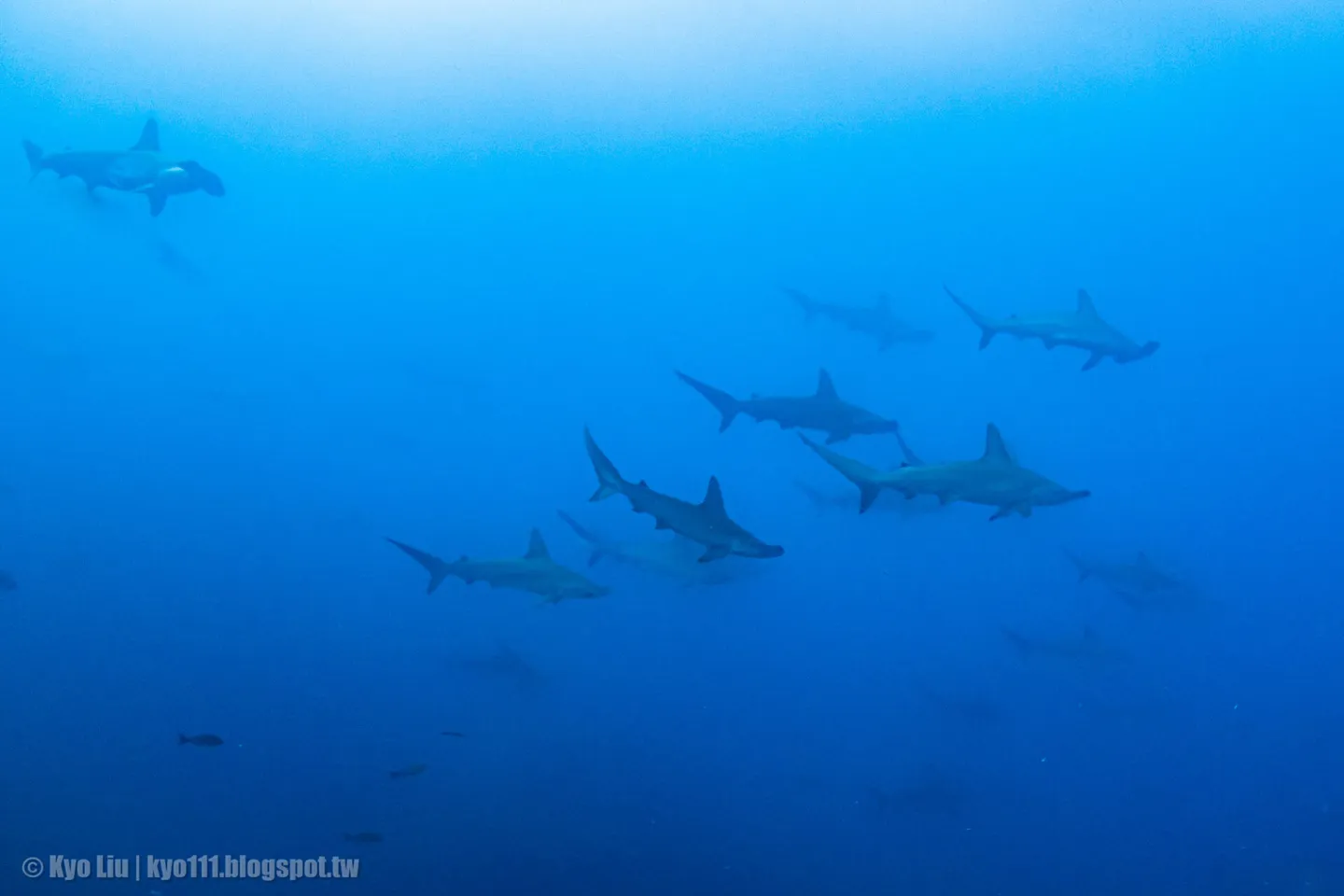 Mikomoto is where you can witness a storm of Hammerhead Sharks[/caption]
What Does "Self-Sufficiency" Actually Mean?
- Still asking the instructor how many kilograms of weights you need, and being reluctant to bring a little extra
- Forgetting to have your weights, fins, and camera ready nearby, then asking the instructor to "give you a hand" only after you've already geared up
- Knowing your mask needs to be rinsed with water first or it'll fog up, but not doing it before gearing up — and only asking the instructor to "give you a hand" at the very last moment before entering the water
- After assembling your gear on a boat dive, there's almost always a tank strap or retaining mechanism — yet never thinking this is something you should handle yourself, always expecting the boat crew or instructor to "give you a hand"
- After putting on all your gear, forgetting to loosen the tank strap first, leaving yourself tethered to your kit and unable to stand up — and only then asking the dive guide to "give you a hand"
- At the very moment you're about to jump in, realising your tank isn't open yet, and asking the dive guide to "give you a hand" at the last second
Beyond that, here are things people tend to overlook underwater:
- Being just 1–2 kg under-weighted and panicking to the point where you can't descend
- Being told to stay close together, yet constantly drifting far behind
- Only watching the fins of the diver in front of you, missing the signals the dive guide ahead is giving you
- Treating your camera like a get-out-of-jail-free card that lets you stop and hover wherever and whenever you please
- Habitually swimming at a deeper depth than the guide instead of matching — and staying shallower than — the dive guide's depth
- Related to the above: when the dive guide signals it's time to ascend, signalling back that you still have 1–2 minutes of "safety stop" left (just trying to squeeze in more bottom time)
- During the safety stop, instinctively grabbing the anchor or mooring line because you can't maintain neutral buoyancy at 3–6 m on your own
Every single point above is covered in Open Water Diver (PADI/SSI cert) training. But Taiwanese divers have been spoiled — they always wait for, and expect, someone else to come and help them. Rest assured: when any of the above "give me a hand" moments arise, the Japanese dive guide will still smile and assist you — after all, the customer comes first. But… the guide will have taken full measure of your skill level by then. And what does that lead to?
[caption id="attachment_7190" align="aligncenter" width="2048"]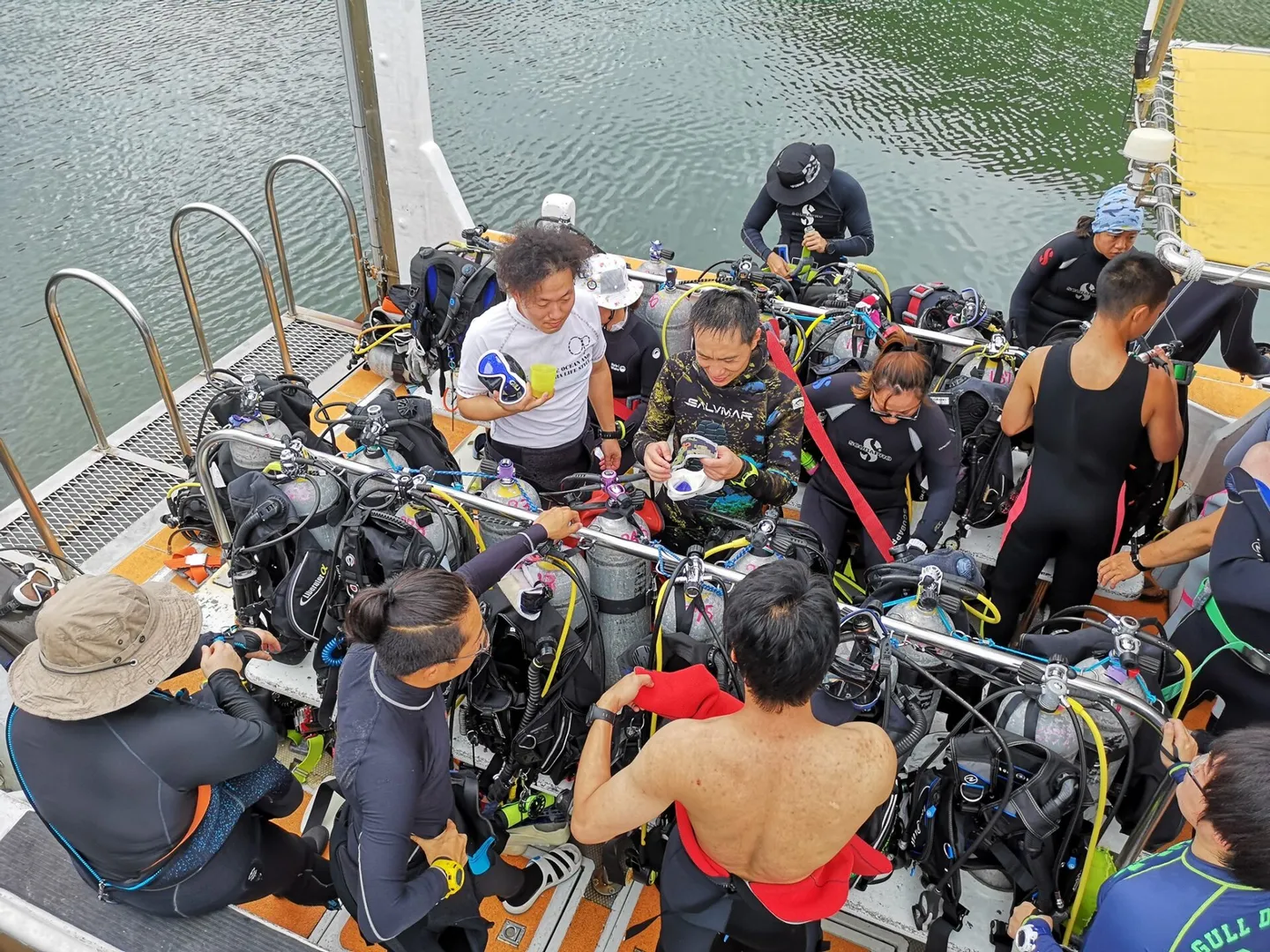 Are you the kind of "self-sufficient" diver everyone respects?[/caption]
To put it in local terms: take Shilang on Green Island as an example. It's a boat dive to Shilang, but you might end up only ever diving Clownfish Island or Mailbox. In Kenting, it probably means you're perpetually stuck at the feeding area to the left of the exit point — what we jokingly call "the training site."
Some readers might feel uncomfortable reading this far, as if I'm saying Taiwanese divers are all low-level. But I'd ask you to search your own conscience: have you had any of those "give me a hand" experiences? And at the same time — have you already logged over a hundred dives? If you've ever had the chance to observe Japanese local divers, you'll understand exactly what I mean. Every single one of them has a thorough level of self-sufficiency; some of them even look more experienced than Taiwanese instructors — and I'm not exaggerating.
In Taiwan and Southeast Asian countries, dive guides are perhaps afraid of being complained about online or worried about not getting a tip, so they treat the customer as king and arrange everything for you — which ends up producing many divers who can't fend for themselves. On top of that, Taiwanese group-tour instructors might very "thoughtfully" tell the local dive guide things like: this diver needs extra attention (afraid of current, high air consumption, gets cold easily, poor buoyancy control, not comfortable with a surface marker buoy (SMB), gets nervous… etc.) — just watch this one person for me, or I'll keep an eye on them myself. Then in the same breath they'll ask to go to sites like Tetsujin Reef or Chicken Reef that actually require experience, because not going to those sites means they can't answer to their clients… and so on and so forth.
In Japan, however, the approach is this: if the dive guide finds out that someone isn't up to the task, the entire group simply goes to dive Clownfish Island. The dive guide has absolutely no obligation to take on a challenge. And honestly, that's the right call, isn't it? I'd also ask divers who run into problems in Japan to first consult your Taiwanese group instructor to see if the issue can be resolved — don't casually bother the local dive guide over something minor, or you might end up dragging the whole group to Clownfish Island. The level of caution Japanese people operate with far exceeds what most Taiwanese people imagine, and in many cases they simply will not compromise with you. If you've been lucky (or unlucky?) enough to have joined a fun dive I've led, you'll have some sense of how firm I can be 😊
[caption id="attachment_7189" align="aligncenter" width="2048"]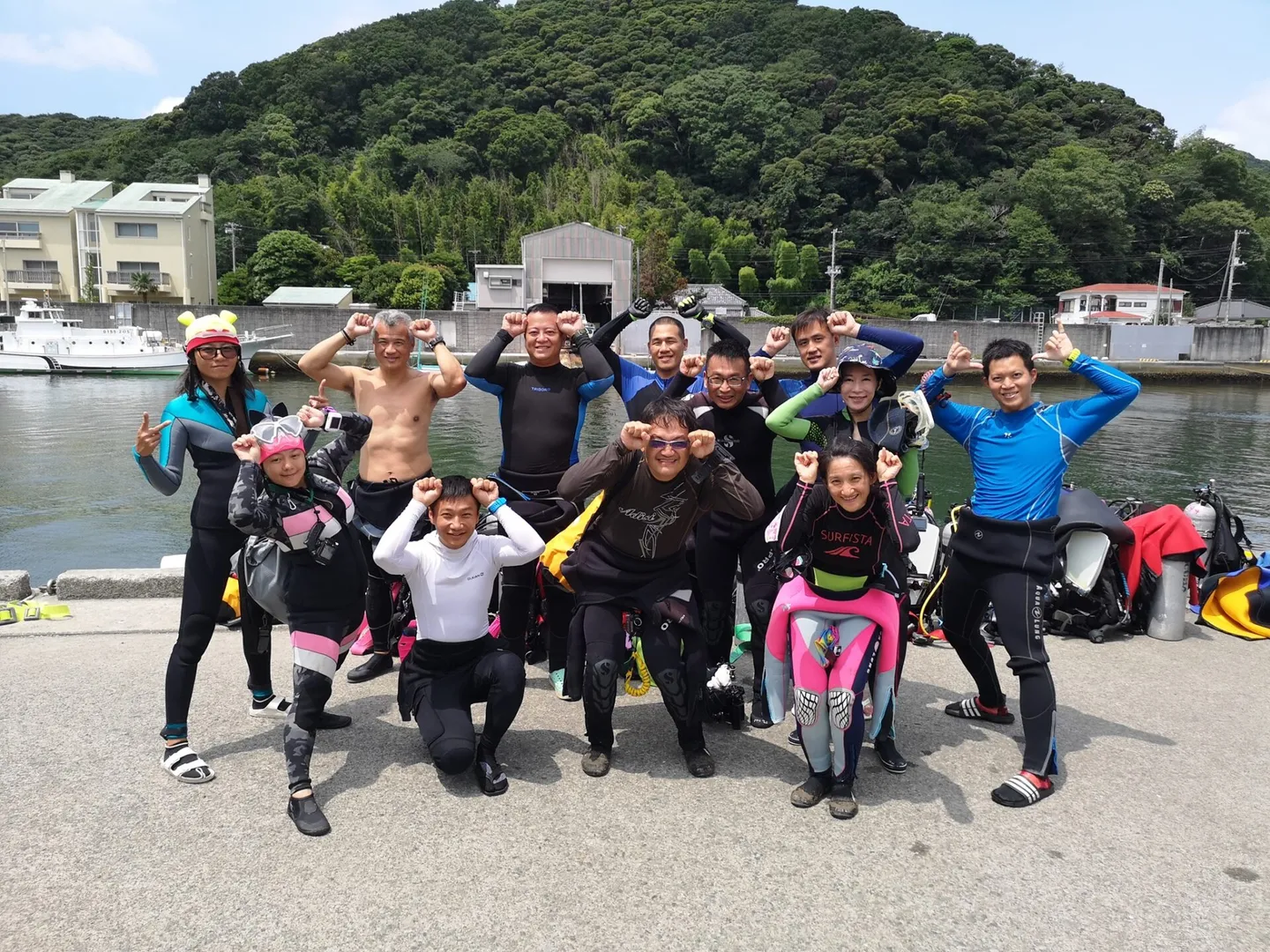 On a group dive trip, beyond safety, having the right diving mindset is absolutely essential — otherwise you'll quietly find yourself left out[/caption]
New trips are tentatively planned to open in July 2020. If you've read all the "notes" above and are still interested, feel free to reach out to me. I'll do my best to immerse everyone in Japanese diving culture rather than just passing through as a tourist. If you're simply looking for the same kind of relaxed, carefree experience you'd have in Southeast Asia, then I'm probably not the right fit — because I care about too many things and might end up with a sour face the whole time. Just how sour? Ask anyone who came along on this trip.
Related links:
![Diving Abroad But Can't Speak Diving English? The Essential English Guide for Divers Part 3 — [Divemaster / Instructor Edition]](/_astro/mael-balland-4HGHduVeCNs-unsplash_2gDACr.webp)