Jiangjun'ao is one of Taiwan's second-tier outlying islands — to get there, you must first reach Magong in Penghu and then transfer onto a connecting ferry. In its heyday, the island's population reached 8,000, and it boasted a hospital, schools, and government offices, earning it the nickname "Little Hong Kong." But as the dominant fishing methods changed, the population shrank to less than one-tenth of that peak. Today, it's an island most Taiwanese will never set foot on — yet Jiangjun'ao is gradually making a name for itself, thanks to one thing: Island77's dive trips to the Southern Four Islands National Park.
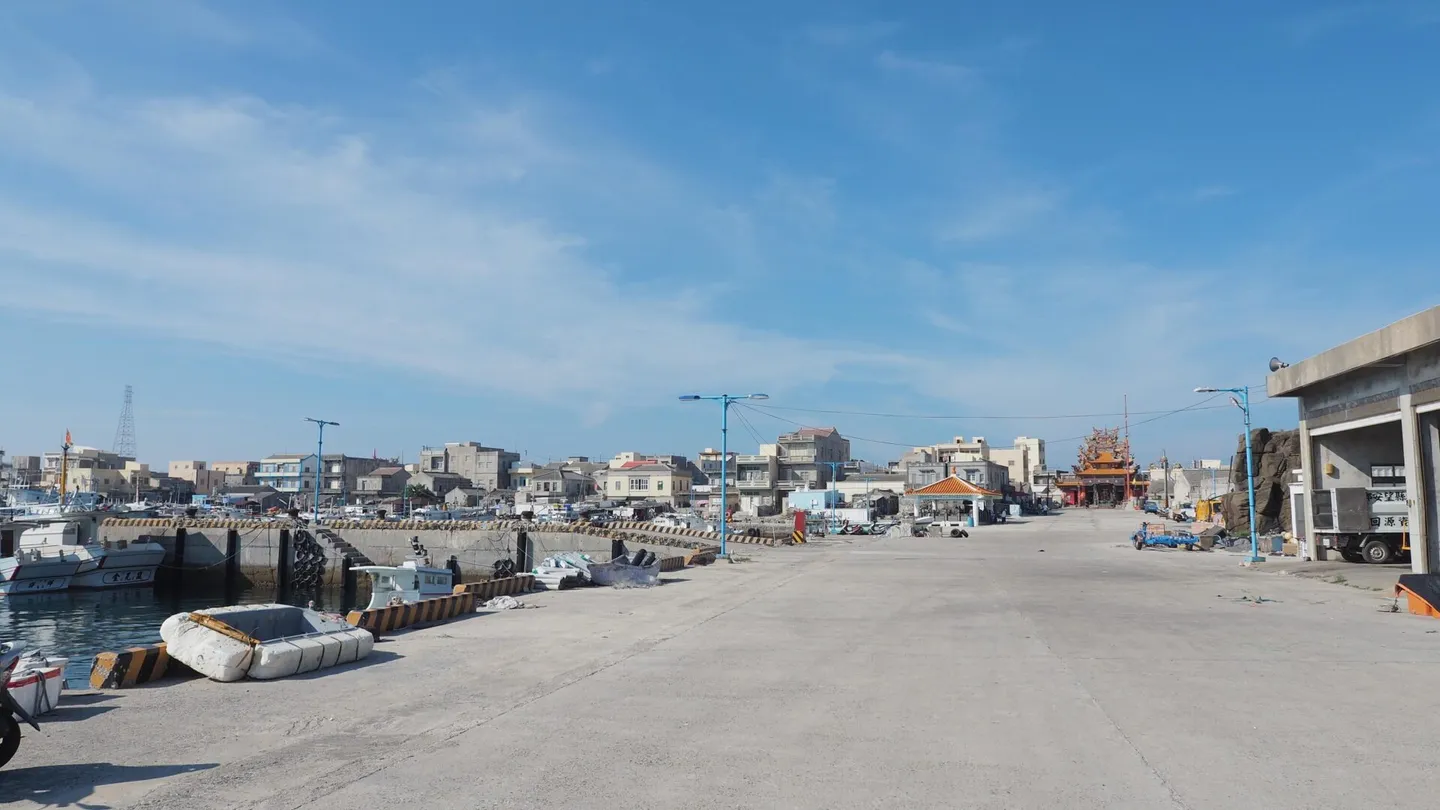
The "town centre" of Jiangjun'ao is refreshingly simple
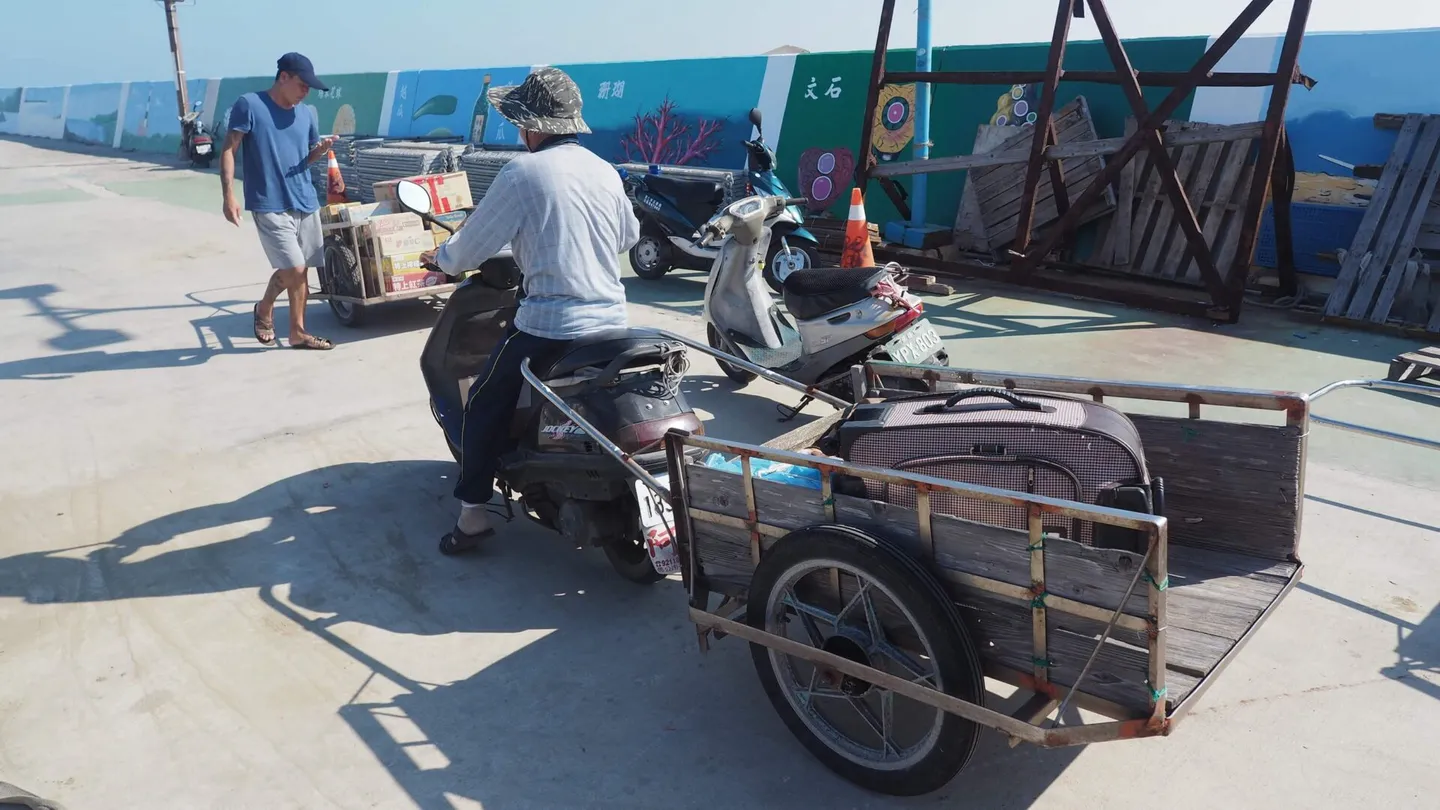
The island uses a rather unique method to transport daily necessities and luggage
Island77 and the Southern Four Islands
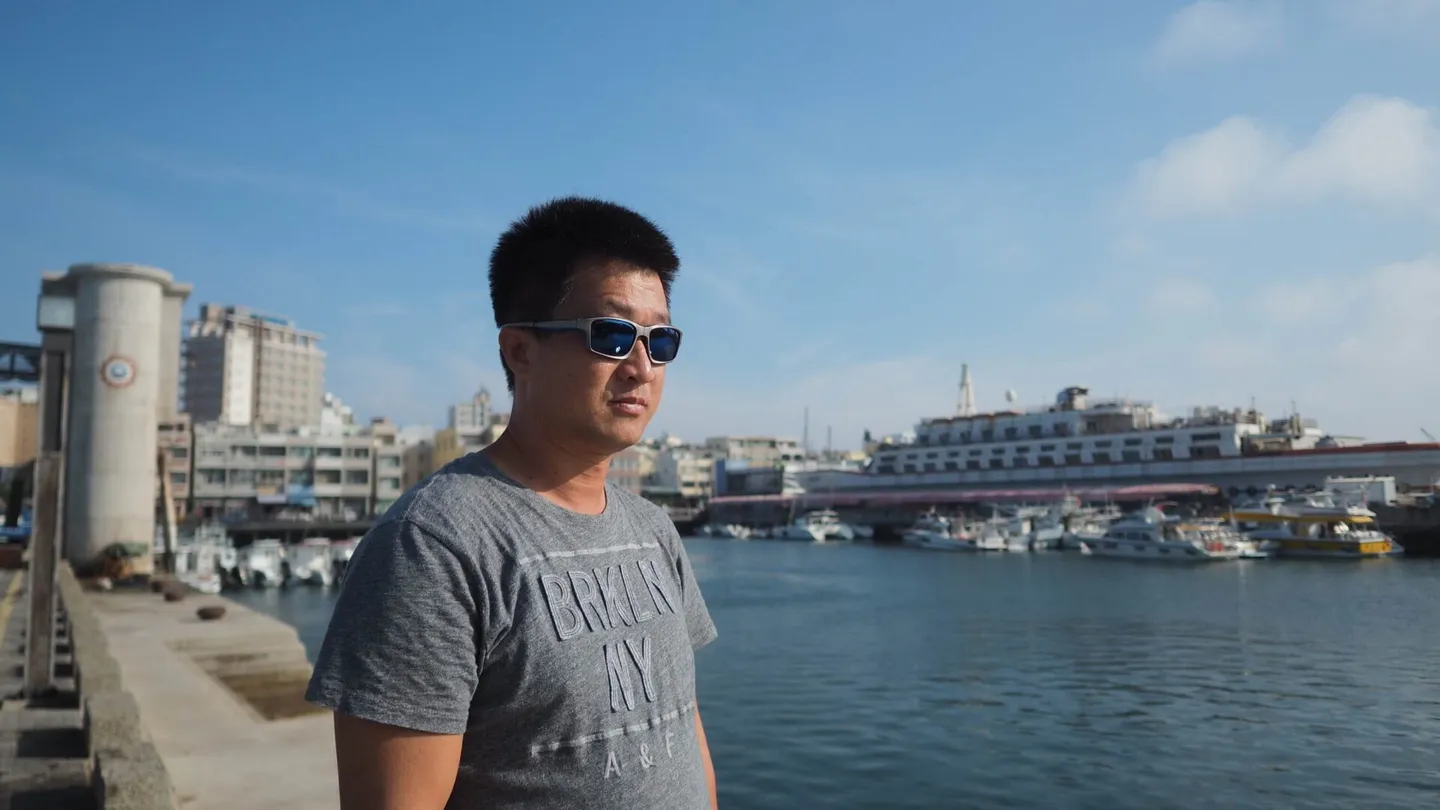
Island77 is arguably the most well-known dive shop in Taiwan in recent years. While its geographic advantage for running dive trips to the Southern Four Islands National Park certainly helps, much of its reputation is owed to the tireless efforts of the man behind it all — Ye Sheng-Hong. So why did he choose to settle in Jiangjun'ao and promote dive tourism?
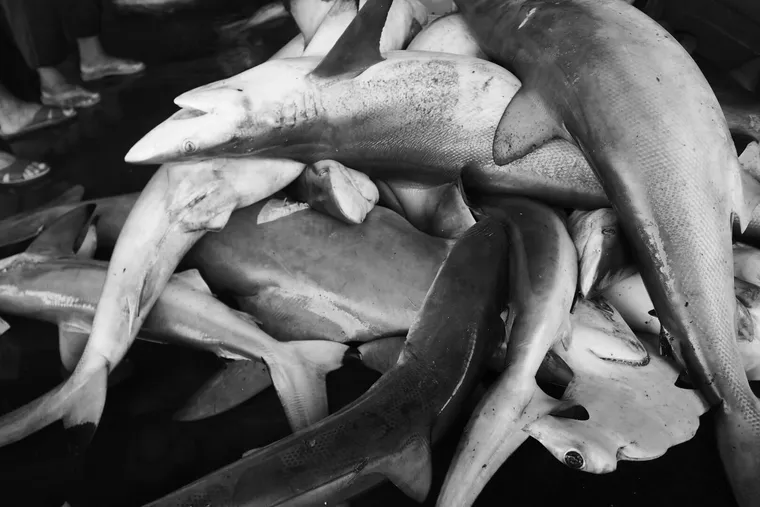
Ye Sheng-Hong was born and raised on Jiangjun'ao. Like everyone else on the island, he grew up following his elders into a fisherman's life of wrestling a living from the sea — the ocean was in his blood from the start. After completing his secondary and university education on Taiwan's main island, he returned to Jiangjun'ao following military service to join the family fishing business. The methods his family used were not conventional longlines or trawl nets, but the far more controversial practices of electrofishing and scuba fishing (editor's note: hunting fish while carrying a scuba tank, sometimes called "tube biting" fishing in local parlance).
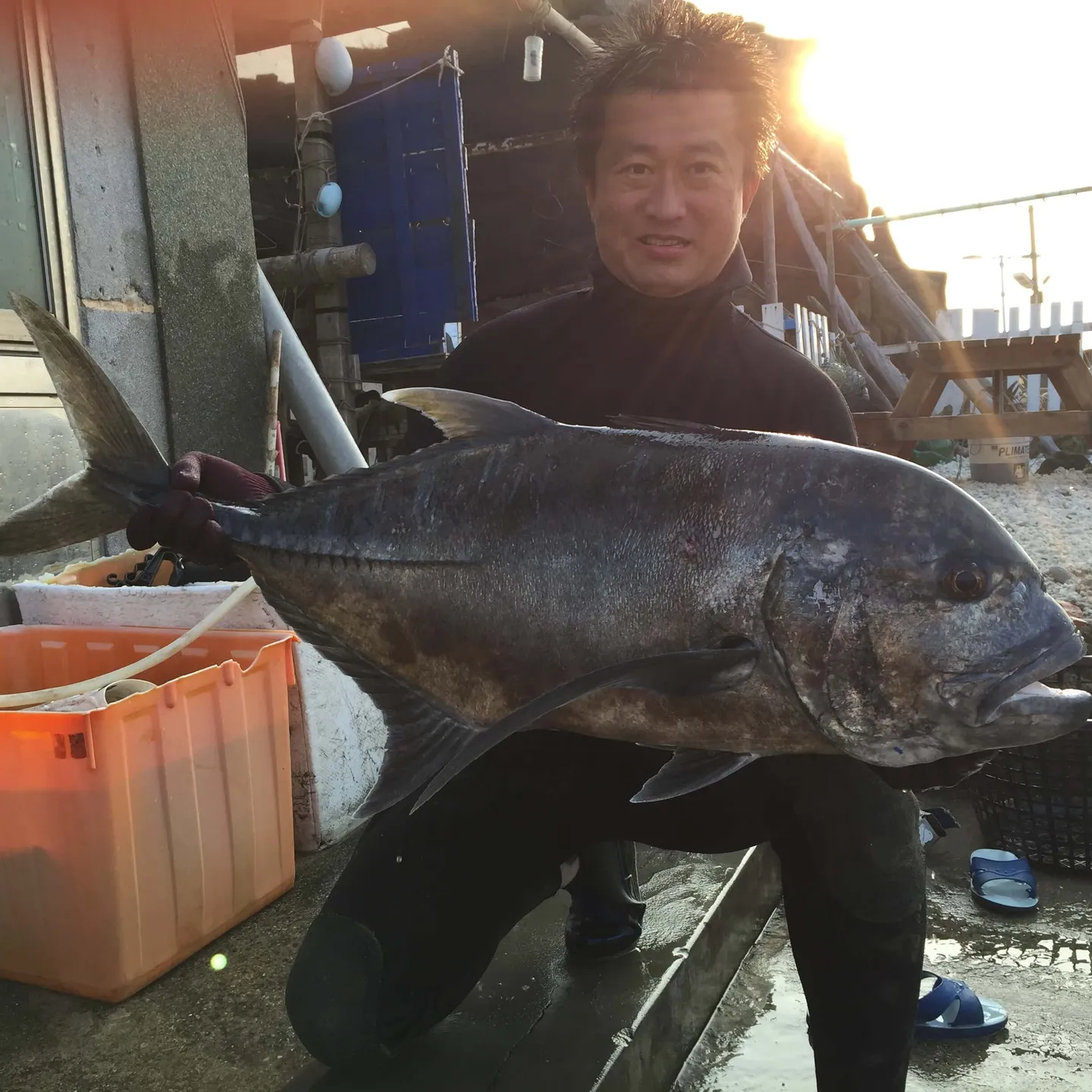
Spearfishing was once Ye Sheng-Hong's primary source of income
After leaving the military, he spent a full decade as a spearfisher, logging more than 10,000 scuba tank dives. Due to the demands of the trade, as many as 7,000 of those were solo night dives. Running through 8 tanks in a single day — spending over 8 hours at sea — was completely normal, something almost unimaginable to a recreational diver. Penghu sits in the path of a Kuroshio branch current, which brings steady pelagic fish stocks; a day's catch could exceed 120 kg, and monthly earnings could reach NT$200,000. Back then, he saw recreational diving as nothing more than going underwater to look at fish, and couldn't understand the point of it at all.
By the end of my spearfishing years, I could identify any fish the moment it swam past me underwater!
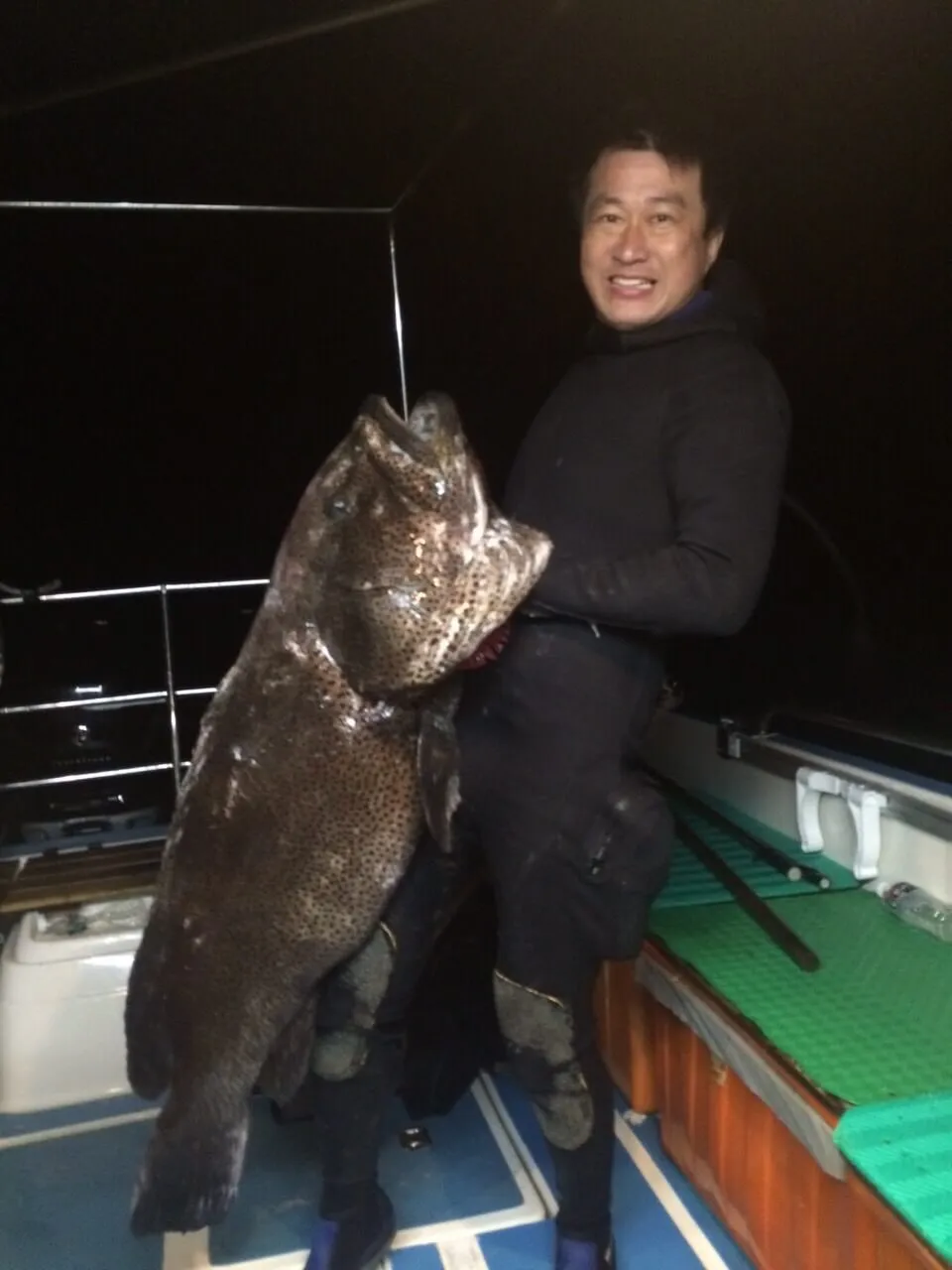
Spearfishing also led Ye Sheng-Hong to a different understanding of life


The Road from Spearfishing to the Dive Industry
But if the money was so good, why would he ever want to change course? The turning point came, of all things, from an octopus — and decompression sickness (DCS).
During one dive four years ago, Ye Sheng-Hong was at 30 m depth, preparing to ambush a large octopus. His spear shot went wide and failed to kill it outright. The octopus, in an unexpected move, crawled up the spear line and latched onto his face, instantly yanking off his second stage regulator and mask. Unable to breathe underwater, he saw his life flash before his eyes. After swallowing a few mouthfuls of seawater, he fortunately remembered that his regulator was connected to him by a hose; he followed it back, recovered both his regulator and mask, and slowly ascended to the surface. It was the first time he had ever felt his life was truly in danger.
But what ultimately pushed him to consider changing careers was decompression sickness — the nightmare that haunts every diver. One night, after completing the third tank in his planned session, he noticed symptoms of pneumomediastinum (coughing). He reasoned that as long as he didn't go too deep on the fourth tank, he could re-descend to help flush out more nitrogen (editor's note: at greater depth, nitrogen is absorbed and off-gassed more efficiently; if nitrogen levels in the body exceed the atmospheric concentration of 79%, descending can accelerate off-gassing back to a normal level). What he didn't anticipate was that the current would carry him deeper, and a sudden surge of fish made him ignore the DCS risk entirely — he pressed on even deeper to continue spearfishing. When he came ashore and peeled off his wetsuit, he discovered his entire body was covered in Cutis marmorata (marbled skin mottling). On the emergency boat ride to Magong for hyperbaric chamber treatment, blood in his urine and stool drove home to his family just how serious the situation was. That unforgettable experience made him realise: "It would be a shame if this is how my life ends."
After those two near-death experiences, he made the decision to put down his spear gun and enter the sustainable tourism industry. He invested the savings accumulated over a decade of spearfishing into a snorkeling business. Then, to expand into scuba diving, this non-instructor travelled all the way to the Red Sea in Egypt and other destinations to study dive resorts and liveaboards, seeking to absorb overseas resort experience and integrate it into his own operating philosophy. A passion for something always shows in the details: he noted, for example, that European dive boats have tank bench heights of 65 cm, and those in Southeast Asia sit at 55 cm — but the dive boat he had built in 2017, the Legendary, has benches set at 42 cm. The reasoning: Taiwanese divers aren't as tall as Westerners, and his clientele doesn't typically include the foreign guests common in Southeast Asia. The 42 cm height is ideal for the average East Asian woman standing 160 cm tall to comfortably shoulder a scuba tank. There are countless other thoughtful touches on the boat, all designed to show guests how much he cares.
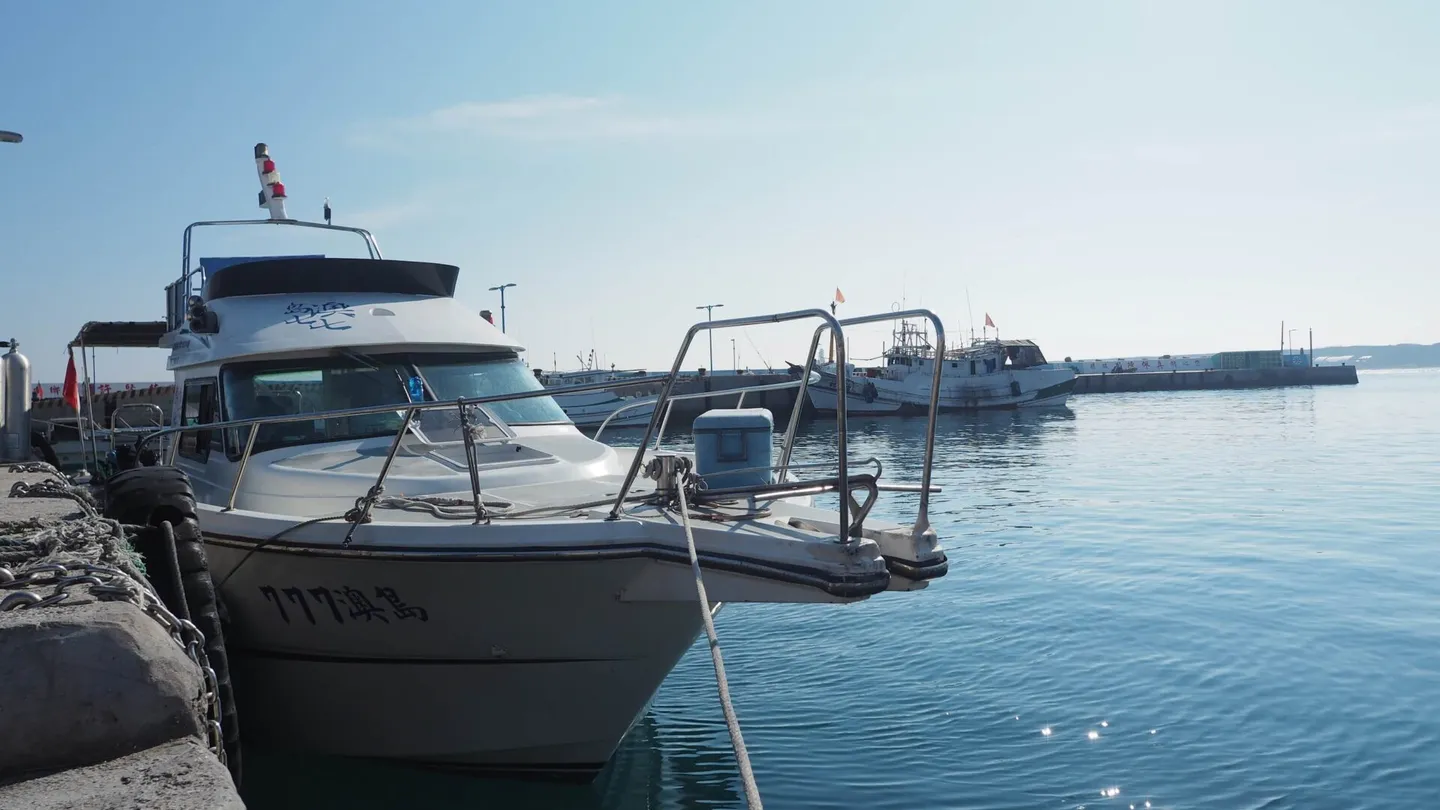
Every dive boat at Island77 is built with care
He also has his own distinctive approach to running a dive operation. For instance, contracted instructors receive a guaranteed monthly base salary plus commission, keeping staff turnover low. He pioneered Taiwan's first tipping system, allowing clients to enjoy the kind of top-tier service found in Southeast Asia, while enabling instructors and shop staff to share in the shop's growth through tips. His goal is for every employee to feel genuinely invested in the business, because great service can only be built on passionate people.
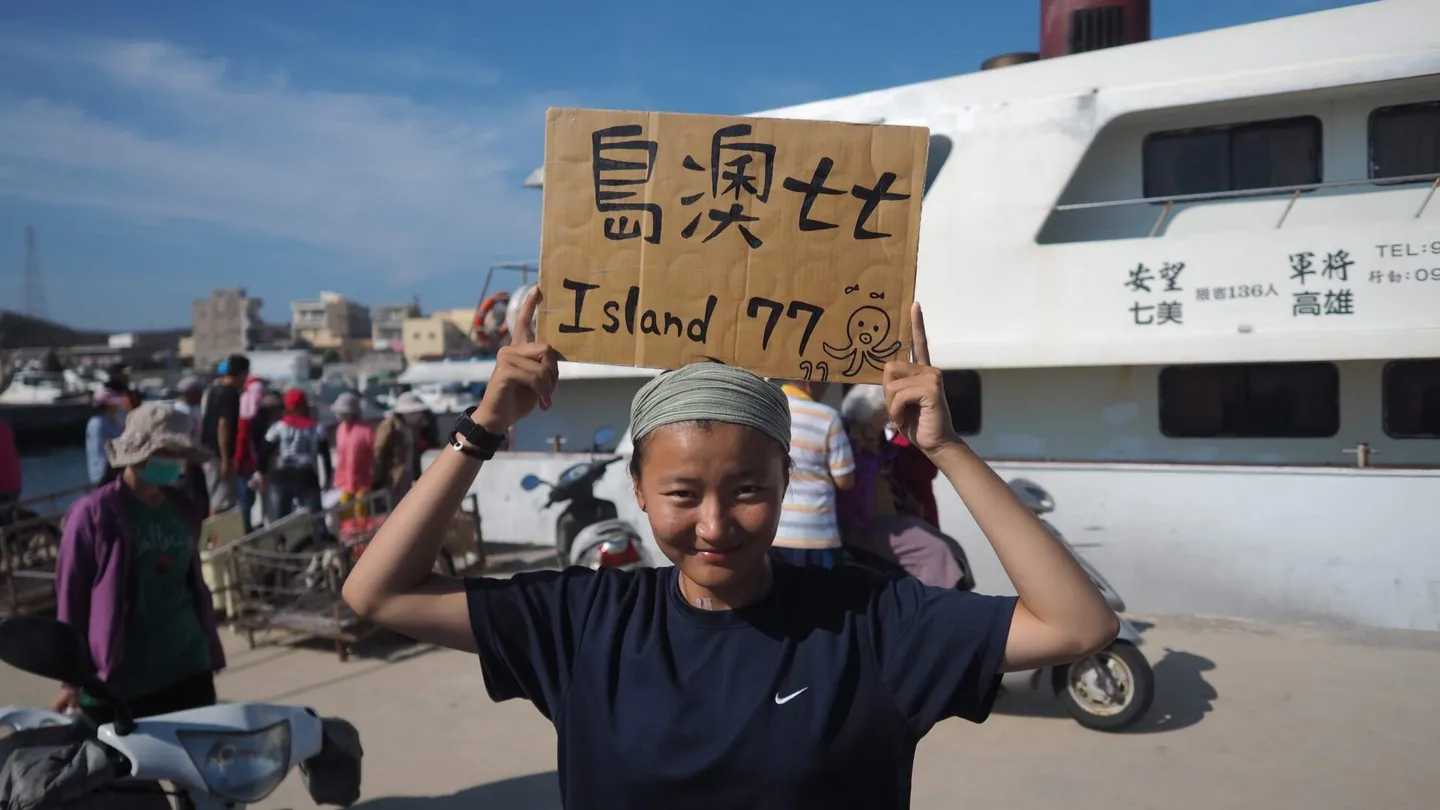
Only a team with genuine commitment can deliver great service
Running the dive business, he discovered that spotting a specific creature on a recreational dive is just the goal — what matters more is savouring the whole dive trip experience and the joy of meeting new friends along the way.
When it comes to the fishing-village transformation that divers often discuss these days, he speaks with candid disappointment: there is still a long way to go before real change can happen. He considers himself lucky to have had the chance to leave home, see the wider world, absorb new perspectives, and then come back to drive the transition. But to ask fishermen who have spent their entire lives fishing to abandon their ingrained ways and enter a completely different industry — that is enormously difficult. As an example, he points out that the government now requires licences for almost everything: dive guides must obtain a Divemaster certification, and operating a commercial passenger vessel requires a separate licence. For fishermen who can barely read Chinese characters, this is an almost insurmountable barrier. Straddling both worlds — recreational dive operator and former fisherman — he urges the diving community to recognise that what seems obvious to most divers is simply not obvious to the majority of fishermen.
Island77 will not remain its current size forever, nor will it ever be the only dive shop running trips to the Southern Four Islands. Ye Sheng-Hong hopes one day to own his own resort, because strong service quality combined with the steadily recovering underwater ecosystem of the Southern Four Islands will be enough to sustain this emerging industry for Penghu. As for competition from other operators, he actively welcomes more businesses setting up shop — he freely shares his dive site maps, coordinates included, in the hope that others will follow, growing the overall market so that Taiwan's dive industry as a whole has a chance to rise.
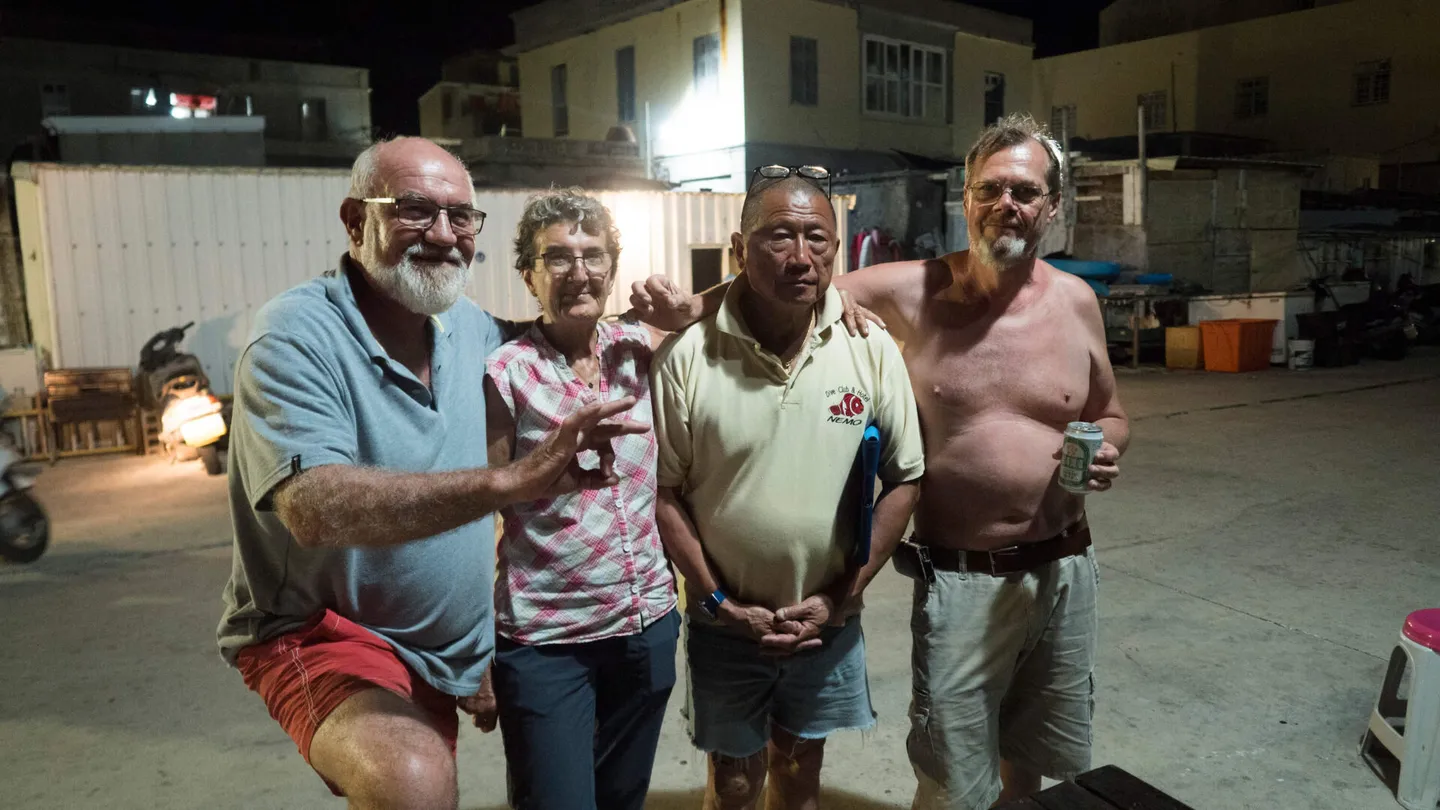
Divers who travelled all the way from Belgium. Taking the Southern Four Islands to an international audience is Ye Sheng-Hong's current life mission.
Island77 dive trips now need to be booked a full year in advance — a seemingly successful beginning, but the devil is in the details. Beyond his firm standards for dive boat specifications and shop operations, Ye Sheng-Hong's commitment to compliance is equally noteworthy: registering as a licensed water recreation company, obtaining a commercial passenger vessel permit, ensuring the boat captain holds the relevant certification, and taking out all required insurance policies, among many other regulatory obligations that silently add to operating costs. Yet it was precisely this insistence on doing things properly from day one that meant when the Southern Four Islands National Park opened its diving permit application process, Island77 had every required document already in hand — and so, quite naturally, it became synonymous with diving the Southern Four Islands.
Compared to other dive destinations in Taiwan, Penghu's dive season is relatively short. From April to September each year, and accounting for typhoon season, there are only around 140 operable days. Against a backdrop of widespread scepticism, he chose to take Island77's first step on the very outlying island where he was born. There are no shortcuts to success — only a series of details, stacked one upon another. Get everything within your control ready, and then wait for the right moment to arrive.
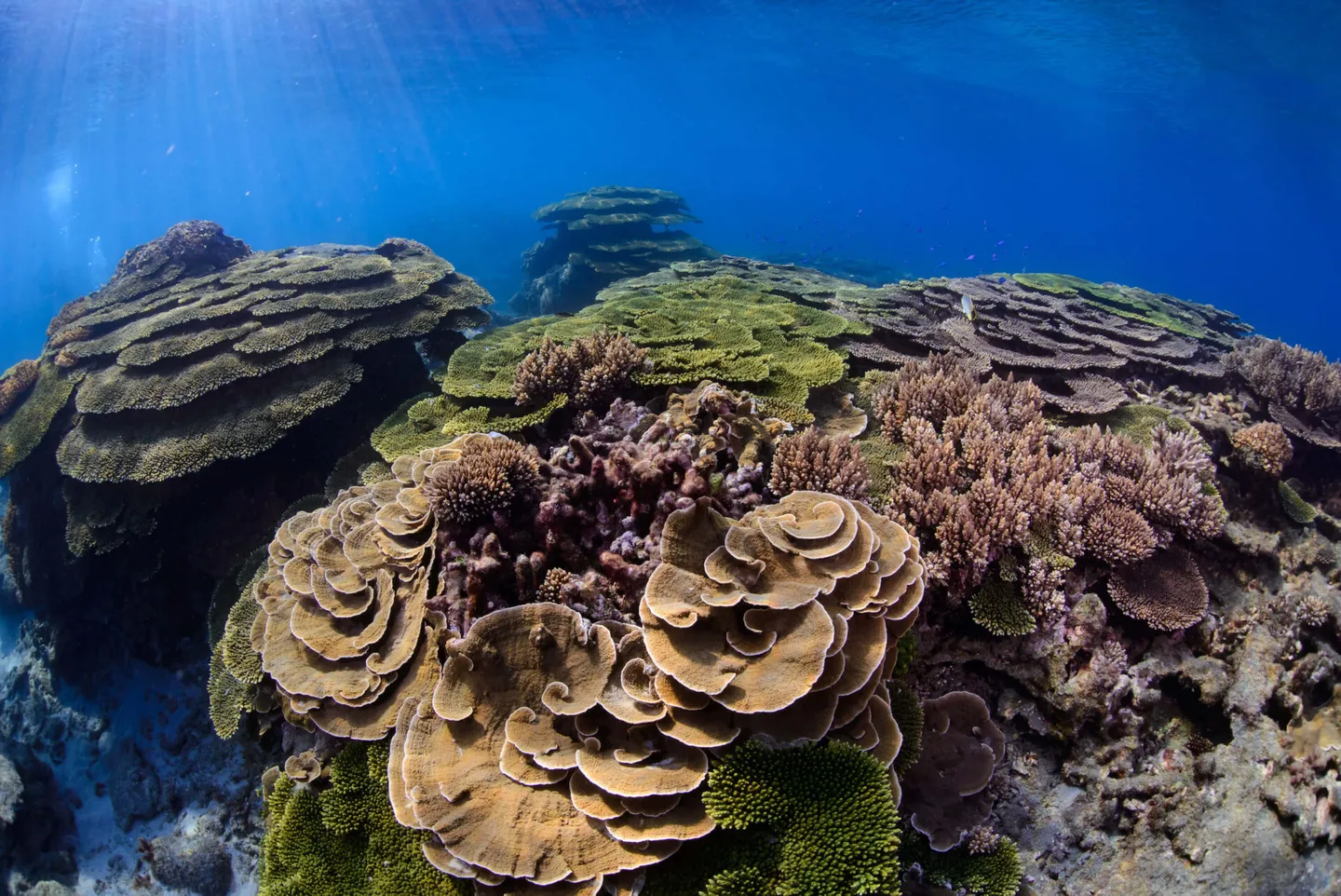
Photo credit 京太郎
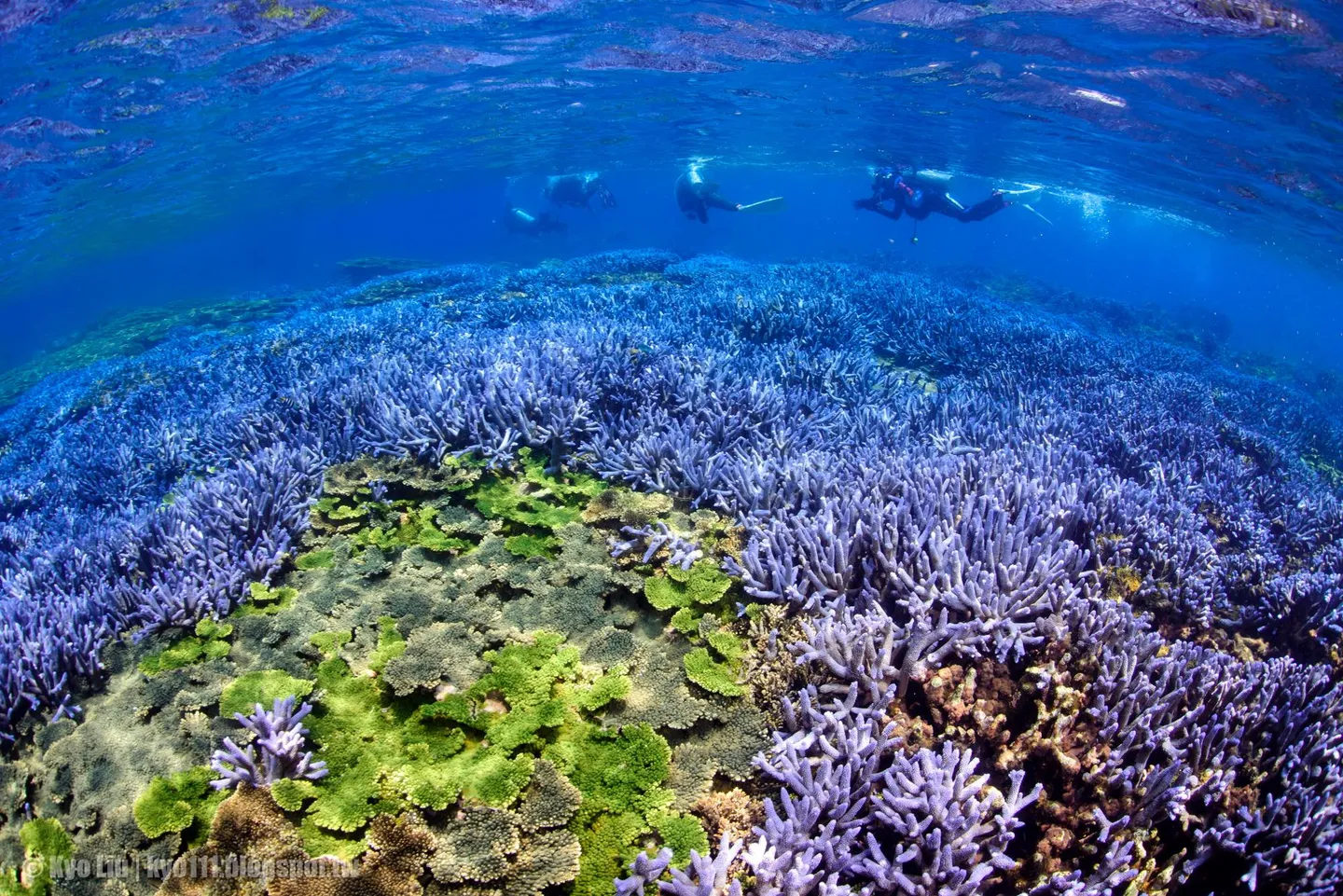
Photo credit 京太郎
Related links: