Contents(7)
The Editor says: Tateyama, Chiba is just 1.5 hours from Tokyo by bus, and it's best known for "Shark City," where you can be completely surrounded by sharks the moment you hit the water. If you're lucky, during your 5 m safety stop you might even witness cormorants (鵜) diving down from above to compete with the fish for food. Come take a look with the Editor! <Full article reprinted from: 3小a的隨手拍寫>
Local Dive Shop: BOMMIE
If you're not visiting Japan specifically to dive but are curious whether there are any special dive sites near Tokyo, Tateyama on the Boso Peninsula in Chiba Prefecture should satisfy your curiosity. In Hazama, you'll find an underwater shrine and the star humphead wrasse, while a 10–15 minute drive away in Ito, there's Shark City (鯊魚堡) — where you can get up close with large numbers of banded houndshark — plus Stingrays, and a chance to watch diving cormorants hunting during your safety stop. This time, with limited time, I could only choose to go to Ito, so here's a brief introduction to getting there from Tokyo by bus and a recommended local dive shop: 「BOMMIE」.


How to Get to BOMMIE?
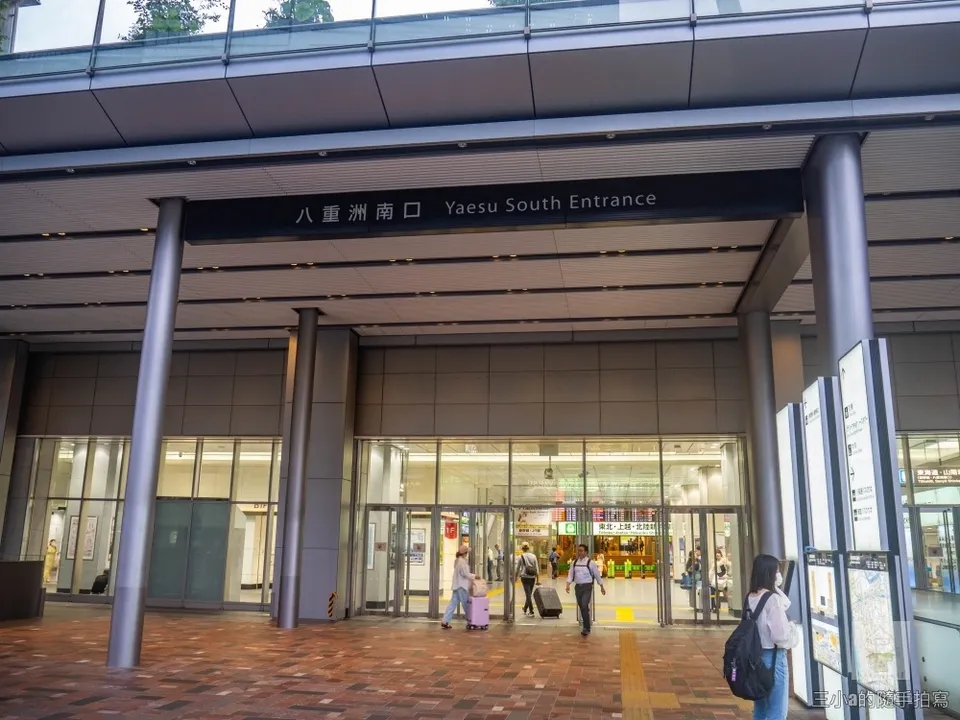
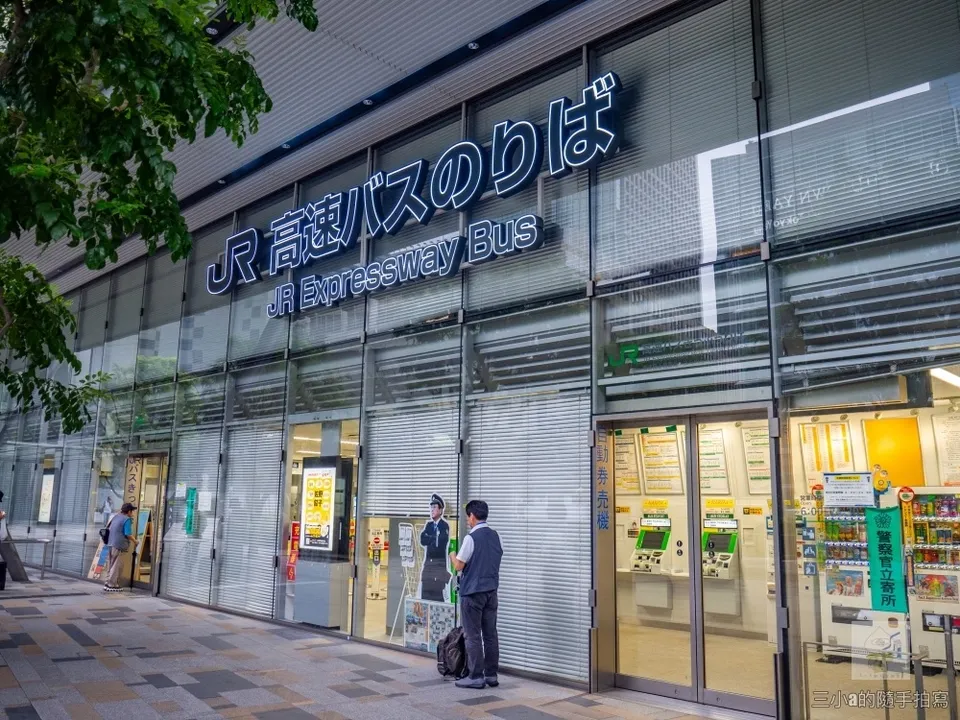
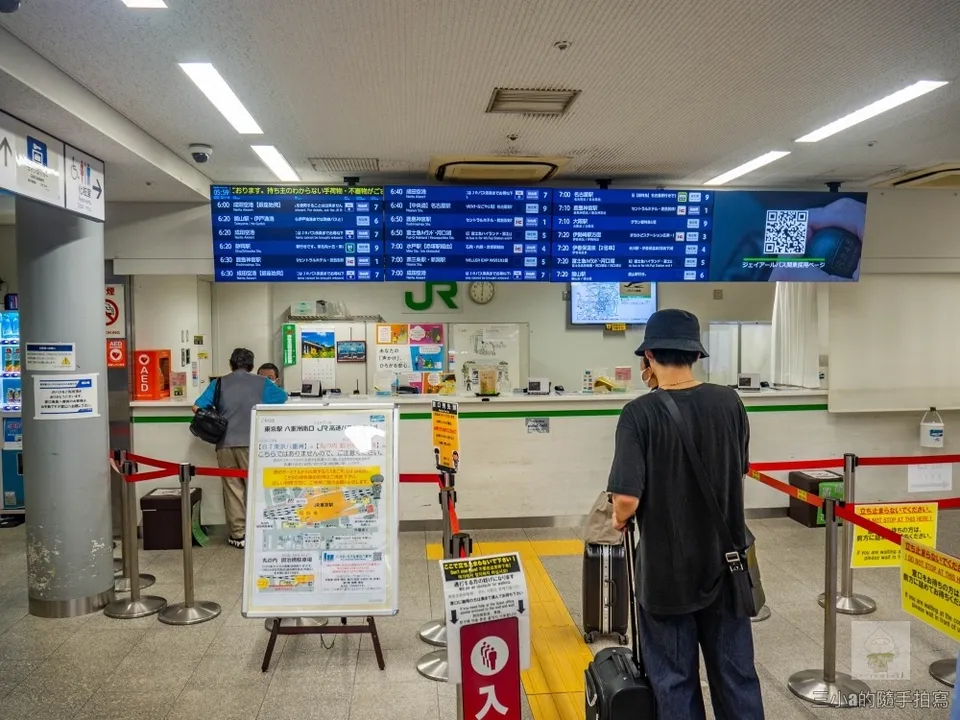
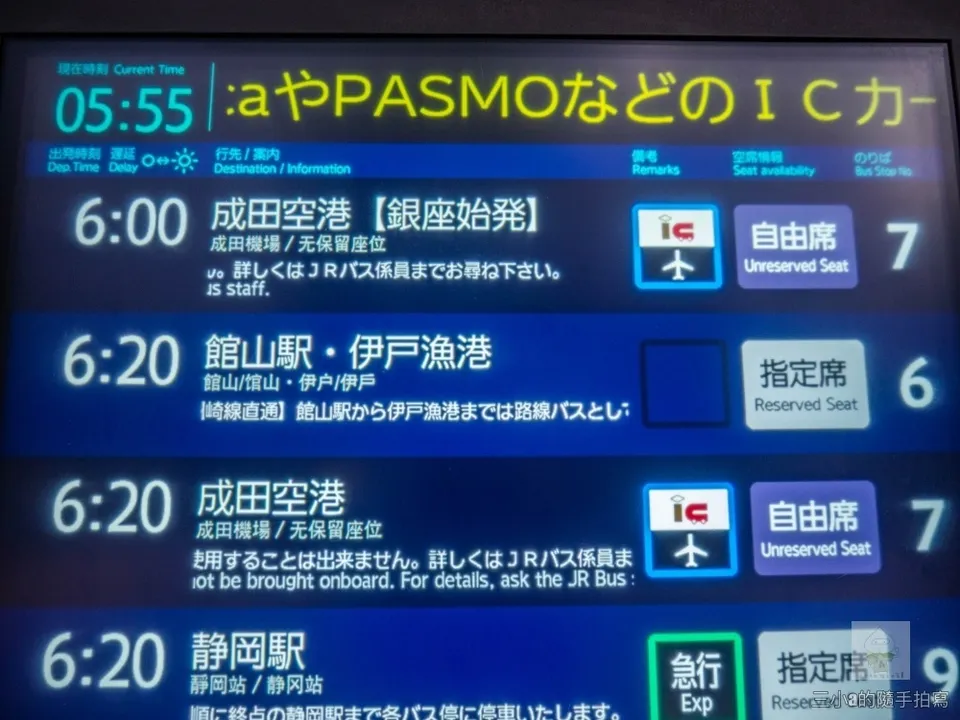
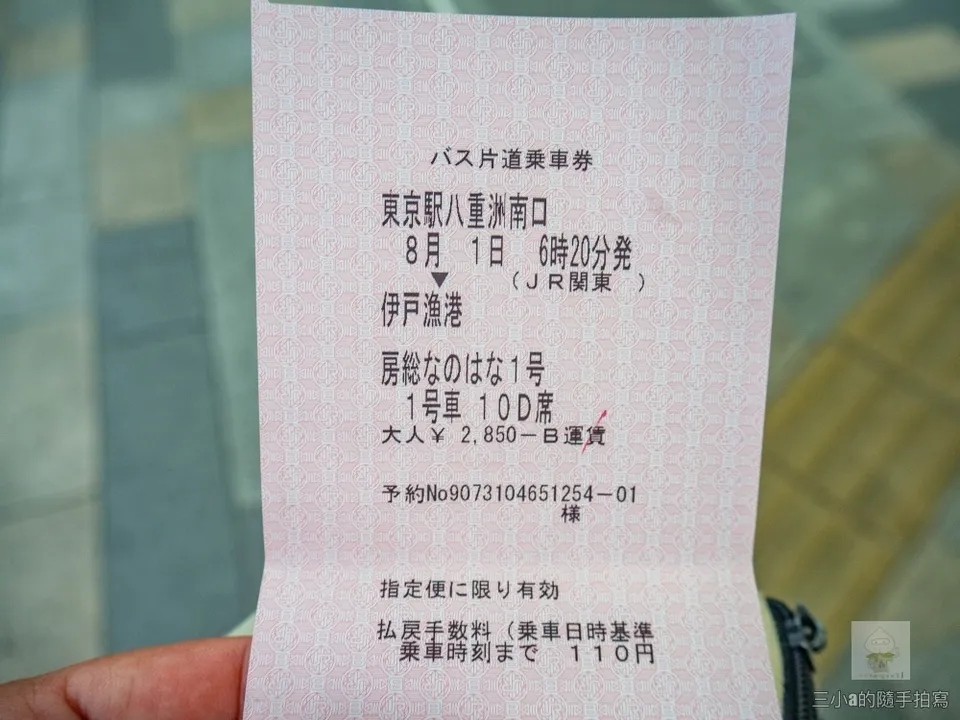
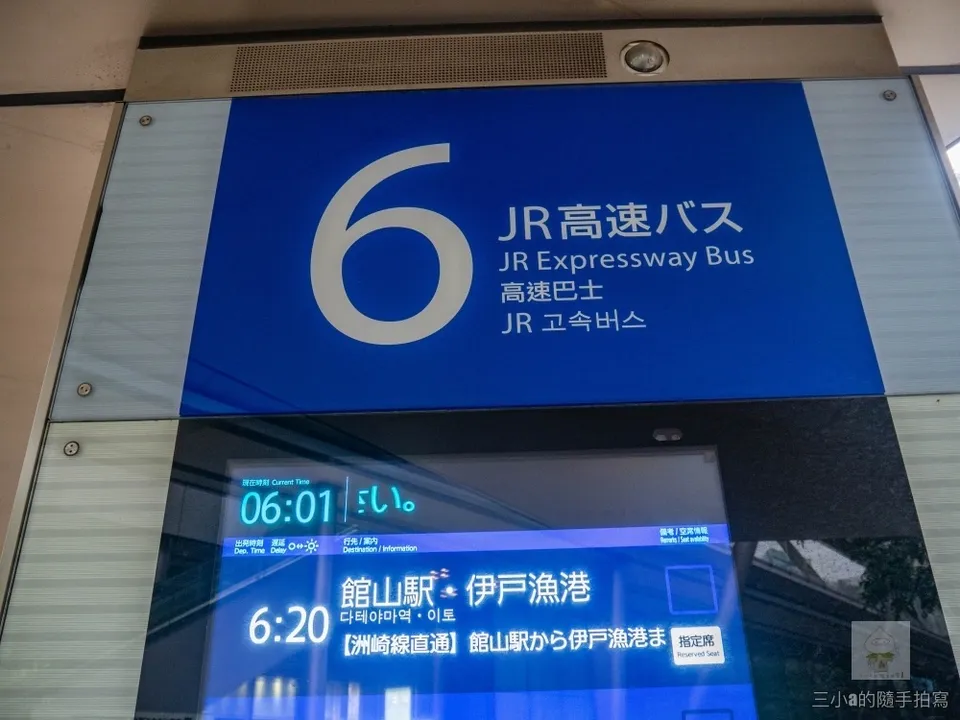
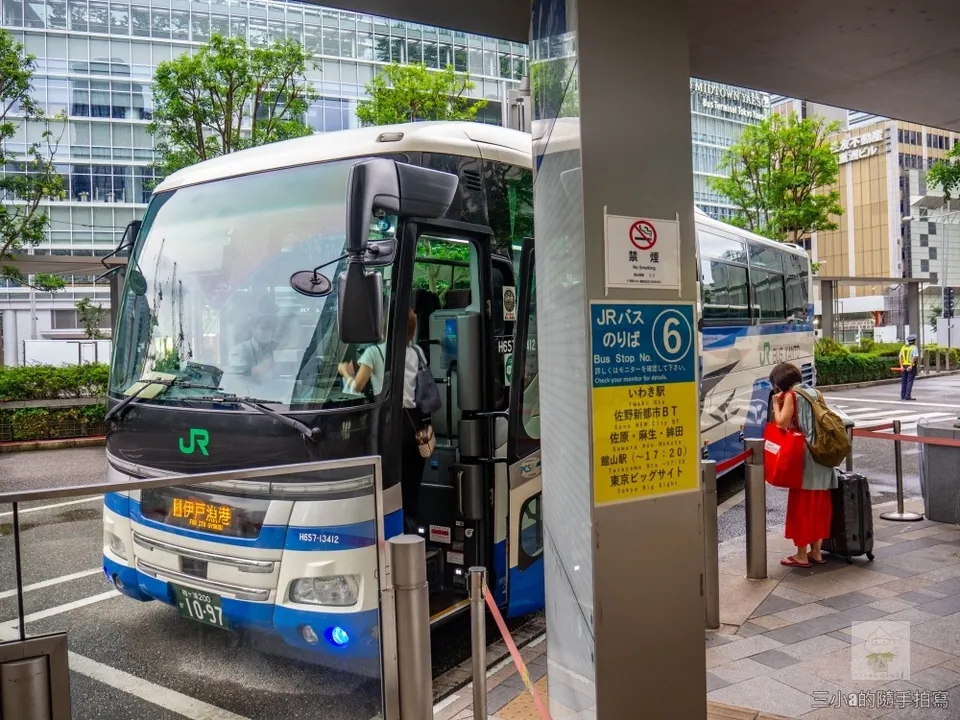
Remember to make a reservation with the dive shop before your trip. 「BOMMIE」 can communicate in English as well as Japanese. Once your booking is confirmed, it's a good idea to purchase your bus tickets a day or two in advance at the "JR高速バスのりば" (JR Highway Bus Stop) at the Yaesu South Exit of Tokyo Station. Buy a ticket for the 房総なのはな1号 bus departing at 06:20, and get a ticket all the way to the final stop, "伊戸漁港" (Ito Fishing Port).
Since you're riding to the terminus, there's no need to worry about missing your stop — feel free to catch up on sleep on the bus. Your boarding point is at stand No. 6, in front of the ticket office. Please note that detailed bus schedules and boarding locations are subject to change; always check the information at the ticket office for the latest details. You can also refer to the dive shop's official website for transportation information; the details in this article are for reference only. The bus is quite comfortable and easy to doze off on. Barring any delays, you should arrive at Ito Fishing Port at 08:47. Perhaps because I was a foreign visitor, a staff member was already waiting at the bus terminal when I stepped off. As for divers bringing their own gear, the lower compartment of the bus has ample space to accommodate it, so there's no need to worry about storage.
A Warm and Charming Dive Shop
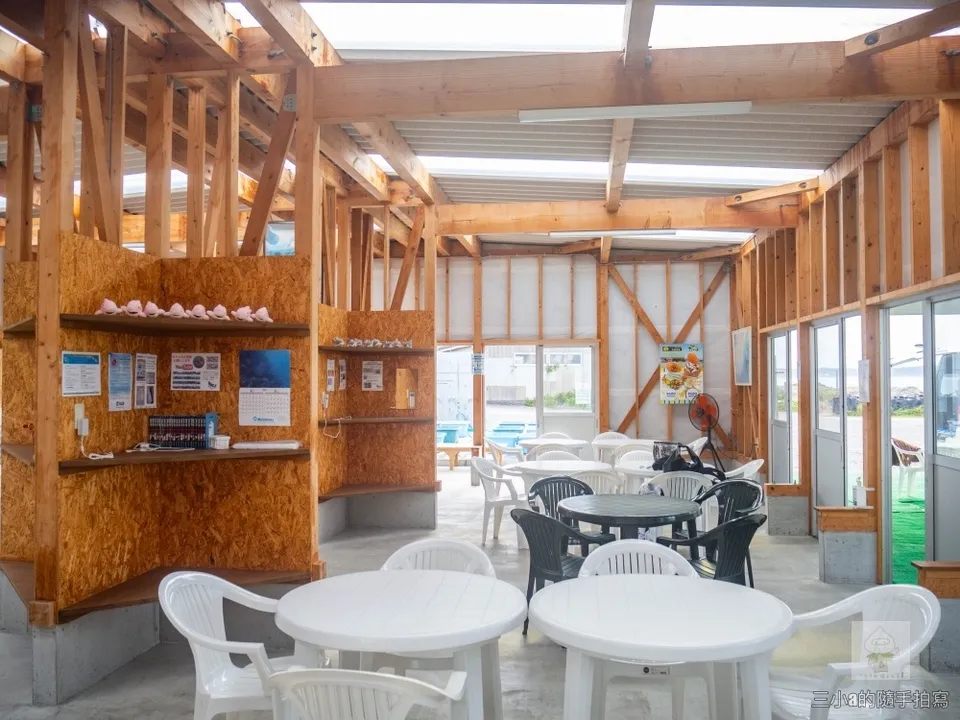
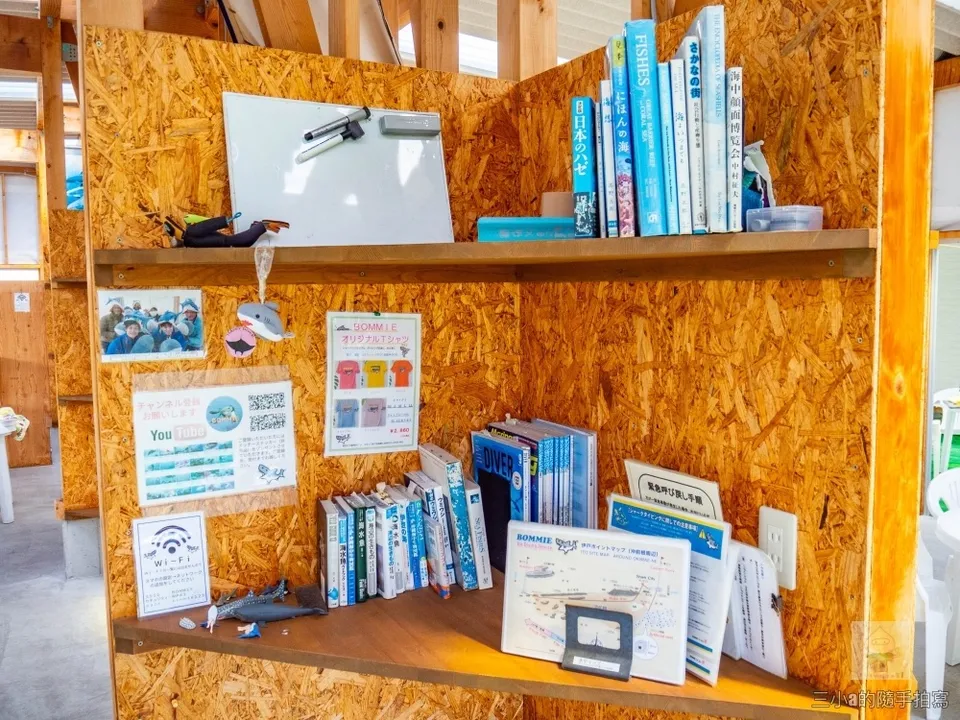
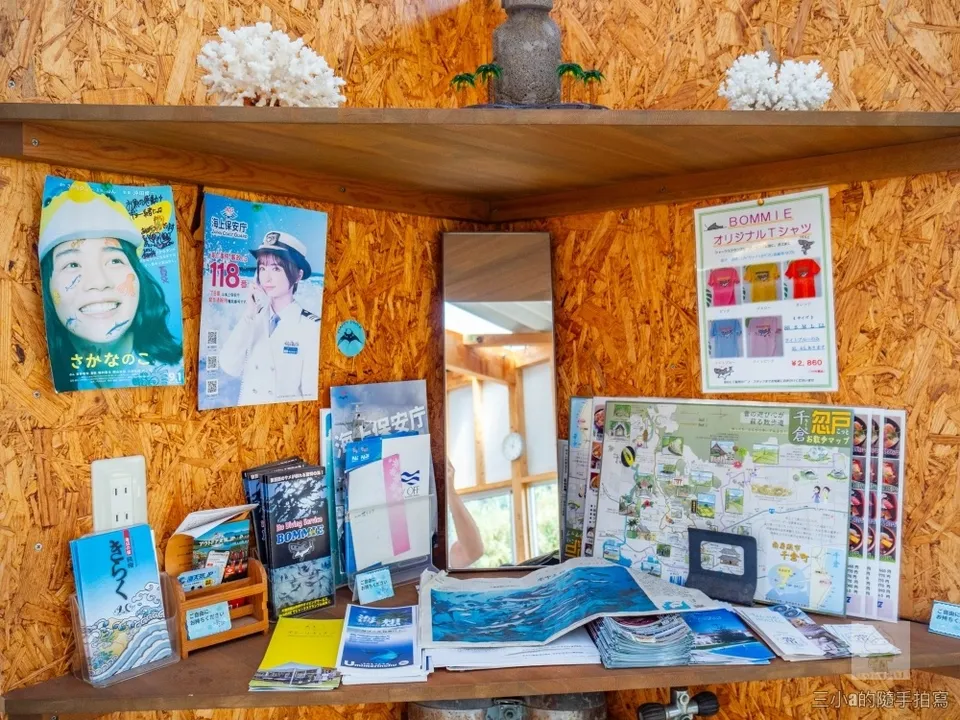
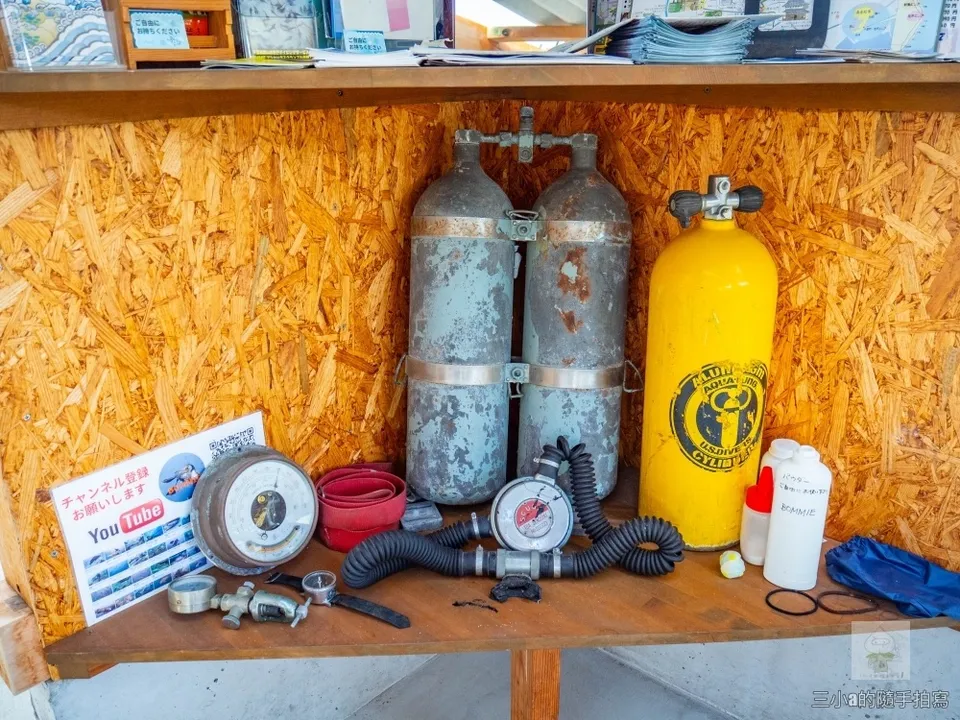
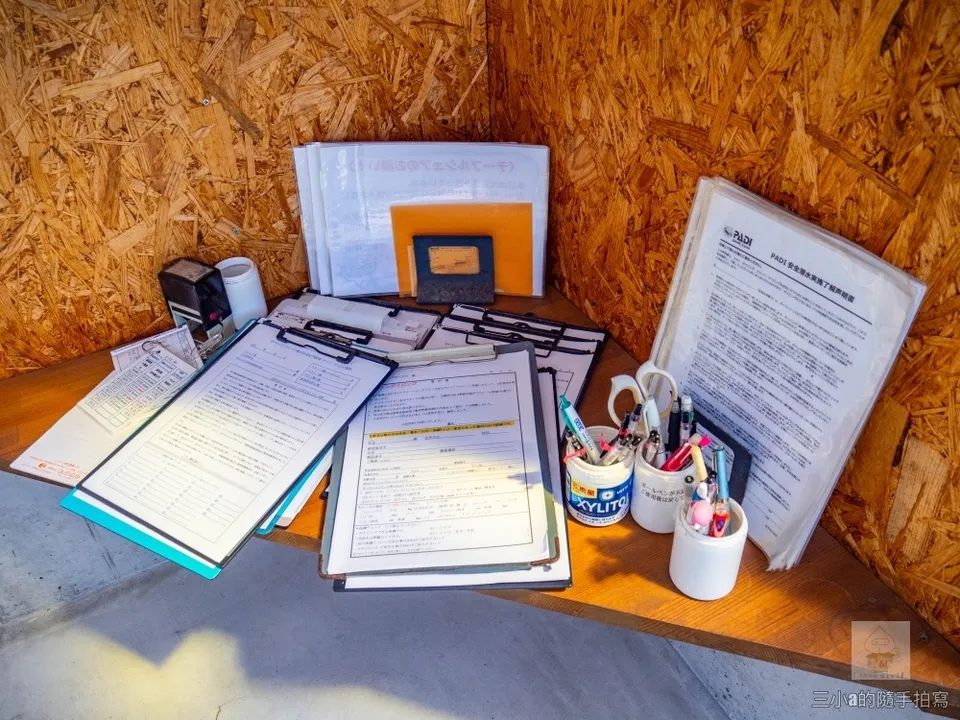
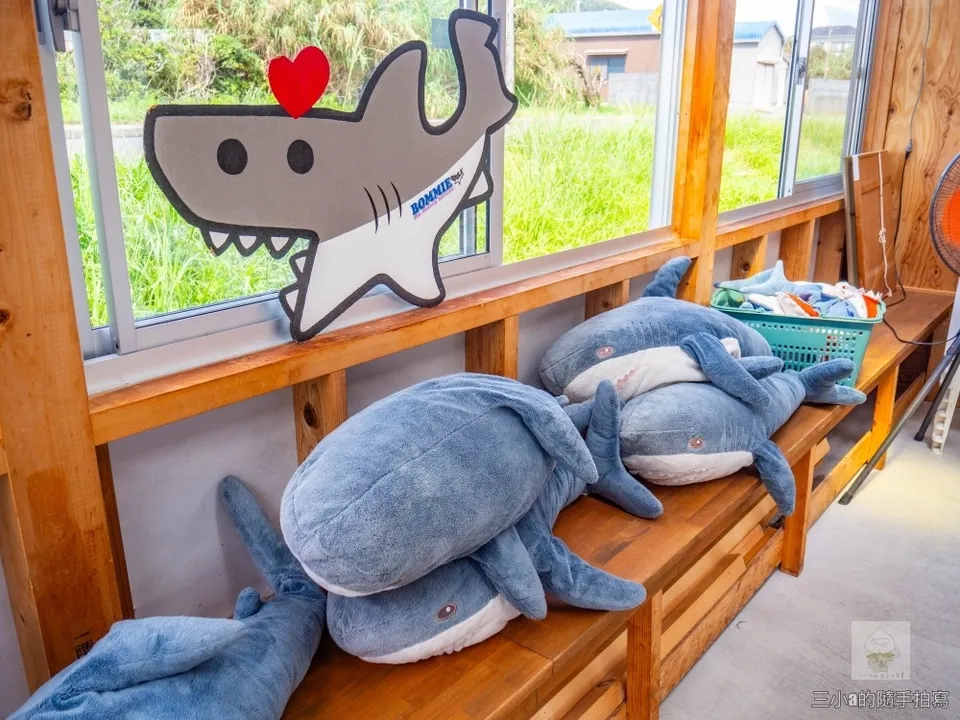
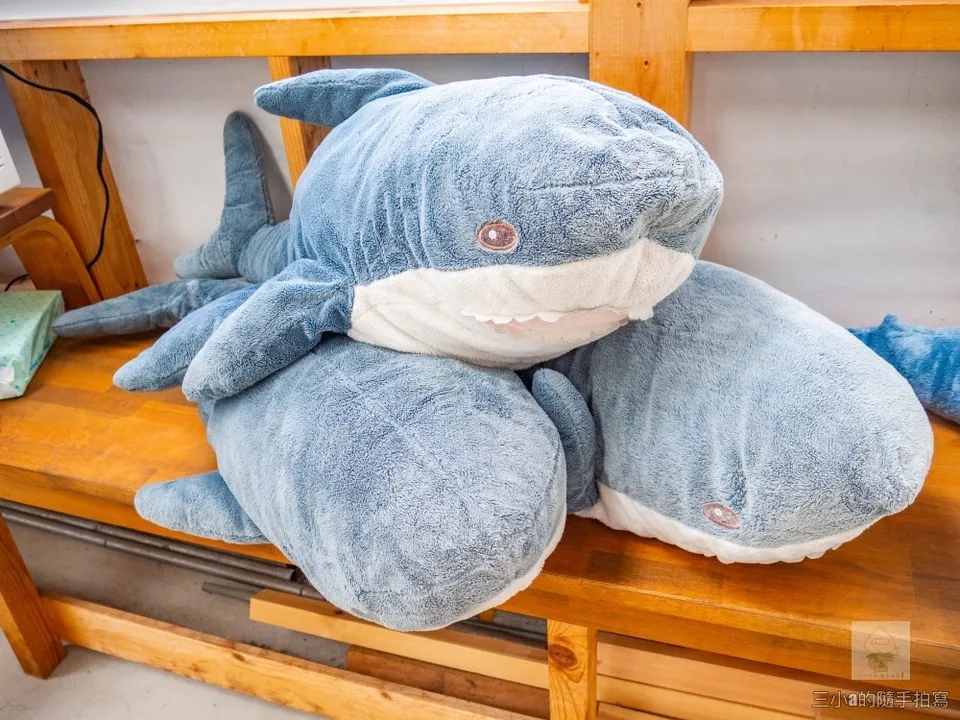
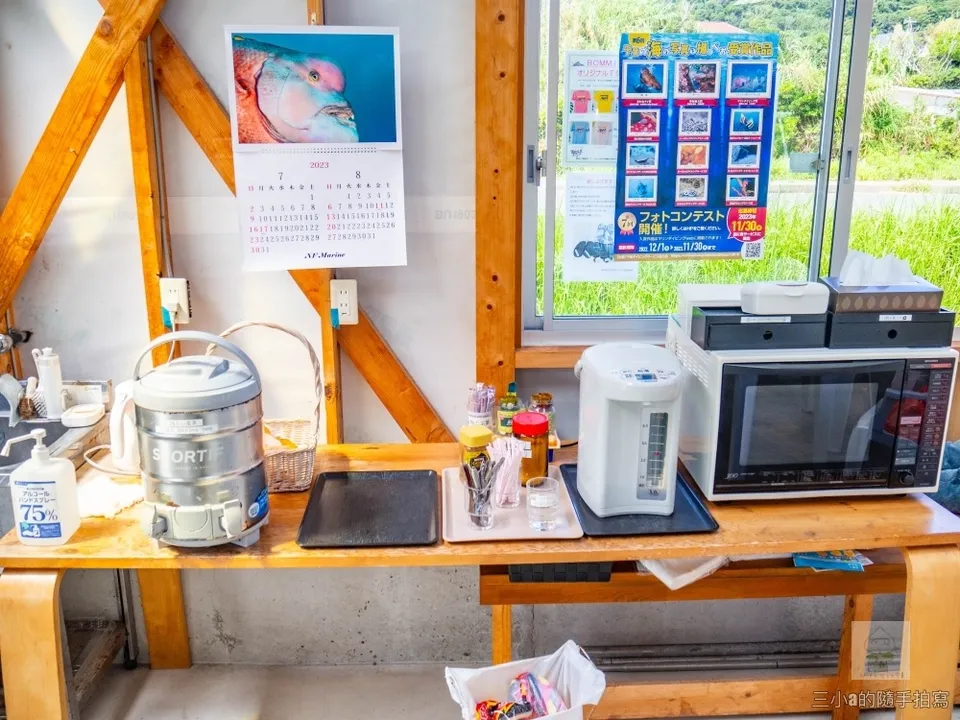
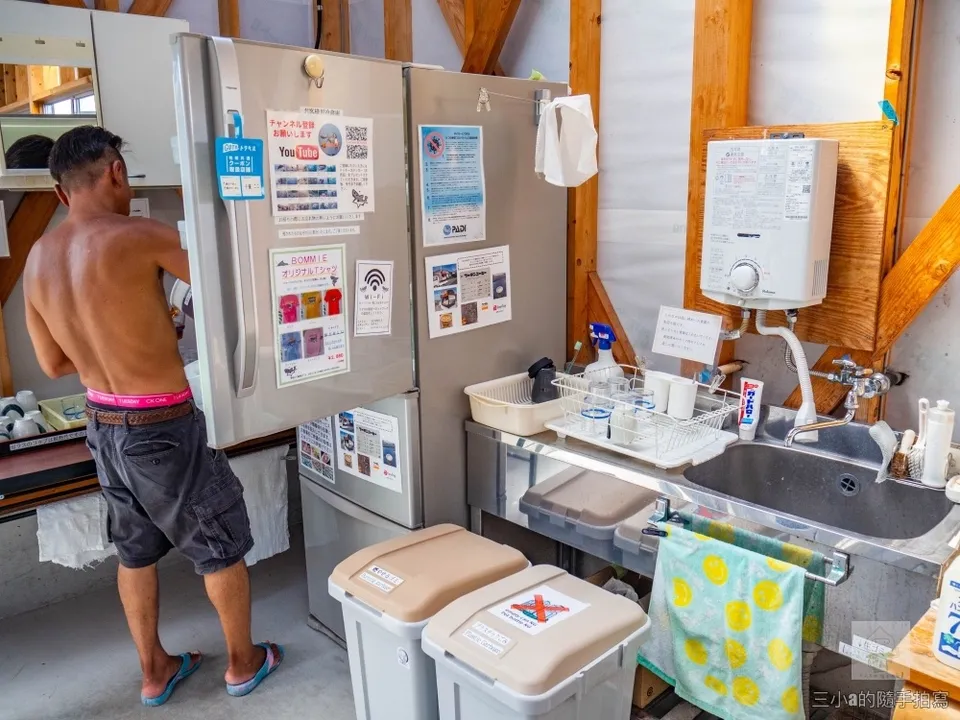
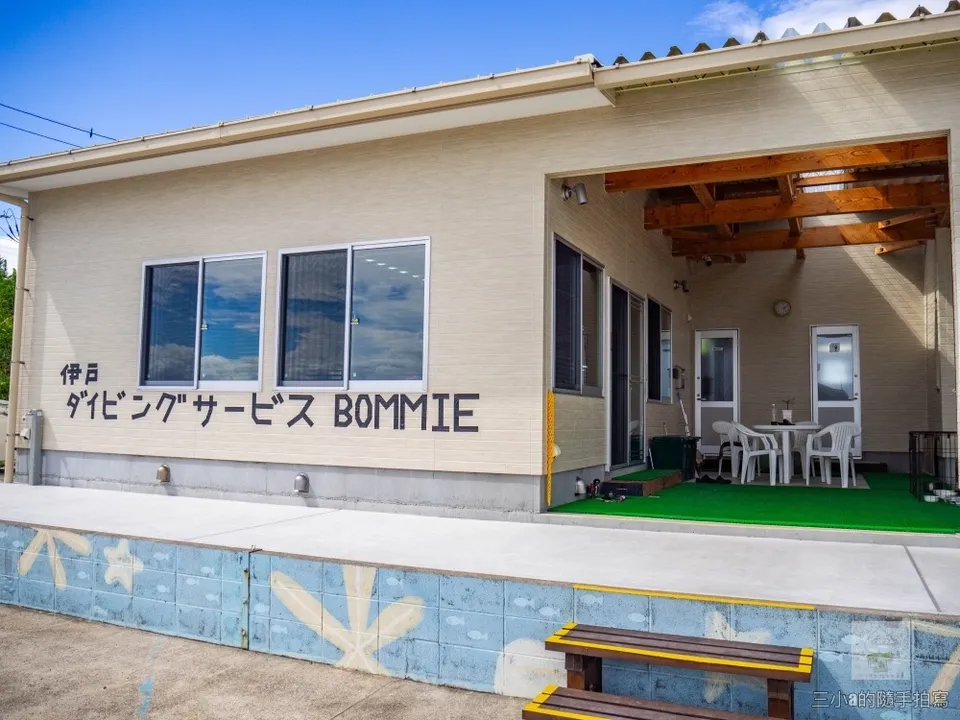
The lounge area at 「BOMMIE」 looks simple at first glance, but it has everything you need: tables and chairs, shark plush toys, a microwave, a refrigerator, a sink, and an electric kettle. Want something hot? There are tea bags and coffee. Want something cold? There's iced tea in the fridge. Honestly, the only thing it lacks is air conditioning in summer — other than that, it really does have it all.
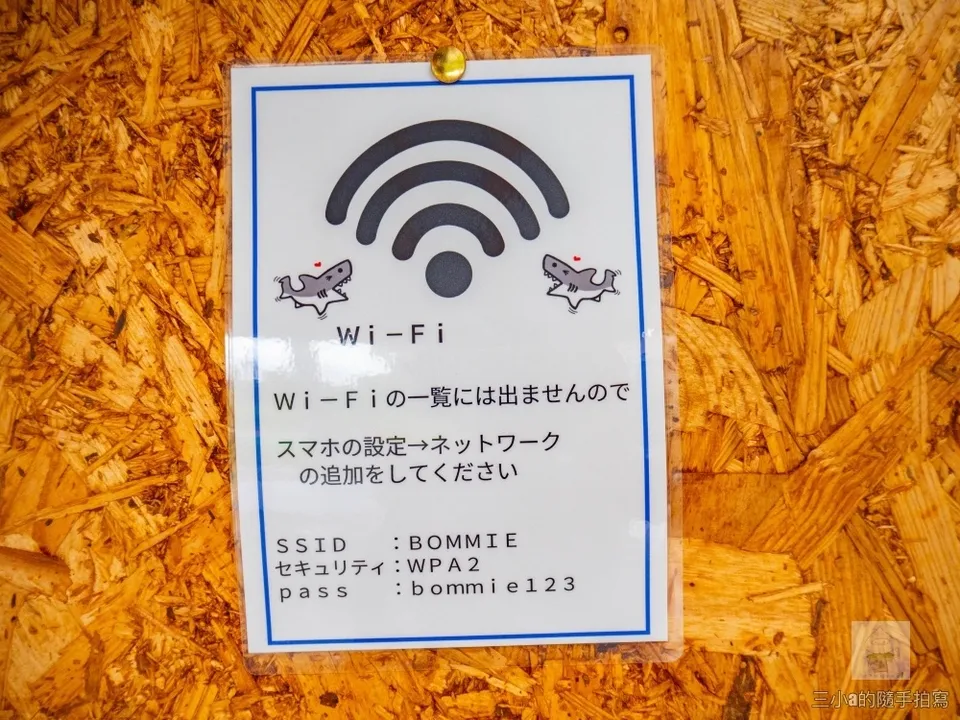
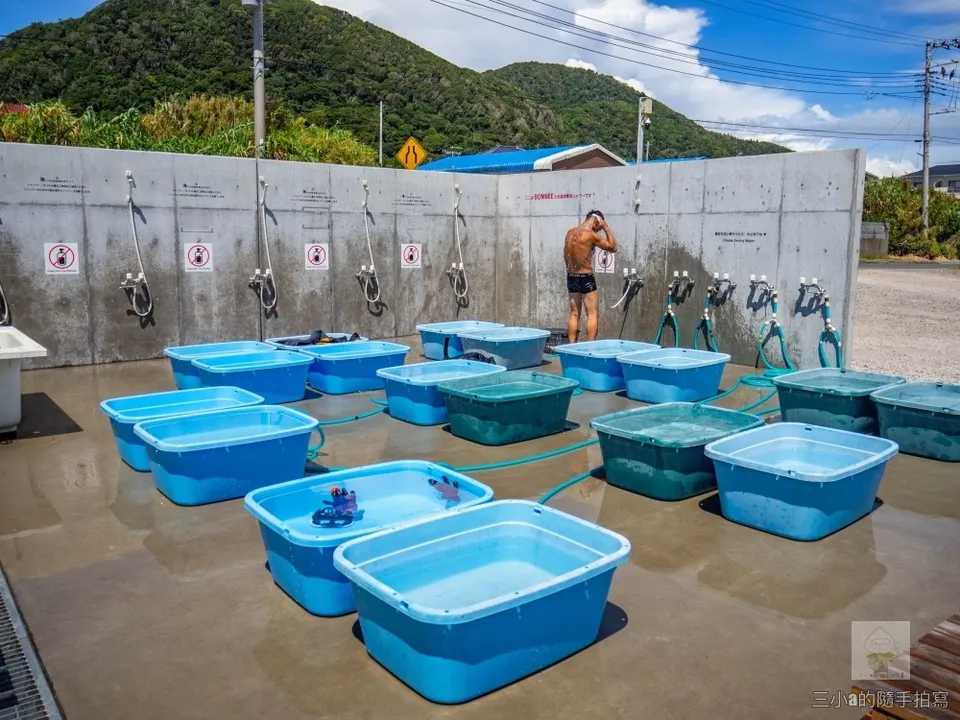
As is customary, you'll be given a simple form to fill out before diving — this is standard procedure whether you're diving in Taiwan, the Philippines, or Japan. The abundance of adorable shark plush toys will inevitably tempt you to pick one up for a photo, and you can also spot 「BOMMIE」's cute shark logo. Free Wi-Fi is available in the lounge. Just outside the lounge is the area for a quick rinse, equipment washing, and gear drying after returning from a dive. There are plenty of washing tanks and ample space, so you won't need to worry about finding a spot to clean your gear.
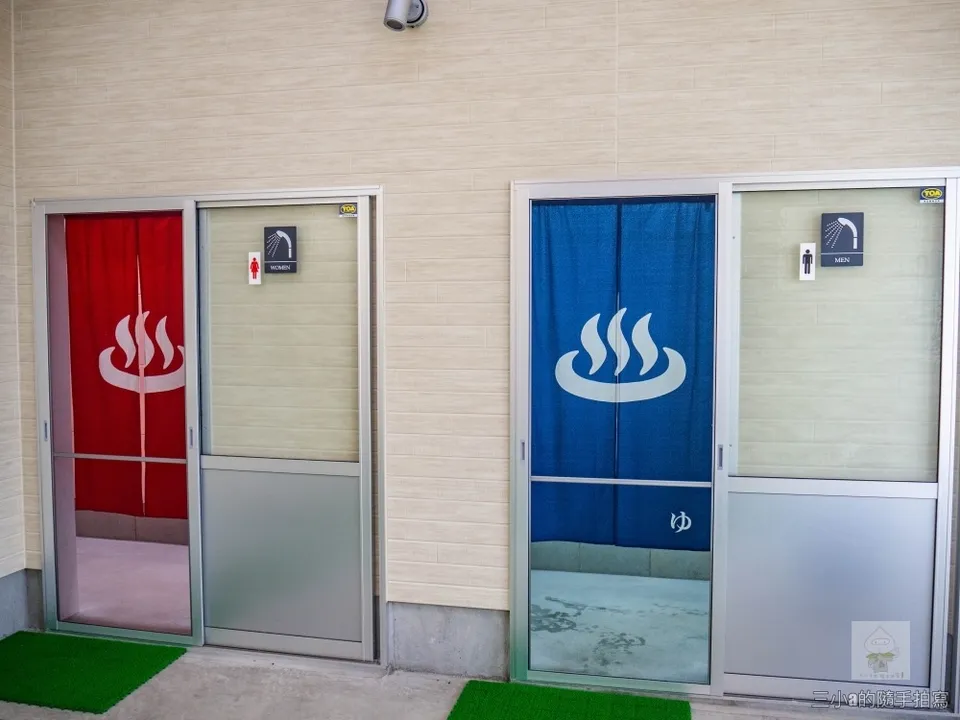
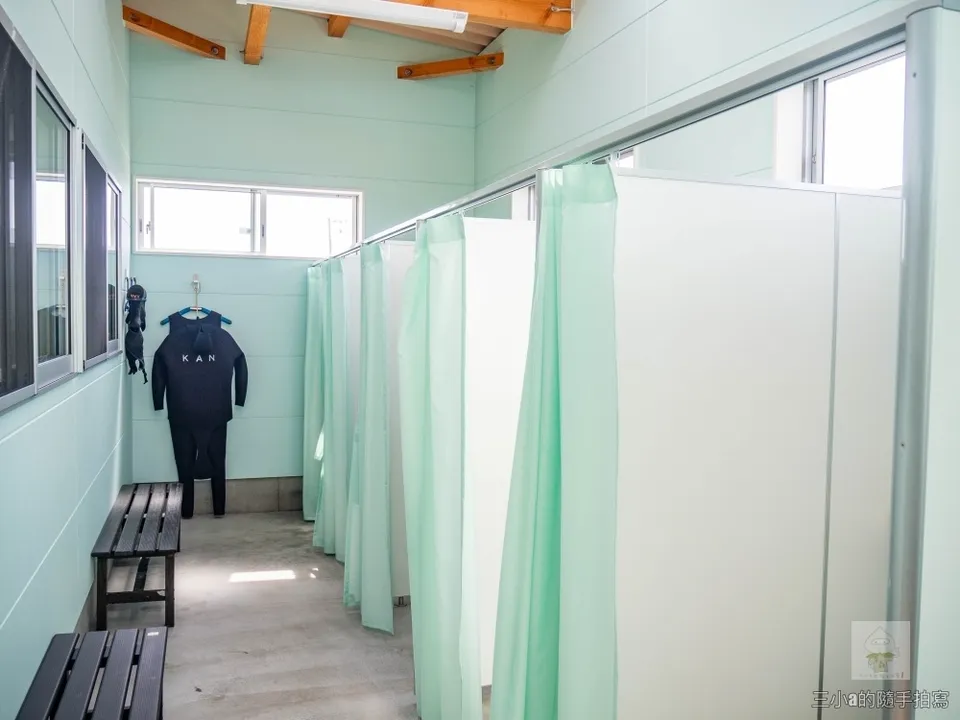
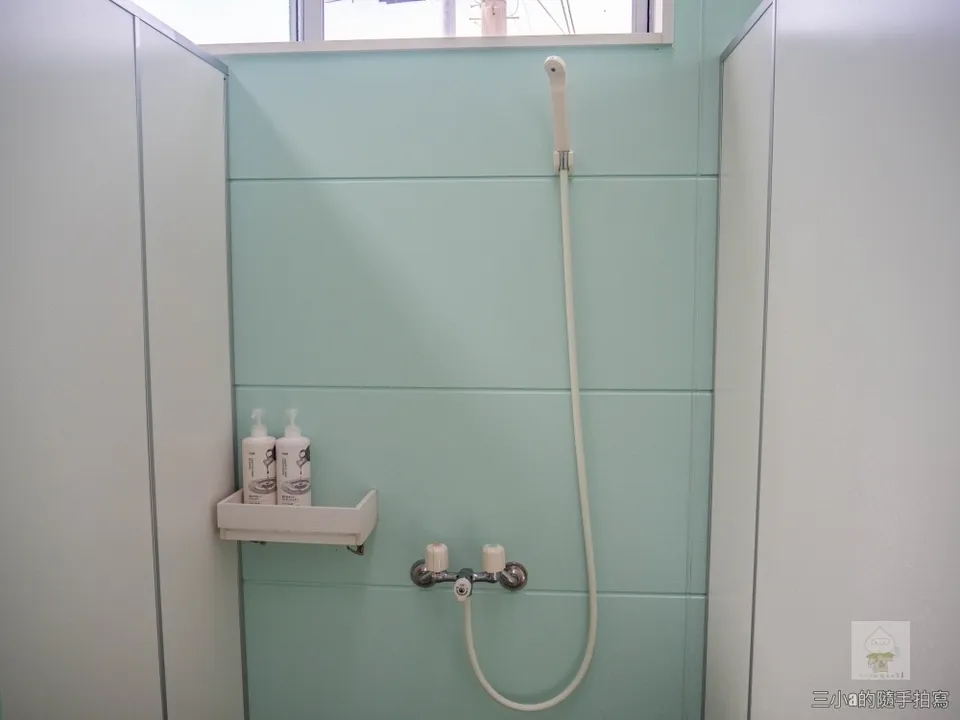
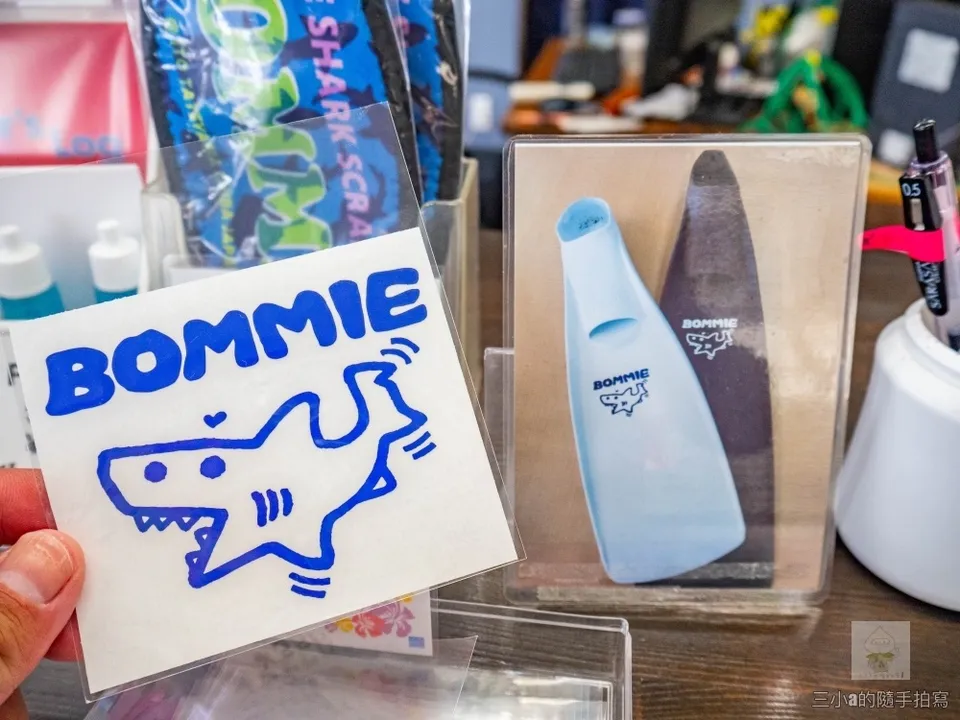
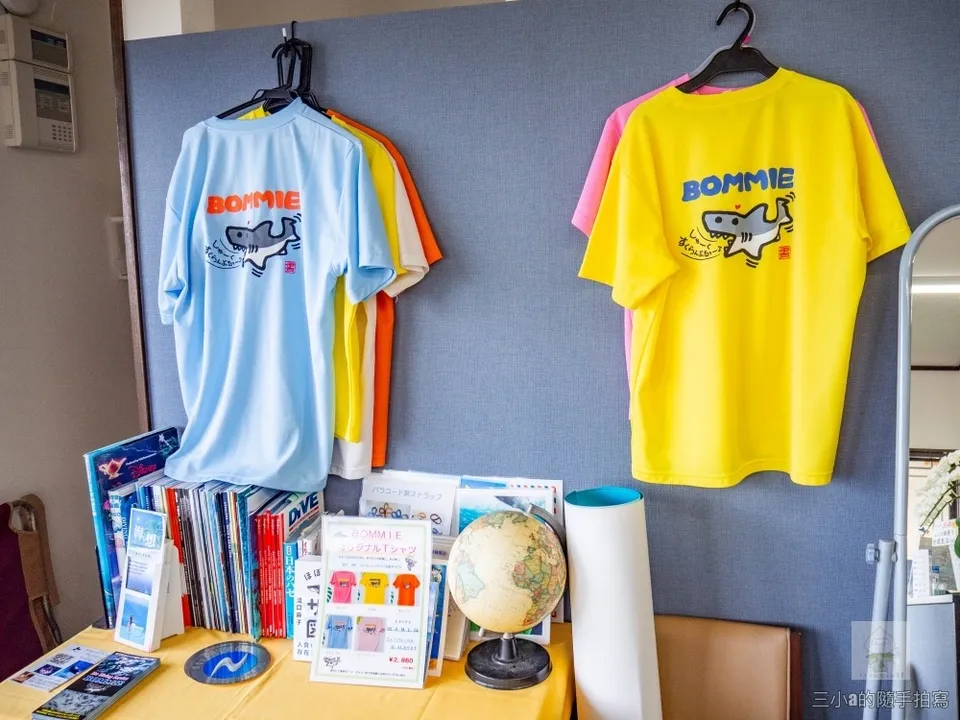
Across the road from the lounge is the dive shop's main office, which houses the post-dive shower facilities, divided into changing and shower areas, with shampoo and body wash provided — just bring your own towel.
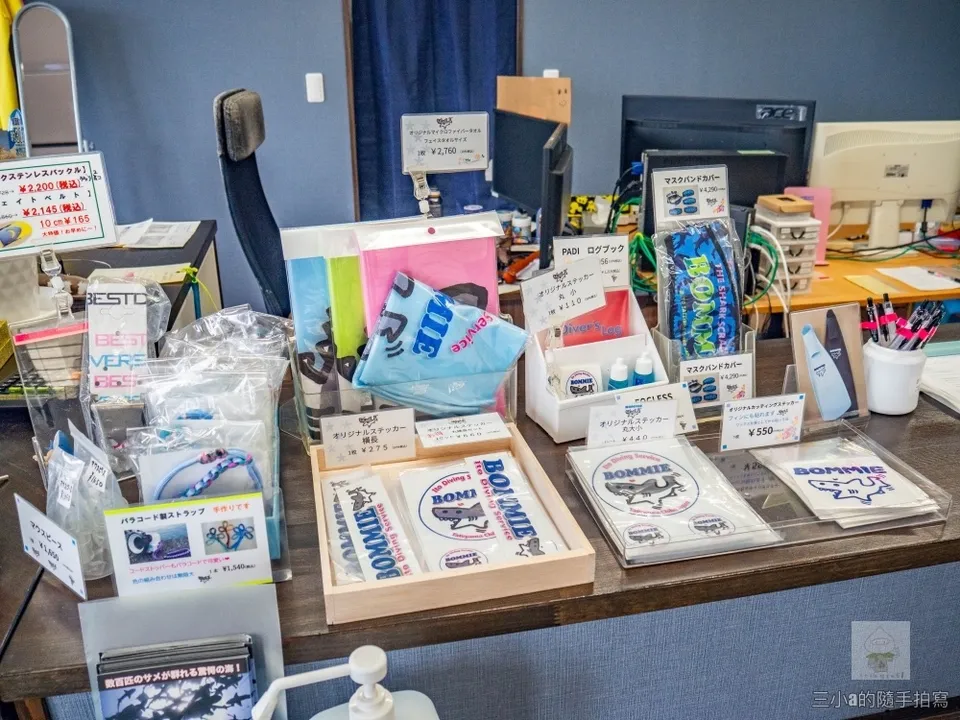
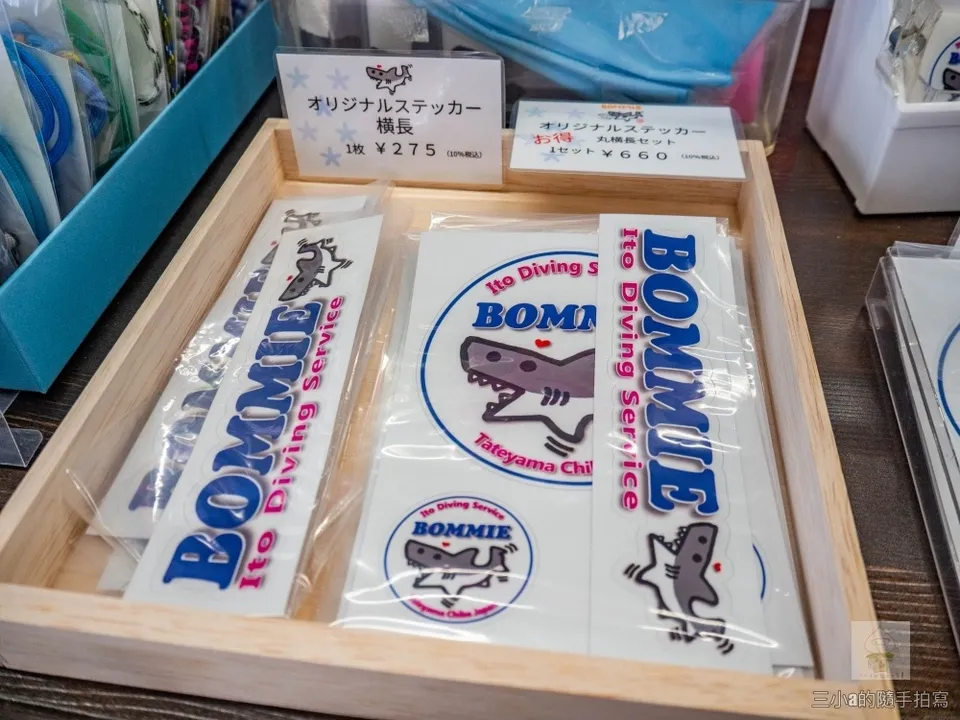
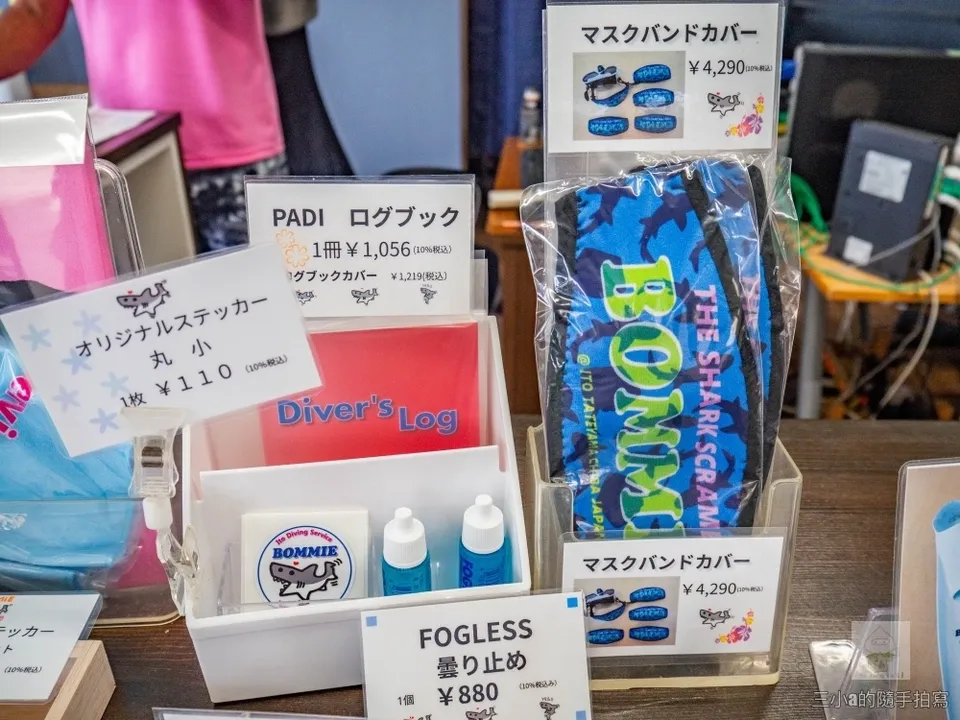
Inside the office, there's also a nice selection of cute souvenirs, stickers, and T-shirts. After your dive and rinse-off, feel free to step inside to enjoy the air conditioning (X) and browse for souvenirs (O). These facilities were newly renovated and completed in mid-June 2023, so everything still looks fresh and new. Payment is also handled in the office — but be sure to note that 「BOMMIE」 does not accept credit cards; cash only.
What Can You Eat at BOMMIE?
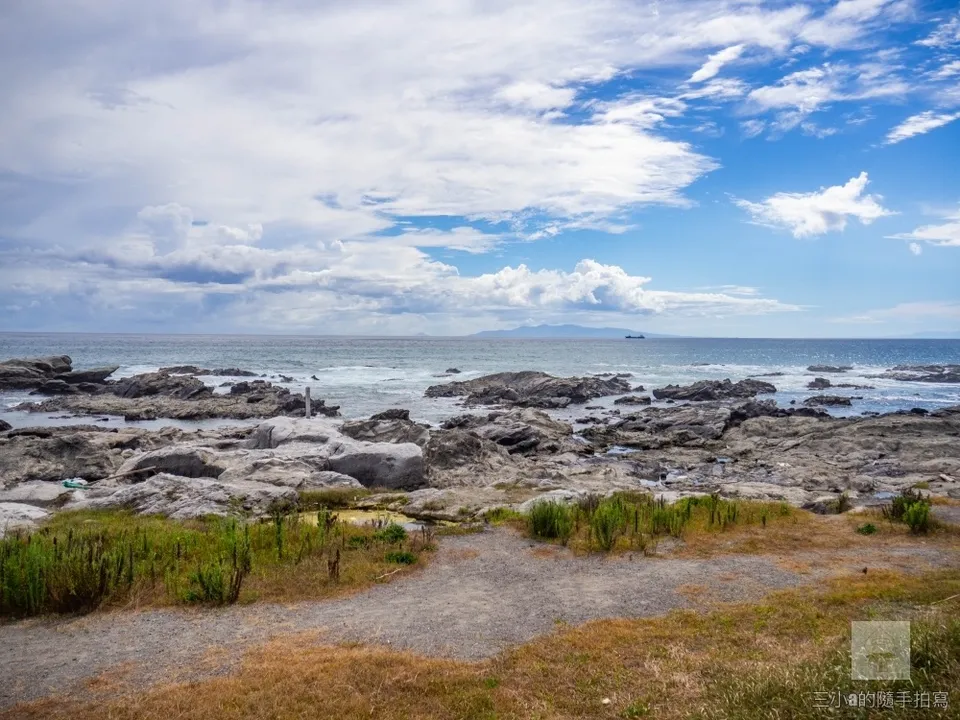
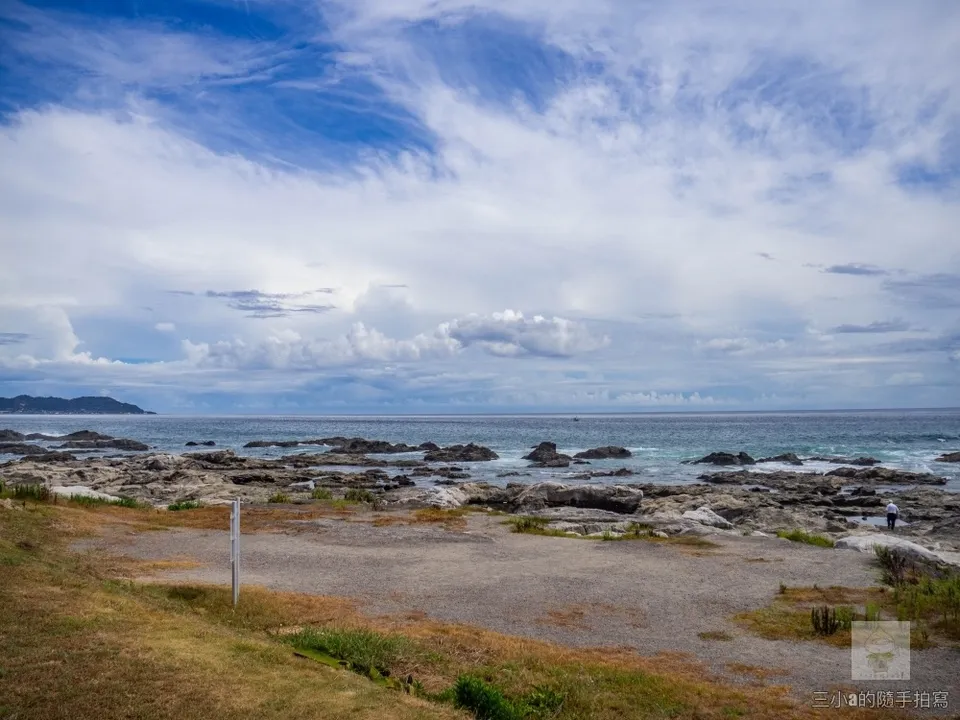
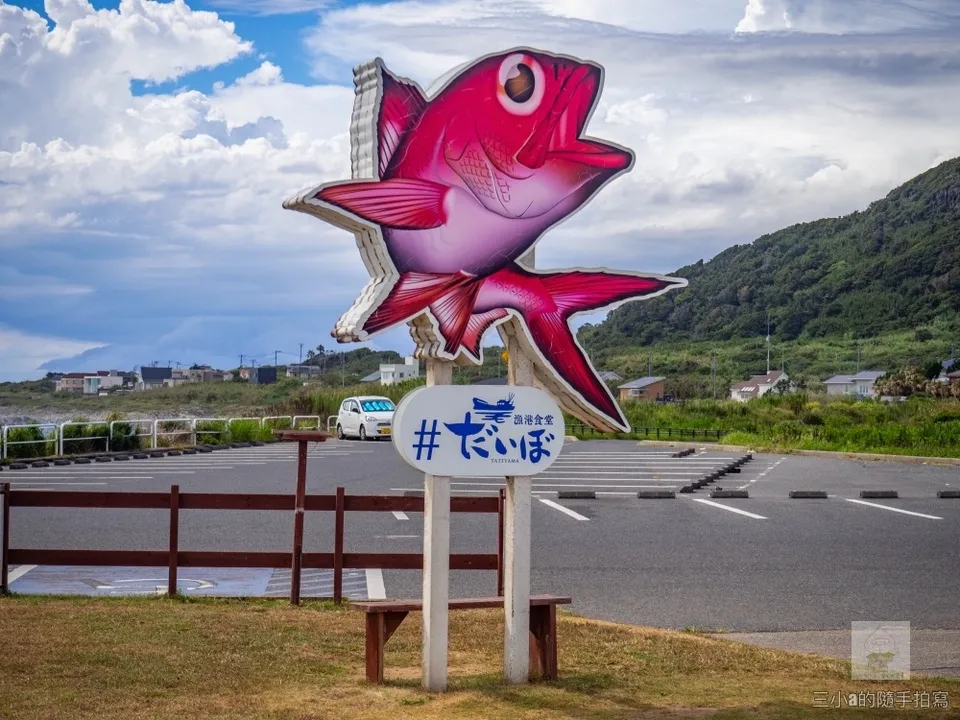
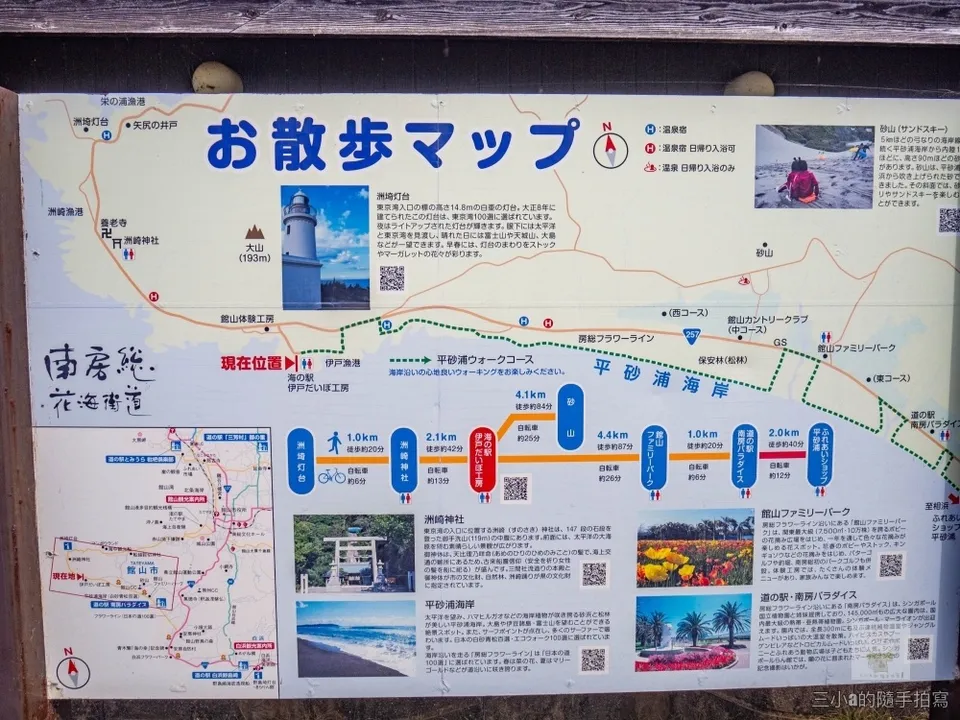
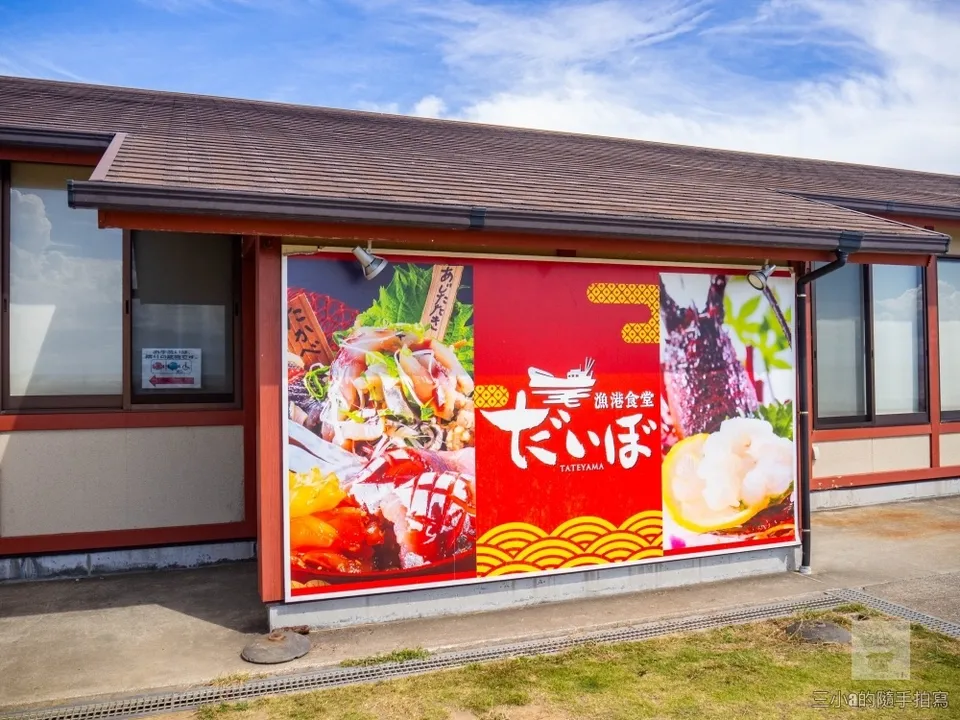
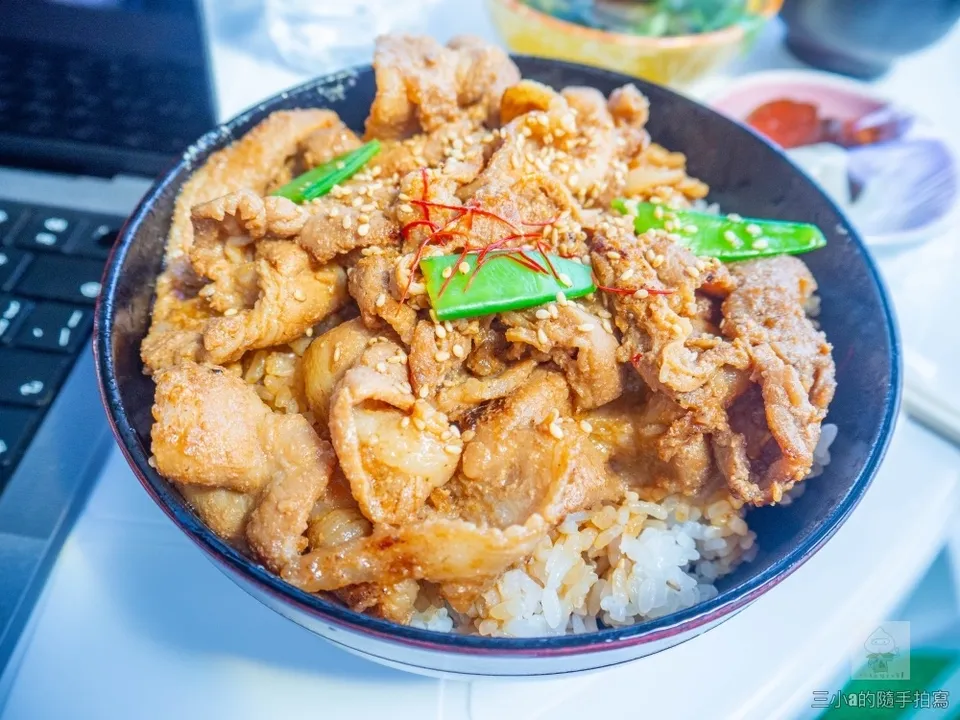
If you'd like lunch, you can bring your own food or instant noodles from Tokyo, or eat at the fishing port canteen right next to the dive shop. If the canteen is closed, the staff may help you order food. On the day I visited, the canteen happened to be closed, so a staff member helped me order a ginger pork rice bowl. It's a good idea to check with the staff at 「BOMMIE」 whether the canteen is open to avoid going hungry — after all, diving burns a lot of calories that need replenishing. The area around the canteen also offers beautiful scenery perfect for photos, and soaking up some sun during the surface interval between dives is a great way to relax.
Time to Dive
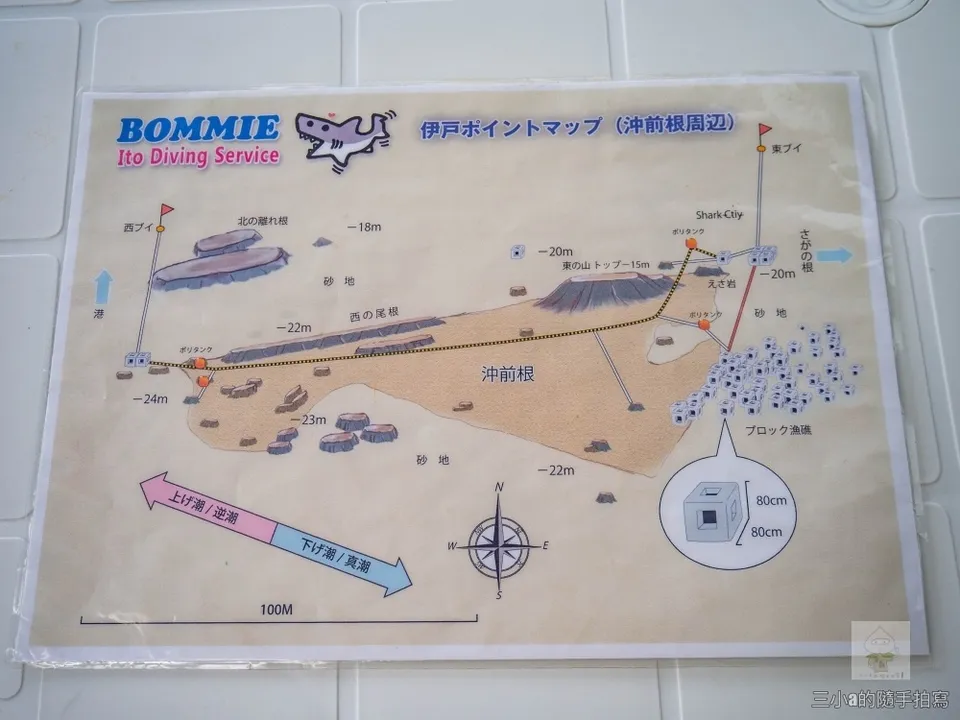
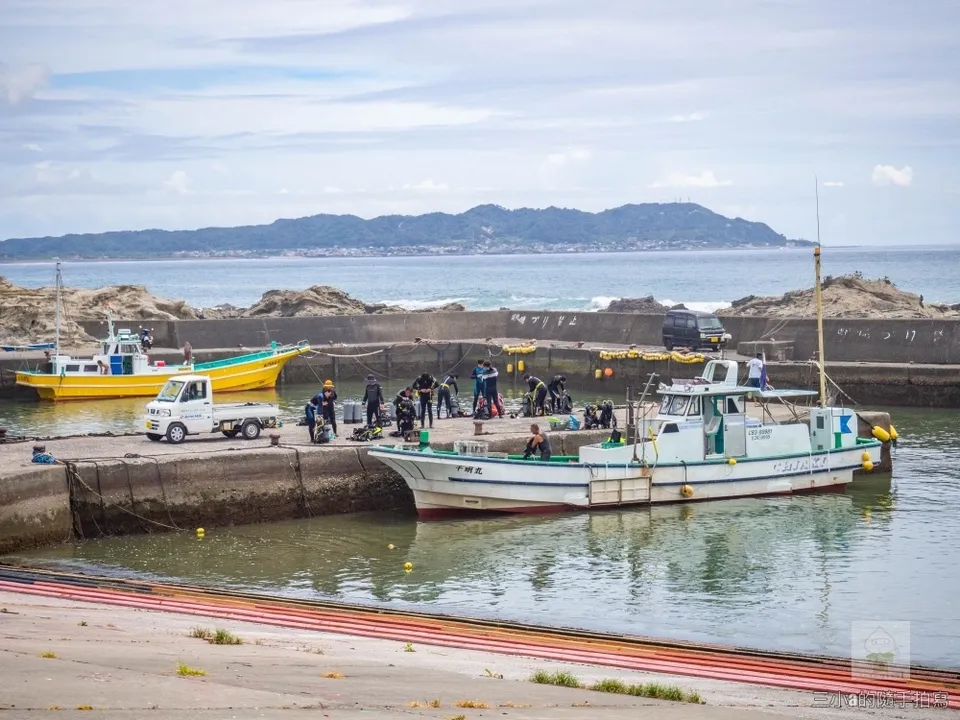
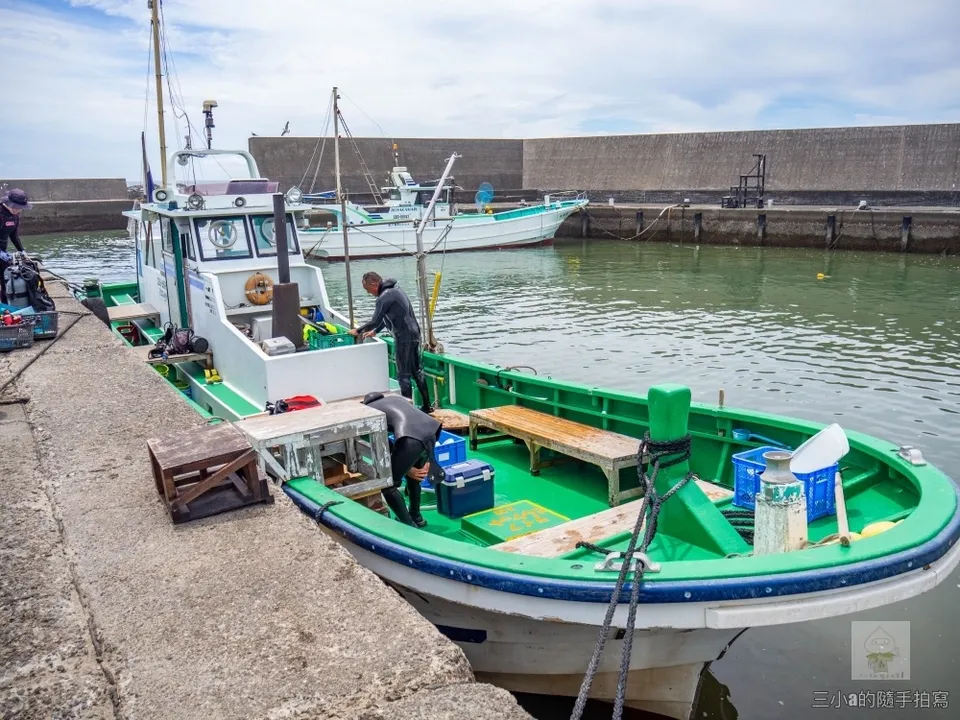
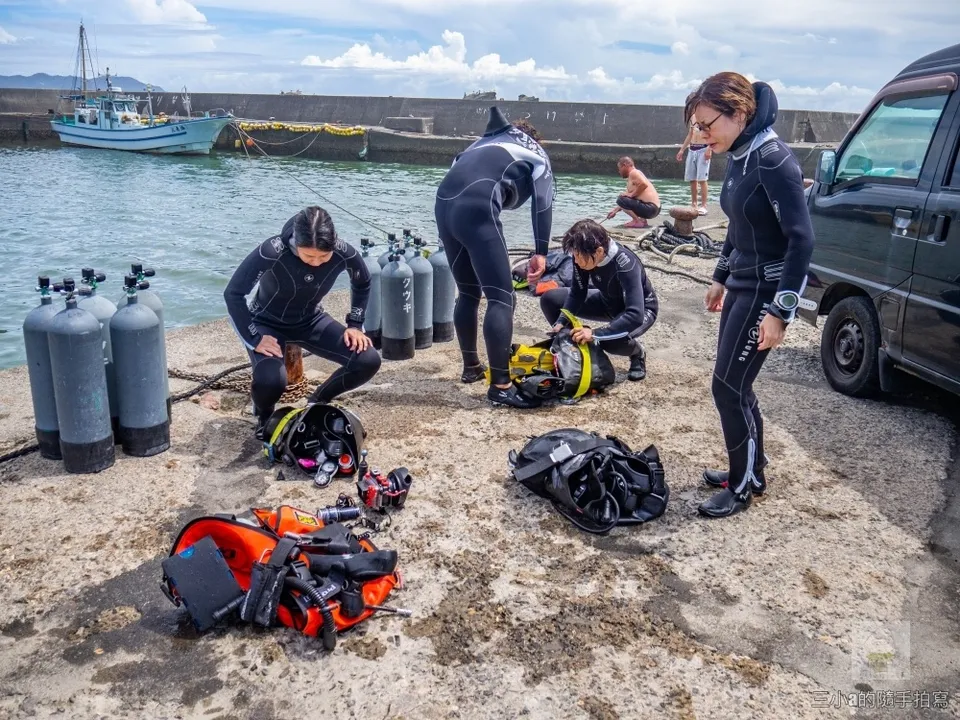
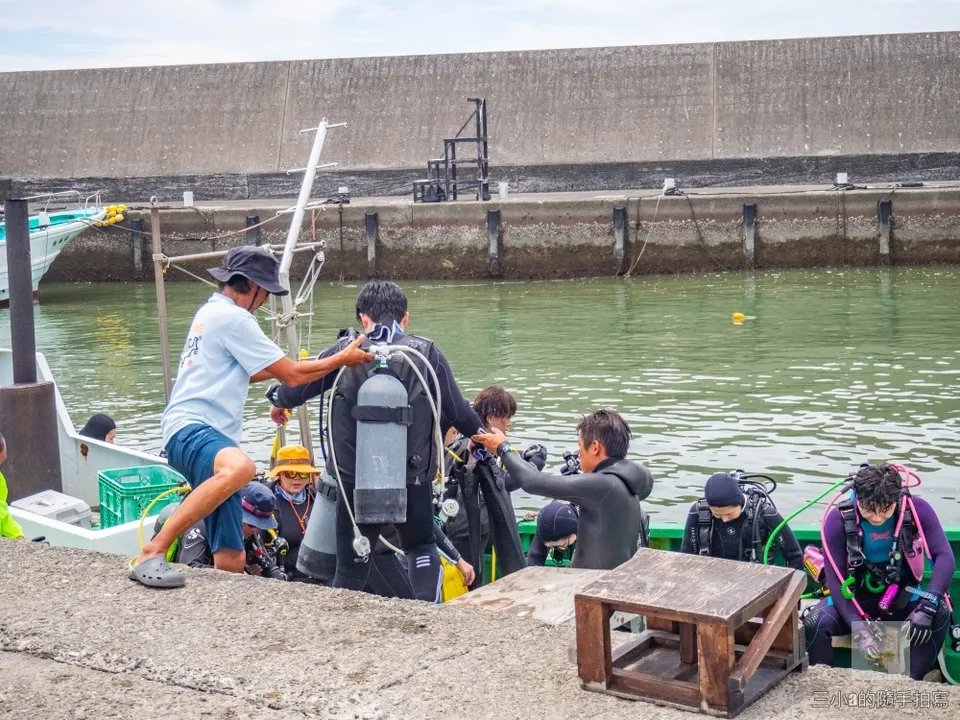
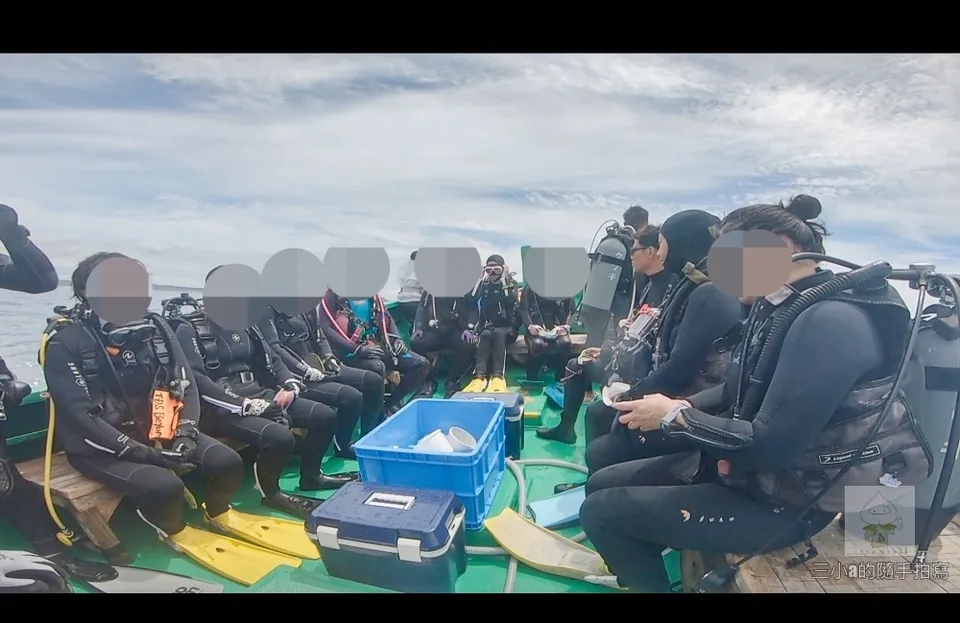
Once you've confirmed your gear is in order, load it onto the vehicle. The staff will conduct the briefing right in the lounge area. There are essentially three dive sites here: Okimaeone, Okimaeone East Buoy (東ブイ), and Okimaeone West Buoy (西ブイ). Since most people come to Ito specifically to see sharks, Shark City at the Okimaeone East Buoy is almost always on the schedule.
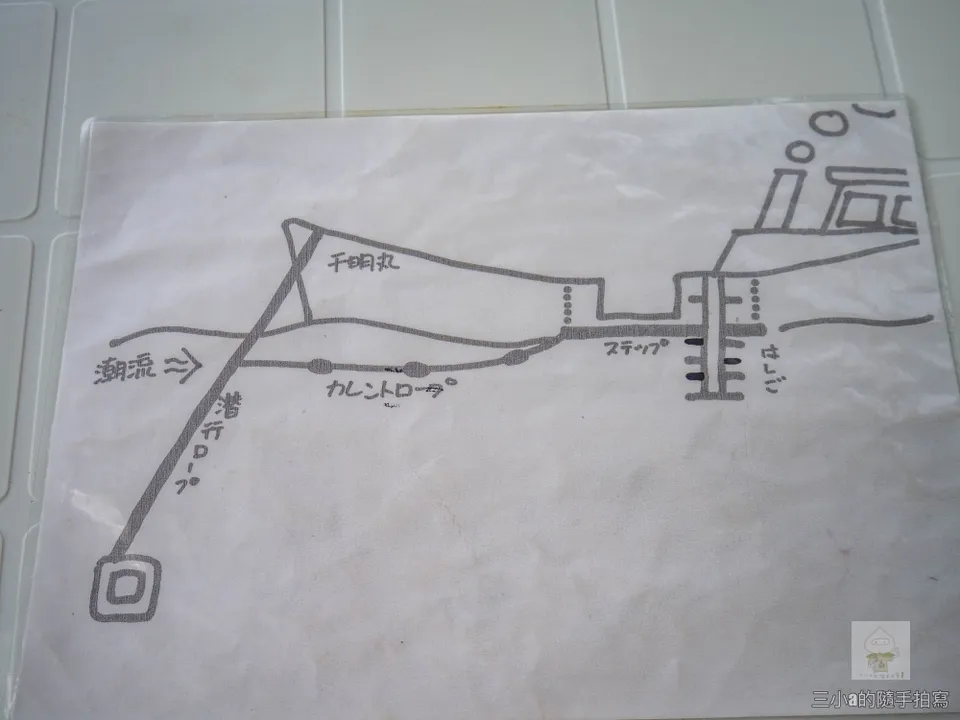
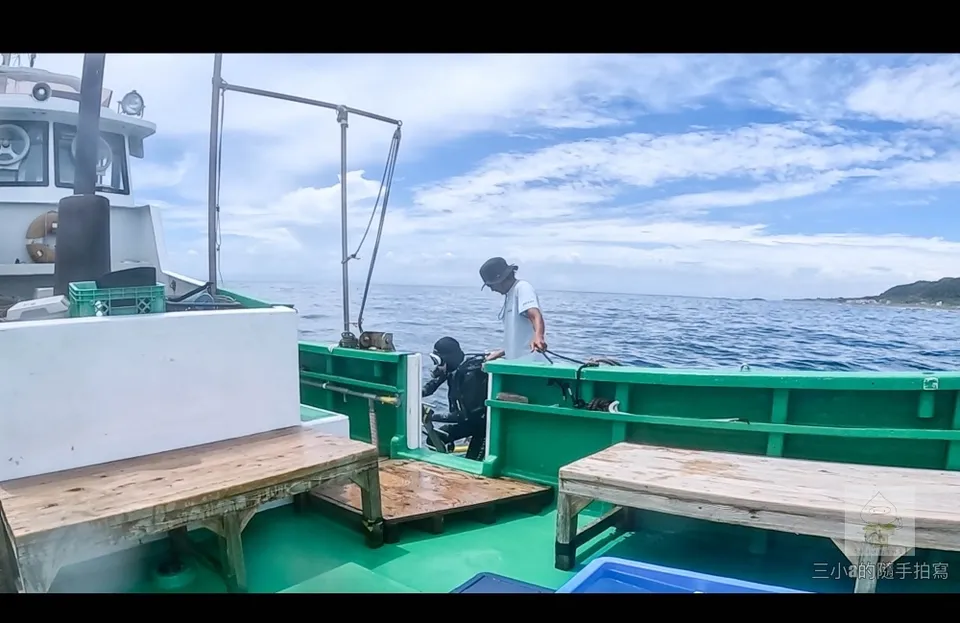
In addition to a site introduction, the briefing will specifically remind divers to follow the rules: you must hold the descent line after entering the water, and before boarding after the dive you must also hold the rope and follow the instructions on how to put your fins back on and climb up the ladder (the blackened steps in the diagram are where you place your feet). 「BOMMIE」 uses steel tanks. Because space on the boat is limited, you'll suit up and put on your full kit on shore before boarding. While the boat is compact, everyone still has a seat. The ride to the dive site takes just a few minutes from the port.
Shark City — The Dive Site Where Sharks Surround You
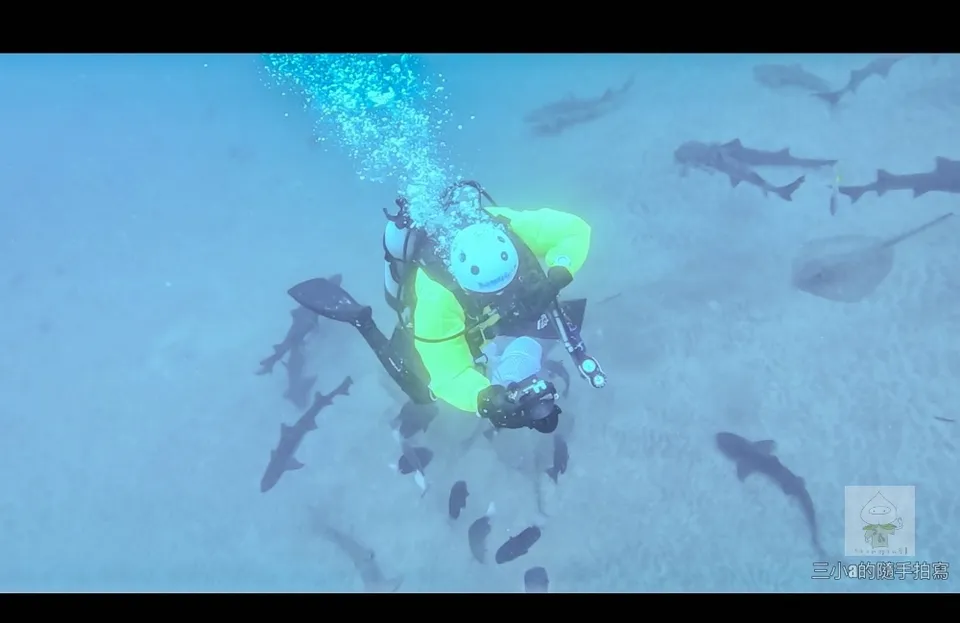
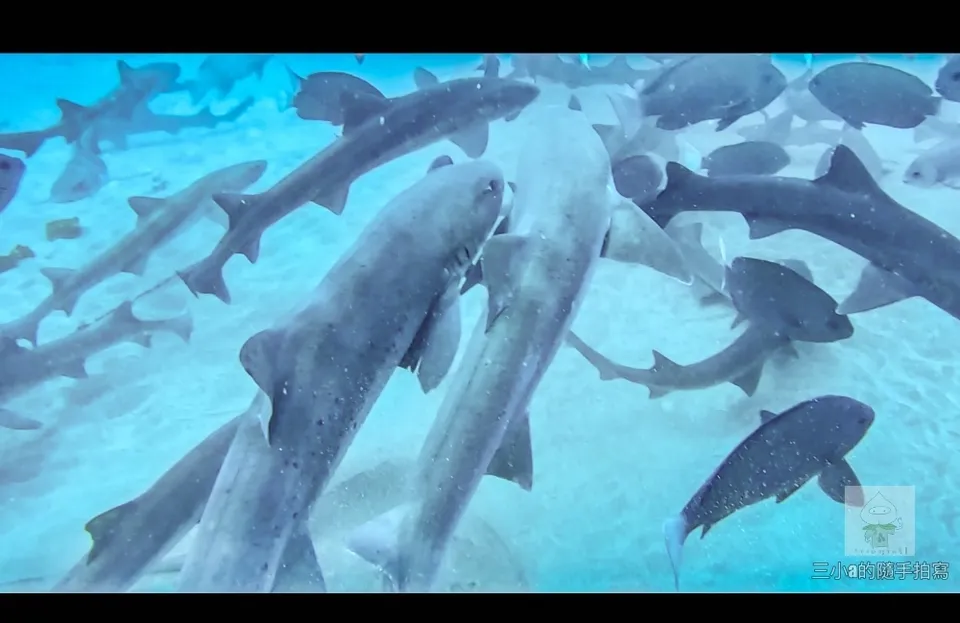
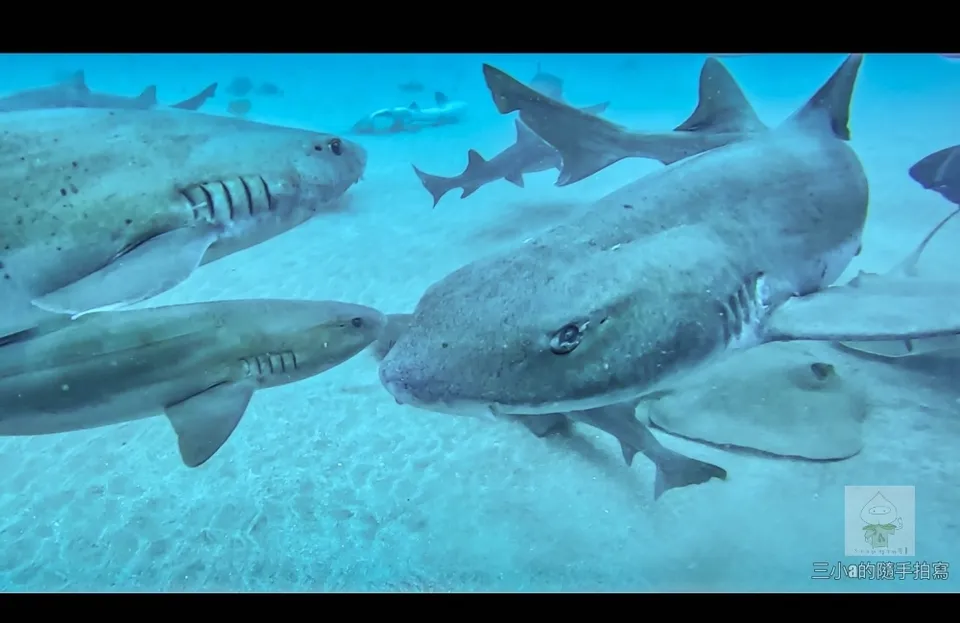
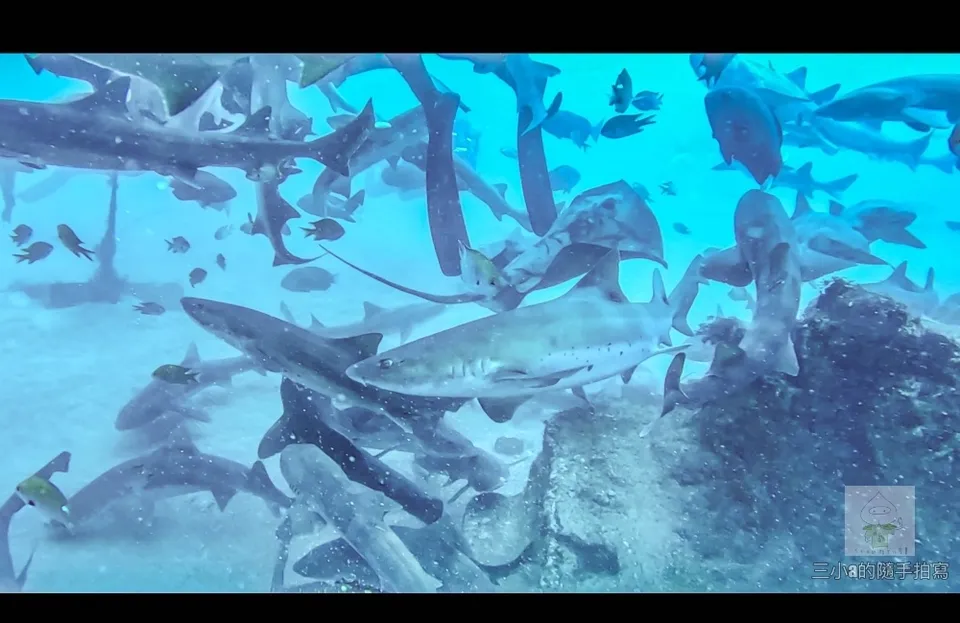
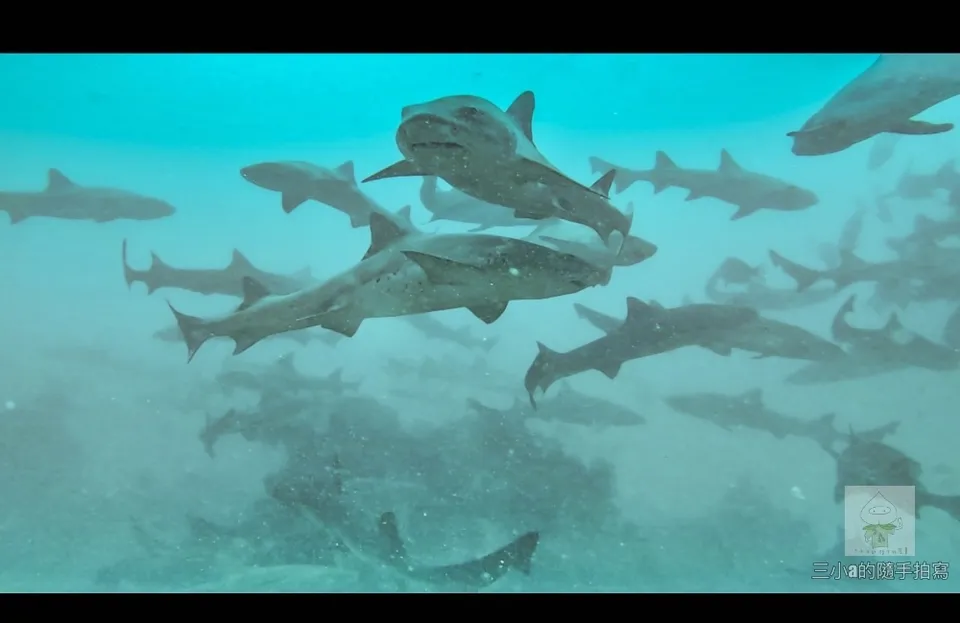
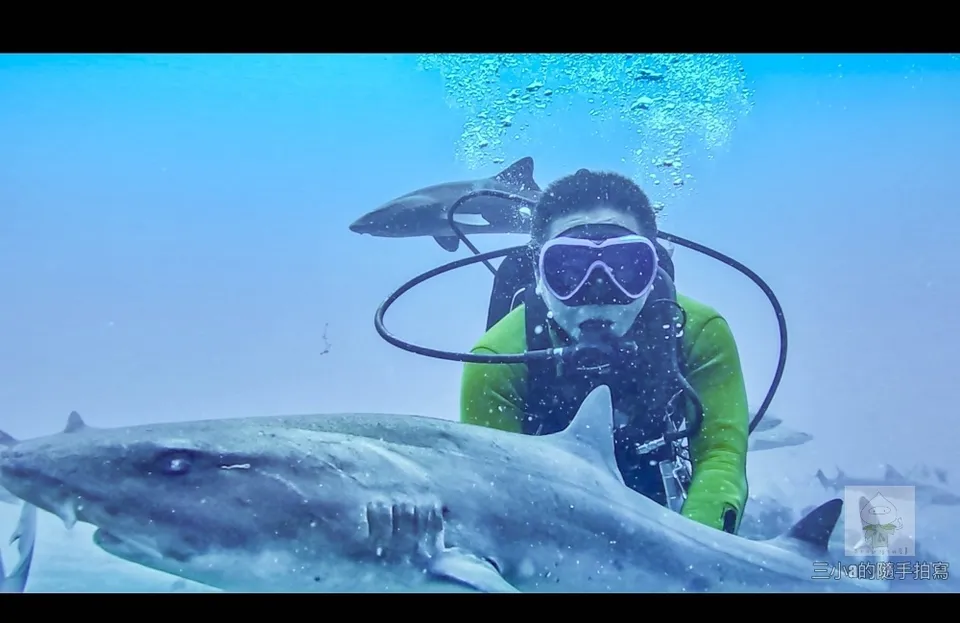
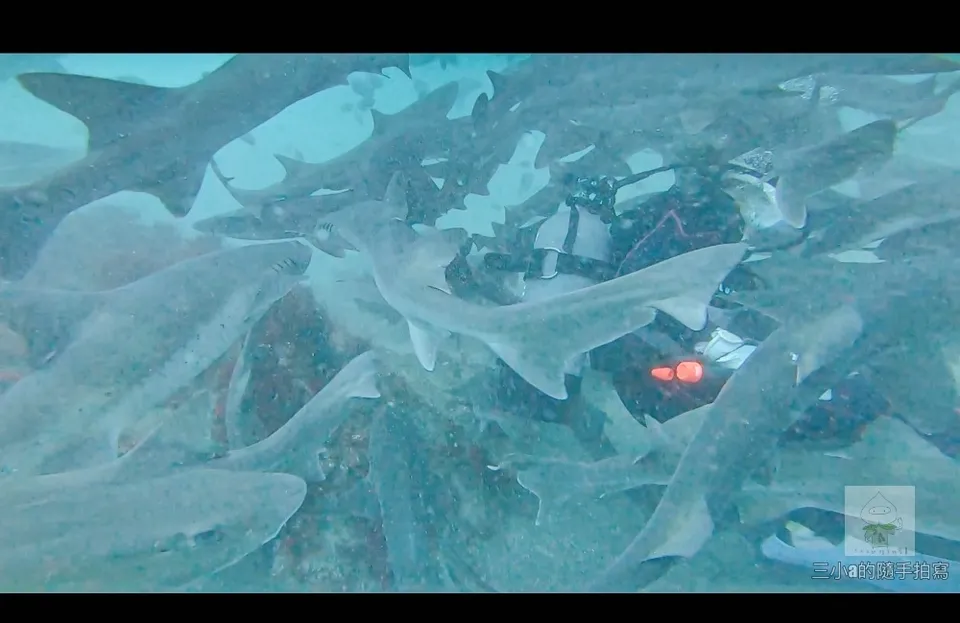
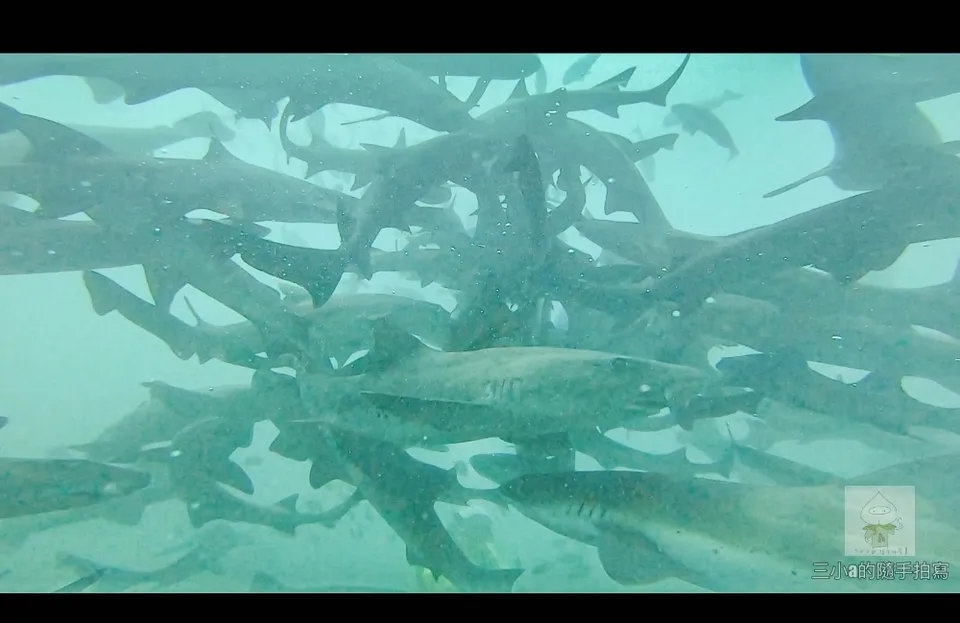
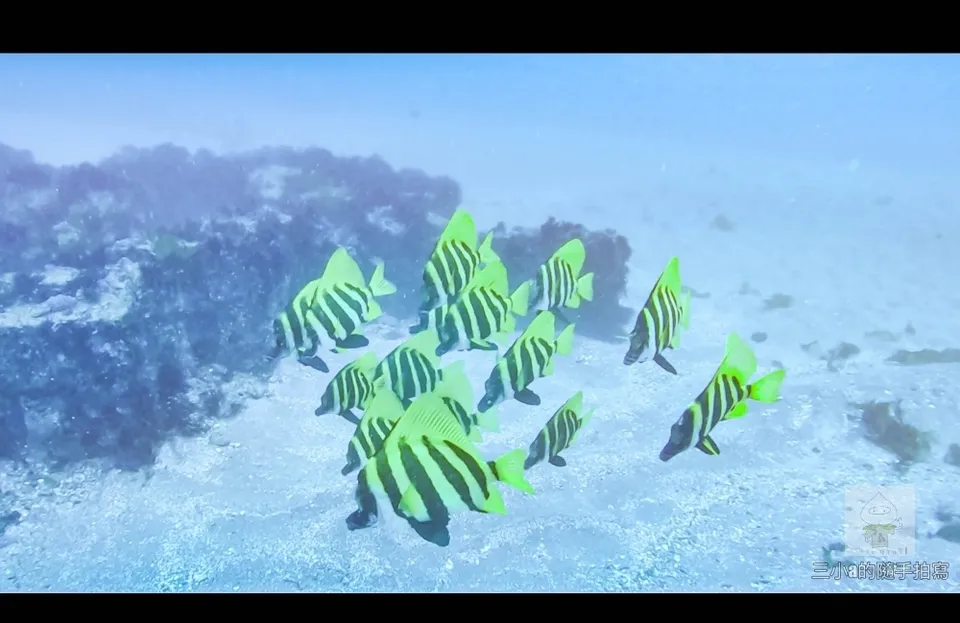
Our dive guide (DM) on this trip was the owner, Shioda-san — also known as KAN-san — who is easy to spot underwater thanks to his distinctive white helmet and brightly coloured wetsuit sleeves. Shortly after descending along the line, you'll see sharks cruising below. Each shark is roughly 1.5 to 2 m in length. The depth is approximately 18–20 m, and an Open Water Diver (PADI/SSI cert) certification is sufficient to dive here. Bear in mind that the bottom is sandy, so be careful not to kick up sediment and ruin visibility for photos and videos.
When the sharks spotted KAN-san approaching — no doubt associating him with food — they came surging up as a group. Without exaggeration, KAN-san was instantly engulfed by a swarm of sharks. So if you want to be in the middle of the shark action, stay close to KAN-san.
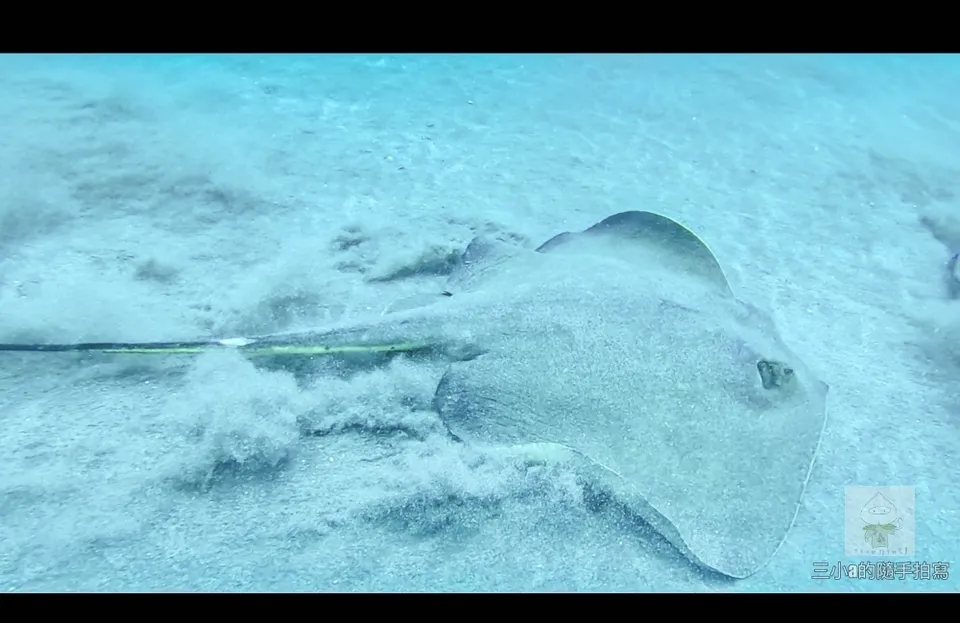
You'll also spot sizeable Stingrays, Grouper, and humphead wrasse cruising nearby. Like the sharks, the Stingrays have apparently grown so accustomed to divers that they show no fear whatsoever — they'll swim right up and practically press themselves against your head or body. Do these ocean creatures that look like Stingrays and sharks have the souls of dogs inside them?
Unless absolutely necessary, it's best not to touch marine life. When using a selfie stick, take care not to accidentally hurt them. Never strike these fish with your hands or feet. Although they are generally non-aggressive, that doesn't mean they won't attack at all. It's understandable that when fish this large — and in these numbers — are right beside you, it's hard to ignore them. In the moment, excitement probably outweighs fear. Gloves are recommended when diving here; while a bite from a banded houndshark is unlikely to cause serious injury, it's still best to avoid getting hurt.
In the eyes of those who care deeply about marine ecology, feeding behaviour like this may be seen as problematic or controversial. I took the time to research the background and reasoning behind it, and learned that because the fishing port is right next door, local fishermen frequently caught sharks as bycatch, and sharks would enter fixed fishing nets to eat the catch and damage the nets. By using this feeding approach, the local community significantly reduced losses for fishermen, while also putting the area on the tourism map and creating Shark City — a dive site that divers now flock to from everywhere. Perhaps for the local community, for the fishermen, and for the sharks alike, it's a win–win–win?
Cormorants Diving for Food!
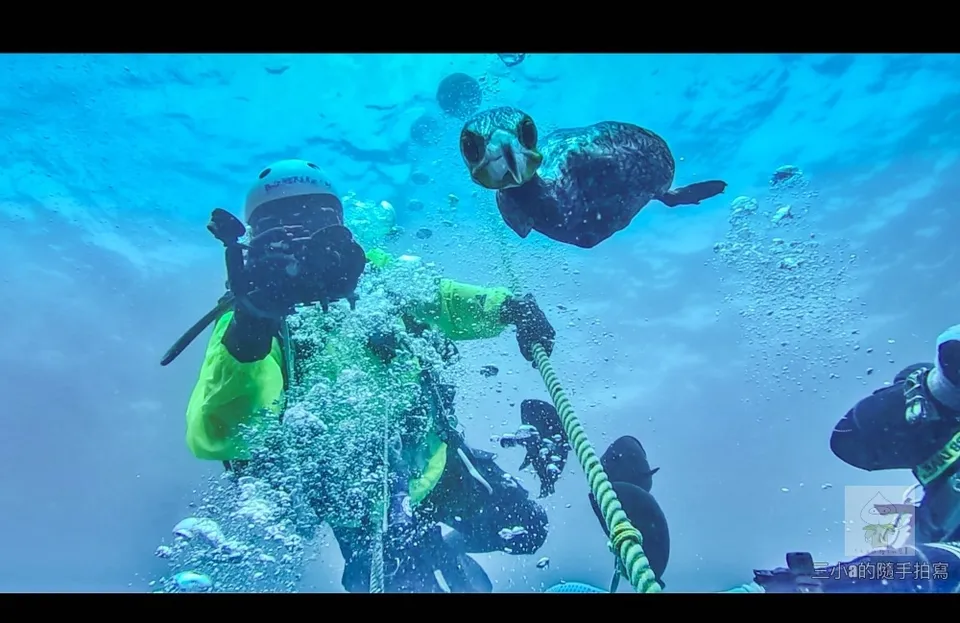
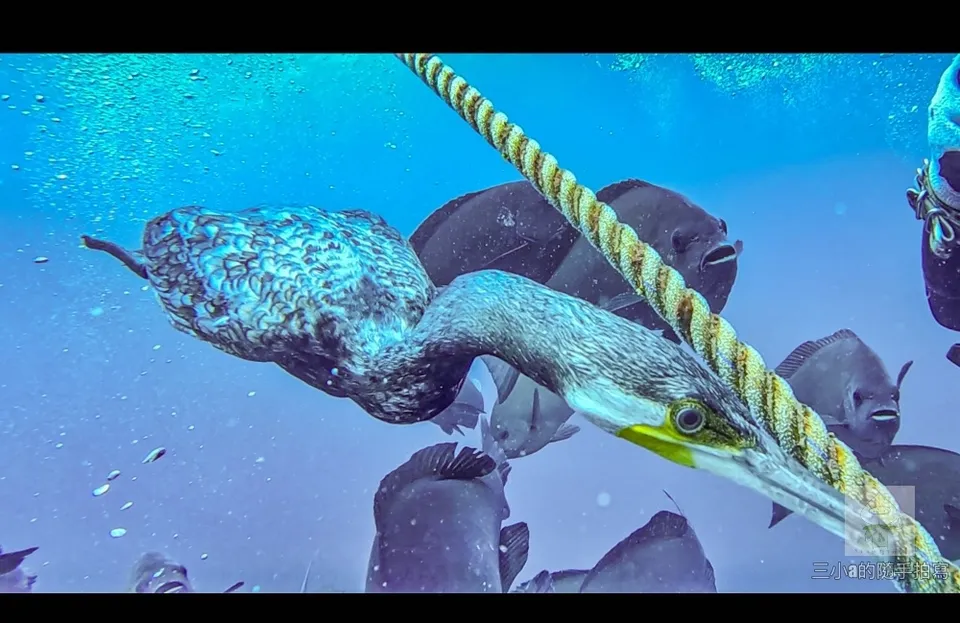
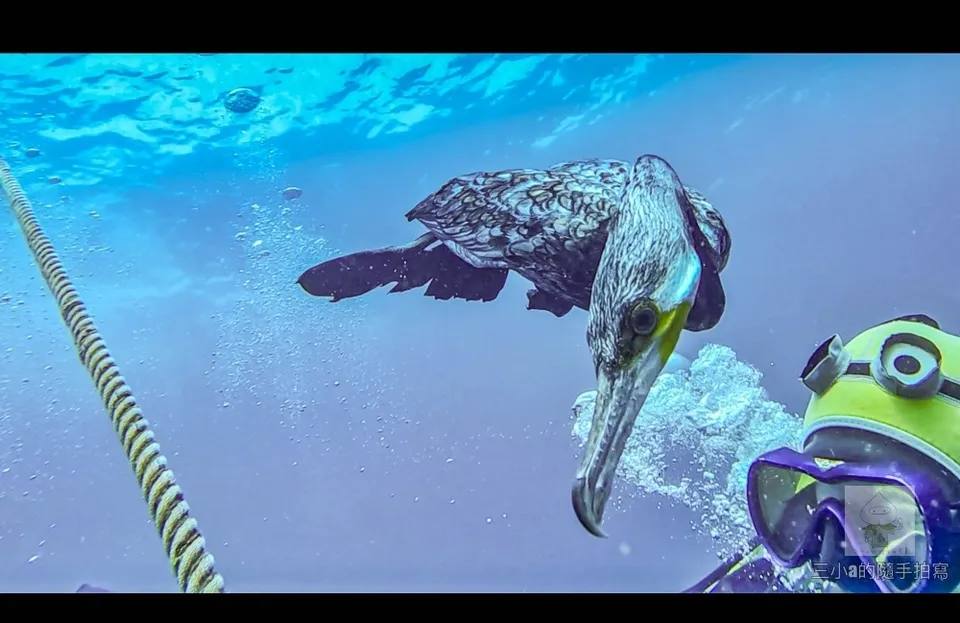
As you wrap up your dive and begin your safety stop, if you're lucky you might catch sight of a カワウ (great cormorant) plunging into the water to hunt — a truly surreal experience.
There you are, 5 m below the surface, watching a bird that's supposed to be soaring through the sky. The fish nearby are all considerably larger than the cormorant itself, so you get to witness the comical scene of it pecking tentatively at a fish, realising it can't manage a bite, and swimming off to look for a smaller target. Once your safety stop is complete, board the boat as instructed during the briefing — but after getting on, don't sit near the ladder; move toward the bow so you don't block others from climbing up.
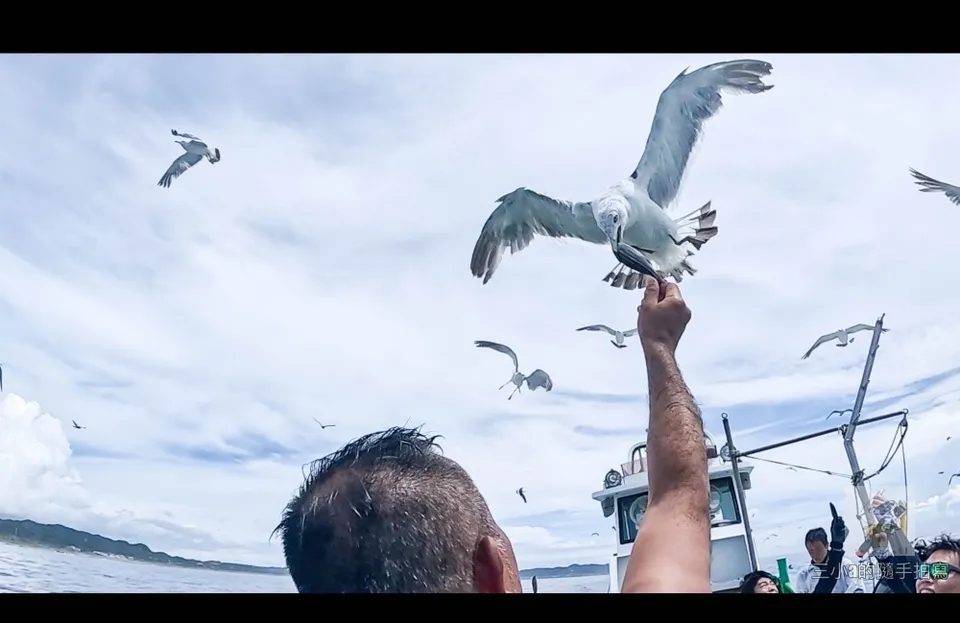
Once everyone is on board and ready to head back, you'll see staff members produce small fish to feed the seagulls, and divers get to join in the fun. Since the boat is moving the whole time, you'll occasionally catch a gull spreading its wings and appearing to hover motionless in mid-air — a beautiful sight.
When you're back and about to rinse your gear or head for the shower, remember to check with the staff about the return bus schedule. They may walk you to a nearby bus stop or drive you to Tateyama Station — they'll decide on the arrangement. The bus terminus for the return journey is at Tokyo Station's Nihonbashi Exit.
Full article reprinted from: 3小a的隨手拍寫
Editor: Jenny Tsai
Further Reading:
Frequently Asked Questions
How is a BlueTrend dive trip different from an unknown, no-name dive group?
Choosing us means full peace-of-mind protection and a smooth experience from start to finish. Every trip we run holds to three things.
First, full legal protection and a professional dive leader: we strictly follow Taiwan's travel regulations and provide complete travel-agency liability insurance, travel insurance, trip-inconvenience insurance and dive insurance. Every group is accompanied by a certified, foreign-language dive leader who joins you on both the dives and the land itinerary, liaising seamlessly with local dive shops and operators on your behalf to keep things running smoothly — the person our travellers trust most.
Second, fully licensed with secure payments: every payment goes into a licensed travel agency's account, with multiple safe payment channels (bank transfer, credit card and more) and a legal collect-and-remit receipt, so every transaction is open, transparent and protected, avoiding the fraud and dispute risks of transferring money privately to an individual.
Third, hand-picked quality we vet in person: every trip, dive site and partner shop is scouted on the ground by our own team, from the guides' professionalism and safety standards to the food, lodging, environment and service details on land, all vetted by us so you don't get caught out.
I want to sign up for a dive trip. Are there certification-level or logged-dive requirements?
Each dive site is different, so the entry bar varies. 'Bali Tulamben', for instance, is relatively beginner-friendly. 'Malapascua in the Philippines' is also beginner-friendly, but since thresher sharks tend to cruise between 20 and 30 metres, we recommend AOW certification with 20+ logged dives to enjoy this trip comfortably. For 'the Maldives' or 'Palau', we suggest AOW with 50+ logged dives for a more relaxed experience. If you're not sure whether your experience fits the trip you want, message us and our dive editors will assess it and help you find the trip you'll feel safest on.
Can I join if I'm signing up alone? How are rooms arranged?
Plenty of our travellers sign up solo! For rooms and beds, we prioritise pairing you with a same-gender traveller, and if you'd rather have your own space you can pay the difference to upgrade to a single room. For the diving, our professional leader will pair you with a suitable buddy, and with the happy vibe on our trips you'll quickly make a great group of dive friends. Many people sign up alone, make new friends, and end up organising the next trip together!
Does the trip fee include dive insurance, gear rental, taxes and instructor tips?
It depends on the trip, the destination's regulations and the local operators. Every BlueTrend dive trip has a detailed web page with a clear 'included / not included' list, transparent and with no hidden charges. All payments are collected by a licensed travel agency, with a standard-form contract for your protection.
I'm a new diver / haven't dived in a long time — will I fall behind the group?
Before you complete your booking, our team assesses a suitable trip based on your certification level and experience. Before departure, we strongly recommend taking time to refresh in Taiwan with an instructor, or a fun dive to get your feel back. On the trip itself, our professional dive leader groups and pairs everyone by experience, keeps a close eye underwater on travellers who need extra care, and steps in to help right away.
Will the photos and videos taken during the trip be shared with us?
During the dives, 'safety' is always the leader's top priority, so whenever it's suitable and safe the leader will capture great shots and record the best moments. During or after the trip, we compile a cloud album for all travellers to download, so you go home loaded with memories!
Besides your scheduled trips, can you arrange a private group charter or independent travel for me and my friends?
Absolutely! Besides group trips, we also arrange private group charters and independent travel. We can communicate, enquire and coordinate services with local operators based on your needs, saving you time and effort and taking the language barrier off your plate, to tailor the smoothest, most reassuring dive trip just for you. Contact our LINE support and our editors will arrange it for you!