Contents(9)
- Never Underestimate the Risks — Plan Every Dive Thoroughly
- Diving Accidents Happen When You Least Expect Them
- A Relay to the Surface
- Facing the Truth
- 5 Tips to Prevent Diving Accidents
- 3 Common Questions About Diving Accidents
- Q1: If I witness a diving accident, what can I do in that very first moment?
- Q2: If the diving accident happens to me, what should I do?
- Q3: What are the most common causes of diving accidents?
This is a personal reflection — and a firsthand account from the Editor. If you love the ocean as much as we do, we hope you'll read this to the end, so that diving accidents like this one never happen to you. If you can, please share it with the ocean lovers in your life: "The ocean will always be there — but if a diving accident happens, you don't get a second chance..."
Never Underestimate the Risks — Plan Every Dive Thoroughly
Whether you're a newcomer just beginning to explore the underwater world, or an experienced diver already at home beneath the waves, you must carry out proper risk management and dive planning before every entry. Everything from buddy assignments to plotting your dive route and timing should be covered in a briefing that every diver attends before entering the water. Even when it's just a casual outing with friends, make sure everyone is aware of the dive plan so that potential hazards are minimised. If you're unfamiliar with the terrain or currents, always seek out a local dive guide — and follow the dive guide's instructions at all times; never leave the group without permission.
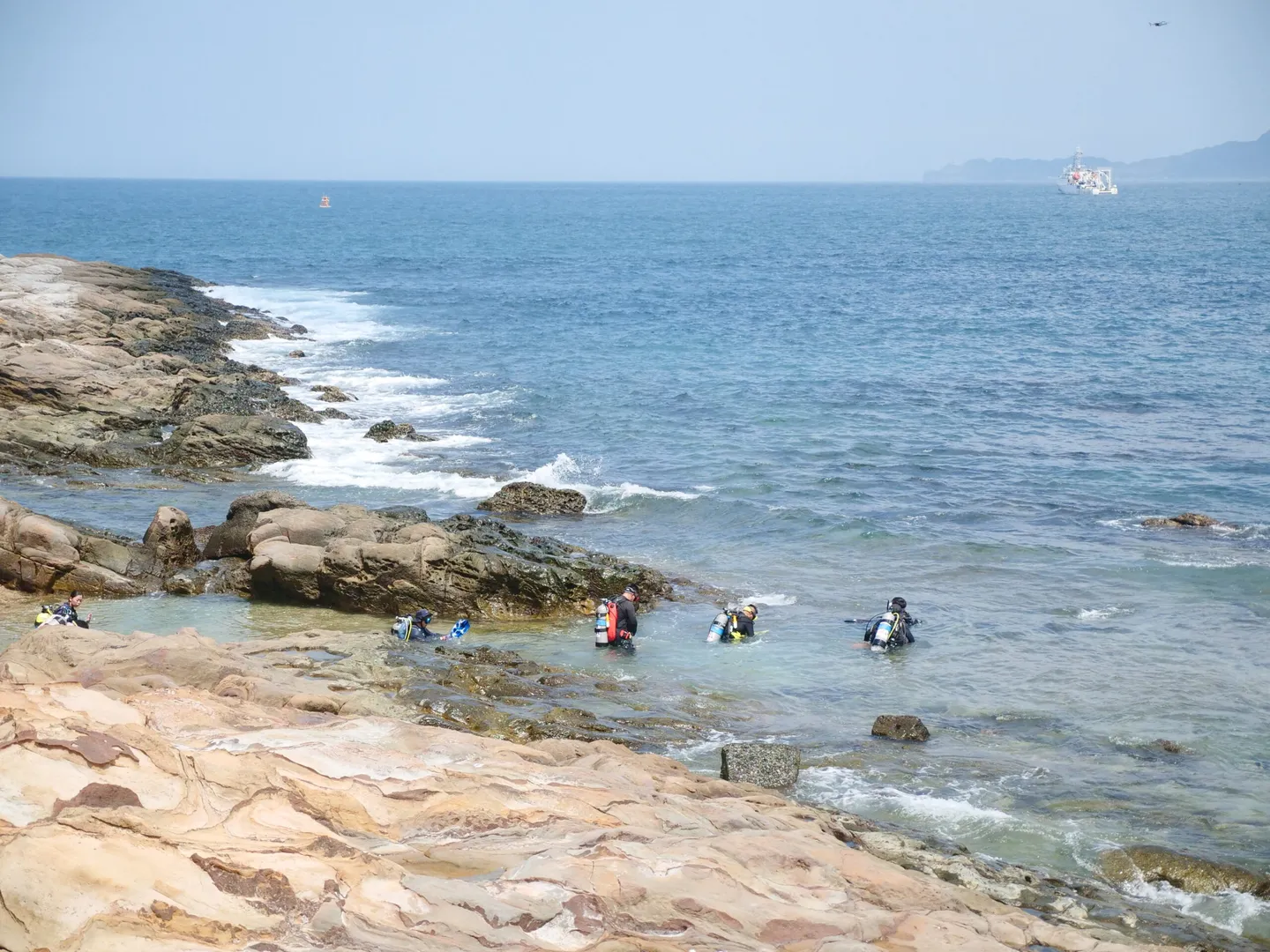
Always dive with a buddy — avoid entering the water alone. photo credit:小均


Diving Accidents Happen When You Least Expect Them
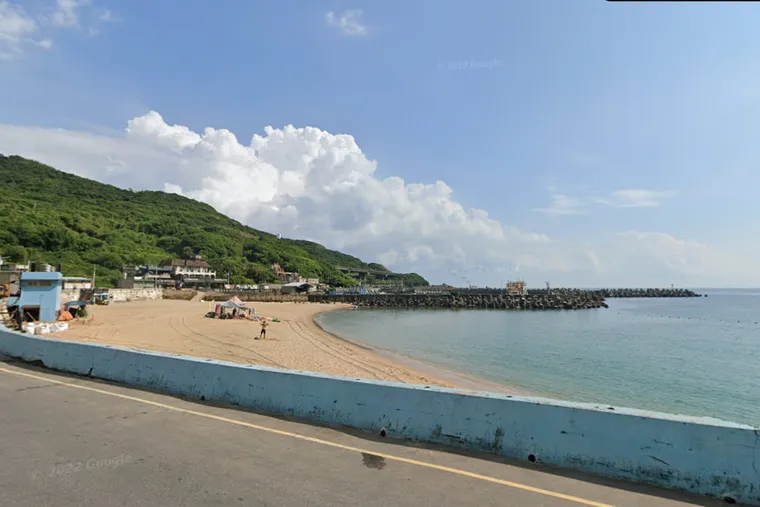
It was a bright, sunny Saturday. Traffic around Chaojing was, as usual, backed up. Visibility was under 3 m, water temperature had climbed to 28°C — perfectly ordinary conditions for the Northeast Coast, and as good a day as any to go diving.
It was already around 9 a.m., and the surface was busy with several freediving and scuba groups. Following the Editor's monthly routine of picking one random weekend day to document conditions at Chaojing and check whether anyone was damaging the protected zone, the dive got underway. The current felt a bit strong that day, making finning harder than usual, but nothing else seemed out of the ordinary — everything appeared to be proceeding smoothly.
Then the Editor suddenly remembered noticing several freediving SMB floats on the surface above the Rose Garden area. It seemed worth swinging by to check whether any divers were improperly using bottom weights and damaging the rose coral habitat. After surveying the entire stretch of the Rose Garden, however, no descent lines were spotted. Assuming the depth chosen (20 m) was simply wrong, the Editor turned to head back — and that's when a pair of very bright fins came into view. No bubbles surrounded them. A sinking feeling set in immediately. Moving closer confirmed the worst: a diver was lying face-down on the seabed. The water thruster was dropped on the spot — whether the dive buddy caught it didn't matter — because the only thought was: it's a race against death.
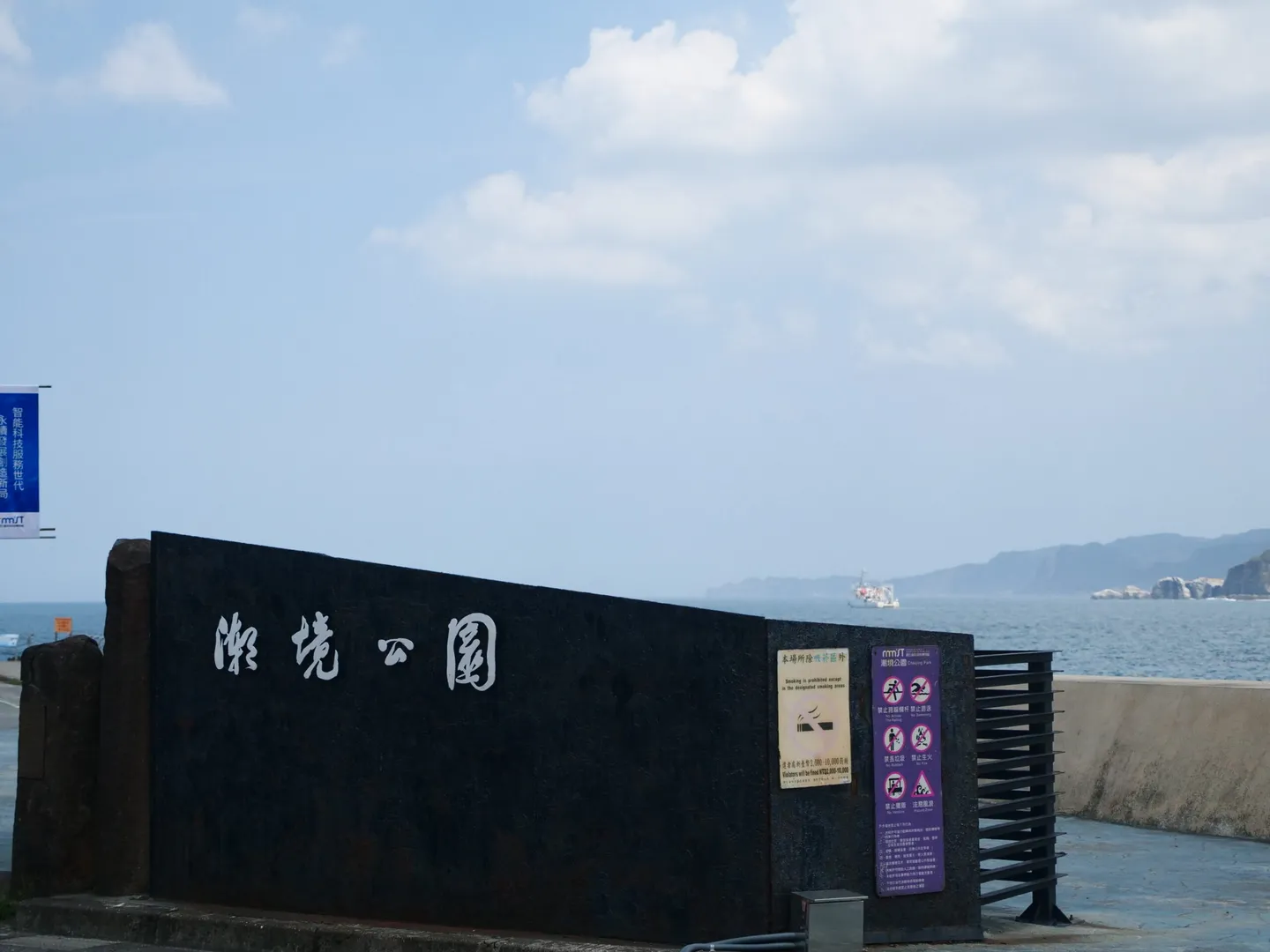
Chaojing Park, where the diving accident took place. photo credit:小均
A Relay to the Surface
The moment the situation registered, the only thing that came to mind was what the rescue diving instructor once said: "If you find a diver face-down underwater with no bubbles, don't think about anything else — just tow them straight to the surface." At 21 m below the surface, there was no hesitation. The diver was grabbed from behind and towed upward. The dive buddy kept both of them in constant view, watching the depth carefully, concerned that ascending too fast might cause harm. It took approximately 1 minute and 10 seconds to reach the surface.
Breaking the surface and looking around, the situation felt overwhelming. The entry point was roughly 200 m away — possibly more — and there was no way to get the victim to shore quickly alone. Fortunately, there were quite a few freediving groups nearby, and an SUP board happened to be less than 20 m away. The dive buddy began calling out to nearby divers, while first aid in the water began: the victim was supported against the chest, the mask was removed, the airway was kept clear, and forward progress toward shore began. The victim's face was already covered in blood. Perhaps because no one had encountered a distress call at sea before, there were a few seconds of hesitation — but with repeated calls for help, the instructors on the surface began to converge, and the SUP quickly reached the scene.
With a freediving instructor taking charge, the SUP became a temporary first-aid platform. CPR was performed continuously on the board while the freediving instructors acted as human propellers, pushing the board — now carrying three people — rapidly toward shore. Every second counted.
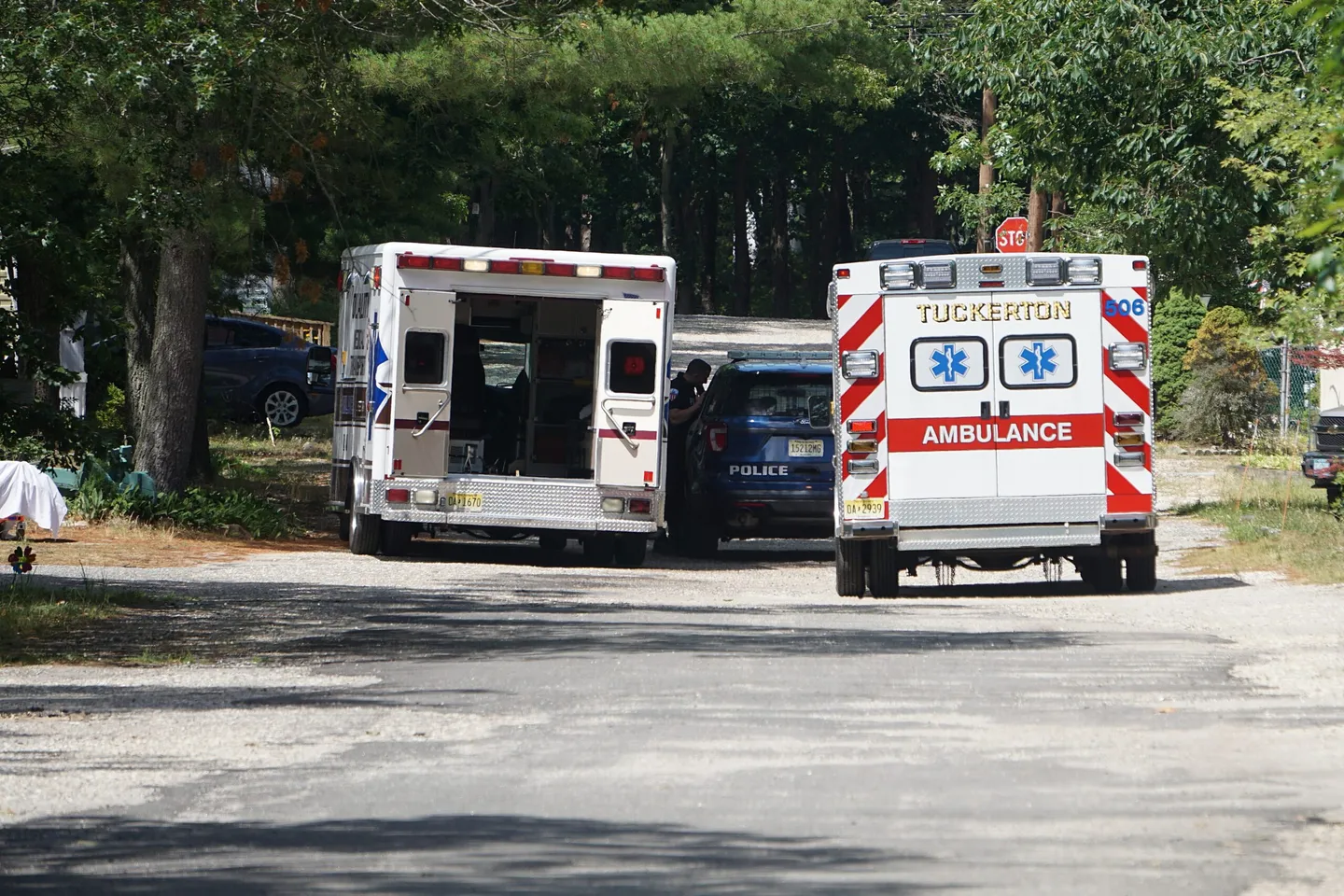
Once the victim was brought ashore, seeing the blood-covered face, the Editor's friend Xinhua was the first to step forward and continue CPR, working in relay with other divers until emergency medical personnel arrived. When asked later about his reaction in that moment, Xinhua simply said: "If an EMT-1 doesn't dare step up, do you think anyone else will?" The Editor could only feel the deepest admiration for him.
Facing the Truth
The victim ultimately did not survive. Reviewing the dive log and depth profile, it appeared that a blackout (BO) had occurred, after which the diver sank unconscious to the bottom. By the time the victim was discovered, approximately 15 minutes had already passed — which explained the sequence of events. But in that moment, if the victim's companions had noticed in time and provided first aid, this tragedy might never have happened. They might have had the chance to dive together again, sharing the wonder of the underwater world.
After learning the full picture, the Editor discovered that the victim and the friends they came with had made no dive plan whatsoever, had done no risk management, and had made no buddy assignments. Everyone assumed that because they were just out to have fun, there was no need to be so serious about it. They weren't planning to go deep — just "splashing around" — and they figured the victim was capable enough that after being in the water that long, things would probably be fine. Poor underwater visibility on the day of the incident, combined with a significant current, meant the diver went under alone with no one watching. That is what led to this tragedy. The victim bears some responsibility too — but they have already paid the ultimate price.
If it could be done over, no one would want this to happen again. But this is not a game. You only get one chance.
Always respect nature. Never underestimate the risks. Always put safety first. Only by being careful and cautious can you make it home safely. Dive safe!
5 Tips to Prevent Diving Accidents
- Never dive alone! No matter how experienced you are — whether diver or instructor — always go with a buddy.
- Check sea conditions and the weather again before entering the water, and assess whether your current physical and mental state is suitable for diving.
- Inform a surface watch person of your dive plan for the day.
- Listen carefully to the dive briefing, resolve any questions before entering the water, and confirm the lost-buddy procedure with your dive guide.
- Most importantly, make sure your training and coursework are completed properly and thoroughly.
3 Common Questions About Diving Accidents
Q1: If I witness a diving accident, what can I do in that very first moment?
A: First, check whether there is anyone nearby who can assist, and call 119 for emergency services immediately.
Q2: If the diving accident happens to me, what should I do?
A: Stay calm, stay calm, stay calm! The Editor knows that sounds abstract, but when an accident actually occurs, you must first calm yourself down — only then can you assess the situation and make the most appropriate decisions.
Q3: What are the most common causes of diving accidents?
A: More often than not, it's the small details that get overlooked — and those details are what lead to accidents. For example:
- Failing to share the dive plan with your companions before entering the water, so that if something goes wrong, no one notices in time.
- Forgetting to monitor the pressure gauge (SPG) during the dive, and being forced to ascend when the tank is nearly empty — which can itself trigger an accident.
Never underestimate nature, and never be overconfident. All outdoor activities demand caution. Experience is no excuse for letting your guard down on the details.
Cover image source: Allen Beilschmidt sr.
Editor-in-charge: Jenny