Contents(7)
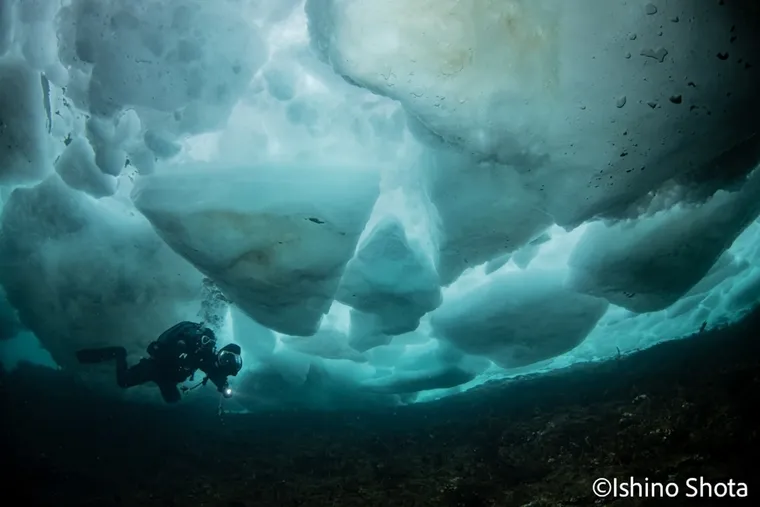
Hello everyone, I'm underwater photographer Shota Ishino. In the last episode, we explored the Shiretoko Peninsula at the far northeastern tip of Japan. Shiretoko sits at the southern end of the Sea of Okhotsk — the southernmost point where drift ice can reach. Drift ice is a breathtaking phenomenon born from the enclosed nature of the Sea of Okhotsk, yet with climate change, there may come a day when it can no longer be seen. Shiretoko is one of those regions that truly embodies the rich diversity of Japan's natural environment.
In this episode, we turn our attention to one of the great ocean currents responsible for Japan's abundant natural resources: the Kuroshio.
Yonaguni: The Japanese Island Closest to Taiwan
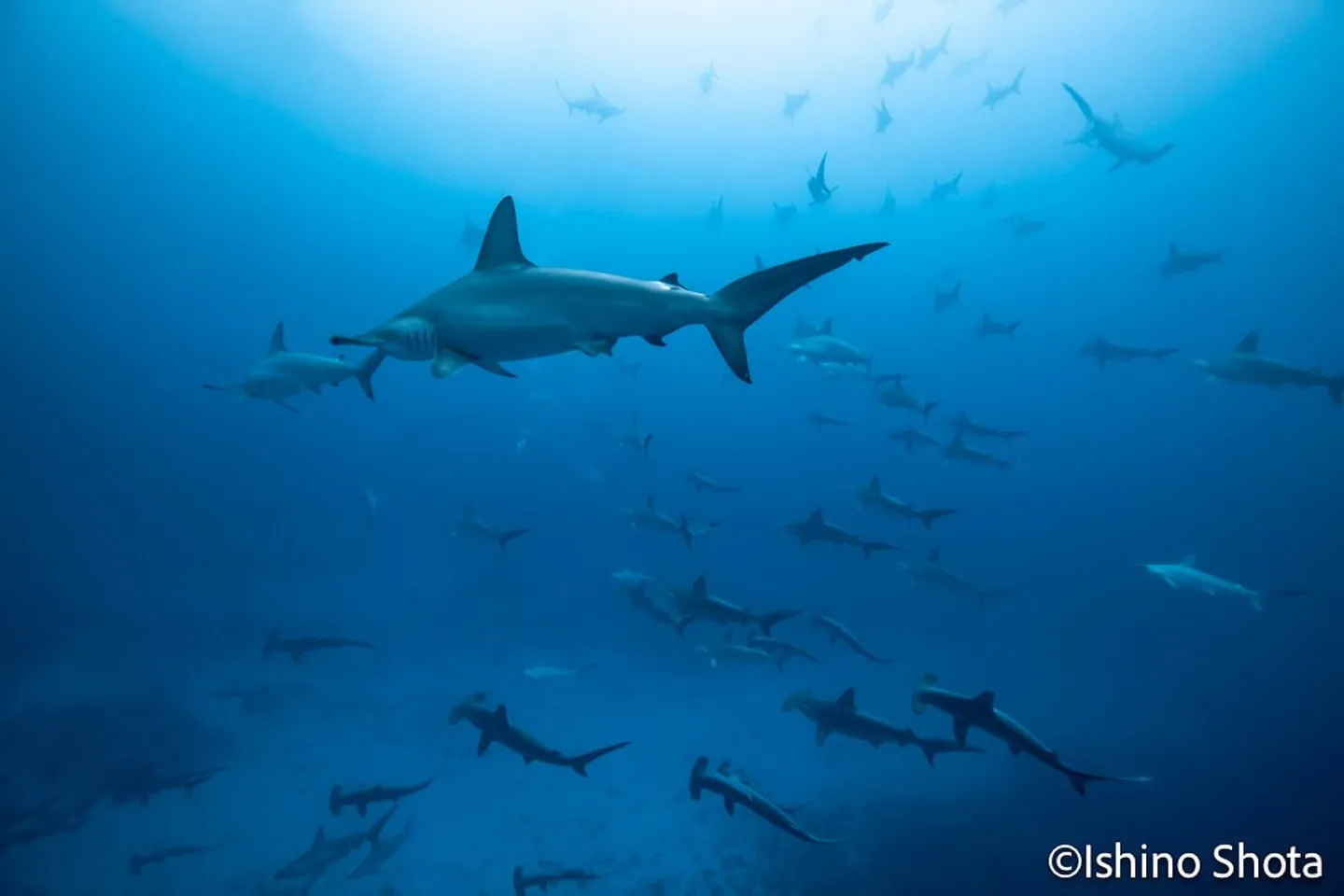
This time I'd like to share the story of Japan's westernmost island: Yonaguni, just 111 kilometres from Taiwan. On a clear day with good visibility, you can actually see Taiwan from Yonaguni. I've often wondered — can our friends in Taiwan see Yonaguni from their side as well?


The First Island in Japan to Meet the Kuroshio
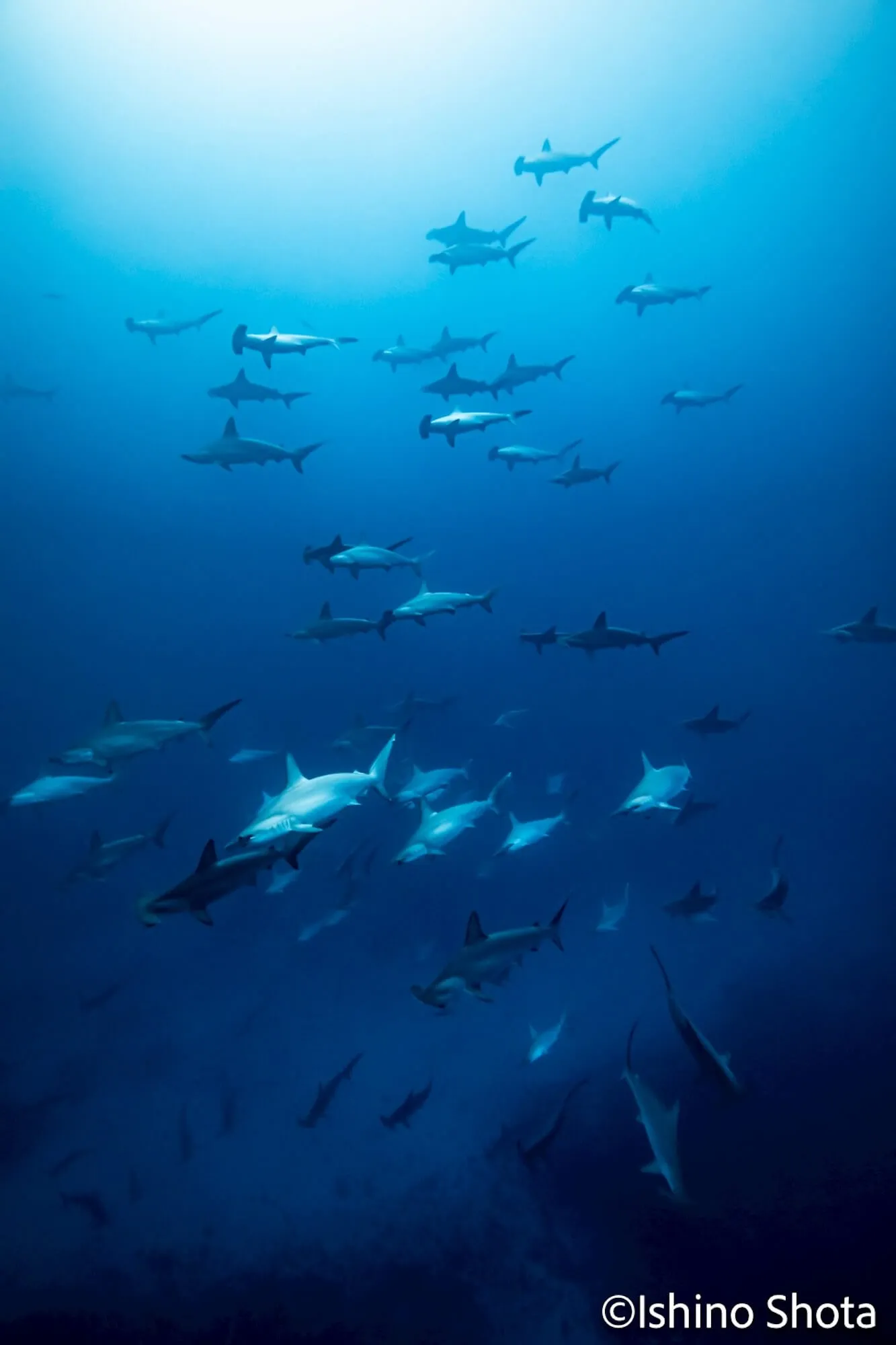
Yonaguni is the first place in Japan where the Kuroshio Current arrives. Originating in the Coral Triangle — the world's most biodiverse marine region — the Kuroshio passes through Taiwan before delivering an extraordinary wealth of marine life to Japan. My reason for travelling to Yonaguni this time was to photograph the Hammerhead Shark storm.
Every year from December to March, massive schools of Hammerhead Sharks gather around Yonaguni. Locations where you can reliably encounter Hammerhead Sharks in the water are extremely rare worldwide, making Yonaguni a dream destination for diving enthusiasts. I visited at the end of March, near the tail end of the viewing season — a time when luck doesn't always cooperate, and you might not spot a single shark.
Diving at Yonaguni
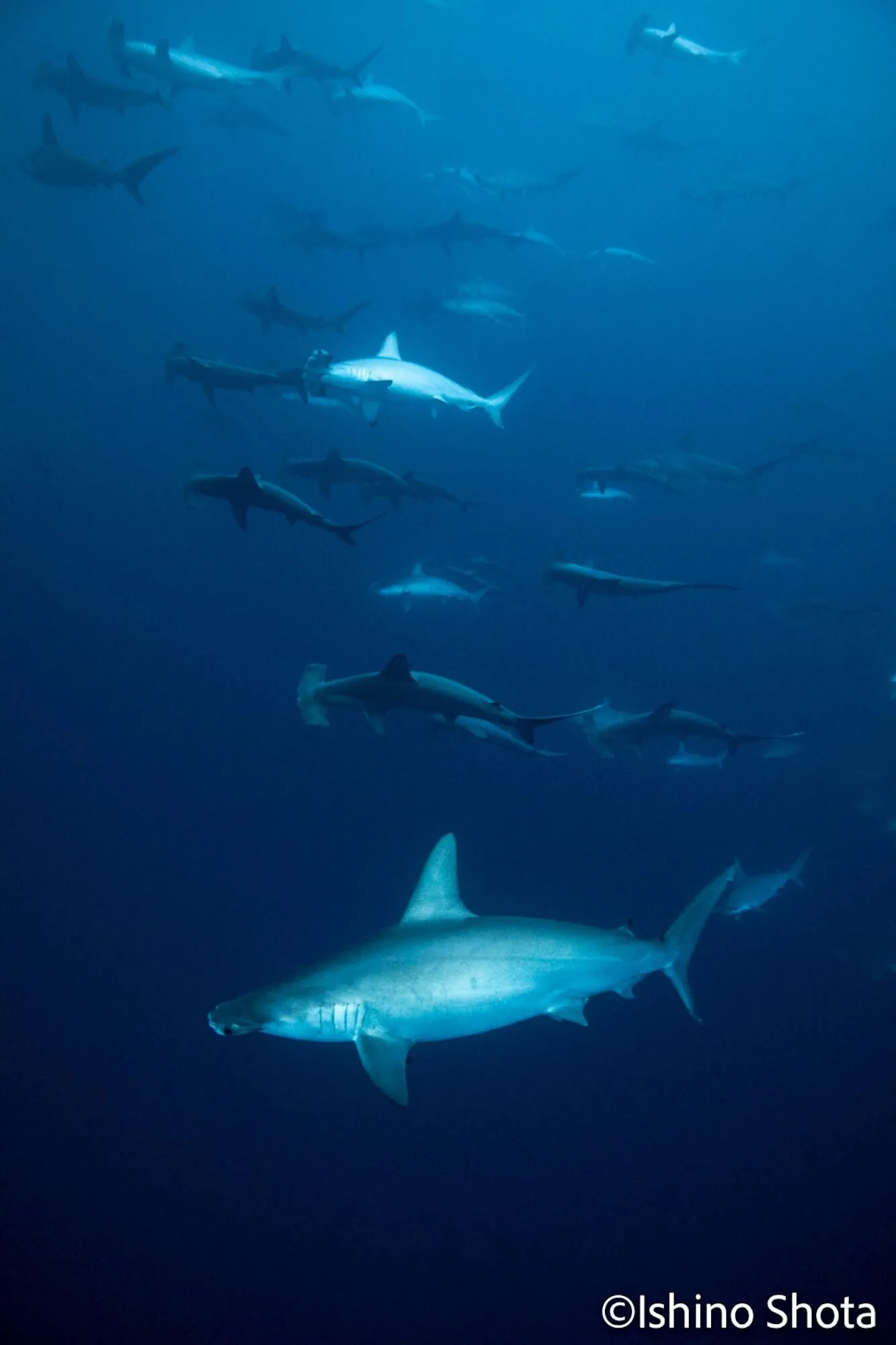
Searching for Hammerhead Sharks at Yonaguni is done through drift diving. Diving here safely requires considerable experience, as the currents are powerful and strong swimming ability is essential.
Your dive guide or assistant diver will carry a buoy and dive alongside you, so it's important to stay close and never become separated from your dive buddy.
Since you're diving in a natural habitat, there's no guarantee of encountering any particular species. However, an experienced dive guide who can read the currents will still give you a very good chance of witnessing the Hammerhead Sharks.
The Allure of the Hammerhead Shark
The Hammerhead Shark's most captivating feature is its unmistakable silhouette. Its hammer-shaped head is where the English name "Hammerhead Shark" comes from, and it's precisely that distinctive form that has always made me eager to photograph them. Their gentle temperament is another draw, of course — if they were aggressive, I certainly wouldn't want to get anywhere near them.
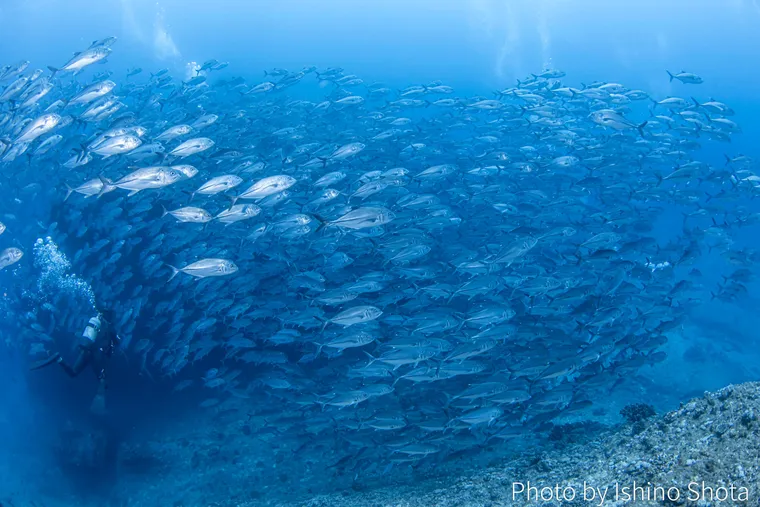
At Yonaguni, it's sometimes possible to witness hundreds of Hammerhead Sharks appearing together, moving through the water like a river. This spectacle is known as the "Hammer River."
The Many Charms of Yonaguni
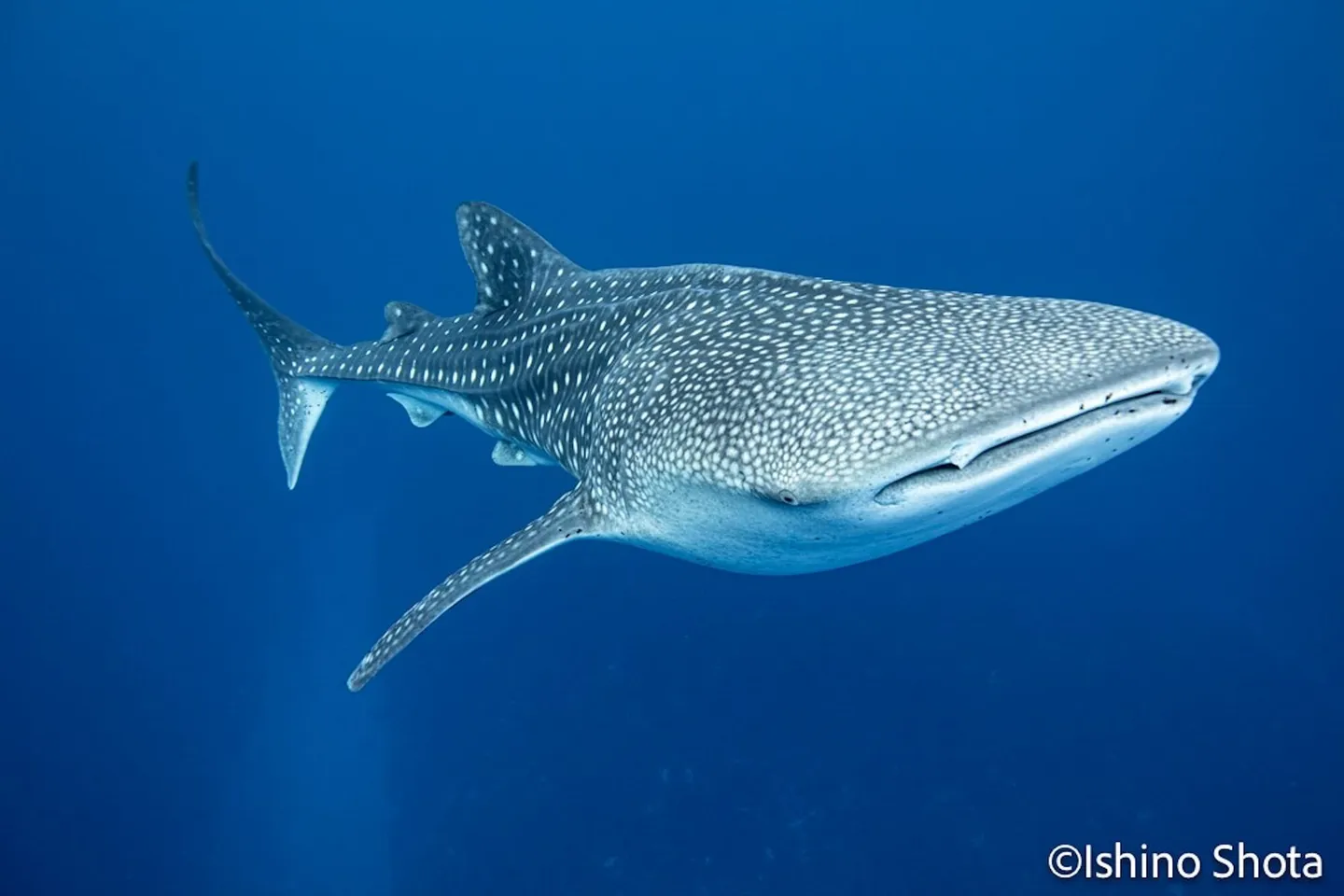
Of course, Yonaguni has far more to offer than Hammerhead Sharks. The rich layers of marine life brought by the Kuroshio are a major highlight in their own right. During winter, most divers come specifically for the sharks, making it harder to arrange dives at other sites. Outside the Hammerhead Shark season, however, the island reveals a whole cast of rare fish species.
Schools of barracuda, dogtooth tuna, and other large pelagic fish are regular sights here. If you're lucky, you might even cross paths with a sailfish or a Whale Shark.
And then there are Yonaguni's famous underwater ruins — a remarkable natural wonder that draws visitors year-round. There truly is always something to discover on this island.
The Gifts of the Kuroshio
The thriving marine ecosystem around Yonaguni owes everything to the Kuroshio Current. One of its greatest gifts is the abundance of plankton it carries.
Plankton was one of my main reasons for coming to Yonaguni. The season when Hammerhead Sharks are present happens to coincide with a period of prolific plankton blooms. As a result, as we approach the end of a Hammerhead storm dive, it's common to encounter a stunning variety of beautiful plankton during the safety stop.
Many of the plankton species here are impossible to find elsewhere in Japan, and they're so small that even experienced divers struggle to notice them. As a photographer, I've made it my mission to capture the beauty of these tiny creatures that underpin the entire ocean ecosystem — and I believe Yonaguni is the ideal location to do so.
With that in mind, I've put together some specially planned dive trips to Yonaguni with plankton as the central theme. Below are some of the plankton photographs I've taken here so far:
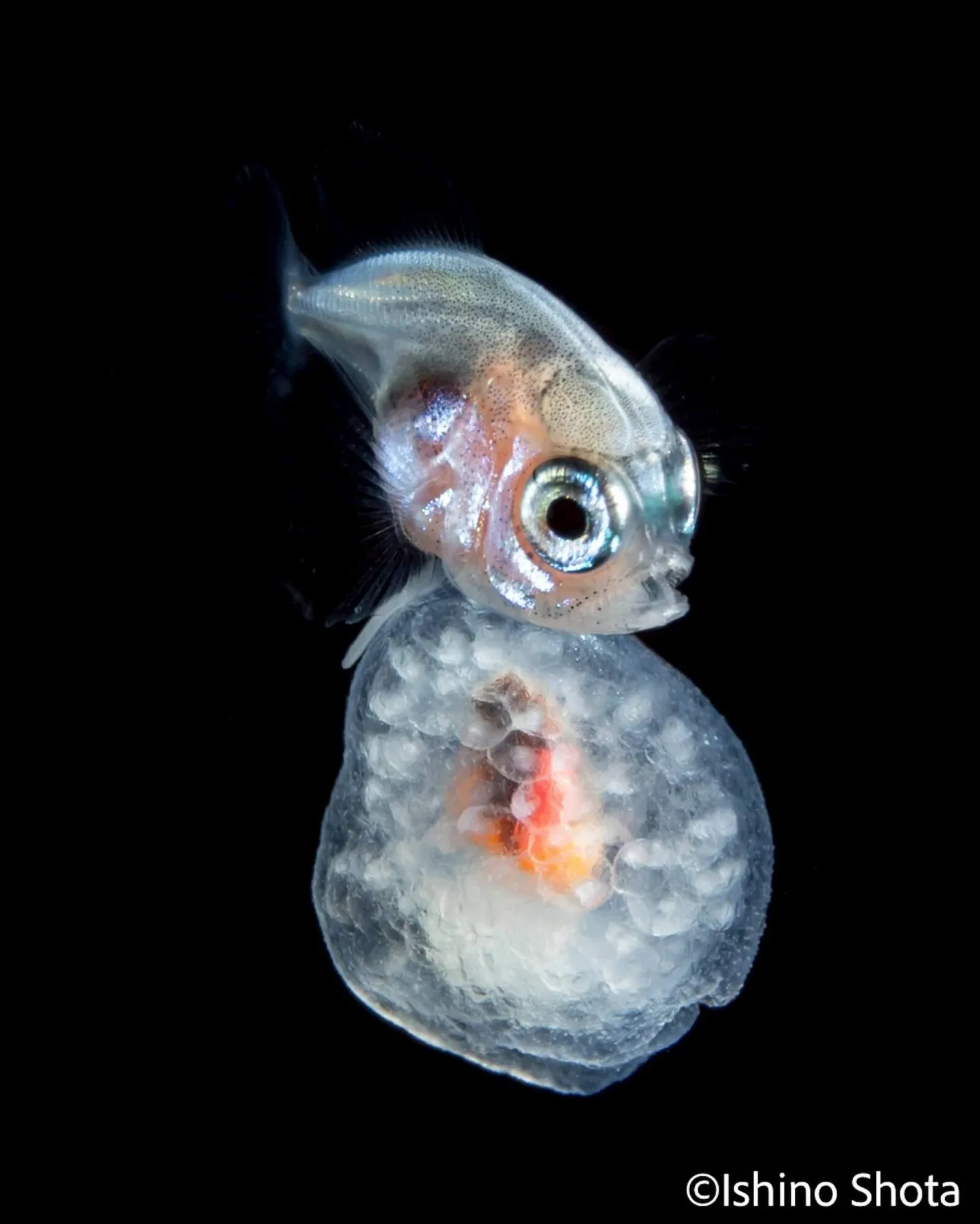
Bramidae Juvenile: Encountering a fish species about which little information is yet known is one of the most exciting moments you can have underwater.
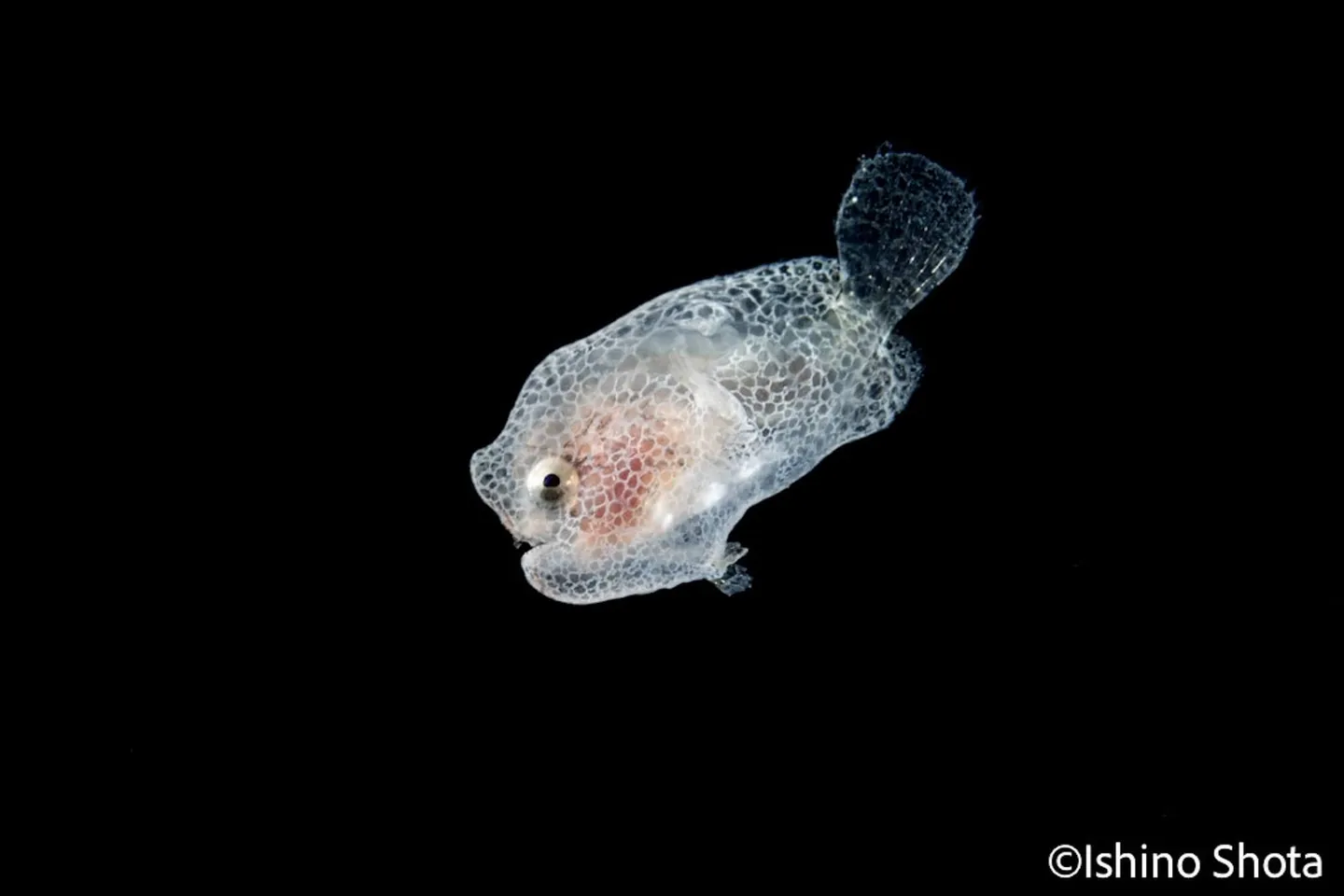
My first encounter with an extremely rare juvenile Frogfish.
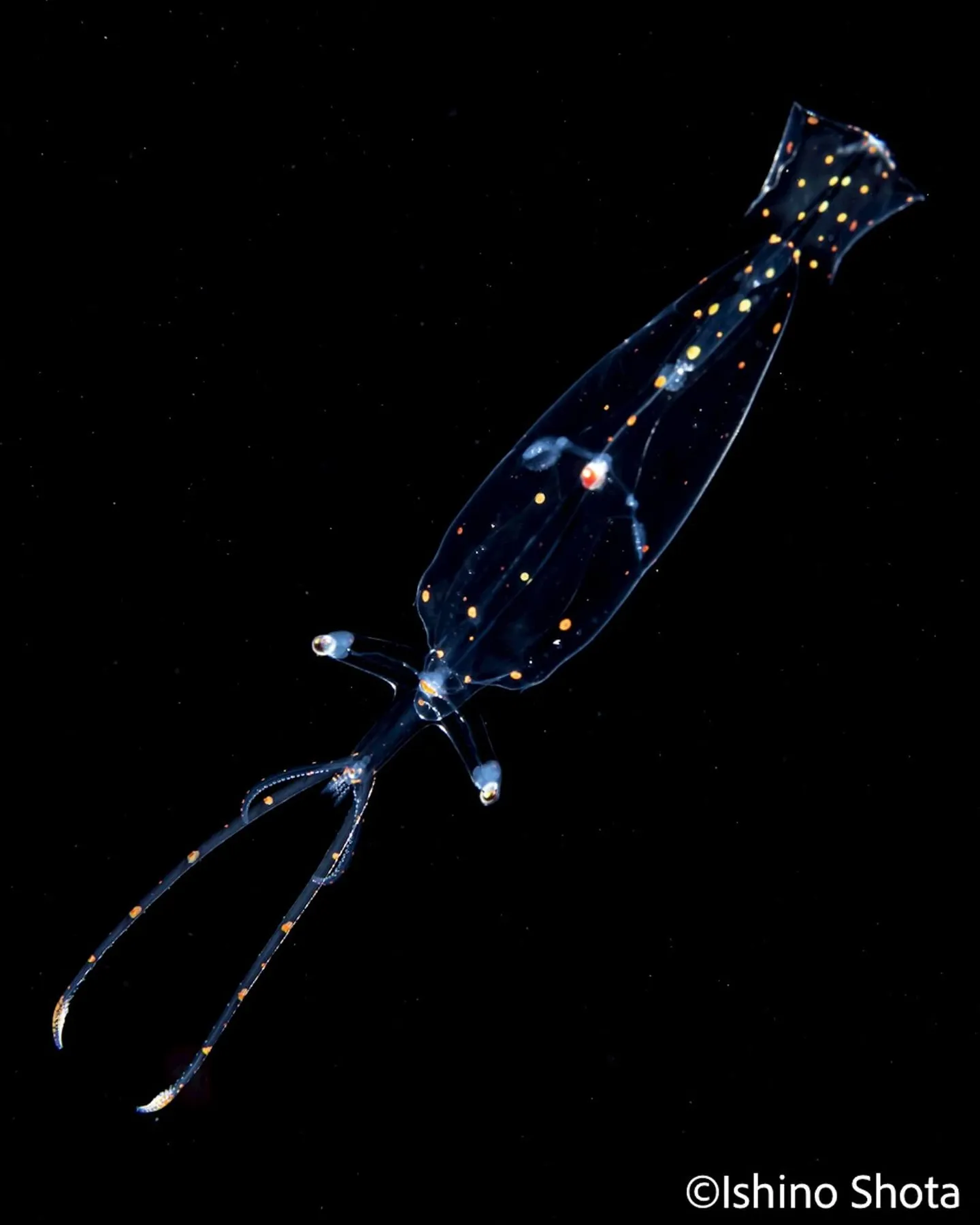
Juveniles of deep-sea squid are frequently spotted here, such as Leachia pacifica.
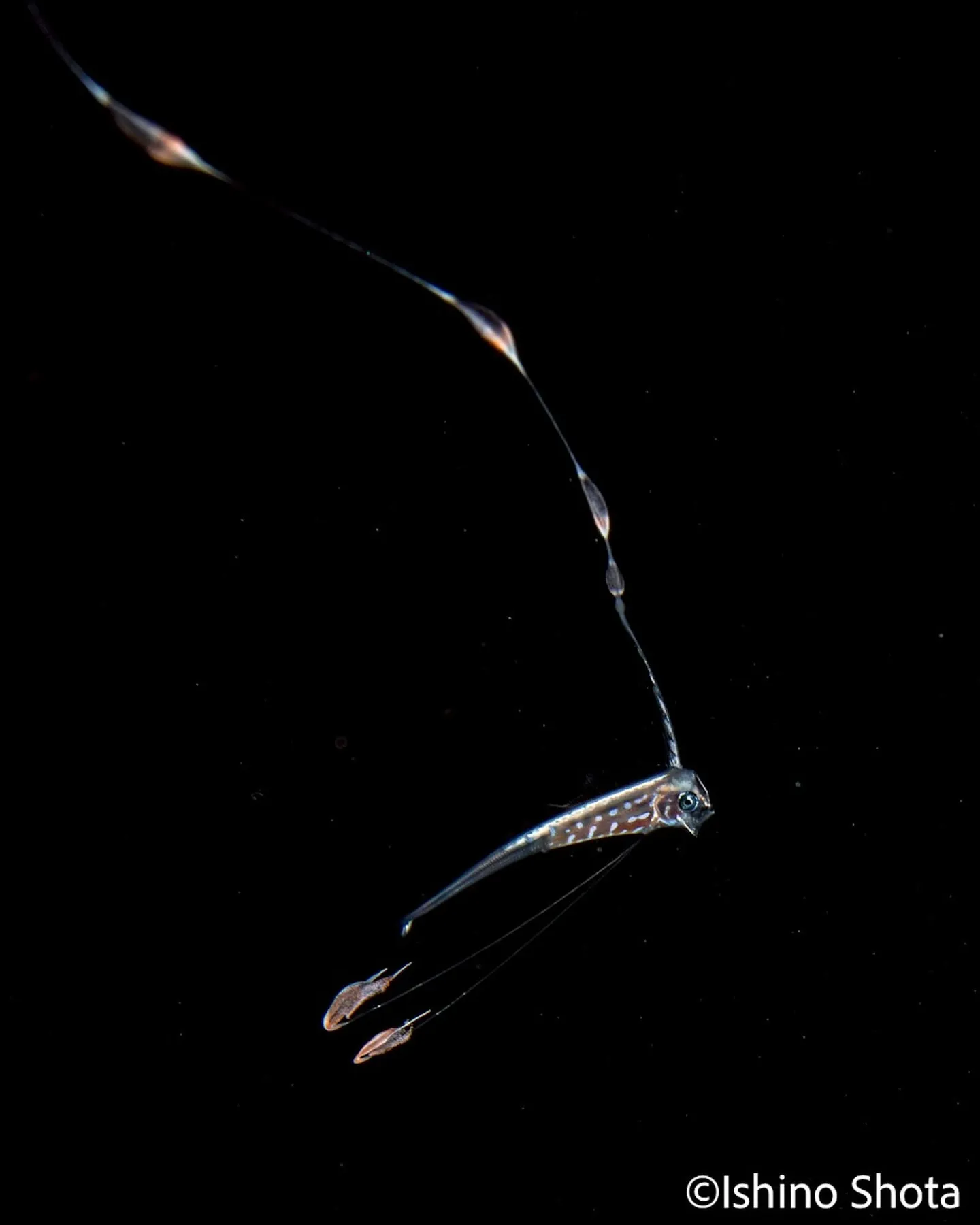
Juveniles of common deep-sea fish also make appearances, including the oarfish.
I hope you'll join me in celebrating the joy of discovering these tiny, mysterious creatures!
Further Reading
Frequently Asked Questions
How is a BlueTrend dive trip different from an unknown, no-name dive group?
Choosing us means full peace-of-mind protection and a smooth experience from start to finish. Every trip we run holds to three things.
First, full legal protection and a professional dive leader: we strictly follow Taiwan's travel regulations and provide complete travel-agency liability insurance, travel insurance, trip-inconvenience insurance and dive insurance. Every group is accompanied by a certified, foreign-language dive leader who joins you on both the dives and the land itinerary, liaising seamlessly with local dive shops and operators on your behalf to keep things running smoothly — the person our travellers trust most.
Second, fully licensed with secure payments: every payment goes into a licensed travel agency's account, with multiple safe payment channels (bank transfer, credit card and more) and a legal collect-and-remit receipt, so every transaction is open, transparent and protected, avoiding the fraud and dispute risks of transferring money privately to an individual.
Third, hand-picked quality we vet in person: every trip, dive site and partner shop is scouted on the ground by our own team, from the guides' professionalism and safety standards to the food, lodging, environment and service details on land, all vetted by us so you don't get caught out.
I want to sign up for a dive trip. Are there certification-level or logged-dive requirements?
Each dive site is different, so the entry bar varies. 'Bali Tulamben', for instance, is relatively beginner-friendly. 'Malapascua in the Philippines' is also beginner-friendly, but since thresher sharks tend to cruise between 20 and 30 metres, we recommend AOW certification with 20+ logged dives to enjoy this trip comfortably. For 'the Maldives' or 'Palau', we suggest AOW with 50+ logged dives for a more relaxed experience. If you're not sure whether your experience fits the trip you want, message us and our dive editors will assess it and help you find the trip you'll feel safest on.
Can I join if I'm signing up alone? How are rooms arranged?
Plenty of our travellers sign up solo! For rooms and beds, we prioritise pairing you with a same-gender traveller, and if you'd rather have your own space you can pay the difference to upgrade to a single room. For the diving, our professional leader will pair you with a suitable buddy, and with the happy vibe on our trips you'll quickly make a great group of dive friends. Many people sign up alone, make new friends, and end up organising the next trip together!
Does the trip fee include dive insurance, gear rental, taxes and instructor tips?
It depends on the trip, the destination's regulations and the local operators. Every BlueTrend dive trip has a detailed web page with a clear 'included / not included' list, transparent and with no hidden charges. All payments are collected by a licensed travel agency, with a standard-form contract for your protection.
I'm a new diver / haven't dived in a long time — will I fall behind the group?
Before you complete your booking, our team assesses a suitable trip based on your certification level and experience. Before departure, we strongly recommend taking time to refresh in Taiwan with an instructor, or a fun dive to get your feel back. On the trip itself, our professional dive leader groups and pairs everyone by experience, keeps a close eye underwater on travellers who need extra care, and steps in to help right away.
Will the photos and videos taken during the trip be shared with us?
During the dives, 'safety' is always the leader's top priority, so whenever it's suitable and safe the leader will capture great shots and record the best moments. During or after the trip, we compile a cloud album for all travellers to download, so you go home loaded with memories!
Besides your scheduled trips, can you arrange a private group charter or independent travel for me and my friends?
Absolutely! Besides group trips, we also arrange private group charters and independent travel. We can communicate, enquire and coordinate services with local operators based on your needs, saving you time and effort and taking the language barrier off your plate, to tailor the smoothest, most reassuring dive trip just for you. Contact our LINE support and our editors will arrange it for you!