

Contents(12)
- SMILE Laser Eye Surgery
- How SMILE Works
- Advantages and Disadvantages of SMILE
- Who Is SMILE Best Suited For?
- TransPRK Laser Eye Surgery
- How TransPRK Works
- Advantages and Disadvantages of TransPRK
- Who Is TransPRK Best Suited For?
- How Long After Laser Eye Surgery Can You Dive?
- Laser Surgery Comparison
- Conclusion and Recommendations
- Further Reading
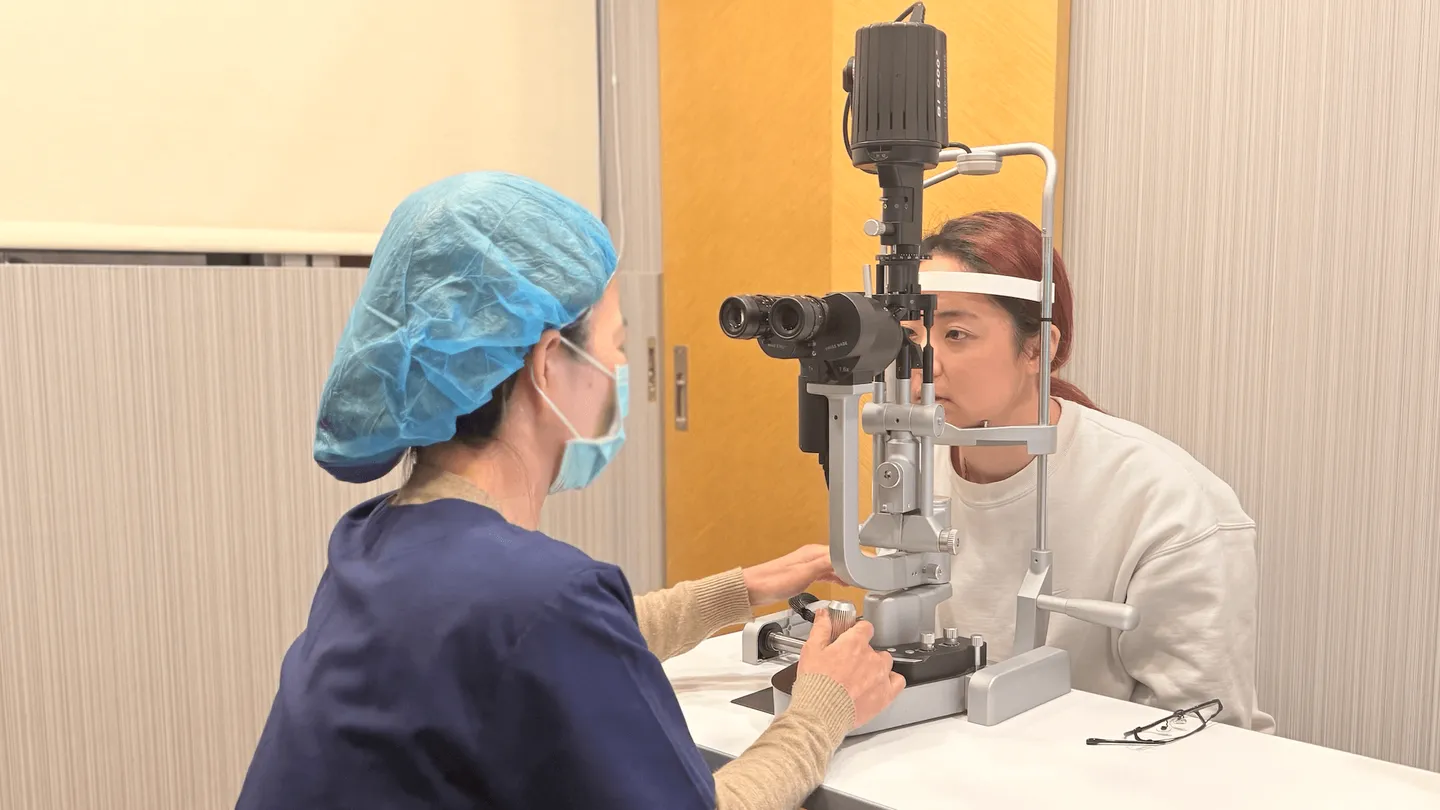
For divers who love the ocean, clear vision is not only essential for enjoying the dive experience — it is also a critical factor for underwater safety. Many divers consider laser eye surgery to free themselves from the hassle of prescription masks or contact lenses underwater. However, with so many procedures available, which one is best suited for those of us who are active beneath the surface? This article focuses on the two mainstream procedures most suitable for divers in Taiwan — SMILE minimally invasive surgery and TransPRK (including Smart TransPRK) — and offers an in-depth analysis covering the principles behind each procedure, their advantages and disadvantages, ideal candidates, and the post-operative recovery periods that divers care about most. Our goal is to help you make the best decision for your needs.
SMILE Laser Eye Surgery
How SMILE Works
SMILE, also known as "small incision lenticule extraction," uses a femtosecond laser to precisely cut a "corneal lenticule" within the cornea, which is then removed through a tiny 2–4 mm incision. Once the lenticule is extracted, the curvature of the cornea changes, correcting myopia and partial astigmatism. Because no corneal flap is created during the procedure, the impact on the corneal surface is minimal, nerve preservation is excellent, and the risk of post-operative dry eye is low.
Advantages and Disadvantages of SMILE
Advantages:
-
Fast recovery: Post-operative discomfort (foreign body sensation, light sensitivity) typically subsides within a few hours to one day, and vision stabilises quickly.
-
Low dry eye risk: The majority of corneal nerves are preserved, keeping tear secretion stable.
-
No flap-related risk: Eliminates the possibility of corneal flap displacement caused by water pressure or impact during diving.
Disadvantages:
-
Narrower prescription range: Suitable for moderate to high myopia and mild to moderate astigmatism; not appropriate for high astigmatism or hyperopia.
-
Higher cost: Precision equipment makes this procedure more expensive than other options.
Who Is SMILE Best Suited For?
-
Those who need a rapid return to normal vision.
-
Those with moderate to high myopia whose astigmatism falls within the correctable range.
-
Those who prioritise post-operative comfort and safety.


TransPRK Laser Eye Surgery
How TransPRK Works
TransPRK is a "no-touch" laser procedure that works directly on the surface of the cornea. The laser first removes the corneal epithelium, then reshapes the curvature of the corneal stroma to correct vision. The epithelial cells regenerate on their own within a few days after surgery. Smart TransPRK uses an intelligent algorithm to optimise the laser pathway, resulting in a smoother ablation and better recovery.
Advantages and Disadvantages of TransPRK
Advantages:
-
No flap-related risk: Extremely safe under water pressure or impact.
-
Better preservation of corneal strength: High long-term stability.
-
Wide prescription range: Covers myopia, hyperopia, and high astigmatism; also suitable for divers with thinner corneas or larger pupils.
Disadvantages:
-
Longer recovery period: Epithelial healing takes approximately 3–7 days, with initial foreign body sensation, light sensitivity, and pain.
-
Slower vision stabilisation: Full stabilisation takes approximately 1–3 months, and longer for some individuals (depending on individual constitution and post-operative care).
Who Is TransPRK Best Suited For?
TransPRK is suitable for the following types of divers:
-
Those with relatively thin corneas or larger pupils.
-
Those who want to maximise the preservation of corneal thickness.
-
Those who need correction across a wide prescription range (including hyperopia and high astigmatism).
-
Those who can tolerate a longer initial period of discomfort and visual recovery after surgery.
How Long After Laser Eye Surgery Can You Dive?
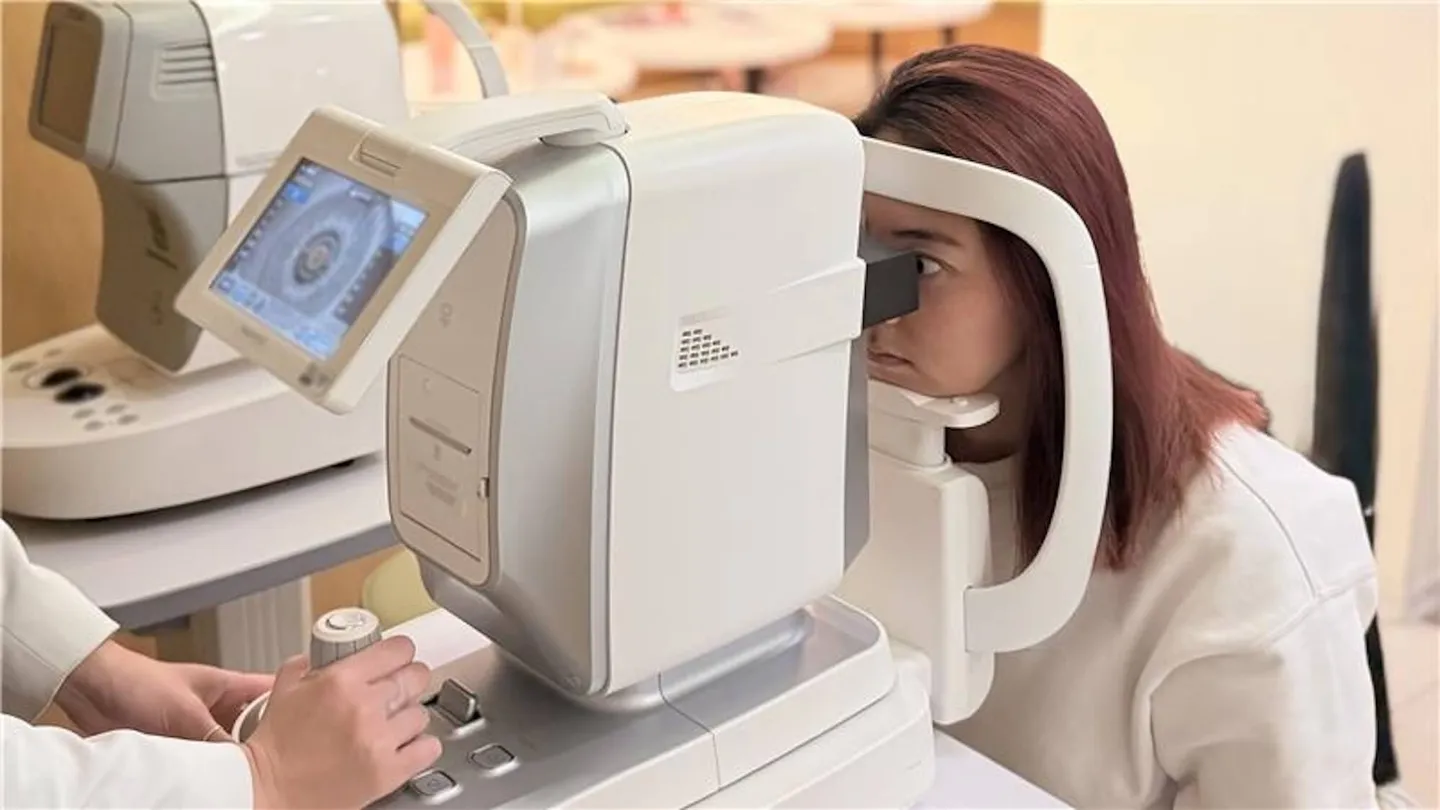
Regardless of which procedure you choose, it is recommended to wait at least 1 month. TransPRK requires a longer recovery time than SMILE. Before returning to diving, be sure to have an ophthalmologist confirm that corneal healing and vision are stable, and take additional precautions to protect your eyes and minimise infection risk.
Laser Surgery Comparison
| SMILE | TransPRK | |
|---|---|---|
| Pre-operative corneal thickness | At least 480 μm (varies by clinic) | At least 250 μm (varies by clinic) |
| Prescription range | 500–1000 | 200–800 |
| Astigmatism upper limit | Approx. 300–500 degrees | Approx. 300–500 degrees |
| Surgery duration | 20 seconds per eye | Depends on prescription |
| Recovery period | 3–7 days | 1–3 months |
| Dry eye level | Low | Low |
| Post-operative pain | Virtually none | 1–3 days |
| Post-operative vision stabilisation | Within approximately one week | Within approximately 1–3 months |
| Corneal nerve damage | Minimal | Moderate |
| Disruption to original corneal structural integrity | Very minor | None |
Conclusion and Recommendations
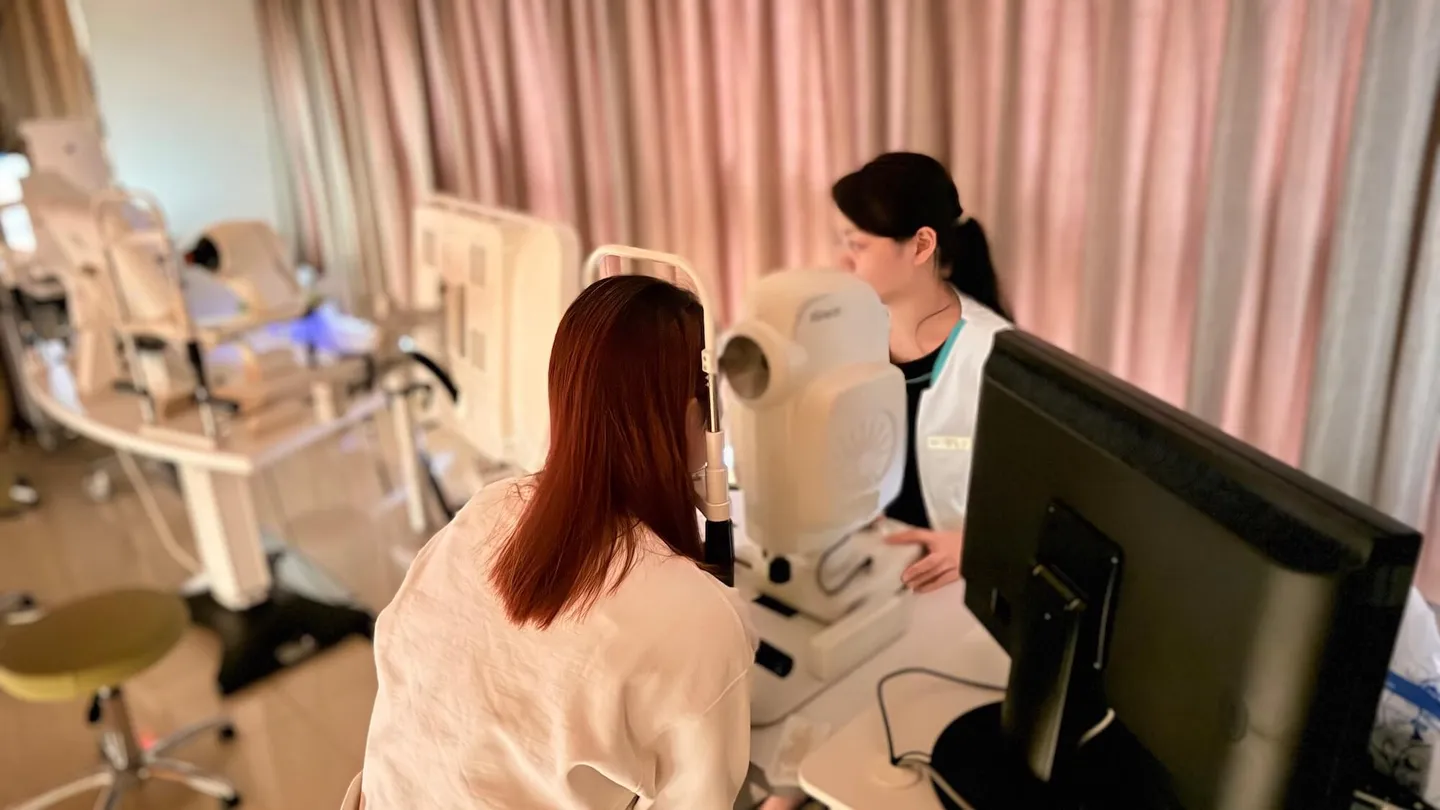
Both SMILE and TransPRK are diver-friendly "flapless" laser eye surgery procedures that are far safer than traditional LASIK. When making your choice, consider your own corneal condition, prescription, tolerance for the recovery period, and diving needs.
Before surgery, be sure to undergo a comprehensive ophthalmological evaluation (including corneal thickness, intraocular pressure, and tear secretion), and proactively inform your doctor of your diving habits. Choosing the right procedure will allow you to safely and comfortably enjoy the beauty of the underwater world!
Further Reading

![[Freediving] Someone Almost Died in the Ocean](/_astro/%E8%87%AA%E7%94%B1%E6%BD%9B%E6%B0%B4bo-scaled_2ms8Tx.webp)