Contents(4)
the Editor says: As climate change grows ever more severe, countless natural wonders around the world are on the verge of disappearing, fuelling a surge in "last chance tourism." This trend — driven by the urge to witness endangered landscapes before they vanish — is placing additional strain on already fragile ecosystems. Through stricter regulation and the promotion of green tourism, there is still an opportunity to protect these precious places. Raising environmental awareness, investing in education, and encouraging travellers to become active conservation advocates are the keys to the future. This article is reproduced with permission from the Low-Carbon Living Blog.
As climate change worsens — bringing melting mountain glaciers, shrinking Arctic sea ice, forests consumed by wildfires, and Pacific island nations swallowed by rising seas — natural landscapes once celebrated as unique wonders are disappearing one by one. The desire to witness these places before they are gone has given rise to "last chance tourism," yet this very phenomenon is pushing already fragile environments into an even more precarious position.
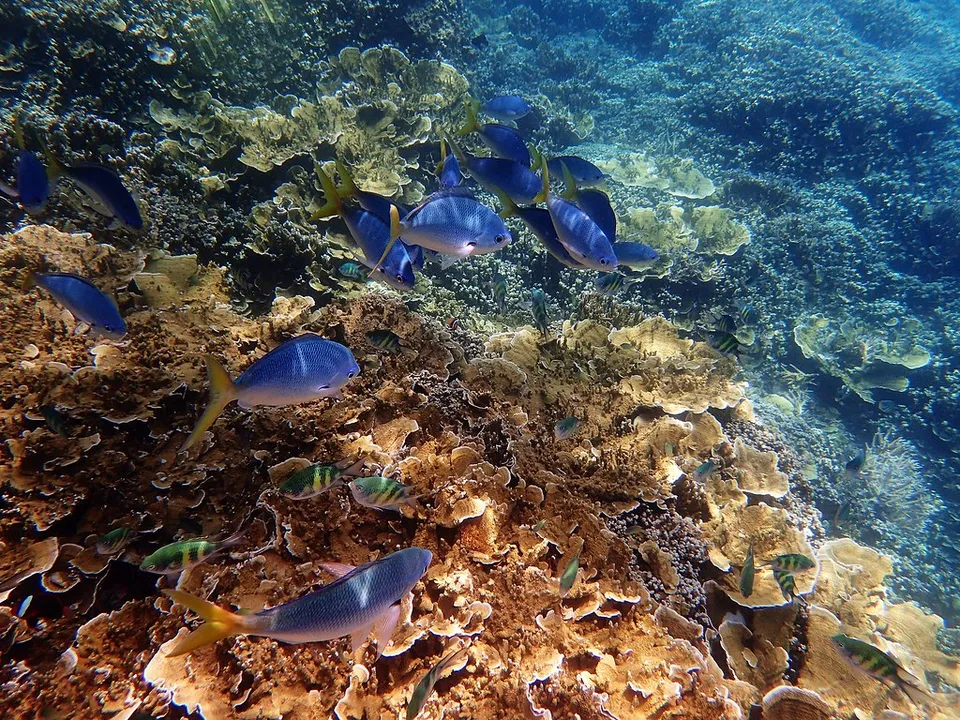
Australia's Great Barrier Reef has shrunk dramatically due to rising sea temperatures driven by climate change, making it one of the most sought-after destinations in last chance tourism. Image source: yuejun gao/Pixabay
"Go Before It's Gone" — Fragile Destinations Bear the Brunt of Visitor Surges
Although the Chinese term translates literally as "doomsday tourism," the English original is more accurately rendered as "last chance tourism." For the native landscapes and unique species involved, however, the end may indeed be close at hand — precisely because of the dramatic influx of visitors.
Last chance tourism as a concept was already being discussed in academic research as early as 2010. Between 2017 and 2018, a related phenomenon known as "extinction tourism" emerged, using wildlife on the brink of disappearance as its main selling point. The two are closely related, both built on the premise of "see it now, or miss it forever."
It is not only natural landscapes and wildlife that fit this mould. Among the world's most popular destinations, the list of at-risk sites extends beyond the polar regions, the Great Barrier Reef, and the world's icebergs and glaciers. It also includes Venice, which may be inundated by rising sea levels; the Taj Mahal and the temples of Athens, whose deterioration is being accelerated by acid rain; and the Dunhuang Mogao Caves, where hotter, more humid conditions are causing murals to flake away and cave structures to collapse more readily.
Because these places are deteriorating and may disappear at any moment, travellers from around the world are flooding into regions that are inherently fragile. Whether through exceeding the environment's carrying capacity or through the pollution and waste generated by large crowds, this surge is paradoxically accelerating the very disappearance of these world-class landscapes.
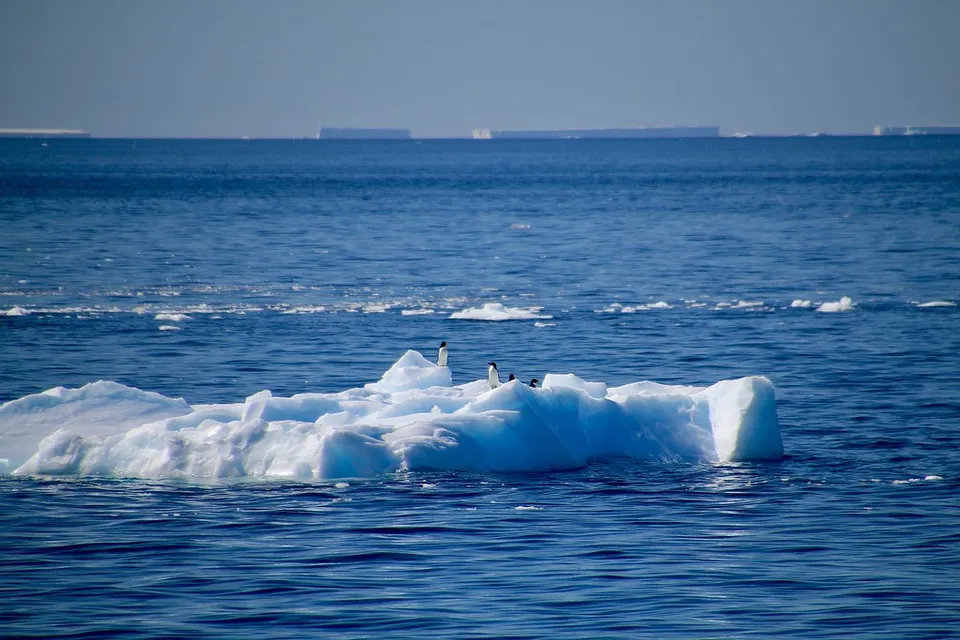
Growing visitor numbers generate carbon emissions, and last chance tourism is in turn hastening the loss of Antarctic ice. Image source: SarahNic/Pixabay


Antarctic Visitor Numbers Surge; Arctic Vessel Noise Disrupts Narwhals
According to the International Association of Antarctica Tour Operators (IAATO), the number of tourists travelling to Antarctica has surged over the past decade, with as many as 74,000 visitors recorded in the 2019–2020 season. Yet a 2022 study found that each passenger travelling to Antarctica by ship generates between 3.2 and 4.1 tonnes of carbon emissions per trip — already more than half the per-capita annual emissions of residents in advanced economies such as the EU (approximately 6 tonnes). When the carbon footprints of all visitors are combined, the figures become staggering.
The primary driver behind Antarctica and similar destinations becoming "disappearing destinations" is the rise in global temperatures caused by increased atmospheric CO₂ concentrations — and rising carbon emissions only accelerate that process. Beyond that, Antarctica's ecosystem is extremely fragile: the "black carbon footprint" deposited by human activity and fossil fuel use darkens the surface of snow and ice, creating conditions that further promote melting.
Meanwhile, artificial light from vessels and the underwater noise they generate also disrupt marine ecosystems. Andrew Dumbrille, an adviser to the non-governmental organisation Clean Arctic Alliance, has noted that sound travels farther through Arctic waters than through temperate-zone waters, affecting the migratory behaviour of local species such as narwhals.
Senior researcher Eke Eijgelaar of the Centre for Sustainability, Tourism and Transport at Breda University in the Netherlands, speaking to Climate Impacts Tracker Asia, pointed out that while many industries are working to reduce their carbon emissions, tourism's carbon output continues to rise as passenger volumes increase. Last chance tourism, he argues, only drives the travel industry further away from climate targets.
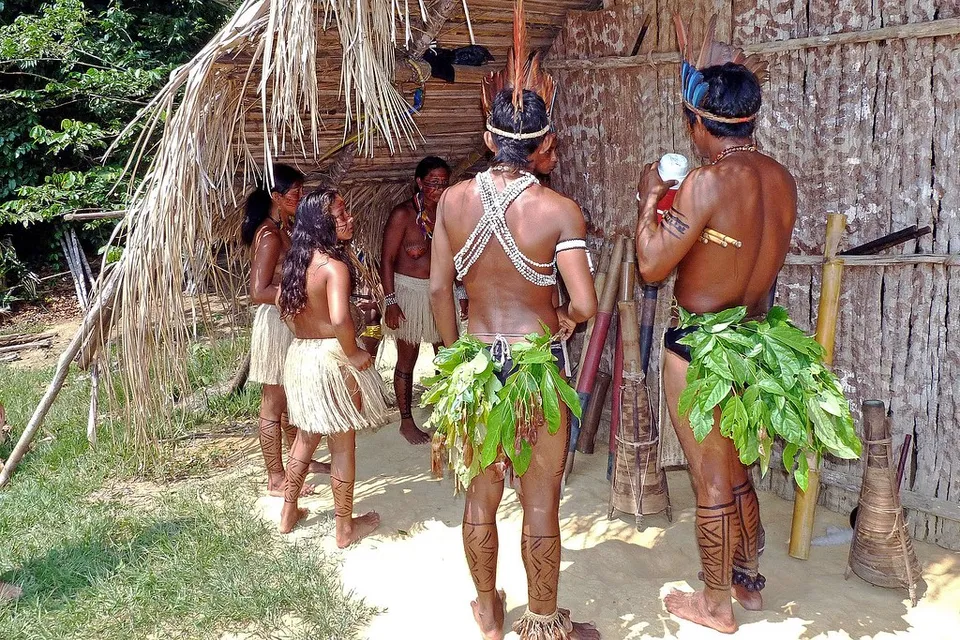
Engaging local communities to help drive ecotourism is also a vital part of improving environmental outcomes. Image source: Hans Schwarzkopf/Pixabay
Is "Last Chance" Already a Foregone Conclusion? The Power to Change Course Lies with Us, the Travellers
Some experts argue that the very framing of "last chance" implies these landscapes and species are already condemned to disappear. While the influx of tourists unquestionably generates more carbon emissions, pollution, noise, and waste — and is genuinely pushing these sites that so desperately need protection closer to their demise — policy changes and concrete action still offer us a chance to turn things around.
Governments and international bodies are working to introduce stricter controls in these regions, including limiting visitor numbers, tightening regulations on tour operators, and promoting greener forms of travel that integrate more respectfully with nature or work in partnership with local communities. Beyond reducing the impact of outside visitors, these measures also give local people an incentive to protect the distinctive landscapes that continue to generate income for them.
In the Amazon rainforest, for example, ecotourism programmes employ local residents as guides who share inherited knowledge of the natural environment with visitors throughout their tours. This not only helps tourists develop a genuine understanding of the local ecosystem, but also provides stable livelihoods for community members. Elsewhere, "regenerative travel" — which advocates for ecological restoration and reforestation and involves travellers directly in the process of rehabilitating degraded environments — has already been put into meaningful practice across parts of Africa.
At the same time, it is essential that mitigation measures are thought through comprehensively. Australia's Uluru-Kata Tjuta National Park, for instance, announced a complete ban on climbing Ayers Rock — a World Heritage site being damaged by visitors — effective 2019. The announcement triggered a last-minute rush, with large crowds flooding in before the ban took effect, ultimately causing far more severe environmental harm.
Ultimately, however, no matter how comprehensive the accompanying measures may be, the most important factor remains education and the cultivation of a conservation mindset — one that encourages travellers to hold themselves accountable. As long as this type of tourism continues to exist, finding ways to ensure that visitors, once informed of the true situation, are willing to prioritise environmental issues — and even become committed conservation advocates — is a possibility well worth pursuing.
References
- The Week (7 March 2024), Why last-chance tourism is the latest controversial travel trend
- Greenly Institute (12 April 2024), What is last chance tourism?
- Climate Impacts Tracker Asia (25 March 2024), How Last Chance Tourism Kills Imperiled Destinations
- The Guardian (8 March 2024), Environmental row over 'last chance tourism' in Canada's melting Arctic
- Getaway (23 May 2024), Top destinations that are vanishing
- Adventure Collection blog, EXTINCTION TOURISM: SEEING WILD ANIMALS BEFORE THEY'RE GONE
- Full article reproduced from: 再不去就消失了 你的「末日旅遊」正在加速環境毀滅-作者 李昱德