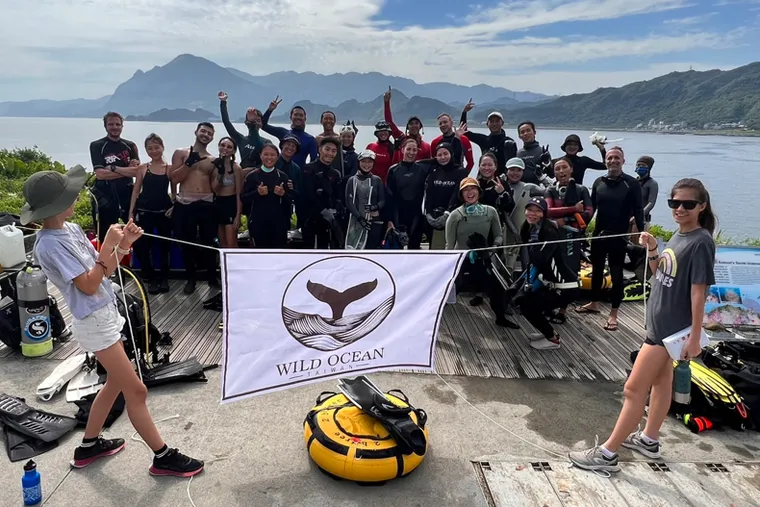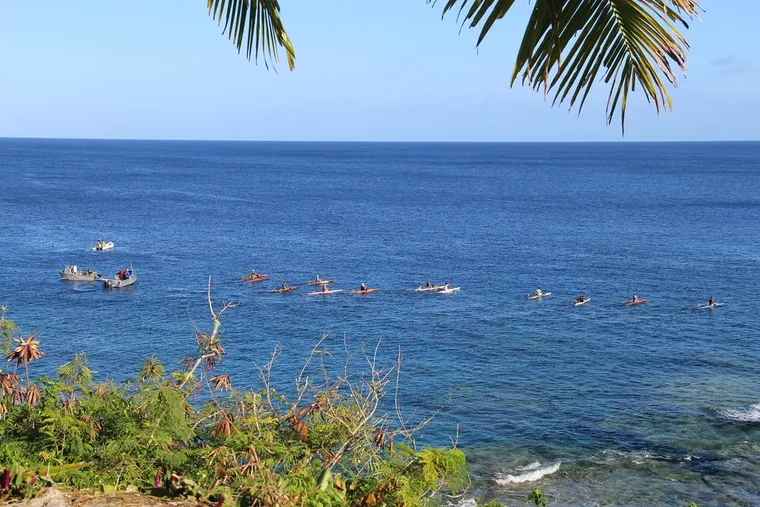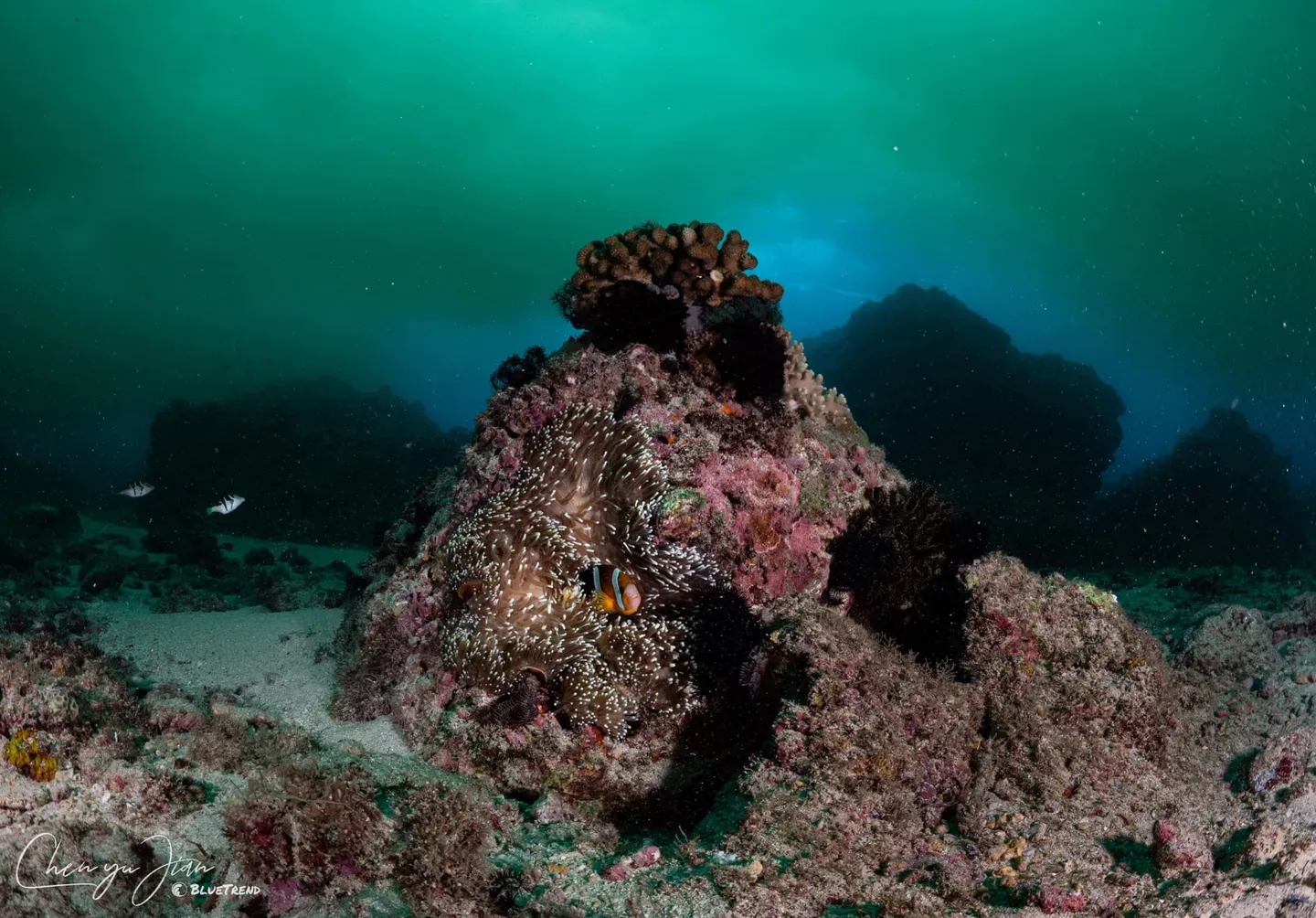
The Editor says: Xiaoliuqiu is less than 30 minutes by boat from the Taiwan mainland and draws enormous tourist crowds — yet the latest survey reveals that fish density around Xiaoliuqiu is extremely low. 2023 research data show that the number of individuals per unit area has fallen to just 0.6 — fewer than one fish per square metre. Coral coverage at Vase Rock has even been rated "dysfunctional." What other important findings did the survey uncover? Follow the Editor as we look at what Greenpeace has to say! Full article reprinted from Greenpeace Survey: Xiaoliuqiu's Marine Ecology on the Brink of Collapse
Pingtung's Xiaoliuqiu has become a premier tourist destination thanks to its exceptional natural scenery and marine life. While the tourism boom has brought millions of visitors to the island, the absence of the Marine Conservation Act has left the tourism industry facing an ecological crisis. To assess the true state of Xiaoliuqiu's marine ecosystem, a Greenpeace team visited the island in August this year and conducted marine ecological surveys at 6 recreational sites along the coast. Two major problems were identified: fish resources along Xiaoliuqiu's coastline are nearly depleted, and coral reef conditions have deteriorated severely — clear signs that marine resources are on the verge of exhaustion and a serious warning for the tourism industry.
Greenpeace Ocean Project Director Zhong Mengxun stated: "The results of this survey show that Xiaoliuqiu's marine resources are on the brink of collapse. If current conditions continue, the island's precious tourism assets could disappear entirely, and the tourism supply chain built up with such effort may become unsustainable. The Executive Yuan should immediately submit the draft Marine Conservation Act to rescue the depleted marine ecosystem and a tourism industry already sounding the alarm."
Survey Conducted at Xiaoliuqiu
The survey carried out by Greenpeace at Xiaoliuqiu used the "transect" method, a common approach in basic ecological surveys, conducting quantitative observation and substrate monitoring at a depth of 10 metres. The survey covered 6 recreational sites: Shanzhu Gou, Shanfu, Duzaiping, Vase Rock, Lobster Cave, and Geban Bay [Figure 1].
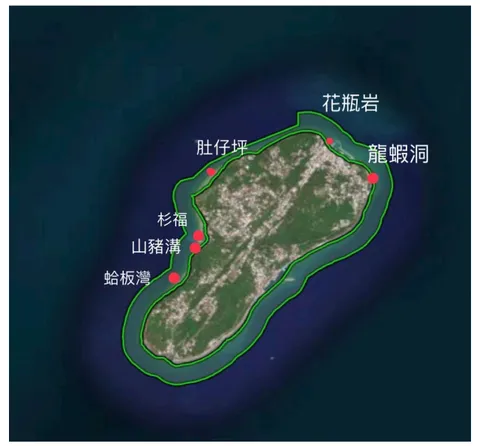
Figure 1: Map of survey site locations
The results show that fish density along Xiaoliuqiu's coast is extremely low — at most sites, there is fewer than one fish per square metre, and body length is also on the small side (averaging only 5 to 7 cm). For example, Lobster Cave and Geban Bay recorded only 0.5 and 0.4 fish per square metre respectively, while Duzaiping — the site with the highest density — still recorded only 1.1 fish per square metre [Figure 2].
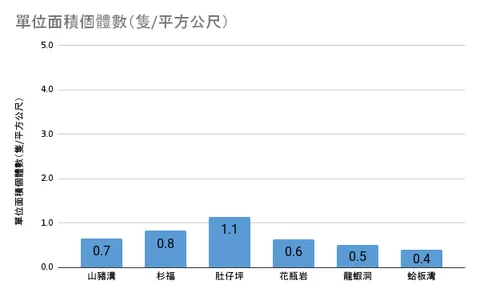
Figure 2: Number of fish individuals per unit area at each survey site
Compared with coral reef ecosystems in other Taiwanese waters — such as the Kenting entry point (5 to 8 fish per square metre) or Green Island (3 to 6 fish per square metre) — the fish community density at Xiaoliuqiu (averaging only 0.5 to 1 fish per square metre) is significantly lower, and its appeal to visitors is likely to continue declining.
To better understand how Xiaoliuqiu's marine ecosystem has changed over time, Greenpeace also compared this survey's findings against historical data from the same sites. The results show that Shanfu, Vase Rock, and Lobster Cave have all experienced a downward trend in fish density per unit area. The most dramatic change was at Vase Rock, where the number of fish individuals per unit area dropped from 2.5 in 2010 to just 0.6 in 2023 [Figure 3], clearly demonstrating that Xiaoliuqiu's fish resources continue to decline.
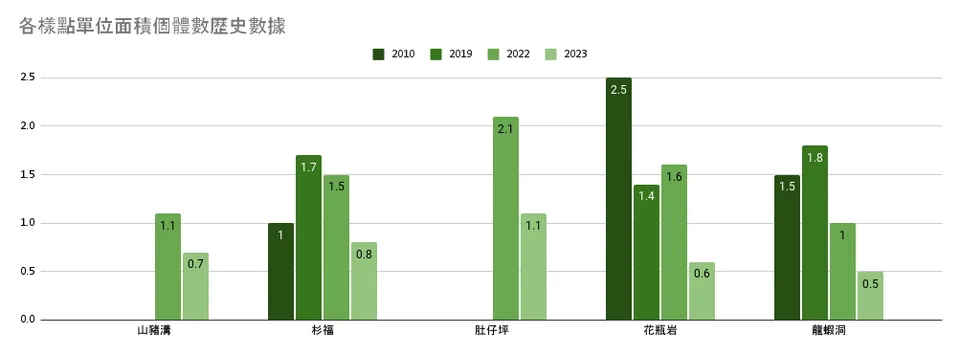
Figure 3: Historical changes in fish individuals per unit area at each survey site (no historical data available for Geban Bay)
Beyond the alarming depletion of fish resources, the health of coral along Xiaoliuqiu's coast is also far from ideal. Among the 6 recreational sites surveyed by Greenpeace, most recorded coral coverage below 30% and a coral-to-algae ratio of less than 0.5, placing them in the "declining" category. Vase Rock had both the lowest coral coverage and the lowest coral-to-algae ratio of all sites, falling into the "dysfunctional" category [Figure 4].
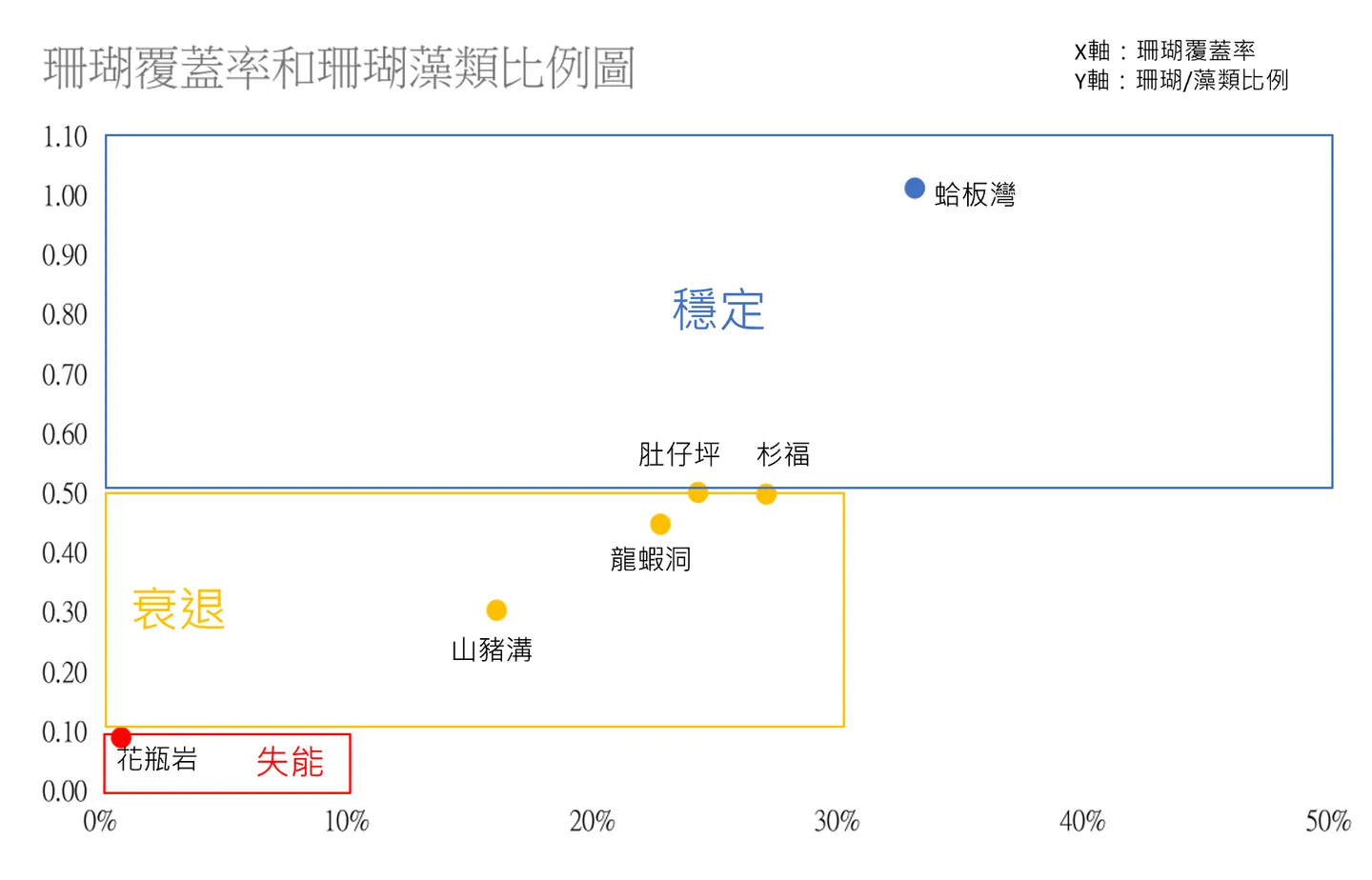
Figure 4: Coral coverage and coral-to-algae ratio at each survey site
In addition, all survey sites at Xiaoliuqiu show a tendency toward "dominance by a single species" in their coral reef systems [Figure 5], indicating that the coral reef ecosystem is becoming increasingly imbalanced. Indicator species that reflect the health of coral reefs — butterflyfish, parrotfish, and surgeonfish — are also in rapid decline. For instance, the number of indicator species at both Shanfu and Vase Rock has fallen sharply compared to 2011 [Figure 6].
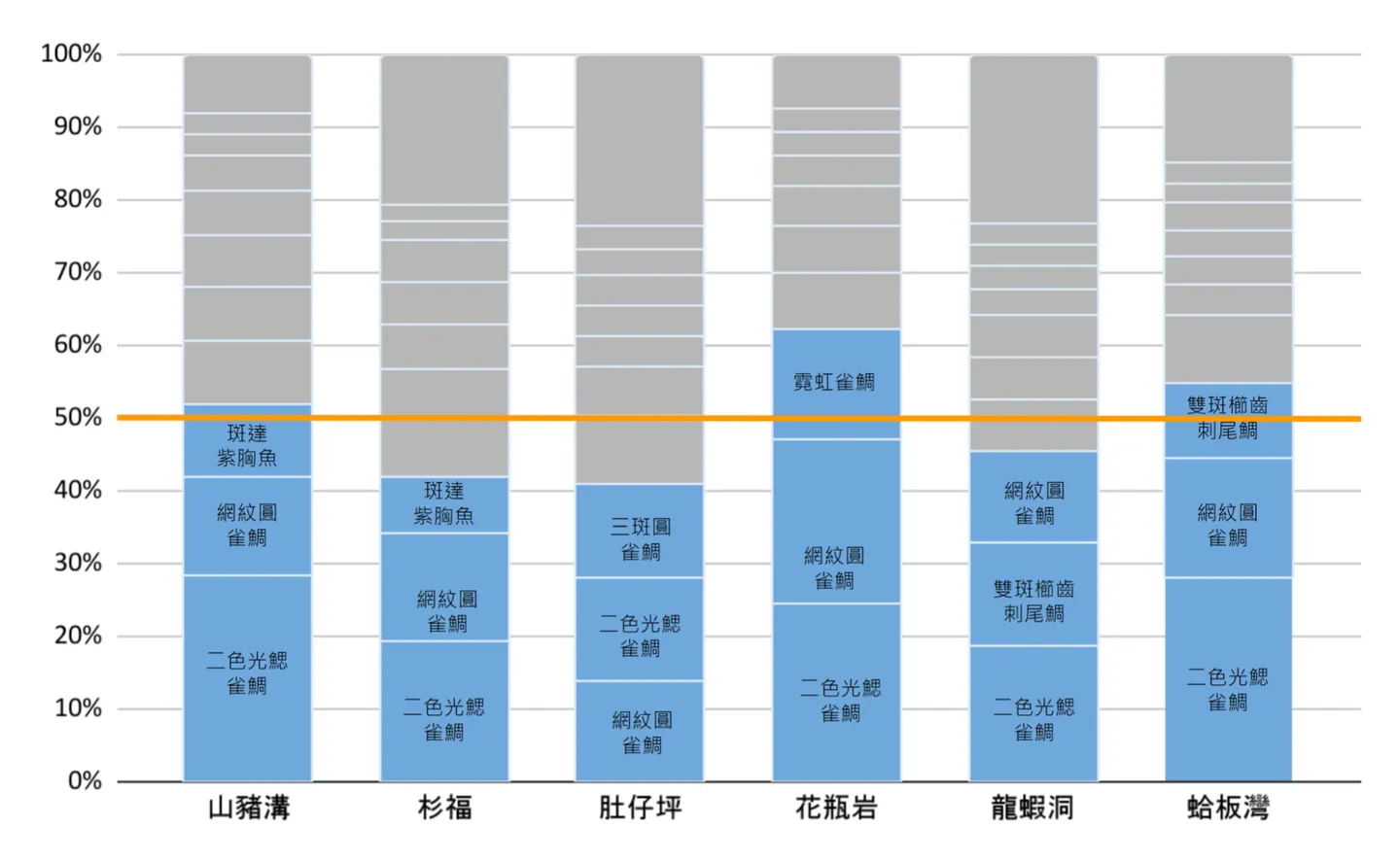
Figure 5: Proportion of dominant species (blue segments) at each survey site
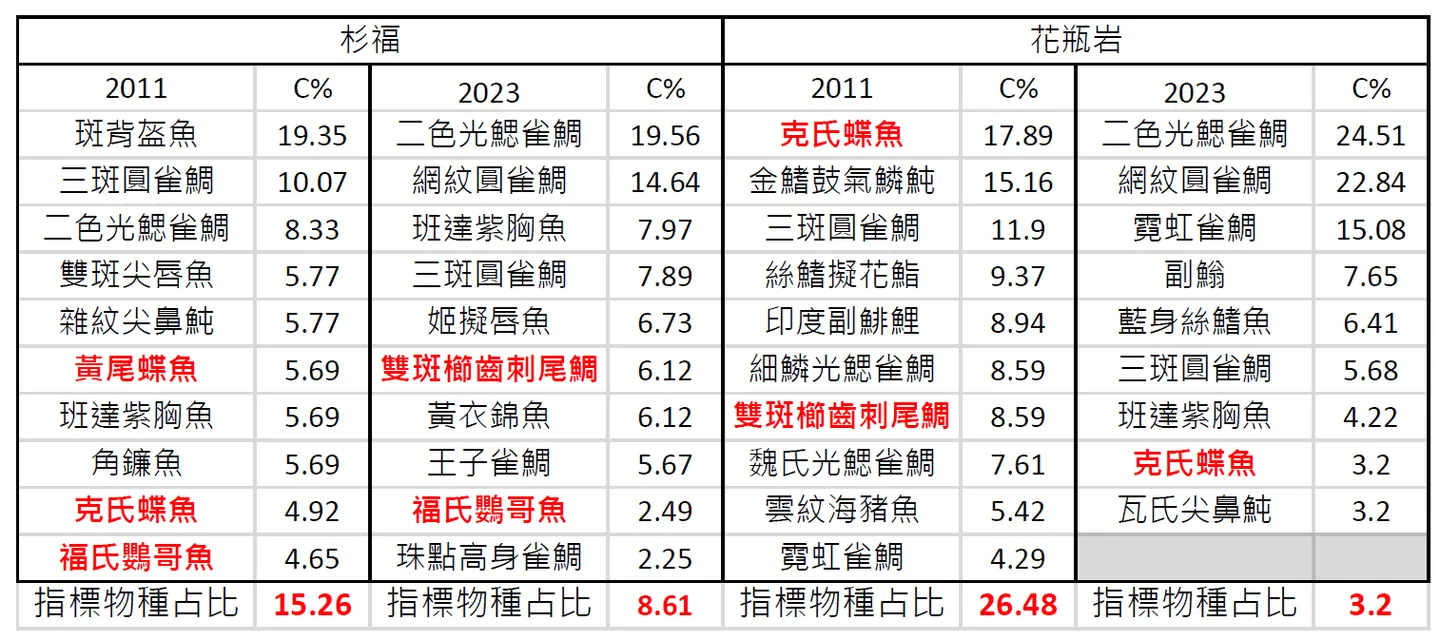
Figure 6: Changes in indicator species at Shanfu and Vase Rock


Sustainable Development of Marine Tourism Resources
In fact, beyond Xiaoliuqiu, several of Taiwan's important outlying islands and coastal areas — Penghu, Green Island, Keelung Chaojing, the North Coast, and others — are equally unable to effectively conserve their marine tourism resources due to the absence of the Marine Conservation Act. Zhong Mengxun emphasised that the tiered management framework within the Marine Conservation Act was designed to systematically protect marine ecosystems while supporting tourism, recreation, and fishing activities. Unfortunately, the Executive Yuan's passive delays have continued to erode these precious marine tourism assets. Greenpeace is calling on the Pingtung government and local governments across Taiwan to "save your own tourism assets": in addition to establishing conservation fees, they should integrate the strengths of industry, government, academia, and civil society to carry out comprehensive ecological surveys and tiered management, implementing marine protected area (MPA) governance from the ground up and setting a model for the sustainable development of marine tourism resources.

Scan the QR code for detailed press materials
Survey data website: https://maps.greenpeace.org/maps/gpea/LiuqiuUnderWater/
Media contacts:
-
Greenpeace Ocean Project Director Zhong Mengxun 0910-639-818 tchung@greenpeace.org
-
Greenpeace Media and Communications Director Liu Congqi 0928-228-851 hliu@greenpeace.org
Further reading:
-
Xiaoliuqiu Coral and Fish Near Depletion — Academics Call for Marine Protected Area
-
2023 Xiaoliuqiu Marine Citizen Science Biodiversity Database
Full article reprinted from Greenpeace Survey: Xiaoliuqiu's Marine Ecology on the Brink of Collapse.