Contents(5)
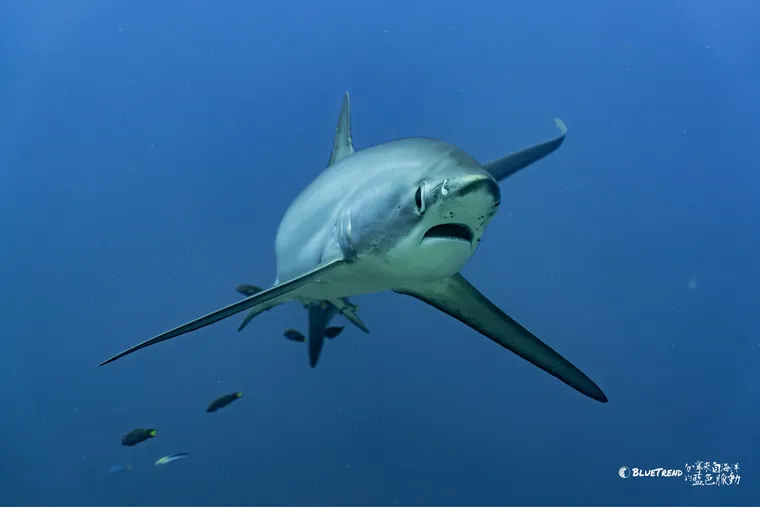
The Editor was invited by the Philippine Department of Tourism to visit Manila for Dive Fiesta Philippines 2017, and "coincidentally" dived into the home of the Thresher Shark (Malapascua Island, affectionately nicknamed "Mama's Scary Gourd Island"). Through this firsthand visit, we hope to share how the Philippine government and its people take seriously the dive travel industry — one that has long been overlooked by Taiwan's own government.
A trip covers many dimensions — food, accommodation, transportation, and entertainment. For easy browsing, we'll share everything in chronological order. If you want to skip straight to the Thresher Sharks, just scroll down as fast as you can!
Pre-Trip Planning for the Thresher Shark Diving Destination
Dive Fiesta Philippines 2017 professionally created a dedicated website, allowing Philippine operators to register as Sellers and international teams to register as Buyers. Everything from registration and dive shop matchmaking (B2B appointments) to post-event itineraries was handled through this platform. Both visually and in terms of completeness, it was clear that the Philippine authorities took this event very seriously. In addition, the team at the Philippine Tourism Office in Taiwan provided meticulous reminders and careful arrangements, making the entire pre-trip planning process incredibly smooth.
Website: https://www.divefiesta.com.ph/
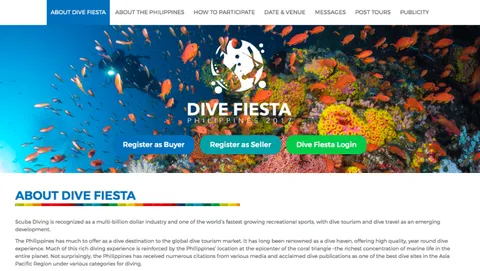
Dive Fiesta Philippines 2017 official website


Outbound Travel & Visa
The Editor was initially anxious about needing to apply for a Philippine e-visa, only to discover that the Philippine Tourism Office in Taiwan had already taken care of our short-stay visa (9A) and flight arrangements. As a reminder for general travelers: the Philippines now uses an Electronic Travel Authorization (ETA) system. Taiwanese visitors can apply through the Manila Economic and Cultural Office (MECO) official website at www.meco.org.tw. For a step-by-step guide, here's a reference link: (Application Tutorial).
If it's your first time transiting through Manila Airport, you're probably just as worried as the Editor was about getting lost. Here are some tips. Manila Airport is divided into three terminals, and the distances between them are considerable, so be sure to confirm with your hotel which terminal to use before booking your flight or hotel transfer. This time we flew Philippine Airlines to Manila first, attended Dive Fiesta, and then took a Philippine Airlines domestic flight to Cebu. If you choose an airline that flies directly to Cebu, this section won't apply to you!
Airlines with direct flights to Cebu in 2017: Cebu Pacific, EVA Air.
Here's a handy tip for flying Philippine Airlines: when the Editor first boarded, there was no personal TV screen — it seemed like a budget airline. A fellow traveler then pointed out that you need to download a dedicated app (myPAL), and after takeoff connect to the aircraft's Wi-Fi for on-demand entertainment. If you forget to download it before takeoff when there's no internet, it'll be too late — so make sure to download it in advance! (That said, the Editor found that the movie subtitles were only in Japanese this time and fell asleep before figuring out the right settings — hopefully there'll be a chance to share the solution next time.)
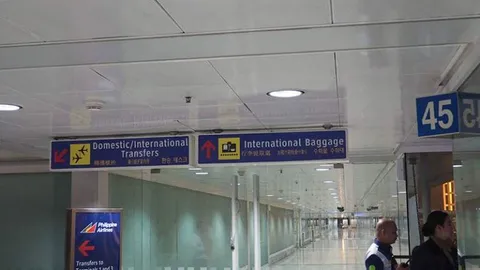
Follow the signs after disembarking — Manila Airport provides signage in Chinese
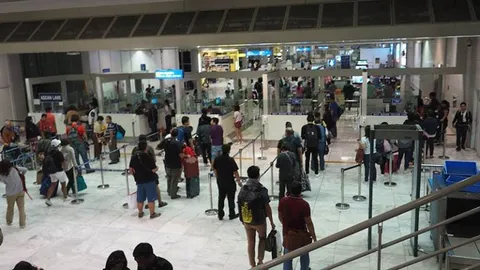
Terminal 2's check-in counters are compact — just wait patiently for immigration
After collecting your luggage, you can file out through the terminal doors. In the Philippines, both US dollars and Philippine pesos are accepted, but pesos are more convenient — you can exchange currency right next to the exit. On the left side, telecom companies offer SIM cards: the SIM itself is free, and you simply choose a data plan that suits the length of your stay. Do note, however, that mobile signal can be quite poor on some islands!

After collecting your luggage, free SIM cards are available on the left side of the exit
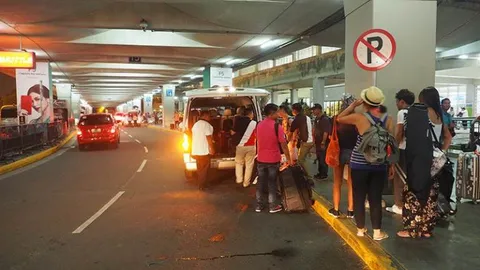
Walk to the shuttle area and board the hotel's shuttle bus
Dive Fiesta Philippines 2017
The Dive Fiesta program kicked off early in the morning. The venue chosen was the Nobu Hotel, and the conference hall was truly impressive. The tourism board also arranged authentic Filipino welcome dances, giving us a genuine feel for Filipino warmth and hospitality.

A traditional Filipino welcome performance
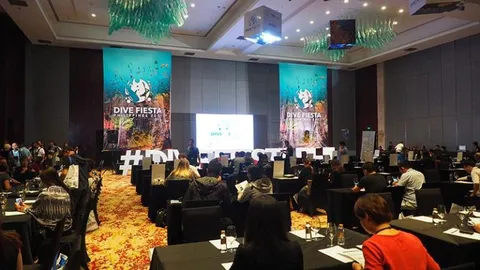
The magnificent event venue
After a brief opening by officials, the highlight of Dive Fiesta began. The Philippine authorities arranged for 29 operators to meet with us, each allocated 15 minutes. Everyone pulled out all the stops to make the most of each conversation, mining every bit of insight from each dive shop. The B2B matchmaking session ran from 10 a.m. to 4 p.m. In addition to dive destinations familiar to Taiwanese travelers, there were also some lesser-known resorts and itineraries. Among all the operators, the Editor was particularly drawn to two dive shops.
El Rio y Mar Resort — Coron Dugong Experience:
El Rio y Mar is Spanish for "river and sea," which perfectly hints at the resort's location at the junction of river and ocean. Situated in northern Coron, visibility here tends to be better than in the southern Coron most travelers visit. The star attraction is the dugong! Apparently, this site is a Philippine dugong research station, meaning the chances of spotting one are very high. Beyond dugongs, from December through May each year, there are also opportunities to encounter manta rays at Tara Island, about 2.5 hours from the resort.
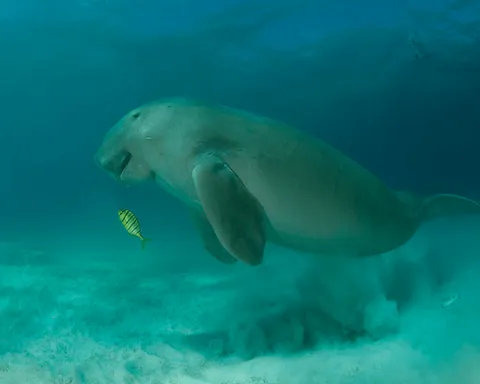
An adorably chubby dugong
This resort is located in northern Coron, about 1.5 hours from the airport, nestled in a secluded bay. If you're looking for a quiet getaway with access to resort amenities including sailing, stand-up paddleboarding, spa, and hiking, this would be an excellent choice.
Website: El Rio y Mar
Ticao Island — Wild Whale Shark Experience:
Ticao Island is an up-and-coming dive destination located on a small island in central Philippines. Getting there requires a connecting flight to Legazpi Airport, then overland transport to Donsol, followed by a boat ride to the resort on Ticao Island. The journey sounds quite lengthy, but according to the dive shop, the probability of spotting wild Whale Sharks here is 98.9% (laughs). For Taiwanese groups accustomed to seeing fed Whale Sharks, this might be a refreshing alternative. In addition to Whale Sharks, manta rays are also possible during certain seasons. Beyond water activities, the resort also offers horseback riding and ATV exploration. Like the previous resort, its remote location makes it best suited for divers who simply want to unwind and relax. Best of all, since it's still in a promotional phase, the resort currently offers a 3-night/4-day package for just 17,000 PHP including full equipment rental — which really caught the Editor's eye.
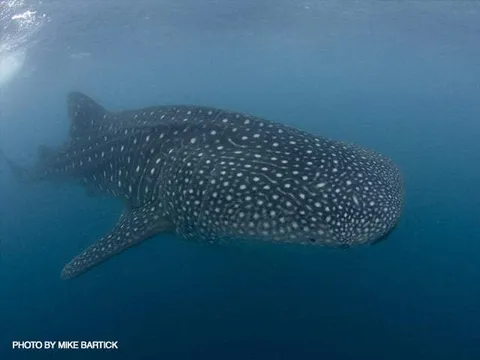
Wild Whale Sharks can be spotted here
In Donsol, Whale Sharks are viewed via snorkeling, but at Ticao Island you can get up close with scuba gear. According to the operator, visibility here is around 15m, though it can drop in poor conditions. The Whale Shark viewing area also tends to have currents, so drift diving is the norm — divers with a solid skill level are recommended.
Website: Donsol ECO Tour
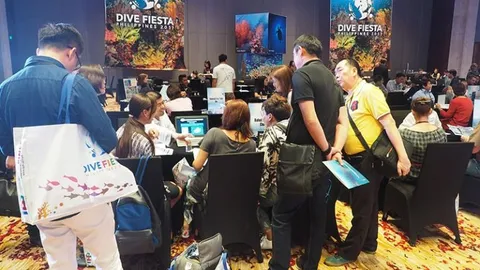
The Taiwanese delegation eagerly absorbing information

High-caliber performances at the welcome dinner
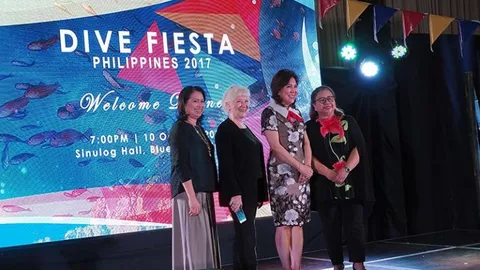
Even the Tourism Secretary attended — a clear sign of how much they value this event
Heading to Malapascua!
Malapascua is located at the northern tip of Cebu in central Philippines. From Manila, the flight to Cebu takes about an hour and a half, followed by approximately 4 hours of ground transport to Maya, and then another 30-minute Banka boat ride to reach Malapascua Island. It's genuinely exhausting for travelers, but every minute is worth it for a chance to see the beloved Thresher Shark!
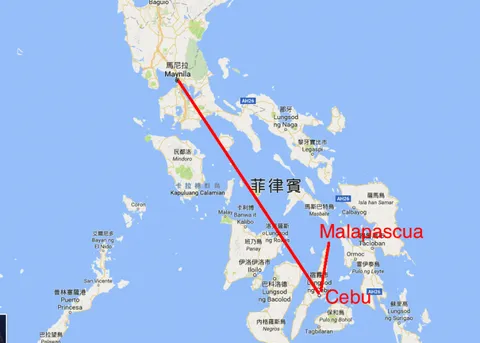
The relative location of Malapascua and Manila
We also flew Philippine Airlines to Cebu. As this is a domestic leg, divers should pay close attention to baggage weight limits. We heard that Philippine Airlines may soon offer a package deal: if you fly an international segment into Manila and then connect to a domestic destination, the domestic leg would allow a 30kg baggage allowance. Keep an eye on the Philippine Airlines website for the latest details.
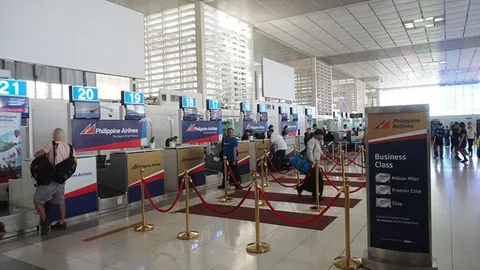
Check-in counter at the airport — watch out for excess baggage
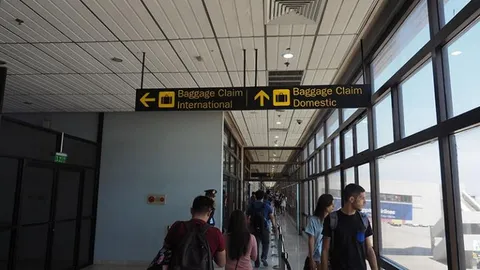
Follow the signs to collect your luggage upon arriving at Cebu Airport (domestic terminal)
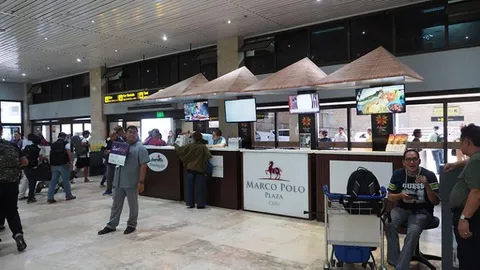
Hotel welcome desks can be found outside the airport
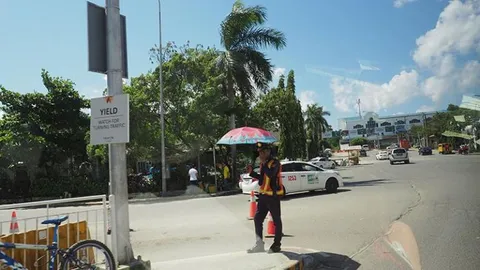
Don't forget to enjoy the cityscape of Cebu during the shuttle ride
After about 4 hours in the shuttle, we arrived at Maya port on the northern tip of Cebu. Don't let the word "port" conjure images of a bustling harbor — right now it's a seawall without even a public restroom. There does appear to be construction nearby, so hopefully the next visit will see a brand-new Maya port. Here we transferred onto a Banka, the iconic Filipino watercraft — a trimaran. The dive shop adjusts the size of the boat based on need and group size. Then it was 30 minutes of gentle rocking over the waves before arriving at Malapascua!
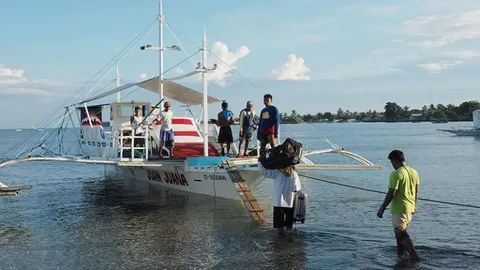
The crew miraculously hoisted all the luggage onto the boat
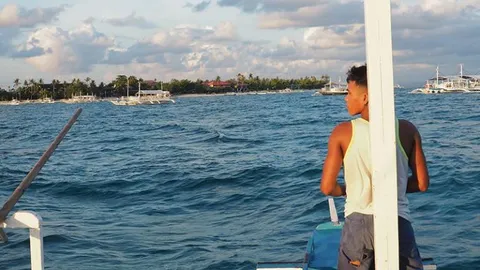
Malapascua and its lighthouse viewed from the boat
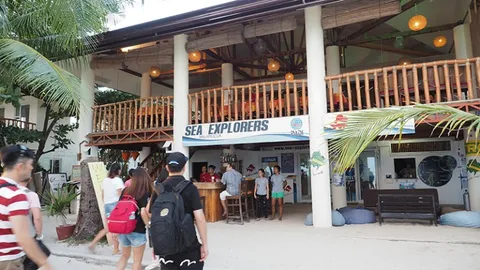
Our dive shop partner for this trip was Sea Explorers
Our host for this trip was one of the island's largest dive shops: Sea Explorers. This dive shop has four locations across the Philippines, and detailed information can be found on their website. One can only admire the clear division of labor in overseas dive operations: from luggage handling and dive shop orientation, to paperwork signing, weights collection, equipment sorting into labeled crates, and nitrox procedures — everything followed a set protocol. Even the way groups were organized showed thoughtful planning: divers marked nitrox on their name tags, and the dive shop used this to pair divers by ability. The maximum ratio was one dive guide to four divers. Taiwanese dive shops could genuinely learn a lot from this level of professionalism.
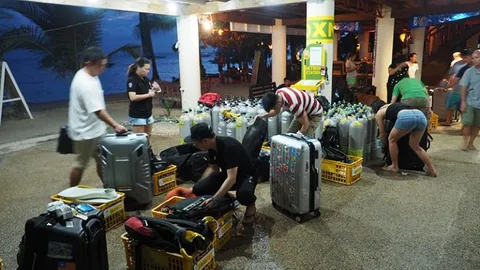
After collecting weights, gear goes into a dedicated labeled crate
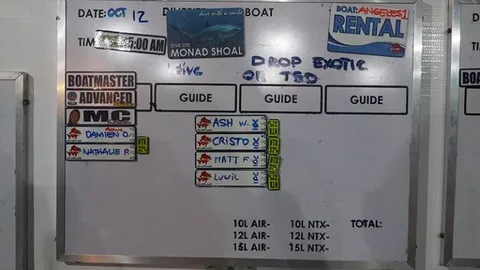
The dive guide grouping chart
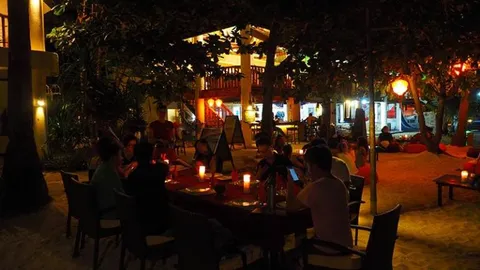
If you have a large enough group, don't miss the chance to arrange a romantic beach dinner
Diving Program
The most important thing in Malapascua is undoubtedly the Thresher Shark encounter — but getting up close to one is no easy feat. You must wake up at 4 a.m., be on the boat by 5 a.m., and make a 30-minute journey to Monad Shoal to catch the Thresher Sharks during the early morning hours when they visit the shallows to be cleaned. Fortunately, diving in Southeast Asia is exceptionally convenient. Simply place your gear in the labeled crate, and the crew will assemble your regulator and scuba tank, and carry everything for you. Between dives, you climb back on the boat to eat and share stories. On the final day of diving, the staff will even wash and dry your equipment — service that's a perfect 10!
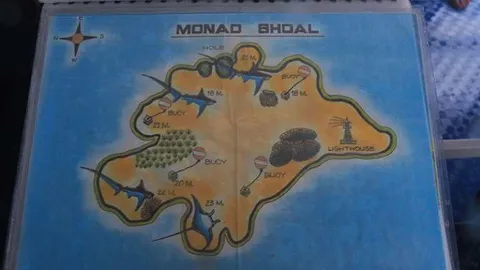
Dive site map of Monad Shoal
According to the dive guide, Monad Shoal was discovered by fishermen 20 years ago, who noticed that Thresher Sharks gather here every morning to have cleaner fish remove parasites from their bodies. Divers from around the world began flocking here for the Thresher Sharks, which in turn spurred the growth of dive shops and related services on the island. Locals have come to understand the importance of the Thresher Shark and thus refrain from fishing in the area. Monad Shoal itself is vast — even larger than Malapascua Island — and some dive shops even offer underwater scooter tours, letting a divemaster guide you through a different side of Monad Shoal. For more info, see Devocean Divers Malapascua.
When watching the Thresher Sharks, follow your dive guide's instructions. You may kneel on the sandy bottom along the guide rope and wait quietly for the sharks to appear. Do not hover mid-water or chase after them, as this will frighten them away. Some waiting areas are at greater depth, so keep a close eye on your dive computer's no-decompression limit — if you're within 10 minutes of the limit, notify your divemaster and move to shallower ground. Also, strobes and video lights are strictly prohibited when observing Thresher Sharks, as excessive human interference may scare these rare visitors away.
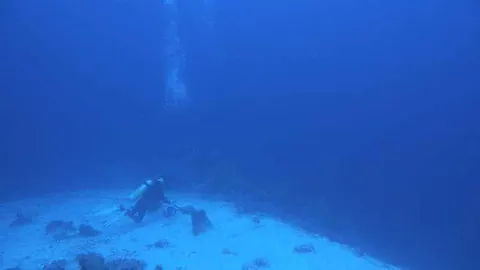
Divers waiting quietly for the Thresher Sharks to appear
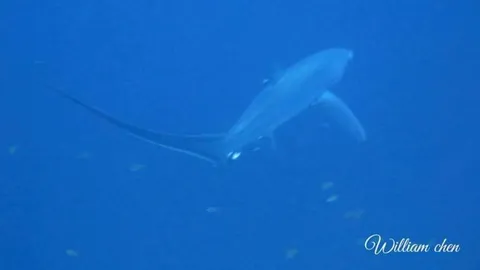
The graceful silhouette of a Thresher Shark — Photo Credit William Chen
Beyond the Thresher Sharks at Monad Shoal, many other sites around Malapascua are excellent for photography. On this trip we visited Cato Island, about 45 minutes by boat from Malapascua. The Editor was thoroughly impressed by this charming, round little island — both coral coverage and biodiversity were stunning. With no current and shallow depths, it's ideal for beginners as well.
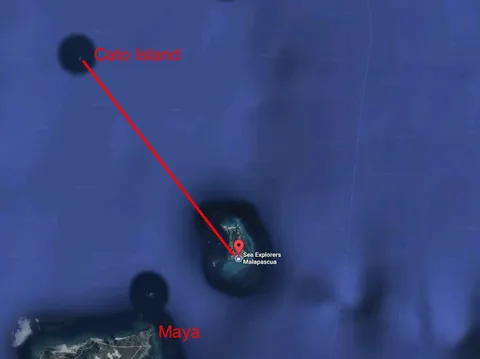
The relative location of Cato Island
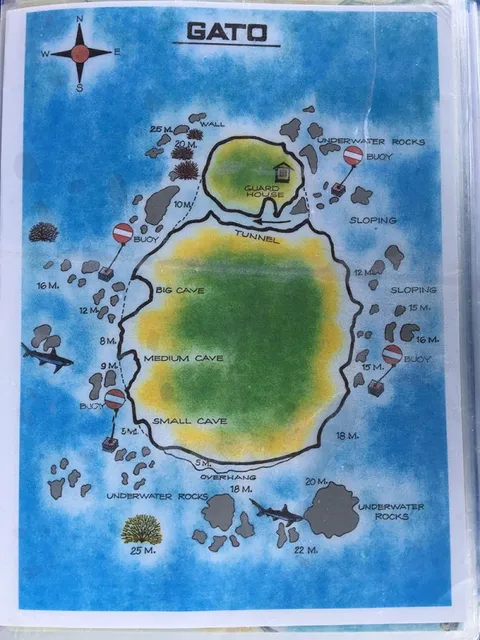
Dive site map of Cato Island
"Cato" means "cat" in Spanish, though the Editor couldn't quite figure out how any cat would have made it onto such a tiny island. The island features a natural sea cave that cuts right through its center — you can swim through it in about 5 minutes. The cave is spacious and safe as long as you don't kick up sediment. A personal tip for photographers: get to the front of the group, because during the day sharks sleep inside the cave. If you can capture sunlight filtering into the cave with a shark gliding through, you'll have a breathtaking shot.
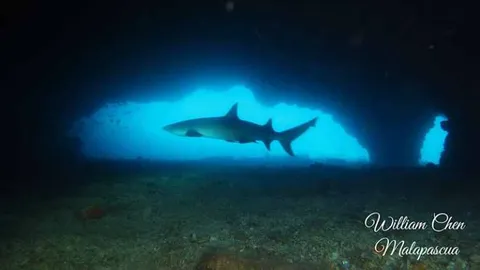
A shark encountered inside the cave — Photo Credit William Chen
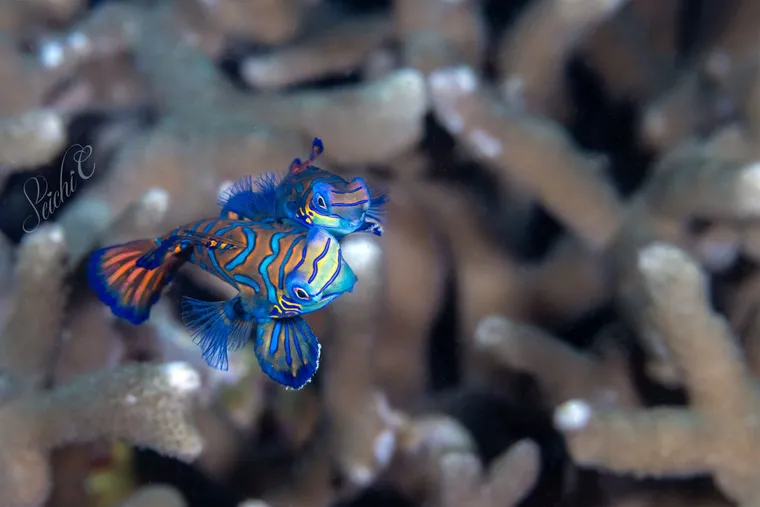
Beyond these two highly recommended sites, the dive spots around Malapascua are also worth visiting. For example, a night dive at Lighthouse can reward you with the rare spectacle of mandarinfish mating. The northern Deep Slope is also full of tiny critters — underwater photographers should switch to macro mode and fill up those memory cards. Most dive sites around the island are current-free and shallow, making them very beginner-friendly.
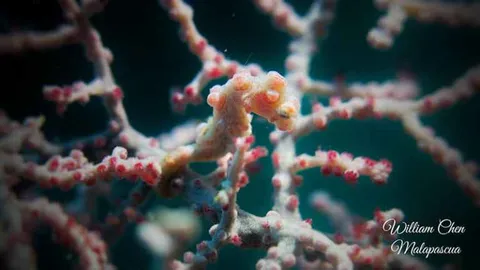
An adorable pygmy seahorse — Photo Credit William Chen
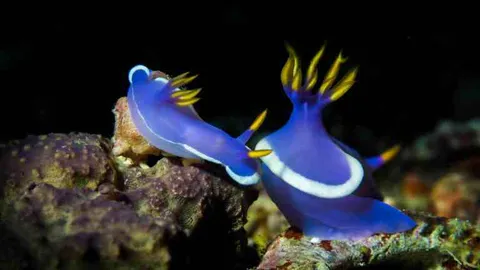
Nudibranchs everywhere
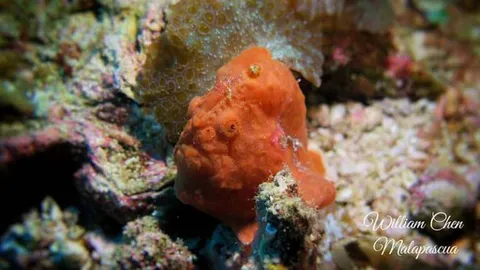
Frogfish and seahorses everywhere you look — Photo Credit William Chen
During this trip, we spent one day surveying several dive shops on the island. The southern beach side is home mostly to dive resorts run by foreigners, with impressive décor and well-stocked equipment. However, among the dive resorts we visited, none had Mandarin-speaking divemasters. So for now, if your English isn't very confident, you might want to consider joining a group tour to avoid communication difficulties during dive briefings.
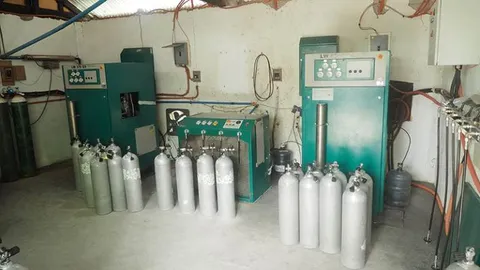
Thresher Shark Divers' professional compressor fills 75 tanks per hour
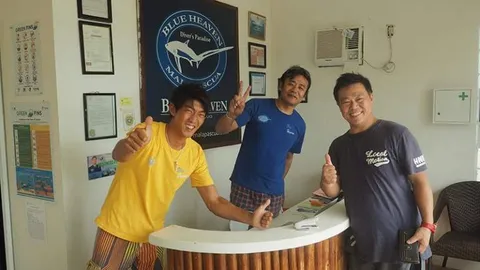
There's even a Japanese-run dive shop on the island
Each dive shop has its own packages and style, so you can pick the one that suits you best. Some shops even offer island-hopping dive services — you can dive in Cebu today, then travel by the same boat to a Malapascua resort to spend the night, before moving on to another island after completing your Malapascua dives. This eliminates the tedium of bus travel and Banka transfers, and is a great alternative option. In addition to the dive shops along the southern beach, there are also local dive shops in the island's interior, operated by locals. There are approximately 12 dive shops on the entire island.
Dive shops visited:
Island Activities
Malapascua has a population of around 3,000 people. Apart from the more commercial southern beach area, the rest of the island retains a wonderfully local and authentic feel. If time allows, it's well worth exploring the island on foot. The interior is a bit more rustic, but the locals are incredibly warm and welcoming. You'll find local food stalls and BBQ vendors — definitely give them a try. One must-buy souvenir on Malapascua is the Thresher Shark wood carving, sold by Filipino vendors along the beach. This time, following the lead of a seasoned travel expert, we ventured into a small woodcarving workshop tucked in an alley and discovered that this one artisan is the source of all the Thresher Shark carvings on the island. You can choose the style, wood grain, and glaze color, and he'll carve it right in front of you — incredibly cool, and priced at just 250 PHP each.
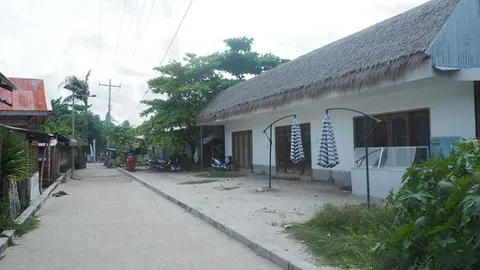
The simple, charming local village scenery
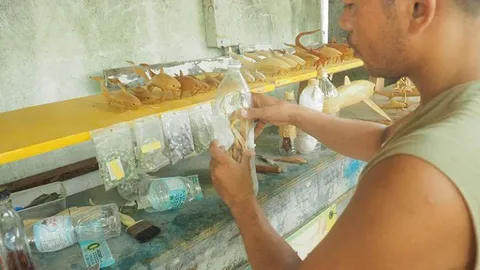
The woodcarving workshop where pieces are made on the spot
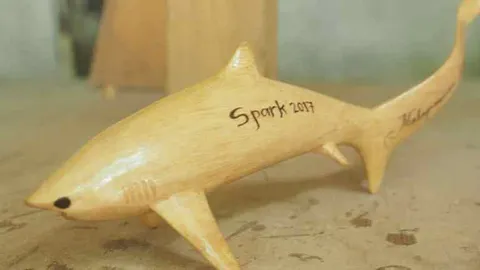
You can even get a personalized signature on your carving!
On a whim, we rented motorcycles from locals for a proper local trip, riding up to the pristine white beach on the northern shore and the Lapus Lapus Cliff in the northwest — both absolutely stunning, and nearly impossible to reach without a motorbike. The motorcycles here are all manual transmission, and the bumpy roads make riding feel like an off-road adventure — thrilling, but do stay safe. Along the way, the locals even took us to watch cockfighting and a peculiar gambling game — a fascinating window into the daily life of the island's residents. Motorcycle rental was 200 PHP per hour, and the local guide was 100 PHP.
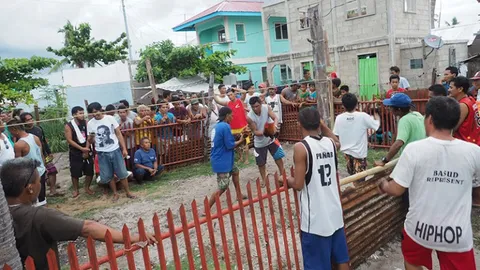
Cockfighting — a local tradition held on weekends only
Throughout the journey, it was easy to observe that the local standard of living is relatively modest. The discovery of the Thresher Shark has been nothing short of a gift from heaven for Malapascua. With around 12 dive shops on the island, most of them — beyond the management level — hire local residents as divemasters. Beyond dive services themselves, the ancillary industries they generate — restaurants, hotels (including spa and housekeeping), porters, and boat crew — provide livelihoods that sustain the entire island's economy.
The richness of the marine ecosystem attracts divers from every corner of the globe, and the vertical and horizontal supply chains that have developed as a result keep the island in a healthy, positive cycle. You'll notice many young people on the island. The Editor struck up a conversation with the motorcycle guide, who turned out to be a 29-year-old local who had once left home to search for work, but returned when his family opened a spa business. At a time when Taiwan is striving to transform its fishing villages, the Philippines may well hold the answers we're looking for.
Return Journey
The return trip meant switching back into long-haul commute mode. We again flew Philippine Airlines to Manila, stayed one extra night, and then headed back to Taiwan. Cebu Airport is compact, but divided into a south wing and a north wing, separated by airline and domestic/international routes. Since the airport isn't that large, if you accidentally end up in the wrong wing, it's easy to walk back — not the end of the world (laughs).
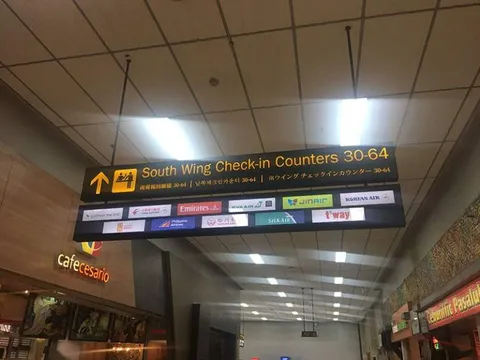
Look up and confirm the check-in counter
Reflections & Conclusions
The Philippines comprises more than 7,000 islands, and against a backdrop of generally modest economic conditions nationwide, dive travel plays an enormously important role. Strong government support — through events like Dive Fiesta and participation in global dive expos — demonstrates the Philippine government's commitment to the diving industry. The massive economic opportunities brought by divers have transformed the livelihoods of local residents, who have come to understand how vital the marine environment is to their own lives. The income from fishing pales in comparison to the sustainable tourism revenue generated by dive travel — so fishing pressure decreases, the underwater ecosystem thrives, more visitors come, local lives improve, and a virtuous cycle begins to turn.
By contrast, Taiwan's government has found itself rather hamstrung in promoting the diving industry or transitioning fishing villages, with many policies failing to materialize and public resources failing to be effectively integrated — a real shame. Hopefully, after Taiwan establishes a dedicated Ocean Affairs Council or Ministry of Oceans, greater attention will be paid to developing marine tourism as a source of sustainable revenue.
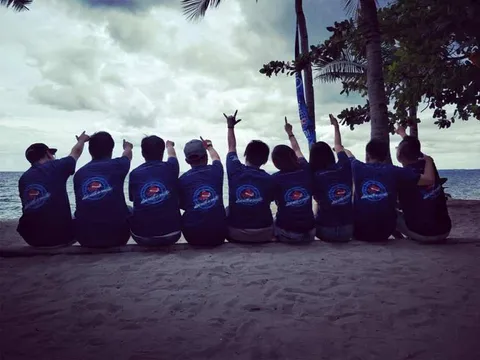
Six Malaysian Chinese, one Chinese, one Japanese, and one Taiwanese — a chance meeting on Malapascua
Frequently Asked Questions
How is a BlueTrend dive trip different from an unknown, no-name dive group?
Choosing us means full peace-of-mind protection and a smooth experience from start to finish. Every trip we run holds to three things.
First, full legal protection and a professional dive leader: we strictly follow Taiwan's travel regulations and provide complete travel-agency liability insurance, travel insurance, trip-inconvenience insurance and dive insurance. Every group is accompanied by a certified, foreign-language dive leader who joins you on both the dives and the land itinerary, liaising seamlessly with local dive shops and operators on your behalf to keep things running smoothly — the person our travellers trust most.
Second, fully licensed with secure payments: every payment goes into a licensed travel agency's account, with multiple safe payment channels (bank transfer, credit card and more) and a legal collect-and-remit receipt, so every transaction is open, transparent and protected, avoiding the fraud and dispute risks of transferring money privately to an individual.
Third, hand-picked quality we vet in person: every trip, dive site and partner shop is scouted on the ground by our own team, from the guides' professionalism and safety standards to the food, lodging, environment and service details on land, all vetted by us so you don't get caught out.
I want to sign up for a dive trip. Are there certification-level or logged-dive requirements?
Each dive site is different, so the entry bar varies. 'Bali Tulamben', for instance, is relatively beginner-friendly. 'Malapascua in the Philippines' is also beginner-friendly, but since thresher sharks tend to cruise between 20 and 30 metres, we recommend AOW certification with 20+ logged dives to enjoy this trip comfortably. For 'the Maldives' or 'Palau', we suggest AOW with 50+ logged dives for a more relaxed experience. If you're not sure whether your experience fits the trip you want, message us and our dive editors will assess it and help you find the trip you'll feel safest on.
Can I join if I'm signing up alone? How are rooms arranged?
Plenty of our travellers sign up solo! For rooms and beds, we prioritise pairing you with a same-gender traveller, and if you'd rather have your own space you can pay the difference to upgrade to a single room. For the diving, our professional leader will pair you with a suitable buddy, and with the happy vibe on our trips you'll quickly make a great group of dive friends. Many people sign up alone, make new friends, and end up organising the next trip together!
Does the trip fee include dive insurance, gear rental, taxes and instructor tips?
It depends on the trip, the destination's regulations and the local operators. Every BlueTrend dive trip has a detailed web page with a clear 'included / not included' list, transparent and with no hidden charges. All payments are collected by a licensed travel agency, with a standard-form contract for your protection.
I'm a new diver / haven't dived in a long time — will I fall behind the group?
Before you complete your booking, our team assesses a suitable trip based on your certification level and experience. Before departure, we strongly recommend taking time to refresh in Taiwan with an instructor, or a fun dive to get your feel back. On the trip itself, our professional dive leader groups and pairs everyone by experience, keeps a close eye underwater on travellers who need extra care, and steps in to help right away.
Will the photos and videos taken during the trip be shared with us?
During the dives, 'safety' is always the leader's top priority, so whenever it's suitable and safe the leader will capture great shots and record the best moments. During or after the trip, we compile a cloud album for all travellers to download, so you go home loaded with memories!
Besides your scheduled trips, can you arrange a private group charter or independent travel for me and my friends?
Absolutely! Besides group trips, we also arrange private group charters and independent travel. We can communicate, enquire and coordinate services with local operators based on your needs, saving you time and effort and taking the language barrier off your plate, to tailor the smoothest, most reassuring dive trip just for you. Contact our LINE support and our editors will arrange it for you!