

Contents(10)
- Getting to Malapascua: Transport, Arrival, and Island Vibes
- The Shark's Tail Malapascua: A Once-3-Star Resort That's Now a Dark-Horse Favourite
- Staff Who Are Actually Trained, and Grounds Big Enough for Multiple Groups
- The Owner Bought a New Boat — and on Malapascua, That's a Big Deal
- Underwater in Malapascua: Check Dive, Thresher Shark Cleaning Station, and Gato Island — All in One
- The Check Dive Already Blew the Editor Away: Pregnant Seahorse, Batfish Cleaning Station, Frogfish, and More
- Kimud Shoal at Dawn: Thresher Sharks So Close They Barely Fit in Frame
- Gato Island: Malapascua's Hidden Ace — Big Animals and Tiny Critters Together
- Malapascua Dive Costs, Best Season, and Pre-Trip Advice: Independent Travel vs. Guided Tour — The Editor's Honest Take
- Join the Editor in 2027 — Bag the Thresher Shark and Tiger Shark Together (Plus a Postscript)
Is diving Malapascua really worth it? The Editor went all the way to a tiny island north of Cebu — reachable only by boat — to find out firsthand. Three days, nine tanks back-to-back: Thresher Sharks so close they almost didn't fit in the frame, macro life at Gato Island lit up like it was under a magnifying glass, and a pregnant seahorse spotted by the dive guide. This article is your complete Malapascua guide — dive itineraries, Thresher Shark dive costs, accommodation options, and a full review of The Shark's Tail resort. By the end, you'll know exactly why this island is worth the flight.
Getting to Malapascua: Transport, Arrival, and Island Vibes
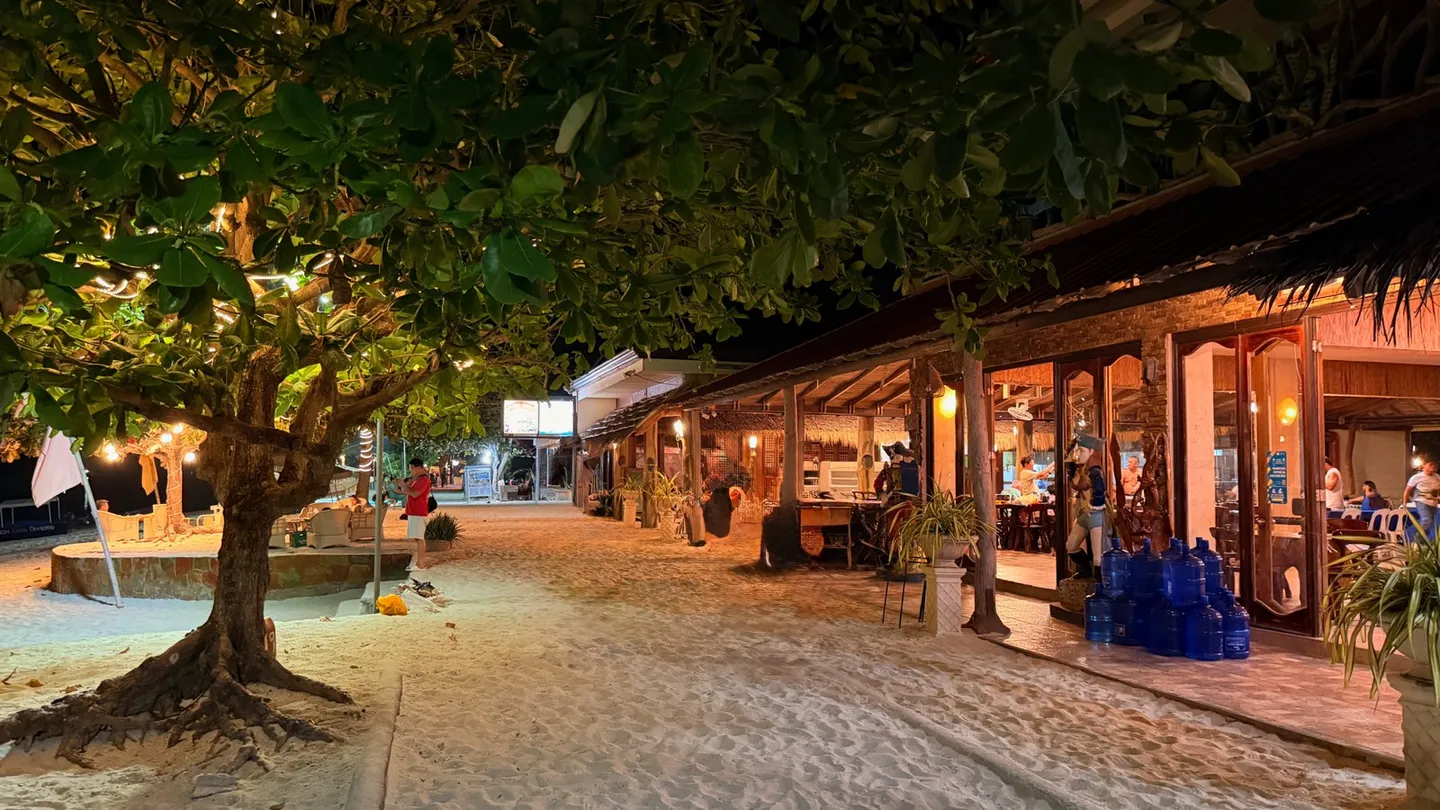
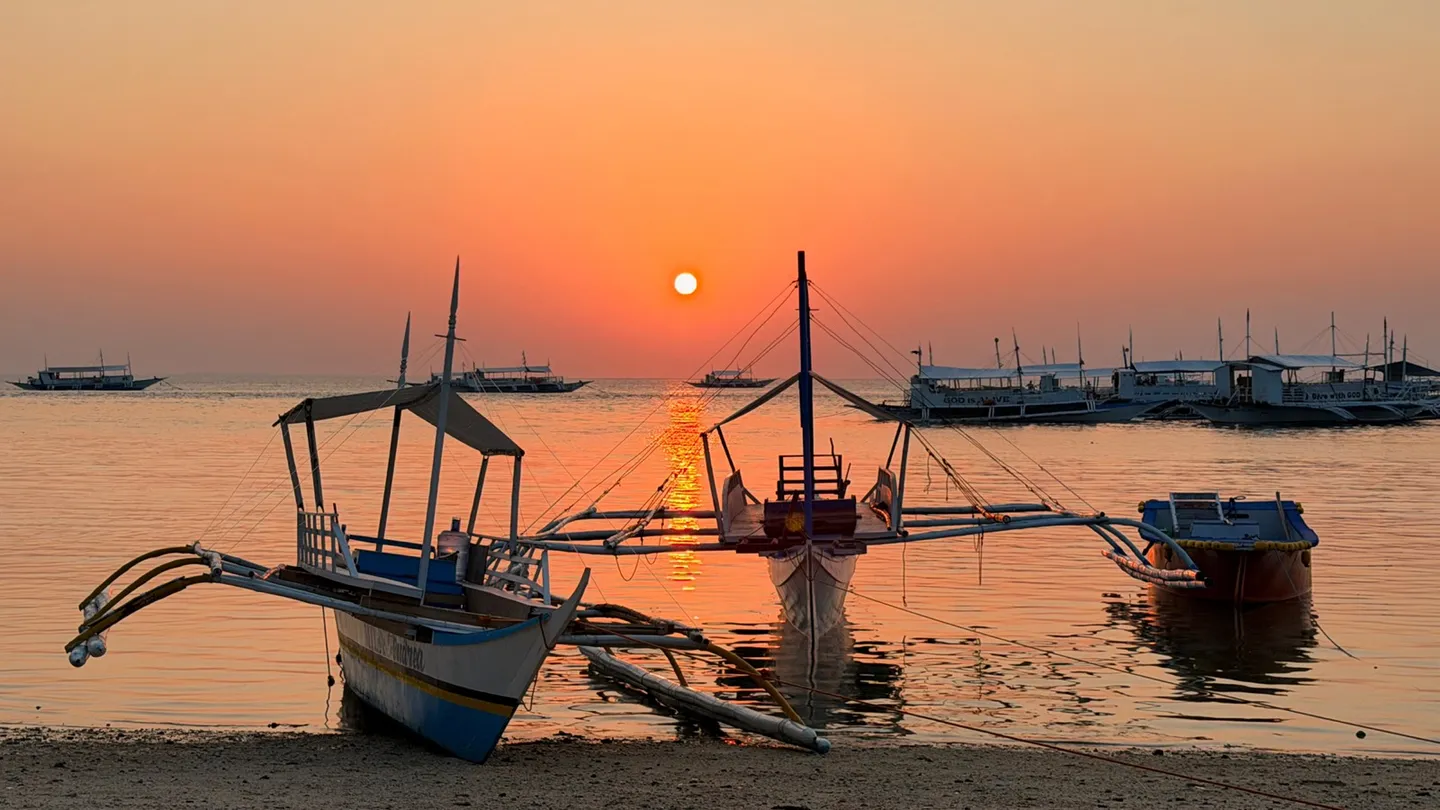
First things first: Malapascua is not a fly-in-and-you're-there kind of destination. On this trip, the Editor landed at Cebu International Airport, drove three and a half hours north to a port town called Maya, then hopped on an outrigger boat for 45 minutes before finally reaching the island. Factor in airport queues and immigration buffers, and you've basically handed over an entire day to travel.
The whole way up, there were no flashy tourist coaches — just countless cockfighting arenas and lanes that kept getting narrower.


The Shark's Tail Malapascua: A Once-3-Star Resort That's Now a Dark-Horse Favourite
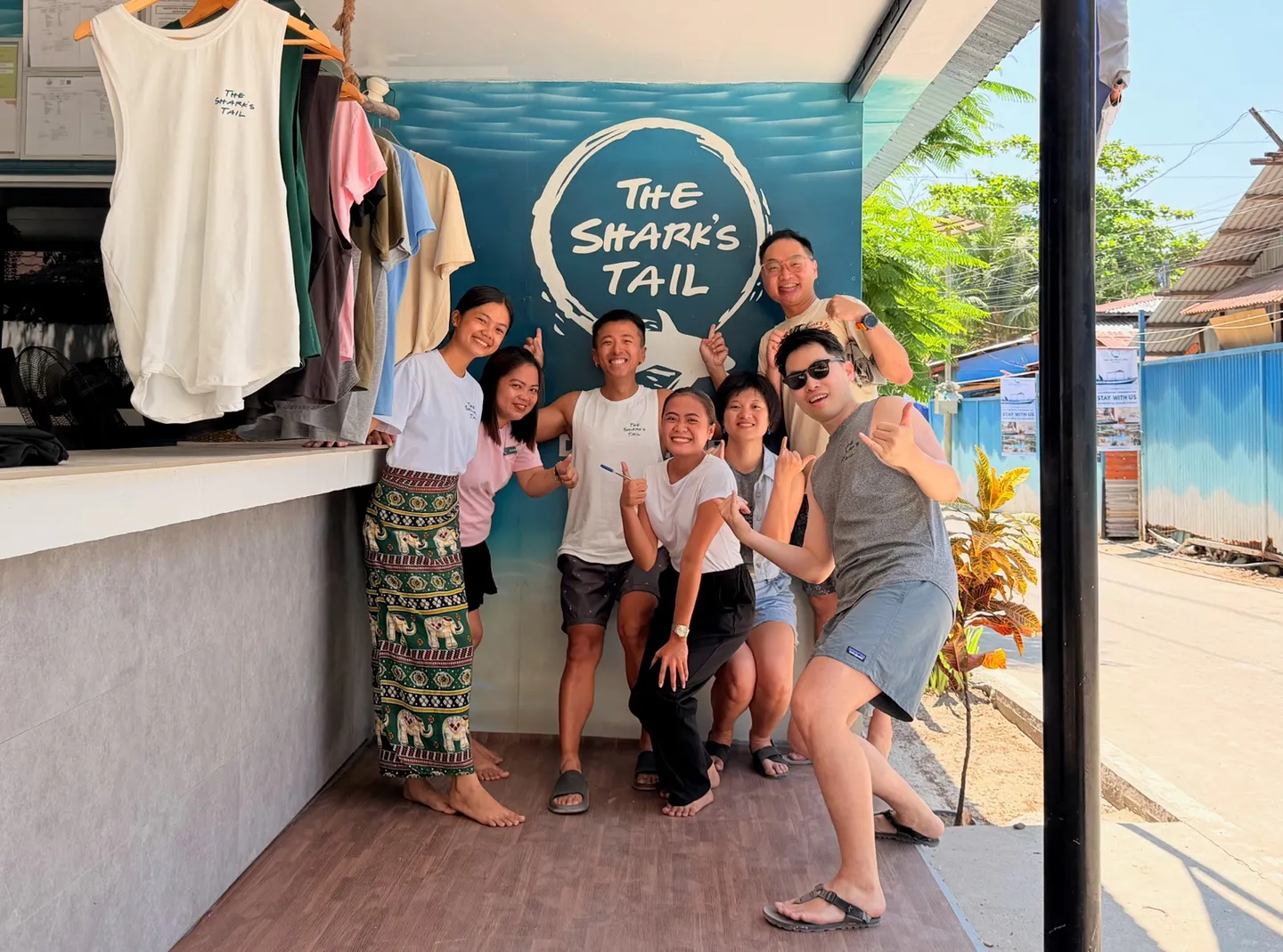
The most memorable thing about this trip — beyond the diving — was the accommodation. The Shark's Tail used to hover around 3 stars, and the Editor arrived half-expecting to "rough it." Then the new management team happened, and the whole experience jumped up a level. If you're choosing where to stay in Malapascua, this place absolutely deserves a spot on your shortlist.
Staff Who Are Actually Trained, and Grounds Big Enough for Multiple Groups
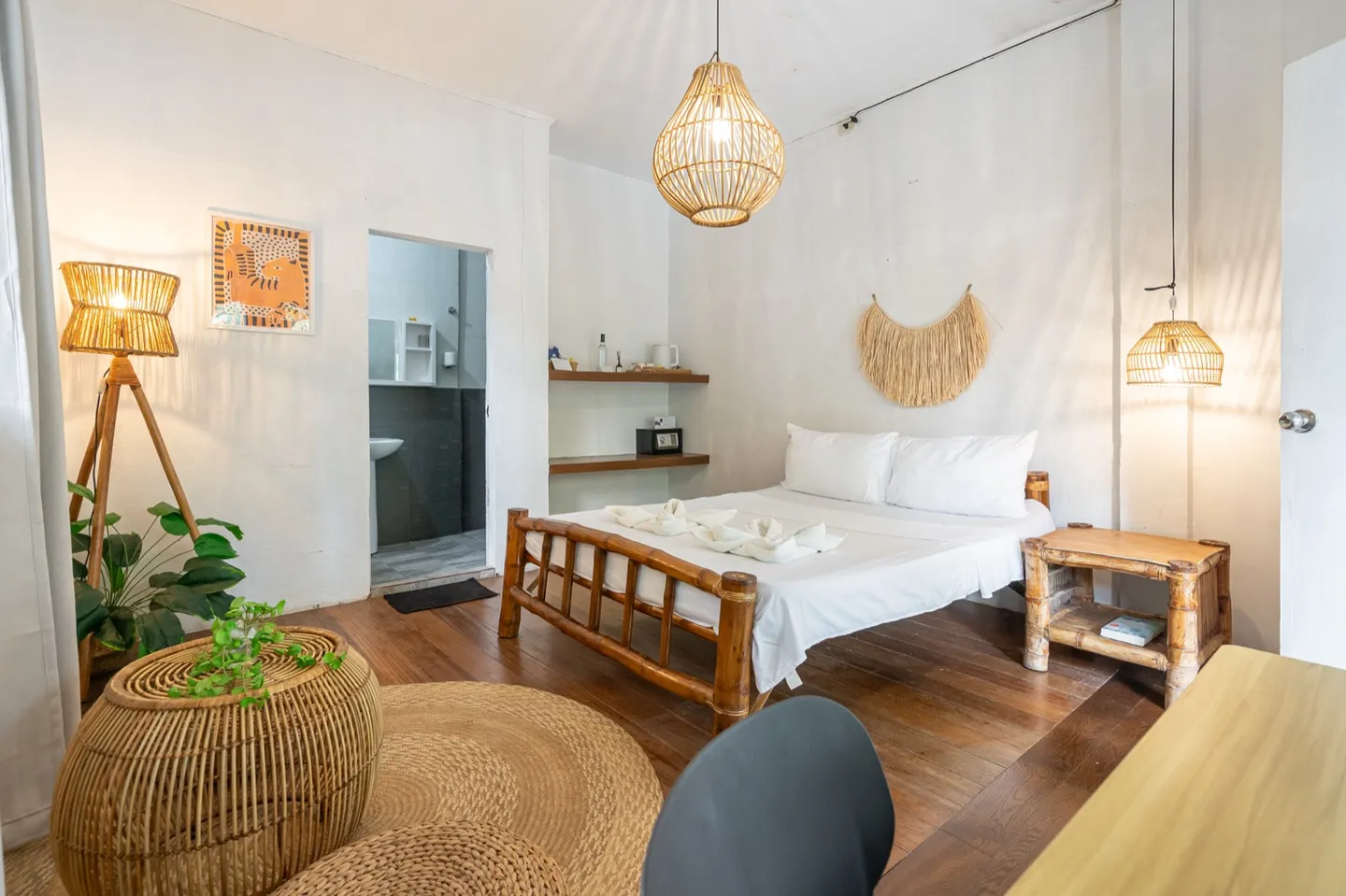
At check-in, the front desk asked the Editor to fill out dive information, and then actually checked the dive certification. That sounds like bare-minimum protocol, but plenty of established dive shops on Malapascua have let that step slide. Air-con already running, swan-folded towels on the bed, certification level noted — the Editor calls that nailing the basics.
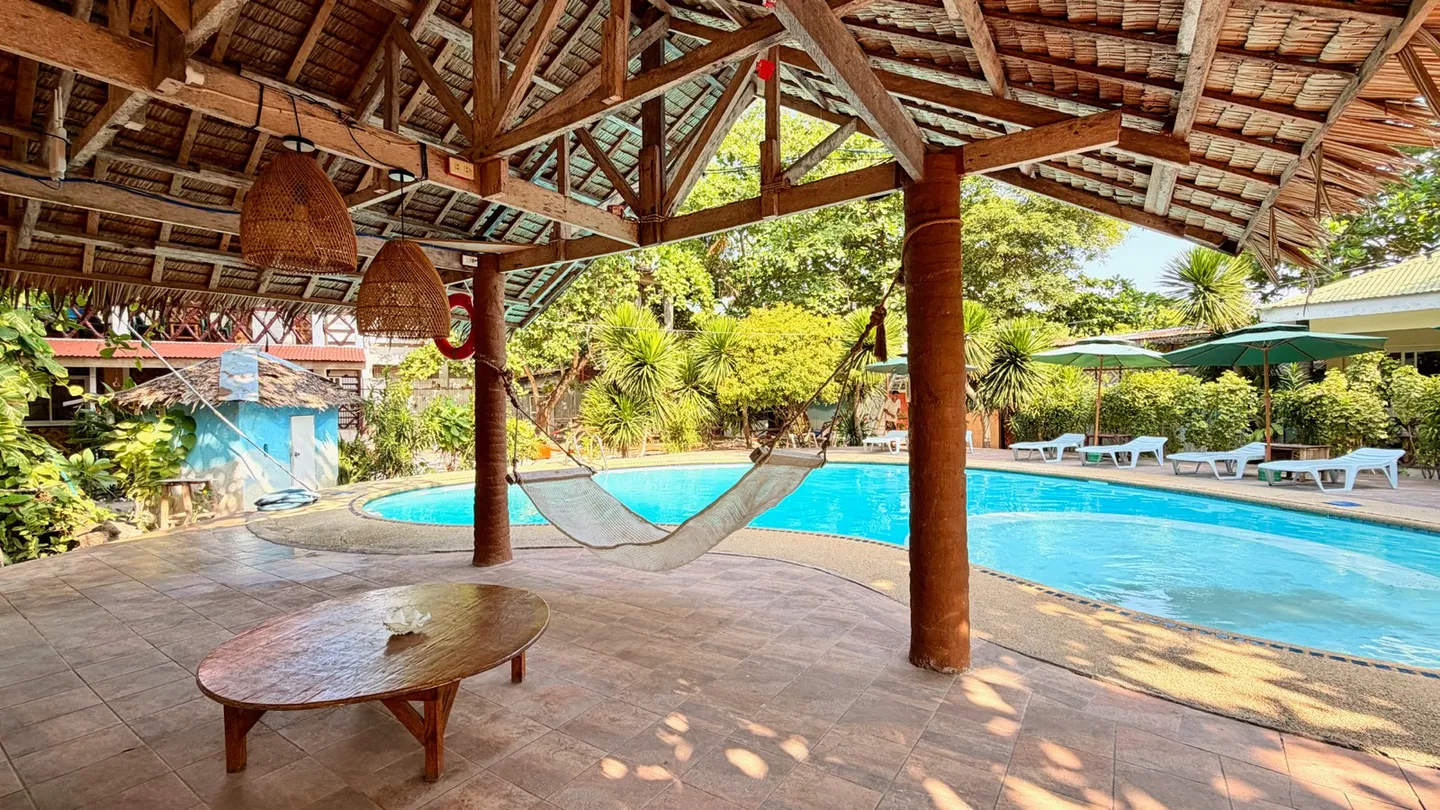
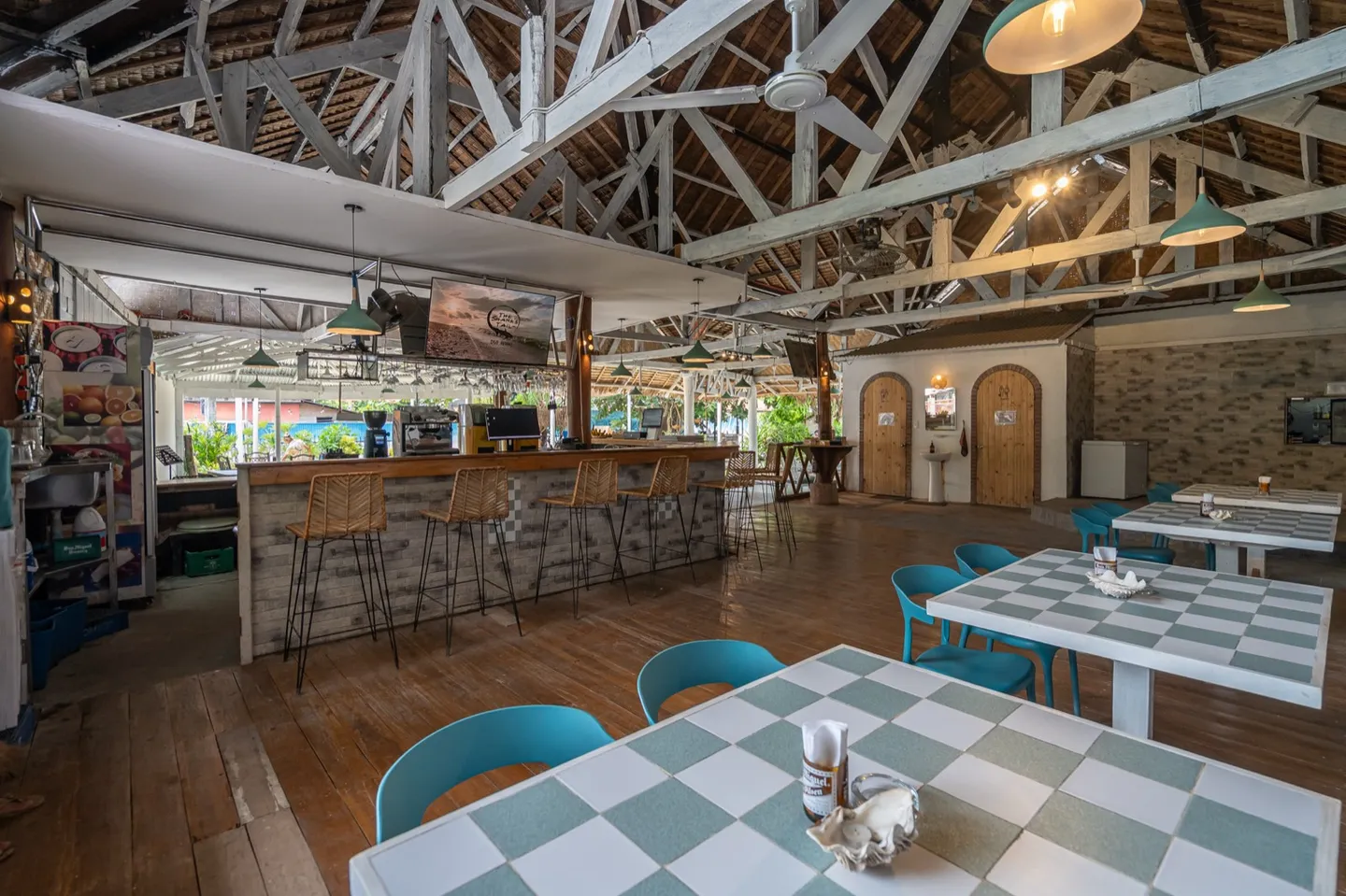
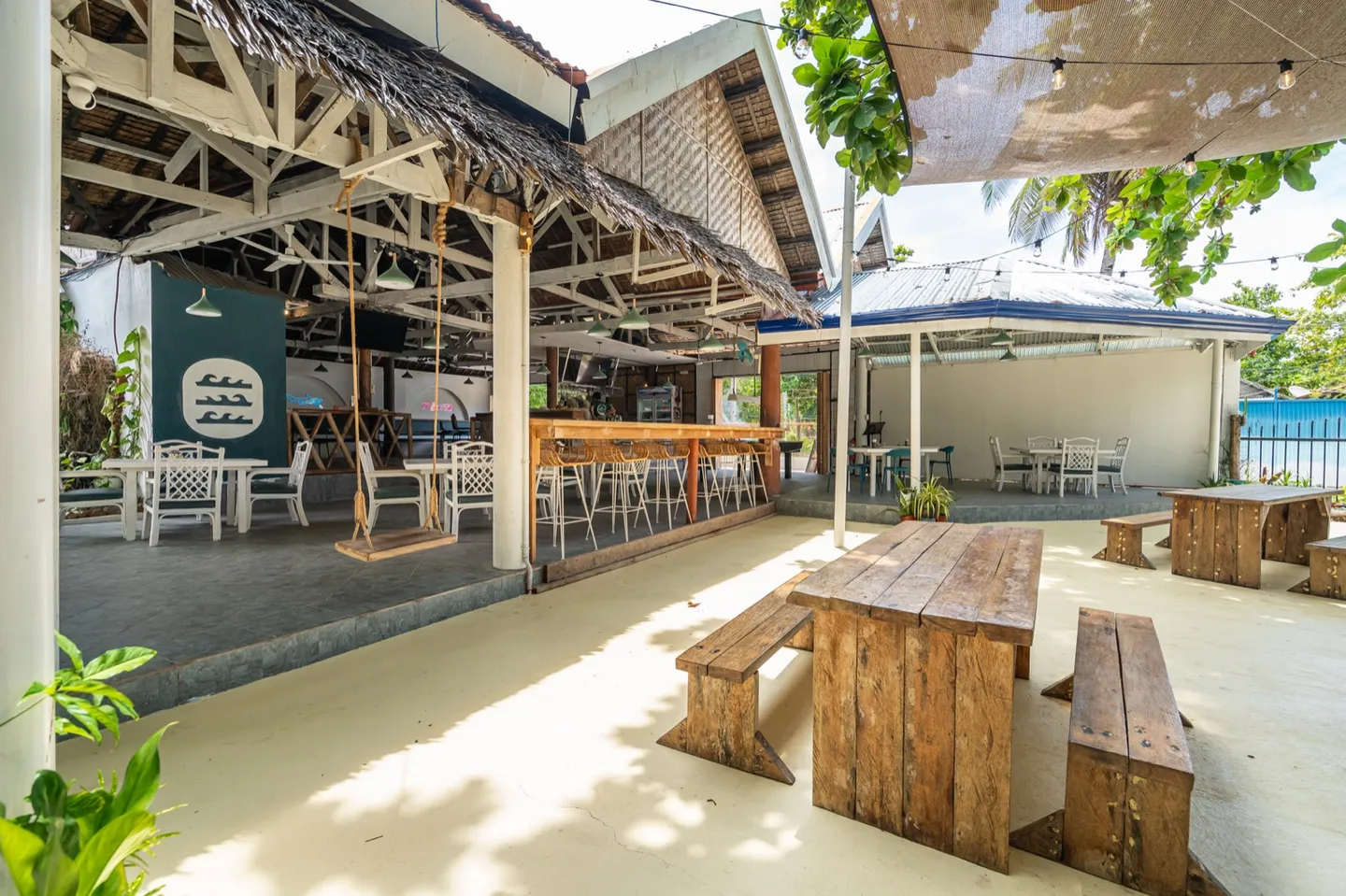
Just a three-minute walk from the beach, far enough to escape the heat and noise, The Shark's Tail offers impressively peaceful surroundings. A spacious lobby, a swimming pool, a pool table, and food that genuinely surprised — it's all here. The grounds are wide enough that even with multiple groups checking in simultaneously, everyone flows naturally without crowding. If you want to dodge blaring music and enjoy your own private rhythm, this place is built for divers.

The Owner Bought a New Boat — and on Malapascua, That's a Big Deal
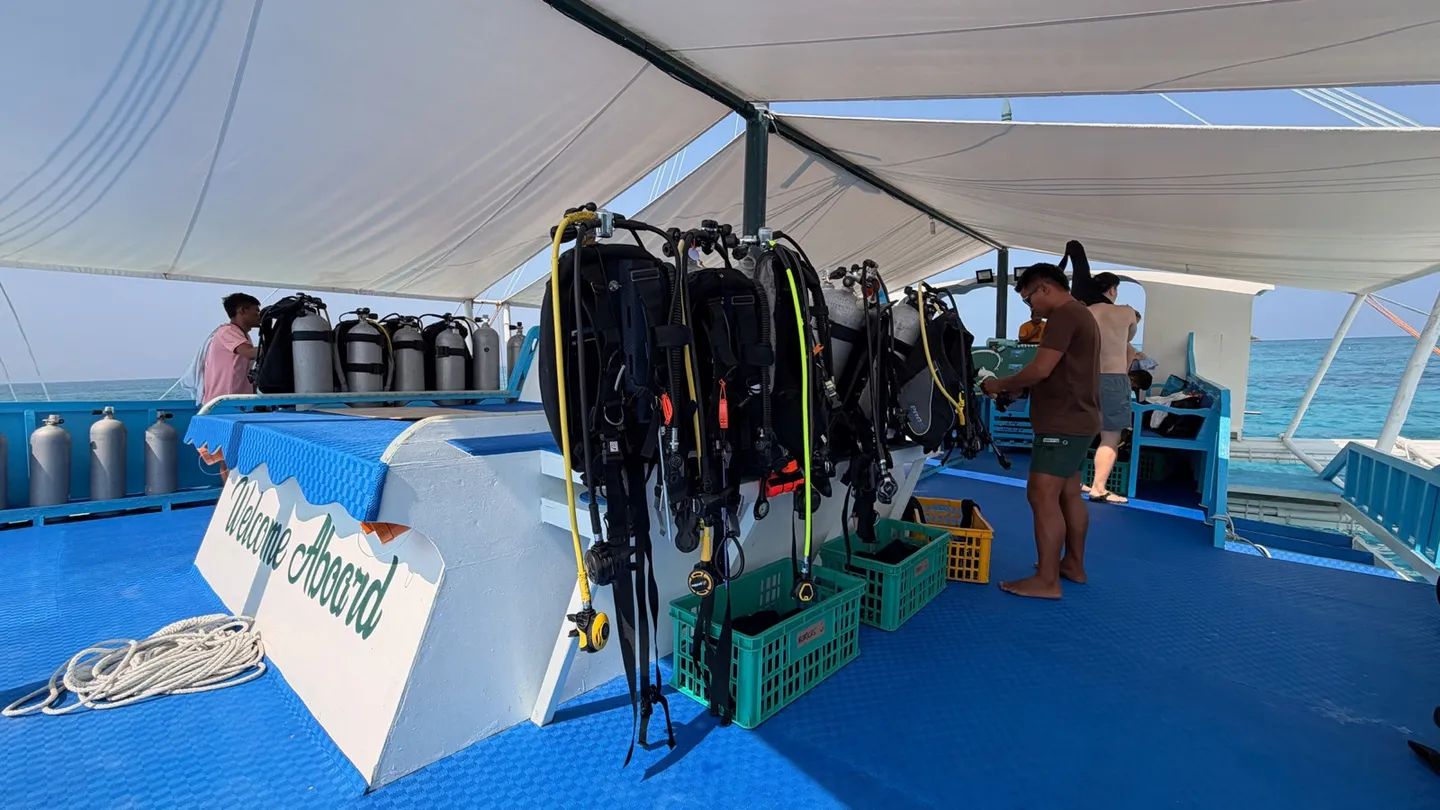
Many dive shops on Malapascua run "heirloom outriggers" passed down through generations. The new management went ahead and invested in a brand-new boat. The Editor's group of 10 had the whole vessel and still had room to spare — plenty of space for gearing up, handling cameras, and warming up before the dive. If your crew shoots with long lenses or travels as a photography team, you'll feel the difference from the very first tank.
Underwater in Malapascua: Check Dive, Thresher Shark Cleaning Station, and Gato Island — All in One
Three days of diving, nine tanks in total. The surprises started on the very first check dive and didn't stop. Here's a breakdown of each phase — the check dive day, the Kimud Shoal Thresher Shark cleaning station, and Gato Island — so you know what to expect each day.
The Check Dive Already Blew the Editor Away: Pregnant Seahorse, Batfish Cleaning Station, Frogfish, and More
Day one on Malapascua is usually a check dive. The dive guide located a batfish cleaning station, an artificial reef, small critters hiding in the sand, and a pregnant seahorse. Visibility was so good the water looked filtered.
Inside the artificial reef, a school of batfish spotted an approaching cleaner fish and opened their mouths as wide as possible, waiting for the cleaner to swim in and do its thing. On the second dive, the guide found a pregnant seahorse — and yes, it's the male seahorse who carries the young — belly swollen like a balloon.
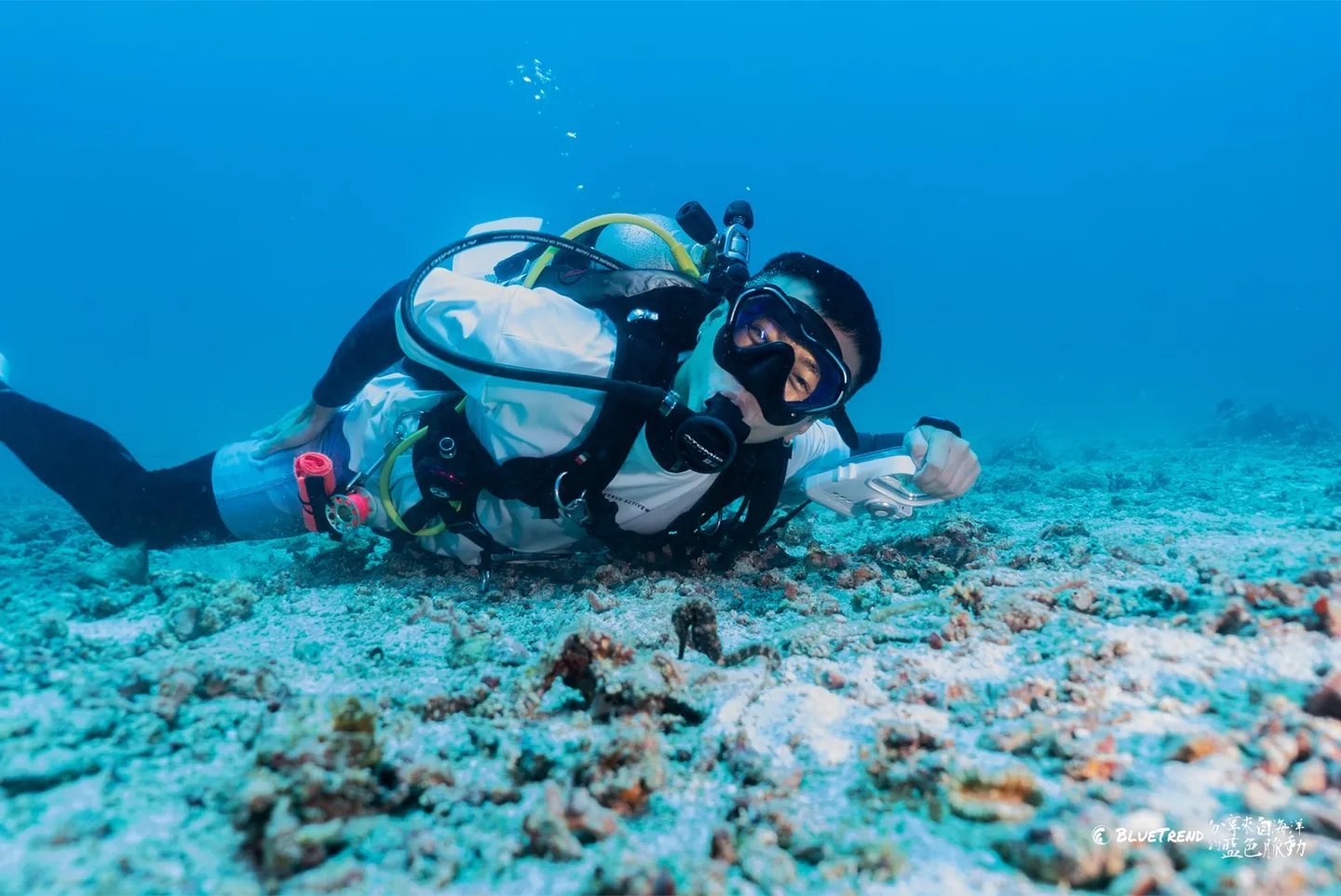
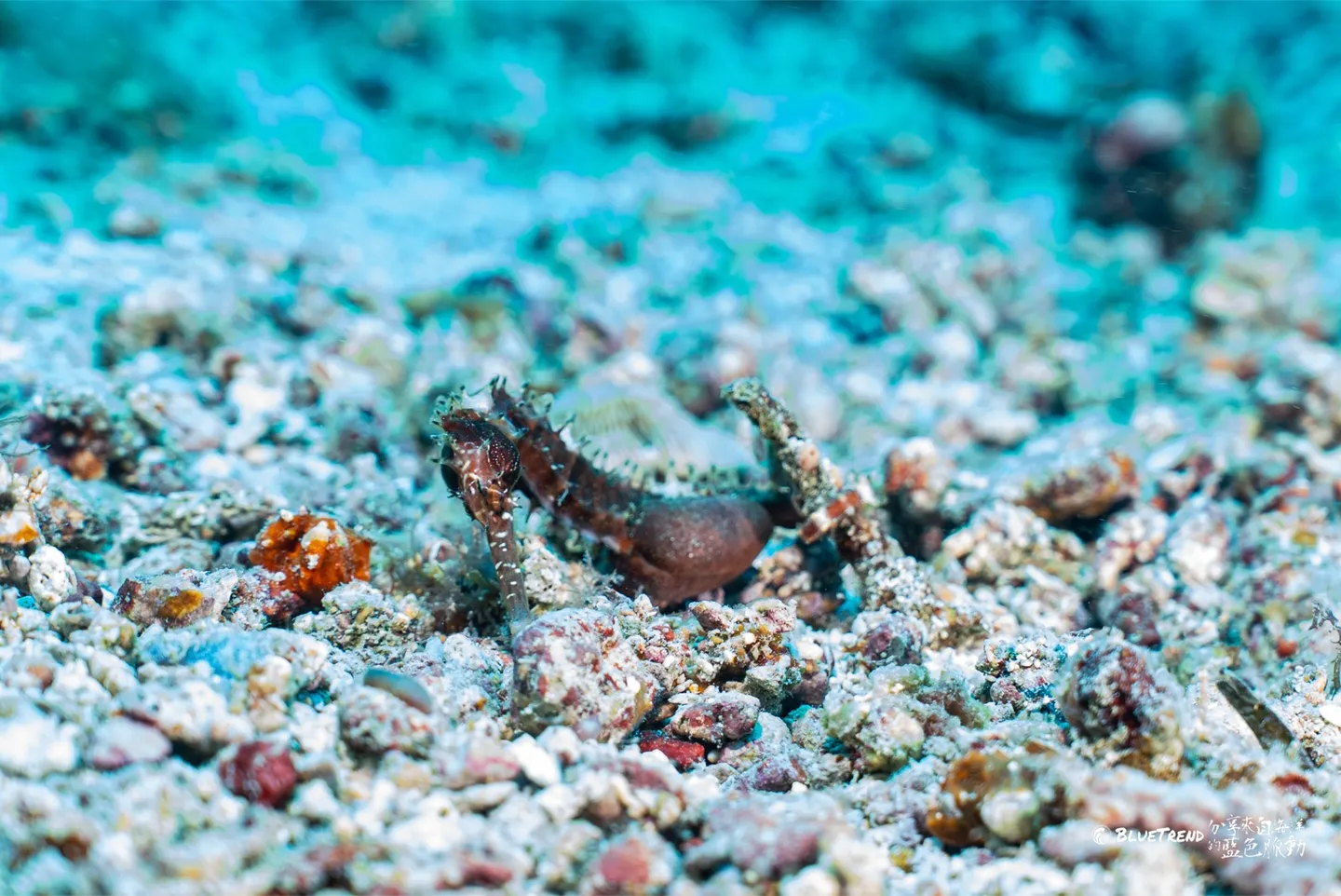
The dive guides here operate on a completely different level of observation. While the Editor was still photographing one subject, the guide had already found the next one and was waiting. The entire dive felt like a non-stop parade of bizarre and beautiful creatures.
Kimud Shoal at Dawn: Thresher Sharks So Close They Barely Fit in Frame
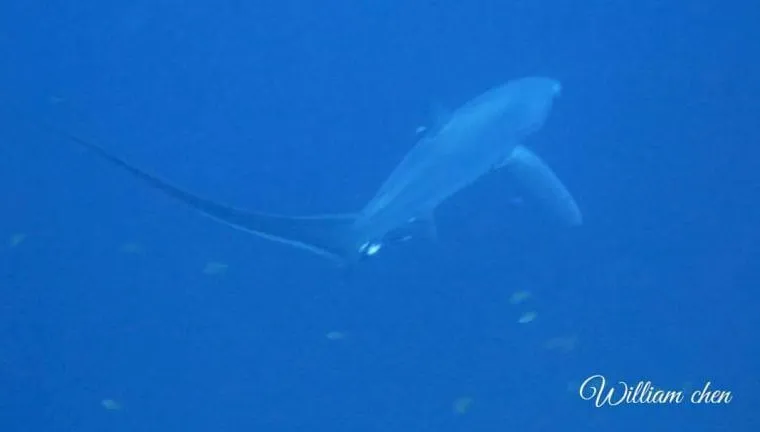
If there's one dive that brings 99% of visitors to Malapascua, it's this one — the Thresher Shark cleaning station at Kimud Shoal. Depart at 6 a.m., descend to the coral plateau edge somewhere between 12 m and 30 m, and wait for the Thresher Sharks to rise and visit the cleaner fish for their morning spa. Before getting in, the Editor counted the boats on the surface — 19. The thought wasn't "wow," it was "will I be watching Thresher Sharks or a parade of divers down there?" As it turned out, the underwater flow was better than expected. Each boat sent its group down separately, everyone settled into position, and the Sharks glided through. The order held.
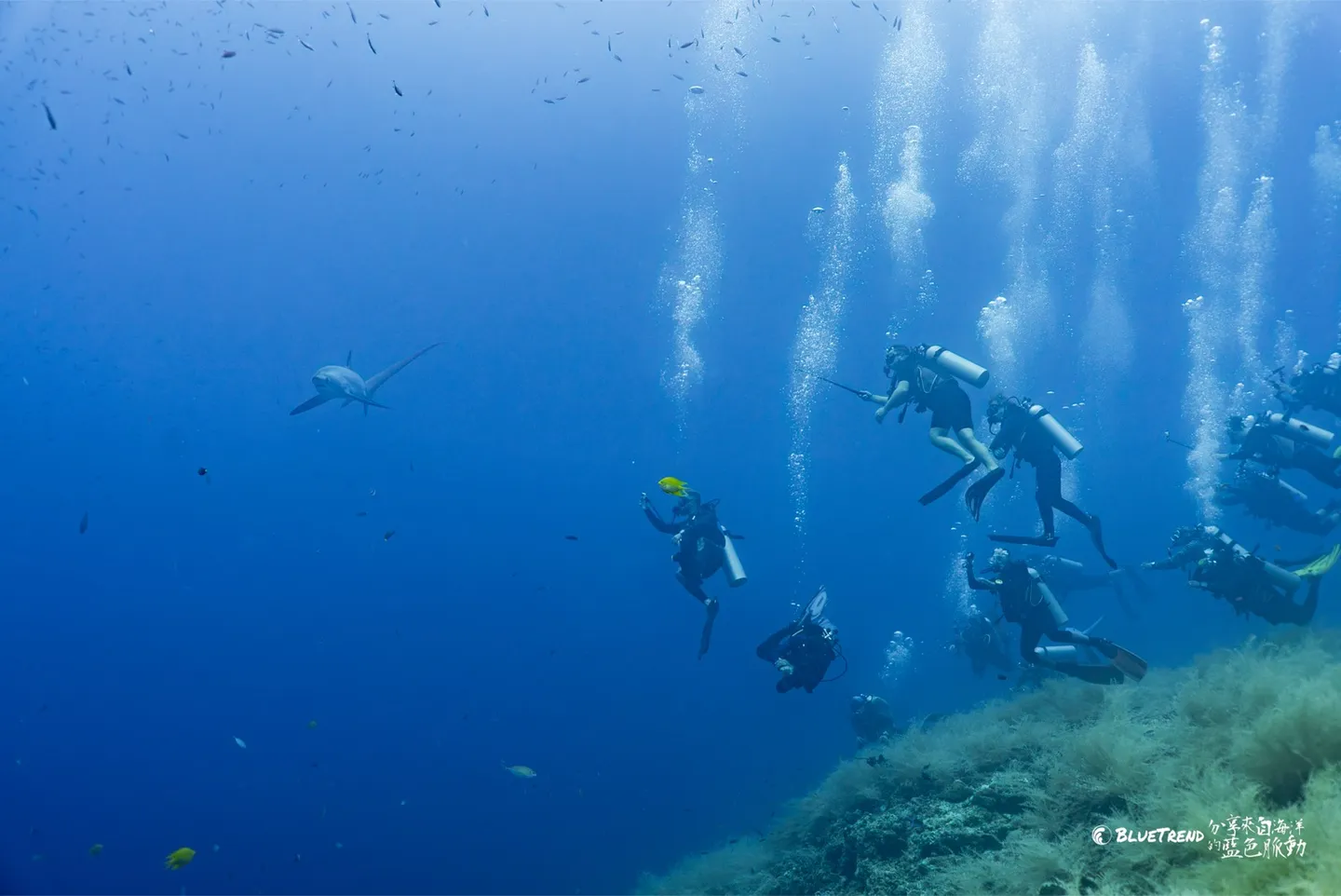
The moment the Editor actually saw a Thresher Shark, the only thought was: too cute. Eyes enormous — almost Disney-character big — paired with a tail as long as the rest of its body, sliding past in slow motion. Thresher Sharks are harmless. None of that movie-style tension where a shark rushes in jaws-open. The Editor just wanted to stay still and keep watching.
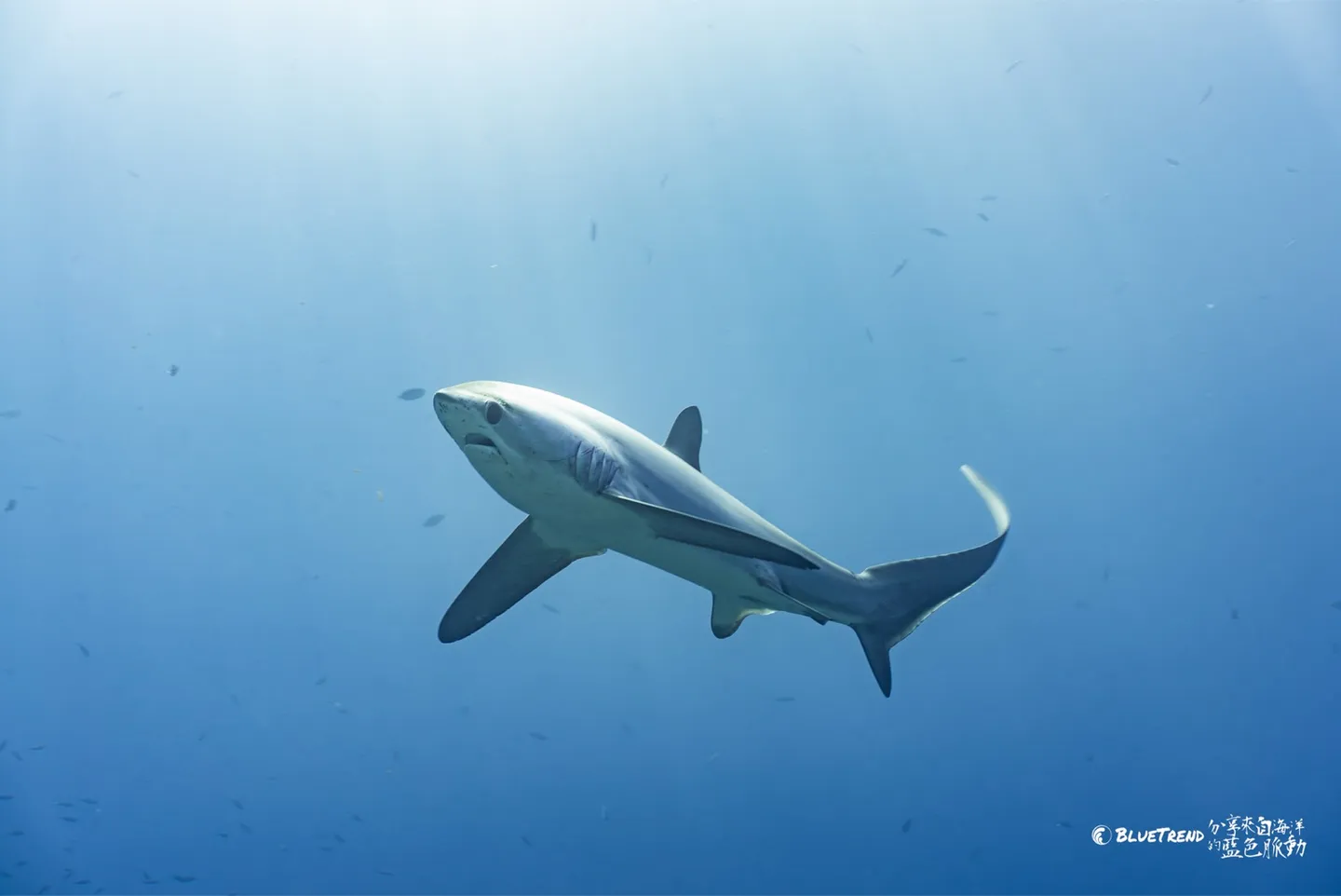
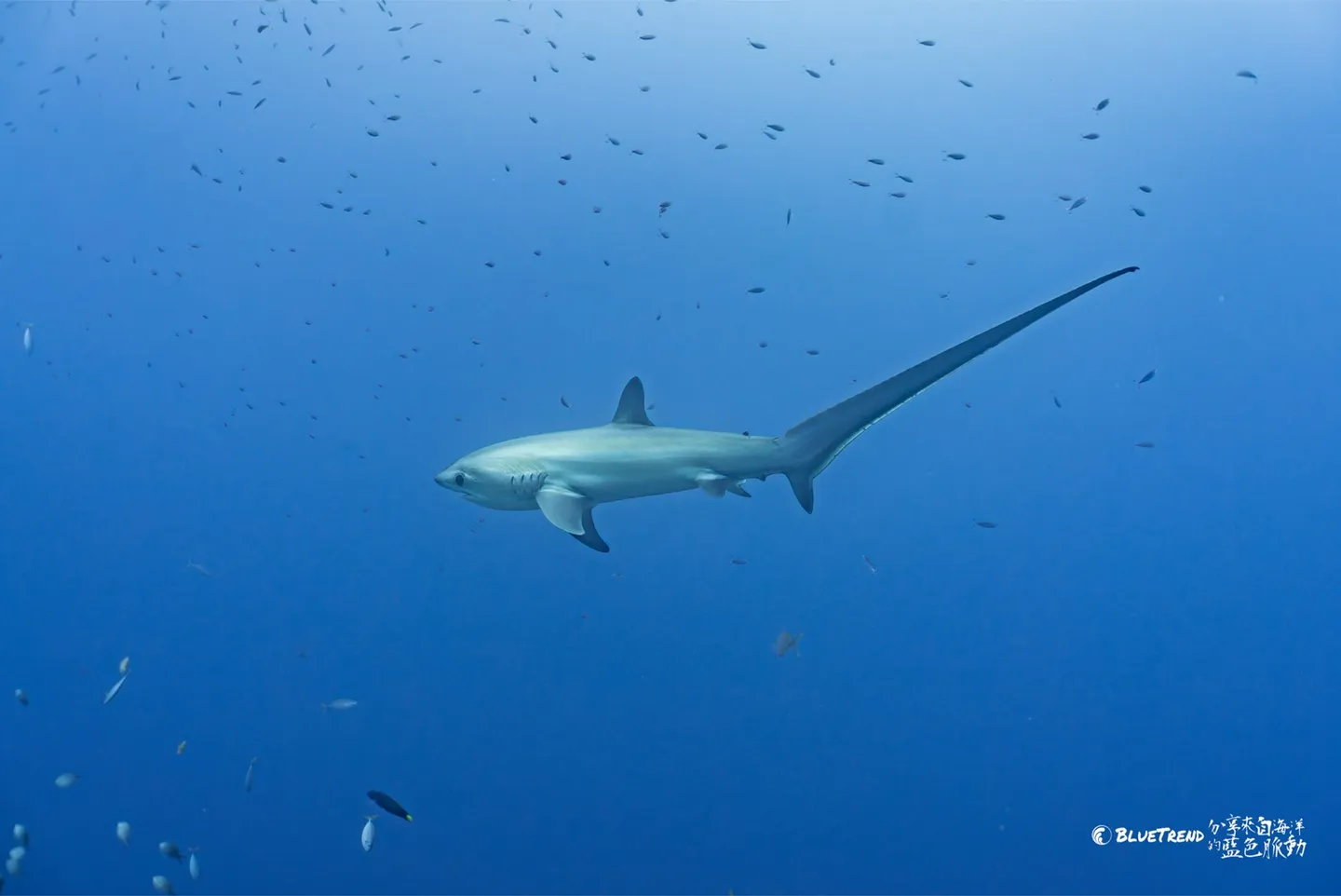
Beyond Thresher Sharks, Malapascua has started attracting Tiger Shark sightings at a regular dive site in recent years. The Editor squeezed in a dedicated dive to try their luck — spent the whole tank hunting, came up empty. No worries; a good reason to come back. If you want to bag both species in one trip, scroll to the bottom of this article — the Editor is heading back to Malapascua in 2027 to try again.
Gato Island: Malapascua's Hidden Ace — Big Animals and Tiny Critters Together
If Kimud Shoal is the main course of a Malapascua diving trip, Gato Island is the dessert the Editor would order twice. Expectations going in were low — the actual experience was wall-to-wall surprises across three full tanks.
Gato Island's signature feature is a series of underwater caverns where Whitetip Reef Sharks sleep during the day. The guide knows exactly which caves have "regulars." You approach slowly, the Sharks don't even bother moving — basically influencers sleeping in front of an audience.
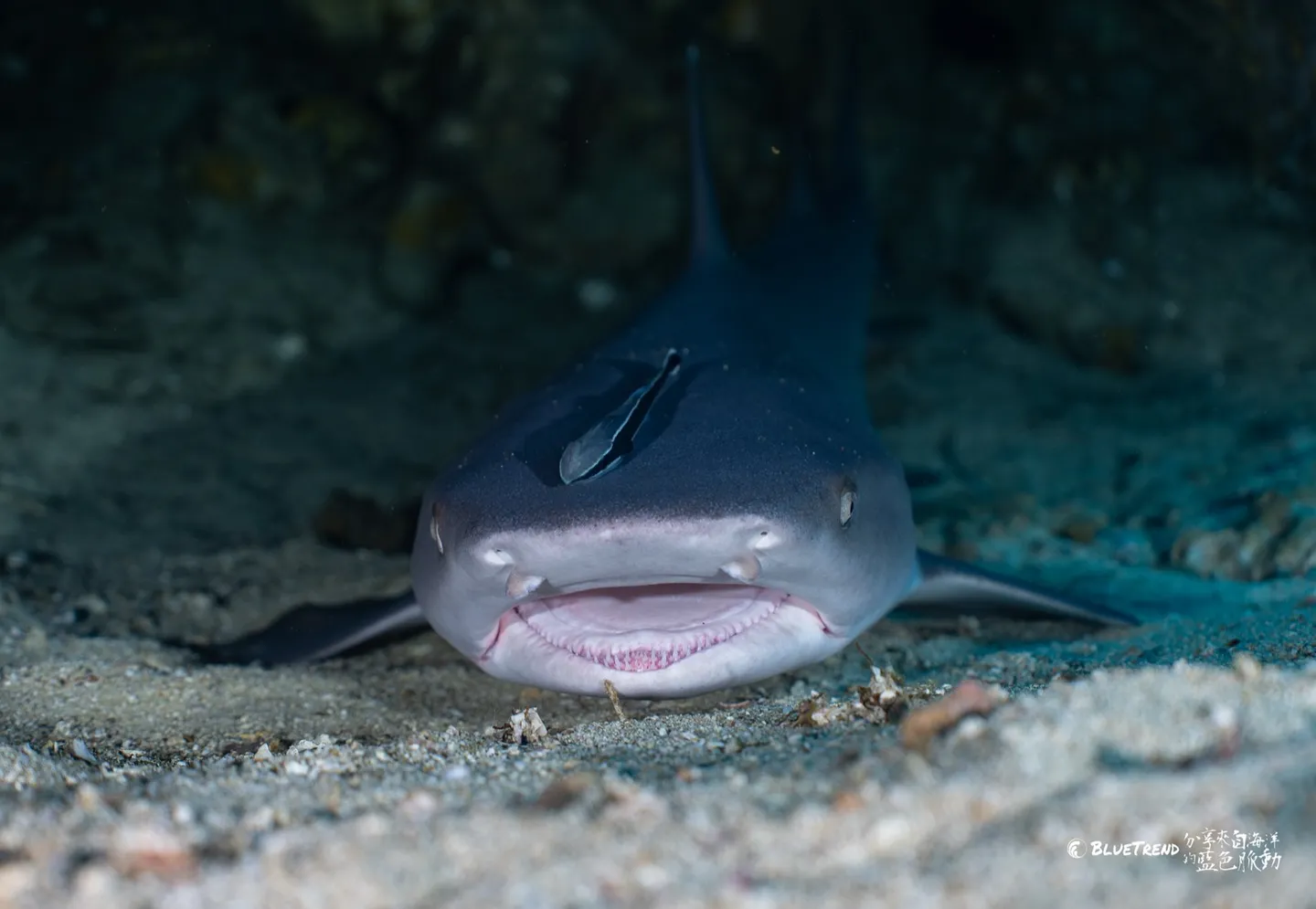
Gato Island also delivers macro, but it's macro on easy mode — nudibranch, frogfish, and every kind of camouflage master here is visible to the naked eye without hunting through the viewfinder for ten minutes. Beginners will have a fantastic time too; no more awkward moments where the guide points three times and you still can't see what they're pointing at.
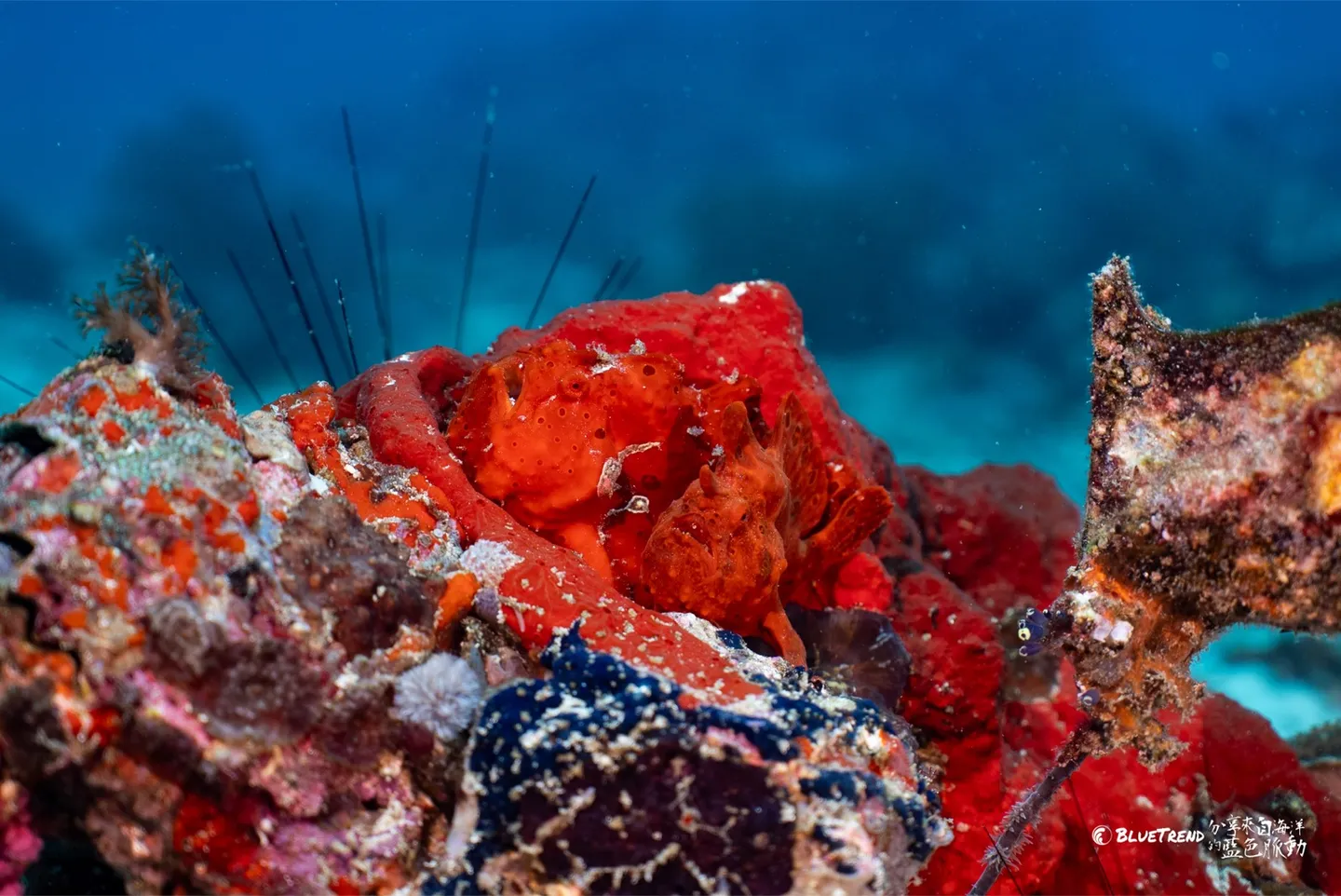
Among all the Malapascua dive sites, Gato Island is the one the Editor remembers as having the perfect rhythm. Slow and exploratory, but with a guaranteed surprise on every tank.
Malapascua Dive Costs, Best Season, and Pre-Trip Advice: Independent Travel vs. Guided Tour — The Editor's Honest Take
This final section is for those who are ready to go. The Editor's trip was a pre-arranged scouting itinerary, so all the saved logistics time went directly into the water and into photography. Here are the key points:
- Rough budget for a Malapascua dive trip: For a 5-day, 4-night package that includes accommodation, meals, diving fees, and transfers (excluding flights), expect to pay roughly NT$25,000 to NT$35,000, depending on the level of your dive shop, whether Gato Island boat dives are included, and whether you're booking a private photography charter.
- Season and recommended level: Malapascua is diveable year-round, with November to May generally being the more favourable window and March to May considered peak season. Thresher Sharks are resident year-round with a reported sighting rate of 99%+. The Editor genuinely recommends scheduling at least two early-morning dives at Kimud Shoal — give yourself the double safety net. Open Water Diver (PADI/SSI cert) certification is sufficient to visit; Advanced Open Water Diver (PADI cert) or above will be more comfortable (Thresher Sharks typically appear at the cleaning station between 12 m and 30 m; Open Water Diver (PADI/SSI cert) holders must stay mindful of their depth limits).
- Independent travel vs. guided tour: The biggest challenge of going independent isn't underwater — it's on land. The Cebu-to-Maya shuttle connection, timing the boat transfers, and handling dive shop reservations in English are all trickier than they sound. The Editor has done both over the years and will say honestly: for first-timers, join a guided tour. Hand the driving, accommodation, and logistics to someone who knows the route, and you'll come home far more satisfied.
Join the Editor in 2027 — Bag the Thresher Shark and Tiger Shark Together (Plus a Postscript)
The Editor is heading back to Malapascua in 2027, this time with a mission to finally tick off the Tiger Shark that slipped away last time. Accommodation is The Shark's Tail — the same resort reviewed in this article. Dive sites are the two headliners: Kimud Shoal and Gato Island. Itinerary, transfers, and meals are all packaged.
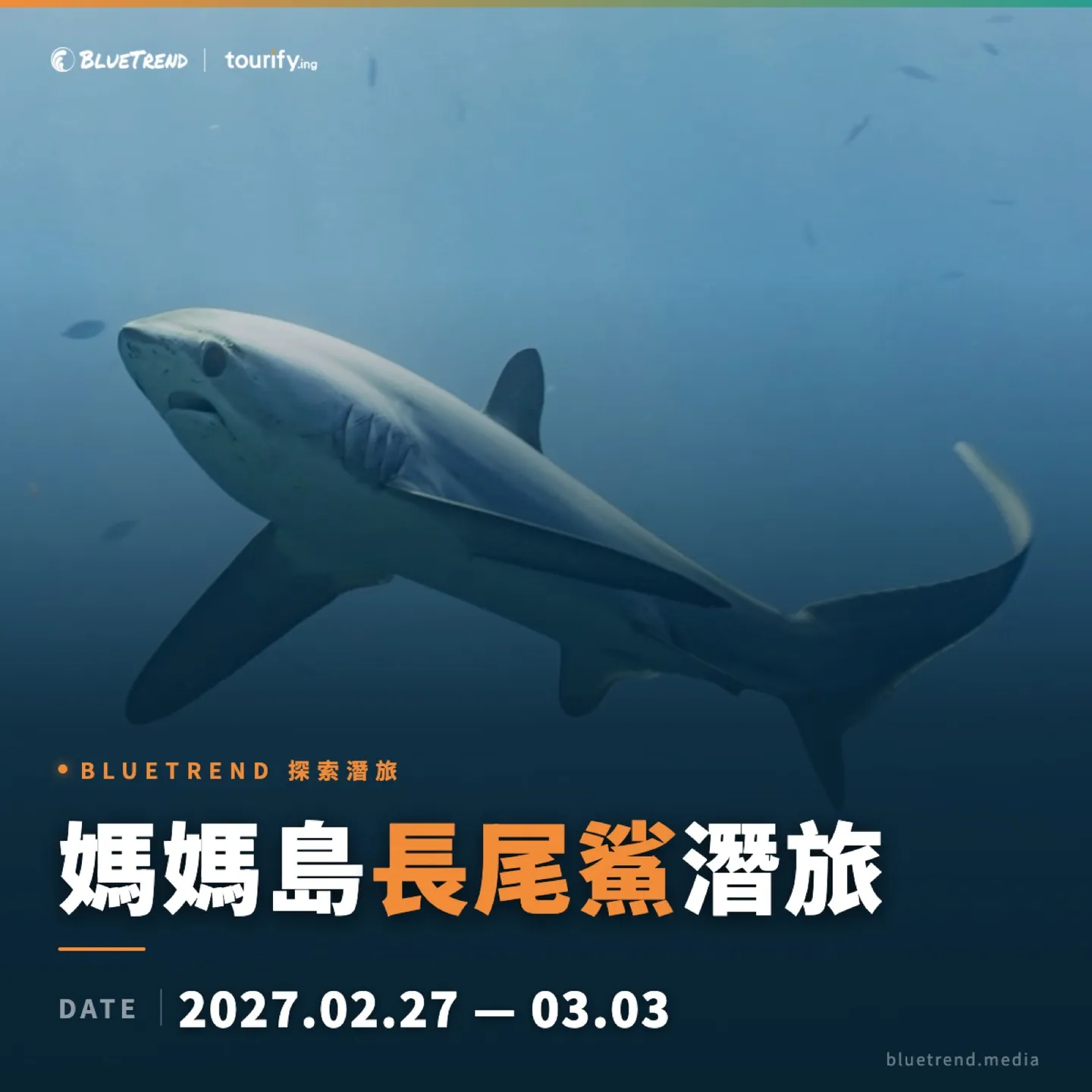
Click here for the 2027 Malapascua Thresher Shark trip itinerary and registration
On the last evening, the Editor sat in the dive shop's live-band bar, and beneath the impromptu performance, heard something that sounded like freedom.
That quiet little beachside lane. A massage that was clumsy but genuinely sincere. A shower that ran slightly salty and not quite hot enough. After too long in over-developed tourist zones, that kind of imperfection felt unexpectedly precious. At the open-air concert at dusk, the Editor and companions — East Asian faces in the crowd — swayed freely among everyone else. The singer on stage said: "Life is short, time is soon." Watching the sunset, the Editor thought: it was diving that made this possible — that brought a person all the way to an island that feels like freedom.
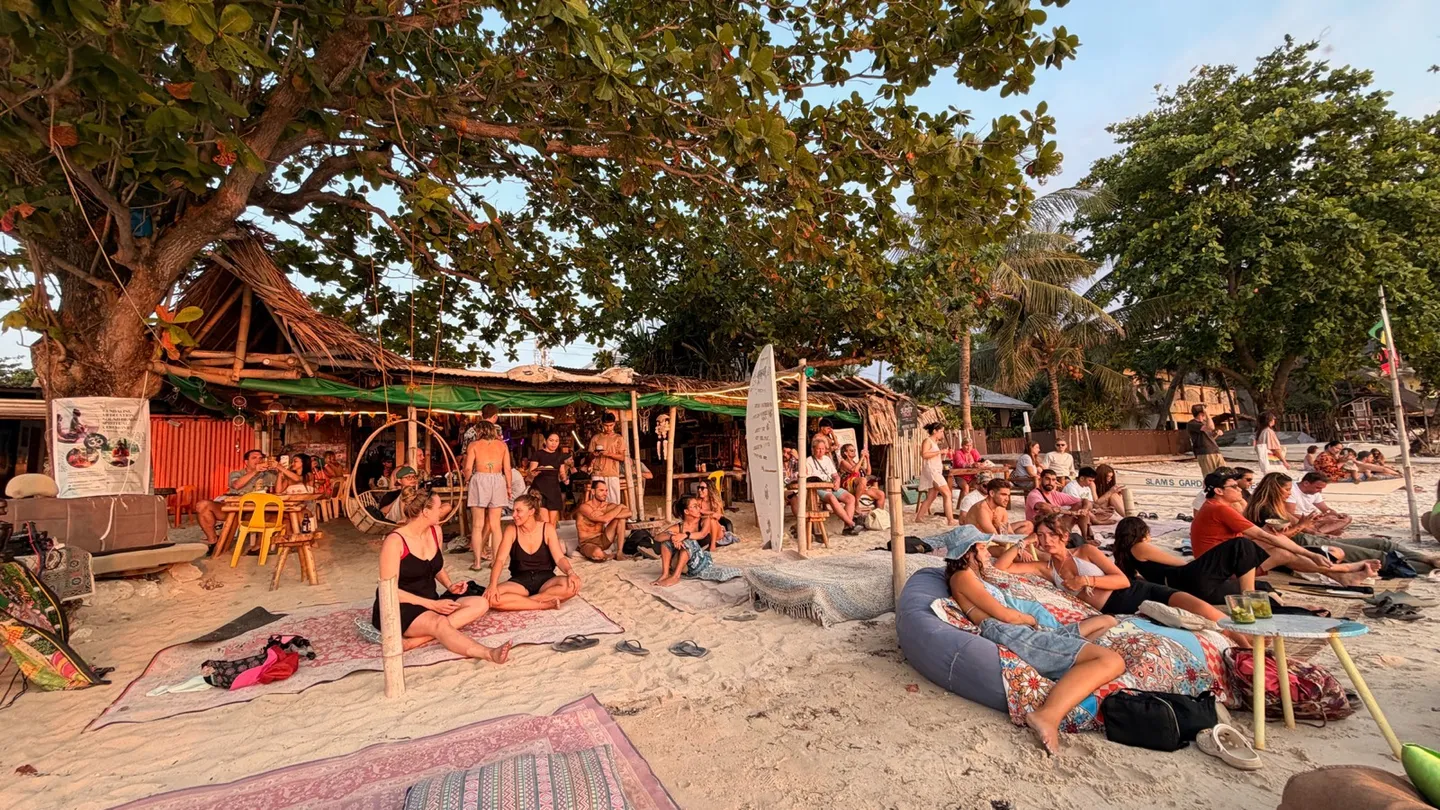
The Editor wholeheartedly recommends this island to anyone planning their next dive trip. Go once, and you'll understand why so many divers keep coming back.
Frequently Asked Questions
How is a BlueTrend dive trip different from an unknown, no-name dive group?
Choosing us means full peace-of-mind protection and a smooth experience from start to finish. Every trip we run holds to three things.
First, full legal protection and a professional dive leader: we strictly follow Taiwan's travel regulations and provide complete travel-agency liability insurance, travel insurance, trip-inconvenience insurance and dive insurance. Every group is accompanied by a certified, foreign-language dive leader who joins you on both the dives and the land itinerary, liaising seamlessly with local dive shops and operators on your behalf to keep things running smoothly — the person our travellers trust most.
Second, fully licensed with secure payments: every payment goes into a licensed travel agency's account, with multiple safe payment channels (bank transfer, credit card and more) and a legal collect-and-remit receipt, so every transaction is open, transparent and protected, avoiding the fraud and dispute risks of transferring money privately to an individual.
Third, hand-picked quality we vet in person: every trip, dive site and partner shop is scouted on the ground by our own team, from the guides' professionalism and safety standards to the food, lodging, environment and service details on land, all vetted by us so you don't get caught out.
I want to sign up for a dive trip. Are there certification-level or logged-dive requirements?
Each dive site is different, so the entry bar varies. 'Bali Tulamben', for instance, is relatively beginner-friendly. 'Malapascua in the Philippines' is also beginner-friendly, but since thresher sharks tend to cruise between 20 and 30 metres, we recommend AOW certification with 20+ logged dives to enjoy this trip comfortably. For 'the Maldives' or 'Palau', we suggest AOW with 50+ logged dives for a more relaxed experience. If you're not sure whether your experience fits the trip you want, message us and our dive editors will assess it and help you find the trip you'll feel safest on.
Can I join if I'm signing up alone? How are rooms arranged?
Plenty of our travellers sign up solo! For rooms and beds, we prioritise pairing you with a same-gender traveller, and if you'd rather have your own space you can pay the difference to upgrade to a single room. For the diving, our professional leader will pair you with a suitable buddy, and with the happy vibe on our trips you'll quickly make a great group of dive friends. Many people sign up alone, make new friends, and end up organising the next trip together!
Does the trip fee include dive insurance, gear rental, taxes and instructor tips?
It depends on the trip, the destination's regulations and the local operators. Every BlueTrend dive trip has a detailed web page with a clear 'included / not included' list, transparent and with no hidden charges. All payments are collected by a licensed travel agency, with a standard-form contract for your protection.
I'm a new diver / haven't dived in a long time — will I fall behind the group?
Before you complete your booking, our team assesses a suitable trip based on your certification level and experience. Before departure, we strongly recommend taking time to refresh in Taiwan with an instructor, or a fun dive to get your feel back. On the trip itself, our professional dive leader groups and pairs everyone by experience, keeps a close eye underwater on travellers who need extra care, and steps in to help right away.
Will the photos and videos taken during the trip be shared with us?
During the dives, 'safety' is always the leader's top priority, so whenever it's suitable and safe the leader will capture great shots and record the best moments. During or after the trip, we compile a cloud album for all travellers to download, so you go home loaded with memories!
Besides your scheduled trips, can you arrange a private group charter or independent travel for me and my friends?
Absolutely! Besides group trips, we also arrange private group charters and independent travel. We can communicate, enquire and coordinate services with local operators based on your needs, saving you time and effort and taking the language barrier off your plate, to tailor the smoothest, most reassuring dive trip just for you. Contact our LINE support and our editors will arrange it for you!

![[Philippines: Bohol, Panglao, Balicasag] Post-Pandemic Diving Abroad in 2023 — What Could Possibly Go Wrong? feat. Enjoy Islands](/_astro/%E6%88%AA%E5%9C%96-2022-12-31-11.59.25_ZXbdIP.webp)