![[4th MediaTek Hometown Intelligence] Making Sustainable Development Easier! A Citizen Science Marine Biodiversity Database Built Through Nationwide Underwater Photography](/_images/9c2573dc0c95-960w.webp)


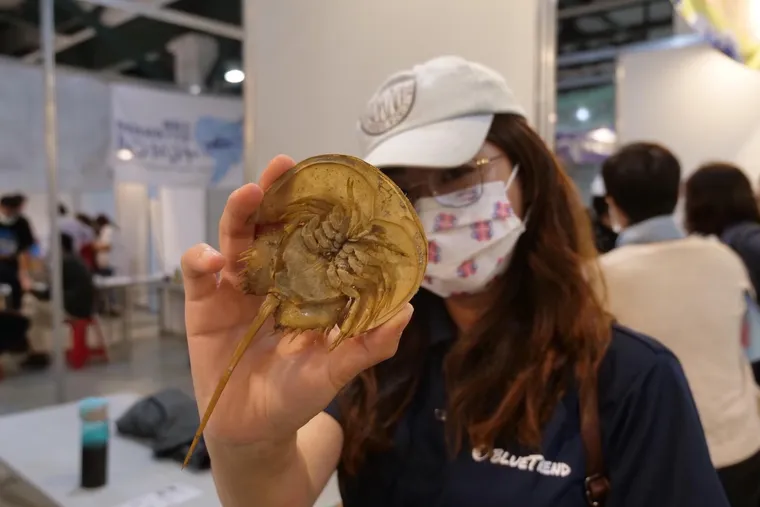
In recent years, as humanity strives to maintain the Earth's sustainable development, growing environmental awareness has brought related issues into sharper focus. In this year's 4th MediaTek Hometown Intelligence Digital Social Innovation Competition, BlueTrend presented an improvement plan aimed at strengthening marine conservation. The team hopes to collaborate with relevant government agencies in the future, while also calling on the public to stand up — because caring for the Earth starts with loving Taiwan, our beautiful home.
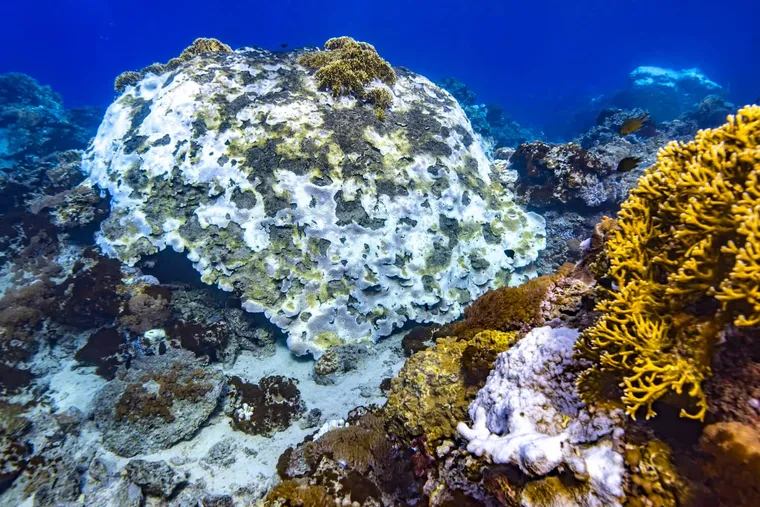
Marine biodiversity is depleting far faster than you might imagine. BlueTrend, whose members are passionate scuba divers, discovered that since the Wanghai Harbor Chao-Jing Bay Marine Conservation Area in Keelung was officially announced in 2016, the results have been clearly visible within just a few short years — with growing numbers of divers visiting the site. However, due to insufficient staff with marine policy expertise and academic knowledge, as well as limited budgets, monitoring has been tied to individual projects and discontinued once those projects end. This has meant a persistent lack of data on biodiversity changes before and after the establishment of the conservation area. Even last year's record-breaking coral bleaching event went largely untracked and unanalyzed, making it difficult to advance further conservation efforts.
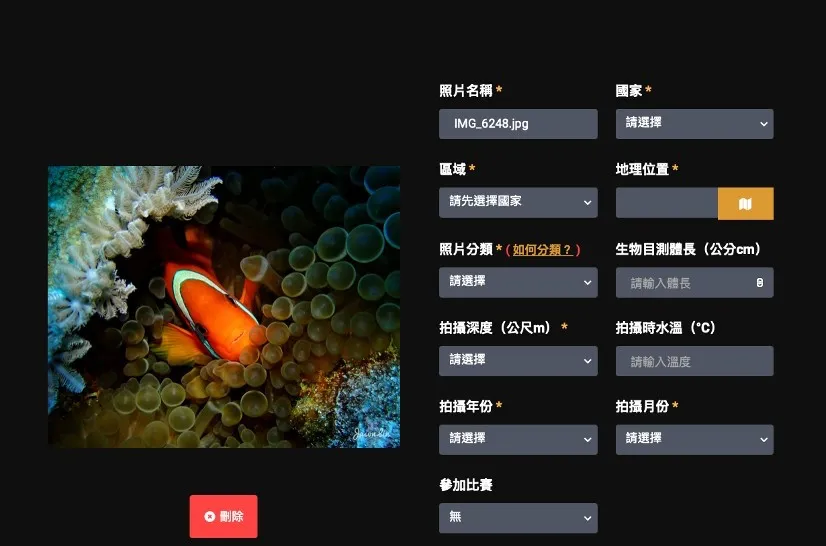
At the same time, the team noticed that the growing number of divers take large quantities of photographs. If given the right guidance on what to capture and the right incentives, divers could become a powerful tool for expanding an underwater image database. To this end, BlueTrend completed the initial development of a marine biodiversity database platform this year. The process is straightforward: simply log in, upload your photos, fill in the shooting information, and enter the location — and your survey submission is complete.
Marine Citizen Science Biodiversity Database
From the very beginning, the platform was developed in partnership with the National Museum of Marine Science and Technology and the Penghu County Government to co-host an underwater photography competition, using the contest as a means of crowdsourcing underwater photos. Photo submissions opened in May, and within a short period of time more than 500 citizen scientists had participated, accumulating over 2,100 photos and documenting more than 2,800 species. The effort also led to the publication of Marine Field Notes — Northern Taiwan, priced at NT$1,680 per copy. With 6,000 copies sold, the book ranked third on the Books.com.tw Nature bestseller list and generated a total output value of over NT$10 million.
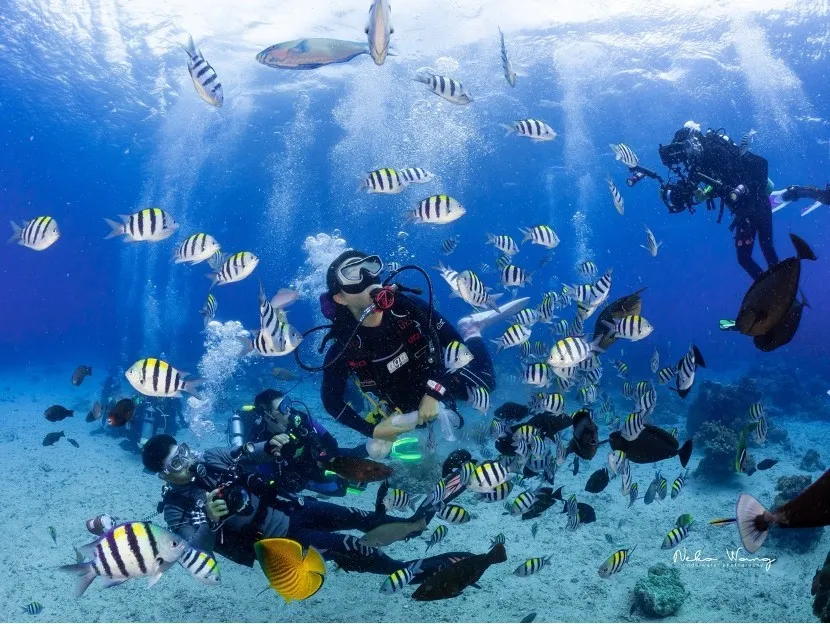
▲ The team uses photographs submitted by underwater photographers to add more species to Taiwan's marine biodiversity database.
Although the marine biodiversity database has been established, the team identified several ongoing challenges: a lack of public incentives to upload data, the sheer diversity of species, frequently changing classification rules, difficulty managing the database, and copyright issues surrounding photographers' images. To address these issues, the team introduced blockchain technology. Drawing from the blockchain Proof of Work (PoW) mechanism, they developed a "Proof of Photo" concept: every photo uploaded and verified earns the user tokens. Future platform management, species classification, and surplus rewards will all be administered in a decentralized manner through these tokens.
The team explained that the more tokens a user accumulates, the greater their access to the platform's decision-making circle, allowing them to help shape important issues and future development directions. Surplus revenue will be distributed in proportion to each user's token holdings from photo uploads, encouraging broad public participation and embodying the spirit of the marine citizen scientist. Photographers can also use blockchain technology to verify their copyright ownership, preventing unauthorized use of their images.
▲ The team uses photos from the Marine Citizen Science Database to publish illustrated marine life field guides covering different regions.
Looking ahead to implementation, the team will finalize the blockchain technology specifications this month, begin early-stage feature development in January next year, and launch the platform in April. A collaborative project with the Keelung City Government is also set to launch in May next year, with an ecological report on Keelung's Chao-Jing Bay to be released in November. The team hopes to attract greater public participation going forward and to work alongside government agencies and scientific research institutions to incorporate research expertise. Annual marine biodiversity data collected through the platform will be compiled into research reports — writing a beautiful chapter in Taiwan's marine biological research, one fueled by citizen participation.
Photo source: CNEWS archive photos
Related links:
- Line Today:https://reurl.cc/Mkl8zL
- Yahoo!:https://reurl.cc/WX2GO9
- Google News:https://reurl.cc/82gjby
- YAM News:https://reurl.cc/dxMDqy
- PChome:https://reurl.cc/WX2G89
- Keelung City Government teams up with marine citizen scientists to give the ocean a voice through imagery
- Marine citizen scientists use underwater photography to support marine conservation and foundational research