Contents(5)
The Editor says: Underwater photography has always been the next step divers want to pursue after earning their Open Water Diver (PADI/SSI cert) certification — yet choosing the right camera, dialing in settings, positioning strobes, and handling post-processing are all skills that can't be mastered overnight. Having heard your wishes, in 2018 BlueTrend will be inviting professional underwater photography masters to share their years of experience with you one by one. This time, we are honoured to welcome internationally acclaimed underwater photographer Ace Wu to share the secrets of blackwater photography. If you enjoy this series, don't forget to share the article!
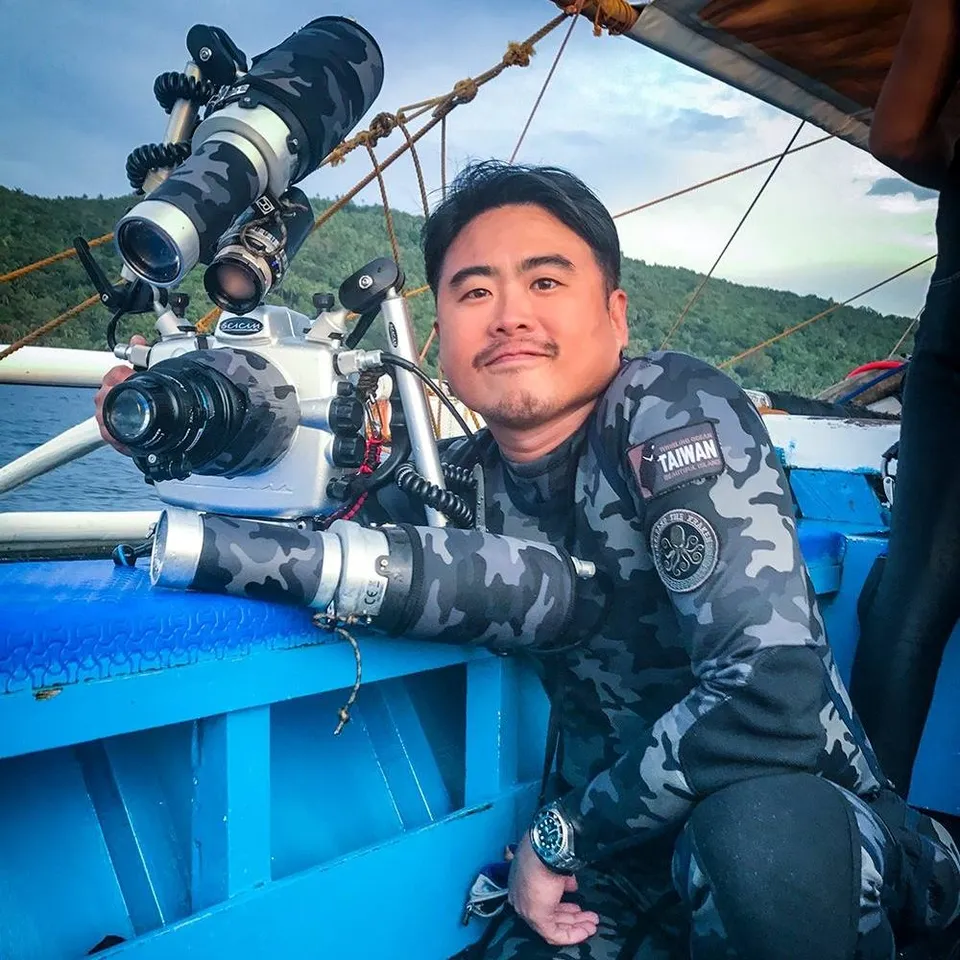
Underwater Photography Master — Ace Wu
Ace Wu was born in Taiwan and currently lives in Ho Chi Minh City, Vietnam. Passionate about underwater photography, he specialises in macro black-background shooting and wide-angle photography.
- 2016/2017 World Shootout Best 5 Images — 2nd Place
- 2016 4th China Underwater Photography Competition (ADEX CHINA), Macro Category — 1st and 2nd Place
- Malaysia MIDE 2016 Lens Beyond Ocean, Series Category — 1st Place
- 2016 Philippines SNUPS No-Retouch Competition, Macro Category — 1st Place
- Asia Pacific UW Photo Challenge 2017, Macro Category — 2nd Place
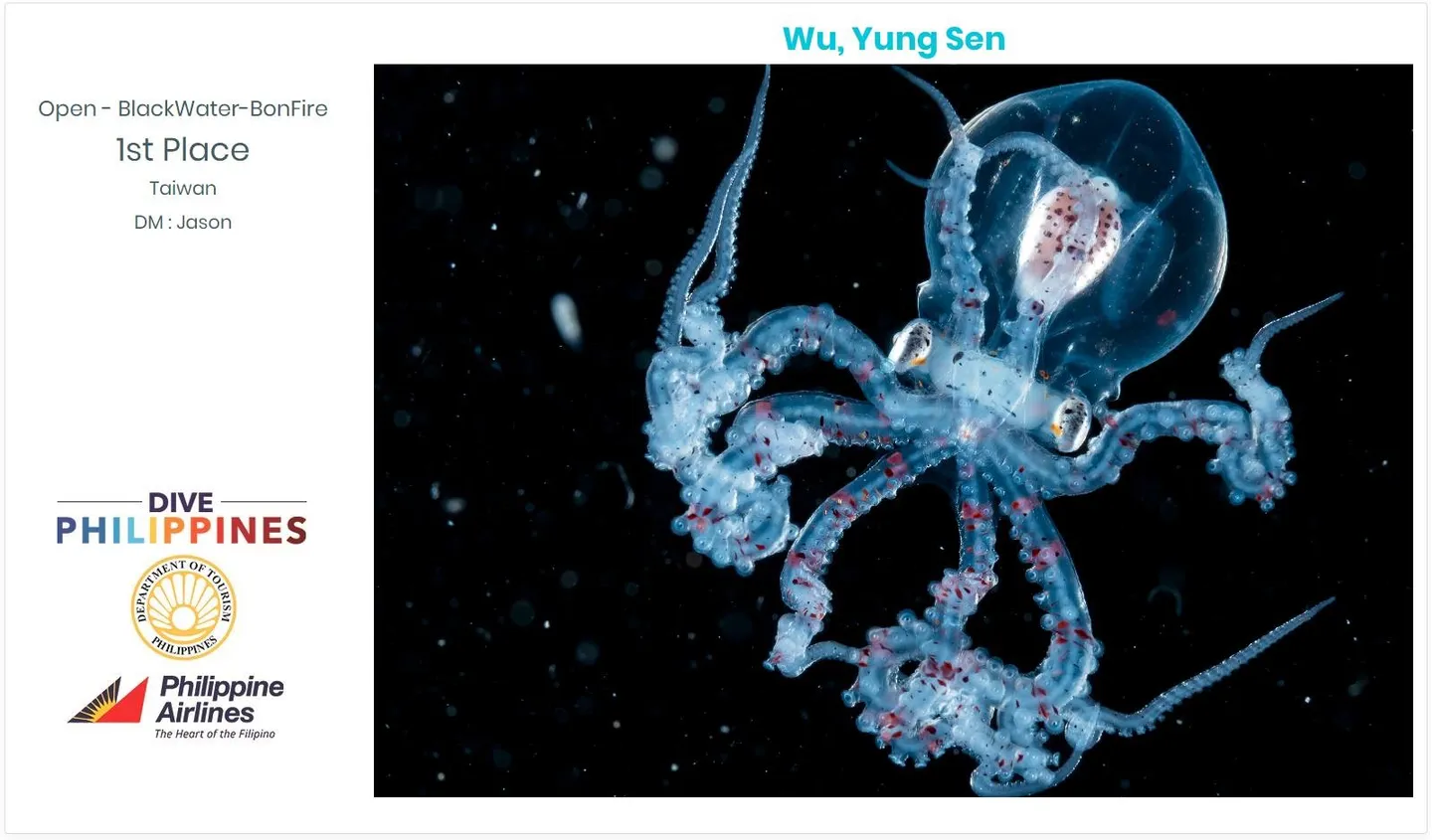
- 2017 Anilao Underwater Shootout, Macro/Supermacro, Blackwater and Bonfire — 1st Place
- 2017 ADEX Voice Of The Ocean Photo of the Year
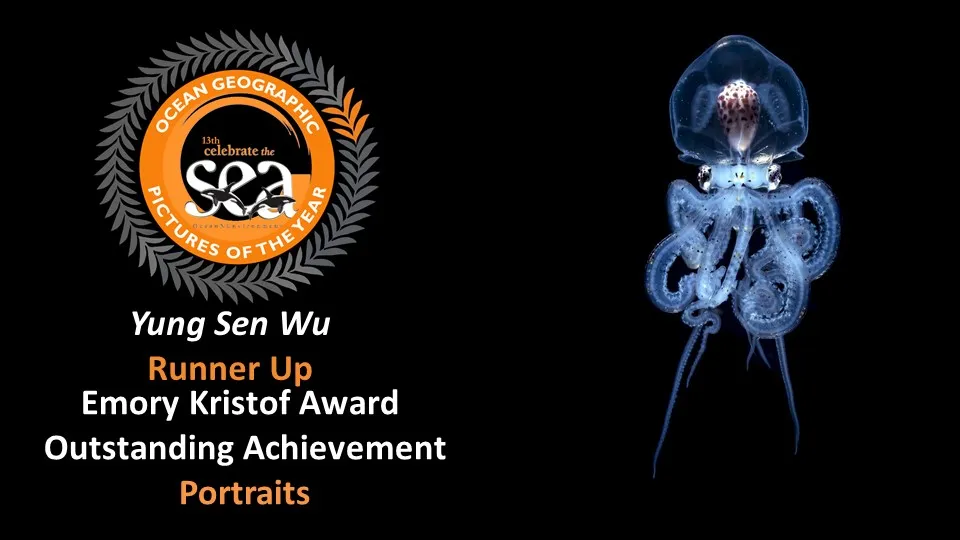
- Ocean Geographic 2018 — Animal Behaviour / Winners: 1st Place; Portraits / Runner-Up: 2nd Place; Seascapes / Runner-Up: 2nd Place
- 2018 DEEP Indonesia International Underwater Photo Competition — Best of Show / Animal Behavior: 1st Place; Animal Portraits: 3rd Place
About himself: I am essentially self-taught in underwater photography. So I explain it in the most straightforward way possible — no complex theory, just simple, easy-to-understand methods that help beginners produce great shots quickly, so everyone can feel the charm of underwater photography.
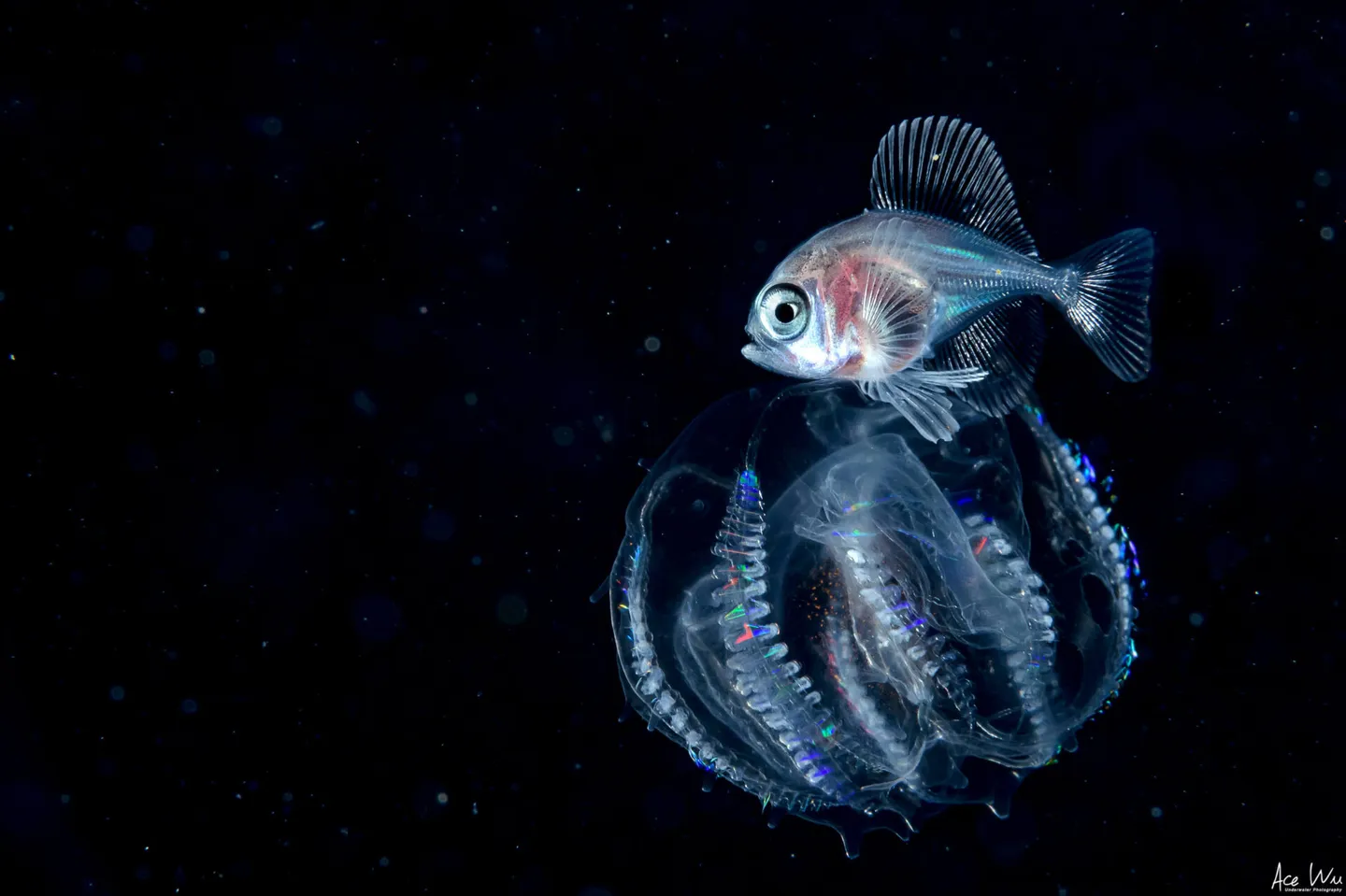


What Is Blackwater Photography (Definition)?
Today's blackwater photography evolved from the deep-sea collection methods used by marine scientists, and broadly falls into 3 modes:
- Drift / bonfire blackwater
- Deep blackwater (with fish-aggregating lights)
- Deep blackwater (without fish-aggregating lights)
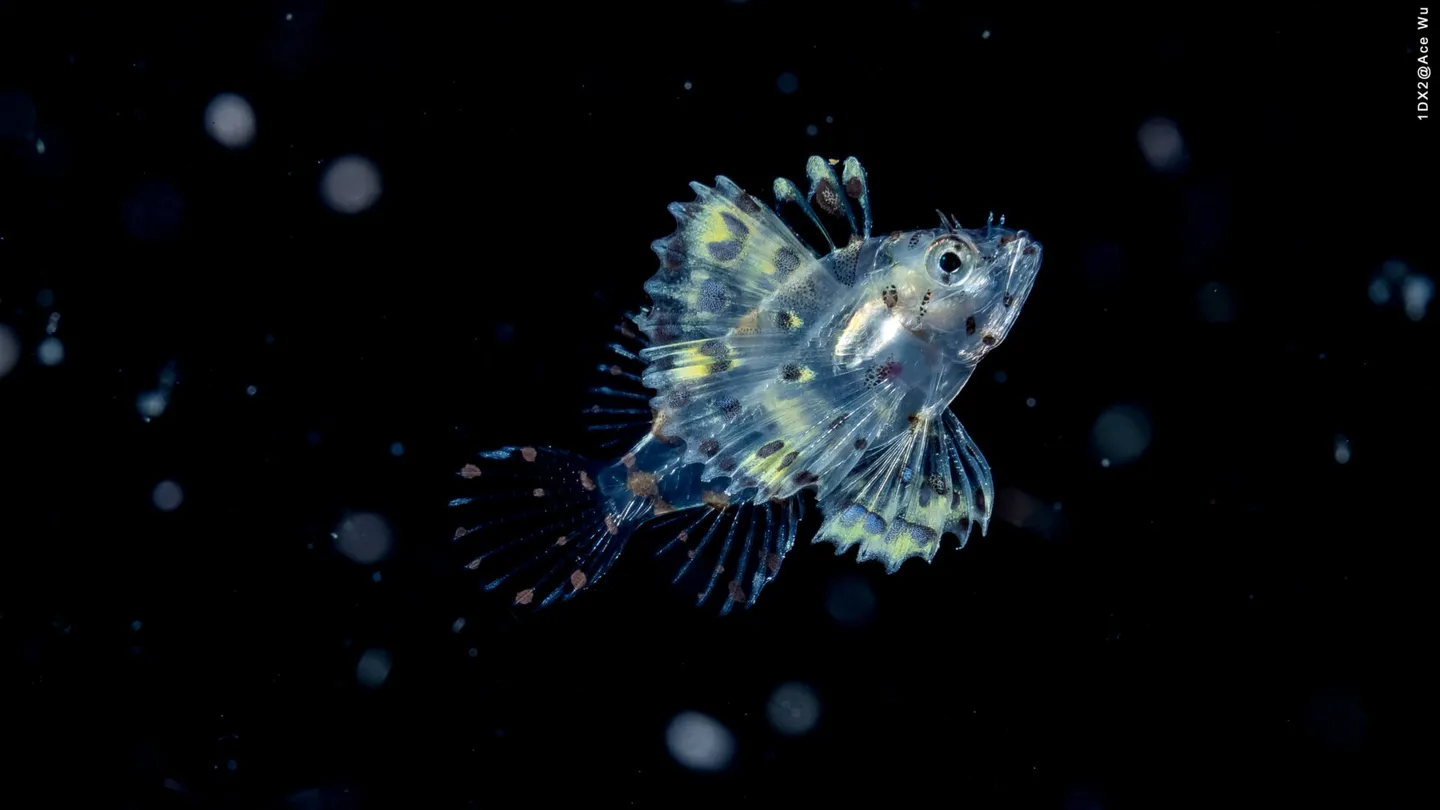
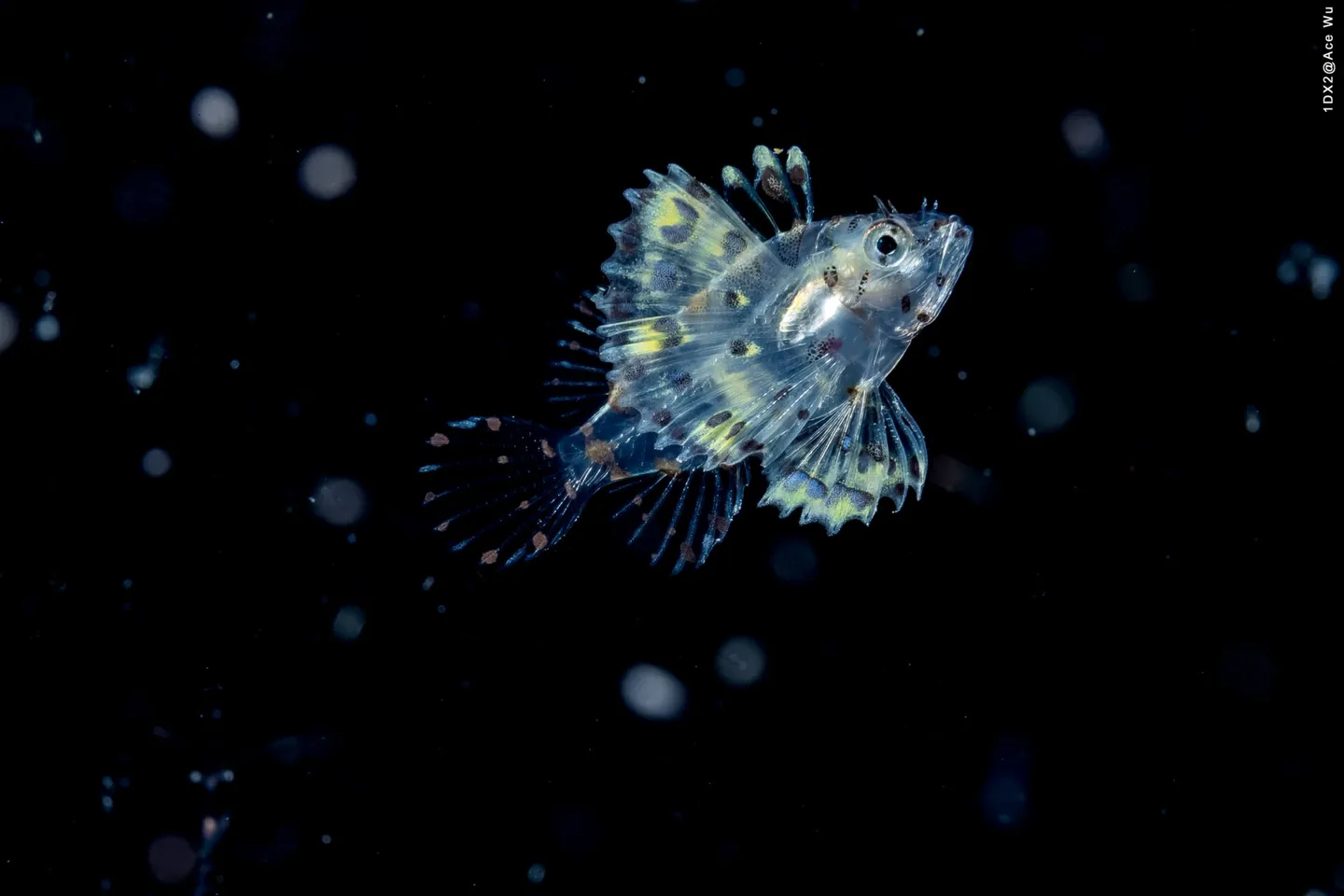
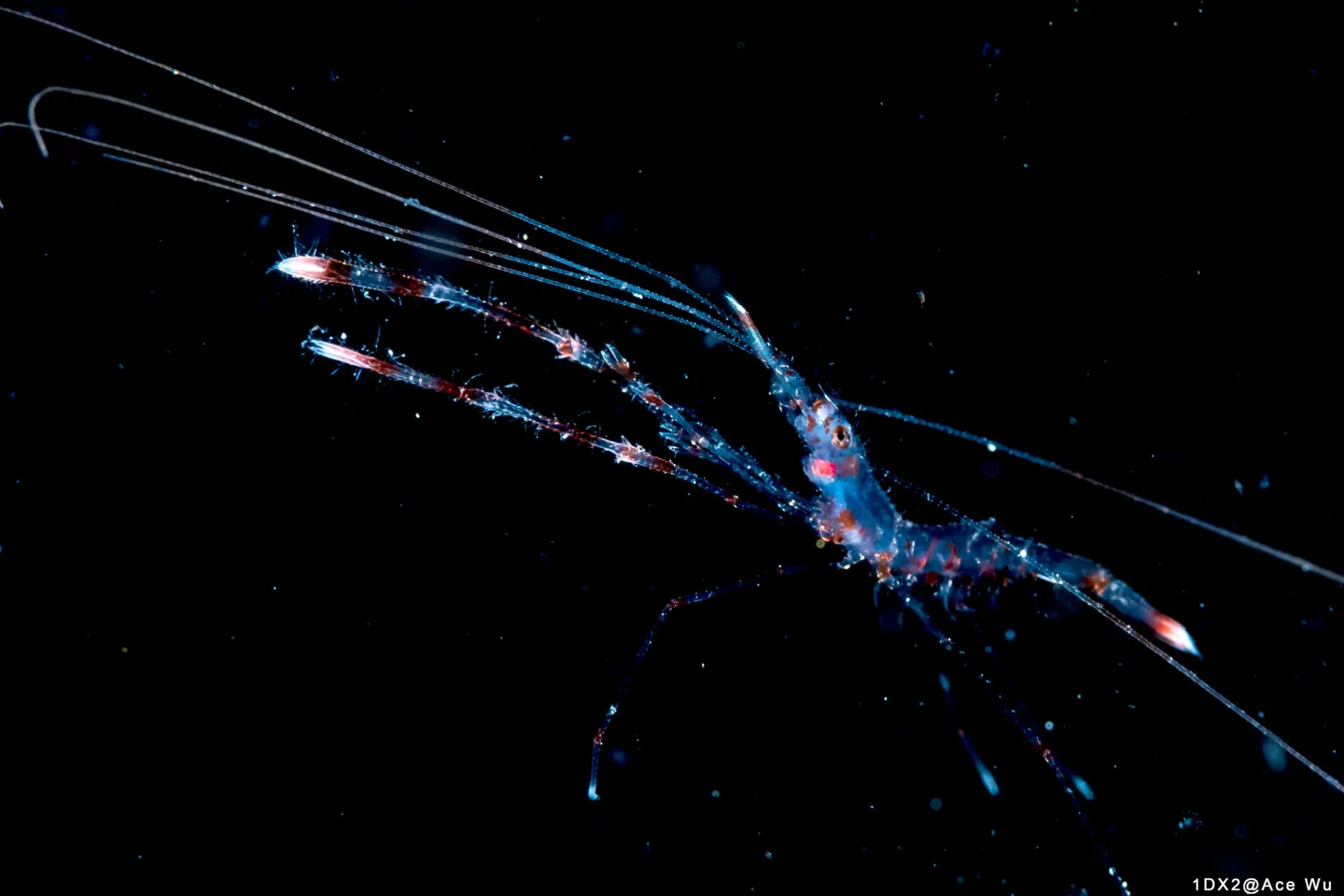
All three methods take advantage of marine creatures' natural phototaxis at night, or their behaviour of ascending from the deep to obtain oxygen and hunt in shallower water. The subjects are usually juvenile forms, because juveniles and adults can look so dramatically different that identification becomes difficult — giving the whole experience a real treasure-hunt feel!
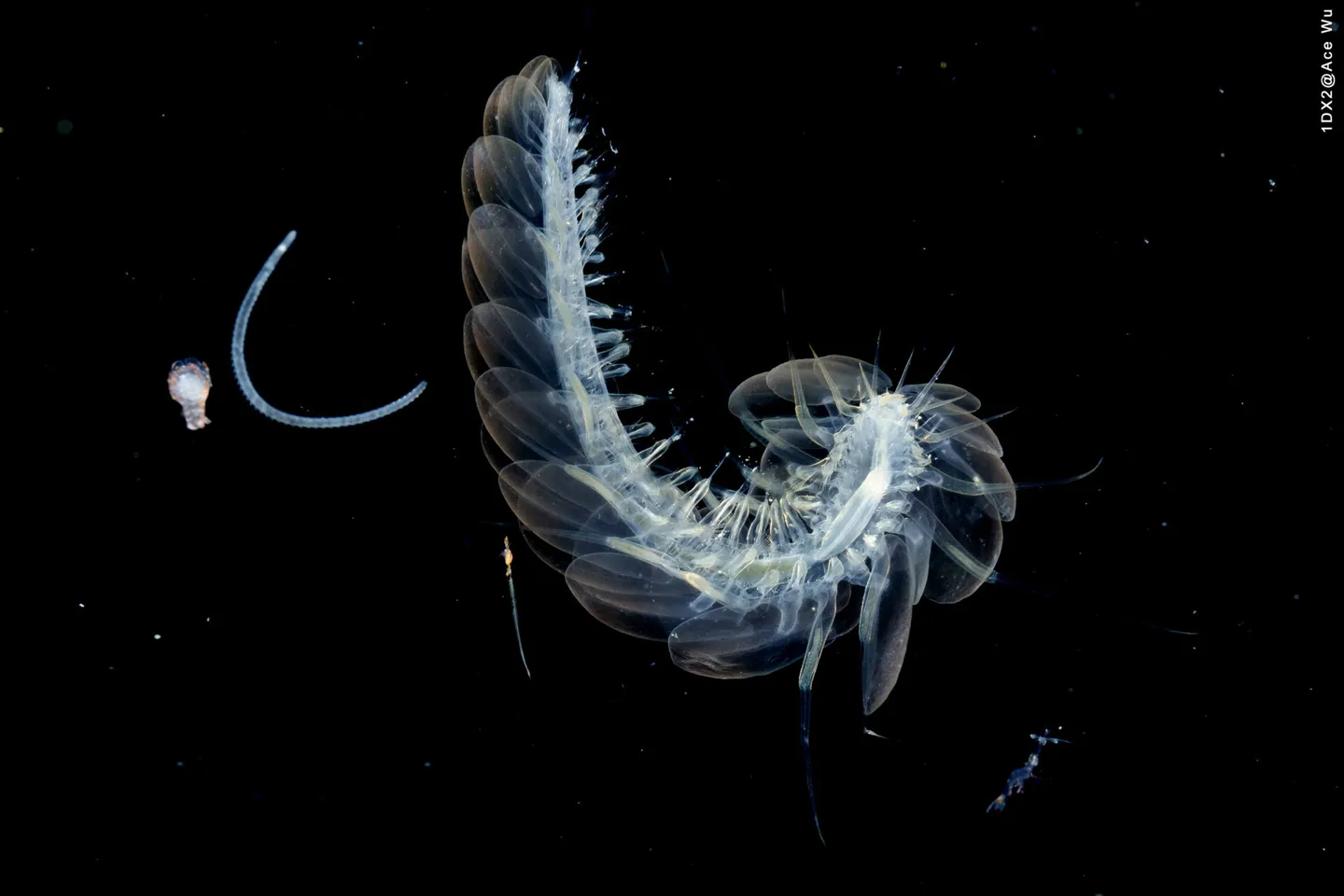
The transparent creatures in the images are referred to as larvae (Larval) or juveniles (Juvenile)!
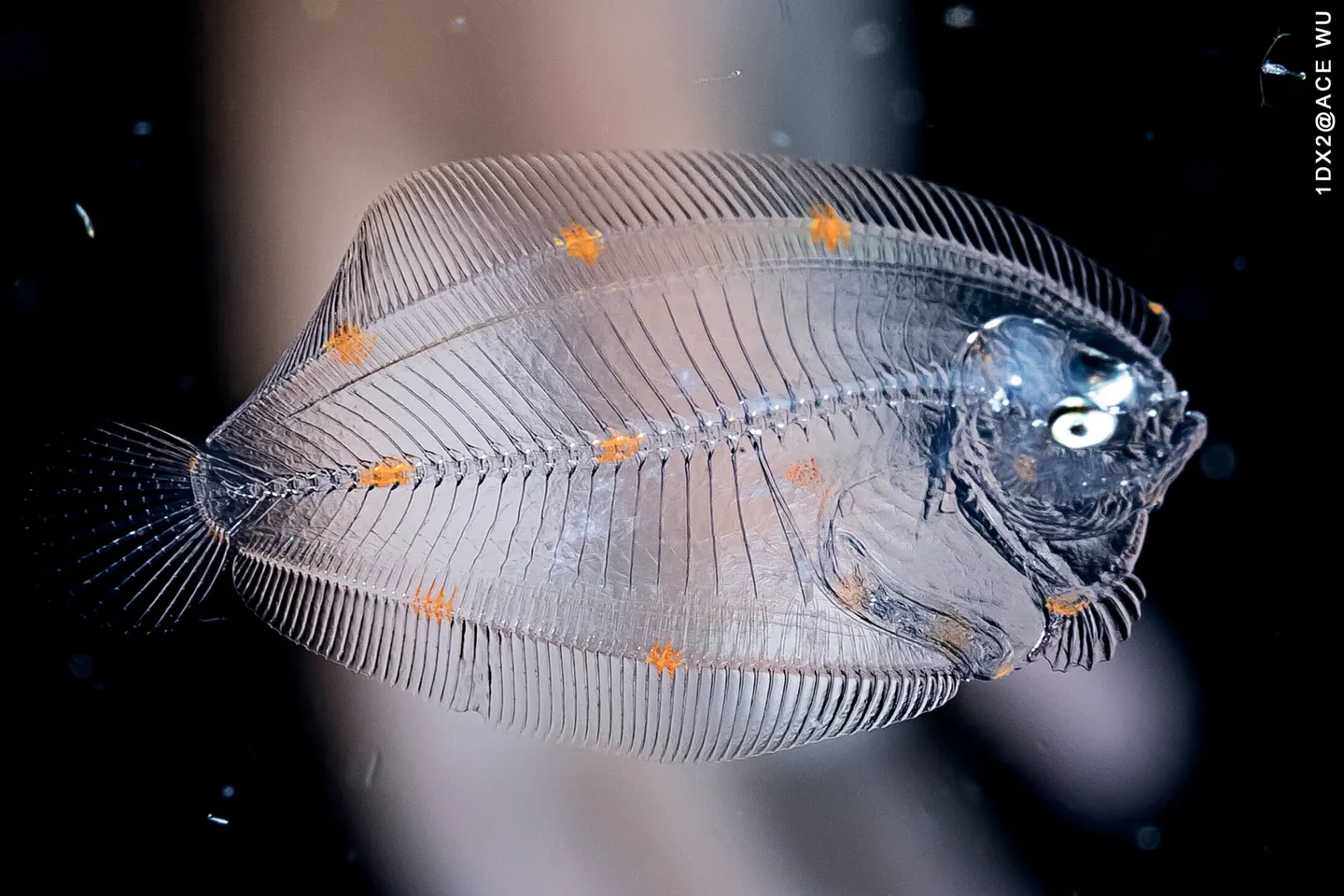
How to Shoot Blackwater?
If there is one thing that sets blackwater photography apart from regular macro photography, it is stability.
In ordinary macro photography you can choose your environment — lie on a sandy bottom, take your time focusing, and adjust your lighting at leisure. In blackwater photography, you must rely entirely on good neutral buoyancy, hovering in the water column and moving up and down with the subject. You also need to master the back-kick!
Site selection is determined by the local topography and is generally left to the dive shop, since locals know the environment best.
For equipment, because you need to attract marine life quickly, your lights should output at least 10,000 lumens to be effective.
The entry-level lighting setup uses clamp-mounted strobes, shooting with a double-strobe bracketing technique. Advanced lighting setups are more complex, with different configurations tailored to specific creatures.
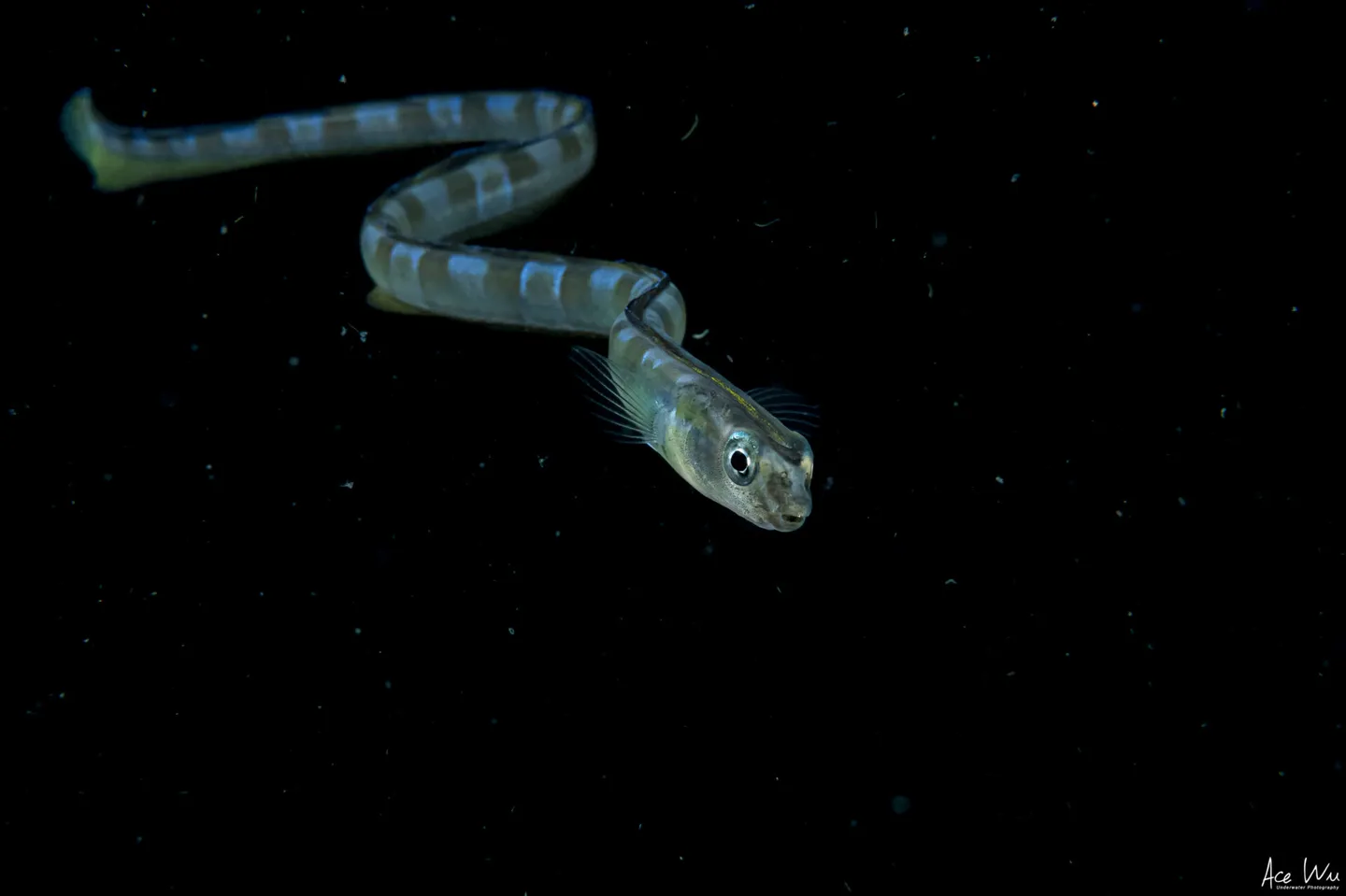
Blackwater Photography Camera Settings Tips:
Recommended camera settings are ISO 400, f/18–25 (varies by camera brand), and 1/200s. That said, blackwater shooting is entirely down to luck — I once went three consecutive nights and six dives without finding anything, and at other times I photographed more than ten species never seen before in a single dive.
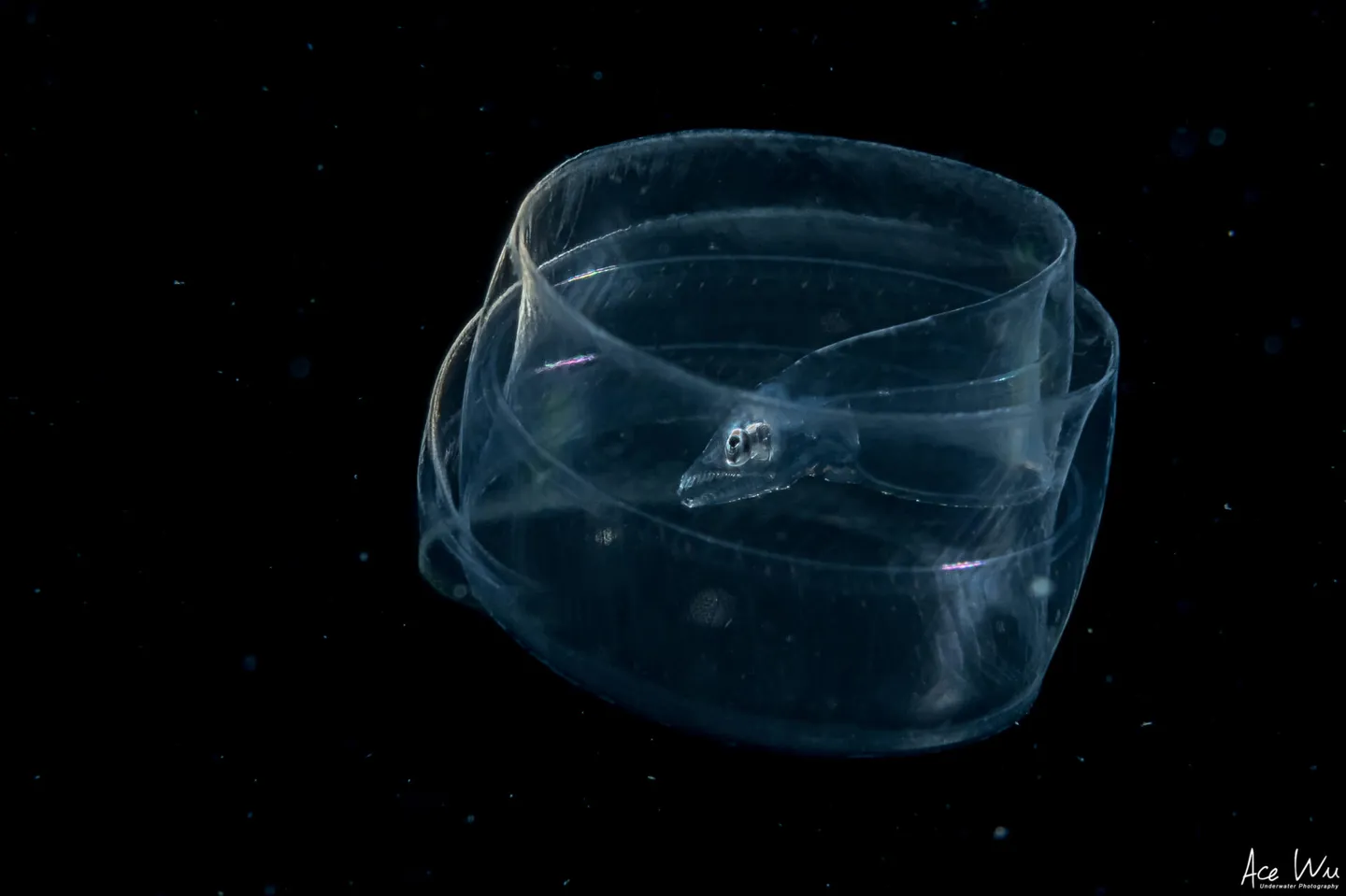
Conclusion:
The most important element in blackwater photography is light positioning. Good light placement minimises suspended particles, pushing them into the background. Theoretically speaking, a photo painted completely black shouldn't exist. Last year I competed in a live competition at Anilao in the Philippines and won first place in the blackwater category — one of the rules was that retouching out backscatter was not permitted!
Further Reading: