![[BlueTrend Classroom] 10 Simple Biological Classification Methods for the Marine Citizen Science Database](/_images/5e44269feedb-1440w.webp)
Contents(10)
- Classification Category 1: Topography & Habitat
- Classification Category 2: Algae & Plants
- Classification Category 3: Coral & Other Cnidarians
- Classification Category 4: Other Invertebrates
- Classification Category 5: Mollusks
- Classification Category 6: Crustaceans
- Classification Category 7: Echinoderms
- Classification Category 8: Fish
- Classification Category 9: Marine Reptiles
- Classification Category 10: Marine Mammals
Thank you all for joining the Marine Citizen Science Database initiative. After reviewing the submissions, we found that there are over 7,000 species of marine life commonly found in Taiwan. We have been thinking about how to develop a simple biological classification system that strikes a balance between professional scientific indexing and general public understanding. Below, we have divided photos into 10 categories, each paired with commonly seen organisms, to make classification easier for everyone. Of course, if you find a photo genuinely difficult to categorize, feel free to give it a rough classification first — our team can help refine it later!
Classification Category 1: Topography & Habitat
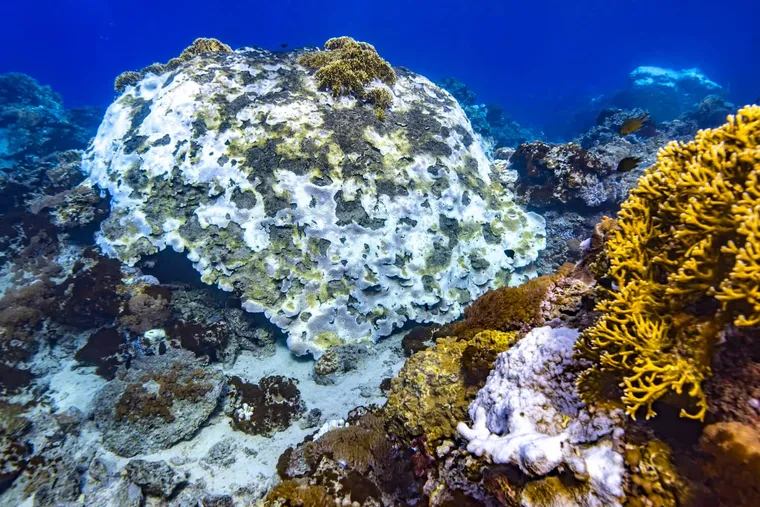
Collection focus: Underwater environments represent the ecological character of a given area. A complete ecosystem should feature a diverse and healthy distribution of life. Wide-angle photos are therefore extremely valuable. Fragile ecosystems are very difficult to restore once damaged, making every photographer's shot critically important. We also hope to accumulate documentary photos of ecological realities such as coral bleaching, underwater fishing nets, and drifting marine debris.
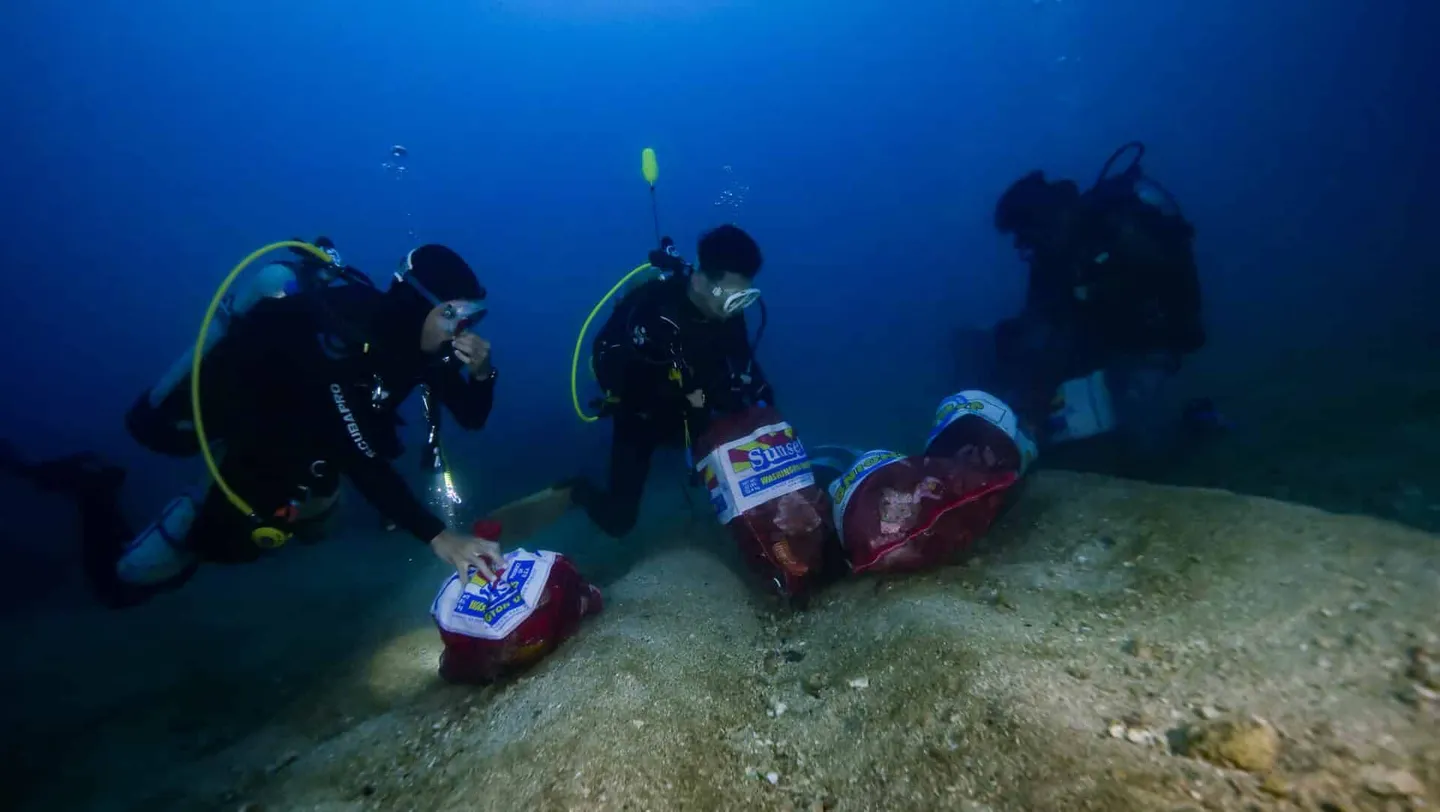
Photo Credit Spark
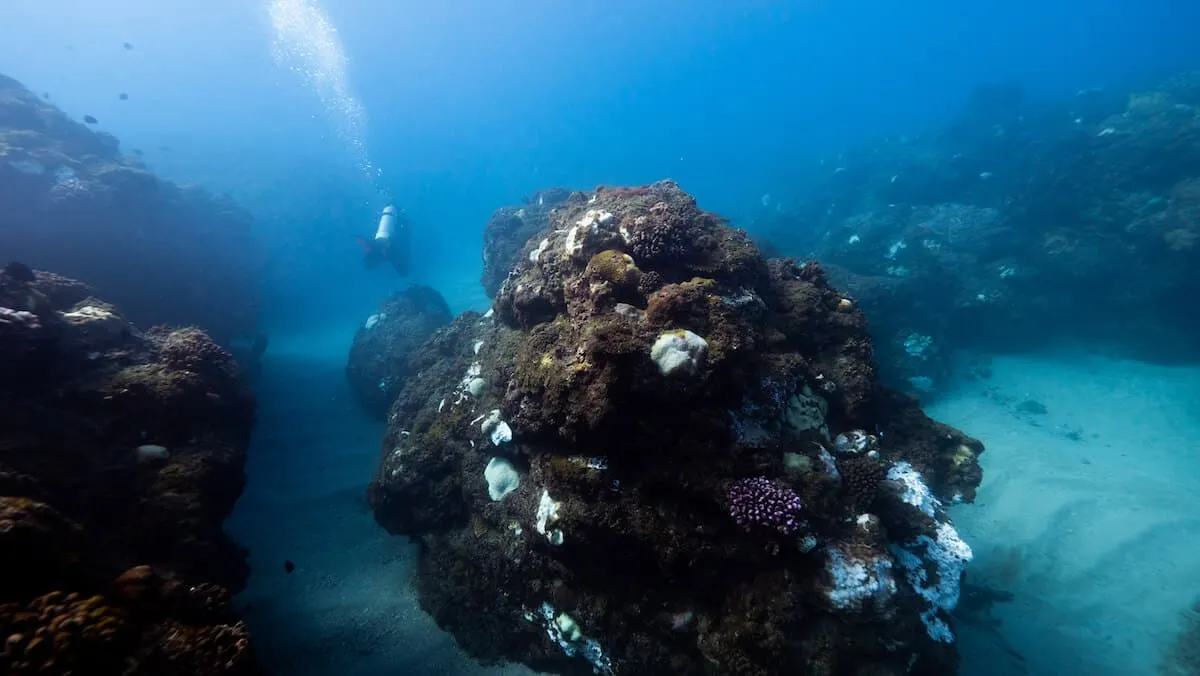
Photo Credit Spark


Classification Category 2: Algae & Plants
Collection focus: Algae includes the various species commonly found along shorelines and in intertidal zones, such as sargassum, hair algae, and centipede algae. In northern Taiwan, algae ecosystems undergo significant seasonal changes due to the northeast monsoon and heavy summer rainfall, so timing your documentation to the right season is essential. Algae habitats tend to be wet and slippery — remember to wear non-slip shoes with textured soles when exploring. Additionally, many small creatures hide among algae, so keep an eye out for little surprises while shooting!
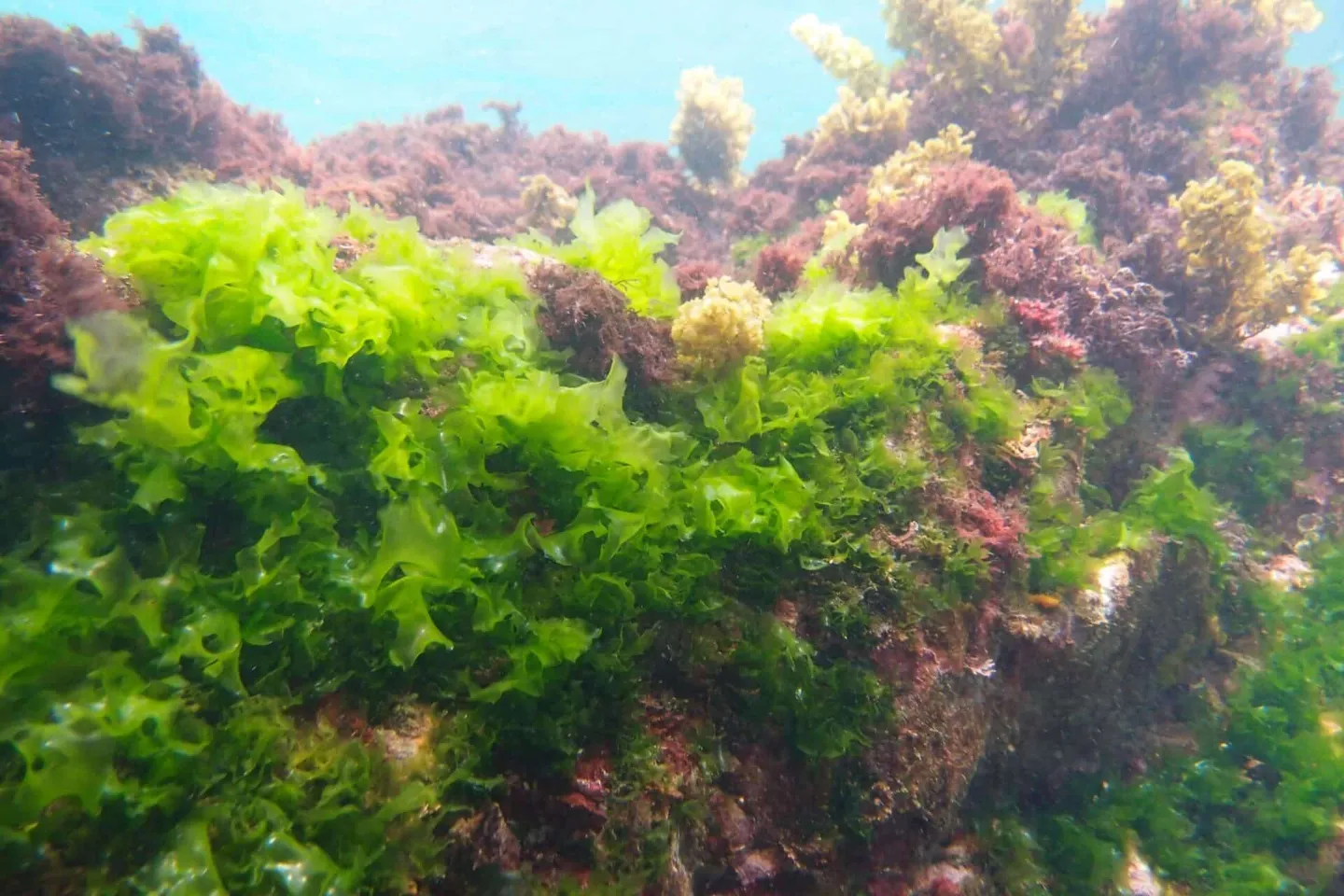
Photo Credit 林祐平
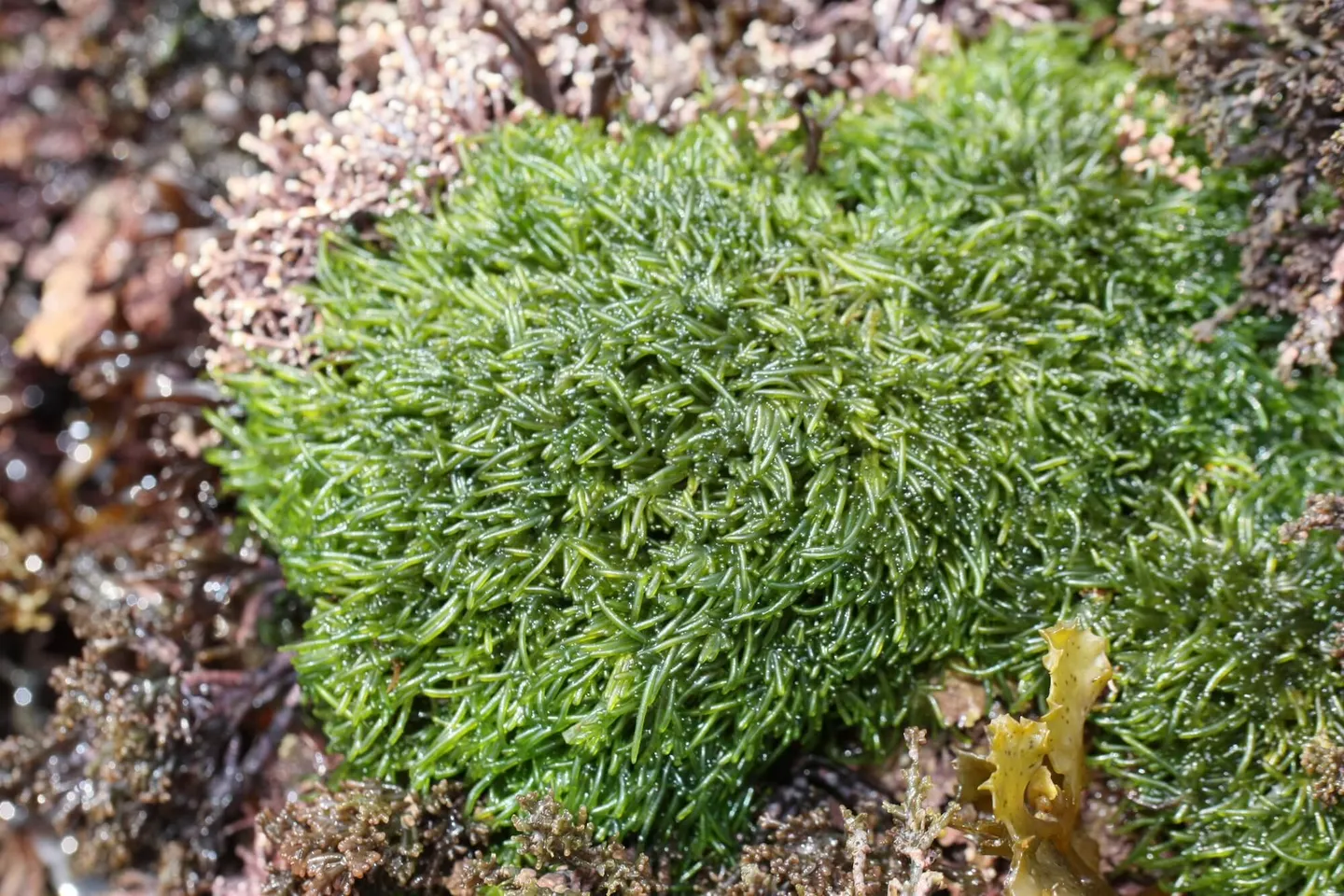
Photo Credit Wox
Classification Category 3: Coral & Other Cnidarians
Collection focus: The hard coral and soft coral we commonly see are both classified as cnidarians. Jellyfish, sea anemones, and hydroids are also included in this group — so please stop categorizing jellyfish under fish or mollusks!
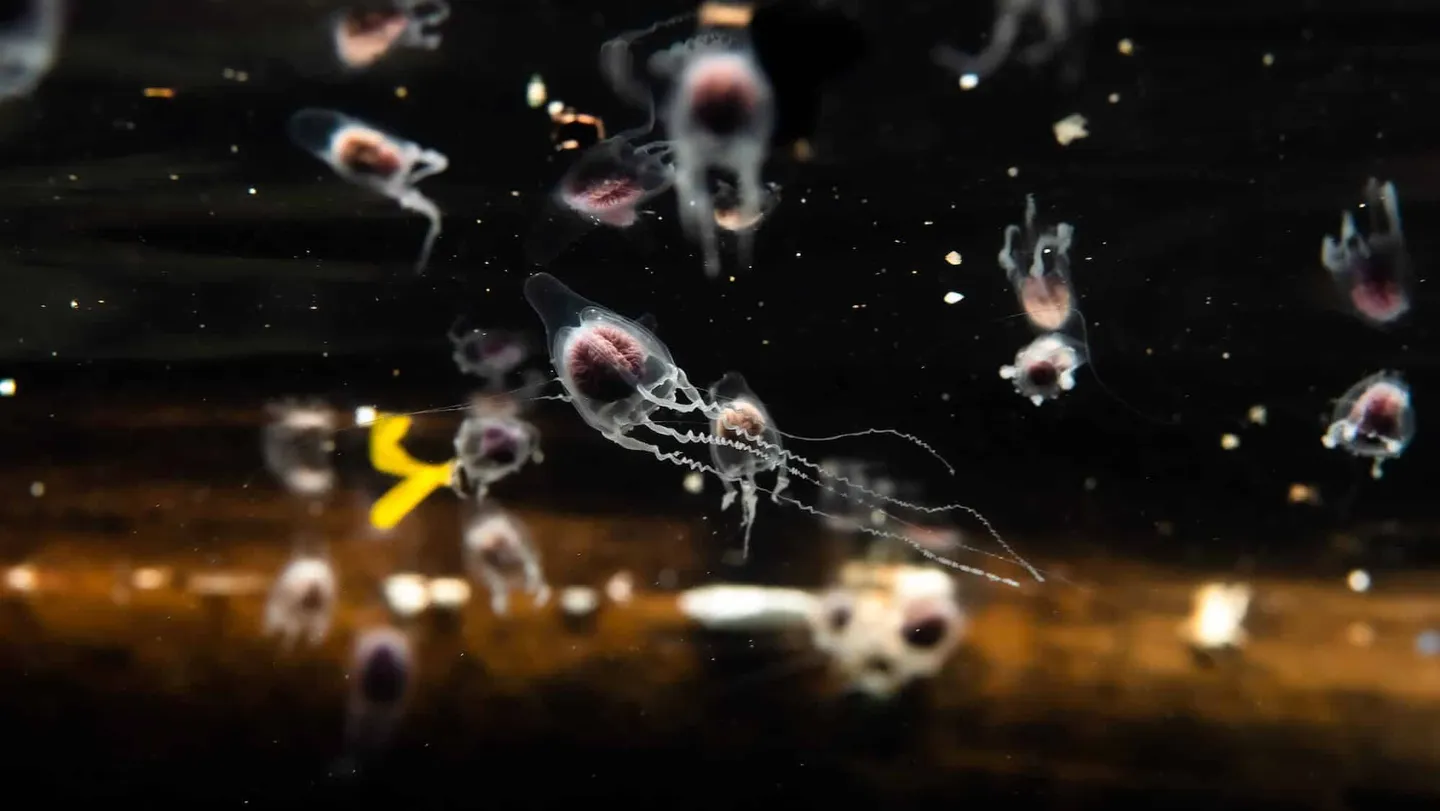
Photo Credit Spark
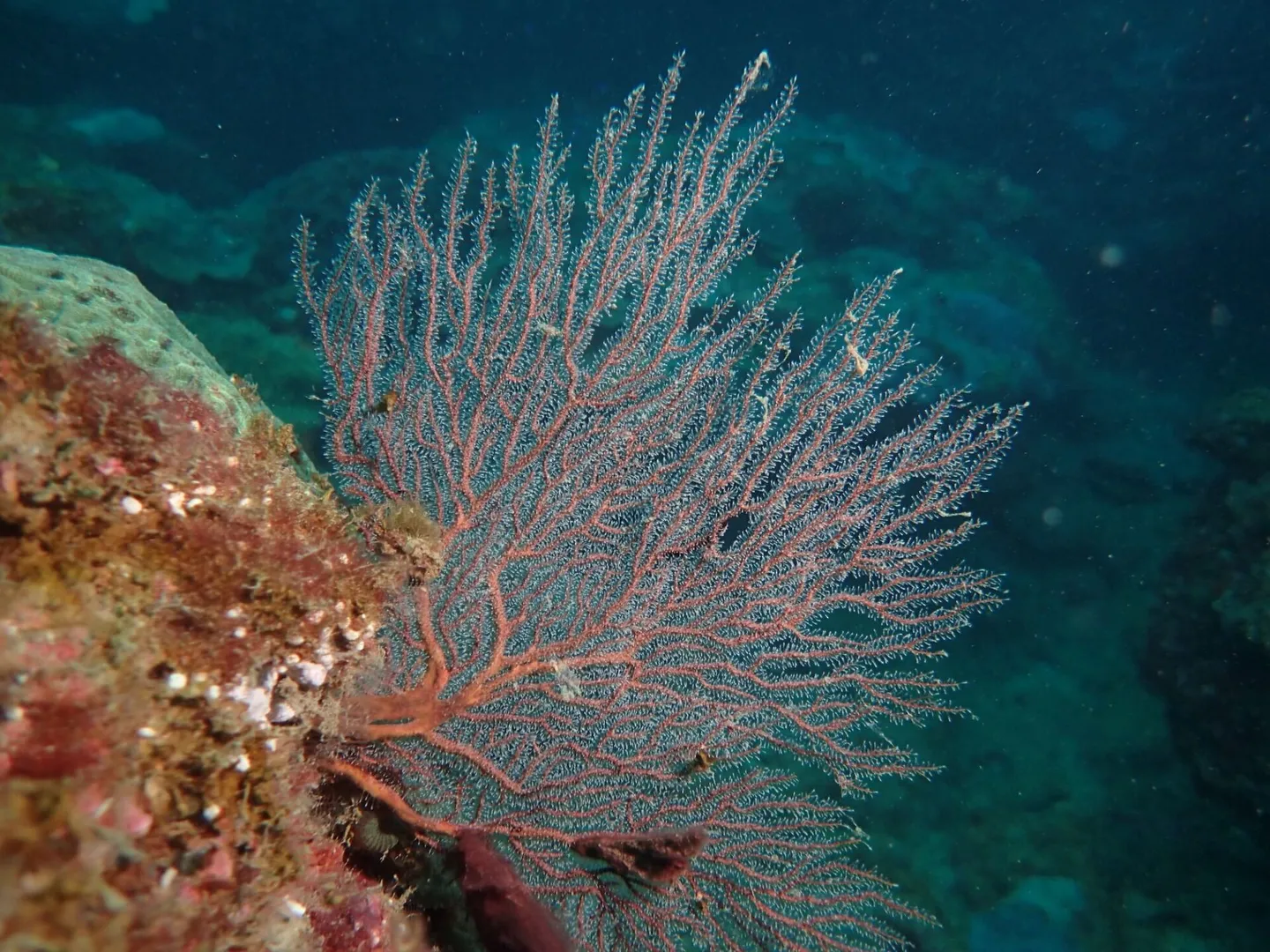
Photo Credit 林祐平
Classification Category 4: Other Invertebrates
Collection focus: Photos that cannot be classified under any of the other 9 categories will most likely fall here. Common organisms in this group include comb jellies, acoelomorphs, ribbon worms, peanut worms, and annelids.
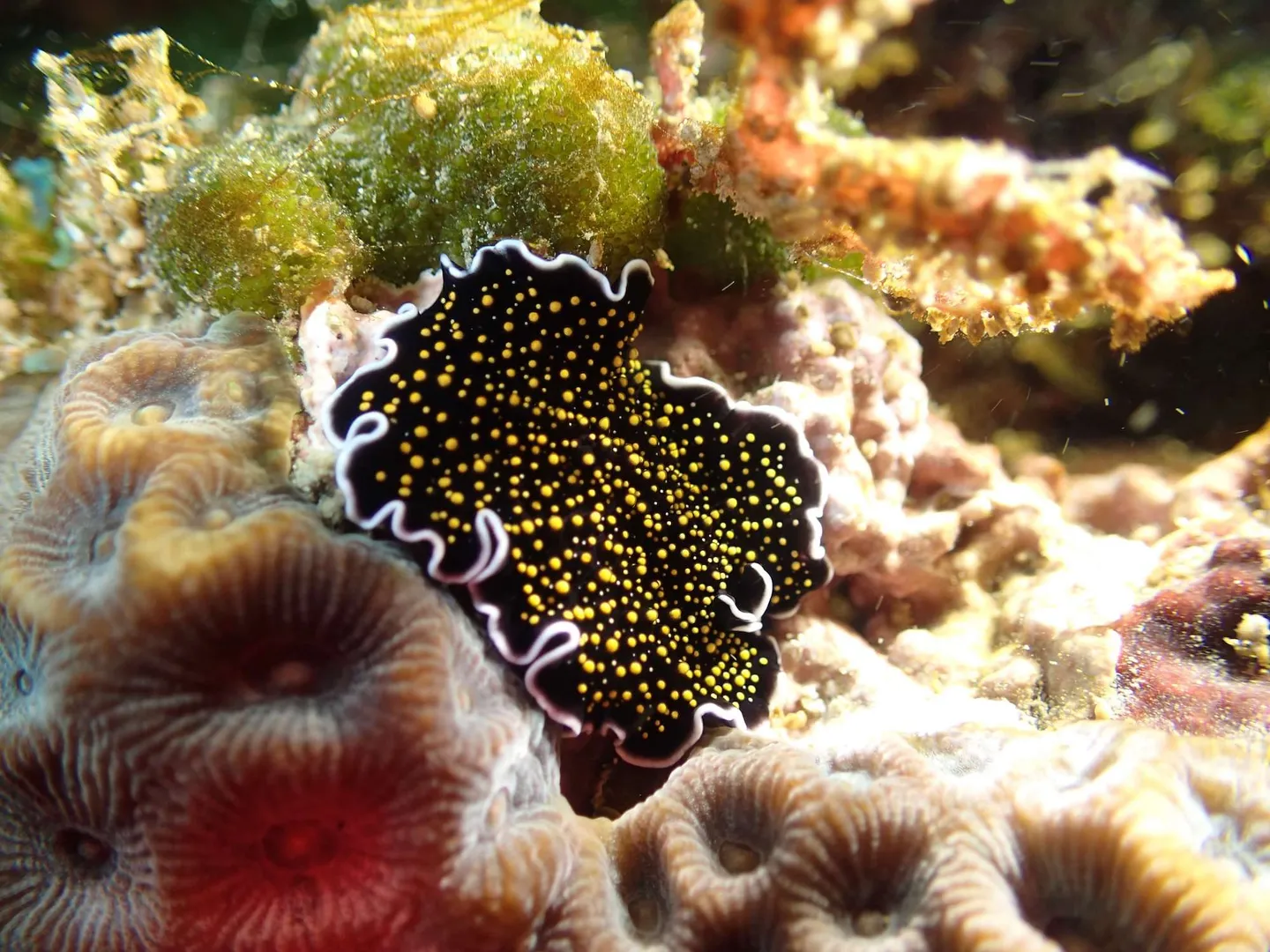
Photo Credit 陳致維
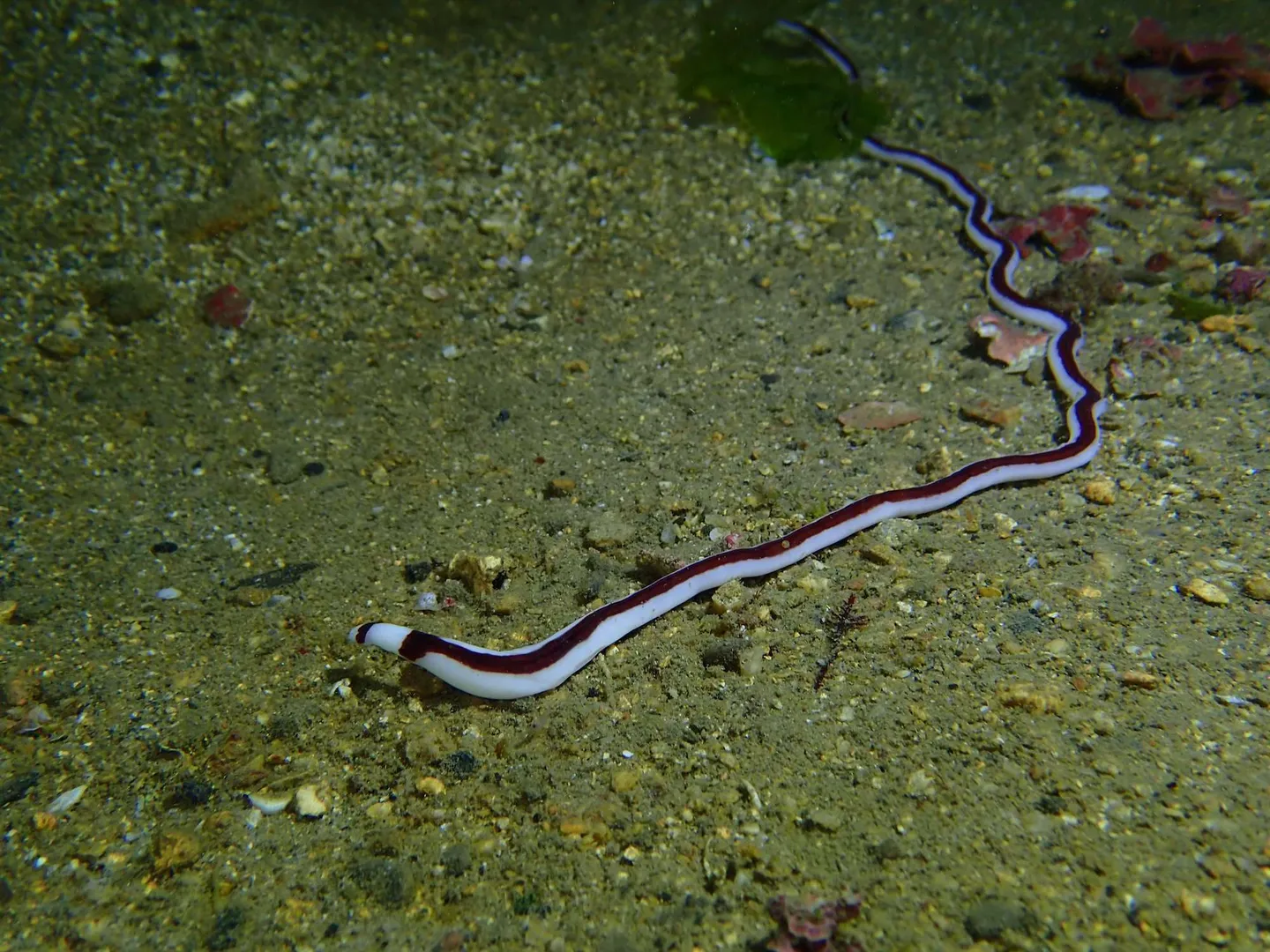
Photo Credit 陳致維
Classification Category 5: Mollusks
Collection focus: People often ask, "Where is the nudibranch category?" or "Cuttlefish and squid are cephalopods — why aren't they listed separately?" In fact, all of these creatures are classified under mollusks. Nudibranch, for example, belong to the class Gastropoda within Mollusca; octopus, cuttlefish, and squid fall under Cephalopoda; and bivalves such as giant clams are also classified as mollusks. So make sure you're placing things in the right category!
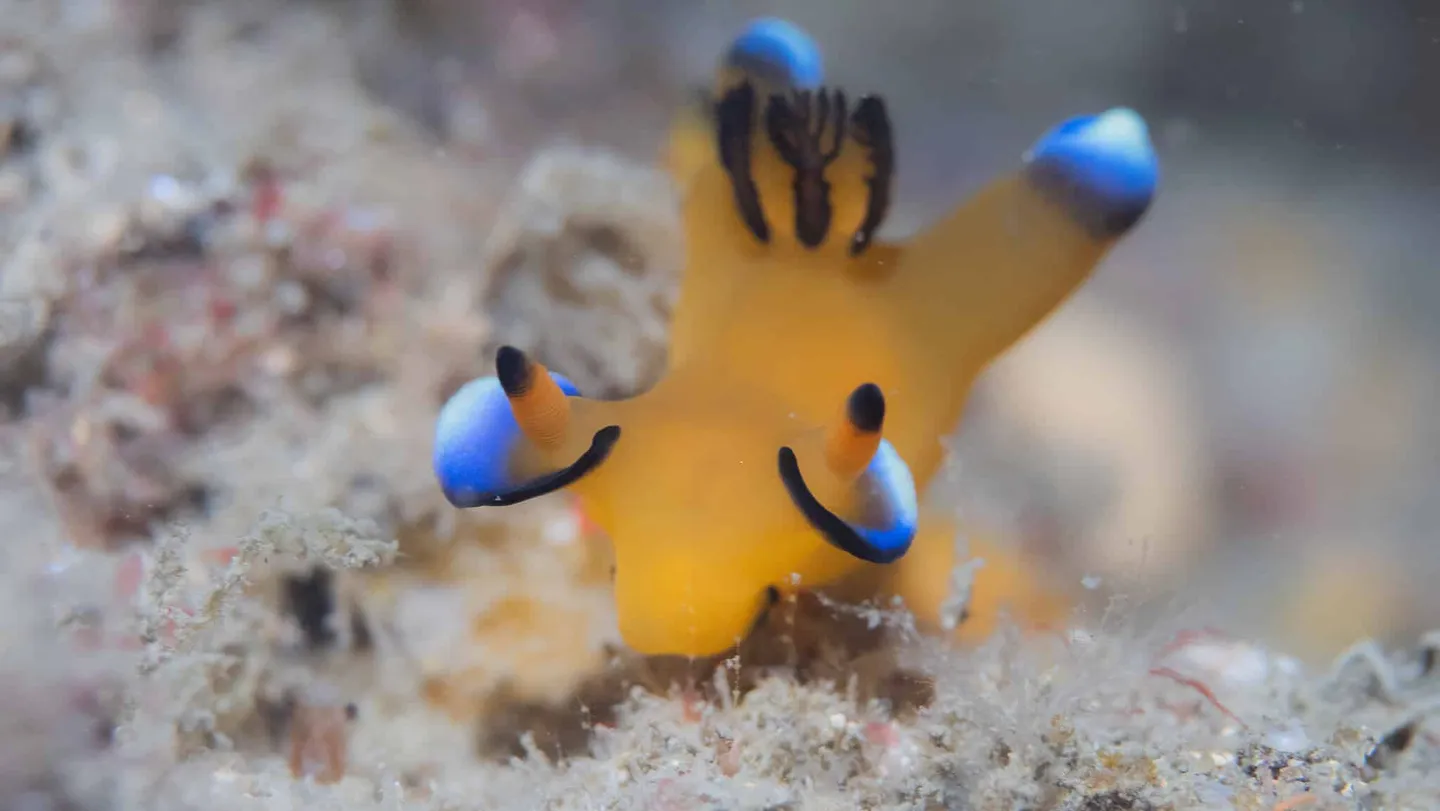
Photo Credit Spark
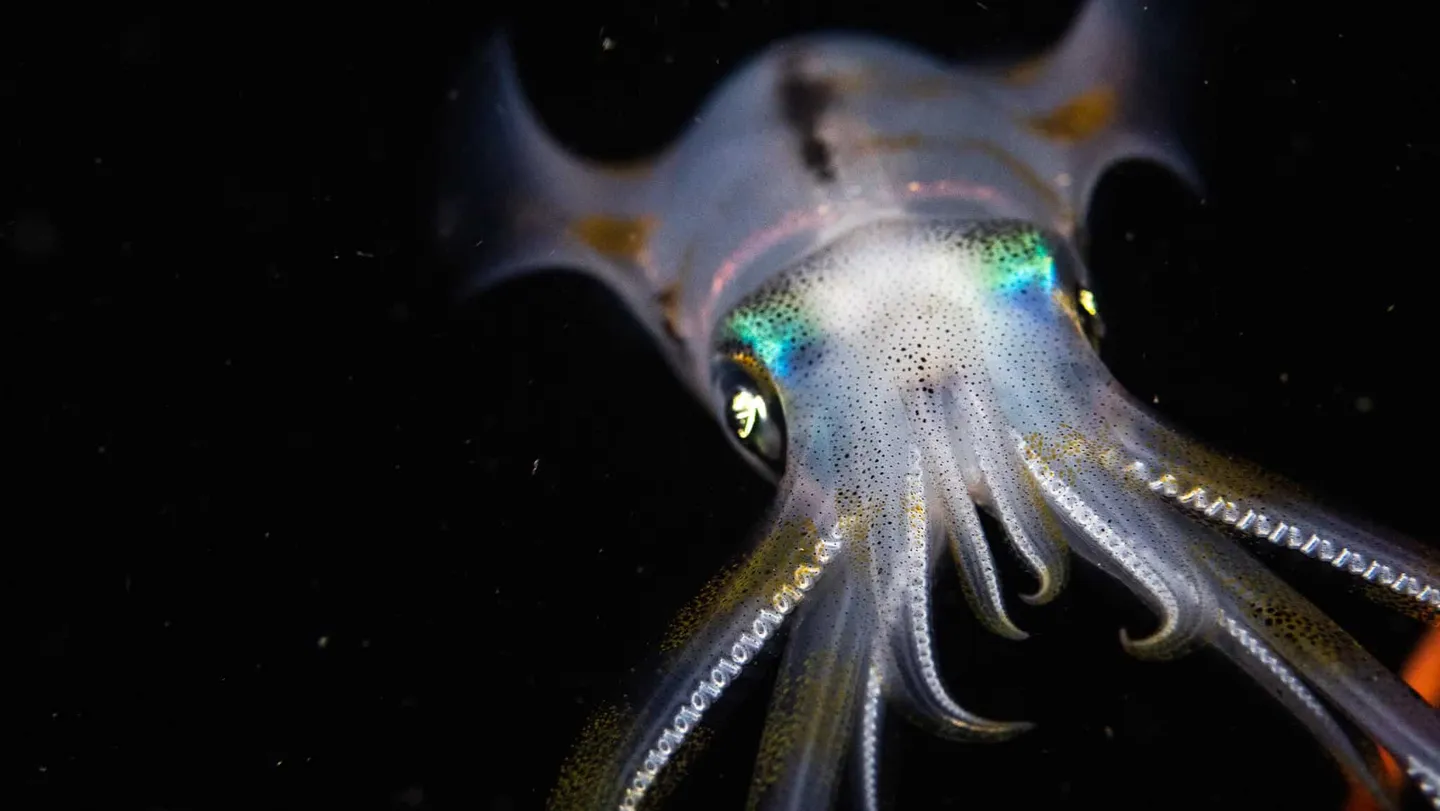
Photo Credit Spark
Classification Category 6: Crustaceans
Collection focus: Beyond the commonly encountered shrimp, crab, and hermit crab, arthropods also include barnacles attached to reef rocks and goose barnacles found on drifting debris. Some underwater creatures share symbiotic relationships — certain miniature arthropods live in symbiosis with sea urchins, sea anemones, or fish — and we are very eager to have photographers help document these special symbiotic behaviors.
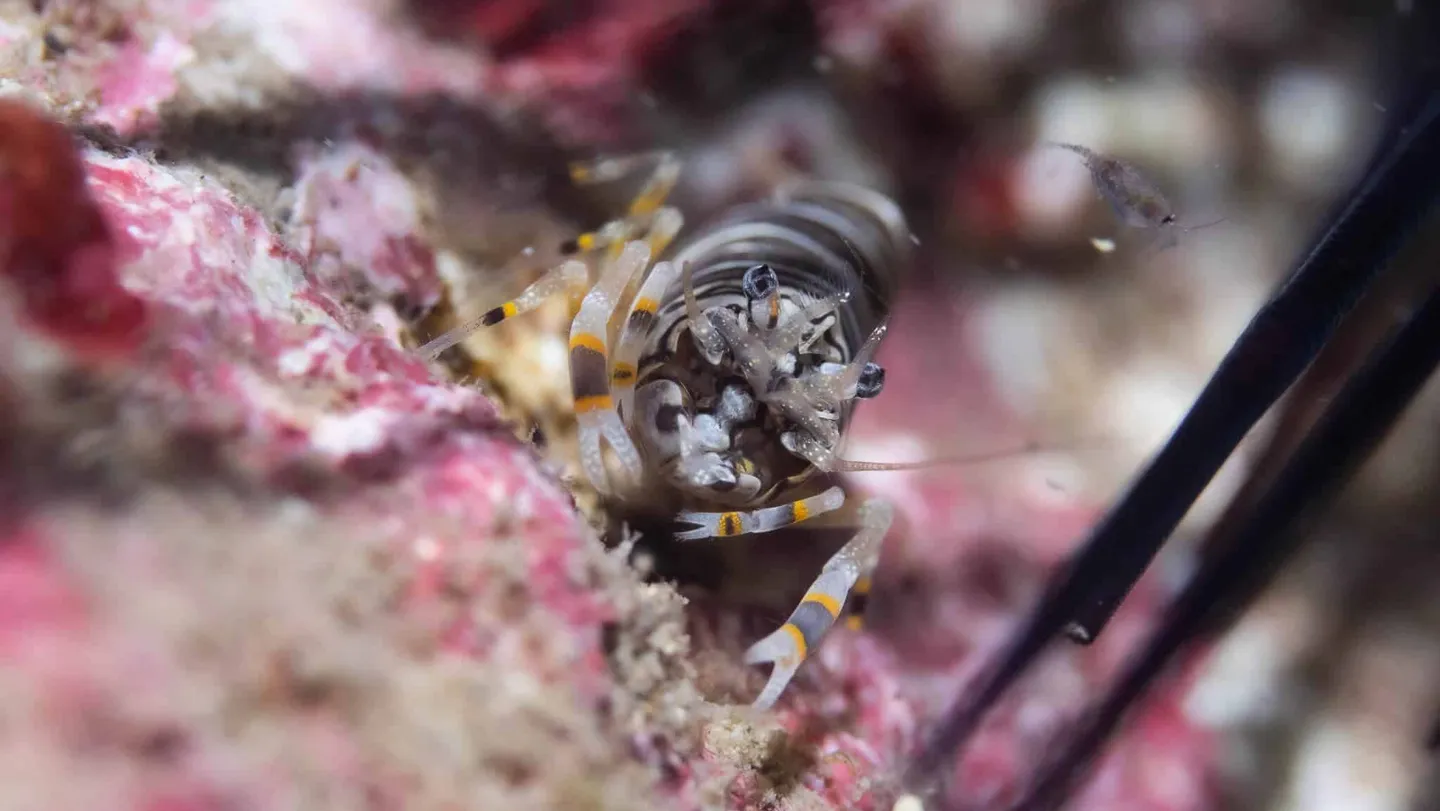
Photo Credit Spark
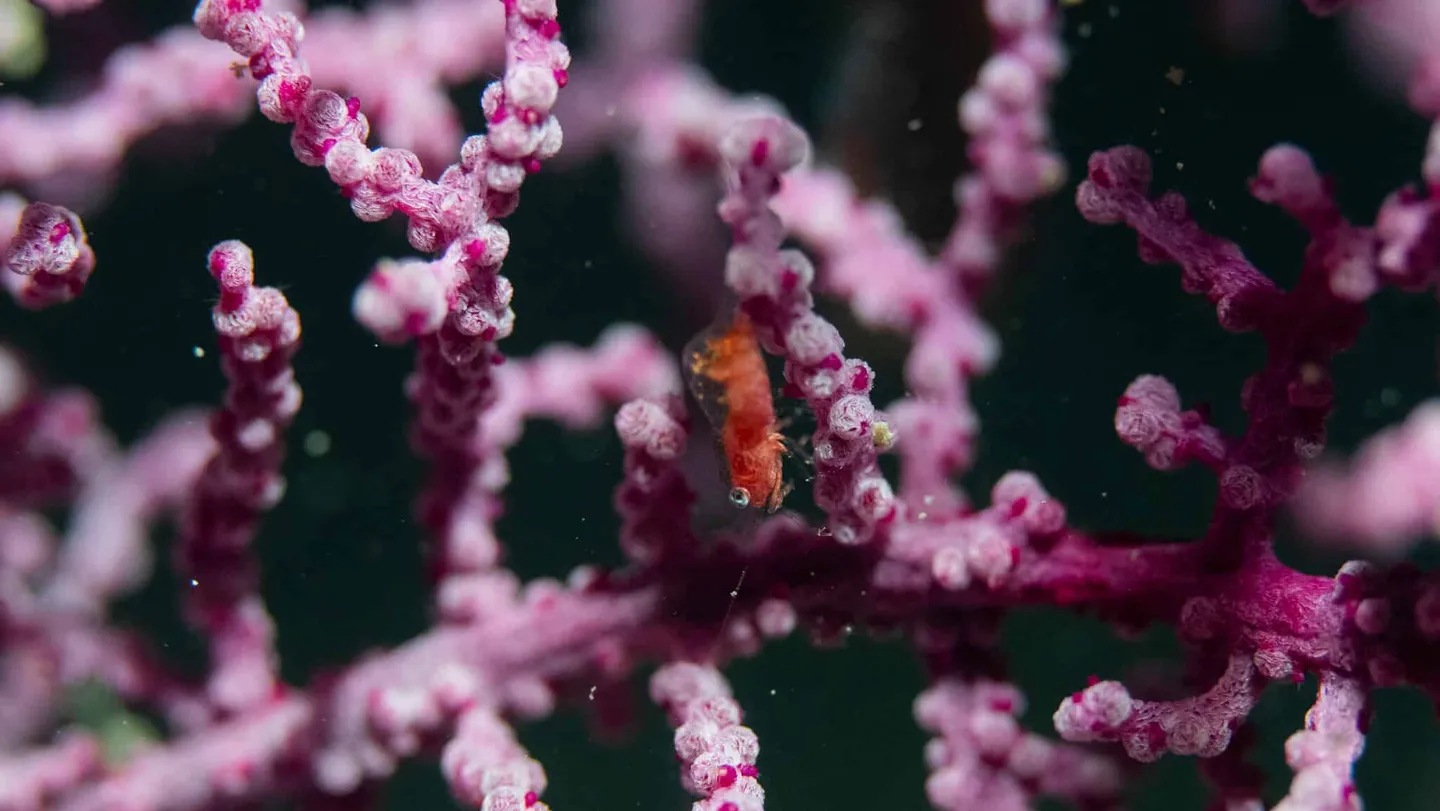
Photo Credit Spark
Classification Category 7: Echinoderms
Collection focus: Common echinoderms include feather stars (crinoids), sea stars, brittle stars, sea urchins, and sea cucumbers.
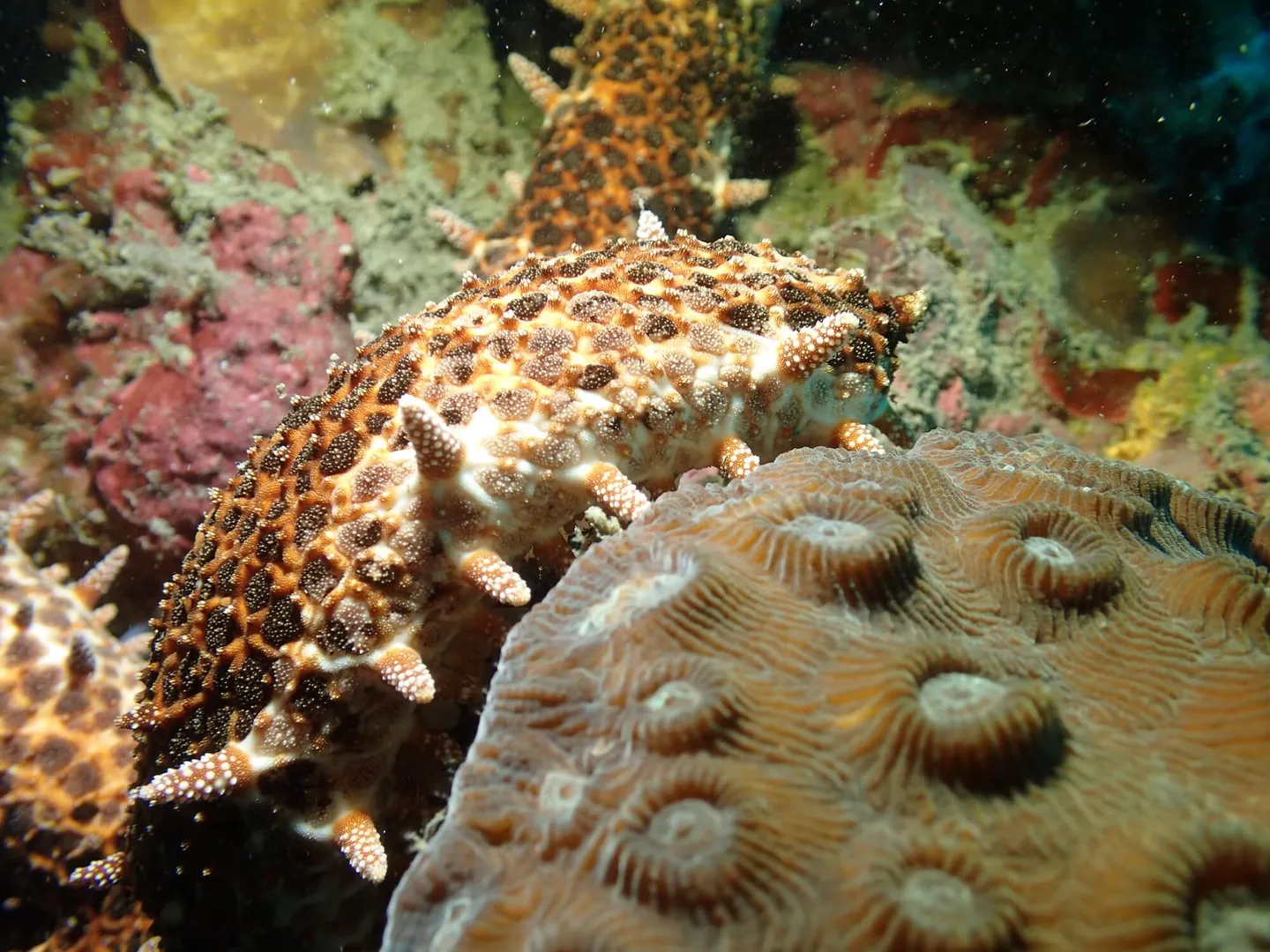
Photo Credit 林祐平
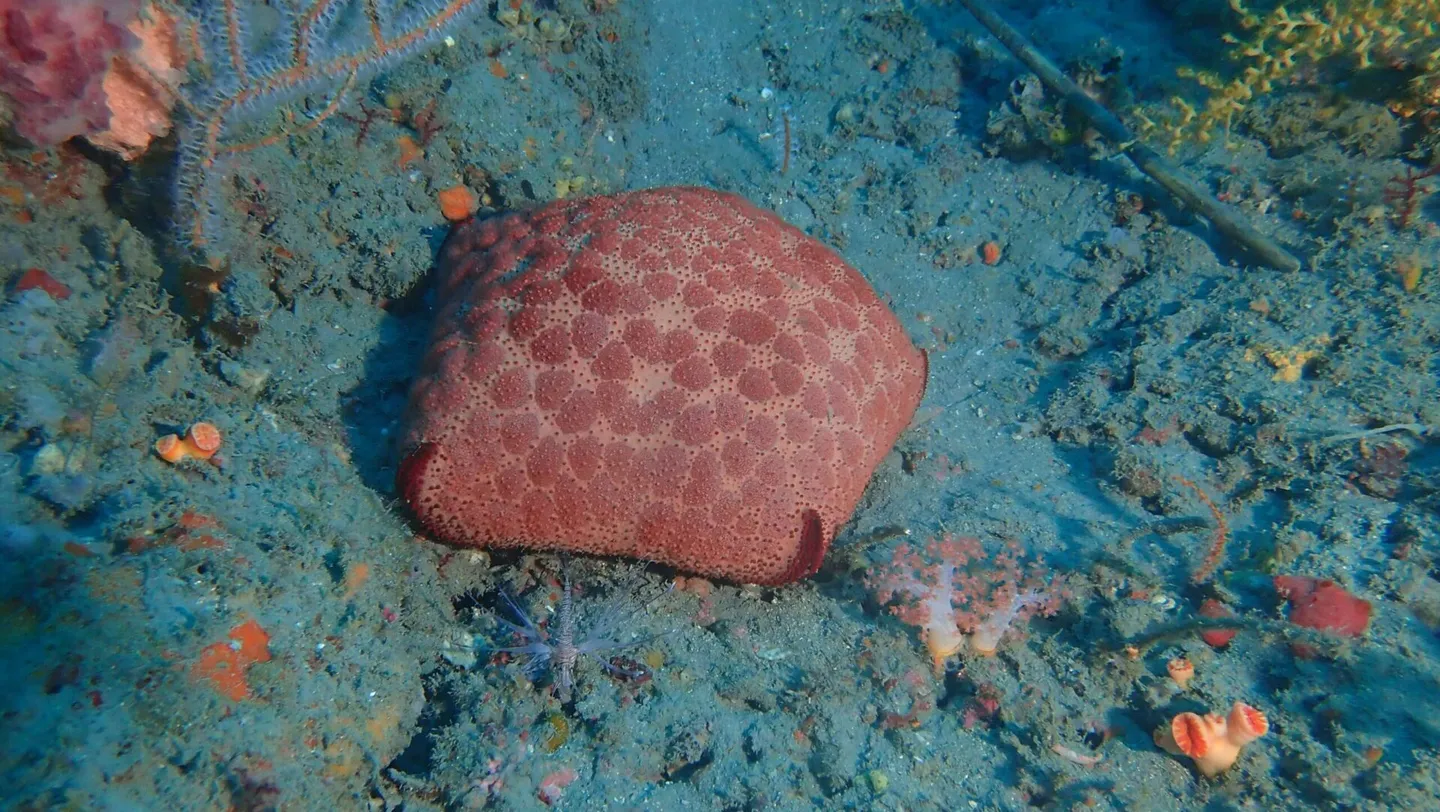
Photo Credit 林祐平
Classification Category 8: Fish
Collection focus: Fish are the creatures most commonly encountered during a dive, but because the variety is enormous, identification relies heavily on biological features. For detailed guidance on photographing different species for identification purposes, refer to the Marine Field Guide. Commonly seen fish include sharks, Stingray, sardines, eel, lizardfish, and gobies.
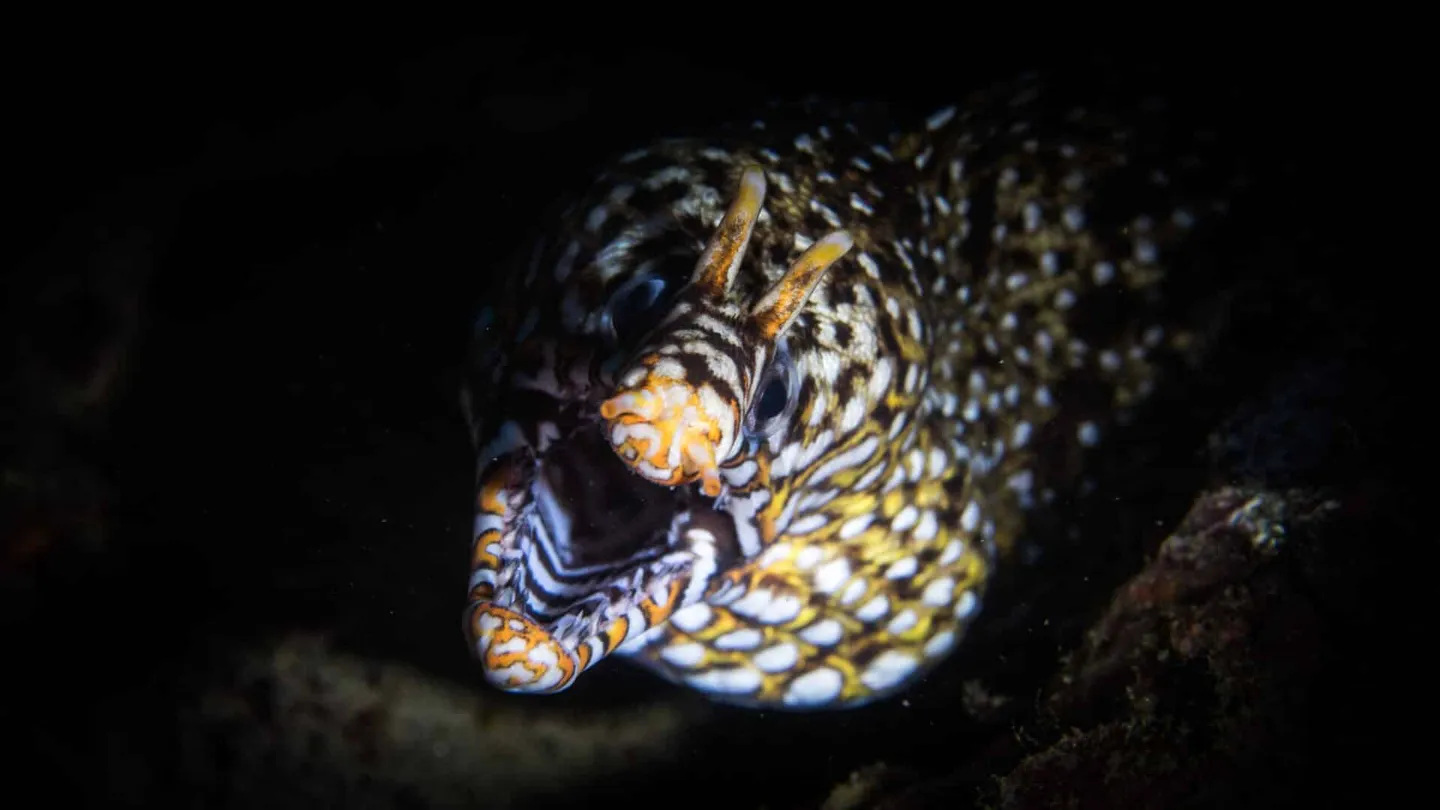
Photo Credit Spark
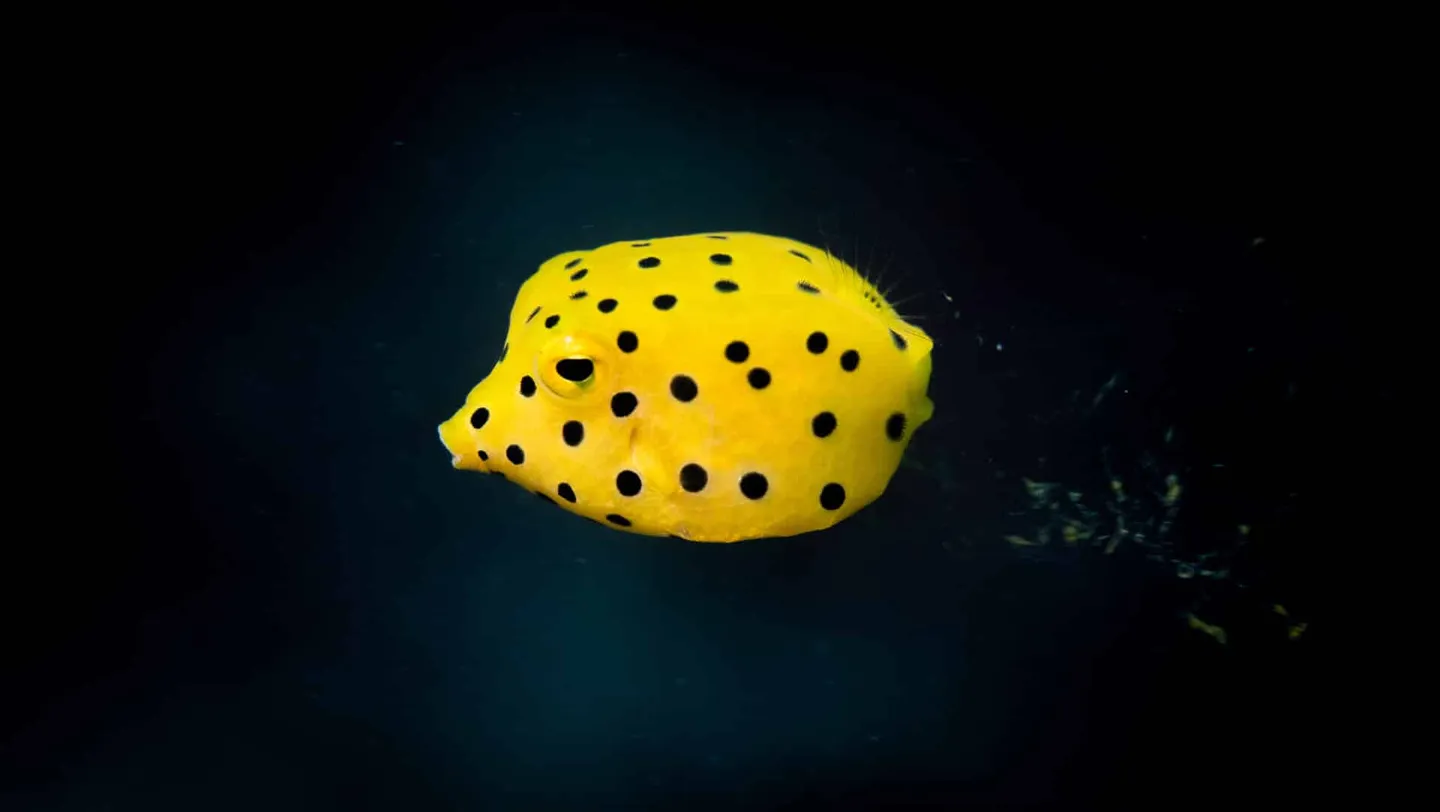
Photo Credit Spark
Classification Category 9: Marine Reptiles
Collection focus: The most commonly encountered marine reptiles in Taiwan are sea turtles and sea snakes. When photographing sea turtles, pay special attention to differences in their physical features — you may be lucky enough to spot a rare turtle species in Taiwan other than the Green Sea Turtle!
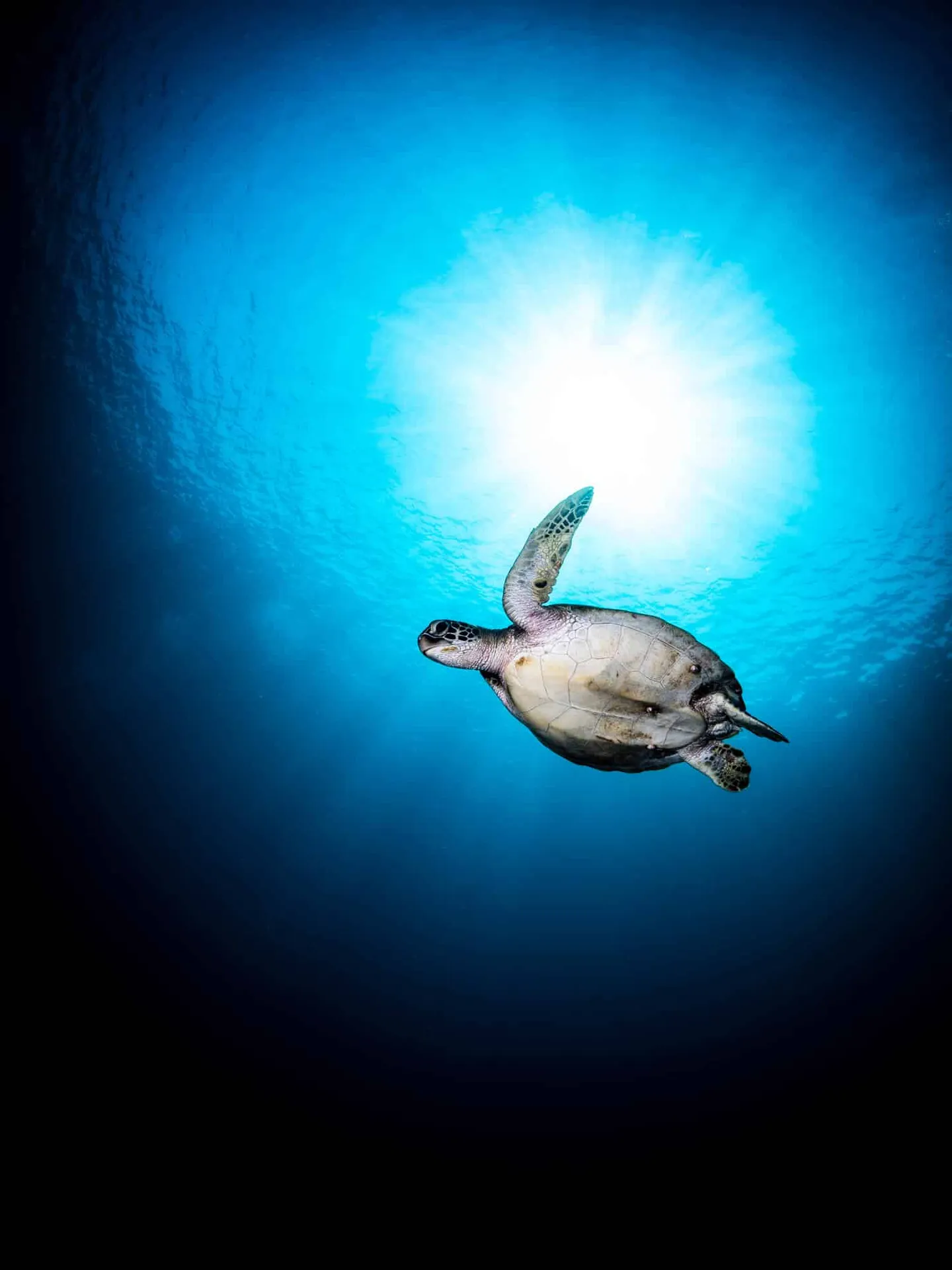
Photo credit Marco
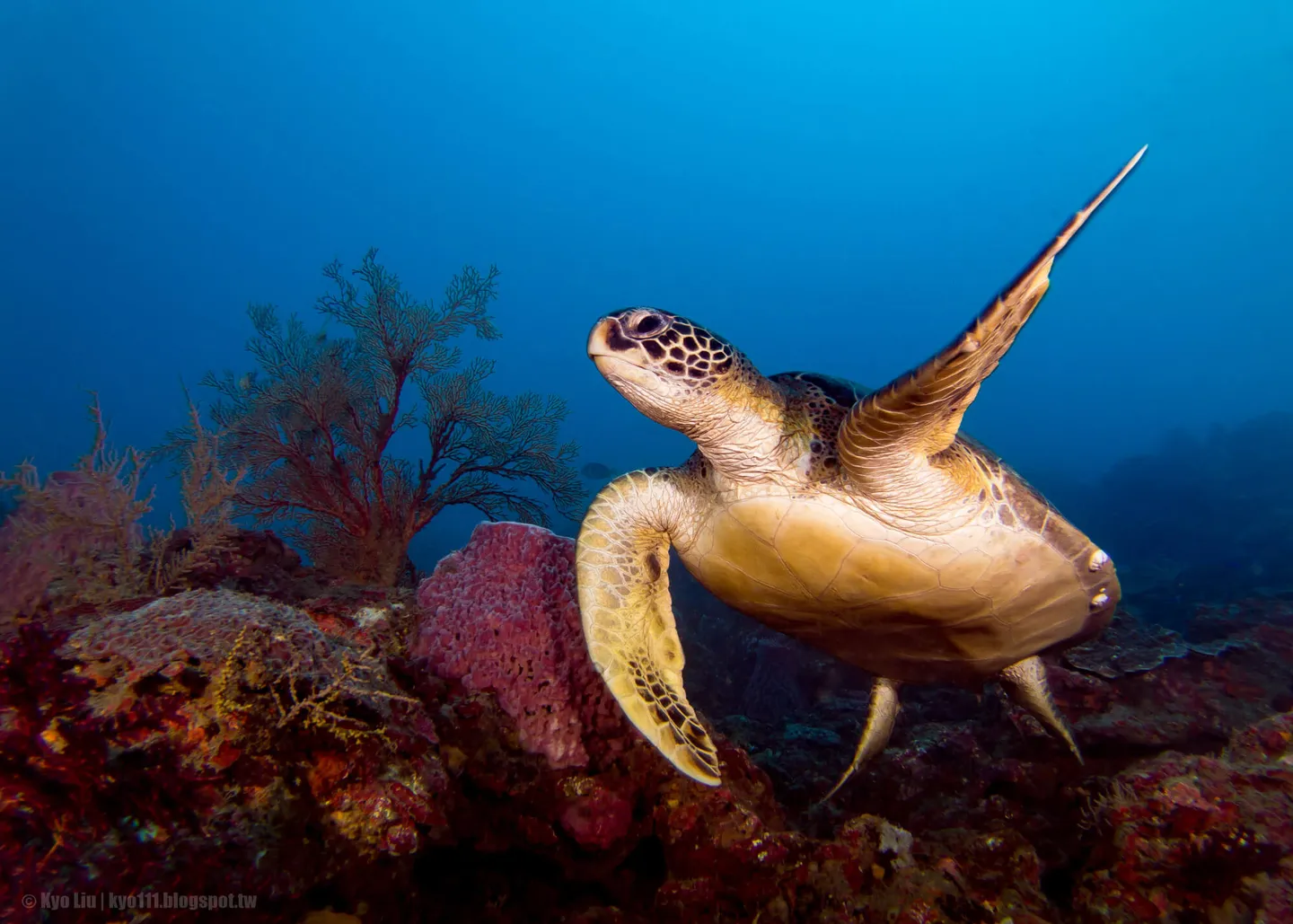
Photo credit 京太郎
Classification Category 10: Marine Mammals
Collection focus: Marine mammals should need no introduction — they are the star species: whale and dolphin.
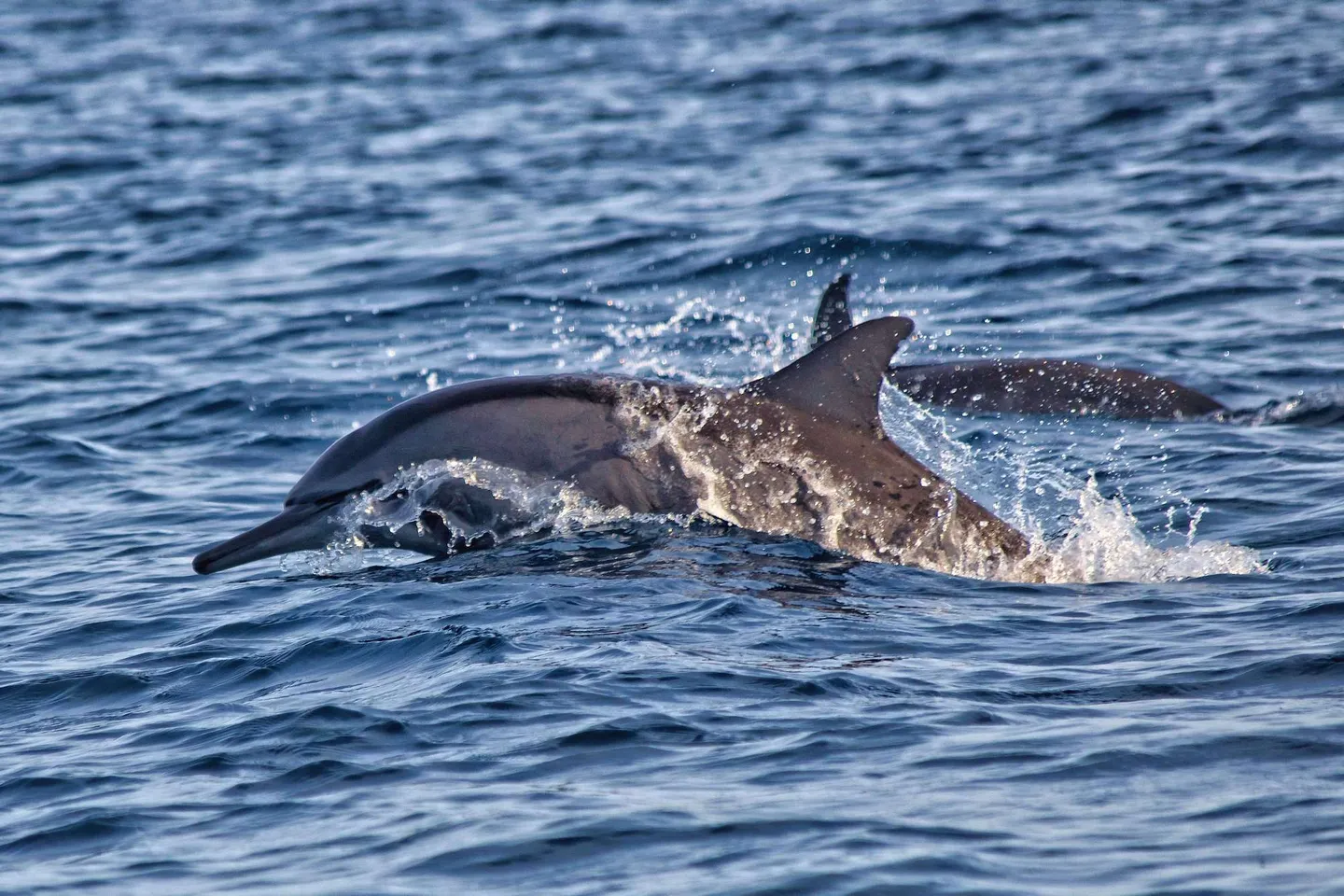
Photo by Steve Douglas on Unsplash
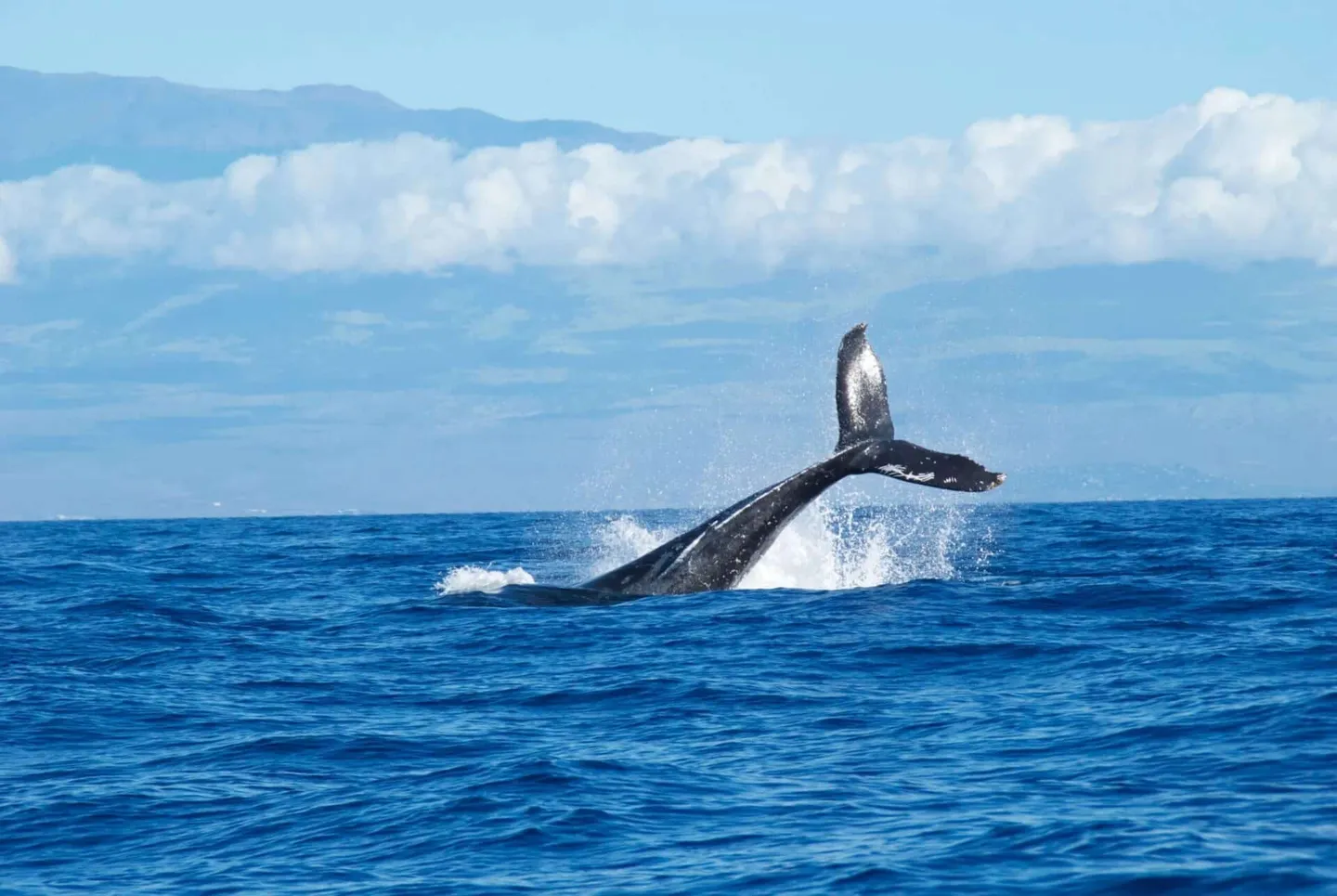
Photo by Abigail Lynn on Unsplash
Now that you've read through all the classification descriptions, are you eager to start sharing your prized photos?! Come join us as a marine citizen scientist today!
Further Reading: