Contents(5)
In the past, marine protected areas (MPAs) were largely government-led. Yet in the southwestern Pacific, the world's first transnational MPA led by Indigenous peoples is taking shape. Initiated by Indigenous communities from the Solomon Islands, Vanuatu, and beyond, the Melanesian Ocean Reserve covers six million square kilometres and places Indigenous tradition at the centre of its governance model.
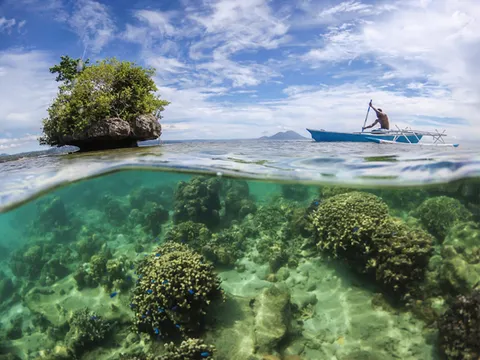
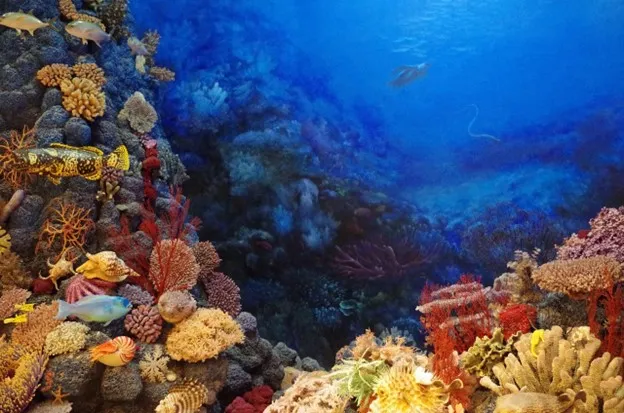
The Melanesian Ocean Reserve is the world's first Indigenous-led marine protected area (MPA). Image source: Melanesian Ocean Reserve
Reimagining Governance Through an Indigenous Lens
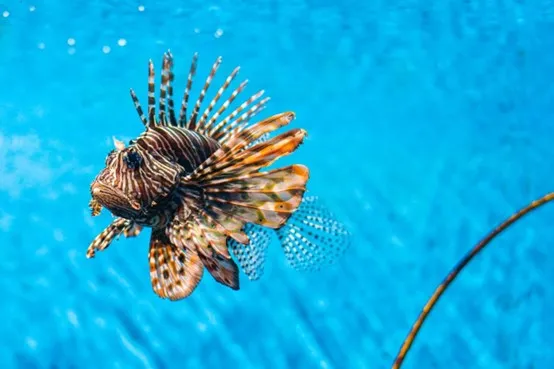
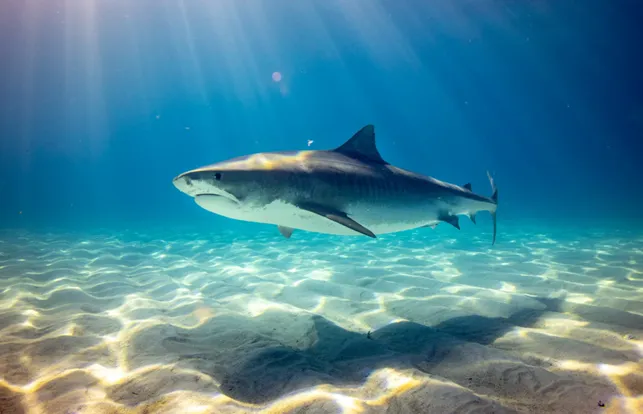
The reserve encompasses roughly 75% of all known coral species on Earth and more than 3,000 species of coral reef fish. The initiative was launched by Indigenous peoples drawing on traditional governance systems and knowledge. Solomon Islands Prime Minister Manele has stated that the project "respects our identity, our way of life, and our spiritual connections."


The Four Paddles Framework
The reserve is driven by four core pillars:
VATA
Restoring traditional maritime trade and exchange by reviving wind-powered voyaging and ancestral ocean trading routes.
MANA
A traditional-knowledge-centred investment platform that empowers Indigenous peoples to shape the ocean economy.
SOLWATA
A stewardship programme integrating artificial intelligence and satellite monitoring with local wisdom.
ARA
A management model that weaves together Indigenous wisdom and science, positioned as a hub for marine conservation research and education.
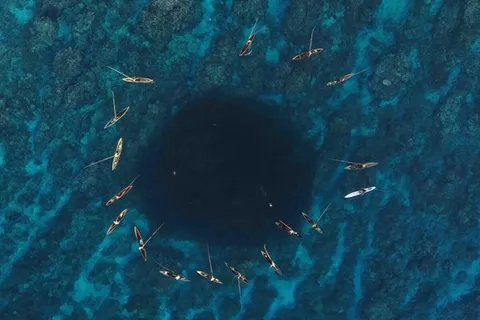
The Four Paddles are the reserve's four programme pillars. Image source: Melanesian Ocean Reserve
Current Implementation Status
The reserve has not yet been formally enacted. An executive committee was established in December 2025, and participating nations met in Hawaii in February 2026.
Core Goals and Significance
The reserve is designed to avoid repeating the mistakes of the past, where economic interests consistently overrode ecological ones. Compared with top-down, government-led governance, an Indigenous-led model places local communities at its core, reducing friction between external regulations and local ways of life — and lending conservation measures greater legitimacy and enforceability.
Cultural practices themselves become protective mechanisms. Permitted activities include ecotourism, small-scale Indigenous fisheries, sustainable aquaculture, and regenerative marine energy, all premised on strengthening community development without harming marine life.
References
- Melanesian Ocean Reserve, MELANESIAN OCEAN RESERVE
- Oceanographic Magazine, First Indigenous-led marine reserve to span southwestern Pacific
- Original Diving, Melanesian Ocean Reserve: The World's Largest Indigenous-Led Marine Reserve
- Mongabay, Pacific island nations launch plan for world's first Indigenous-led ocean reserve
※ This article is republished from the Delta Electronics Foundation Low-Carbon Living Blog: 〈An Ocean Governance Experiment 160 Times the Size of Taiwan: How Indigenous Peoples Are Redefining Marine Protected Areas?〉, co-produced with BlueTrend.