Contents(7)
- Diving: More Than Just a Tourist Thrill
- The Sustainable Link Between Scuba Diving and the Blue Economy
- Case Study 1: Grassroots Conservation at the Roatan Marine Park, Honduras
- Case Study 2: Citizen Science Participation Through Ocean Channel Diving in Penghu, Taiwan
- Global Standards and Challenges in Sustainable Diving: Green Fins and PADI AWARE
- What We Can Do
- Further Reading
Diving: More Than Just a Tourist Thrill
"You can still sail or surf across a dead sea, but divers can tell when the fish are gone." — Marine ecologist Fabio Favoretto
For divers, every descent is not only a pleasurable encounter with underwater beauty, but also an opportunity to observe, understand, and reflect on the marine environment. When we plunge beneath the surface, each breath we take is accompanied by the living rhythms of the terrain, schools of fish, and diverse species around us. This sense of closeness allows divers to intuitively feel the changes and fragility of the ocean ecosystem.
One of scuba diving's great appeals is the ability to spend extended time underwater, carefully observing every creature and landscape detail. This depth of experience is not only educational — it also heightens environmental conservation awareness. Data shows that approximately 70% of dive sites are located within marine protected areas (MPAs), and a portion of dive fees goes toward protecting marine habitat. This not only gives divers access to more diverse ecosystems, creating a virtuous cycle of the blue economy and conservation, but also transforms diving from a recreational pursuit into a vital force for global ocean sustainability.
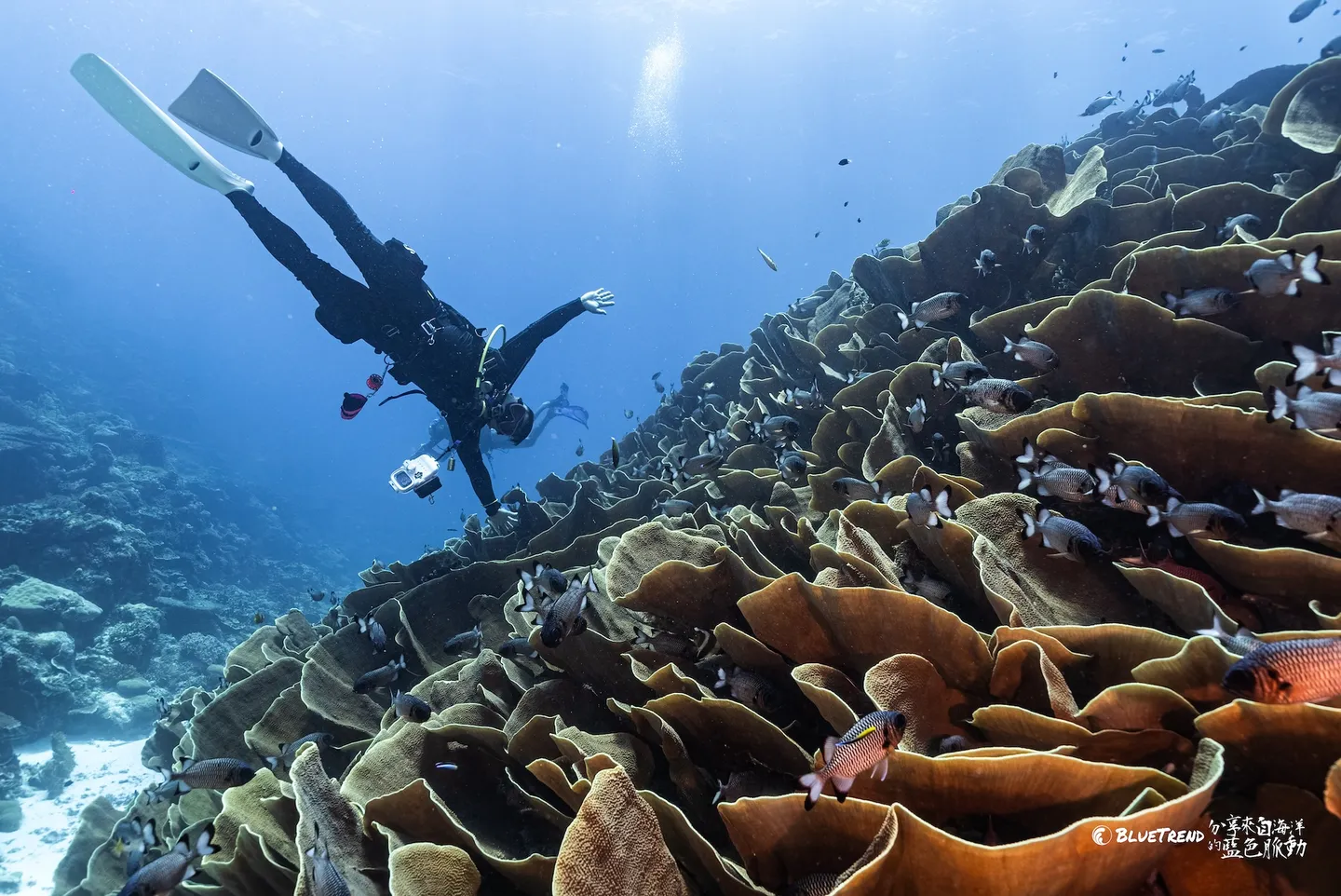
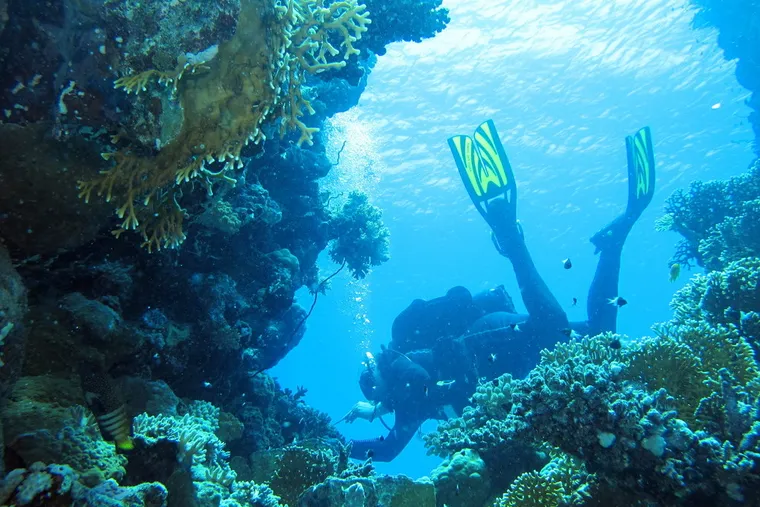
Scuba diving allows for extended time underwater, enabling divers to experience ecological changes firsthand.


The Sustainable Link Between Scuba Diving and the Blue Economy
The Atlas Aquatica project, part of the Ocean Decade initiative launched by UNESCO, conducts global surveys of dive shops and dive sites to calculate the annual economic value of the diving industry to marine tourism. A July 2025 report found that scuba diving generates approximately US$8.5 to US$20.4 billion in economic value each year and supports around 124,000 jobs worldwide.
The diving industry is also closely connected to local communities, with approximately 80% of diving industry employees being local residents. This means that the dive economy not only drives tourism, but also supports the income and quality of life of local communities. Crucially, when the protection and management of dive sites improves the quality of ecotourism, it also safeguards biodiversity. As divers enjoy underwater wonders, they simultaneously become part of the conservation effort — striking a balance between economic benefit and environmental protection.
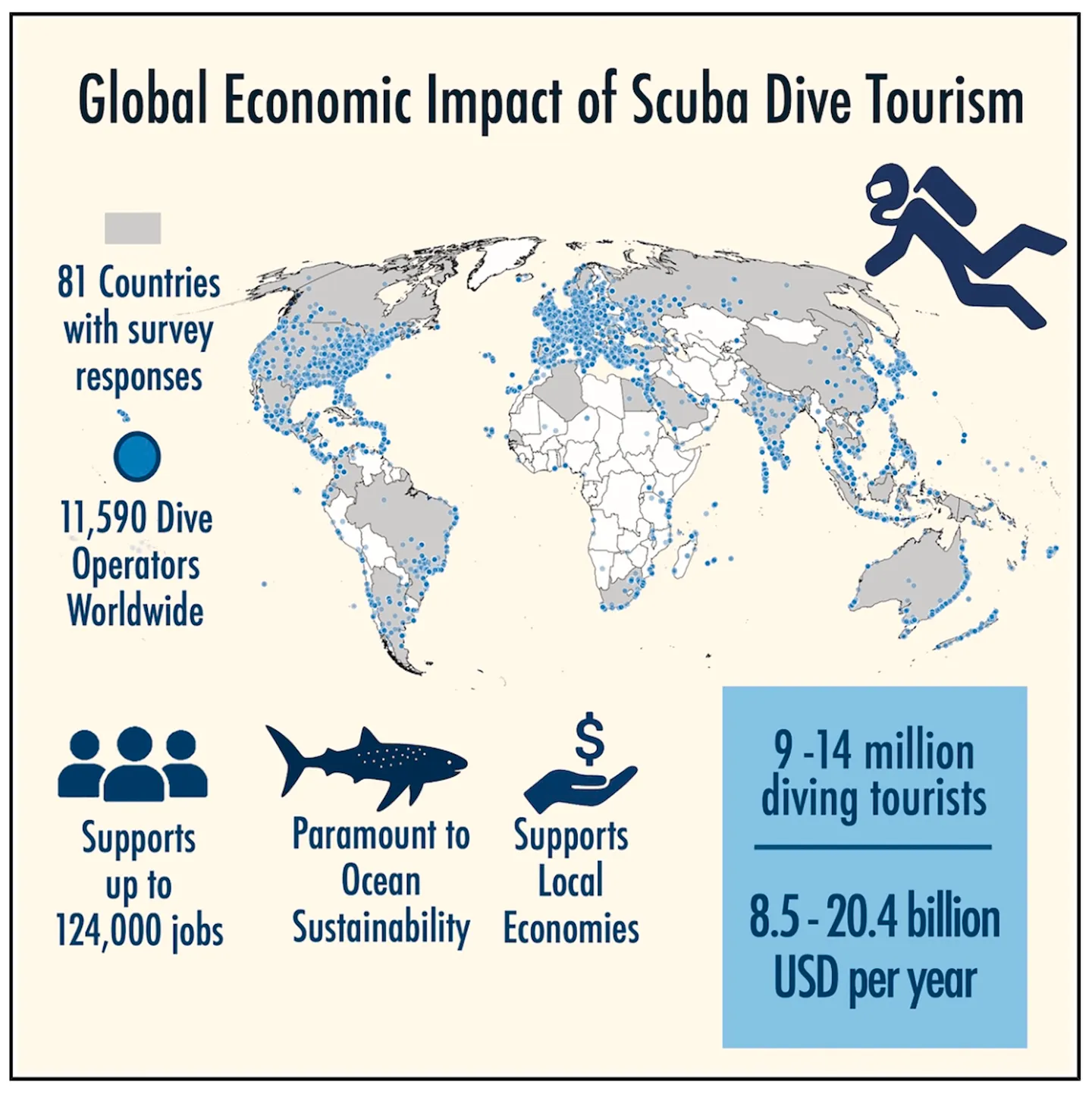
Image source: Excerpt from the Global Economic Impact of Scuba Dive Tourism report
Case Study 1: Grassroots Conservation at the Roatan Marine Park, Honduras
The Roatan Marine Park (RMP) was originally formed by dive operators and local residents, with the goal of protecting the coral reef ecosystem surrounding the island. It stands as a classic example of scuba diving and ecological conservation working in tandem. The RMP's core objectives include coral restoration, protection of fish spawning grounds, invasive species management, environmental education, and youth training.
Visitors can join "Coral Restoration Courses," directly participating in coral care, transplantation, and monitoring, and earning certified recognition. The RMP has established marine rangers to prevent illegal fishing and the overcollection of marine life, while also researching the ecological status of coral and fish to support effective management. On the invasive species front, the RMP takes proactive measures against Lionfish. This non-native species, with its high reproductive capacity and predatory behavior, poses a significant threat to coral reef ecosystems. By involving divers in control operations, it not only protects local ecology but also gives visitors a hands-on understanding of why conservation matters.
In addition, the RMP partners with educational institutions to offer scholarships and training programs for young divers, enabling them to find employment in the diving industry — creating a virtuous cycle of ecological conservation, community development, and economic growth. These actions protect the ocean while also channeling the economic value of diving back to the community. As its influence has grown, the RMP has become an official NGO, collaborating with governments, scientists, dive operators, and community residents to form a multi-stakeholder conservation platform.
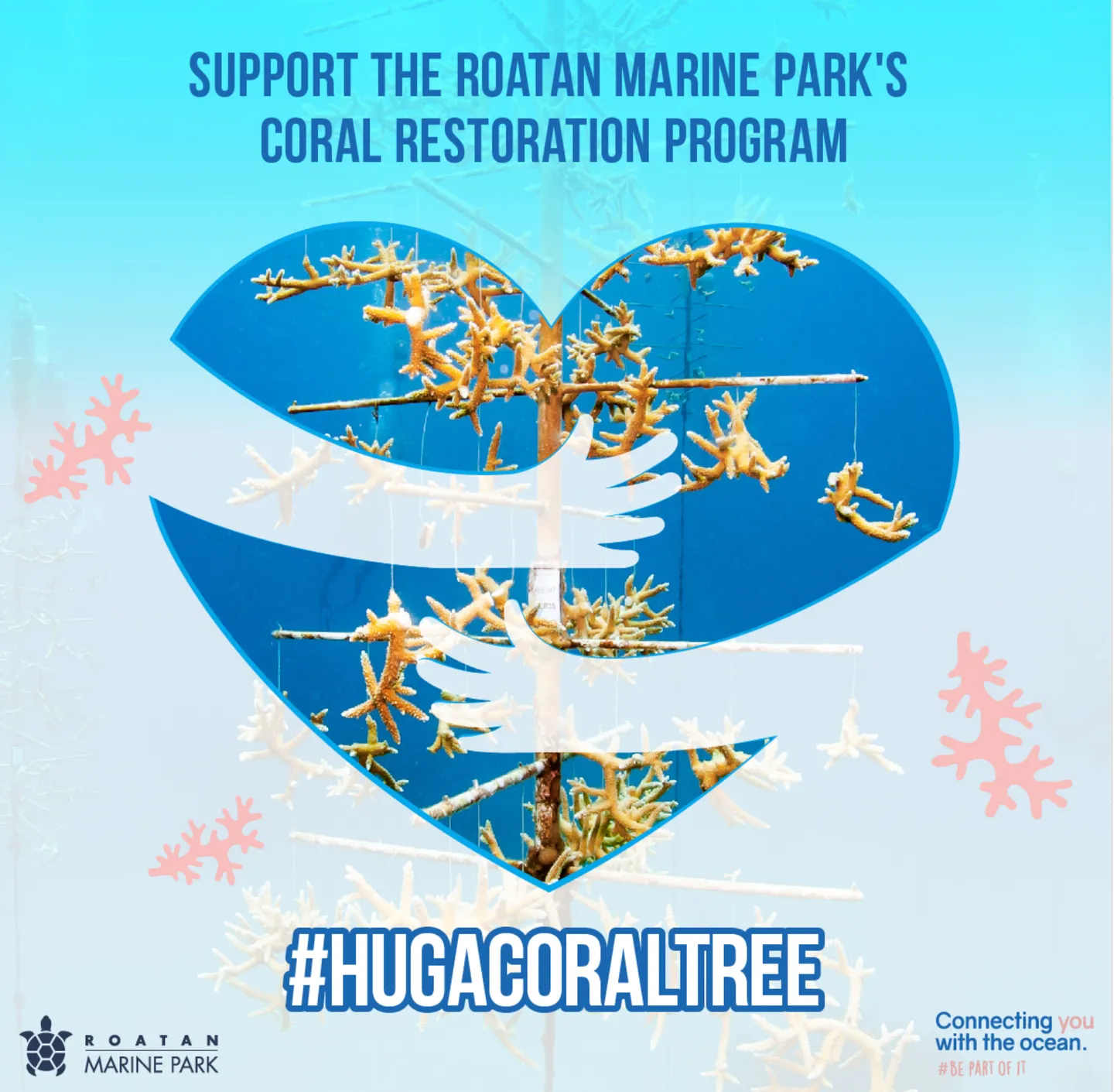
Beyond participating in RMP's coral restoration courses, visitors can also adopt coral to support conservation efforts. Image source: Roatan Marine Park
Case Study 2: Citizen Science Participation Through Ocean Channel Diving in Penghu, Taiwan
In Penghu, Taiwan, diving activities are also demonstrating the potential of ecotourism. Beyond sightseeing, divers can become citizen scientists — monitoring coral health through CoralWatch and uploading data to build a local coral database. Ocean Channel also offers coral restoration courses, where divers get hands-on practice transplanting coral underwater while learning about the restoration process and observation methods.
Divers can also participate in ecological surveys of giant clams and nudibranchs, observing their distribution, reproduction, and ecological behavior, and documenting their findings through macro photography. These activities transform divers' observations into scientific data, helping researchers understand the environmental impacts on coral reefs and enabling more effective conservation strategies. The Ocean Channel Diving case demonstrates that diving is far more than leisure — through citizen science practice, it raises environmental awareness among visitors and deepens their understanding of the ocean that surrounds the island nation of Taiwan.
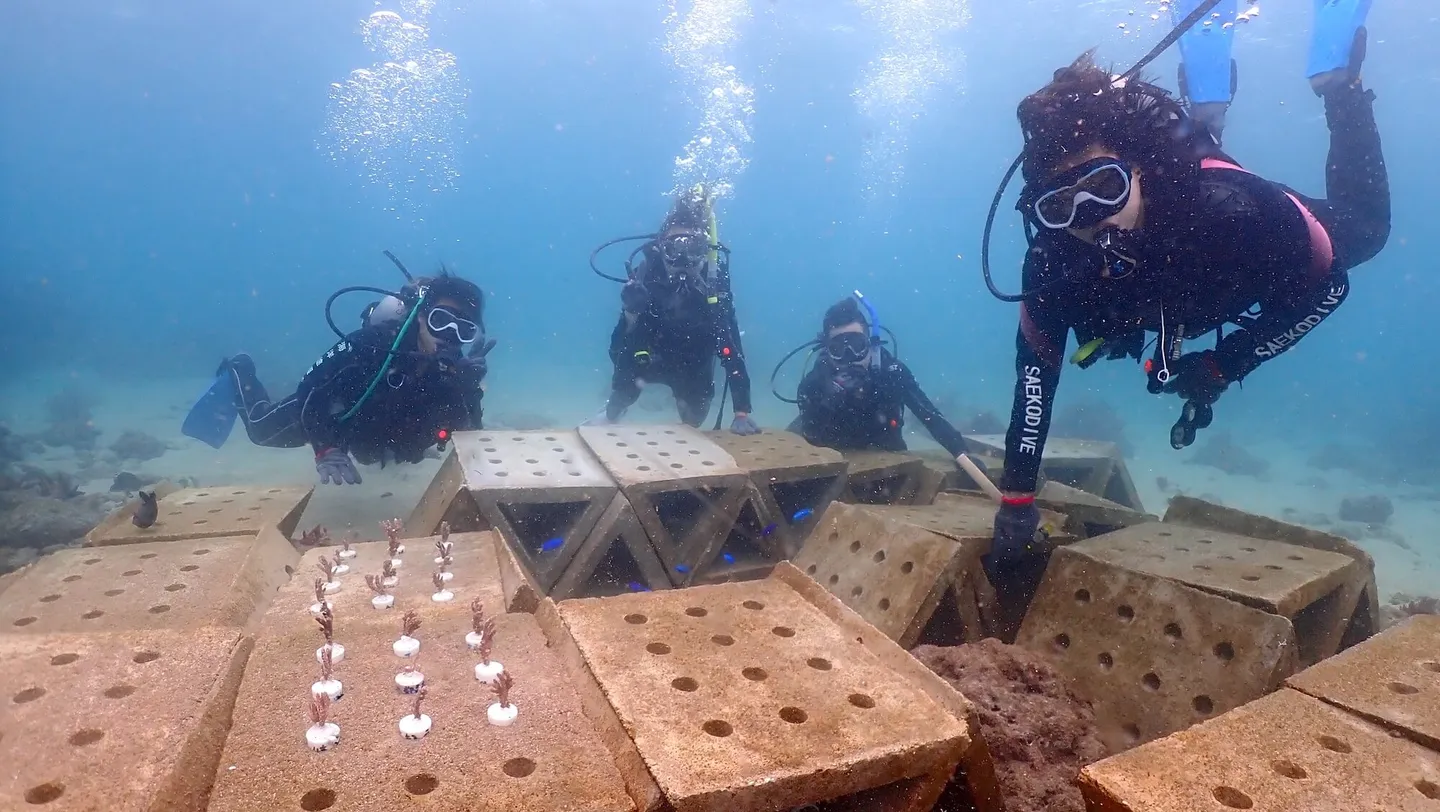
A diver with a coral restoration tile. Image source: Ocean Channel Diving
Global Standards and Challenges in Sustainable Diving: Green Fins and PADI AWARE
In the cases above, we see how the power of local communities drives conservation — but when combined with international standards, the impact becomes far more durable. Green Fins, established in 2004 by UNEP (the United Nations Environment Programme) and The Reef-World Foundation, sets 15 codes of conduct and conducts annual assessments of dive operators. It now covers more than ten countries and helps reduce the impact of diving on the ocean. The PADI AWARE Foundation, through its "Dive Against Debris®" campaign, has mobilized over 70,000 divers worldwide to remove more than 2.3 million pieces of underwater debris, building a large-scale database of underwater litter.
However, while these international initiatives provide frameworks and resources, they still face challenges including insufficient coverage, gaps in enforcement, and limited local participation. If efforts remain at the level of labels and certifications, it is difficult to truly change operator culture and diving behavior. This prompts us to reflect that sustainable systems must be integrated with local needs to avoid becoming mere formalities — and to genuinely deepen marine conservation.
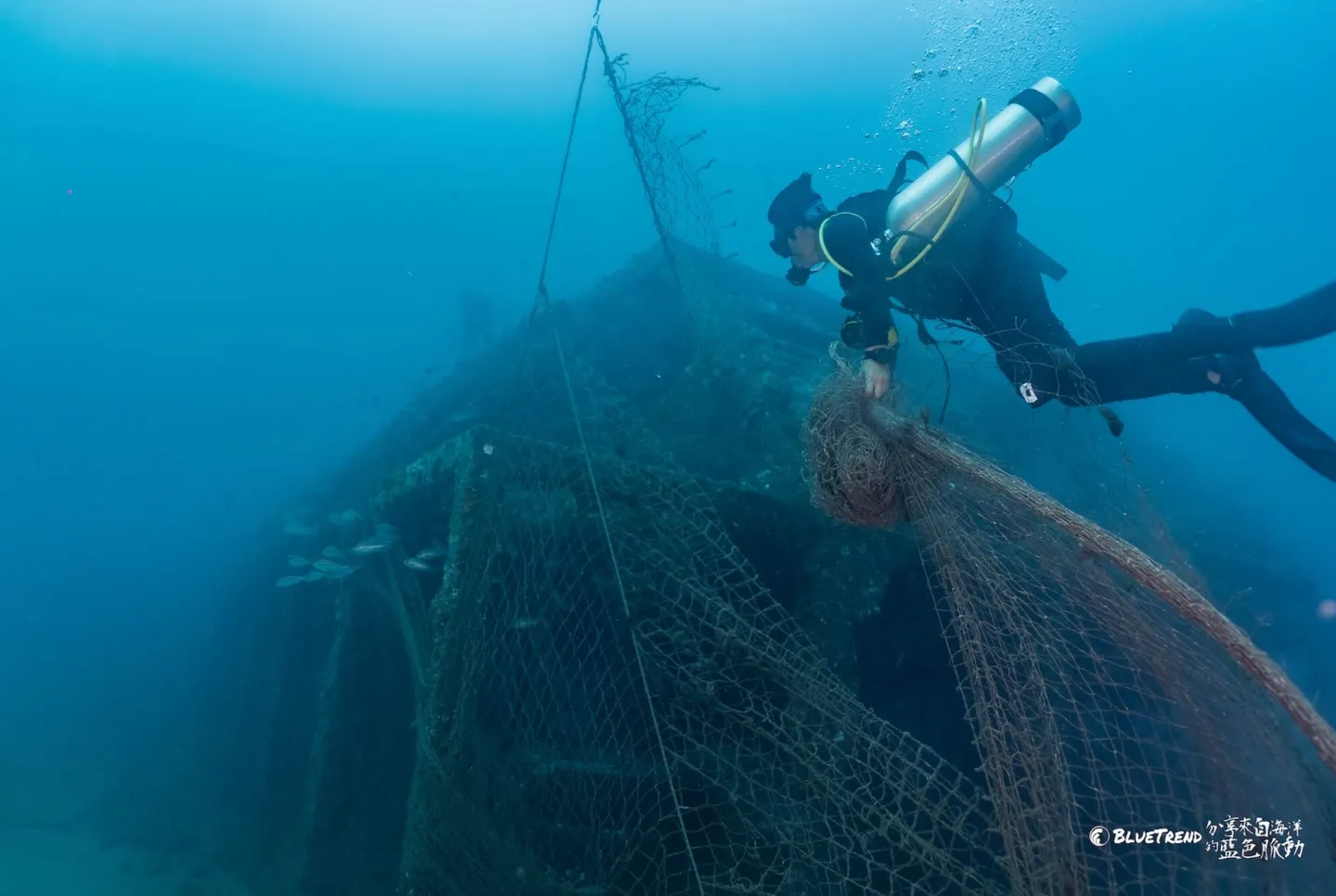
Both bottom-up and top-down action are indispensable in marine conservation.
What We Can Do
As divers or ocean enthusiasts, each of us can be a guardian of the sea. Following the principles of "don't touch the coral, don't disturb marine life," taking part in beach cleanups or ocean cleanups, and supporting sustainable dive operations and conservation programs are all actionable steps. These actions may seem small, but they accumulate over time into a powerful force for conservation — and can even become valuable evidence informing the development of related strategies.
The scuba diving industry not only generates economic growth and employment opportunities, but by its very nature serves as a vital driver of marine conservation. From educating visitors to supporting restoration programs, the industry's influence runs deeper than it appears. The act of diving is not merely about admiring beautiful scenery — it brings us face to face with the changes and crises unfolding in our oceans, awakening a sense of urgency to protect them. Such experiences can be awe-inspiring, and at times heartbreaking, but it is precisely for this reason that we come to understand the necessity of safeguarding the sea.
Though individual power may be limited, every diver who approaches the ocean with responsibility and curiosity is a starting point for change. When countless small actions are linked together, they can form an enormous force driving ecological conservation, community empowerment, and the blue economy.
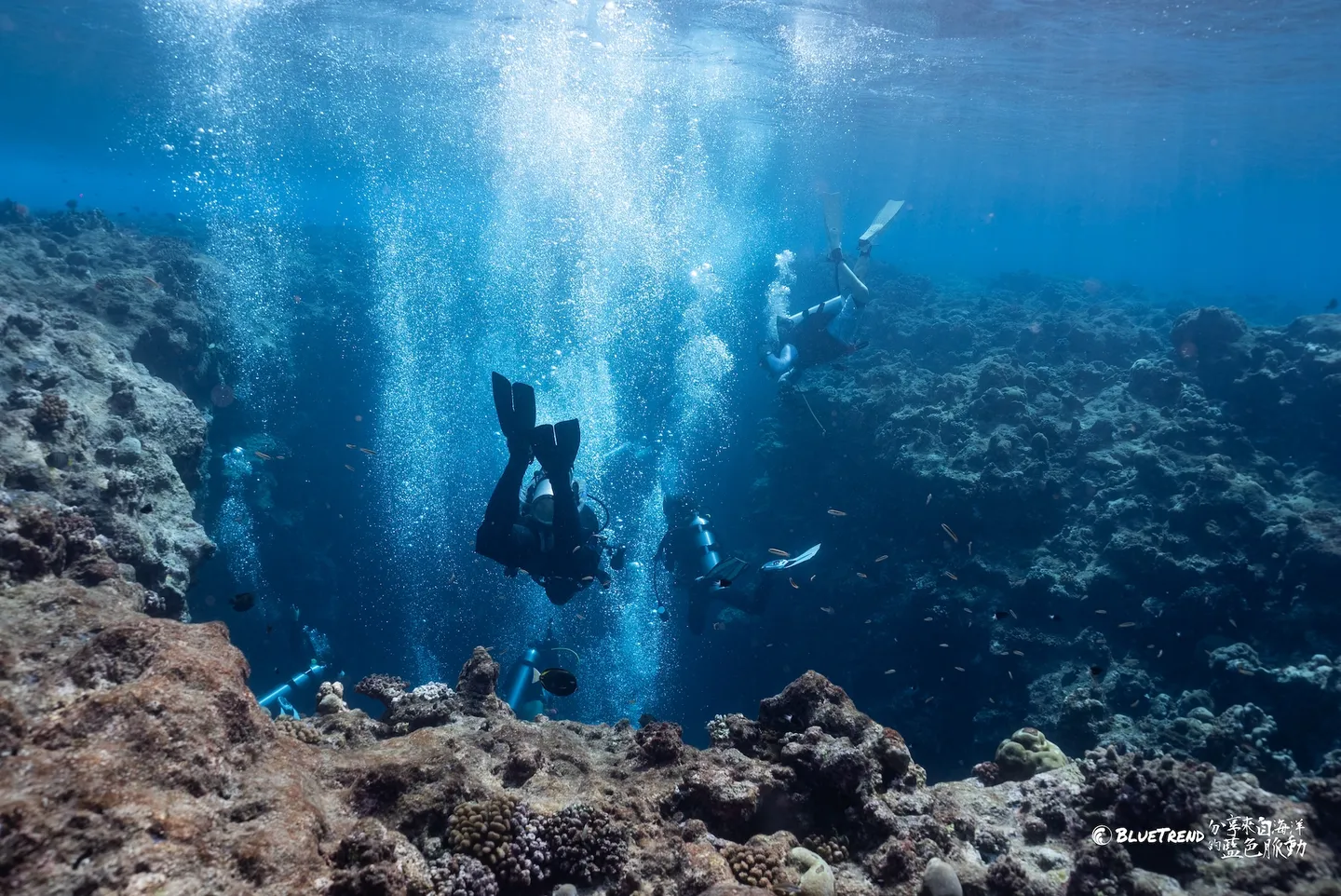
When individuals connect, they can generate the power for enormous change.
Further Reading