![[NCCU Diving Club] Reflections on a Beach Cleanup: A Little Inconvenience for Us, Infinite Opportunities for the Ocean](/_images/ff0f99b20ec7-1440w.webp)
Contents(3)
- [NCCU Diving Club] Reflections on a Beach Cleanup: 3 Billion Straws Used Per Year — How Straws Became a Killer of Taiwan's Marine Life
- [NCCU Diving Club] Reflections on a Beach Cleanup: Government Plastic Restrictions Drew Backlash — Results Still Need Improvement
- [NCCU Diving Club] Reflections on a Beach Cleanup: A Little Inconvenience, Infinite Opportunities for the Ocean
The Editor says: For a long time, scuba diving has carried a relatively high price tag, attracting an older demographic — which means that advocacy around marine debris has largely remained confined to an echo chamber. In recent years, the dive community has been nurturing the NCCU Diving Club, hoping that more young people can come to understand the ocean's pressing challenges through the experience of diving. This article was written by Wei Jia-Ting, a student who took part in the club's self-organised beach cleanup. If we truly believe the phrase the ocean changes because I dive, then perhaps it is stories like this one that embody that spirit.
Sunlight dances across an endless expanse of deep blue, sparkling and utterly captivating. That is what the ocean looks like through a wide-angle lens. But zoom in, and plastic, rubbish, and oily slicks immediately come into view, bobbing along with the waves on the surface and along the shoreline — seeing it that way, would you still find it beautiful?
Sadly, that is exactly the state of our ocean today.
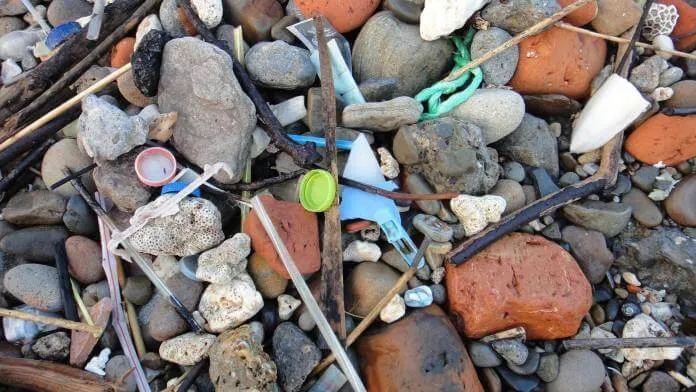
At the end of April, I joined my club for a beach cleanup at Keelung Chao Jing Park. Although the area has been designated a marine protected area (MPA) by the Keelung City Government since 2016, the shoreline was still littered with rubbish as far as the eye could see. Standing before all that debris, I couldn't help but feel a deep sense of sorrow — and shame — toward this stretch of ocean.
Nothing hit me harder than the straws — one after another — that I myself had once used every single day. It had never crossed my mind before: the straw I grabbed for convenience each day would eventually find its way into the sea, and could even become a deadly weapon for marine life.
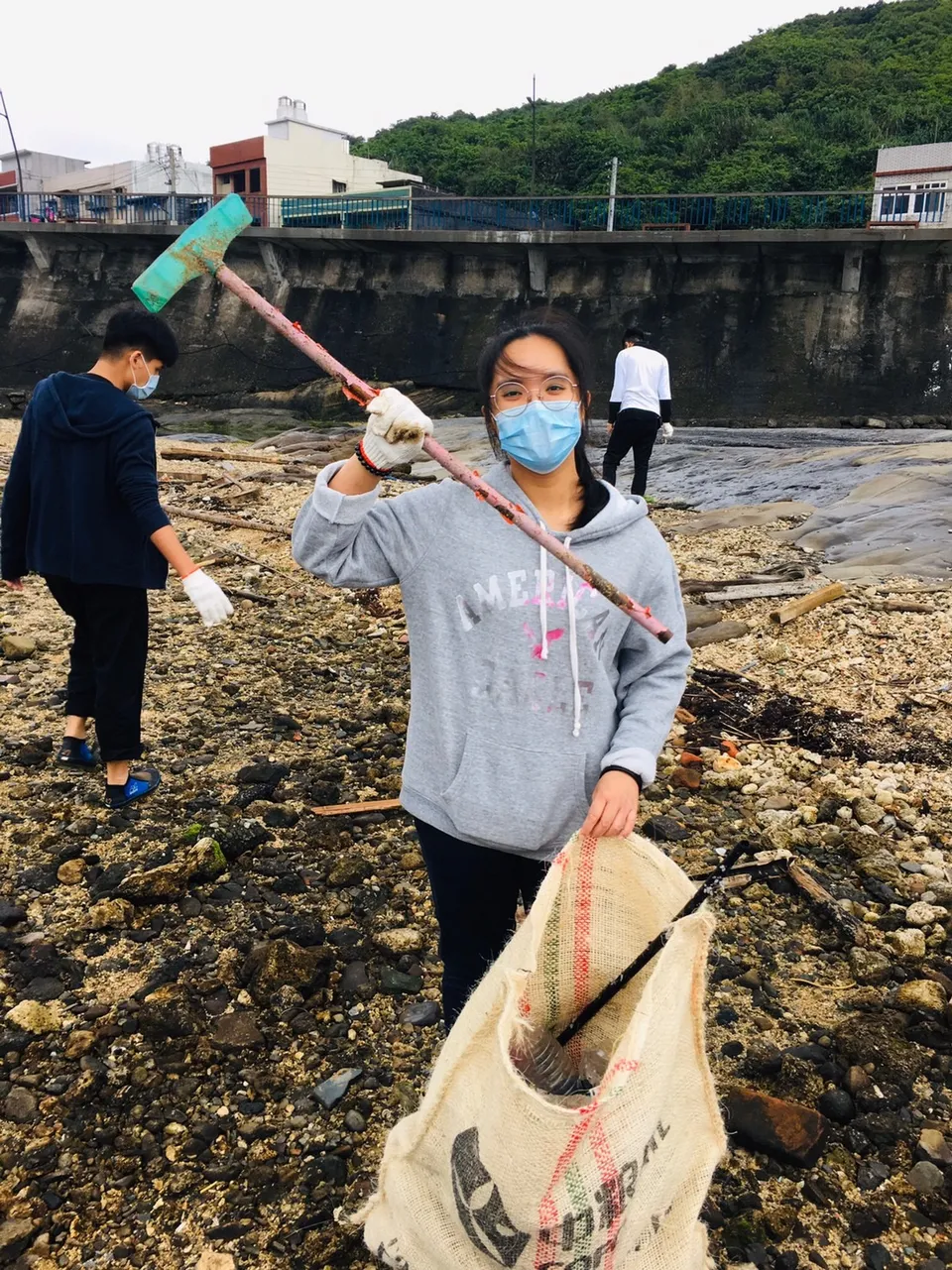
Photo / NCCU Diving Club Facebook Page
[NCCU Diving Club] Reflections on a Beach Cleanup: 3 Billion Straws Used Per Year — How Straws Became a Killer of Taiwan's Marine Life
According to statistics from Taiwan's Environmental Protection Administration, Taiwan uses as many as 3 billion plastic straws per year — meaning each person uses roughly one straw every three days. If each straw is 20 cm long, the Central News Agency has calculated that the annual consumption of straws by Taiwan's population alone could circle the Earth 14 times. Over the years, this adds up to a staggering figure that poses a serious threat to the way of life of every species on the planet — especially the tens of thousands of creatures that call the ocean home.
Since 2015, a video has gone viral on YouTube showing an American marine biologist in Costa Rica discovering a sea turtle with a straw lodged in its nostril. The footage brought widespread awareness to the vulnerability of marine life and the importance of reducing plastic use. In the video, the sea turtle writhed and cried out — seemingly in great pain as the straw was being removed — while blood streamed continuously from its nostril, making for a heartbreaking sight.
Although the straw was eventually removed successfully, saving that one sea turtle, people quickly realised that this turtle was simply luckier than most — even if one is saved today, tens of thousands of other sea turtles, along with countless other marine creatures, continue to be threatened by plastic pollution in the ocean.
While straws may not be the most harmful plastic product in the ocean (consumer bottled drinks generate far greater quantities of waste), it is precisely because they seem so harmless that they have long been overlooked. The straws sold on the market are primarily made from single-use plastic materials that cannot be broken down naturally or recycled for reuse.
Furthermore, plastic exposed to external forces over time — such as sunlight, wind, or ocean waves — breaks down into microplastics that become embedded in our ecosystem and are ingested by marine life. At the same time, because plastic straws cannot easily decompose, even if we place them in recycling bins after use, their recyclability is in practice extremely low. To cut costs, recycling facilities often end up discarding them as general waste or sending them to landfill. And so, carried along by time and water currents, they flow into the ocean and become a near-permanent source of pollution.
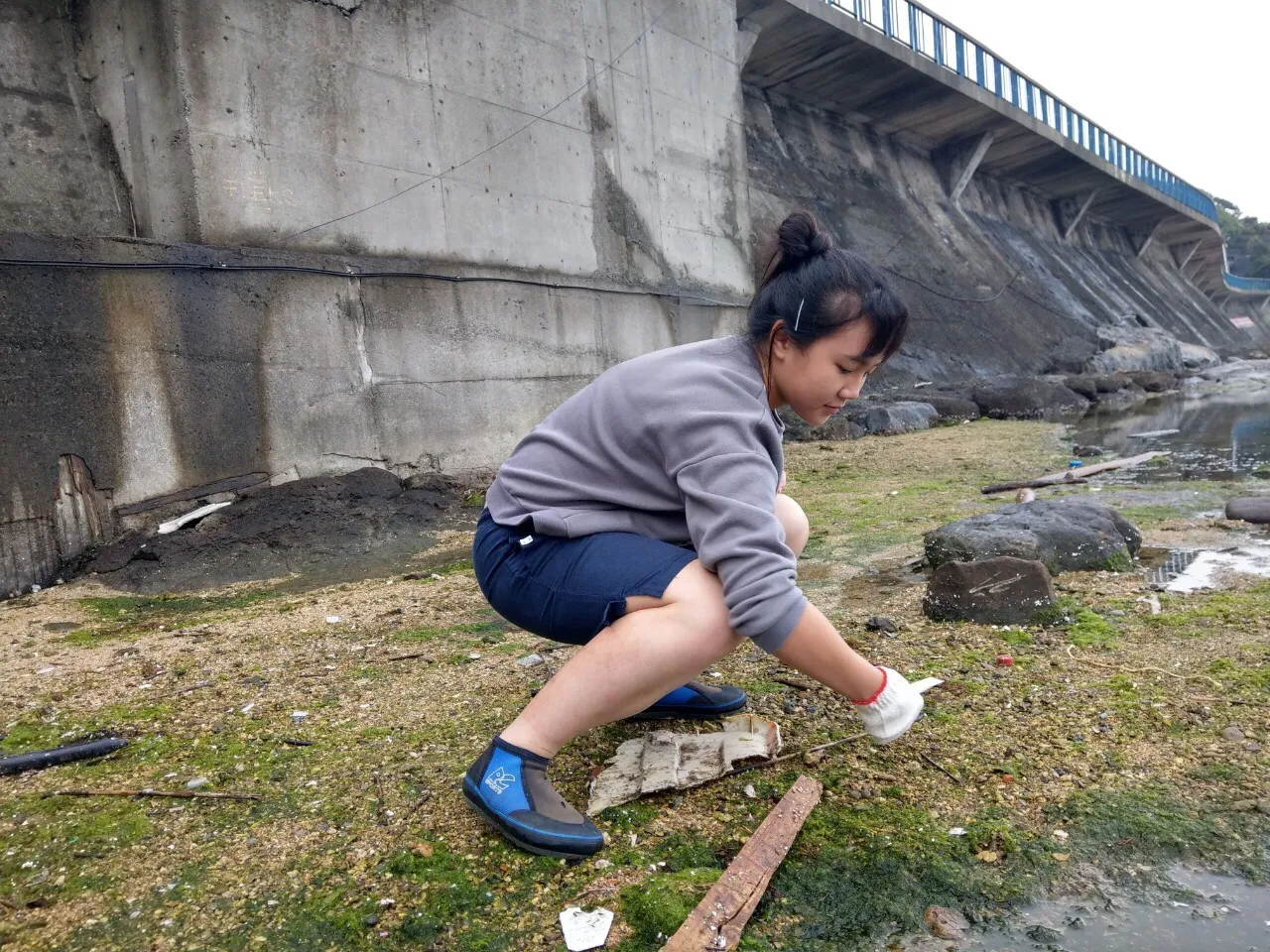
Photo / NCCU Diving Club Facebook Page


[NCCU Diving Club] Reflections on a Beach Cleanup: Government Plastic Restrictions Drew Backlash — Results Still Need Improvement
The environmental problems arising from single-use products have attracted international attention, and as consumers, we should be reducing our usage. In 2018, the Environmental Protection Administration published the Taiwan Marine Debris Governance Action Plan, stating that by 2030, single-use plastic products — including shopping bags, disposable tableware, takeaway cups, and plastic straws — would be comprehensively banned, with restrictions on single-use plastic straws in restaurants of a certain scale beginning in 2019, in the hope of achieving a "plastic-free ocean" as soon as possible.
However, when the plastic restriction policies were introduced, they triggered strong public backlash at the time, with many critics accusing the relevant authorities of "poor planning and economic harm." In reality, plastic straws can neither be recycled nor incinerated — the only option at present is to bury or stockpile them. Year after year, we remain unable to resolve the environmental burden that plastic straws place on our world.
As the Environmental Protection Administration has noted, restricting plastic straw use requires viable alternatives and a phased approach in order to genuinely reduce the accumulation of plastic waste. Plastic straw restrictions have now been in place for one year. According to ICC beach cleanup data published by the Society of Wilderness in 2019, the average number of straws collected per kilometre of shoreline has decreased by 27% compared to 2018, indicating that the plastic straw restrictions have had a measurable effect. Even so, plastic straws remain the number-one item collected during beach cleanups on Taiwan's main island over the past five years. To change this, we must reduce the negative environmental impact of plastic straws — and the best way to do so is to cut back at the source.

Reducing plastic use in daily life is the real answer. Photo / NCCU Diving Club Facebook Page
[NCCU Diving Club] Reflections on a Beach Cleanup: A Little Inconvenience, Infinite Opportunities for the Ocean
In my view, the most direct way to meaningfully reduce plastic straw use is to start by changing our own habits. We can choose to stop using plastic straws altogether — drinking directly from the cup, or switching to alternatives. The former works well for plain drinks without toppings; if you're drinking something with toppings, you can opt for a reusable straw instead. Reusable straws come in a wide variety of styles and sizes, so you can carry one that suits your drinking habits wherever you go.
At first, many people feel it's awkward or inconvenient to carry a reusable straw around. But consider this: while we're complaining about this tiny change, the creatures in our ocean have no voice to speak up for their own lives, no way to protest against human selfishness. In the face of these man-made threats, marine life can only silently endure, watching the ecosystem slide toward crisis as their companions die off one by one.
The ocean nurtures infinite life and brings boundless hope to this world. Plastic waste continues to invade the ocean — and in destroying the marine ecosystem, we are also destroying the very nature that sustains us. If we don't change today, we won't only continue harming the marine environment; the plastic waste will eventually work its way up the food chain, threatening human health and our way of life.
There was a time when I was too lazy to bother with a reusable straw and resisted the idea. But after the beach cleanup, I became fully aware of the harm that plastic straws cause — and from that day on, a reusable straw has been an essential item I carry with me at all times.
The change you and I make today can give the ocean infinite opportunities. One fewer plastic straw means one fewer invisible weapon entering the sea — and a slightly better chance of survival for marine life. I believe none of us can bear to watch these tiny, vulnerable creatures disappear because of us. Change isn't hard if you set your mind to it. With just a simple shift in habit, you can help protect this ocean and give the creatures living in it a safe place to call home.
Further reading: