

Contents(8)
- Why Choose a Liveaboard for Diving in Indonesia?
- How to Get to the Indonesia Liveaboard
- Indonesia Travel Tips: Time Zones, Exchange Rates & Internet
- How to Choose a Liveaboard
- Special Bonus Meals!
- How to Assess Liveaboard Dive Safety
- What Will You See Underwater?
- To Be Continued — Hammerhead Sharks Await in Part 2
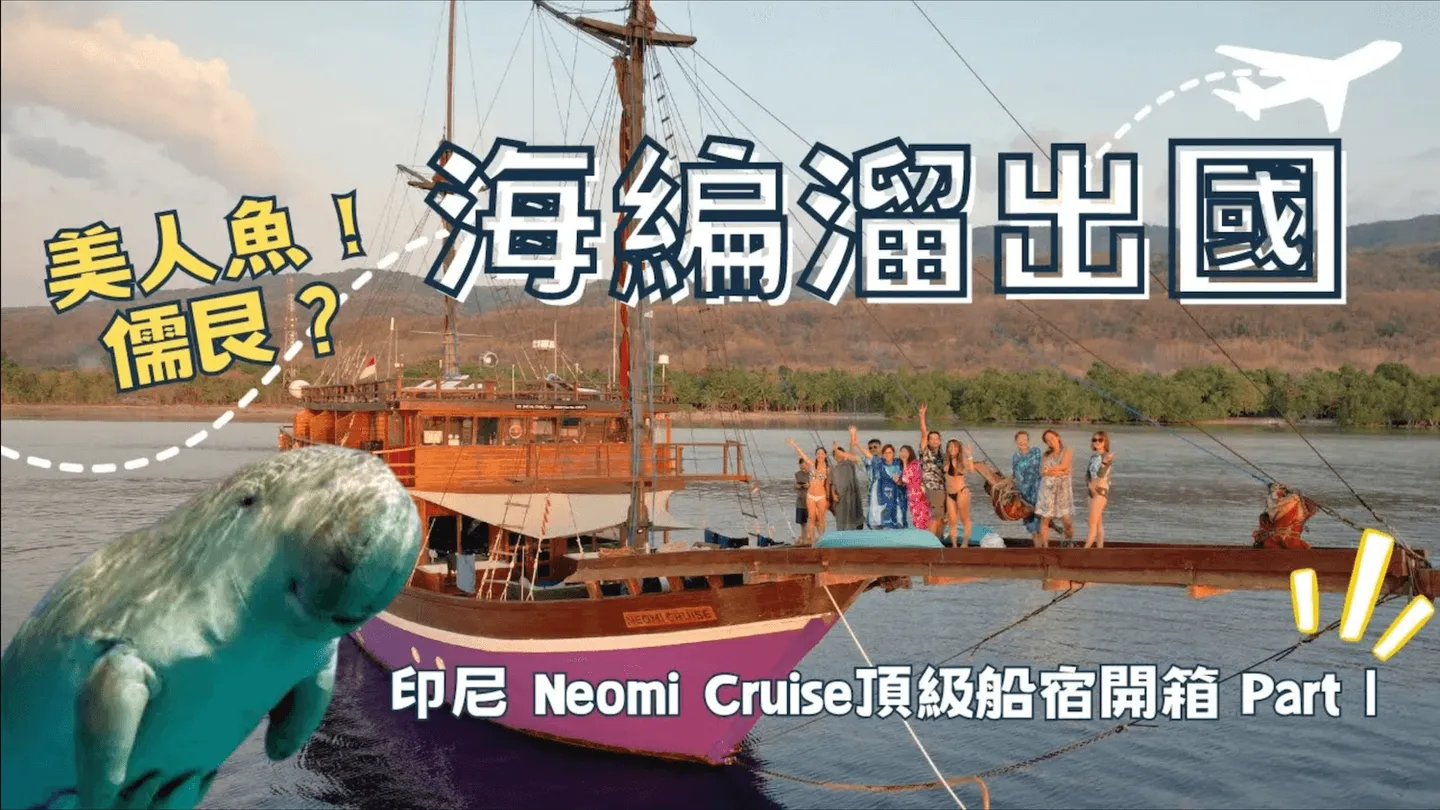
The Editor visited Bali, Indonesia in July 2023 for a diving trip and was lucky enough to encounter celebrity mega-fauna up close, including Mola and Manta (see related article: 【Indonesia · Bali】Insane Water Temperatures from 21 to 29°C! Diving in Bali Means Chasing Manta Rays and Mola Mola Feat. 海島瘋). The richness of Indonesia's underwater world left a lasting impression. Indonesia is world-renowned for liveaboard itineraries in Raja Ampat, Komodo, and the Banda Sea — and fortunately, just three months later, the Editor was warmly invited by Joe 愛潛水 to join an exceptionally unique trans-ocean liveaboard journey. In this two-part series, we'll take a comprehensive look at what a top-tier Indonesia liveaboard experience on the Neomi Cruise has to offer — and whether this dugong, Hammerhead Shark, and sailfish mega-fauna expedition was ultimately a success.
Why Choose a Liveaboard for Diving in Indonesia?
Open Google Maps and search for Indonesia, and you'll immediately appreciate the sheer scale of the country — it spans three time zones, covers a land area of 1,904,569 square kilometres, and comprises 17,508 islands, of which only 6,000 are inhabited, while the rest remain uninhabited. Unless you're visiting a popular tourist destination like Bali, where you can stay at a resort and travel to dive sites from shore, a liveaboard is the recommended approach for most other itineraries.
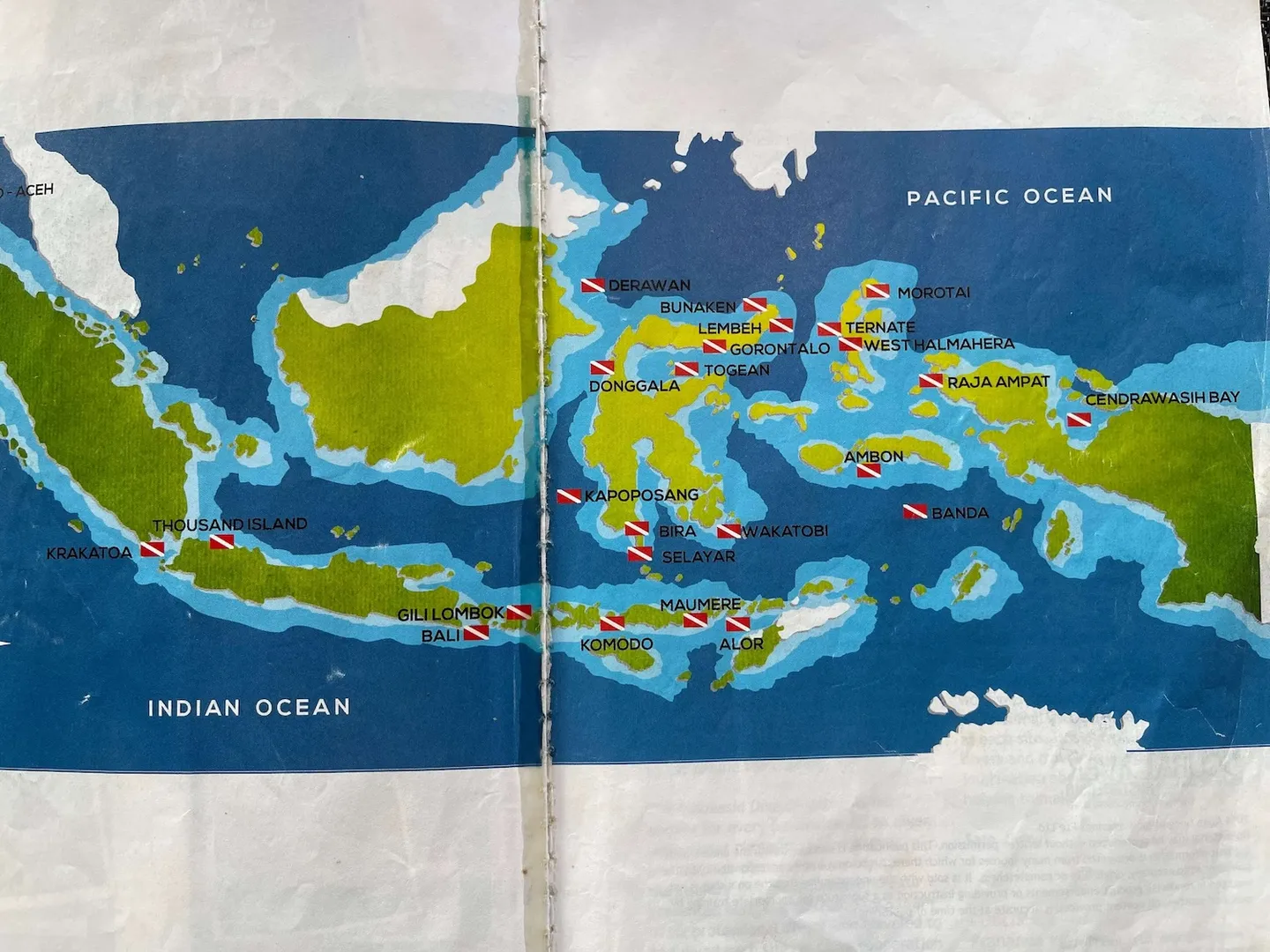
Indonesia's vast expanse makes a liveaboard an excellent choice for diving
Indonesia is world-famous for liveaboard routes in Raja Ampat, Komodo, and the Banda Sea. As mentioned, the country's enormous size means travel between islands can take anywhere from five to twenty-four hours. If you want to explore as many dive sites as possible on a single trip, a liveaboard is the best option — otherwise, the daily back-and-forth between your resort and the dive sites will exhaust you on its own.
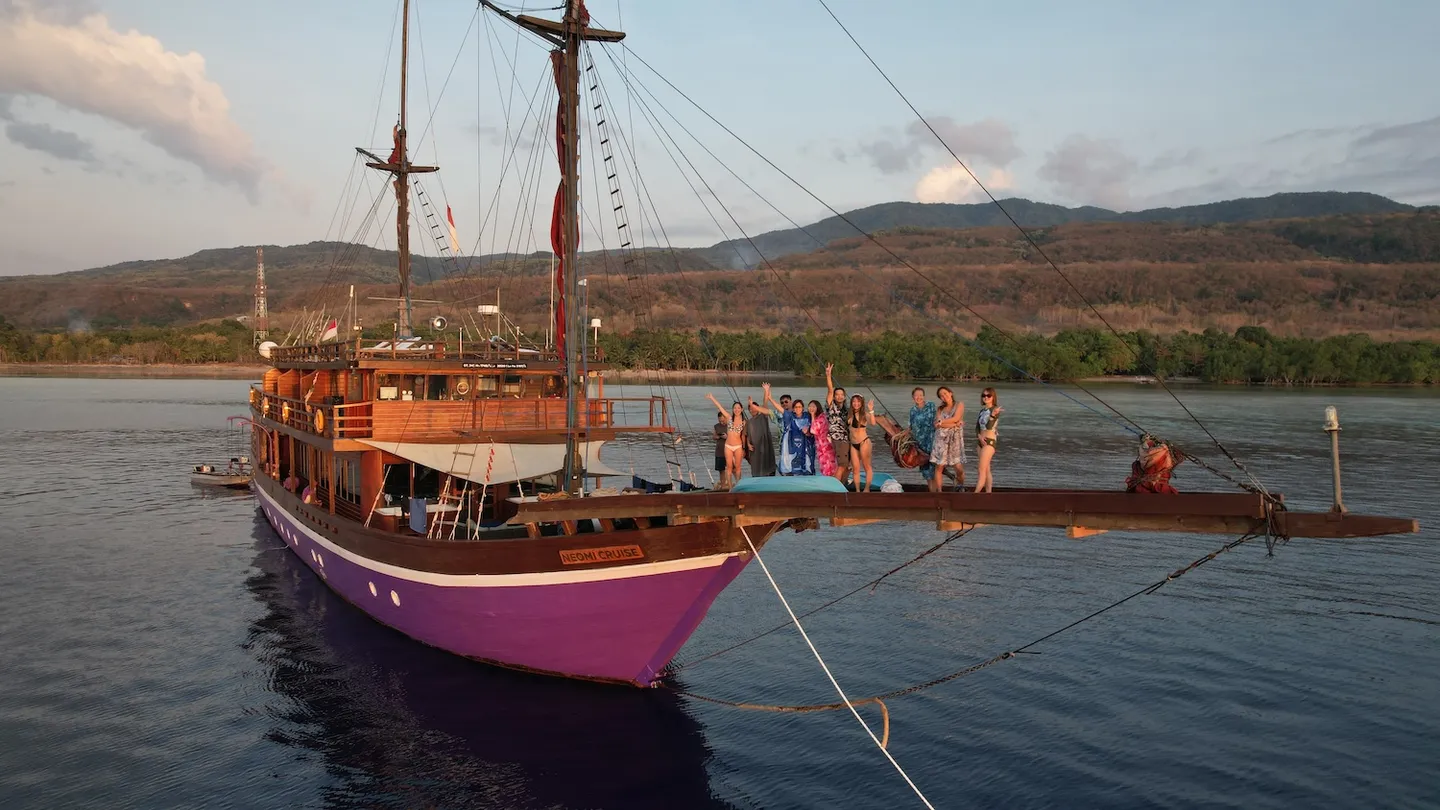
The Neomi Cruise is a three-deck, top-tier liveaboard — and a brand-new vessel completed in 2021
The vessel we boarded this trip was the premium liveaboard Neomi Cruise, a ship that had just been completed two years prior. According to informal estimates, there are roughly 100-plus liveaboard operators in Indonesia, and the Neomi Cruise is among the larger and more established of them. Like other liveaboards, the Neomi Cruise repositions across Indonesia's vast waters depending on sea and weather conditions, enabling it to offer a diverse range of dive itineraries:
-
Every September: waters around the Alor Archipelago
-
Every October–December: the Banda Sea
-
Every January–April: Raja Ampat
-
Every May–August: Komodo


How to Get to the Indonesia Liveaboard
Our trip fell at the end of September and the beginning of October — right at the point in the repositioning calendar when the vessel was moving from the Alor Archipelago to the Banda Sea. This meant our itinerary was a true trans-ocean passage, and one that only happens once a year. The islands we passed along the way were utterly uninhabited, rarely approached by dive boats, and utterly pristine in their ecology.
Because it was a trans-ocean voyage, planning our flights was a real headache — the departure and arrival airports are different, making round-trip tickets impossible to purchase. We recommend going through a travel agent to book. Furthermore, the outbound flight to Alor could not be booked through a travel agent and had to be purchased directly on the airline's website, adding an extra layer of complexity to the trip.
-
Recommended outbound route: Taipei – Jakarta – Kupang – Alor
-
Recommended return route: Ambon – Jakarta – Taipei
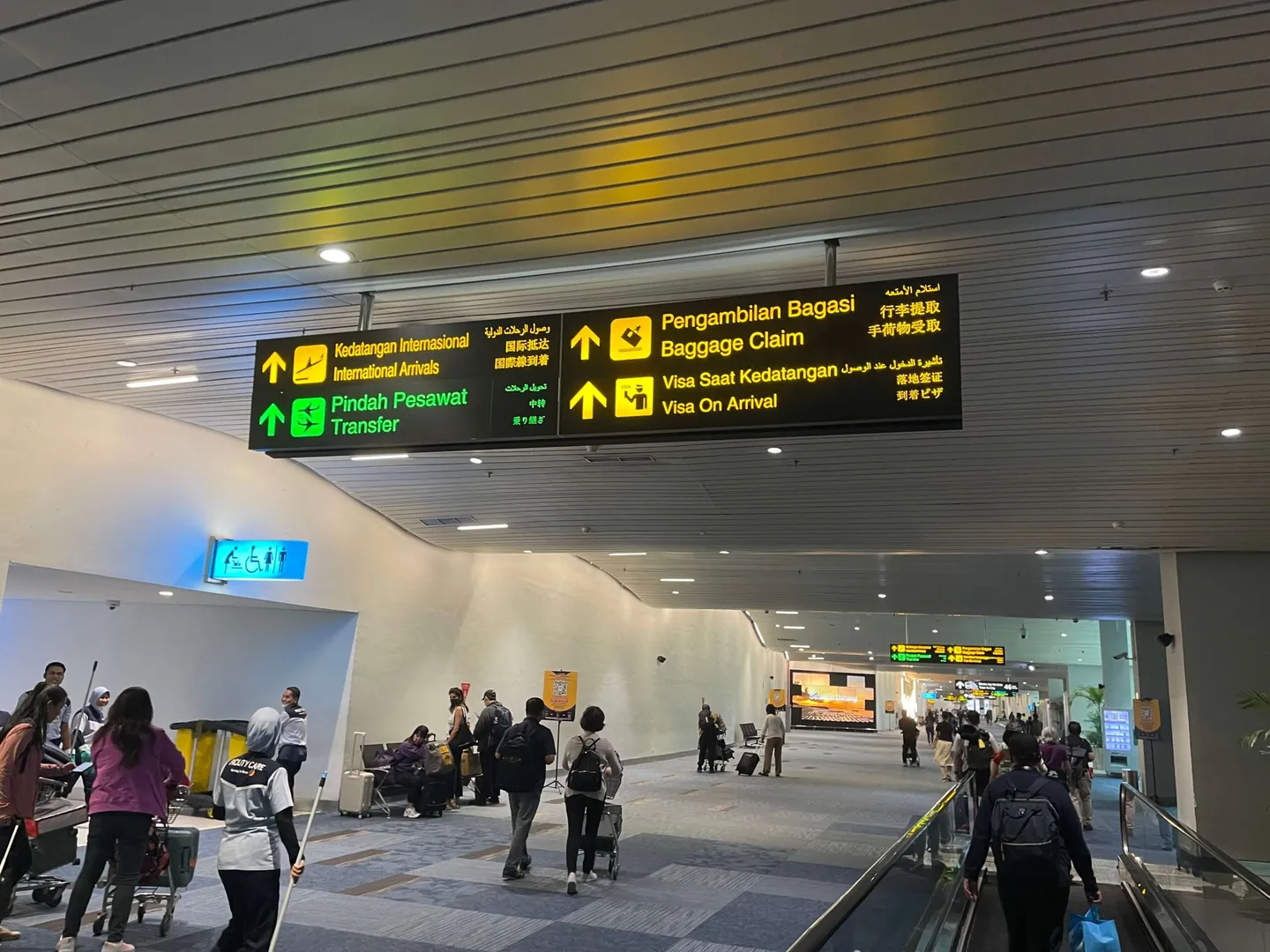
Jakarta Airport is enormous — allow plenty of extra time for connections
For immigration, Indonesia offers a Visa on Arrival (VOA), and we recommend purchasing it on the spot rather than filling out the e-VOA online. The online form requires a significant amount of information and takes around 15 minutes per person to complete, after which you also need to keep a QR code for inspection. The on-site VOA counter asks for nothing extra — just hand over US dollars and you'll get Indonesian rupiah in change.
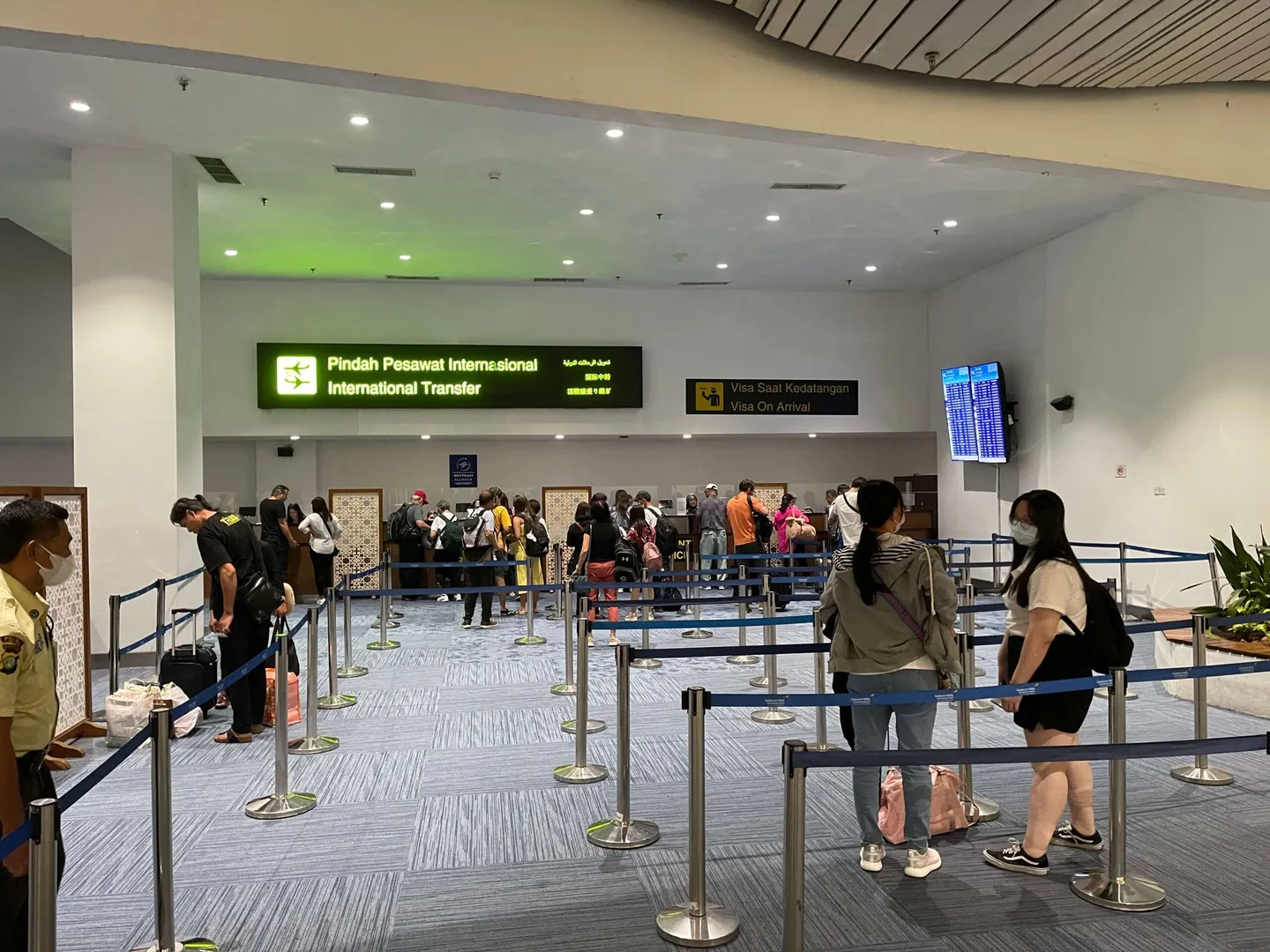
The VOA counter — convenient, quick, and you can exchange money there too (laughs)
Since we arrived in Jakarta at approximately 13:20 on the first day and our next flight to Kupang departed at 02:00 the following morning, Joe helped arrange a transit hotel in Terminal 2 for us to rest overnight and conserve energy for the journey ahead.
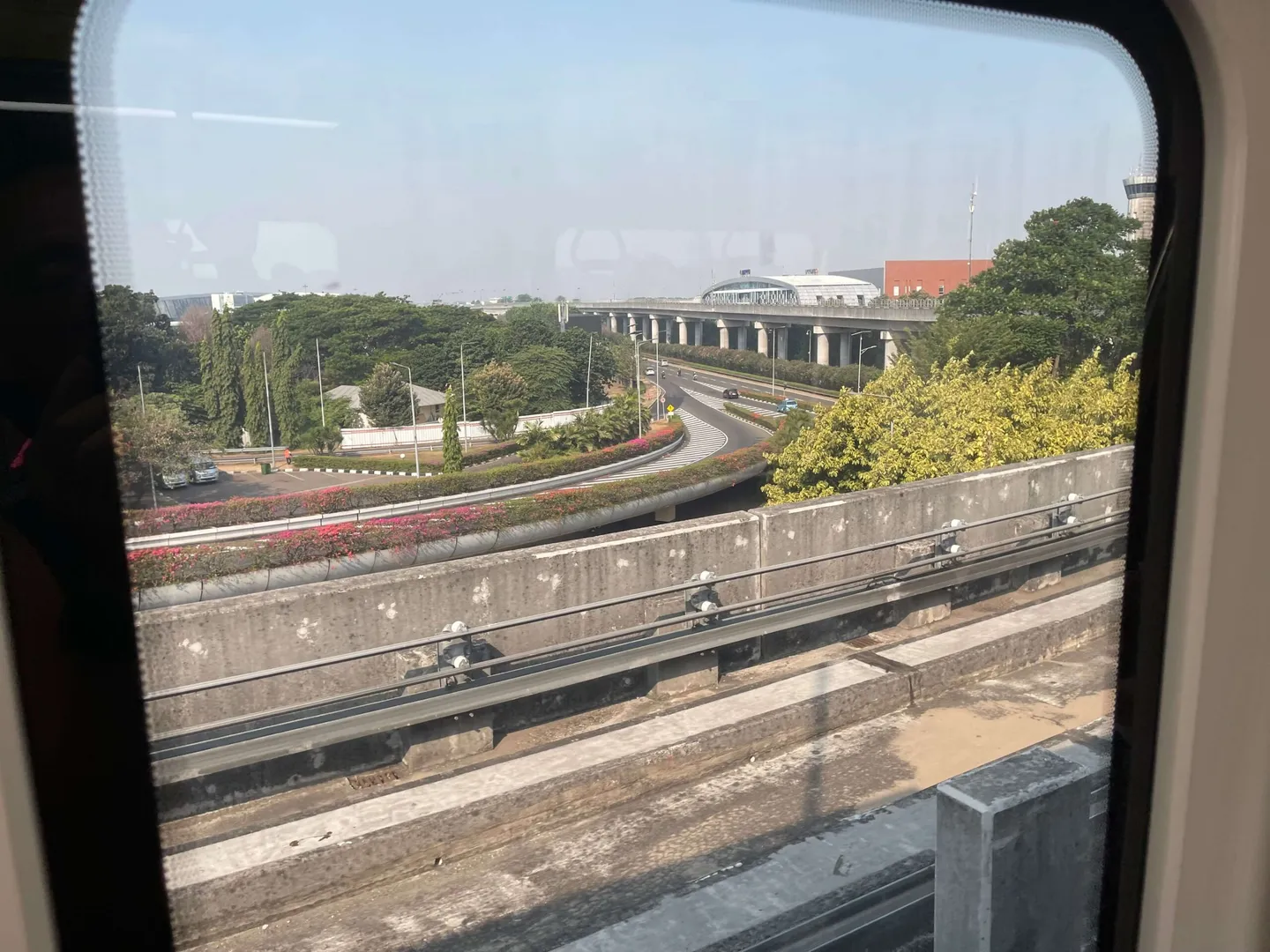
A free Sky Train connects international arrivals to Terminal 2
The transit hotel was conveniently located right in Terminal 2 — perfect for our early-morning connection. A few small tips: the hotel has limited massage staff, so book in advance if you'd like one. The hotel is long and narrow due to the terminal layout, so it's worth tipping a doorman to help with luggage. Jakarta Airport has plenty of restaurants on the ground floor, so finding food is never an issue.
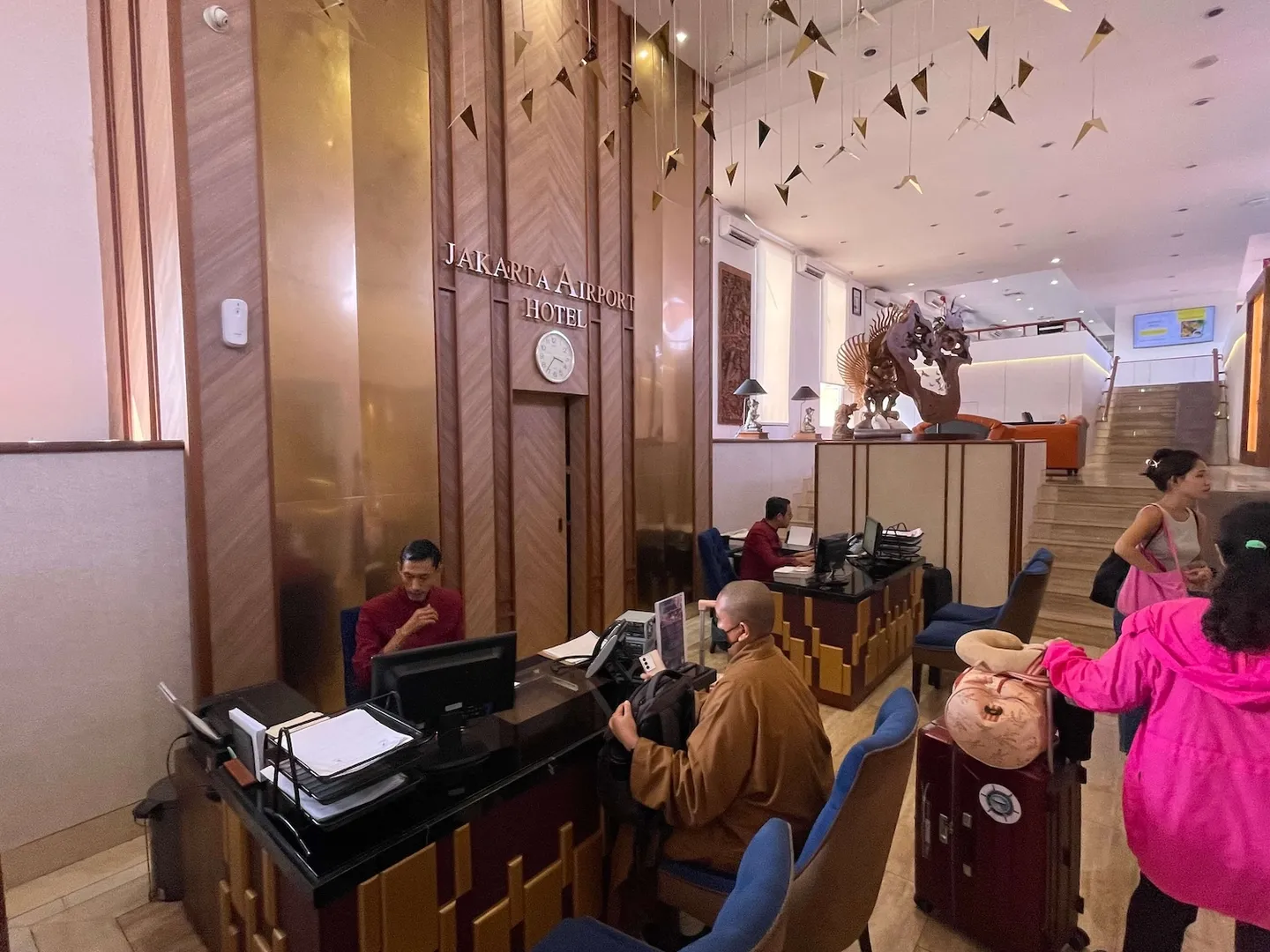
The transit hotel is simple but affordable — around NT$1,000 per person per night
A few additional reminders about transit:
-
Jakarta Airport is huge — allow extra walking time so you don't miss your flight.
-
If you're concerned about overweight baggage, factor in time to walk to the excess luggage counter, as it may be far from check-in.
-
Indonesian flights can be cancelled or merged without warning — don't cut your connection too close.
-
Jakarta Airport operates 24 hours, so food is always available.
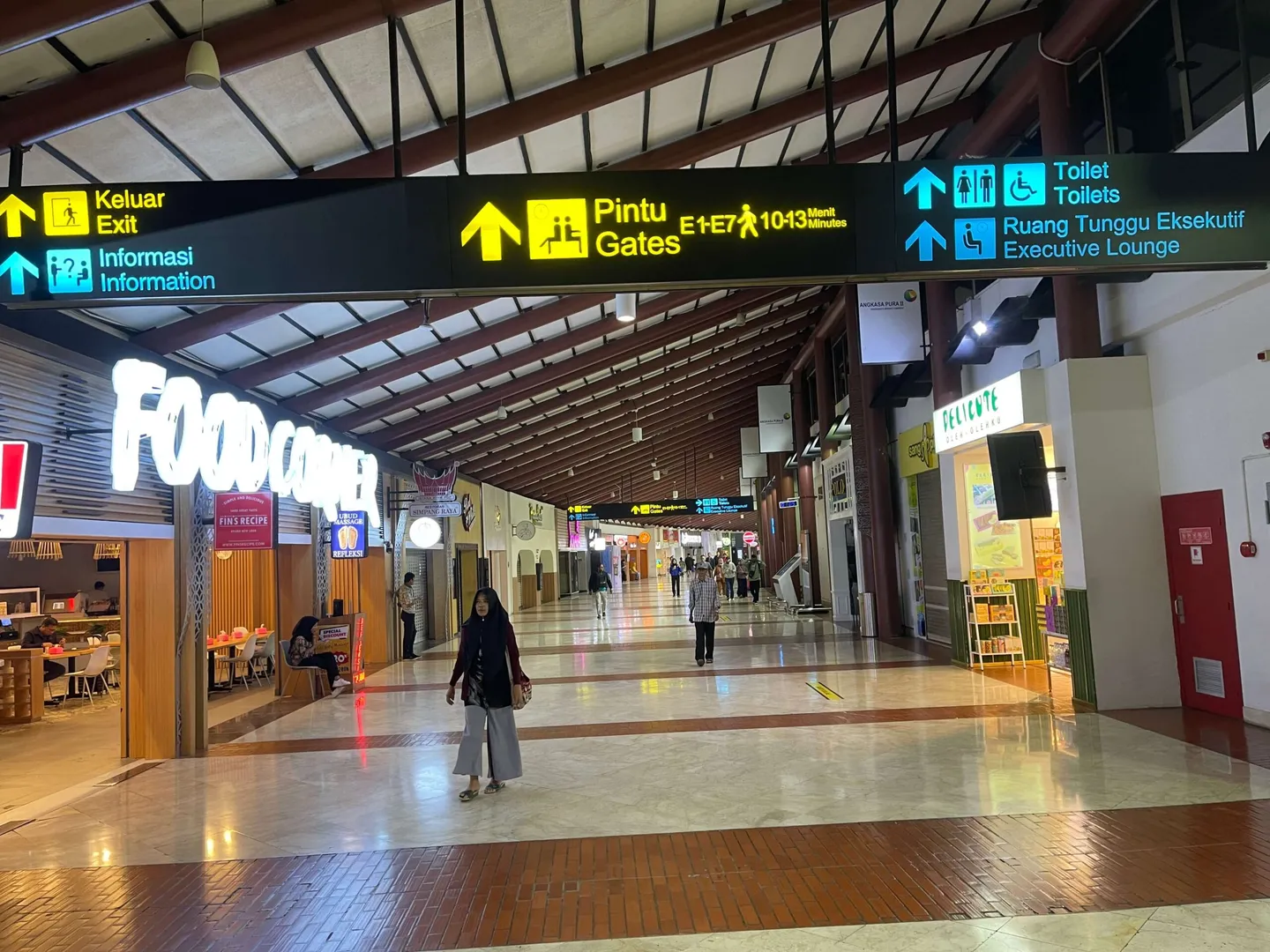
Jakarta Airport is enormous — allow plenty of extra time to avoid missing your flight
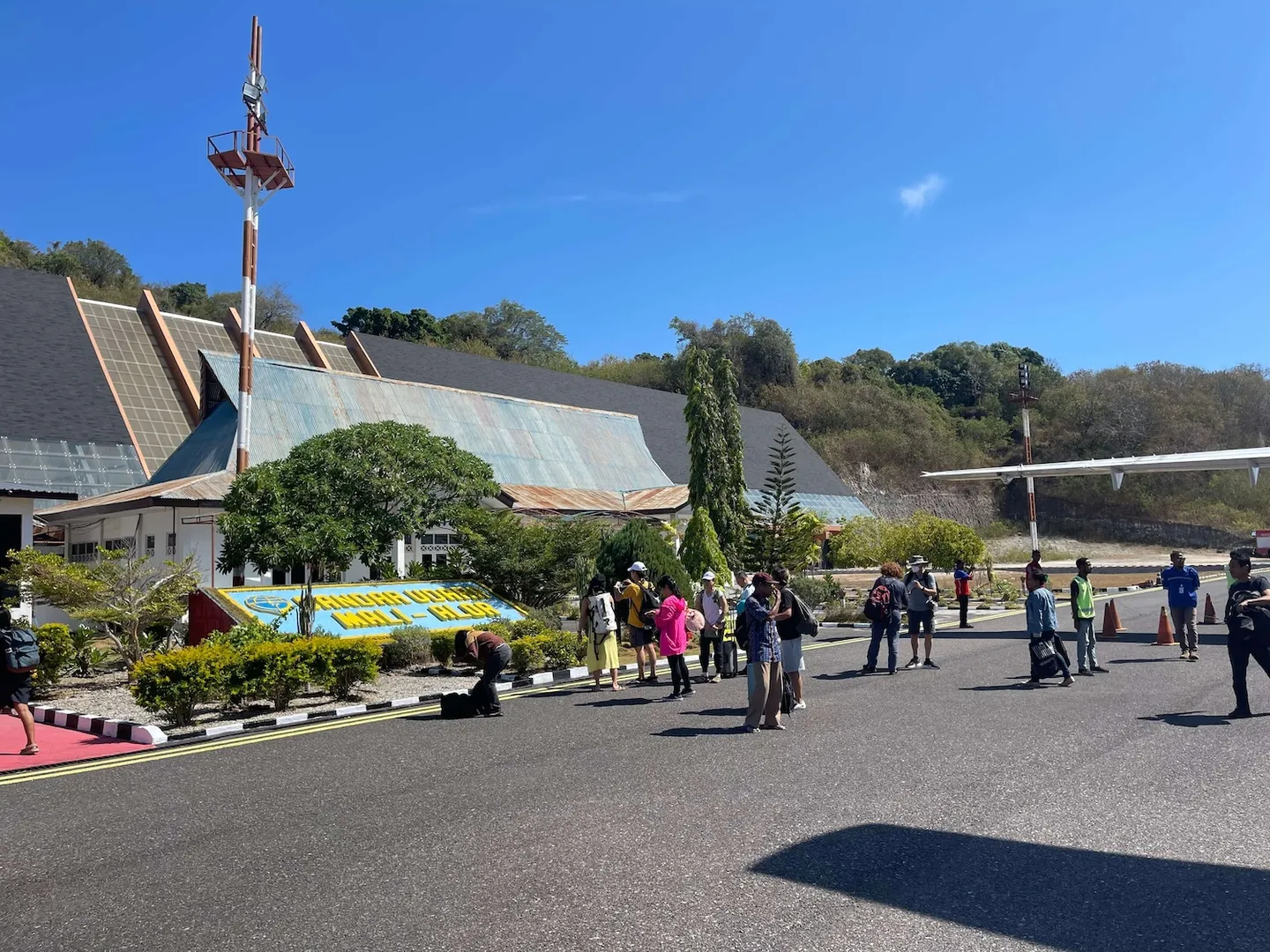
After a full 24 hours in transit, we finally arrived at Alor Airport
Indonesia Travel Tips: Time Zones, Exchange Rates & Internet
Indonesia stretches 5,120 km from east to west and spans three time zones. Jakarta, for example, is one hour behind Taiwan, while Kupang and Alor are in the same time zone as Taiwan. Ambon, at the end of our trip, is one hour ahead of Taiwan. Don't forget to adjust your watch as the ship moves between regions, or you might miss a scheduled dive.
Exchange rates are another thing Taiwanese travellers need to get used to. Indonesian rupiah has a lot of zeros — a simple rule of thumb: if something costs 29,000 IDR, drop the last three zeros, then multiply by 2 (29 × 2 = 58), giving you approximately NT$58.
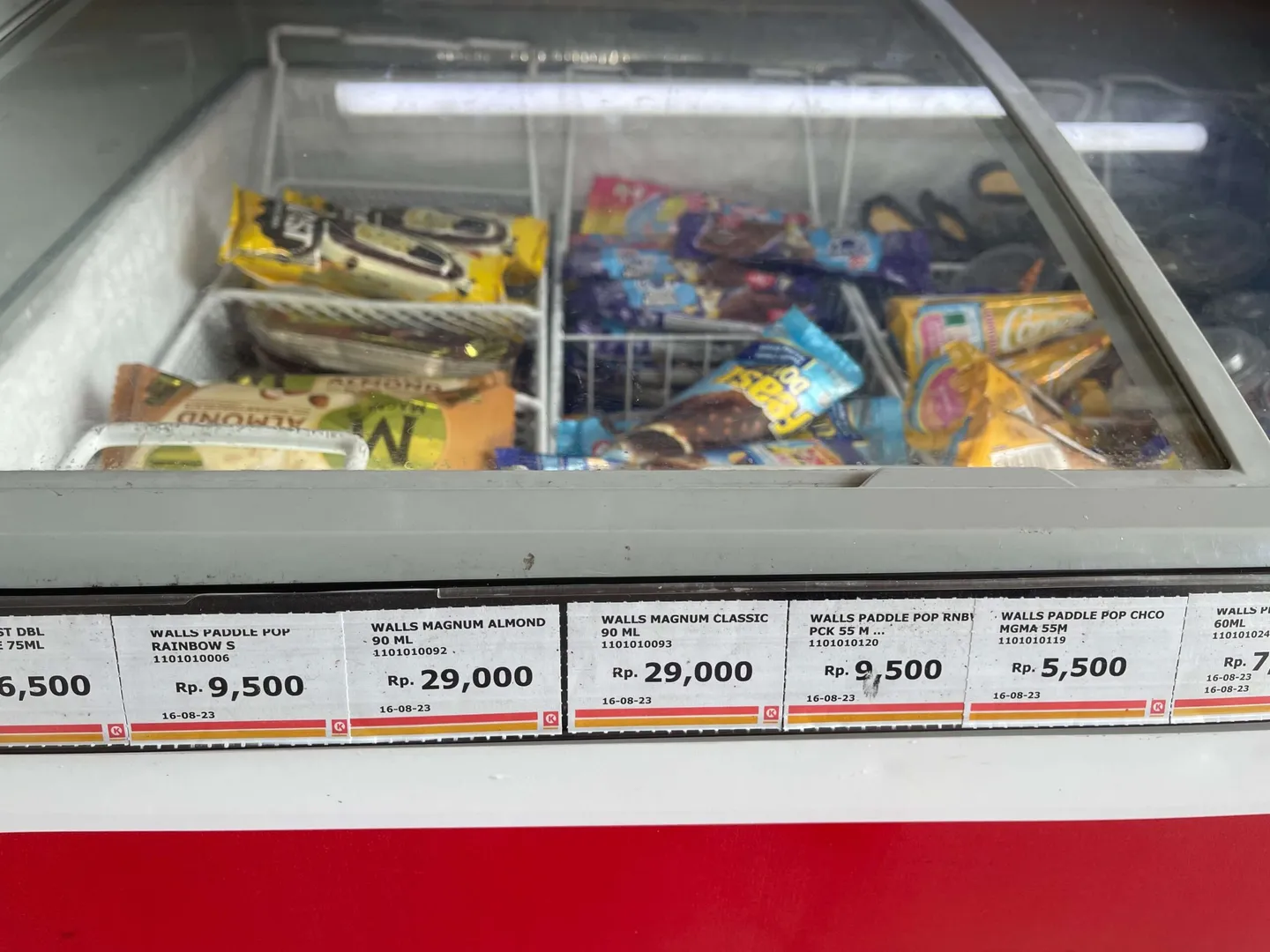
There's a handy way to convert Indonesian rupiah to New Taiwan dollars
Internet! Why don't I have 5G?! Modern travellers struggle without connectivity, but Indonesia's vast geography means infrastructure lags behind in most areas — getting a 4G signal is already a win. On this eight-day trans-ocean segment, three days had absolutely no network coverage. For travellers heading to Indonesia, you don't need an unlimited data plan or a huge amount of data — your phone may well be stuck in aeroplane mode for much of the trip anyway (laughs).
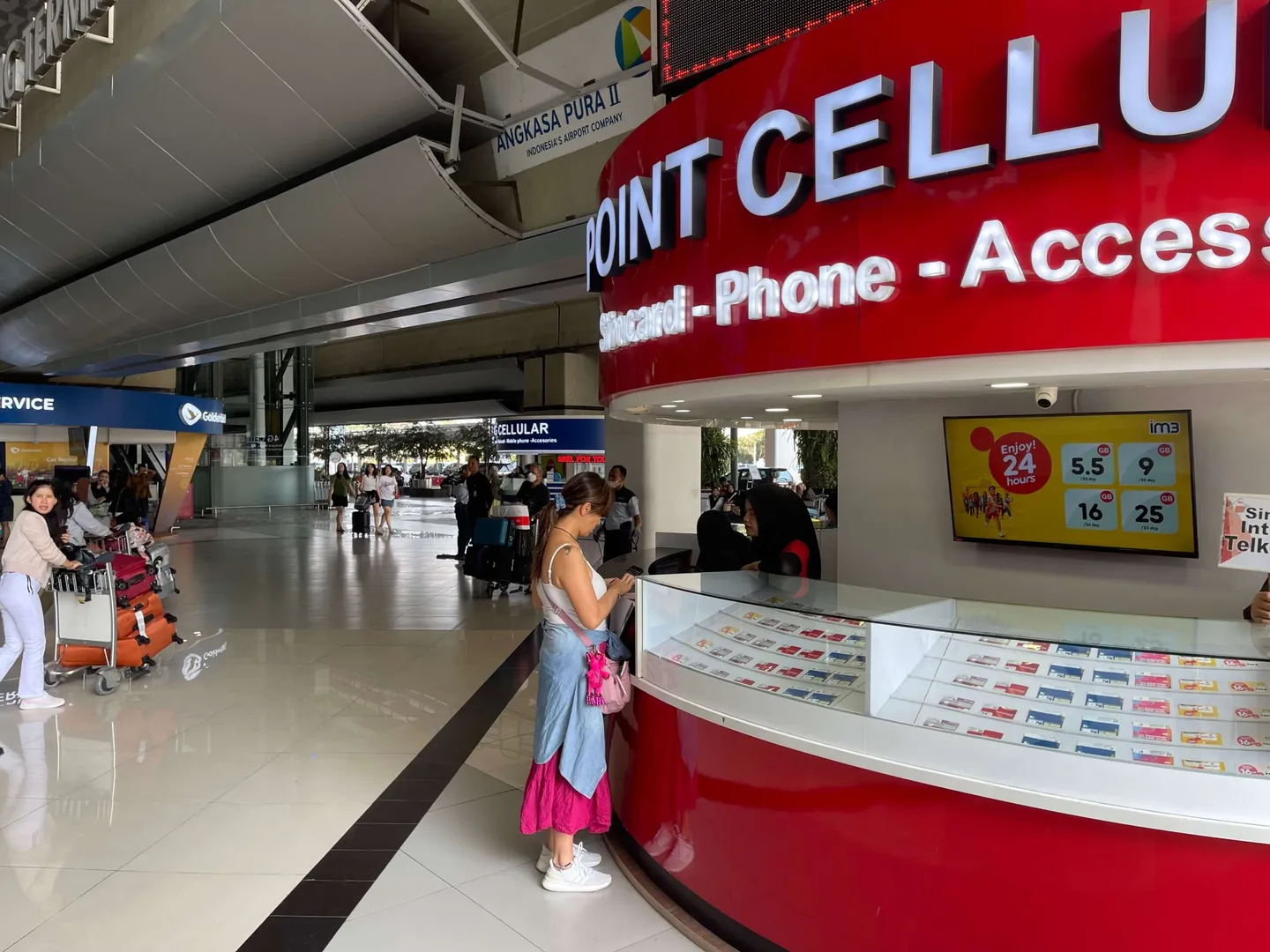
SIM cards are available to purchase after exiting the terminal
How to Choose a Liveaboard
With more than 100 liveaboard operators working Indonesia's prime dive regions, price alone should never be the deciding factor when choosing one. Let's use the Neomi Cruise as an example for what to look for.
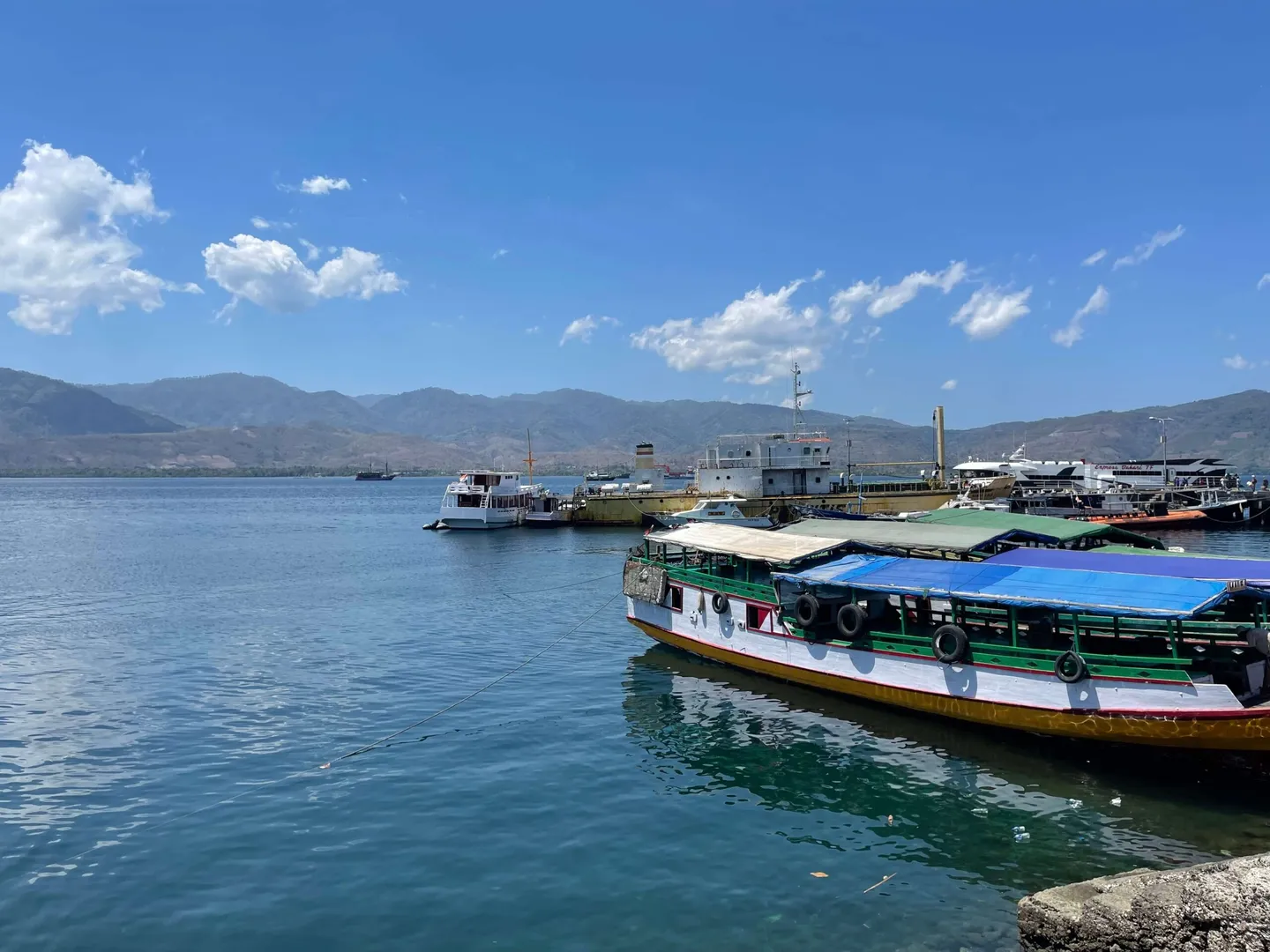
The Neomi Cruise as seen from the port of Alor — our home for this trip
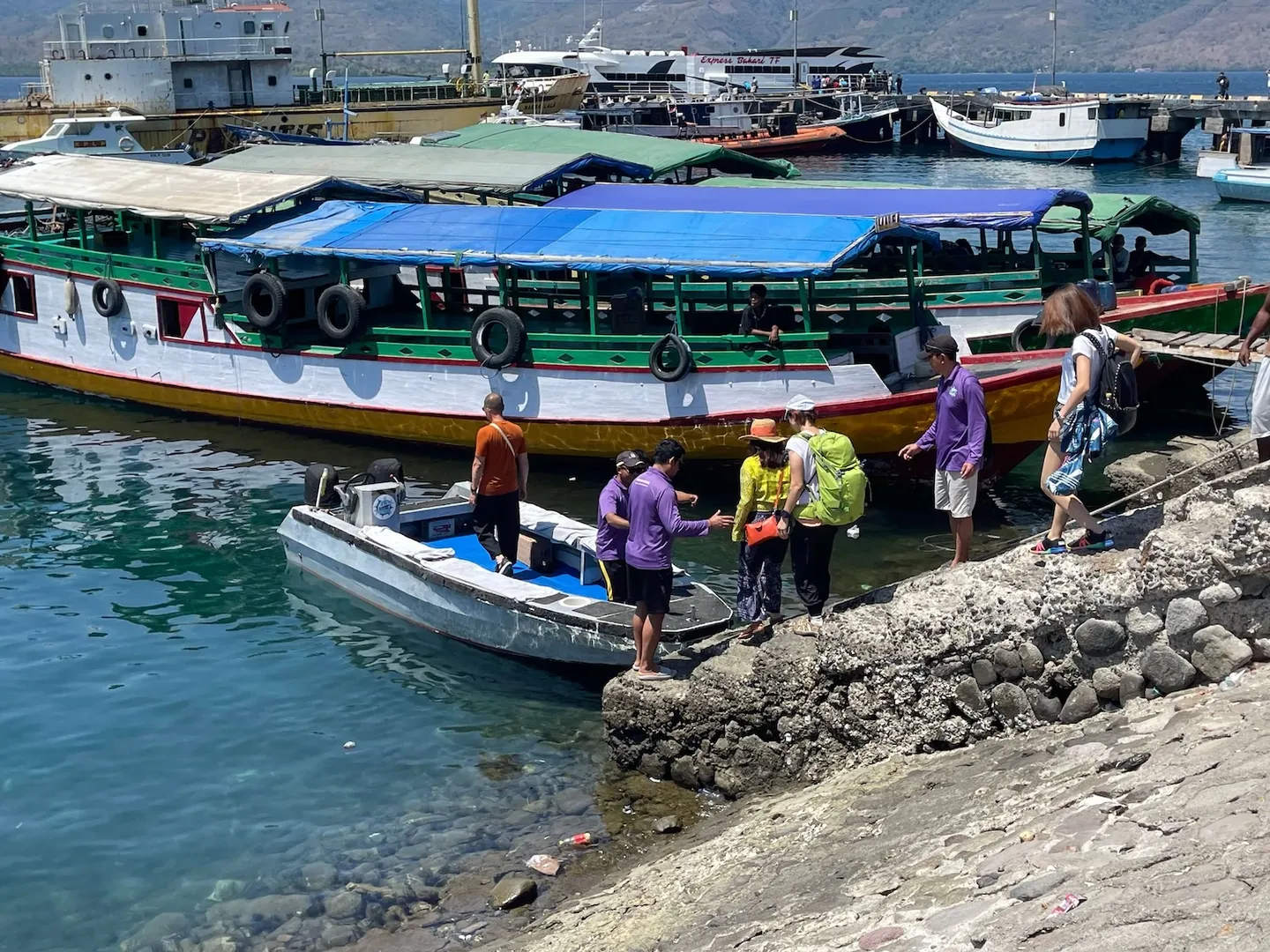
The Neomi Cruise operates two tender boats — the crew members in purple uniforms are ours
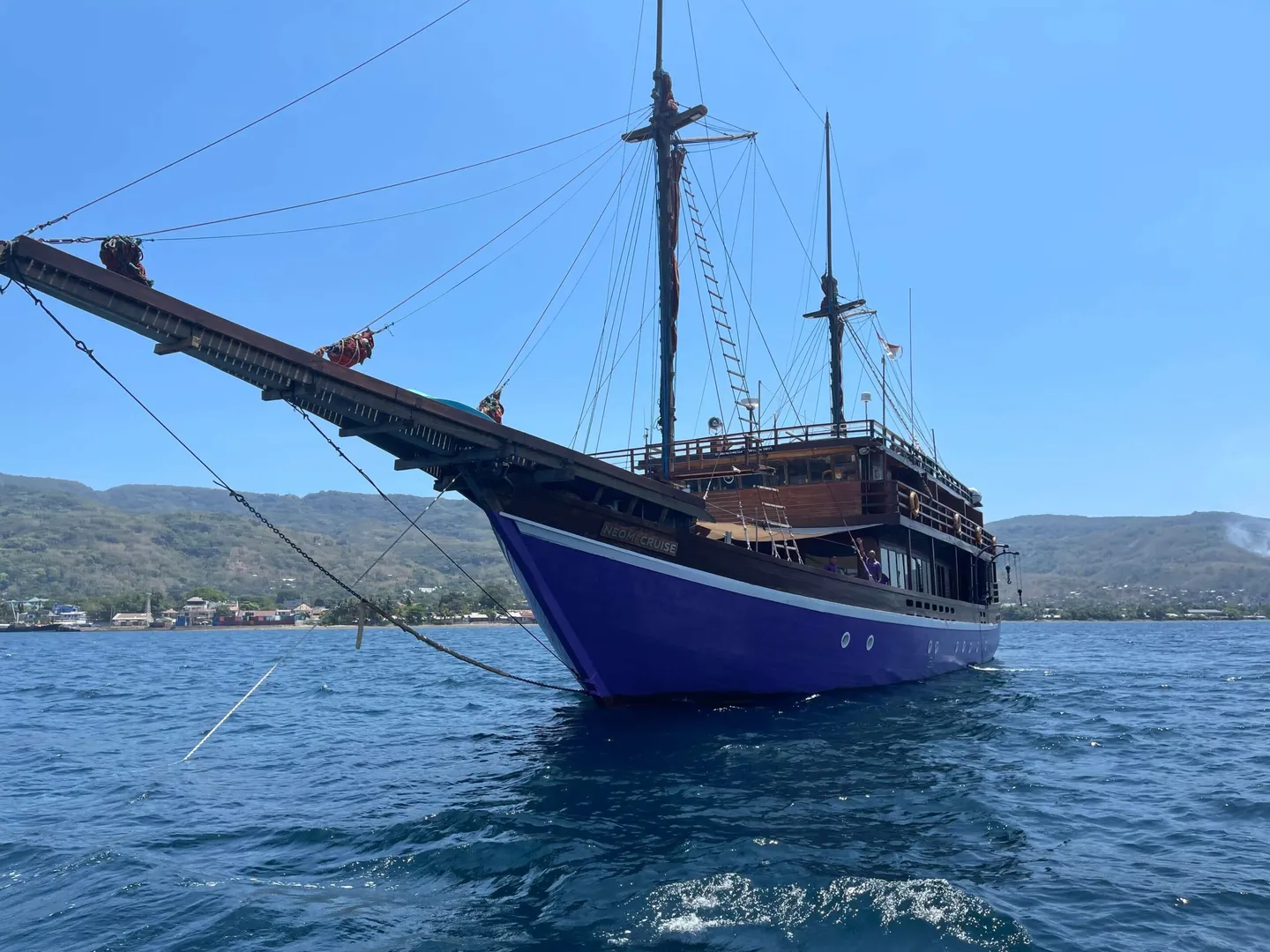
The Neomi Cruise is built in a traditional sailing vessel style — when weather permits, you can even watch her unfurl her sails
Layout is everything on a good dive boat. Many of us have been on liveaboards converted from yachts — stunning on the outside, but not designed with divers in mind, leading to frustrating bottlenecks and awkward logistics. The owner of the Neomi Cruise, however, is himself a diver and an underwater photographer, and you feel that thoughtfulness the moment you step aboard.
The tender comes in from the stern directly to the equipment room, so once you've checked in your personal dive gear, you simply leave your luggage there — no hauling tanks and BCDs up and down staircases. The dedicated camera room is equally considerate, with towels for drying gear, small work lights, and charging outlets, plus ample space to comfortably sort and maintain your camera setup throughout the trip.
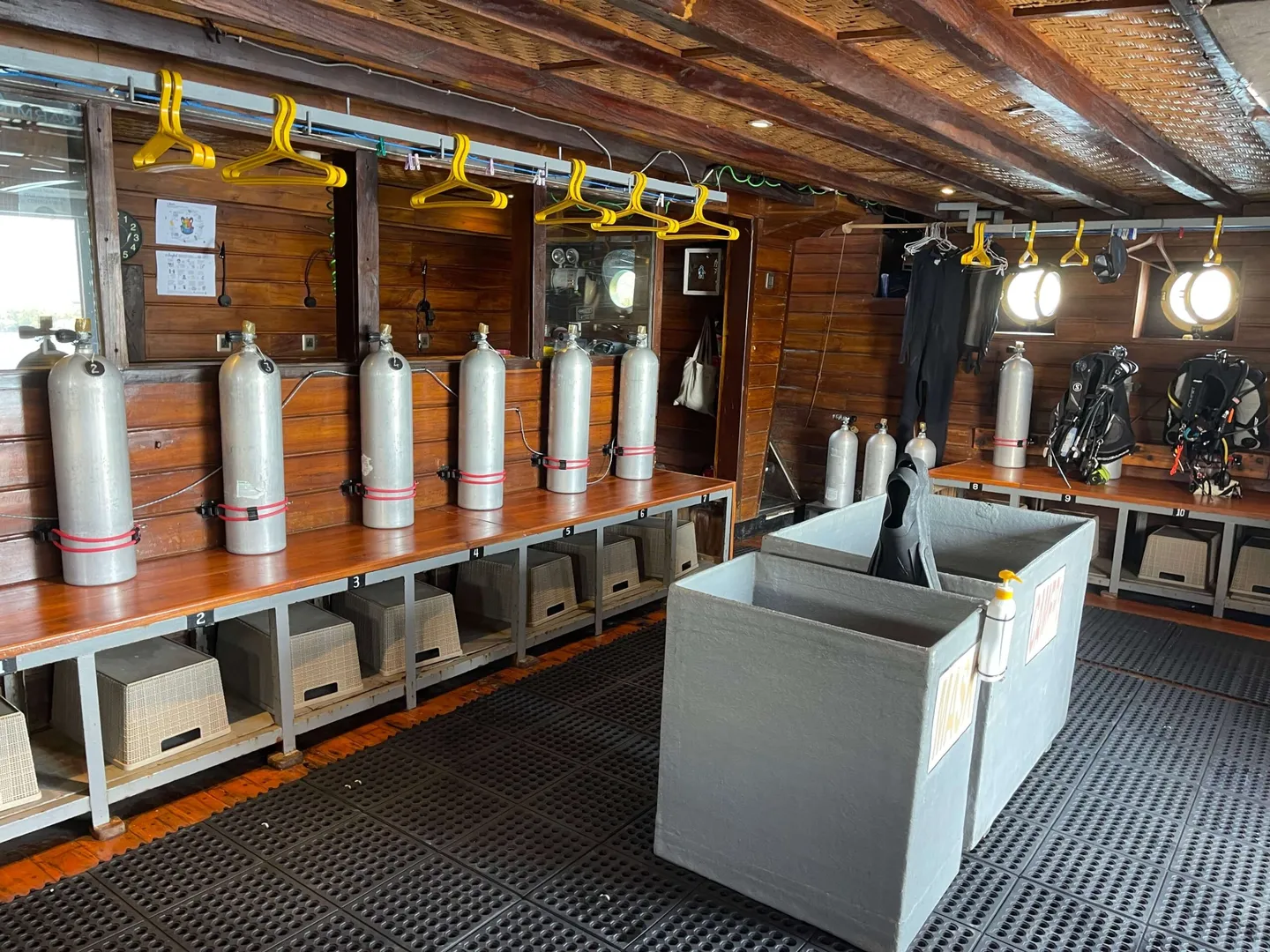
Each guest's equipment is numbered and stored in their own space — the generous layout never feels cramped
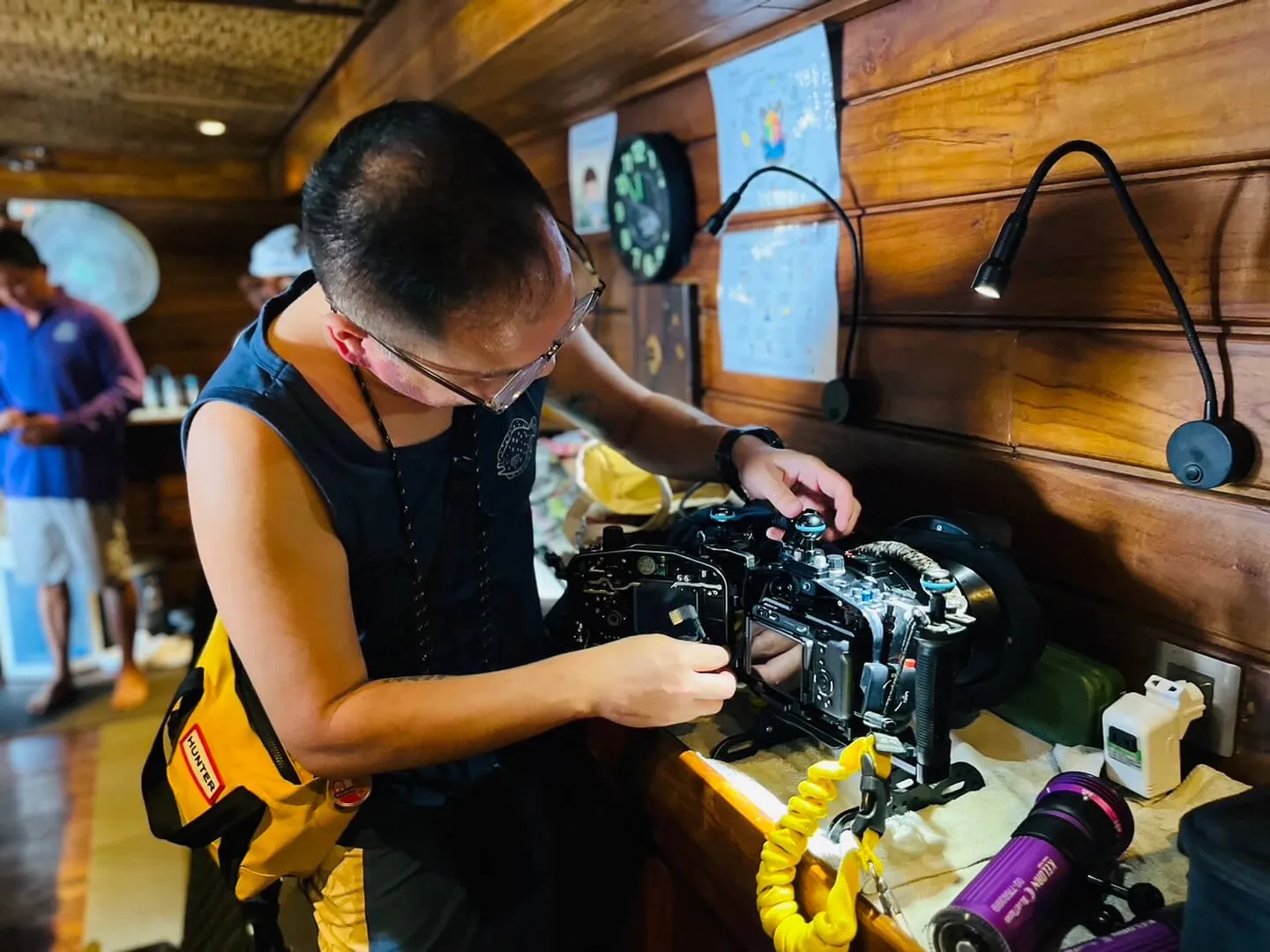
The camera room provides towels, work lights, and charging points — a very thoughtful touch
One of the most impressive aspects of the Neomi Cruise is that, in addition to the welcome drinks you'd expect on any liveaboard, the ship arranges unique cultural performances to greet guests depending on the current itinerary segment. For Alor, we were treated to a distinctive traditional local dance. On the Banda Sea segment, a live band is invited aboard to perform. And on Komodo itineraries, a variety of land excursions are organised to make the overall experience even richer and more memorable.
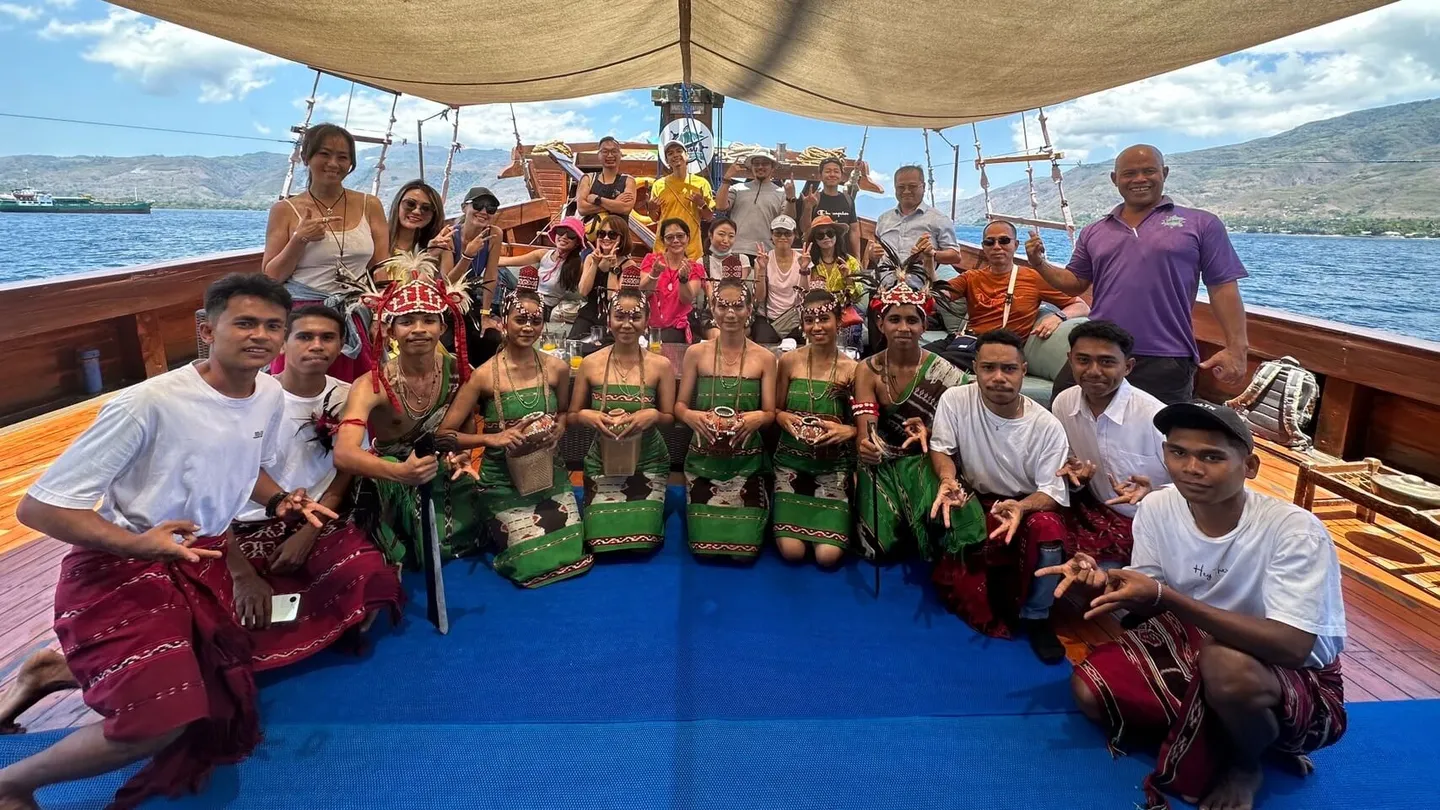
The Neomi Cruise arranged a traditional local dance performance — a warm and sincere welcome
Spaciousness is another key consideration when choosing a liveaboard, and the Neomi Cruise — completed in 2021 — certainly delivers. The use of space and overall comfort won't disappoint: a generous dining area, a comfortable lounge (complete with a KTV system with Chinese songs), and even a dedicated outdoor deck for guests who need to breathe fresh sea air regularly. The thoughtfully designed spaces keep you relaxed and at ease throughout your time at sea.
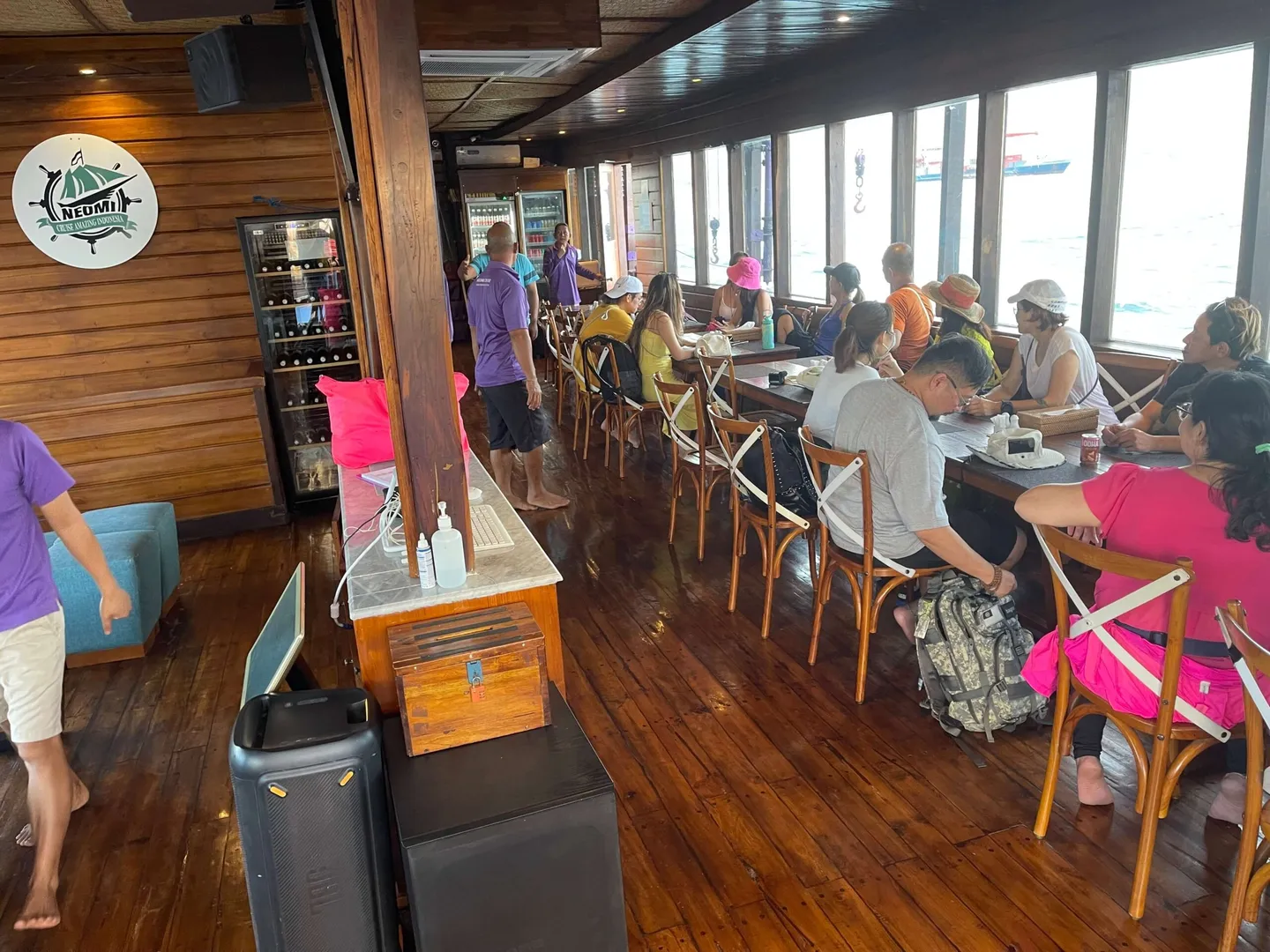
The spacious dining area and lounge — it's hard to believe you're on a boat
As a self-professed foodie and group leader, the Editor takes food quality extremely seriously when evaluating liveaboards. The Neomi Cruise's kitchen team exceeded expectations on every count: a daily-changing menu is a given, fresh fruit and vegetables are always present, and the chefs even produce noodle soups that make Taiwanese guests feel right at home. The only minor critique is that Southeast Asian-style meat preparation can sometimes leave the meat a little dry — not quite to Taiwanese taste — but that's a small quibble in the grand scheme of things.
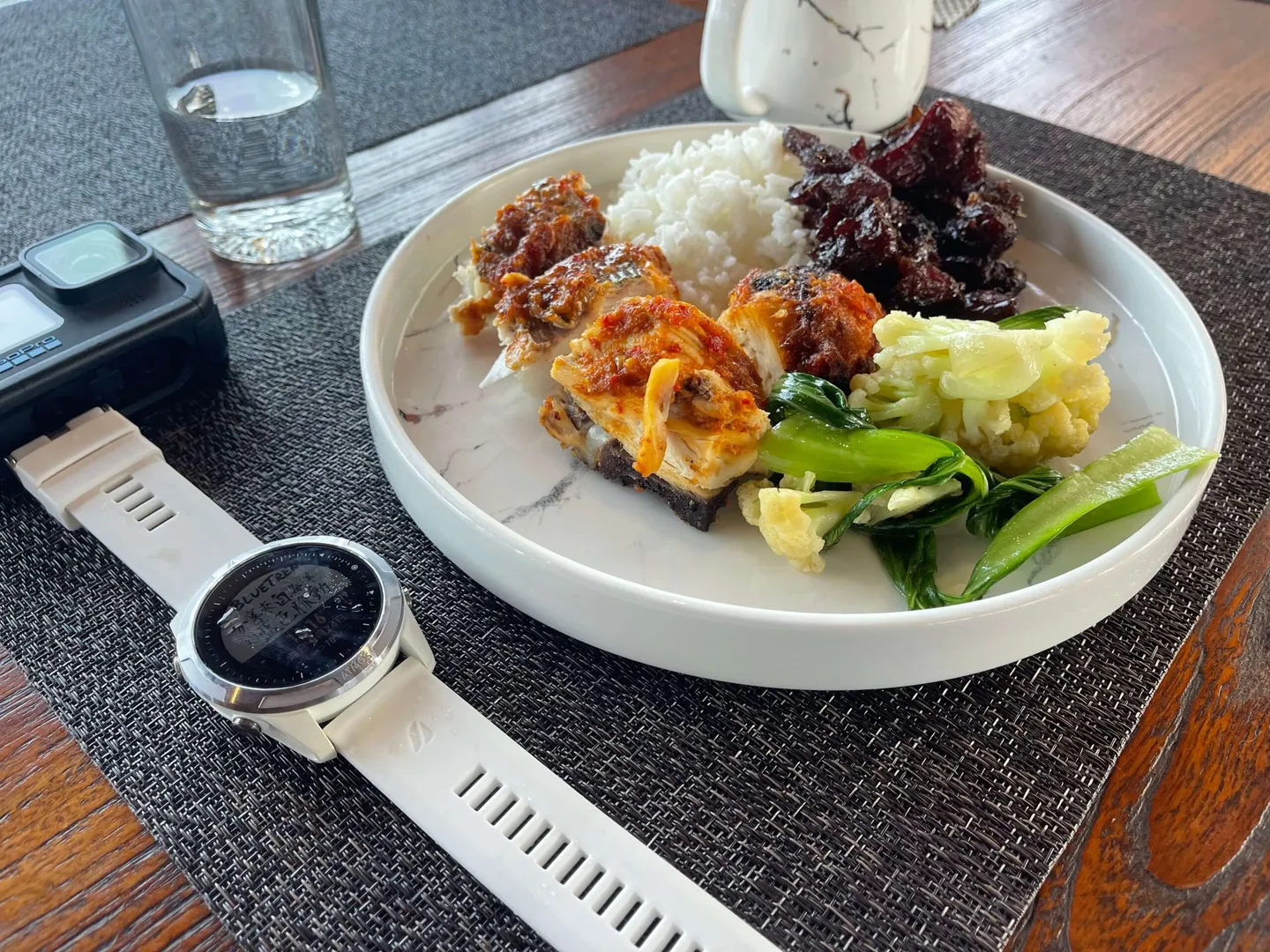
The food is incredibly abundant — light breakfast, full breakfast, lunch, afternoon tea, and dinner. You will come back heavier.
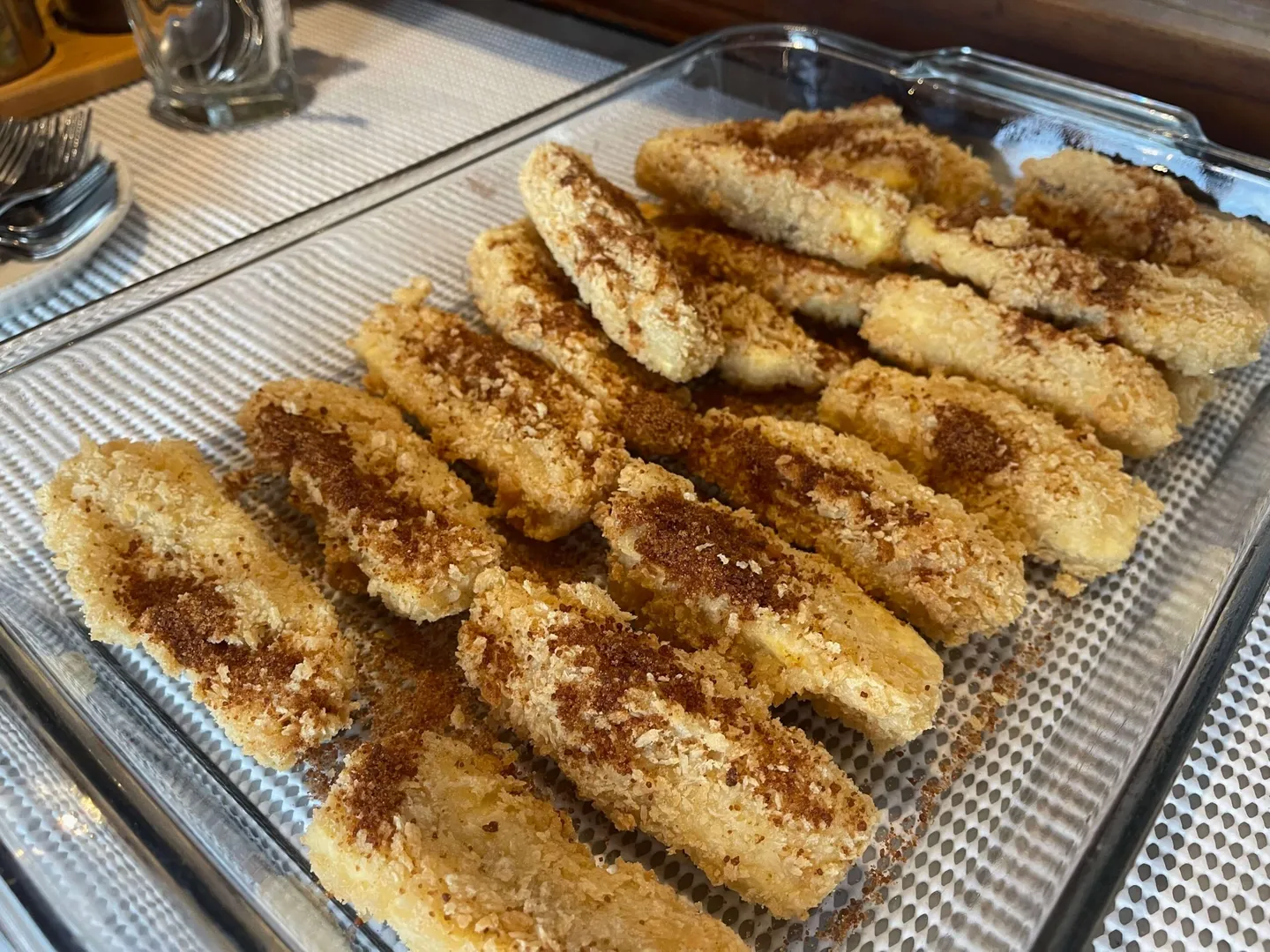
Afternoon tea is equally impressive
Special Bonus Meals!
On certain dive sites along certain itinerary segments, you're allowed to dive down and catch your own lobster — just make sure to confirm the minimum size and catch limits with the crew first. Once you're back on board, the kitchen will cook them up for a truly special meal.
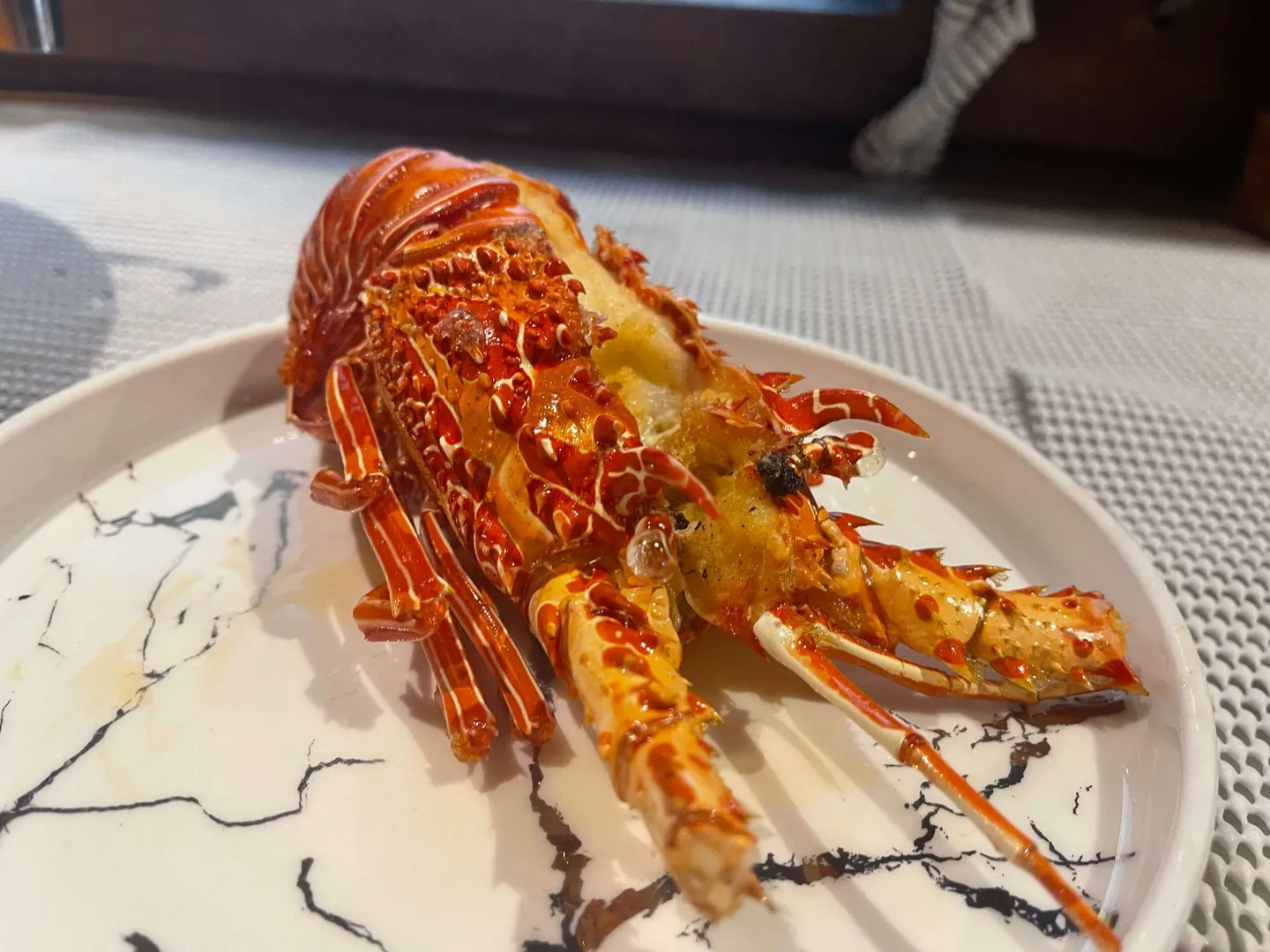
Diving to catch your own lobster — an unusual but memorable experience
And when there's a lull at sea and you happen to be a skilled angler with a lucky streak, don't forget to treat your fellow passengers to a bonus meal. On this trip, one of our fellow guests reeled in a ruby snapper and a yellowfin tuna — fresh catches that went straight to the dinner table as sashimi. Pure bliss!
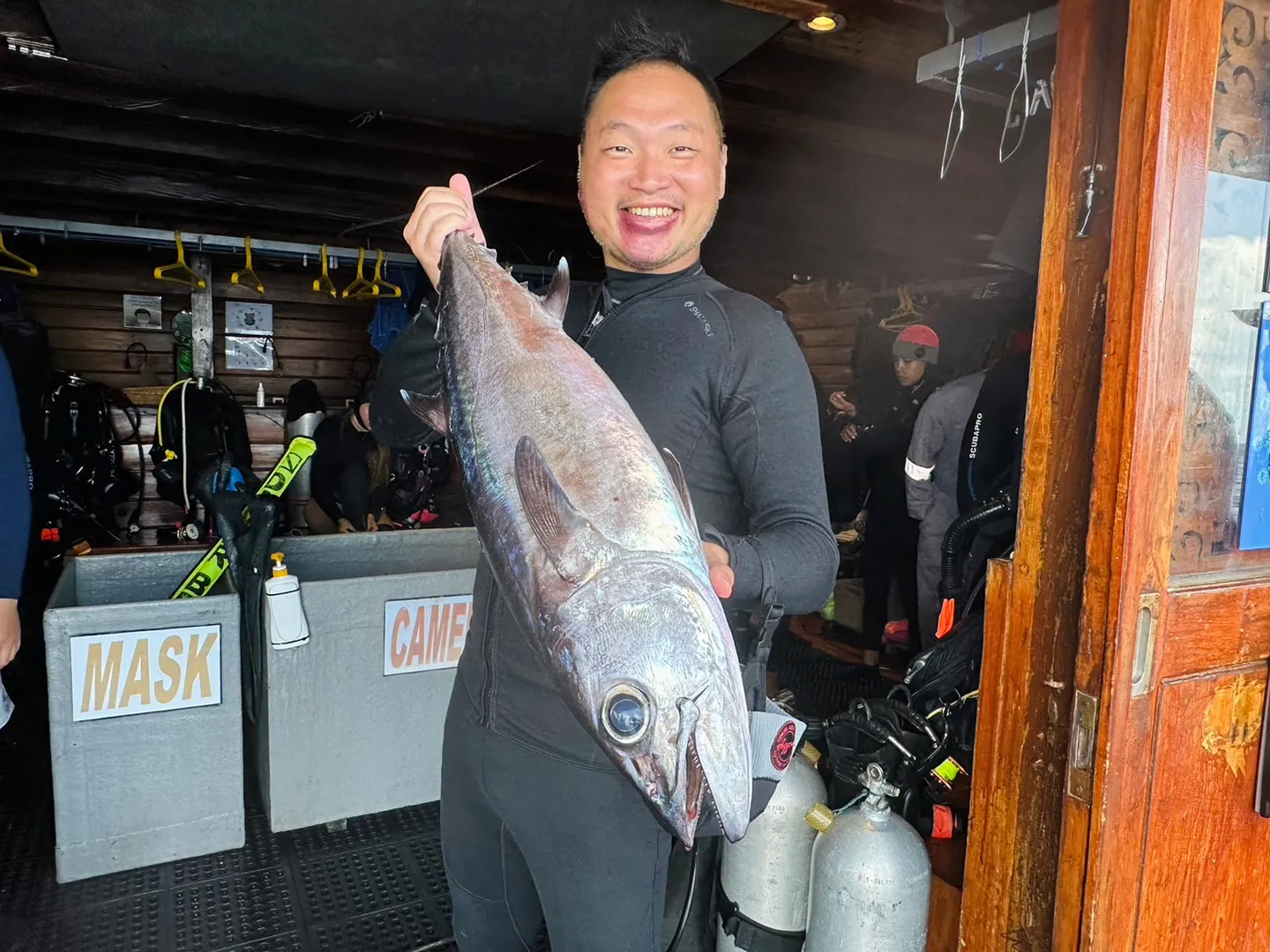
A yellowfin tuna caught on board became our sashimi dinner that evening
How to Assess Liveaboard Dive Safety
A quality operator should provide thorough onboard orientation, vessel safety briefings, and comprehensive dive briefings from the moment you step aboard. What impressed the Editor most about the Neomi Cruise was the safety orientation video played right at the start — its production quality and depth of information rivalled the safety videos you'd see on a commercial flight. An incredibly thoughtful touch.
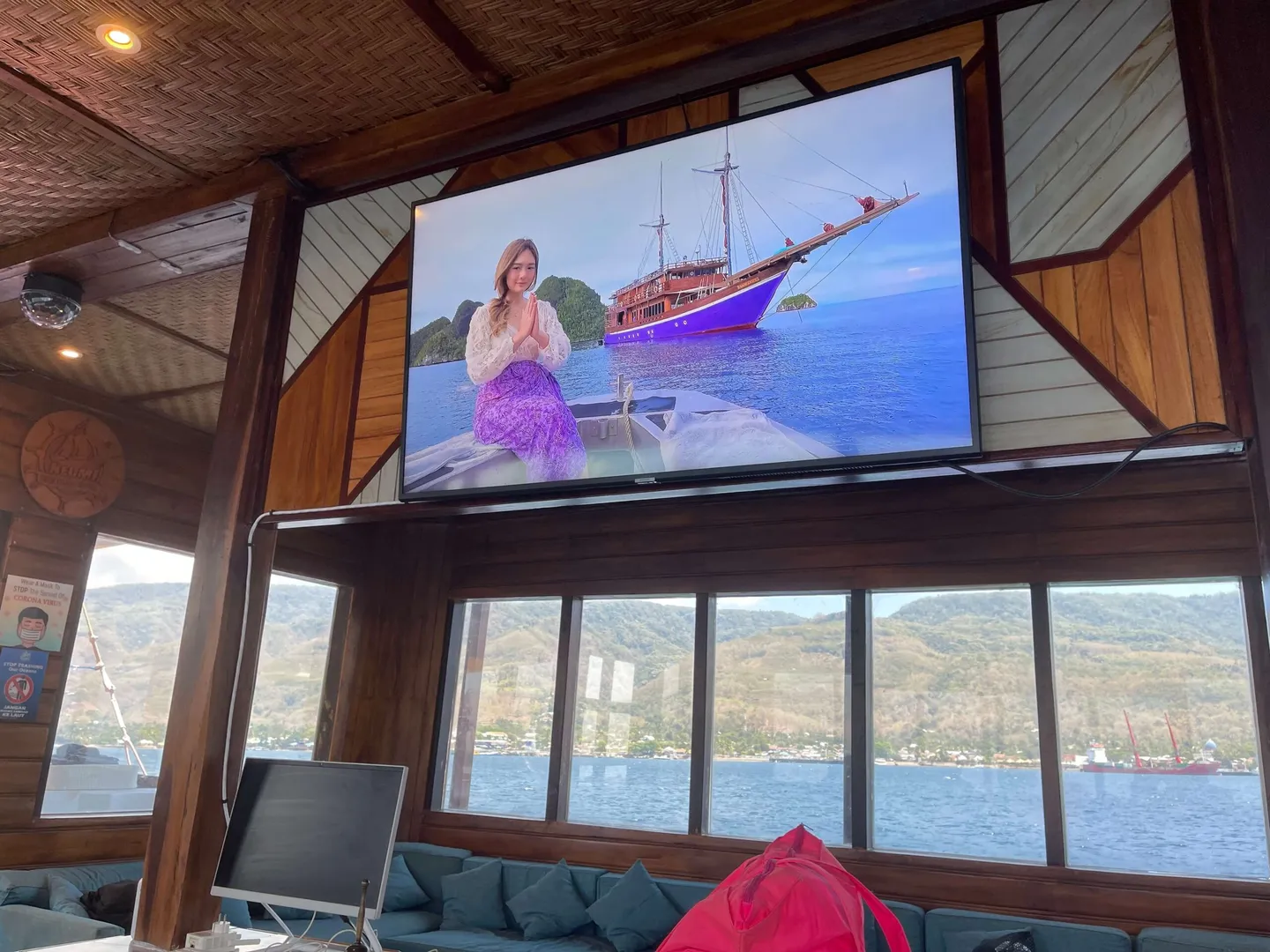
The Neomi Cruise's safety orientation video is impressively polished and comprehensive
The Neomi Cruise also issues every diver a personal distress signalling device, fitted to your gear after you've settled your equipment in. Listen carefully to the instructional briefing — you don't want to be fumbling with it in an emergency. The surface marker buoys commonly used in Taiwan may not be compatible, as the receiving systems differ, but a satellite-based device such as the Garmin InReach is worth bringing as a backup.
What Will You See Underwater?
For the first few days, we dove around the Alor Archipelago. The terrain here is somewhat similar to Orchid Island — a gentle slope from shore to about 5 m, followed by a sheer vertical drop to the seabed. Wall diving like this requires careful attention to your no-decompression limits and depth control. The waters are generally calm between the islands, so currents aren't particularly strong; when a current does pick up, drift diving is all you need — a reef hook is rarely necessary.
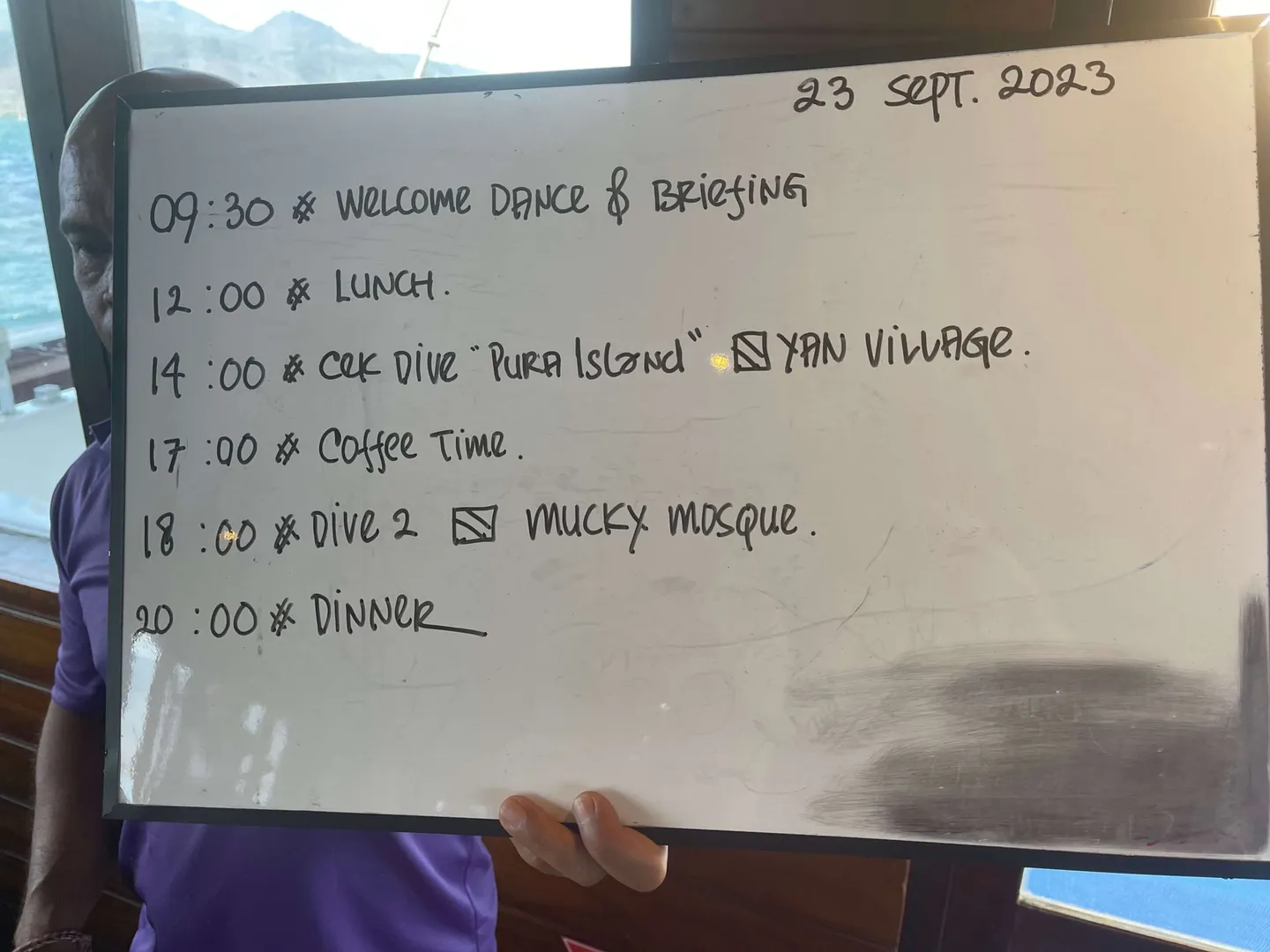
Always check the daily dive schedule — it may be adjusted based on the route
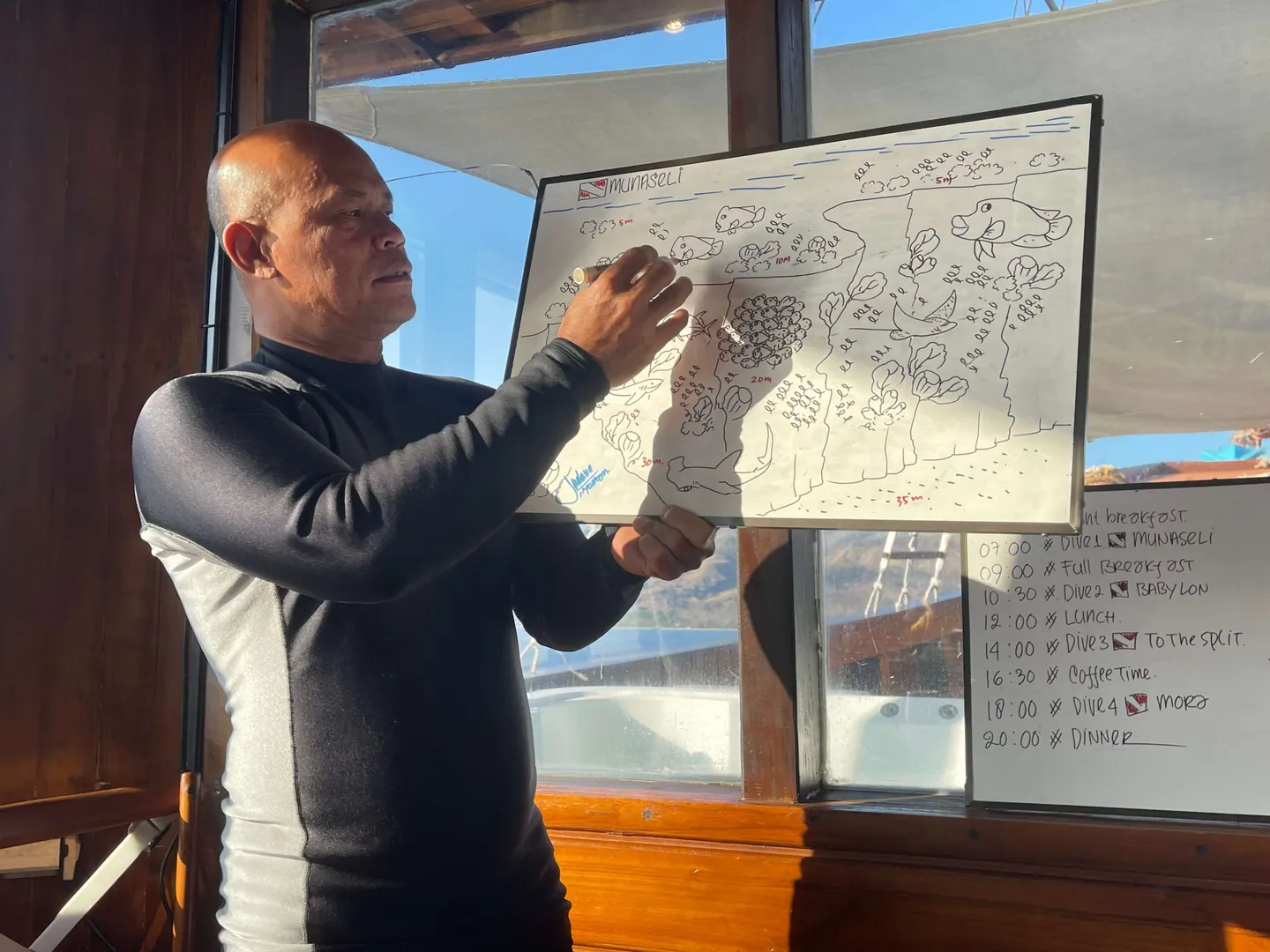
The dive guides have an intimate knowledge of local currents and marine life — always listen to the dive briefing
Indonesia sits within the famous Coral Triangle, and with many of its islands uninhabited and virtually untouched by commercial development, coral cover and reef ecosystem integrity are exceptional. Tropical reef fish congregate in abundance, while the occasional reef shark and predatory Grouper round out a harmonious underwater scene. At certain dive sites in the Alor Archipelago, you may even be lucky enough to spot Hammerhead Sharks, Humphead Wrasse, and bumphead parrotfish — but if luck isn't on your side here, your chances improve significantly once the vessel moves on to the Banda Sea.
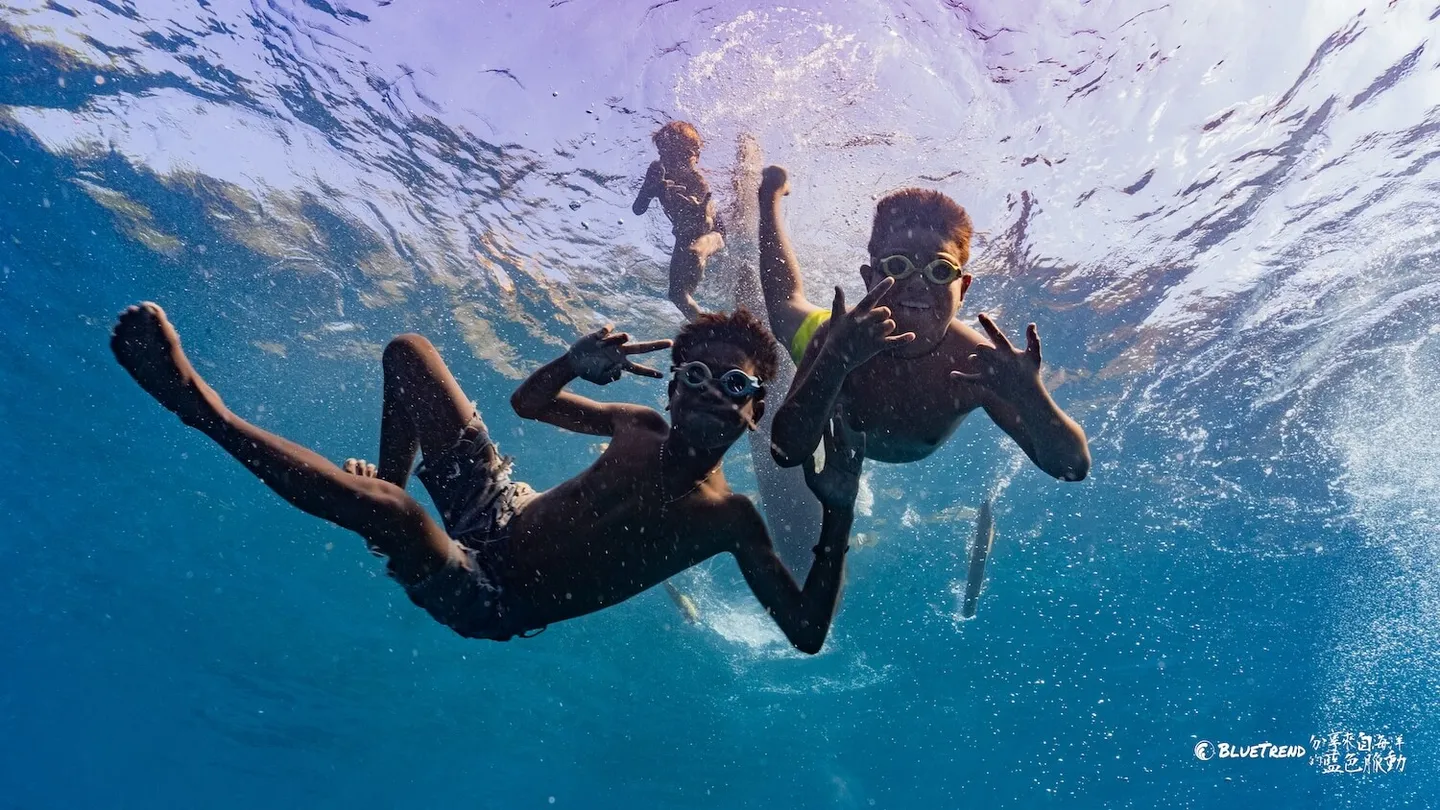
You might also chance upon local residents having a carefree swim underwater
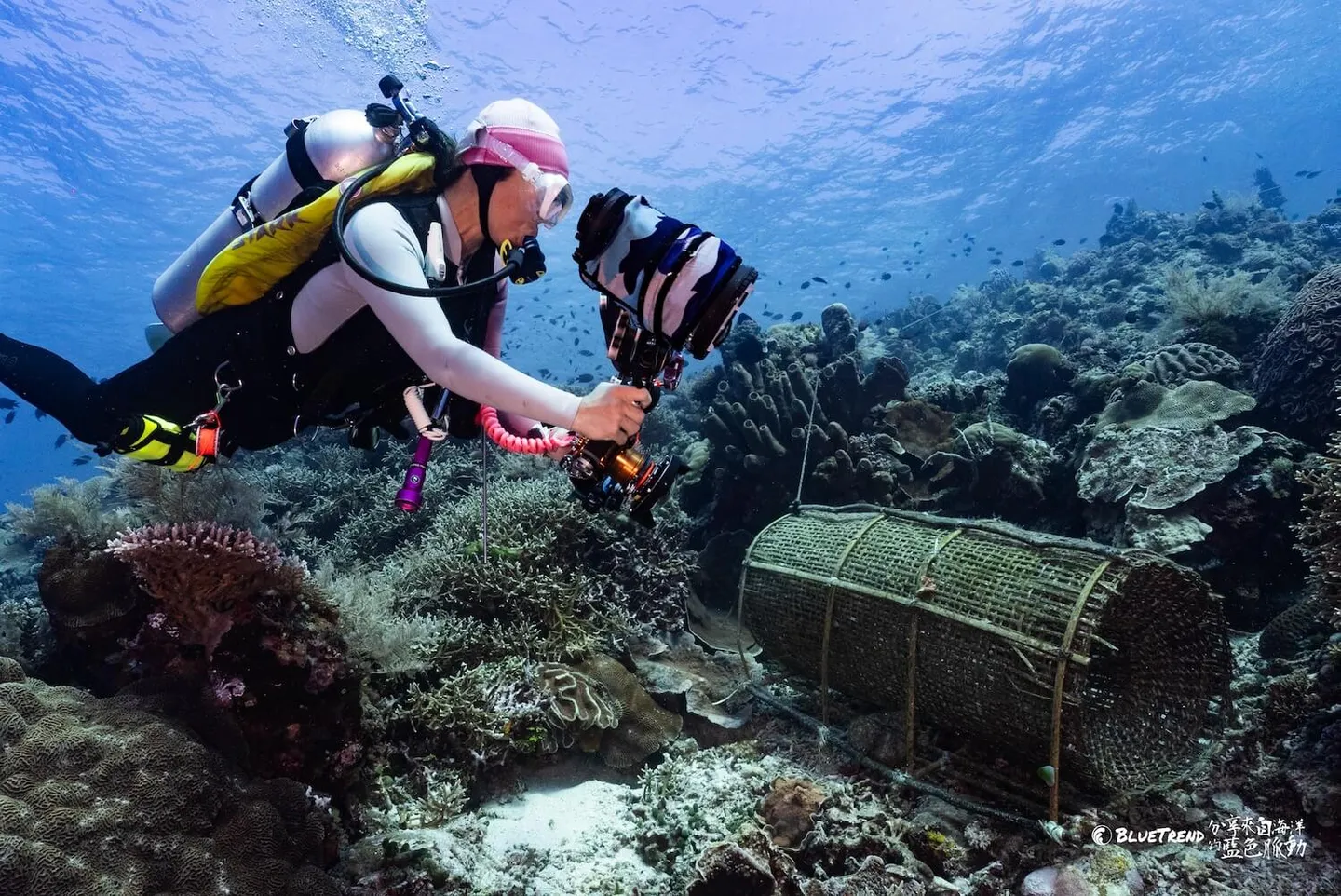
Some of the Alor islands are inhabited, giving you a glimpse of how locals interact with their marine environment
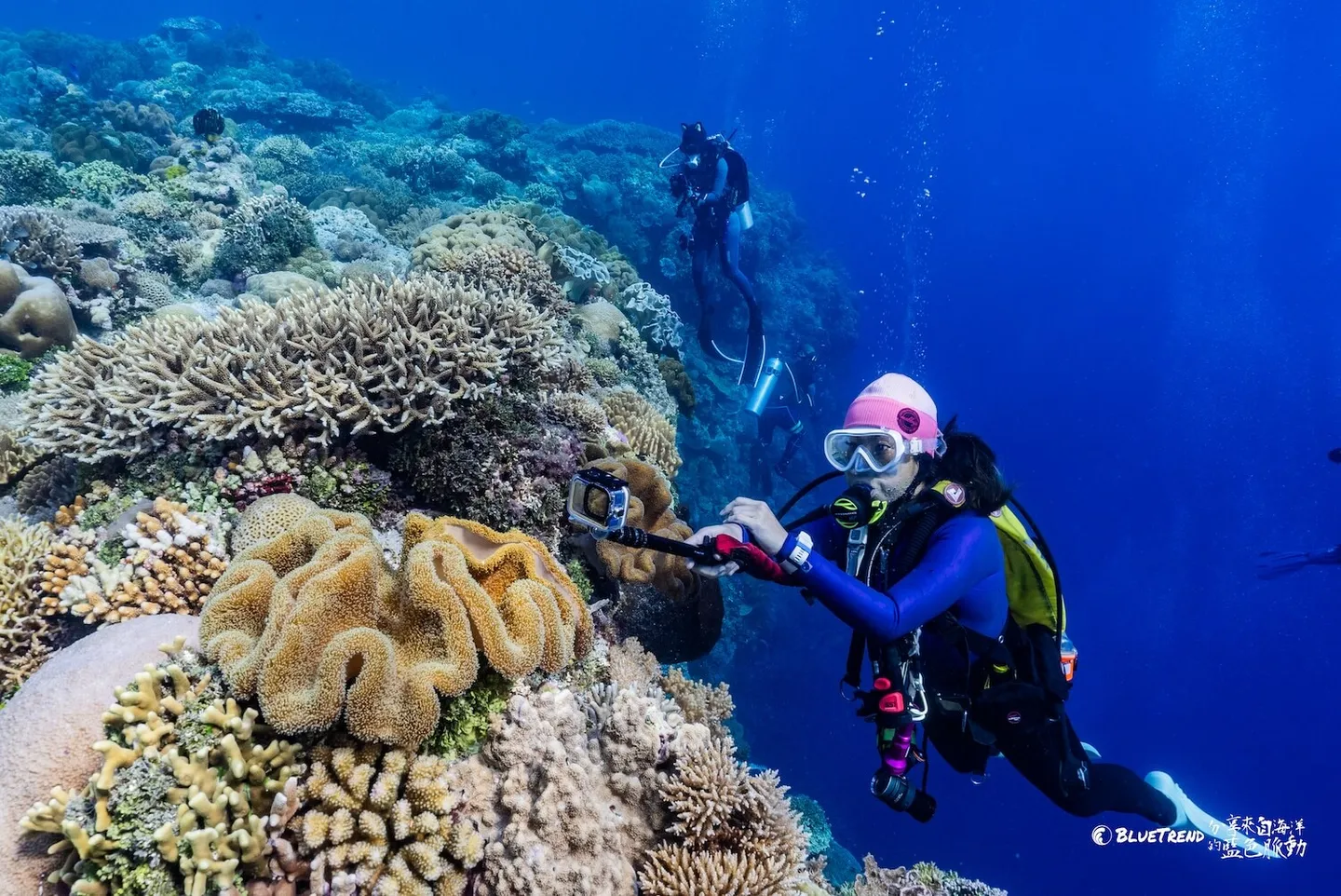
The coral around the Alor Archipelago is absolutely breathtaking
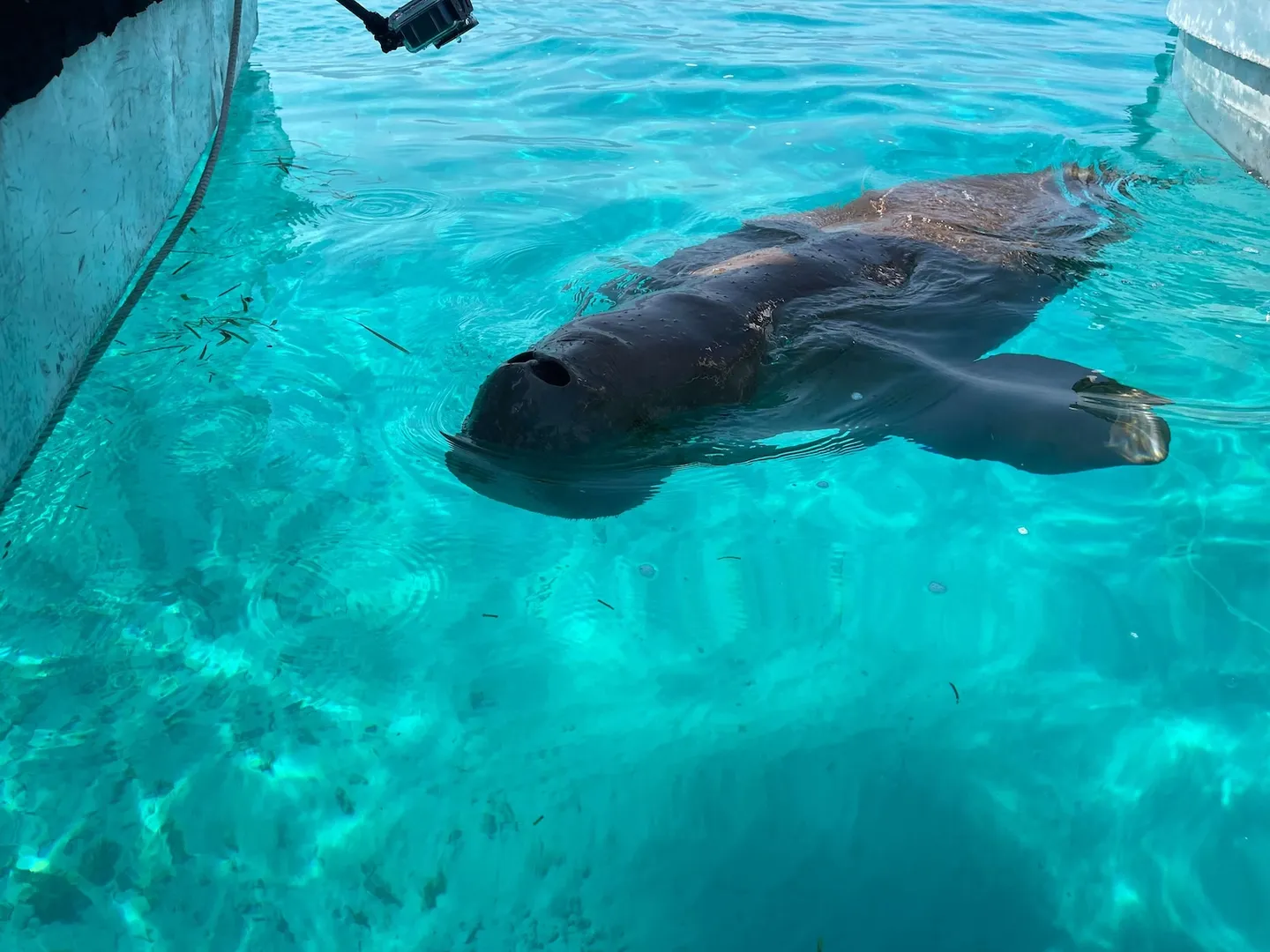
The star attraction for diving in the Alor Archipelago is undoubtedly the dugong! However, the lone remaining male dugong here happened to be in a state of arousal during our visit — and having previously demonstrated a habit of "hugging" divers, we were restricted to observing him from the tender boat only, with even snorkeling near him off the table.
We were worried we might not even get a glimpse of him before we set out, but those concerns proved completely unfounded — as soon as this dugong heard a boat approaching from a distance, he came straight over to say hello. He circled the boat repeatedly, clearly delighted by the attention. If you have a GoPro, don't forget to bring your selfie stick and dip it beneath the surface to capture his endearingly goofy swimming style!
To Be Continued — Hammerhead Sharks Await in Part 2
This trans-ocean journey was so packed with highlights that the Editor had to split it across two articles. In Part 2, we'll head into the Banda Sea and share the extraordinary experience of witnessing Hammerhead Sharks schooling in the deep blue. Stay tuned!
Related links:
Frequently Asked Questions
How is a BlueTrend dive trip different from an unknown, no-name dive group?
Choosing us means full peace-of-mind protection and a smooth experience from start to finish. Every trip we run holds to three things.
First, full legal protection and a professional dive leader: we strictly follow Taiwan's travel regulations and provide complete travel-agency liability insurance, travel insurance, trip-inconvenience insurance and dive insurance. Every group is accompanied by a certified, foreign-language dive leader who joins you on both the dives and the land itinerary, liaising seamlessly with local dive shops and operators on your behalf to keep things running smoothly — the person our travellers trust most.
Second, fully licensed with secure payments: every payment goes into a licensed travel agency's account, with multiple safe payment channels (bank transfer, credit card and more) and a legal collect-and-remit receipt, so every transaction is open, transparent and protected, avoiding the fraud and dispute risks of transferring money privately to an individual.
Third, hand-picked quality we vet in person: every trip, dive site and partner shop is scouted on the ground by our own team, from the guides' professionalism and safety standards to the food, lodging, environment and service details on land, all vetted by us so you don't get caught out.
I want to sign up for a dive trip. Are there certification-level or logged-dive requirements?
Each dive site is different, so the entry bar varies. 'Bali Tulamben', for instance, is relatively beginner-friendly. 'Malapascua in the Philippines' is also beginner-friendly, but since thresher sharks tend to cruise between 20 and 30 metres, we recommend AOW certification with 20+ logged dives to enjoy this trip comfortably. For 'the Maldives' or 'Palau', we suggest AOW with 50+ logged dives for a more relaxed experience. If you're not sure whether your experience fits the trip you want, message us and our dive editors will assess it and help you find the trip you'll feel safest on.
Can I join if I'm signing up alone? How are rooms arranged?
Plenty of our travellers sign up solo! For rooms and beds, we prioritise pairing you with a same-gender traveller, and if you'd rather have your own space you can pay the difference to upgrade to a single room. For the diving, our professional leader will pair you with a suitable buddy, and with the happy vibe on our trips you'll quickly make a great group of dive friends. Many people sign up alone, make new friends, and end up organising the next trip together!
Does the trip fee include dive insurance, gear rental, taxes and instructor tips?
It depends on the trip, the destination's regulations and the local operators. Every BlueTrend dive trip has a detailed web page with a clear 'included / not included' list, transparent and with no hidden charges. All payments are collected by a licensed travel agency, with a standard-form contract for your protection.
I'm a new diver / haven't dived in a long time — will I fall behind the group?
Before you complete your booking, our team assesses a suitable trip based on your certification level and experience. Before departure, we strongly recommend taking time to refresh in Taiwan with an instructor, or a fun dive to get your feel back. On the trip itself, our professional dive leader groups and pairs everyone by experience, keeps a close eye underwater on travellers who need extra care, and steps in to help right away.
Will the photos and videos taken during the trip be shared with us?
During the dives, 'safety' is always the leader's top priority, so whenever it's suitable and safe the leader will capture great shots and record the best moments. During or after the trip, we compile a cloud album for all travellers to download, so you go home loaded with memories!
Besides your scheduled trips, can you arrange a private group charter or independent travel for me and my friends?
Absolutely! Besides group trips, we also arrange private group charters and independent travel. We can communicate, enquire and coordinate services with local operators based on your needs, saving you time and effort and taking the language barrier off your plate, to tailor the smoothest, most reassuring dive trip just for you. Contact our LINE support and our editors will arrange it for you!

![[Indonesia] Part 2: What to Do on the Neomi Cruise Premium Indonesia Liveaboard? Dugong, Hammerhead Shark & Sailfish Mega-Fauna Trip — An Exclusive Look at This Once-a-Year Transoceanic Itinerary](/_astro/%E6%88%AA%E5%9C%96-2023-10-31-00.13.58_132HxG.webp)
![[Indonesia] My First Premium Liveaboard Experience — Indonesia, Here I Come!](/_astro/IMG_1915-1_ZLVGsO.webp)
![[Indonesia] The World's Largest Archipelago Nation, Home to 17,000 Islands — A Must-Visit for Every Diver. Indonesia's Top Dive Sites Revealed!](/_astro/20231201-PC012700_0_ZpOzBL.webp)