The Editor says: What should we do when aggressive, carnivorous non-native species invade native aquatic ecosystems, severely disrupting ecological balance? The Kaohsiung Wild Bird Society has come up with a concrete and effective management solution — one that not only provides volunteers with training on how to identify invasive species, but also lets fishing enthusiasts use their favourite hobby to help remove them. BlueTrend thinks this is absolutely brilliant. Read on to learn more about this initiative! <Full article reprinted from the Environmental Information Center, reported by reporter Li Yuchín in Kaohsiung>
Aggressive, carnivorous invasive fish species — including the snakehead (Channa argus) and the giant snakehead (Channa micropeltes; commonly known in Taiwan as "fish tiger") — have become a serious menace to waterways in southern Taiwan in recent years. To remove non-native species from Niaosong Wetland Park, the Kaohsiung Wild Bird Society has this year replaced single-day, one-off removal events with a fishing permit system, allowing volunteer anglers to visit the wetland on their own schedule during the week to fish — simultaneously removing invasive species and enjoying a personal leisure activity.
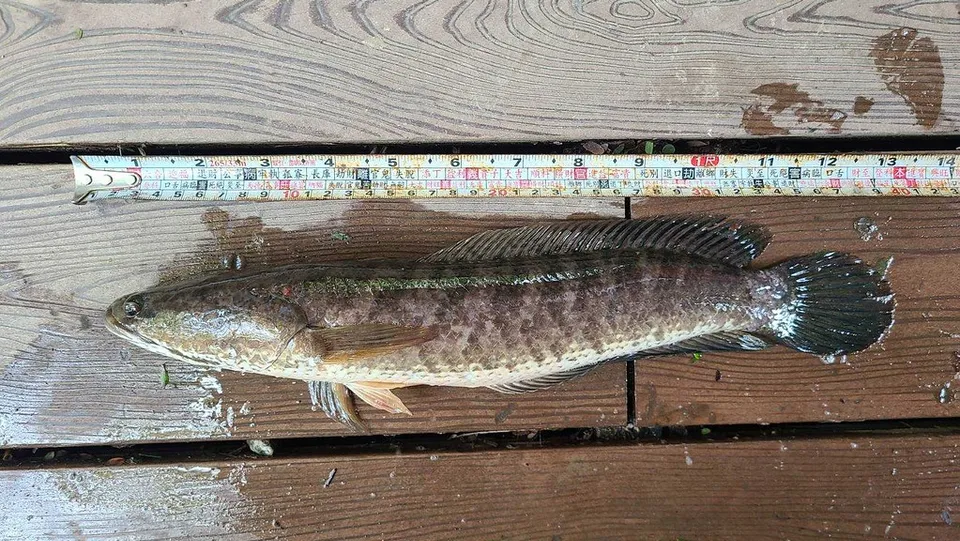
A giant snakehead caught at Niaosong Wetland, a species that causes serious harm to aquatic ecosystems. Photo credit: Kaohsiung Wild Bird Society
Invasive Species Threaten Wetland Ecology — Bird Society Invites the Public to Help by Fishing
The Kaohsiung Wild Bird Society explains that Niaosong Wetland — located on the banks of Chengcing Lake in Kaohsiung and managed under the society's stewardship — had previously prohibited fishing. However, the growing numbers of snakeheads and giant snakeheads preying on native fish have begun to seriously impact the aquatic ecosystem, and conservation species such as the pheasant-tailed jacana and the common moorhen are now facing threats as well. In response, the Wild Bird Society partnered with lure fishing clubs to organize annual one-day fishing removal events targeting these invasive species.
Su Yu-jen, director of Niaosong Wetland Park under the Kaohsiung Wild Bird Society, noted that starting this year the society has adopted a fishing permit model inspired by practices in Europe and the United States. Volunteer anglers who wish to participate first undergo relevant training courses and pass an exam; those who pass are issued an official fishing permit, allowing them to book time slots and fish at Niaosong Wetland independently. This represents a groundbreaking first in Taiwan.
Su Yu-jen elaborated that Niaosong Wetland is the closest natural park to the urban area, giving residents easy access to a rich ecological environment without travelling far. For those who love fishing, it is also an ideal recreational angling spot. By issuing fishing permits and inviting volunteer anglers to help remove the invasive snakeheads, the society hopes that through effective management and maintenance, volunteers will receive foundational training, develop the ability to identify invasive species, and gain awareness of ecological conservation. Volunteer fishing not only serves as personal recreation but also helps the park manage its ecosystem more effectively and reduces poaching.
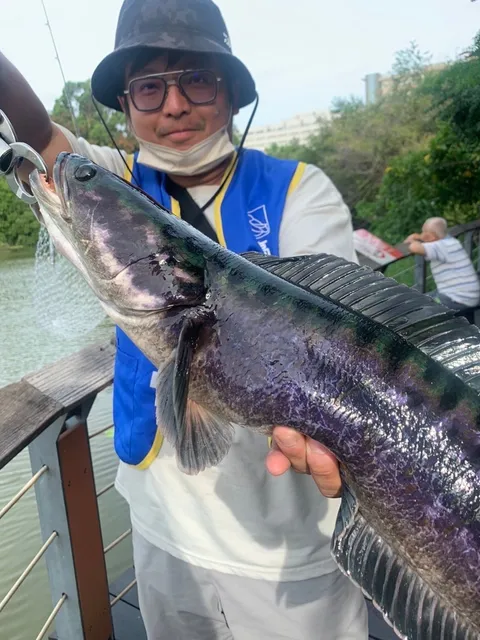
A volunteer angler at Niaosong Wetland assists in removing ecologically harmful snakeheads. Photo credit: Courtesy of Chen Qiuhua


Eco-Friendly Angling Doubles as Recreation — 14 Invasive Fish Removed Since July
Su Yu-jen explained that volunteer anglers use lure fishing, which is highly targeted at snakeheads and giant snakeheads and rarely results in accidental catches of other species. Lure fishing uses cleverly crafted artificial baits; anglers attract fish by repeatedly casting and retrieving the lure. Because no powdered bait is used, water quality is not compromised, making it widely regarded as an environmentally friendly fishing method — and one that has grown increasingly popular as a leisure sport in recent years. "Invasive species caught by Niaosong Wetland volunteers will be handled humanely, while any native species accidentally caught will be released on the spot," Su Yu-jen said.
Su Yu-jen added that since the programme launched in early July, a total of five snakeheads, eight giant snakeheads, and one Mozambique tilapia were caught within the first month — a highly productive outcome. The Kaohsiung Wild Bird Society plans to hold another training course in September, reopening applications for fishing permits and inviting members of the public interested in angling to sign up as volunteers, helping to remove invasive species from Niaosong Wetland and protect its ecosystem together.
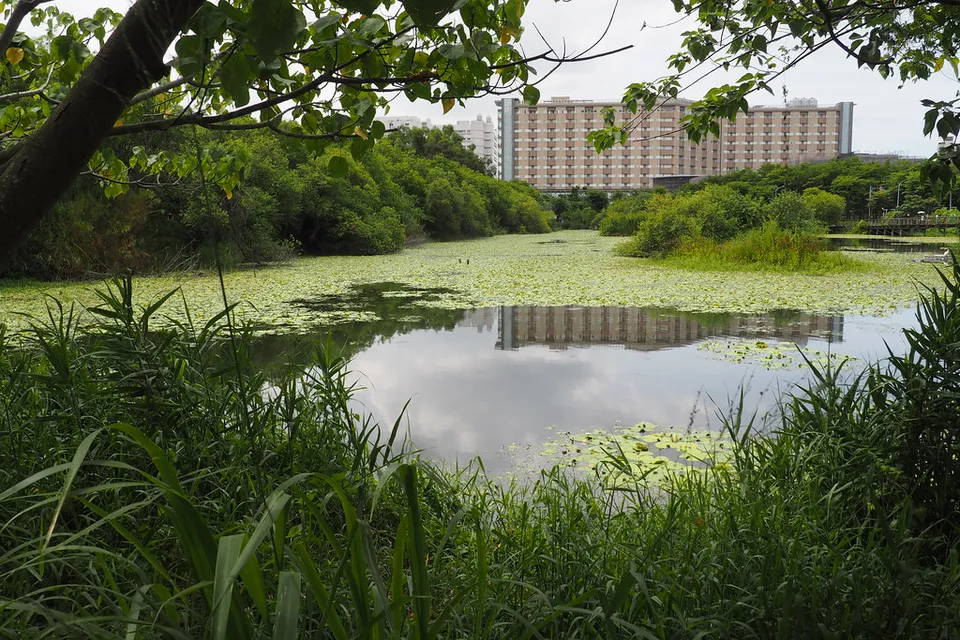
Niaosong Wetland's proximity to the city means residents can enjoy its rich natural ecology without travelling far. Photo credit: Li Yuchín

![[BlueTrend Mini Classroom] The Star Killer & Most Venomous Shrimp: The Devoted Harlequin Shrimp](/_astro/002_vivipic_2vdzYS.webp)