Contents(6)
As marine citizen science gains increasing recognition, the "Move Out, Ocean Mini-Soldiers — Marine Citizen Science Carnival" event was held on October 26 at Academia Sinica. The event not only showcased the results of the Ocean Conservation Administration's (OCA) 2023 "Decoding the Ocean, Seeing the Future" initiative, but also highlighted the vital role of citizen science in marine conservation. OCA Chairperson Kuan Pi-ling and a number of experts shared insights on the systematic collection of data and the importance of open access, calling on the public at large to take part in ocean conservation.
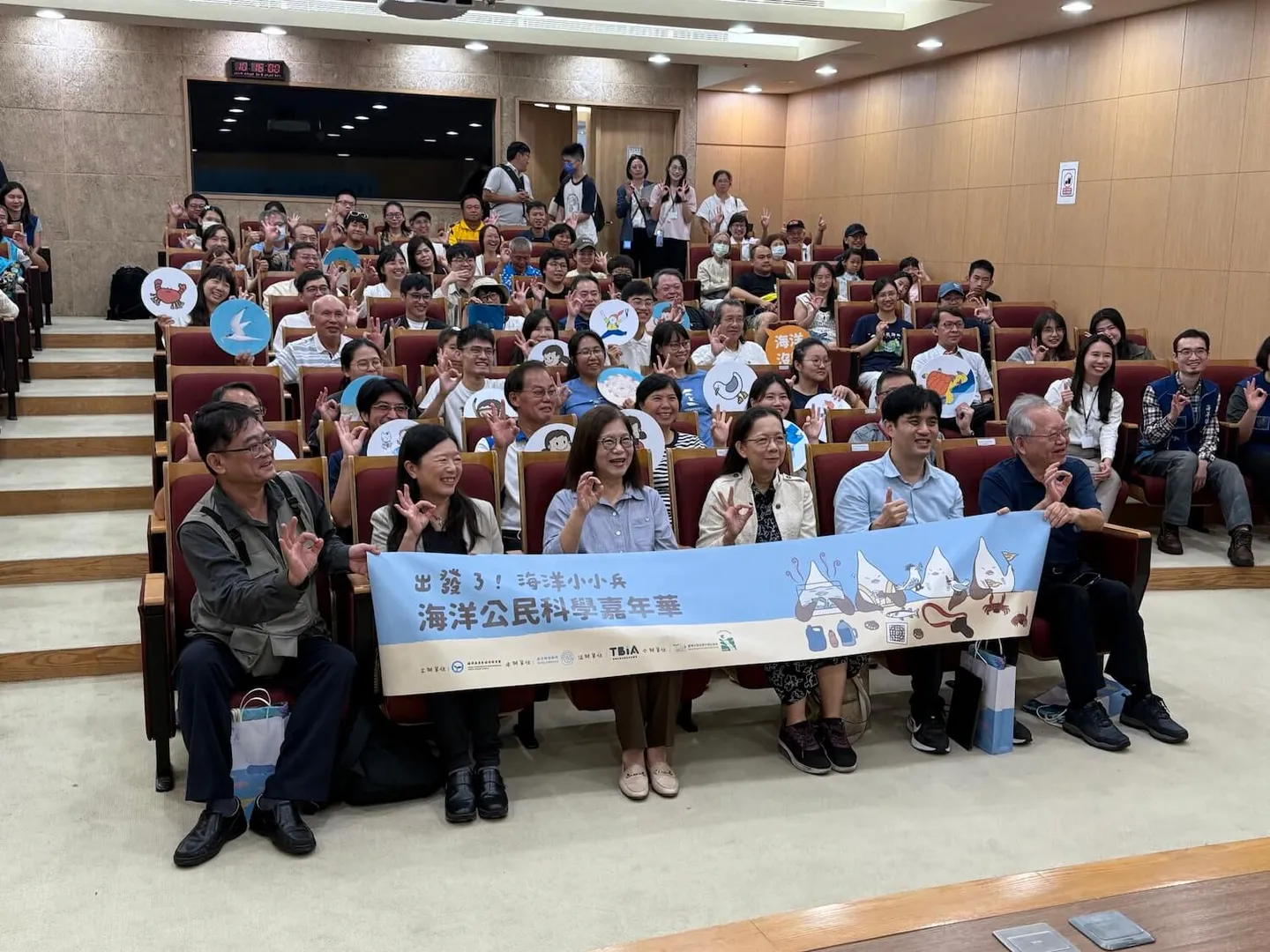
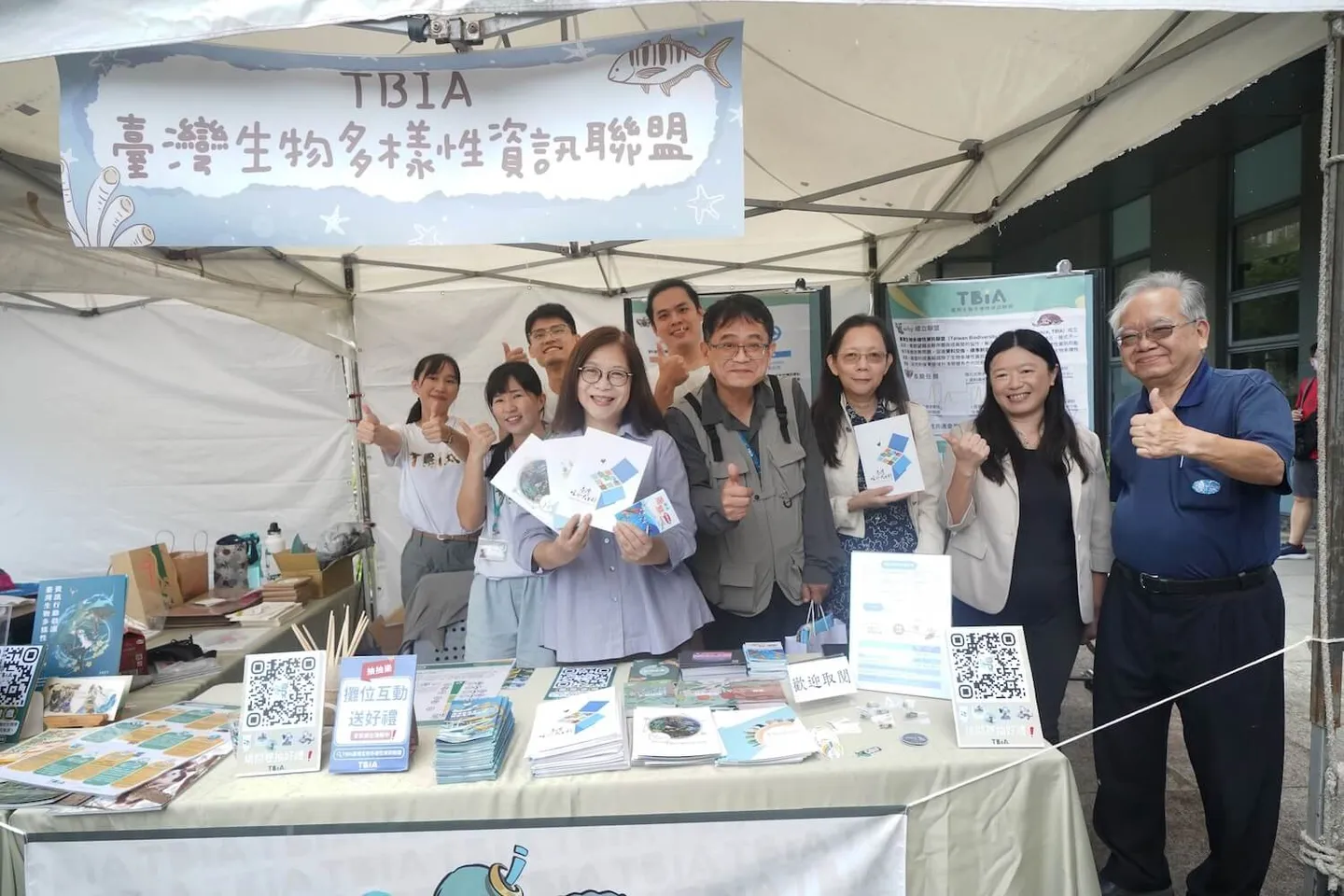
The OCA Chairperson attends the "Move Out, Ocean Mini-Soldiers" event, joining hands to create a better ocean for all
The Power of Citizen Science
In her opening remarks, Kuan Pi-ling pointed out that advancing the popularisation of marine citizen science not only raises public awareness of the ocean, but also helps build a comprehensive marine database. She emphasised that public participation as citizen scientists is a crucial pillar of marine conservation efforts. As one example, 32 fishermen from Changhua and Yunlin contributed 1,263 data records on the giant guitarfish within a single year — data that holds significant value in filling the research gaps that previously existed for this species.

Everyone can become an ocean mini-soldier. Through citizen science, we can make ocean awareness truly resonate in people's hearts.
— Chairperson Kuan Pi-ling
Kuan Pi-ling went on to say that she hopes through such efforts, every participant will feel the importance of their own role in marine conservation, and that the use of technology in ocean protection and pollution prevention will be further advanced.
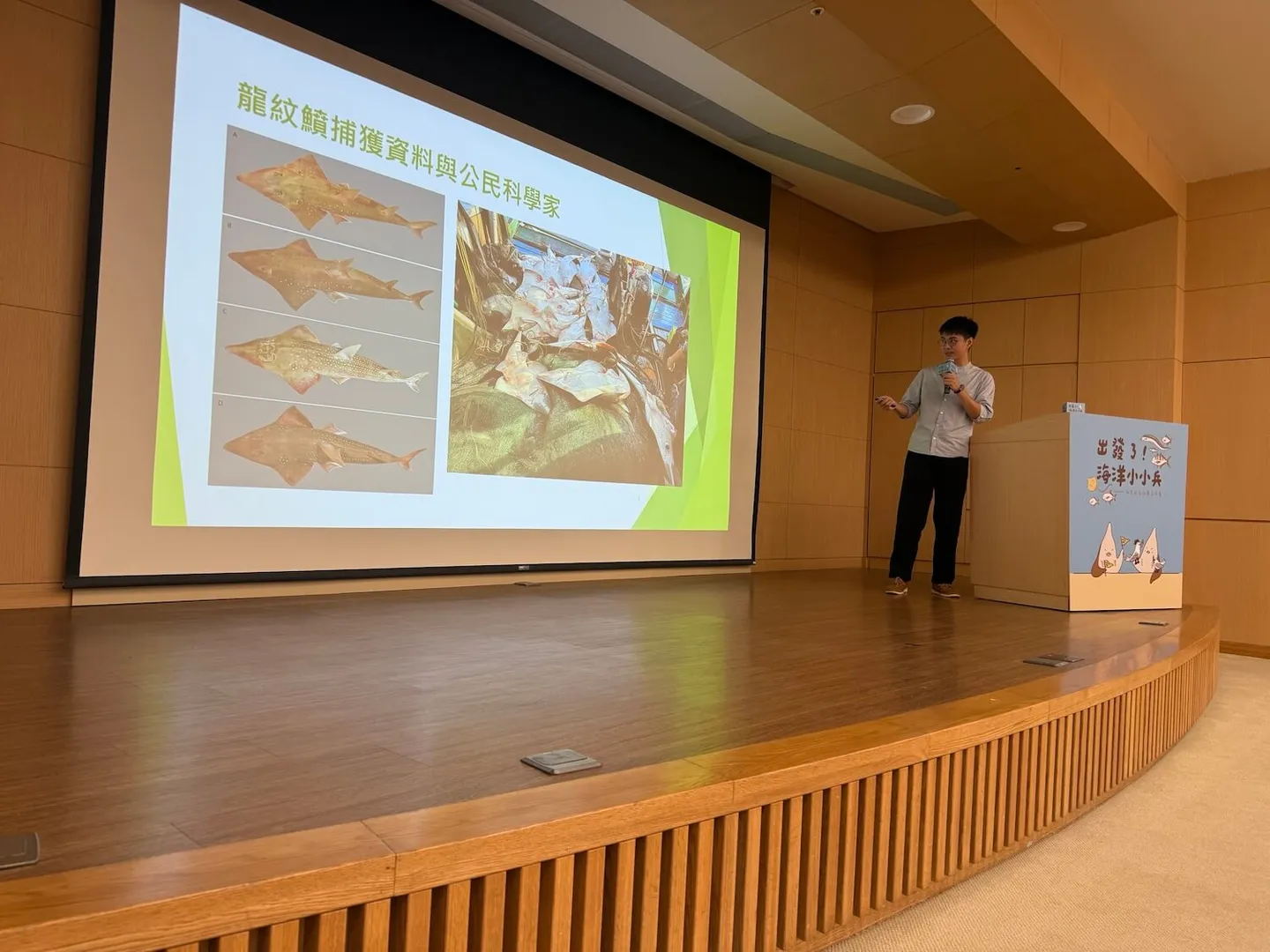
Local fishermen submit reports on their own initiative — data that holds significant value in filling the research gaps previously existing for this species


Systematic Data Collection
During the event's talks, Lin De-en, an associate researcher at the Biodiversity Research Institute of the Ministry of Agriculture and a driving force behind the Taiwan Roadkill Observation Network, also stressed the importance of systematically collecting data. He believes citizen science requires a complete data collection mechanism in order to track and analyse biodiversity and hotspots around Taiwan. By engaging the public, a more diverse range of data can be obtained — data that not only helps the government assess where to direct resources, but also lays the groundwork for future research.
He noted that the data provided by the public is not merely numbers, but information that is intrinsically linked to the ecology of this land. "Through systematic data collection, we can better understand changes in Taiwan's marine biodiversity and carry out analyses and improvements for different environments," he said, emphasising that only through the integration and analysis of data can more effective conservation strategies be formulated.
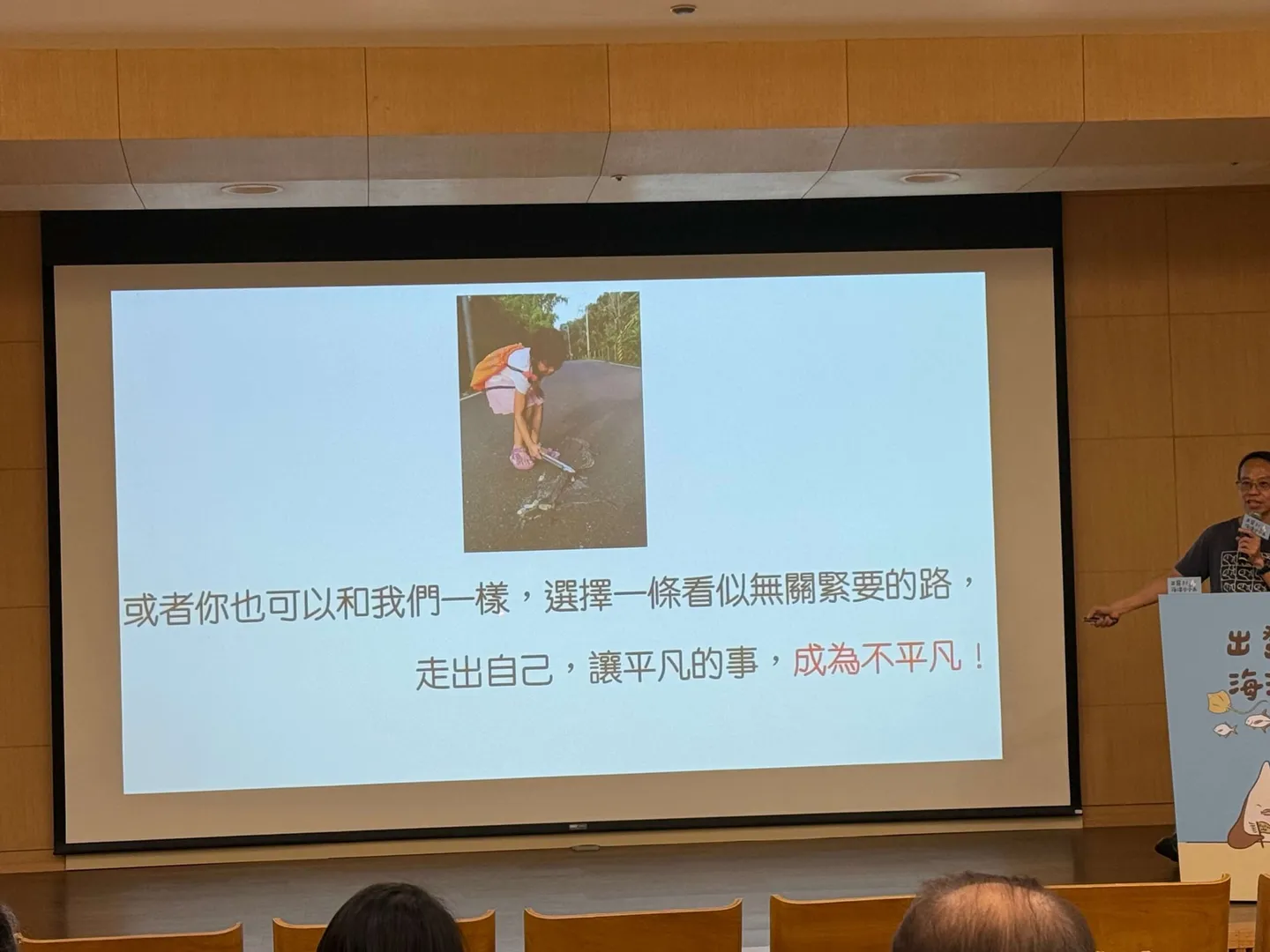
Associate Researcher Lin De-en encourages everyone to get involved in citizen science activities and to turn ordinary actions into extraordinary achievements
Perhaps you, too, can do what we do — choose a path that seems unremarkable, step out of your comfort zone, and turn something ordinary into something extraordinary!
— Associate Researcher Lin De-en
The Importance of Open Data
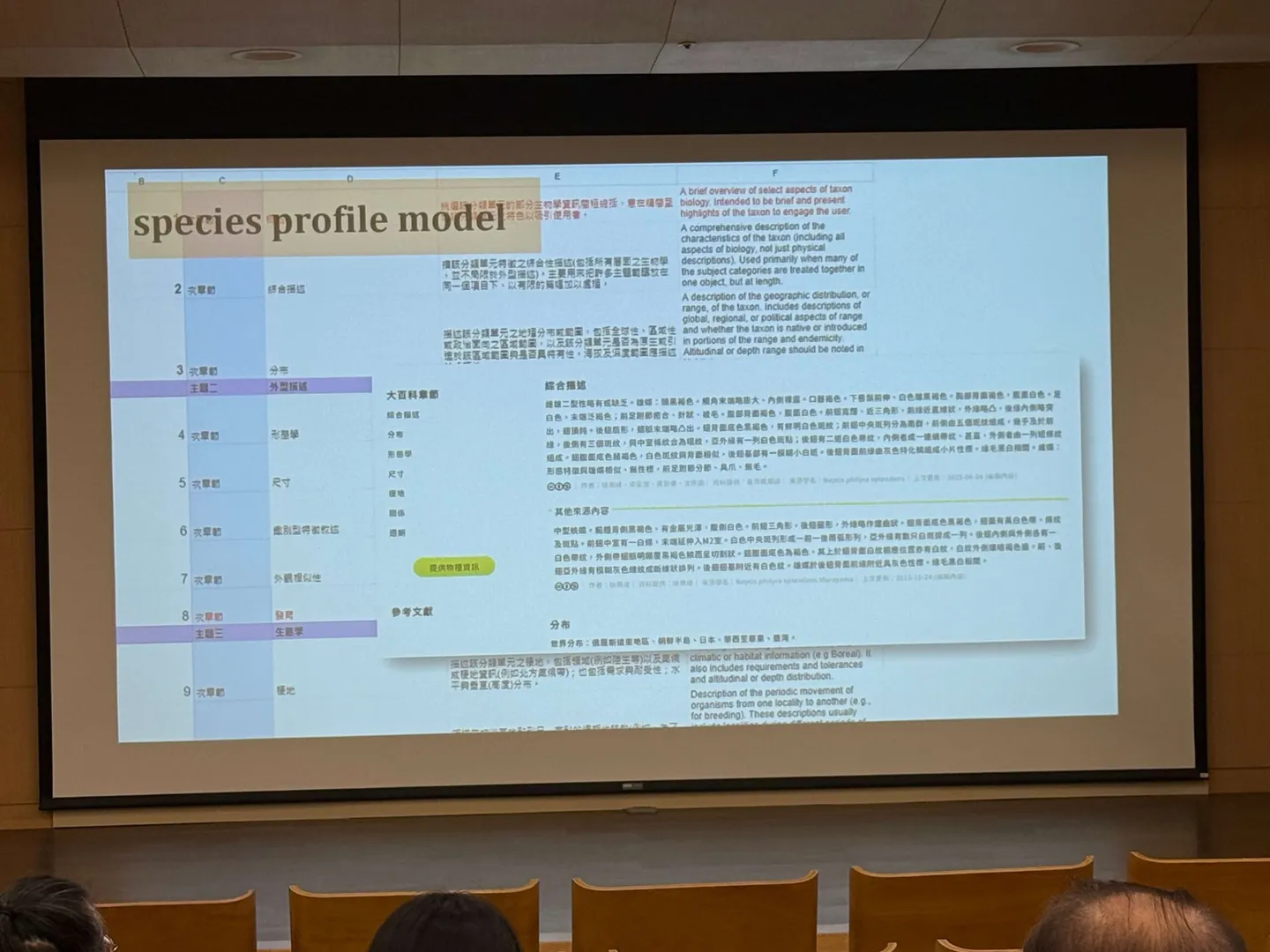
Project Manager Hsu Cheng-hsin hopes to see data used flexibly — without an effective open-access mechanism, its value cannot be fully realised
Hsu Cheng-hsin, Project Manager at the Digital Culture Center of Academia Sinica, focused on the issue of open data, emphasising the importance of making scientific data publicly accessible. He noted that without an effective open-access mechanism, the value of scientific data cannot be fully realised. By building open platforms, he explained, anyone can use this data for innovation and application, thereby driving advances in scientific research and society.
"The purpose of open data is to allow more researchers and members of the public to make use of this information — whether in academic research or everyday life, everyone stands to benefit," he said. He emphasised that open data not only promotes the flow of information, but also strengthens public engagement, in turn improving the transparency of conservation efforts.
Building a Shared Future for Marine Conservation
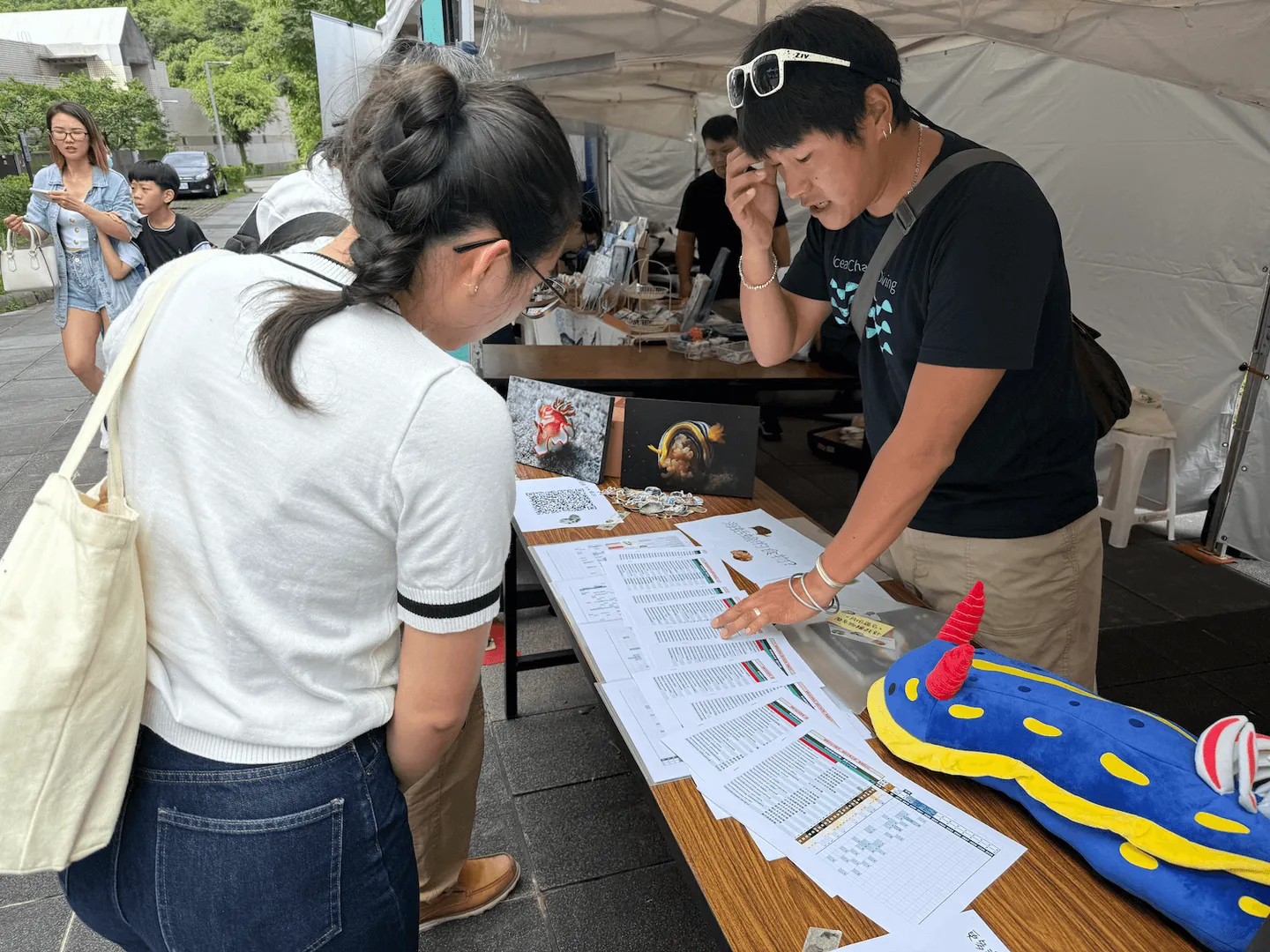
The Ocean Pathway team from Penghu, deeply rooted in the local community and focused on documenting nudibranch biodiversity
As the "Ocean Mini-Soldiers" initiative gains momentum, Kuan Pi-ling and other experts have called on all sectors of society to work together to embed the values of marine conservation into public consciousness. Going forward, the OCA will continue to host related talks and outreach events to raise public awareness of and concern for the ocean.
"Only when all of society participates together can we truly protect this azure ocean," Kuan Pi-ling concluded. Through the efforts of citizen scientists, we look forward to seeing Taiwan's marine ecosystem revived and flourishing in the not-too-distant future — so that marine biodiversity is no longer a dream for tomorrow, but a reality of today.
This event was not only a declaration of commitment to marine conservation, but also a personal pledge from every participant toward a better future. Let us join hands to create a more beautiful ocean future, and become true ocean mini-soldiers!
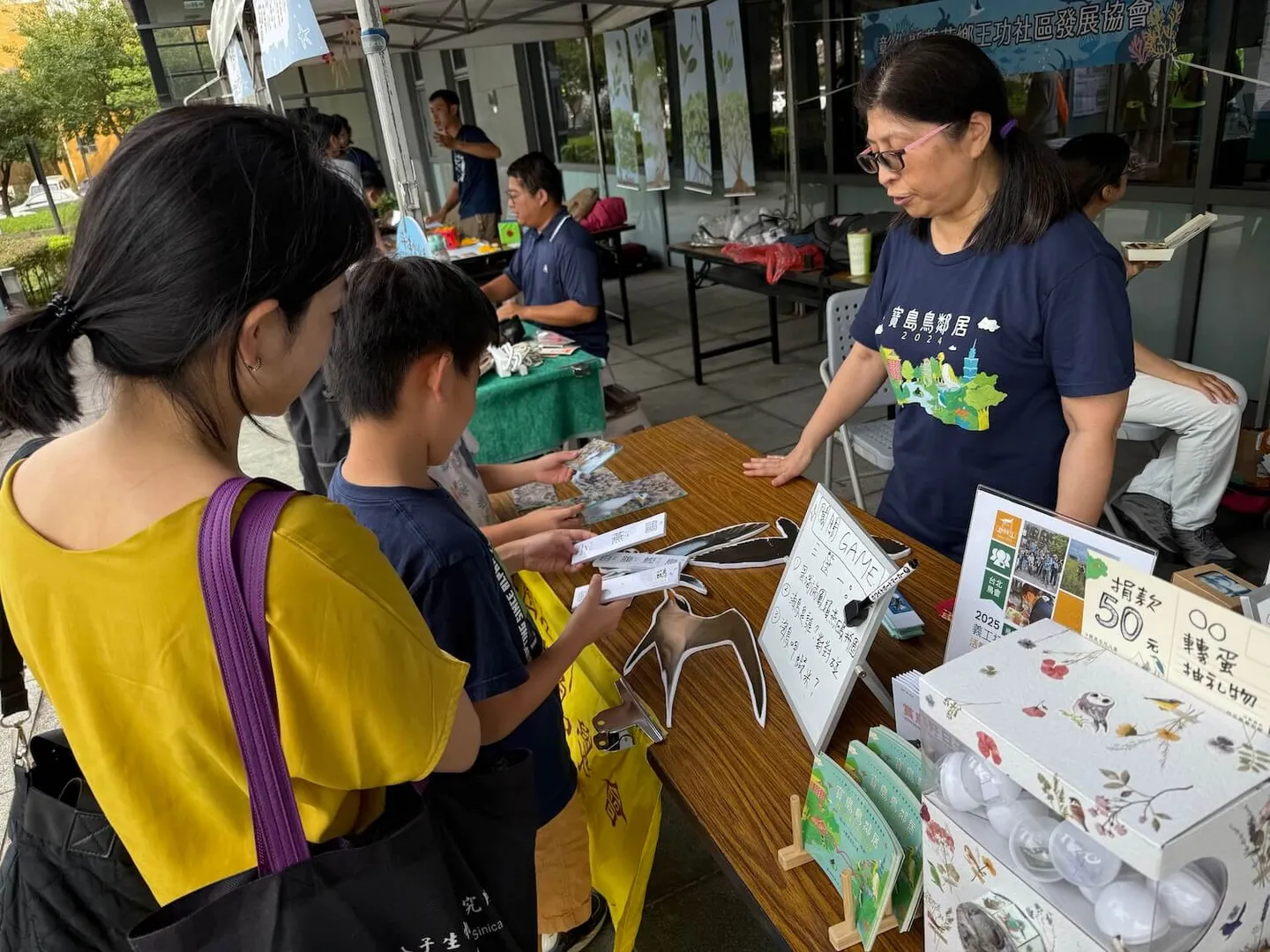
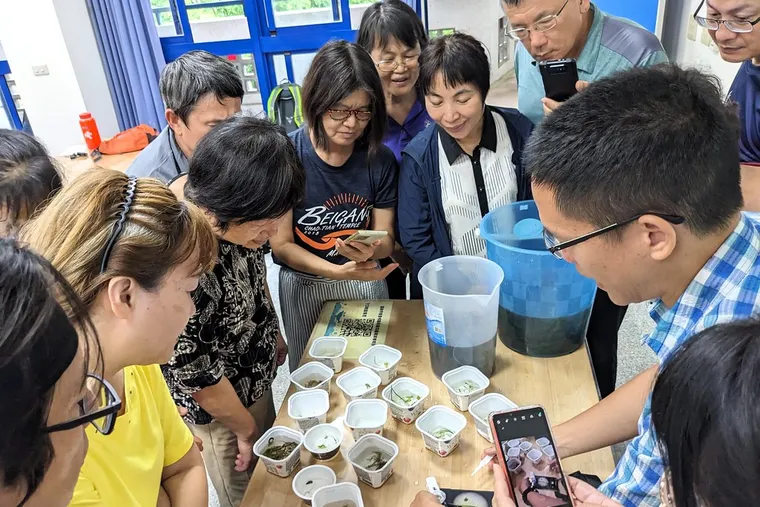
Research outcomes are just one piece of the puzzle — promoting marine citizen education must also be nurtured from the ground up
Related Links
- Ocean Conservation Administration, Ocean Affairs Council
- Ocean Mini-Soldiers Event Page
- Taiwan Roadkill Observation Network
- Taiwan Biodiversity Information Facility
Further Reading