Contents(10)
- Taking Ocean Research Out of the Lab
- SOS! Not a Distress Call — A Museum Showstopper
- Boosting Citizen Engagement with AI Ocean
- Facing the World's Ocean — Elevating Global Ocean Technology and Industry Together
- One Phone Call Brought 12 People! U.S. Alliance Eager to Collaborate with Taiwan
- International Collaboration: Taiwan Can Help
- Taiwan's Global Appeal in Ocean Technology
- Annual Tech Budget of NT$130 Million — Ocean Affairs Council: Accelerating the Application of Ocean Technology
- Related Links
- Further Reading
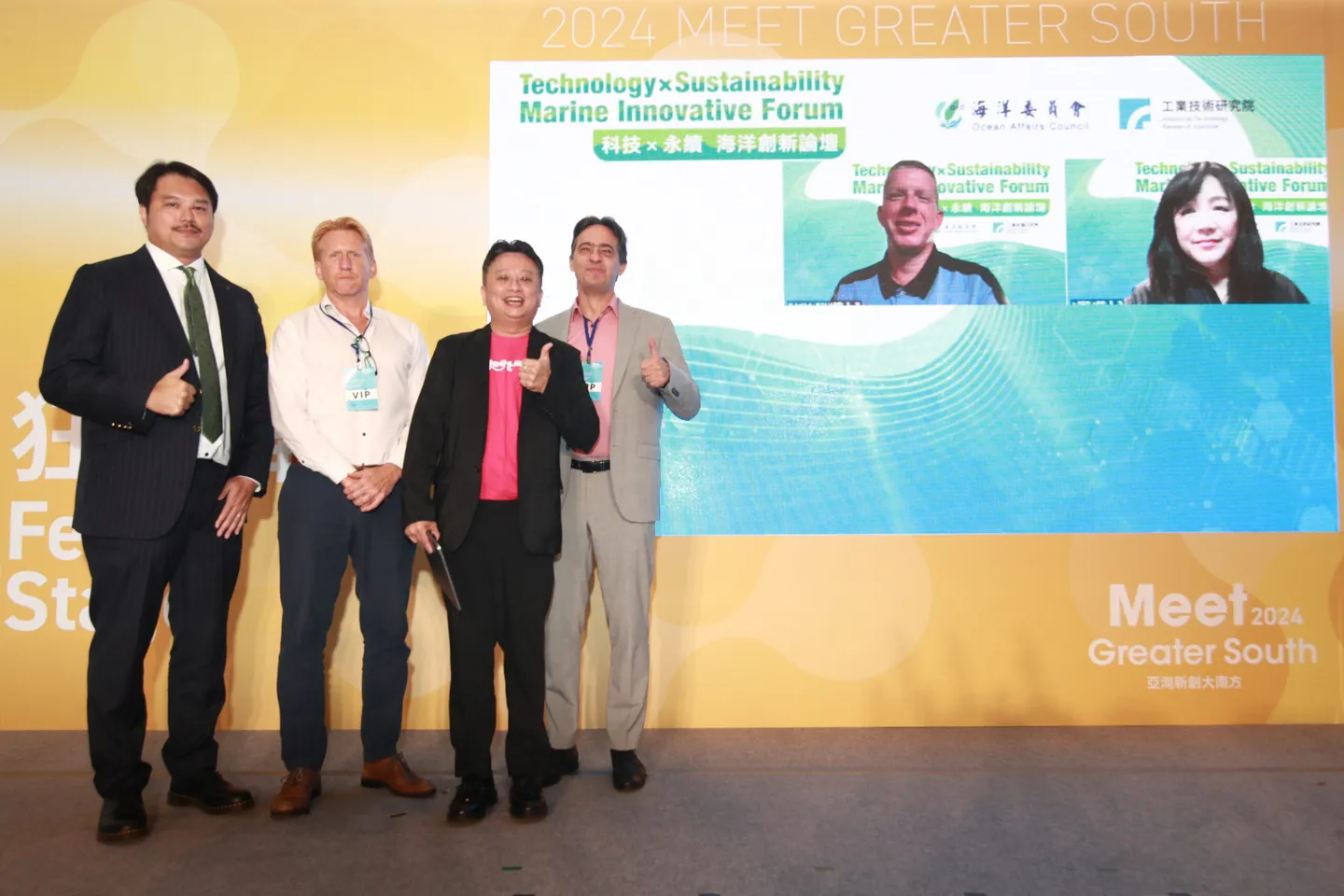
Technological innovation is key to driving ocean sustainability! On August 23, 2024, the Ocean Affairs Council hosted the "Tech × Sustainability · Ocean Innovation Forum," inviting Taiwanese and American experts, academics, and business leaders to share their insights. The forum aimed to showcase Taiwan's technological capabilities and achievements in ocean sustainability to the world through international exchange, while opening the door to greater cross-border collaboration.
Taking Ocean Research Out of the Lab
SOS! Not a Distress Call — A Museum Showstopper
Michael Kruk, Acting Director of NOAA's Technology Partnerships Office (TPO), provided an in-depth introduction to NOAA's experience in technology transfer at the forum. He highlighted NOAA's commitment to moving research and development results out of the laboratory and transforming them into commercially viable products or services.
Michael used Science On a Sphere® (SOS) as an example. SOS can visualize vast amounts of data as a large-scale animated globe, presenting complex Earth sciences — such as drought risk, marine debris distribution, and coral bleaching — to the public in an intuitive and visually engaging way. More than 170 locations worldwide, including the National Museum of Natural History and other public science centers and museums, use SOS as an educational tool. Each year, over 60 million visitors gain a deeper understanding of Earth science through SOS. This not only amplifies the impact of NOAA's technology, but also strengthens the innovative competitiveness of the ocean industry.
Boosting Citizen Engagement with AI Ocean
Liu Li-hui, Vice General Manager of Sustainable Brand PR at Taiwan Mobile, introduced the brand's innovative ESG initiative "AI Ocean," which similarly makes ocean research more accessible to the public and enhances citizen participation. She noted that the project was proposed by BlueTrend, leveraging AI recognition technology to build Asia's most comprehensive marine life database, helping to improve research efficiency and public ocean awareness.
AI Ocean began by rallying scuba divers and underwater photography enthusiasts, attracting 12,000 ocean citizen scientists who contributed over 21,000 photos of marine life. Using AI and cloud technology, the project trained an AI system to identify 150 marine species. Liu Li-hui stated that by building a platform through technological innovation, the general public can also participate in ocean protection: "Our goal is to turn more people into ocean citizen scientists and use the power of technology to give everyone an opportunity to contribute to ocean conservation." She emphasized that the data collected is not only valuable for scientific research, but also serves as an important reference for formulating ocean conservation strategies.


Facing the World's Ocean — Elevating Global Ocean Technology and Industry Together
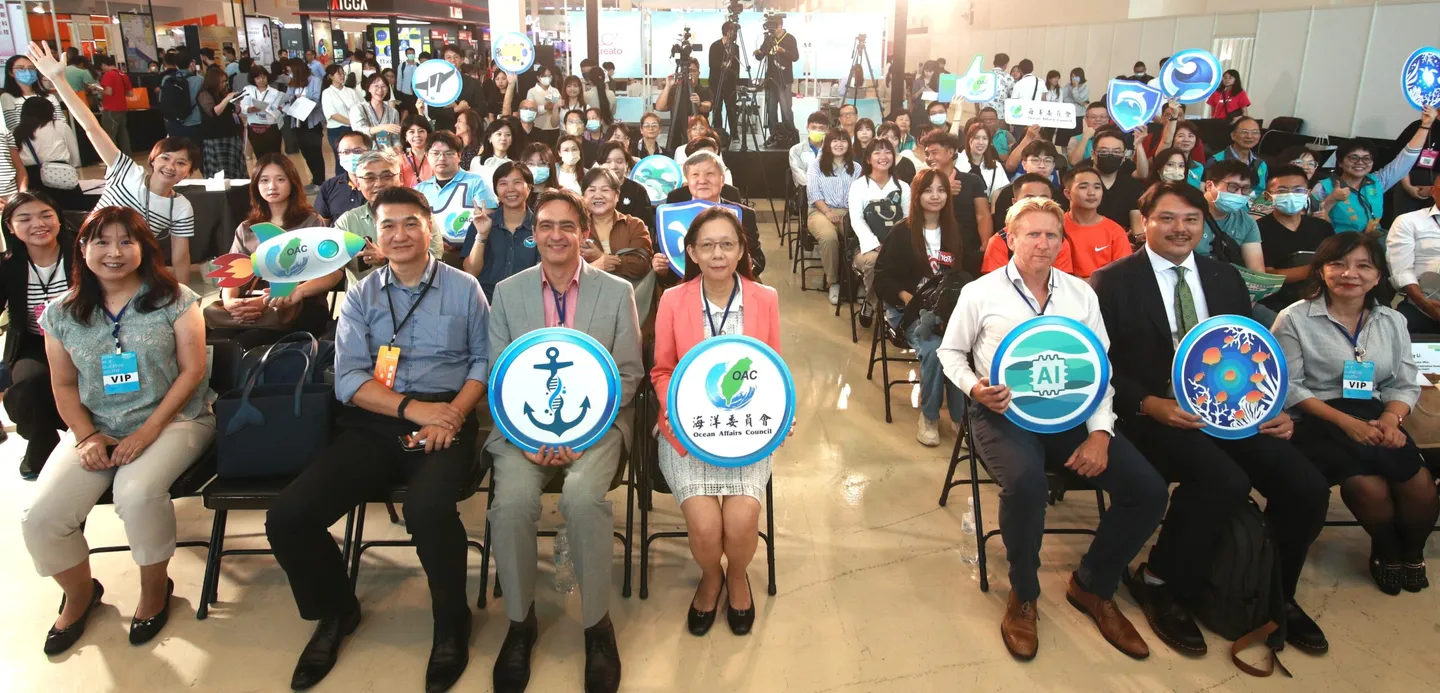
"The ocean is the road to the world." Cross-border collaboration in ocean technology was a key topic of exchange at this international forum organized by the Ocean Affairs Council.
One Phone Call Brought 12 People! U.S. Alliance Eager to Collaborate with Taiwan
Matt Classen, Executive Director of The Maritime Alliance (TMA BlueTech), shared TMA's mission of connecting industry, academia, policymakers, and investors so that everyone can speak a "common language." After all, different industries have different terminologies and communication norms, and opening dialogue is the first step to advancing the commercial application of ocean technology.
To foster global collaboration opportunities in ocean technology, TMA has also organized international trade delegations, including a trip to Tokyo for the Sea Japan trade show. In November, Blue Tech Week will be held in San Diego, with a focus on international ocean defense technology, ocean decarbonization, and building ocean resilience. Matt also shared his experience visiting Taiwan for this forum. Unlike in European countries — where arranging an exchange meeting requires weeks of advance notice — he contacted a friend just one day before arriving in Taiwan to discuss potential collaboration, and by the next day, 12 relevant stakeholders had shown up to engage. He expressed great enthusiasm for furthering cooperation with Taiwan.
International Collaboration: Taiwan Can Help
On the topic of international cooperation, Associate Professor Wang Hsueh-cheng of the Disaster Prevention and Water Environment Research Center at National Yang Ming Chiao Tung University shared his team's research achievements, including autonomous underwater vehicles (AUVs) and unmanned surface vehicles (USVs). The team has applied artificial intelligence to enhance maritime safety, earning recognition in global competitions and deploying the technology in domestic maritime search-and-rescue missions. Associate Professor Wang mentioned that the team is currently collaborating with international partners to expand these technologies into broader application scenarios.
Taiwan's Global Appeal in Ocean Technology
Volker Heistermann, Founder and General Manager of Mosaic Venture Lab, shared his perspective from an international venture capital standpoint. He noted that the global ocean technology market was valued at approximately US$5.6 billion in 2022 and is projected to grow at a compound annual growth rate of 5.6% through 2030.
Volker highlighted six key sectors: sustainable aquaculture, marine renewable energy, ocean cleanup, marine biotechnology, autonomous underwater vehicles, and ocean observation and data analytics. "Investors in these fields are all looking for innovative solutions — there are tremendous opportunities for both entrepreneurs and investors." He believes that Taiwan's robust industrial base, government support, and innovative ecosystem are all advantages that could drive the development of Taiwan's ocean economy.
Annual Tech Budget of NT$130 Million — Ocean Affairs Council: Accelerating the Application of Ocean Technology
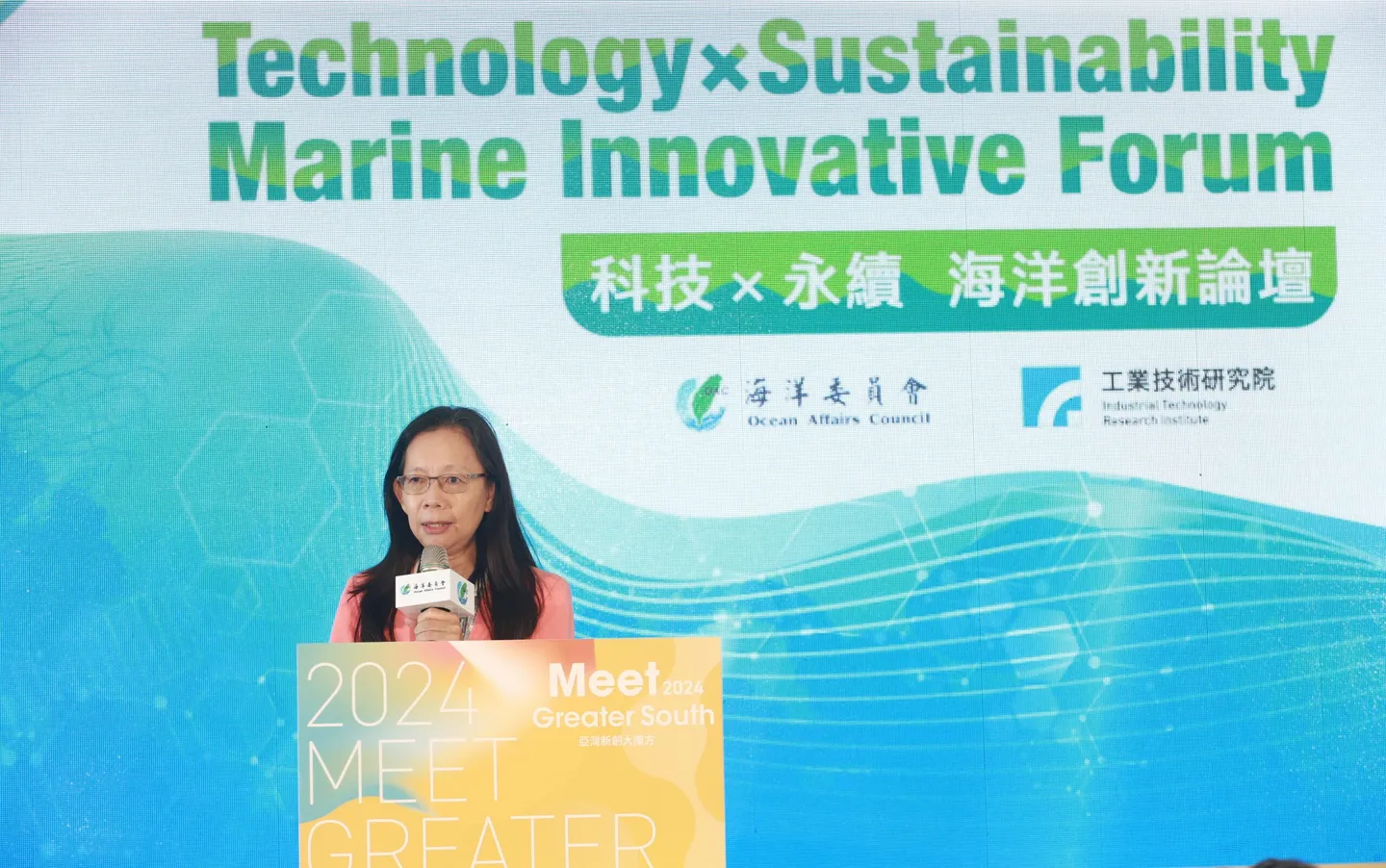
Deputy Minister Huang Hsiang-wen of the Ocean Affairs Council remarked in his opening address that the ocean is the lifeblood of Taiwan — whether in terms of trade, transportation, or economic resources. The Council currently allocates an annual technology budget of approximately NT$130 million, with plans to significantly increase this figure in the future to actively promote ocean technology applications.
The 2024 "Tech × Sustainability · Ocean Innovation Forum" strengthened cross-disciplinary exchanges among experts from various fields, not only contributing to the formulation of future ocean technology policy, but also highlighting the critical importance of technological innovation and international cooperation in advancing ocean sustainability.
Related Links
Further Reading