

Contents(7)
Running a Dive Shop in Bohol, Philippines: 3 Major Challenges You'll Face
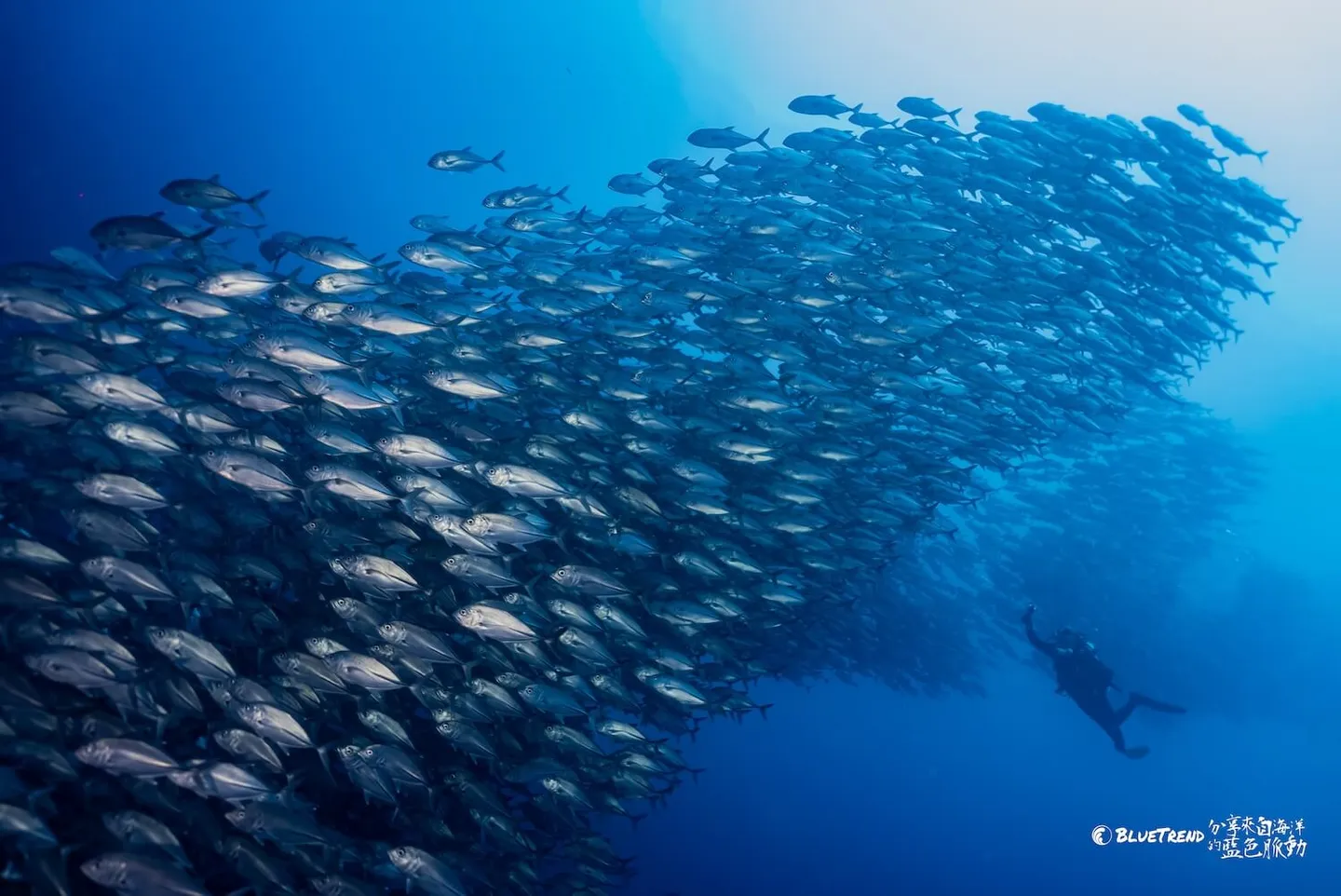
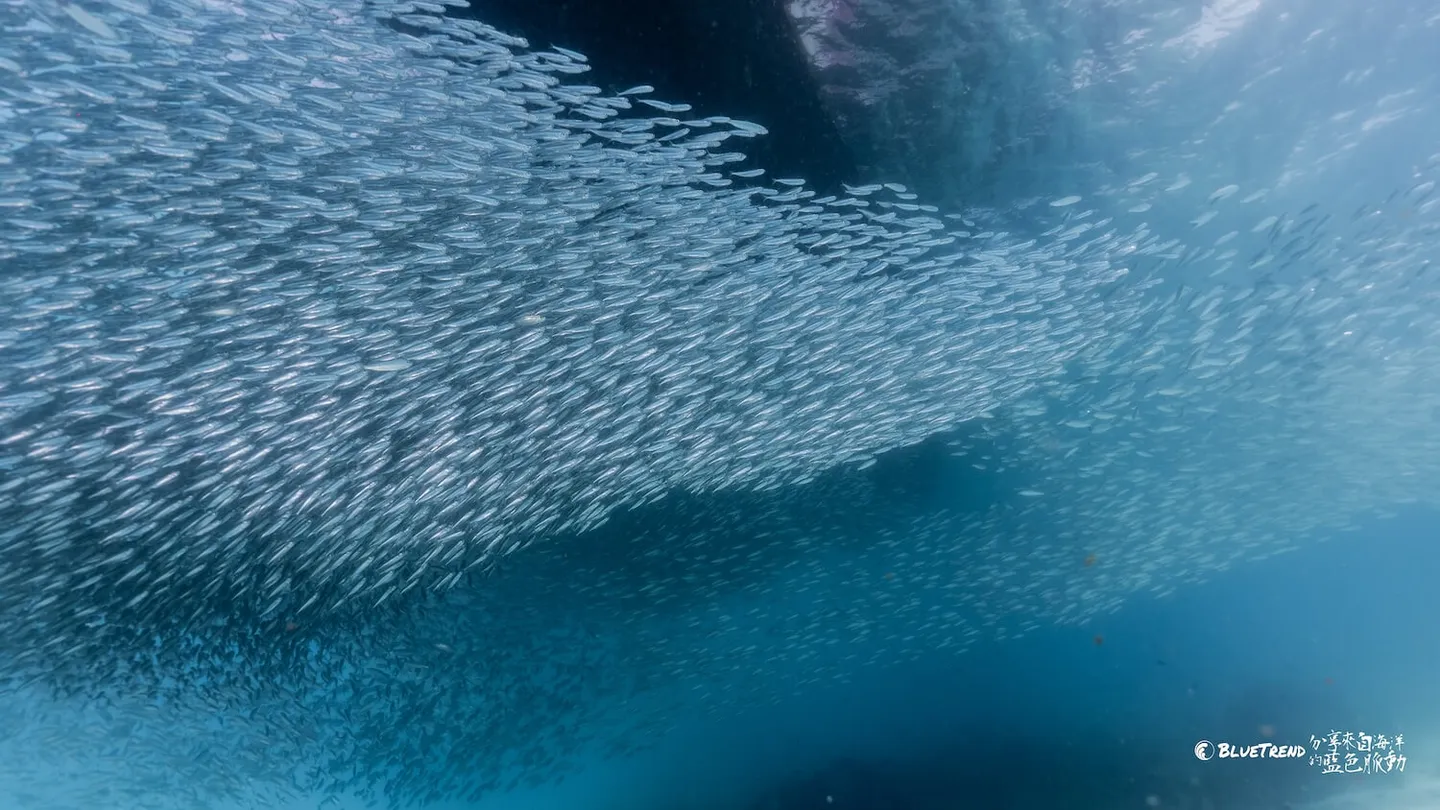
Bohol in the Philippines is a world-renowned dive destination that divers around the globe put on their bucket lists. The nearby Balicasag Marine Sanctuary is one of its most celebrated attractions — famous not only for the breathtaking jackfish ball tornados, but also for the increasingly frequent sightings of barracuda schools and sardine ball storms in recent years.
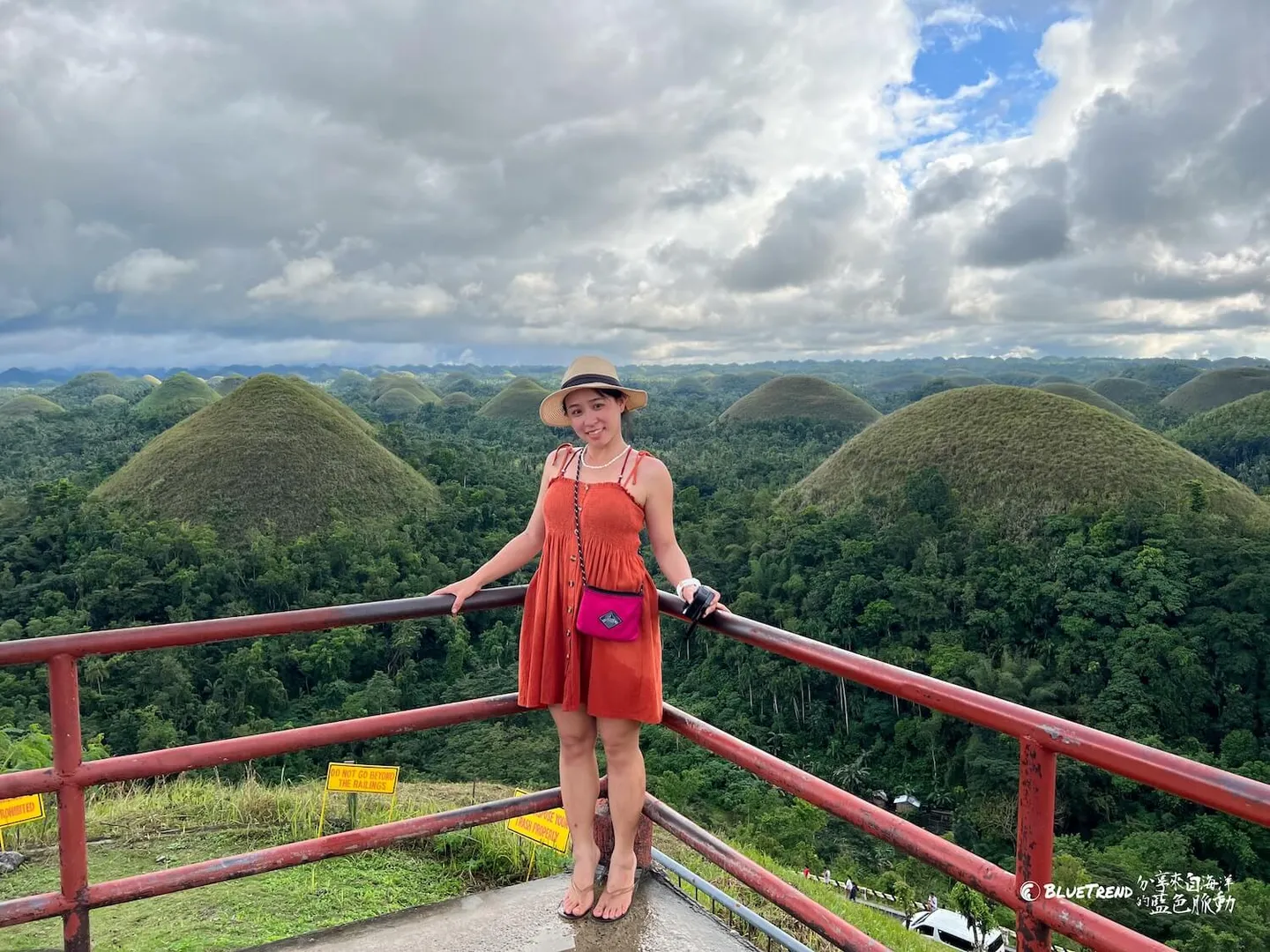
Pristine white-sand beaches, the Chocolate Hills, tarsiers, ATV rides, and Whale Shark encounters are just some of the well-known land-based attractions that draw non-diving visitors from every corner of the world.
But do you know what challenges await anyone trying to run a legal dive shop in the Philippines? Obtaining the proper licenses alone involves a travel agency permit, business registration, a dive operation license, and membership in local associations, among other requirements. When all of these hurdles collide with the famously laid-back Filipino attitude, it's hard not to picture an endless loading spinner frozen on your computer screen.
For this edition of the BlueTrend Guest Room, we invited Xiao Ying (小瑛姐), the owner of Enjoy Islands, to sit down with us for a candid conversation about the many challenges and frustrations she has faced running a dive travel business in the Philippines over the past few years.


Challenge 1: Operating Legally
The very first challenge mentioned at the opening of the video is natural disasters — something that can strike anywhere in the world. Beyond keeping up your prayers and putting solid risk-management plans in place, there's really nothing left to do but hope for the best.
So let's shift the focus to another major challenge: operating legally.
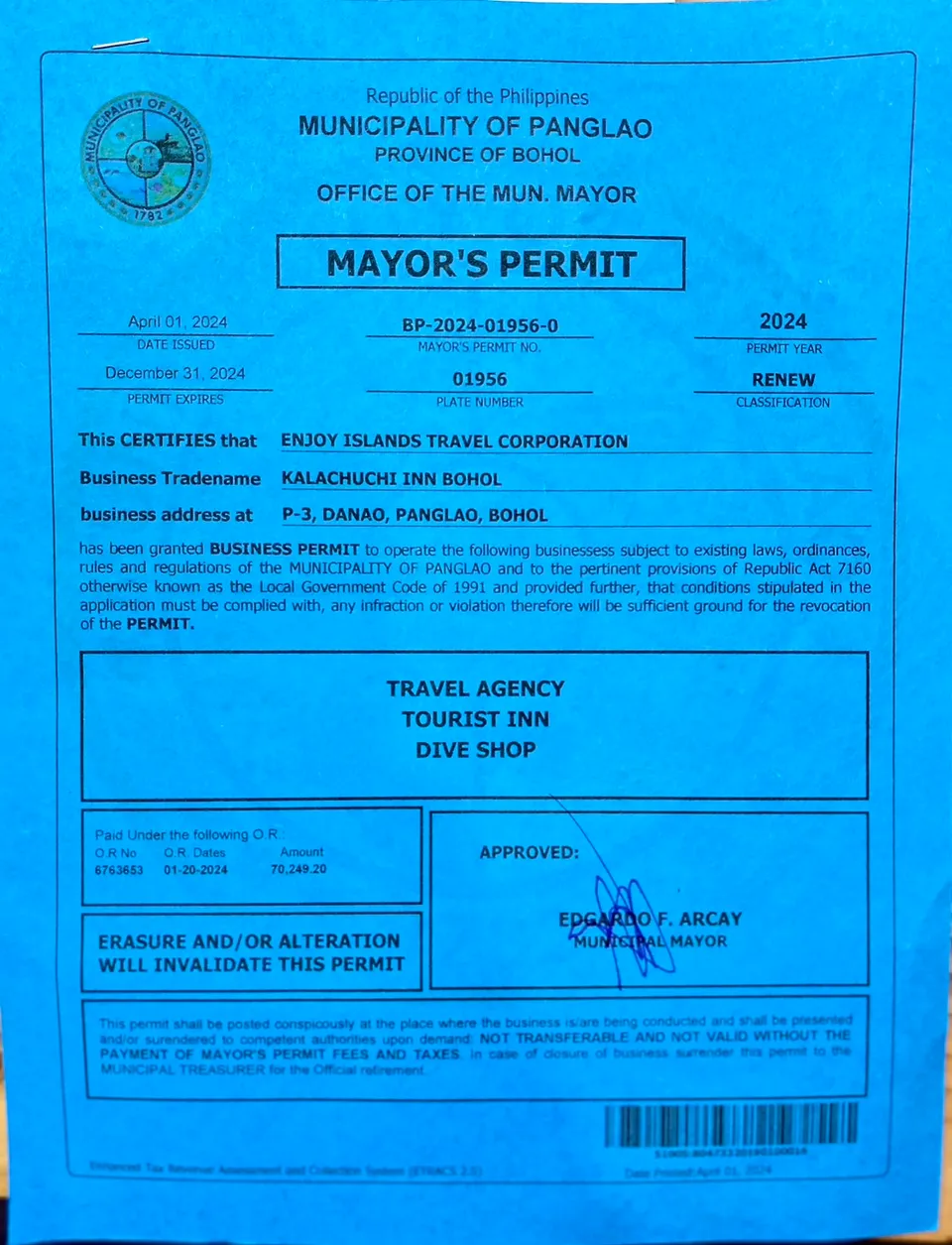
Every country has its own regulations for running a business. To operate a legal dive business in the Philippines, you need multiple licenses — including business registration, a dive operation permit, and, if you also arrange land tours, accommodation, and dining for your guests, a legitimate travel agency license on top of that.
Each license requires you to complete legal procedures, financial audits, and various compliance checks. In short, it all demands time and money — and every peso spent is part of your operating cost.
The biggest difference from Taiwan is that in the Philippines, all of the above licenses must be renewed every single year. A legally operating business therefore has to schedule staff to travel back and forth between the premises and government offices at set times each year just to complete the renewal process. Because the process is rather cumbersome, some operators end up running their dive businesses without being fully compliant.
The old adage "nothing goes wrong until everything goes wrong" rings universally true. Scuba diving carries inherent risks, but some freelance instructors and shops that operate in grey areas are quietly transferring that risk onto their clients — and that transfer is reflected in the lower prices they advertise.
We often run into customers who come to compare prices, and all we can do is throw up our hands. The cost of running a legitimate business is real, but customers frequently chase the absolute lowest price without considering the hidden risks.
Xiao Ying (小瑛姐), Enjoy Islands
Challenge 2: Efficiency
We just touched on the many licenses required to run a legitimate operation. So what happens when the process of obtaining those licenses runs headlong into the naturally easygoing Filipino spirit?
The Philippines is a wonderful place to practice patience. No matter how impatient you are by nature, you will slowly become a patient person here.
Xiao Ying (小瑛姐), Enjoy Islands
For those of us accustomed to Taiwan's highly efficient administrative environment, the Filipino love of taking life slowly is something we simply cannot fathom. Beyond sluggish government paperwork processing, the naturally optimistic and unhurried local character leaves foreign business owners quietly suffering with no one to complain to.
Plumeria Resort is situated on Panglao Island, a small satellite island right next to Bohol. The already challenging supply-chain logistics that come with operating anywhere in the Philippines are amplified several times over here.
From the moment ground was broken on Plumeria Resort, a string of delayed material deliveries hit the project — which in turn meant the construction crew couldn't proceed on schedule, ultimately leading to extended timelines and a ballooning budget.
The same nightmare repeated itself during the construction of Plumeria Resort's second building, which was nearing completion in 2024. Even switching to a Chinese-owned contractor didn't make the problem go away.
Challenge 3: Policy
Most divers choose Bohol, Philippines, because they want to visit the Balicasag Marine Sanctuary. Beyond the chance to witness the legendary jackfish ball tornado, the dramatic wall formations and extraordinary biodiversity add a whole new dimension of wonder to any dive trip.
However, because Balicasag is a strictly managed marine protected area (MPA), the surge in visitor numbers has led to regulations that keep changing — and keeping up with those changes has become one of the biggest headaches for dive operators based there.
When the Editor first visited Balicasag in 2022, booking a dive in the sanctuary was relatively straightforward. But at the end of 2023, the local association held a meeting and announced on the spot that applications would now need to be submitted two months in advance by email — with no way of knowing during the review period whether your application had been approved or how many spots remained.
By the time this article was written, the lead time had already been extended to three months, and a whole new set of rules had been introduced: whether unfilled quota could be reallocated, penalties for no-shows on the day, fines for operators caught sneaking groups in without a permit — all of it subject to change at every subsequent meeting. Xiao Ying of Enjoy Islands advises: "If you want to dive Balicasag now, book at least three months in advance to ensure everything goes smoothly." This kind of policy uncertainty drives up communication costs and risk for both operators and their clients.
The unpredictability of Philippine policy is an additional risk that anyone running a business here absolutely must factor in.
Xiao Ying (小瑛姐), Enjoy Islands
The Upsides of Diving in the Philippines
After hearing all those challenges from an operator's perspective, you might wonder: why do so many people still choose to open a business in the Philippines?
The answer, ultimately, comes down to one thing: exceptional value for money.
- Almost all dives are boat dives — easy entry, easy exit, and very wallet-friendly.
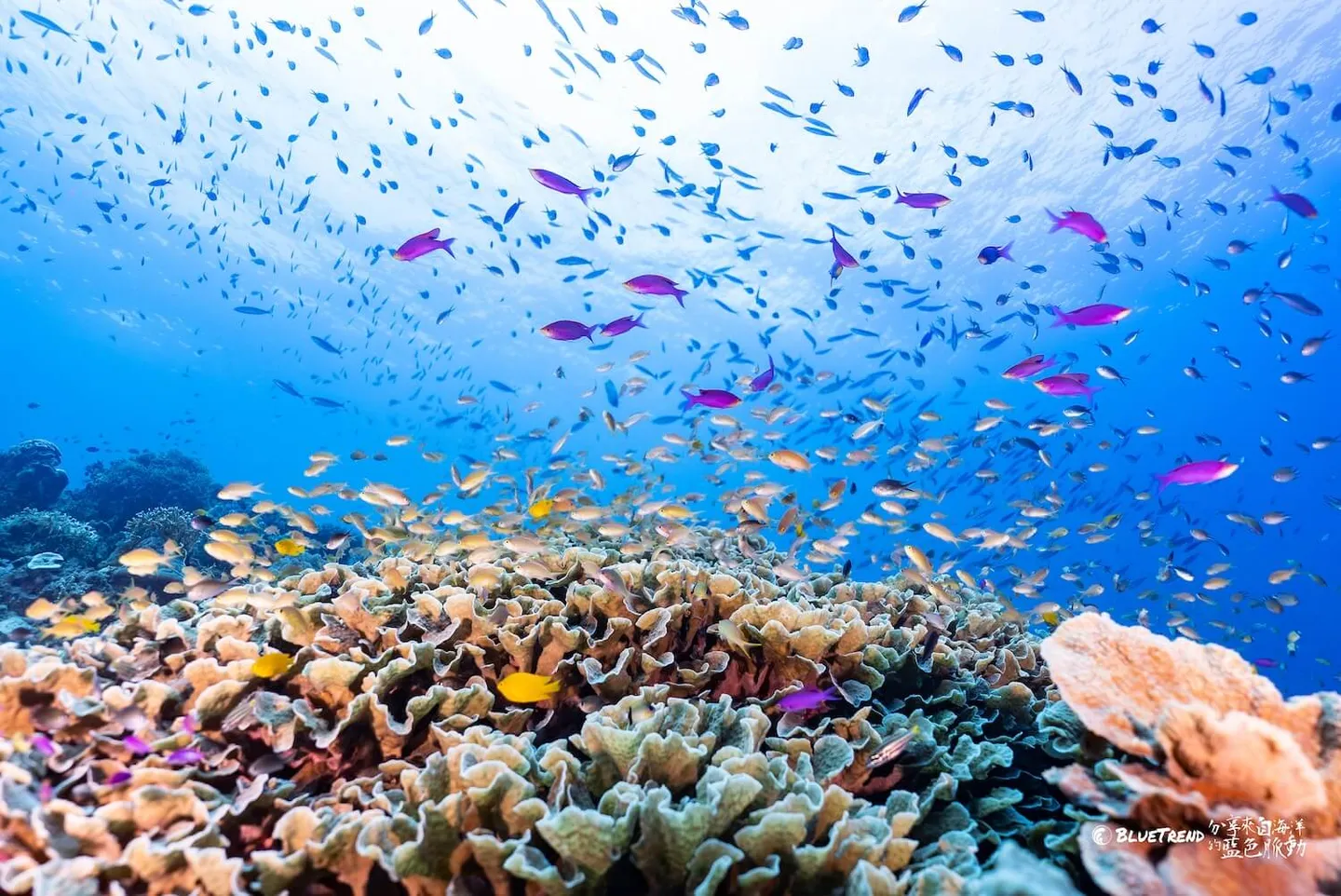
- Exceptional biodiversity gives divers the chance to witness stunning coral reef ecosystems and massive schools of fish.
- Low everyday costs mean that an entire trip is far more competitively priced than most other destinations.
Related Links
Further Reading
Frequently Asked Questions
How is a BlueTrend dive trip different from an unknown, no-name dive group?
Choosing us means full peace-of-mind protection and a smooth experience from start to finish. Every trip we run holds to three things.
First, full legal protection and a professional dive leader: we strictly follow Taiwan's travel regulations and provide complete travel-agency liability insurance, travel insurance, trip-inconvenience insurance and dive insurance. Every group is accompanied by a certified, foreign-language dive leader who joins you on both the dives and the land itinerary, liaising seamlessly with local dive shops and operators on your behalf to keep things running smoothly — the person our travellers trust most.
Second, fully licensed with secure payments: every payment goes into a licensed travel agency's account, with multiple safe payment channels (bank transfer, credit card and more) and a legal collect-and-remit receipt, so every transaction is open, transparent and protected, avoiding the fraud and dispute risks of transferring money privately to an individual.
Third, hand-picked quality we vet in person: every trip, dive site and partner shop is scouted on the ground by our own team, from the guides' professionalism and safety standards to the food, lodging, environment and service details on land, all vetted by us so you don't get caught out.
I want to sign up for a dive trip. Are there certification-level or logged-dive requirements?
Each dive site is different, so the entry bar varies. 'Bali Tulamben', for instance, is relatively beginner-friendly. 'Malapascua in the Philippines' is also beginner-friendly, but since thresher sharks tend to cruise between 20 and 30 metres, we recommend AOW certification with 20+ logged dives to enjoy this trip comfortably. For 'the Maldives' or 'Palau', we suggest AOW with 50+ logged dives for a more relaxed experience. If you're not sure whether your experience fits the trip you want, message us and our dive editors will assess it and help you find the trip you'll feel safest on.
Can I join if I'm signing up alone? How are rooms arranged?
Plenty of our travellers sign up solo! For rooms and beds, we prioritise pairing you with a same-gender traveller, and if you'd rather have your own space you can pay the difference to upgrade to a single room. For the diving, our professional leader will pair you with a suitable buddy, and with the happy vibe on our trips you'll quickly make a great group of dive friends. Many people sign up alone, make new friends, and end up organising the next trip together!
Does the trip fee include dive insurance, gear rental, taxes and instructor tips?
It depends on the trip, the destination's regulations and the local operators. Every BlueTrend dive trip has a detailed web page with a clear 'included / not included' list, transparent and with no hidden charges. All payments are collected by a licensed travel agency, with a standard-form contract for your protection.
I'm a new diver / haven't dived in a long time — will I fall behind the group?
Before you complete your booking, our team assesses a suitable trip based on your certification level and experience. Before departure, we strongly recommend taking time to refresh in Taiwan with an instructor, or a fun dive to get your feel back. On the trip itself, our professional dive leader groups and pairs everyone by experience, keeps a close eye underwater on travellers who need extra care, and steps in to help right away.
Will the photos and videos taken during the trip be shared with us?
During the dives, 'safety' is always the leader's top priority, so whenever it's suitable and safe the leader will capture great shots and record the best moments. During or after the trip, we compile a cloud album for all travellers to download, so you go home loaded with memories!
Besides your scheduled trips, can you arrange a private group charter or independent travel for me and my friends?
Absolutely! Besides group trips, we also arrange private group charters and independent travel. We can communicate, enquire and coordinate services with local operators based on your needs, saving you time and effort and taking the language barrier off your plate, to tailor the smoothest, most reassuring dive trip just for you. Contact our LINE support and our editors will arrange it for you!

![[Philippines – Malapascua] Reunited with the Dreamlike Thresher Shark After 3 Years!](/_astro/%E8%8F%B2%E5%BE%8B%E8%B3%93%E5%AA%BD%E5%AA%BD%E5%B3%B6%E9%95%B7%E5%B0%BE%E9%AF%8A_vqonr.webp)
![[Philippines · Bohol] Taiwan's #1 Representative! Exclusive Dive Site Discoveries at Bholdex 2023 — No Secrets Held Back, feat. Enjoyislands](/_astro/DSC0587601-2_C3xEx.webp)