

![[Editor on Assignment] Almost Moved to Orchid Island? The Badaiwan Wreck — I Finally Made It!](/_images/05db369fc3ad-1440w.webp)
Contents(6)
The Editor is on assignment again! This summer, the Editor made a second trip to Orchid Island, with one overriding mission: shoot footage of the Badaiwan Wreck and bring it home. Last time, a typhoon crashed the party and the shoot fell through. This time, the Editor hung up a sunshine doll well in advance and came fully prepared. Between the two trips, the Editor spent eight days on the island — and if the ideal footage still hadn't materialized, the plan was to just move to Orchid Island for good!
This article takes you behind the scenes of the Editor's work trip. Of course, there's also a roundup of Orchid Island dive sites, plus the best food and sights on the island — read on!
Pre-Trip Prep for Orchid Island
Making the long journey out to Orchid Island means doing everything possible to ensure the shoot goes smoothly. So what exactly did the Editor do to prepare?
Watch Windy Constantly — Monitor Wind Direction and Sea Conditions
- Wind direction: The wreck sits on the southern side of the island, so southwest winds tend to cause cancellations — they increase the danger of navigating the boat, alter current conditions, and so on. During the June–August southwest monsoon season, chances of diving Badaiwan are relatively slim.
- Sea conditions: Keep an eye on wind speed and wave height. Based on the dive guide's experience, wind speeds below 25 km/h and wave heights under 1 m are considered suitable.
- Additional notes: Although Windy gives the Editor a good general picture of sea conditions, the captain's experience and feel remain the primary guide — real-world judgment is the most reliable tool. If waves are visibly large near shore or white-capped swells are visible in the distance, it's best not to risk the trip.
Further reading: 【Diving with Master Datu】Three Steps to Reading the Windy App for Dive Conditions — No Expert Required
Gear Is Our Lifeline
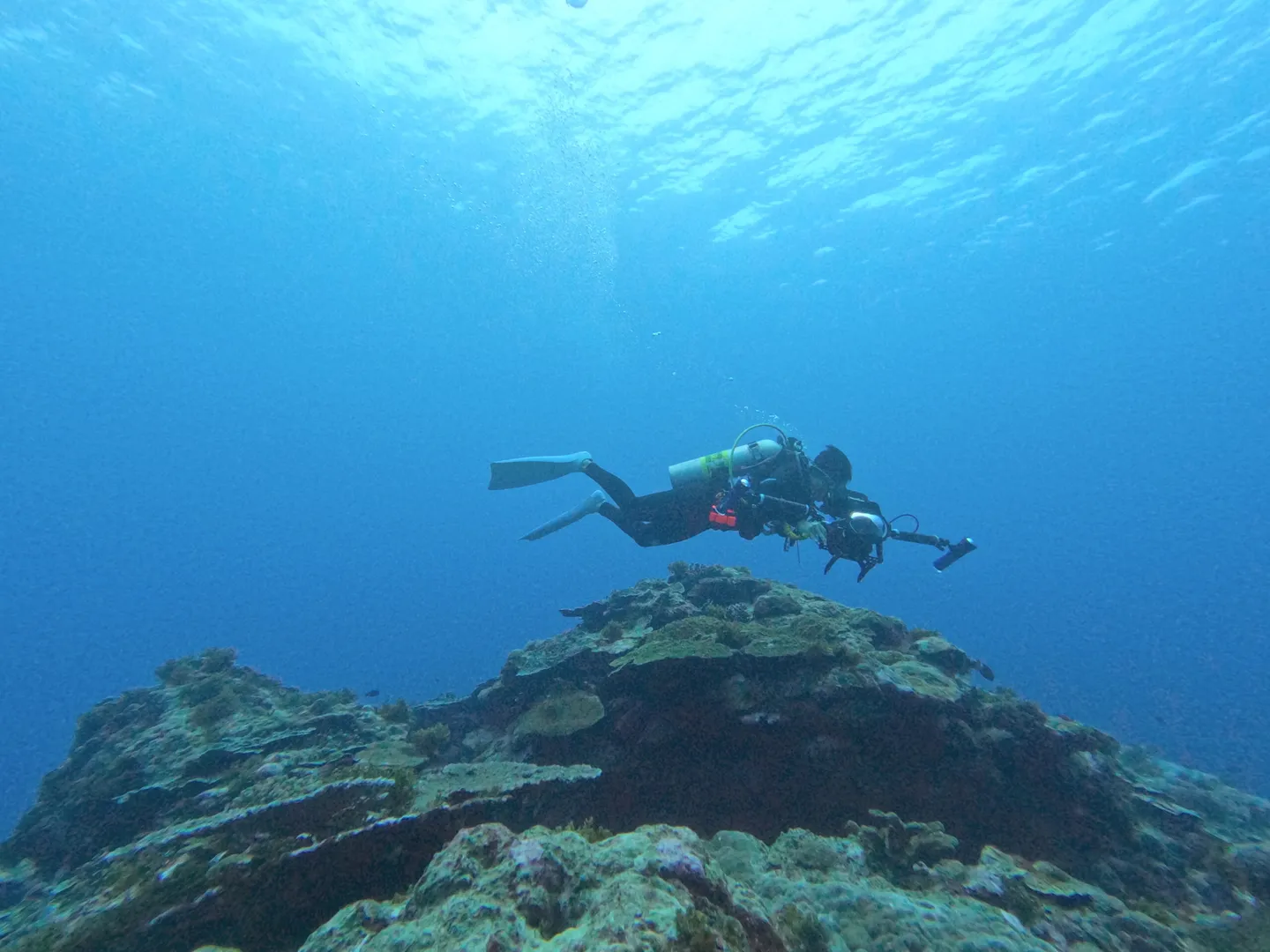
The camera in the Editor's hands might as well be a vital organ.
-
Basic checks: Confirm the camera battery is fully charged; confirm the memory card is inserted; confirm the strobe trigger is switched on (the Editor uses a third-party strobe trigger, not the manufacturer's flash unit).
-
Gear setup:
- Step 1. Open the underwater housing and place the camera inside, securing the latches firmly.
- Step 2. Manually vacuum-pump the housing, then close the cover.
- Step 3. Load the strobe batteries and close the cover.
- Step 4. Power on both the strobe and the camera simultaneously, then fire the shutter to test. Confirm the lens cap is removed and the strobe is firing correctly before switching everything off.
-
Final pre-dive check: Look at the vacuum indicator light on top of the housing — confirm it is green, verifying that the vacuum seal is intact.
Book Transportation
There are two main ways to get to Orchid Island:
- Ferry: Round-trip approximately NT$2,300. Ferries depart from Houbihu in Kenting and from Fugang Fishing Harbor in Taitung, but schedules are limited and cancellations due to weather are common. Be sure to keep a close eye on weather forecasts and ferry company announcements before departure.
- Flight: Round-trip approximately NT$3,000. Flight schedules vary by month, season, and weather conditions — check the latest timetable before you go.
Book Diving and Accommodation
If you're getting around the island by scooter, distances between points are longer than you'd expect. For instance, the Editor once rode nearly half an hour just to get from Hongtou Village to the 7-11 — contacts were practically flying out. It's best to buy everything you need in a single trip.
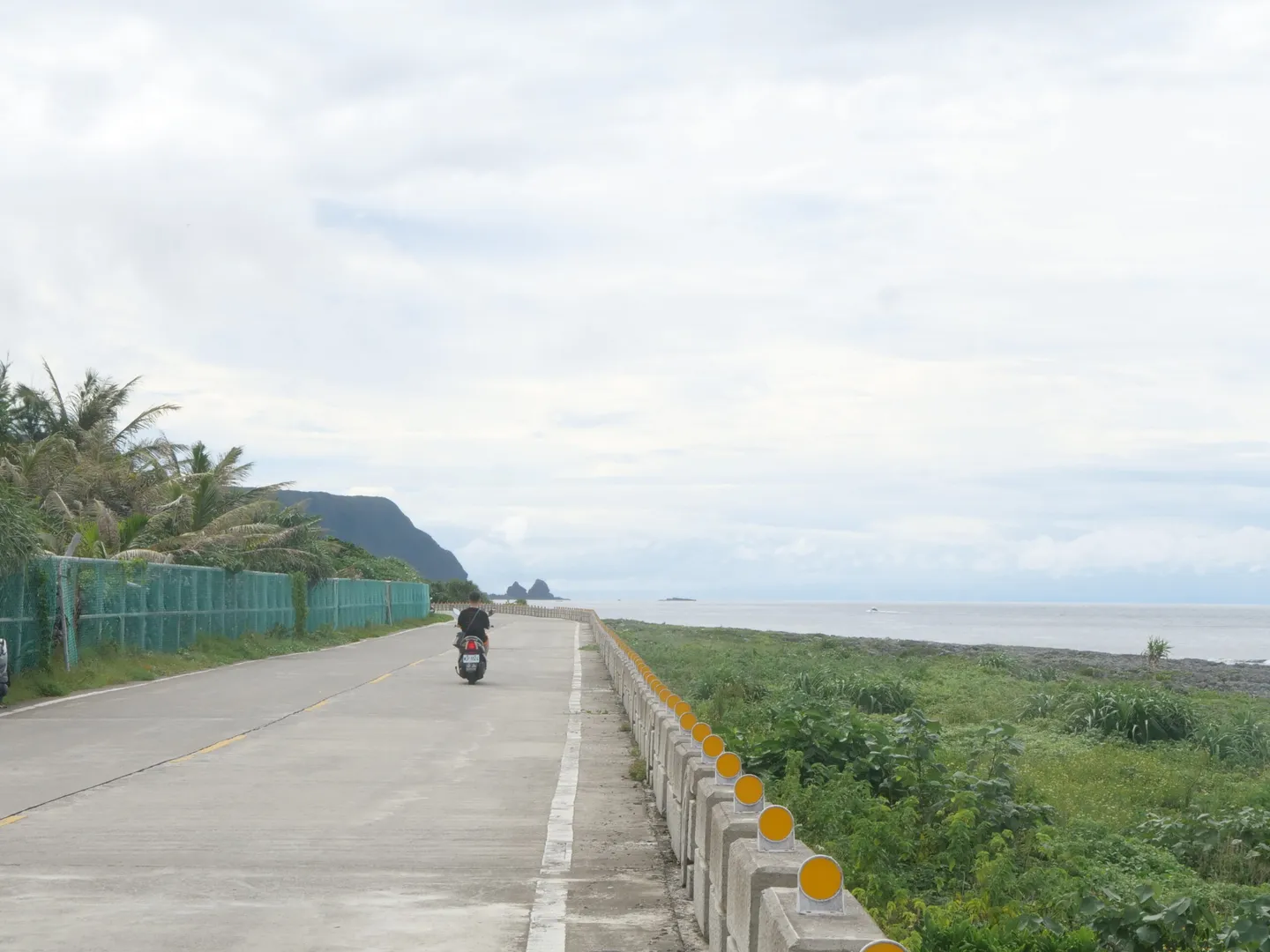
A road that seems to stretch on forever......
For this work trip, the Editor booked through Blue Ocean House Dive Resort, which covered 3 boat dives as well as the room, scooter rental, and meals. When you're on a work trip and exhausted, rolling out of bed to find food waiting after a dive is genuinely important!


On Location with the Editor! Top 3 Recommended Dive Sites on Orchid Island
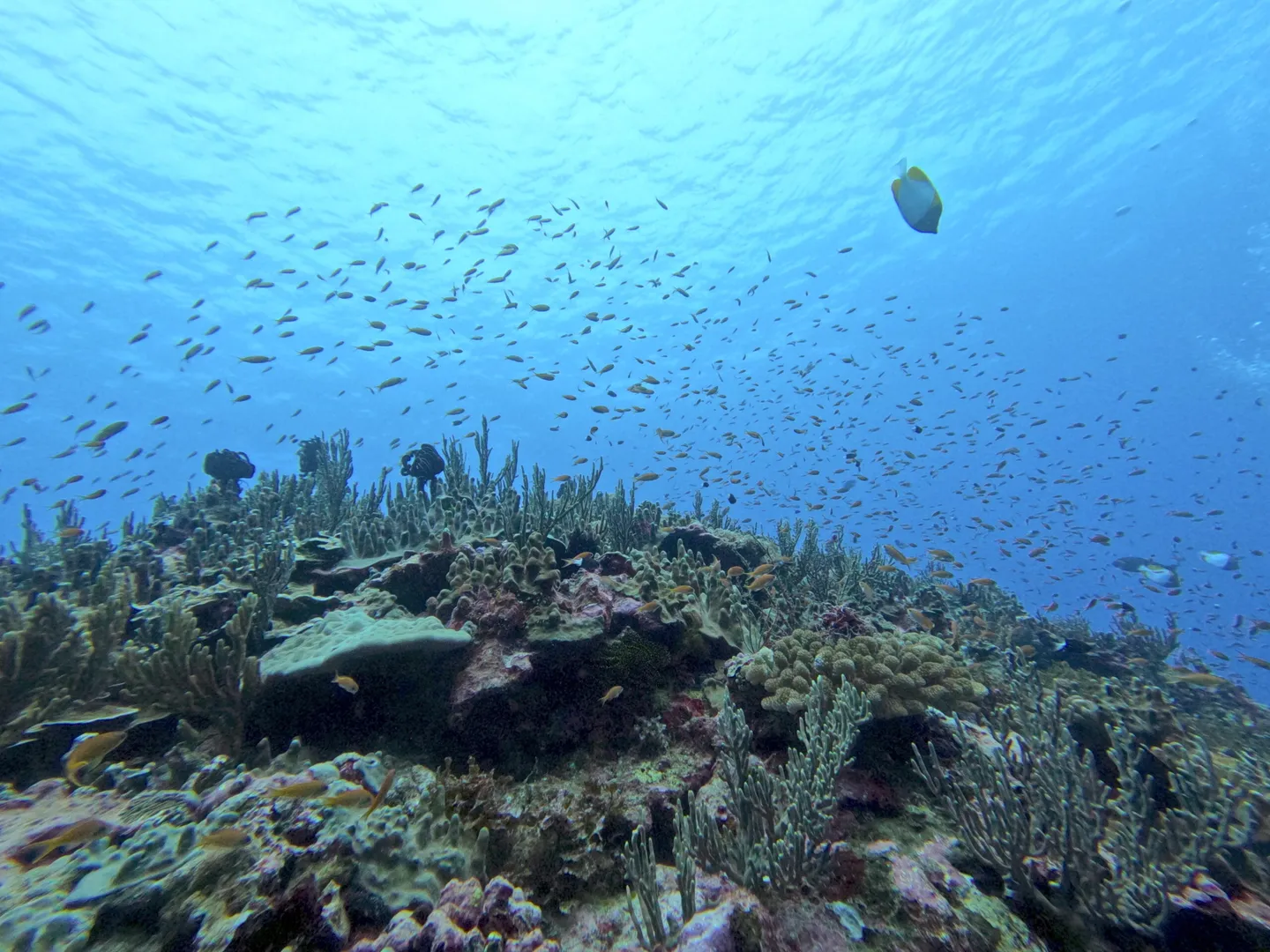
30 m visibility in crystal clarity — just a normal day for Orchid Island.
Orchid Island's baseline visibility of 30 m is common knowledge. The sea here is so impossibly clear and blue it looks like a composite photo — it's undoubtedly one of Taiwan's outlying islands that every ocean lover must visit at least once. Which dive sites did the Editor visit for this shoot? Here's a look at Orchid Island's top three dive sites:
Badaiwan Wreck
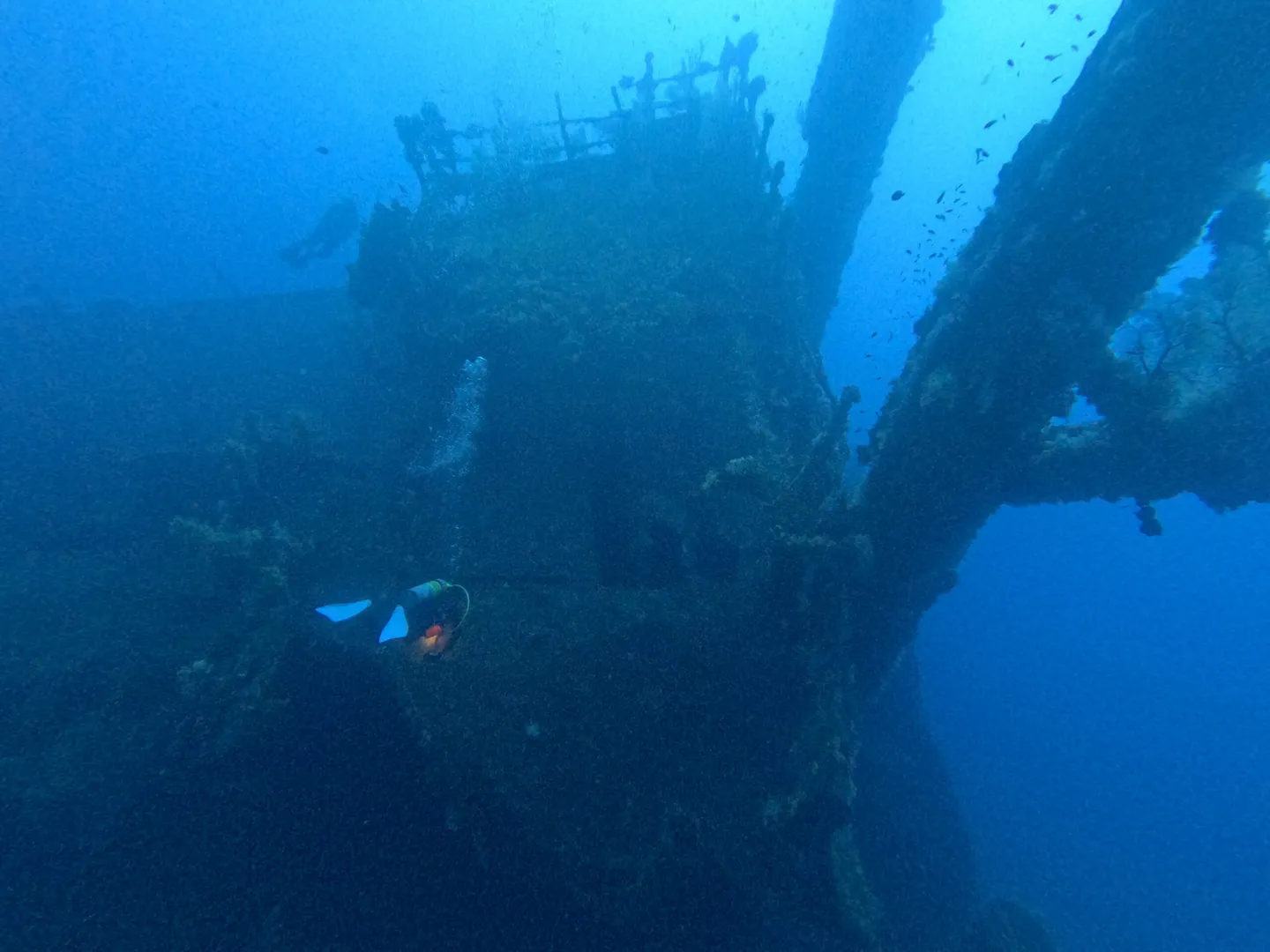
The hull is fully intact, and the marine life thriving on it is extraordinary.
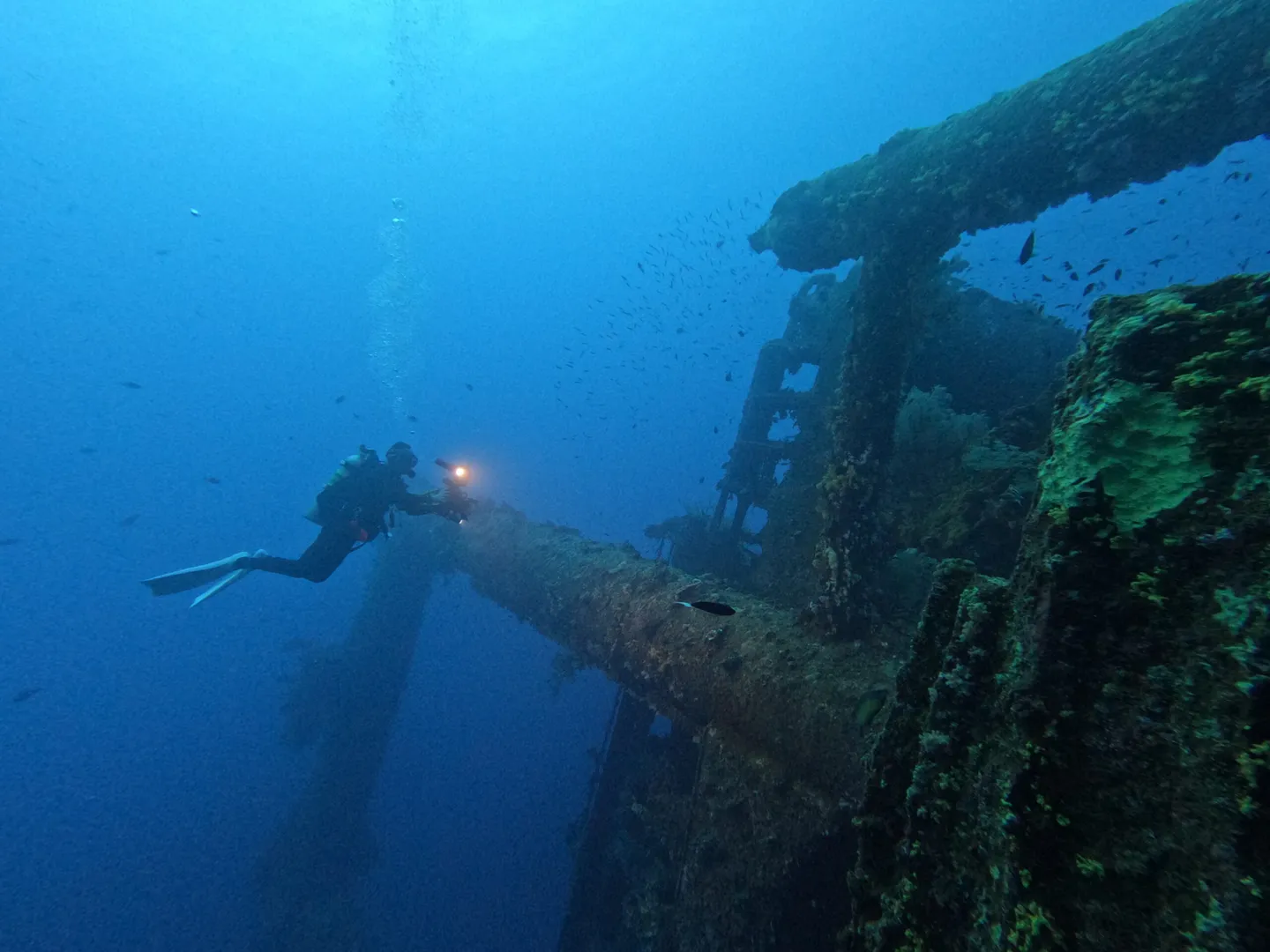
Beside the wreck, we feel incredibly small.
- Located just five minutes by boat from Hongtou Village, this world-class dive site features a massive, fully intact wreck resting on the seabed at approximately 36 m.
- The Badaiwan Wreck is a Korean ocean freighter known as the "Fortress." On September 27, 1983, it departed Japan bound for Singapore. While passing Little Orchid Island, dense fog rolled in and poor visibility caused the hull to strike a reef, opening a breach in the vessel. As seawater slowly flooded in, the captain made the decision to steer the ship to its current position in Badaiwan Bay, where the Fortress came to rest on the bottom.
- Marine life on the wreck is incredibly rich — multiple large gorgonians / sea fans have taken hold, and schools of fish are everywhere. Anthias and Unicornfish aggregations are common sightings here. This is a current-prone site; always confirm current conditions, wave height, wind direction, and weather before diving.
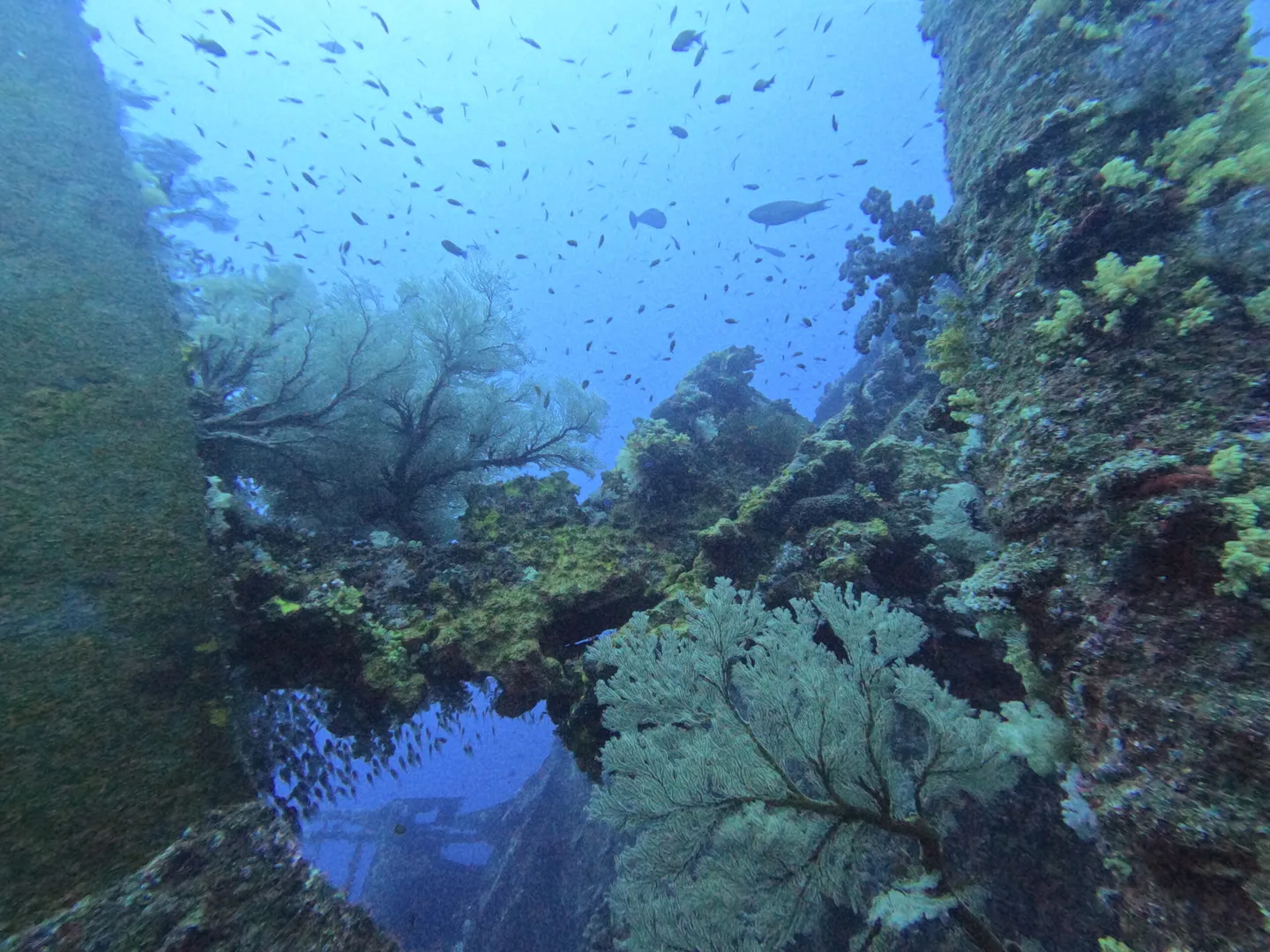
Above, dense gorgonians / sea fans and clouds of glassfish.
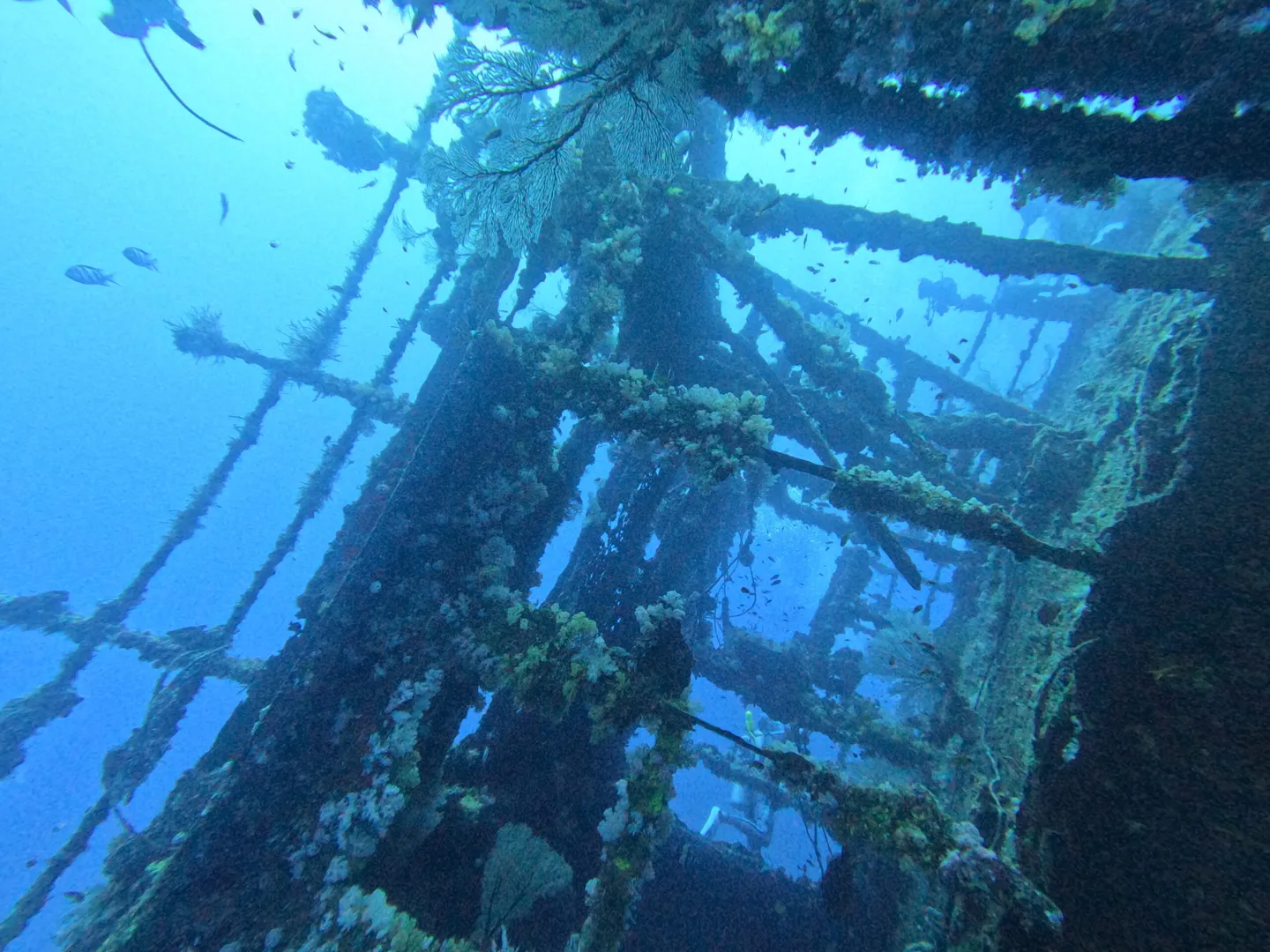
After a careful search of the wreck, the Editor even found a cute little nudibranch!
Dawu Store (達悟商店)
- Located off Langdao Village, this site takes its name from the "Dawu Store" that sits directly on shore above it. The depth is approximately 20 m. The moment you descend, you're greeted by sweeping coral reefs and dense schools of anthias. Swim further around and you can squeeze between the reef formations into what feels almost like a cave — shining a Torch inside revealed a surprising variety of fish and lobster. Orchid Island's underwater world pairs crystal-clear visibility with a rich ecosystem and dramatic topography. Surfacing afterward, the Editor was genuinely moved.
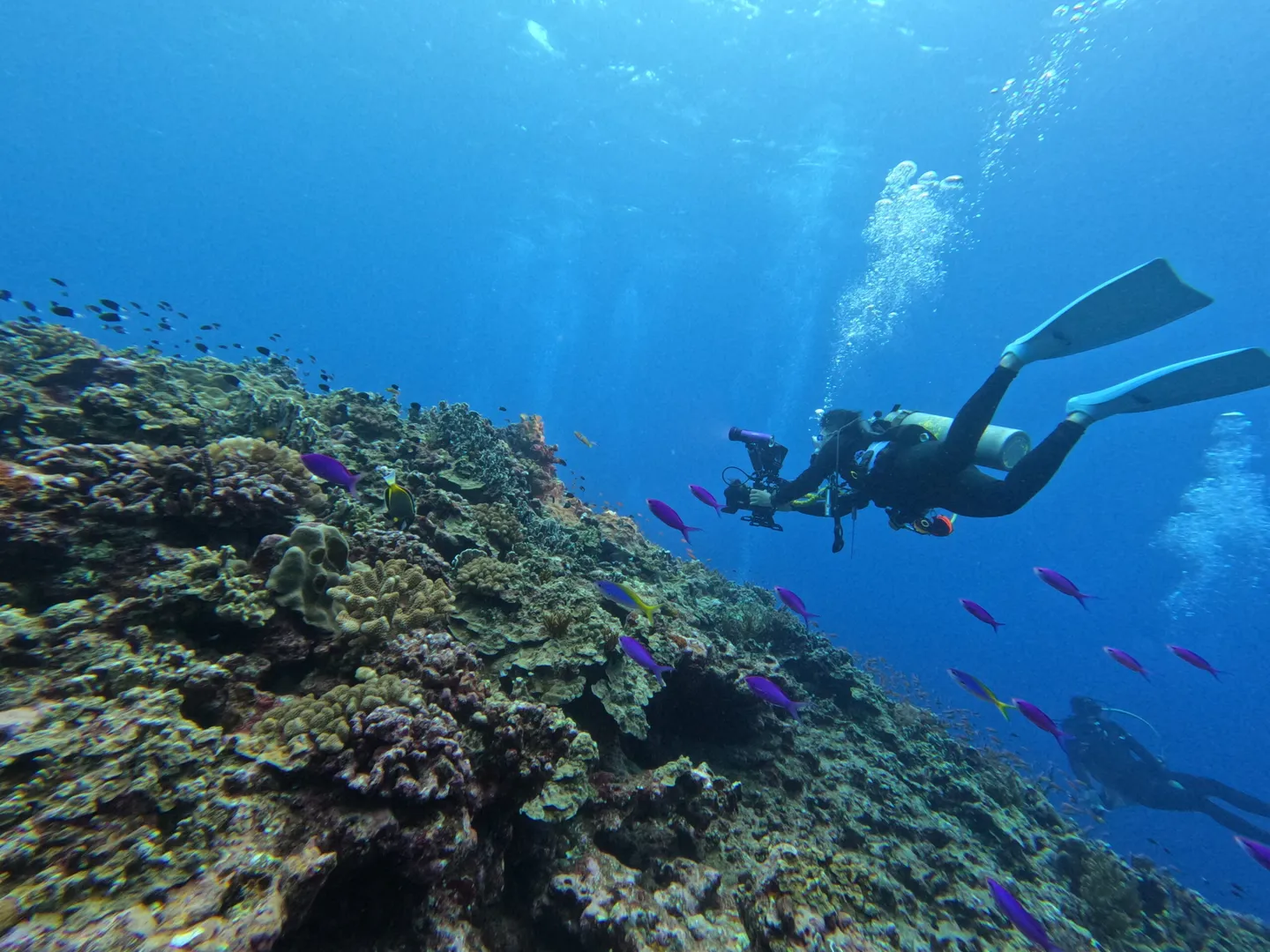
Schools of fish came to greet us the moment we descended.
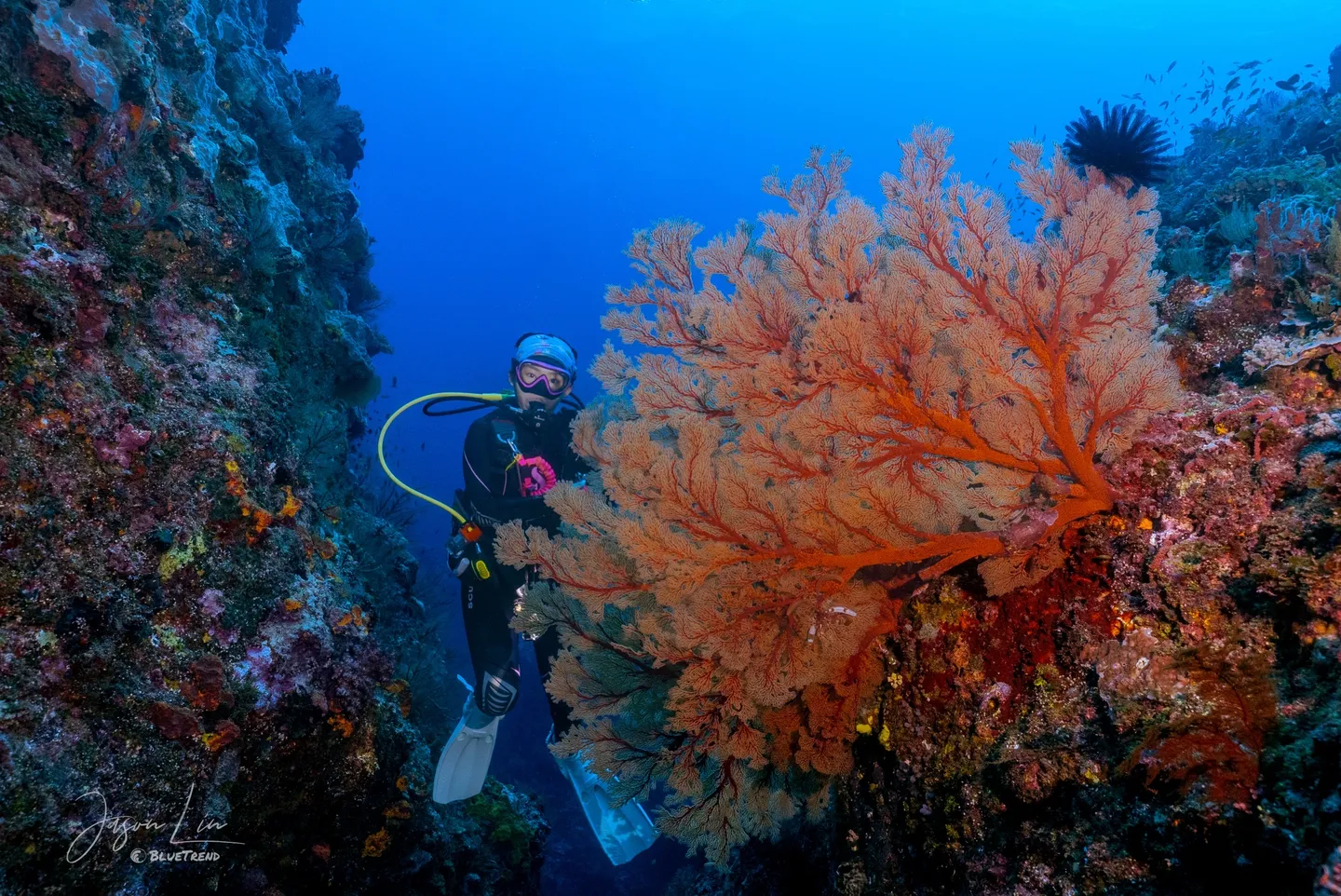
An enormous gorgonian / sea fan! Photo credit: Jason Lin.
Twin Lion Rocks (雙獅岩)
- Located off Langdao Village, this site is defined by two famous large rock formations rising from the water. Depths range from approximately 18–25 m. The underwater scenery left the Editor awestruck — multiple massive boulders rise from the seabed, and sea snakes and fish schools appear without warning. Threading through the rocks with coral blanketing both sides, with nothing but yourself and the sound of your own bubbles, you're reminded just how wonderful it is to be a diver.
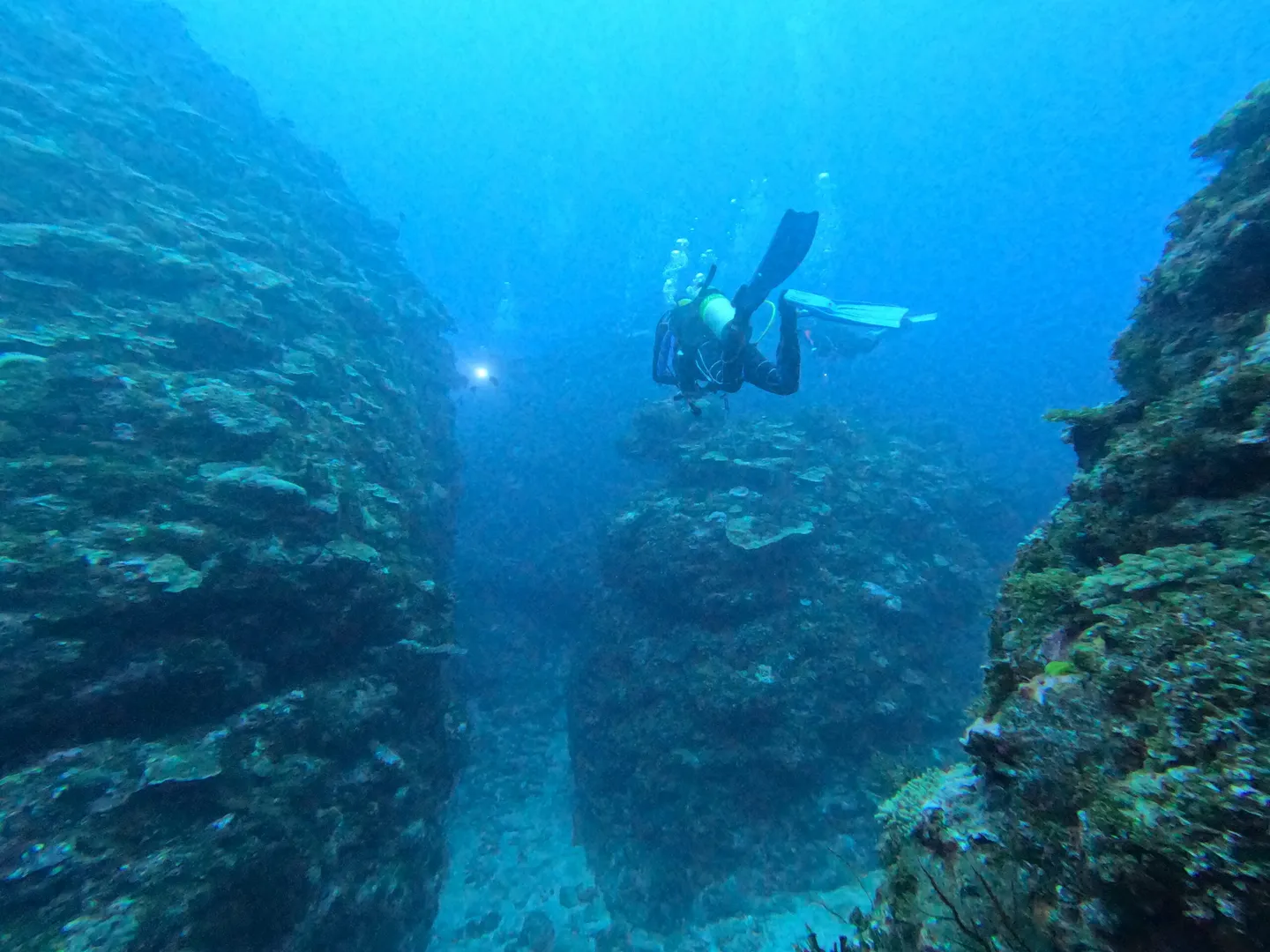
Large boulders stand tall in the water — weave between them and savour the beauty of diving.
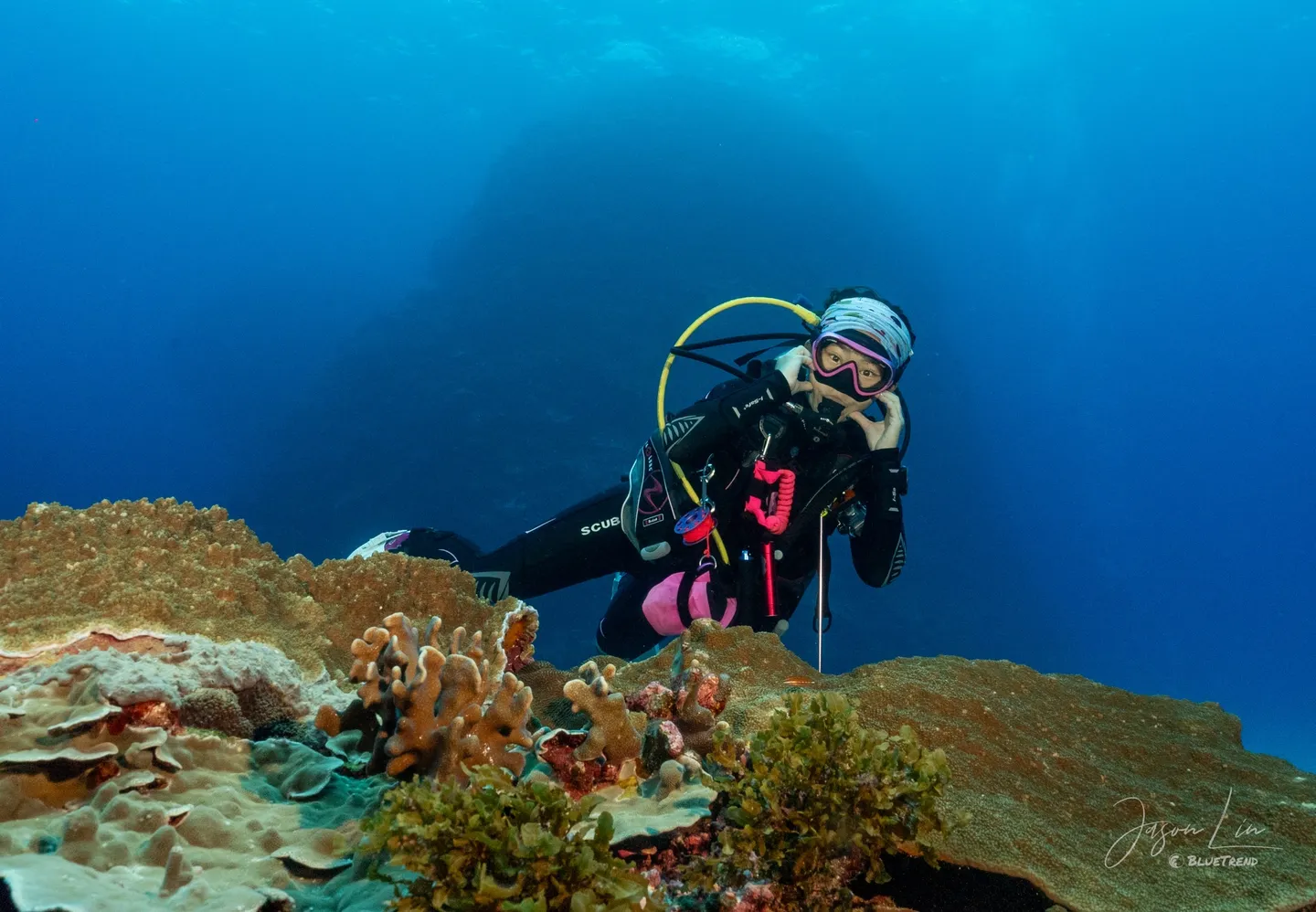
Photo credit: Jason Lin.
After the Dive — What Does the Editor Do?
Feeling envious of the Editor splashing around at all those dive sites? Don't forget — this is a work trip. Before every dive, there's the ritual prayer for epic scenery and big creatures; and the moment you surface, it's straight to reviewing whether the footage meets the brief. The Editor stays in full battle-ready mode throughout every dive — on top of worrying about anything that might go wrong, the mind is constantly turning over how to frame the next shot to get the job done.
Three Priorities After Surfacing
- The very first step after surfacing is always to soak the camera in fresh water. Once rinsed and dried, take out the memory card and review the shots. (Reminder: whether it's a GoPro, TG6, or any other camera, always make sure it is completely dry before opening it.)
- Next, the Editor's occupational instincts kick in: open the laptop, cull through the images, pick the keepers and edit them, then start uploading photos and video to social media to share with everyone — uploading over lunch, uploading during rest, uploading for the entire half-day after surfacing (laughs).
- Finally, all photos and videos are sorted and archived by date and dive site.
What to Eat on Orchid Island? The Editor's Foodie Picks
As a self-confessed foodie, the Editor couldn't possibly miss the local food scene on Orchid Island! Many divers have been through it — freshened up after a dive and ready to eat, only to find every place you wanted has already closed. Below the Editor has compiled a must-try list complete with opening hours, so divers can enjoy a proper meal without the guesswork!
A-Dong Gua Bao
- Address: No. 77, Yeyou Village, Orchid Island Township, Taitung County
- Hours: 11:00–14:30, 18:00–20:00
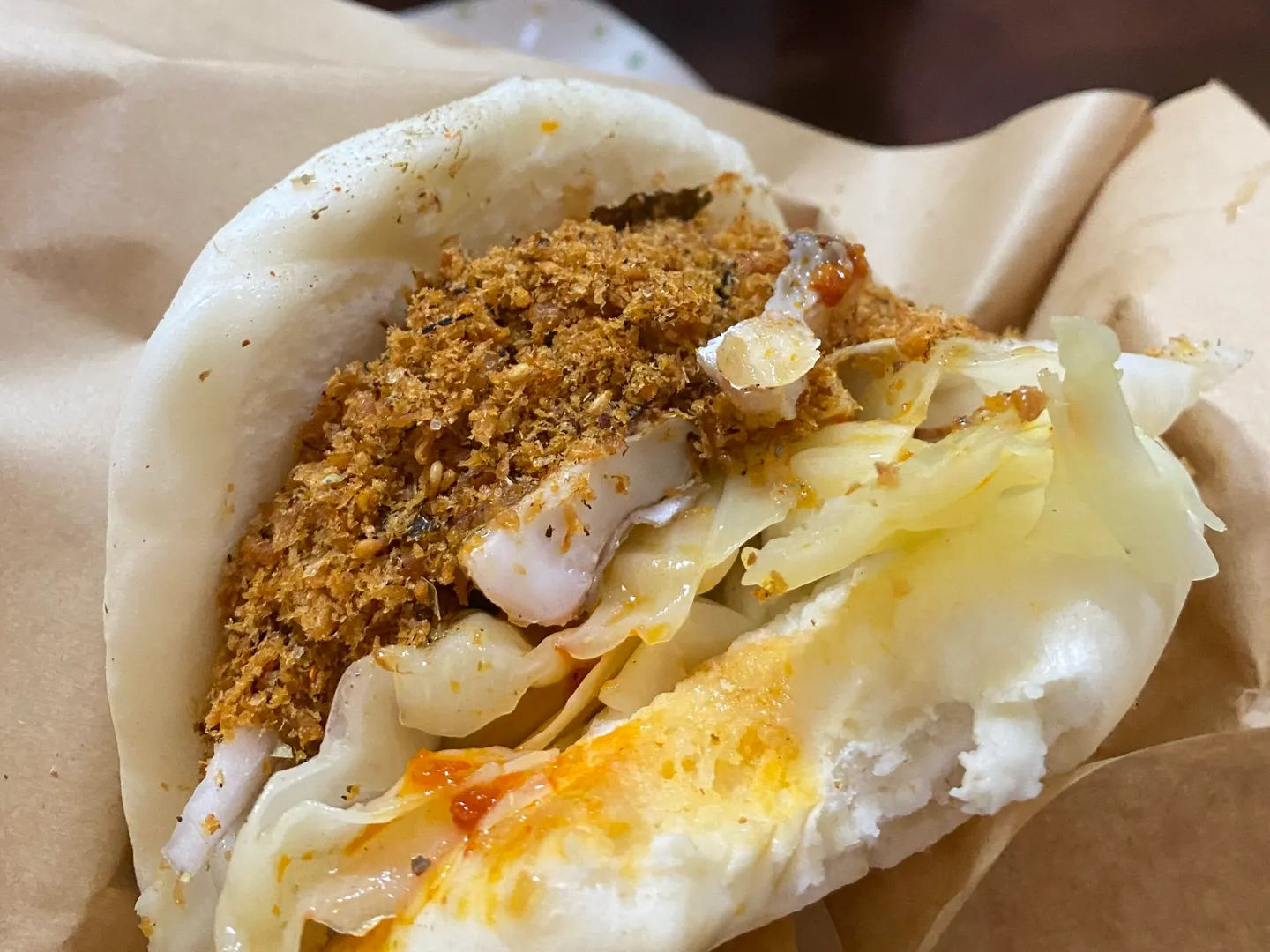
The signature flying fish gua bao — cabbage, fish floss, and incredibly tender flying fish meat. Different from a traditional gua bao, and surprisingly delicious!
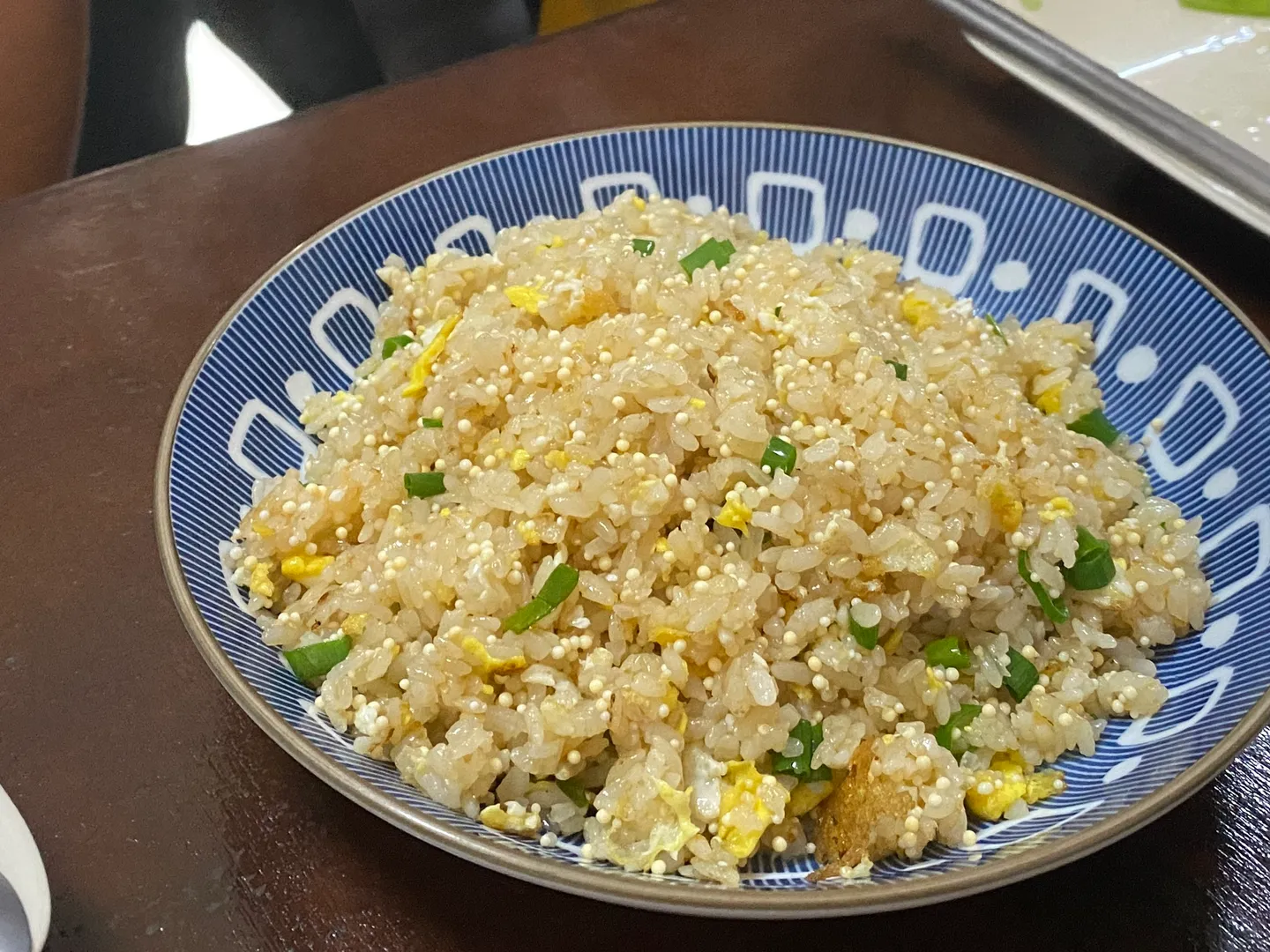
Flying fish roe fried rice — loaded with toppings and a generous portion.
Dongqing No. 33 (東清三十三號)
- Address: No. 33, Dongqing Village, Orchid Island Township, Taitung County
- Hours: 06:00–13:30 (closed Wednesdays)

Crispy egg crepes packed with generous fillings — the Editor's favourite is the tuna flavour.
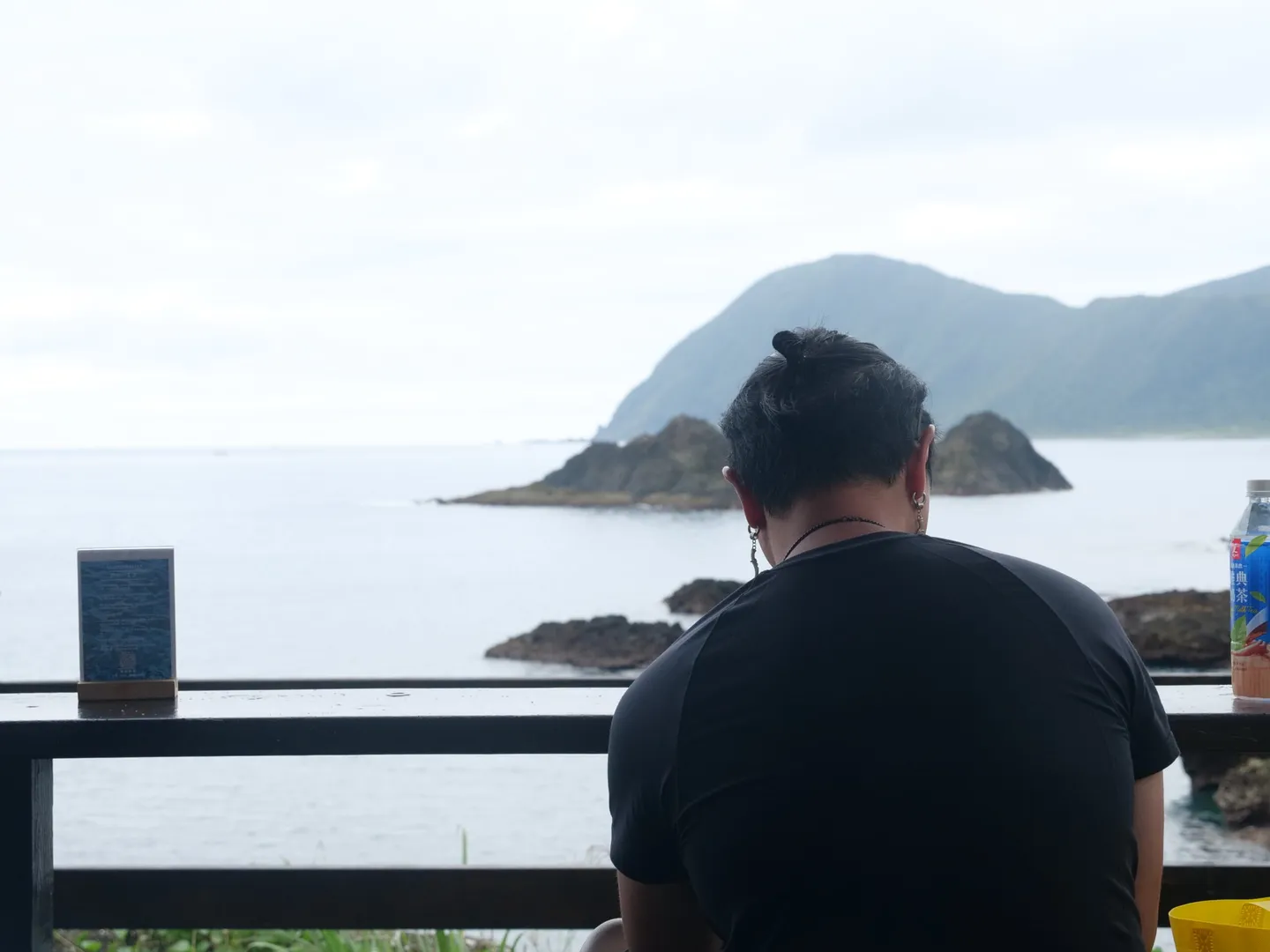
Some of the seating faces the ocean — you can watch the sunrise right from your table!
Tai Lan Thai Cuisine (泰蘭泰式料理)
- Address: Kaiyuan Port, Orchid Island Township, Taitung County (next to the Coast Guard station)
- Hours: 10:30–22:00 (closed Mondays)
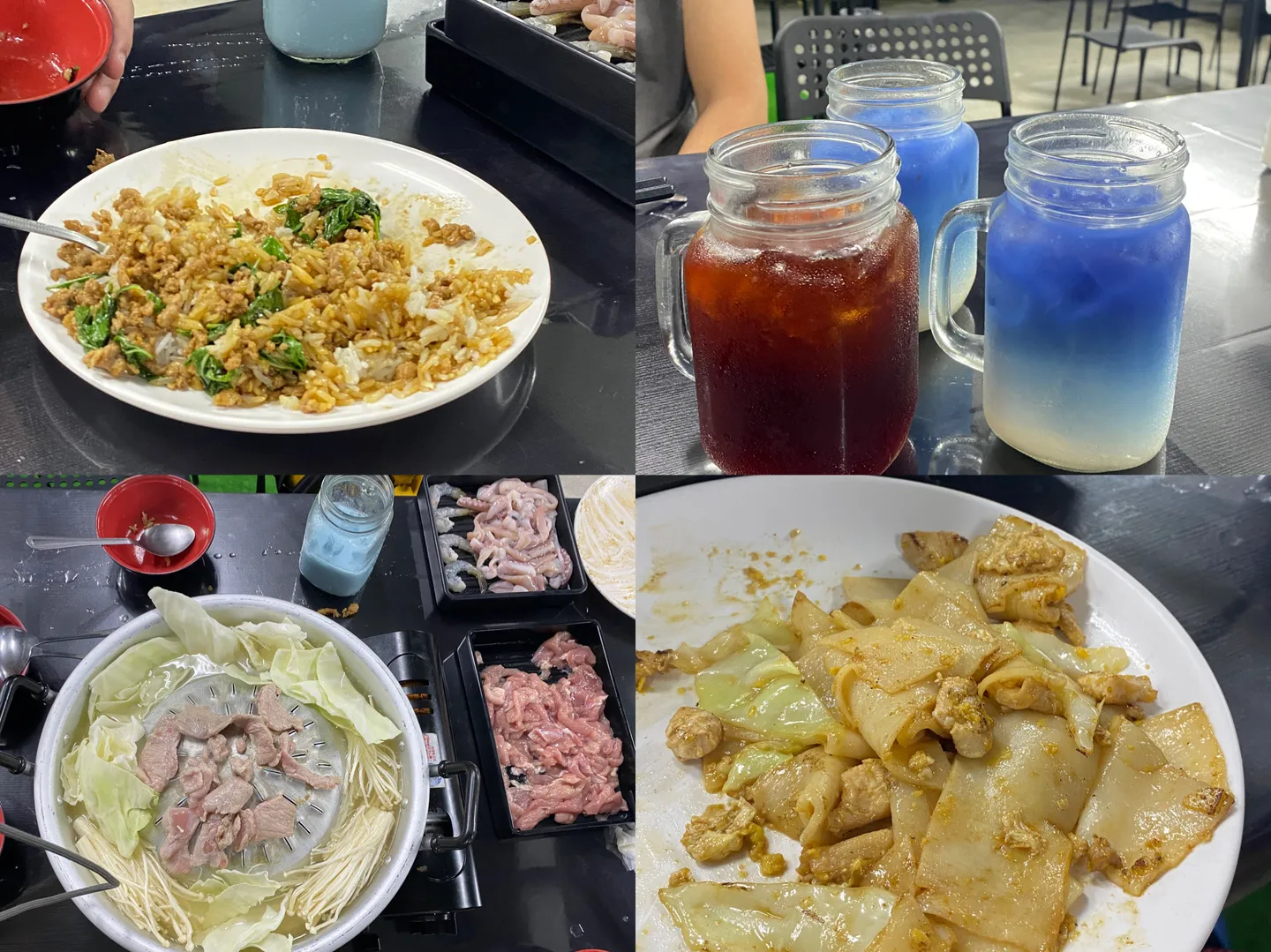
This Thai place is genuinely authentic — the pad kee mao and basil pork rice made the Editor feel like they'd been teleported to Thailand. The butterfly pea flower milk tea in the top right is also highly recommended. Three people ate this spread and came away very satisfied!
Blue & Lamb Ramen (藍與羊拉麵)
- Address: No. 76, Orchid Island Township, Taitung County — directly behind the Presbyterian Church
- Hours: 11:00–14:00, 17:00–20:00
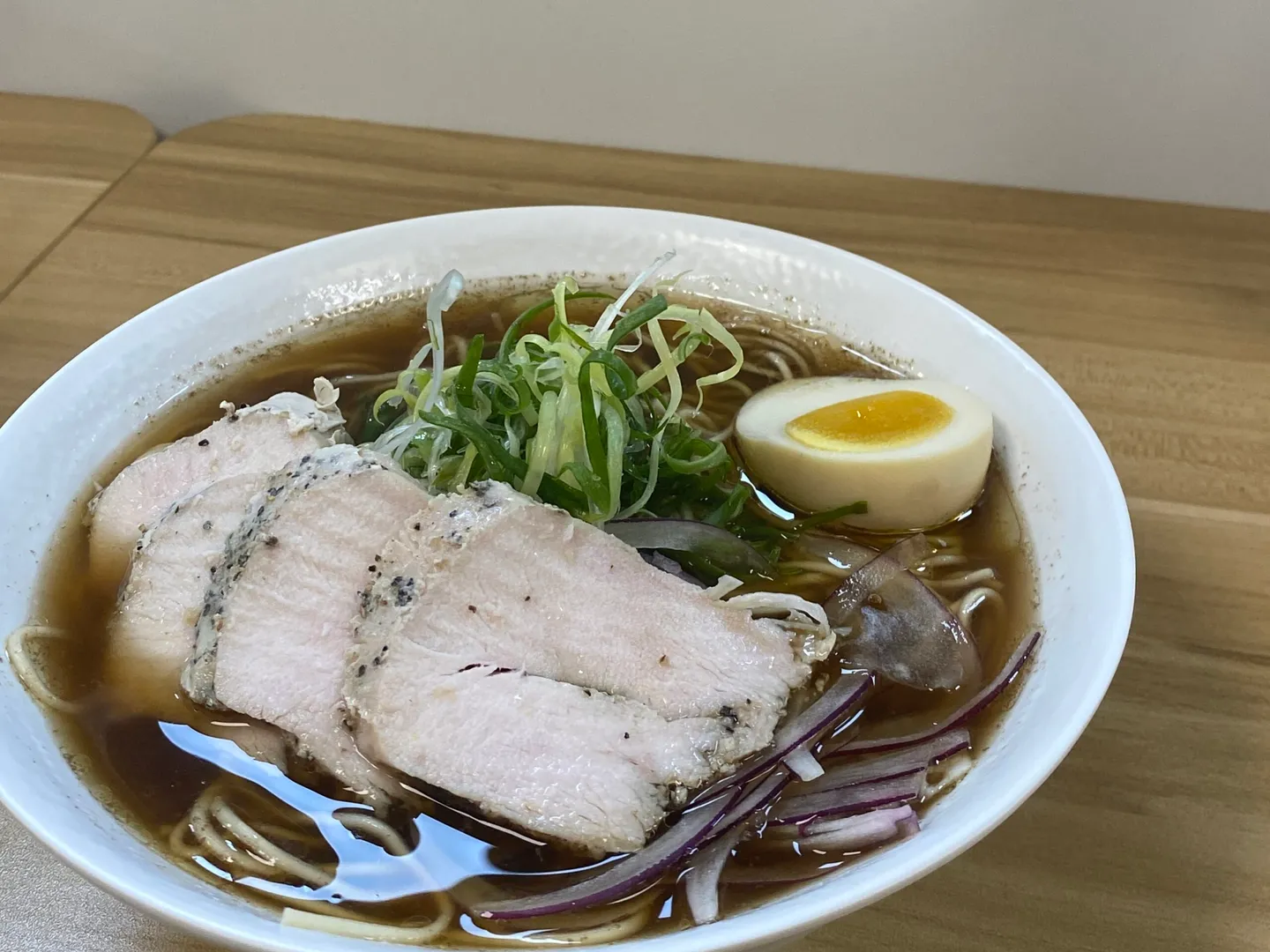
The house specialty is lamb ramen — wonderfully aromatic. The Editor went for the chicken ramen, and the meat was incredibly tender.
Yanyin Brunch (燕吟早午餐)
- Address: No. 29, Hongtou Village, Orchid Island Township, Taitung County
- Hours: 06:00–14:00
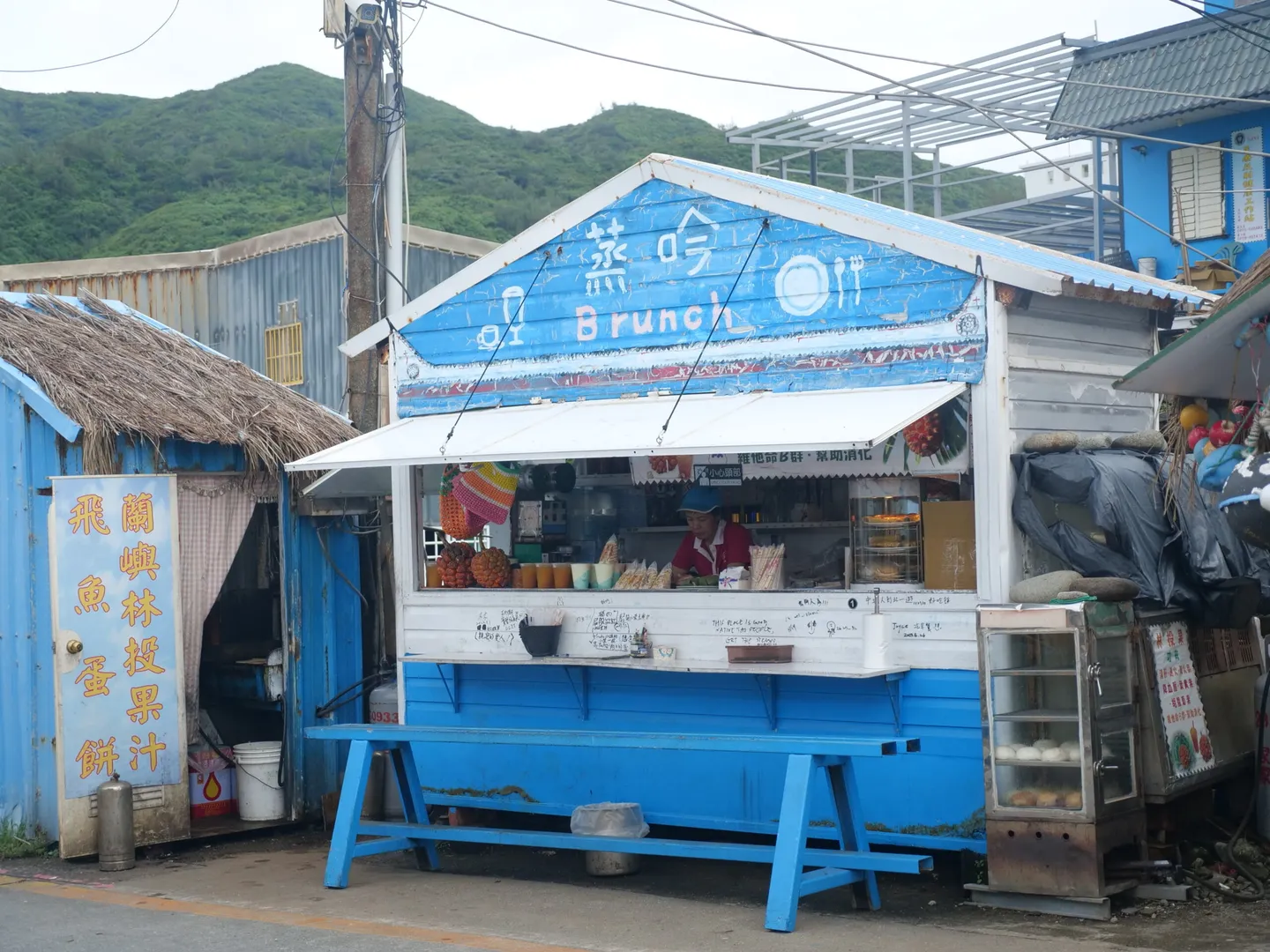
An adorable little spot with a menu that covers all the bases — toast, egg crepes, steamed buns, all available in flying fish flavour. Highly recommended.
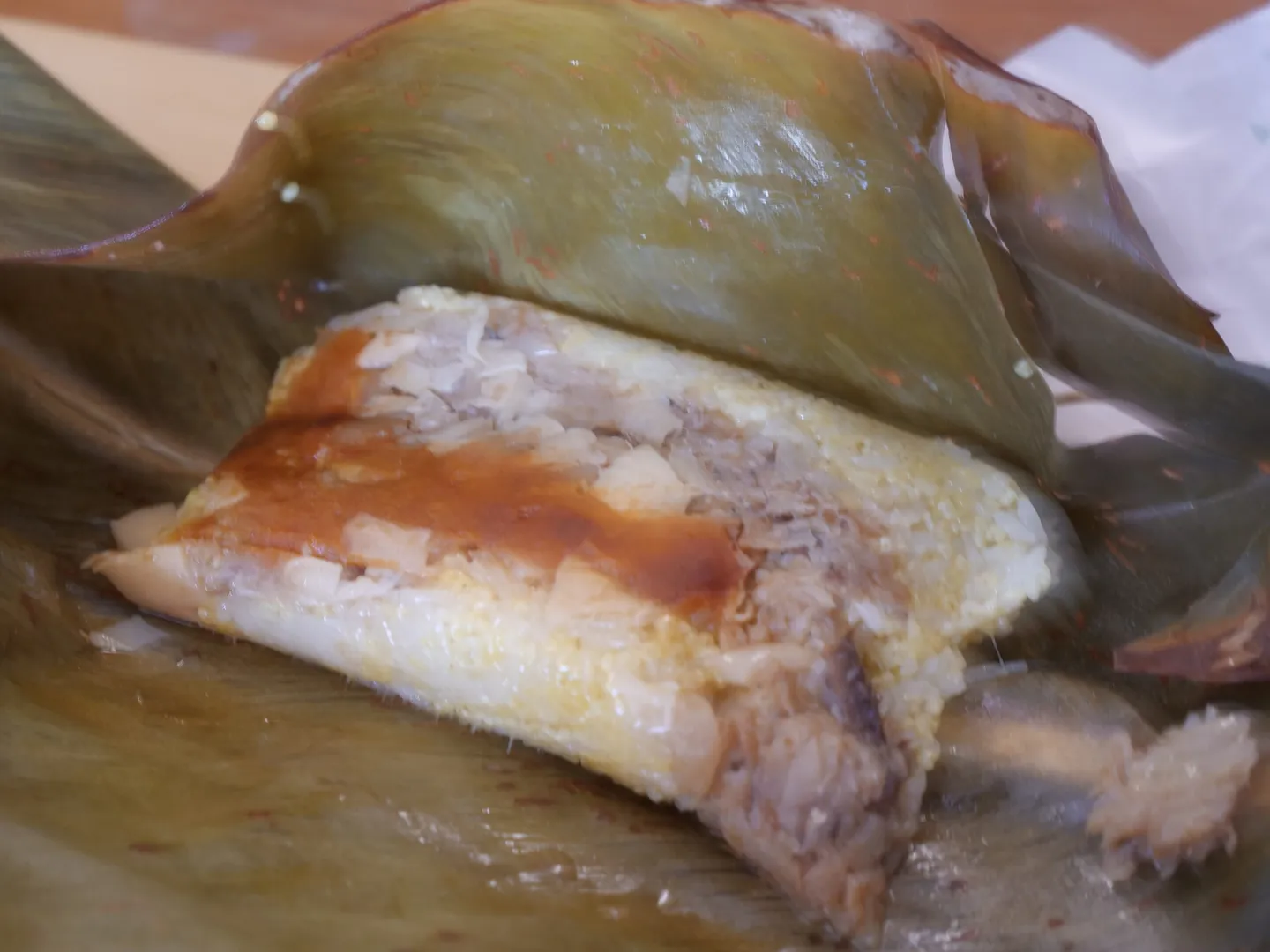
Filled with flying fish meat, dried bamboo shoots, glutinous rice, and millet, then wrapped in shell ginger leaves and steamed — the shell ginger leaf parcel was the Editor's absolute favourite of the whole trip!
Wenwen Taro Ice (雯雯芋頭冰)
- Address: No. 20, Hongtou Village, Orchid Island Township, Taitung County
- Hours: 09:00–20:00 (closed Wednesdays)
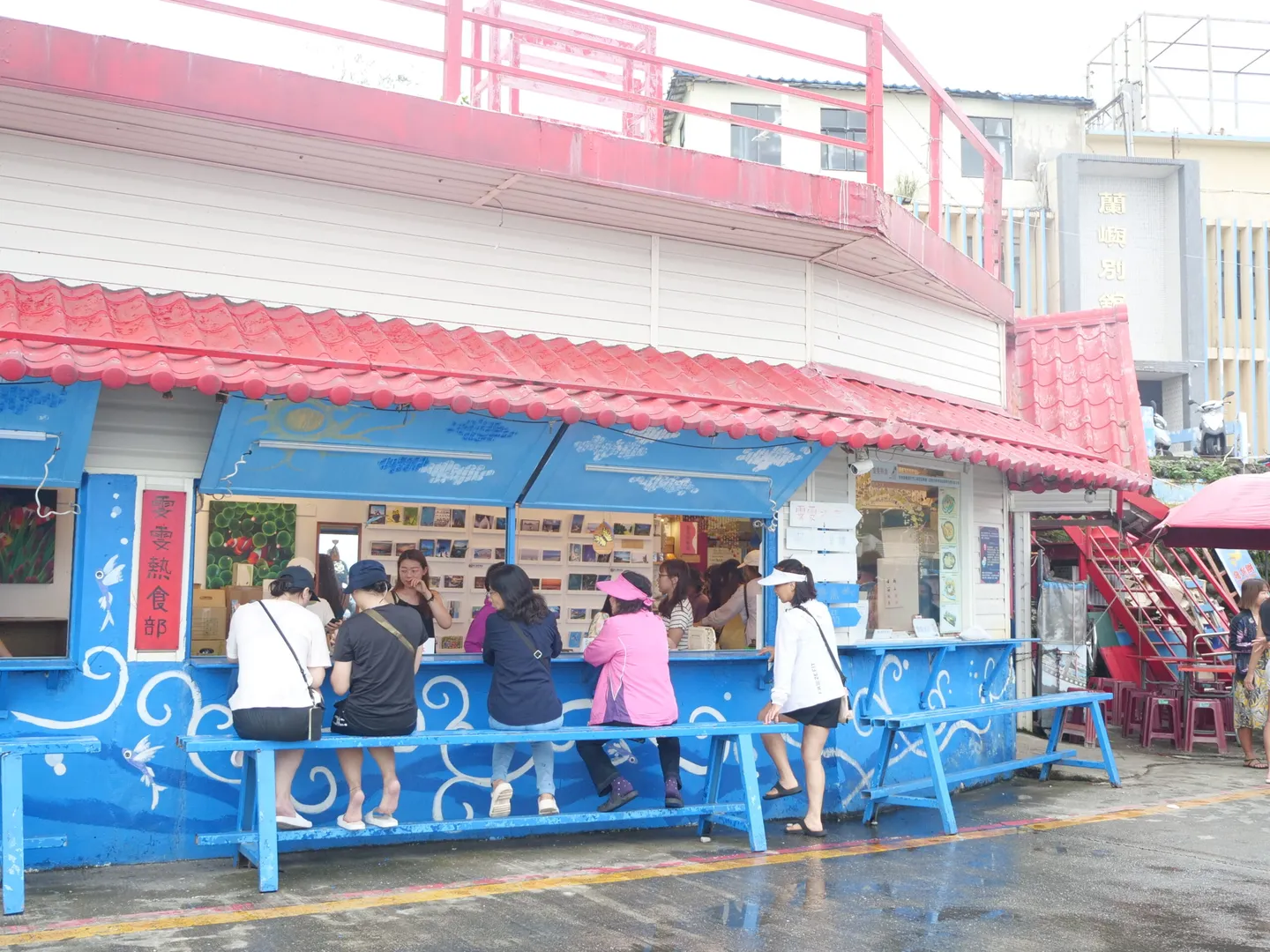
Available for dine-in or takeaway — dine-in orders are served in stainless steel eco-friendly bowls.
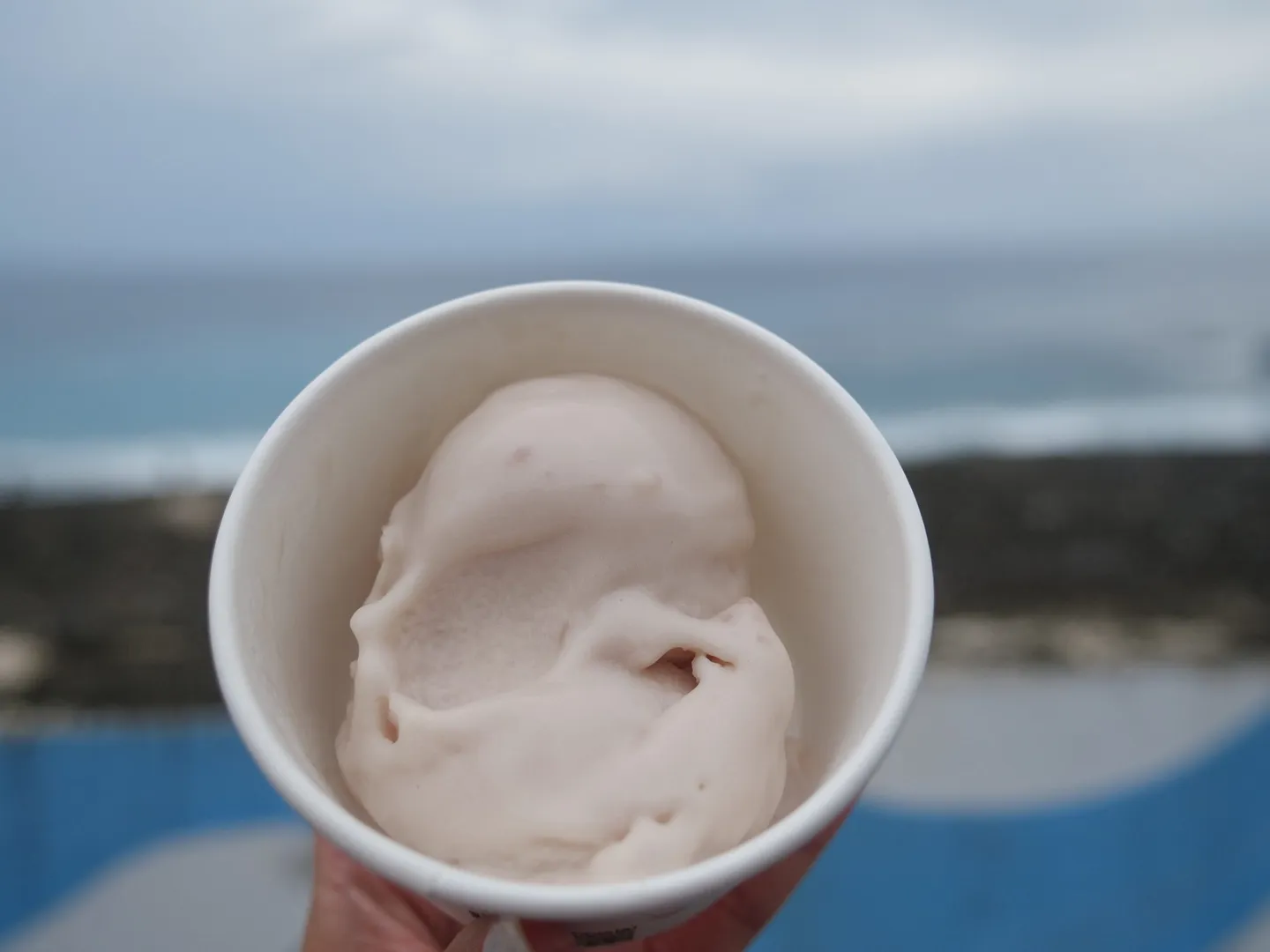
Silky, fragrant taro ice that kept the Editor coming back for more!
Oooops! Kitchen Grilled Rice Balls
- Address: Hongtou Village, across from the Butterfly Orchid Restaurant and Ji Shoochang Pavilion
- Hours: 11:00–17:30 or until sold out (closed Tuesdays)
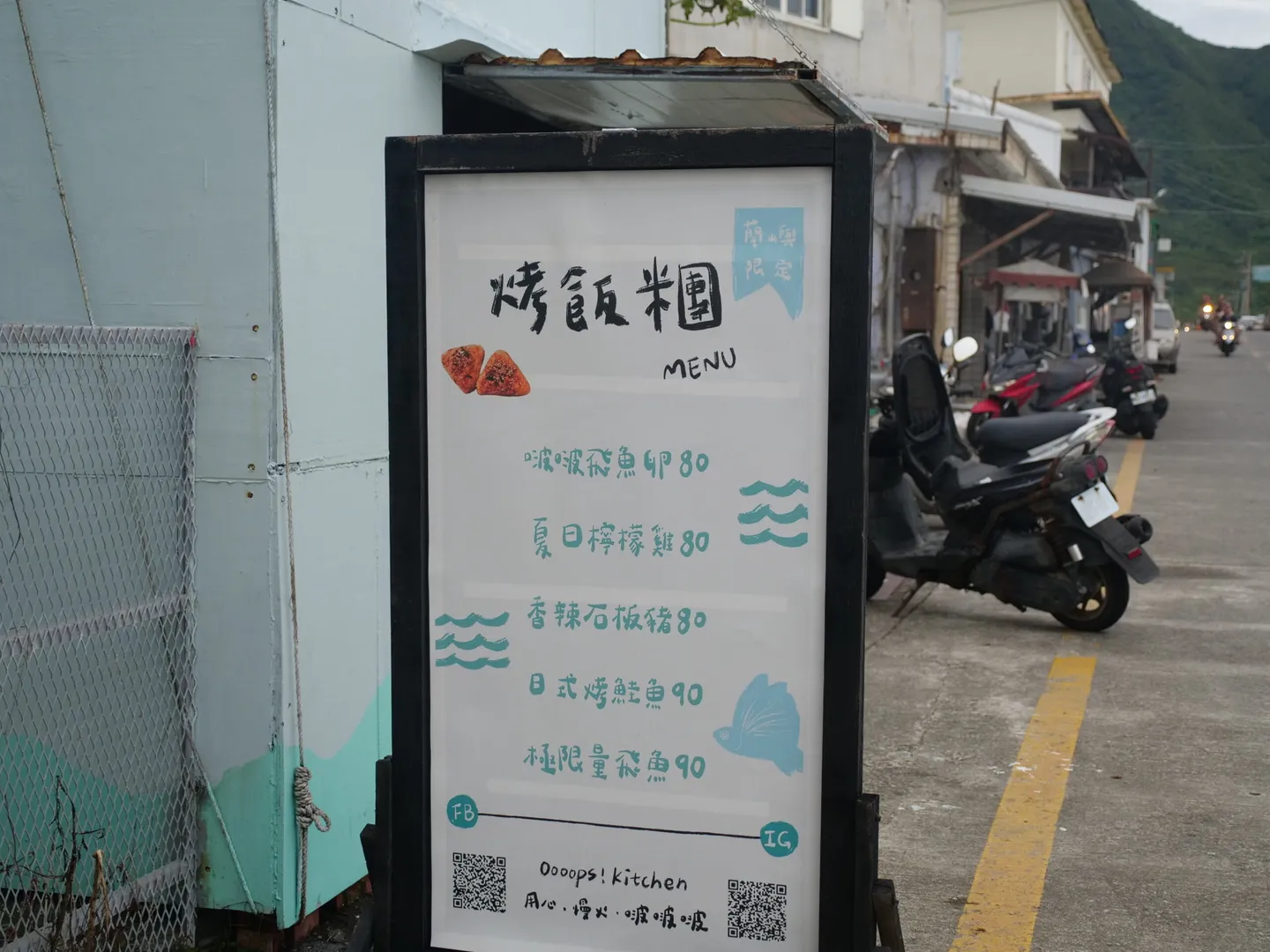
A happy accident discovered while wandering around — the summer lemon chicken is a must-try. The tangy-sweet chicken paired with the savory-sweet Japanese-style rice ball is a perfect combination that whets the appetite.
The Editor Steals a Moment — Land Sightseeing on Orchid Island
Having come all this way to Orchid Island, it would be a shame to only see what's beneath the surface. The island's scenery above water is equally breathtaking — so while everyone else settled in to rest after meals, the Editor snuck out for a scooter ride to explore this beautiful little island!
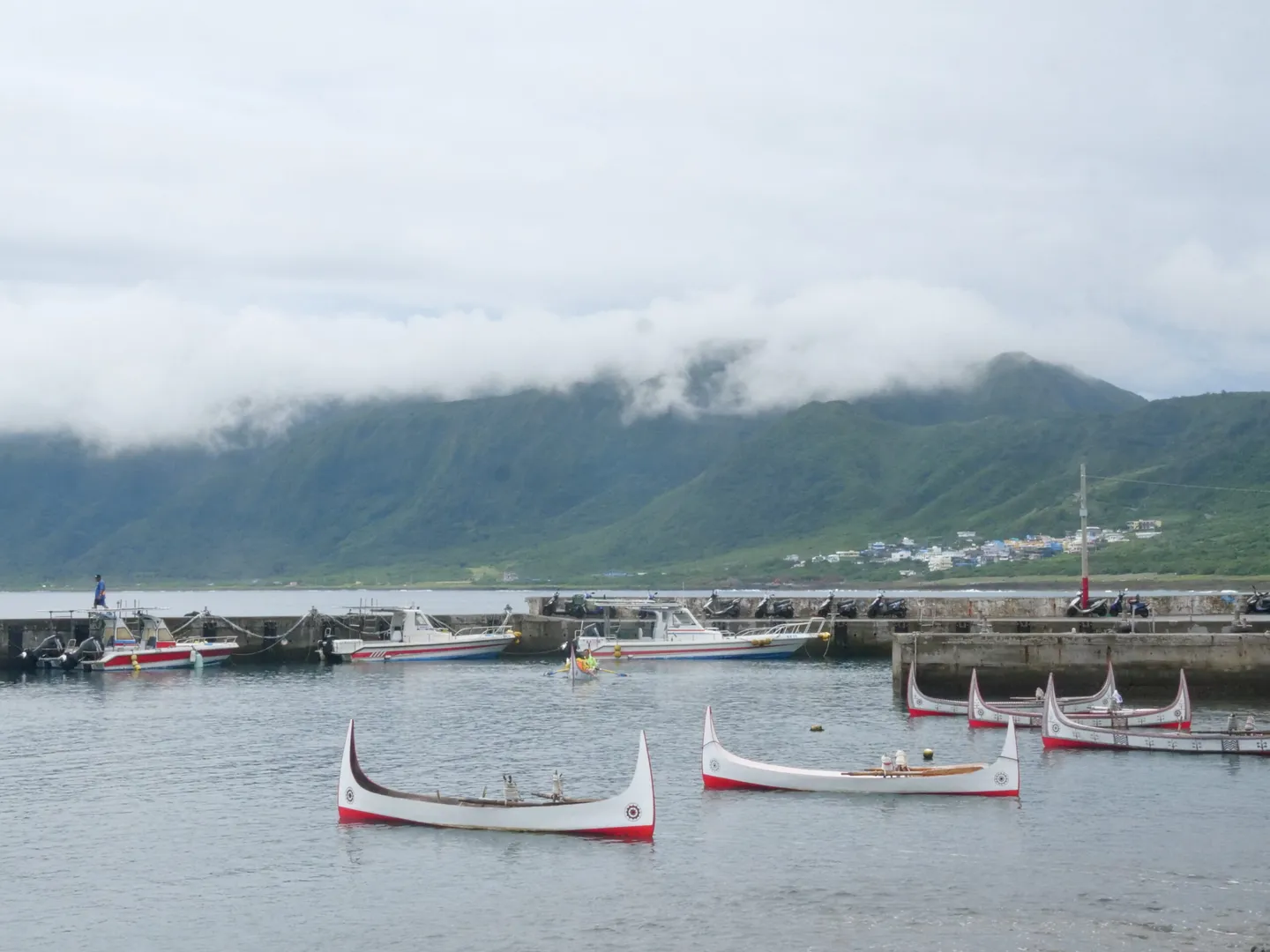
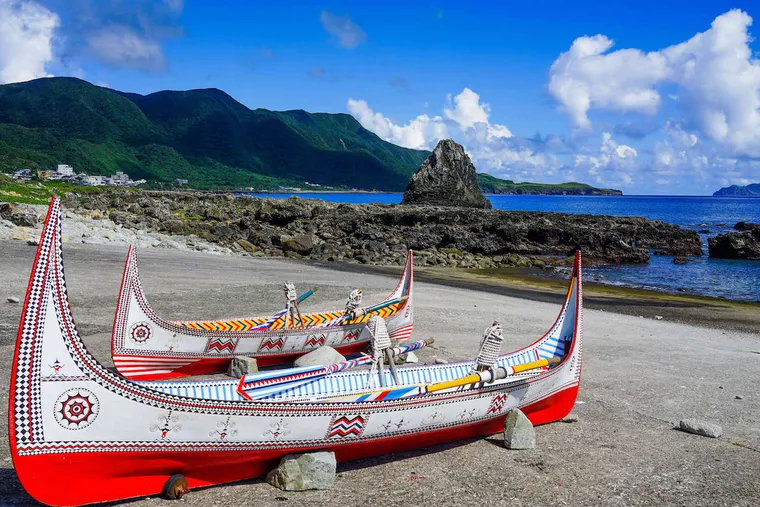
If you photograph the traditional canoes, it's advisable to ask local residents first — never risk causing offence.
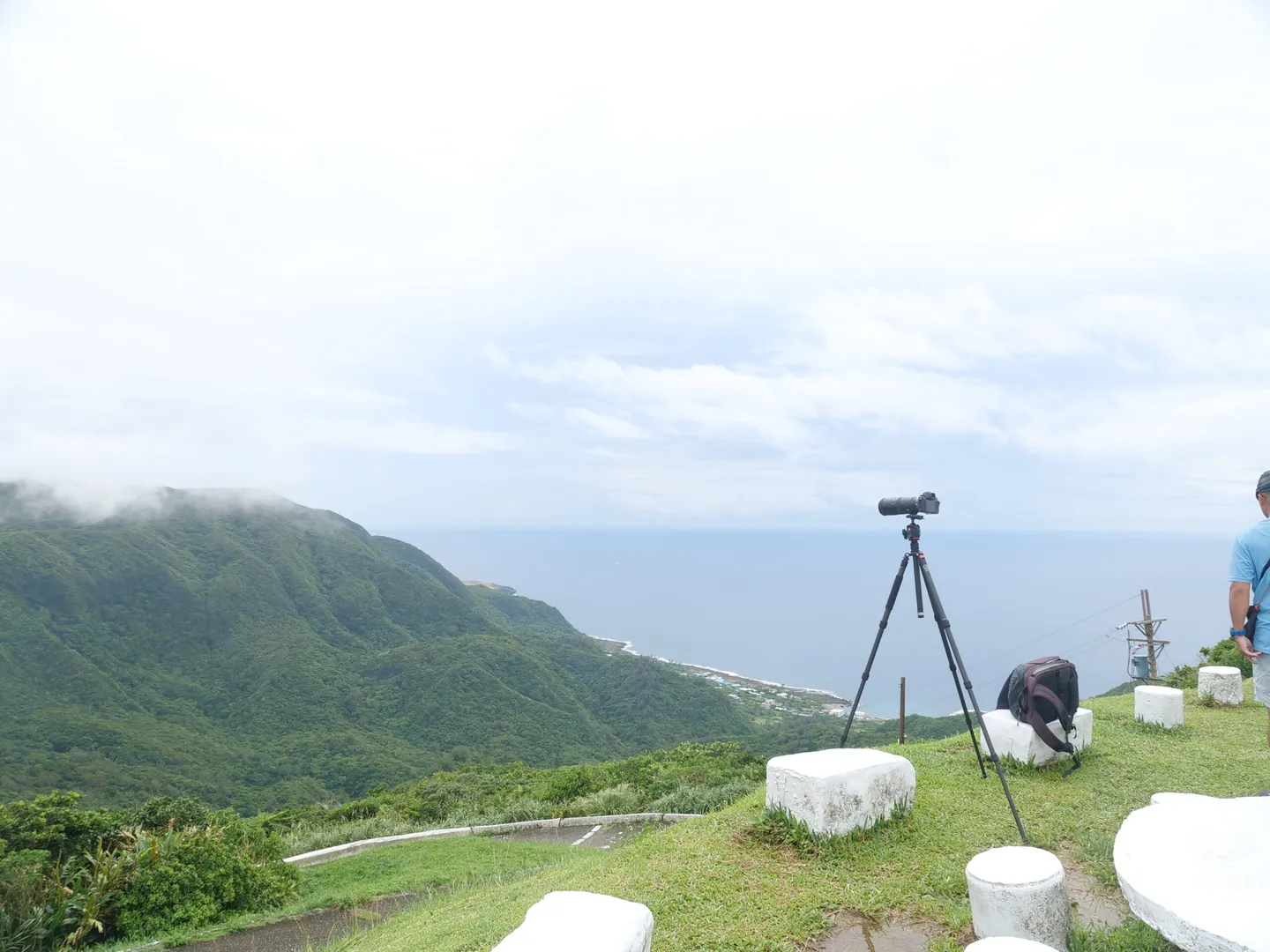
The view looking down from the Orchid Island Weather Station.
Due to its geographic location, Orchid Island was one of the key waypoints during the historic migration of peoples from Southeast Asia. The majority of residents today are indigenous Tao people. Its distance from the main island of Taiwan means the island has preserved much of its traditional architecture, culture, and natural character to this day. Whether underwater or on land, every depth and angle here offers something unique and enchanting. Follow the Editor on a scenic ride around the island!
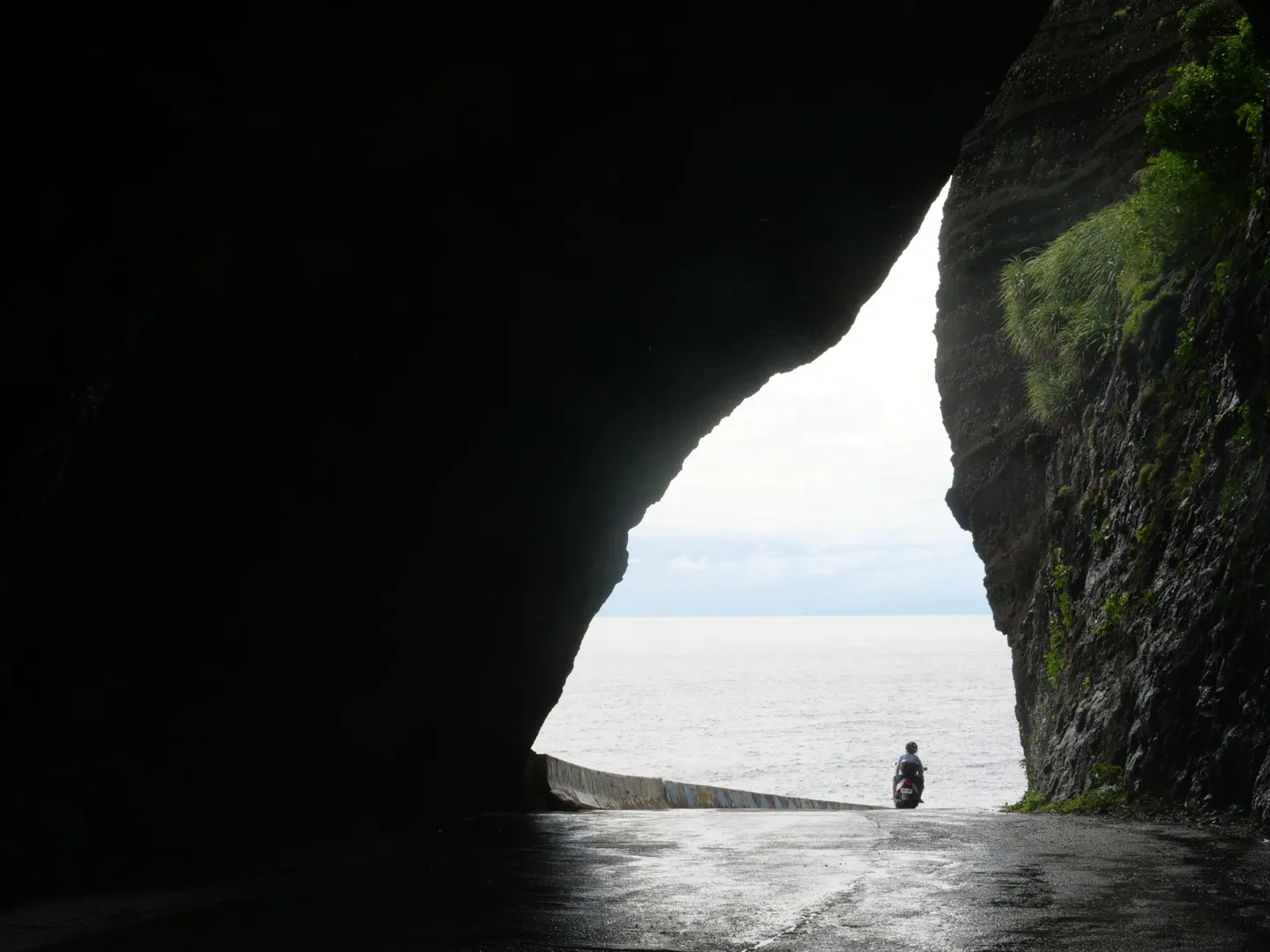
A popular photo spot: a channel-like formation carved from natural rock walls — silhouette shots here are stunning.
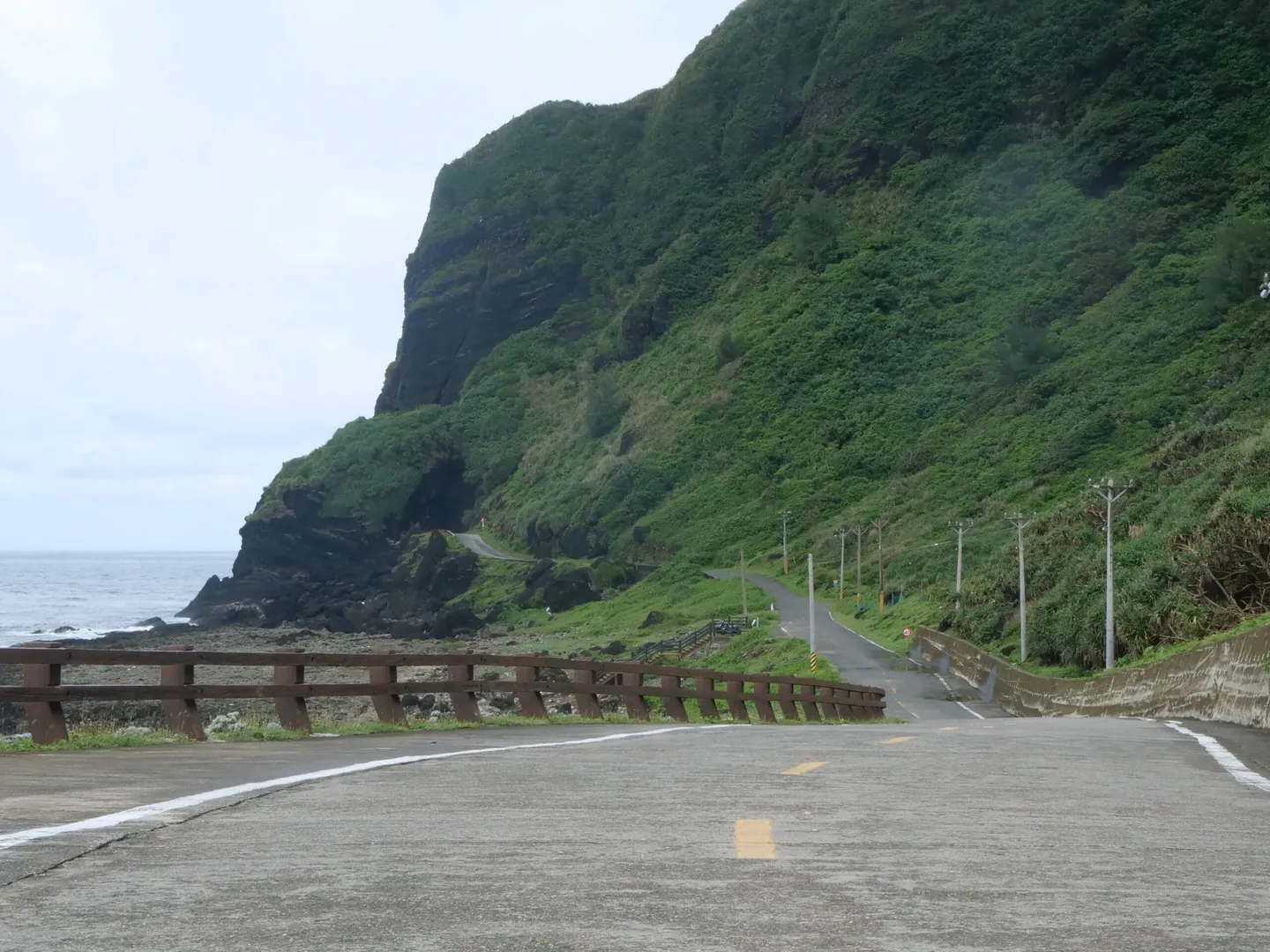
This stretch of road is one of the Editor's favourite views — a long highway leading into a mysterious tunnel through the mountain.
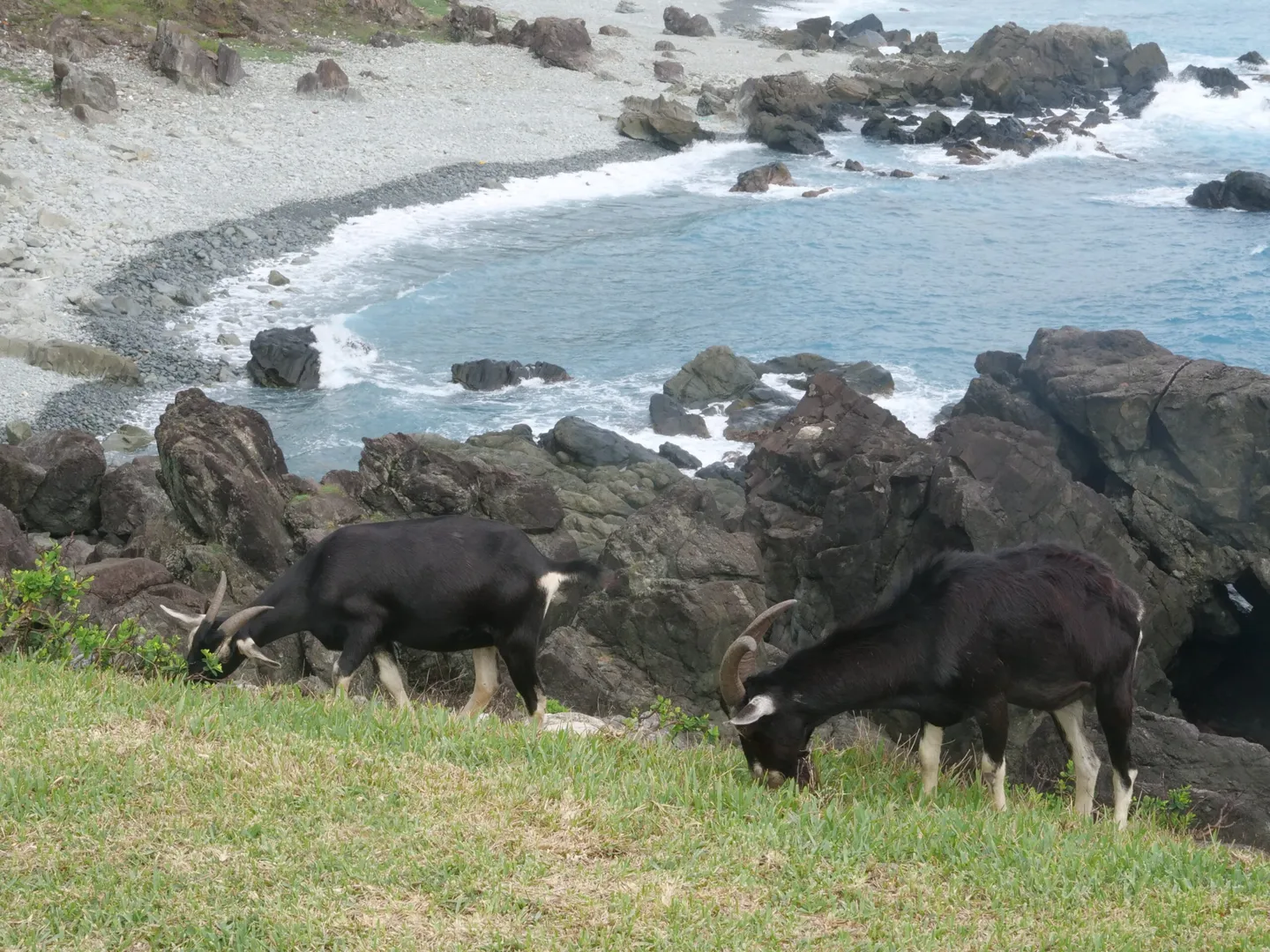
Goats grazing by the roadside are a common sight on Orchid Island — sometimes you even have to wait for them to cross.
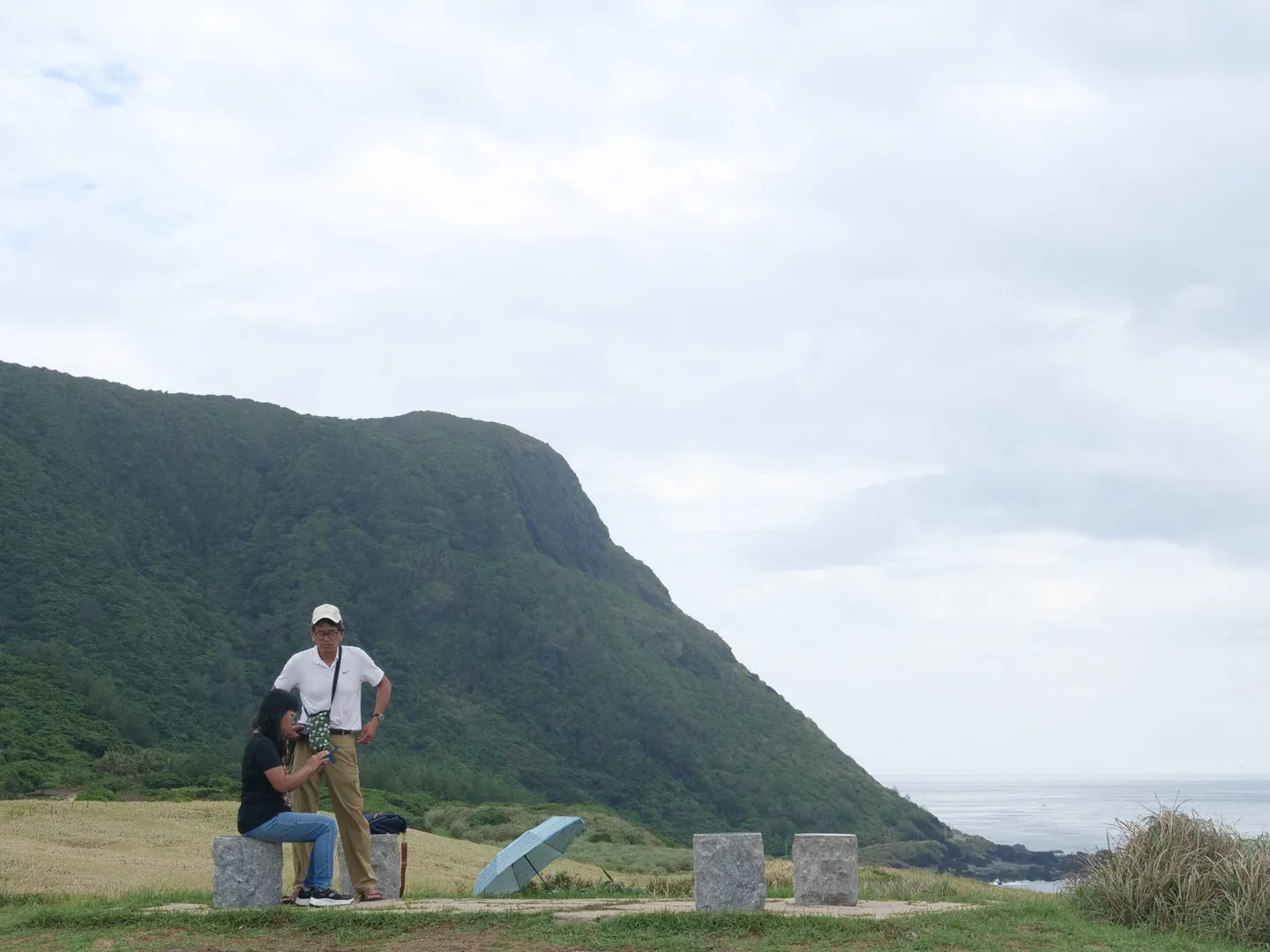
Qingqing Grassland is the best spot on Orchid Island to watch the sunset — unfortunately, during the Editor's visit the cloud cover was too thick for a proper view.
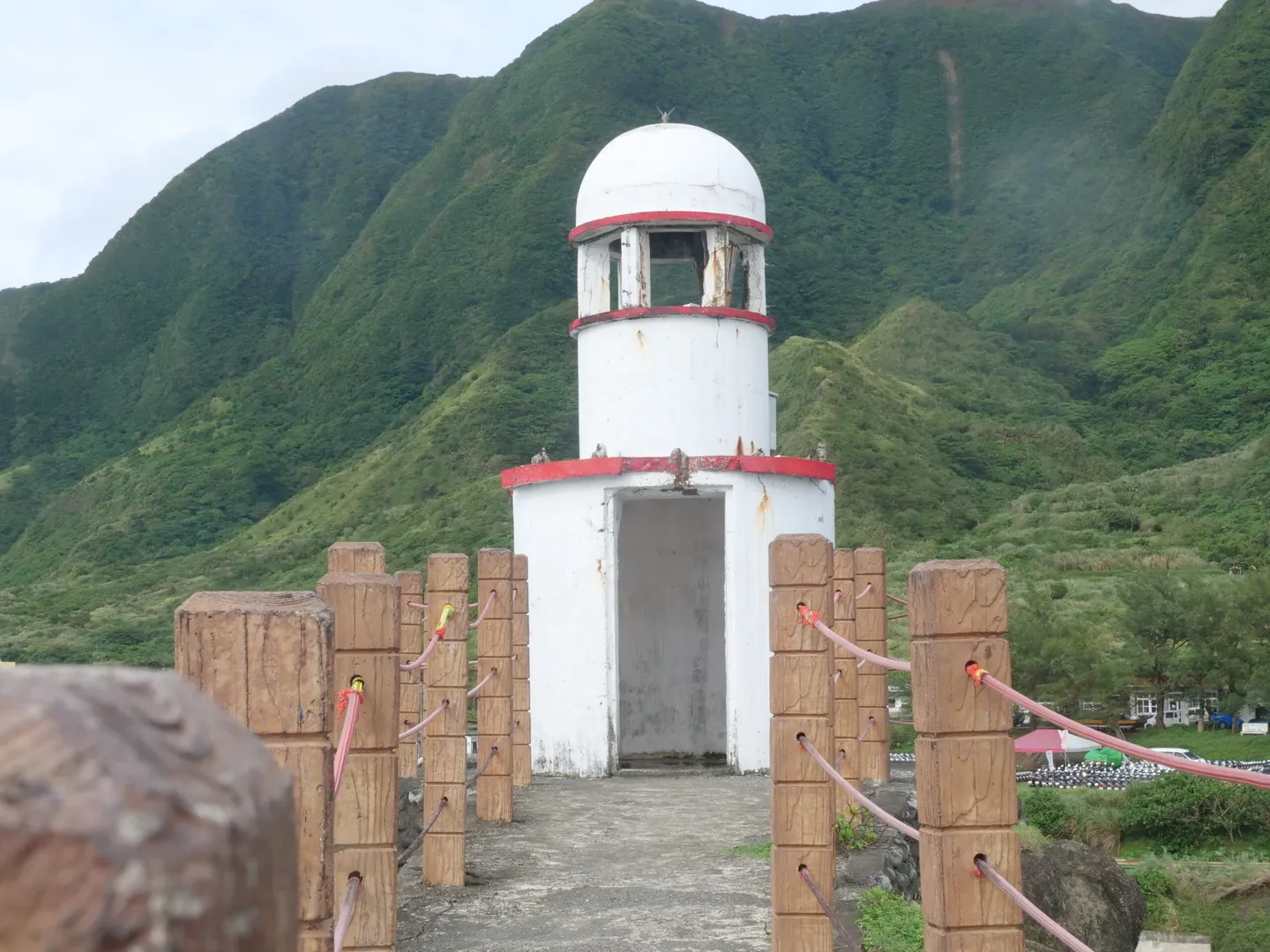
The old Orchid Island Lighthouse, located behind the gas station by the port — no longer in service.
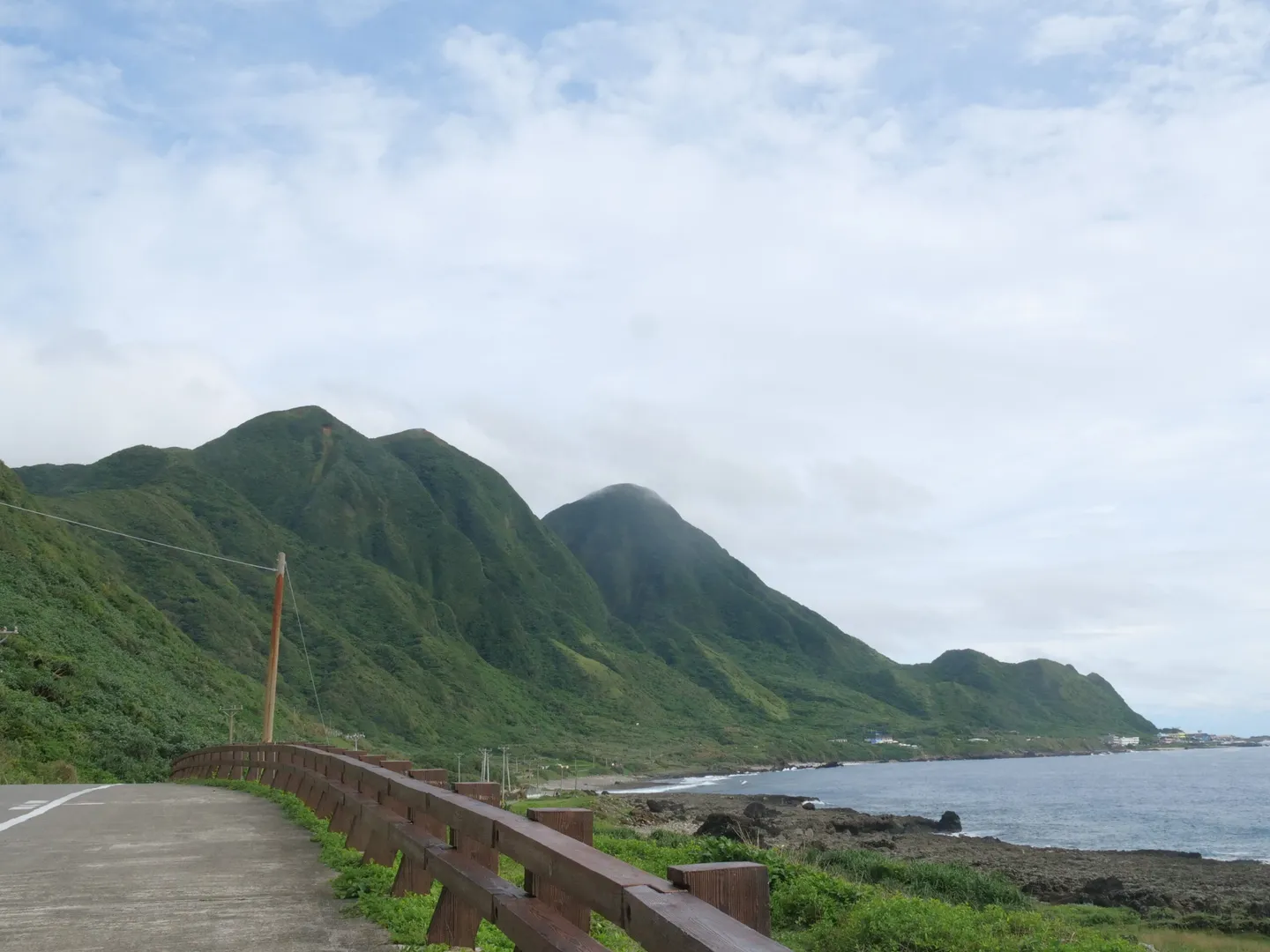
The rolling mountain ridges of Orchid Island are an impressive sight.
The circumferential road around the island is approximately 36 km — a full loop by scooter takes about 1.5 to 2 hours without stopping. Orchid Island has 6 villages in total: Yeyou, Hongtou, Yuren, Yiyin, Dongqing, and Langdao, divided into 4 administrative districts: Yeyou, Hongtou, Langdao, and Dongqing Village. The villages are spread out from one another. Of note, the island's beloved 7-11 convenience stores number only two — one at Kaiyuan Port, one at Dongqing Bay. (Pro tip: the Editor also recommends the local farmers' association supermarket, the Ocean Supermarket, and local general stores, as prices tend to be lower than at the convenience store.) Before heading out, check which shops and stores are near you, and pay close attention to opening hours!
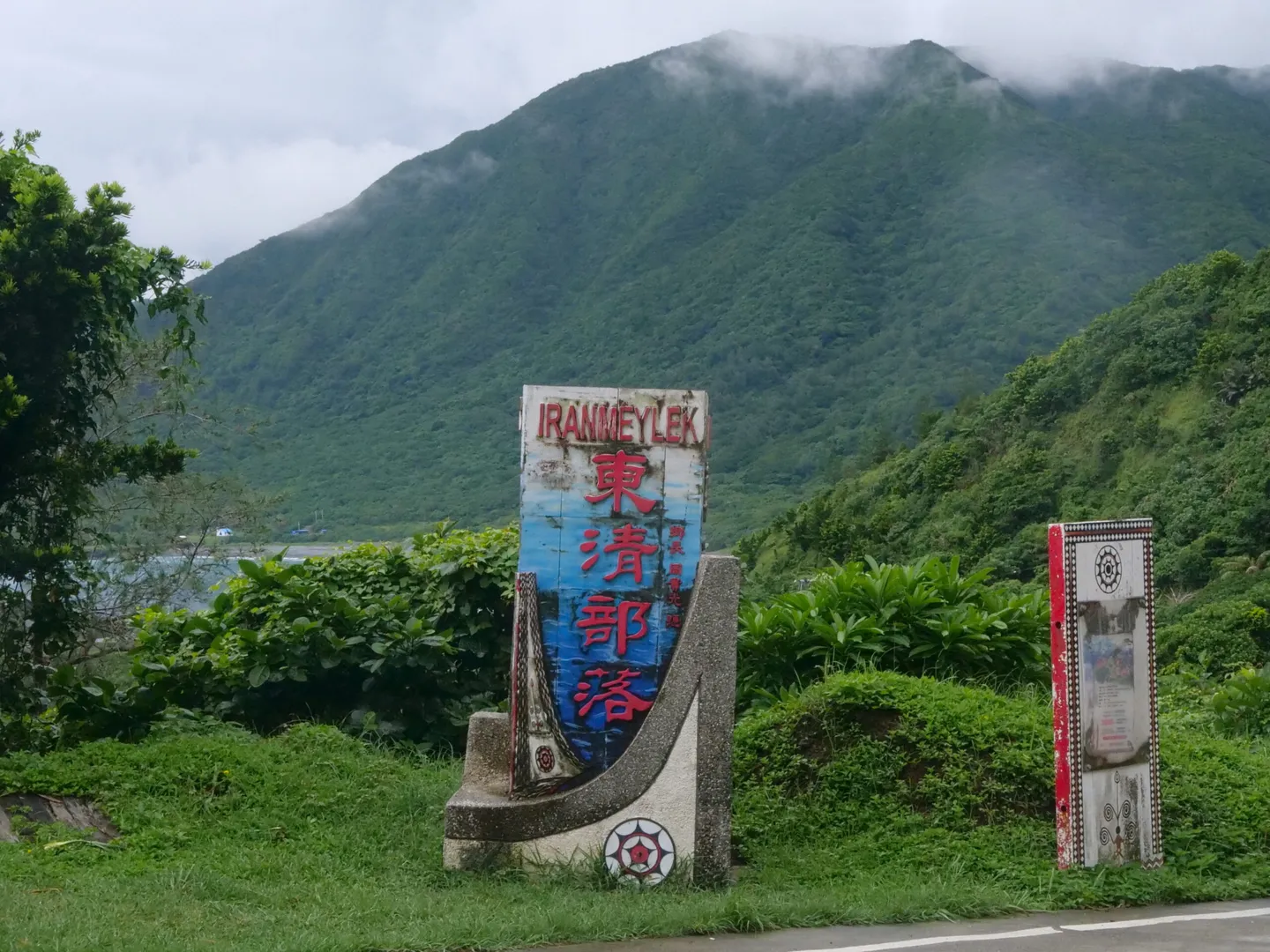
Each village has its own entrance sign, rich with local cultural character.
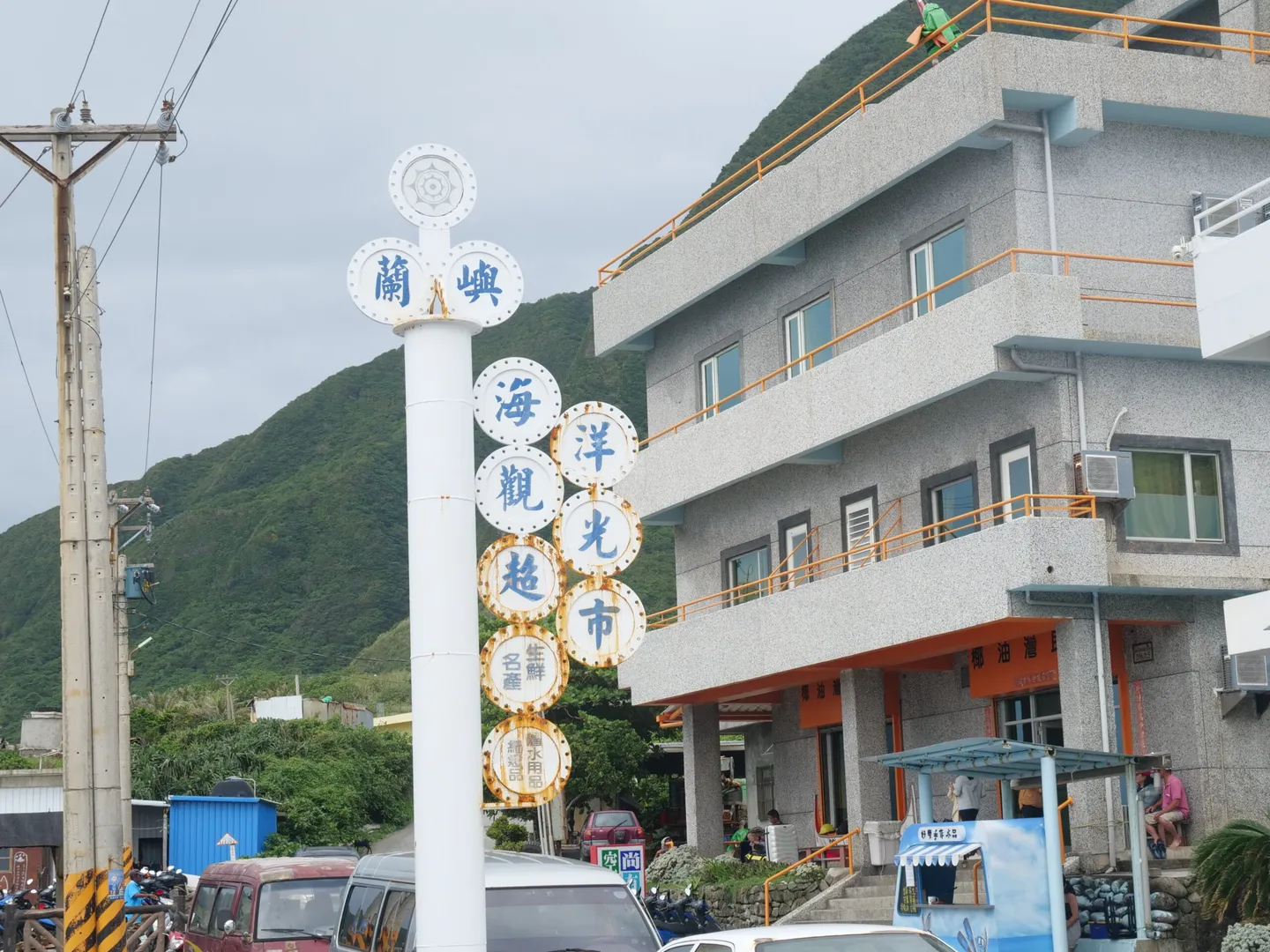
The Ocean Supermarket near Kaiyuan Port stocks almost everything you could need, and prices are lower than the convenience store.
Where to Stay on Orchid Island?
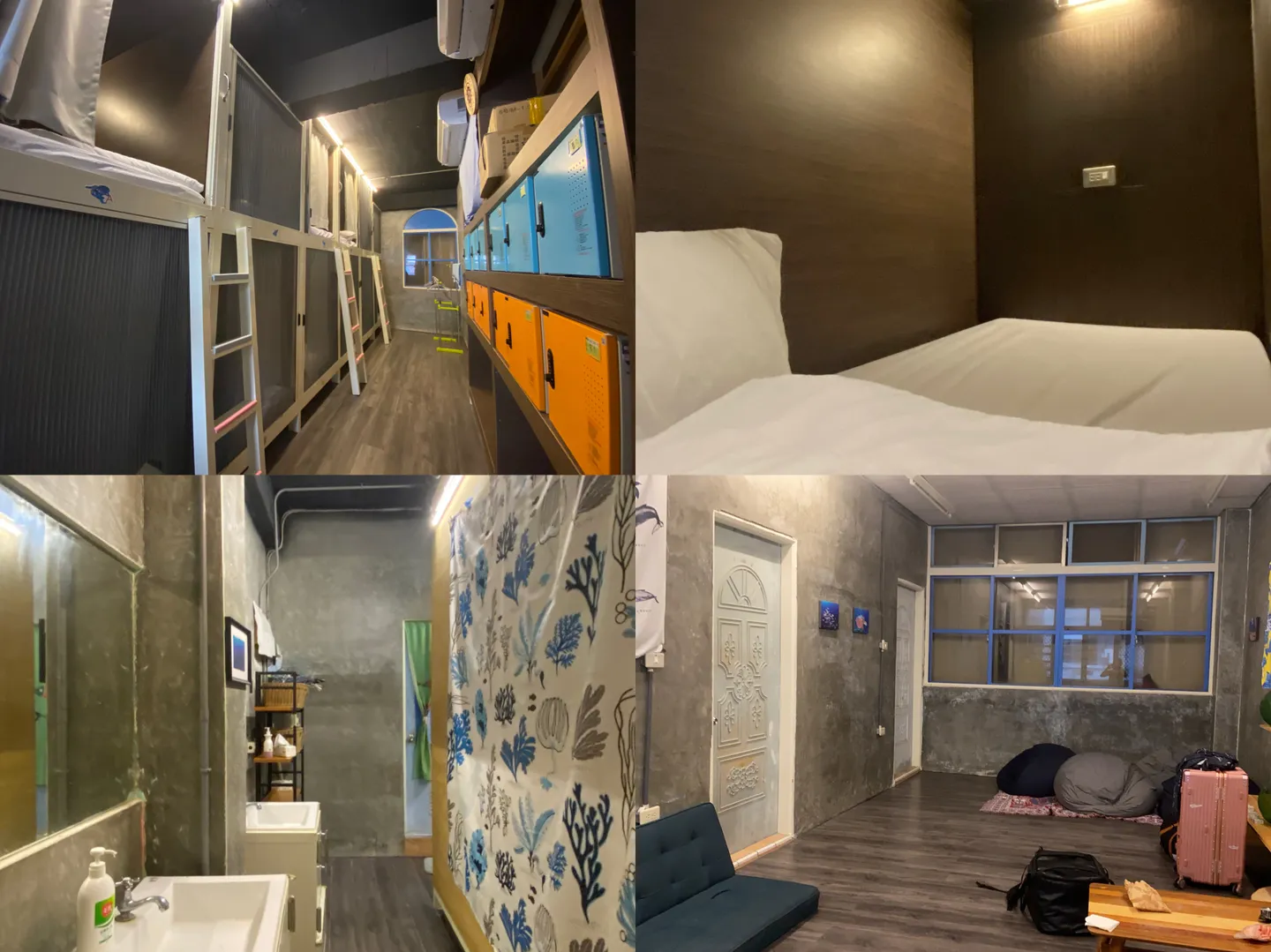
For this trip, the Editor stayed at the Blue Ocean House Resort's four-person wooden cabin in Hongtou Village. The room fits four single beds, with space outside to hang gear and dry swimwear, and it's just a short walk downstairs to the dive shop.
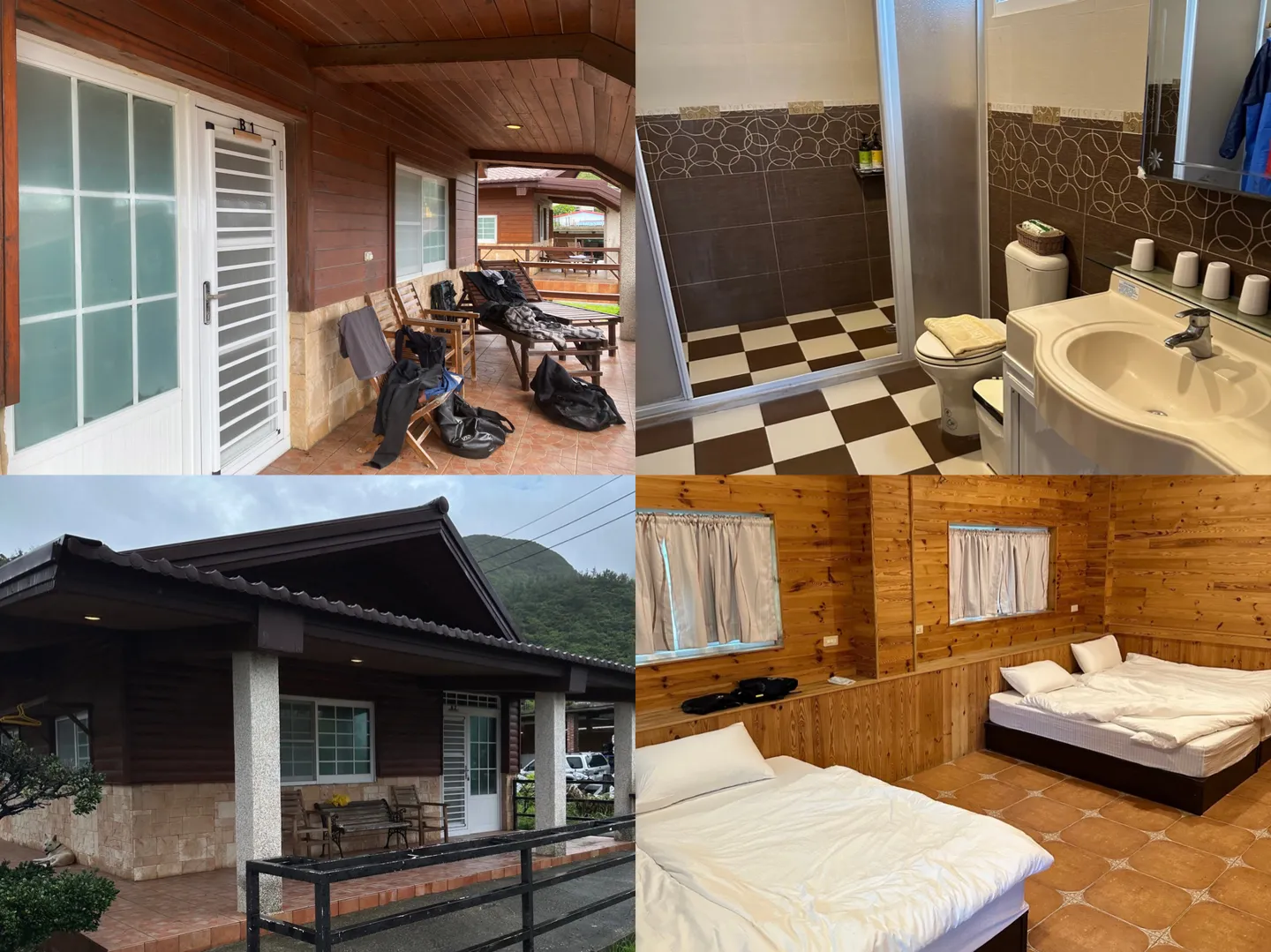
Solo travelers, don't worry — the Editor also stayed at a hostel this trip: Single Blue (單藍). The dorm sleeps 12, with two bathrooms, two washbasins, individual lockable storage for each guest, generously sized bunks, and comfortable mattresses. Best of all, there's a comfortable common room — a perfect place to decompress, post on social media, and get to know fellow travelers from all over after a dive.
Although the journey to Orchid Island is long, once you've witnessed the spectacular underwater scenery, the breathtaking landscapes above water, and the warmth of the local people — every bit of effort feels completely worthwhile.
Further reading:
- 【Diving with Master Datu】Three Steps to Reading the Windy App for Dive Conditions — No Expert Required
- Outdoor Enthusiasts Must Read Before Getting in the Water! 3 Essential Principles for Water Activities
- Is Your Boat Dive Group Safe? These Types of Vessels Put You at High Risk — Essential Reading for Dive Shops and Dive Instructors
- 『Diving Taiwan』Stepping onto Taiwan's Last Pristine Frontier — Orchid Island, the Island of People
- Overview of Taiwan's Diving Environments — Outlying Islands Edition
Frequently Asked Questions
How is a BlueTrend dive trip different from an unknown, no-name dive group?
Choosing us means full peace-of-mind protection and a smooth experience from start to finish. Every trip we run holds to three things.
First, full legal protection and a professional dive leader: we strictly follow Taiwan's travel regulations and provide complete travel-agency liability insurance, travel insurance, trip-inconvenience insurance and dive insurance. Every group is accompanied by a certified, foreign-language dive leader who joins you on both the dives and the land itinerary, liaising seamlessly with local dive shops and operators on your behalf to keep things running smoothly — the person our travellers trust most.
Second, fully licensed with secure payments: every payment goes into a licensed travel agency's account, with multiple safe payment channels (bank transfer, credit card and more) and a legal collect-and-remit receipt, so every transaction is open, transparent and protected, avoiding the fraud and dispute risks of transferring money privately to an individual.
Third, hand-picked quality we vet in person: every trip, dive site and partner shop is scouted on the ground by our own team, from the guides' professionalism and safety standards to the food, lodging, environment and service details on land, all vetted by us so you don't get caught out.
I want to sign up for a dive trip. Are there certification-level or logged-dive requirements?
Each dive site is different, so the entry bar varies. 'Bali Tulamben', for instance, is relatively beginner-friendly. 'Malapascua in the Philippines' is also beginner-friendly, but since thresher sharks tend to cruise between 20 and 30 metres, we recommend AOW certification with 20+ logged dives to enjoy this trip comfortably. For 'the Maldives' or 'Palau', we suggest AOW with 50+ logged dives for a more relaxed experience. If you're not sure whether your experience fits the trip you want, message us and our dive editors will assess it and help you find the trip you'll feel safest on.
Can I join if I'm signing up alone? How are rooms arranged?
Plenty of our travellers sign up solo! For rooms and beds, we prioritise pairing you with a same-gender traveller, and if you'd rather have your own space you can pay the difference to upgrade to a single room. For the diving, our professional leader will pair you with a suitable buddy, and with the happy vibe on our trips you'll quickly make a great group of dive friends. Many people sign up alone, make new friends, and end up organising the next trip together!
Does the trip fee include dive insurance, gear rental, taxes and instructor tips?
It depends on the trip, the destination's regulations and the local operators. Every BlueTrend dive trip has a detailed web page with a clear 'included / not included' list, transparent and with no hidden charges. All payments are collected by a licensed travel agency, with a standard-form contract for your protection.
I'm a new diver / haven't dived in a long time — will I fall behind the group?
Before you complete your booking, our team assesses a suitable trip based on your certification level and experience. Before departure, we strongly recommend taking time to refresh in Taiwan with an instructor, or a fun dive to get your feel back. On the trip itself, our professional dive leader groups and pairs everyone by experience, keeps a close eye underwater on travellers who need extra care, and steps in to help right away.
Will the photos and videos taken during the trip be shared with us?
During the dives, 'safety' is always the leader's top priority, so whenever it's suitable and safe the leader will capture great shots and record the best moments. During or after the trip, we compile a cloud album for all travellers to download, so you go home loaded with memories!
Besides your scheduled trips, can you arrange a private group charter or independent travel for me and my friends?
Absolutely! Besides group trips, we also arrange private group charters and independent travel. We can communicate, enquire and coordinate services with local operators based on your needs, saving you time and effort and taking the language barrier off your plate, to tailor the smoothest, most reassuring dive trip just for you. Contact our LINE support and our editors will arrange it for you!

![[Indonesia] Part 2: What to Do on the Neomi Cruise Premium Indonesia Liveaboard? Dugong, Hammerhead Shark & Sailfish Mega-Fauna Trip — An Exclusive Look at This Once-a-Year Transoceanic Itinerary](/_astro/%E6%88%AA%E5%9C%96-2023-10-31-00.13.58_132HxG.webp)