Contents(4)
The 10th Our Ocean Conference (OOC) was held from April 28 to 30, 2025, in Busan, South Korea, bringing together more than 2,000 delegates from over 100 countries, including representatives from governments, international organizations, NGOs, and the private sector.
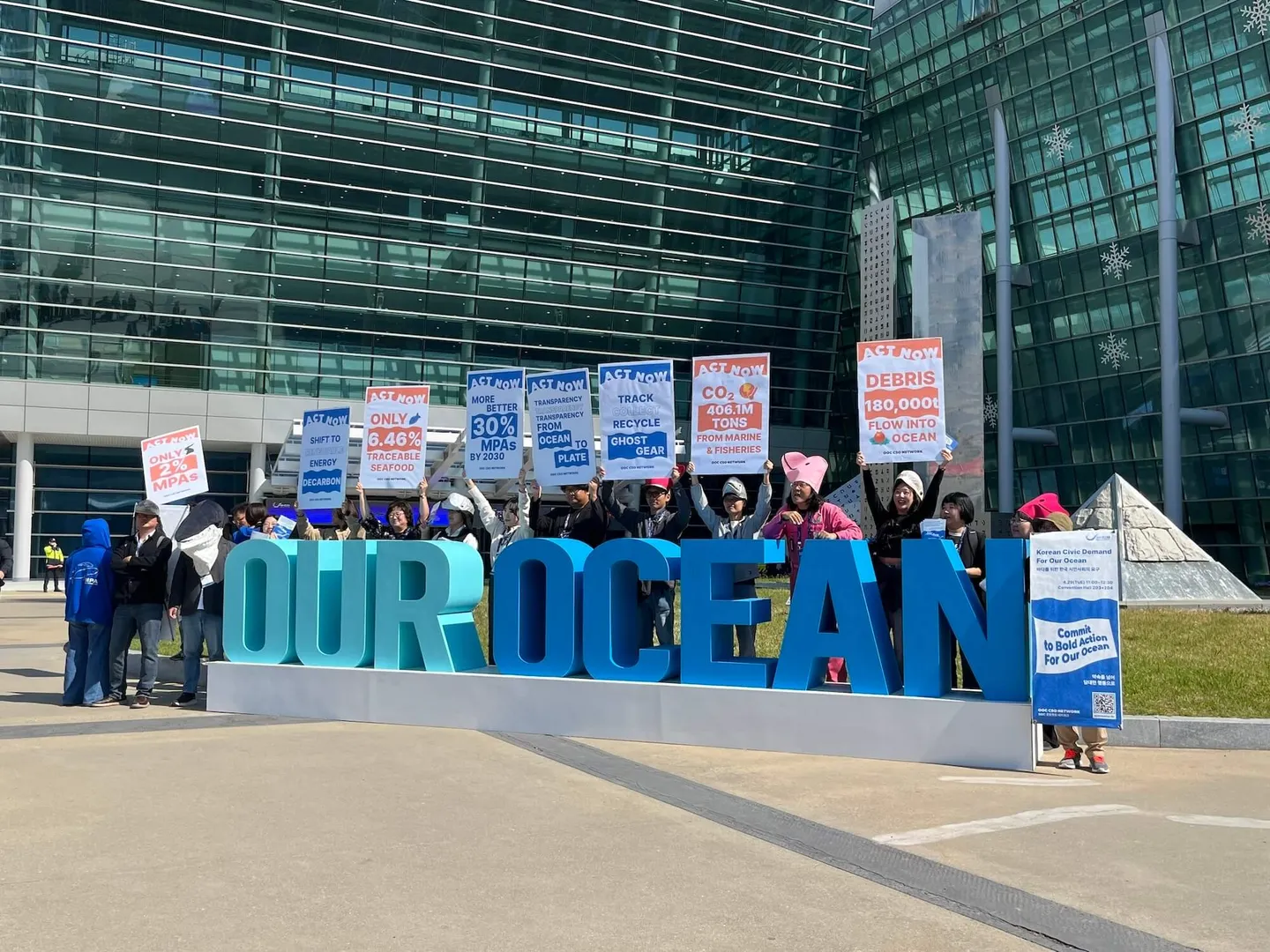
Figure 1: Local NGOs gathered outside the venue to call on the South Korean government to take formal action.
A Ten-Year Milestone! OOC Drives Commitments and Funding
As OOC marked its tenth year, the World Resources Institute released a decade-long impact report on OOC. Highlights from the report include:
- Since its inaugural edition in 2014, OOC has become the world's leading forum on six key ocean action themes: marine protected areas (MPAs), sustainable fisheries, ocean pollution, climate change, maritime security, and the blue economy.
- From 2014 to 2024, the conference generated 2,618 action commitments, representing a combined funding value of US$160 billion.
- As of January 2025, OOC has substantively mobilized US$133.4 billion for ocean action, with 43% of commitments completed and 38% underway.
The report also specifically noted that OOC should continue to encourage greater participation from the private sector and academic institutions, and work to incorporate the needs and voices of the least developed countries, small island developing states, youth, women, Indigenous peoples, and local communities into its commitments and actions.
This year's conference theme was "Our Ocean, Our Action." South Korea additionally designated "Digital Ocean" as a seventh thematic area, reflecting the hope that digital technology can accelerate ocean action. The Korea Institute of Ocean Science and Technology (KIOST) also hosted a side event titled "Smart Ocean Data Applications: Toward a Sustainable Future," inviting experts from Japan, South Korea, and the Marshall Islands to share their experiences — including how Taiwan is leveraging technology to advance smart fisheries, marine conservation, and ocean recreation safety. Taiwan's technological leadership received enthusiastic recognition from the audience.
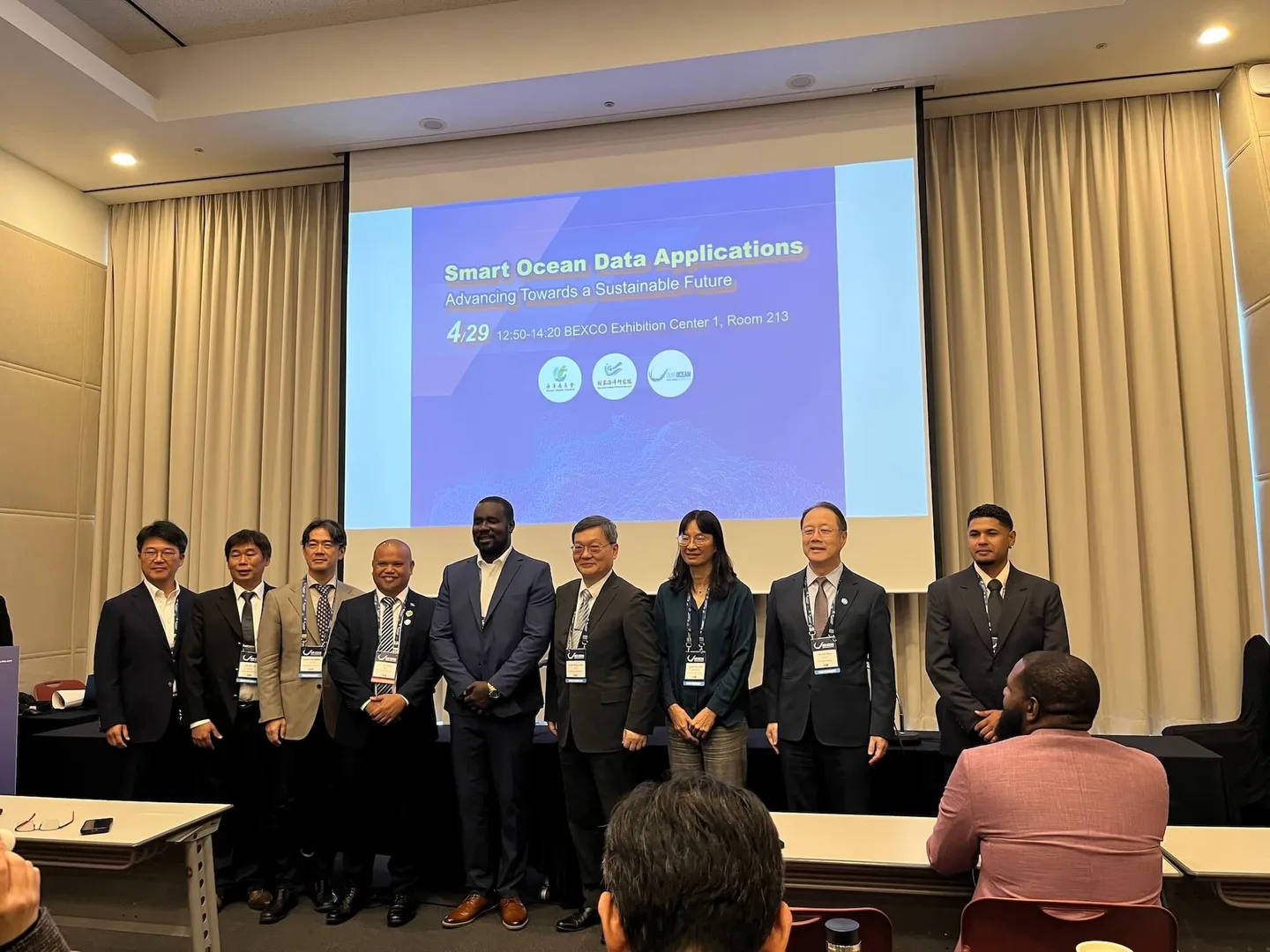
Figure 2: The Korea Institute of Ocean Science and Technology invited scholars from multiple countries to share how technology is driving marine conservation.
At the closing plenary, the organizers announced that this year's conference had generated 277 commitments totaling approximately US$9.1 billion, and officially passed the baton to the next host country: Kenya.
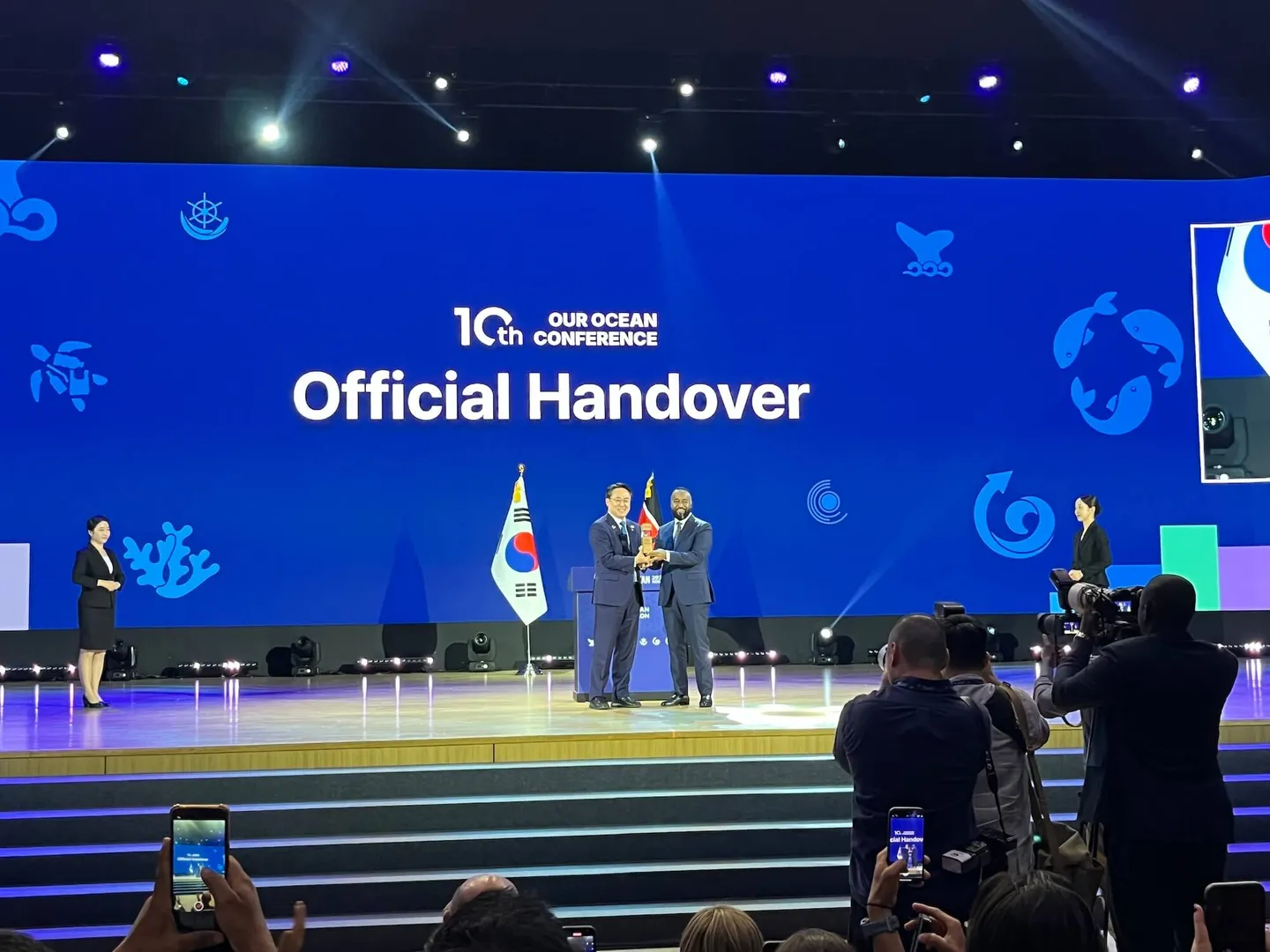
Figure 3: Before the closing ceremony, Kenya was officially announced as the next host country — marking the first time the conference will be held in Africa.


The Youth Forum: Running Alongside the Main Conference
Beyond the formal sessions inside the venue, another major highlight of OOC was the Our Ocean Youth Leadership Summit (OOYLS), held concurrently. The nonprofit Sustainable Ocean Alliance (SOA) has co-organized OOYLS alongside OOC for eight consecutive years; this year, it was also supported by South Korea's Ministry of Oceans and Fisheries and Korea Maritime and Ocean University. Forty global youth representatives from the SOA Ocean Leaders Fellowship (OLF) — 40 ocean youth leaders from 34 countries — participated in the summit. The author was honored to be selected from among 1,300 applicants to take part in this gathering.
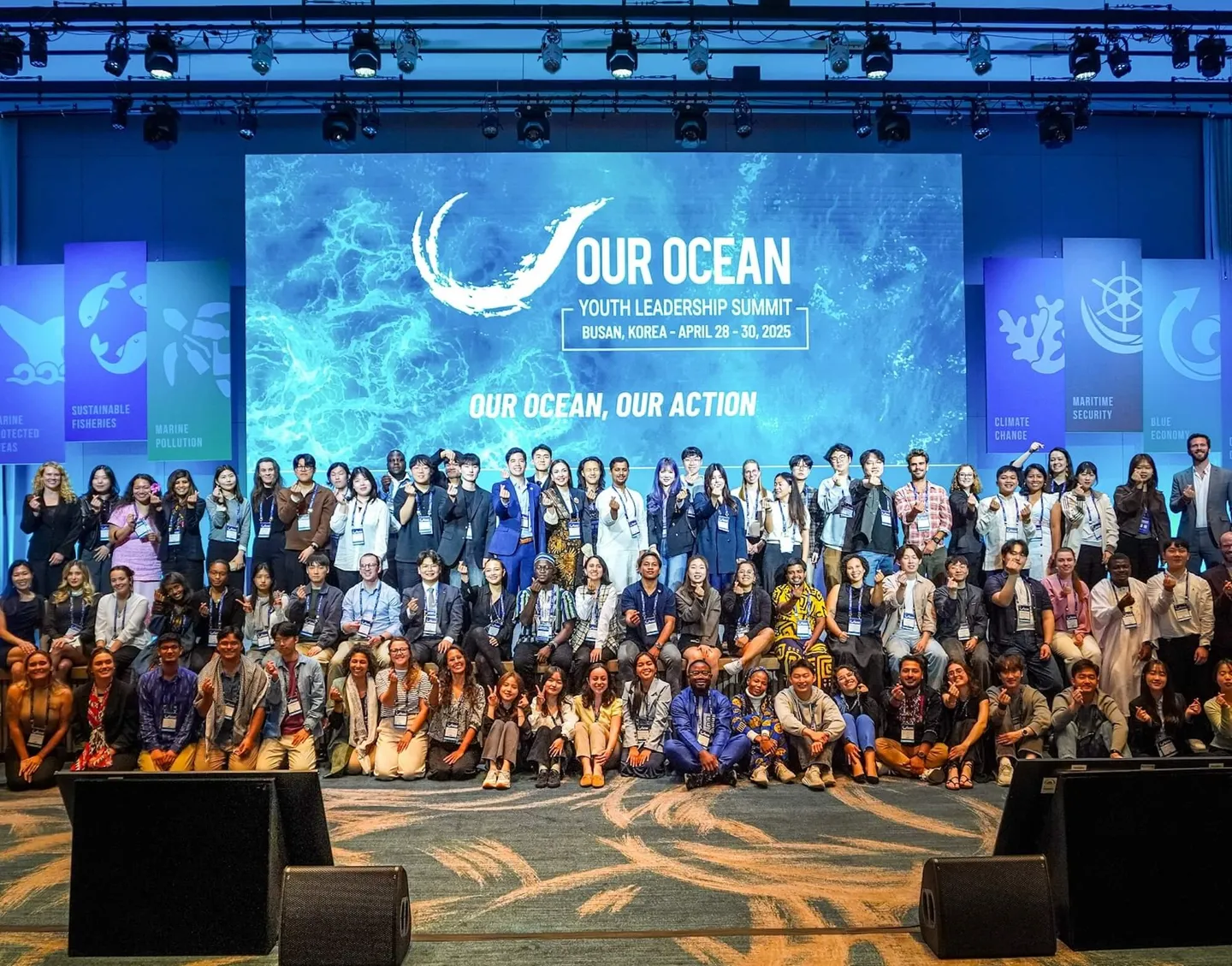
Figure 4: Group photo from OOYLS. (Photo credit: Sustainable Ocean Alliance)
In total, approximately 80 participants — including both global and Korean youth delegates — took part in OOYLS. In addition to visiting the largest maritime training vessel in Asia and engaging in cross-cultural exchange, the summit centered on capacity building and youth-led innovative solutions. The following is a summary of the demands youth expressed across the seven thematic areas:
Marine Protected Areas
- Strengthen the effective management of both existing and newly designated MPAs, and ensure meaningful participation by local communities in decision-making.
Sustainable Fisheries
- Build capacity and advance equitable action under frameworks that promote Gender Equality, Disability and Social Inclusion (GEDSI), and identify, empower, and protect small-scale fisheries — particularly those involving women and Indigenous communities.
- Strengthen monitoring, control, and enforcement against illegal, unreported and unregulated (IUU) fishing, and enhance transparency.
Ocean Pollution
- Raise awareness of false solutions (such as plastic offsetting and biodegradable plastics) that may exacerbate pollution and biodiversity loss.
- Urge governments to educate the public and promote genuine solutions to prevent ocean pollution — such as reducing single-use plastic production and improving waste management infrastructure at marine debris hotspots, particularly in the Global South.
- Support a global moratorium on deep-sea mining in areas beyond national jurisdiction until independent scientific assessments confirm that irreversible harm to marine ecosystems or ocean-dependent communities will not occur.
Climate Change
- Integrate ocean-based solutions into national climate policies by incorporating marine ecosystems such as mangroves, seagrasses, and kelp — along with innovative approaches — into Nationally Determined Contributions (NDCs), adaptation plans, and carbon markets.
- Continue funding youth- and women-led enterprises in fisheries, mariculture, and blue supply chains to build climate-resilient livelihoods.
Maritime Security
- Increase funding, technology, and training to improve detection and response capabilities for maritime threats.
- Establish clear accountability mechanisms to protect human rights at sea, advance the rights and welfare of migrant workers, and ensure that victims of maritime crime have access to justice.
Blue Economy
- Diversify assets and capital flows to expand opportunities for blue finance and public investment.
- Use blue bonds, biodiversity credits, and blended finance to advance ocean-climate solutions such as carbon capture, green energy, and sustainable fisheries.
Digital Ocean
- Create fundraising opportunities, incubators, and mentorship programs to support youth-driven digital ocean solutions.
- Build open ocean data systems — particularly for youth, researchers, and coastal communities in the Global South. Expand the use of satellites, sensors, and AI to track pollution, IUU fishing, marine biodiversity, and climate impacts.
During the closing ceremony, Ankur Shah — one of the ocean youth leaders — took the stage alongside Korean student representative Jang Jemin to present the highlights of the declaration under the theme "OUR HOPE: HOLISTIC OCEAN PLEDGE." The statement, developed through discussions among all 80 youth participants, powerfully conveyed the voice of youth. It will continue to be discussed and deepened by SOA-supported ocean youth leaders and shared again at the United Nations Ocean Conference.
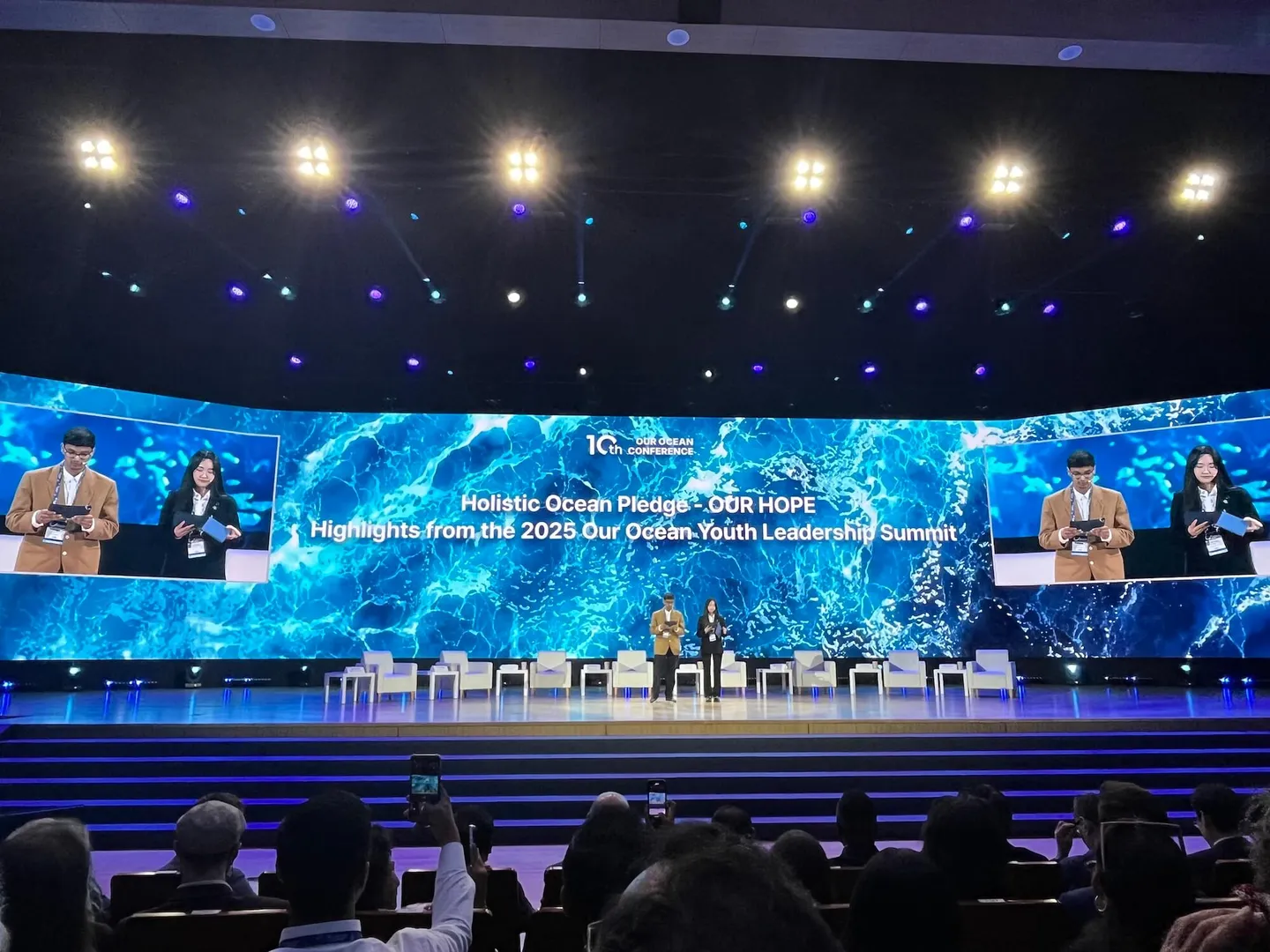
Figure 5: At the closing ceremony, youth representatives shared the key demands from OOYLS.
Youth Demands Are Substantive and Concrete — Deep-Sea Mining Emerges as a Key Concern
From the demands outlined above, it is clear that young people are calling for global policies to be formally and effectively implemented, and for the voices of diverse stakeholders — including youth, women, and Indigenous peoples — to be integrated through inclusive approaches. Among the issues raised, deep-sea mining under the ocean pollution theme is one that has received relatively little attention domestically. In fact, the world has been embroiled in heated debate this year over whether to extract deep-sea minerals, particularly after the Trump administration opened the door to such activities — a move that has undoubtedly spurred greater action from opponents. The international community has yet to fully assess the environmental damage that deep-sea mining could cause, and opinions remain divided. We can only hope that, before any formal extraction begins, as many voices of opposition as possible are gathered to draw the attention of governments worldwide. <Destroying the Deep Sea — Nurtured Over Tens of Millions of Years — for a Single Battery? The Deep-Sea Mining Crisis Is Closing In>
For young people, OOYLS provided a space to amplify youth voices — not merely as an expression of passion and idealism born from a love of the ocean, but as a meaningful effort to pave the way toward a future with healthy seas: a utopia worth striving for.
Further Reading