Contents(10)
- The Unique Biology and Behaviour of Red Snapper Spawning
- A Full-Moon Affair: Lunar Periodicity
- The Spectacular Aggregation and Formation Changes
- The Explosive "Grand Release" Ritual
- Ecological Ripple Effects: Predators and the Food Chain
- The Sustainable Diver's Code of Practice
- Non-Interference Principle
- Safety and Technique
- Photography and Videography Tips
- Further Reading
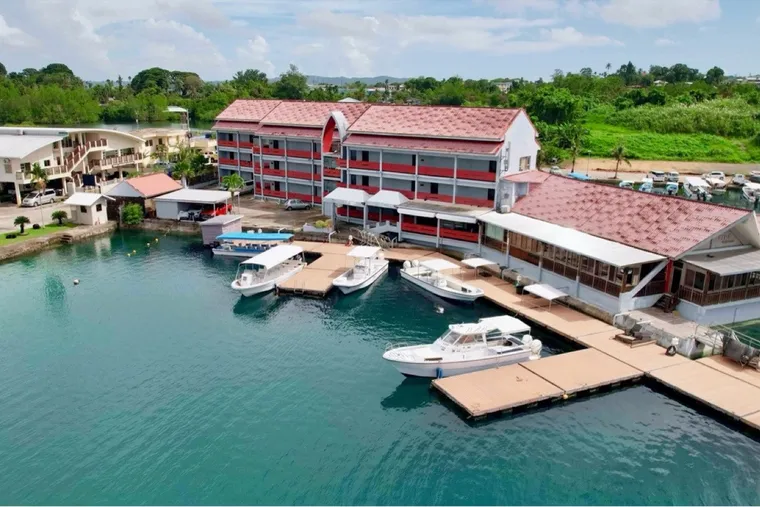
Palau, the cerulean expanse hailed as "God's Aquarium," is renowned not only for its rich coral reefs and World War II wrecks, but also for one of nature's most spectacular collective mating events — the Red Snapper mass spawning — which draws diving enthusiasts from around the world. It is a chance to witness the explosive force of life, and a uniquely meaningful experience in sustainable dive travel.
By joining this lunar-timed dive trip, held only in the days leading up to the full moon, we become not merely tourists of the ocean, but respectful witnesses and conservation advocates of an ancient ritual. A deeper understanding of the Red Snapper spawning and its surrounding ecosystem allows us to transform our love for Palau into concrete protective action, even as we revel in the visual spectacle.
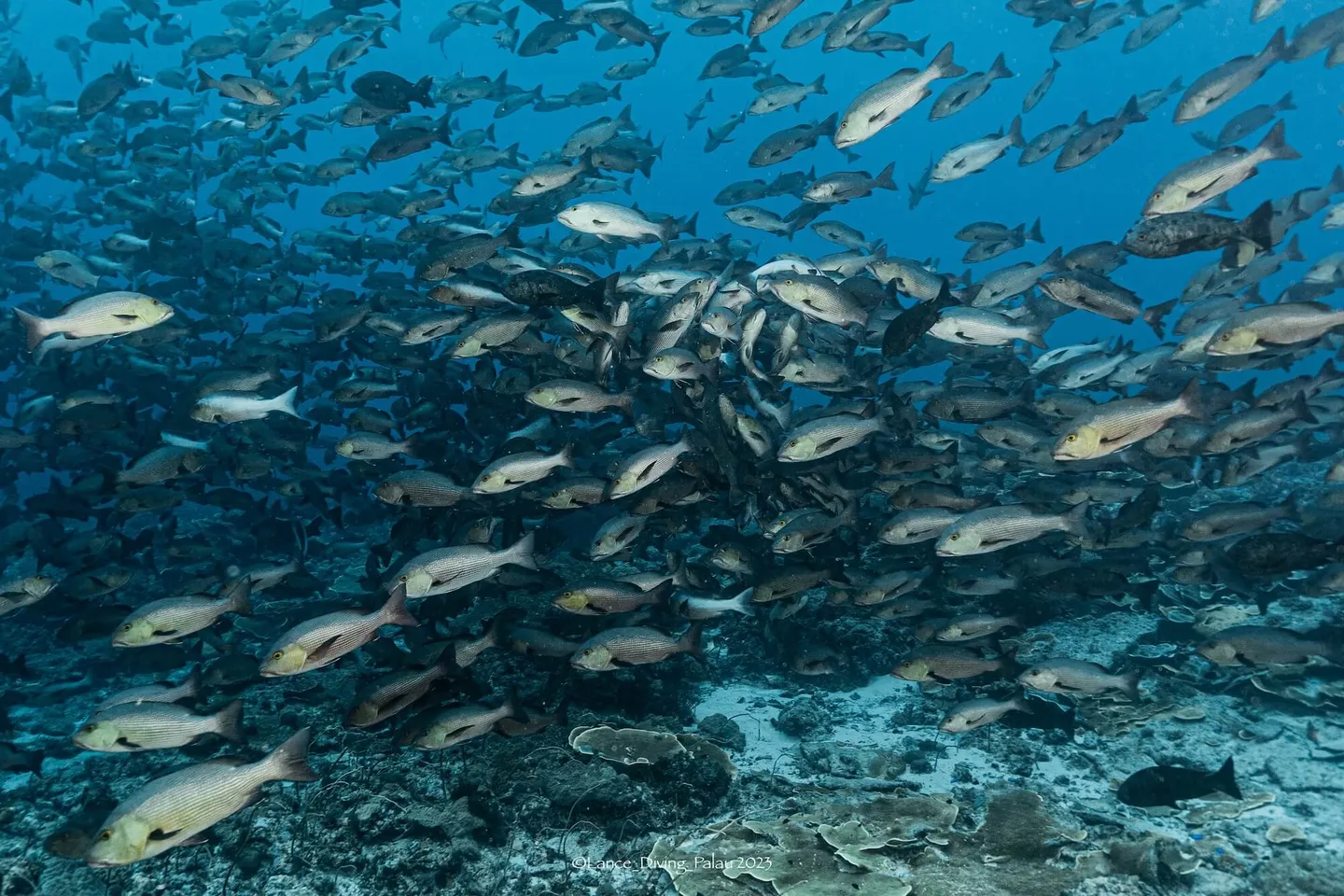
photo credit LT DIVE
The Unique Biology and Behaviour of Red Snapper Spawning
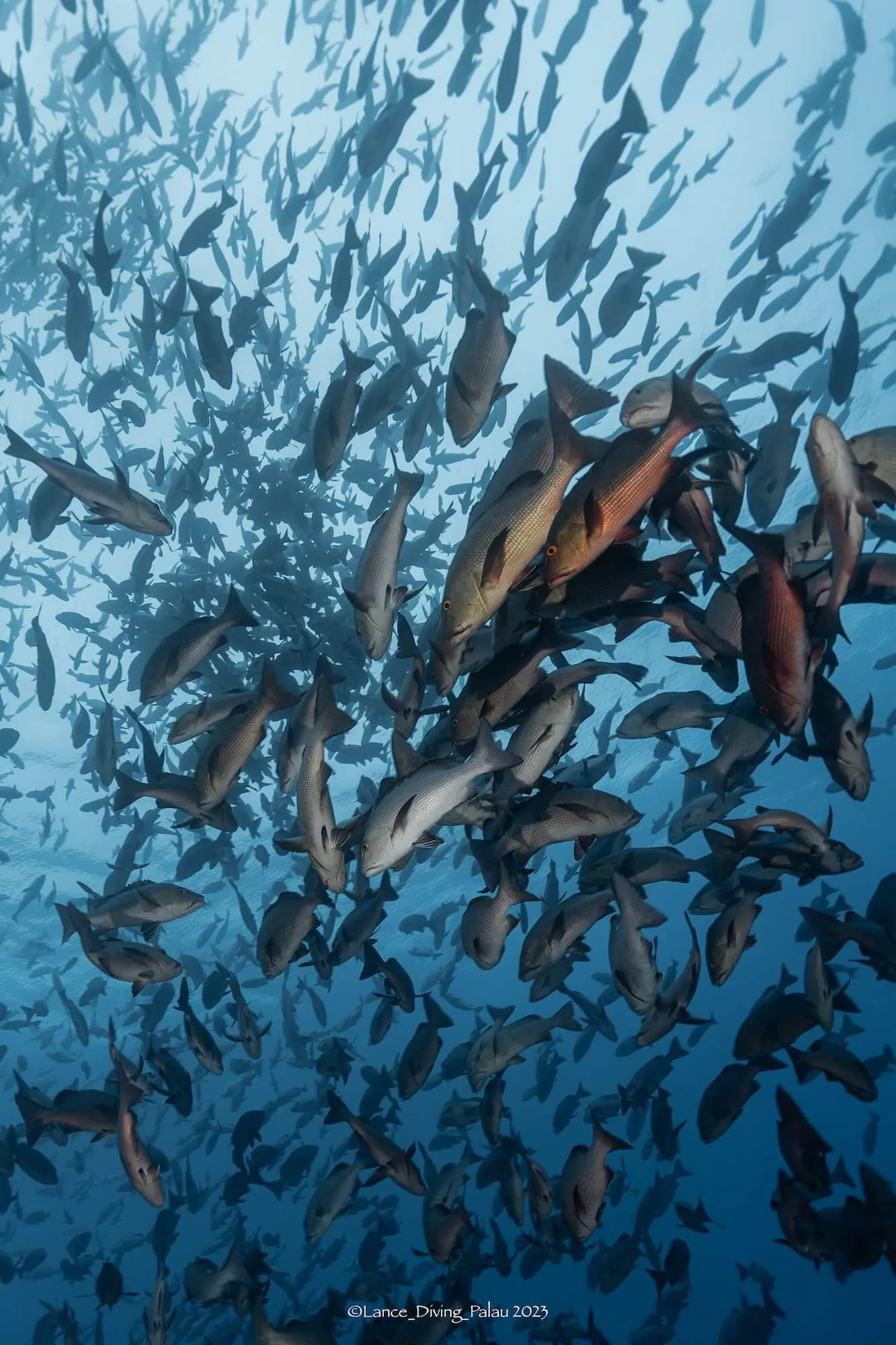
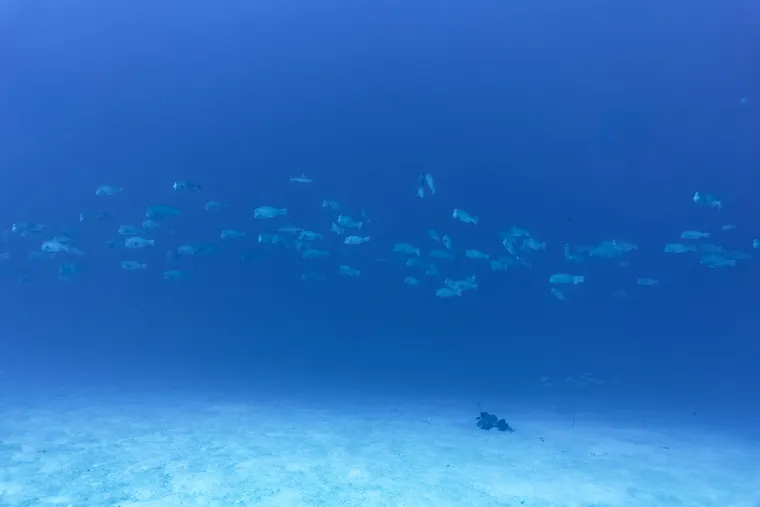
The Red Snapper spawning in Palau typically refers to the collective reproductive behaviour of specific species within the Snapper family (Lutjanidae). Their mass spawning displays a remarkable degree of synchrony and seasonality. The species most commonly observed are the Two-spot Red Snapper (Lutjanus bohar) and the Humpback Red Snapper (Lutjanus gibbus), and other snapper species are often seen joining the mix as well.
A Full-Moon Affair: Lunar Periodicity
Red Snapper spawning is anything but random — it is tightly linked to lunar phases and tidal cycles. The fish typically gather en masse and reproduce in the days just before the full moon.
Triggering mechanism: This synchronised reproductive behaviour is driven by the gravitational relationship between the moon, the Earth, and the sun, which produces cyclical tidal fluctuations. Stable tidal currents provide favourable dispersal conditions for fertilised eggs, carrying them toward safer developmental areas.
Fixed locations: The fish select specific fault lines or reef platform edges (Corners) as spawning sites. These locations typically have strong currents that aid in the dispersal of eggs and sperm.
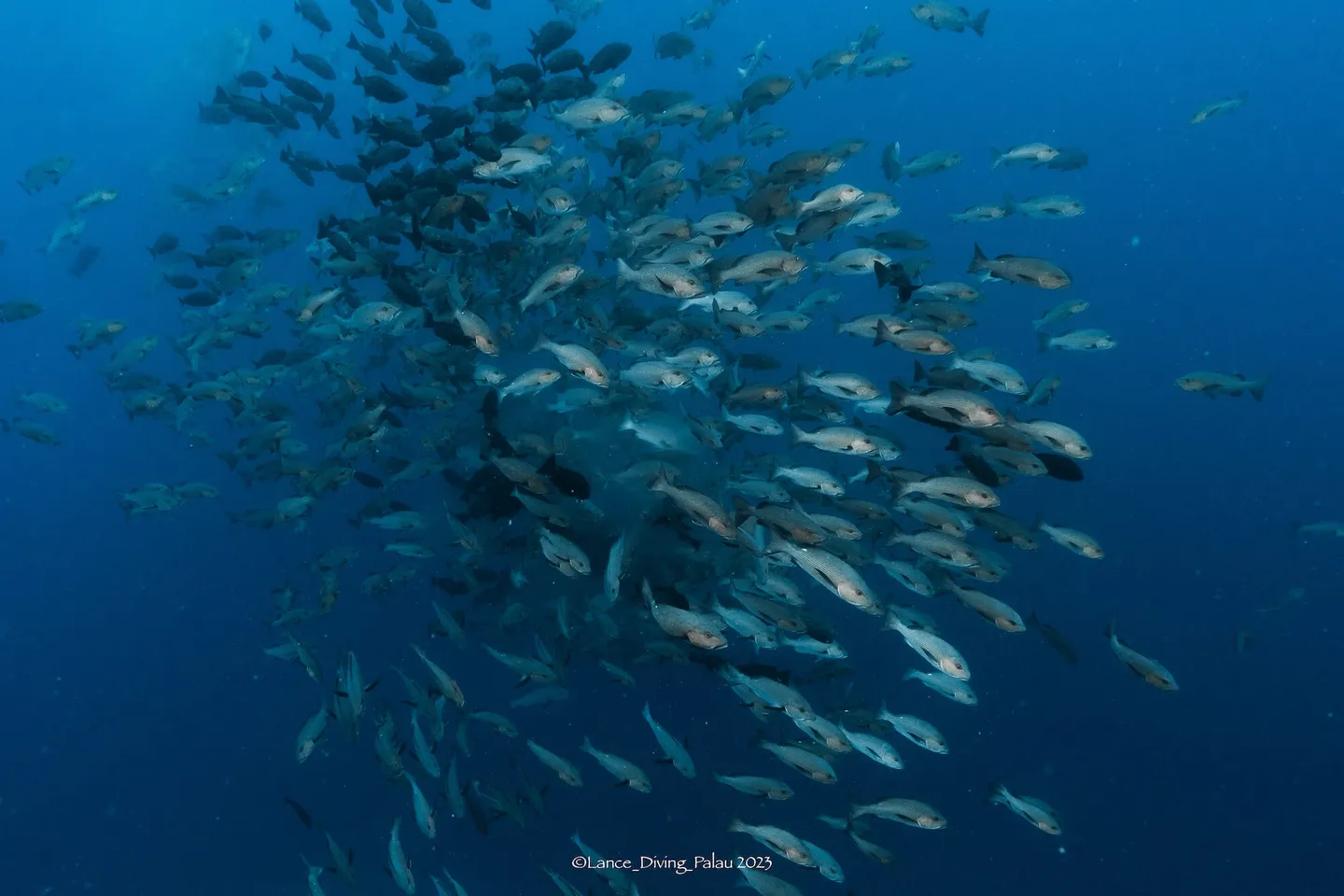
photo credit LT DIVE
The Spectacular Aggregation and Formation Changes
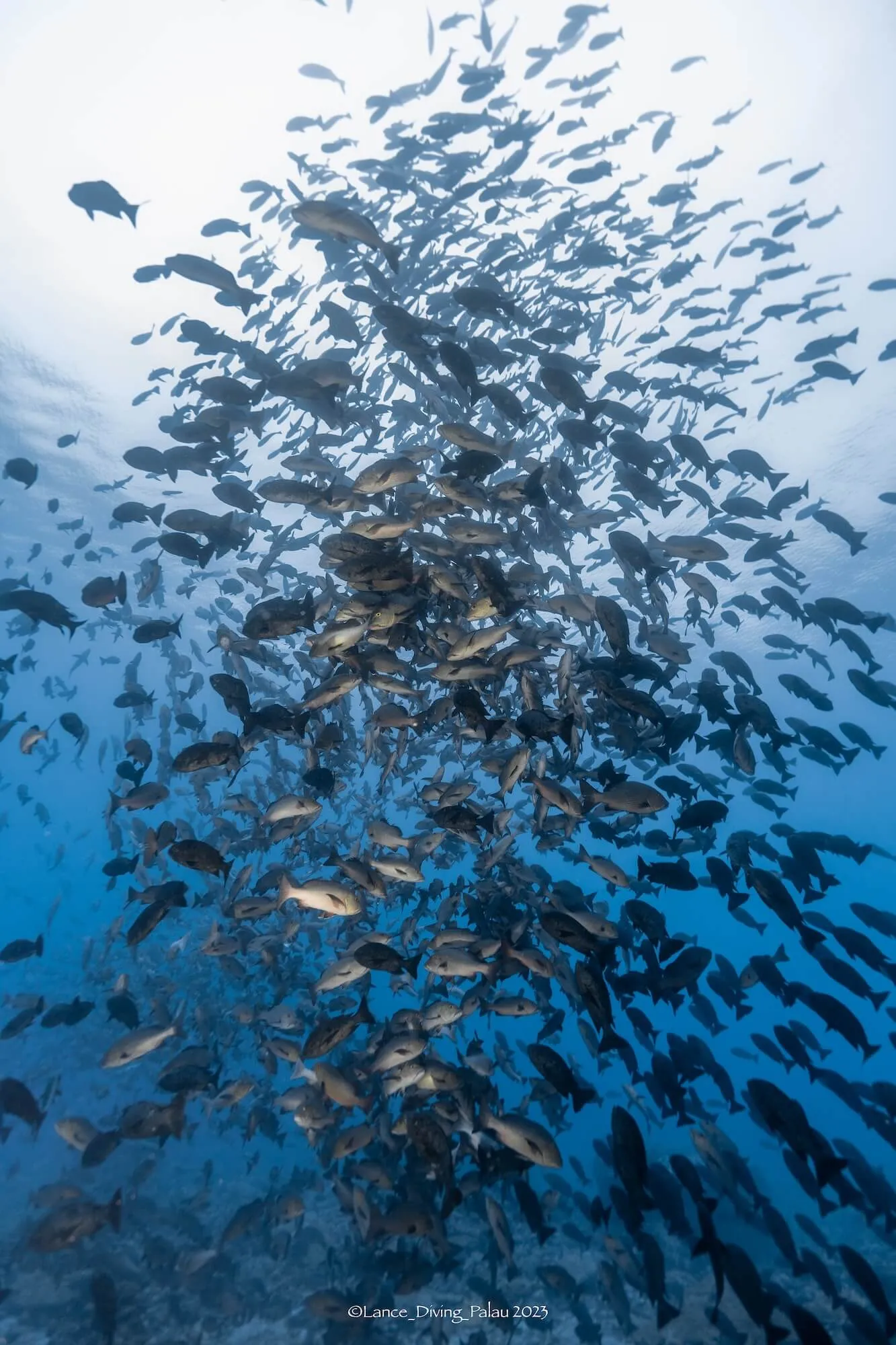
In the days surrounding the spawning event, tens of thousands of Red Snappers converge from surrounding waters, forming breathtaking fish aggregations. Fish balls and fish walls: Divers first observe the Red Snappers forming tight "fish balls" or "fish walls." The dense school moves slowly through the water like a vast red cloud.
Elongating into a procession: As spawning time draws near, the school shifts formation, stretching out into a long, train-like column that moves slowly upward along the fault line.
The Explosive "Grand Release" Ritual
The climax of the spawning ritual is the moment the aggregation suddenly erupts into a collective release of gametes — the sight every diver most wants to capture.
The rush and chase: Several mature individuals (female or male) make the first upward dash, and others quickly follow.
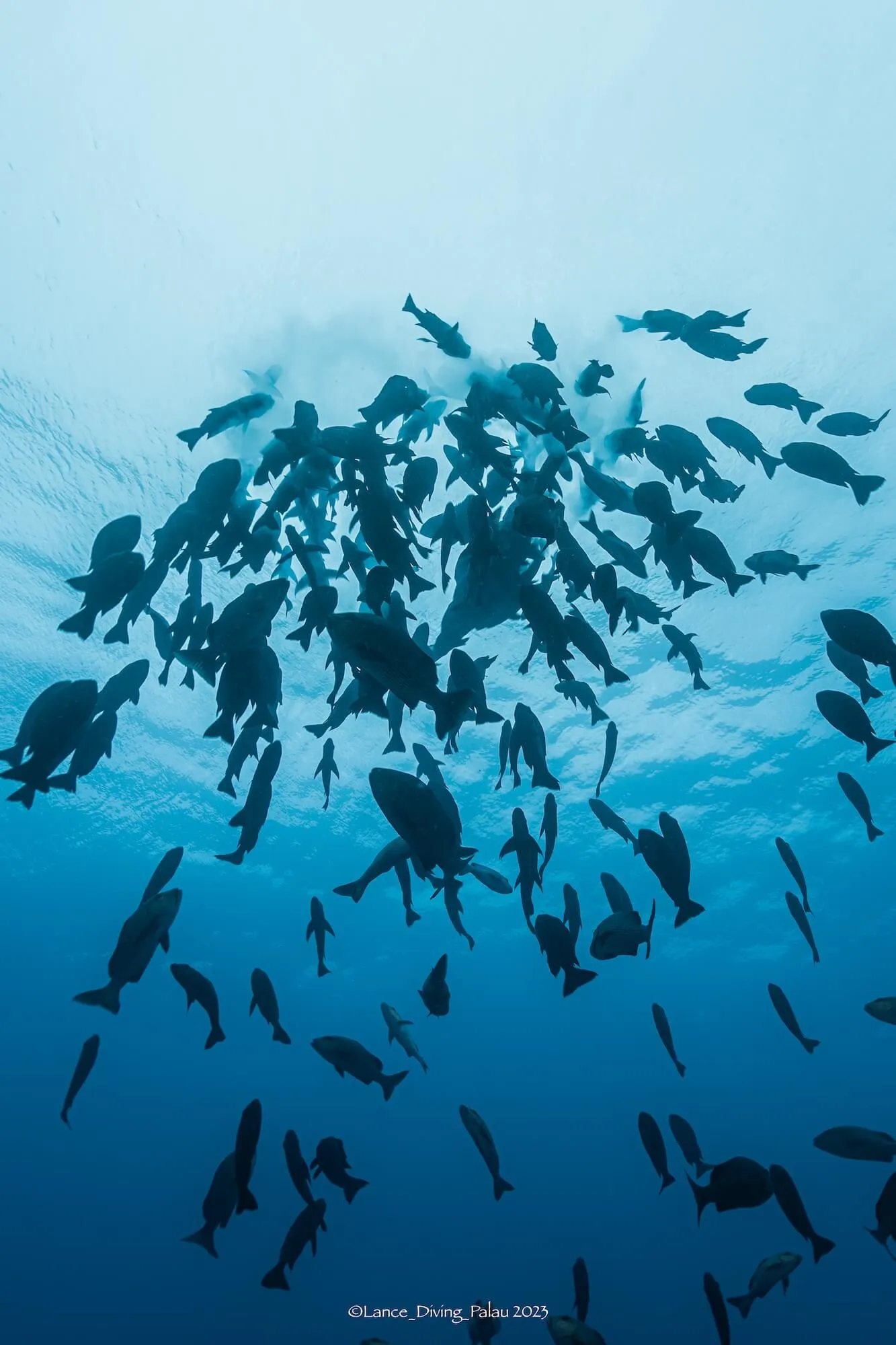
The burst at the apex: Near the highest point in the water column — roughly 10 metres up from the main school — the aggregation explodes outward in an instant. The fish scatter simultaneously, releasing vast quantities of gametes that form a white "mist" or "cloud" in the water.
Repeated behaviour: This release does not happen only once. The school regroups and may repeat the eruption one or two more times in quick succession.
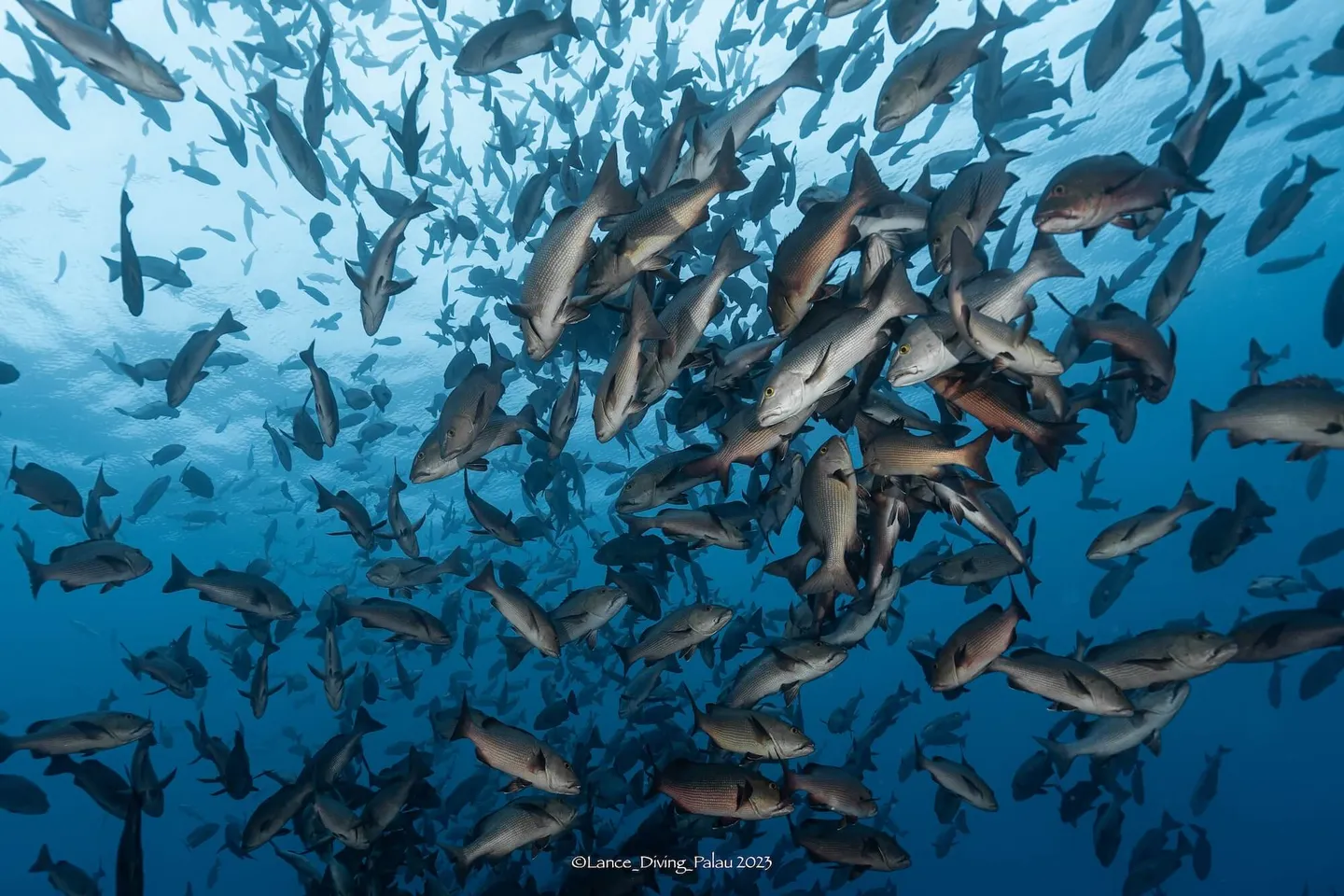
photo credit LT DIVE
Ecological Ripple Effects: Predators and the Food Chain
The large-scale Red Snapper spawning simultaneously attracts higher-order predators from the marine food chain, making the entire scene even more dynamic and wild.
Shark hunting: Large sharks such as the Bull Shark are drawn to the snapper aggregation to feed. This gives divers the rare opportunity to observe both apex predators and their prey interacting in deep water at the same time.
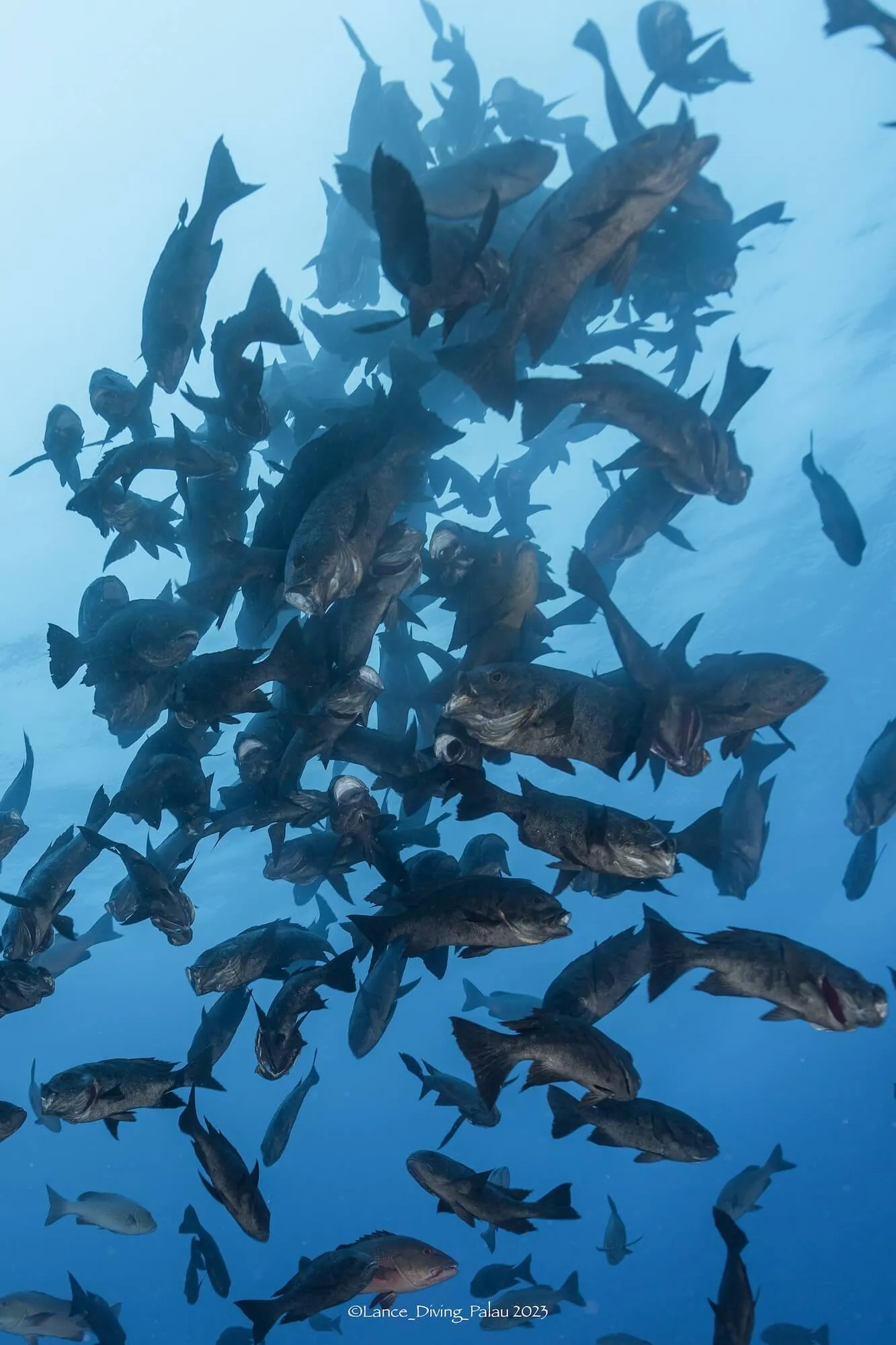
Opportunistic feeders: In the aftermath of the gamete release, marine life such as black bream join as opportunistic feeders, moving through the water column to consume the suspended eggs and sperm — a natural part of the cycle of life.


The Sustainable Diver's Code of Practice
Observing the Red Snapper spawning is thrilling, but it comes with strong currents, high diver density, and the sensitivity of active reproductive behaviour. As responsible divers, we must strictly uphold the principles of sustainable tourism to ensure our presence does not disrupt the spawning process and that the ecological health of the dive site is preserved.
Non-Interference Principle
Maintain distance — never chase: Chasing any fish school is strictly prohibited. The Red Snappers are engaged in critically important reproductive activity; excessive disturbance causes them to scatter, increases their stress levels, and can even reduce spawning success rates.
No feeding, no touching: All forms of feeding are forbidden. Do not touch the reef, and do not touch any marine life. Allow the Red Snappers to complete their spawning naturally.
Keep formation, minimise impact: Divers should keep the group compact, arranging themselves in one or two lines side by side. Avoid single-file "front-to-back" formations to ensure that neither photography nor observation results in blocked views or obstruction of the fish school's movement path.
Safety and Technique
Follow the dive guide — stay with the group: Spawning dive sites typically have strong currents. Divers must stay attuned to their dive guide's signals at all times and not stray too far from the guide.
Neutral buoyancy: In areas of strong current, it may be necessary to hold onto the reef bottom to stabilise your position. Divers must ensure they are gripping only bare, non-living rock. Neutral buoyancy control is equally critical — divers may need to observe the Red Snapper spawning while hovering in the water column. Never ascend to the surface without warning: during spawning season, the surface is busy with dive vessels, creating significant risk.
Photography and Videography Tips
- Position: Stay close to the dive guide, positioning yourself to the guide's left, right, above, or below. Avoid being directly in front of or behind the guide or the group, as this blocks other divers' views or gets your own view blocked.
- Respect others: When shooting, do not push to the very front of the group — you risk blocking the fish school or interfering with other divers' shots.
- Shutter speed and aperture: Because the spawning burst lasts only a fraction of a second and the fish move fast, a higher shutter speed is recommended to freeze the explosive moment. Additionally, the red tones of Red Snappers tend to be absorbed by the water column, so using an external strobe or continuous light will help restore accurate colour.
- Anticipate position: Since the school moves continuously throughout the spawning event and the eruption point is unpredictable, divers should be ready to reposition at any moment, using the school's direction of movement to anticipate the best shooting angle.
Further Reading
Frequently Asked Questions
How is a BlueTrend dive trip different from an unknown, no-name dive group?
Choosing us means full peace-of-mind protection and a smooth experience from start to finish. Every trip we run holds to three things.
First, full legal protection and a professional dive leader: we strictly follow Taiwan's travel regulations and provide complete travel-agency liability insurance, travel insurance, trip-inconvenience insurance and dive insurance. Every group is accompanied by a certified, foreign-language dive leader who joins you on both the dives and the land itinerary, liaising seamlessly with local dive shops and operators on your behalf to keep things running smoothly — the person our travellers trust most.
Second, fully licensed with secure payments: every payment goes into a licensed travel agency's account, with multiple safe payment channels (bank transfer, credit card and more) and a legal collect-and-remit receipt, so every transaction is open, transparent and protected, avoiding the fraud and dispute risks of transferring money privately to an individual.
Third, hand-picked quality we vet in person: every trip, dive site and partner shop is scouted on the ground by our own team, from the guides' professionalism and safety standards to the food, lodging, environment and service details on land, all vetted by us so you don't get caught out.
I want to sign up for a dive trip. Are there certification-level or logged-dive requirements?
Each dive site is different, so the entry bar varies. 'Bali Tulamben', for instance, is relatively beginner-friendly. 'Malapascua in the Philippines' is also beginner-friendly, but since thresher sharks tend to cruise between 20 and 30 metres, we recommend AOW certification with 20+ logged dives to enjoy this trip comfortably. For 'the Maldives' or 'Palau', we suggest AOW with 50+ logged dives for a more relaxed experience. If you're not sure whether your experience fits the trip you want, message us and our dive editors will assess it and help you find the trip you'll feel safest on.
Can I join if I'm signing up alone? How are rooms arranged?
Plenty of our travellers sign up solo! For rooms and beds, we prioritise pairing you with a same-gender traveller, and if you'd rather have your own space you can pay the difference to upgrade to a single room. For the diving, our professional leader will pair you with a suitable buddy, and with the happy vibe on our trips you'll quickly make a great group of dive friends. Many people sign up alone, make new friends, and end up organising the next trip together!
Does the trip fee include dive insurance, gear rental, taxes and instructor tips?
It depends on the trip, the destination's regulations and the local operators. Every BlueTrend dive trip has a detailed web page with a clear 'included / not included' list, transparent and with no hidden charges. All payments are collected by a licensed travel agency, with a standard-form contract for your protection.
I'm a new diver / haven't dived in a long time — will I fall behind the group?
Before you complete your booking, our team assesses a suitable trip based on your certification level and experience. Before departure, we strongly recommend taking time to refresh in Taiwan with an instructor, or a fun dive to get your feel back. On the trip itself, our professional dive leader groups and pairs everyone by experience, keeps a close eye underwater on travellers who need extra care, and steps in to help right away.
Will the photos and videos taken during the trip be shared with us?
During the dives, 'safety' is always the leader's top priority, so whenever it's suitable and safe the leader will capture great shots and record the best moments. During or after the trip, we compile a cloud album for all travellers to download, so you go home loaded with memories!
Besides your scheduled trips, can you arrange a private group charter or independent travel for me and my friends?
Absolutely! Besides group trips, we also arrange private group charters and independent travel. We can communicate, enquire and coordinate services with local operators based on your needs, saving you time and effort and taking the language barrier off your plate, to tailor the smoothest, most reassuring dive trip just for you. Contact our LINE support and our editors will arrange it for you!

![[Palau] Who Says Diving in Palau Is Hard? 3 Beginner-Friendly Dive Sites: Jake Seaplane, Iro, and Chandelier Cave](/_astro/DSC03776_1vAUJC.webp)