Contents(3)
What Makes Taiwan's Ocean Unique
Taiwan's exceptional geographic position — straddling the boundary between tropical and subtropical monsoon zones — combined with vigorous geological activity that has shaped a diverse range of landscapes, the year-round flow of the Kuroshio Current along the east coast, and the winter meeting of China's coastal current along the west coast, creates a remarkably varied underwater environment under the interplay of climate, geology, and ocean currents. According to surveys, as many as 3,200 species of fish are commonly found along Taiwan's coastline — nearly one-tenth of the world's total of approximately 34,000 species. Such a remarkable figure is something we, a people who proudly call ourselves a maritime nation, have every reason to celebrate.
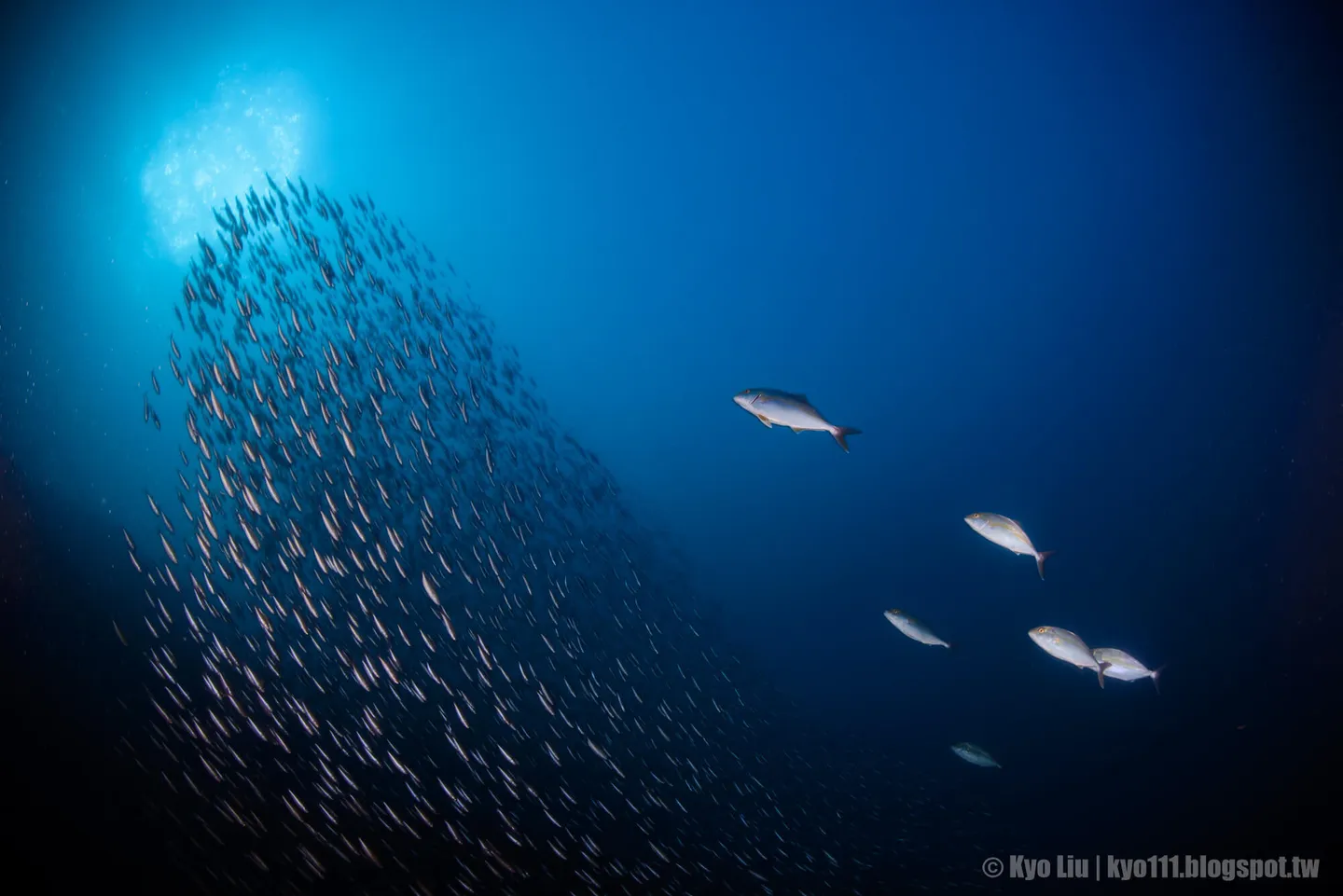
Taiwan's underwater resources are extraordinarily rich. photo credit 京太郎
But why, then, do we still feel that Taiwan's people remain so distant from the sea? There are several different angles from which we can explore this question.


Taiwan's Government and the Maritime Prohibition Mindset
Ever since the Chiang regime relocated to Taiwan in 1949 (the 38th year of the Republic of China), the government long maintained strict legal controls and regulations keeping citizens away from the ocean, driven by fears of Communist infiltration and smuggling. The lingering effects of this mindset are still visible today — Taiwanese citizens must go through customs procedures to board a boat and head out to sea, and private yachts cannot dock freely at most harbours.
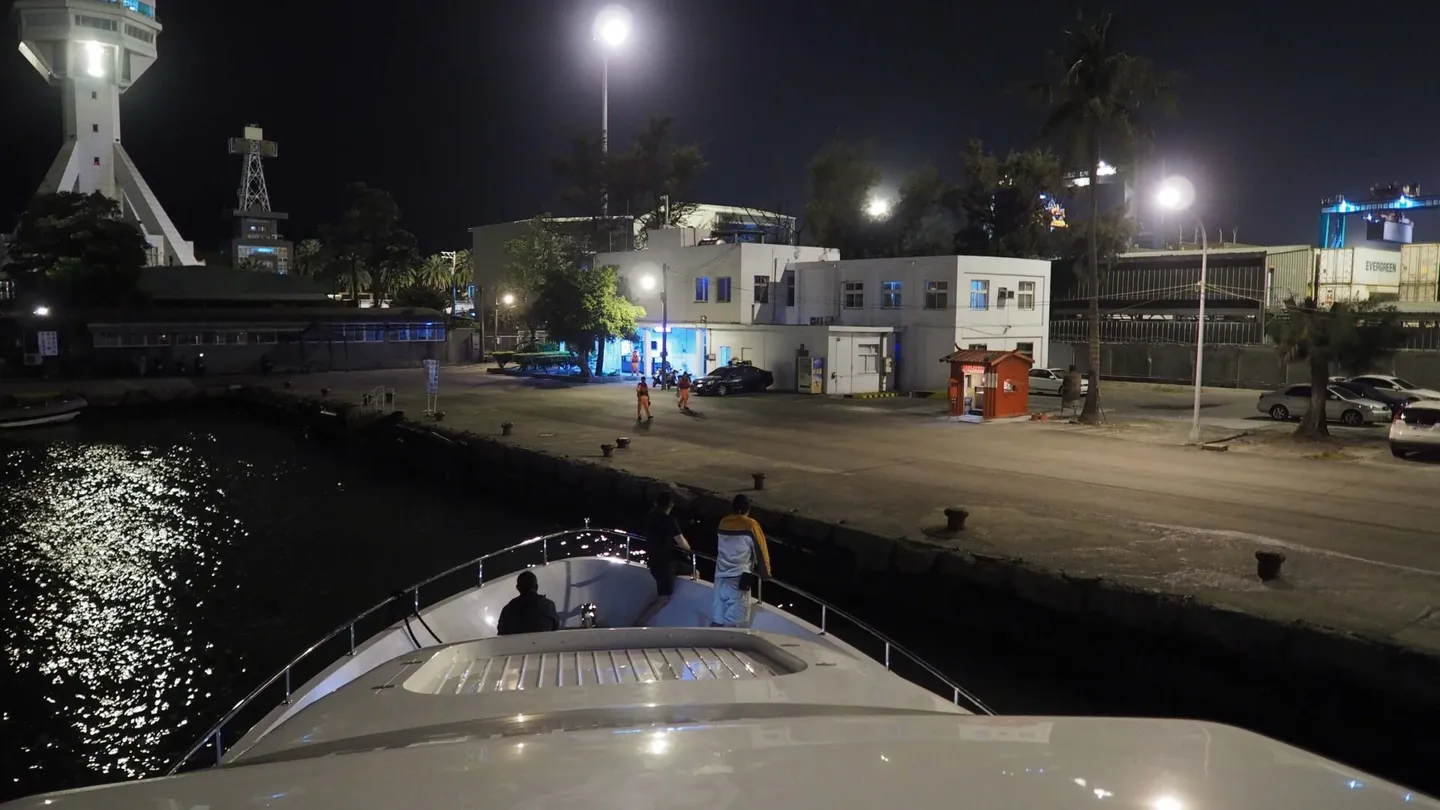
Checking in with the coast guard before heading out is a mandatory procedure.
The Taiwanese government's approach to managing marine recreation has been relatively passive. Whenever a drowning incident occurs in a given stretch of water, the standard response is to declare it a hazardous zone and prohibit entry — yet there is little effort in schools to actively teach people how to choose a safe swimming area or how to identify rip currents and other key water-safety skills. Under this long-standing, subtle influence, Taiwanese people have grown up feeling that the sea is something distant and foreign. A trip to the coast means paddling at the shoreline or heading to a fishing harbour for seafood — few realise that the ocean has so much more to offer, and that it can profoundly change the way we experience life.
A Bureaucratic System Pulling in Too Many Directions
It is no secret that Taiwan's government is a large and complex organisation. The ruling party in recent years has made active efforts to consolidate and restructure agencies, but tangible results have yet to materialise. The Ocean Affairs Council, the body responsible for driving ocean-related policy, was only provisionally established in 2018. A single example is enough to illustrate how painfully difficult it is to advance marine legislation in Taiwan.
In 2016, the Keelung City Government announced the establishment of the Wanghaixiang Bay Chaojing Marine Protected Area. Over the following three years, with the support of the Keelung City Government, the Coast Guard, the National Museum of Marine Science & Technology, and many local divers and instructors, this smallest of Taiwan's protected areas became the one with the greatest promise. The recovery of its underwater ecosystem has been plain for all to see.
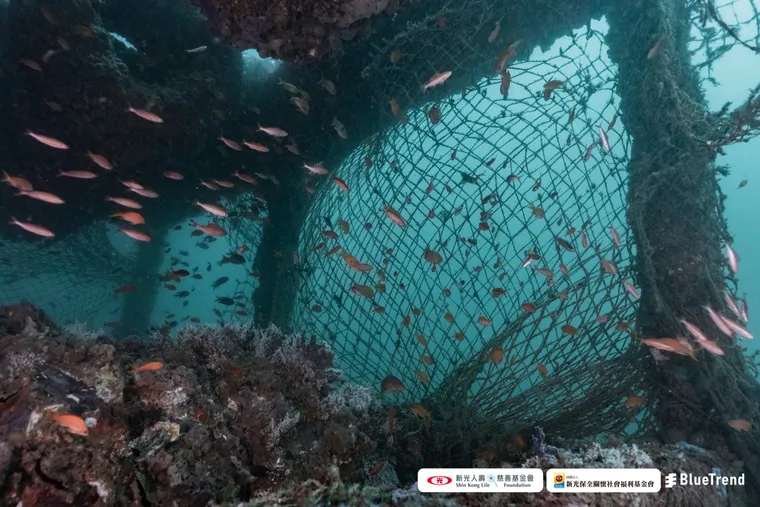
Yet behind this success story lies an uncomfortable truth that keeps reasserting itself. Promoting the protected area falls under the Keelung City Government's Industry Development Bureau; water recreation regulations within the area are overseen by Keelung's Tourism and Transportation Division; enforcement against illegal net-setting is handled by the Coast Guard; final penalty decisions are then referred back to the City Government; and stray fishing nets that drift into the water fall under the jurisdiction of the Environmental Protection Bureau. One small protected area, so many agencies with overlapping authority — the sheer amount of time wasted rubber-stamping paperwork through the bureaucratic pipeline is staggering.
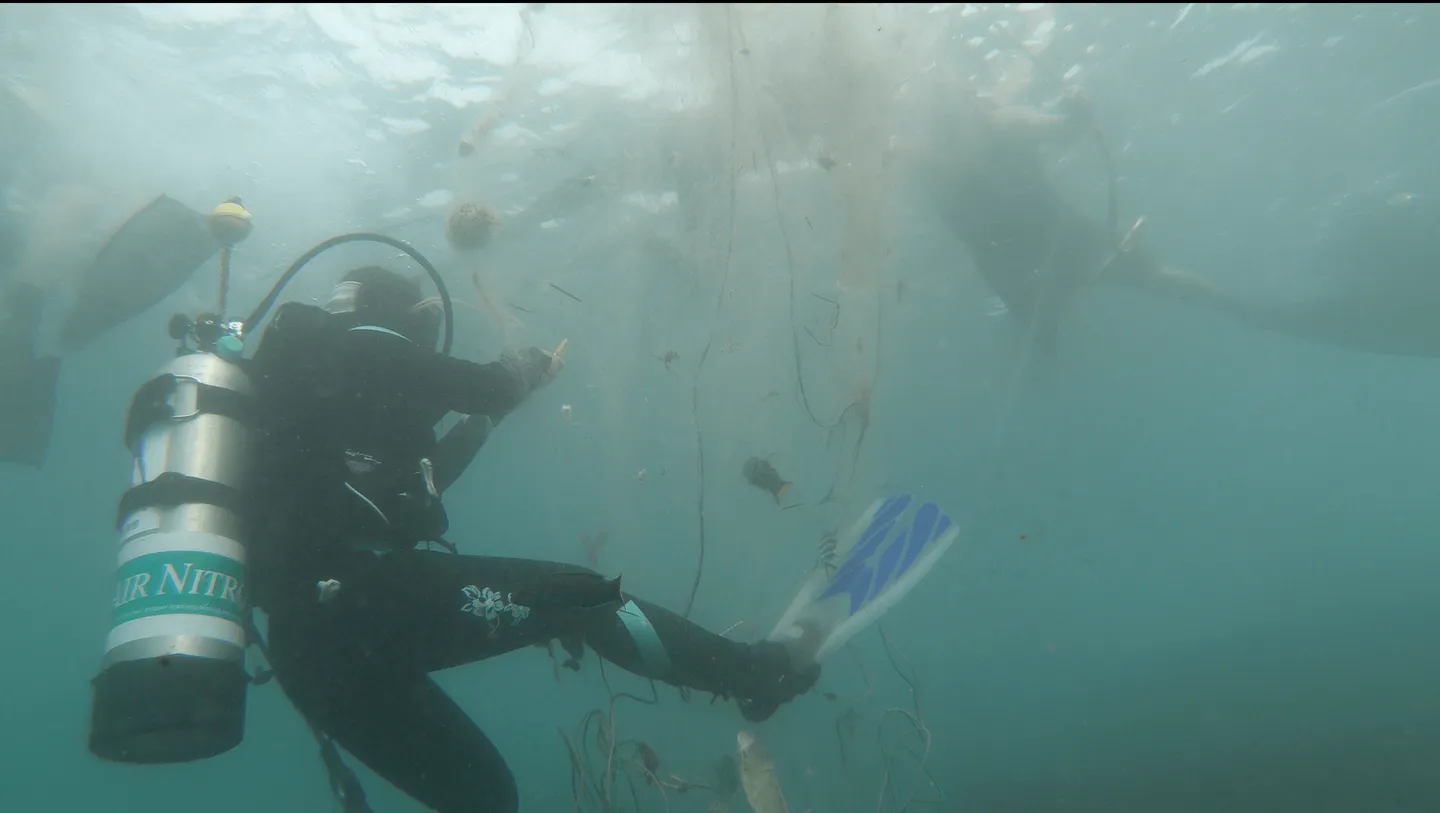
Even a single ghost net involves a surprising number of responsible agencies.
There is no shortage of dedicated civil servants who genuinely want to promote marine conservation — and we have always shown our support by taking part in the activities they organise. But working within such a bureaucratic system can grind even the most passionate individual down. Consider the absurd 2018 Keelung City Government announcement banning divers from night diving, or the way Captain Xiao of the Penghu South Islands National Park found his by-the-book enforcement efforts blocked at every turn — not to mention the all-too-familiar pattern of legislators intervening behind closed doors whenever illegal fishing gear violations are reported. If a frontline worker who genuinely wants to make a difference slowly has their enthusiasm worn away by a system like this, that is a serious blow to the future of Taiwan's oceans.
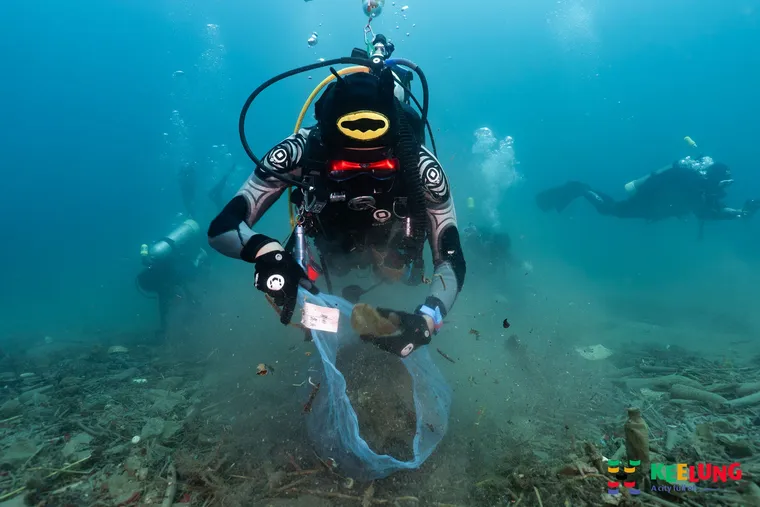
Thankfully, scuba diving has been growing steadily in Taiwan in recent years. More and more people are using underwater photography to capture stunning images that move the friends and family around them, and a growing number of divers are independently organising ocean cleanup and coral planting initiatives, hoping to communicate their values through direct action. One person's power may be limited, but as long as each of us, from wherever we stand, extends even a small measure of hope toward the ocean, that belief is enough to turn the tide.
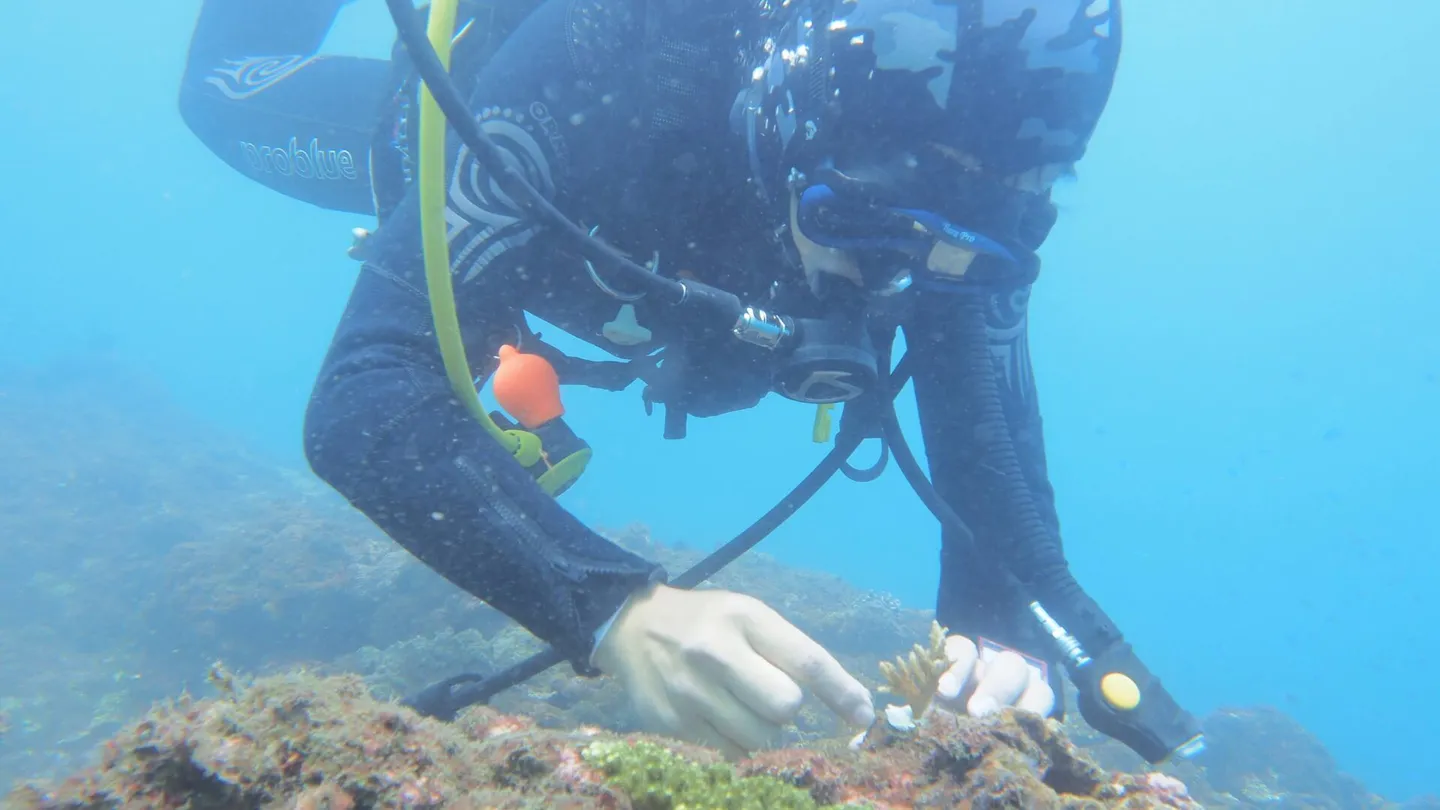
More and more dive shops and instructors are organising ocean cleanup and coral planting events.
The harsh reality is that Taiwan is a nation where populist sentiment runs strong and politicians are acutely sensitive to votes. If citizens who care about the ocean can use social media, public opinion, and ultimately the ballot box to influence government policy, that will mark the beginning of our success. But to get there, we first need to help more people rediscover the sea — and fall in love with it. Only when people truly love this ocean will they begin to feel and understand the threats it faces.
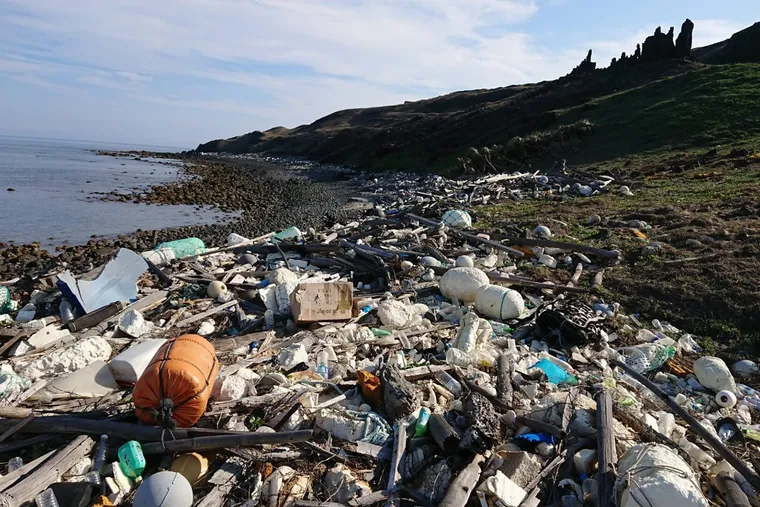
Taiwan's marine issues face a host of challenges ahead: overfishing is pushing coastal fish stocks to the brink of collapse; marine debris has left the seafloor littered with plastic waste of every kind; fishing methods with high bycatch rates squander precious fishery resources; and the establishment and enforcement of protected areas remain painfully slow. Government change takes time, and the Ocean Affairs Council may represent a glimmer of hope — but in this long-haul advocacy effort for our oceans, you and I are capable of doing far more than we might imagine.
Finally, a quote often shared by a veteran diver and mentor: "The ocean changes, because I dive."
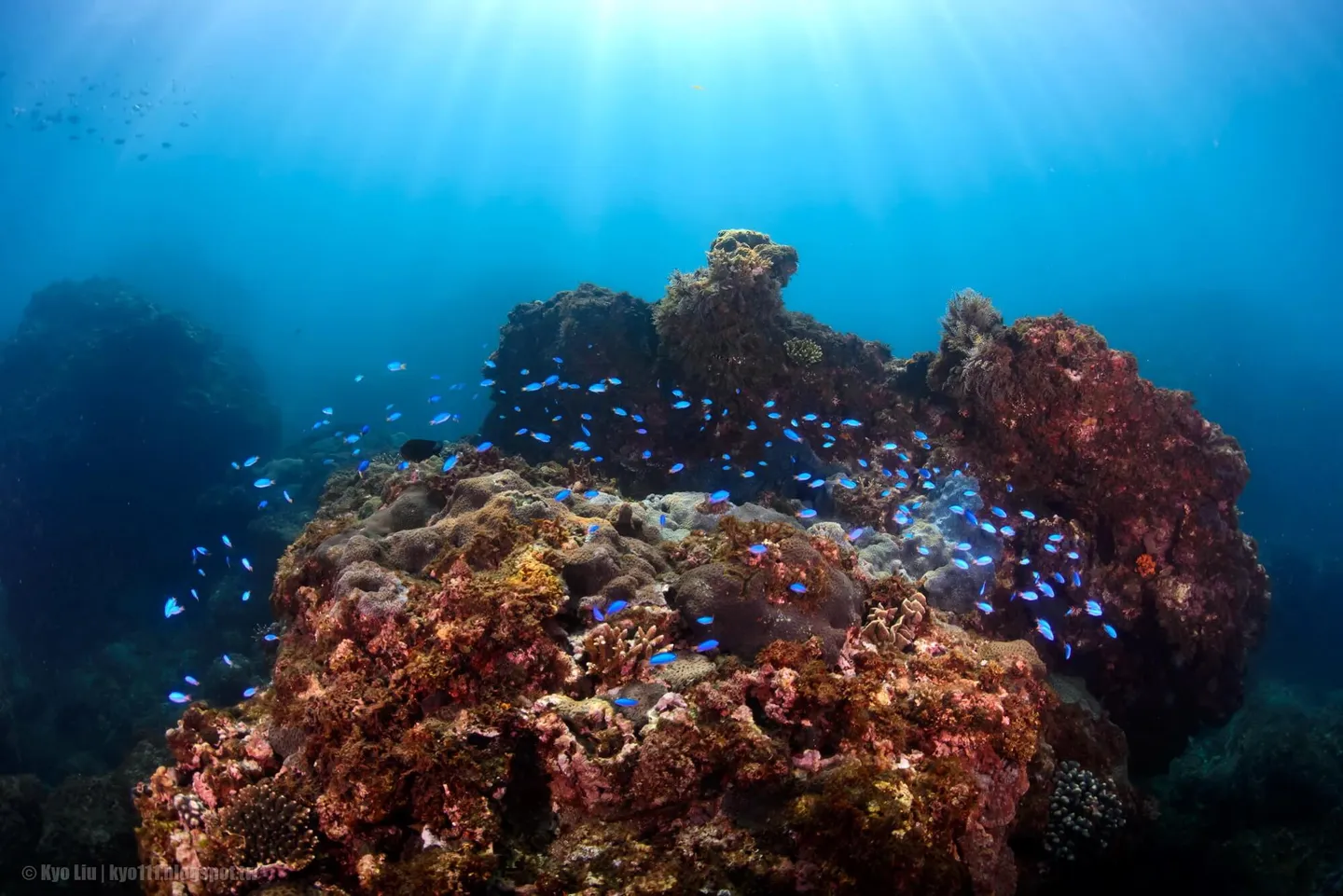
With dedicated stewardship, the ocean's future can become far more beautiful. photo credit 京太郎