After completing her PhD in marine biology at James Cook University in Australia in 1997, Dr. Li-Shu Chen returned to Taiwan to champion ocean environmental education — making her a true pioneer in the field. She has also co-authored several landmark marine biology publications with distinguished scholars such as Professor Kwang-Tsao Shao, including Common Coral Reef Fishes of Taiwan (1991), Marine Ornamental Fish (1990), and Introduction to Fish (2004).
Beyond her dedicated focus on marine research, Dr. Chen has in recent years been introducing citizen science database methodologies that have long been established abroad, hoping that broad public participation will deepen society's understanding of ocean issues. In this article, we draw on Dr. Chen's invaluable experience studying in Australia to offer an introductory look at several marine citizen scientist programs.
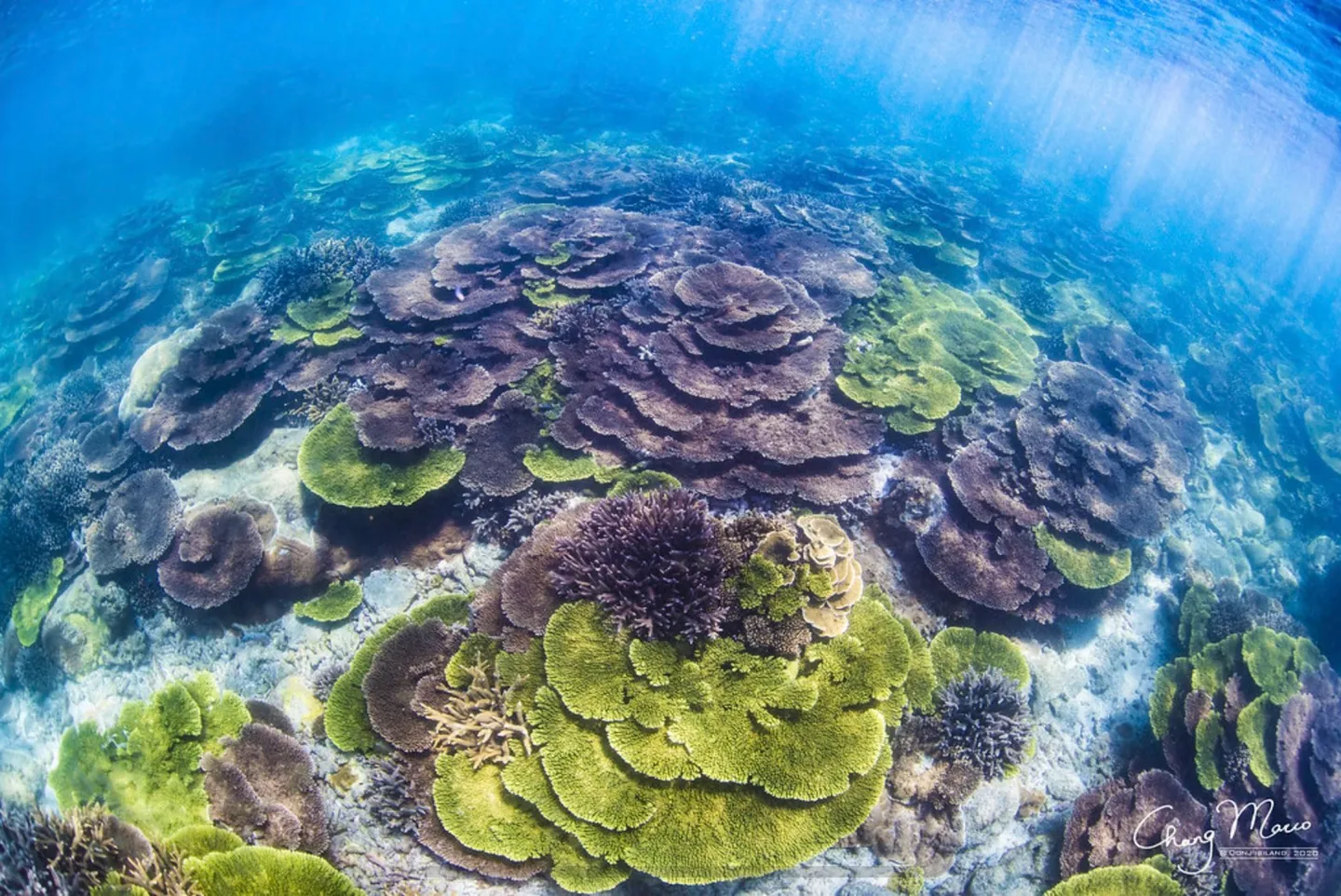
Taiwan's waters are teeming with marine life. Beyond recreational diving, the general public can assist scientists in studying the ocean by becoming marine citizen scientists. (Photo by Marco Chang)
In Australia, citizen science is a spirit that grew organically out of the education system.
What Is Coral Watch?
Dr. Chen recalls that during her doctoral studies in Australia, Australian academia did not hire research assistants in the way that is common in Taiwan. Fortunately, the educational culture in Western countries strongly encourages students to actively explore unfamiliar fields, so many undergraduates would voluntarily join research teams — gradually building a distinctive volunteer ethos. Funding was often only enough to cover transportation, and even meals were split equally; professors would take turns cooking for everyone. Yet perhaps it was precisely this spirit of equality that quietly shaped a healthy and generous volunteer culture.
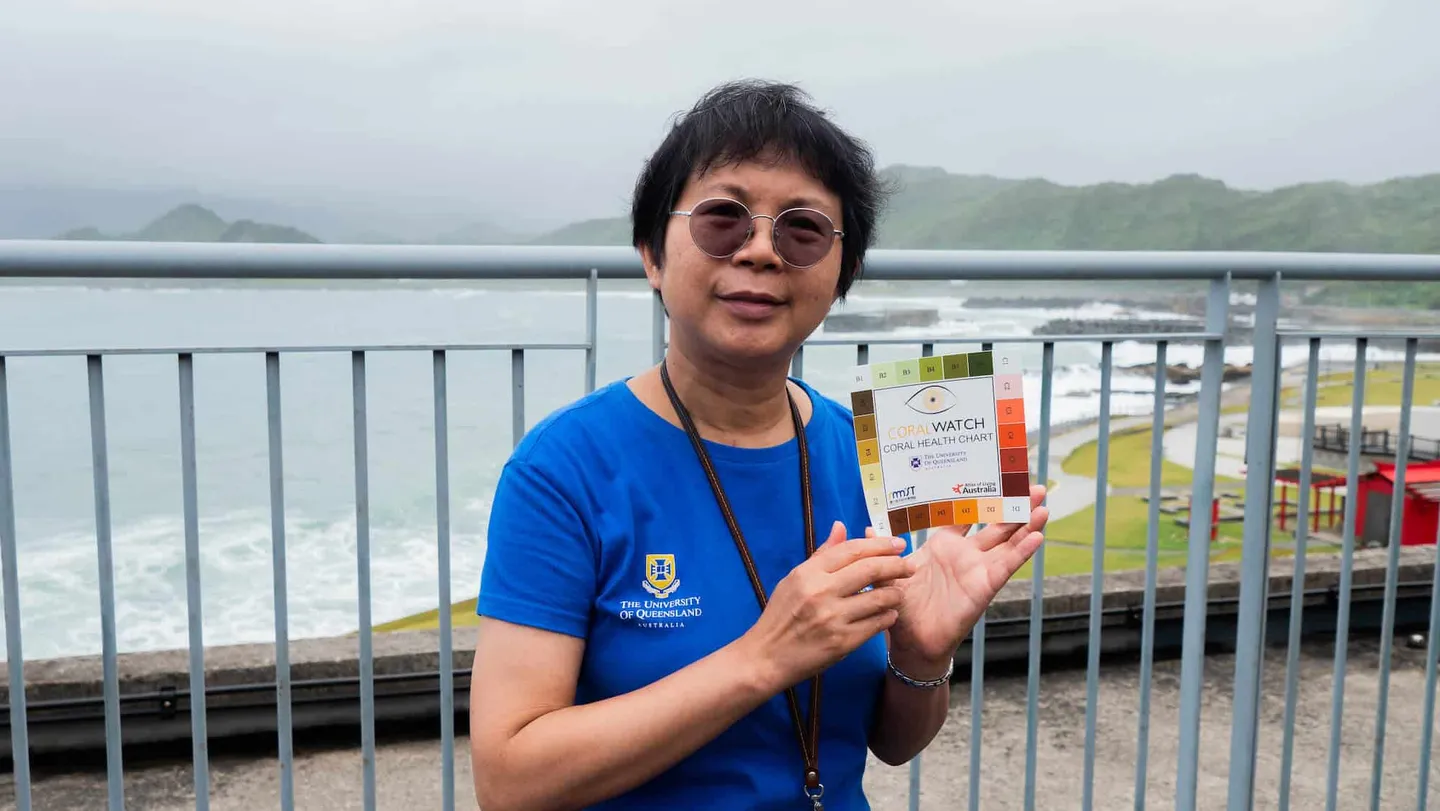
After returning to Taiwan and throwing herself into ocean education outreach, Dr. Chen found that many of her diving friends also wanted to do their part for the ocean. It was then that she recalled Coral Watch — a program she had encountered in Australia twelve years earlier. At first she had assumed Coral Watch was simply a piece of science communication material, but after purchasing a complete teaching kit from the University of Queensland and learning that its colour cards were designed based on research findings, she had an epiphany: this approach was even more accessible to the general public than the reef health assessment program Reef Check, and the data collected could genuinely be used for research and analysis.
| Coral Watch | Reef Check | Coral Net |
|---|---|---|
| Using a simple colour card, participants can compare coral colours underwater or in intertidal zones. Long-term records allow monitoring of changes in coral reef health. Easy for the general public to participate. | Divers lay transect lines underwater and count the number and species of corals and organisms along the way. Participants need a solid ability to identify marine species; otherwise the research data will be skewed. | Collects large volumes of coral photographs to train artificial intelligence (AI) models, progressively enabling rapid coral identification. However, identification accuracy requires extensive fine-tuning. |
Some of the most popular coral marine citizen science approaches in use internationally today
Coral Watch is simple, but through long-term accumulation of large amounts of data, we can begin to understand the cyclical changes in a given stretch of ocean.


The Importance of Long-Term Observation and Data Accumulation
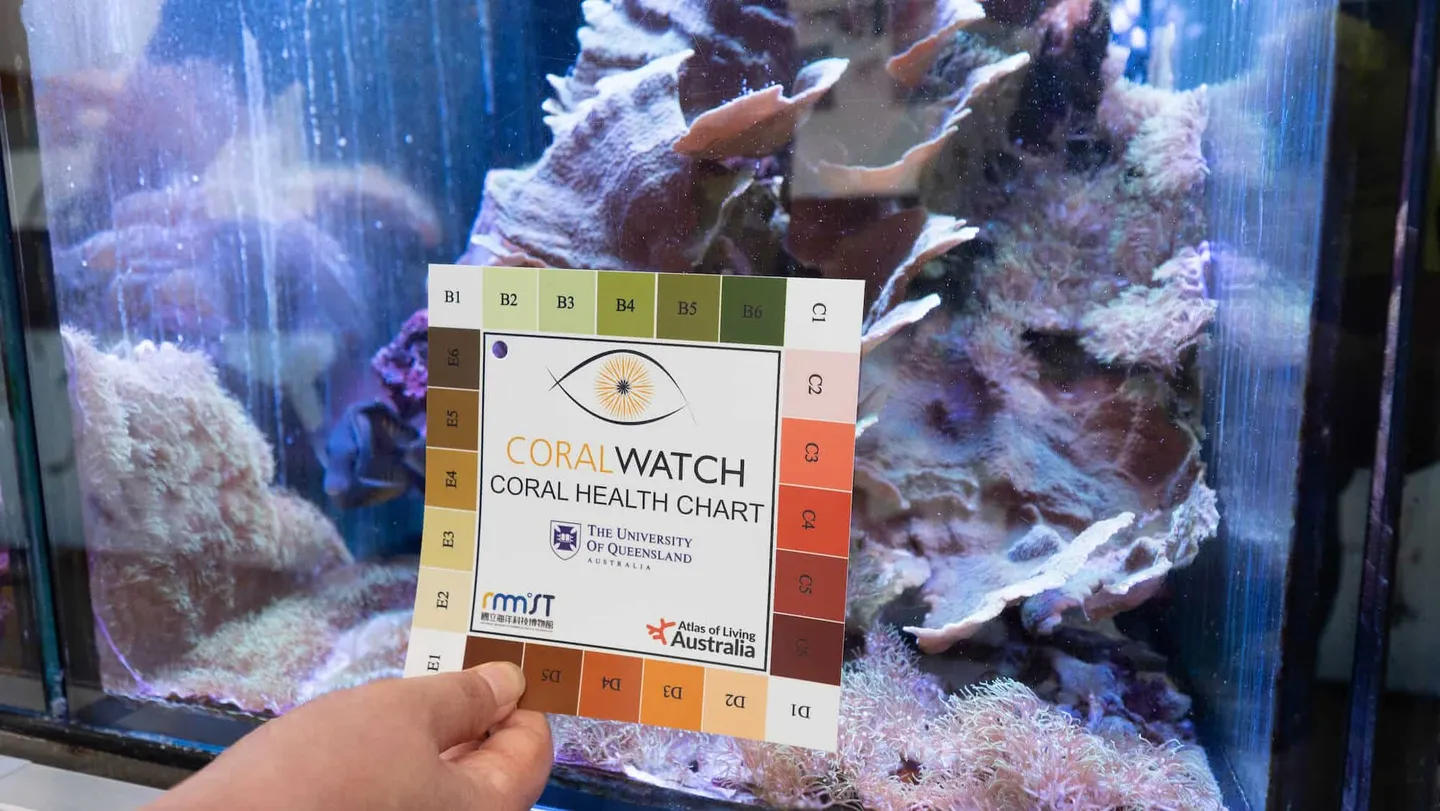
Coral Watch uses a single research-validated colour card to assess coral health by colour.
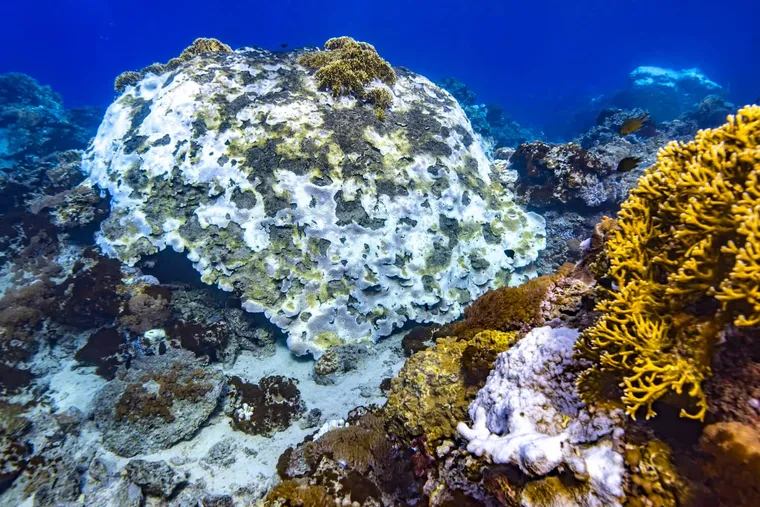
In 2020, coral bleaching was observed on a massive scale in Taiwan's waters, with particularly severe impacts in Penghu, Kenting, and Orchid Island — all lying along the Kuroshio Current — while more than 30% of the corals in Xiaoliuqiu bleached and failed to recover. Whenever we spot coral bleaching through a camera lens, we are already looking at the outcome. In scientific research, what matters more is the process and the causes. If we can build up a large body of data on the relationship between water temperature and coral colour across a stretch of ocean, we may be able to make far more precise judgements about coral health and environmental change.
Did you know that the same coral colony tends to be paler in summer and deeper in colour in winter? And are there differences in coral colour between this summer and last summer? This is precisely why Coral Watch places such emphasis on long-term observation and the accumulation of data.
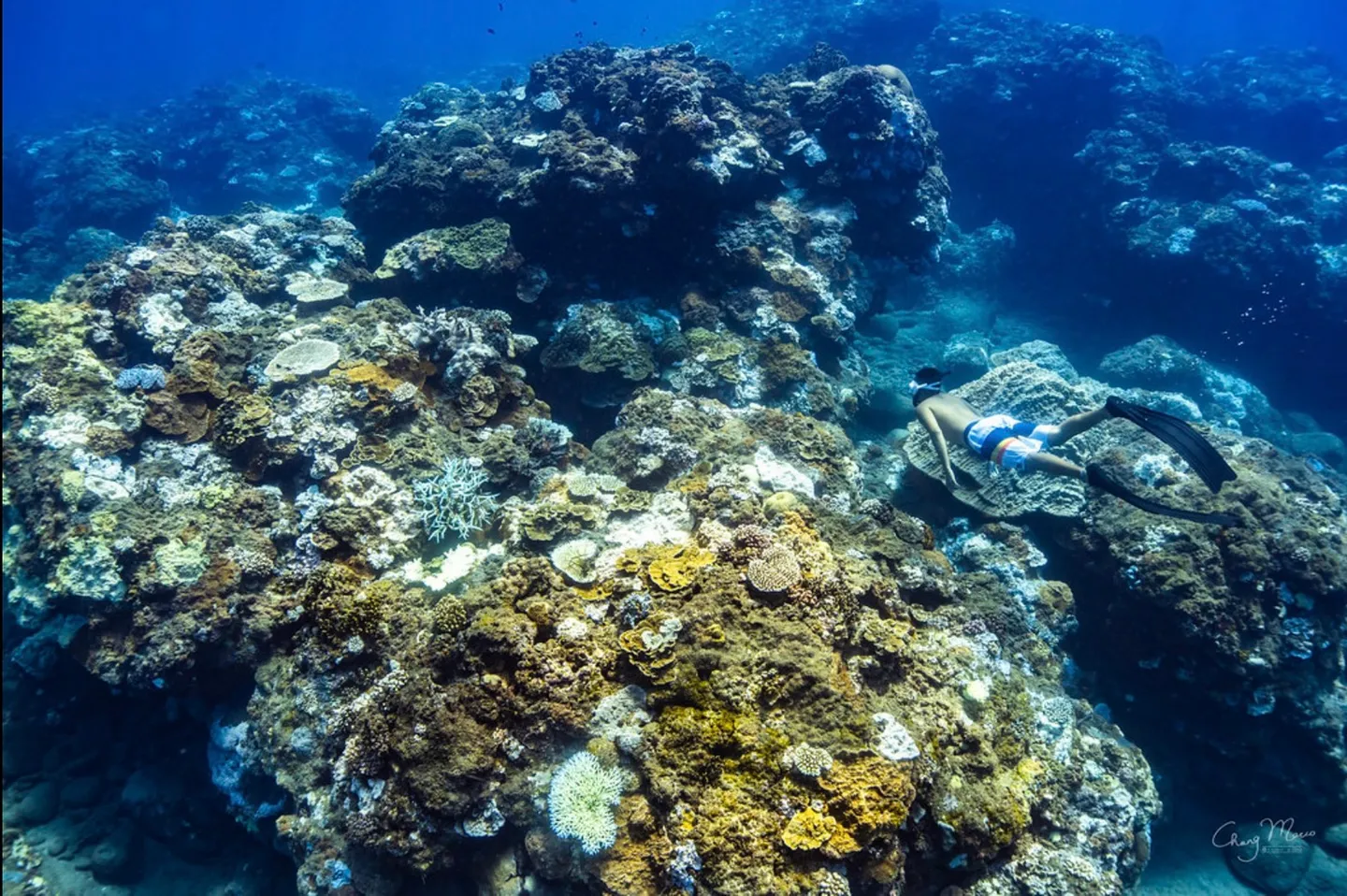
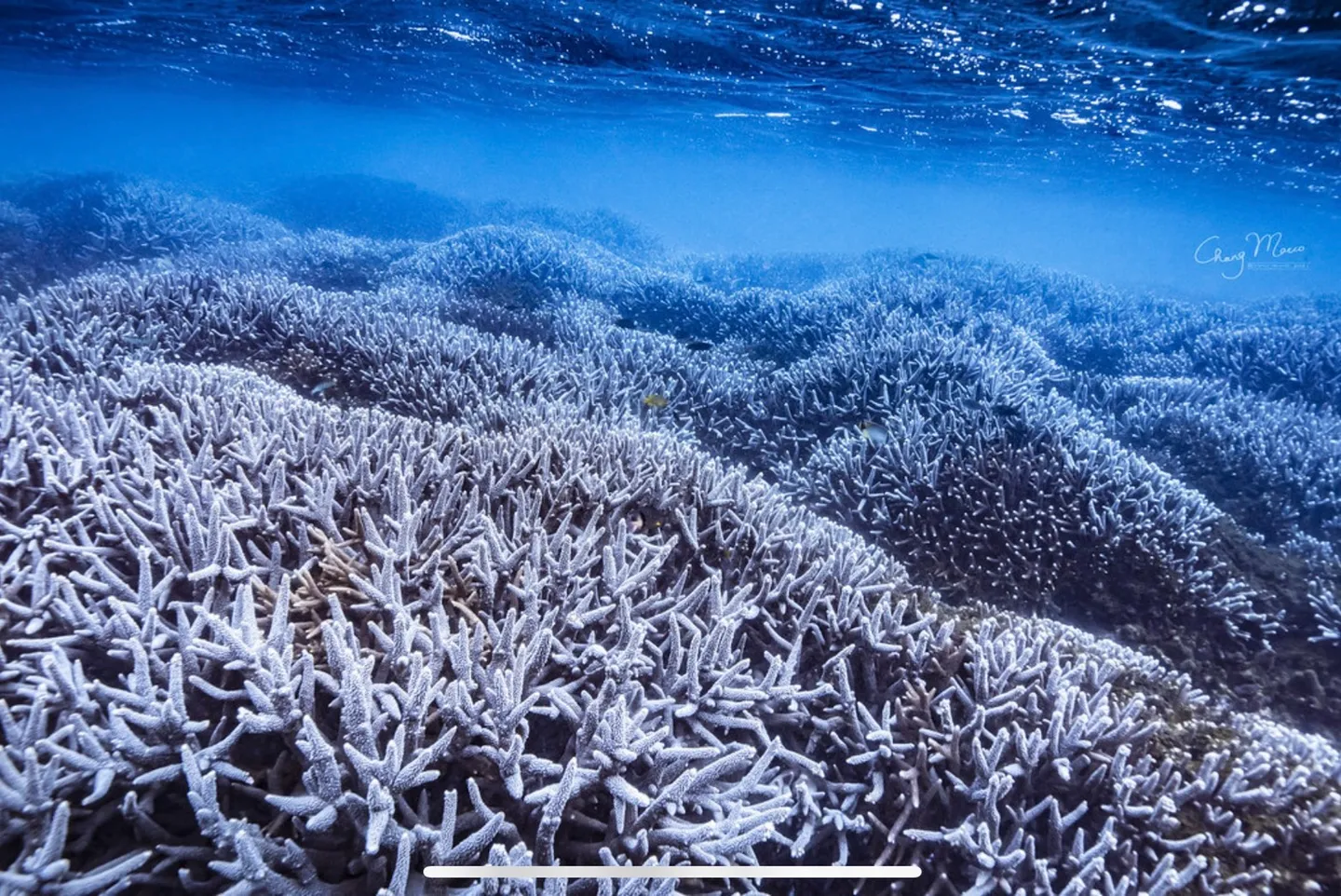
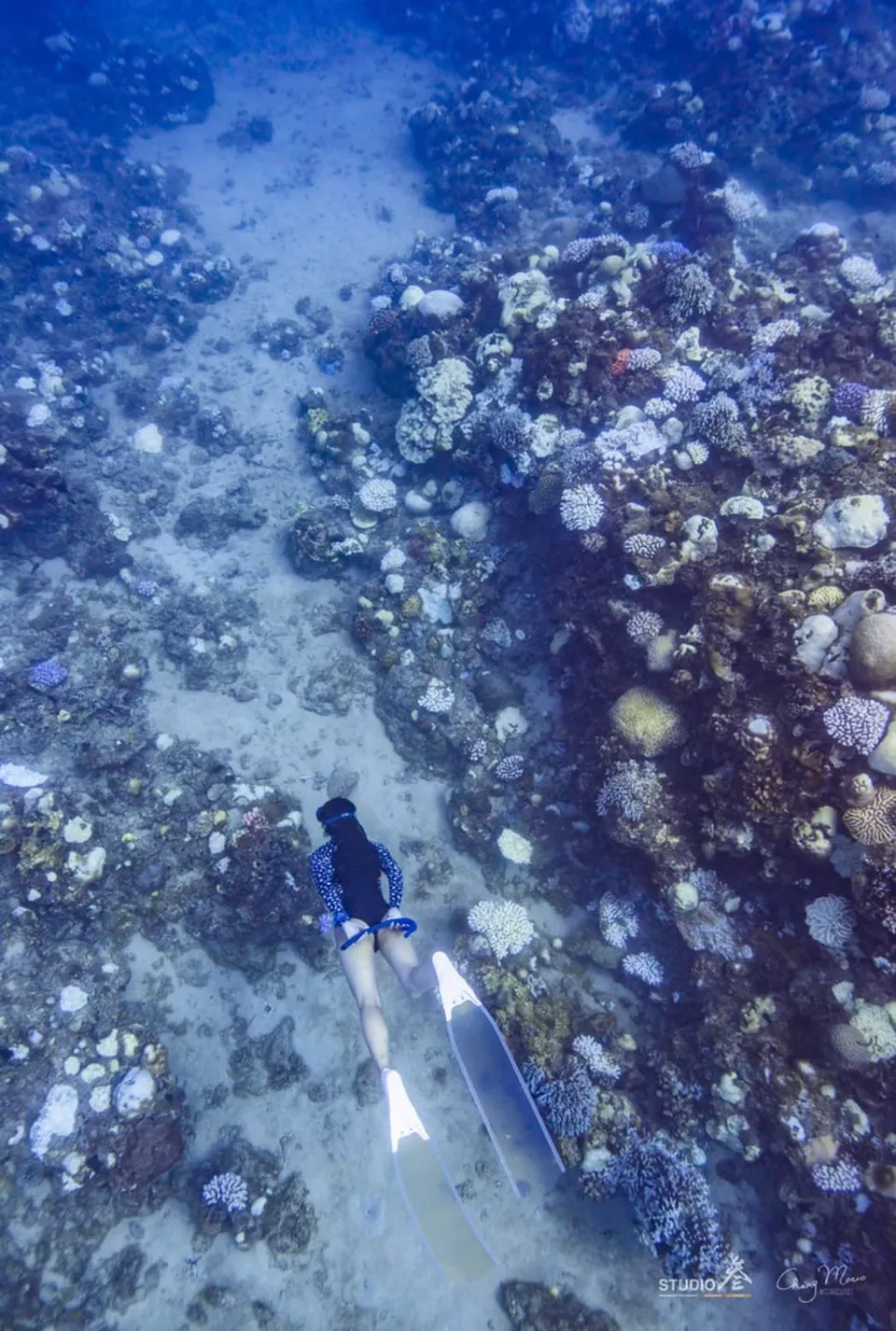
Taiwan's reefs suffered widespread coral bleaching in 2020. We lack the systematic data needed to study this ecological disaster — but every one of us can become a marine citizen scientist. (Photo by Marco Chang)
Dr. Chen's key factors for successful citizen science: ease of participation, data accuracy, and a sense of belonging and purpose.
Dr. Chen believes that marine citizen scientists can not only assist in completing scientific research, but also help the public develop a new relationship with coral in the process. Once you truly get to know coral, the next time you find yourself stepping through an intertidal zone, you will instinctively pause to check whether coral is growing underfoot before you take your next step. That transformation in awareness is precisely the mission that environmental education hopes to achieve.
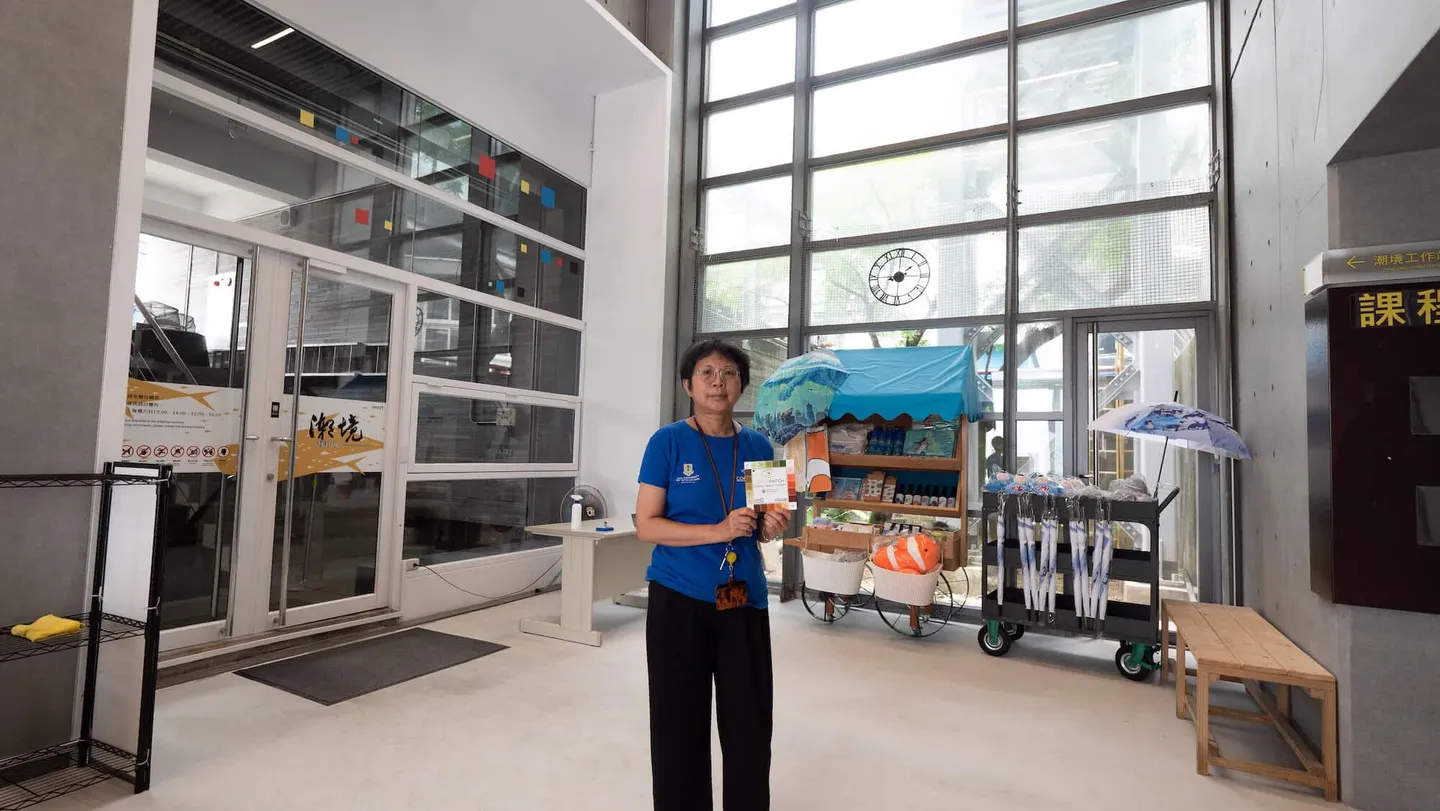
Dr. Li-Shu Chen is currently based at the National Museum of Marine Science and Technology in Keelung, where she continues to promote ocean environmental education.
Further reading:
- National Museum of Marine Science and Technology – Ocean Steward Programme
- University of Queensland CoralWatch Programme Official Website
- ReefCheck Official Website
- CoralNet Official Website
- Marine Citizen Scientists Using Underwater Photography to Support Marine Conservation and Foundational Research