Contents(3)
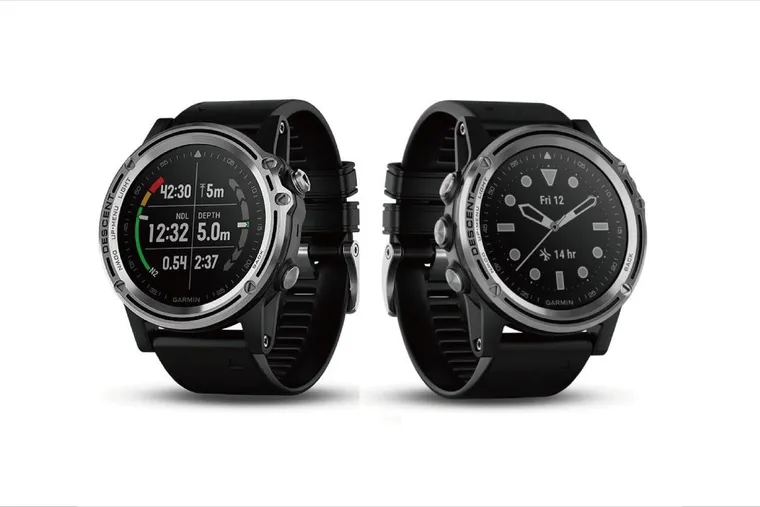
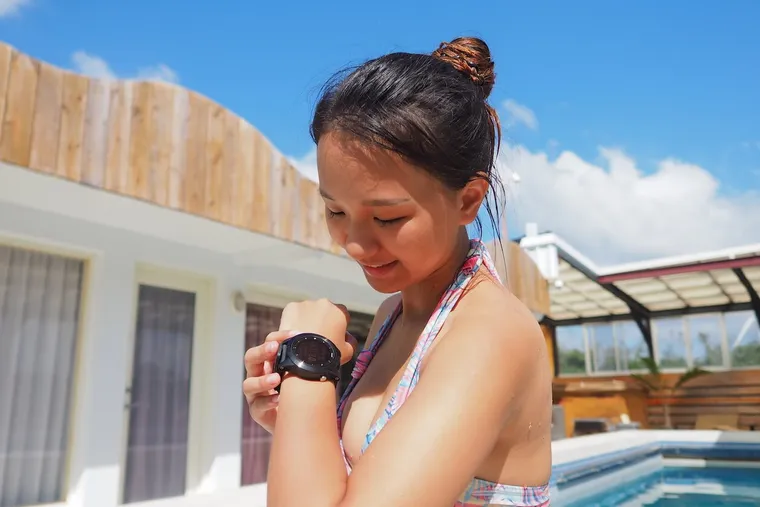
The first day of 2020 arrived wrapped in drizzle, with temperatures along the North Coast dropping to around 13°C. Yet by 8 a.m., the beaches near Jinshan and Wanli were already packed with people, all gearing up to hunt for a mysterious species — the "Zhejiang Fish." Would they succeed in their quest? The Editor joined the New Year's adventure armed with a Rogy 360 panoramic camera and the ATMOS Mission One dive computer in its new colorway.
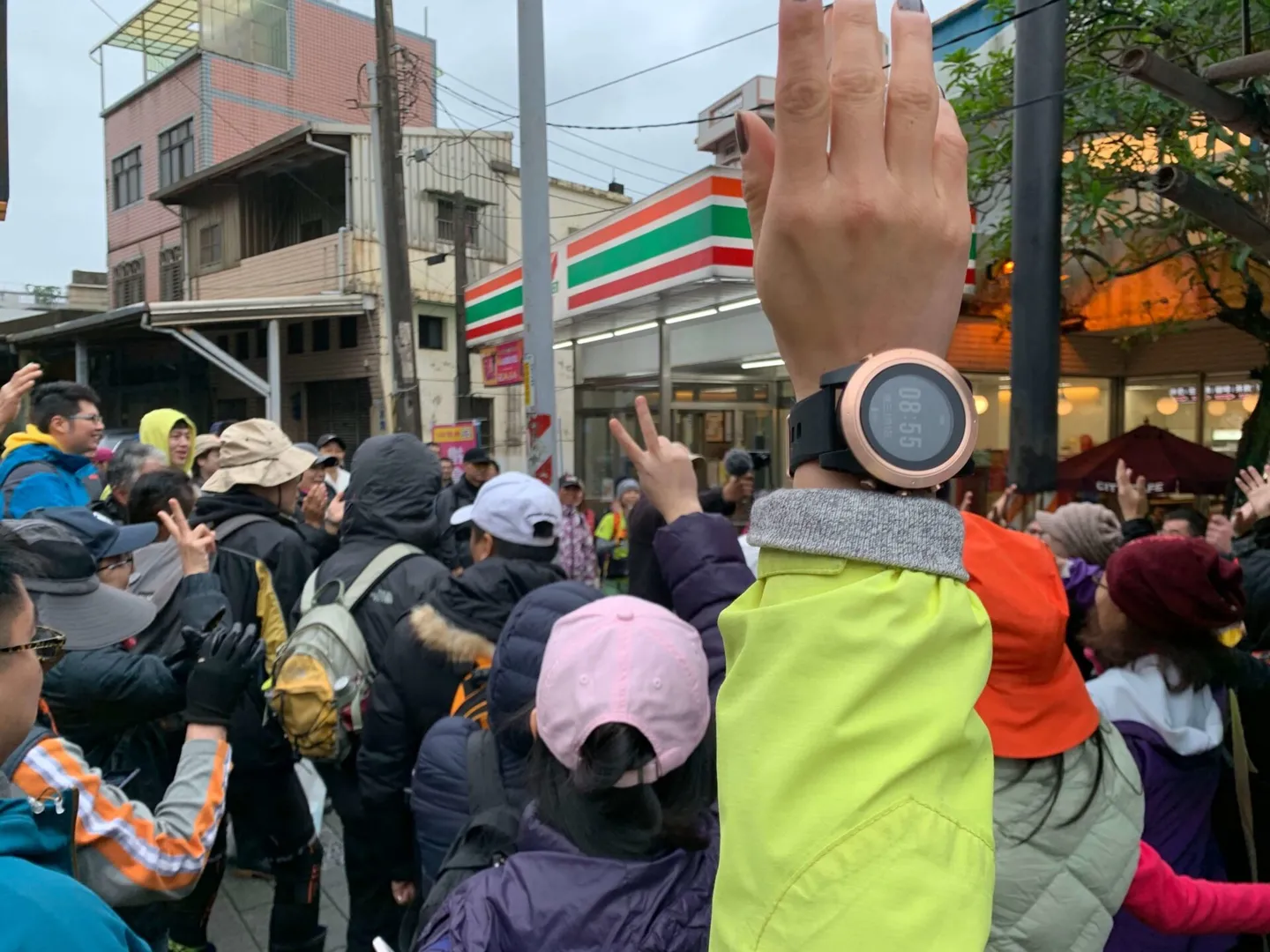
Gathering roadside in Wanli from early on New Year's morning

Full of fighting spirit and ready to track down today's target species — the "Zhejiang Fish"
Capturing the Highlights with the Rogy 360 Panoramic Camera
The group marched off to the Wanli shoreline to begin their mission. In addition to standard cameras, the organizers had specially borrowed a Rogy 360 panoramic camera for the event. While 360-degree cameras offer a uniquely immersive perspective, they are generally expensive and not widely adopted. The Rogy 360, developed by a Taiwanese manufacturer, arrived on the scene to change that — packing high-end specs and single-device live-streaming capabilities into one versatile package, giving live-streamers and event organizers a brand-new way to document their activities. If you're curious about its controls and specifications, check out the links below!
-
Business Next: Still NT$150 million in debt, yet he chose to start a company — can this MIT panoramic camera give him a second chance?
-
Rogy 360 Panoramic Camera — 100% MIT! Photos, video, and live streaming all in one device!
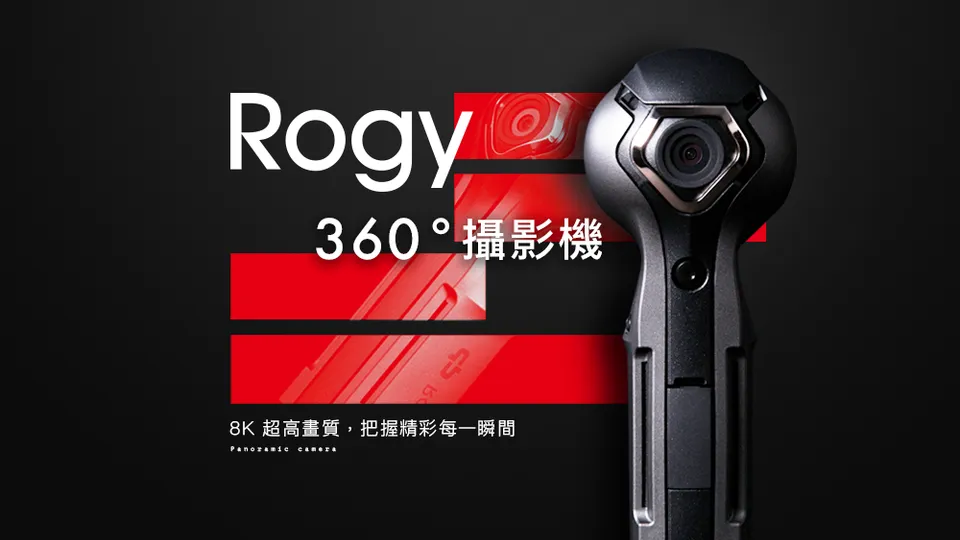
Official promotional image for the Rogy 360
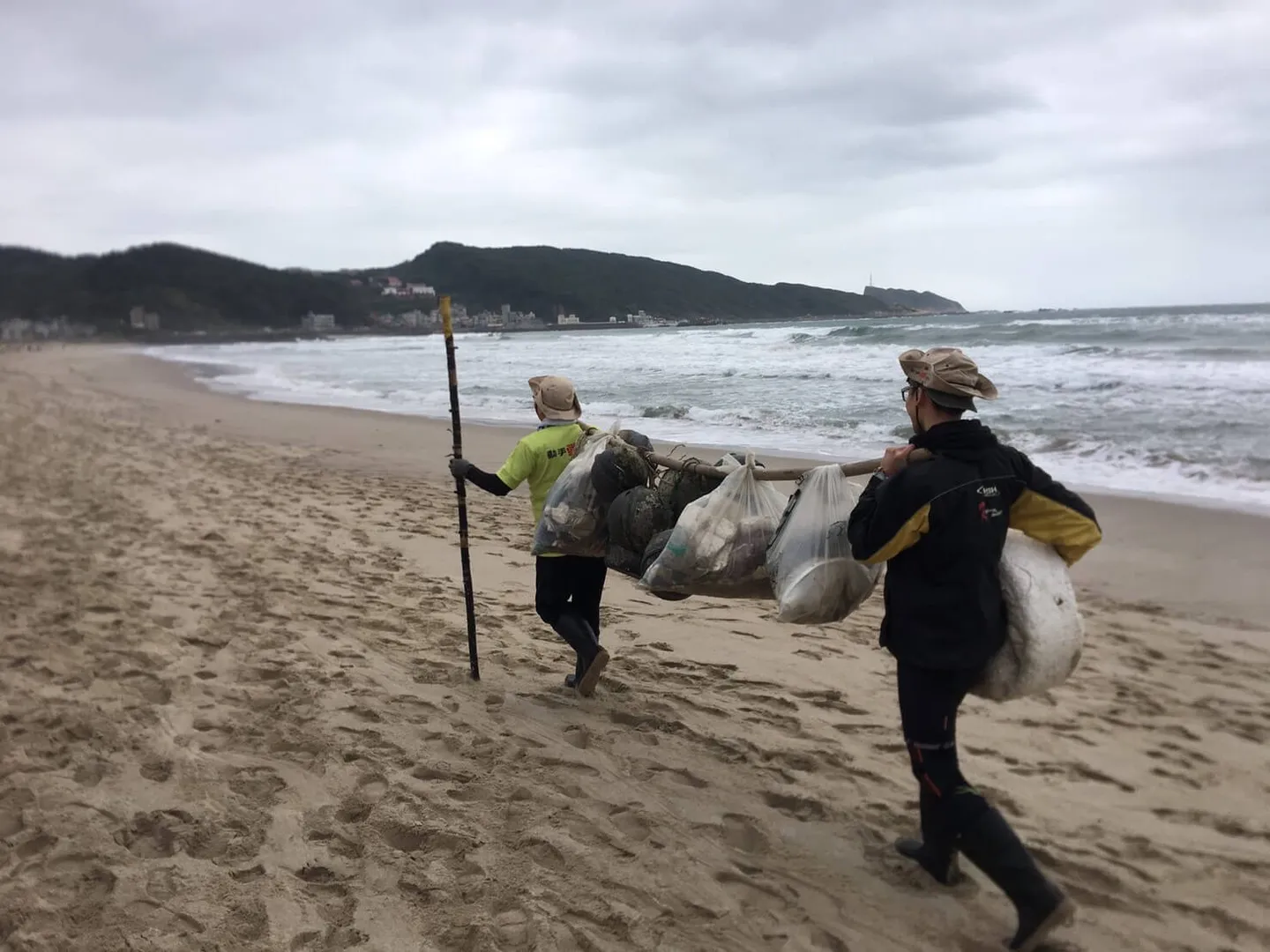
The beach cleanup gets underway
Please watch the 360° video below using Chrome on a mobile phone or desktop computer.
Panoramic cameras can capture a full 360° field of view and let viewers freely adjust their angle so nothing is missed. However, they do have limitations in low-light conditions — and as luck would have it, the overcast weather during this beach cleanup shoot affected the overall image quality. Another thing to keep in mind when filming 360° footage is to pay close attention to the movement flow of the scene, so you don't end up focusing on what's in front while inadvertently capturing an uninteresting backdrop (such as a blank wall) in the rest of the frame.
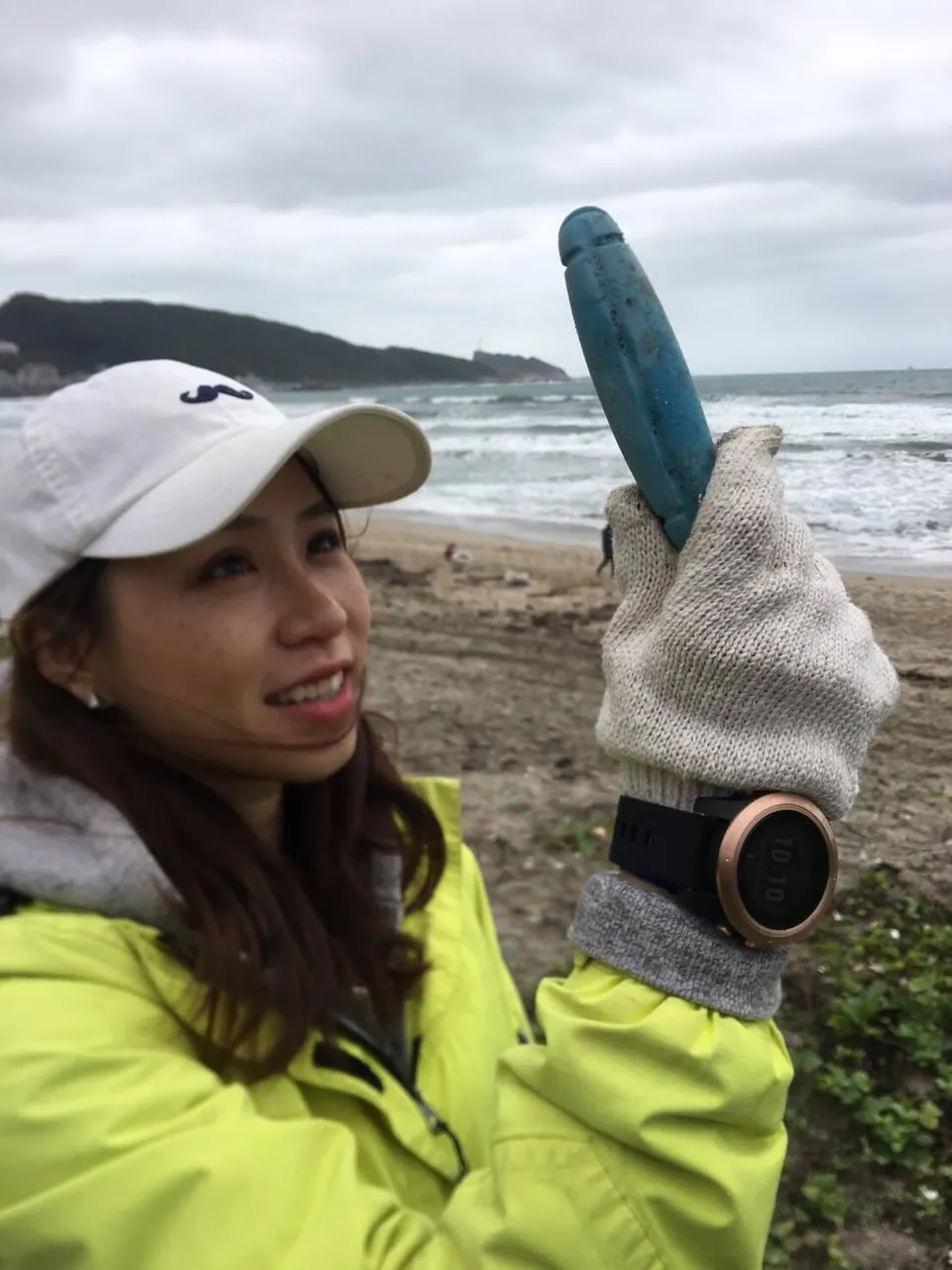
We found today's target species — one "Zhejiang Fish"!
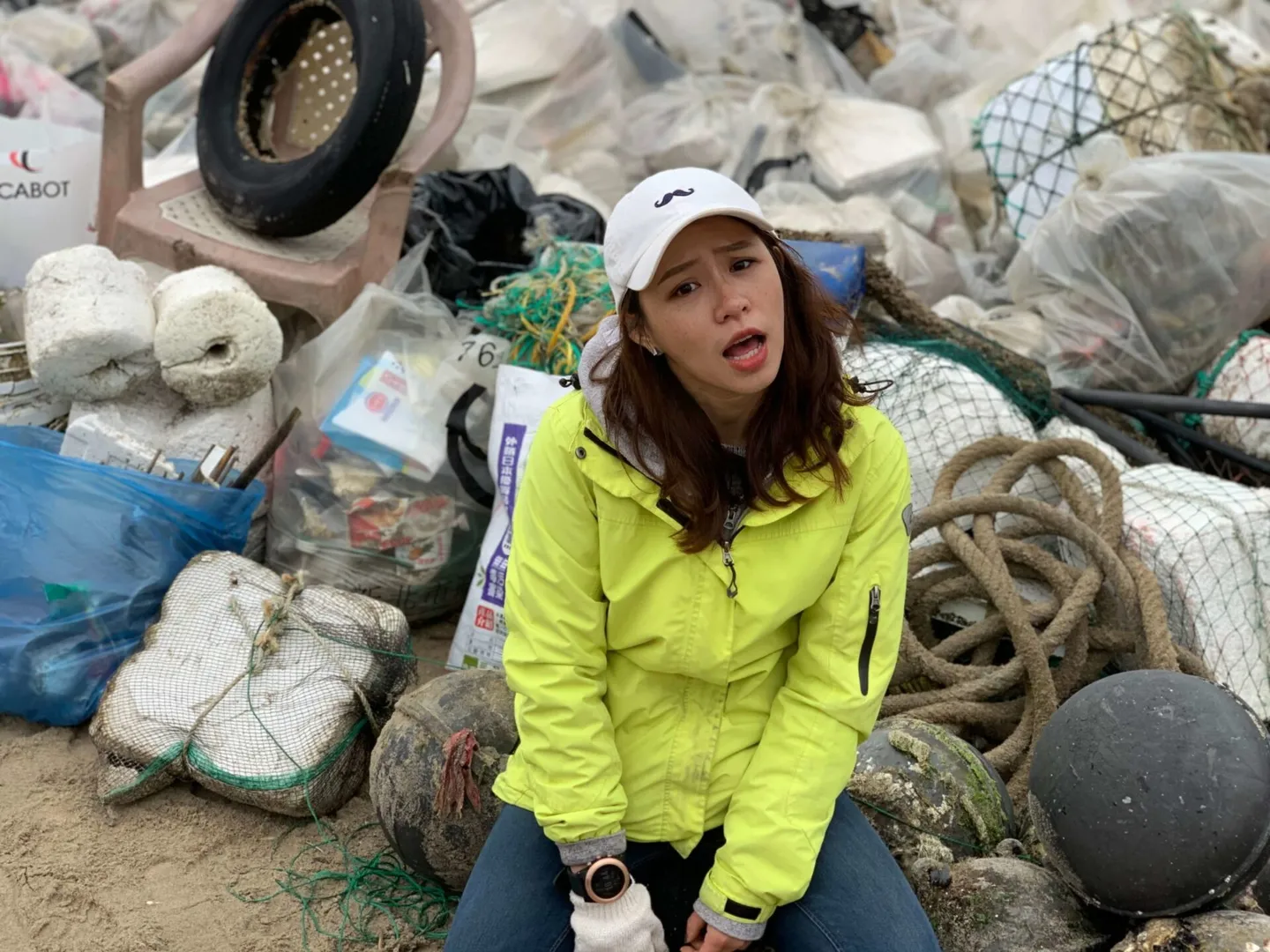
After just an hour and a half of cleanup, the pile of marine debris had grown as tall as a small mountain

Beyond everyday household waste, fishing-related debris made up the largest share of what was collected
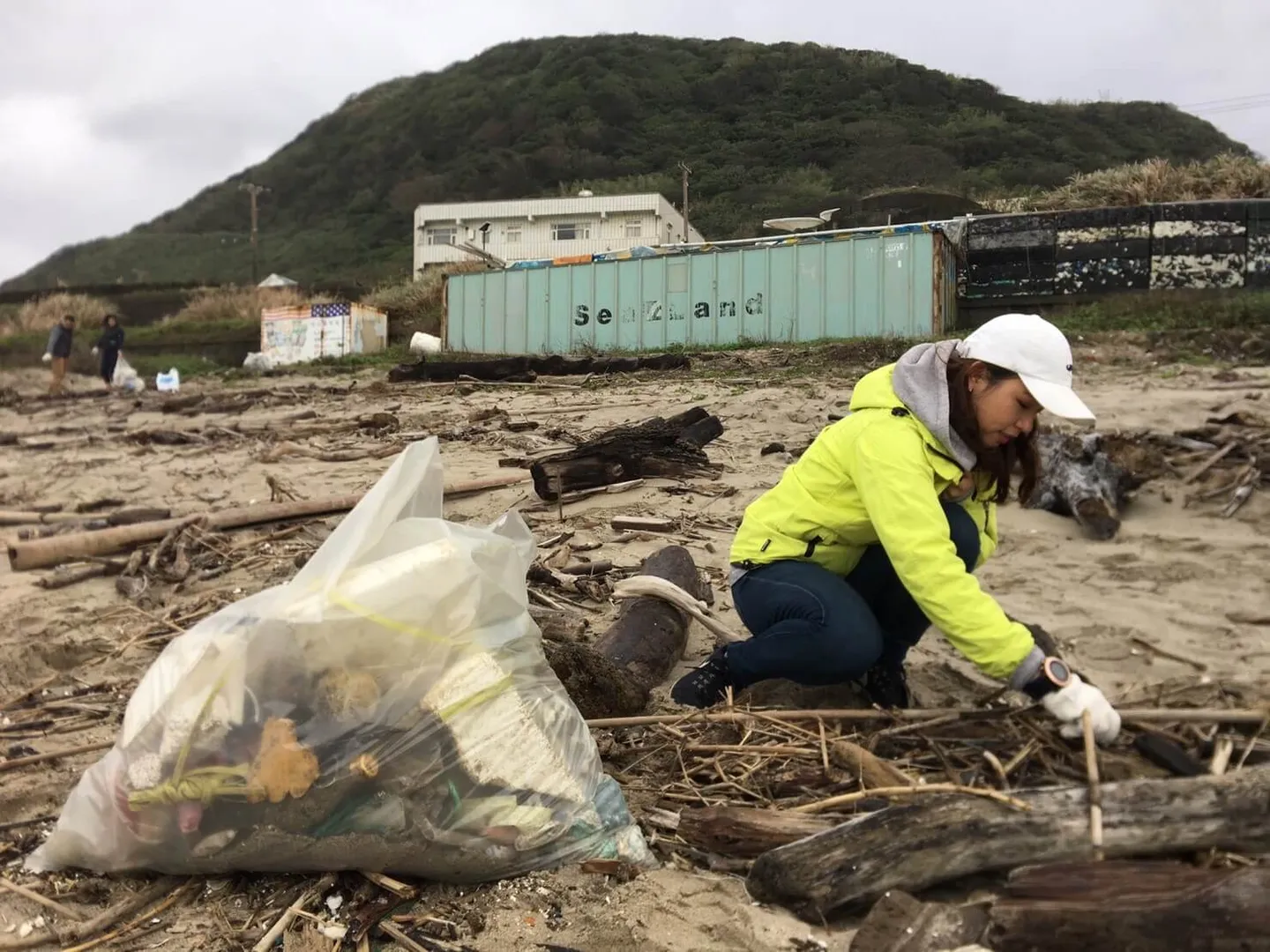
Fragments of broken styrofoam were scattered across the entire beach
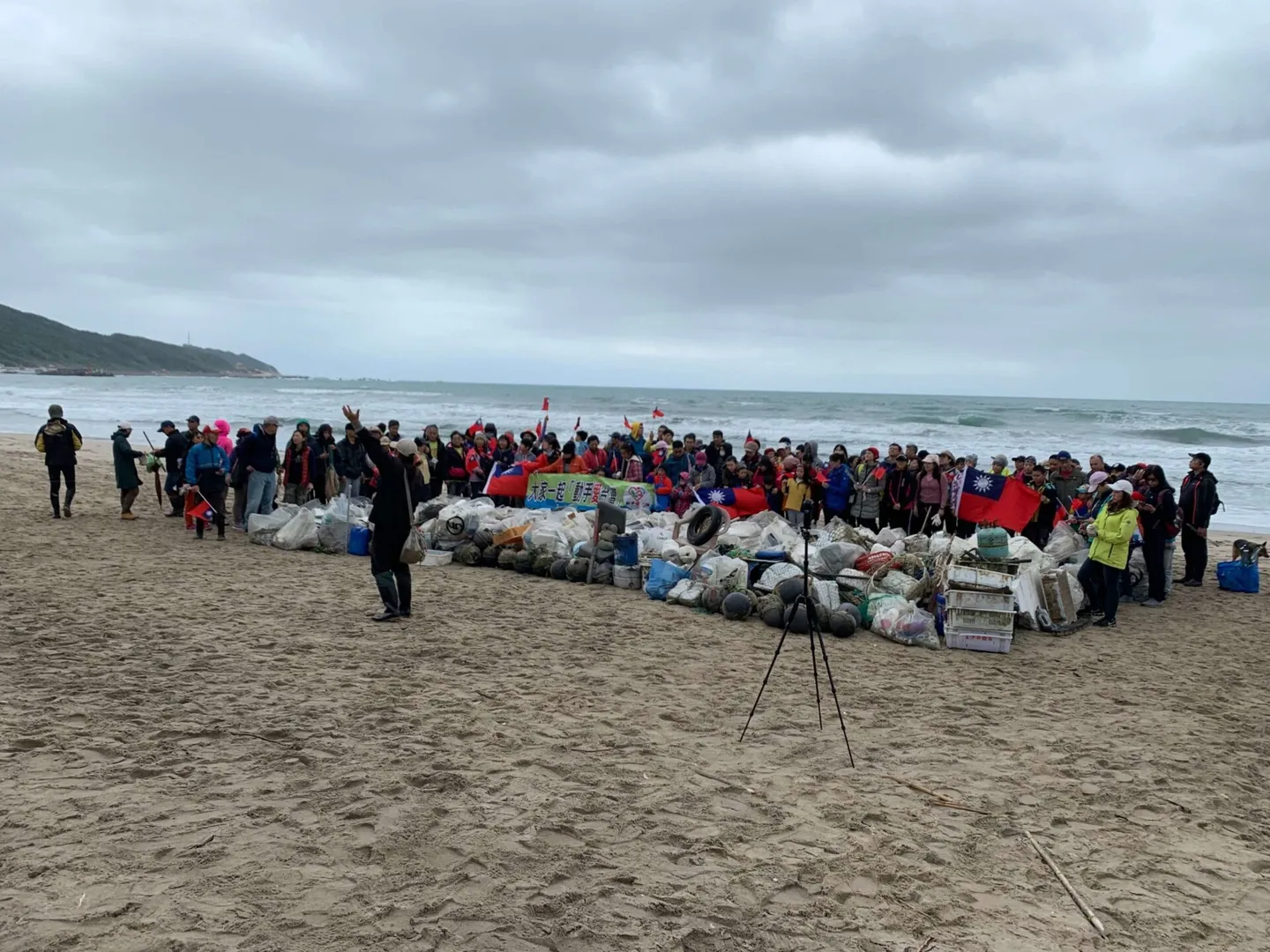
Cleanup complete — everyone gather round!
Please watch the 360° video below using Chrome on a mobile phone or desktop computer.


Wait — So What Exactly Is a "Zhejiang Fish"?
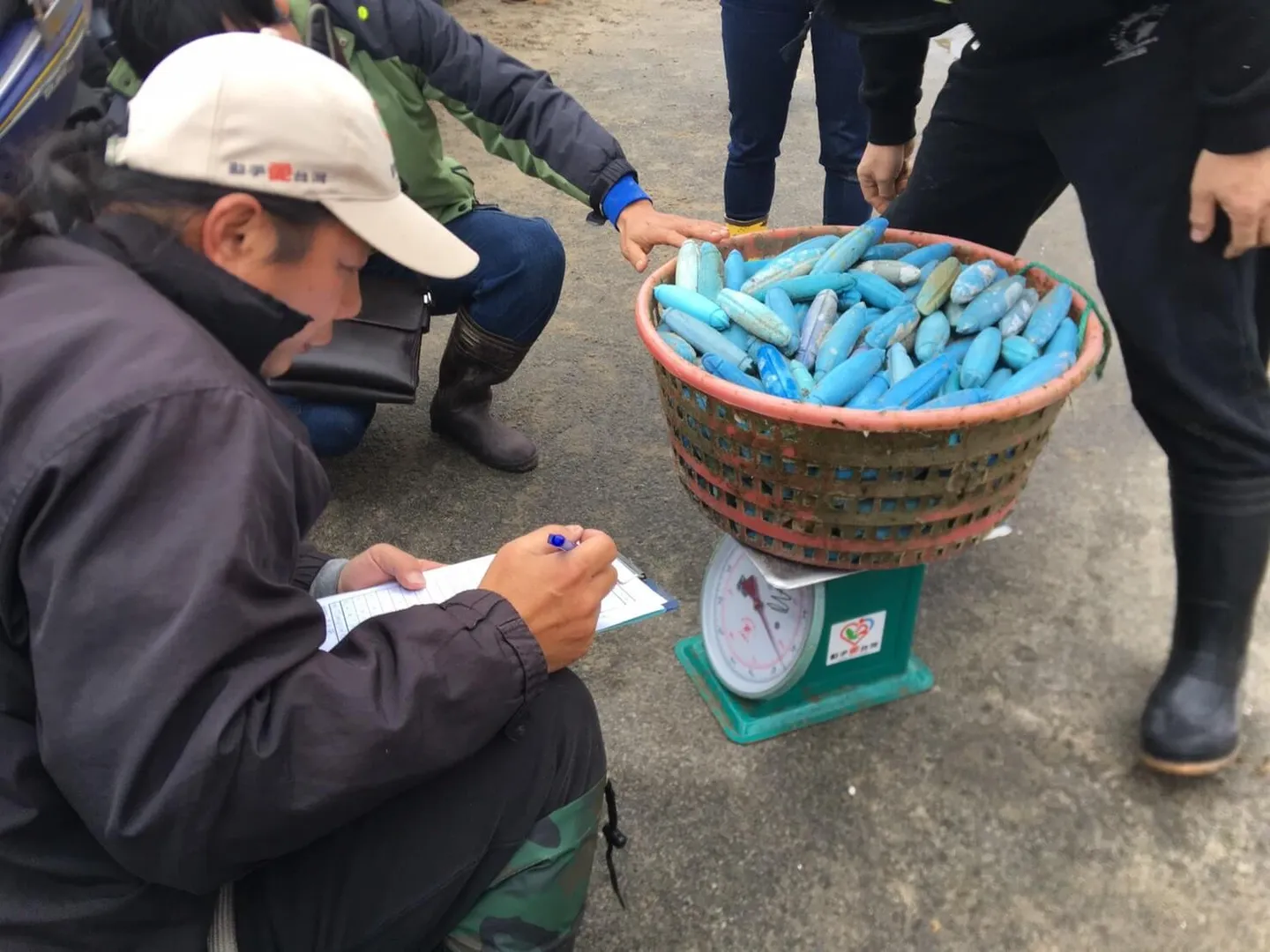
Piles of "Zhejiang Fish"
It turns out that "Zhejiang Fish" are the buoy floats attached to gill nets. Compared to the expensive gear used in deep-sea fishing, these floats are relatively cheap and are mainly used for inshore fishing, with mesh sizes matched to the target catch. Perhaps because of their low cost, fishermen don't think twice about them — if a net snags on a reef, it's simply abandoned in the sea, where the floats drift along ocean currents until they wash ashore. In just an hour and a half of cleanup that day, our group collected 1,075 "Zhejiang Fish." Brother Chen from Dòngshǒu Ài Táiwān (動手愛台灣) mentioned that during one beach cleanup in 2019, over 6,000 of these floats were collected — a truly staggering number.
So why are they called "Zhejiang Fish"? It's because most of the collected floats are boldly stamped with the characters "浙江" (Zhejiang) — likely the name of the factory that manufactured them — and the playful nickname stuck.
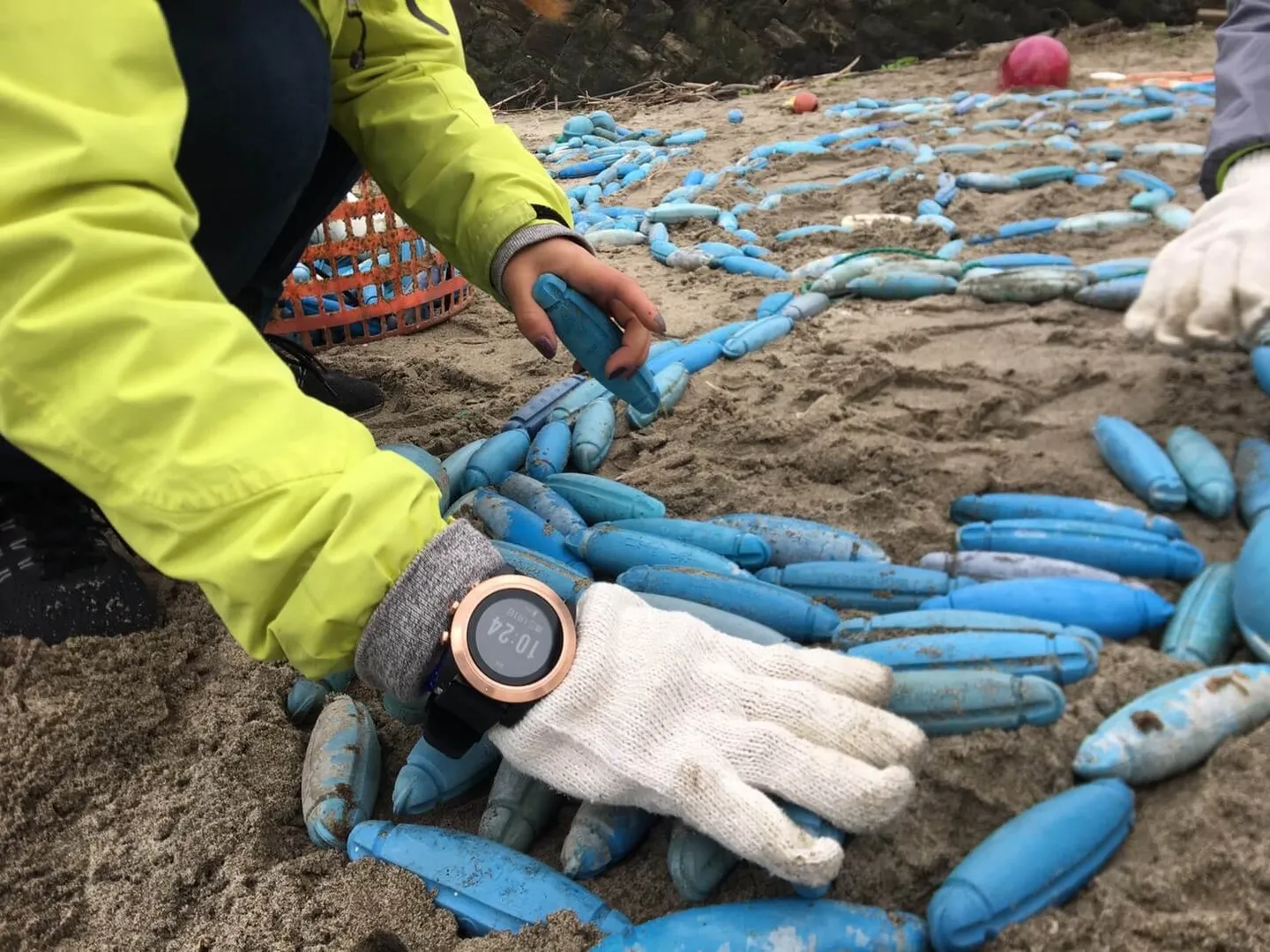
A sea turtle shape arranged from collected "Zhejiang Fish" — the irony couldn't be more pointed
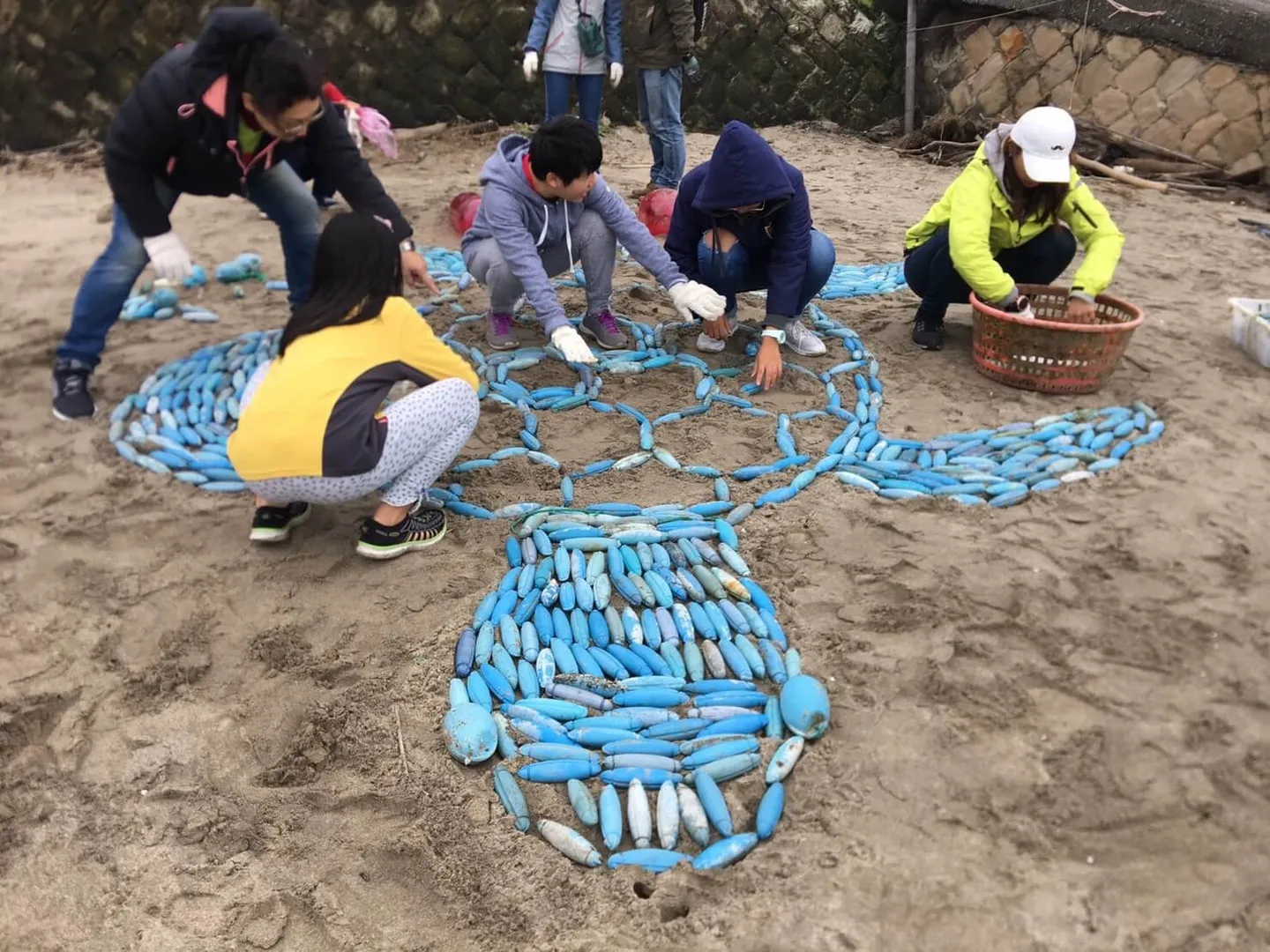
Seeing children participate in every beach cleanup gives us hope for the future of our oceans
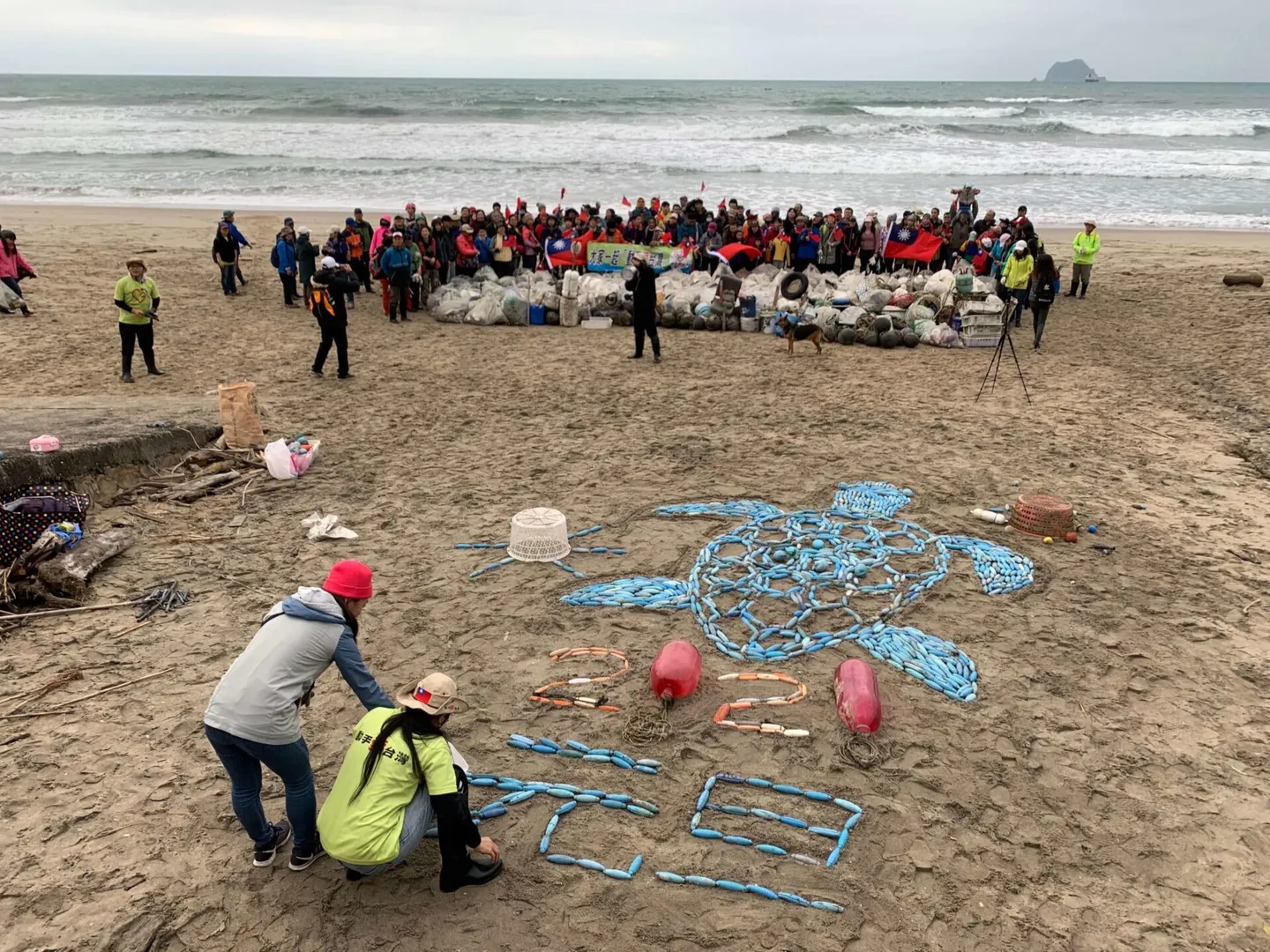
We hope events like this inspire people to engage with ocean issues as part of their everyday lives
Cleanup Data Summary
-
144 participants
-
1,950 kg of debris collected
-
1,075 "Zhejiang Fish" recovered
To borrow a memorable quote from Brother Chen Hsin-chu of 動手愛台灣: "A beach cleanup is not the endpoint of the marine debris problem — it is the starting point for rethinking our relationship with the ocean." If we take that thought with us into everyday life and reflect on the balance between humanity and the sea, maybe next time you reach for a plastic bottle out of convenience, you'll make a different choice.
Further reading: