Contents(8)
- What Is a Similan Islands Liveaboard — and Why Do Divers All Want to Go at Least Once?
- Inside a Similan Islands Liveaboard: From the Dock to the First Tank
- Onboard Food: A Malatang Hot Pot Per Table and a Deck BBQ
- Similan National Park Island Visit: Giant Boulders and White Sand Beaches
- Richelieu Rock: The Star Dive Site of the Similan Islands Liveaboard
- Similan Islands Liveaboard Cost and Experience: Is It Worth It?
- Practical Information Summary for a Similan Islands Liveaboard
- Closing Thoughts: Start Your First Liveaboard at the Similan Islands
The Similan Islands are a national park reserve in Thailand's Andaman Sea, open for only about 7 months each year — and the liveaboard destination of choice for divers across Asia. The Editor joined a Similan Islands liveaboard and documented everything from boarding and dive site schedules to onboard food and costs. The verdict is clear: the fish density at the star dive site Richelieu Rock, the quality of the onboard meals, and the relatively accessible price tag make the Similans the most worthwhile liveaboard choice for first-timers.
When people think of diving in Thailand, Koh Tao tends to come to mind first. But if you want to reach the most fish-packed dive sites within a limited holiday window, a Similan Islands liveaboard is the better answer. This article documents the Editor's complete experience, along with everything you need to know before you go — seasons, trip length, and certification requirements.
What Is a Similan Islands Liveaboard — and Why Do Divers All Want to Go at Least Once?
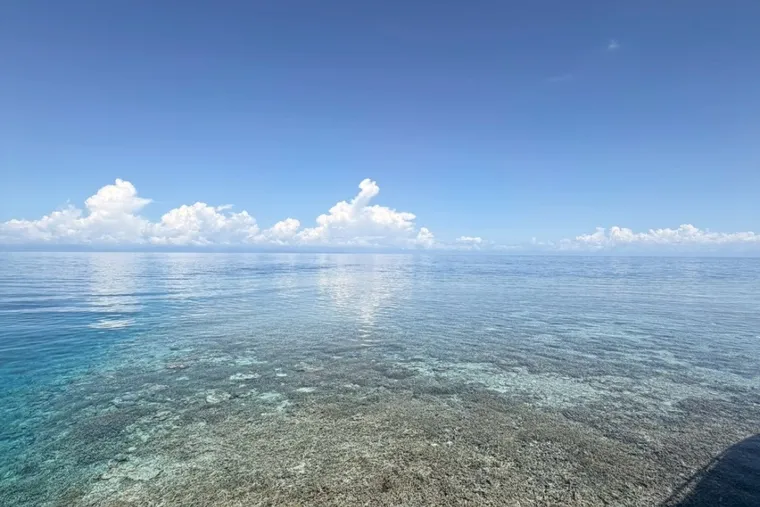
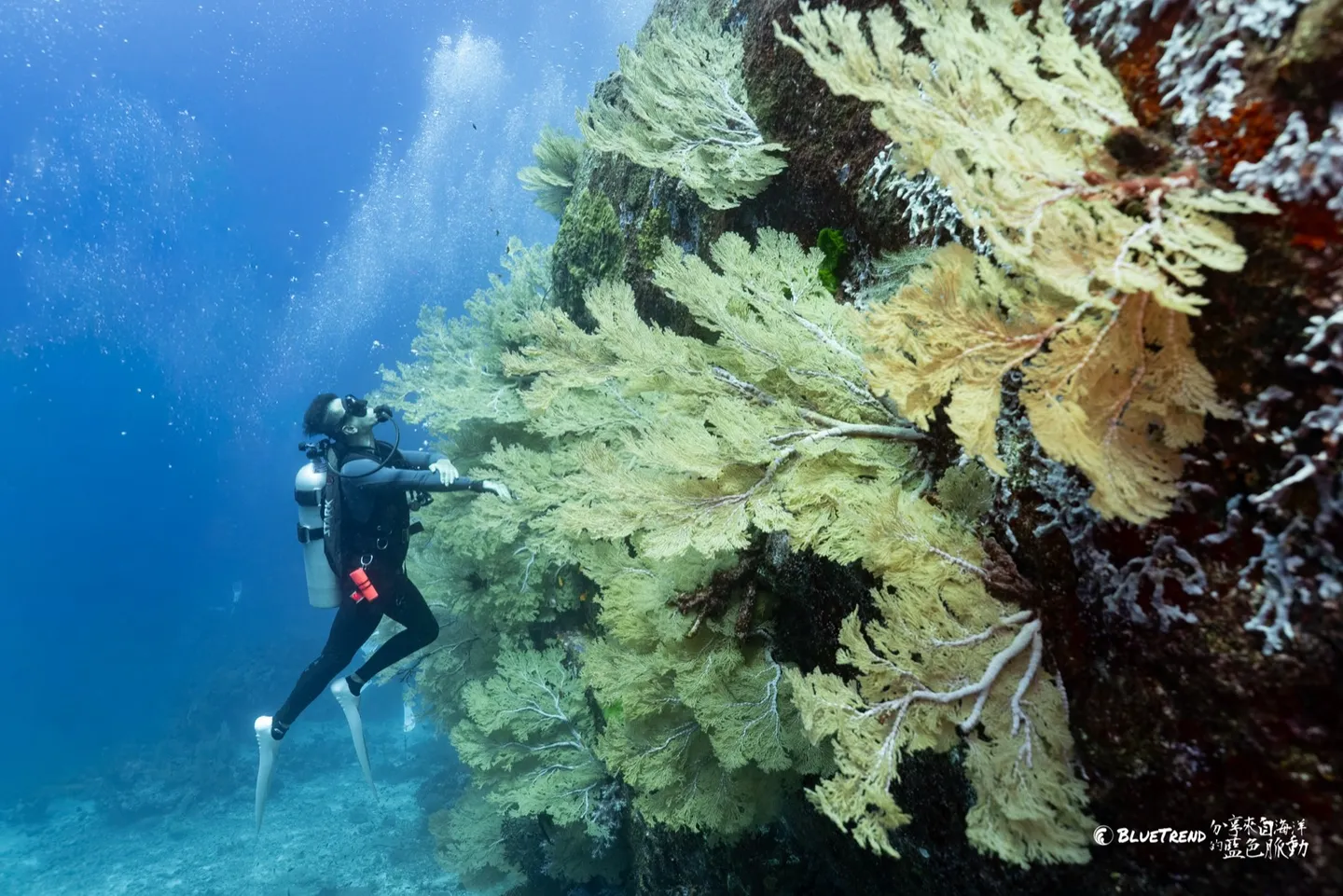
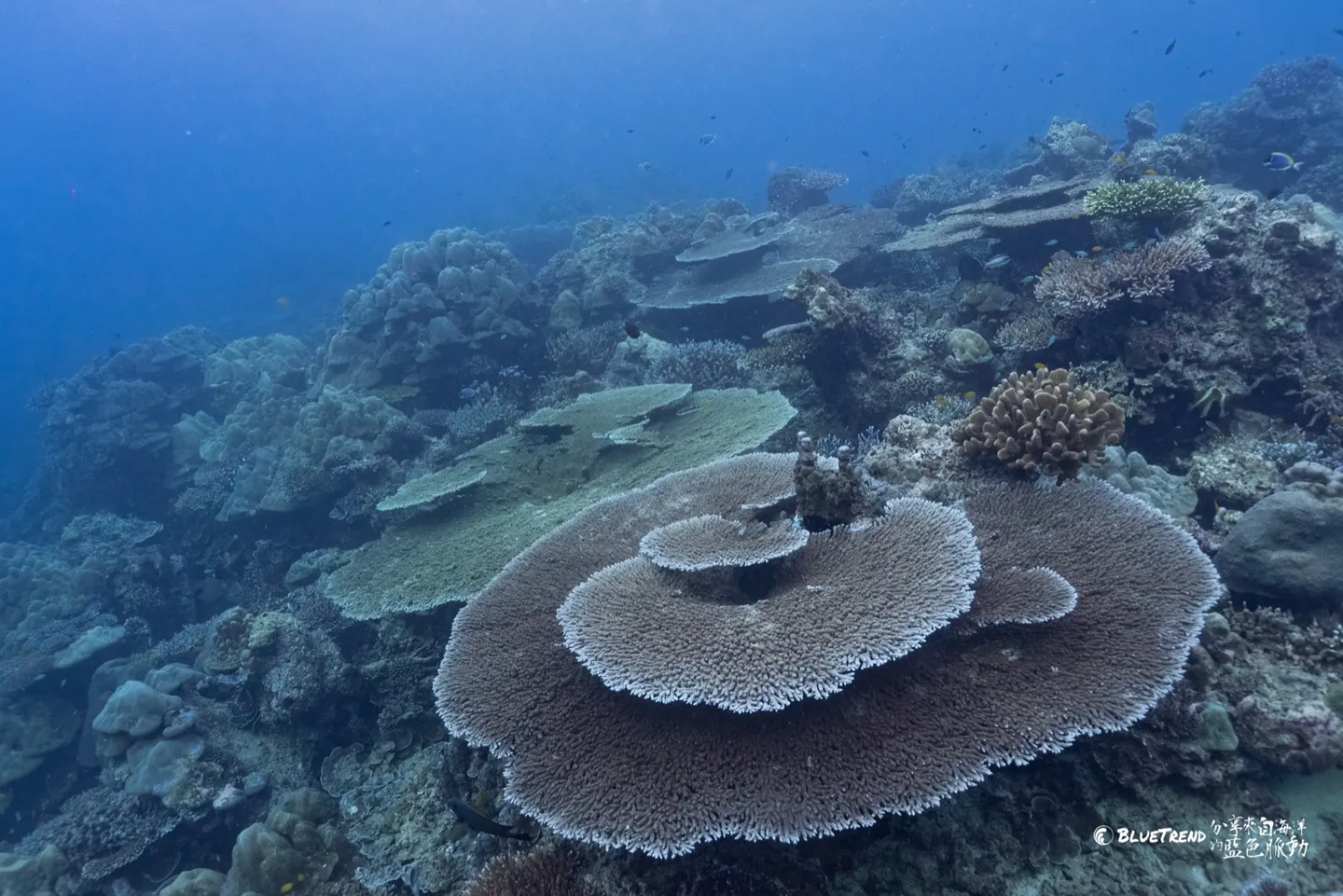
The Similan Islands lie in Thailand's Andaman Sea and are designated as a national park by the Thai government. The area opens for visitors only from around mid-October to mid-May each year; for the rest of the year the islands are closed, giving the marine ecosystem ample time to recover. Thanks to this limited-access policy, fish populations and coral conditions at the Similans remain exceptionally healthy, and divers from around the world show up right on cue every opening season.
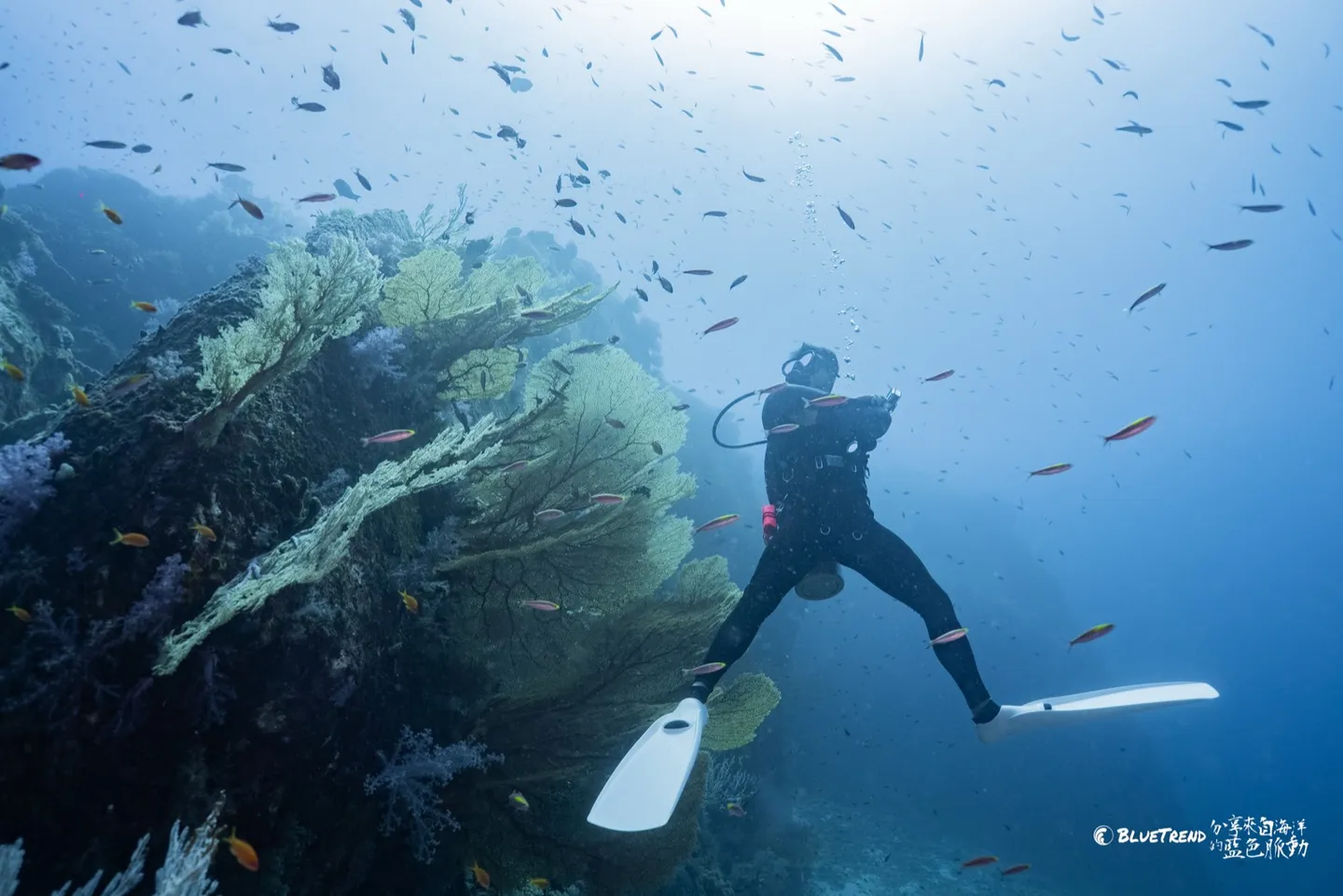
A liveaboard is the classic way to experience the Similans. There's no need to commute by boat from land each day — you eat and sleep on board, and simply drop into the water the moment you reach a dive site. That's the reason Similan liveaboards have been consistently recommended in the diving community for so long.


Inside a Similan Islands Liveaboard: From the Dock to the First Tank
Boarding: One of the Largest Liveaboard Vessels on the Similan Route
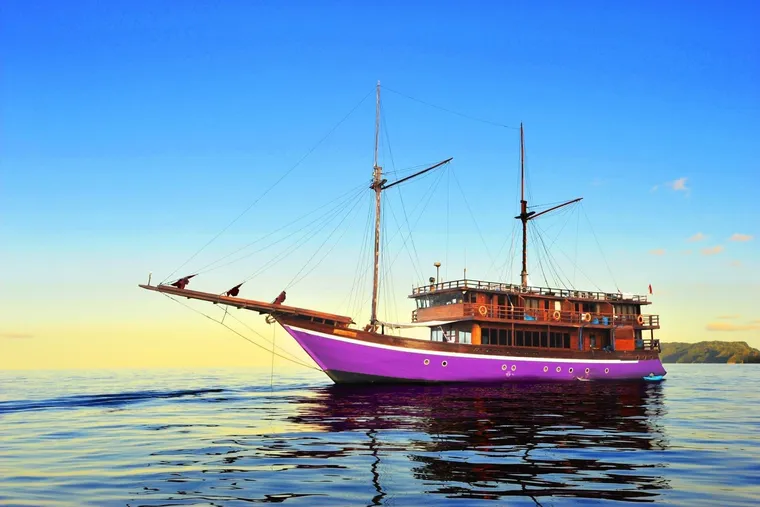
The Editor departed from within Thailand, arriving at the pier after roughly an hour's drive to find a whole row of liveaboard vessels moored side by side. The vessel we boarded — the Raga — is described by the operator as one of the largest liveaboards currently running the Similan route, and its sheer size is immediately apparent from the dock.
The moment we stepped on board, the Editor and dive buddy noticed a thoughtful touch: a free instant-noodle station available around the clock. Instant noodles don't cost much in the grand scheme of things, but when you climb back on board after a night dive — cold, hungry, and a little depleted — a bowl of hot noodle soup means everything. Soft drinks and beverages on board are also unlimited; only beer is charged separately.
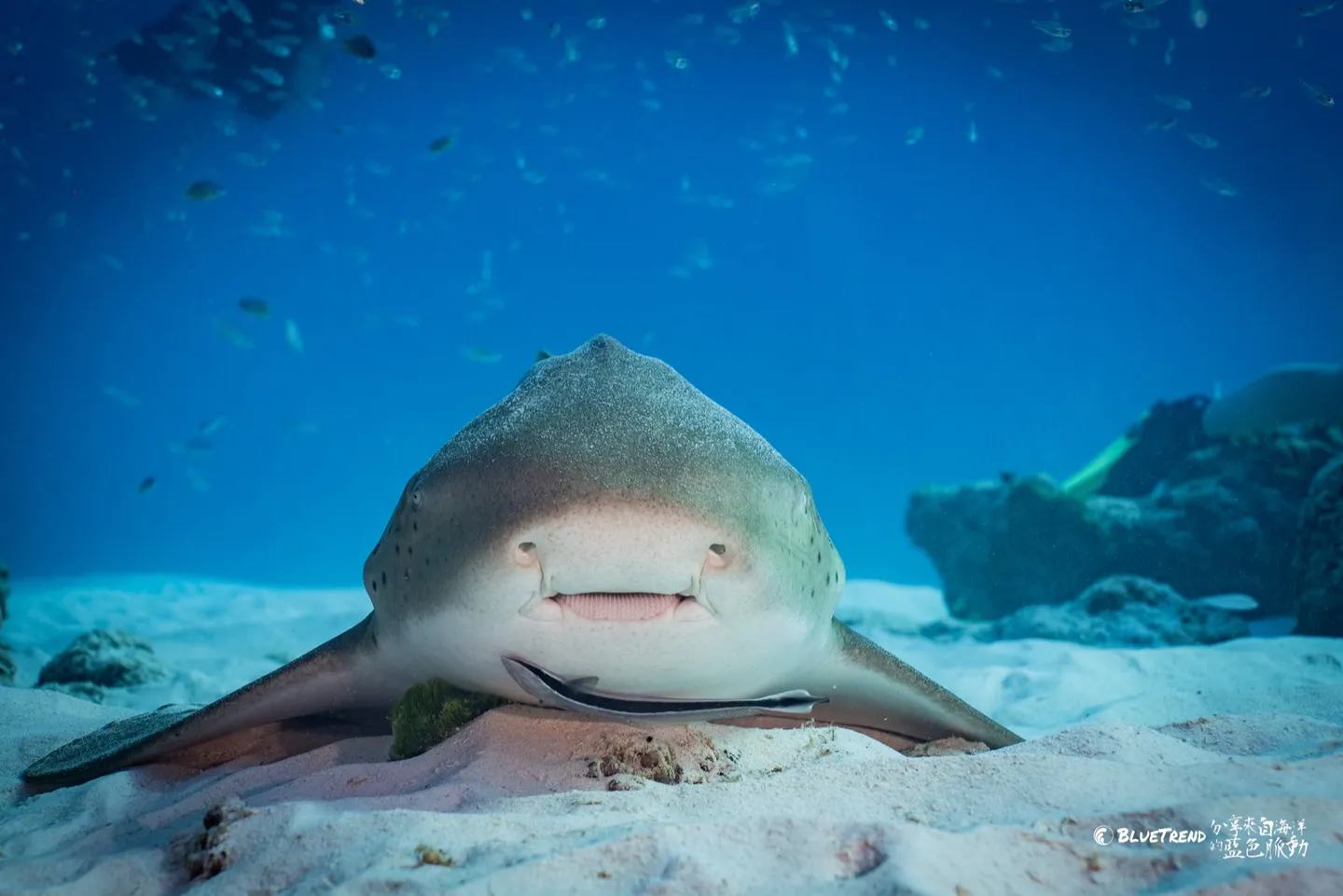
Departure Ceremony and Safety Briefing
The Editor noticed that every liveaboard vessel performs a blessing ceremony and firecracker ritual before leaving port, praying for a safe voyage. The moment the firecrackers go off, everyone on deck gets dusted with a bit of ash — yet it also makes you truly feel that this is a multi-day journey out to sea.
The first order of business on Day 1 is the crew's safety briefing and dive site introduction. The crew explains the characteristics of each site, key safety points, and the recommended underwater route. This information is important for both safety and enjoyment over the coming days, so give it your full attention.
Onboard Food: A Malatang Hot Pot Per Table and a Deck BBQ
The food on the Similan liveaboard was the aspect of the trip that surprised the Editor most.
Main Meals: A Menu Designed for Asian Guests
The catering on this vessel is clearly tailored to Asian palates — curry rice, breaded pork cutlets, and braised pork rice all feature, with several dishes served at every meal. The biggest surprise was the sashimi course: the crew presented it on a bed of dry ice, with wisps of vapor curling off the platter in a display that rivals any Japanese restaurant on land. Sitting down to a hot, proper meal right after surfacing from a dive makes for remarkably fast recovery.
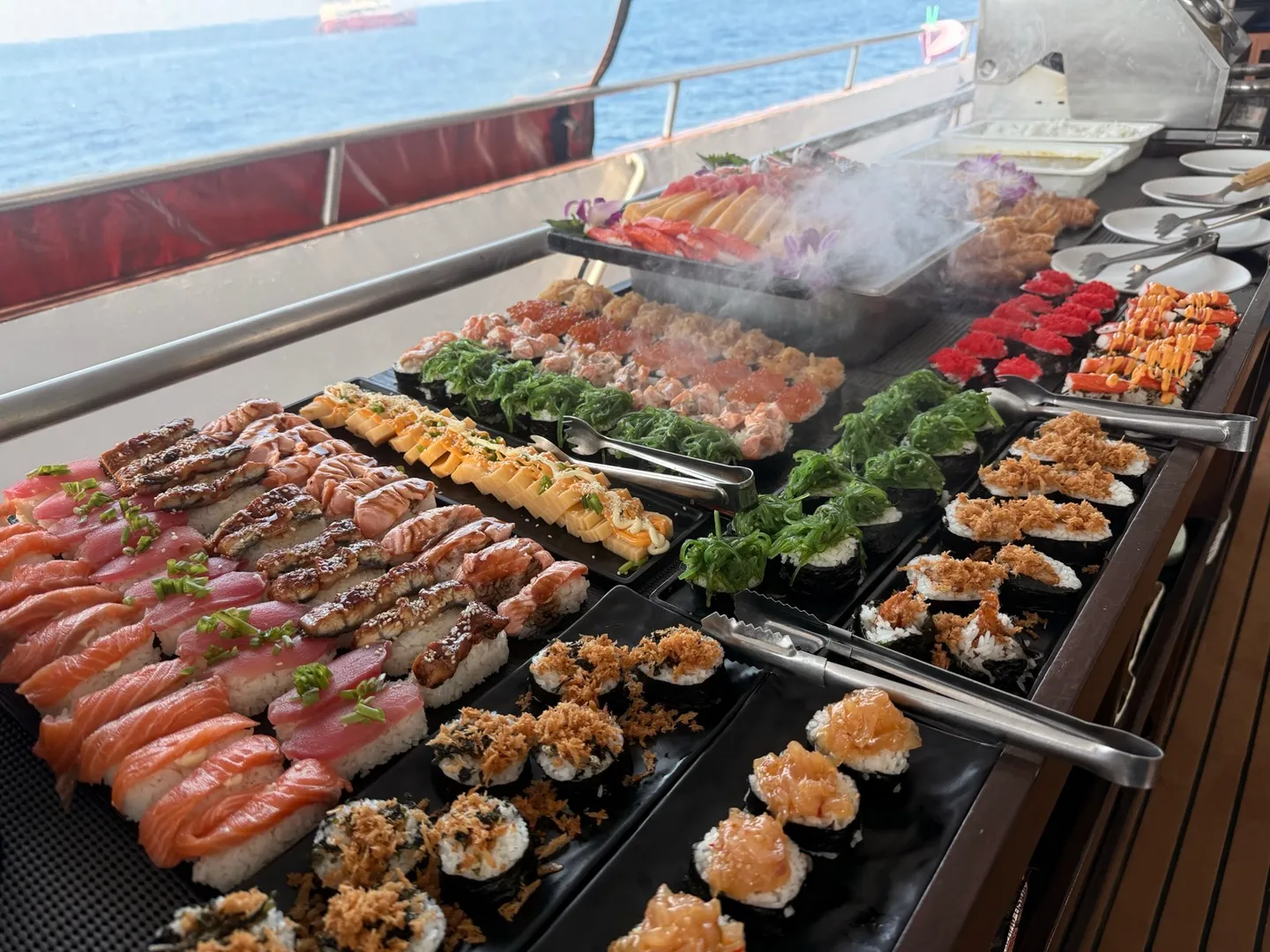
Dinner: Malatang Hot Pot and Deck BBQ
The highlight of dinner was a Sichuan-style malatang hot pot — one pot per table. The Editor counted around six pots set out across the entire vessel. Sliced meats, vegetables, and hot pot ingredients were plentiful, and the broth included a block of tallow, the essential ingredient that defines an authentic malatang. After the hot pot, the crew set up a BBQ grill on deck, with shrimp, beef, king oyster mushrooms, crab, and chicken legs all making an appearance. The rhythm of a liveaboard is dive, eat, dive again — and after a few days, weight gain is all but inevitable, but given the food quality on offer, the Editor considers it entirely worth it.
Similan National Park Island Visit: Giant Boulders and White Sand Beaches
Alongside the diving, the Similan liveaboard itinerary included time ashore on one of the park's protected islands. A signature landmark boulder sits on the island — from a distance you find yourself wondering how it hasn't toppled over, and up close the craftsmanship of nature becomes even more awe-inspiring.
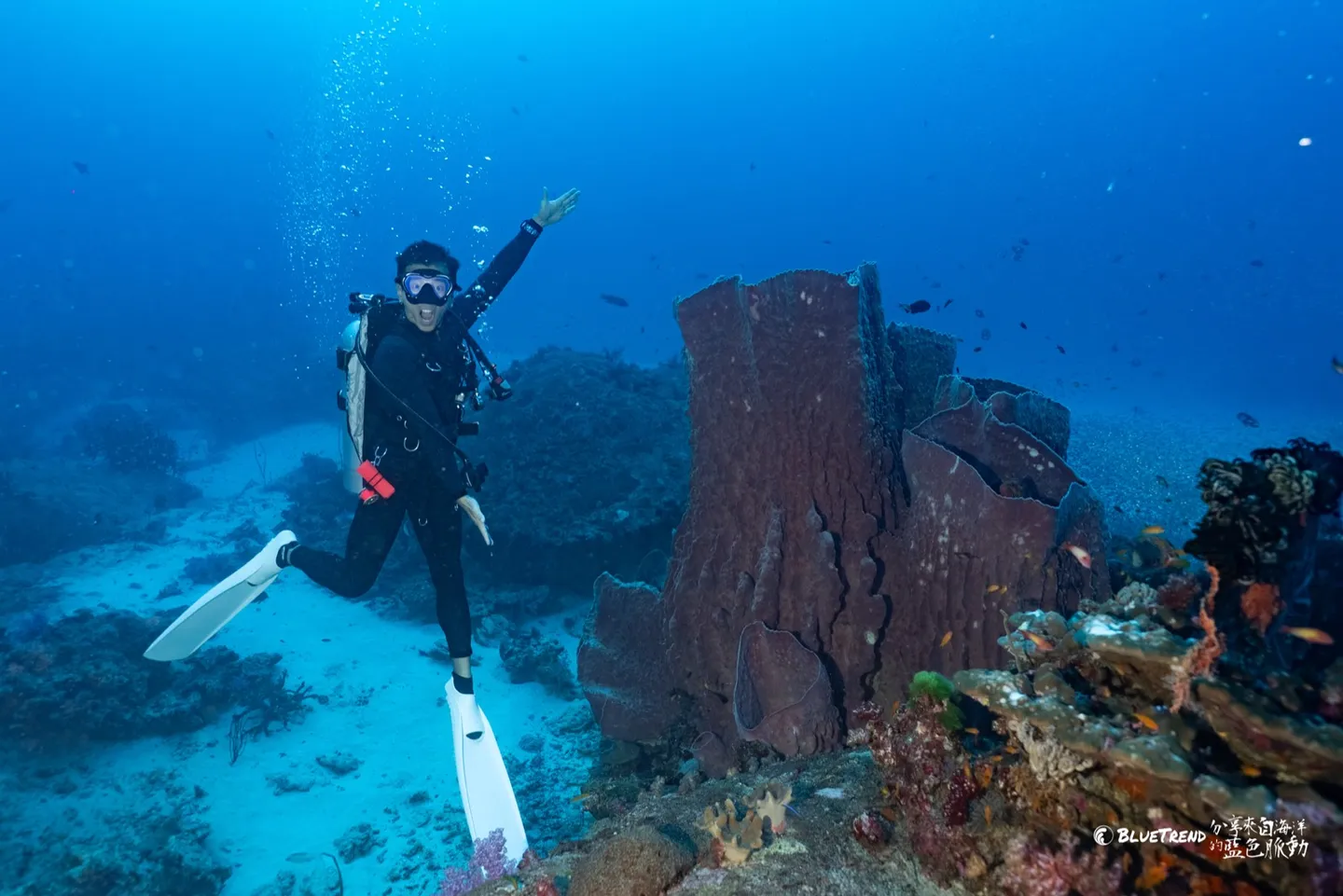
From the landing point to the viewpoint where the boulder stands is about a 5-minute walk. From the top, you're rewarded with views of brilliant blue water, white sandy beaches, and lush green jungle — photogenic from every angle. The island is impeccably maintained, a testament to the care put into managing the national park.
Richelieu Rock: The Star Dive Site of the Similan Islands Liveaboard
There's a saying in the diving world: "If you do a Similan liveaboard and don't dive Richelieu Rock, it's as if you never went." The Editor was skeptical at first — until actually getting in the water, and then it became clear that the saying is no exaggeration at all.
A Wall of Glassfish: A Silver School So Dense It Blocks Your View
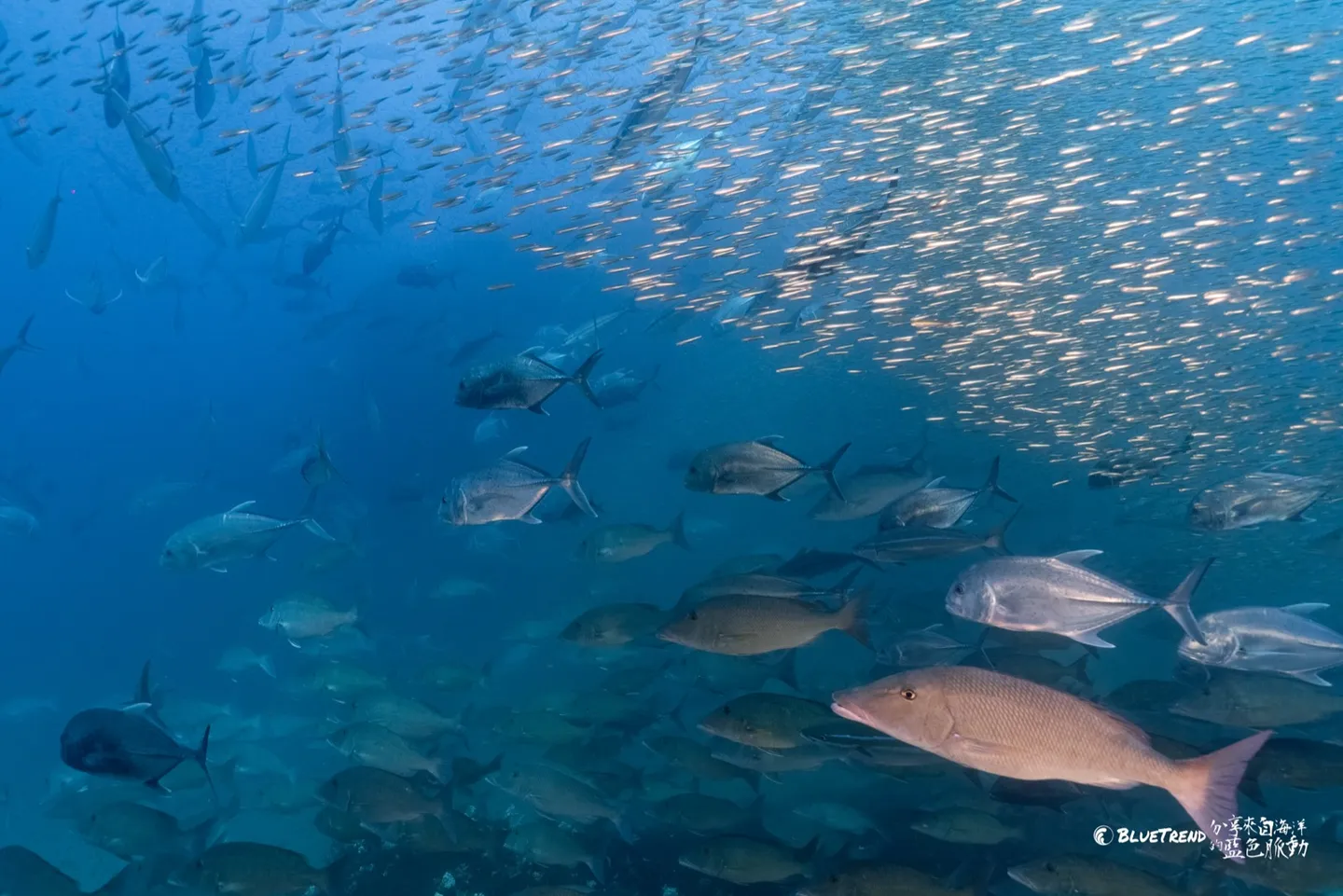
The moment you enter the water, you're greeted by an extraordinarily dense school of glassfish. These tiny fish gather in sheet after overlapping sheet, moving rapidly through the water. Swim into the school and the wall parts around you before closing back in. Fish density like this is rarely encountered at dive sites elsewhere in Southeast Asia.
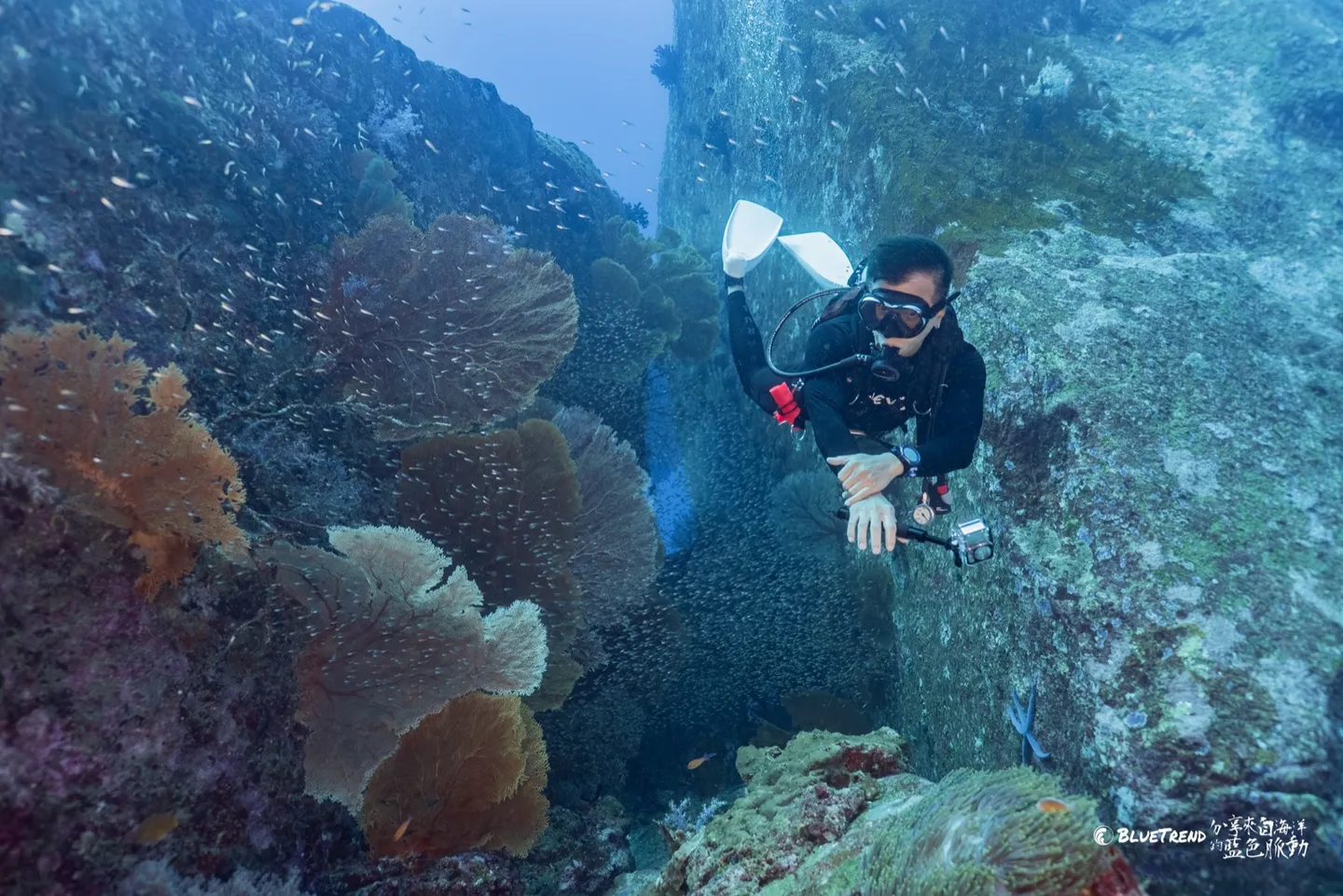
Big Animals: Giant Trevally Hunting and barracuda Schools
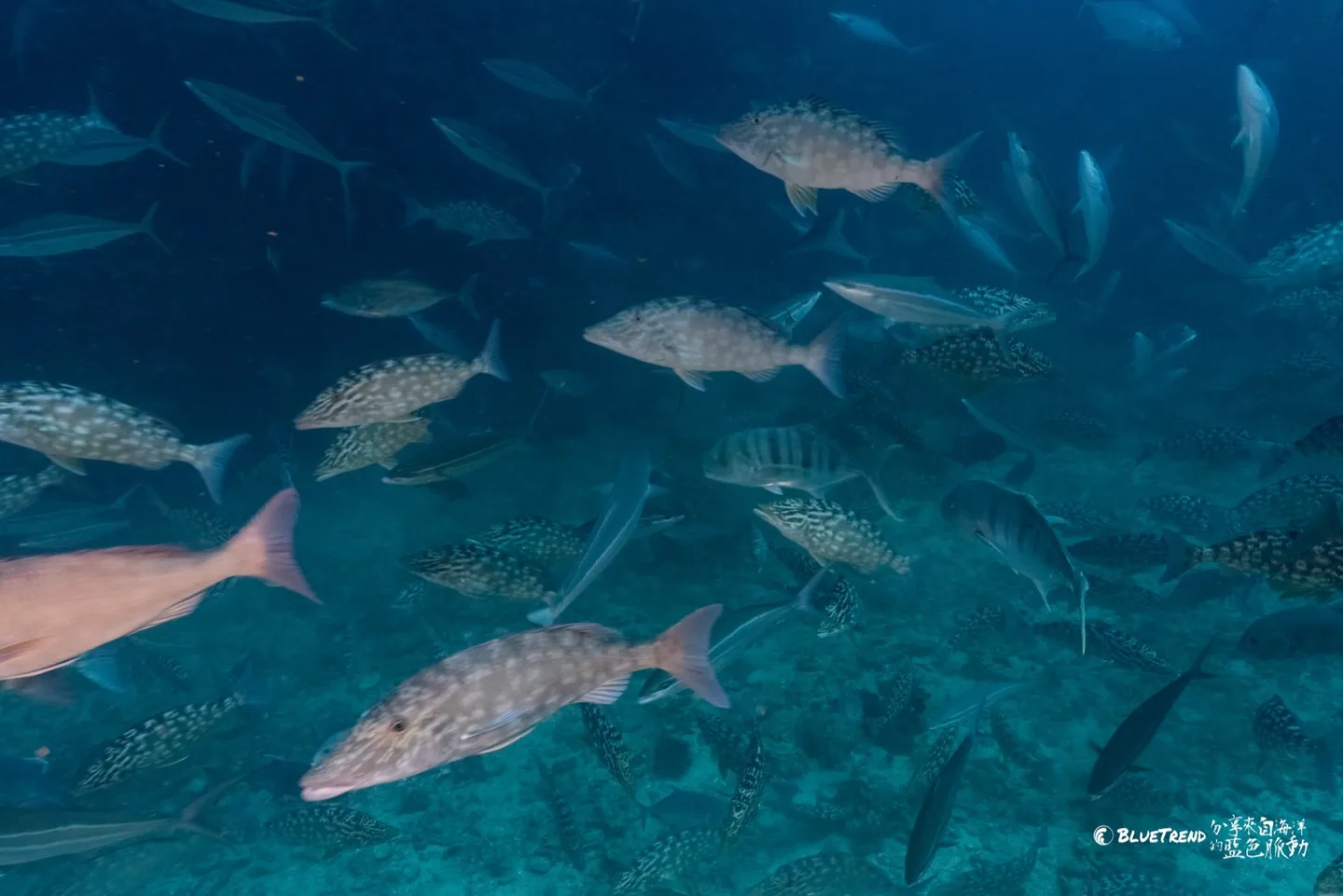
When the glassfish school suddenly erupts in a frantic scatter, it usually means a predator is close. Large Giant Trevally charge into the bait ball in groups, moving so fast they appear only as streaks of silver. Beyond the Giant Trevally, the Editor also spotted schools of barracuda and colour-shifting Lethrinus fish — the sheer species richness was overwhelming.
One Tank, Every School of Fish
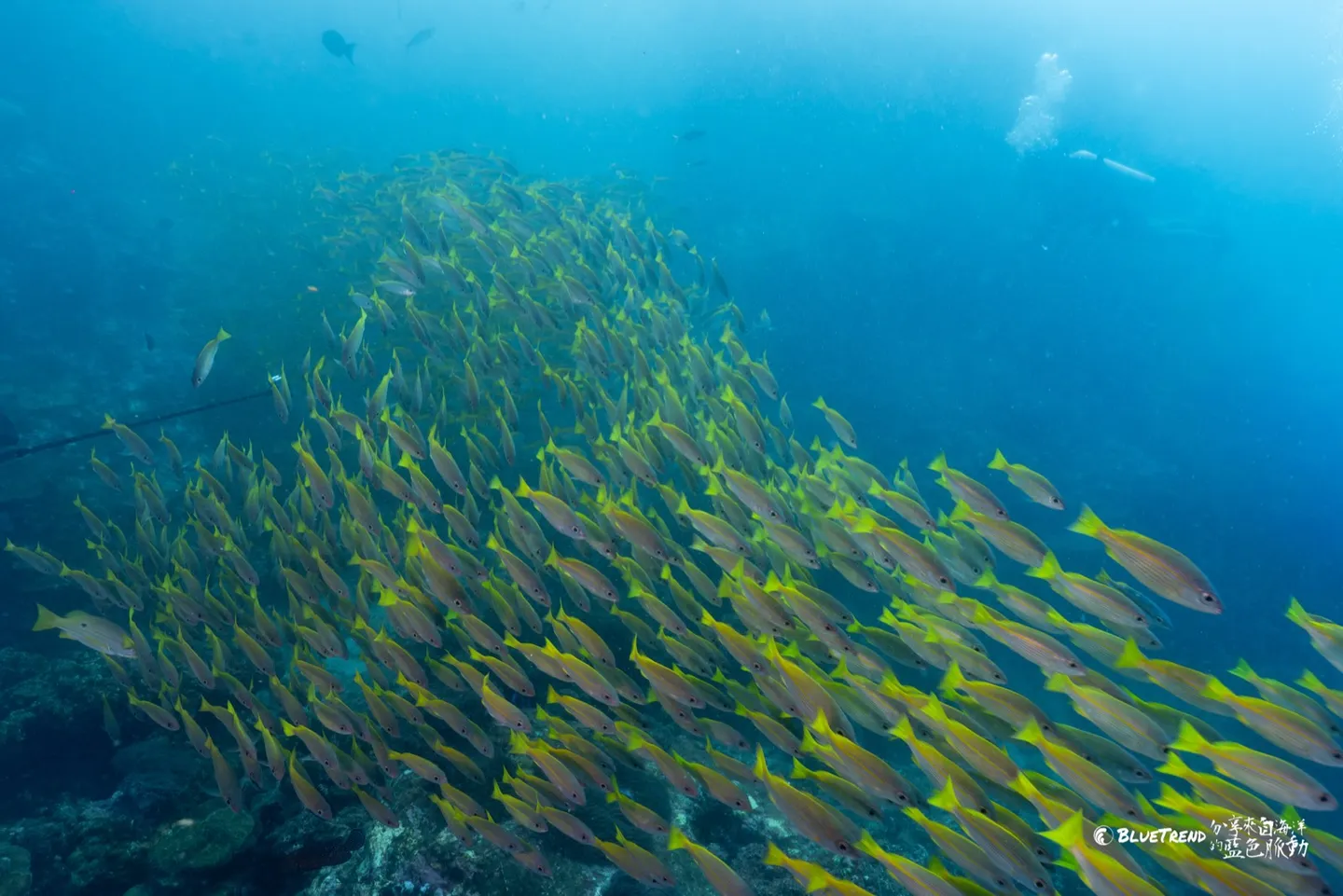
What makes Richelieu Rock truly special is that within a single dive site, within a single tank, you can witness glassfish walls, Giant Trevally hunts, barracuda schools, and Lethrinus aggregations in succession. That's precisely why every Similan liveaboard saves it as the grand finale of the itinerary.
Similan Islands Liveaboard Cost and Experience: Is It Worth It?
The Editor's conclusion is: absolutely — the kind of "worth it" that has you wanting to come back before you've even stepped off the boat.
Similan Liveaboard Cost: A Relatively Accessible Entry Point for Liveaboard Diving
Compared to liveaboards in the Maldives or Palau, Similan liveaboards are relatively affordable. Current market prices typically range from around NT$37,000 to NT$40,000+, depending on cabin type and trip length. For that budget, you get both high-quality dive sites and excellent onboard food — making the Similans an ideal starting point for divers on a moderate budget who want to experience liveaboard diving for the first time. Prices vary by year and cabin category; confirm the current rate with the operator before booking.
Crew Service and Dive Site Scheduling
Thai hospitality is well-known, and the crew on board live up to it — from equipment handling to meal preparation, every detail is looked after with care. Divers need only focus on getting in the water.
The dive site schedule is also well-paced. The itinerary begins with a check-out dive, with early sites letting divers settle into the environment. Island visits and meals are woven in throughout, and Richelieu Rock is saved for the finale — the overall experience builds steadily from start to finish.
Practical Information Summary for a Similan Islands Liveaboard
| Item | Details |
|---|---|
| Open season | Approximately mid-October to mid-May each year; exact dates subject to Thai National Parks announcement |
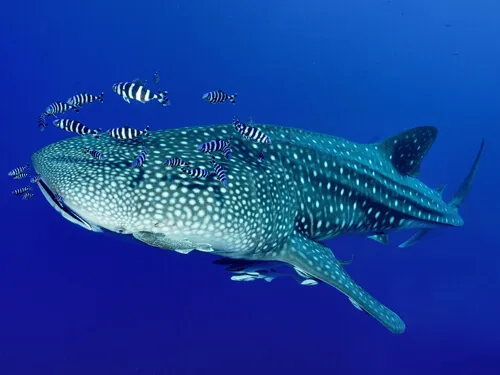
| Recommended months | March and April — sea conditions are more stable, visibility is higher, and chances of encountering Whale Sharks and manta rays are greater |
| Trip length | Commonly 3 days/2 nights to 5 days/4 nights; itineraries that include Richelieu Rock are recommended |
| Certification requirement | Open Water Diver (PADI/SSI cert) or above; Advanced Open Water Diver (PADI cert) and solid diving experience are recommended for sites like Richelieu Rock |
| Estimated cost | Approximately NT$37,000 to NT$40,000+, depending on cabin type and trip length |
Once the Similan liveaboard season wraps up, some vessels relocate to the southern route and sail to Koh Lipe. From what the Editor understands, the coral and marine life there are equally impressive — and it's a trip the Editor hopes to make in person and share with readers in the future.
Closing Thoughts: Start Your First Liveaboard at the Similan Islands
The appeal of a Similan Islands liveaboard comes from several factors converging at once: the dense fish life at Richelieu Rock, the one-pot-per-table onboard meals, a national park archipelago in fine condition, and a price point that doesn't break the bank. For divers who haven't yet tried liveaboard diving, the Similans offer the lowest barrier to entry with the highest return.
If you'd like to join the Editor on board, the 2027 Christmas Similan Islands charter liveaboard — running 24–29 December 2027 — is now open for registration. Take just 4 days off work and you'll be diving all the way through the New Year. For itinerary details and booking enquiries, feel free to join the LINE official account and reach out to the Editor directly.
Frequently Asked Questions
How is a BlueTrend dive trip different from an unknown, no-name dive group?
Choosing us means full peace-of-mind protection and a smooth experience from start to finish. Every trip we run holds to three things.
First, full legal protection and a professional dive leader: we strictly follow Taiwan's travel regulations and provide complete travel-agency liability insurance, travel insurance, trip-inconvenience insurance and dive insurance. Every group is accompanied by a certified, foreign-language dive leader who joins you on both the dives and the land itinerary, liaising seamlessly with local dive shops and operators on your behalf to keep things running smoothly — the person our travellers trust most.
Second, fully licensed with secure payments: every payment goes into a licensed travel agency's account, with multiple safe payment channels (bank transfer, credit card and more) and a legal collect-and-remit receipt, so every transaction is open, transparent and protected, avoiding the fraud and dispute risks of transferring money privately to an individual.
Third, hand-picked quality we vet in person: every trip, dive site and partner shop is scouted on the ground by our own team, from the guides' professionalism and safety standards to the food, lodging, environment and service details on land, all vetted by us so you don't get caught out.
I want to sign up for a dive trip. Are there certification-level or logged-dive requirements?
Each dive site is different, so the entry bar varies. 'Bali Tulamben', for instance, is relatively beginner-friendly. 'Malapascua in the Philippines' is also beginner-friendly, but since thresher sharks tend to cruise between 20 and 30 metres, we recommend AOW certification with 20+ logged dives to enjoy this trip comfortably. For 'the Maldives' or 'Palau', we suggest AOW with 50+ logged dives for a more relaxed experience. If you're not sure whether your experience fits the trip you want, message us and our dive editors will assess it and help you find the trip you'll feel safest on.
Can I join if I'm signing up alone? How are rooms arranged?
Plenty of our travellers sign up solo! For rooms and beds, we prioritise pairing you with a same-gender traveller, and if you'd rather have your own space you can pay the difference to upgrade to a single room. For the diving, our professional leader will pair you with a suitable buddy, and with the happy vibe on our trips you'll quickly make a great group of dive friends. Many people sign up alone, make new friends, and end up organising the next trip together!
Does the trip fee include dive insurance, gear rental, taxes and instructor tips?
It depends on the trip, the destination's regulations and the local operators. Every BlueTrend dive trip has a detailed web page with a clear 'included / not included' list, transparent and with no hidden charges. All payments are collected by a licensed travel agency, with a standard-form contract for your protection.
I'm a new diver / haven't dived in a long time — will I fall behind the group?
Before you complete your booking, our team assesses a suitable trip based on your certification level and experience. Before departure, we strongly recommend taking time to refresh in Taiwan with an instructor, or a fun dive to get your feel back. On the trip itself, our professional dive leader groups and pairs everyone by experience, keeps a close eye underwater on travellers who need extra care, and steps in to help right away.
Will the photos and videos taken during the trip be shared with us?
During the dives, 'safety' is always the leader's top priority, so whenever it's suitable and safe the leader will capture great shots and record the best moments. During or after the trip, we compile a cloud album for all travellers to download, so you go home loaded with memories!
Besides your scheduled trips, can you arrange a private group charter or independent travel for me and my friends?
Absolutely! Besides group trips, we also arrange private group charters and independent travel. We can communicate, enquire and coordinate services with local operators based on your needs, saving you time and effort and taking the language barrier off your plate, to tailor the smoothest, most reassuring dive trip just for you. Contact our LINE support and our editors will arrange it for you!