

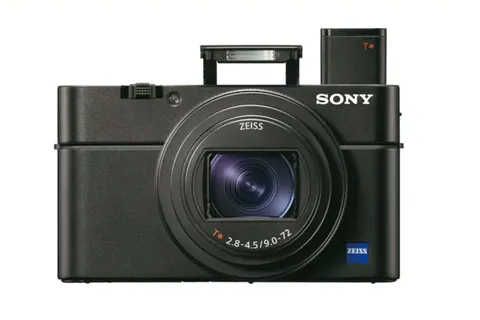


The Editor says: Underwater photography gear has been getting more accessible over time — though it's still out of my budget! Beyond bulky DSLR systems, Micro Four Thirds and compact cameras have made enormous strides, delivering impressive results not just in macro photography but in wide-angle shooting as well. A big thank you to Robin for this comprehensive Sony RX100-M6 unboxing and test review, giving us a thorough look at every aspect of the camera's performance. Let's all walk the path toward underwater photography mastery together!
So, ever since I got my hands on the Sony RX100-M6, a ton of friends have been asking me: How are the photos? How does it handle underwater macro? Is it easy to operate? ...and so on. So I figured I'd just go ahead and write an unboxing and test review. Everything below is my own very unofficial testing — take it as a reference and a taste of what this camera can do. If I've made any mistakes, feel free to correct me, but please go easy on me!
Sony RX100-M6 Key Features
There are quite a few differences between the sixth generation and the fourth and fifth generations. Let's start with the hardware and physical design. The fourth and fifth generation models featured a 24–70mm lens, which was a very convenient and easy-to-use range. But the sixth generation upgrades the lens all the way to 24–200mm — a massive leap forward. This small camera can now reach a genuine telephoto end, which dramatically enhances macro photography capabilities. In the past, if you were shooting something small or at a slight distance, it would come out as just a tiny dot on the screen, and you'd have to crop the photo back home to enlarge the subject — but that also meant sacrificing resolution.
Now with the sixth generation's 200mm end, we can effortlessly pull subjects closer. After shooting, you don't need to crop at all — the subject is already large in the frame, and the resolution is excellent. It's truly a wonderful upgrade!
The video above shows the zoom range of the 24–70mm lens — compare it with the video below!
The video above shows the zoom range of the 24–200mm lens. That said, while the 200mm end is incredibly useful, it also puts your handheld stability to the test — so practice is key. If you're struggling to keep it steady, don't push the zoom too far............
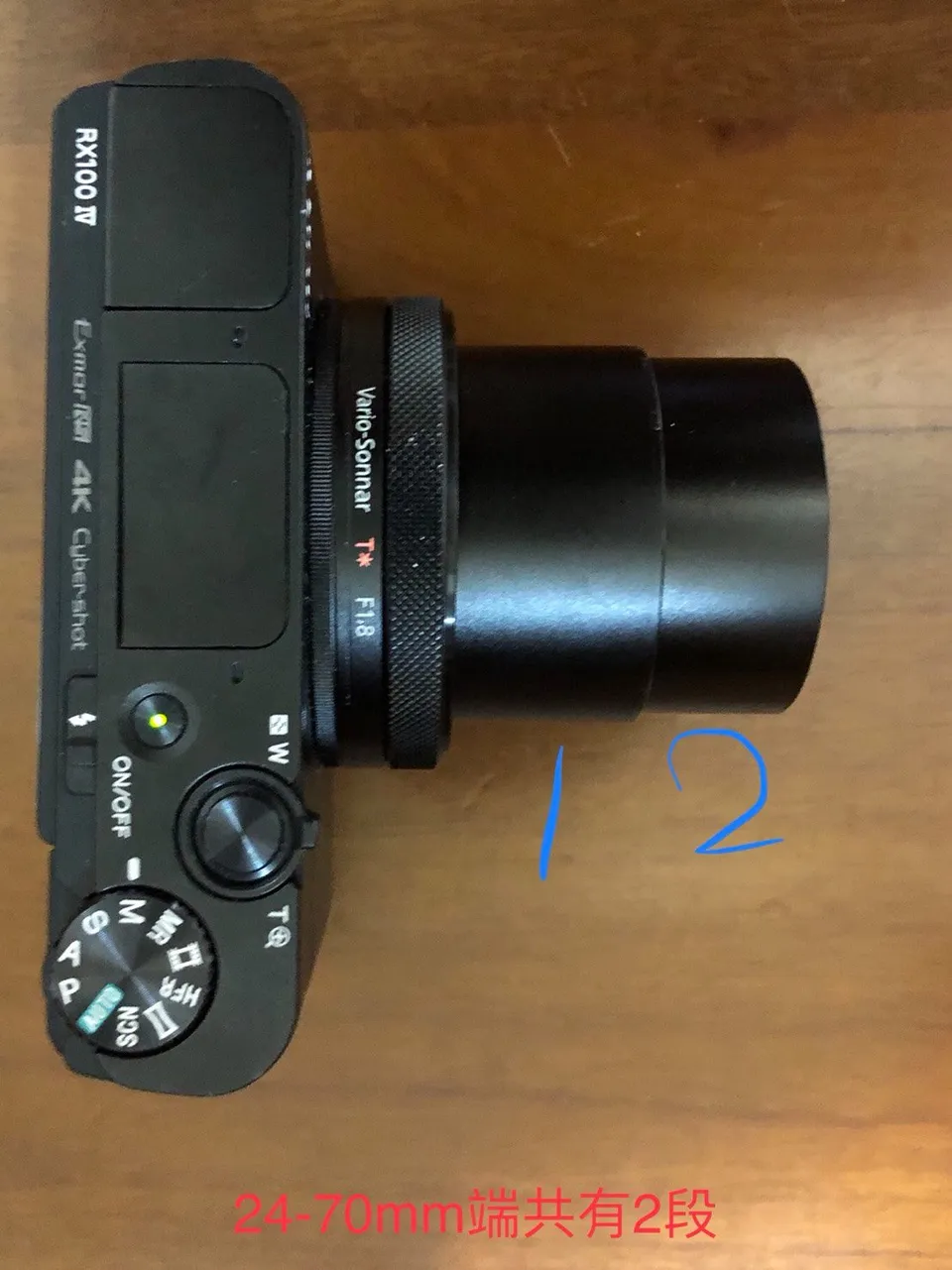
Sony RX100-M5
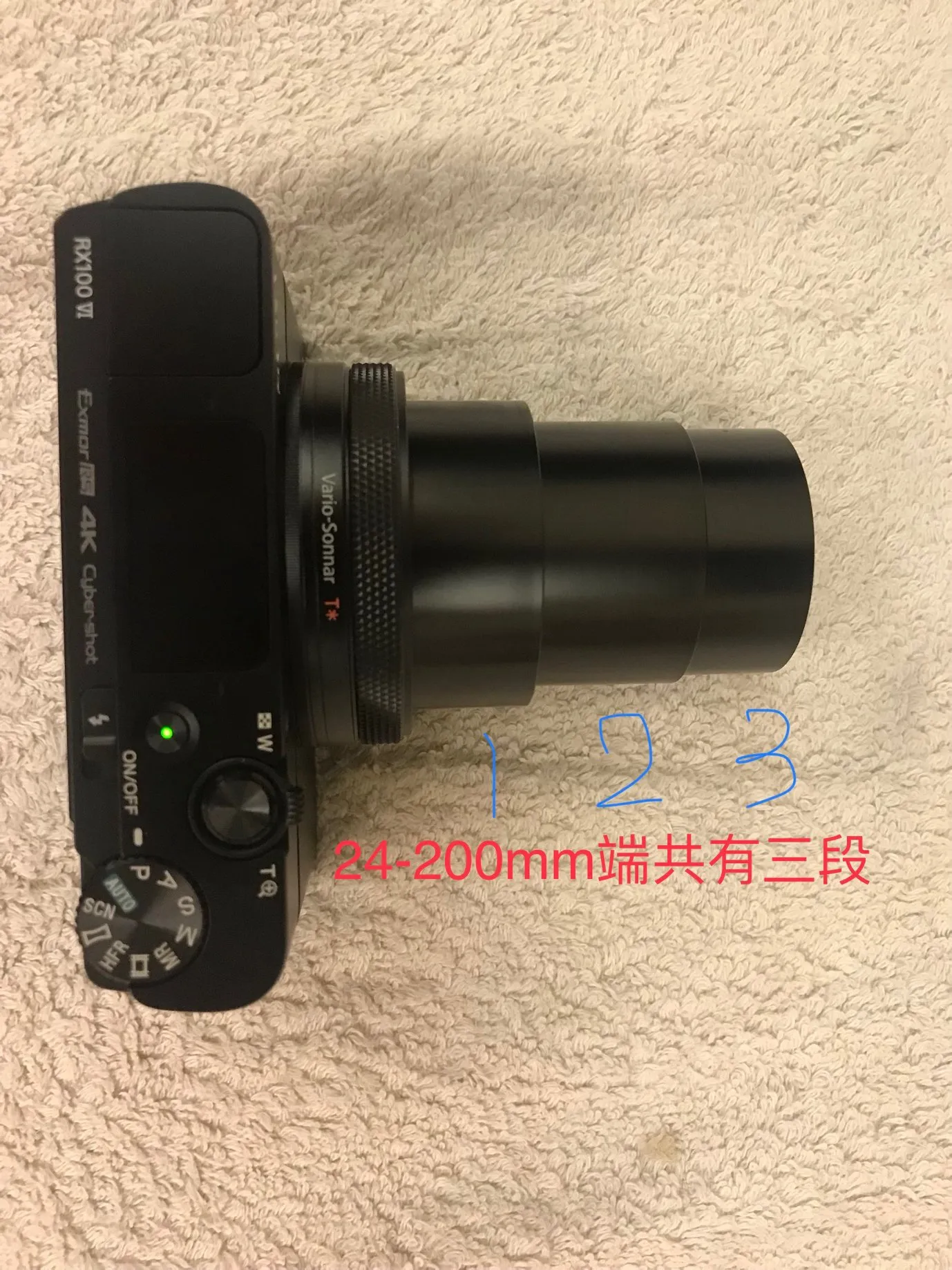
Sony RX100-M6
As for the external design, aside from the lens barrel becoming longer — now extending in three sections instead of two (see photos 03 and 04) — if you're not paying close attention, you might not notice much else has changed. However, the professional underwater housing specialist, Mr. 陳軍豪, did notice that all the buttons have shifted slightly in position. This means that the underwater housings designed for the fourth and fifth generation models cannot be used directly with the sixth generation — some modifications are needed so that the buttons function correctly. As for this issue, along with the matter of the longer lens, I'll leave it to Mr. 陳軍豪 to provide professional answers for anyone who has questions. If you have concerns in this area, feel free to reach out to him directly. I've attached photos of the port he already modified (see photos 05, 06, 07, and 08).
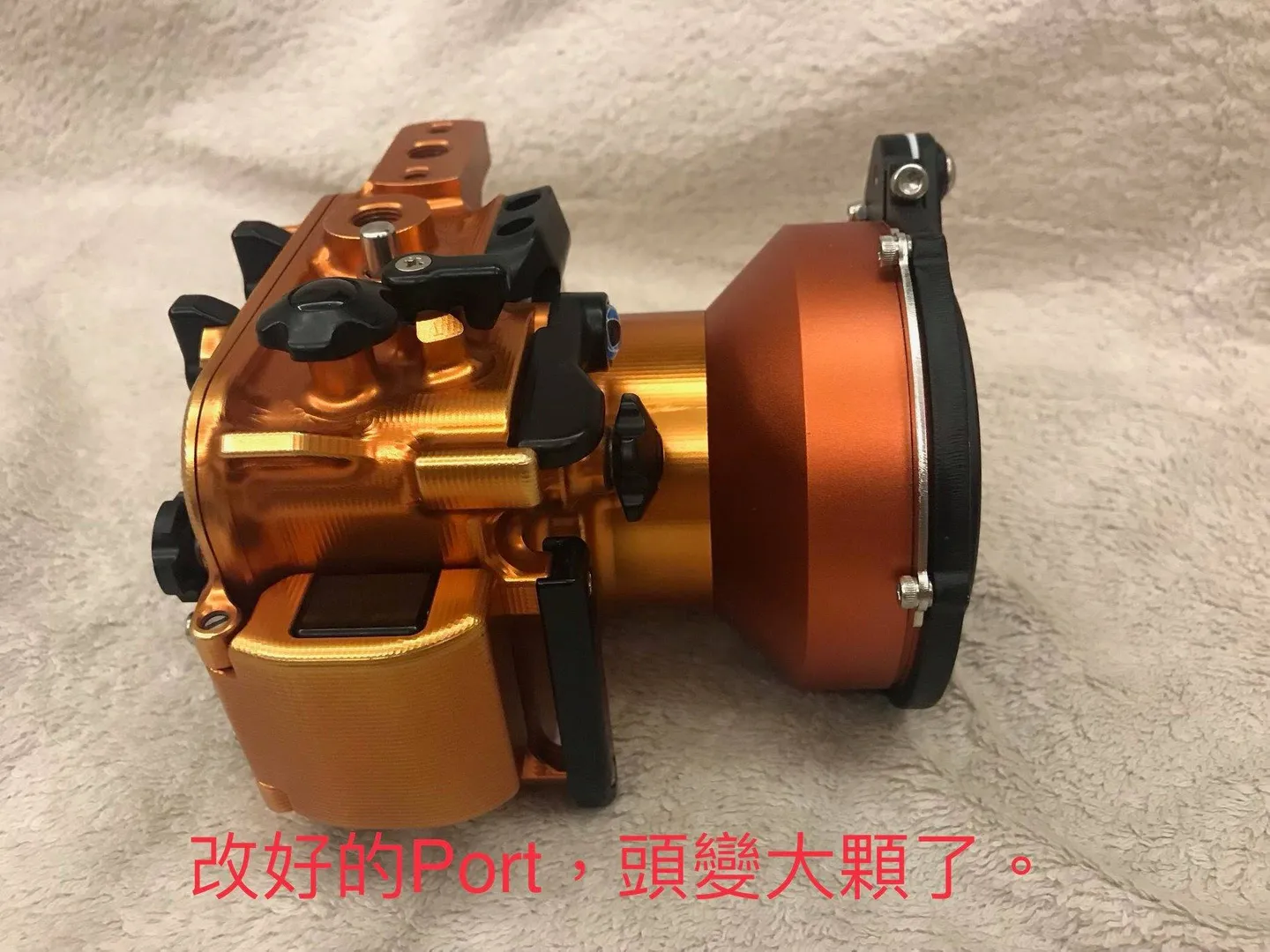
Sony RX100-M6
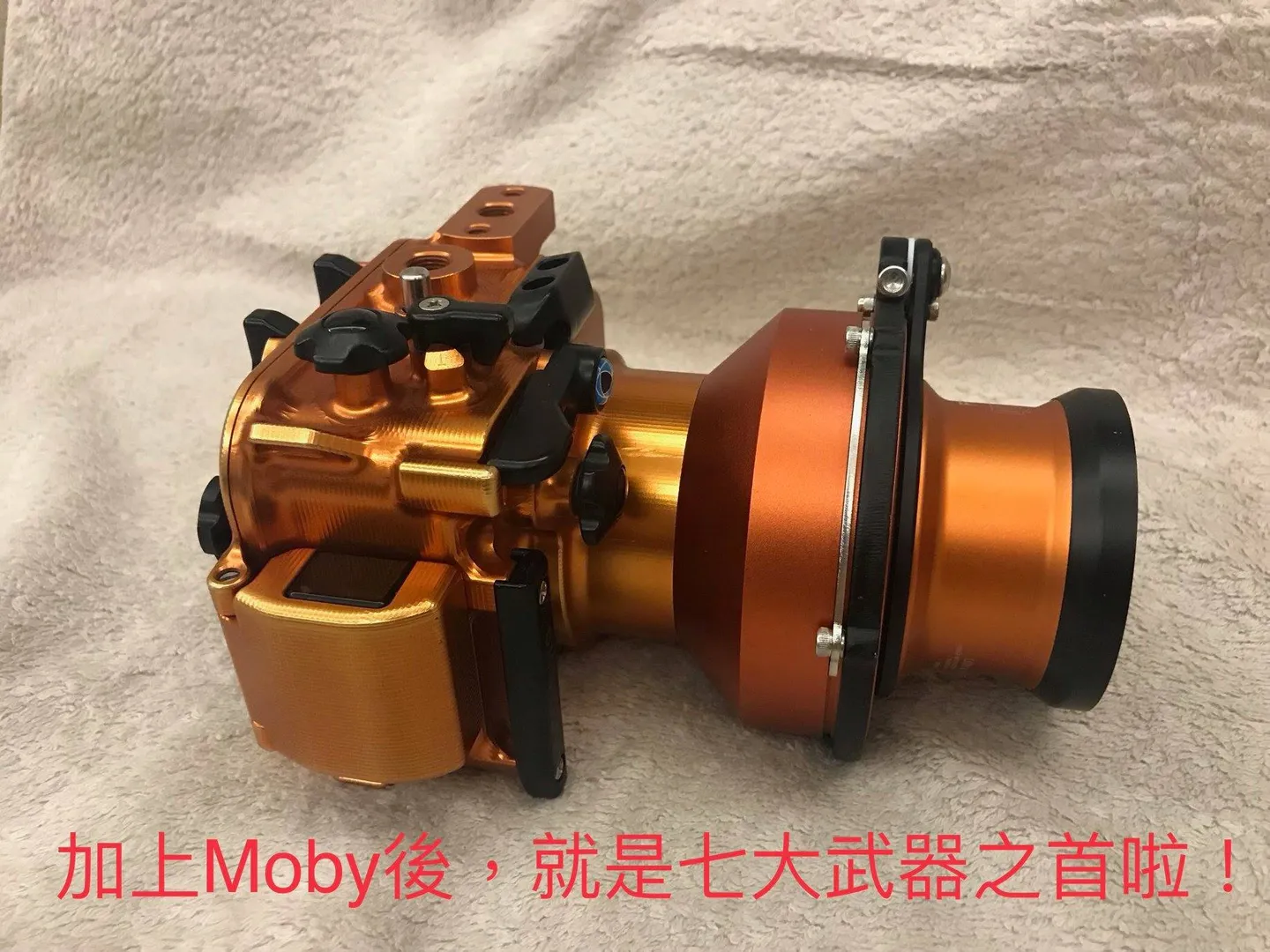
Sony RX100-M6
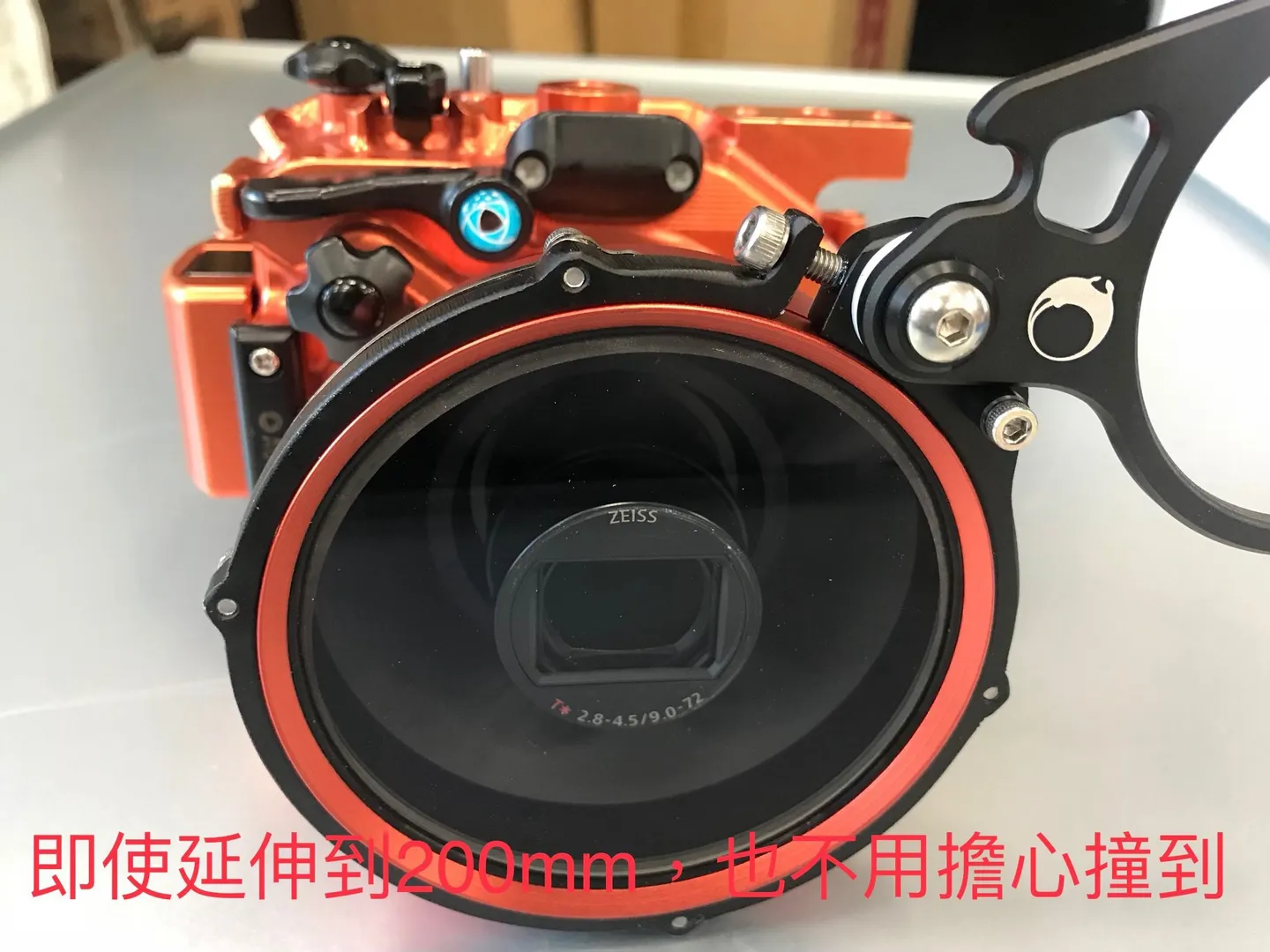
Sony RX100-M6
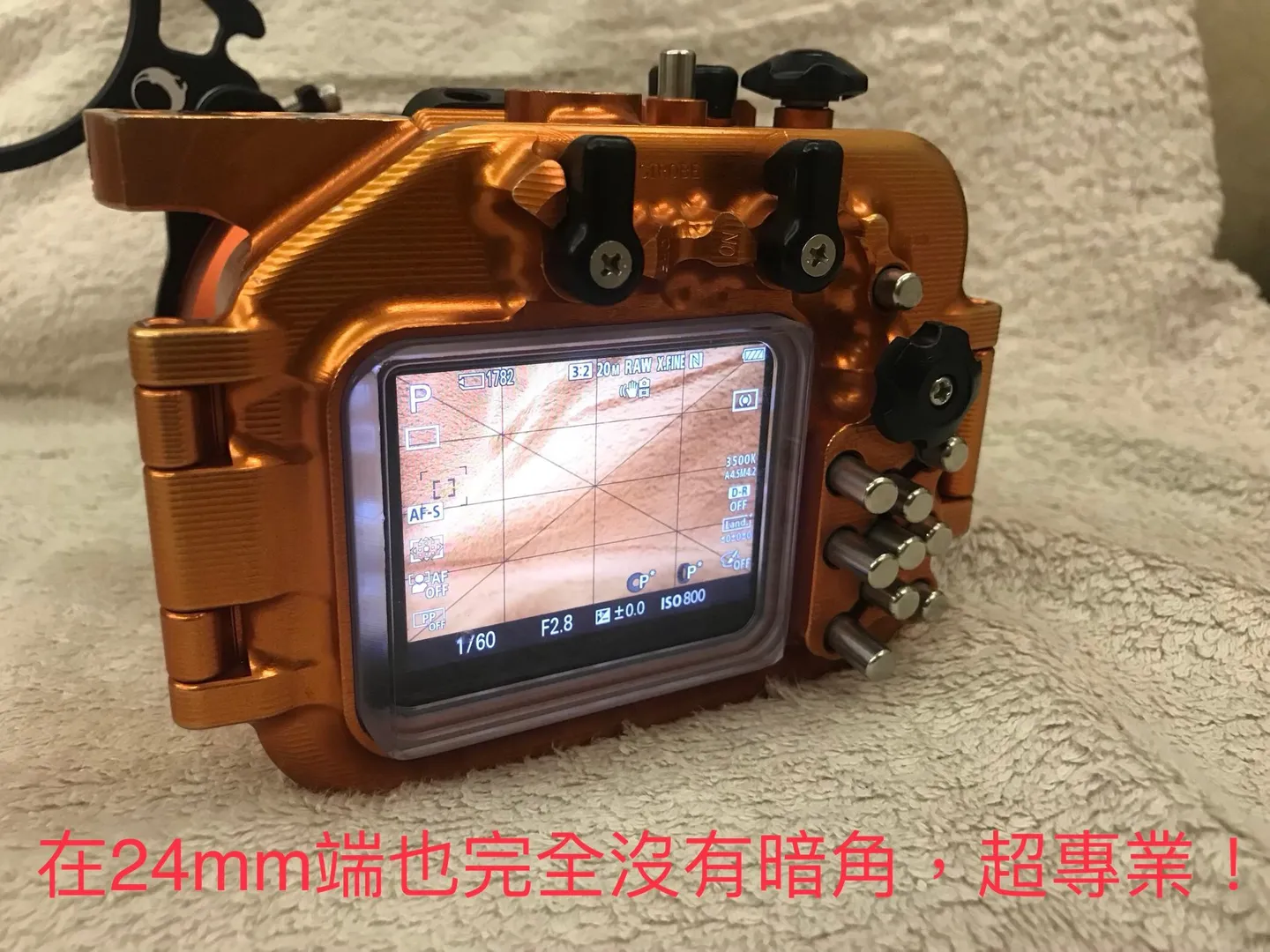
Sony RX100-M6
Next, let's talk about the software interface. The sixth generation brings a significant overhaul and improvement to the menu system, using color coding to distinguish between different functions and areas (see photo 09). Many features have also been added or enhanced, such as the focusing options, and more.
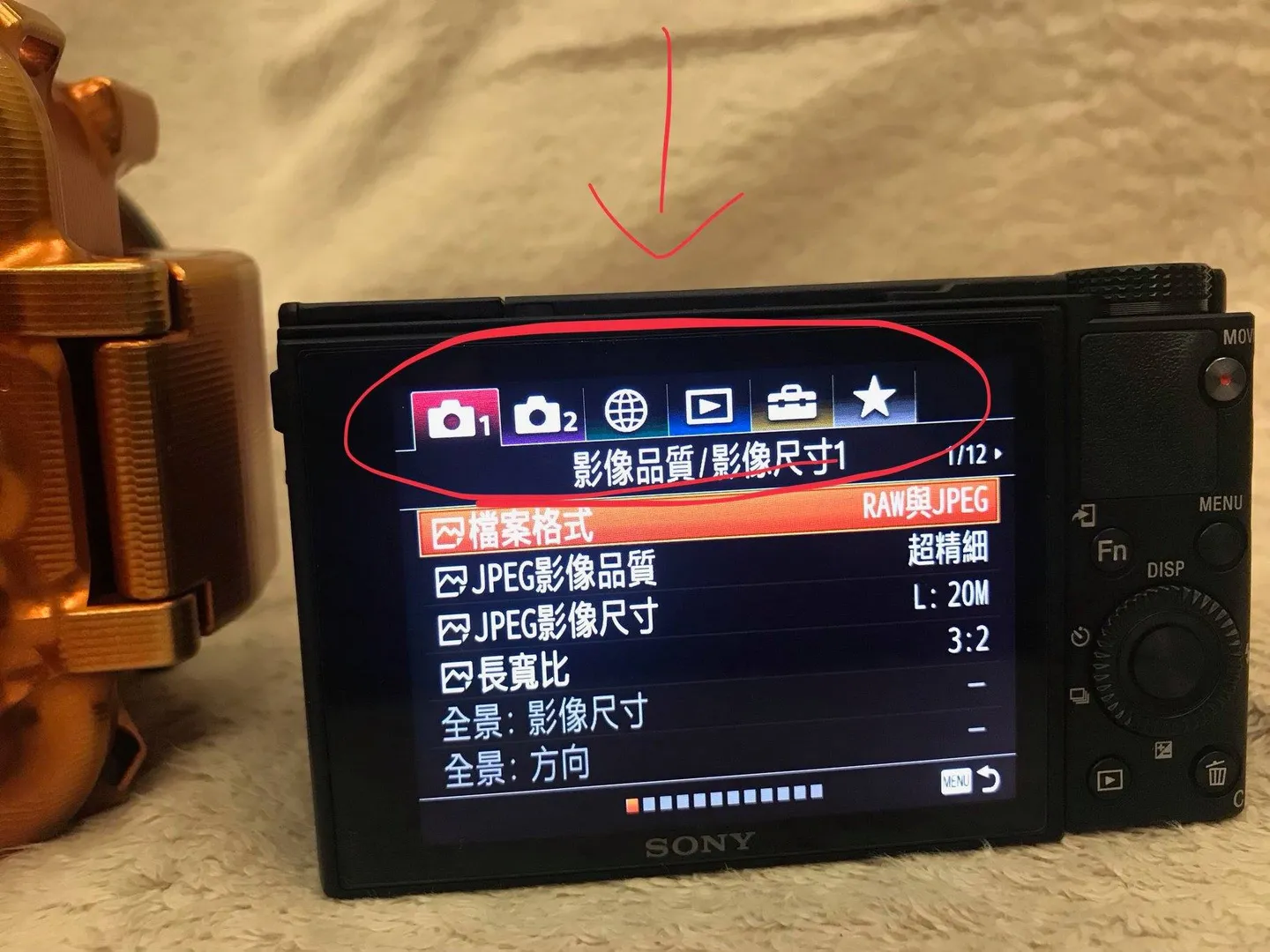
Software interface updated
However, I did notice that two features have been removed, which I personally find quite disappointing. The first is the built-in ND filter. The third, fourth, and fifth generation models all had a built-in ND filter, which allowed this compact little camera to capture long-exposure shots without overexposing — think waterfall or flowing water shots (see photos 10 and 11) — all without needing to attach any external accessories. The sixth generation has dropped this feature entirely, and I genuinely think that's a shame.
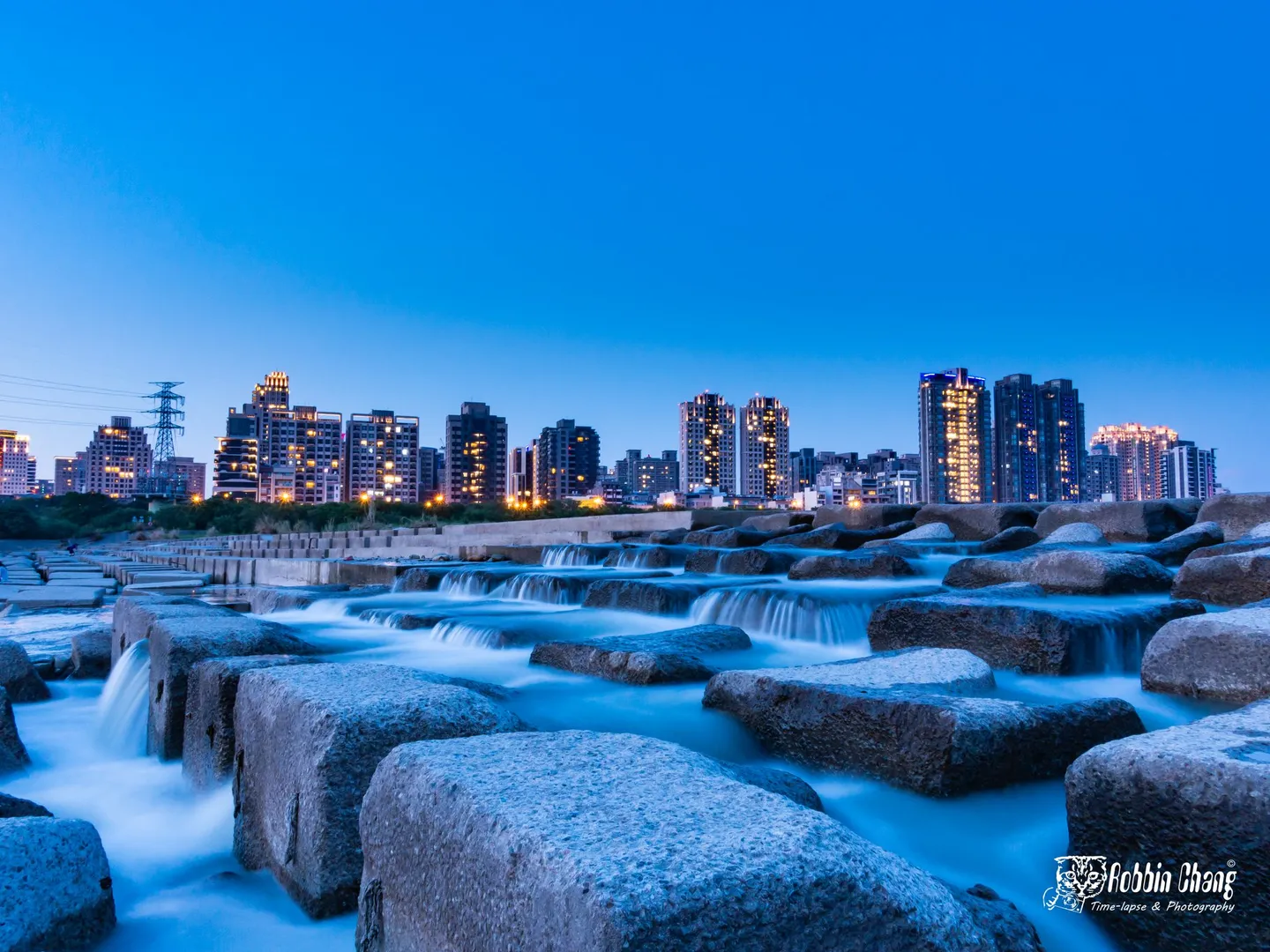
ND filter function removed

ND filter function removed
The other removed feature is the Sony App functionality. Not many people know about this, so its removal won't be felt by most users — but if you know how useful it is, you'll really miss it. This app could turn your camera into one with built-in time-lapse photography, graduated ND filter capabilities, and much more. You can check out the full details on Sony's website by searching for "Playmemories." Unfortunately, this too has been cut from the sixth generation — not sure why.
Most of the above is probably stuff a lot of people didn't want to hear, but I went ahead and rambled on anyway — haha.
Now let's get to the underwater testing. For this session, I brought along three macro diopters: the Subsee +10, the SMC-1 (approximately +12), and the Moby (approximately +30). After testing through more than ten scuba tanks, here are my impressions —
While shooting, I happened to come across some damselfish eggs, so I used those as my test subject. Photo 12 shows the actual size of the damselfish eggs (each egg is approximately 0.3–0.5mm). I also placed a macro diopter next to them as a scale reference.
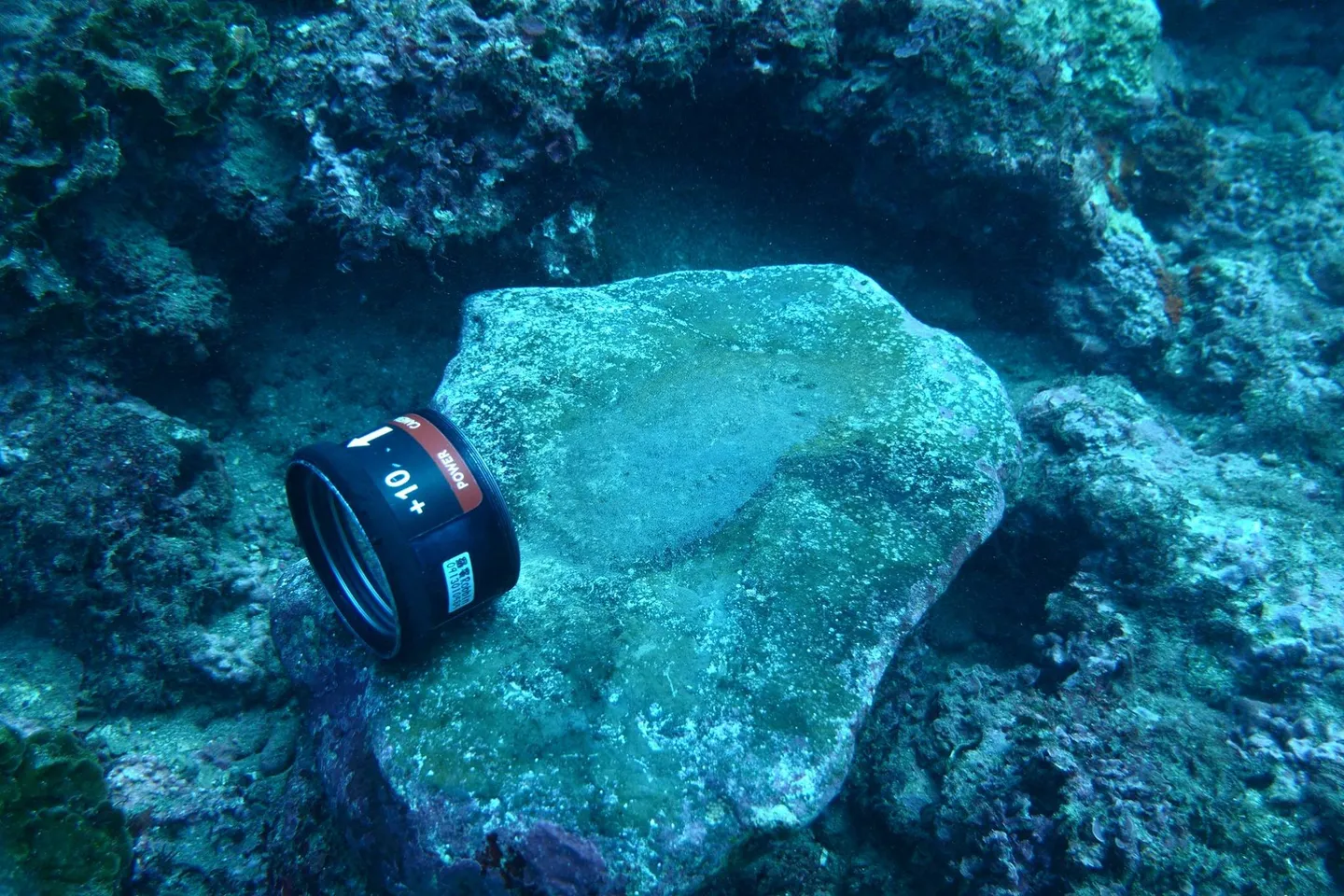
Photo 12: the actual size of the damselfish eggs
Next, I shot with the sixth generation at 200mm combined with the Subsee +10 (see photo 13). Within the in-focus (imaging) area, approximately 3 to 4 rows of eggs are sharp. The magnification is decent, though the eyes inside the eggs are not very clearly defined.
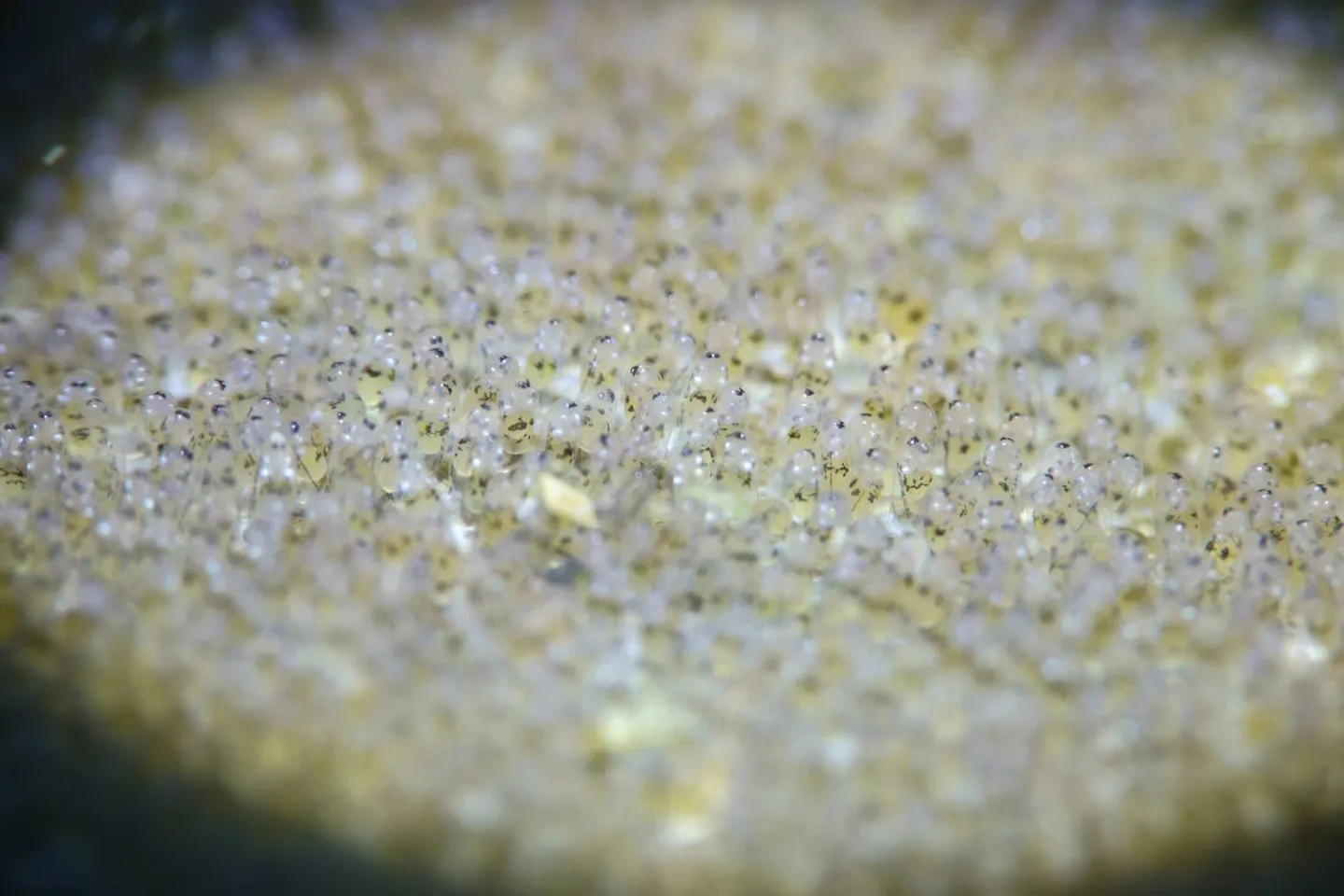
Photo 13: the eyes inside the eggs are not clear
Then, still at 200mm, I switched to the SMC (see photo 14). The eggs were slightly larger than before, and again about 3 to 4 rows of eggs fell within the focus zone. The magnification is still decent, but the eyes inside the eggs remain indistinct.
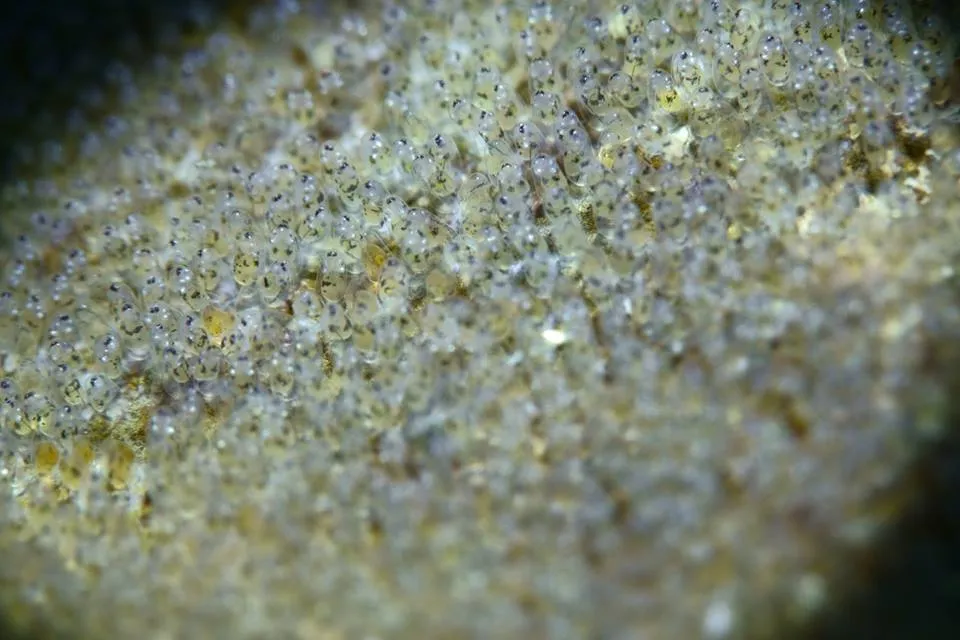
Photo 14: the eyes inside the eggs are still not clear
Next, I tested at 200mm with the Moby attached (see photo 15). You can clearly see the eggs have become much larger, but the in-focus zone has narrowed down to roughly just one row of eggs — so the depth of field is extremely shallow.
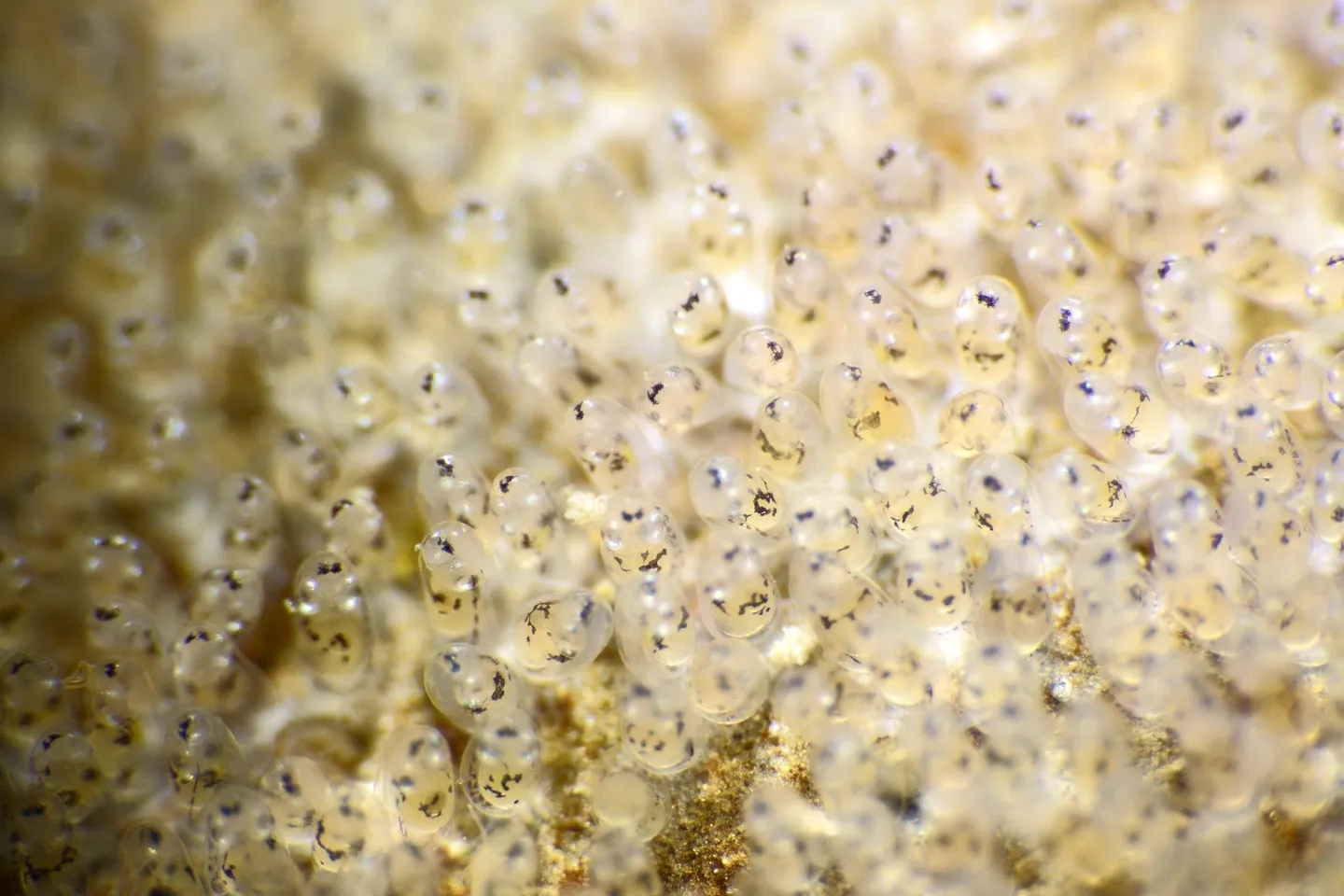
Photo 15: eggs magnified, but depth of field is extremely shallow
Trying to focus at 200mm + Moby was absolutely maddening — it's incredibly difficult to lock focus. The slightest little shake, and the focal plane shifts wildly off target. So if you want that extreme level of magnification, you really need to train yourself to hold rock-steady.
I then tried at 150mm and 100mm, and the focusing was noticeably much easier. At this point you start to think: given how insanely shallow the depth of field is at maximum magnification, what subjects can you realistically capture with it? Is it worth sacrificing some magnification and sticking to 150mm — or even 100mm?
In practice, once you've found your subject, think first about what kind of image you want to present to the viewer. Do you want an extreme close-up of the subject? Or an appropriately sized subject paired with a beautiful backdrop? Or something else? Decide what you're going for, then choose your camera settings accordingly.
Testing your camera's capabilities and characteristics thoroughly will reveal that some so-called weaknesses can, when used cleverly, actually become strengths. I'll generously share one technique I've come up with to turn a weakness into an advantage.
As I mentioned, when shooting at 200mm + Moby, the depth of field is extremely shallow — which means everything outside the focal plane turns into beautiful bokeh. So I used that to my advantage: I shifted the focus point to the lower part of the frame so that the front row of eggs was sharp, letting the eyes of the eggs further back melt into soft, dreamy bokeh! (See photo 16)
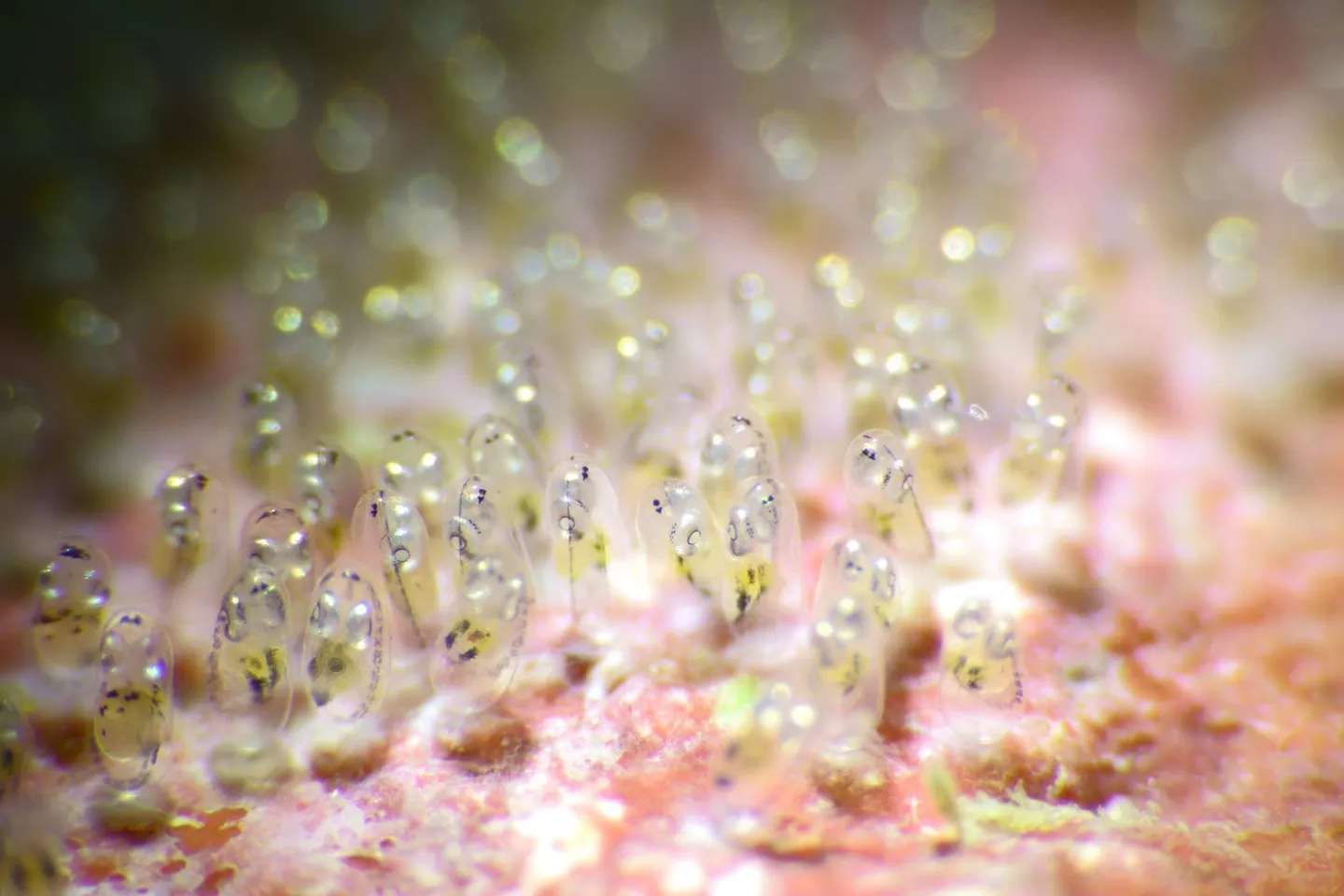
Photo 16: perfect bokeh shot of the eggs
I hope you've enjoyed this unofficial unboxing and test — and I hope it's been useful to you!
Related links:

![[Haisia Dive Inn Lecture Hall] How to Shoot Black-Background Macro Photos with the Olympus TG Series](/_astro/18954639_1889972181327238_4345823142391115123_o_qRx1G.webp)
![[Haisia Dive Inn Classroom] How to Easily Achieve a Clean Background — (Light Avoidance)](/_astro/41799561_2239158483075271_5267624522068000768_o_Z6Cqc4.webp)