

What's there to do in Taoyuan? Taoyuan is home to the longest coastal wetland in northern Taiwan. Beyond its thousand-year-old algal reefs, the Taoyuan coastline boasts four major coastal ecological highlights: Fan Zai Ao Wetland, Caotuo Sand Dunes, the Guanxin Algal Reef, and the Xinwu Stone Weirs. Last year, BlueTrend launched a marine citizen scientist workshop at the Guanxin Algal Reef. This year, the team has prepared two new themed coastal workshops: one exploring the lesser-known Xinwu Stone Weirs — Taiwan's largest stone weir complex on the main island, dubbed the "Hundred-Year Great Wall" — and another introducing the remarkable oyster reef ecosystem and migratory bird staging ground at the nationally significant Fan Zai Ao Wetland.
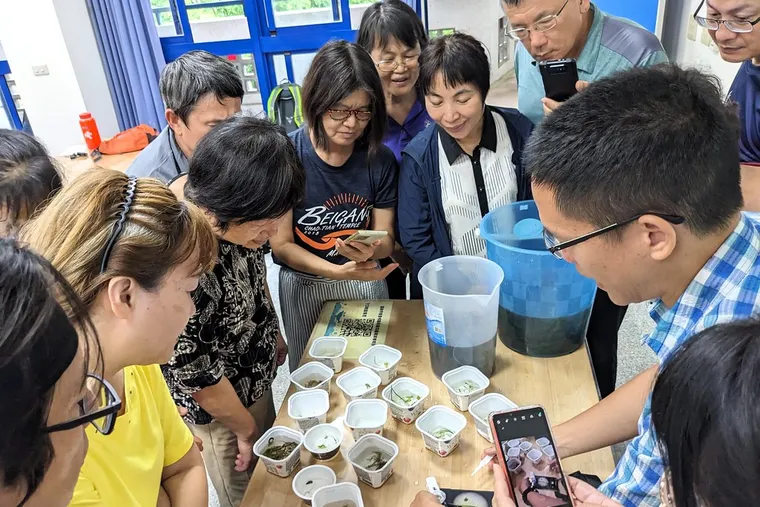
When you head to the coast, do you usually just take photos and watch the sunset? BlueTrend now offers a new way to experience it. Learn first, then engage — by observing coastal ecosystems through guided, mission-based activities, you'll deepen your understanding and enhance your learning. Through these workshops, everyday visitors can even level up to become coastal citizen scientists!
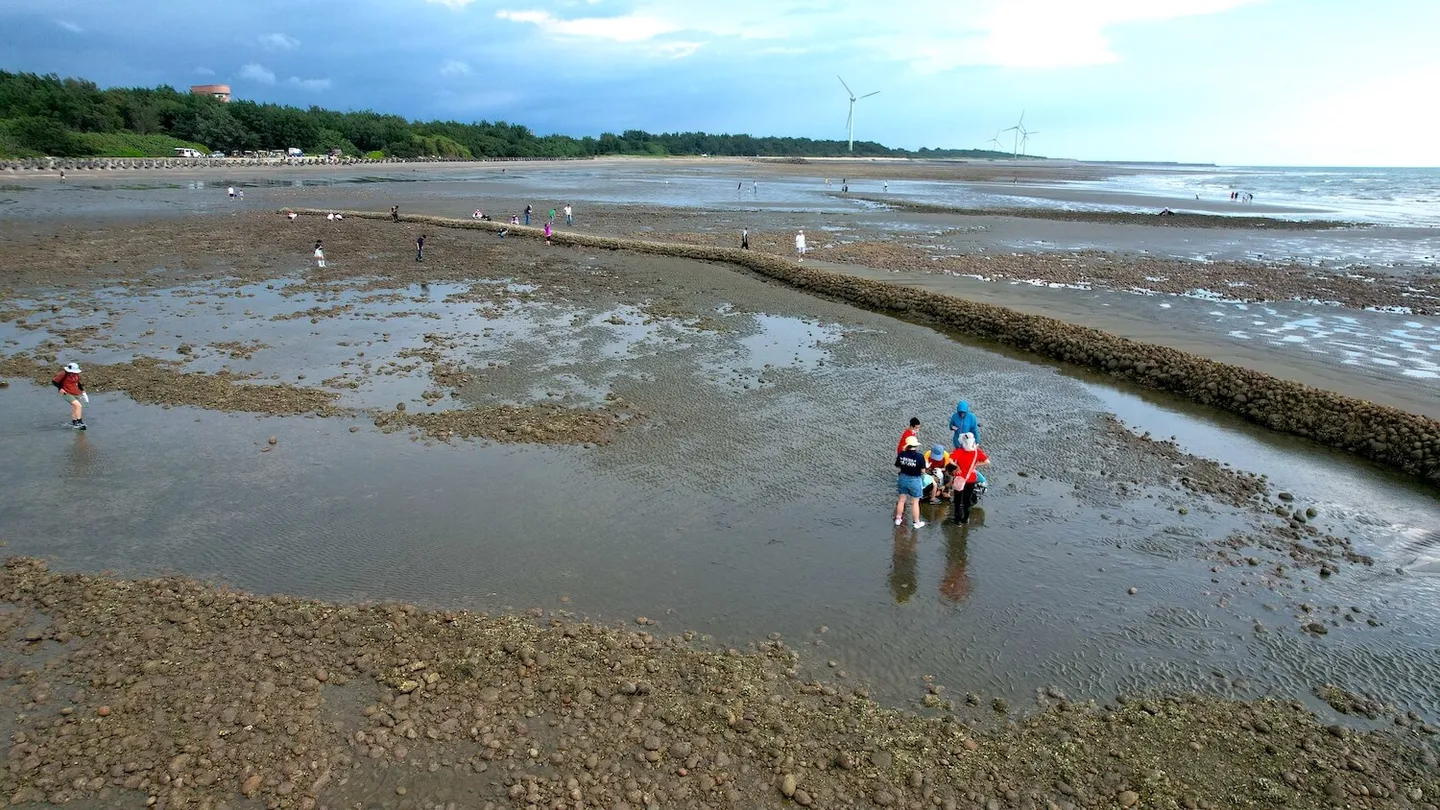
The Xinwu Stone Weir complex in Taoyuan — one of the hidden gems along the Taoyuan coastline
Xinwu Stone Weir Citizen Scientist Workshop
The "Xinwu Stone Weir Citizen Scientist Workshop" takes the hundred-year-old stone weirs as its starting point, guiding participants to discover the intertidal marine life found in and around them. The stone weirs along Taiwan's west coast are constructed from large cobblestones and were mostly built and passed down within families as "clan weirs." Xinwu currently has 11 stone weirs, some of which are still used for fishing.
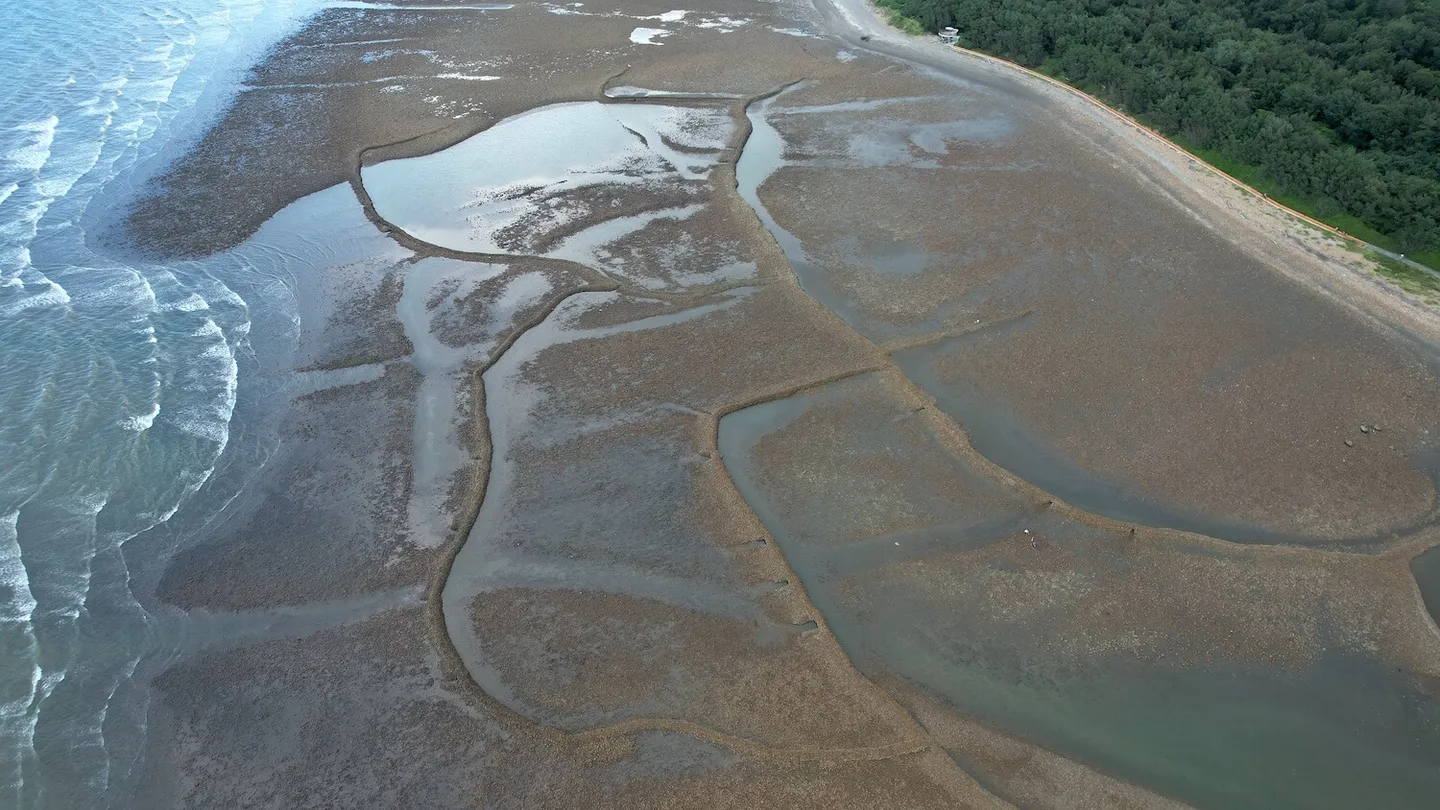
The structure of the Xinwu stone weirs differs greatly from those in Penghu, giving rise to a uniquely distinct ecosystem
Unlike the well-known Penghu stone weirs — which sit in a purely marine hydrological setting — the Xinwu stone weirs receive freshwater inflow from the shore. Combined with their structurally different design, this creates a distinctive coastal ecosystem. The coastal citizen scientist workshop runs for approximately five hours, covering a local environmental introduction, species identification methods for organisms commonly found around the weirs, instruction on photography tools, an intertidal treasure hunt, and a photo summary session — all guiding participants to discover the overlooked wonders of this coastline.
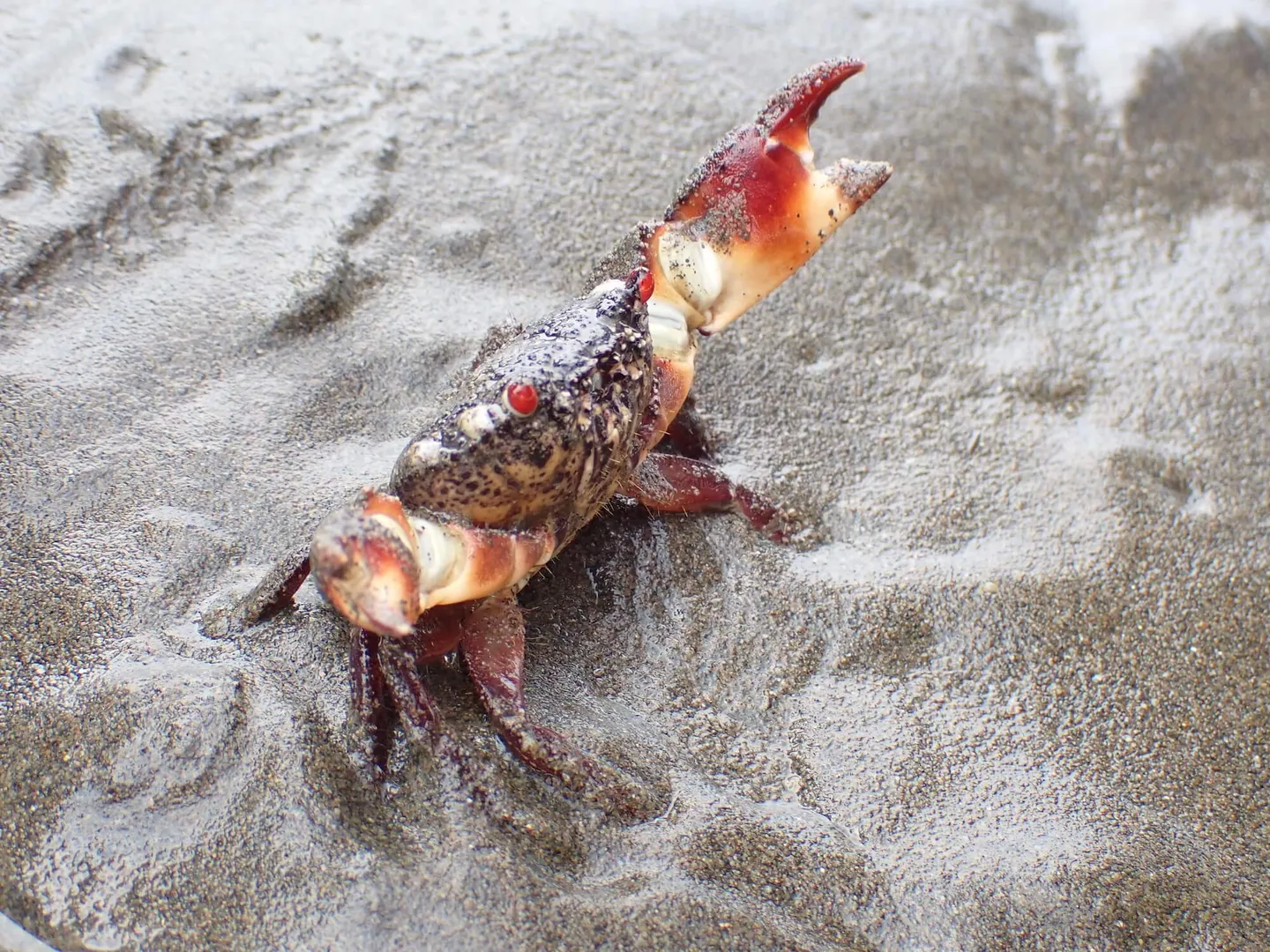
The ferocious-looking Eriphia ferox (fierce warrior crab) is a common crab found in the stone weir zone
During the workshop, instructors share what creatures you can find inside the stone weir zone, how to identify them, and what unique behaviors intertidal organisms exhibit. While the ecology around the Xinwu stone weirs lacks the kaleidoscopic colors of a coral reef, the instructor's vivid species introductions make even hermit crabs utterly fascinating. Those clusters of hermit crabs we usually walk right past? It turns out they're engaged in an important housing transaction — look closely and you'll see them measuring the opening of each other's shells with their claws, sizing up whether a new home is worth moving into.
The periwinkles — sometimes called the "Robinson Crusoe of the sea" — stack on top of one another to stay cool in the heat, clinging to each other to minimize the surface area in contact with the hot rock below. Flip over a reef stone and you might find the variably shaped Asterina coronata (crown sea star), the most common small sea star along the northern coast. Its body color varies dramatically, shifting to blend with surrounding rocks, and its stubby arms make it easy to overlook.
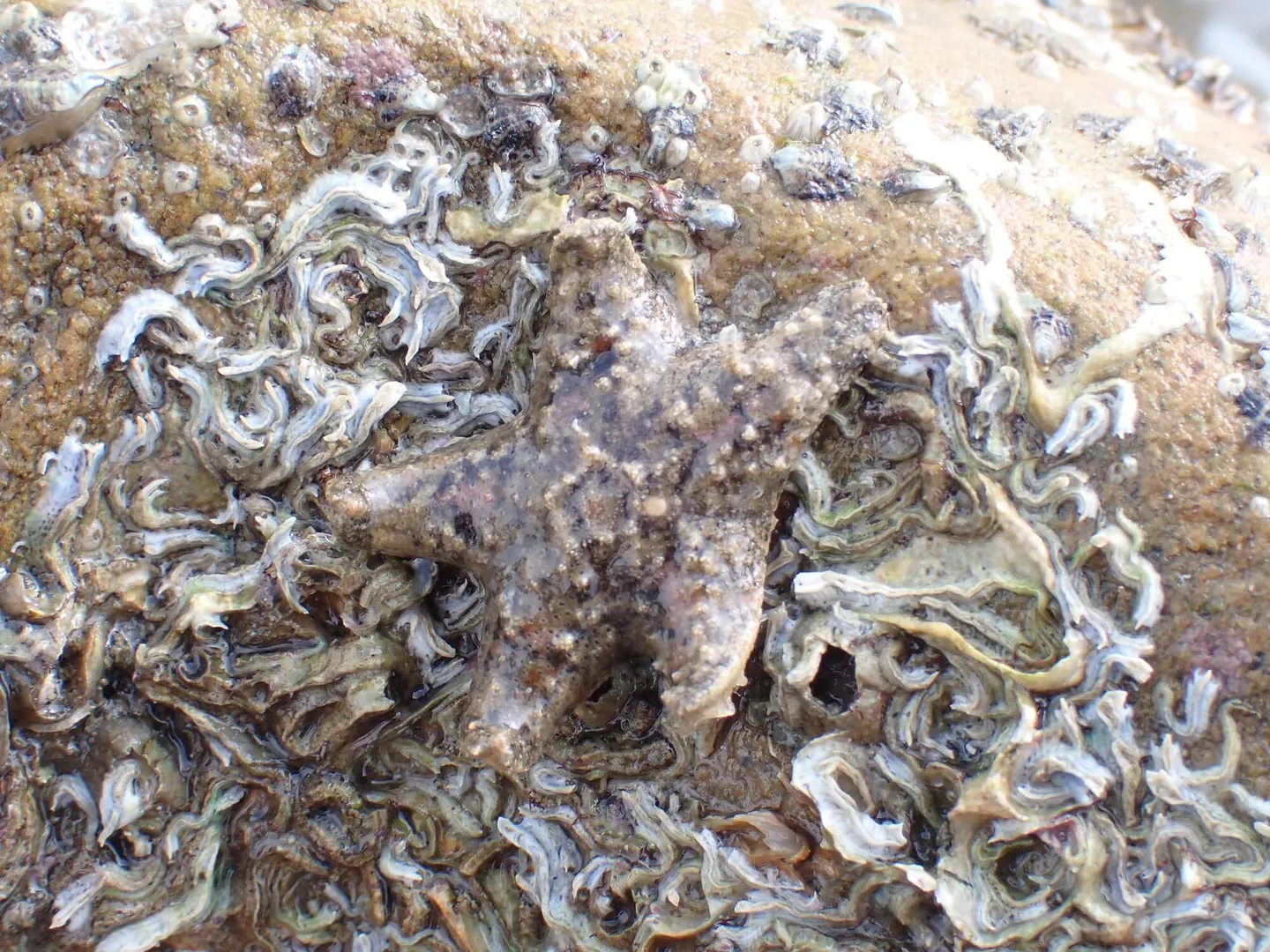
The stubby-armed crown sea star hides beneath the stones of the weir
Beyond the familiar swimming crabs, shore crabs, and gastropods, participants were surprised to encounter flatfish, Takifugu alboplumbeus, Anthopleura dixoniana sea anemones, nudibranch, and other creatures they'd never noticed before. Once participants understood the habits and habitats of these organisms, a new generation of citizen scientists was born — adults and children alike bent over stones, quietly observing marine life, photographing with the techniques learned in class, and enthusiastically completing their recording missions.
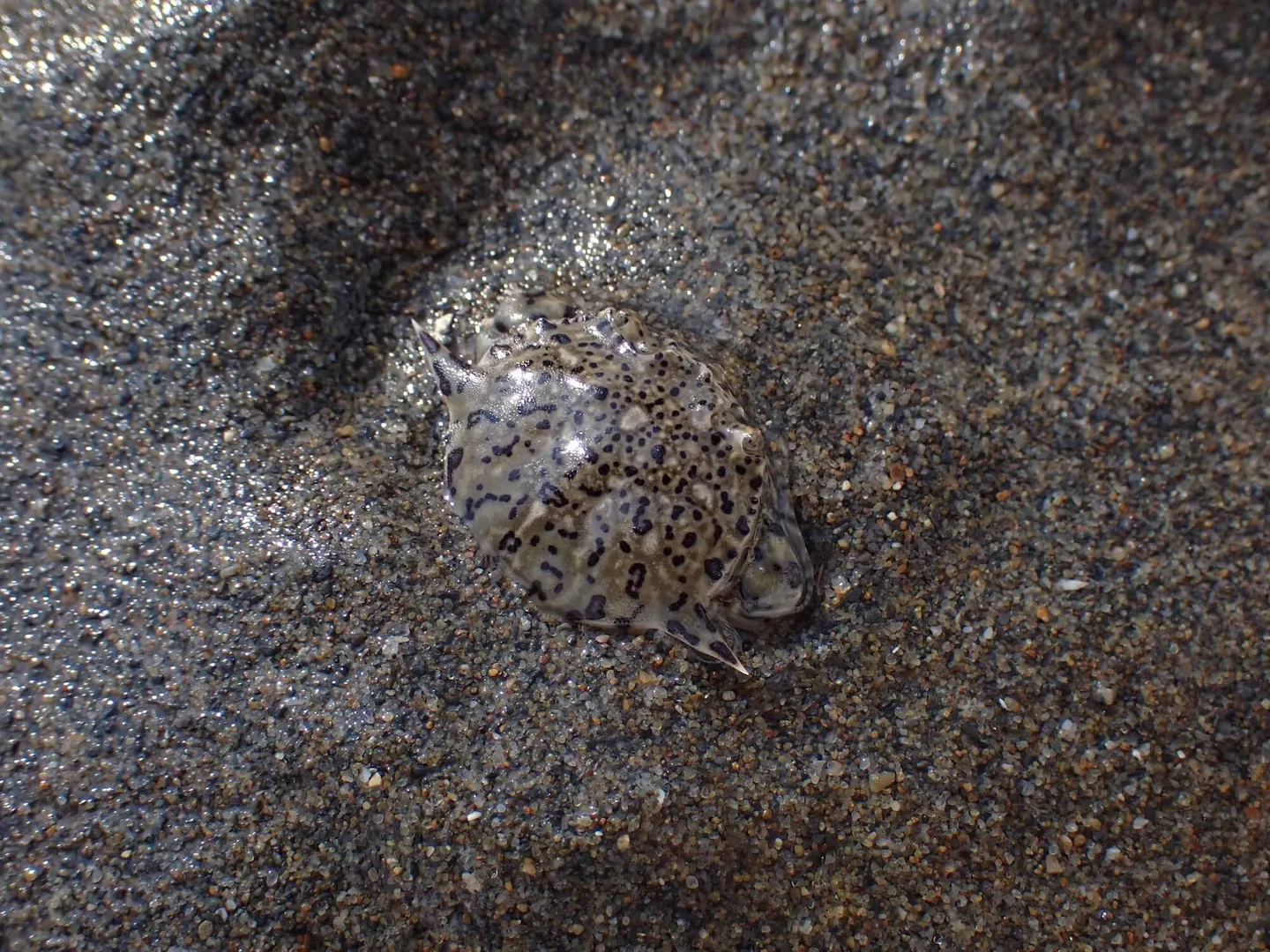
A seemingly barren sandy bottom turned out to be hiding a little charmer — the matuta victor (victory moon crab)
The Xinwu stone weir complex still retains its fishing function. If you choose the right tidal conditions and weather, you may have the chance to join the local stone weir association for a net-casting session and witness this centuries-old traditional fishing method brought back to life up close!
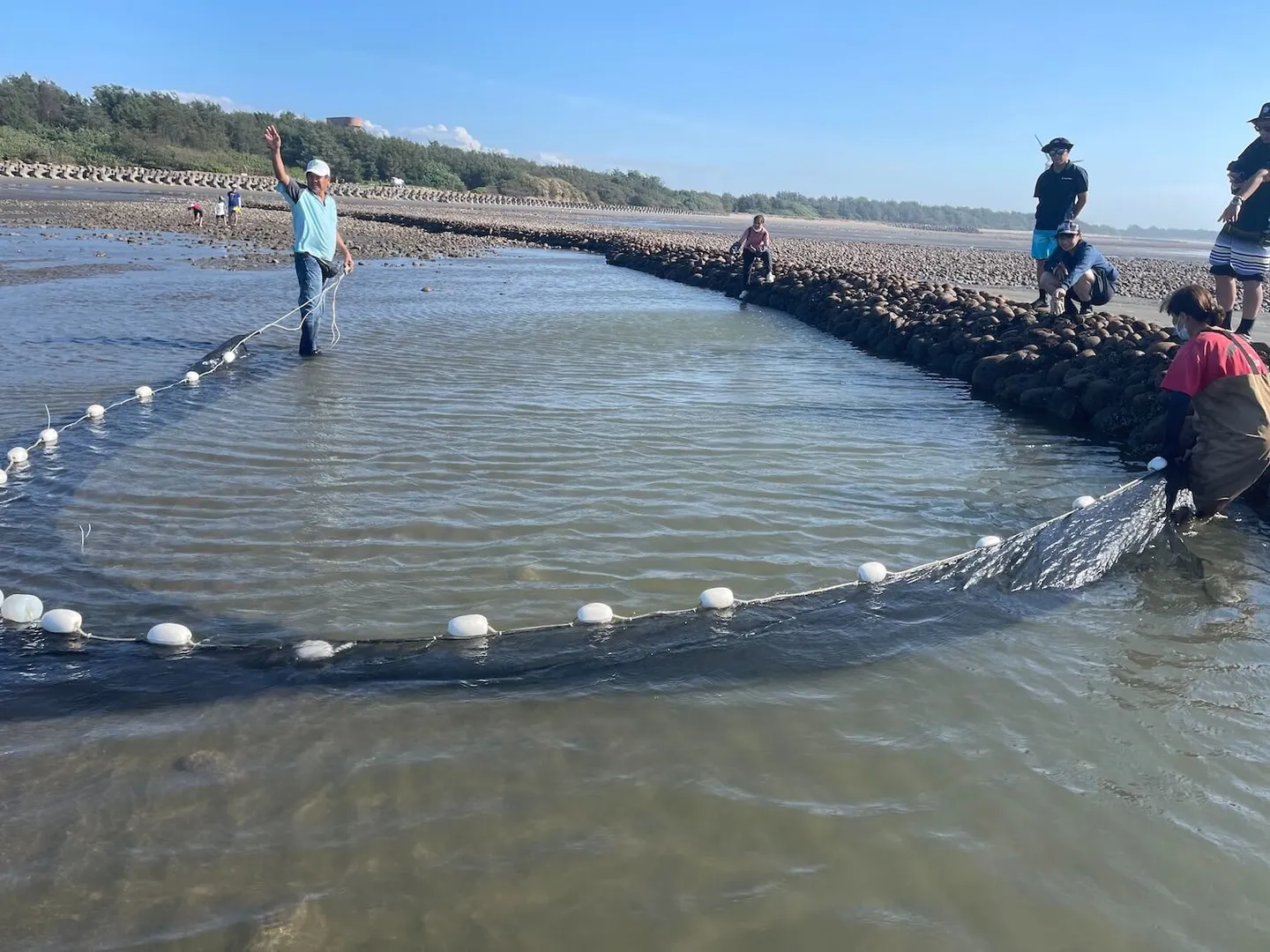
In addition to preserving the stone weirs, the local association also offers hands-on experience programs — highly recommended for a firsthand visit
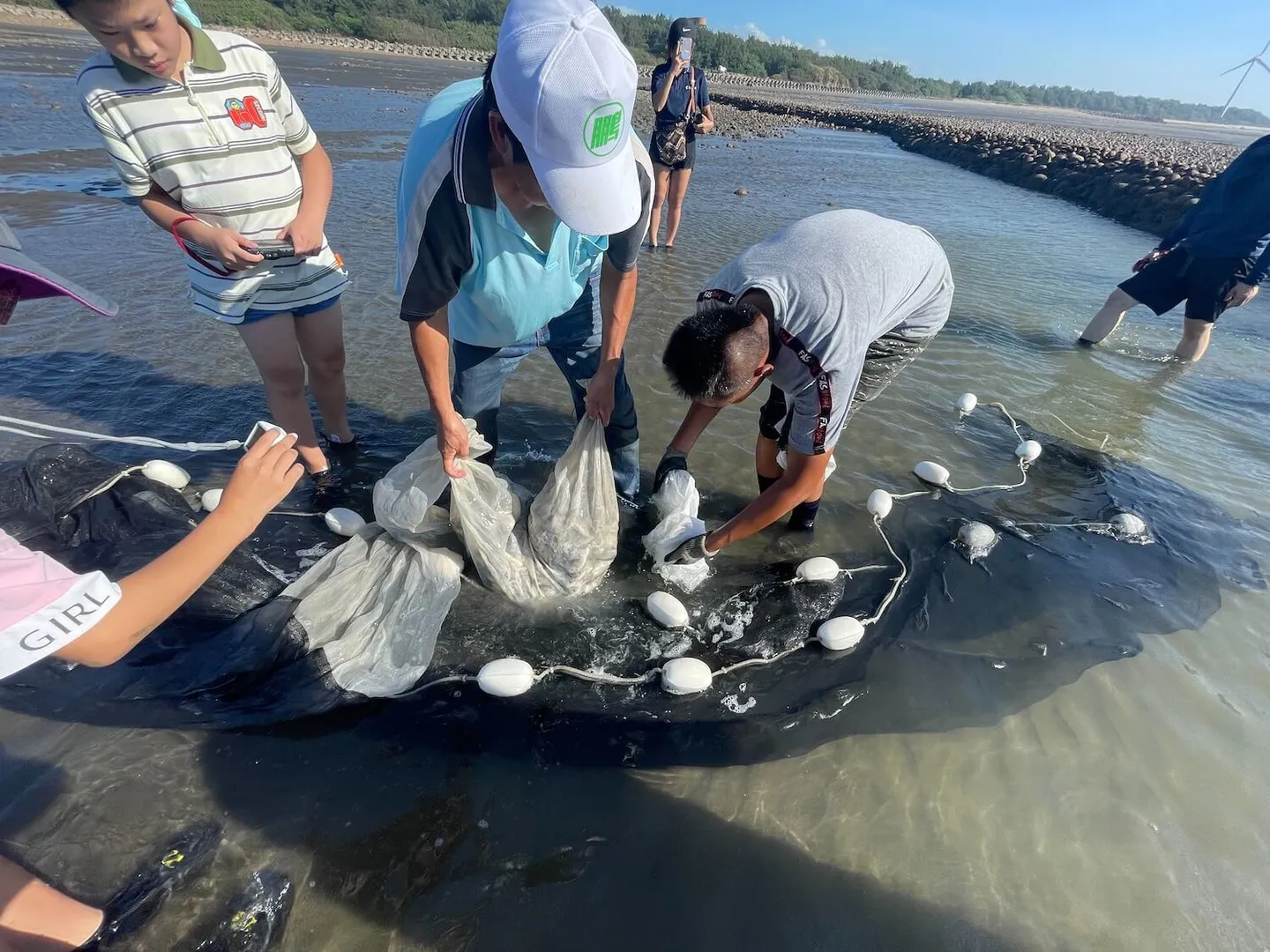
Who knew stone weirs could actually catch fish!


Fan Zai Ao National Wetland of Importance
For the precious bird migration staging ground of Fan Zai Ao National Wetland of Importance, BlueTrend invited Mr. Hsu Ching-yen of the Taoyuan Wild Bird Society to lead the public in exploring this coastal wetland — designated as an Important Bird Area by BirdLife International, yet overlooked by so many. Fan Zai Ao Wetland provides habitat for hundreds and thousands of waterbirds each year. During migratory bird transit seasons in particular, species such as the Kentish plover, little egret, Chinese egret, and little tern have all been recorded here, among both resident and migratory birds — with a total of 13 protected bird species documented.
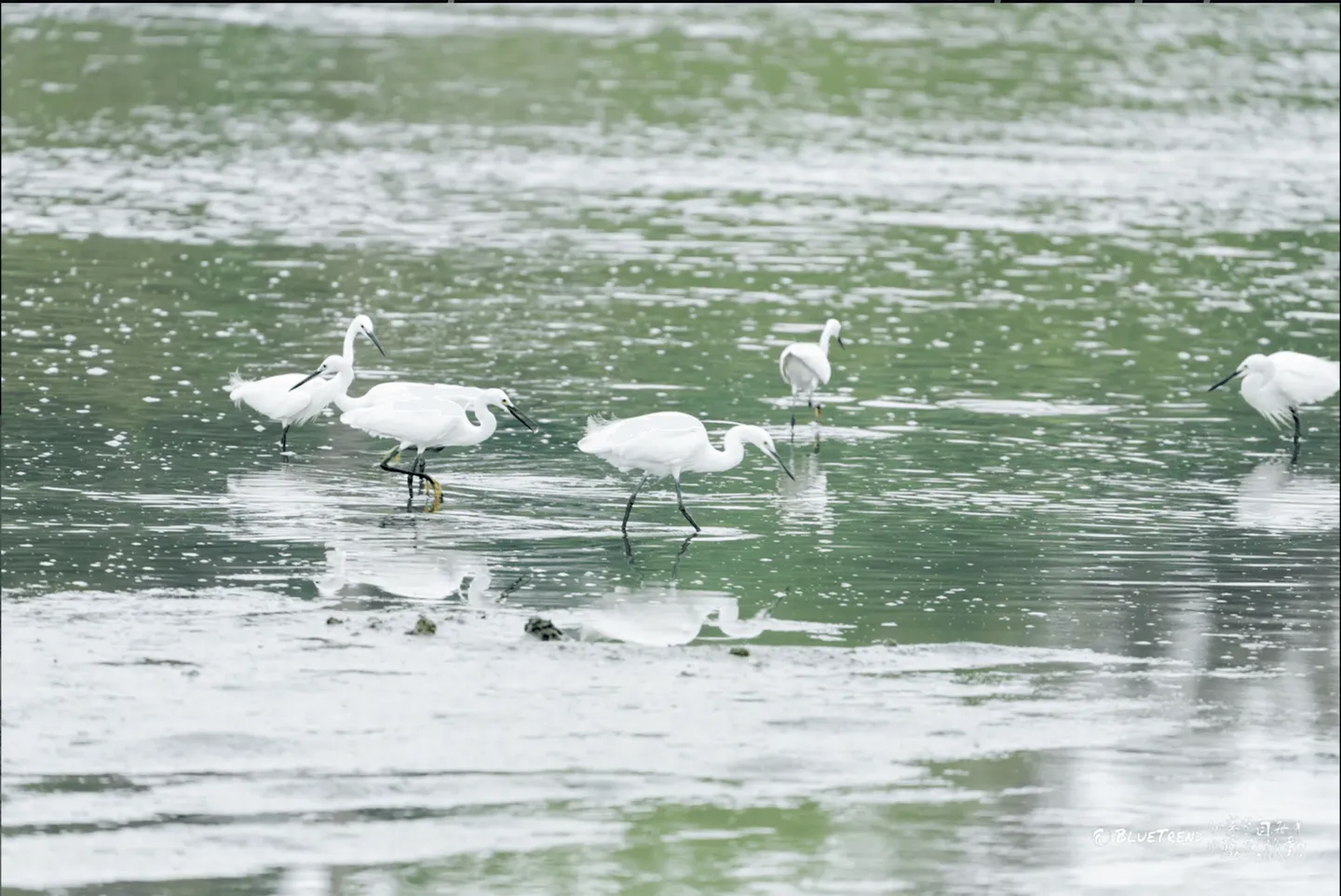
At Fan Zai Ao Wetland you can observe a wide variety of migratory and resident birds — a high-magnification telephoto lens and binoculars are essential!
During the workshop, participants get hands-on practice with DSLR cameras and high-magnification telephoto lenses, heading out with the instructor to photograph rare bird species in the wetland. On lucky visits, you might even catch a glimpse of special guests like the little tern or the black-faced spoonbill.
Hold on! When moving around Fan Zai Ao Wetland, be sure to watch your step too. If an adult Kentish plover is chirping loudly nearby or performing a broken-wing distraction display to draw your attention, there may well be a nest of freshly hatched Kentish plover chicks right at your feet, calling out and waiting to be fed.
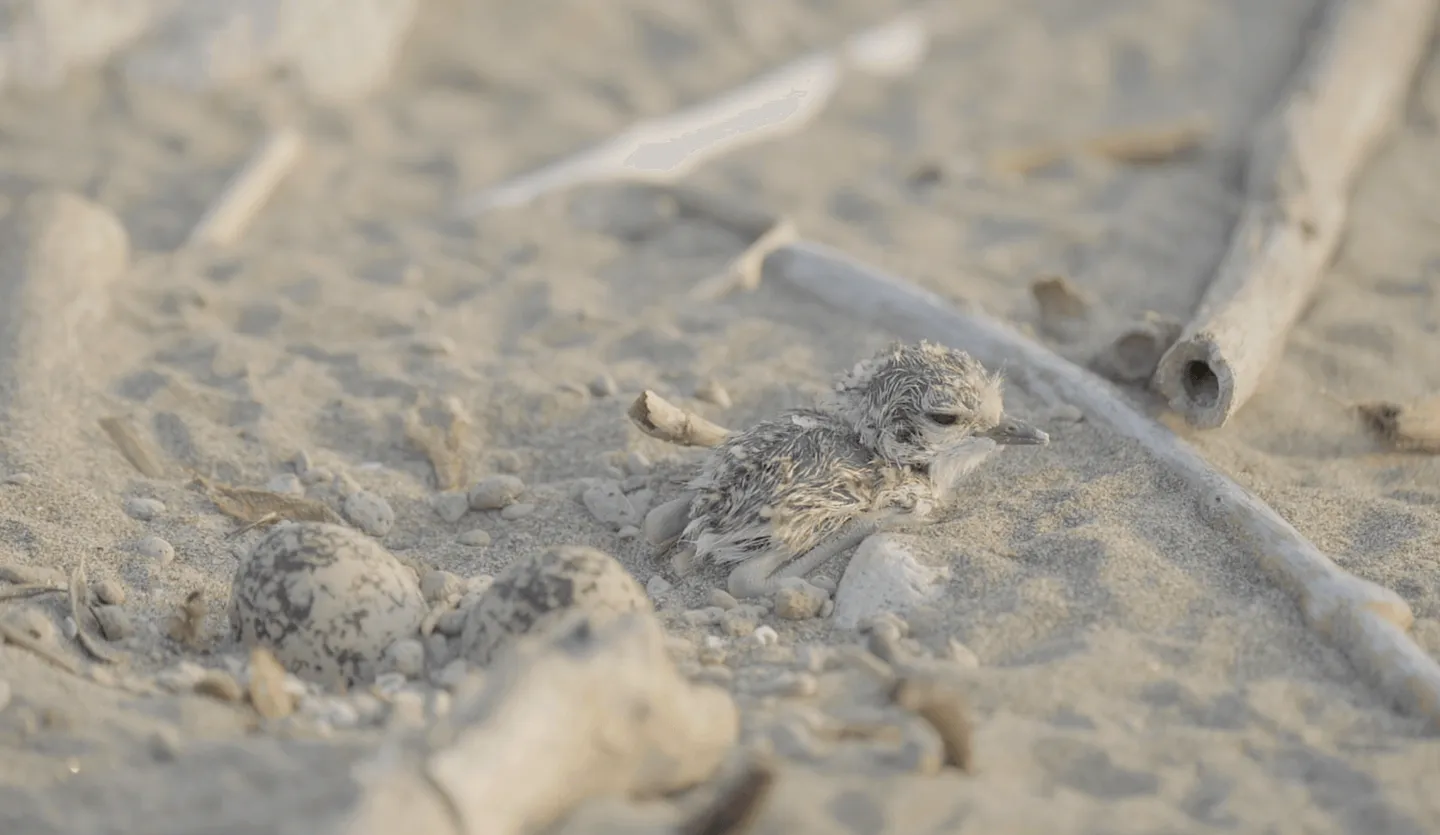
A newly hatched Kentish plover chick
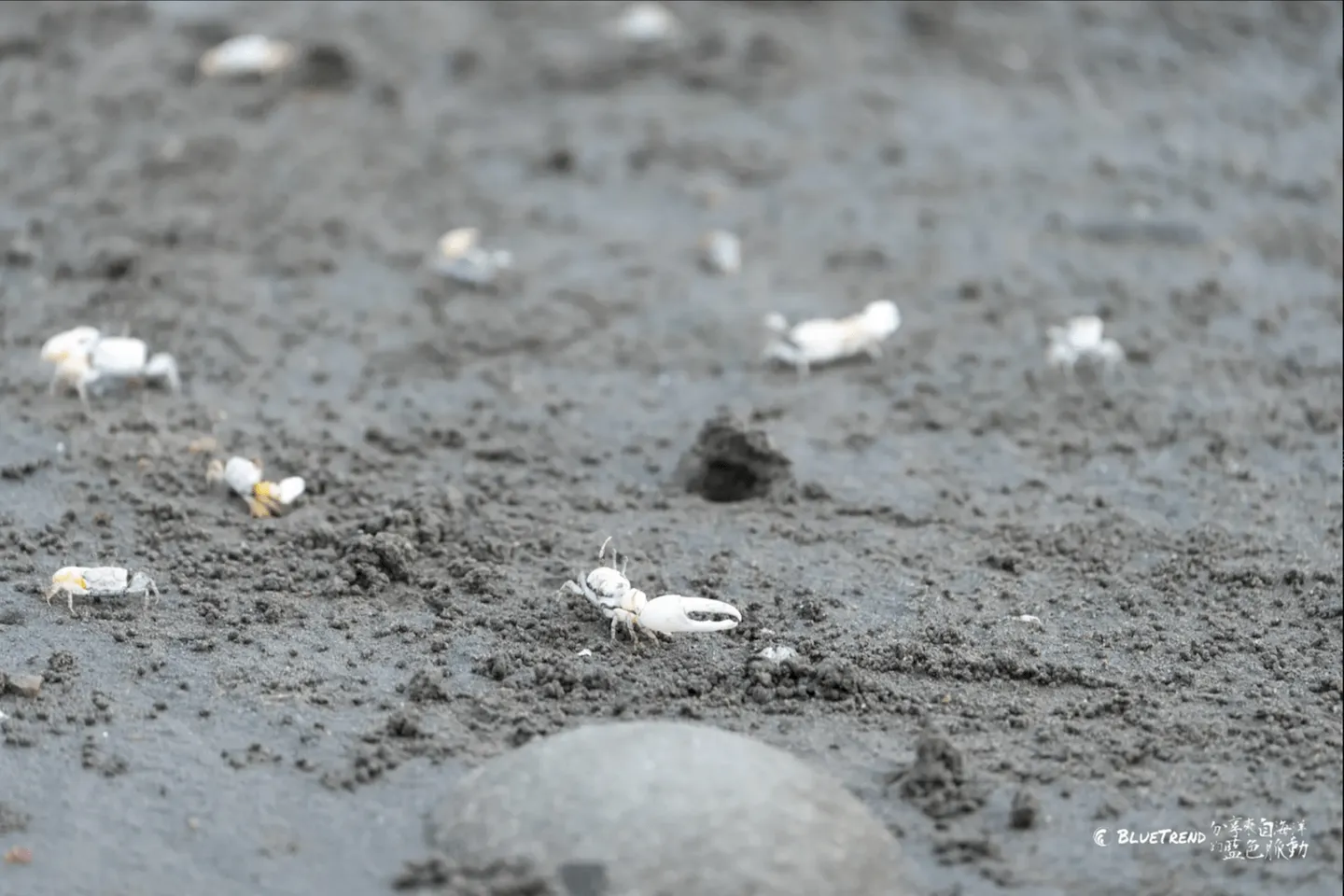
Austruca lactea (milky fiddler crab) can be seen all over the wetland, waving their great claws in a lively display
On the seaward side of Fan Zai Ao Wetland, a large and distinctive oyster reef stretches along the shoreline — often overlooked because of its dull coloring. Oyster reefs are commonly found along turbid coastlines; oysters survive by filtering impurities from the water. Because the gaps and structural complexity within an oyster reef are limited, and the tough shell makes it difficult for organisms to burrow in, the intertidal life around oyster reefs tends toward smaller creatures, such as gastropods, bivalves, and crabs.
On the sandy beach after the tide recedes, you may spot something small darting past at speed — that could be a ghost crab or a Scopimera sand-bubbler crab. The sand-bubbler crab, also known as the "sand artist," measures just 1 to 2 cm across. It scoops up balls of sand with both claws, filters out nutrients, and deposits the processed sand into neat little pseudo-fecal pellets around itself. Because they are extremely sensitive, the best way to observe them is to stand still at one spot — they will gradually "paint" their way right around you.
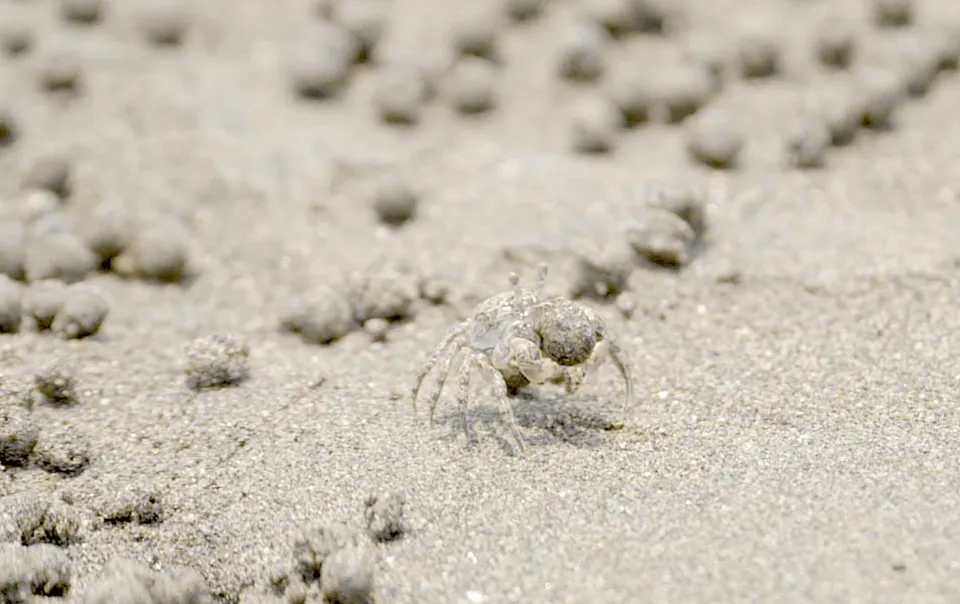
The Scopimera sand-bubbler crab — master sand artist — gets to work at every low tide
BlueTrend leads the public in documenting the coastal ecology of Taoyuan and provides core citizen scientist training. The workshop curriculum is organized around two main pillars: photography skills and species identification ability. Through a systematic, hands-on, field-practice-based teaching approach, nature and ecology enthusiasts can easily participate in the training program — with the goal of turning everyone into a citizen scientist.
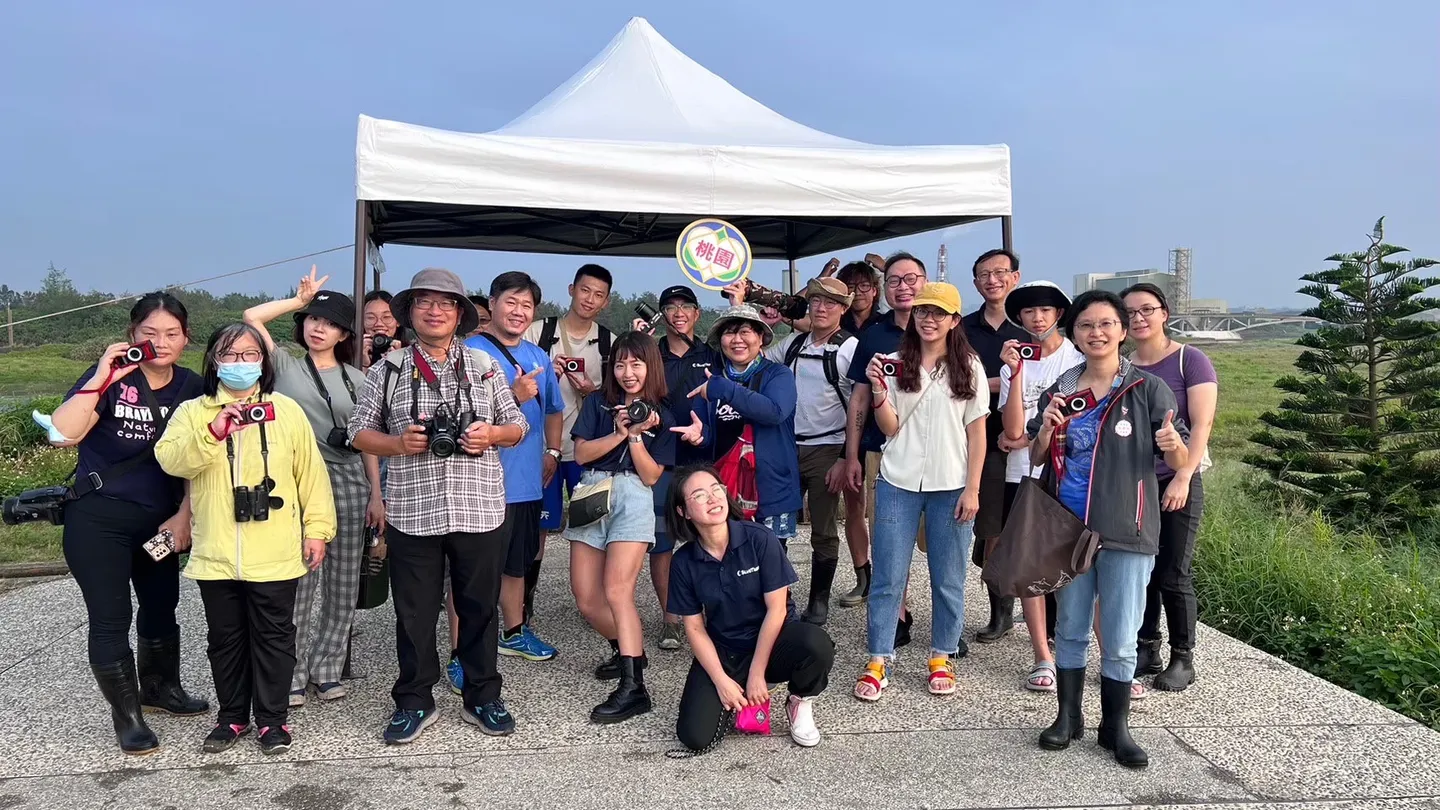
With dedication, anyone can become a citizen scientist
Further reading:

![[BlueTrend Mini Classroom] The Star Killer & Most Venomous Shrimp: The Devoted Harlequin Shrimp](/_astro/002_vivipic_2vdzYS.webp)