Contents(4)
the Editor: Without the aid of diving equipment, humans can only descend to a limited depth — but did you know that a group of creatures has spent tens of millions of years evolving to thrive in the deep sea? These are the beaked whales. These mysterious cetaceans occasionally appear in the waters off eastern Taiwan, and among them, Cuvier's beaked whale, thanks to its remarkable physiological adaptations, can dive to nearly 3,000 m below the surface. In recent years, however, deep-sea exploration and human activities have posed mounting threats to cetaceans. This article lifts the veil on the enigmatic beaked whale. Reprinted in full from the Kuroshio Ocean Education Foundation.
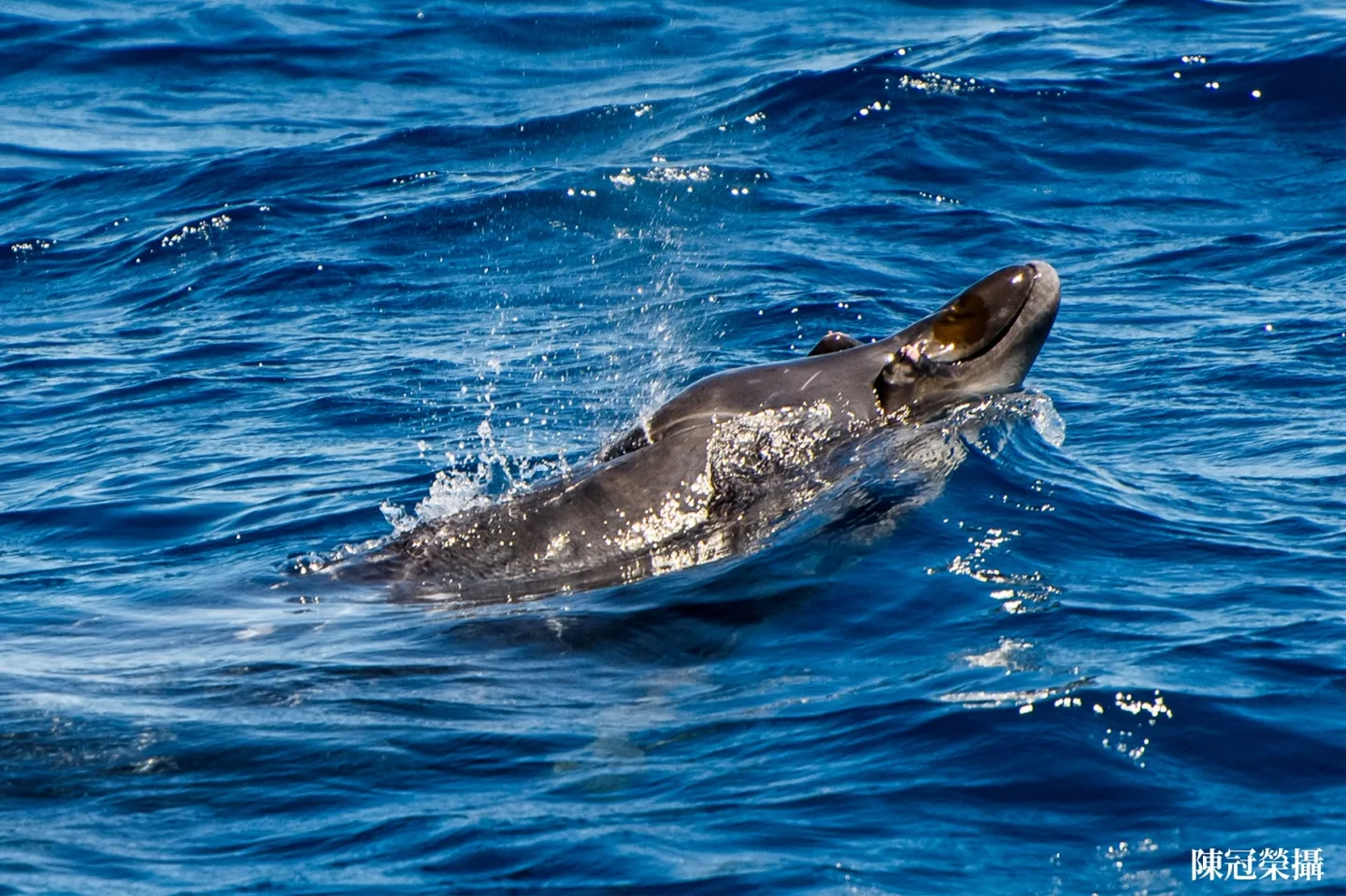
Figure 1. A chance encounter with a ginkgo-toothed beaked whale during the Marine Oasis habitat-use survey
The ocean has sometimes been described as Inner Space, for like outer space it is full of unknowns. For centuries the sea has kept countless secrets from humanity, and because the human body can only tolerate so much pressure, we can dive to little more than a hundred meters unaided. The ocean's vast expanse, ever-changing conditions, and lightless depths mean that even today's most advanced technology cannot fully reveal its ecology.

Figure 2. A styrofoam cup crushed by deep-sea pressure to the size of a shot glass (courtesy of M. Grady.)
Yet out in the open ocean there is a group of creatures that have spent tens of millions of years evolving to feel perfectly at home in the deep sea — the beaked whales (Family: Ziphiidae). Their elusive behaviour makes them notoriously difficult to study, but the dramatically varied seafloor topography off eastern Taiwan — a continental slope that plunges away like a slide — means that a whale-watching cruise of just an hour or two can bring you over waters thousands of meters deep, giving us a rare chance to catch a glimpse of these mysterious cetaceans.
The beaked whale takes its name from its prominent, beak-like snout. They have relatively small dorsal fins and slender bodies ranging from about 4 to 13 m in length, and they are known for being difficult to approach and for being extraordinary deep divers. According to current research records, Cuvier's beaked whale (Ziphius cavirostris) — a member of the beaked whale family — can dive to nearly 3,000 m and hold its breath for up to approximately 3 hours, making it the record holder for the deepest and longest dive of any species. Cetacean bodies function like oxygen reservoirs, storing large quantities of blood and myoglobin¹ — a key adaptation that allows them to remain active underwater for extended periods. During a dive they also slow their heart rate to reduce oxygen consumption, extending the time they can stay submerged.
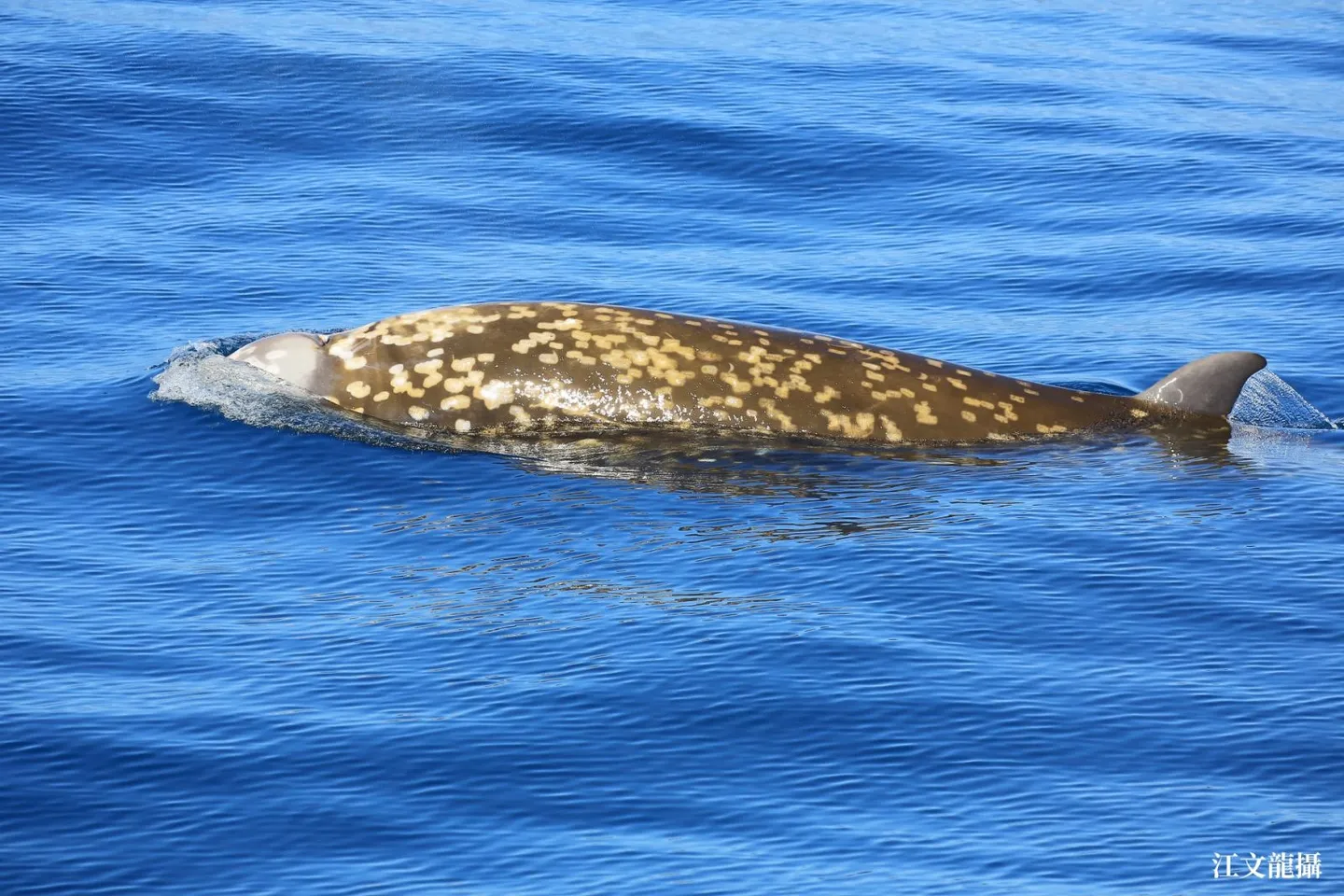
Figure 3. A rare visitor to the waters off Hualien — Cuvier's beaked whale
Which Species of Beaked Whale Have Been Recorded in Taiwan?
"Beaked whales — don't miss them, they'll be gone in a flash!" As camera resolution and burst-shooting speeds continue to improve, identifying beaked whale species through imagery has become increasingly precise. Based on past stranding and at-sea sighting records in Taiwan, the species documented to date include Cuvier's beaked whale, the ginkgo-toothed beaked whale (Mesoplodon ginkgodens), Blainville's beaked whale (Mesoplodon densirostris), and Longman's beaked whale (Indopacetus pacificus)². The Kuroshio Foundation's publicly available sighting database also contains records of the ginkgo-toothed beaked whale and Cuvier's beaked whale (Figure 3), with Cuvier's being by far the most frequently encountered; ginkgo-toothed beaked whales account for fewer than ten records over many years.
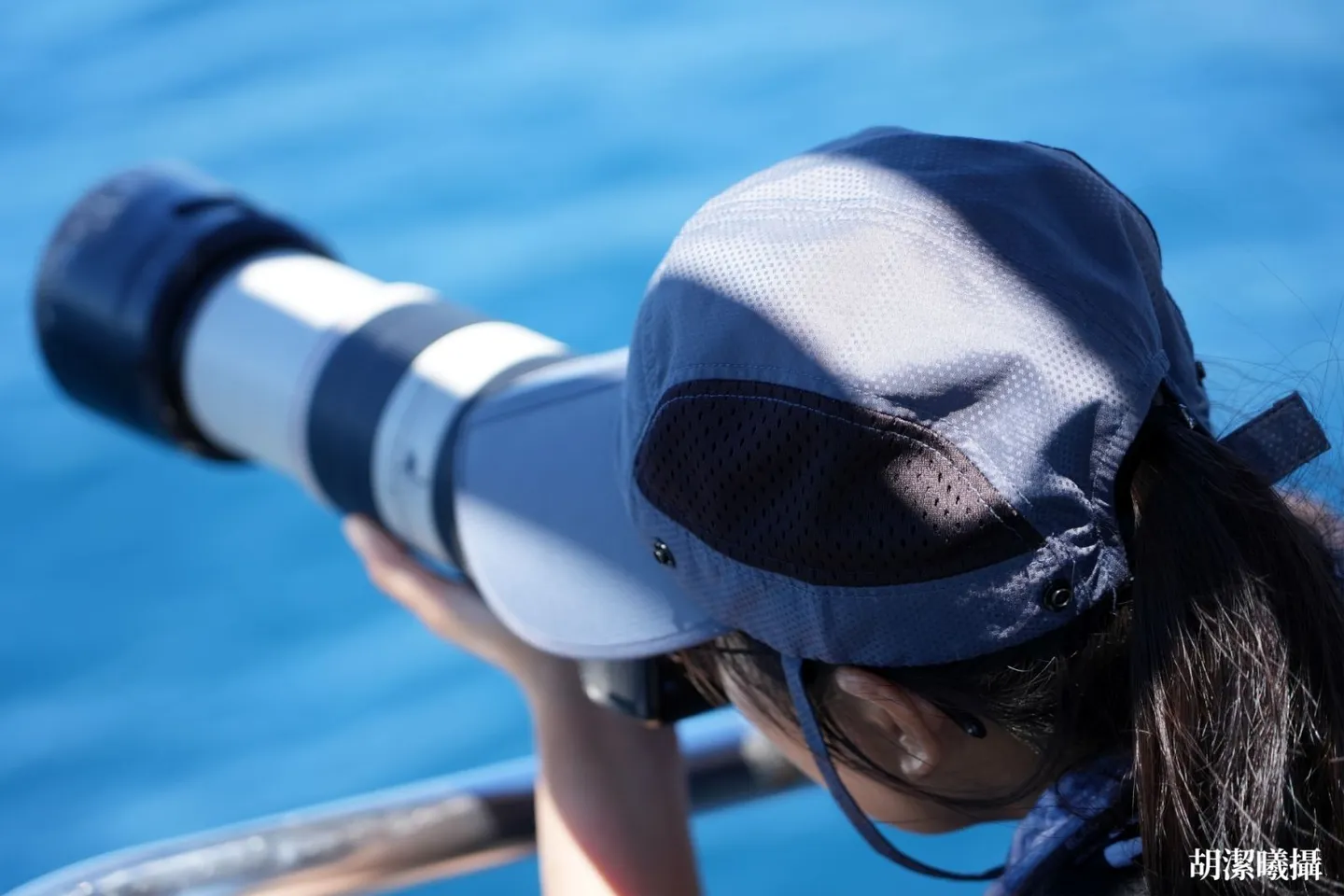
Figure 4. Upon encountering a beaked whale, observers must accurately judge the animal's position and direction of travel, and use a telephoto lens to capture key features of the head
Beaked whale sightings in the waters off Hualien are extremely rare — over more than 20 years of data collection, only around 80 records have been accumulated, representing less than 1% of all cetacean sightings, which illustrates just how difficult it is to observe them in the wild. Members of the family Ziphiidae are not only hard to approach; the time they spend at the surface is also extremely brief — typically just a few tens of seconds to a minute or two before they plunge back into the deep. During surveys, the moment a beaked whale is spotted the first priority is for the research team to grab their cameras and, wherever possible, focus on the head of adult males for multiple shots, as this yields the most diagnostic identifying features. Looking at the Kuroshio Foundation's cetacean sighting map (Figure 5), it is clear that beaked whales tend to appear in more offshore areas, primarily more than 5 km from shore — a distribution that may be linked to that of their main prey, cephalopods. Some records are logged simply as "family Ziphiidae" because there was insufficient photographic evidence to determine the species.
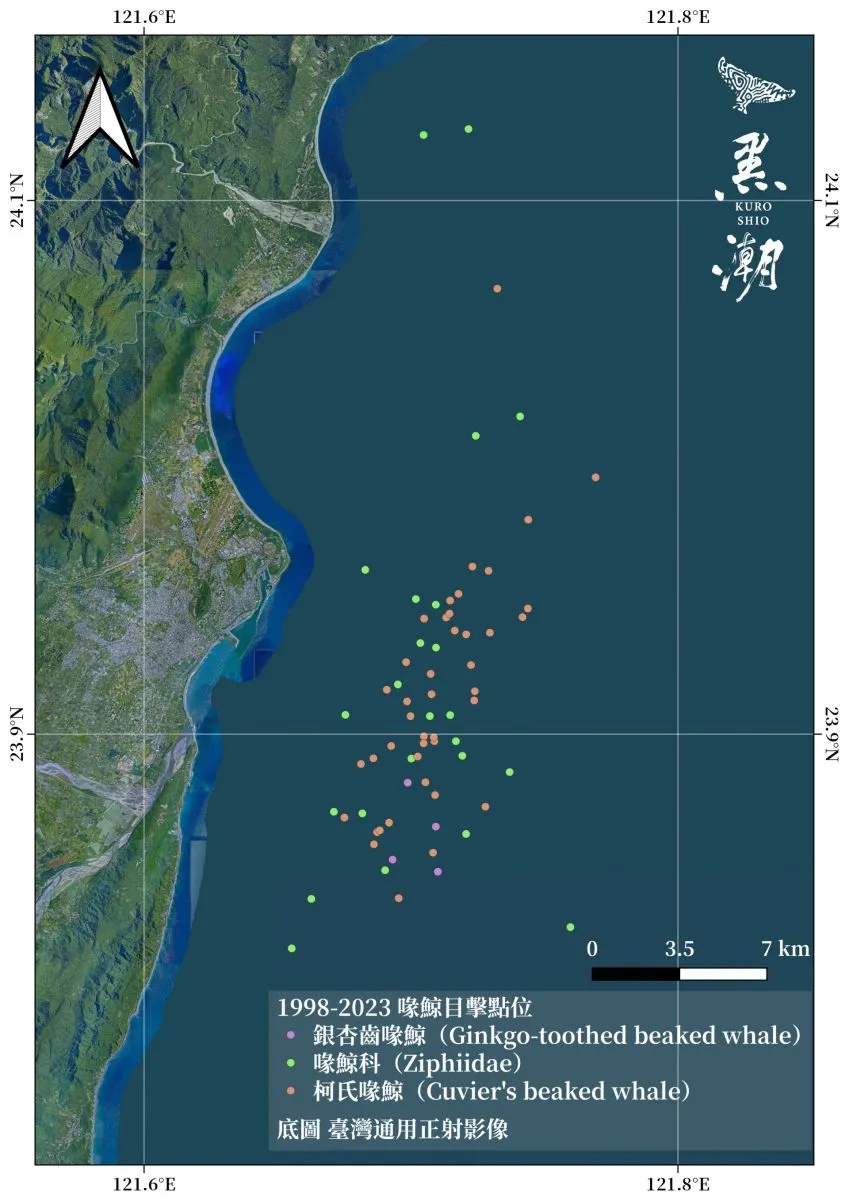
Figure 5. Beaked whale sighting locations off Hualien, 1998–2023


A Warning from the Deep — What Beaked Whales Tell Us
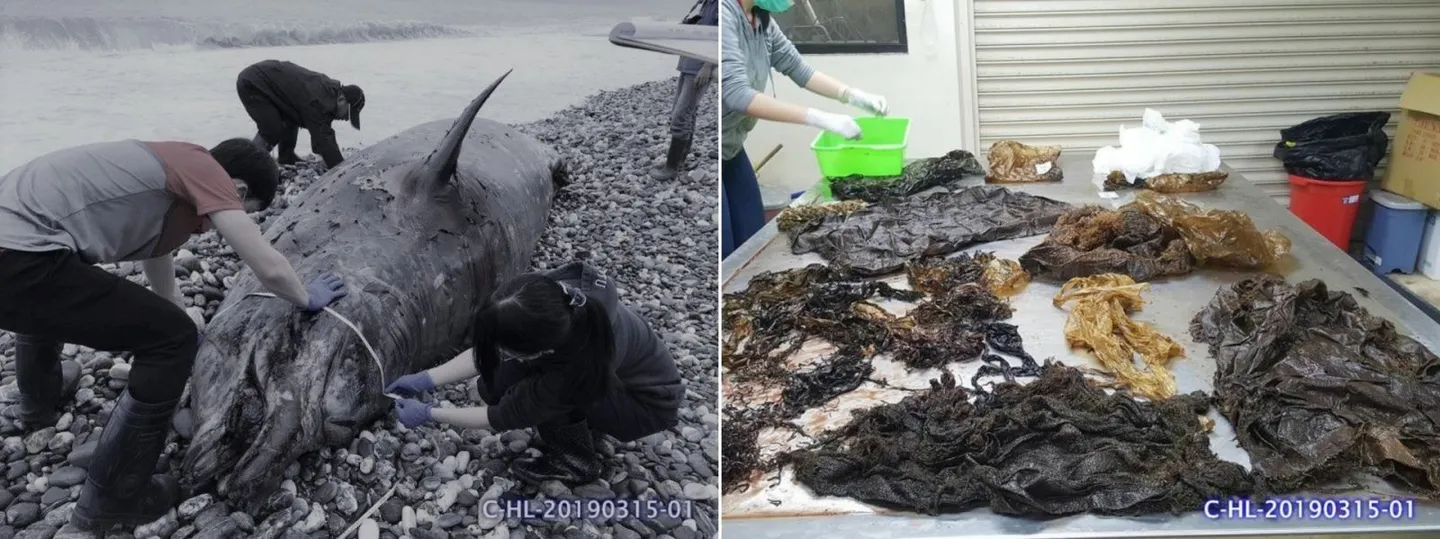
Figure 6. Large quantities of plastic products found in the stomach of a stranded Cuvier's beaked whale in 2019 (Photo credit: Ocean Conservation Administration)
On 16 March 2019, a dead pregnant Cuvier's beaked whale was discovered on a beach in Hualien. In addition to food remains, its stomach contained a large amount of human-generated waste, including burlap sacks and numerous plastic products. This stranding reminded us that, although the deep sea where beaked whales live day-to-day seems like a world apart from ours, single-use items, waste left behind by fishing activities, and even military operations can all affect these animals to a significant degree. For example, the unusual mass stranding event involving beaked whales and other deep-sea species across Taiwan in 2005 may also have been linked to noise from naval exercises in nearby waters.
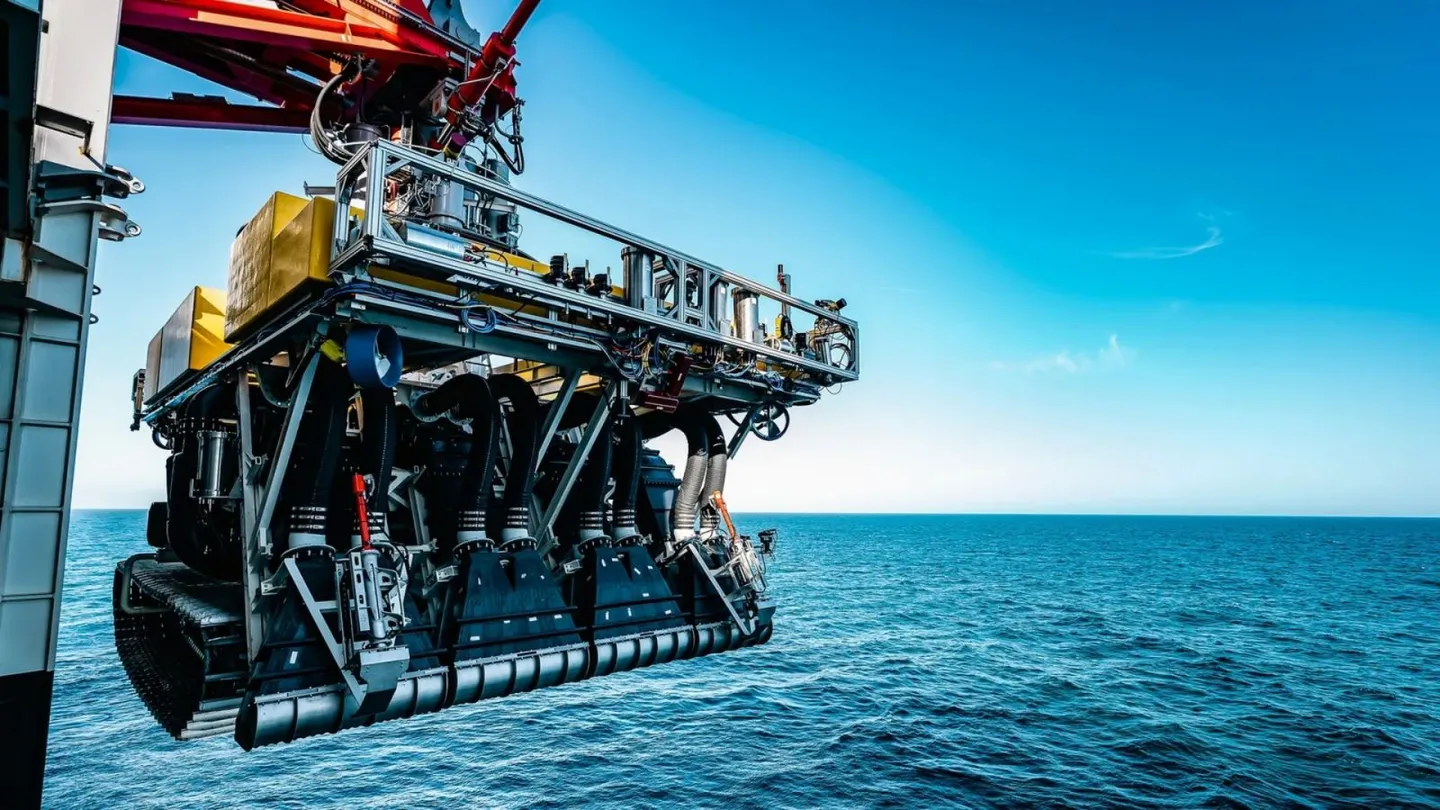
Figure 7. Deep-sea exploration equipment (The Metals Company)
Deep-sea mining is another major concern. China is a key exporter of rare-earth elements³, and Japan — long dependent on Chinese rare earths — has in recent years been investing heavily in deep-sea exploration in order to boost its own production, identifying several areas with extraction potential as it prepares for future hybrid and electric vehicle manufacturing. Basic ecological data on deep-sea species remains severely lacking, and the powerful sonar used in exploration surveys along with drilling and excavation equipment could pose unknown anthropogenic threats. As deep-sea exploration expands, these risks may worsen further. It is for this reason that, in the second phase of the Marine Oasis project, we hope to leverage Hualien's environmental and geographic advantages to actively collect baseline data that can serve as a reference for establishing future marine protected areas (MPAs) and implementing conservation measures. We encourage anyone reading this to follow the Marine Oasis deep-sea species survey project and stay informed on related developments. If you have any beaked whale sighting records, please feel free to contact us at kuroshio@koef.org.
References
- Mead, J. G. (2009). Beaked Whales, overview. In Elsevier eBooks (pp. 94–97). https://doi.org/10.1016/b978-0-12-373553-9.00027-4
- Yang, W., Ls, C., Jepson, P., Brownell, R., Cowan, D. F., Ph, C., Hi, C., Cj, Y., Tk, Y., Jt, C., Pj, W., & Fernández, A. (2008). Unusual cetacean mortality event in Taiwan, possibly linked to naval activities. Veterinary Record, 162(6), 184–185. https://doi.org/10.1136/vr.162.6.184
- Cuvier's Beaked Whale | NOAA Fisheries
- How dolphins avoid "the bends"
- Japan to begin extracting rare earth metals from seabed in 2024 - Nikkei Asia
- Three cetacean strandings in a single month: inside the beaked whale mother's body — alongside her calf — were countless plastic bags
- Full article reprinted from: A Glimpse of the Mysterious Visitor from Inner Space — The Beaked Whale
Further Reading