

![[BlueTrend Classroom] Under the Rocks | Marine Habitat & Creature Micro-observation Teaching Materials Part 3 ft. Ocean Conservation Administration, Keelung City Government](/_images/d65c681e5995-1440w.webp)


(Don't forget to turn on the subtitle function!)
In the ever-changing and peril-filled ocean, all kinds of small creatures love to hide in the shadows beneath rocks in search of shelter and to escape predators. As a result, rock surfaces that appear lifeless at first glance are often home to a bustling little world underneath. When we flip over a rock, the shaded underside frequently reveals many creatures hiding within. However, please remember to gently return the rock to its original position after observing — don't disturb the peaceful lives of these little animals! Let's explore the marine habitat and creature micro-observation teaching materials found beneath the rocks!
0:28 Environment Introduction
01:43 Petrolisthes hastatus (Spear Rock Porcelain Crab)
03:00 Thin Chiton
03:12 Necklace Bloodworm Bryozoan
04:00 Spirorbis sp.
04:23 Kawachiella nudibranch
04:39 Micro-creature Observation Tip 1
04:59 Eggs of the Kawachiella nudibranch
05:40 Micro-creature Observation Tip 2
What Are the Marine Habitat & Creature Micro-observation Teaching Materials
BlueTrend Marine Habitat & Creature Micro-observation Teaching Materials
Co-produced with the Ocean Affairs Council's Ocean Conservation Administration and the Keelung City Government
With the goal of helping everyone rediscover the ocean and its creatures in a more relaxed and accessible way
Content includes
- Introduction to the Wanghaixiang Chaojing Bay Environment
- Ocean Citizen Scientists
- Sea Lettuce
- Tide Pool
- Under the Rocks
- Crustose Coralline Algae
- Soft Coral
- Tree Hydroid
- Crowned Sea Urchin
- Sandy Bottom
Petrolisthes hastatus (Spear Rock Porcelain Crab)
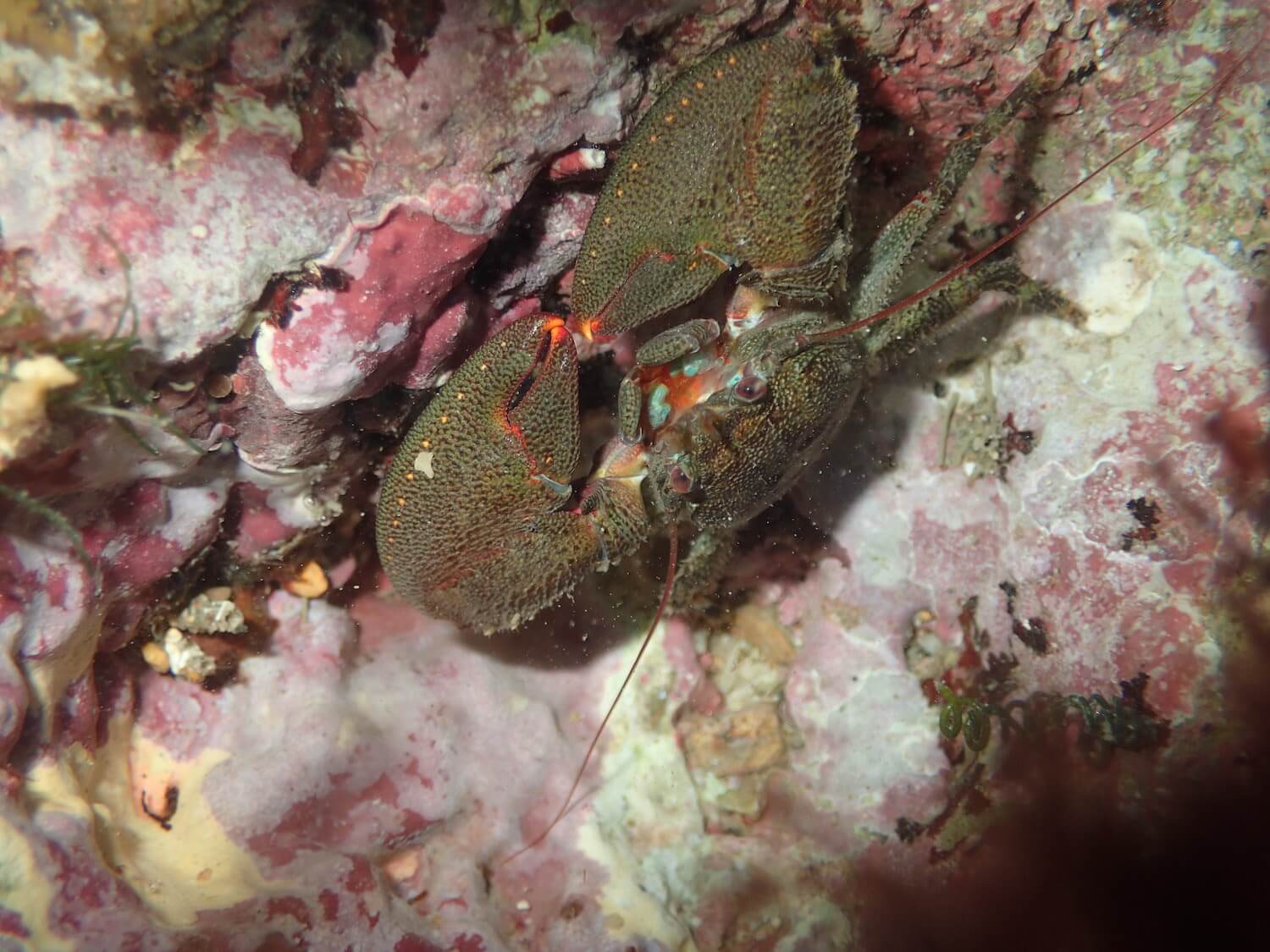
Petrolisthes hastatus (Spear Rock Porcelain Crab) | Photo Credit Wox
Thin Chiton
Thin Chiton | Photo Credit Wox
Necklace Bloodworm Bryozoan
Necklace Bloodworm Bryozoan | Photo Credit Wox
Kawachiella Nudibranch
Kawachiella nudibranch | Photo Credit Wox
Further reading:

![[Blu's Little Classroom] Tide Pools | Marine Habitat & Life Micro-Education Series Part 2 ft. Ocean Conservation Administration, Keelung City Government](/_astro/%E6%BD%AE%E6%B1%A0%E7%AF%87_20dBwG.webp)
![[BlueTrend Mini Classroom] Sea Lettuce Edition|Marine Habitat & Life Micro-Education Series Part 1 ft. Ocean Conservation Administration, Keelung City Government](/_astro/%E7%9F%B3%E8%93%B4%E7%AF%87%E5%B0%81%E9%9D%A2_1ALbXT.webp)
![[Blu's Classroom] Crustose Coralline Algae | Marine Habitat & Species Micro-Documentary Part 4 ft. Ocean Conservation Administration & Keelung City Government](/_astro/%E6%AE%BC%E7%8B%80%E7%8F%8A%E7%91%9A%E8%97%BB_1dudcX.webp)